Camp

Mashatu Tent Camp

Eight tents in the north of Botswana’s Tuli Block, beside a floodlit waterhole that draws wildlife after dark.

Country: Botswana
Location: Tuli Block
Number of rooms: 8

Eight tents on a floodlit waterhole

After dark the waterhole at Mashatu Tent Camp is floodlit, and it holds the eye. Game comes down to drink, and after dark the calls of hyenas carry across the water. Dinner is served in the boma in sight of the water, so the evening’s best sighting can arrive between courses. There are eight tents for 16 guests, in the northern part of Mashatu Game Reserve, close to the Tuli Circle border with Zimbabwe.

Game comes down to drink, and after dark the calls of hyenas carry across the water.

Breakfast and brunch are taken under an open-sided thatched gazebo, looking over the same water as the boma and the camp’s shaded hide. Meals are shared, and the talk at the table tends to turn on whatever came down to drink. The hide suits anyone happier waiting with a camera. When the afternoon heat builds between drives, a small plunge pool takes the edge off.

Mashatu Tent Camp, Tuli Block, Botswana
Three cyclists riding mountain bikes on sandy ground with elephants in bush behind, Mashatu Tent Camp, Tuli Block, Botswana

Mashatu’s 42,000 hectares lie at the meeting of the Limpopo and Shashe rivers, where Botswana, South Africa and Zimbabwe touch. The reserve falls within the Greater Mapungubwe Transfrontier Conservation Area. Large elephant herds work the riverbeds and open plains. Between the rivers, one drive passes sandstone ridges and baobabs, mopane woodland and rocky hills, before reaching riverine forest.

Large elephant herds work the riverbeds and open plains.

Lion, leopard and cheetah share this ground with spotted hyena, and wild dogs pass through now and then. After dark the spotlight picks out a smaller, stranger cast: aardvark and aardwolf, honey badger and springhare. More than 350 bird species have been recorded across the reserve, among them Pel’s fishing owl, martial eagle and kori bustard.

Mashatu Tent Camp, Tuli Block, Botswana 01

accommodation

Eight Canvas Tents Along Winding Paths

Eight walk-in canvas tents for 16 guests are set under large trees along winding paths. Each is raised on a platform, with a furnished verandah facing the bush. At the back, a plumbed en-suite has an open-air shower and a thatch-covered toilet. The tents are cooled by fans, and Wi-Fi is limited to the main area.

Mashatu Tent Camp, Tuli Block, Botswana 02

activities

Two Daily Guided Outings Plus Night Drives

Two guided outings a day are included, either two drives or a walk and a drive. Beyond those: after-dinner night drives, cycling safaris, sessions in the Matebole hide, the Night under the Stars sleep-out and village visits. Night drives and walking are permitted because Mashatu is a private reserve.

Three bat-eared foxes resting in grass with yellow flowers, Mashatu Tent Camp, Tuli Block, Botswana 03

conservation

Tuli Conservation Trust and Community Work

The Tuli Conservation Trust, which Mashatu supports, exists to protect the reserve's wildlife and the communities beside it. It works with neighbouring villages on education and on reducing conflict between people and wildlife. A daily conservation levy, built into each stay, funds conservation and community work, including the Mashatu Health Care Fund.

ready to get started?

Get in touch and let’s start the conversation. An initial consultation helps us understand what you’re looking for, whether that’s specific experiences, luxury touches, or marking a special occasion, and from there we’ll guide you through what’s possible so you can decide if we’re the right fit.

alternative accommodation in tuli block

Mashatu Lodge, Tuli Block, Botswana 01

Mashatu Lodge

Tuli Block

frequently asked questions

Most guests fly. Limpopo Valley Airfield is an international airfield inside Mashatu Game Reserve, so you clear Botswana customs on landing instead of stopping at another airport first. Flights leave Lanseria, Johannesburg's smaller airport, in the morning and land in the afternoon, and the drive from the airfield to the camp takes about an hour through the reserve, so the transfer is the first game drive.

For your own timings, or to come straight on from another safari area in southern Africa, we can arrange a private charter into the same airfield. By road it is about six and a half hours from Johannesburg to the Pont Drift border post on the Limpopo. The river is usually crossed by vehicle, and by cable car when it is in flood.

Yes. TravelHealthPro, the UK's official travel health service, rates the northern half of Botswana as high risk for malaria from October to May and recommends antimalarial tablets for those months, with a low risk from June to September; its map draws the Tuli Block, on the eastern border, inside that northern zone. The CDC lists Bobirwa, the sub-district around the Tuli Block, among the areas where it recommends preventive medicine.

Low risk is not no risk, even in the dry winter months. We are travel planners, not doctors, so we do not make medical recommendations: whether to take tablets, and which, is for you to settle with your doctor or a travel clinic. Long sleeves and repellent from late afternoon make sense in every month.

From the age of 12. The camp takes no children under 12, and each tent sleeps two, so a family of four needs two tents. The tents have open-air bathrooms and fans rather than air-conditioning, and there is a plunge pool for the hot afternoons, so it suits older children who like the feel of a proper bush camp.

For a family with younger children we would look at Mashatu Lodge, about five kilometres away on the same reserve, which takes all ages and has suites for families, two pools and a children's programme with babysitting.

Walking is part of the standard day. Each night of the stay includes two guided outings, either a drive and a walk or two drives, and you never walk alone: a guide leads every walk. Between outings the camp's shaded hide looks over its floodlit waterhole, a quiet place to sit while game comes in to drink. Other outings can be added:

  • cycling safaris with a guide along the old elephant paths
  • after-dinner night drives
  • sessions in the Matebole hide, sunk into the ground so the camera sits at a waterhole's edge
  • a night sleeping out in a tent under the stars
  • visits to a village beside the reserve

May to October, the dry winter. Pans and river pools dry out, so elephants and other game gather at the remaining water, the camp's own waterhole among it, and the thinner bush makes lion, leopard and cheetah easier to track. June and July bring cold nights, around eight or nine degrees at dawn, while October is the hottest month, close to 40 degrees by day.

November to March is the green season: afternoon storms, newborn impala, zebra and wildebeest, migrant birds back in numbers, and in January elephant herds of up to 200 together. It is hot and the bush is thick, but the greenery, the birds and the young animals make it a fine time for photographers and birders. This matches our best time page for Botswana.

All meals, snacks, tea, coffee and drinks, laundry, and two guided outings for each night: a game drive and a walk, or two drives. The hide, the plunge pool and wifi in the shared areas come with the tent. Road transfers between the camp and Limpopo Valley Airfield, the Pont Drift border post or Mathathane village are included, as is the cable car over the Limpopo in flood.

Each night also carries the reserve's daily conservation levy, which supports conservation, the neighbouring communities and the Mashatu Health Care Fund. Cycling, night drives, hide sessions, the sleep-out and spa treatments at Mashatu Lodge cost extra.

rated five stars by our clients

other areas in botswana

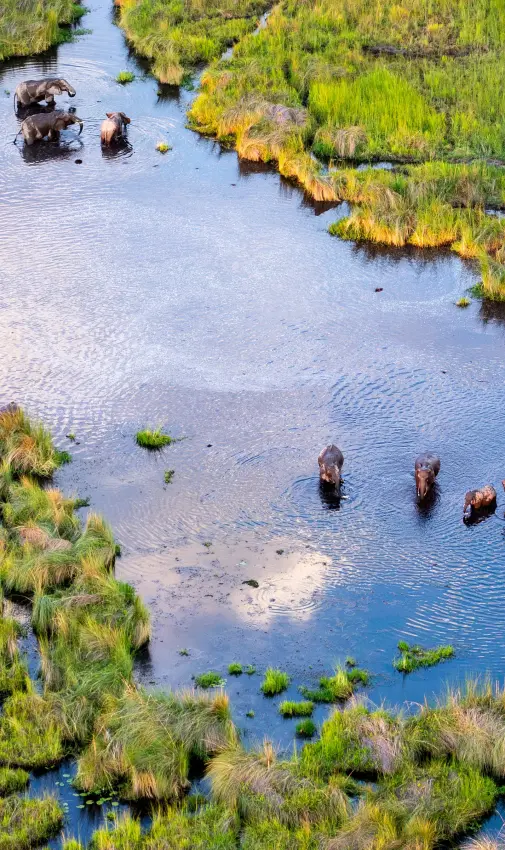
Aerial view of elephants wading in shallow water surrounded by vegetation 01

The Okavango Delta

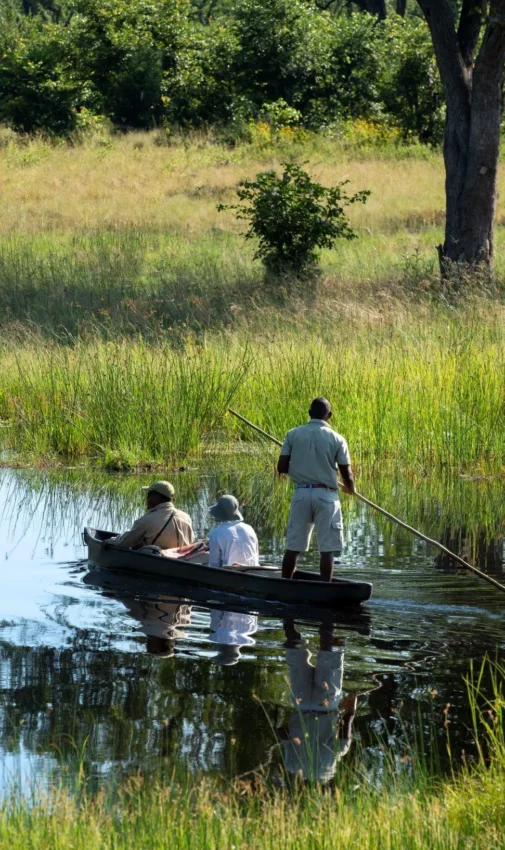
Guests poling traditional boat through wetland waterway, Linyanti Wildlife Reserve, Botswana 02

Linyanti Wildlife Reserve

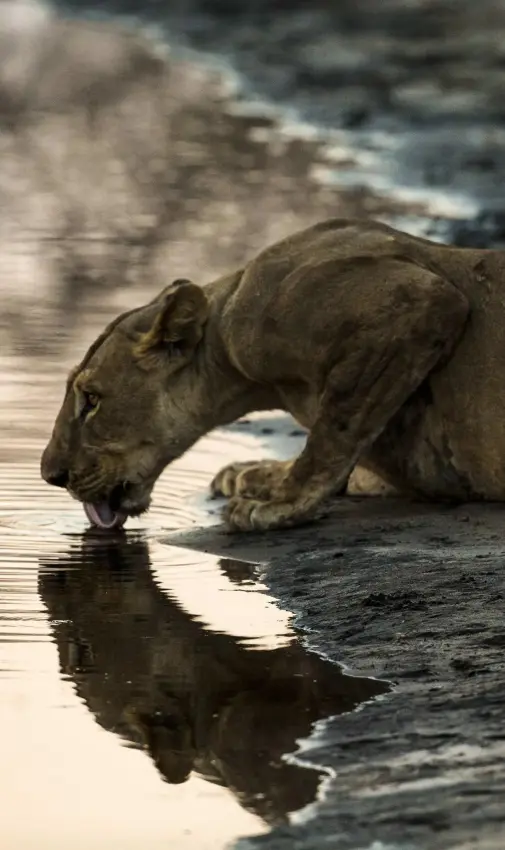
Lion drinking from water's edge at sunset, Selinda Reserve, Botswana 03

Selinda Reserve

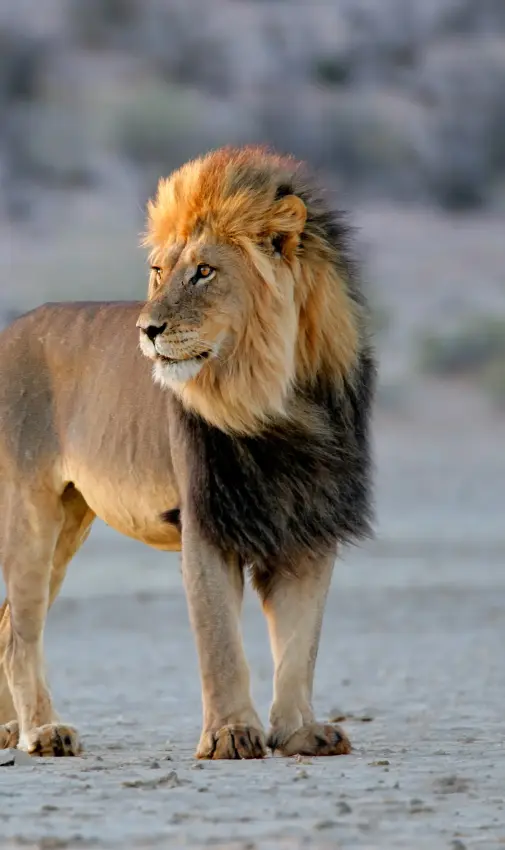
Male lion standing on sandy ground in natural habitat 04

Central Kalahari

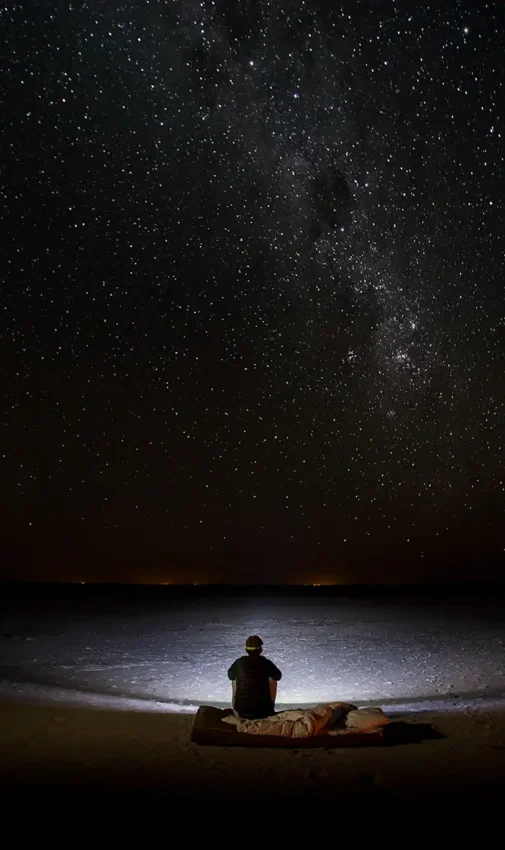
Person sitting alone under starry night sky, Makgadikgadi Pans, Botswana 05

Makgadikgadi Pans

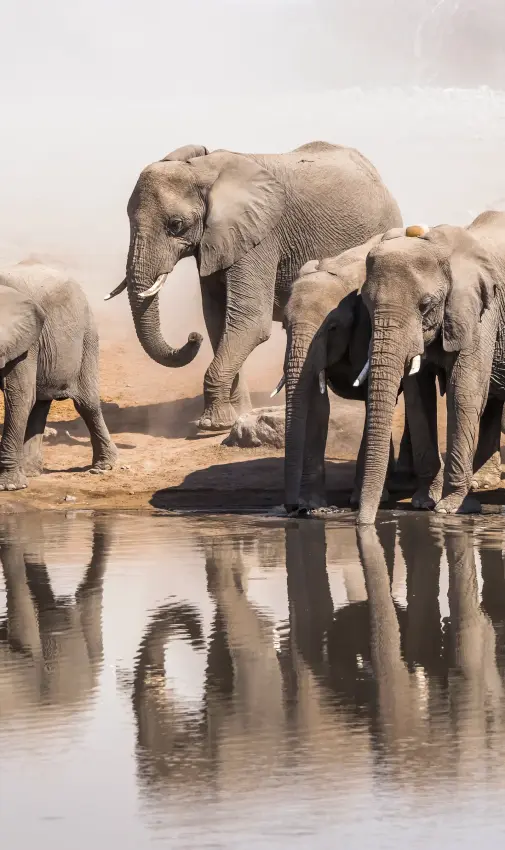
Herd of elephants drinking at waterhole with reflections 06

Chobe

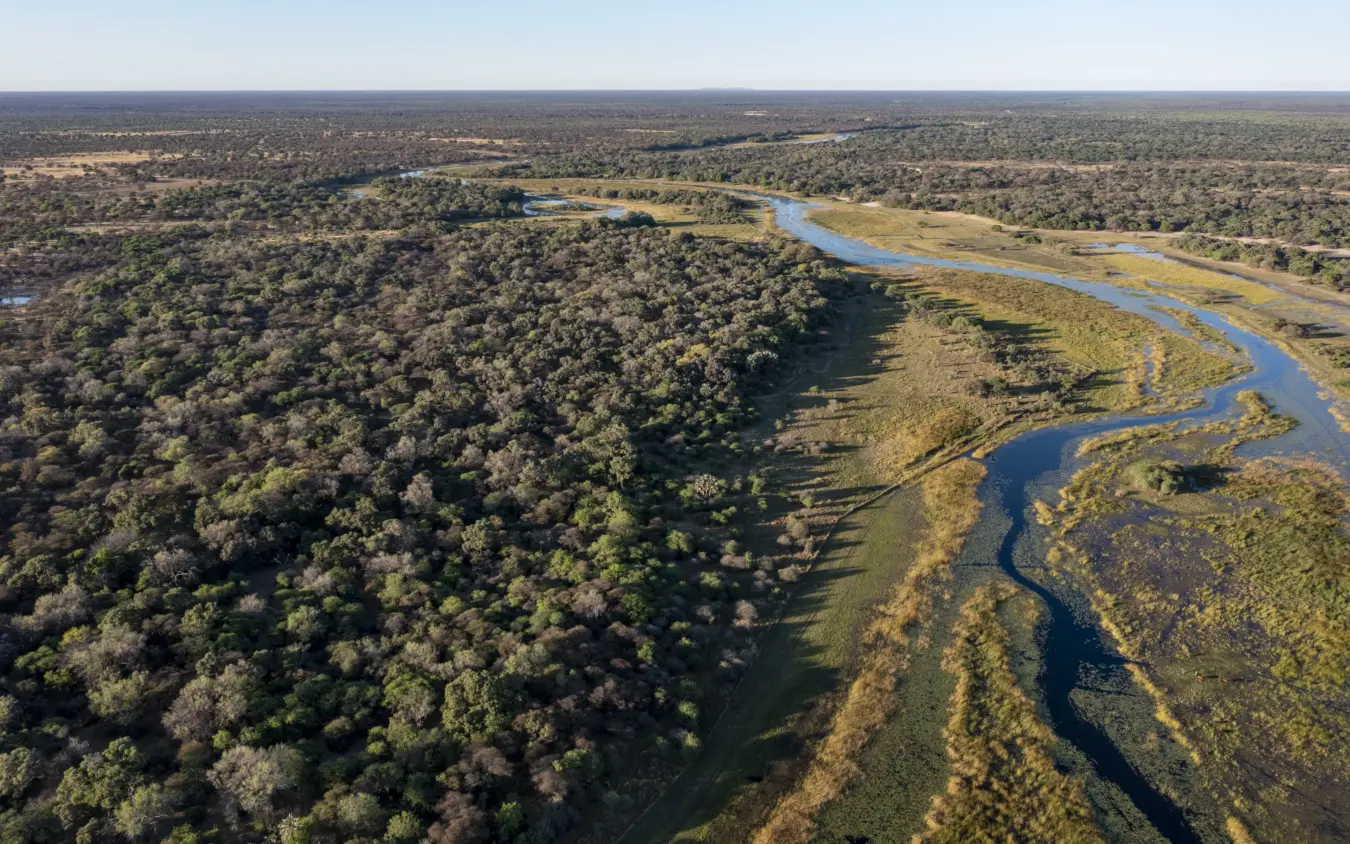
Aerial view of winding river through dense woodland and wetland savanna, Thamo Telele, Maun, Botswana 07

Maun

Planning a journey together

our approach

remote, exclusive
& personal

Every journey starts with a conversation. We take the time to understand your vision before we start planning.

Whether by phone or in person, we work with you directly to shape something that is considered, personal, and expertly delivered.

get in touch
destinations ideas & inspiration our process about us contact us