 01
01
River refuge for elephant and dog
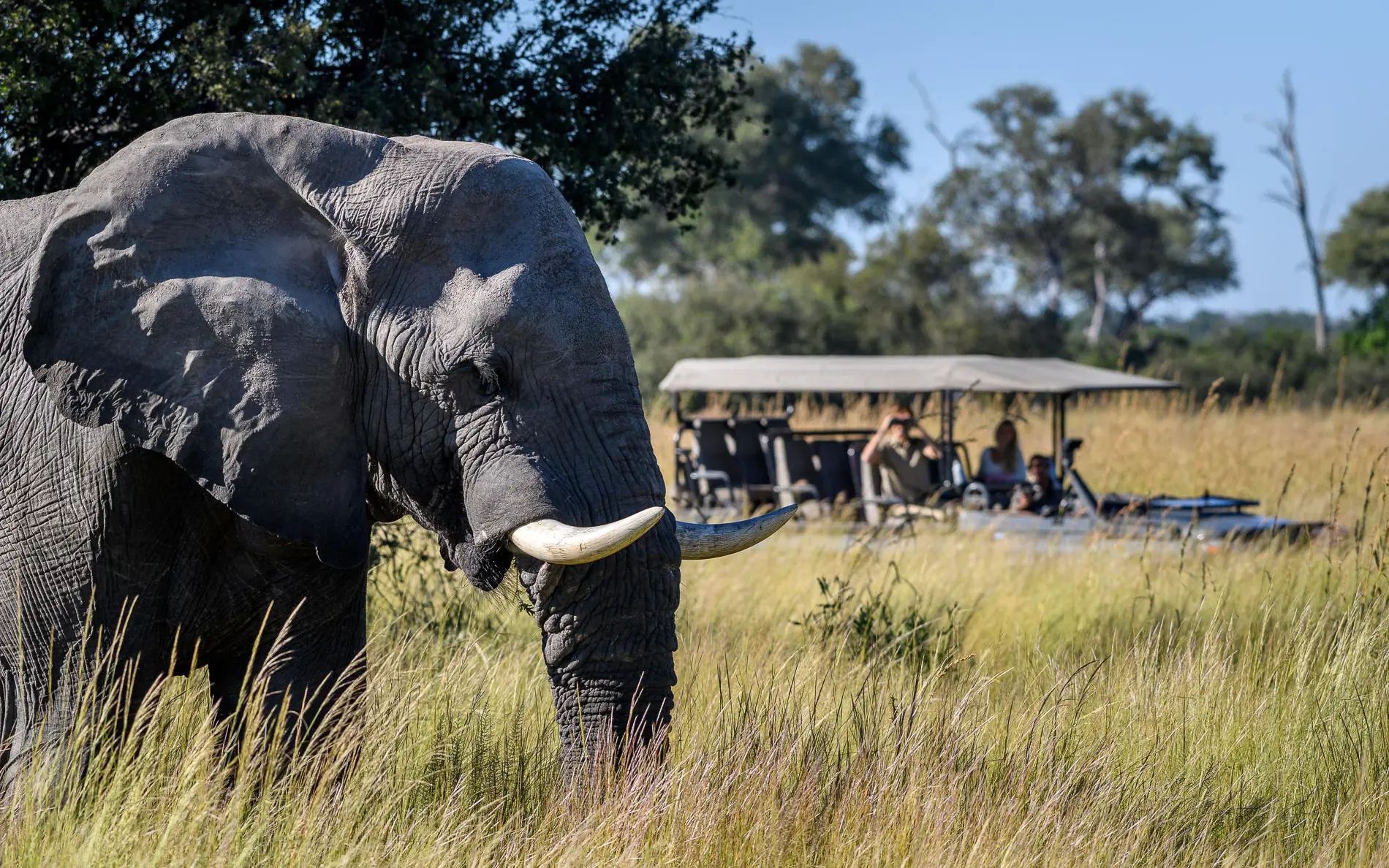
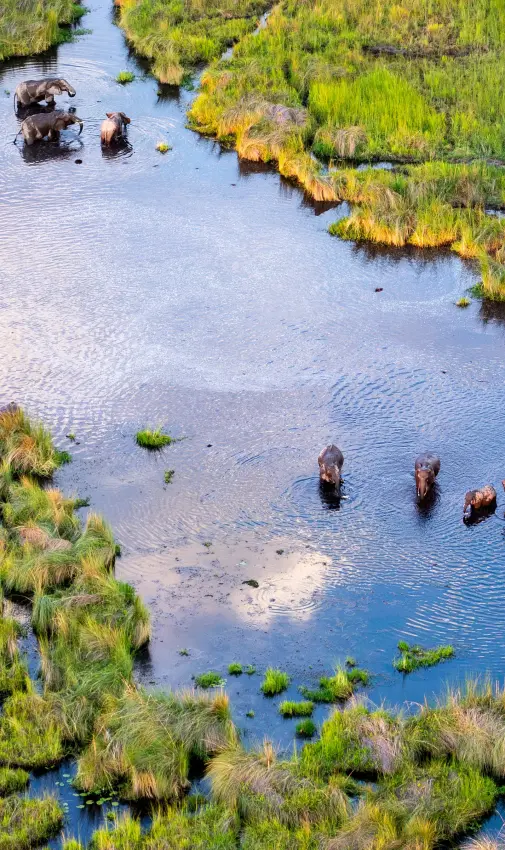
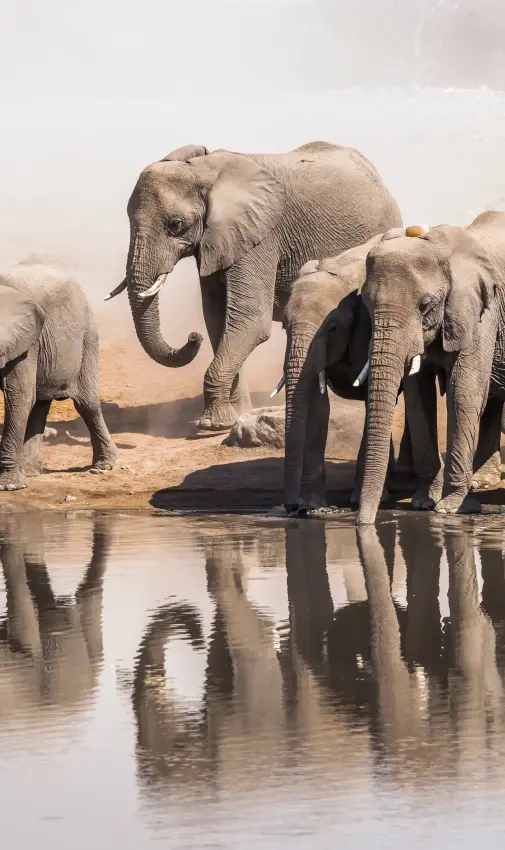
Linyanti Wildlife Reserve lies in the far north of Botswana, a private concession running along the southern bank of the Linyanti River, near the border with Namibia’s Caprivi Strip. Through the dry season the river becomes the only reliable water for miles, and the wildlife arrives to match. Vast elephant herds gather, buffalo move in behind them, and the predators are never far behind.
Linyanti Wildlife Reserve lies in the far north of Botswana
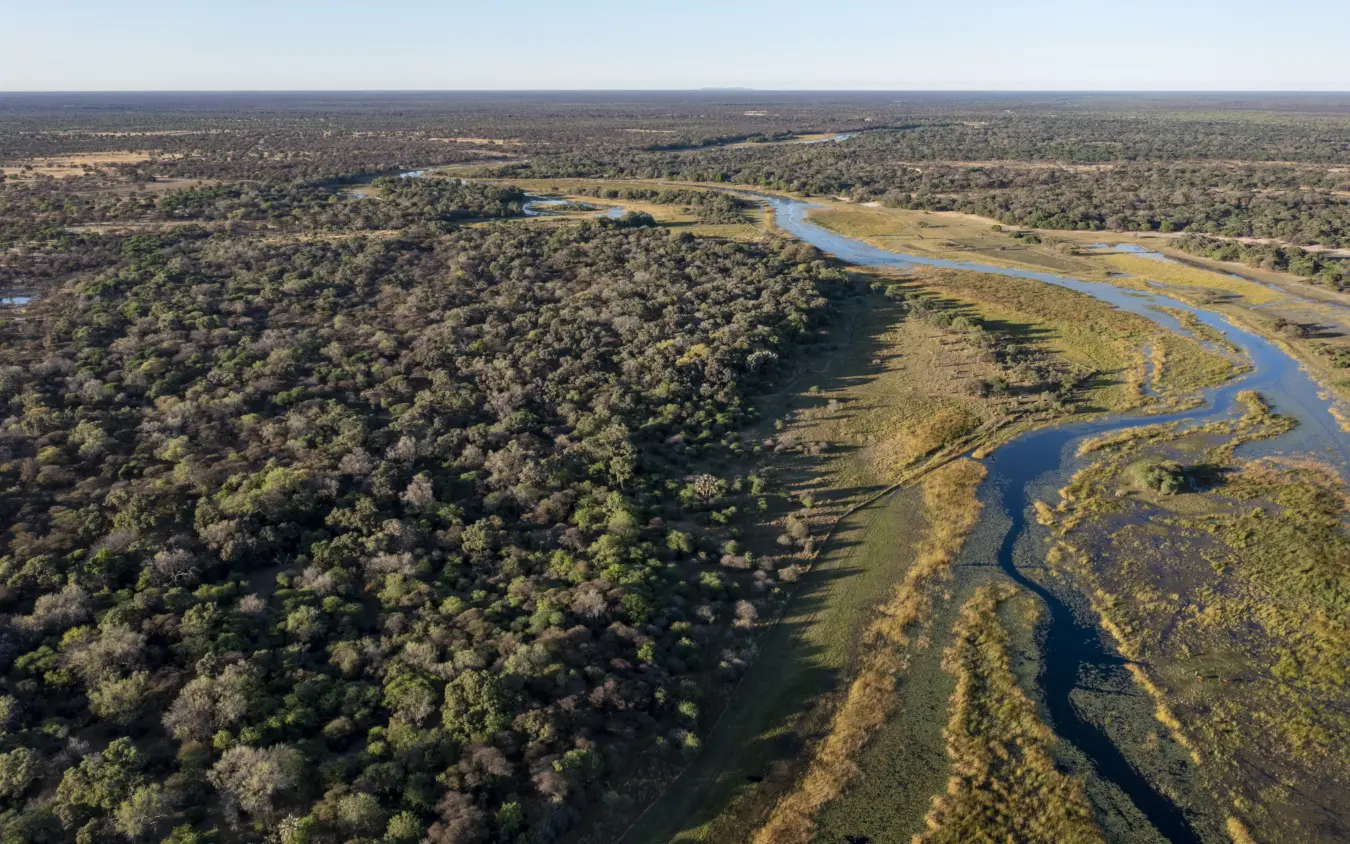
Riverine forest and seasonal marsh give way to mopane woodland and open floodplain, with the intermittent Savuti Channel cutting through on its way toward Chobe. It is the meeting of permanent water and dry country inland that drives the concentration, pulling animals in from across the wider Kwando, Linyanti and Selinda wilderness as the inland pans fail one by one.

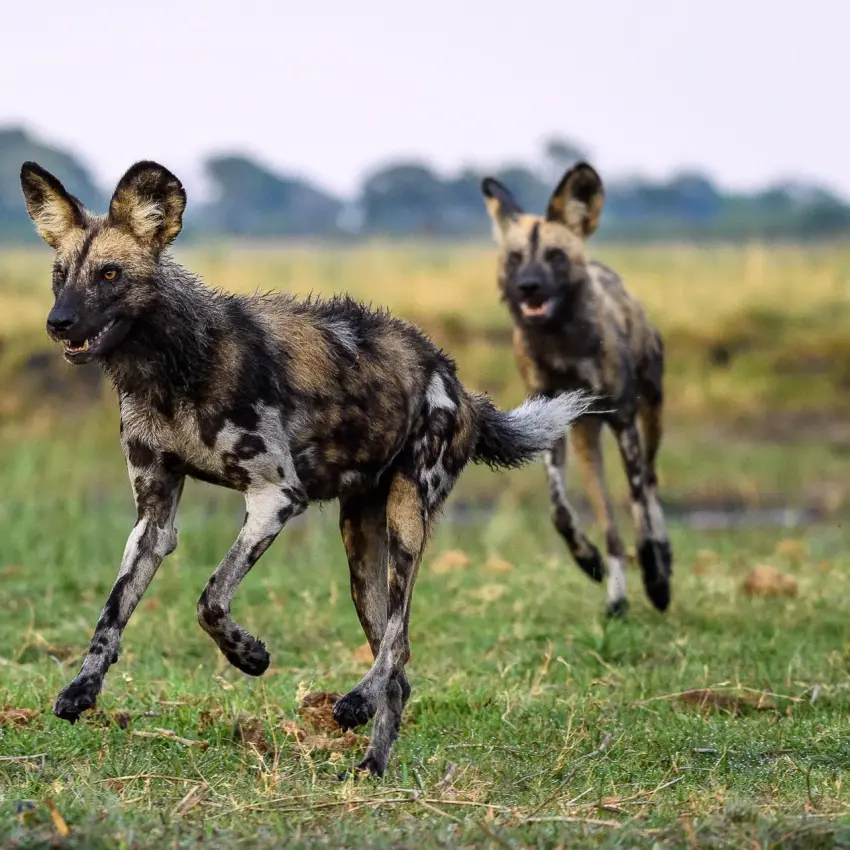
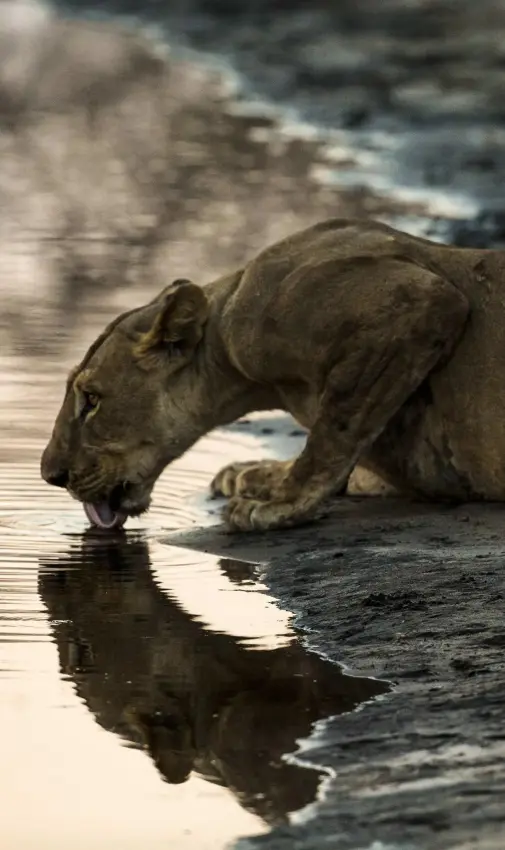
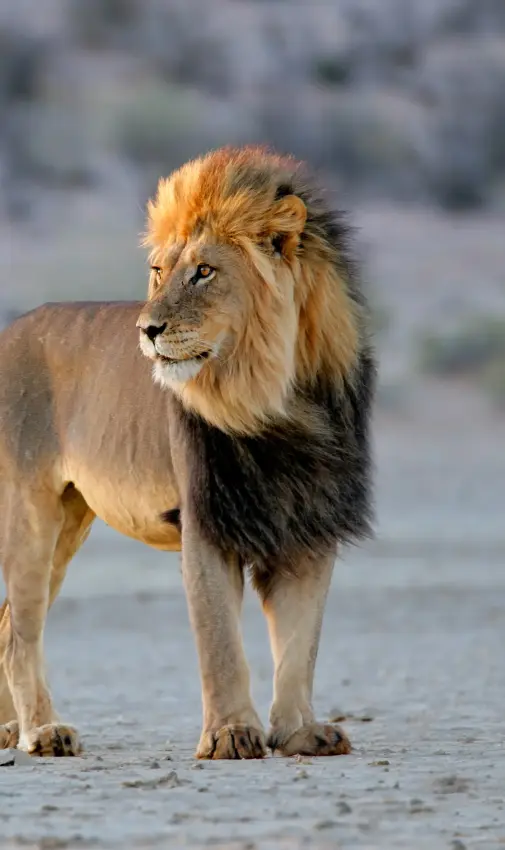
By June the inland waterholes are drying and the movement begins. Through to October, elephants gather along the Linyanti in immense numbers, buffalo herds graze the floodplains, and lion prides work the riverine edges. Linyanti holds one of the strongest painted dog densities found anywhere, and July and August, when the pups emerge from the dens, are the months to see them.
By June the inland waterholes are drying and the movement begins
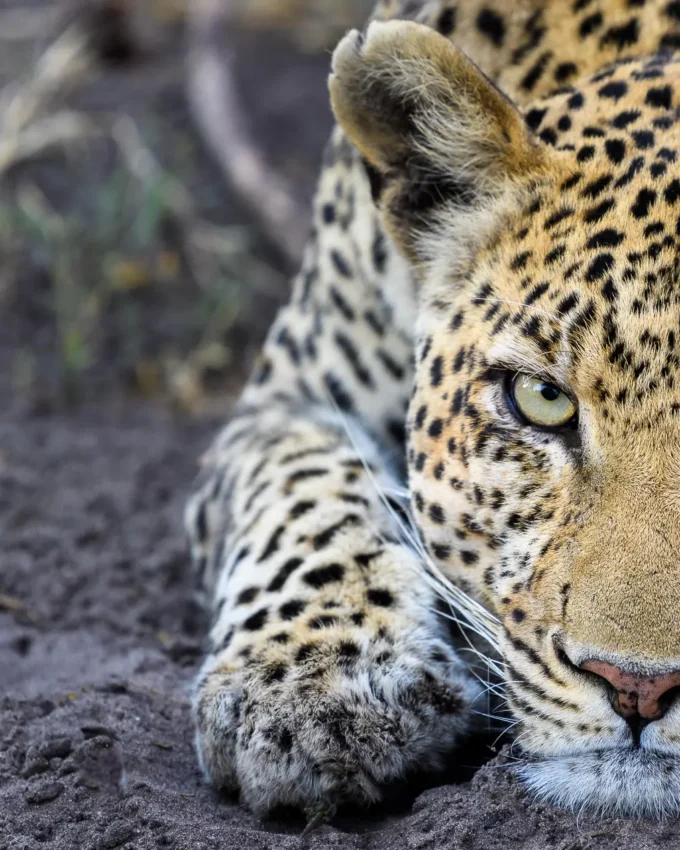
Leopards favour the dense riverine forest and show themselves most readily after dark, while spotted hyena patrol the same ground. The birdlife runs to more than 400 species, among them carmine bee-eaters, wattled cranes and martial eagles. Zebra winter here before turning toward Savuti with the first rains, which usually break around October and November.
What sets Linyanti apart from the public reserves nearby is the freedom of a private concession. Inside Chobe National Park, game viewing is confined to daytime drives on set tracks. Here, guides can leave the road to follow a hunting pack, run night drives for leopard, civet and the smaller nocturnal species, and lead walking safaris on foot. With only a handful of camps spread across a large area, sightings are rarely shared with other vehicles.
The land shifts from papyrus-lined waterways and lagoons, through riverine forest of jackalberry, sausage tree and leadwood, to vast mopane stands inland, a range of habitat that supports both wetland species and dry-country game. Red lechwe and the elusive sitatunga hold to the marshes, while kudu, impala, giraffe and waterbuck range across the woodland and floodplain.
What sets Linyanti apart from the public reserves nearby is the freedom of a private concession
Linyanti forms part of the Kavango-Zambezi Transfrontier Conservation Area, a cross-border landscape linking Botswana, Namibia, Angola, Zambia and Zimbabwe that lets wildlife move freely along ancient routes. The Linyanti River and the Savuti Channel sit at the heart of this corridor, which is why the reserve works as a dry-season refuge for the elephants that spend the wetter months dispersed across a far wider range.
The reserve pairs naturally with the rest of northern Botswana. A flight of around 45 minutes links it to the Okavango Delta, and the two make a deliberate contrast: the Delta’s water-based, channel-and-lagoon character against Linyanti’s riverine forest, woodland and heavy predator action. Add Chobe to the east for its riverfront elephant gatherings, and the result is a coherent loop through the region’s strongest game country.
The best time to visit Linyanti Wildlife Reserve
Jan
Feb
Mar
Apr
May
Jun
Jul
Aug
Sep
Oct
Nov
Dec
Recommended
Transitional
Challenging conditions
Come between June and September, when inland water dries and elephant, buffalo and the predators that follow gather along the Linyanti and Kwando channels. June to August is the wild dog denning window, and August and September bring the highest densities. October holds even tighter but often tops 40 degrees. The green season is best for birding as migrants arrive.
accommodation in linyanti wildlife reserve
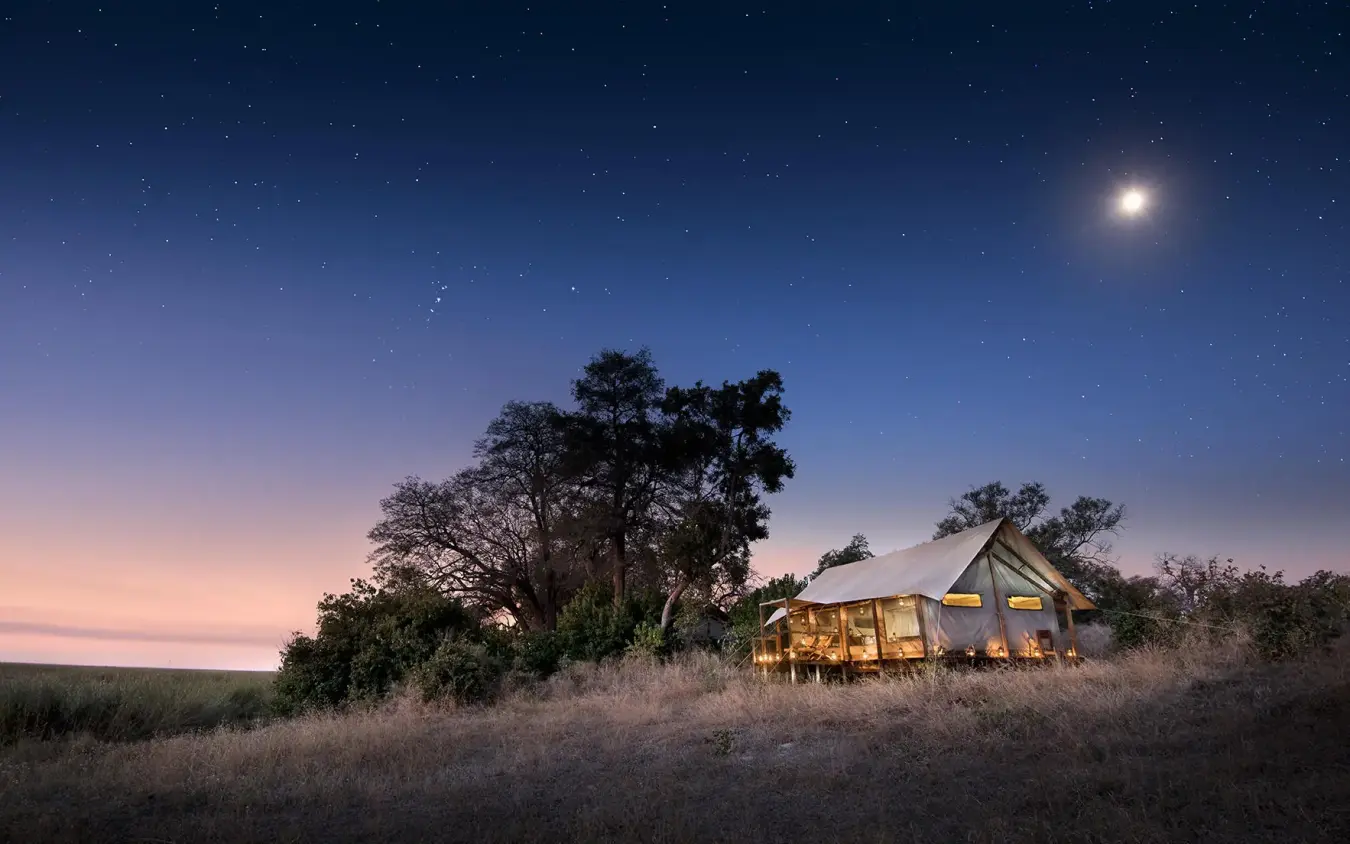
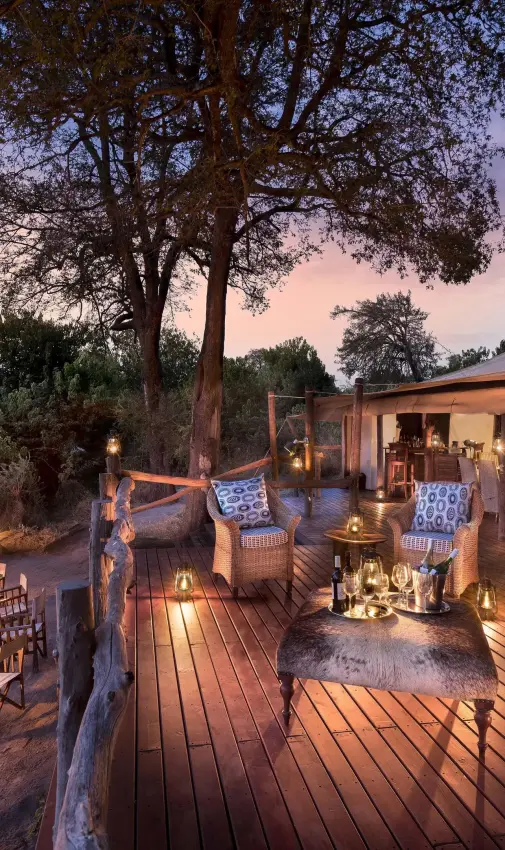
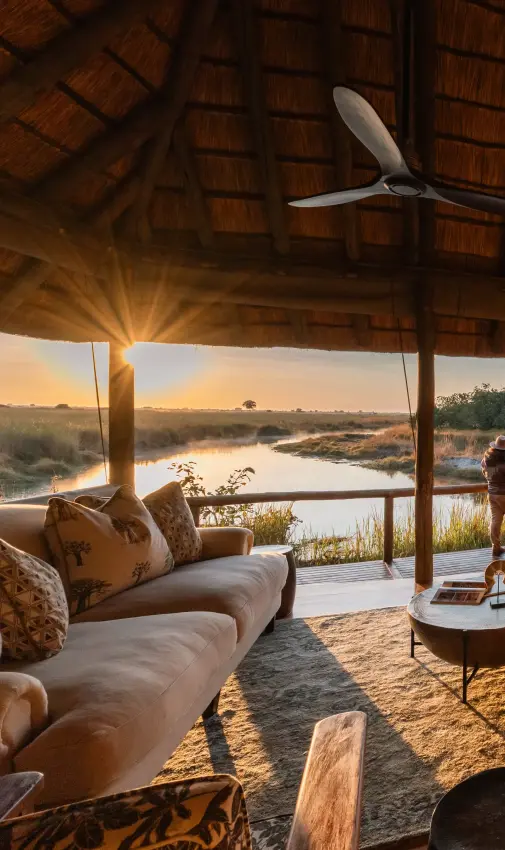
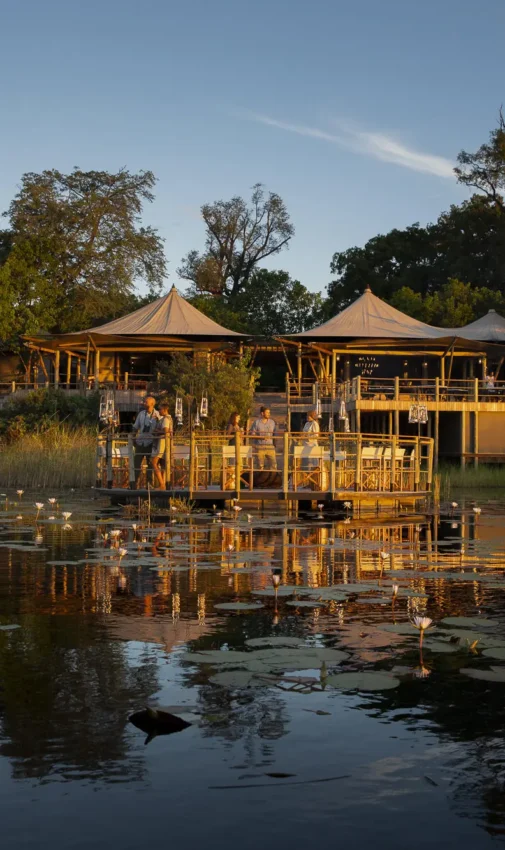
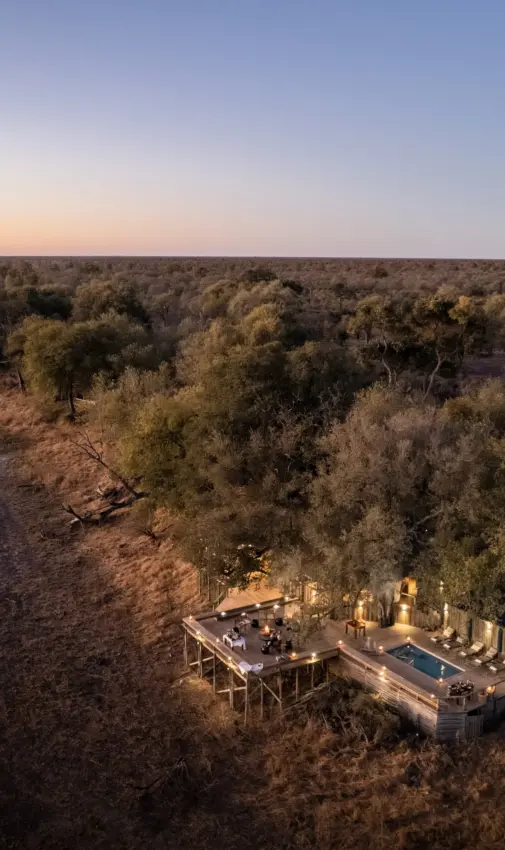
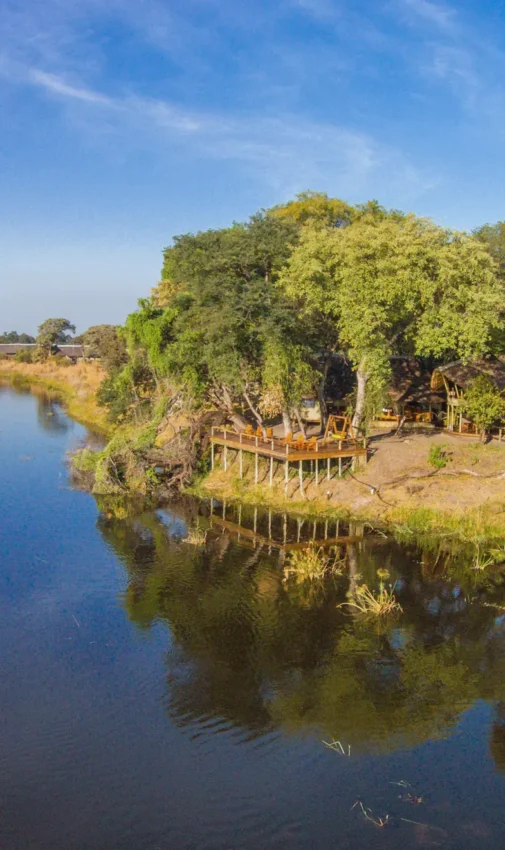
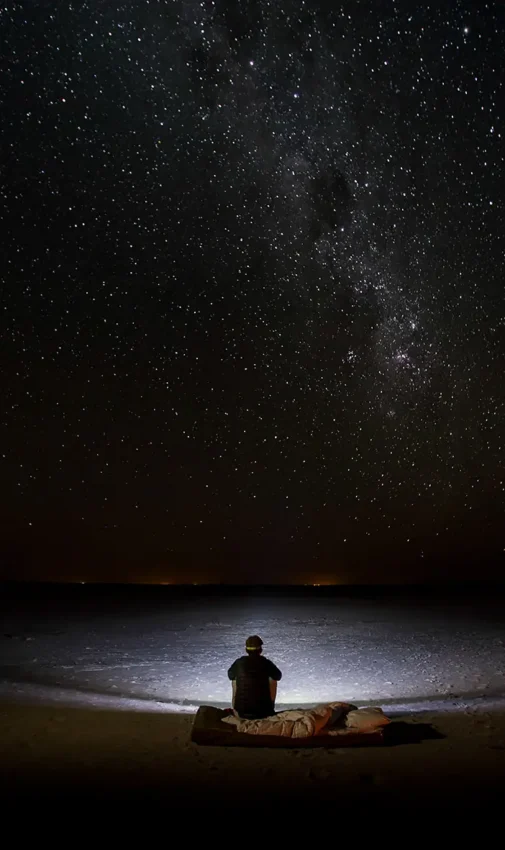
Accommodation across Linyanti Wildlife Reserve is low-density and small in scale. The standard is the luxury tented camp: canvas suites on raised decks with en-suite bathrooms and views over river, marsh or woodland, some with private plunge pools. More solid lodge-style camps offer larger living areas, while exclusive-use suites cater to families or small groups. Several camps include sleep-out hides overlooking waterholes for an overnight in the bush.



activities
Off-road tracking and night drives
The private concession permits off-road driving to follow predators, night drives for leopard and nocturnal species, and guided walking safaris. Day game drives focus on the river and floodplains. Boating, mokoro trips and catch-and-release fishing run when water levels allow. Scenic helicopter flights cover the wetlands and Savuti Channel.

conservation
Wild dog and woodland recovery
The African Wild Dog Dispersal Study, run with the University of Zurich and the Botswana Predator Conservation Trust, uses GPS collars to map dispersal and protect movement corridors. A tree nursery near the reserve's camps propagates indigenous saplings to offset elephant pressure on the riparian woodland. The reserve sits within the broader KAZA transfrontier conservation landscape.

getting around
Light aircraft to private strips
Access is by light aircraft from the safari hubs of Maun and Kasane to private airstrips serving the camps, with operators including Wilderness Air and Mack Air flying the routes. Helicopter transfers reach the most remote camps directly. Road access through deep sand is not used for arrival. The flight to the Okavango Delta runs around 45 minutes.
other areas in botswana
The Okavango Delta is the natural partner, a short flight south, offering waterways, mokoro routes and lagoon-laced islands as a counterpoint to Linyanti's rivers and woodland. Chobe National Park to the east is known for riverfront elephant gatherings and boat cruises. The neighbouring Selinda Reserve shares the same predator-rich corridor and offers Spillway canoeing when water flows. Further south, the Central Kalahari and Makgadikgadi Pans provide stark, open landscapes for a complete contrast.
frequently asked questions
By light aircraft from Maun or Kasane, in about half an hour.
The camps here sit in private concessions with their own airstrips, so you fly in and drive a short distance to camp. It connects easily with the delta in one direction and Chobe or Victoria Falls in the other.
Nothing is driven in from outside; the reserve is too far from anywhere.
Soft bags only, and we book the whole chain of flights together.
If the scheduled days do not suit, a private charter from Maun goes when you want, usually a Cessna Caravan, and we can arrange either.
Dry land, private concessions and elephant in extraordinary numbers.
The delta is water and islands; the Linyanti is woodland and floodplain along a river and a marsh, which means driving rather than mokoro. In the dry months the elephant concentrations along the water are among the biggest anywhere in Africa.
Because it is private land, night drives and walking are allowed and off-road driving is permitted.
Very few camps share an enormous area, so you rarely see another vehicle.
Yes. Northern Botswana sits in the malaria zone, and both TravelHealthPro, the UK's official travel health service, and the CDC recommend antimalarial cover for the region.
The risk rises in the warm, wet summer and falls in the dry winter, but it is present through the season.
We do not make medical recommendations. That is a conversation between you and your own doctor or a travel clinic.
On the practical part, cover up at dusk and carry repellent.
Elephant above all, and predators that follow them.
The dry-season herds along the Linyanti river run into the thousands. Lion prides here are large and used to hunting buffalo, and African wild dog are seen more often than in most of Botswana.
Roan and sable are present, which the delta does not hold.
The night drives turn up genet, civet, honey badger and spring hare, which is a different cast entirely.
Yes, and it is one of the reasons to choose it.
Because the camps hold private concessions rather than national park land, guided walking is permitted and so are night drives and driving off the track. That freedom is the practical difference between a concession and a park.
Walking usually carries a minimum age, commonly sixteen.
Tell us who is travelling and we will match the camp to what your party can actually do.
Three, and it pairs naturally with the delta.
Three nights gives you the river, a walk, a night drive and time to sit with the elephant herds rather than pass them. Two makes it a sampling.
The classic Botswana route runs a water camp in the delta, then the Linyanti for dry-land game, then Chobe or the Falls.
Tell us the whole route and we will balance the nights across it.
rated five stars by our clients

our approach
remote, exclusive
& personal
Every journey starts with a conversation. We take the time to understand your vision before we start planning.
Whether by phone or in person, we work with you directly to shape something that is considered, personal, and expertly delivered.
Every journey starts with a conversation. We favour a direct, personal approach: understanding your vision before anything else.
Whether by phone or in person, we work with you directly to shape a journey that is both thoughtfully considered and expertly delivered.
Get in touch to start planning yours.