Camp

Kwando Lebala Camp

A tented camp on Botswana’s Linyanti floodplains, built around the art of tracking wild dogs and lions across open ground.

Country: Botswana
Location: Edge of the Linyanti Marshes, Kwando Concession
Number of rooms: 9

Where the Kwando becomes the Linyanti

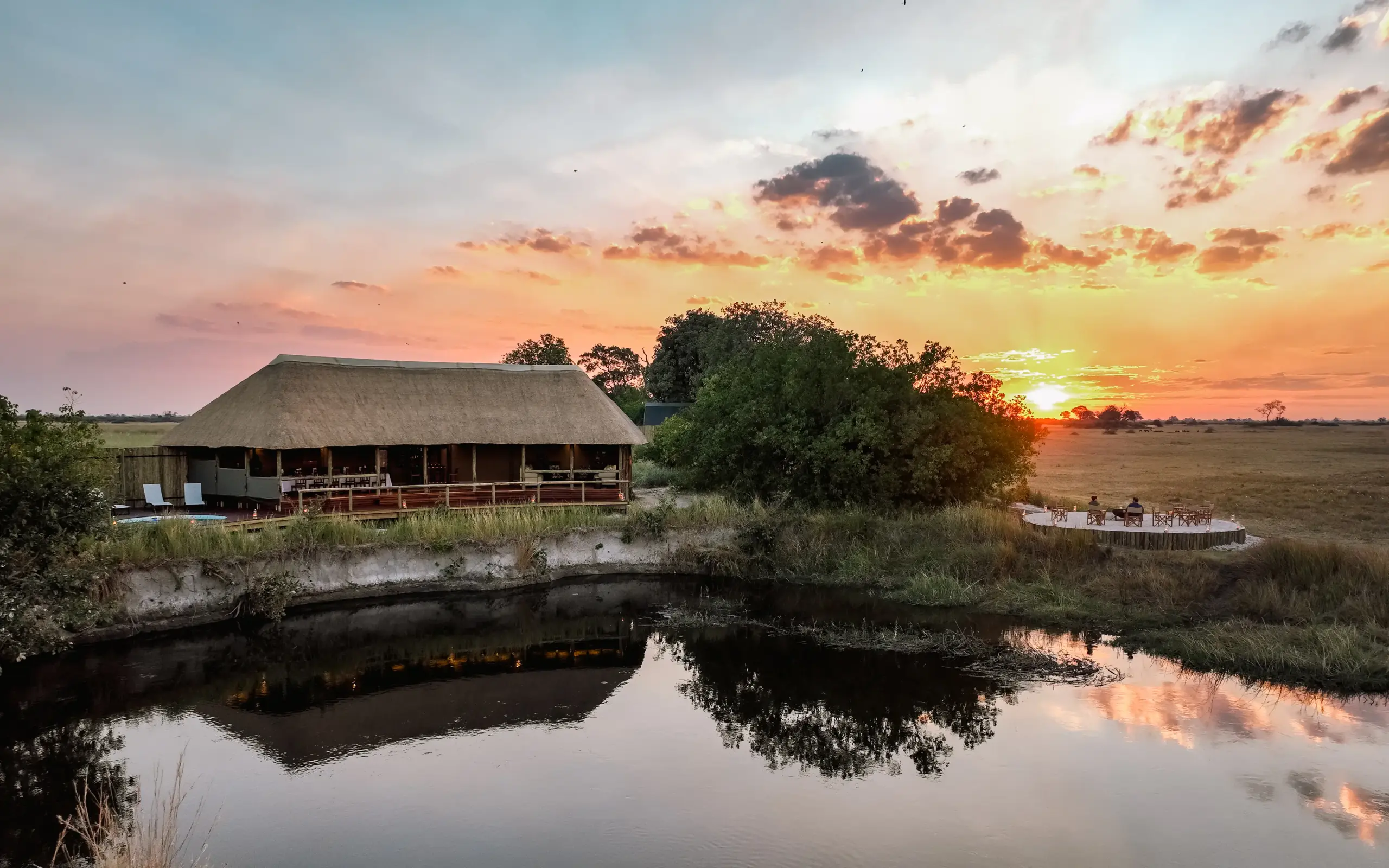
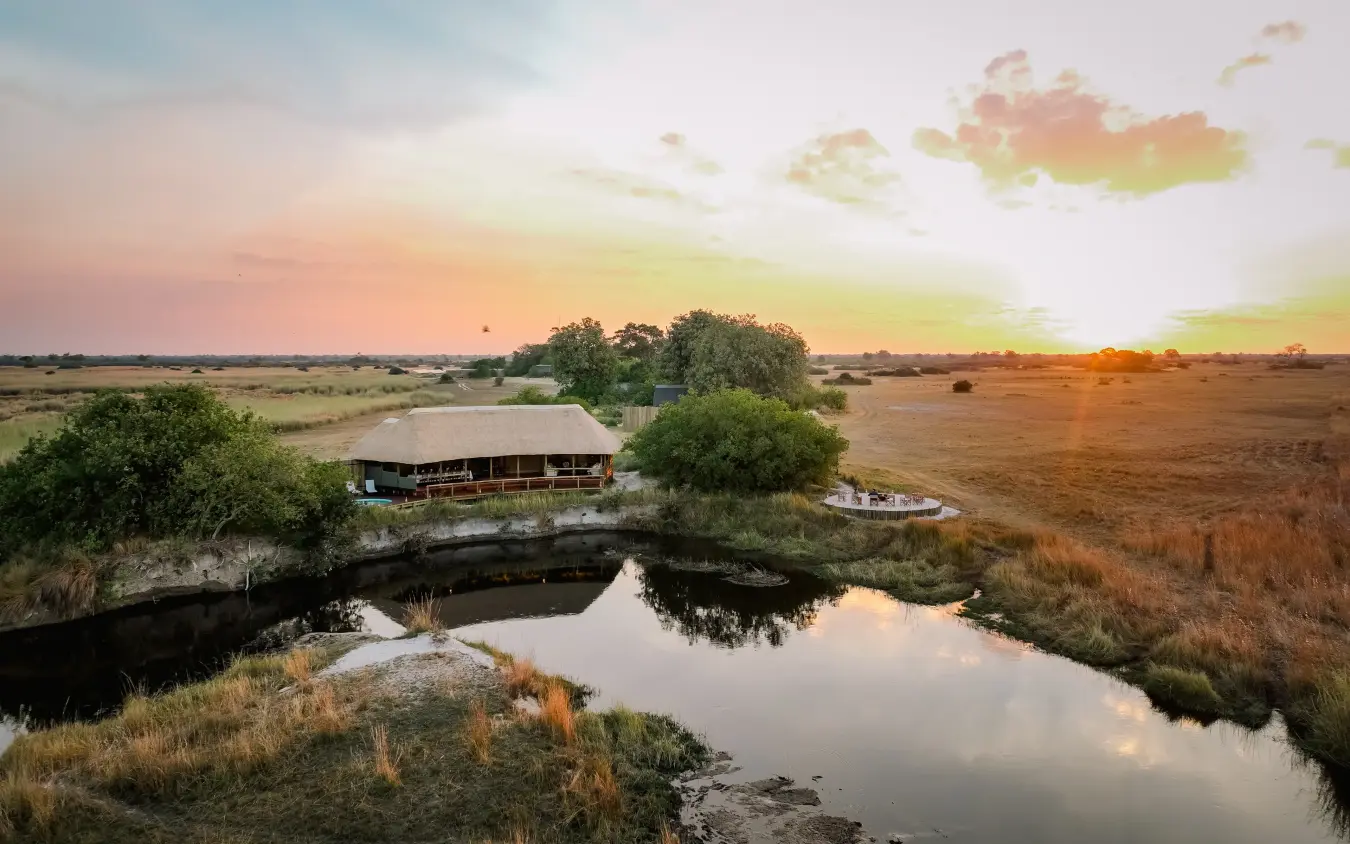
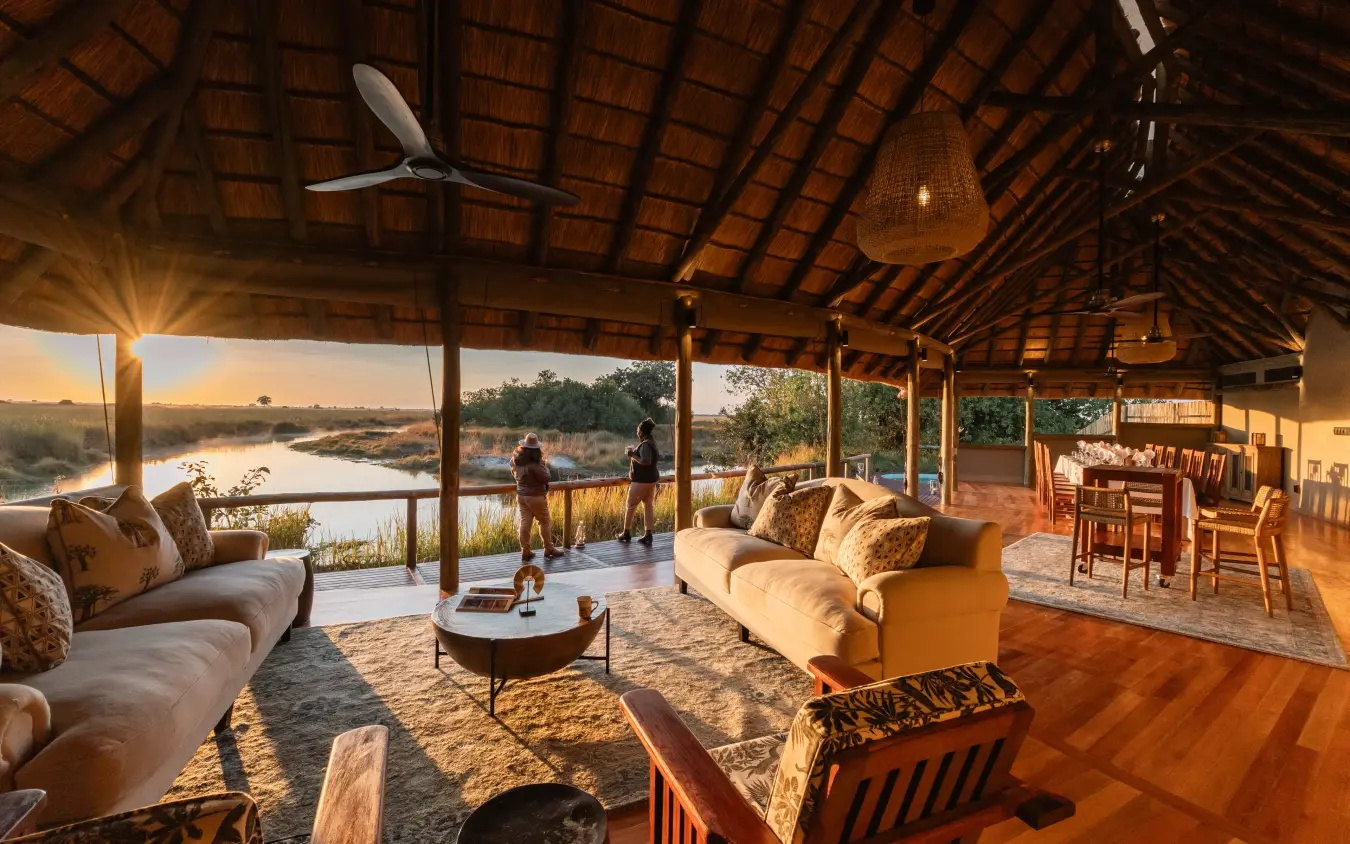
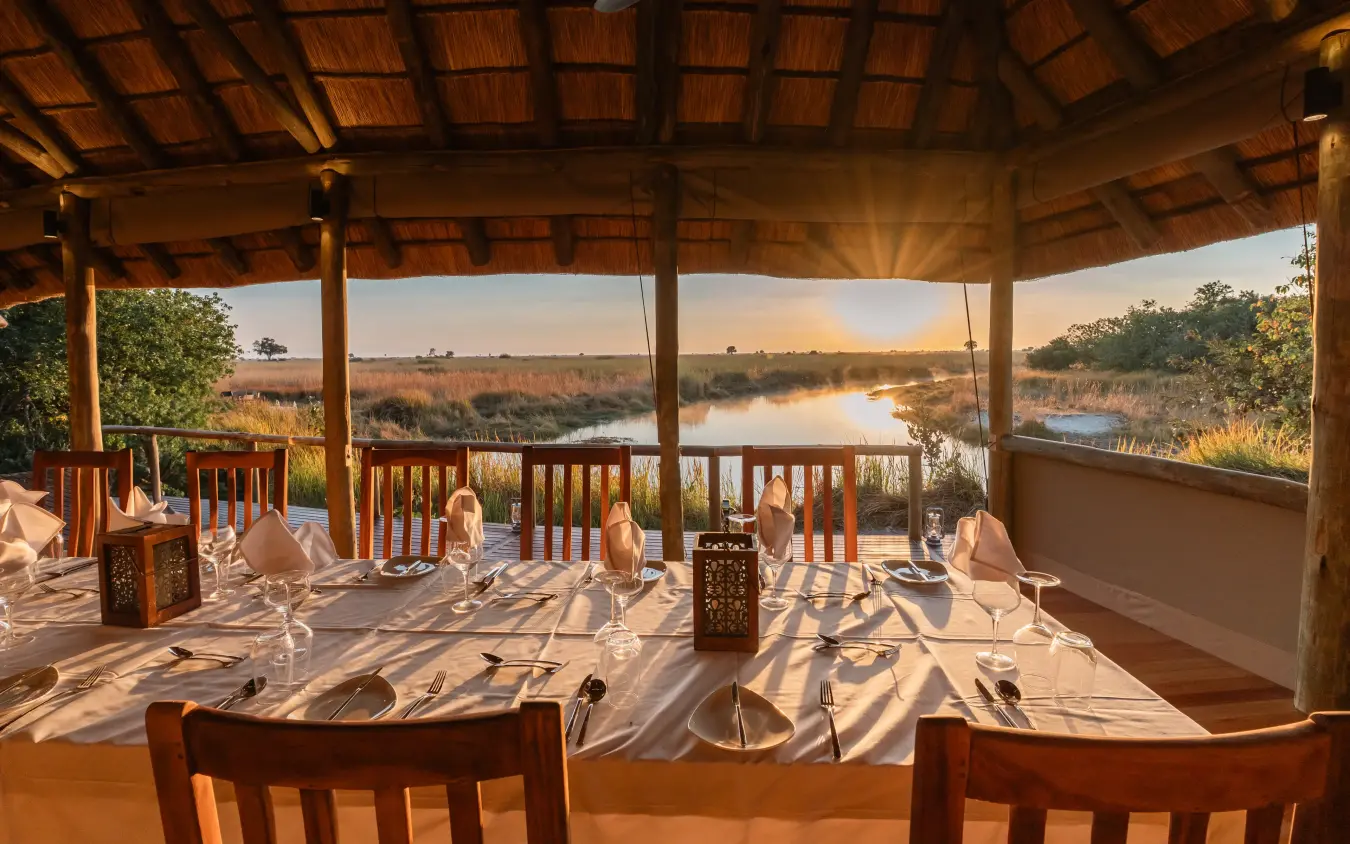
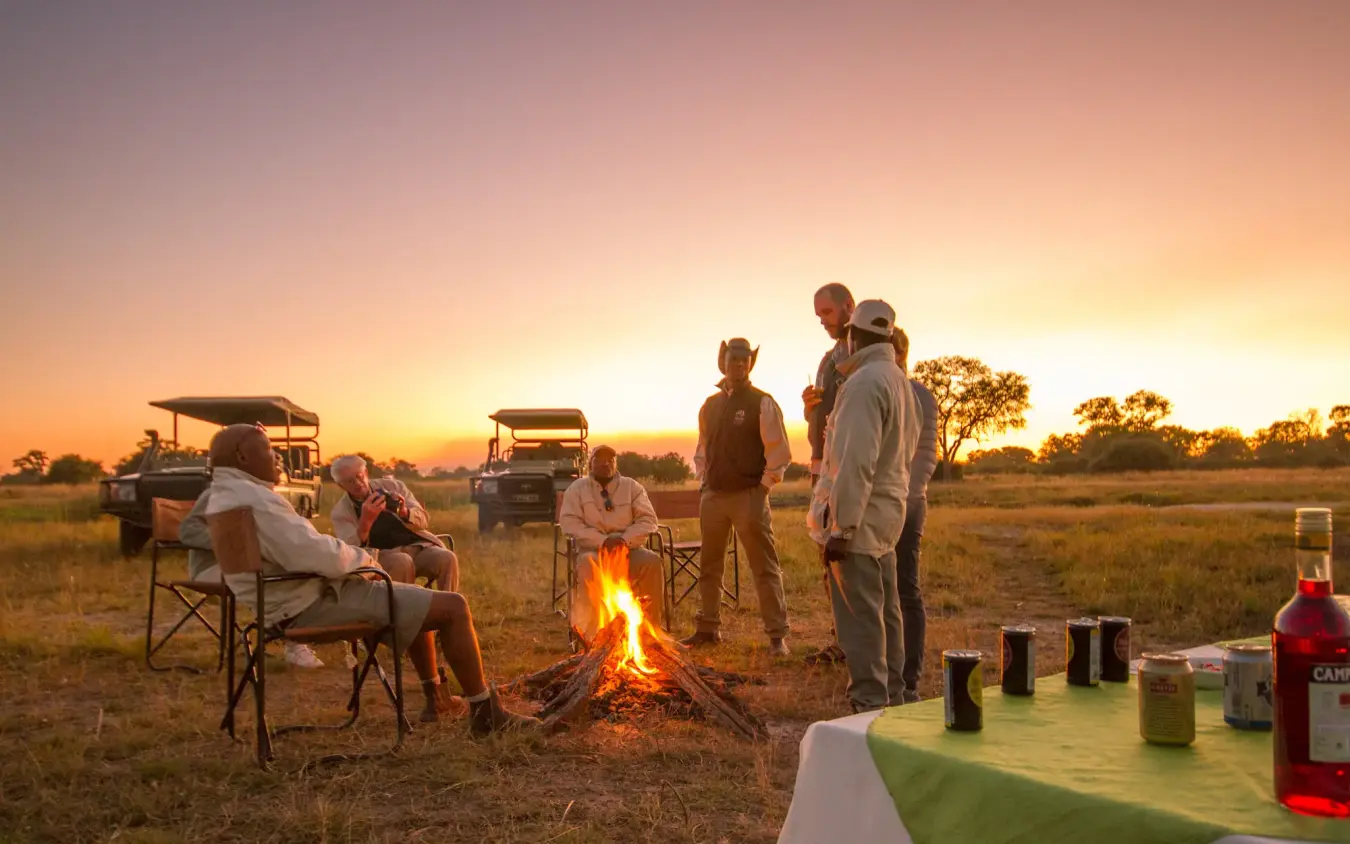
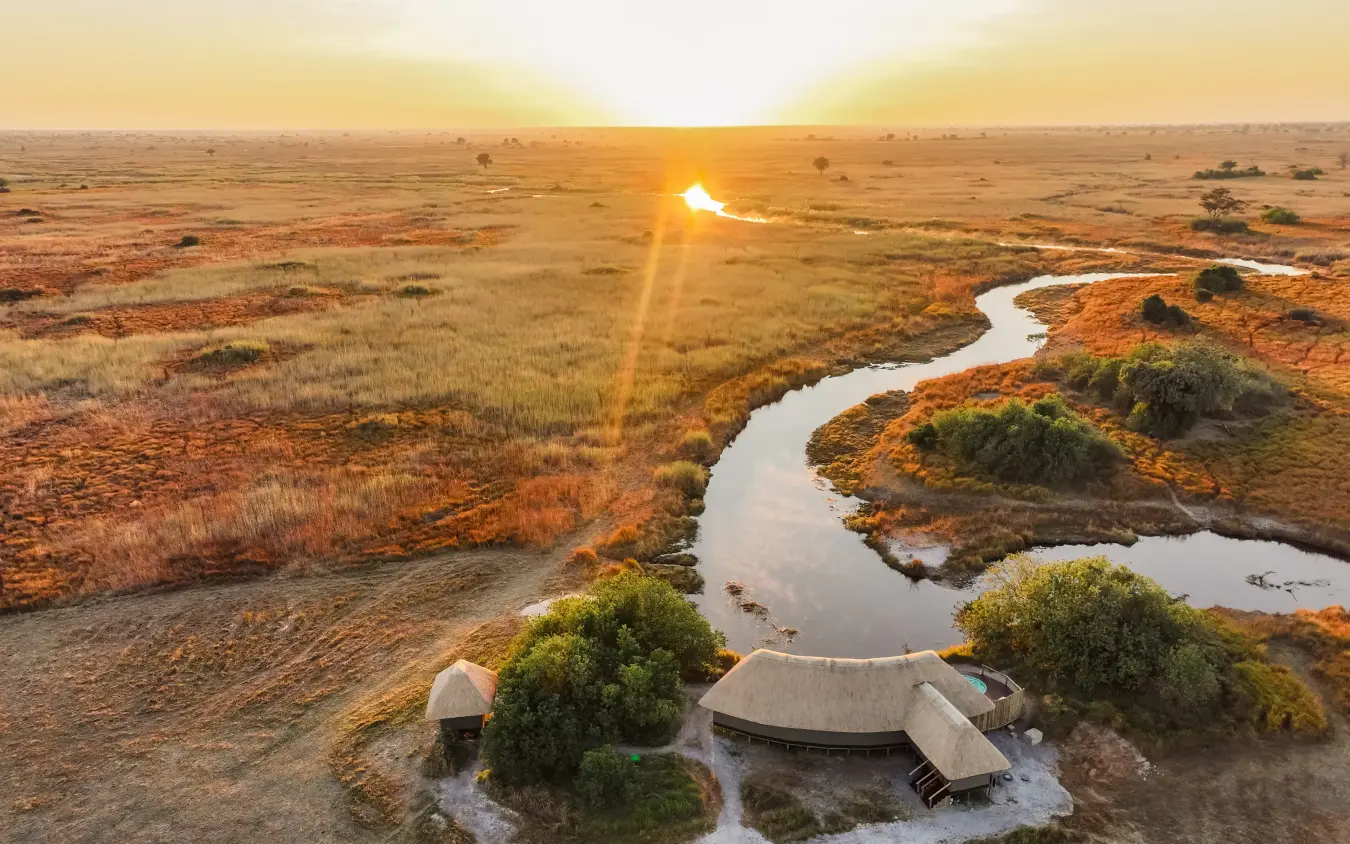
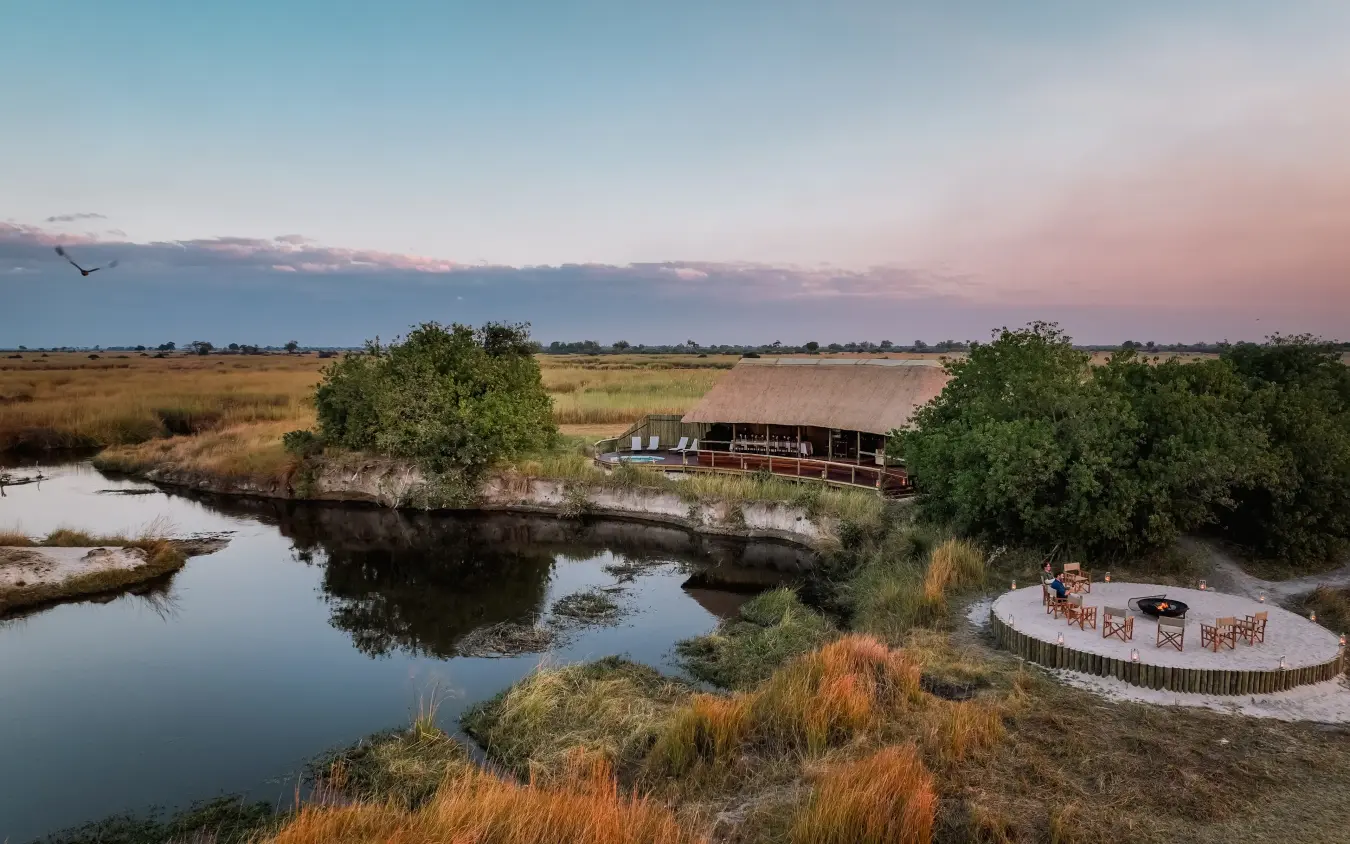
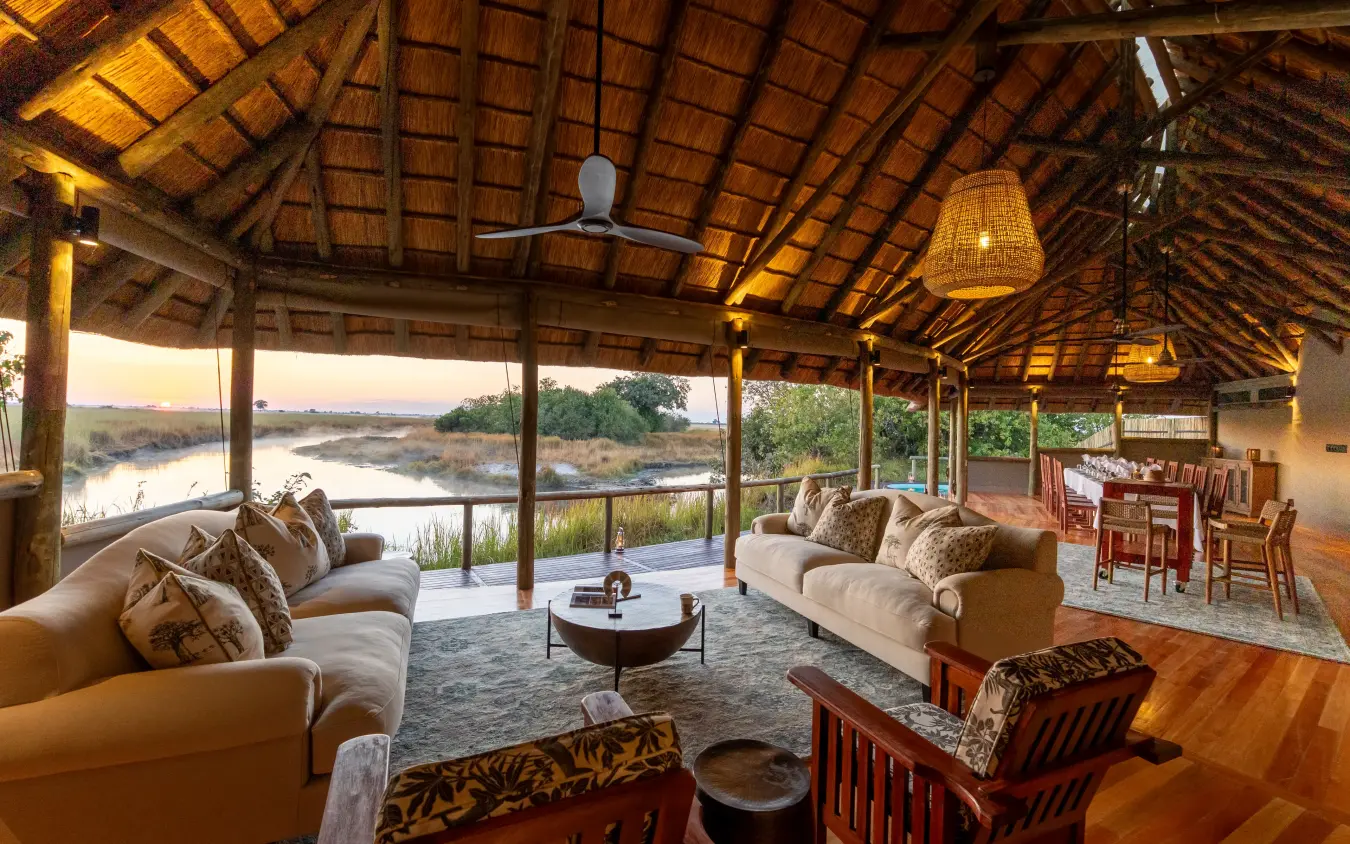
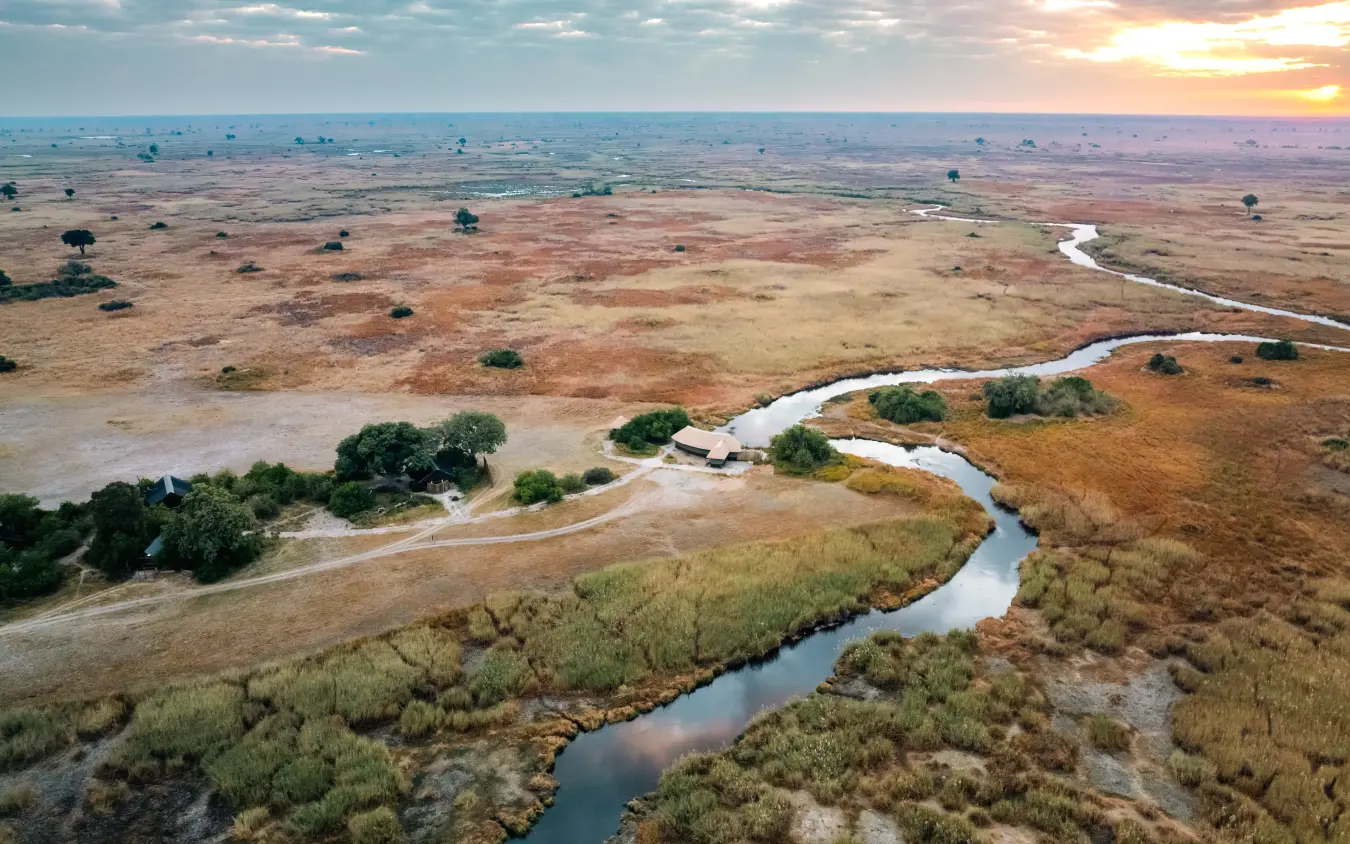
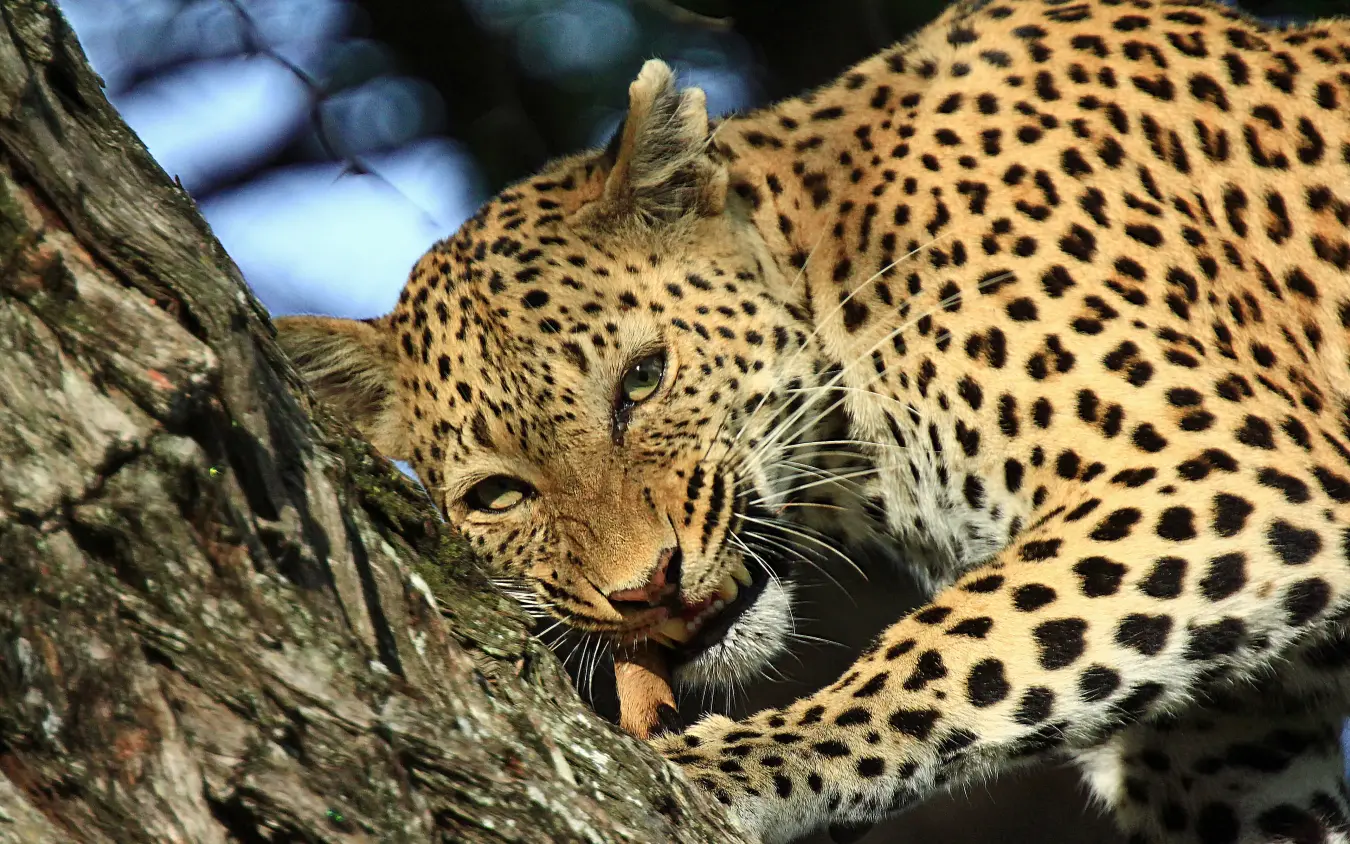
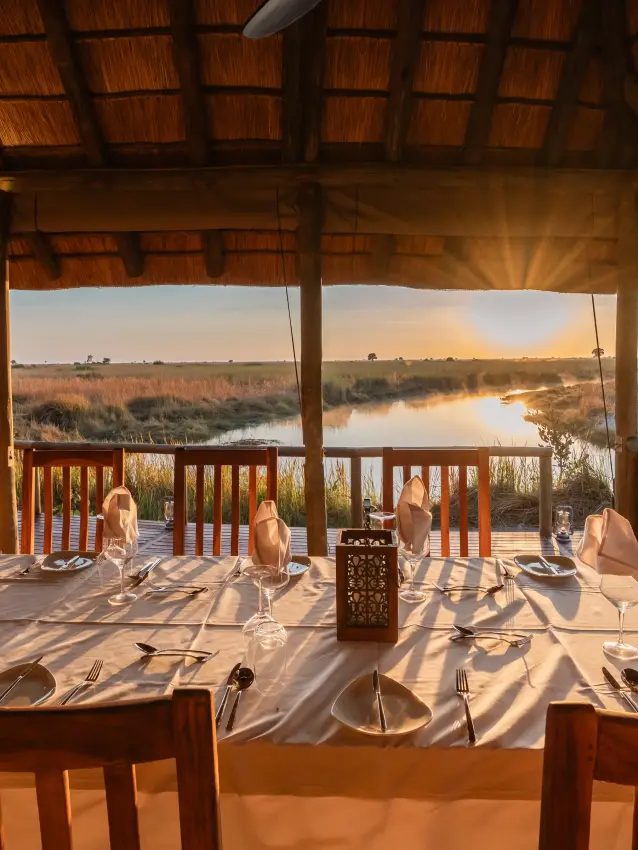
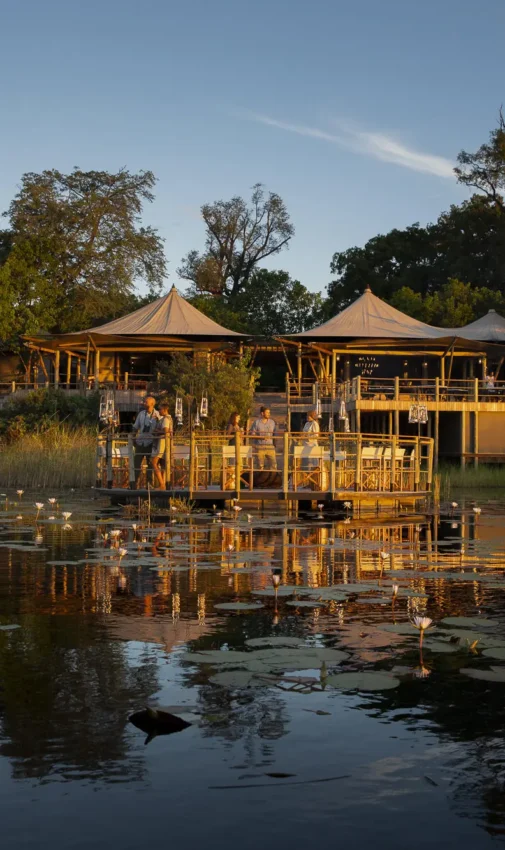
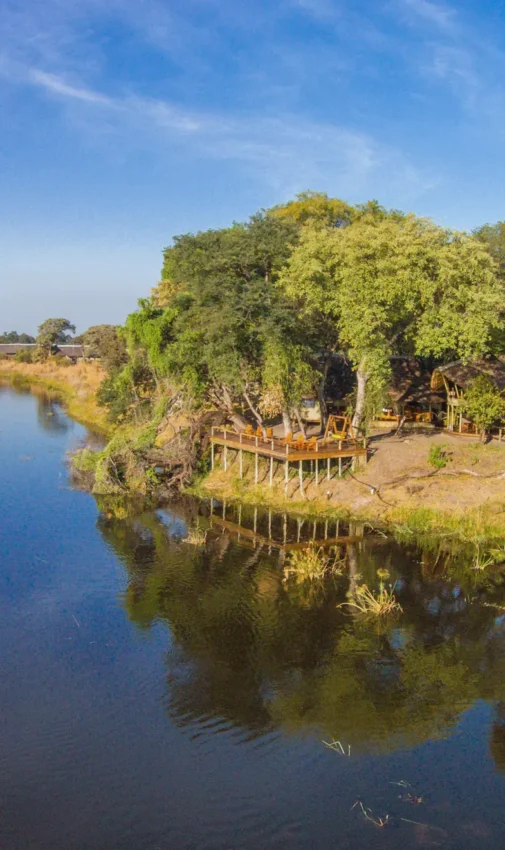
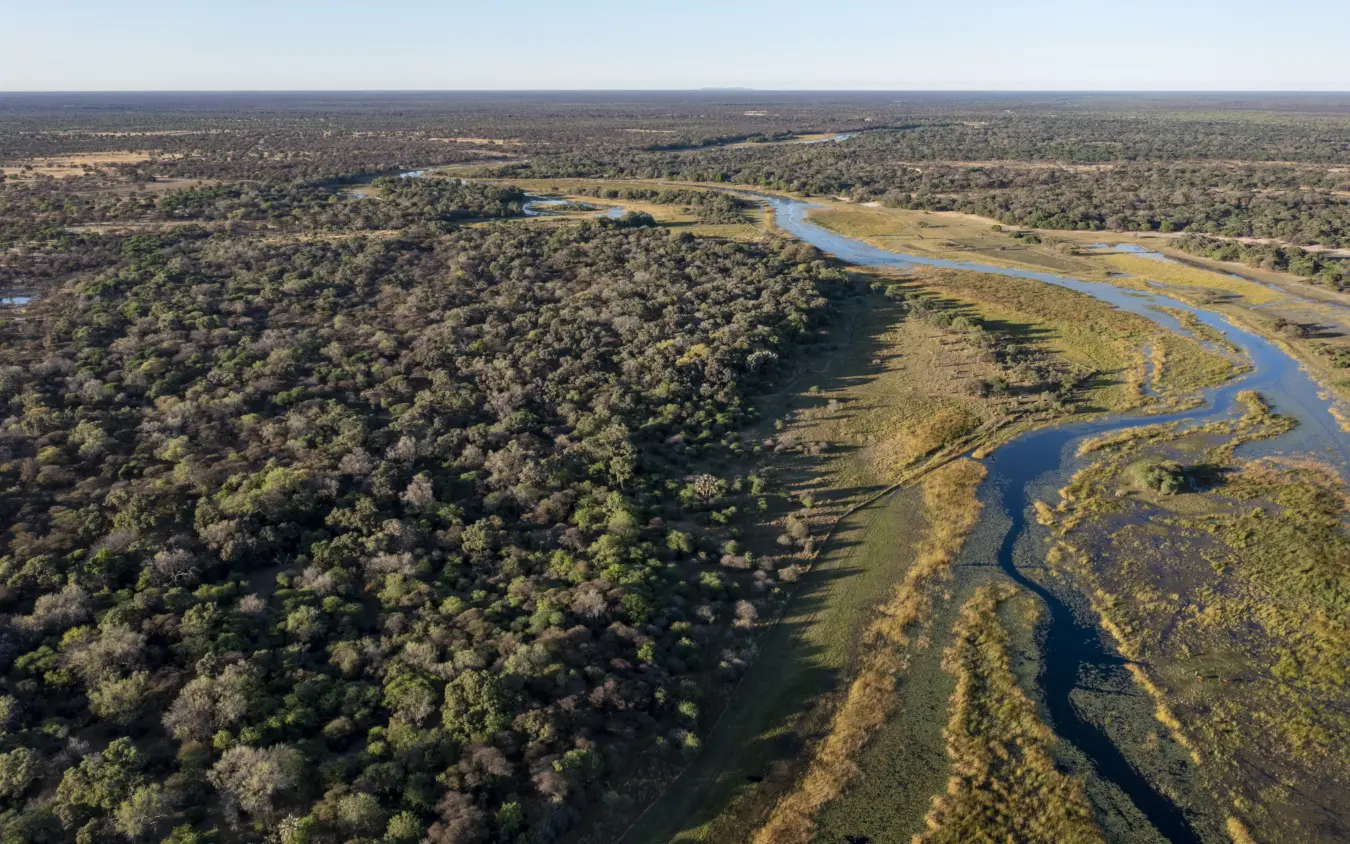
Kwando Lebala Camp sits on the floodplains where the Kwando River dissolves into marsh and re-emerges as the Linyanti, in a private concession in far northern Botswana. Here a guide and a tracker work as a pair, following fresh spoor across open ground until they reach lions, cheetah or a pack of wild dogs. The tracking itself, not the sighting alone, is the point.

The tracking itself, not the sighting alone, is the point.

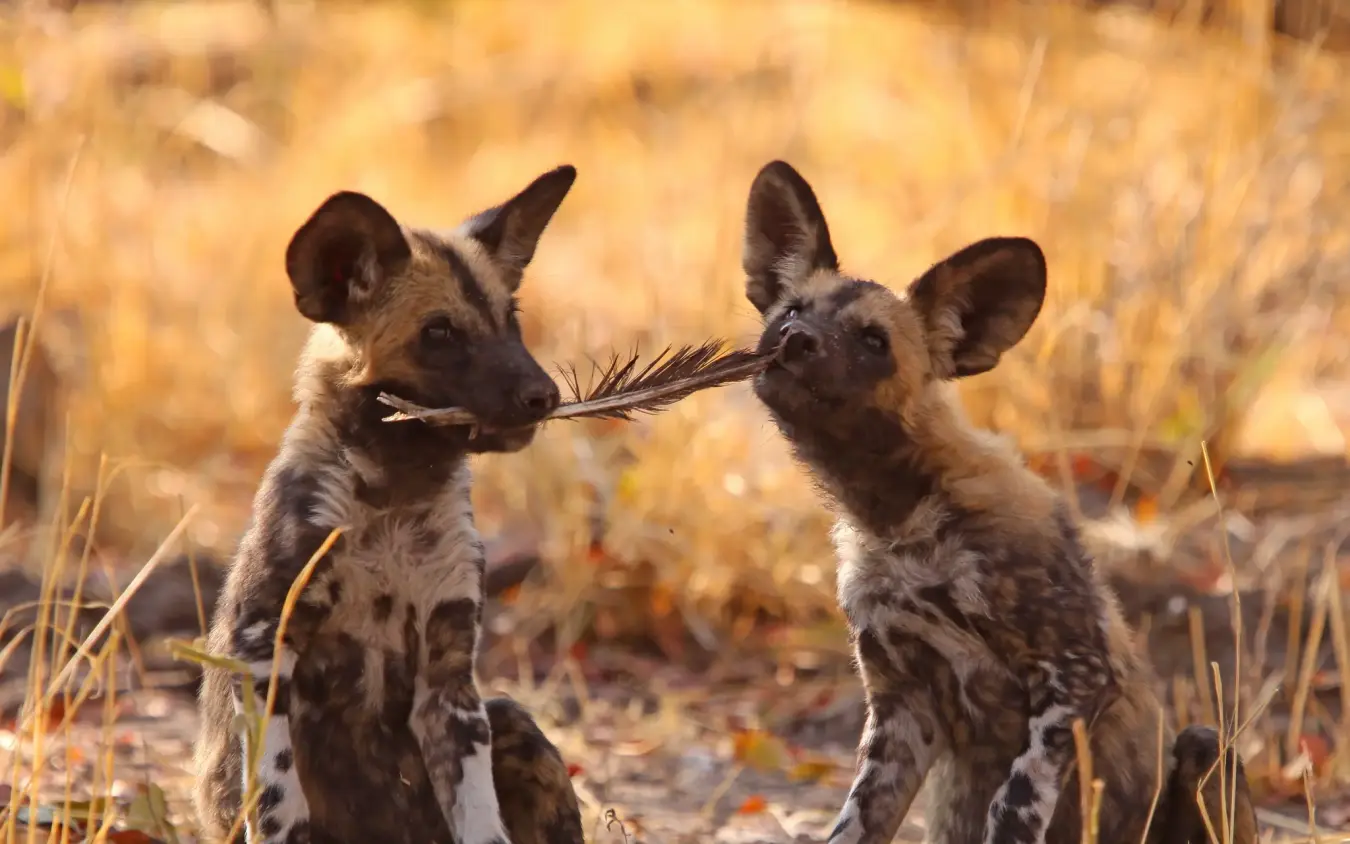
The southern floodplains open out, giving long sightlines and easier off-road going than the dense mopane that covers the reserve’s eastern side. Wild dogs have denned near the camp for more than two decades, which makes this one of the more dependable places in Botswana to find them on the move. More often than not, they are seen at speed across the grass, low and fast, the whole pack strung out behind.

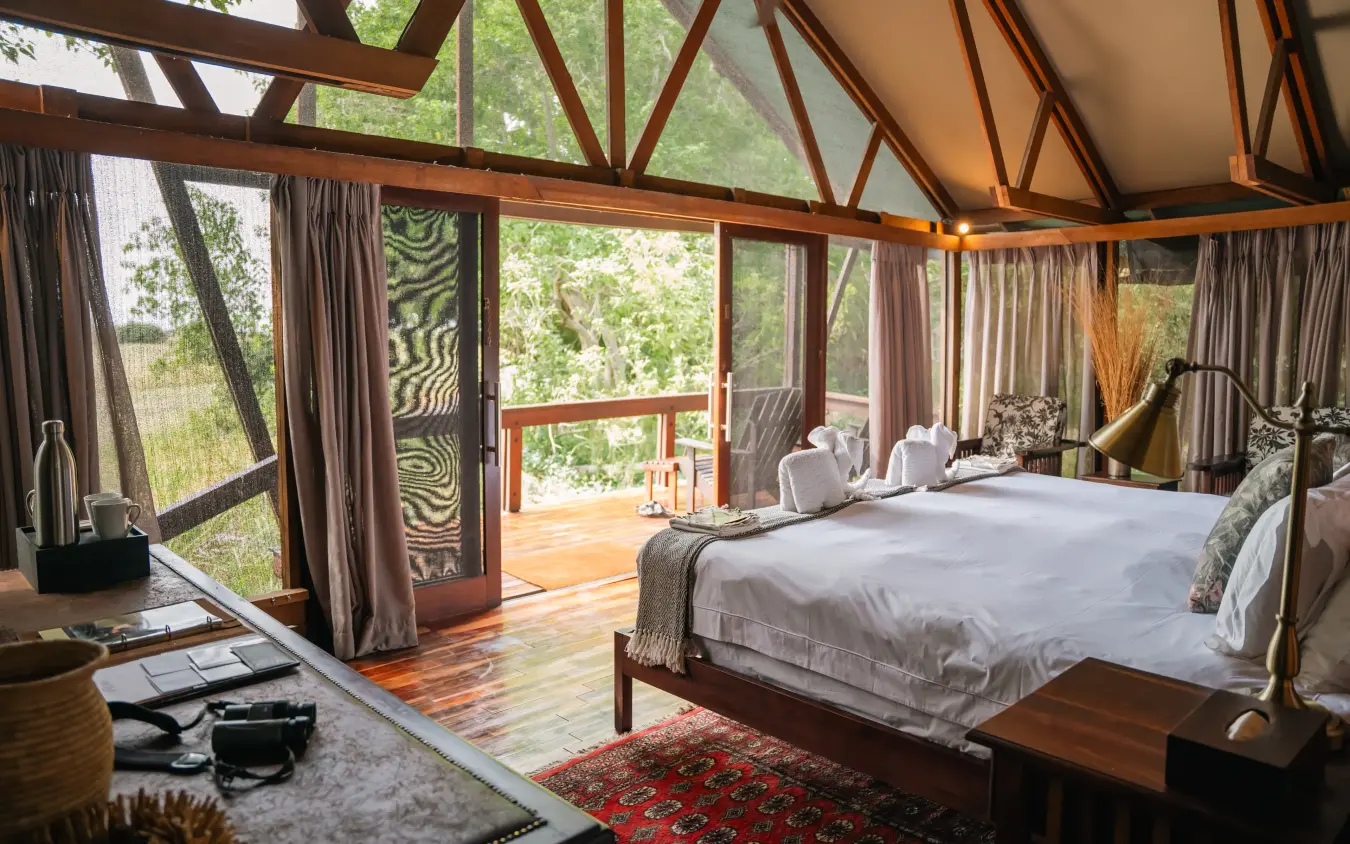
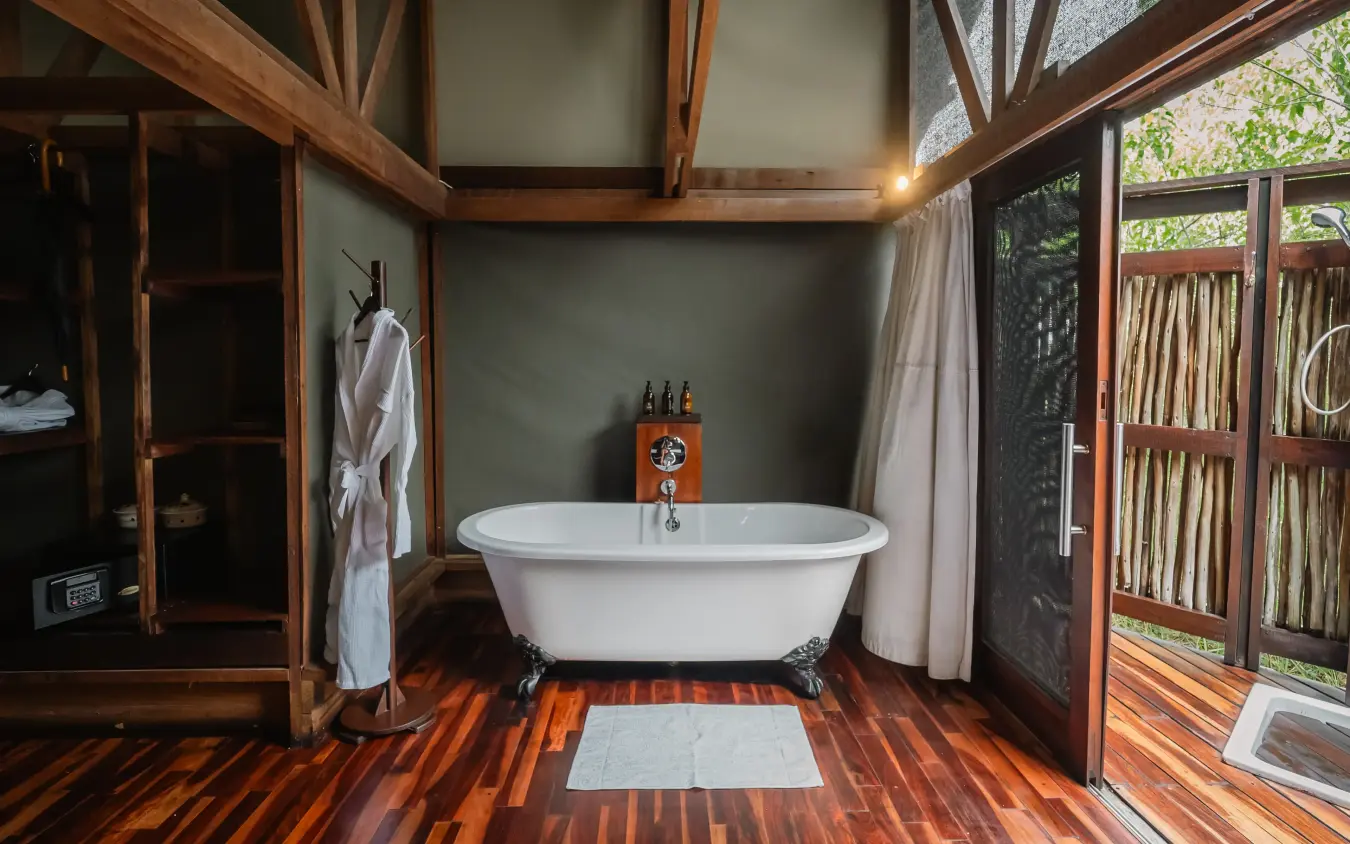
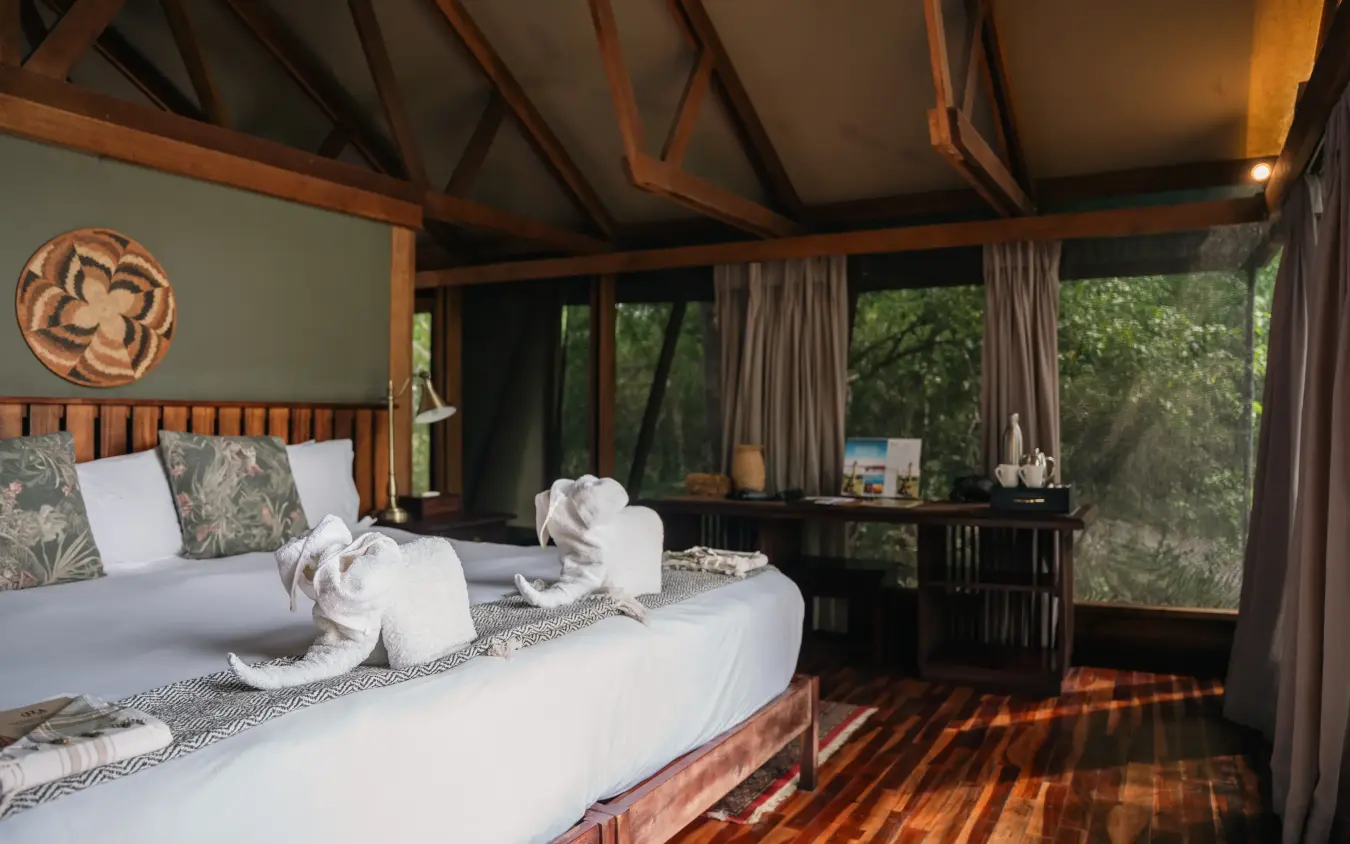
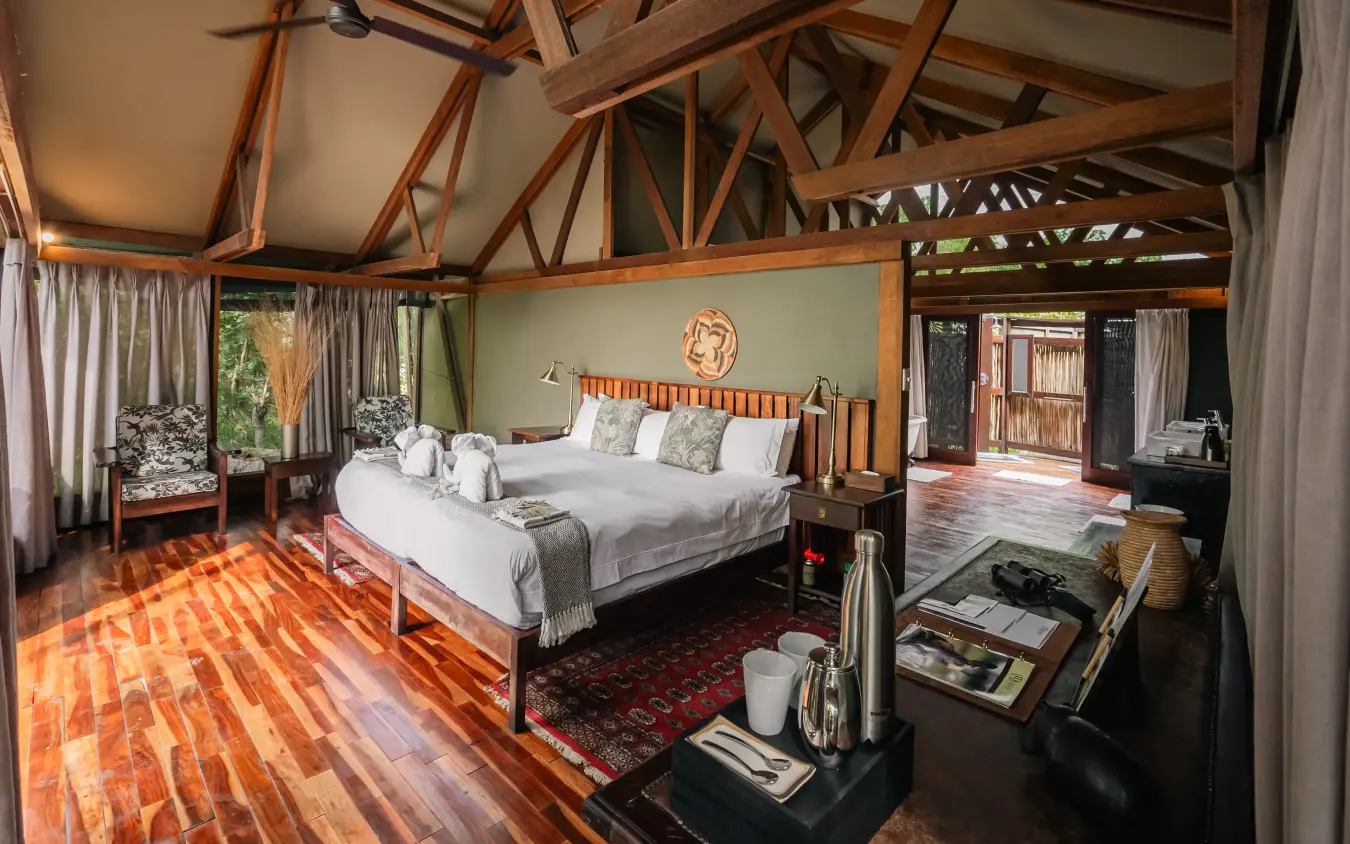
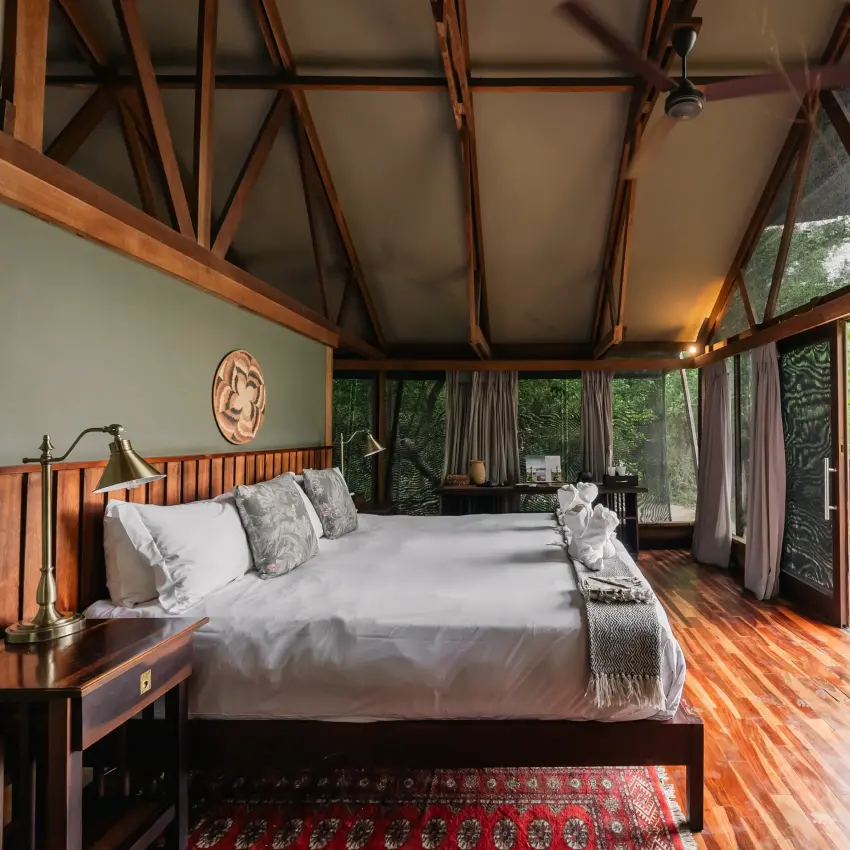
Luxury bedroom with wooden beams overlooking forest canopy from expansive windows, Kwando Lebala Camp, Linyanti Wildlife Reserve, Botswana
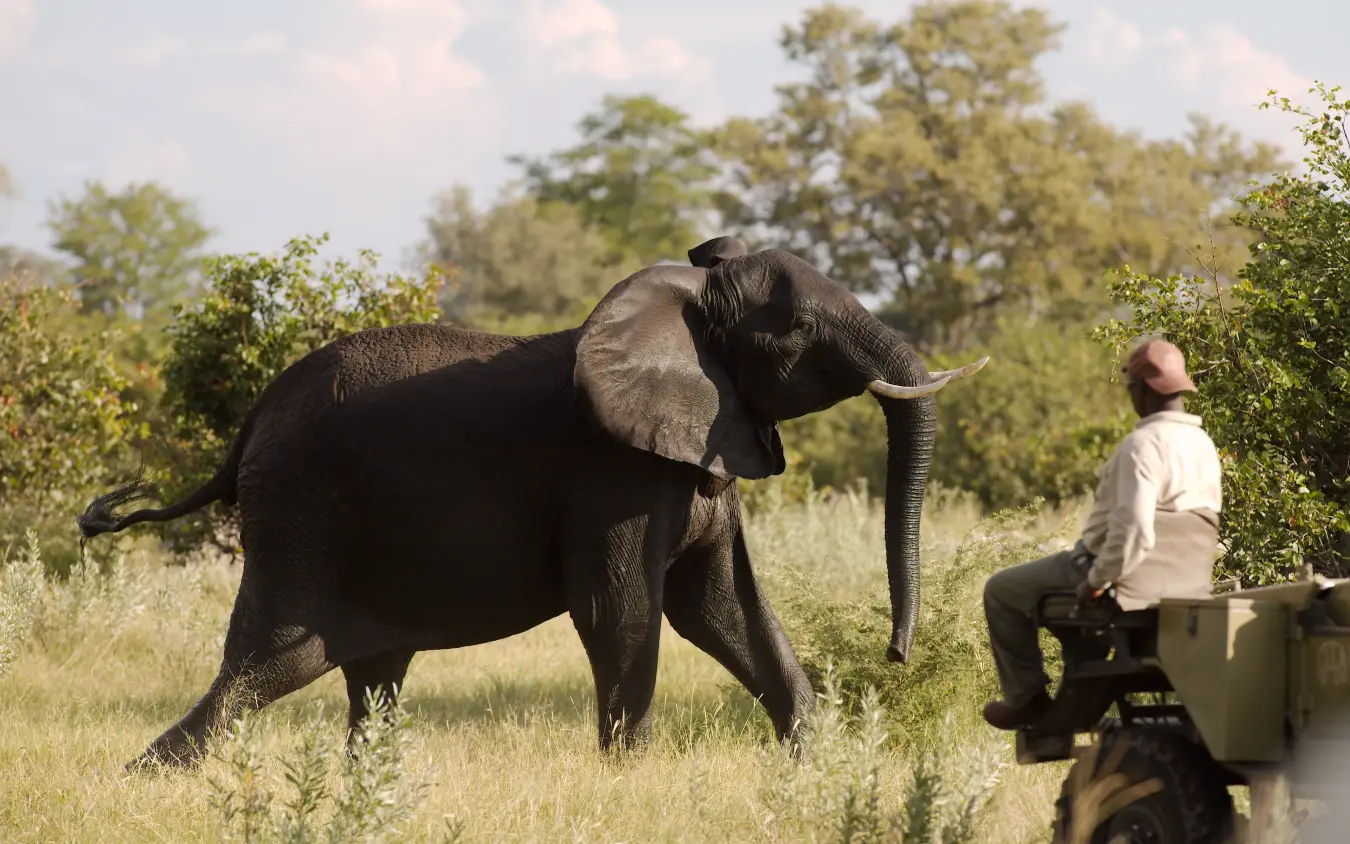
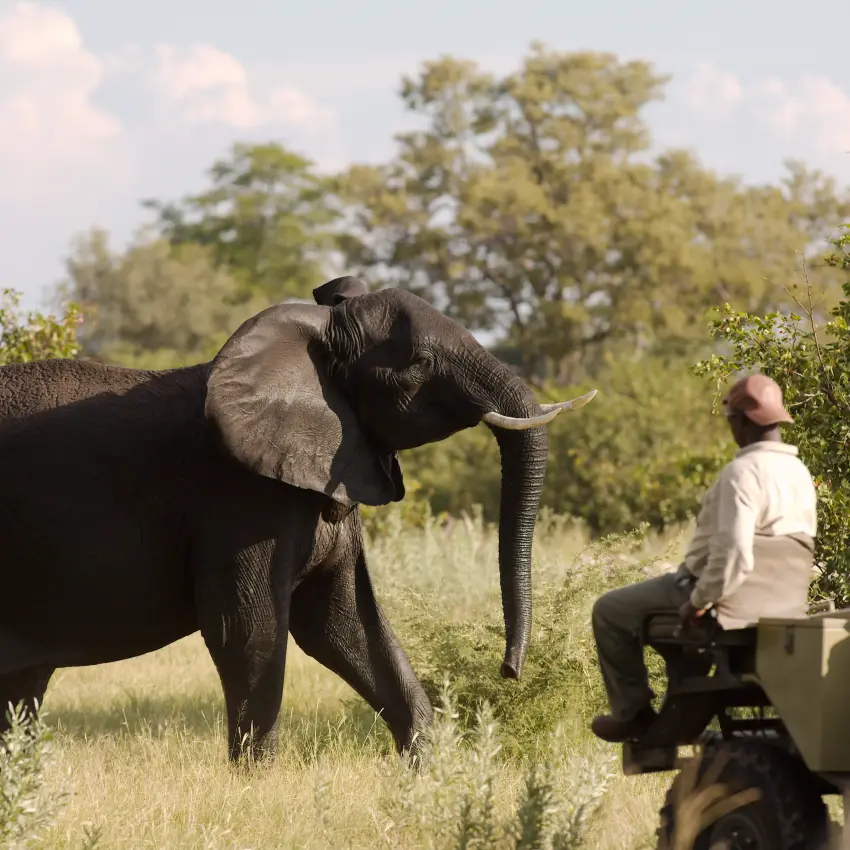
Elephant crossing near safari vehicle with guide on open grassland, Kwando Lebala Camp, Linyanti Wildlife Reserve, Botswana

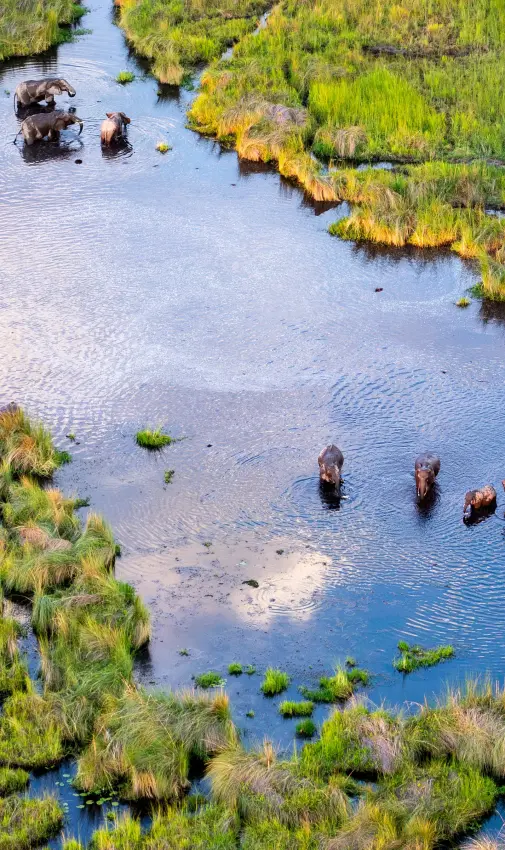
Two camps, Lebala and Lagoon, share the Kwando Reserve, a private concession of roughly 232,000 hectares in the Linyanti region. With so much land and so little built on it, vehicle numbers stay low. “Lebala” means wide open spaces in Tswana, and the horizon-wide views over the marsh earn the name. Elephants cross in loose family groups, buffalo move in dark lines, and distant plumes of dust betray zebra.
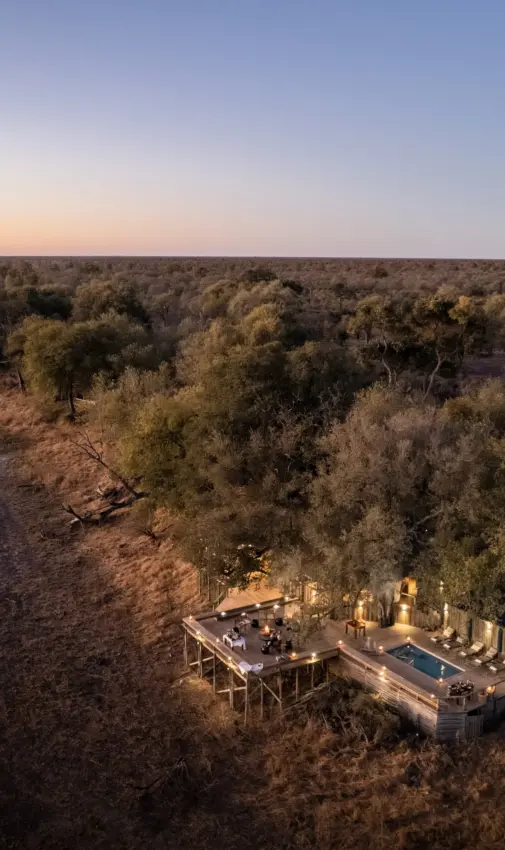

“Lebala” means wide open spaces in Tswana.

The days follow the rhythm of the tracking. Guides study the overnight spoor on the sandy tracks leading out of camp, then decide whether to work lion, cheetah or wild dog trails, sometimes for an hour before the animals appear. Because this is private concession land rather than a national park, the camp can run night drives and seasonal walking safaris that would not be permitted inside Chobe.

Luxury bedroom suite with wooden beams and panoramic windows overlooking woodland, Kwando Lebala Camp, Linyanti Wildlife Reserve, Botswana 01

accommodation

Eight Tented Suites and Family Tent

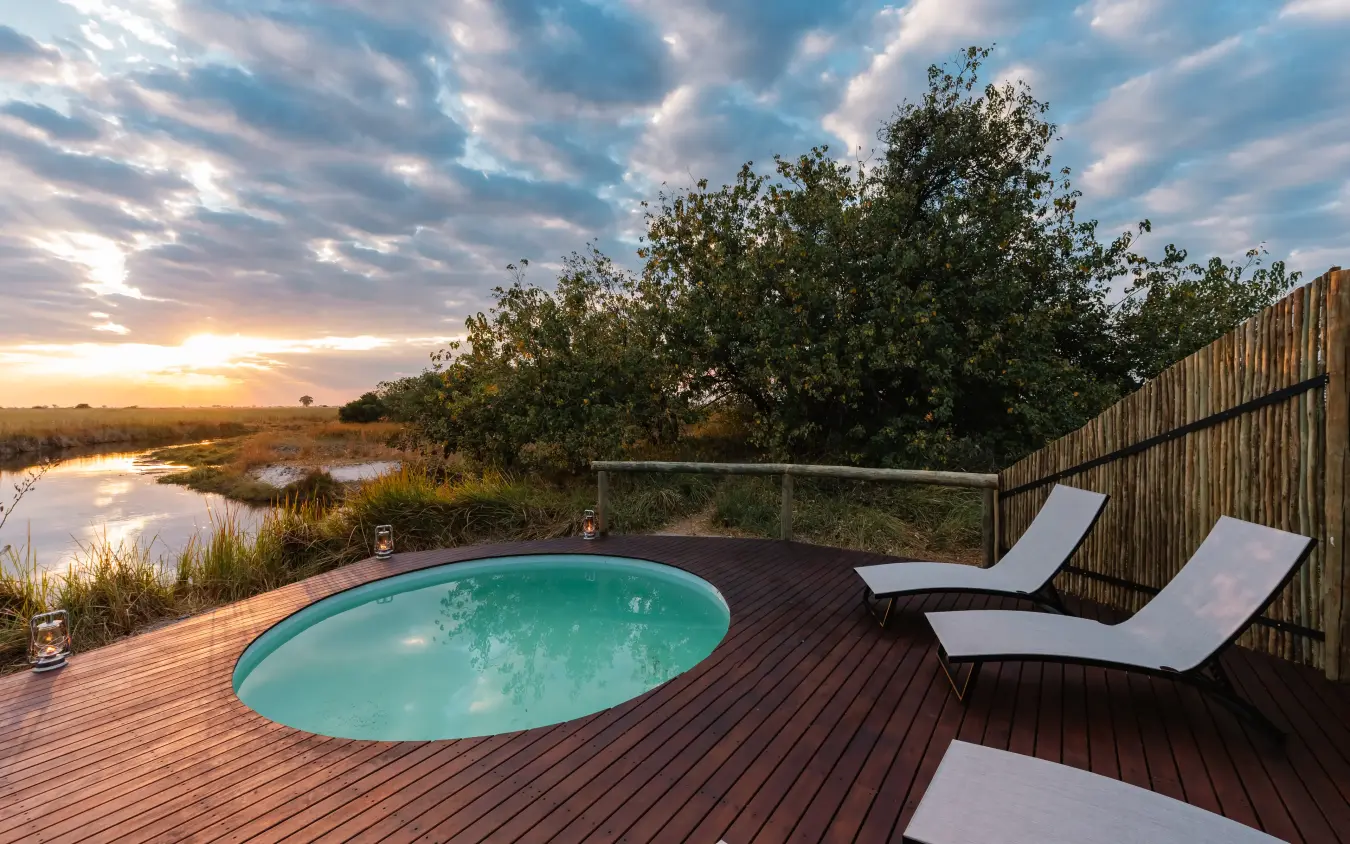
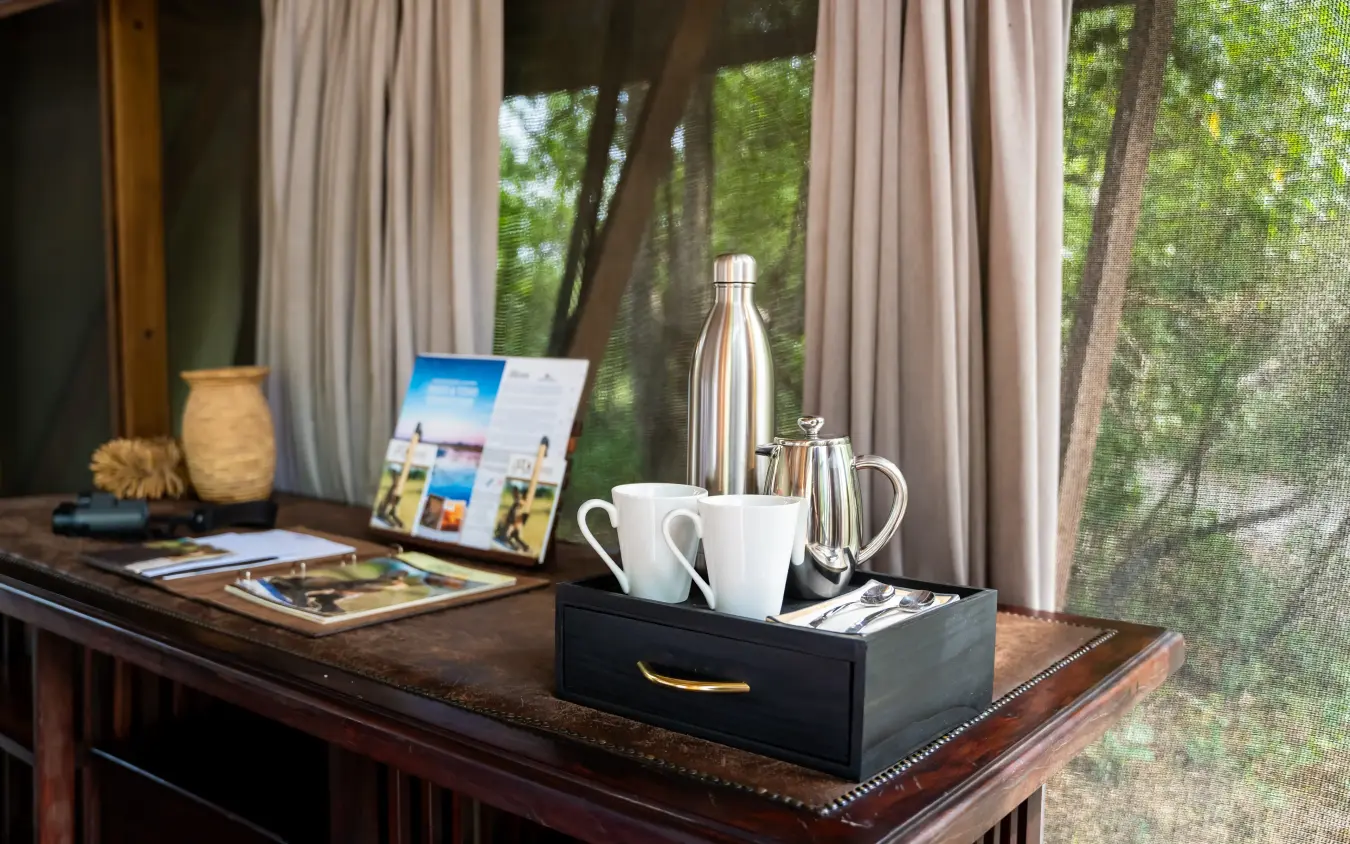
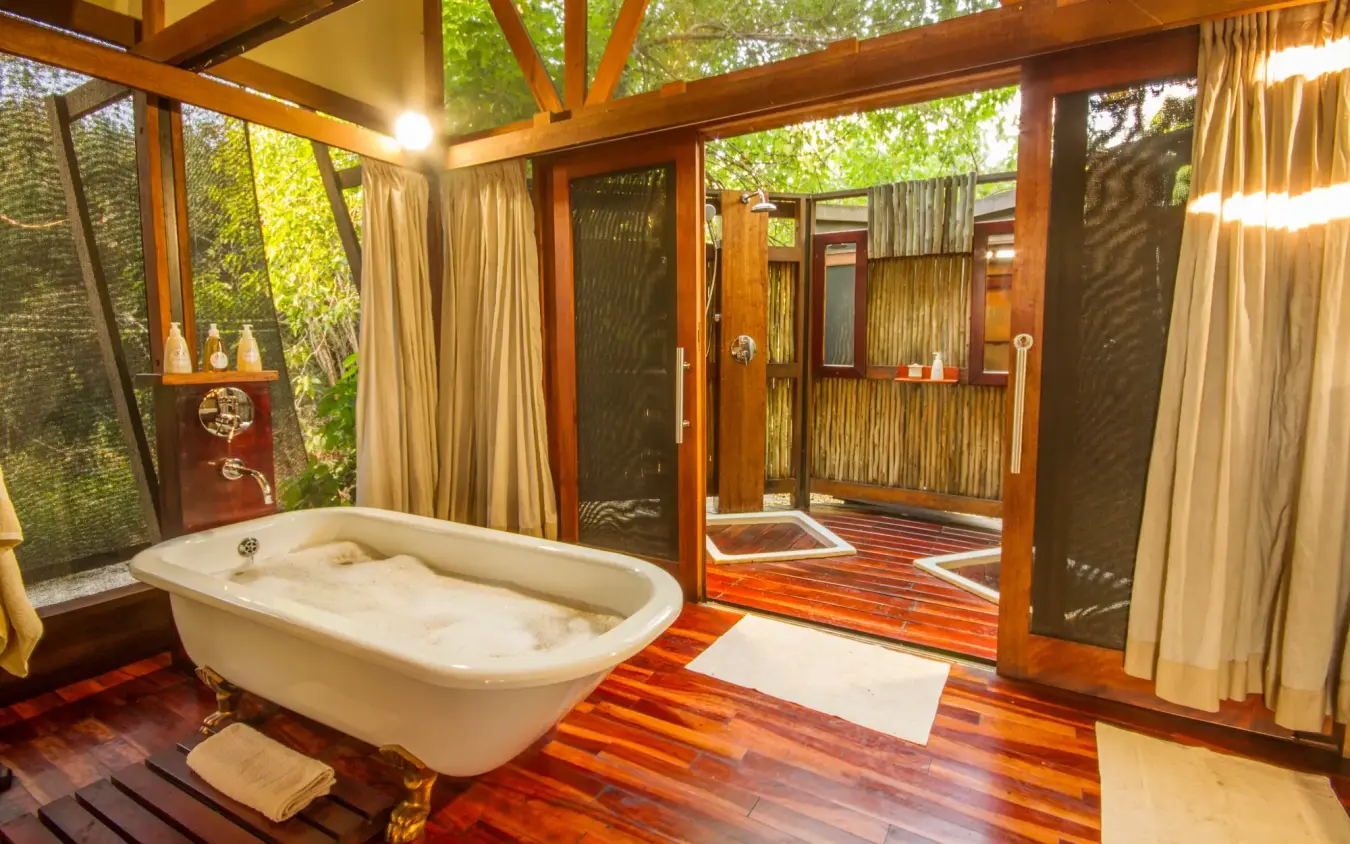
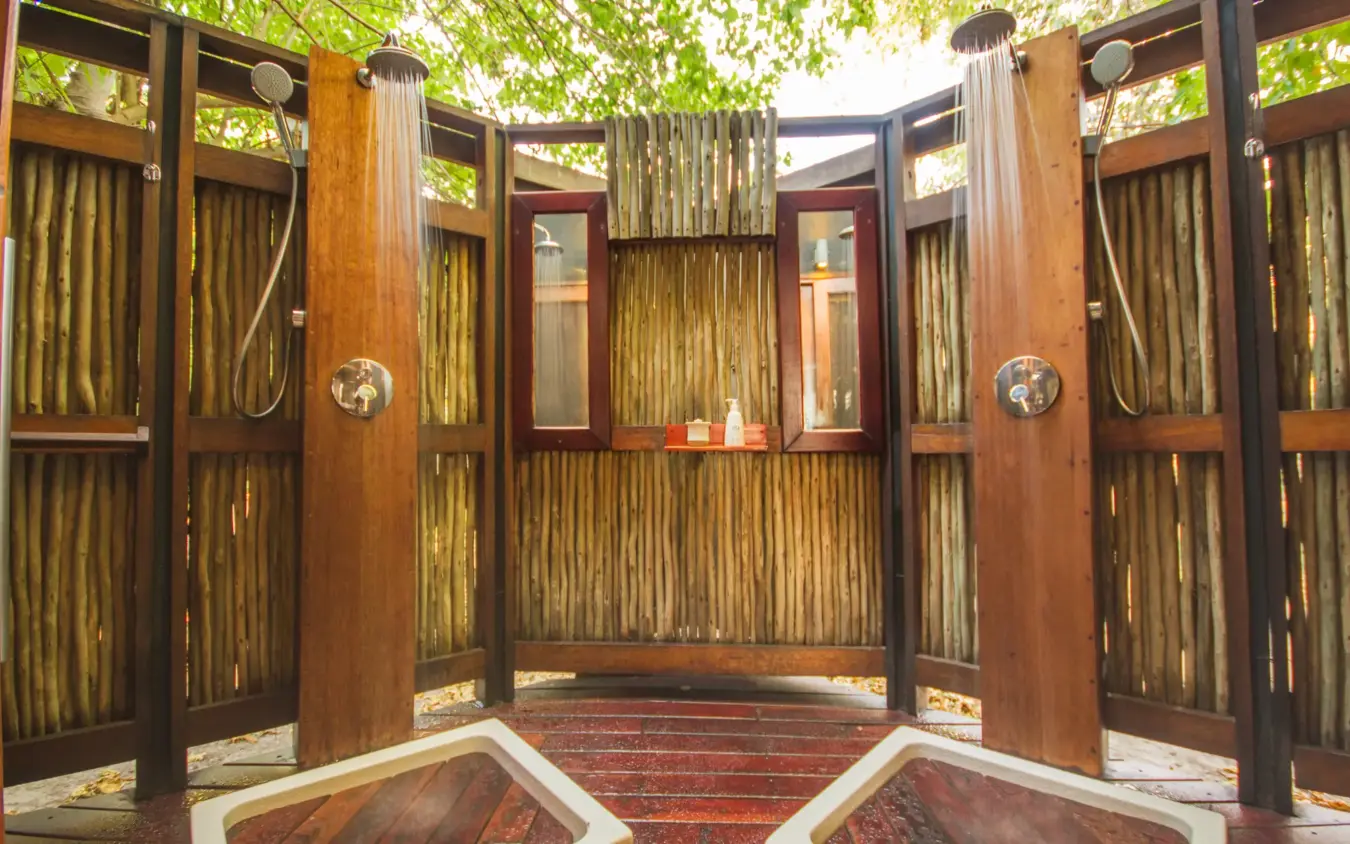
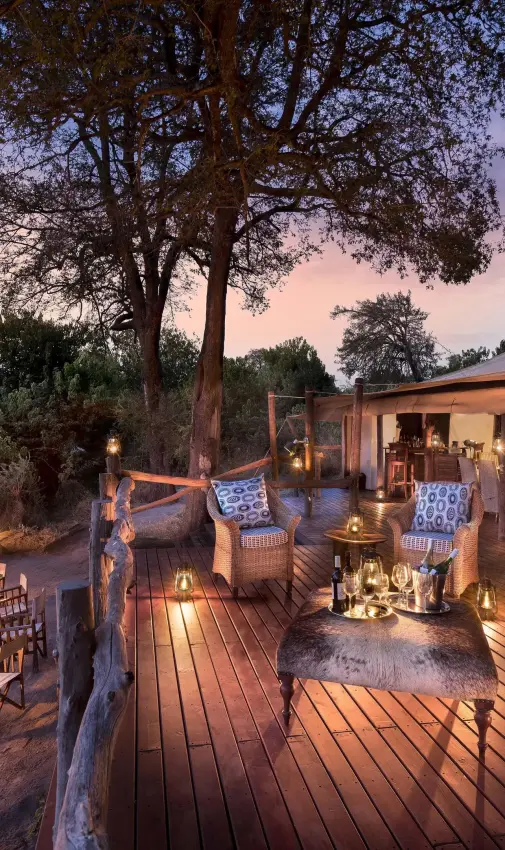
Eight tented suites and a two-bedroom family tent make nine in all, each of canvas and timber, each on its own platform with a private deck facing the floodplain. The en-suite bathrooms have a flush loo and both indoor and open-air showers, with mesh panels drawing the air through. Sandy paths link the tents to the thatched main area.

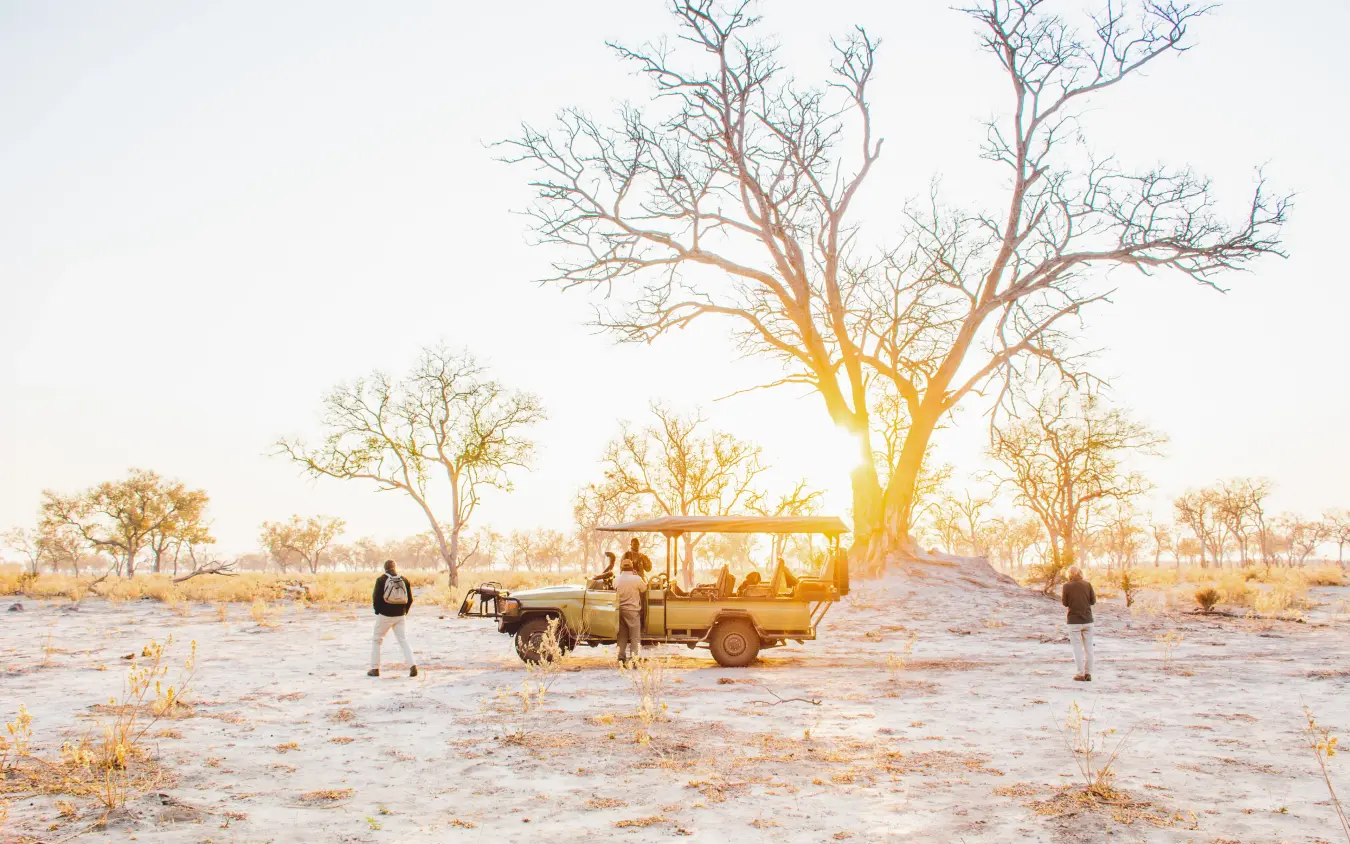
Safari vehicle with photographers on game drive in dry grassland, Kwando Lebala Camp, Linyanti Wildlife Reserve, Botswana 02

activities

Night Drives and Walking Safaris

Game drives in open 4x4 vehicles run day and night, with a guide and dedicated tracker working together on plains game, elephants, buffalo and predators. Guided walking safaris, plus boating and fishing on the river channels, run seasonally, water levels permitting. Night drives, off-road tracking and walks are all possible because Kwando Lebala Camp sits on private concession land rather than inside a national park.

Hiker climbing rocky terrain with backpack in arid landscape, Kwando Lebala Camp, Linyanti Wildlife Reserve, Botswana 03

conservation

Kwando-Linyanti Elephant Migration Corridor

The Kwando Reserve protects a stretch of the Kwando-Linyanti elephant migration corridor and a long-standing wild dog denning area, with packs recorded here for more than twenty years. Limiting the reserve to two camps keeps disturbance low while still allowing predators to become accustomed enough to vehicles for close, non-intrusive viewing.

ready to get started?

Get in touch and let’s start the conversation. An initial consultation helps us understand what you’re looking for, whether that’s specific experiences, luxury touches, or marking a special occasion, and from there we’ll guide you through what’s possible so you can decide if we’re the right fit.

Alternative accommodation in linyanti wildlife reserve

frequently asked questions

A light aircraft from Maun or Kasane reaches the Lebala airstrip in about forty-five minutes, and the drive in to camp takes around twenty more, often with the first sightings on the way. We can also arrange a private charter, typically a Cessna Caravan or Pilatus PC-12, timed to your connections. Soft bags only on the flights, twenty kilograms per person including hand luggage.

One overland exception is worth knowing. Guests combining Lebala with its sister camp Lagoon travel between the two by road at no charge, a three hour game drive through the concession that doubles as a safari in its own right.

Yes. The Linyanti wetlands sit inside northern Botswana's malaria belt, and both the UK's official travel health advice and the CDC recommend antimalarial tablets here, with transmission at its height from October to May while the rains stand on the marsh. June to September is lower risk, not no risk.

We do not make medical recommendations, and we would not want to. We arrange travel; we are not doctors. Which tablets suit you, how they sit with anything else you take, and what is right for a child are questions for your own doctor or a travel clinic. On the practical part, dusk is the hour that matters, so long sleeves, long trousers and repellent are worth the packing space.

From six years old, and the shape of the stay shifts a little with their ages. Families with children aged six to eleven take a private vehicle, which comes with its own guide and tracker team, so the tracking that defines the camp runs entirely at your family's pace.

Mokoro trips and walking safaris start at twelve, anyone under eighteen shares a tent with an adult, and the two-bedroom family tent puts everyone under one canvas roof.

Children younger than six only come when a camp is taken over exclusively. Tell us the ages when we plan and we will be straight about the fit.

Nearly the whole stay: accommodation, all meals, local drinks alcoholic and soft, laundry, every game activity from the tracking drives to the seasonal water outings. We include medical evacuation cover as standard. The listed extras are tips, premium drinks and cigars, helicopter excursions and a small nightly community and conservation levy.

We fold the levy into your quote from day one, so the number we give you is the number you pay.

Three nights gives the guide and tracker team room to show you the method as well as the results, following a trail that fails one morning and lands the next. Pairing it with Lagoon works especially well: the two camps share the concession, the road transfer between them costs nothing, and the landscapes differ enough, open floodplain against riverfront, that six nights across the pair play like two safaris.

Coming from the Delta, Maun connects the flights; from the north, Kasane links the camp to Chobe and Victoria Falls. We route it so each leg lands in daylight with time to settle in.

Soft bags, twenty kilograms including hand luggage, and layers chosen with conviction. Night drives are core here, and an open vehicle after dark in July calls for a padded jacket, a beanie and gloves, whatever the daytime sun promised. Summer flips the problem: light, breathable neutrals, a rain shell for the afternoon storms, and strong sun protection throughout.

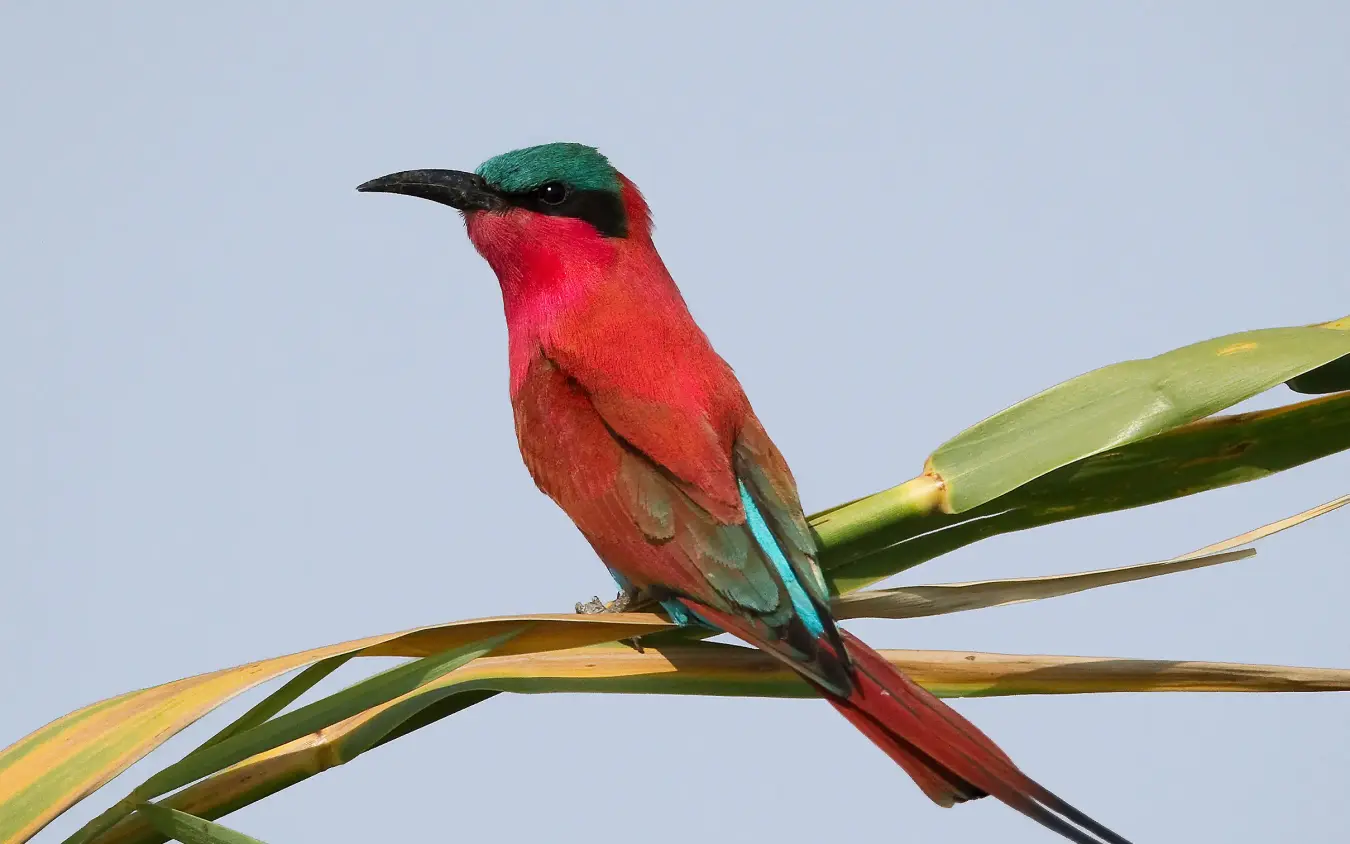
Add closed shoes for the walking safaris, binoculars for the marsh birds, and a camera with reach, because a wild dog pack at full stretch across open grass is the picture people come home with.

rated five stars by our clients

other areas in botswana

Aerial view of elephants wading in shallow water surrounded by vegetation 01

The Okavango Delta

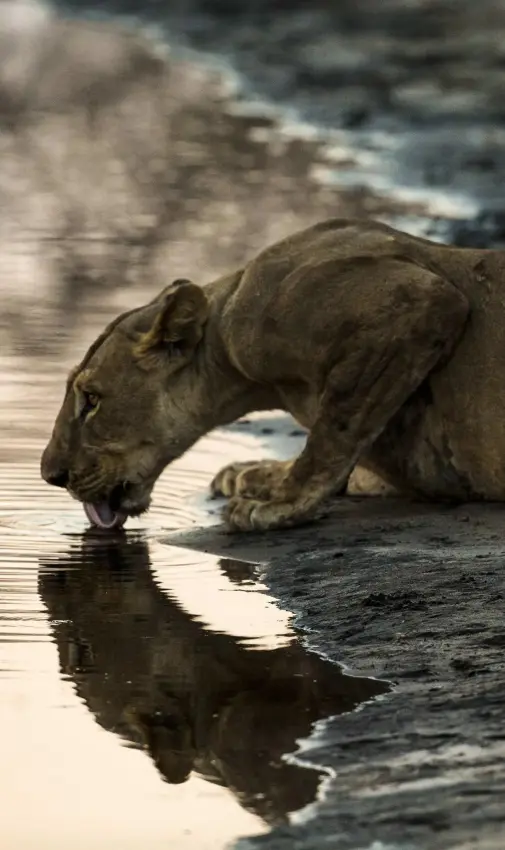
Lion drinking from water's edge at sunset, Selinda Reserve, Botswana 02

Selinda Reserve

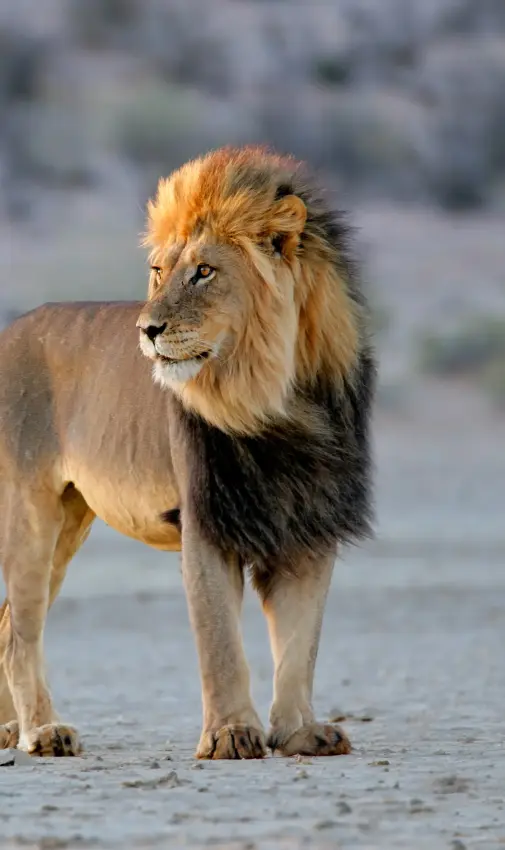
Male lion standing on sandy ground in natural habitat 03

Central Kalahari

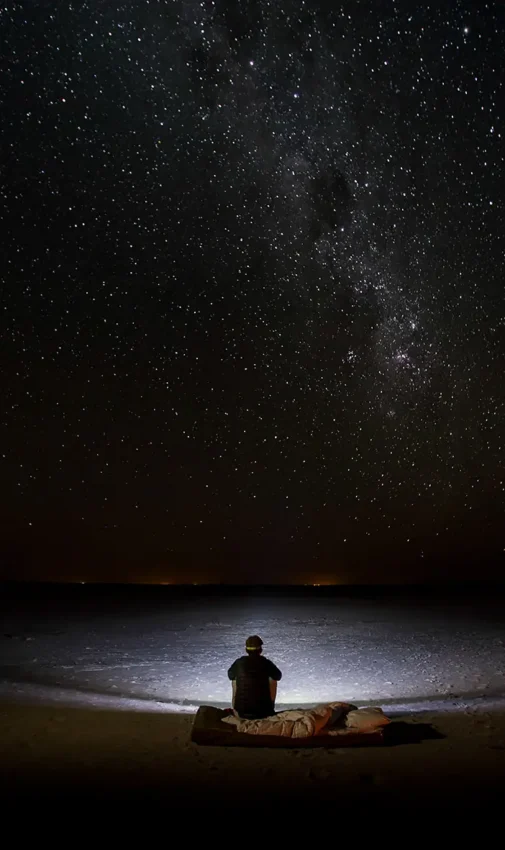
Person sitting alone under starry night sky, Makgadikgadi Pans, Botswana 04

Makgadikgadi Pans

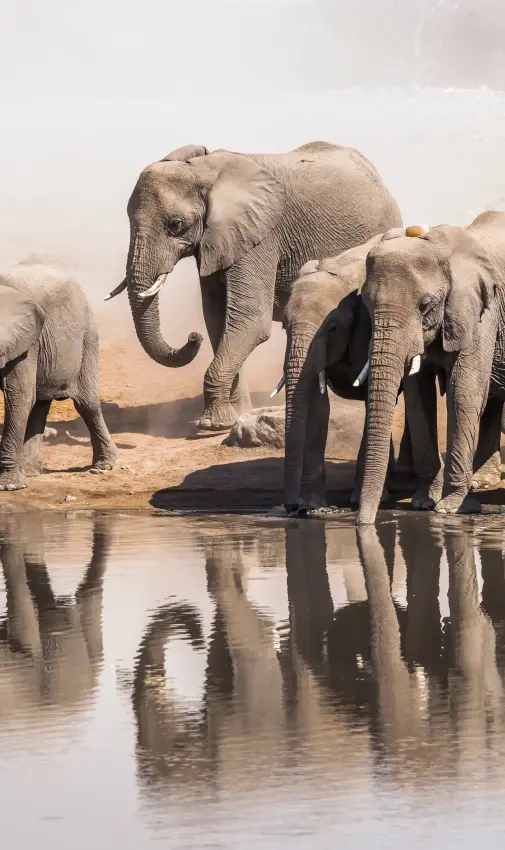
Herd of elephants drinking at waterhole with reflections 05

Chobe

Aerial view of winding river through dense woodland and wetland savanna, Thamo Telele, Maun, Botswana 06

Maun

Planning a journey together

our approach

remote, exclusive
& personal

Every journey starts with a conversation. We take the time to understand your vision before we start planning.

Whether by phone or in person, we work with you directly to shape something that is considered, personal, and expertly delivered.

get in touch
destinations ideas & inspiration our process about us contact us