Camp

Linyanti Bush Camp

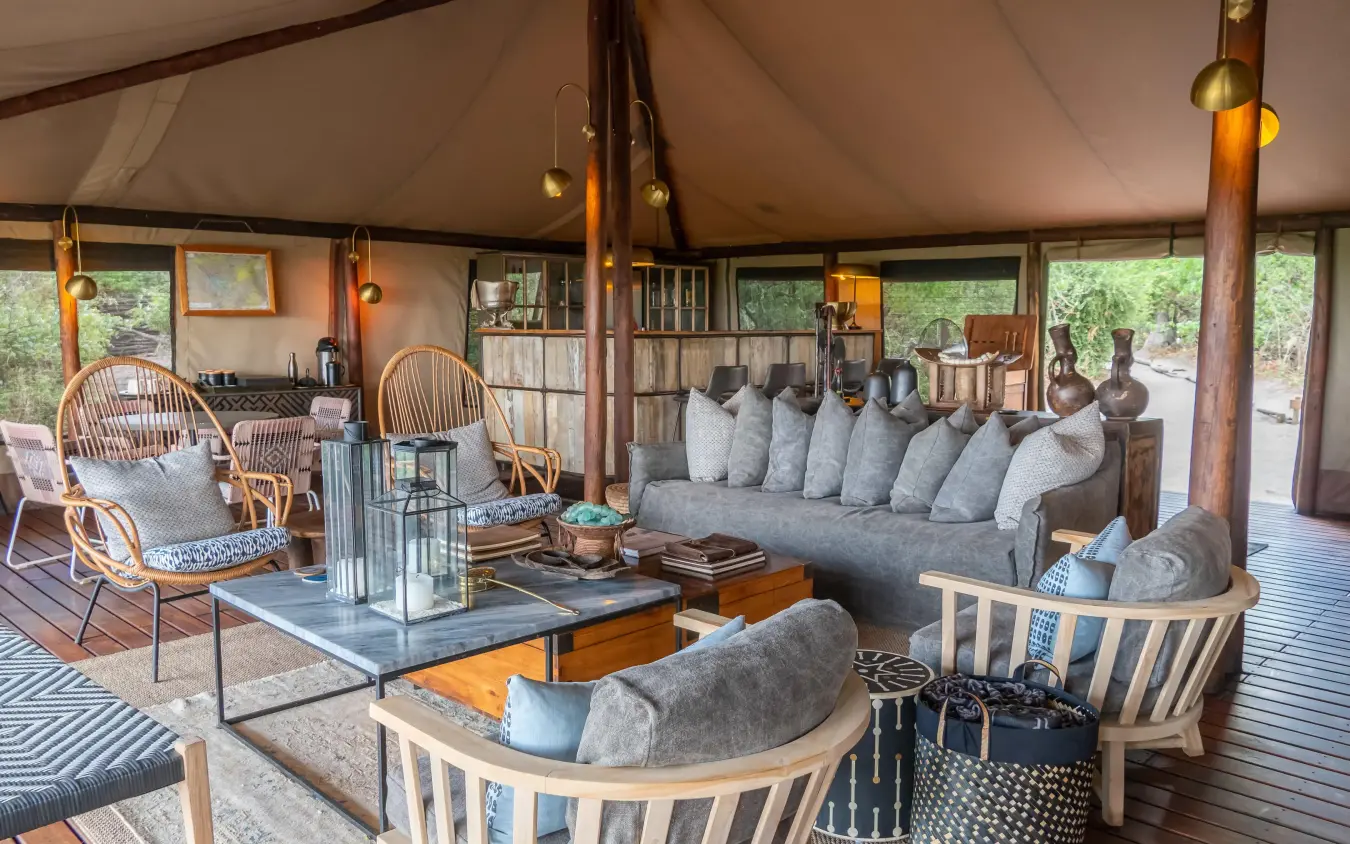
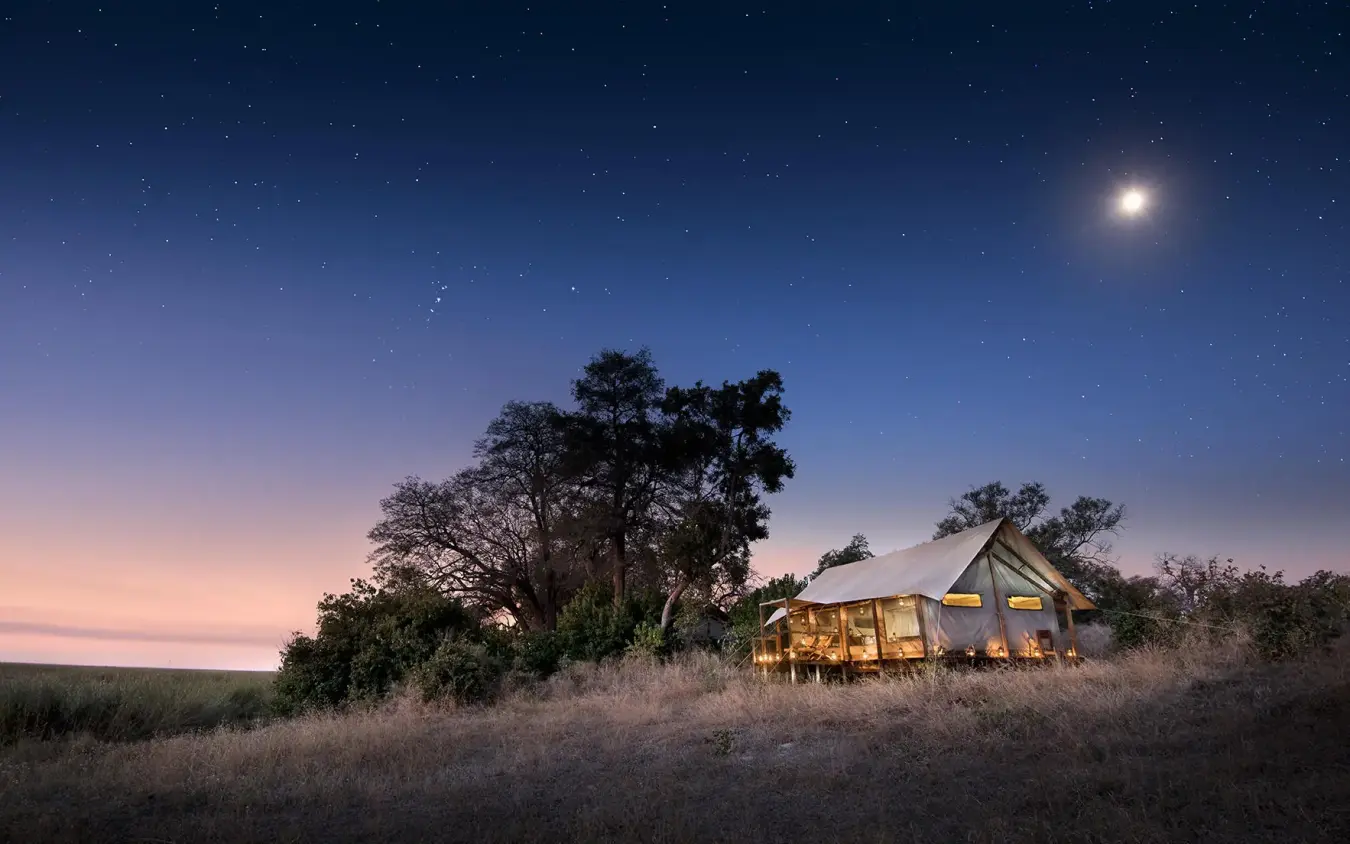
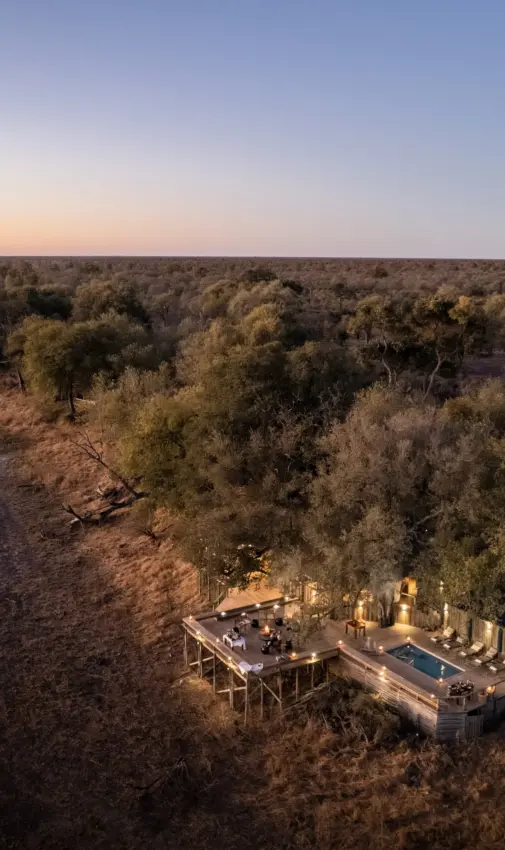
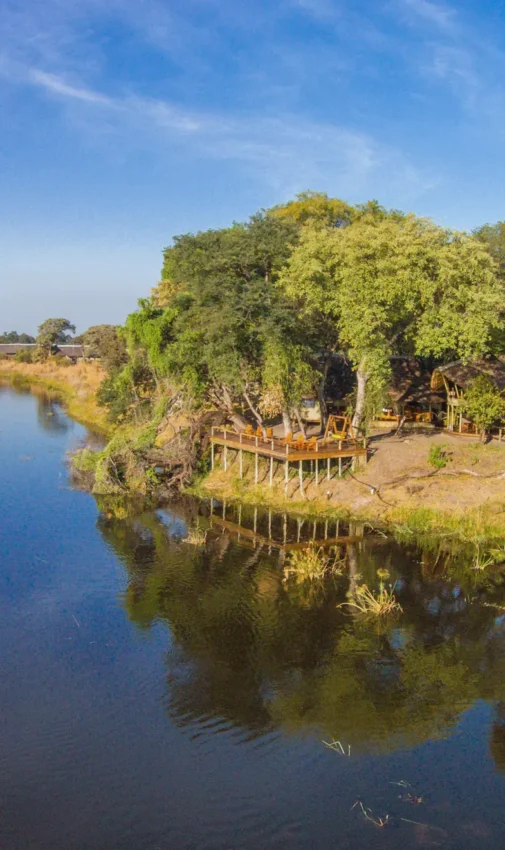
Linyanti Bush Camp is a six-tent camp on Botswana’s Linyanti Marsh, in a private concession bordering Chobe National Park.

Country: Botswana
Location: Linyanti Wildlife Reserve
Number of rooms: 6

Last water in the dry season

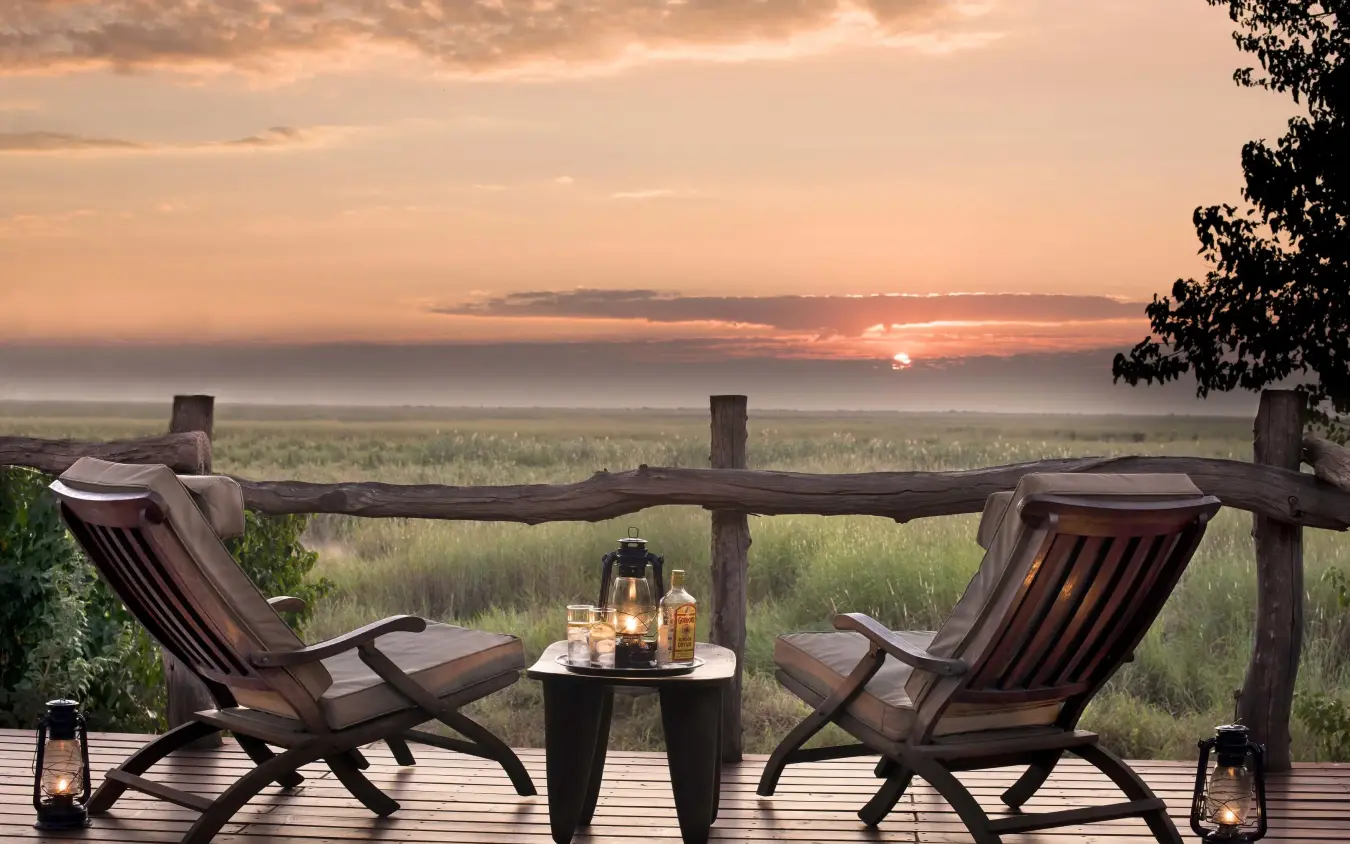
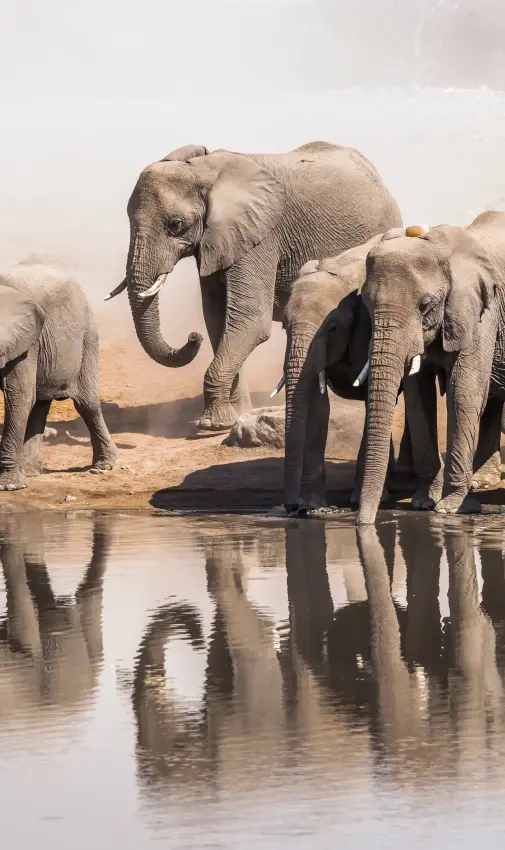
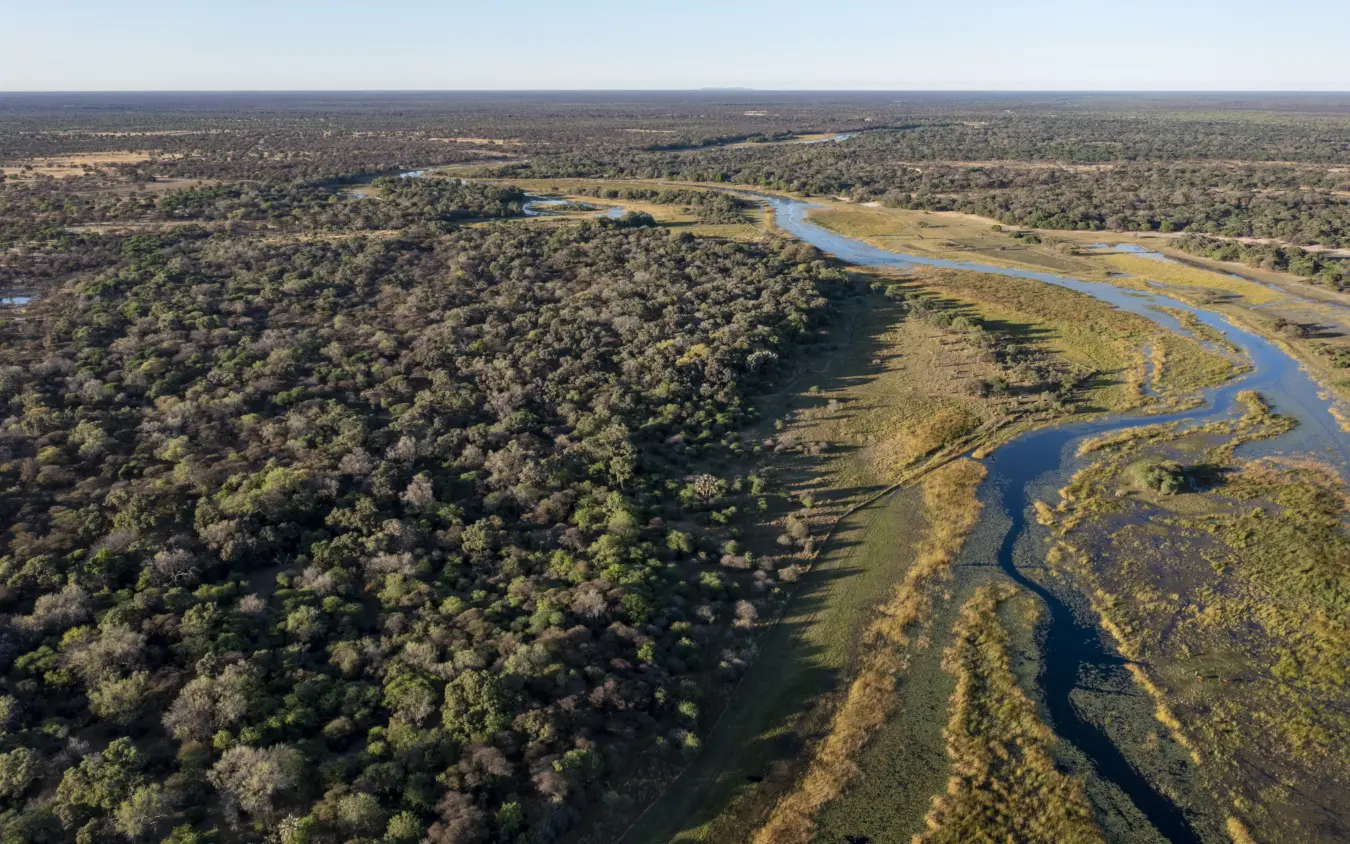
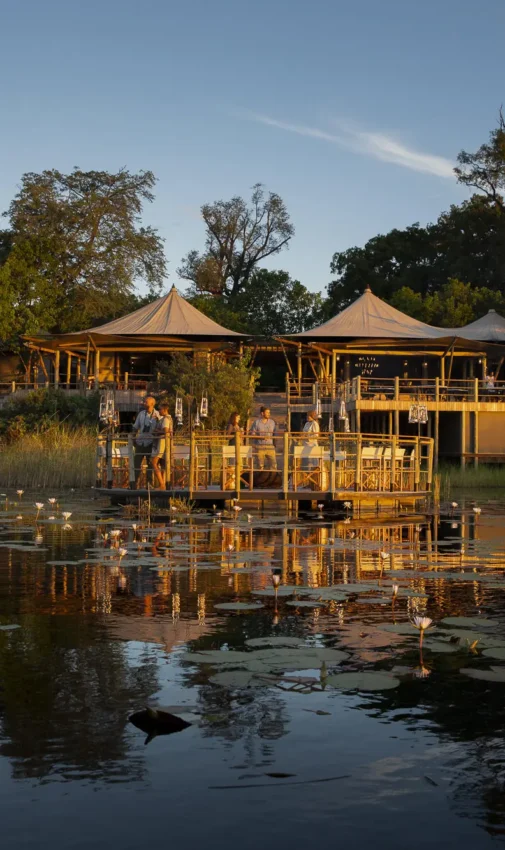
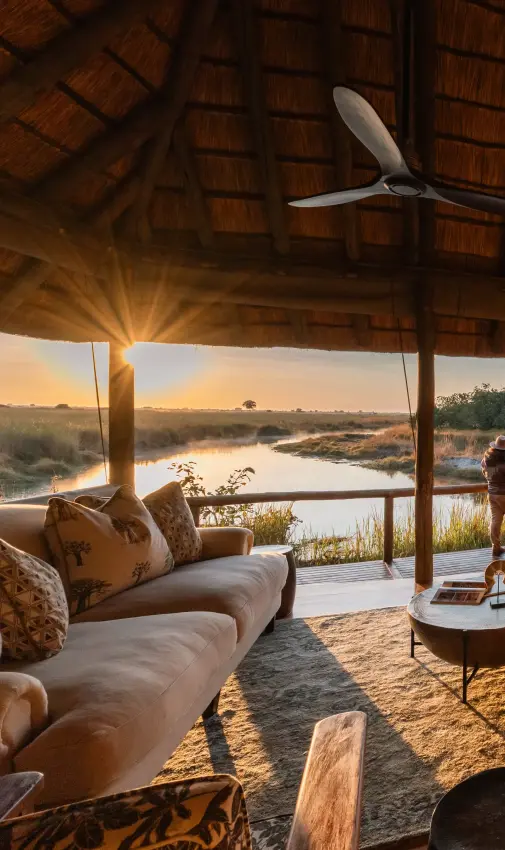
From May to October, the Linyanti Marsh holds permanent water for miles, and the elephants respond accordingly. Herds sometimes numbering in the hundreds move down as the surrounding mopane country dries to dust, followed by Cape buffalo and, in turn, the predators that trail the buffalo. Linyanti Bush Camp sits directly on this marsh edge, six tents on a private concession in the Chobe Enclave, on the western boundary of Chobe National Park.

Linyanti Bush Camp sits directly on this marsh edge

Lion, leopard, spotted hyena and wild dog all hold territory in this stretch of the enclave. The papyrus channels and floodplain grasses draw the species less commonly seen elsewhere in the region. Sitatunga, red lechwe, sable and roan all move through the reeds that fringe the water, secretive animals that reward the patience of a camp built on this particular edge.

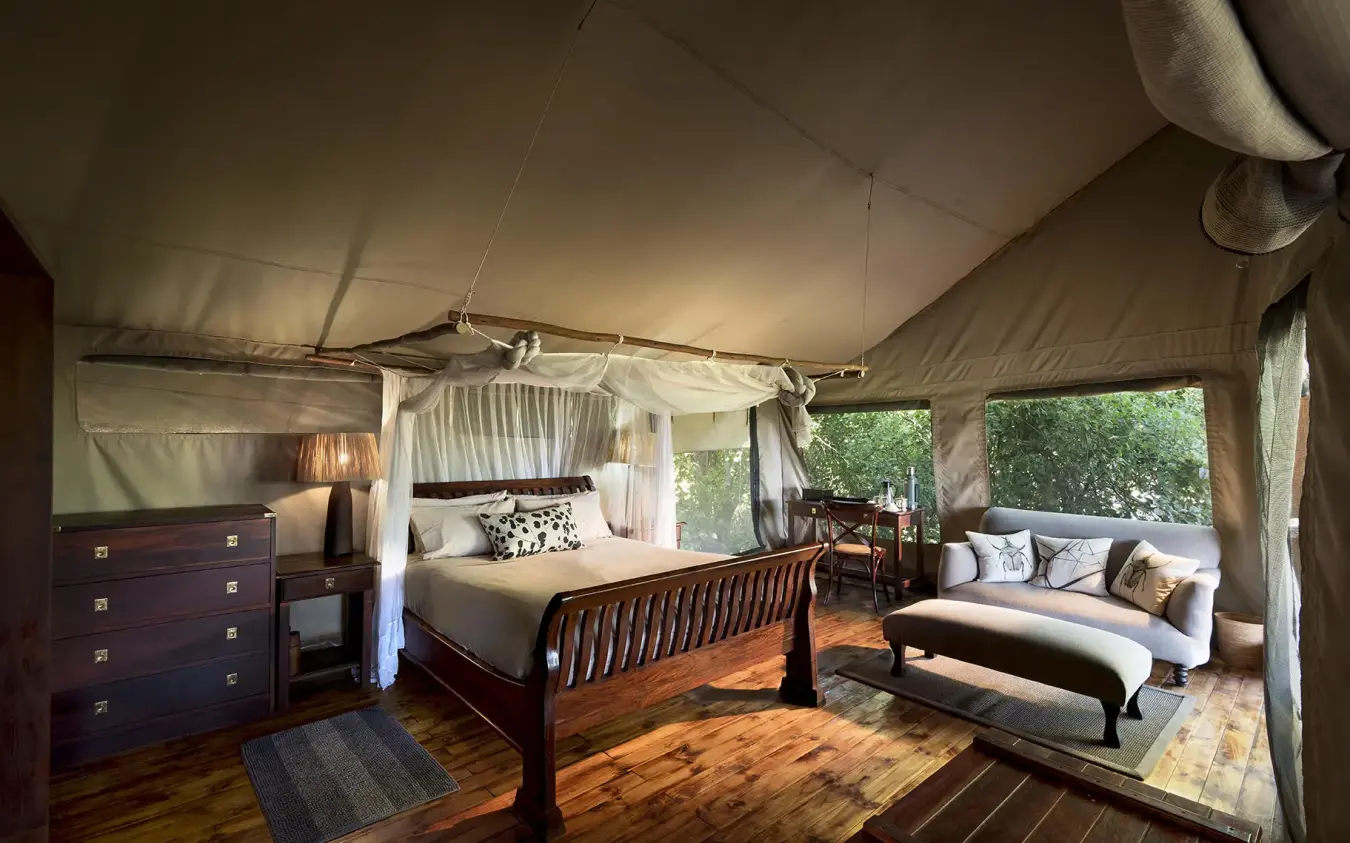
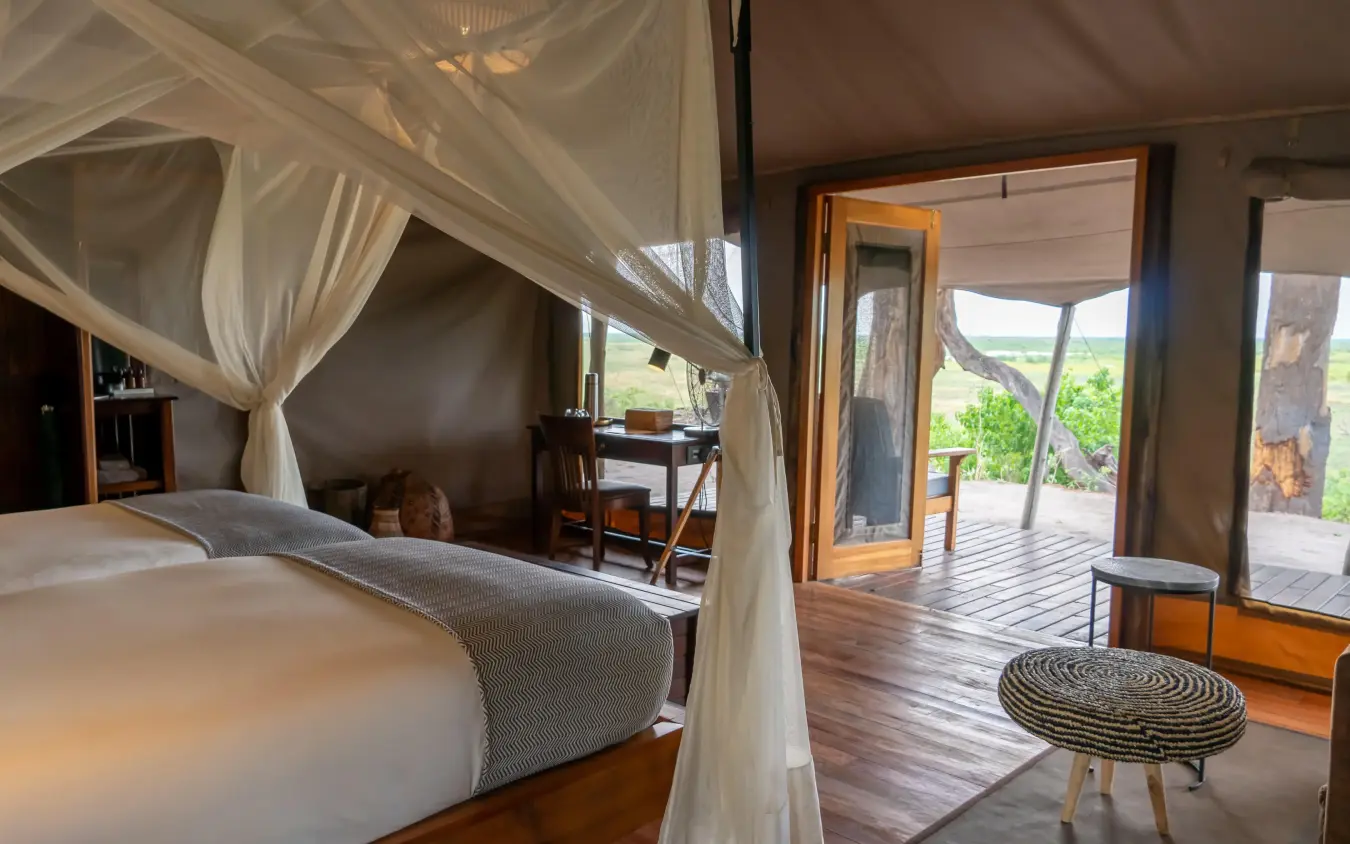
Canvas tent bedroom with four-poster bed and en-suite bathroom, Linyanti Bush Camp, Linyanti Wildlife Reserve, Botswana
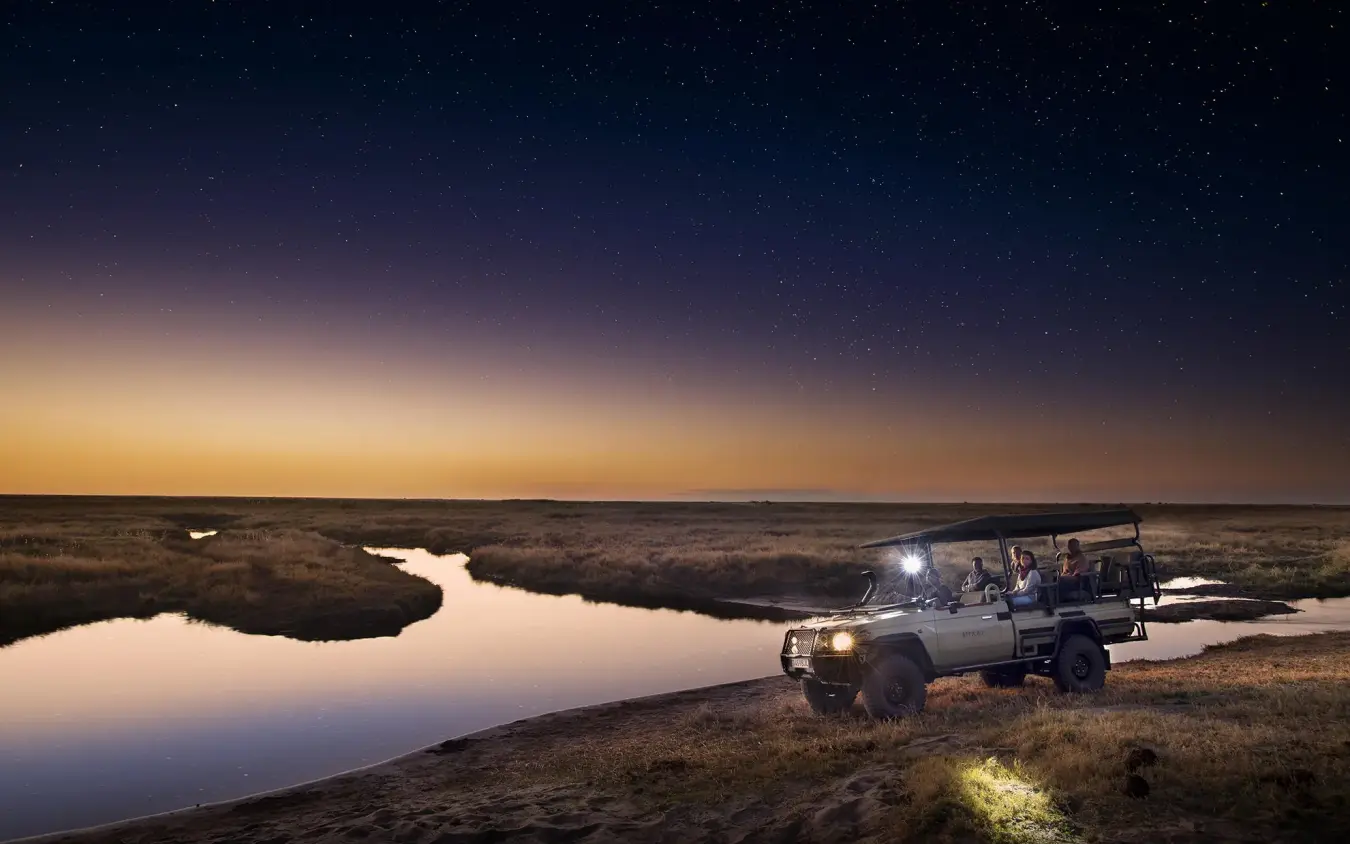
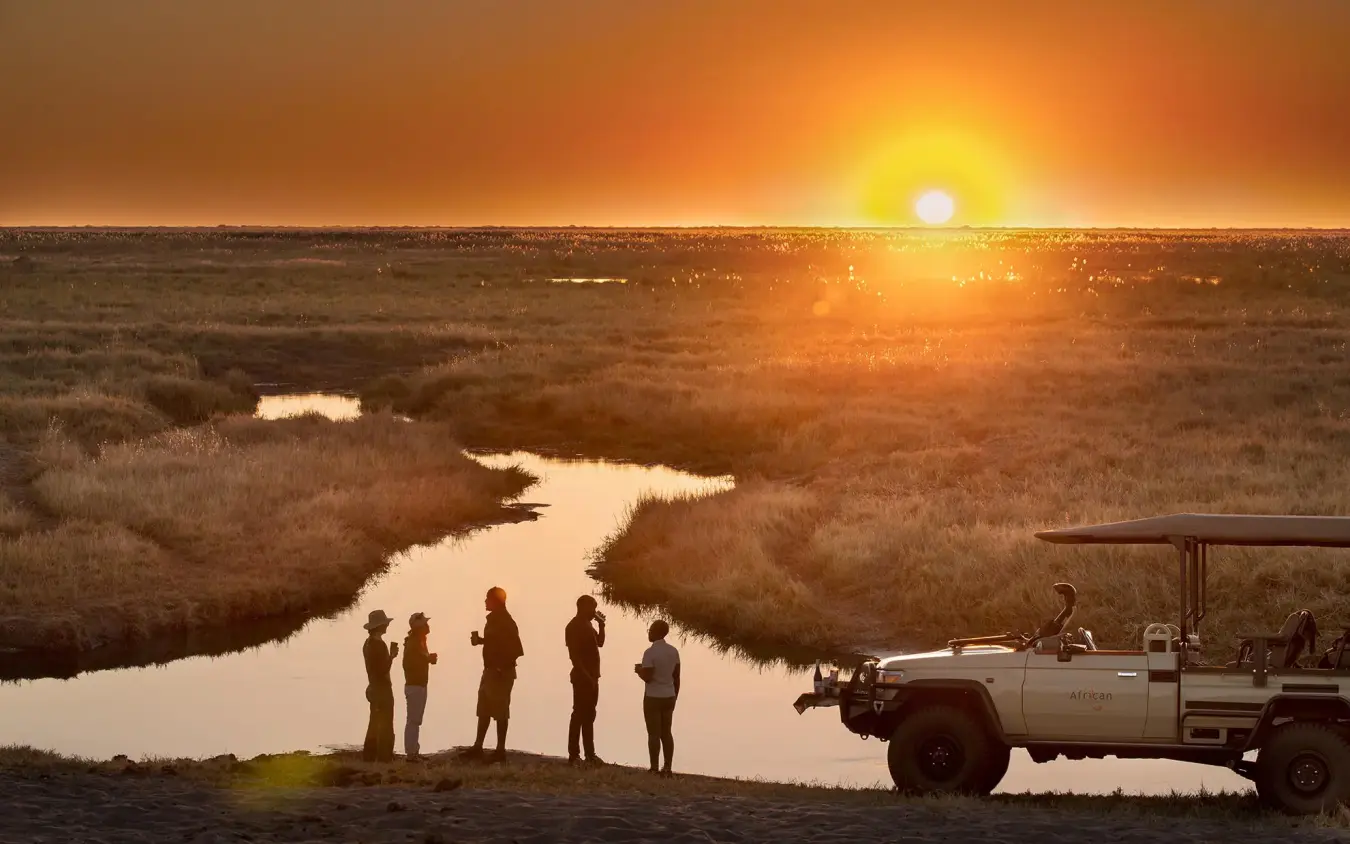
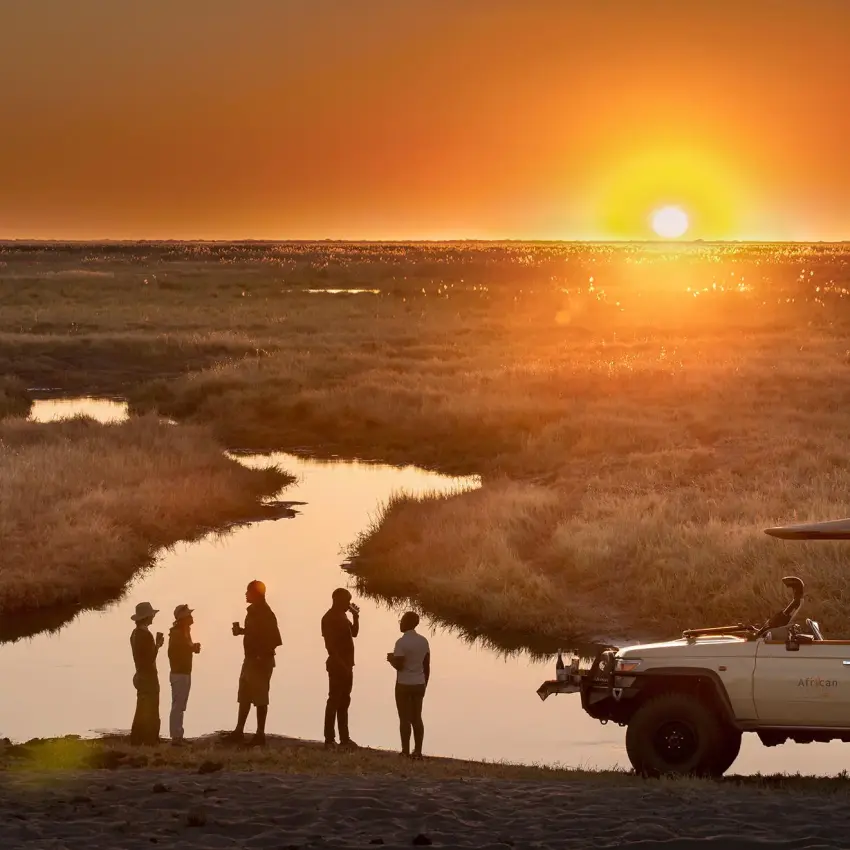
Guests standing by safari vehicle at sunset overlooking wetland, Linyanti Bush Camp, Linyanti Wildlife Reserve, Botswana

Concession status changes what happens on a game drive here. Because the camp lies within the private Chobe Enclave rather than inside the national park, guides can leave the track to follow predators and run night drives with spotlights, neither of which the park permits. A sighting is shared with a handful of vehicles rather than the self-drive traffic that moves through Chobe.

Concession status changes what happens on a game drive here

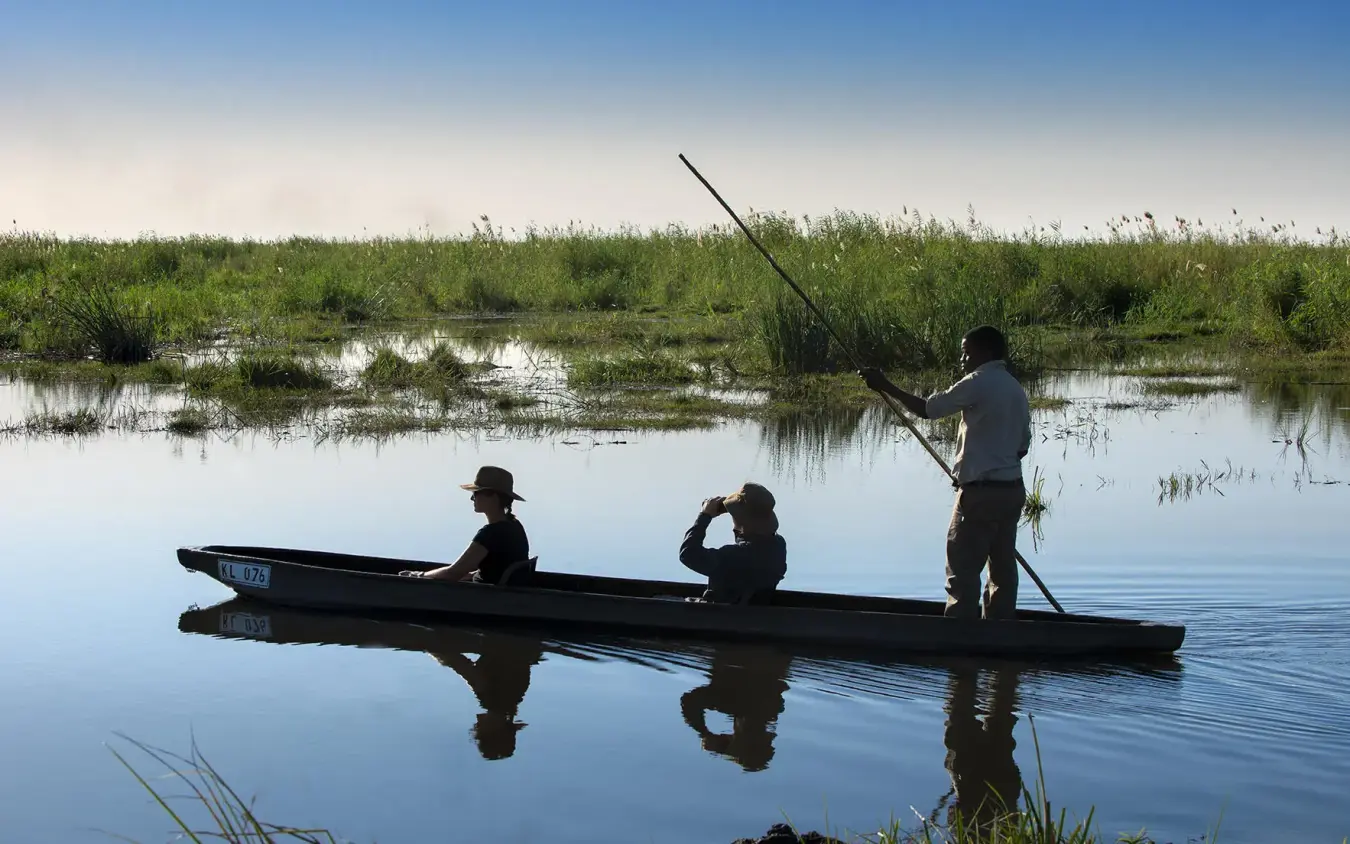
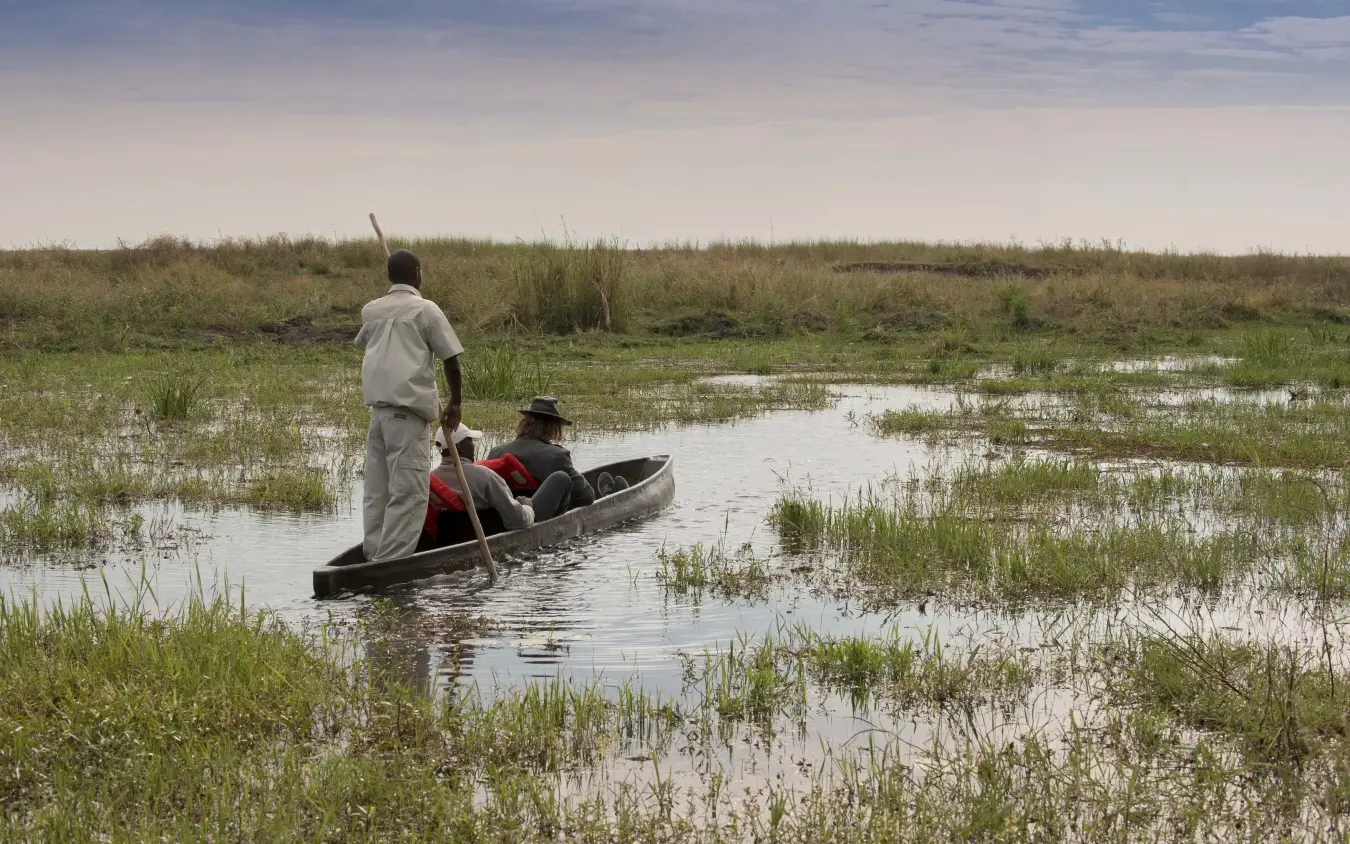
The range extends well beyond the vehicle. Walking safaris, open to guests aged sixteen and over, work best through the drier months, when the grass is low and the tracking easier. Mokoro excursions thread the papyrus channels when the floodwaters allow, and motorboat cruises and catch-and-release fishing run on the same seasonal rhythm. From April to November, a helicopter lifts over the wetlands and into Chobe, a thirty-minute view of the same herds and channels you follow on the ground.

Safari tent bedroom with canopy bed and landscape views, Linyanti Bush Camp, Linyanti Wildlife Reserve, Botswana 01

accommodation

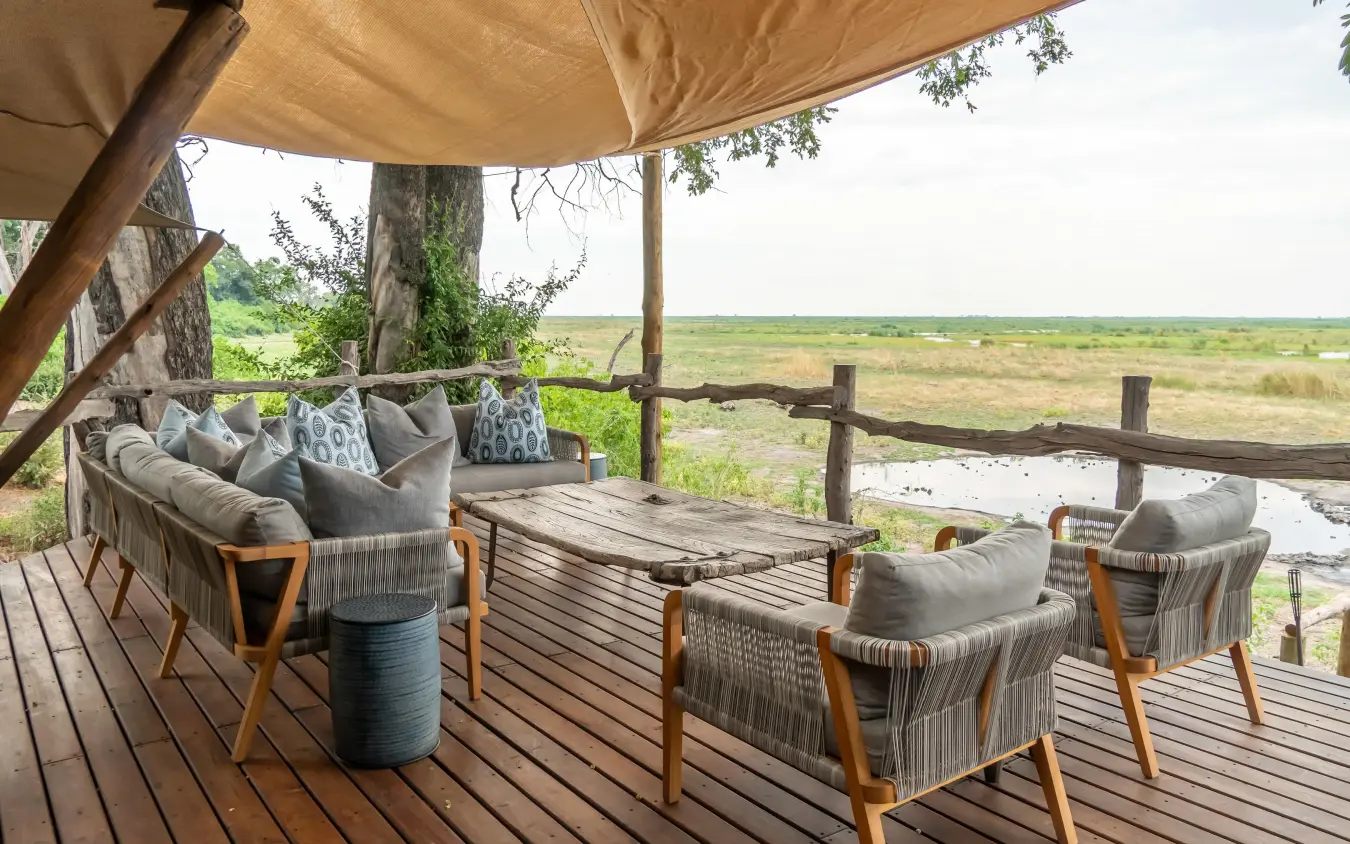
Six Tents With Marsh-Facing Decks

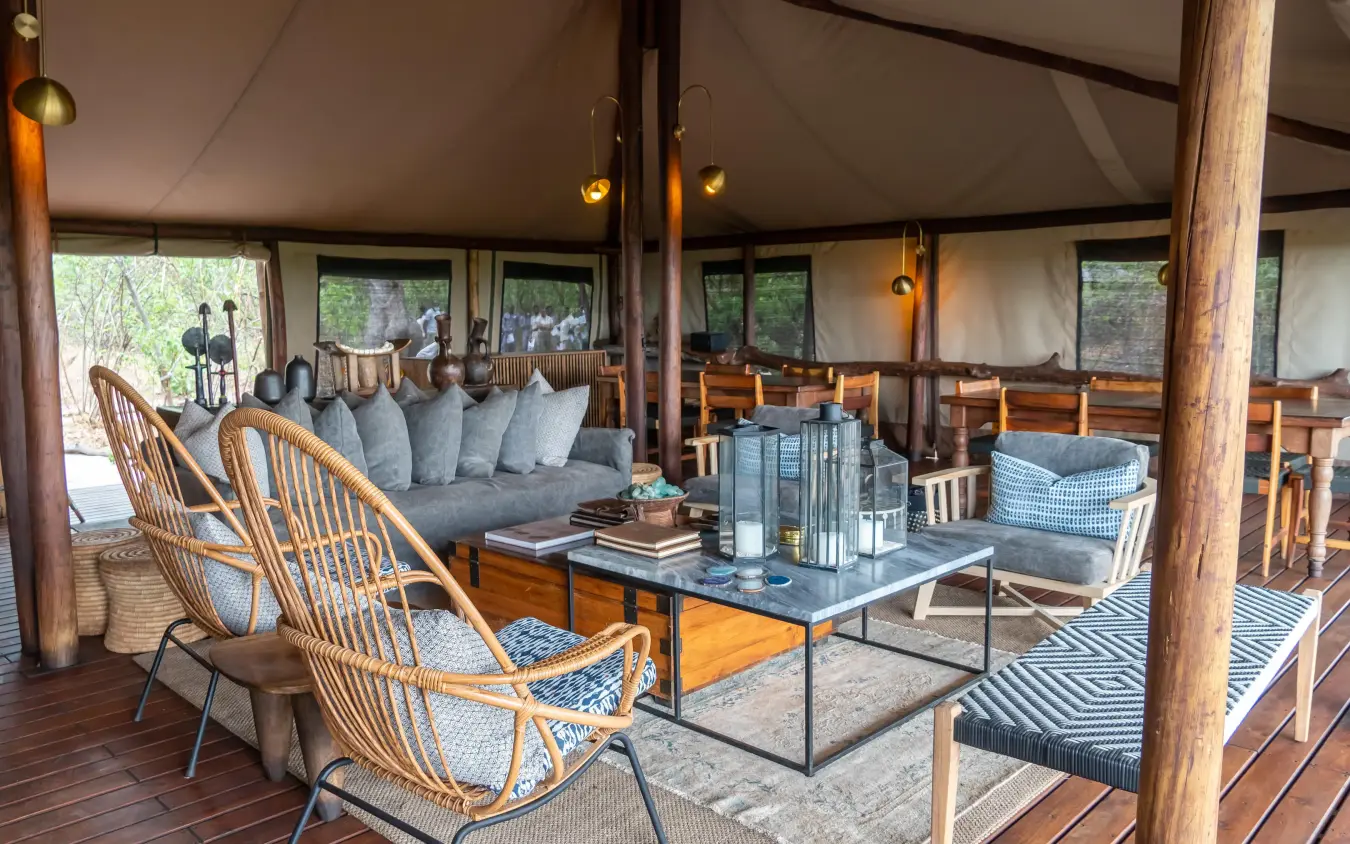
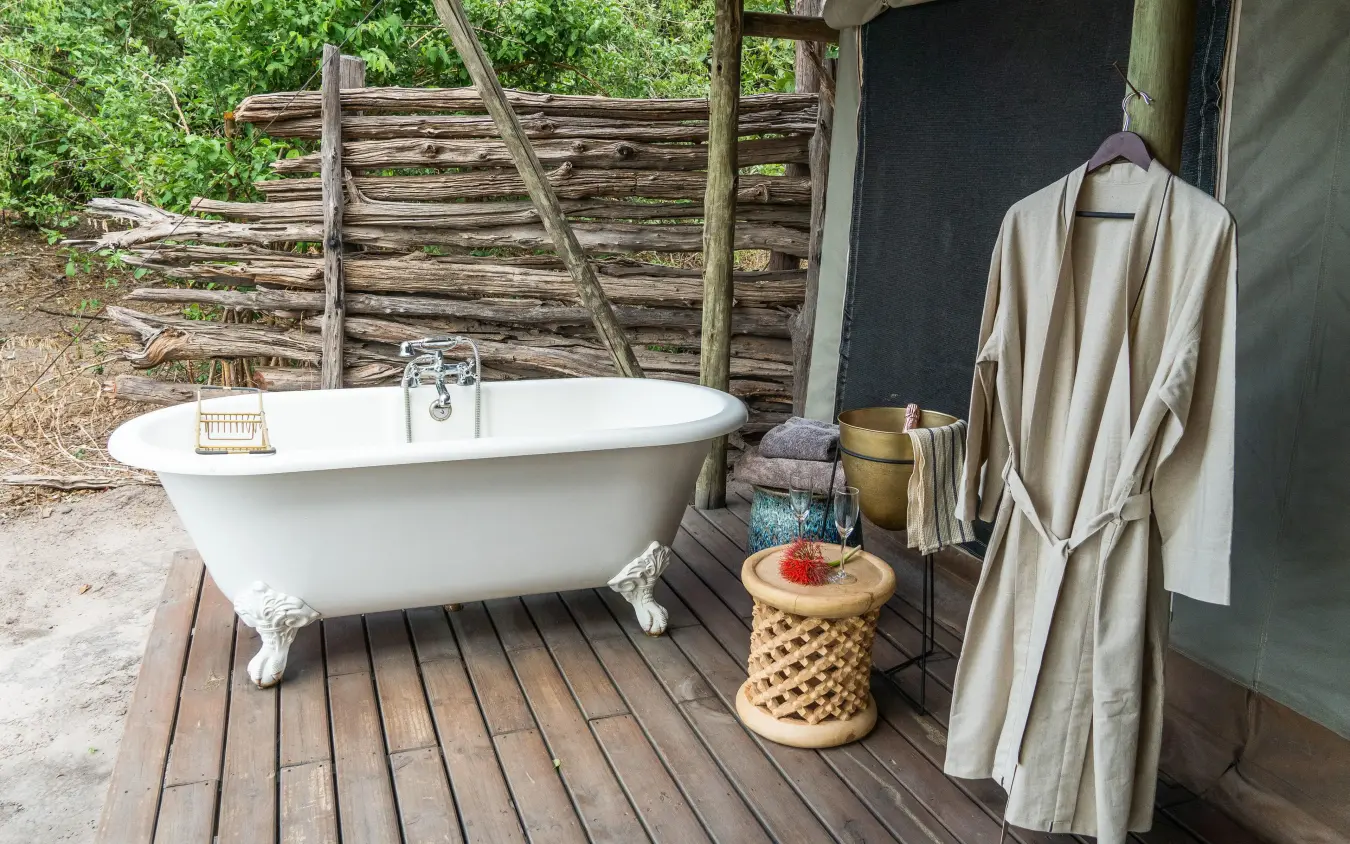
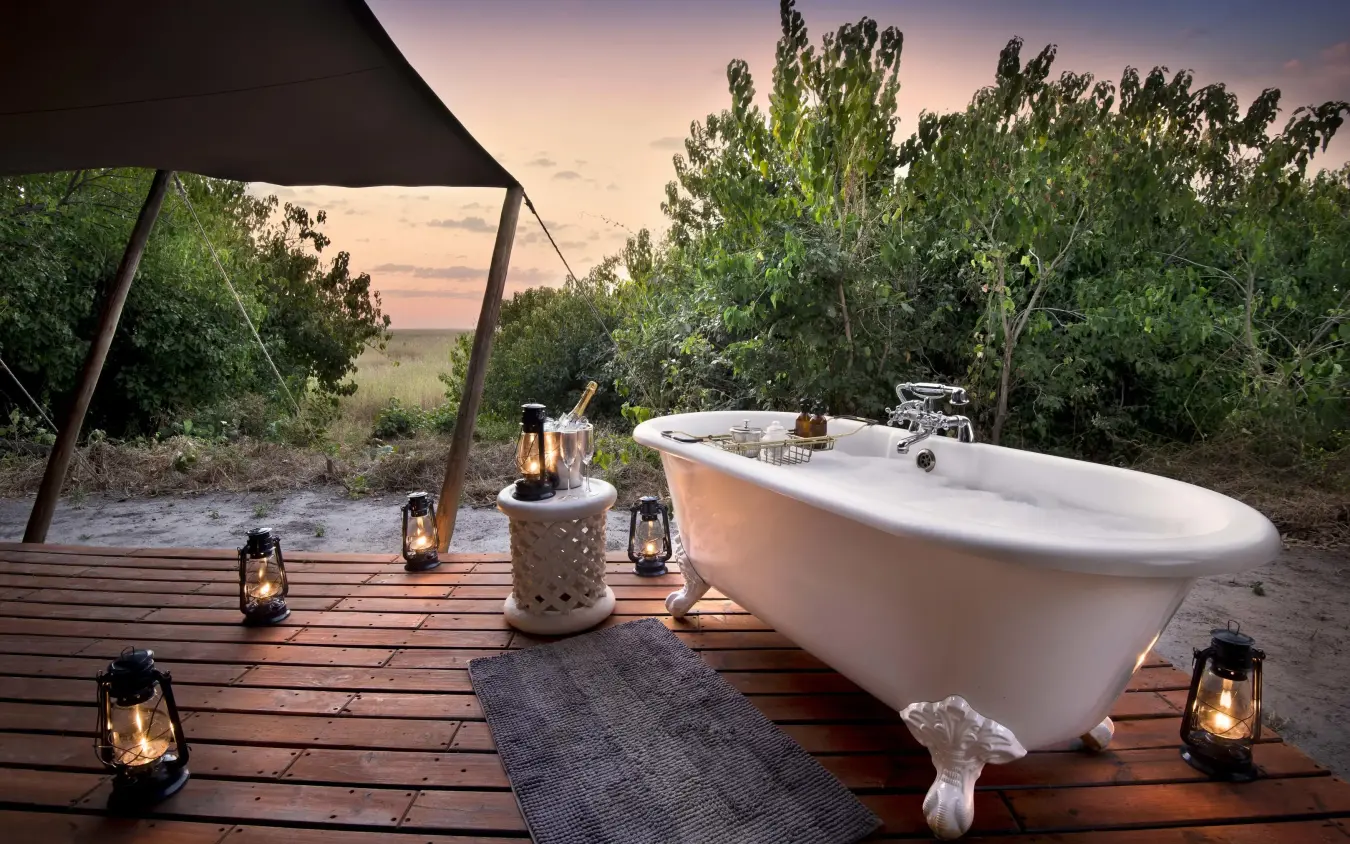
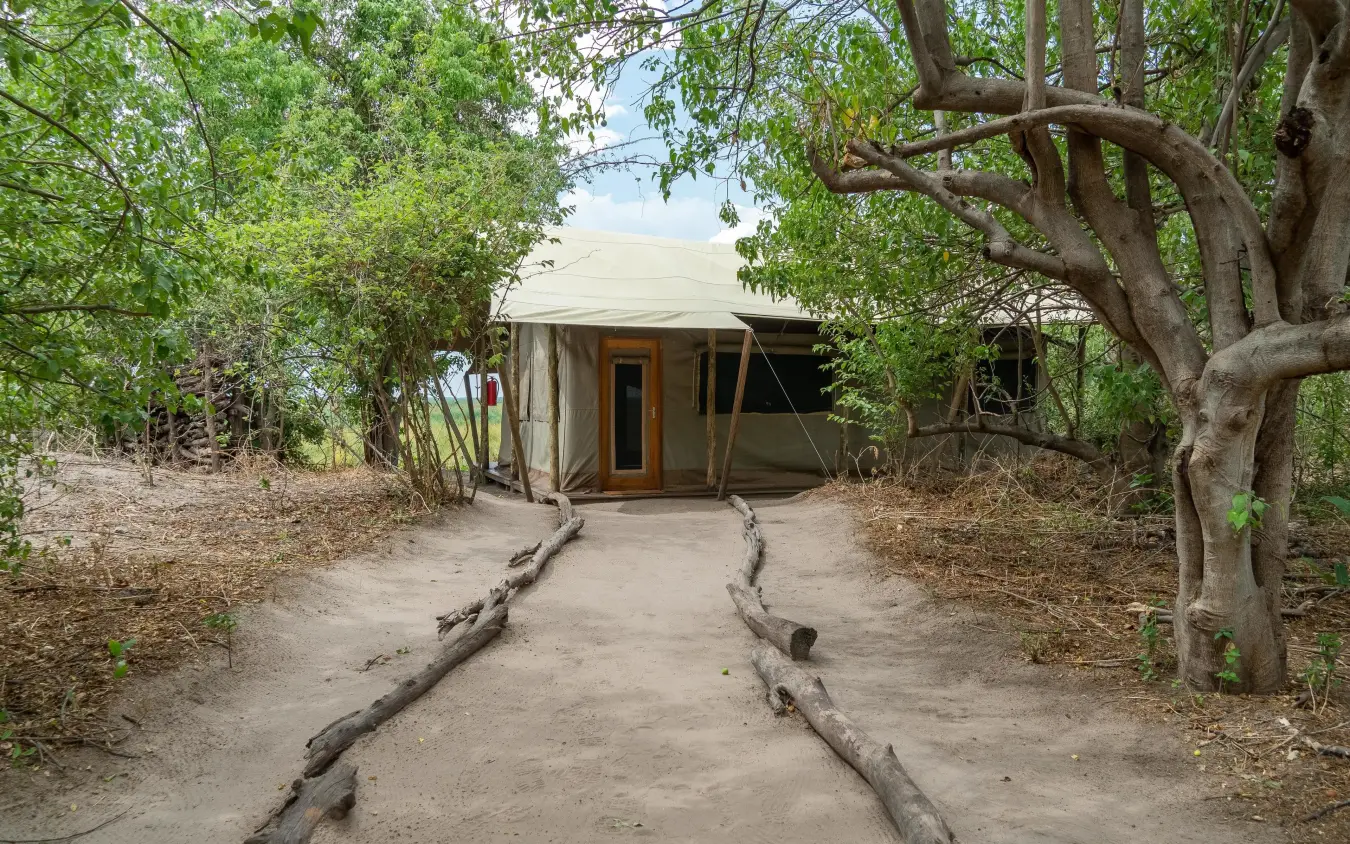
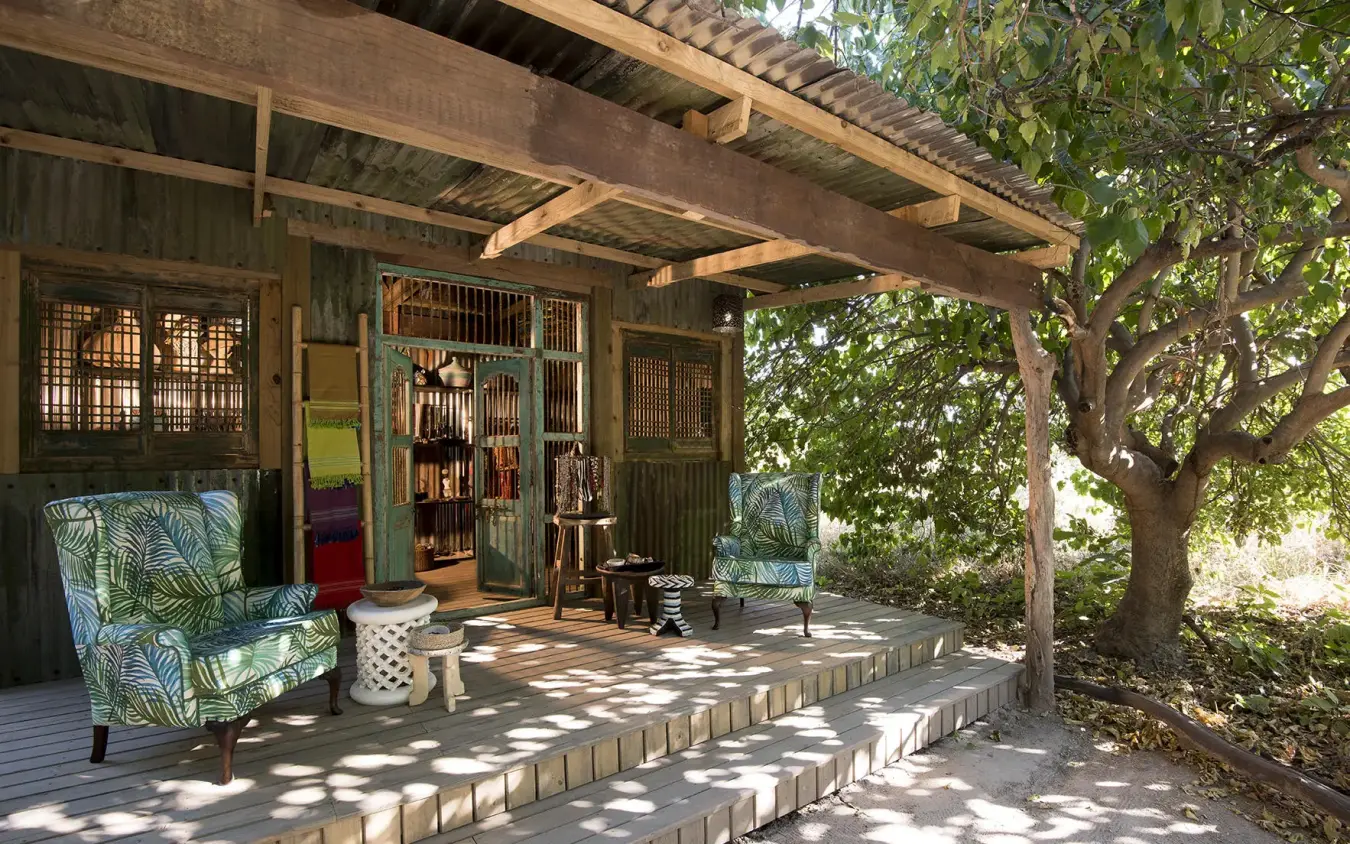
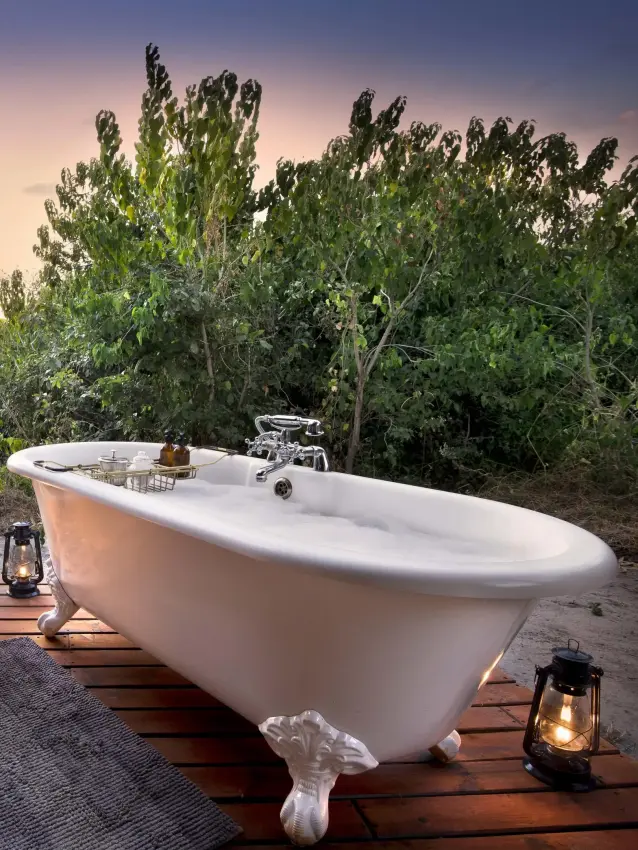
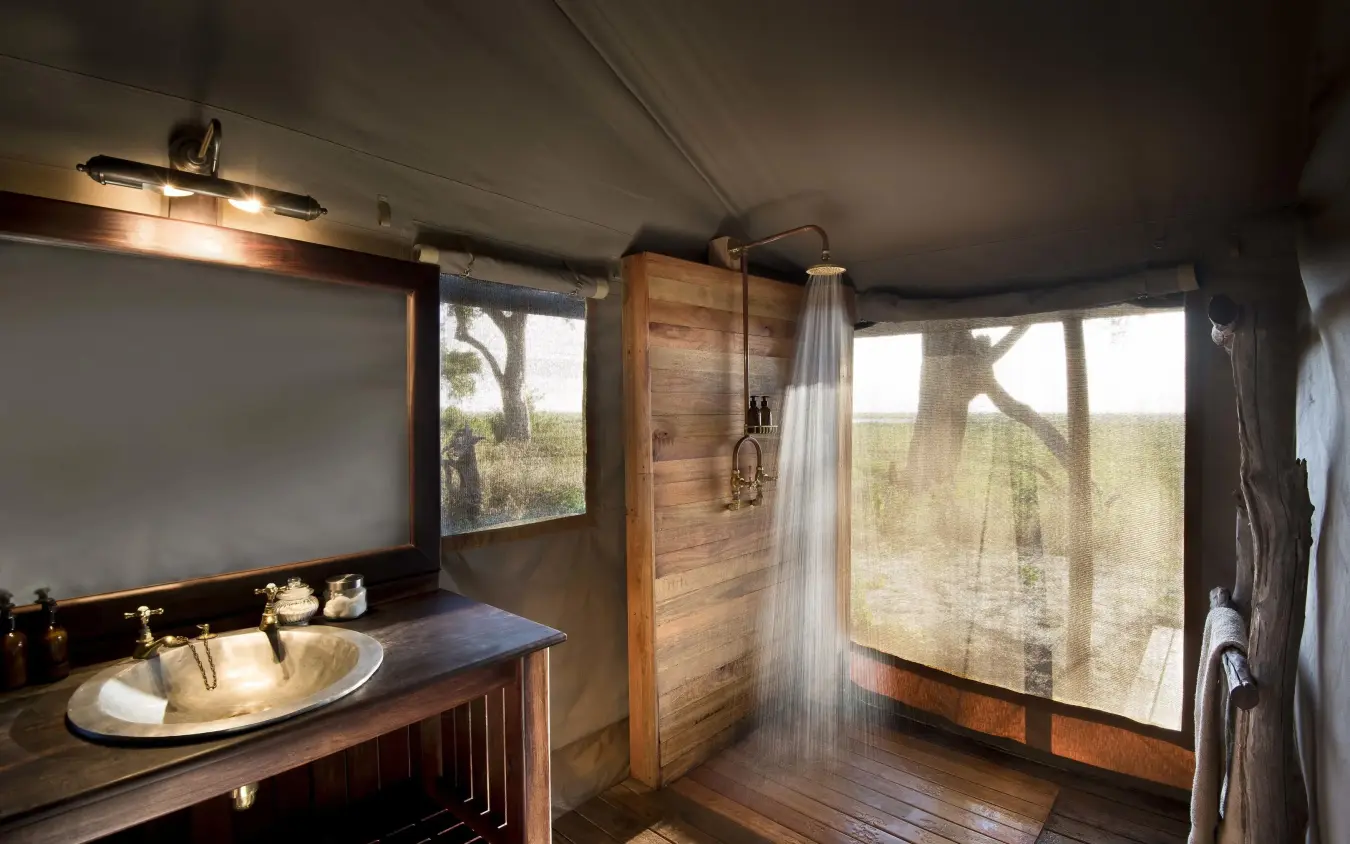
Six tents accommodating a maximum of twelve guests: five standard tents configured with king or twin beds, and one honeymoon tent with a freestanding outdoor bathtub on the deck. Canvas construction on raised timber decking, with sliding gauze doors, indoor solar-heated showers, ceiling fans and marsh-facing views.

Helicopter pilot conducting aerial survey over African landscape, Linyanti Bush Camp, Linyanti Wildlife Reserve, Botswana 02

activities

Off-Track Game Drives In Private Concession

Day and night game drives in open 4x4 vehicles, with off-road tracking permitted on the private concession. Guided walking safaris and mokoro excursions run for guests aged sixteen and over. Motorboat cruises and catch-and-release fishing operate when water levels allow. Scenic helicopter flights over the Linyanti wetlands and Chobe National Park run from April to November.

Guests in traditional wooden boat on calm water, Linyanti Bush Camp, Linyanti Wildlife Reserve, Botswana 03

conservation

African Bush Camps Foundation In Chobe Enclave

The African Bush Camps Foundation, funded through a per-guest nightly contribution, runs several projects in the Chobe Enclave. These include a disability unit at Kachikau Primary School, which it supports as a funding and development partner, the independent, women-led Vuche Vuche basket-weaving cooperative, which it supports and partners with, and a training programme that develops local women as licensed professional safari guides.

ready to get started?

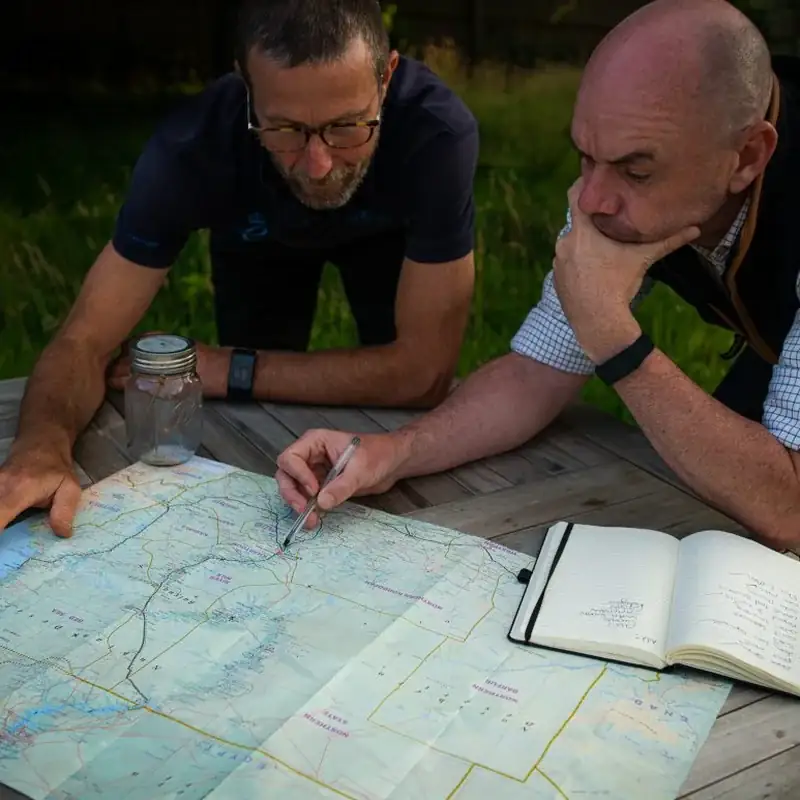
Get in touch and let’s start the conversation. An initial consultation helps us understand what you’re looking for, whether that’s specific experiences, luxury touches, or marking a special occasion, and from there we’ll guide you through what’s possible so you can decide if we’re the right fit.

frequently asked questions

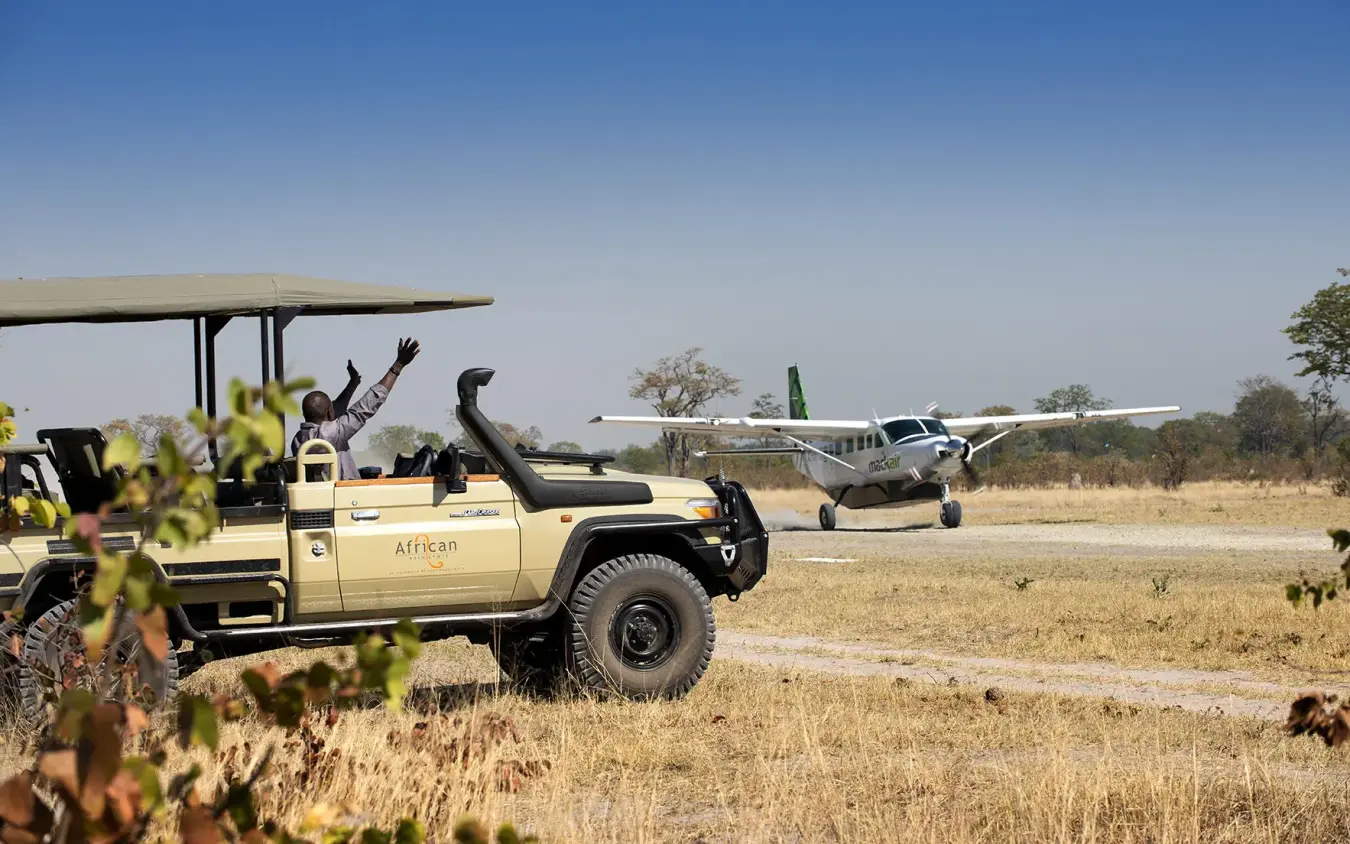
The scheduled route is a light aircraft to Saile airstrip, about an hour out of Maun or thirty-five minutes from Kasane, then a game drive to finish. What the brochures rarely say is that in the wet months, roughly December to March, Saile can flood, and flights then land at Savuti instead, stretching the transfer into a long drive through deep sand that can run to three hours. We plan around that honestly rather than let it ambush the schedule.

A private charter, typically a Cessna Caravan or Pilatus PC-12, can also be arranged to suit your connections. Twenty kilograms per person in soft bags, hand luggage included.

Yes, squarely. The marsh that gives the camp its elephants also gives the region its mosquitoes, and northern Botswana's malaria risk peaks between October and May, which is why both the UK's official travel health advice and the CDC recommend antimalarial tablets for travel here. Winter visits carry lower risk, never none.

Have a travel clinic or your doctor confirm the current position close to your departure, and hold to the standard evening discipline of repellent and covered arms once the frogs start up in the channels.

The camp takes guests from twelve years old, and the wilder activities hold a higher bar still, with walking safaris and mokoro trips starting at sixteen. For a family with younger children we simply point the trip next door, because the sister camp on the same marsh takes all ages, sleeps families in two-bedroom tents and runs a children's programme of its own.
For teenagers, this camp is a quiet gift: the tracking, the night drives and the fireside stories ask for patience and pay it back.

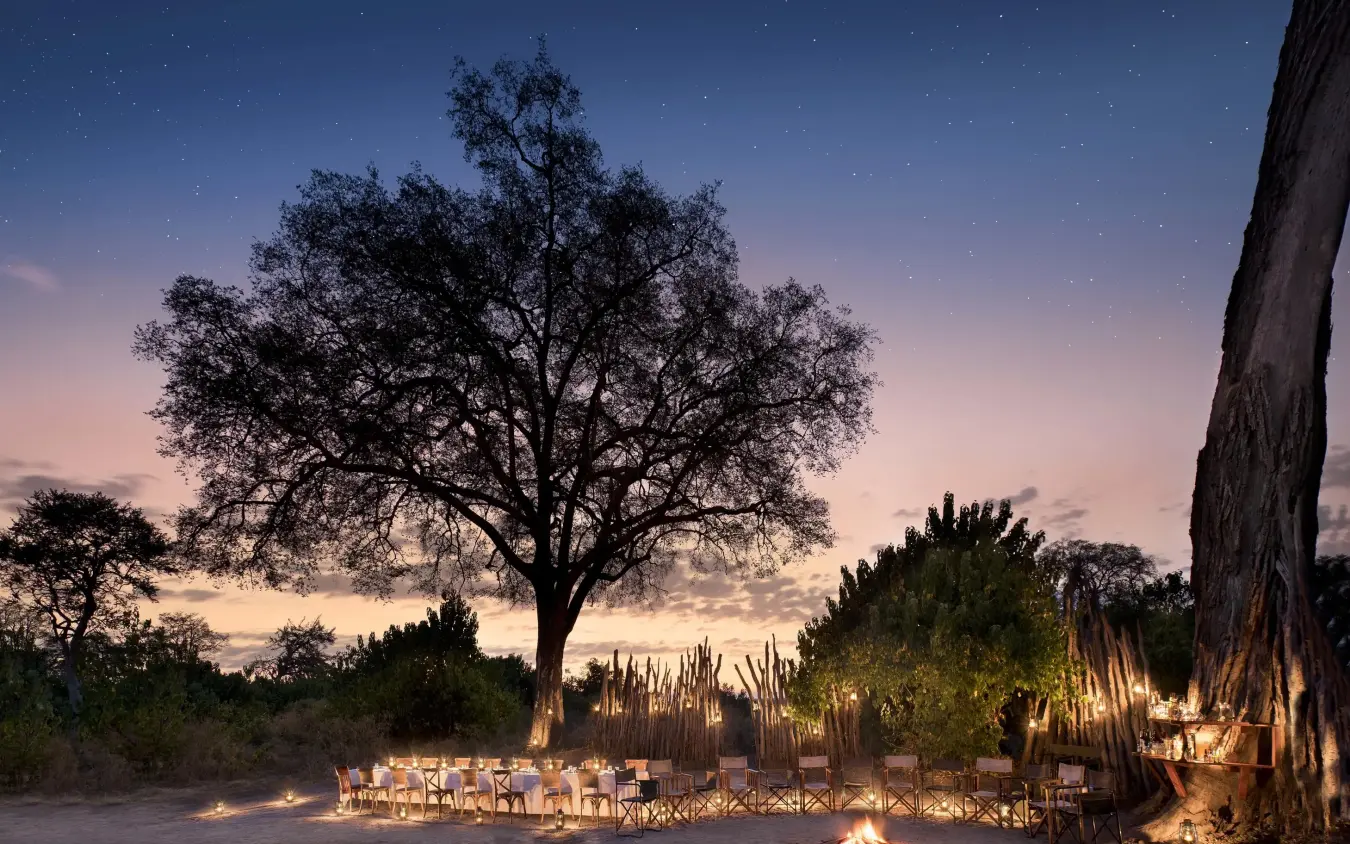
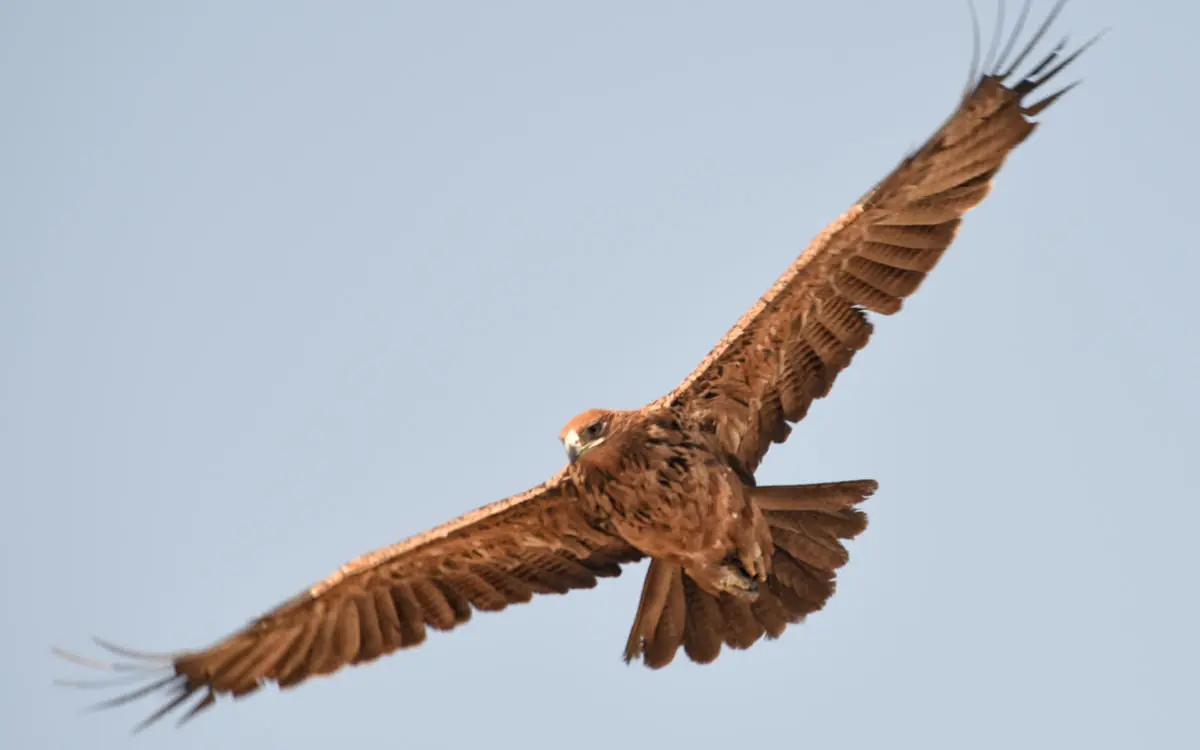
The stay runs fully inclusive, with meals and the camp's activity programme covered, and it carries one inclusion few camps can match: guests staying three nights or more between April and November are taken up for a complimentary thirty minute helicopter flight over the Linyanti wetlands, the marsh seen from a fish eagle's height.

The remaining details, drinks lists, levies and any private arrangements, we spell out in your quote up front, so ask us to price a specific week and the answer comes back complete.

Three, and the arithmetic is friendly, because three nights between April and November is also the threshold for the complimentary helicopter flight. The marsh delivers a slow spectacle rather than a quick one, herds arriving through the heat of the day and predators working the edges after dark, and a third day is when the rhythm starts paying.

The camp also sits naturally between the Okavango and Victoria Falls, with Kasane only thirty-five flying minutes away, so we often build it as the middle act of a northern Botswana route: Delta water first, marsh second, the Falls to finish.

Soft bags at twenty kilograms including hand luggage, then think in layers. Winter drives leave in genuine cold, single figures before dawn in July, and thaw into warm, bone-dry afternoons, so gloves and a windproof jacket share the bag with shirtsleeves. The wet season swaps cold for storms, which calls for quick-drying fabrics and a rain shell.

Add neutral colours, closed shoes, sun protection for the water, and good binoculars, because the reed beds hold shy antelope that show themselves only at a distance.

rated five stars by our clients

other areas in botswana

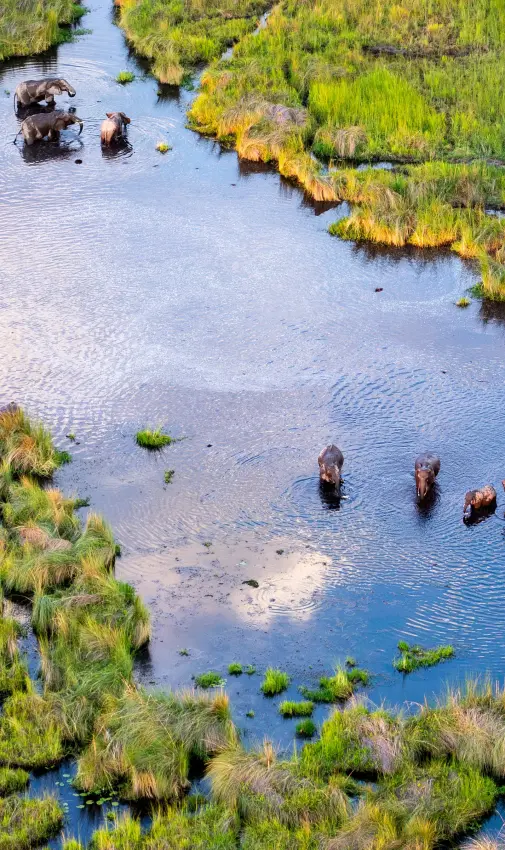
Aerial view of elephants wading in shallow water surrounded by vegetation 01

The Okavango Delta

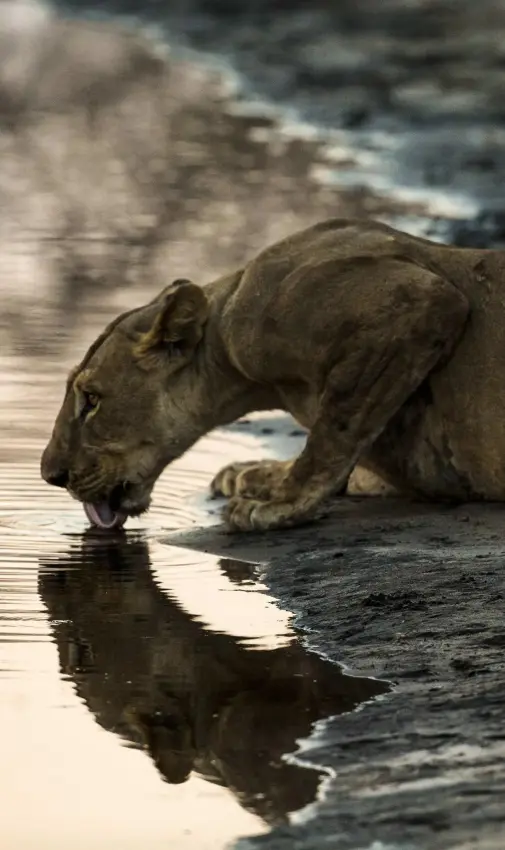
Lion drinking from water's edge at sunset, Selinda Reserve, Botswana 02

Selinda Reserve

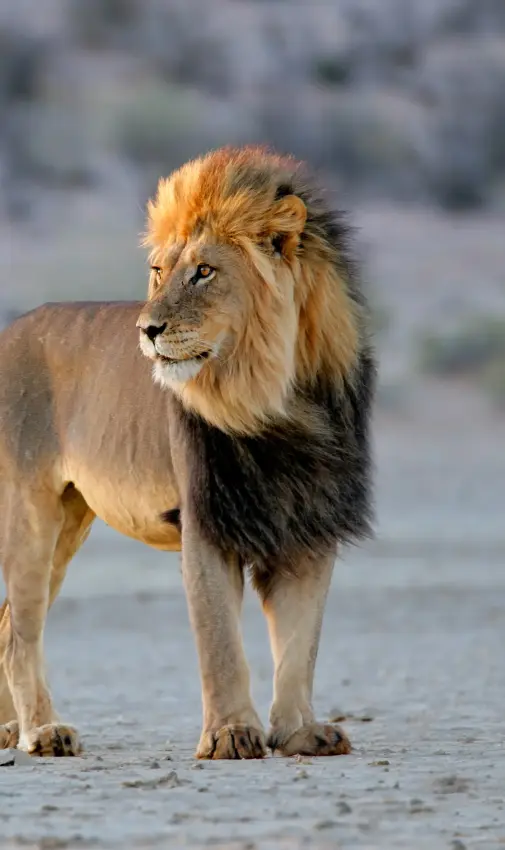
Male lion standing on sandy ground in natural habitat 03

Central Kalahari

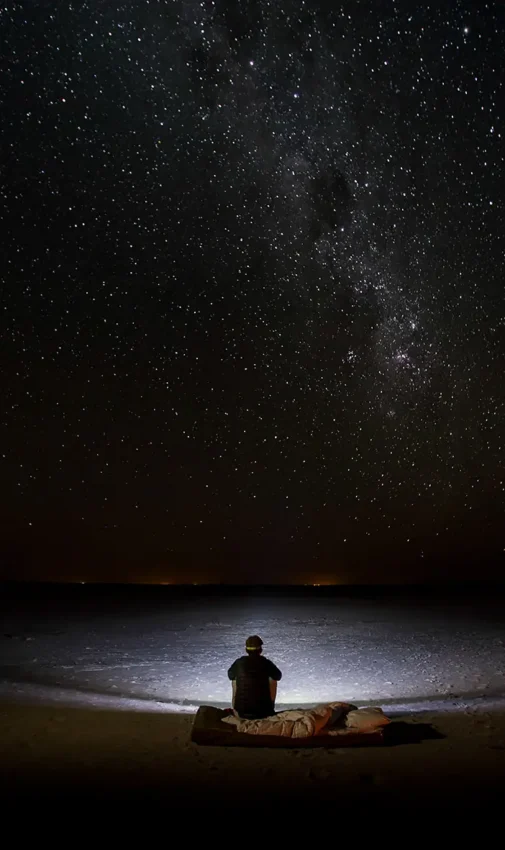
Person sitting alone under starry night sky, Makgadikgadi Pans, Botswana 04

Makgadikgadi Pans

Herd of elephants drinking at waterhole with reflections 05

Chobe

Planning a journey together

our approach

remote, exclusive
& personal

Every journey starts with a conversation. We take the time to understand your vision before we start planning.
Whether by phone or in person, we work with you directly to shape something that is considered, personal, and expertly delivered.

get in touch
destinations ideas & inspiration our process about us contact us