Kevin Leo-Smith co-founded the operation behind the camp in 1997, and wild dogs have denned close by ever since. He built its first camps, then left in 2006 for conservation forestry work elsewhere. Today Kwando Lagoon Camp belongs to John and Janie Mynhardt. Appointed managers handle its daily running, and Sue Smart leads the company as chief executive. The Mynhardts’ son Tobias is non-executive chairman of New African Properties. The staff, here as across all of the camps, are drawn largely from Batswana citizens.
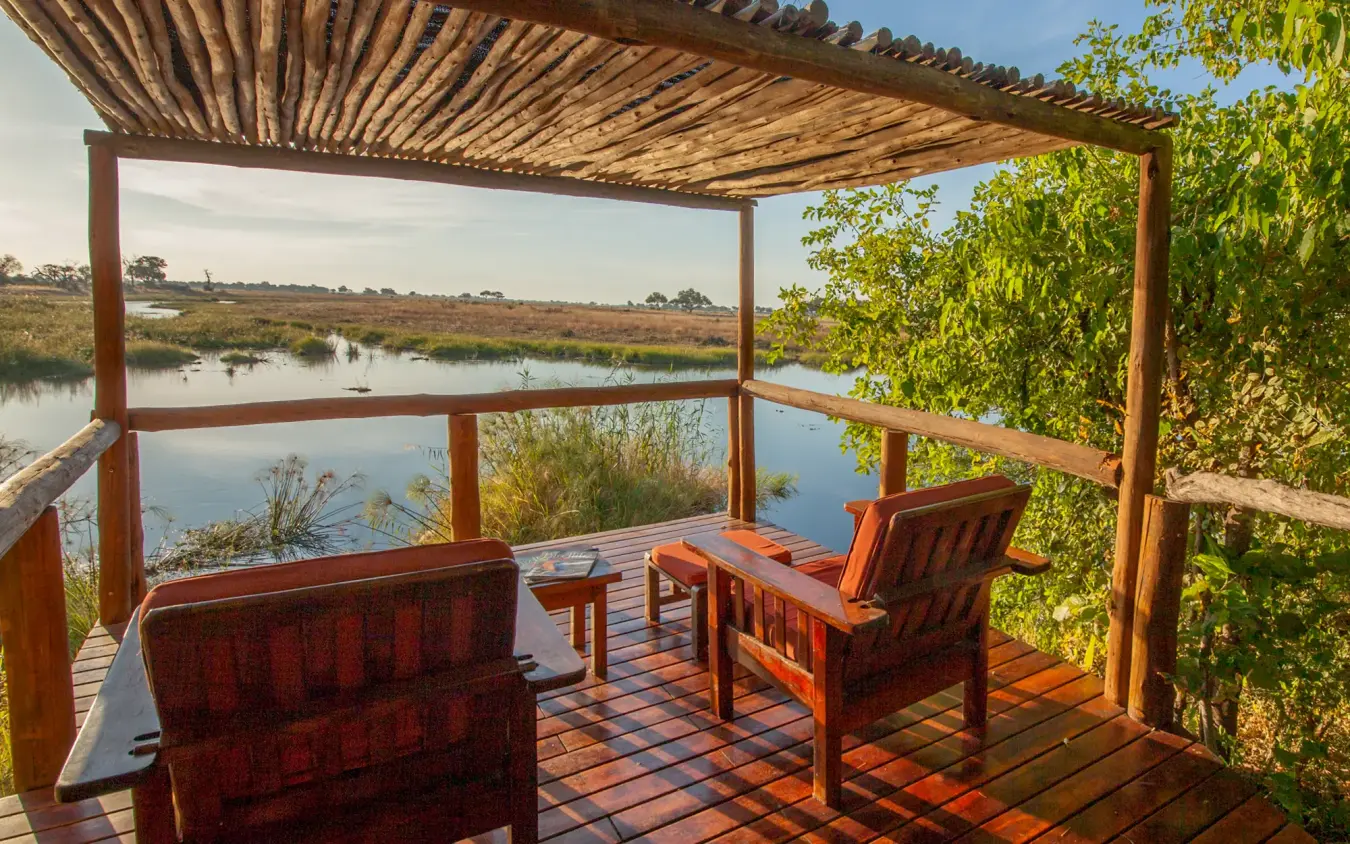
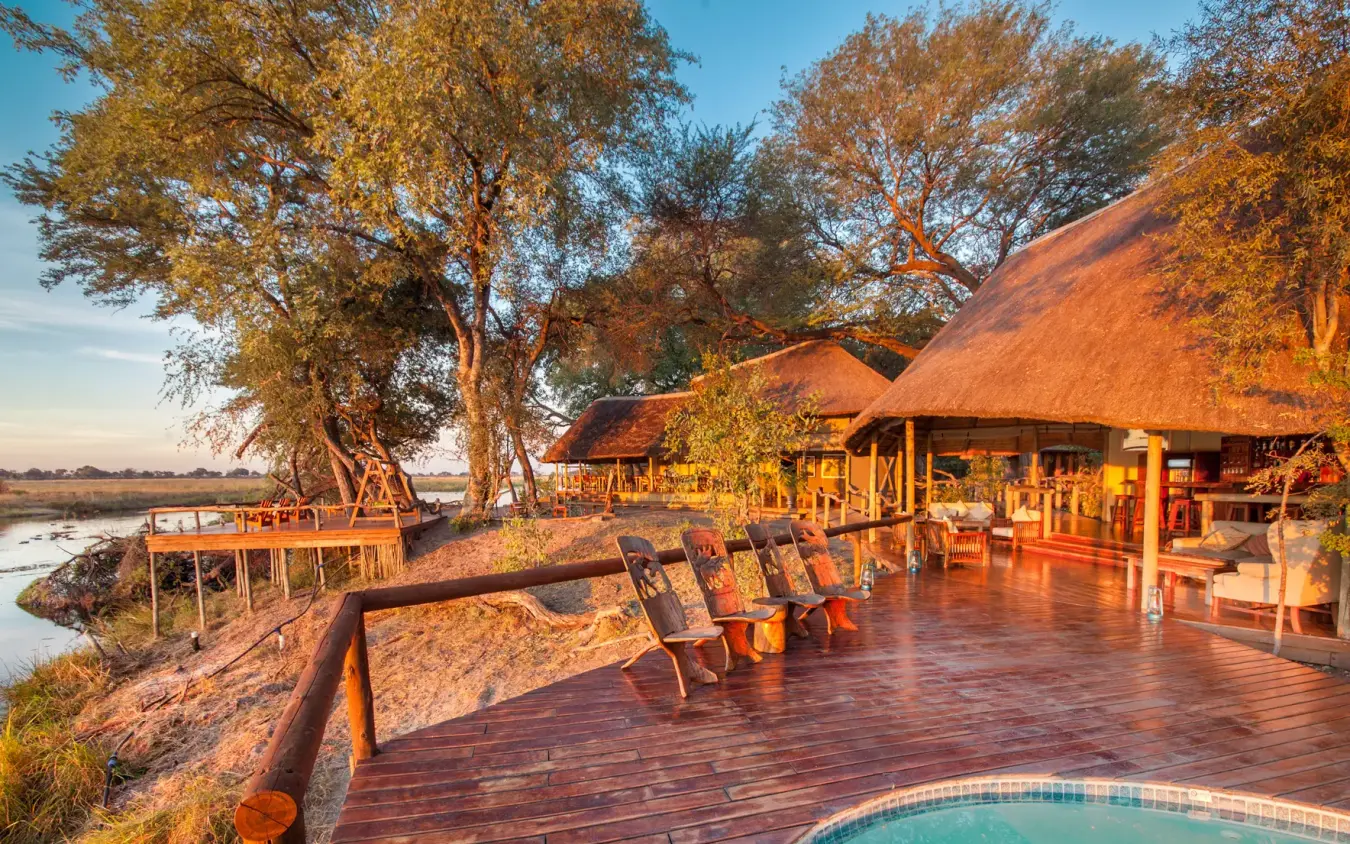
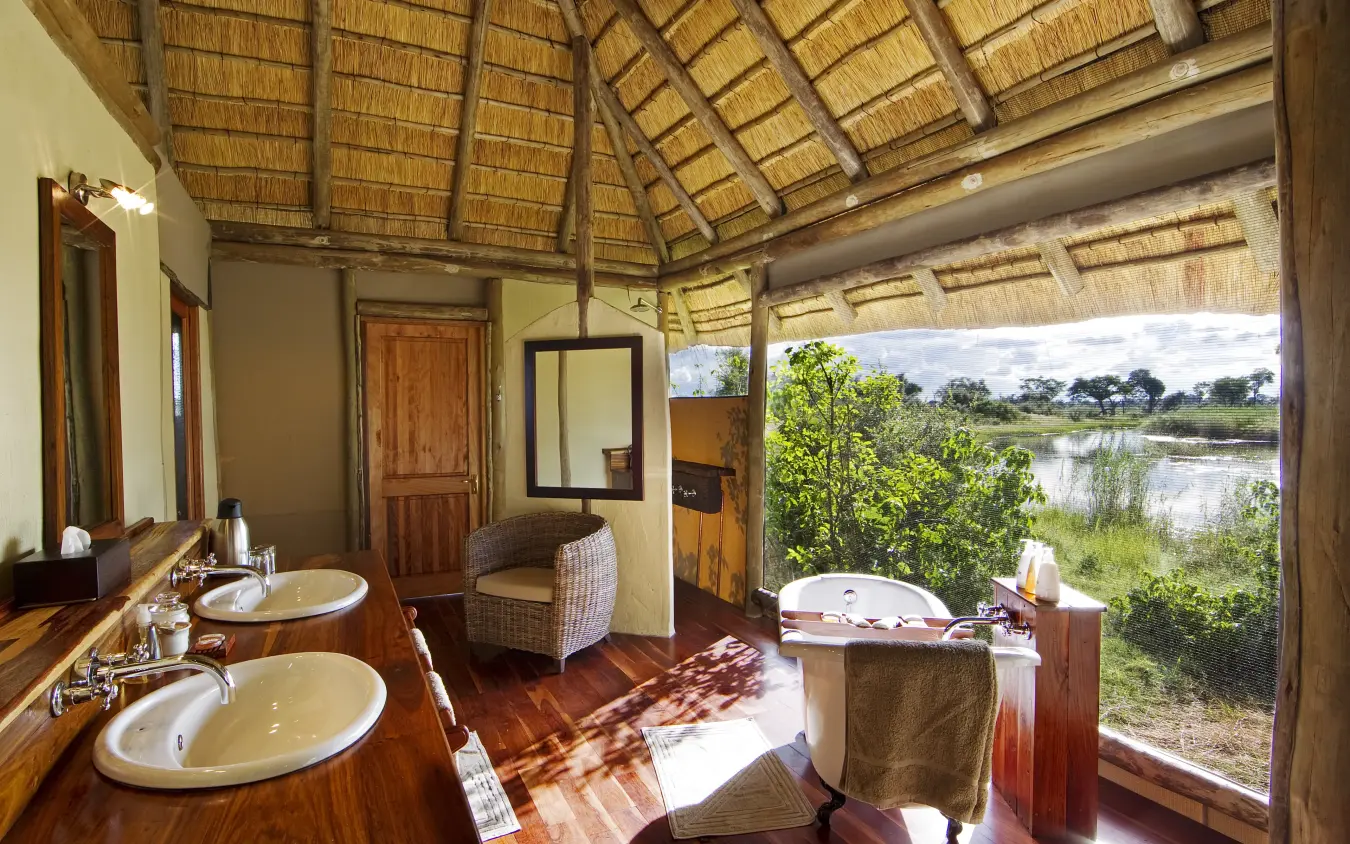
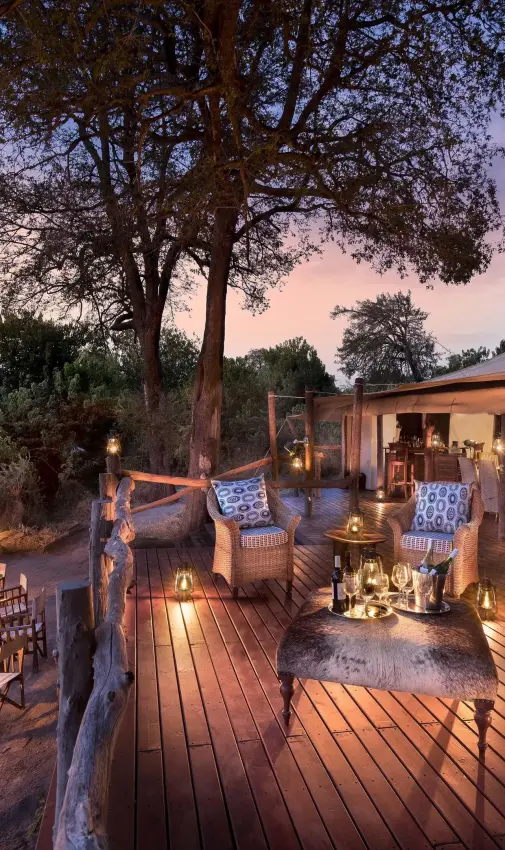
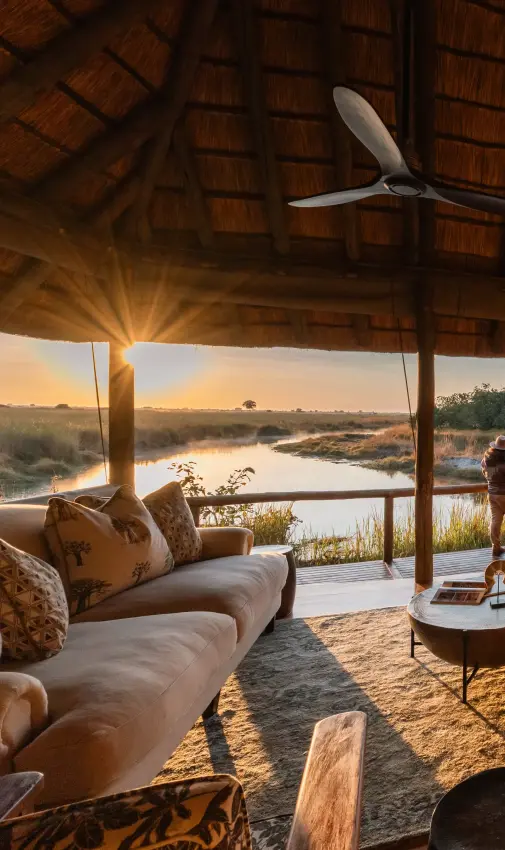
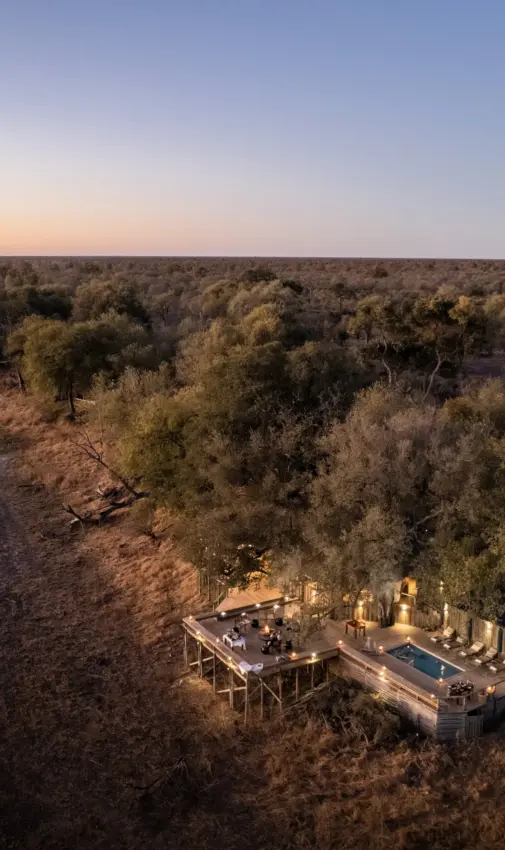
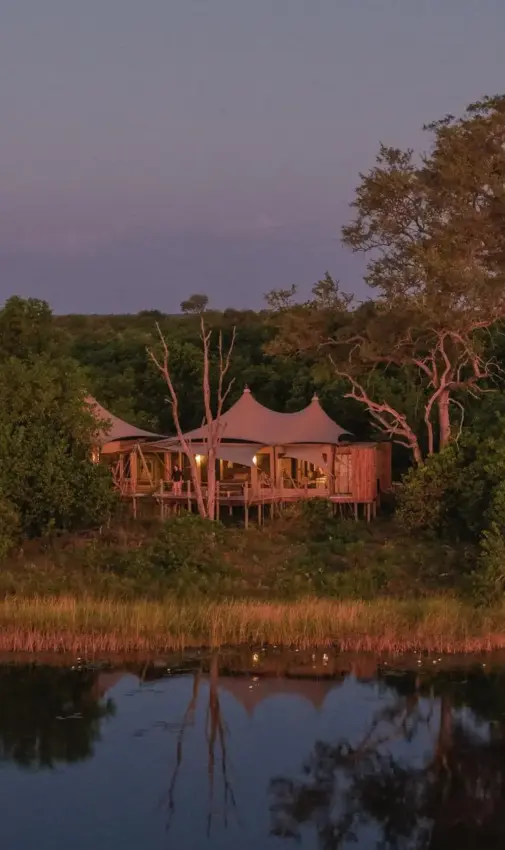
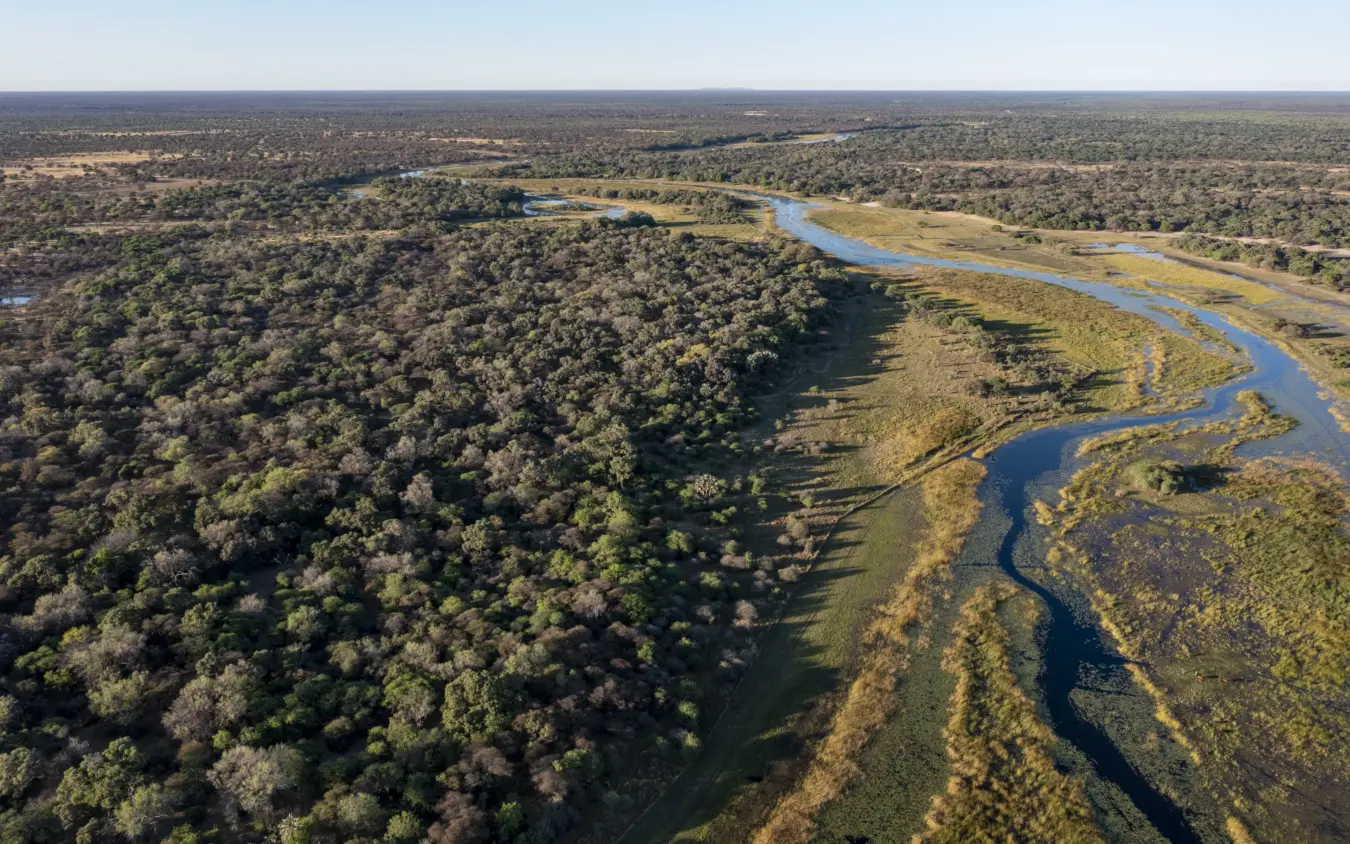
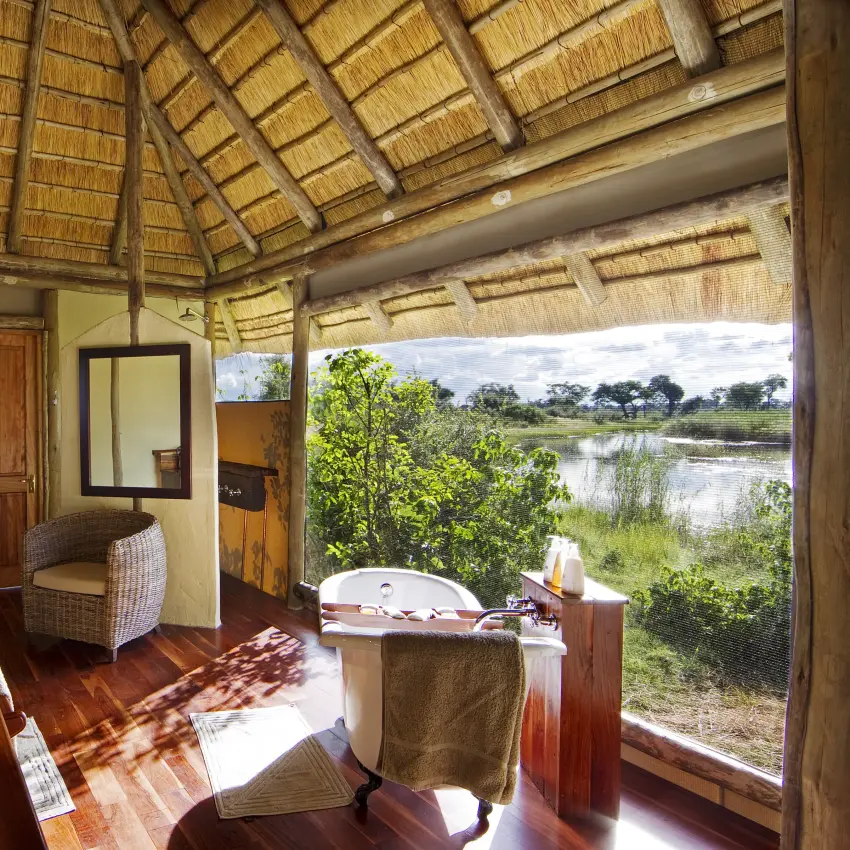
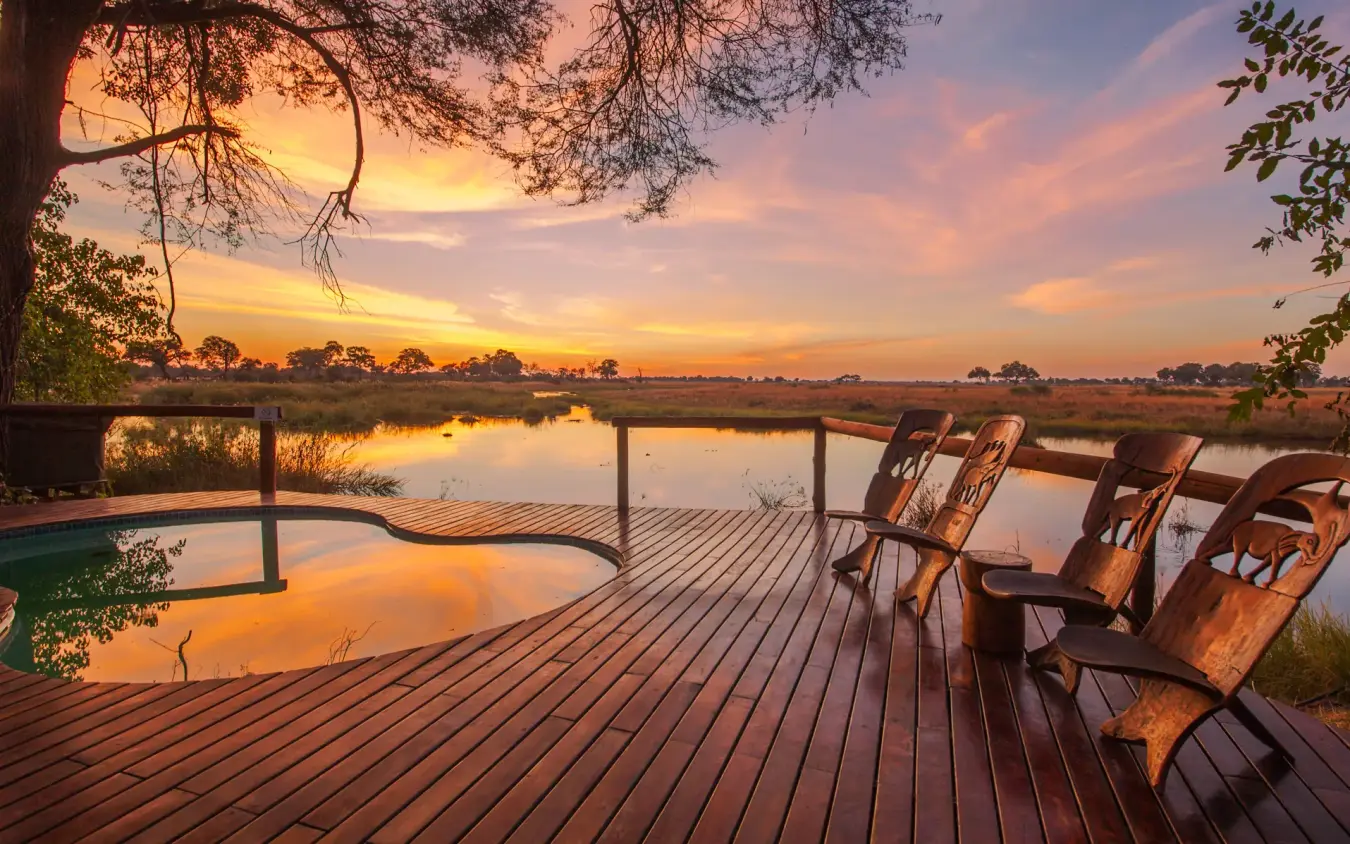
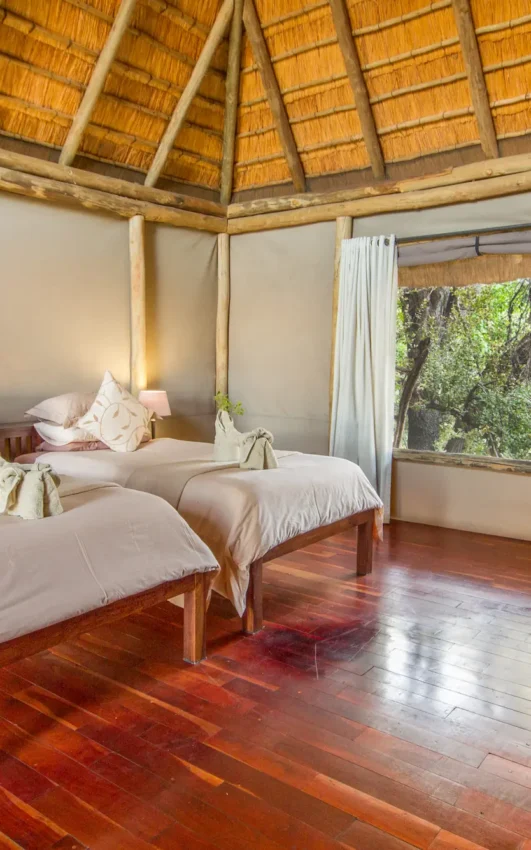
Ebony, leadwood and marula trees shade the tents, which stand well apart along the water. Baboons and vervet monkeys work the canopy above the decks through the day, while the lagoon lies flat below. The design is deliberately traditional, all canvas, thatch and local timber on raised platforms. Inside, polished wood floors run under Persian rugs and leather armchairs, and the beds are hung with mosquito nets. Ball-and-claw bathtubs are turned to face the river, with showers both indoors and out. There is no air conditioning and no cell signal, and Wi-Fi is limited.
Night belongs to the hippos, which surface and grunt in front of the tents until dawn.
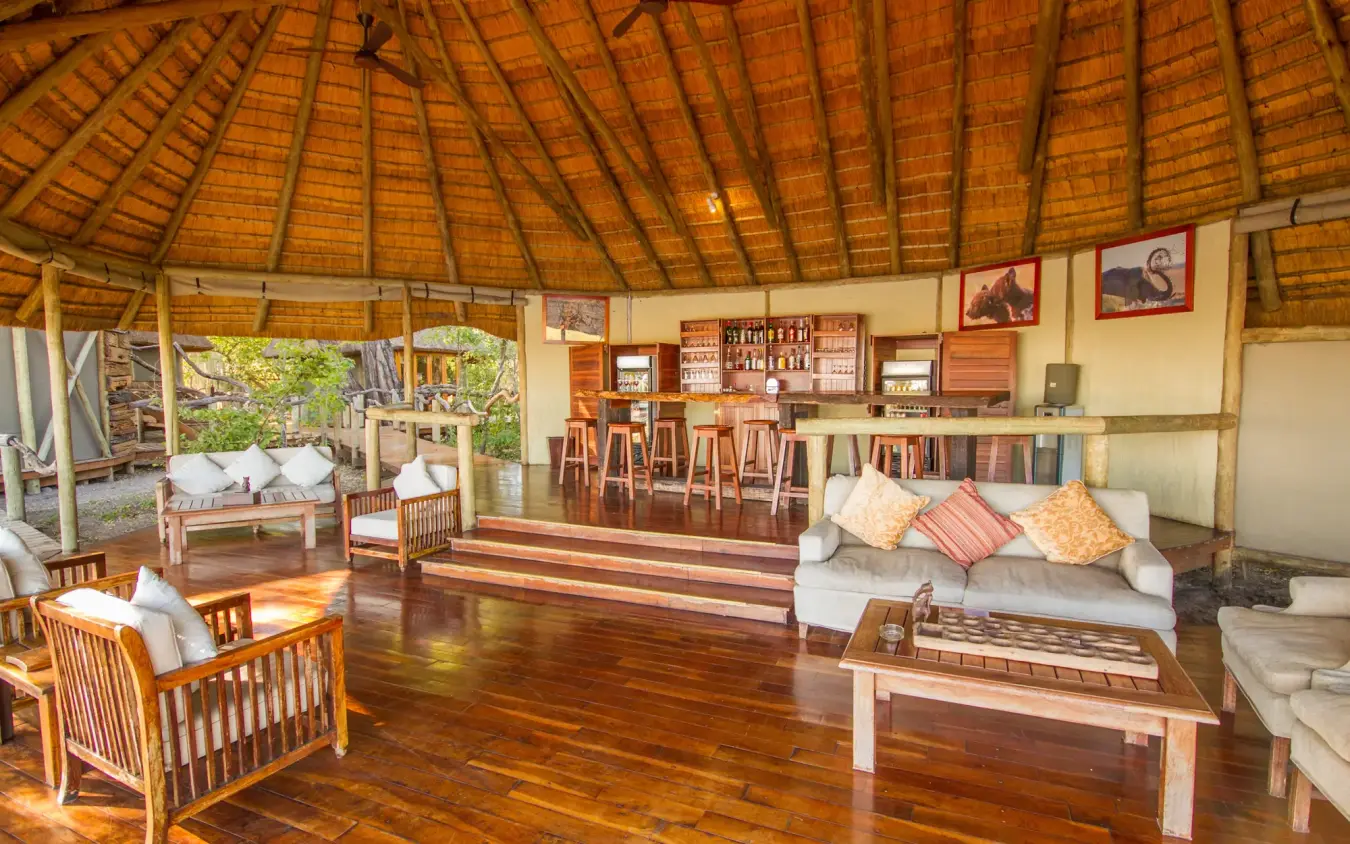
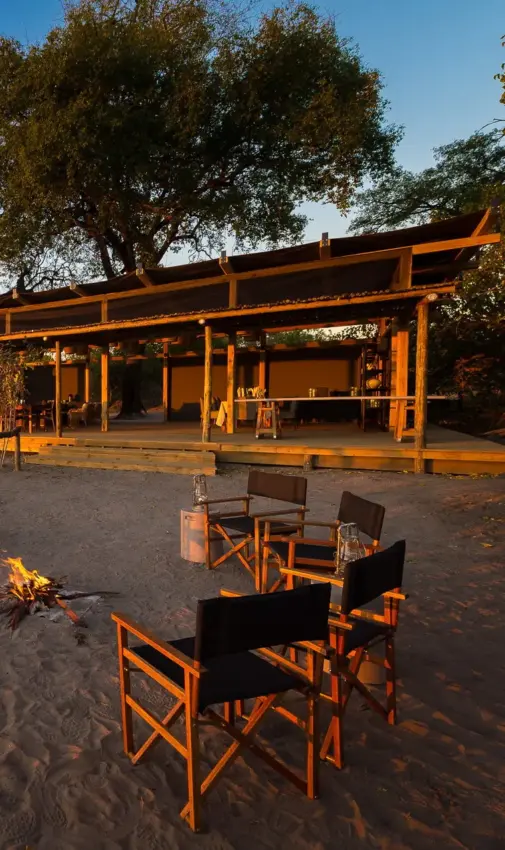
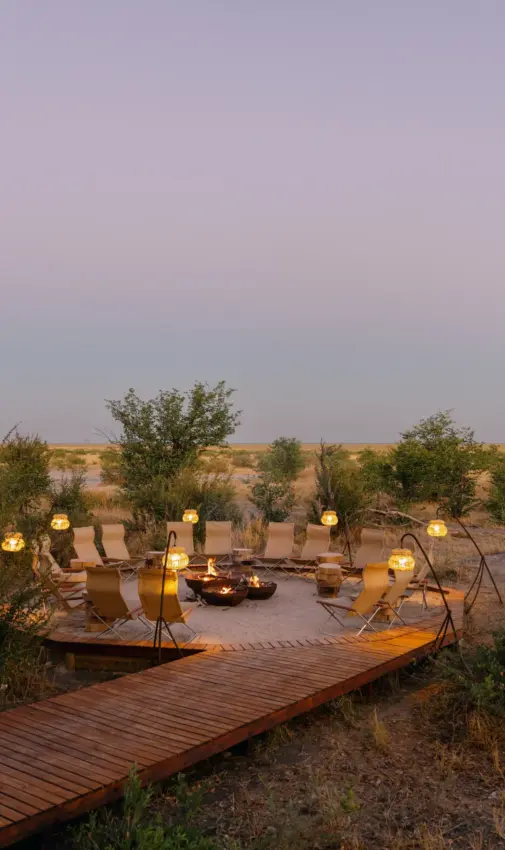
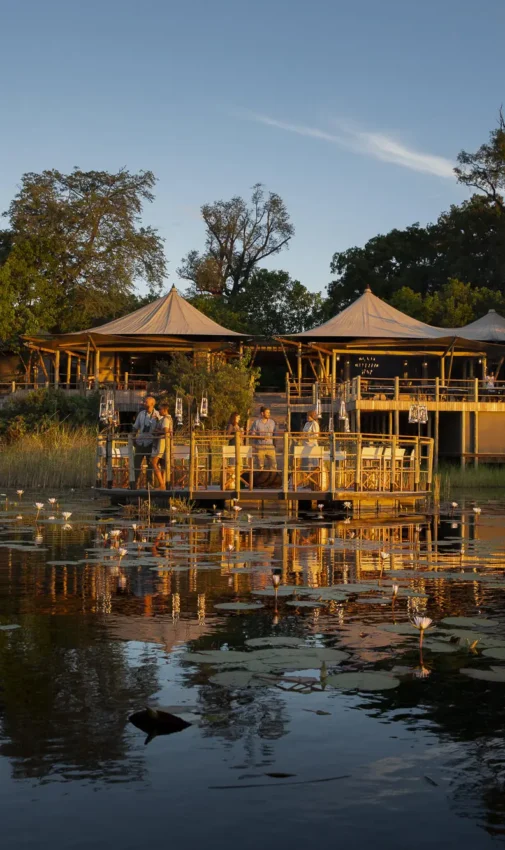
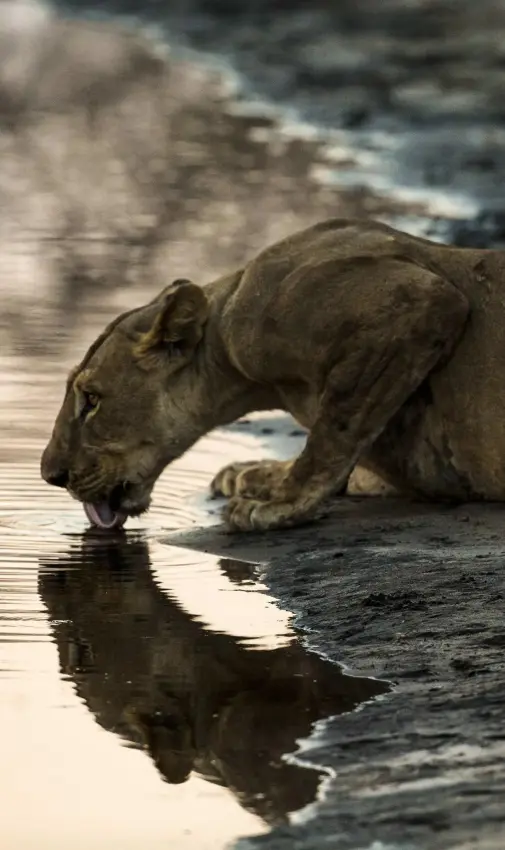
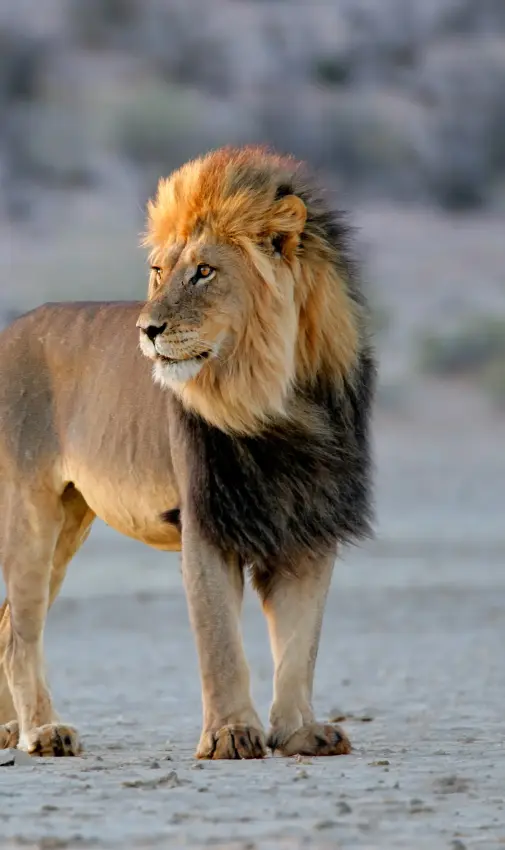
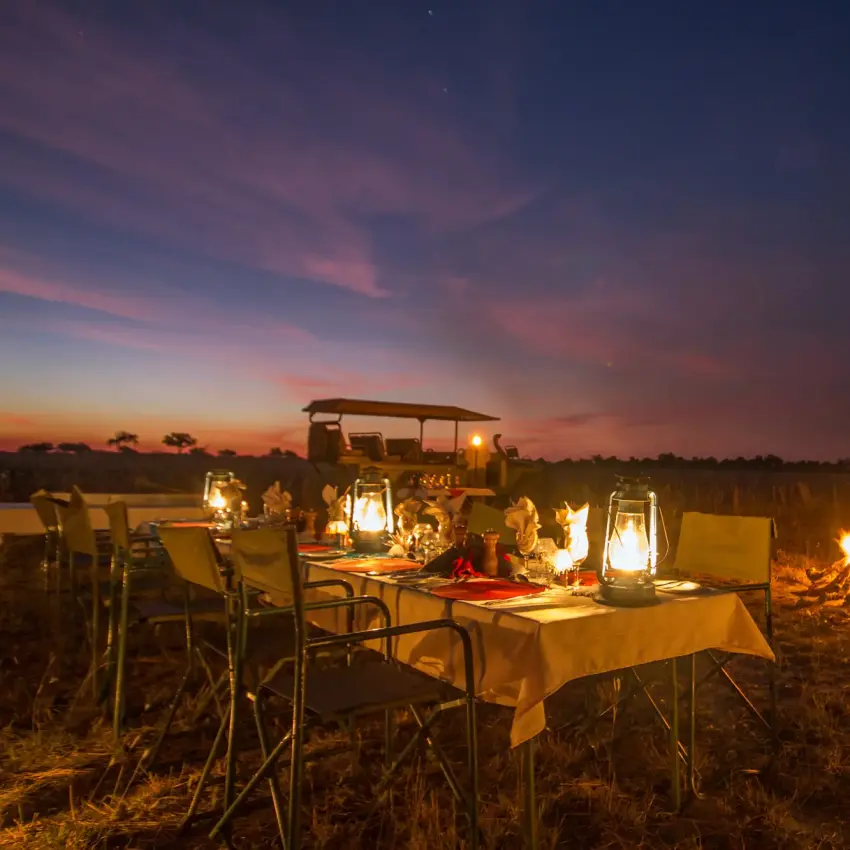
The central pavilion rises to two storeys, with a small library upstairs and, below it, a sandy firepit where evenings begin under the stars. Guests share one long table with their guides and trackers in the open-sided thatch dining room, or eat around the fire. The talk over hearty, unfussy food is mostly of what was seen that day and where the tracks led. Night belongs to the hippos, which surface and grunt in front of the tents until dawn. Lions can be heard roaring in the distance.
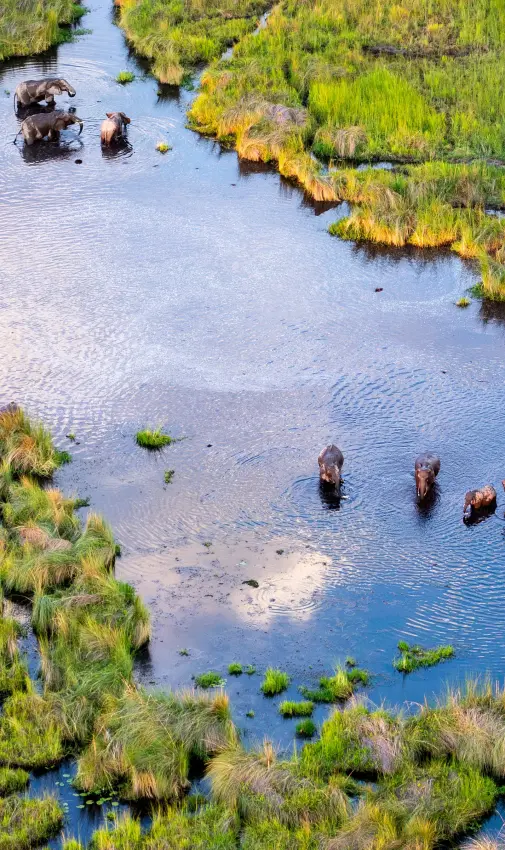
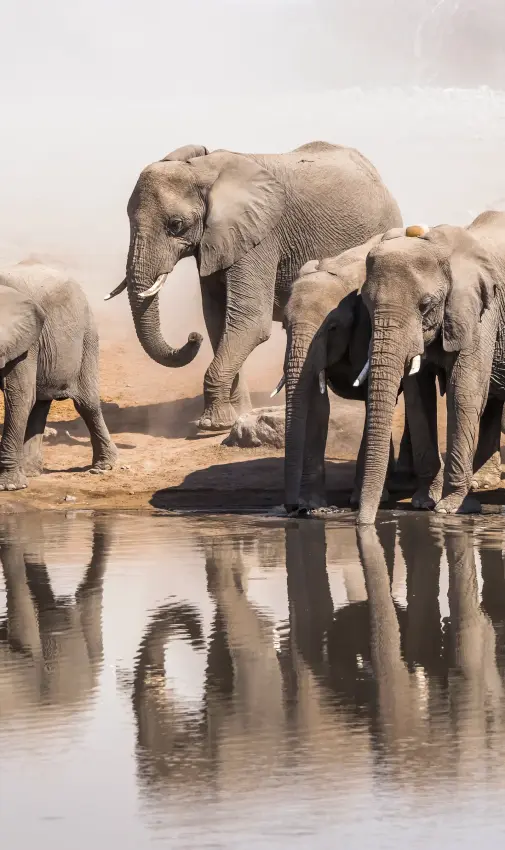
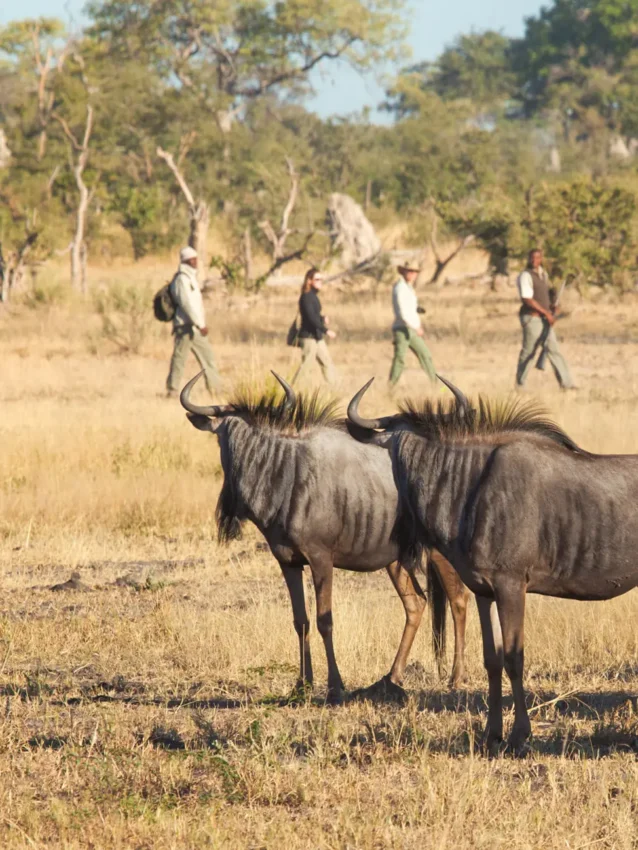
Arrival is by light aircraft to a nearby airstrip, followed by a short transfer to camp. After that the schedule bends to the animals, each day set by whatever the tracker finds at first light and by the river in the afternoon. Game drives go out twice daily in open 4x4s. Guided bush walks with an armed guide and seasonal catch-and-release fishing fill the gaps for those who want them. Beyond the concession, the operation’s Bucket Project delivers groceries and other essentials to rural families, and its Learn to Play programme supports early-childhood development.


 01