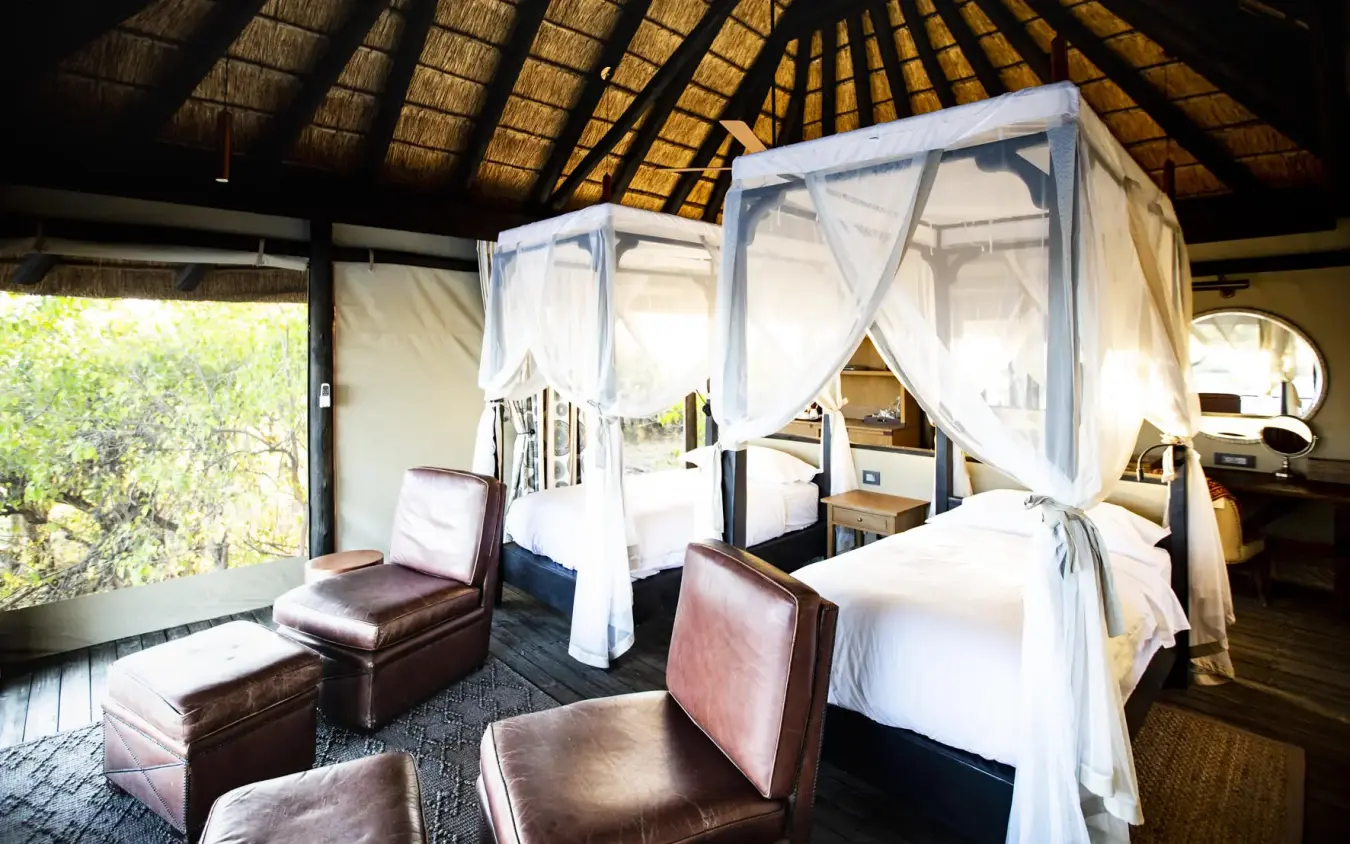
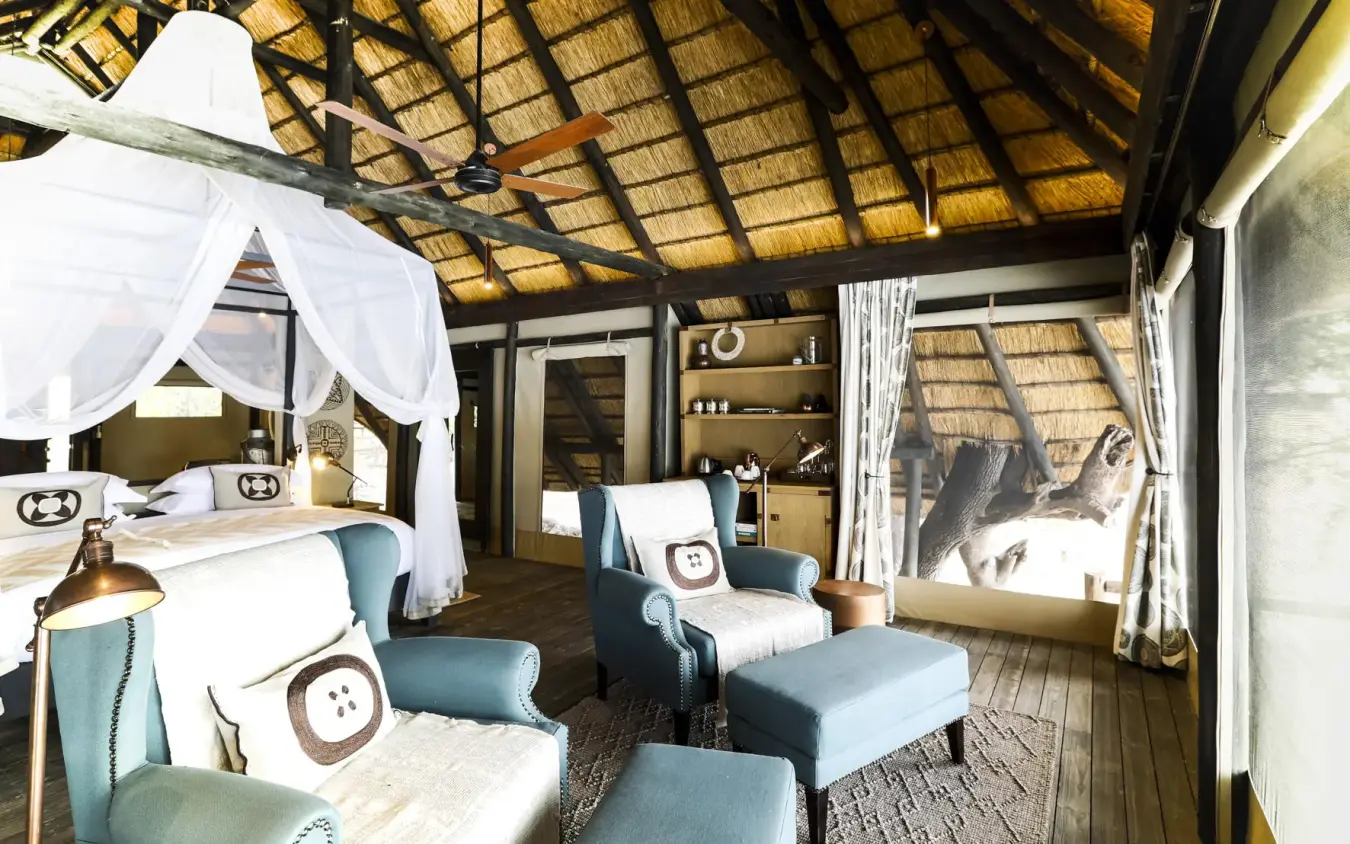
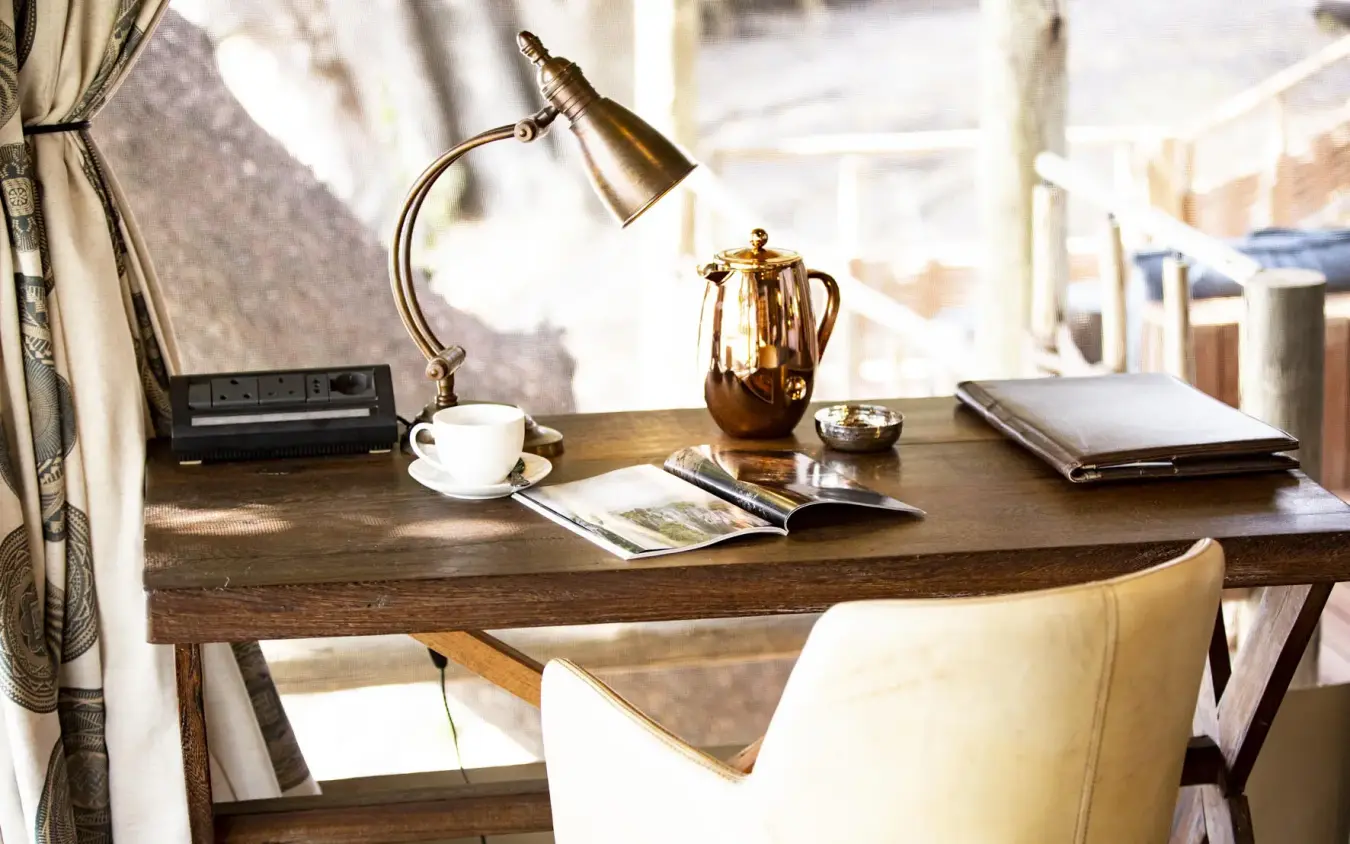
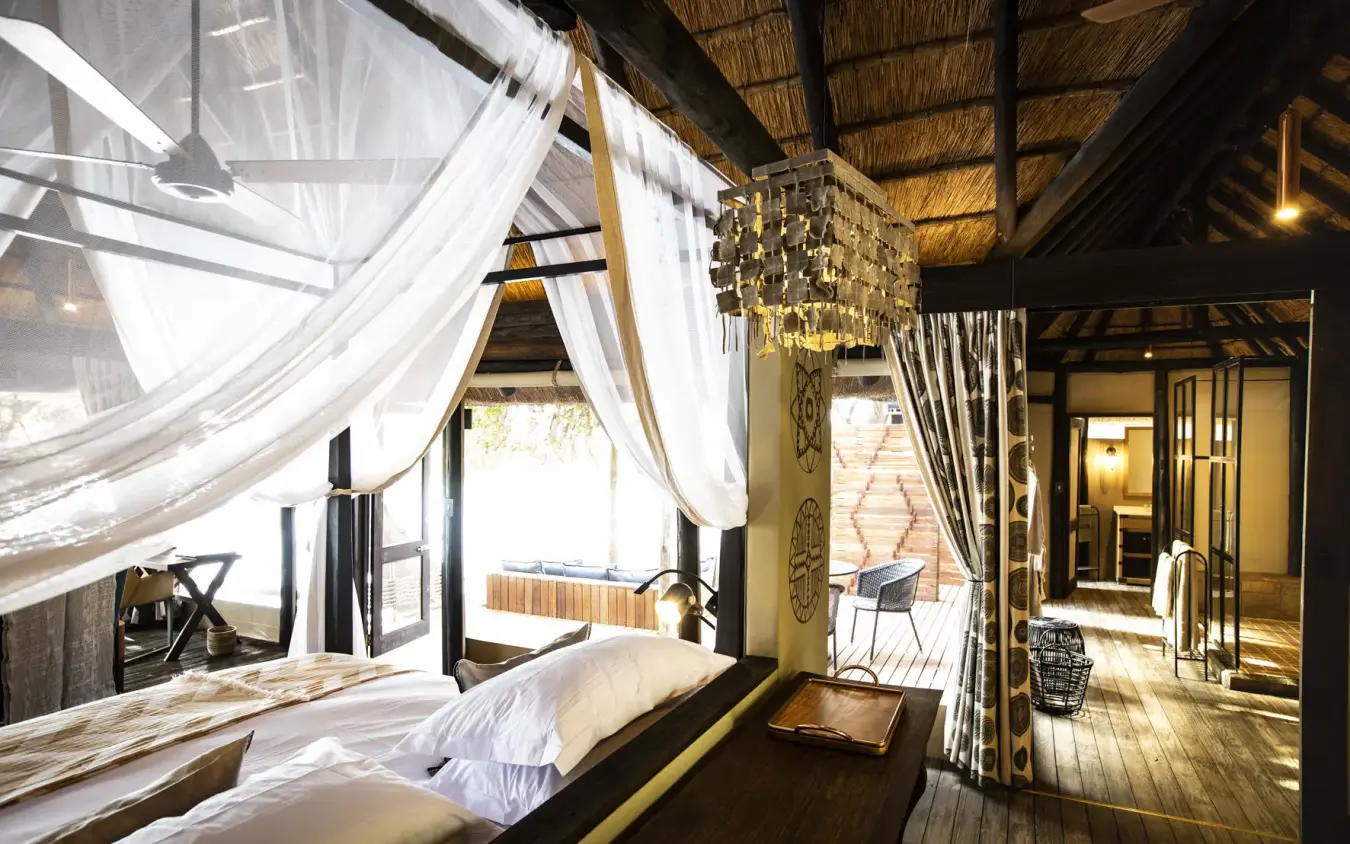
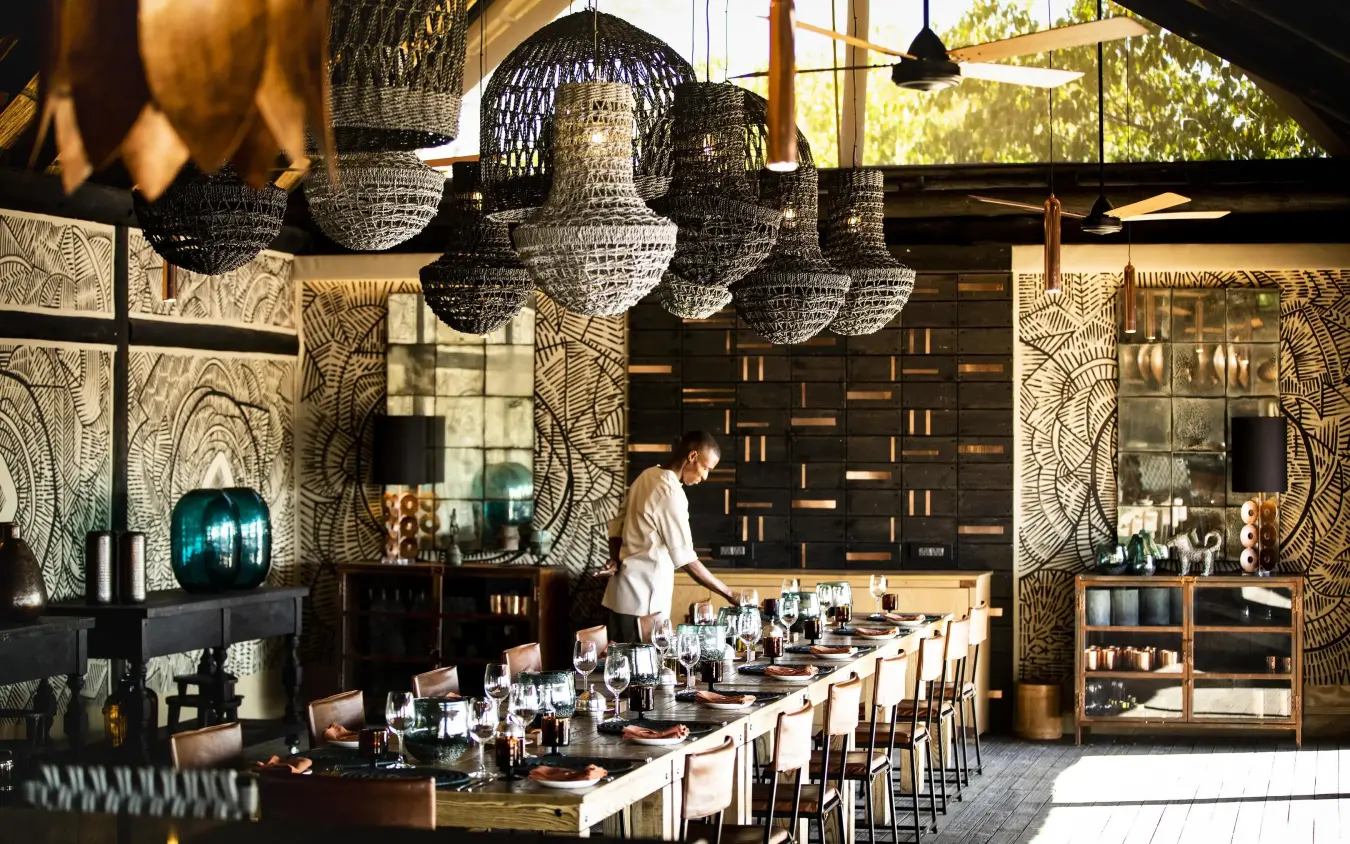
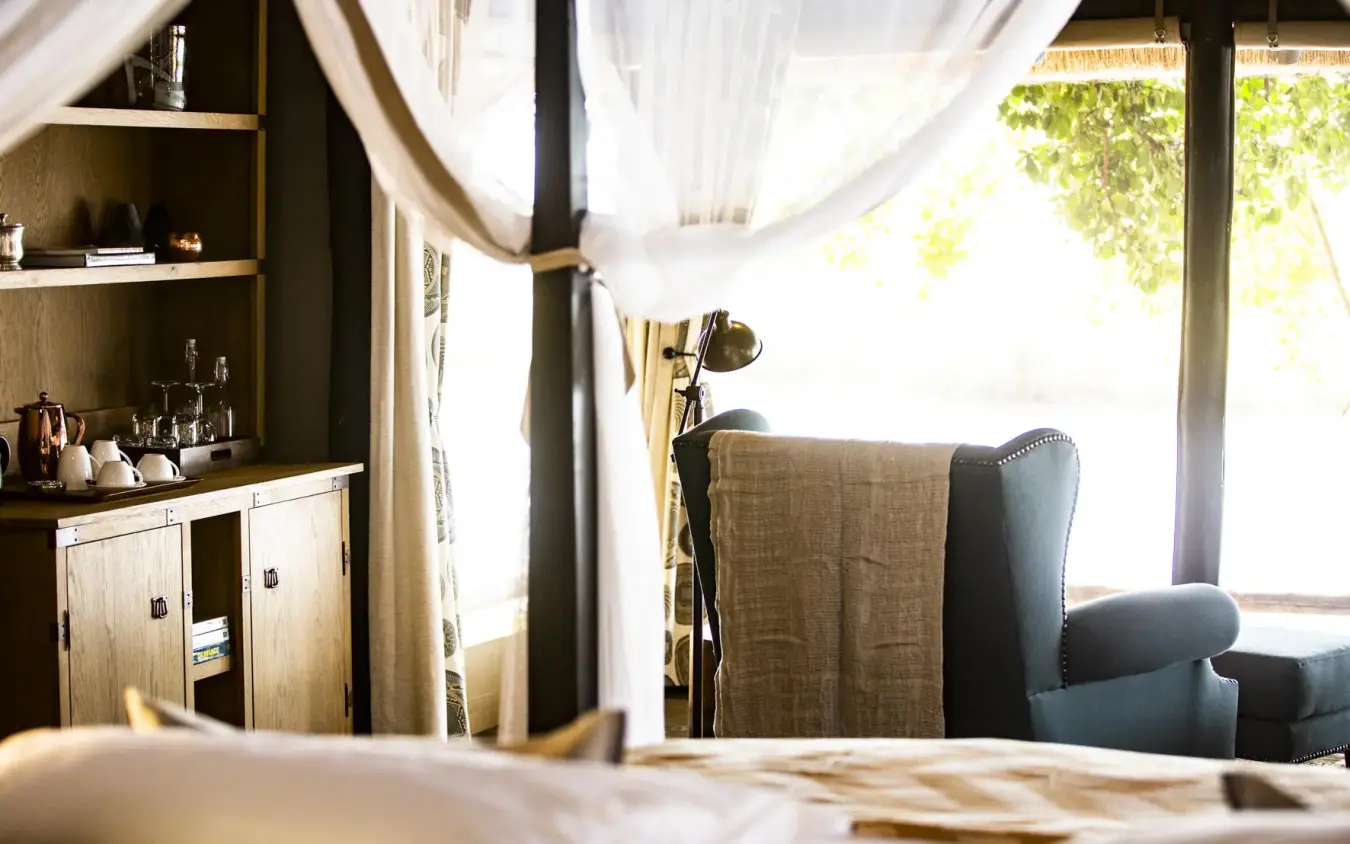
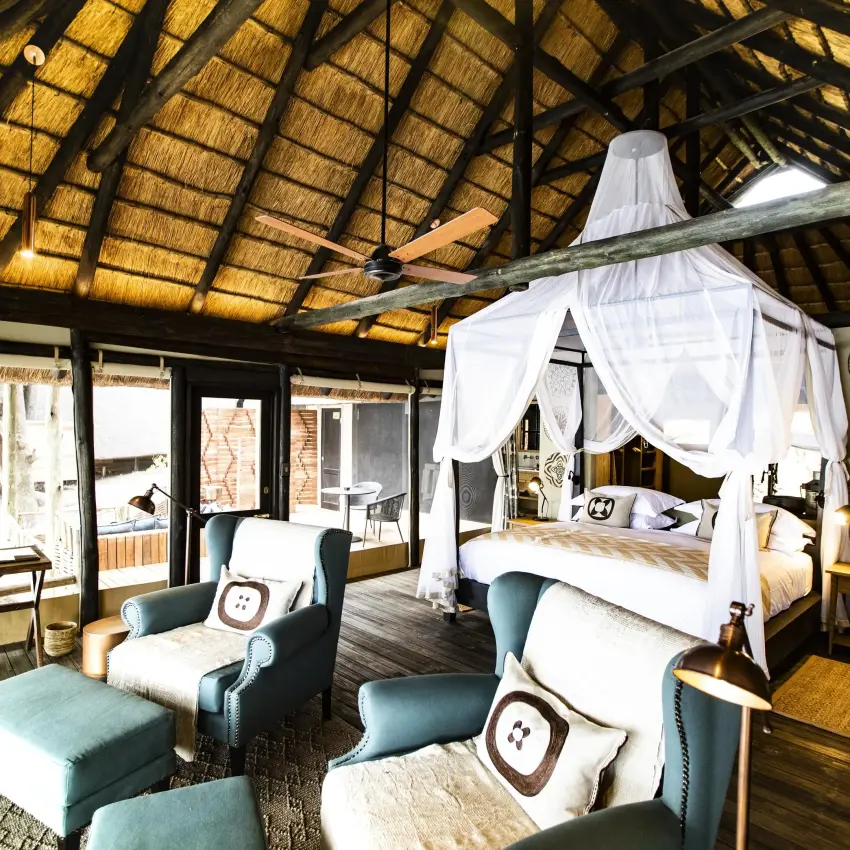
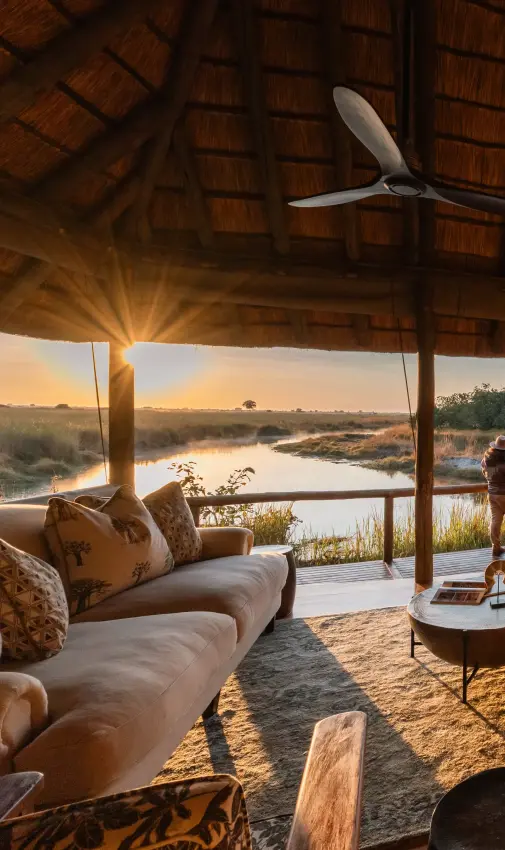
When the camp reopened in mid-2019 after a full rebuild, its design took the Botswana craft of basket-weaving as its starting point. That motif runs everywhere, through the screen walls and the woven rope detailing, the embroidered cushions and the painted murals, all set against an earthy palette lifted by teal and copper. Wooden flooring and reclaimed doors were carried over from the old camp into the new, tying the rebuild back to the one that stood on this lagoon before it.
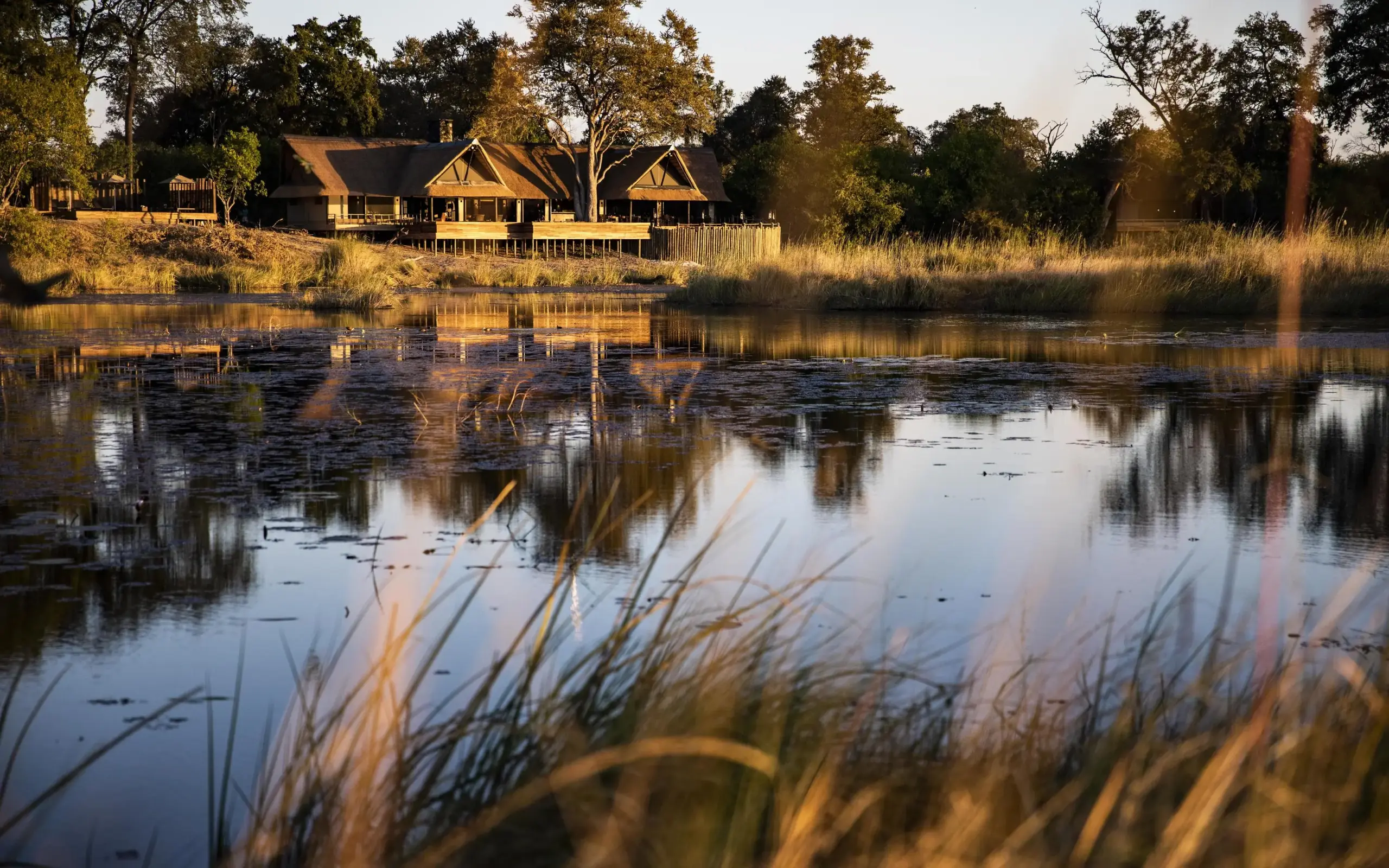
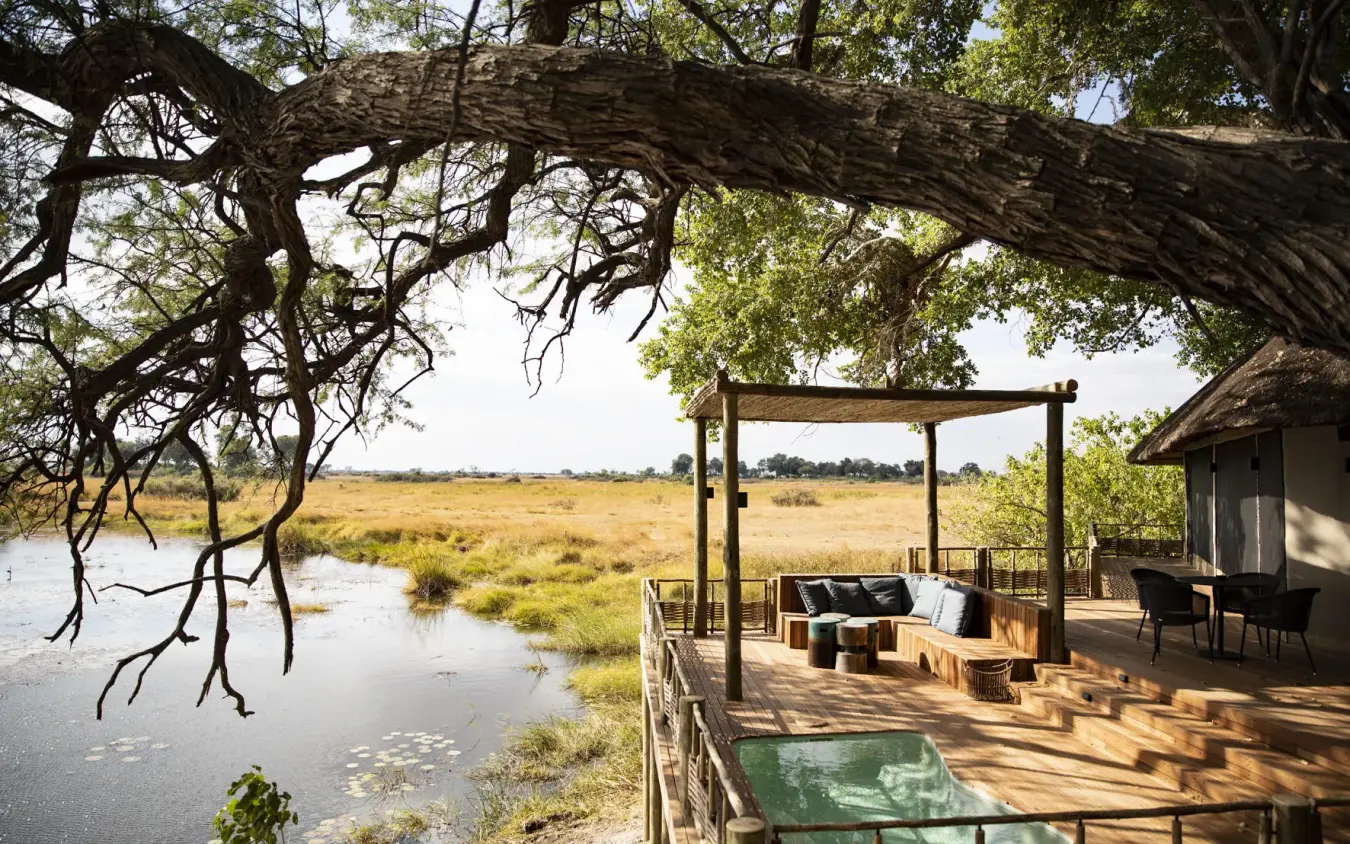
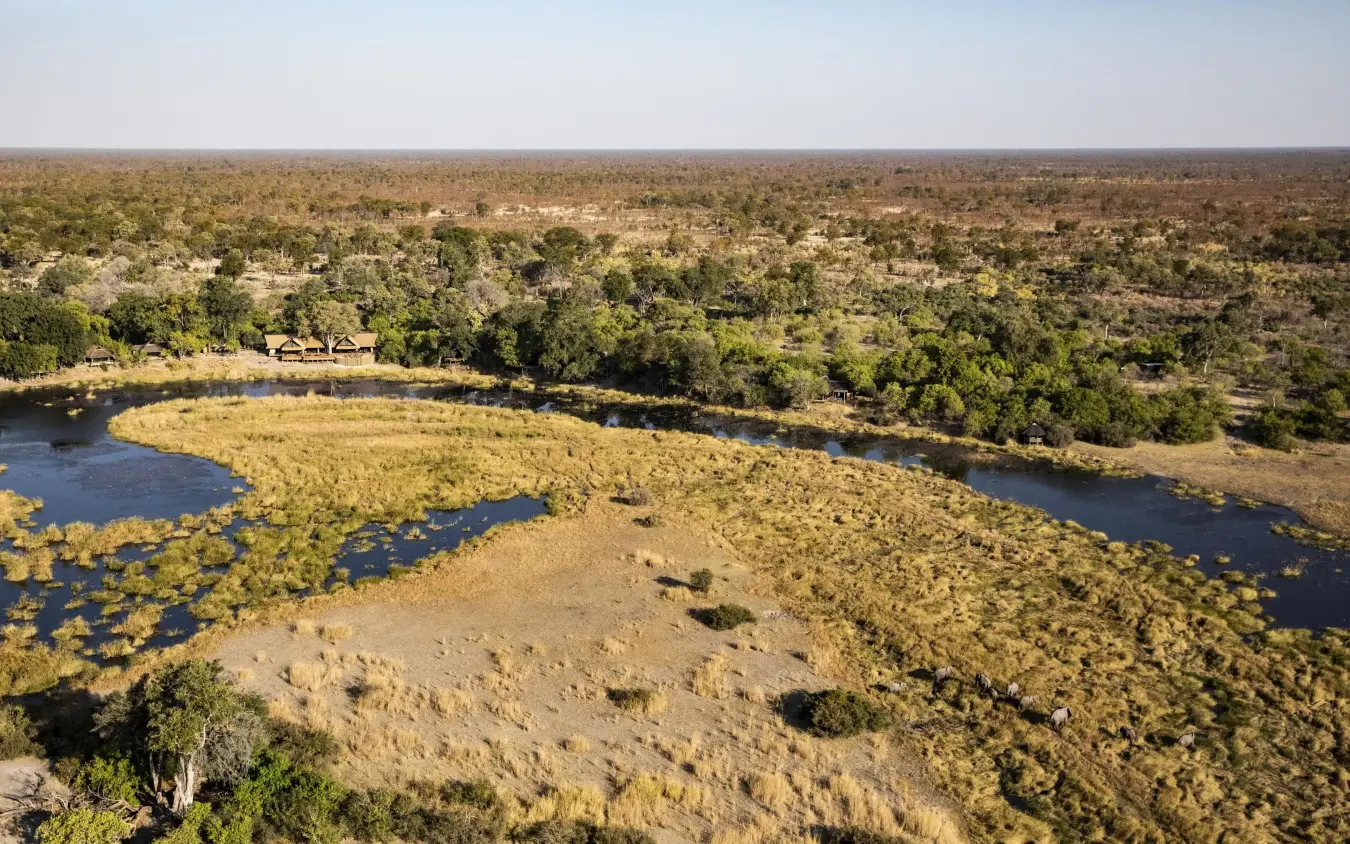
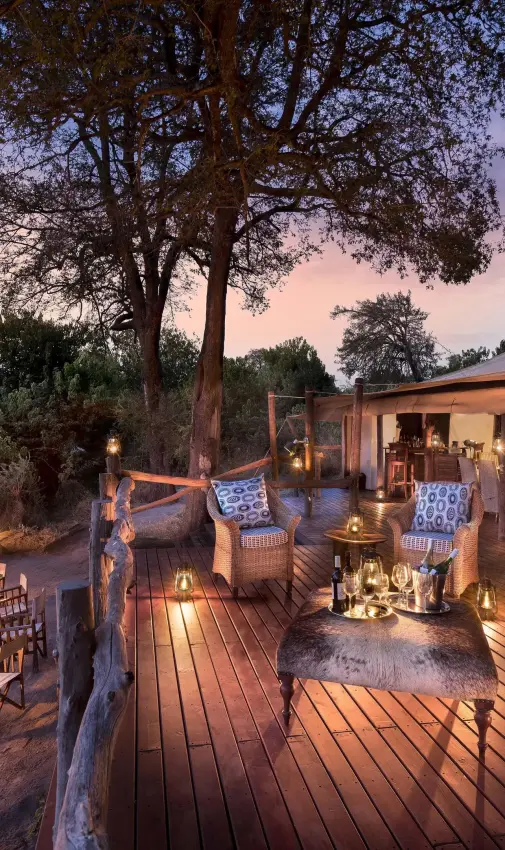
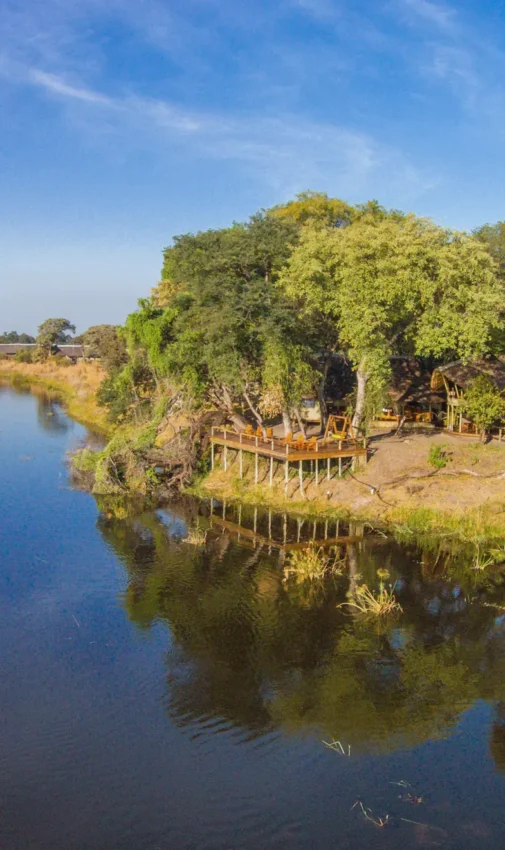
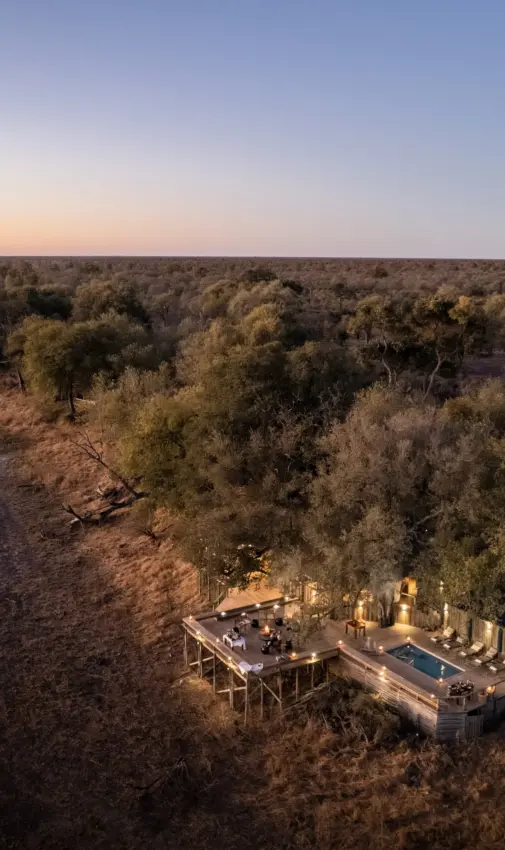
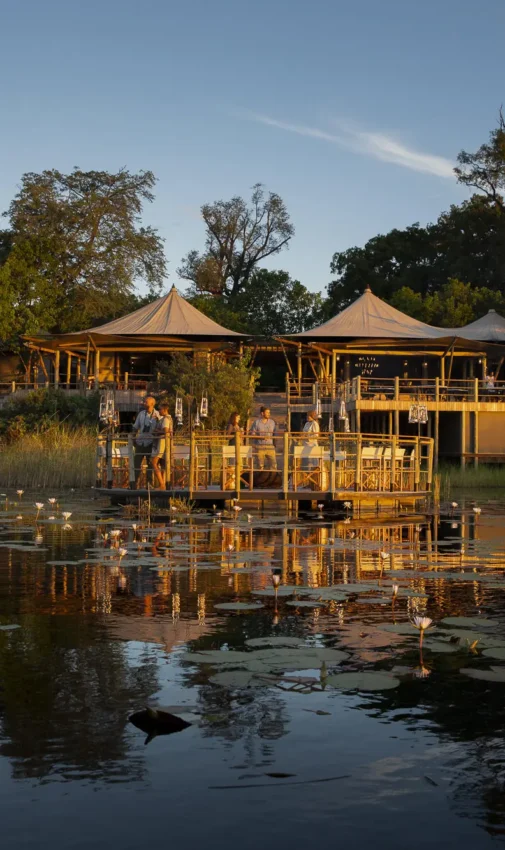
Eight suites of canvas and thatch stand on raised timber decks along the lagoon, among them a two-bedroom family suite whose bedrooms connect by a walkway. Each opens onto a large bedroom, a separate lounge, and a private veranda with a plunge pool, while a shaded sala with a daybed faces the water. Bathrooms run to double vanities, indoor and outdoor showers and a separate toilet. The main areas are open-sided to hold the lagoon view, the thatch drawn down only where privacy matters.
Bathrooms run to double vanities, indoor and outdoor showers and a separate toilet
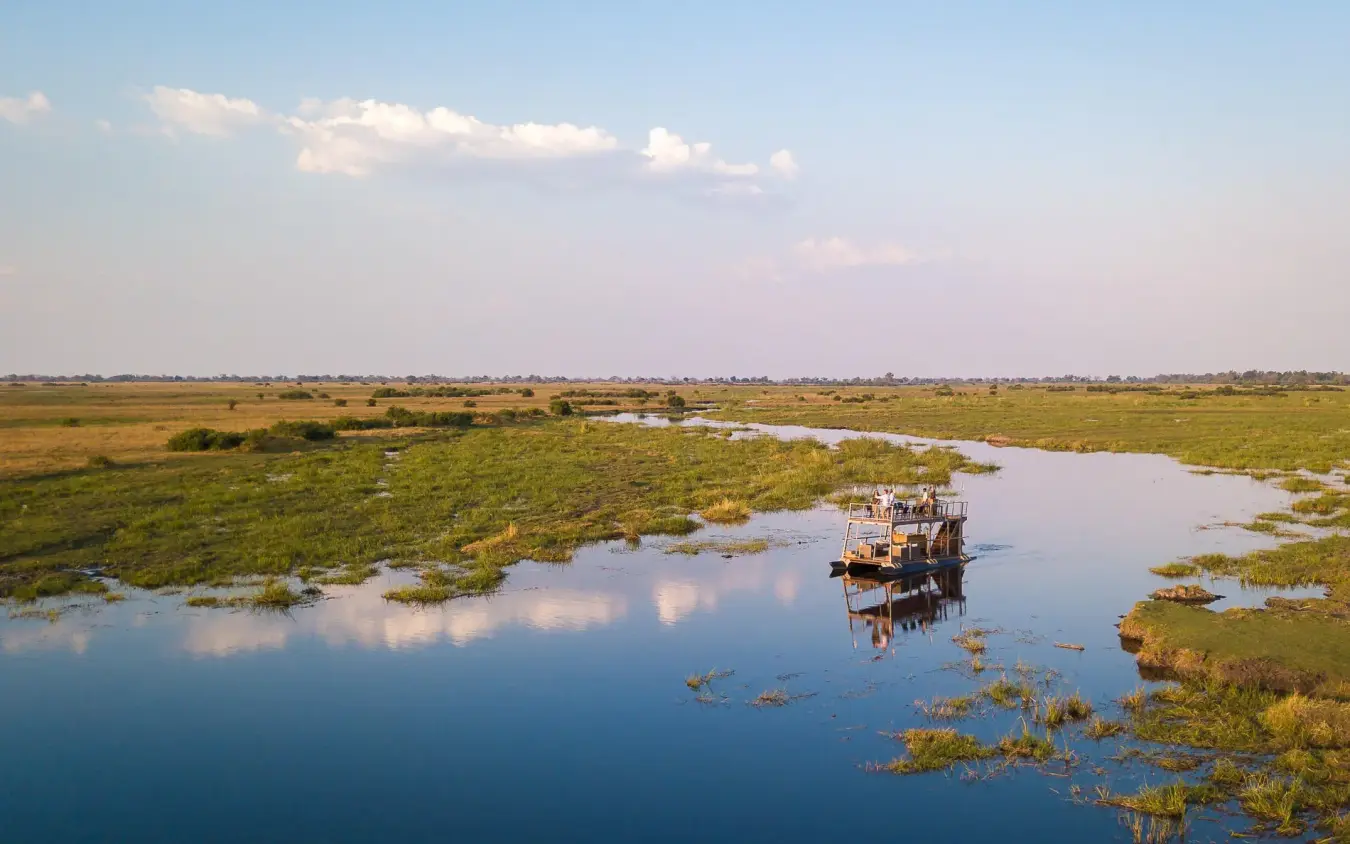
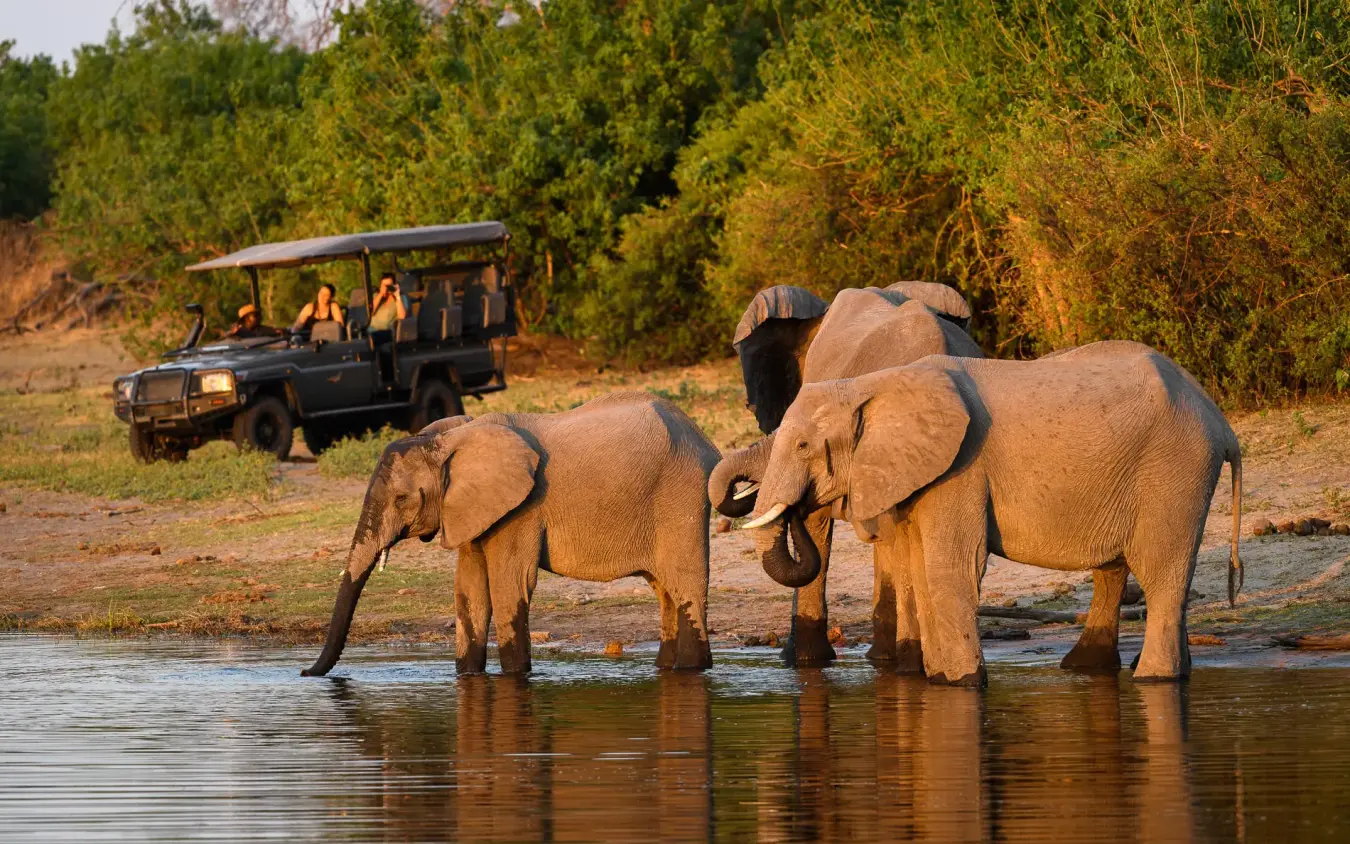
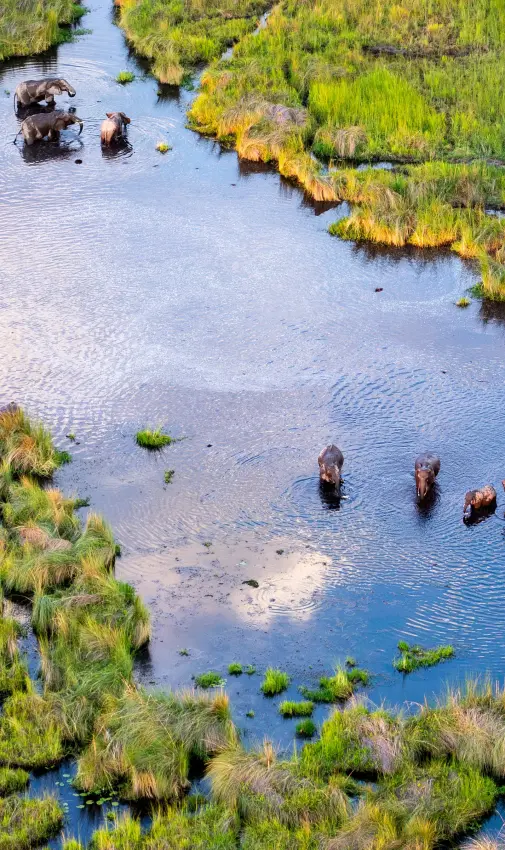
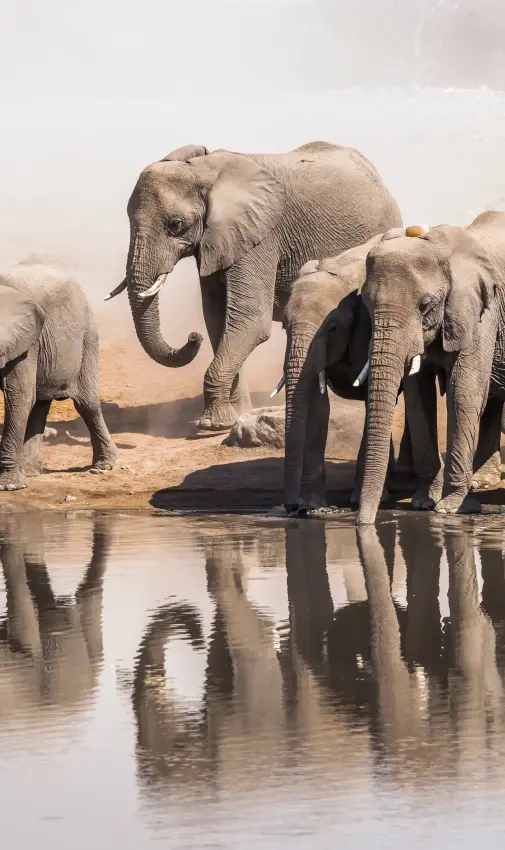
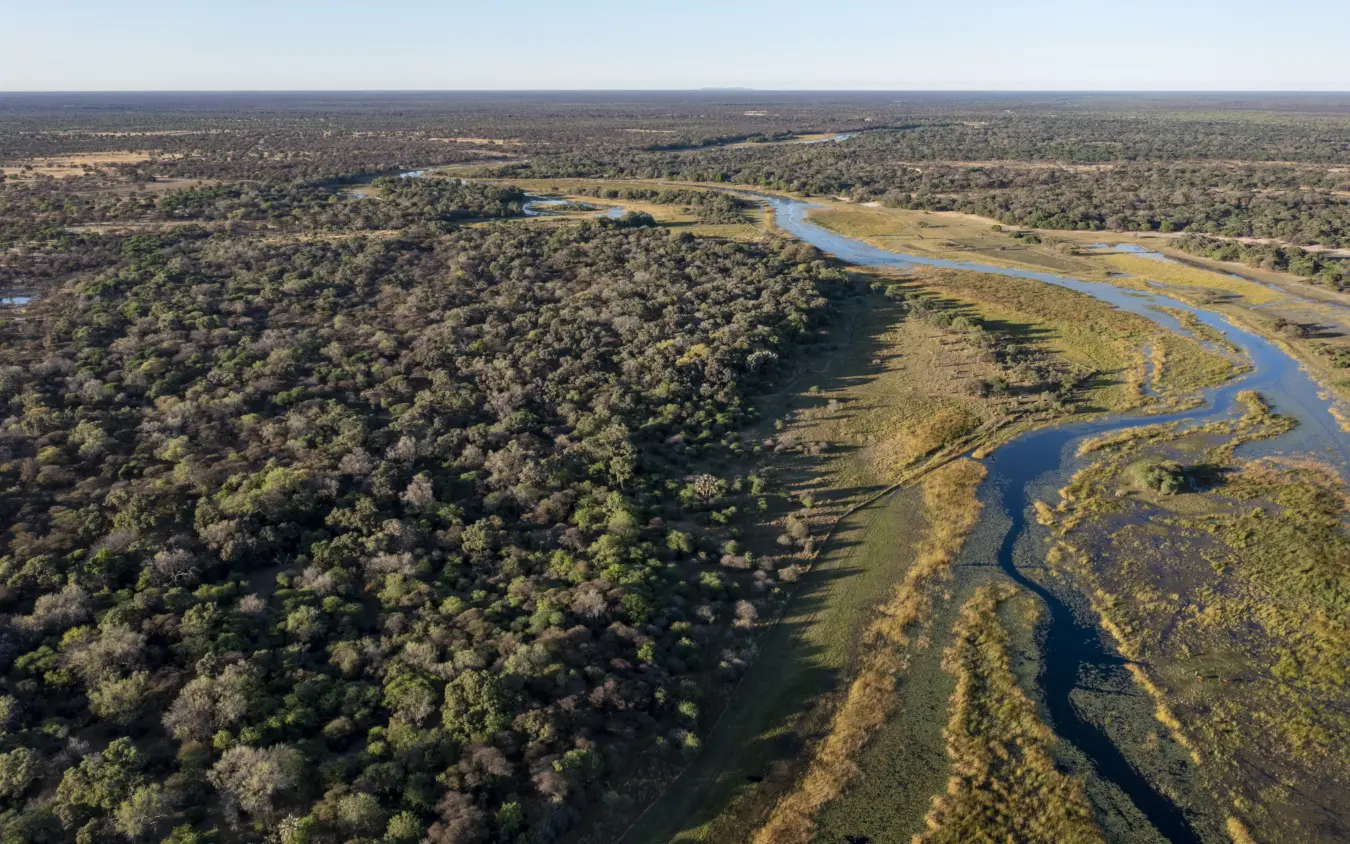
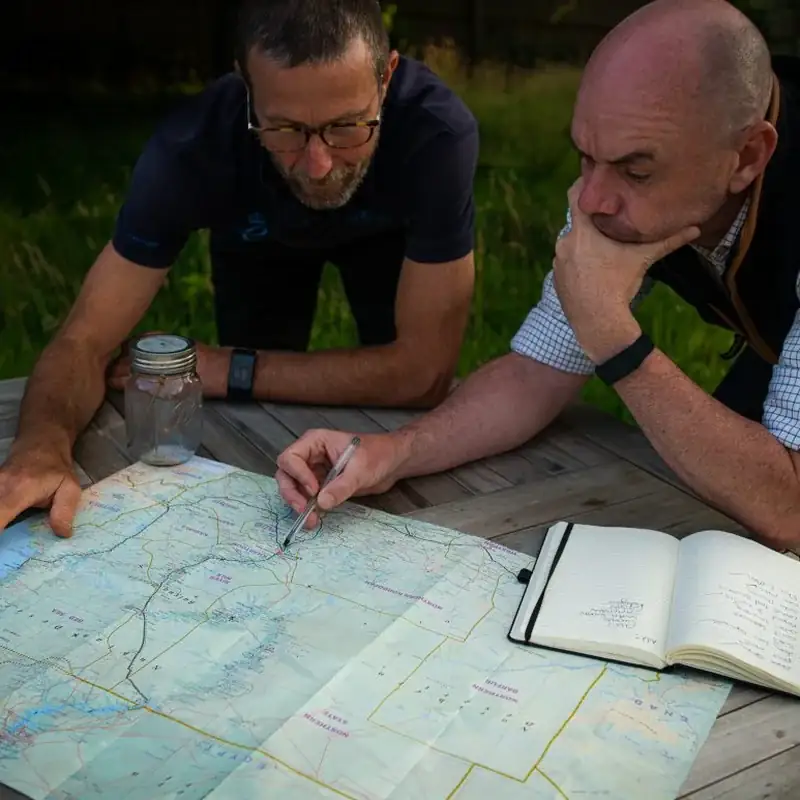
King’s Pool runs entirely on solar power, which suits a camp built around what moves past it. The concession lies within a wildlife corridor linking Angola, Namibia, Zambia and Botswana, along the routes elephants follow between their wet- and dry-season ranges. Researchers use the Linyanti to study that movement and to ease conflict with the people living along it. The camp itself takes its name from a Scandinavian king who once pitched his tents on the lagoon’s banks.
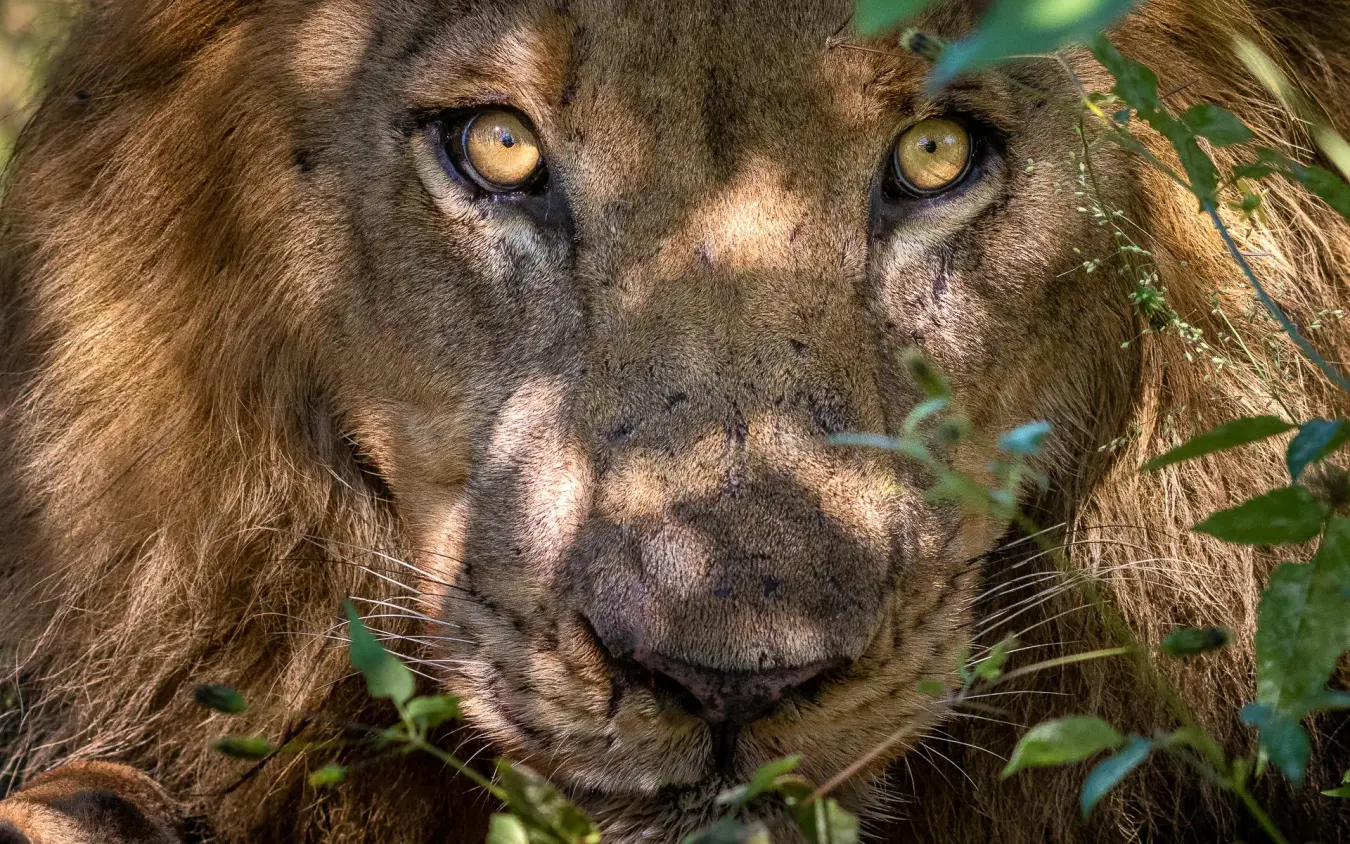
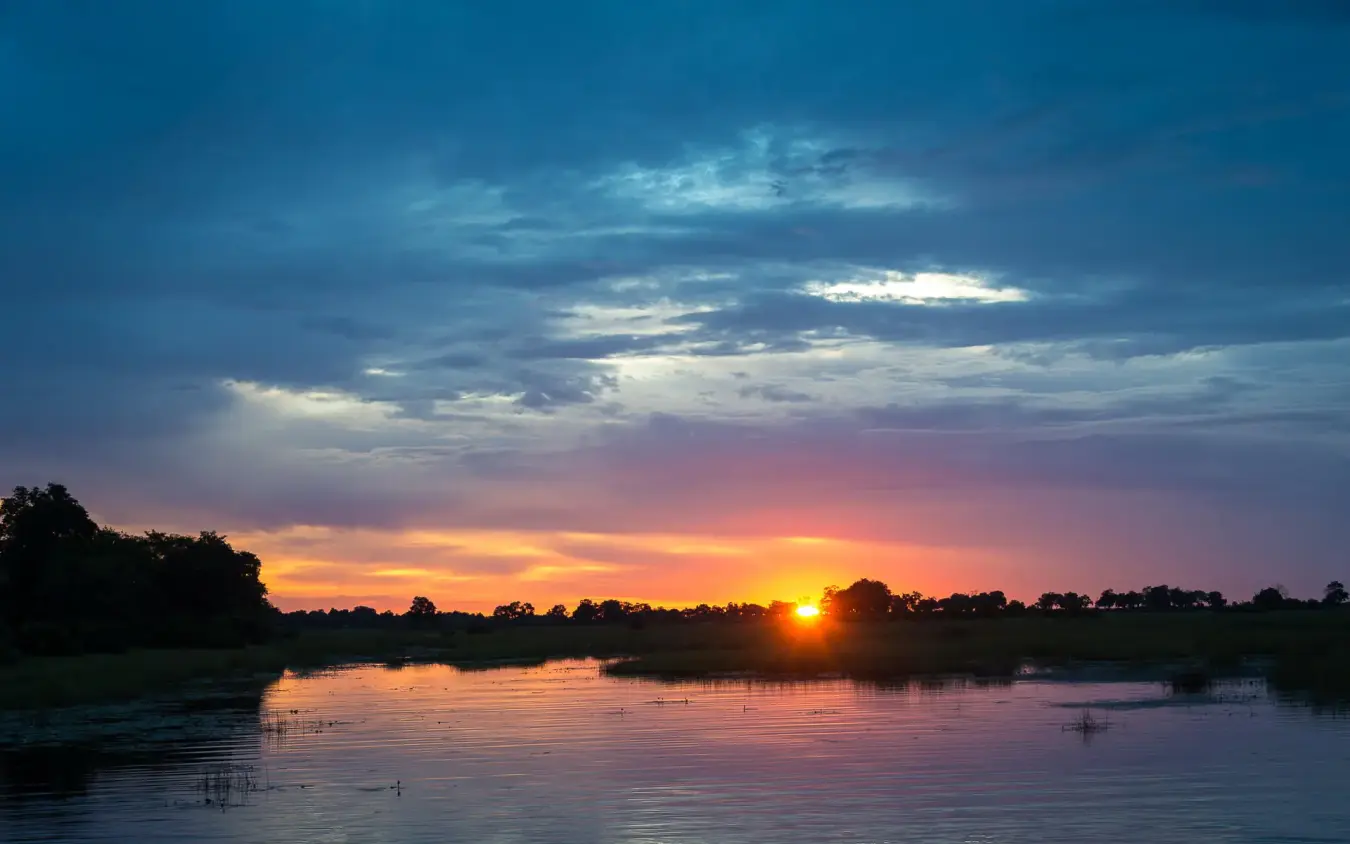
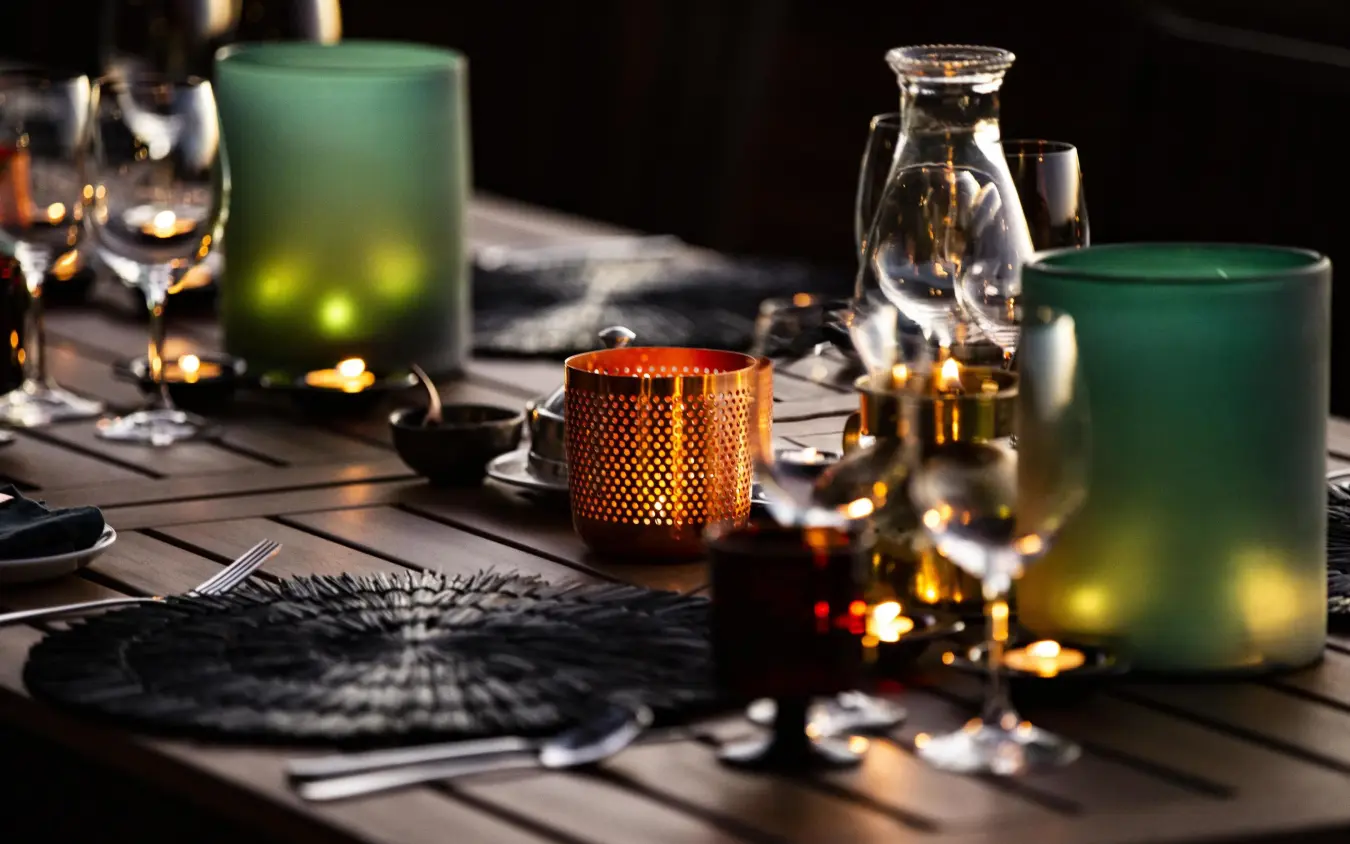
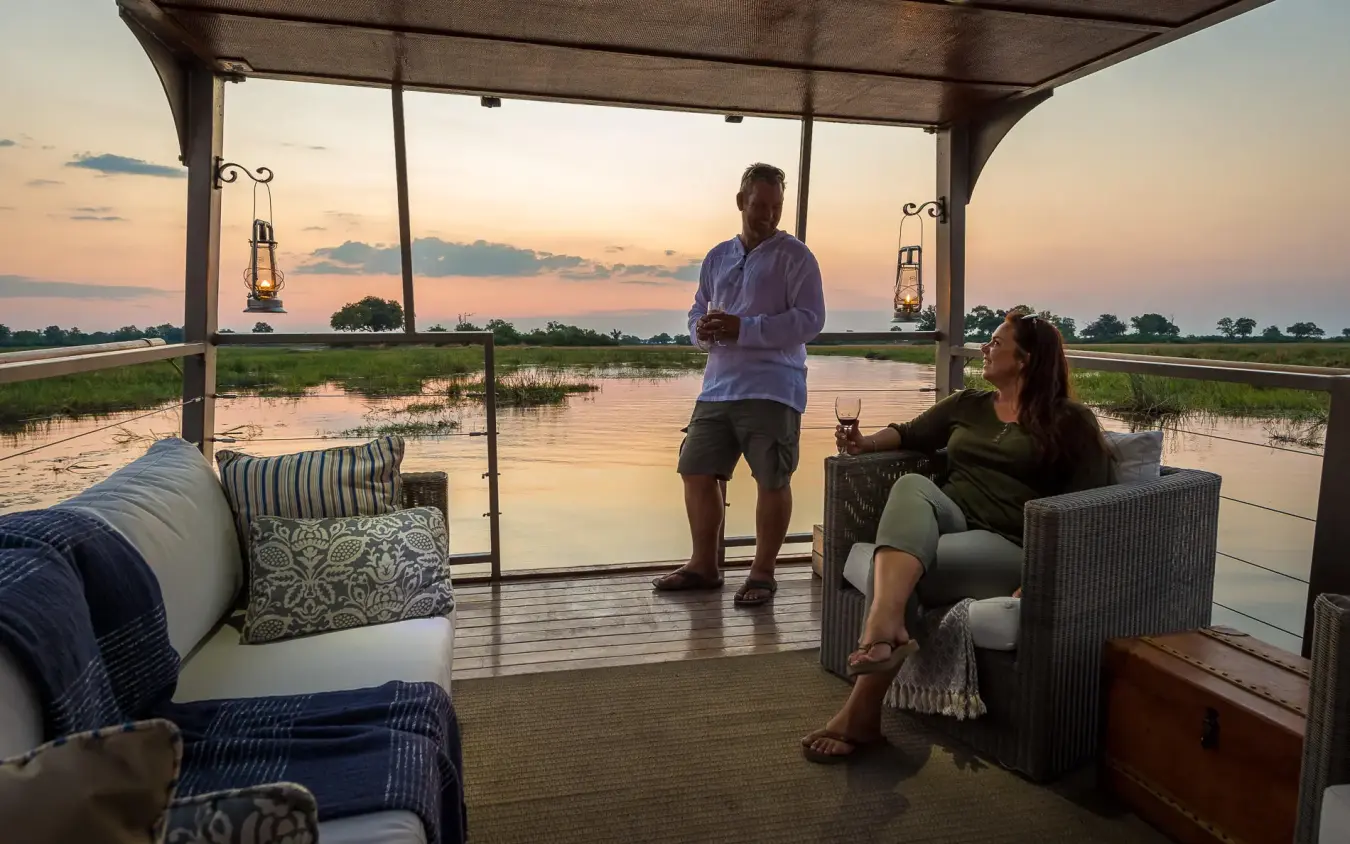
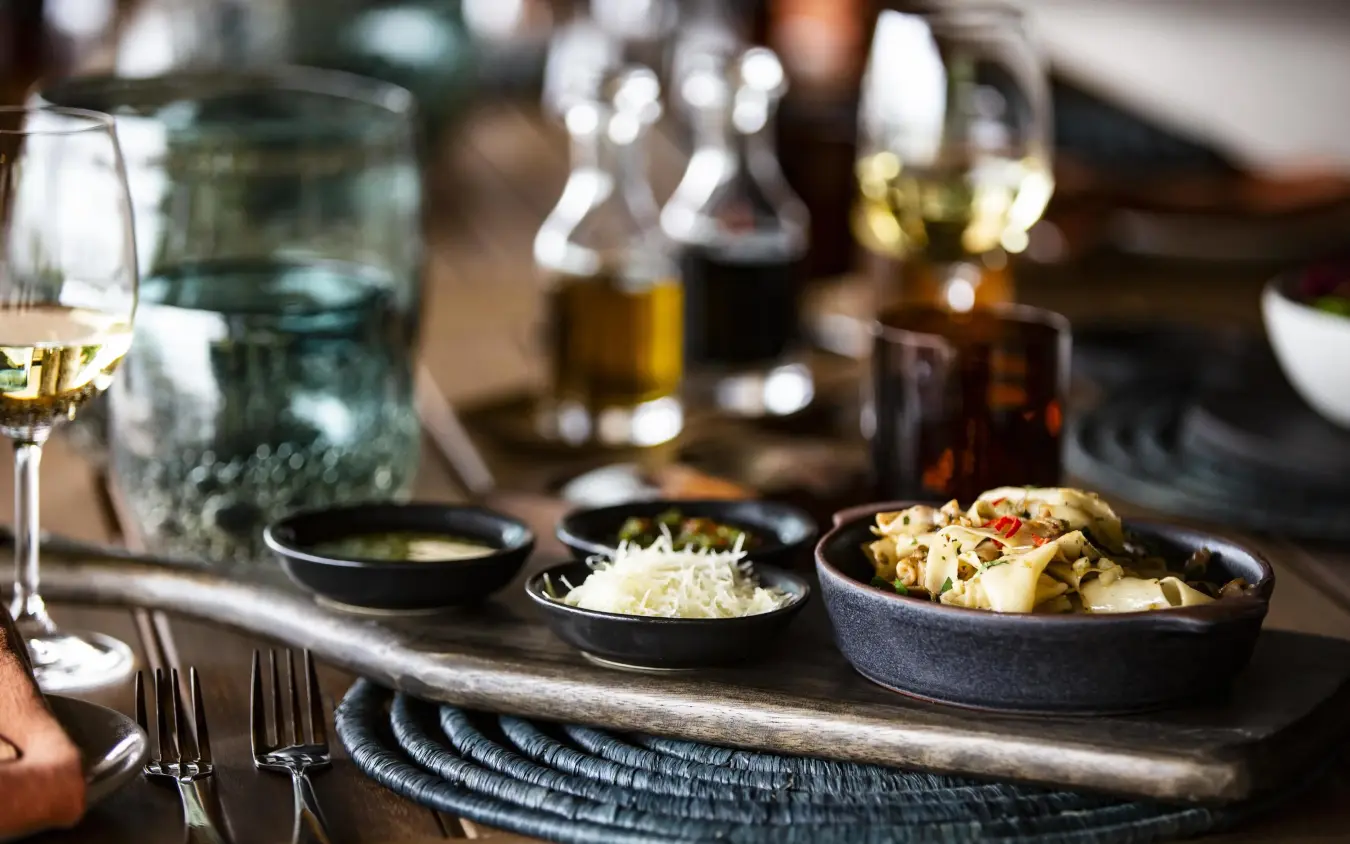
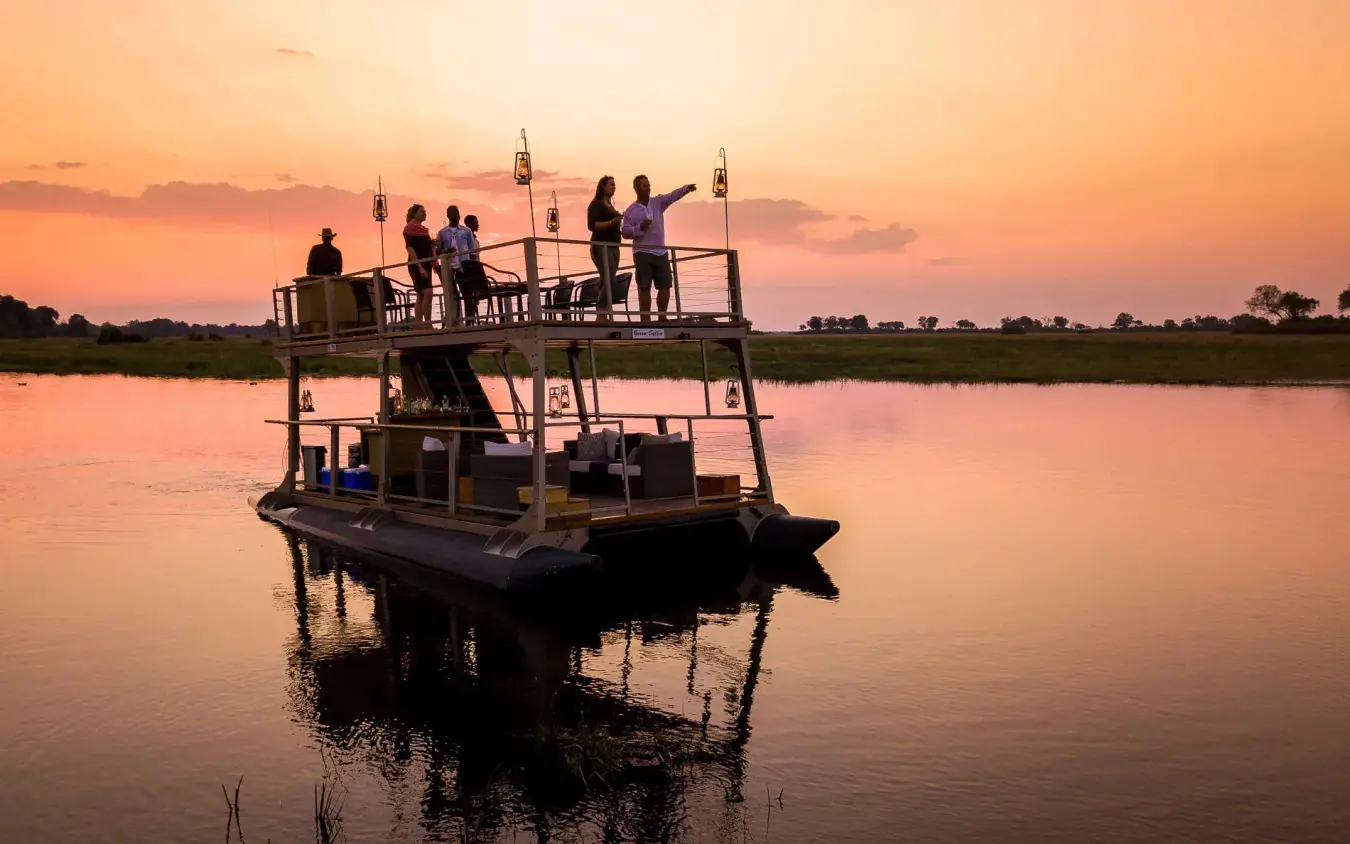
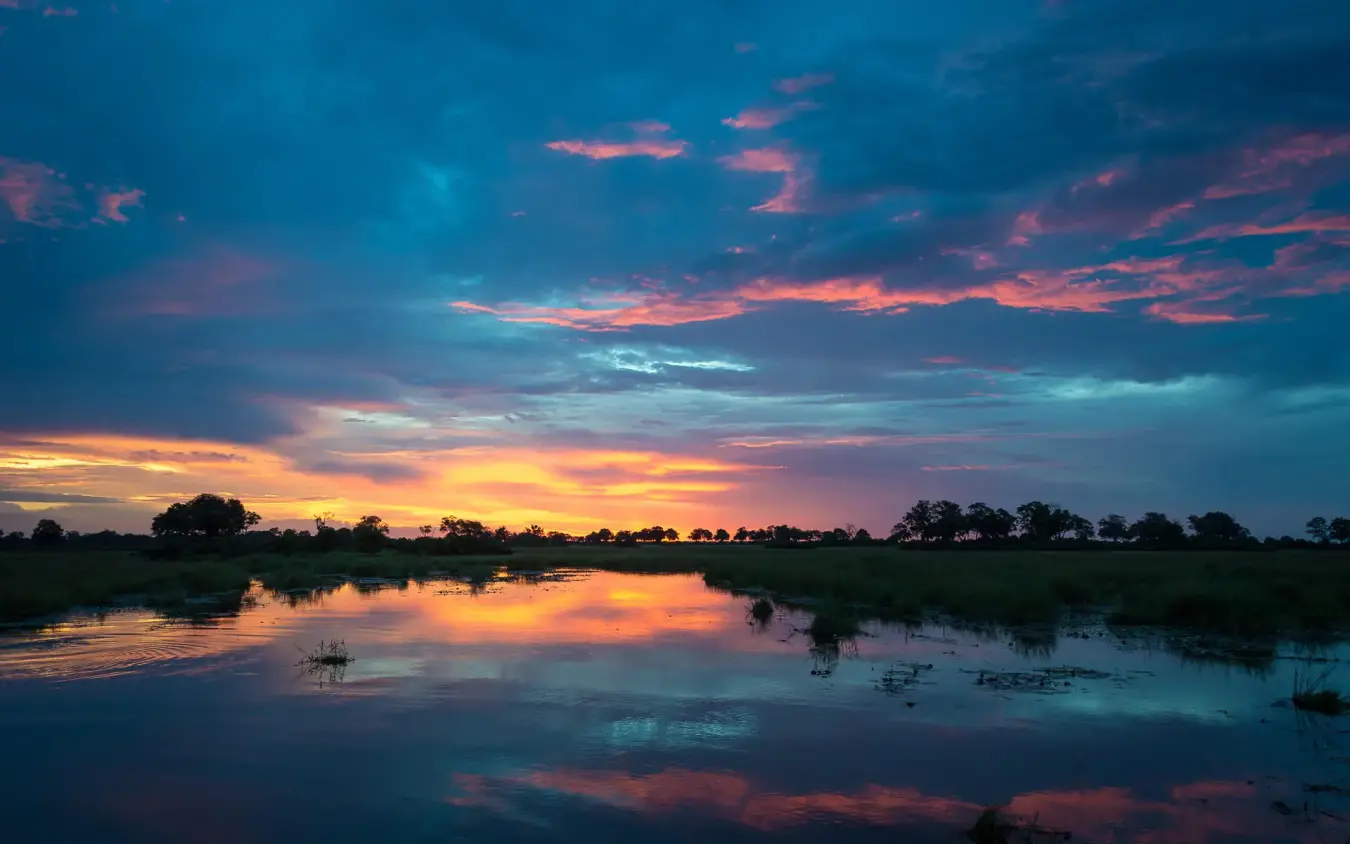
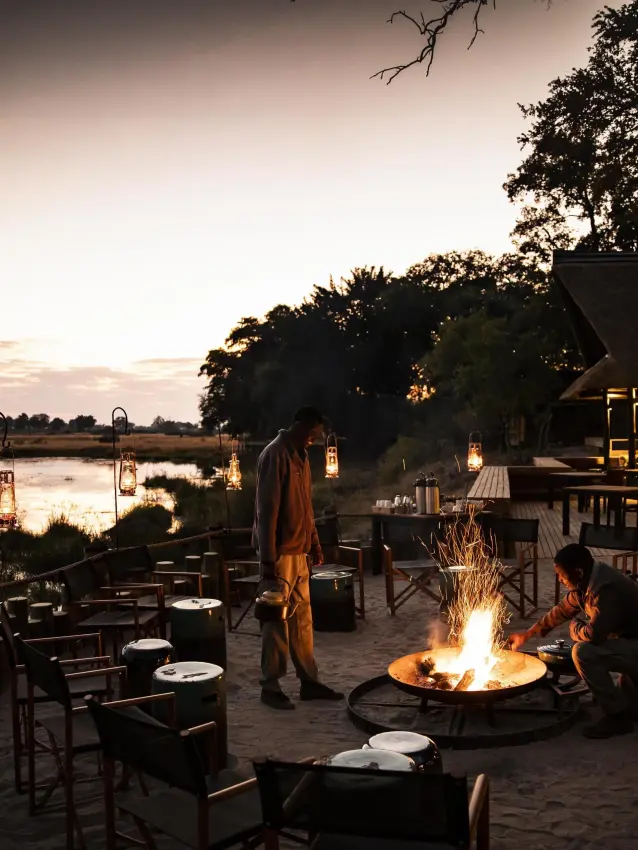
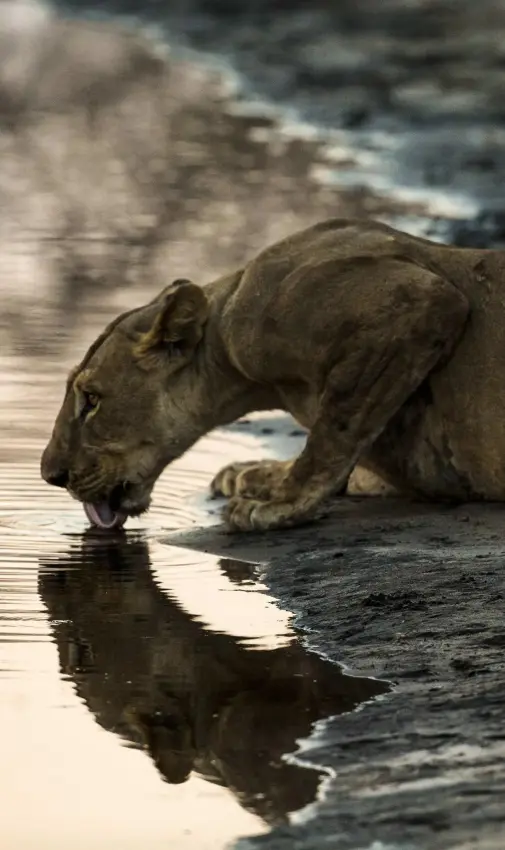
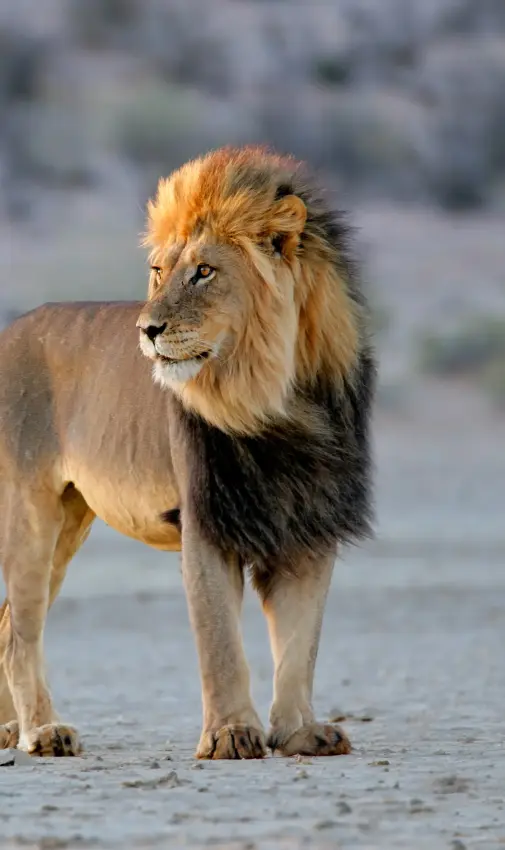
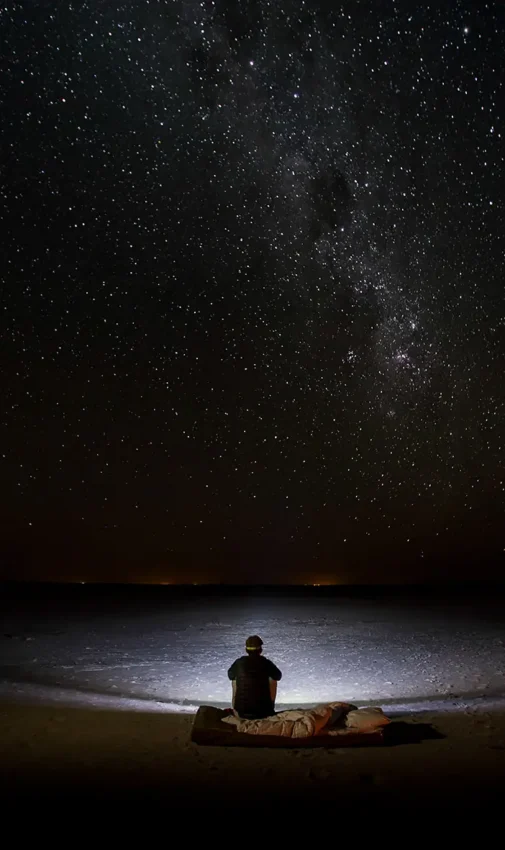
The days settle into a rhythm of water and light. Hippos grunt through the afternoon, elephants cross the channel within sight of the plunge pools, and lions can sometimes be heard after dark. Dinner might come at a long communal table, at a private setting, or out in the open-air kgotla under the stars. The family suite suits those travelling with older children, while guests under twelve book a private vehicle, and walking safaris carry a minimum age of thirteen.