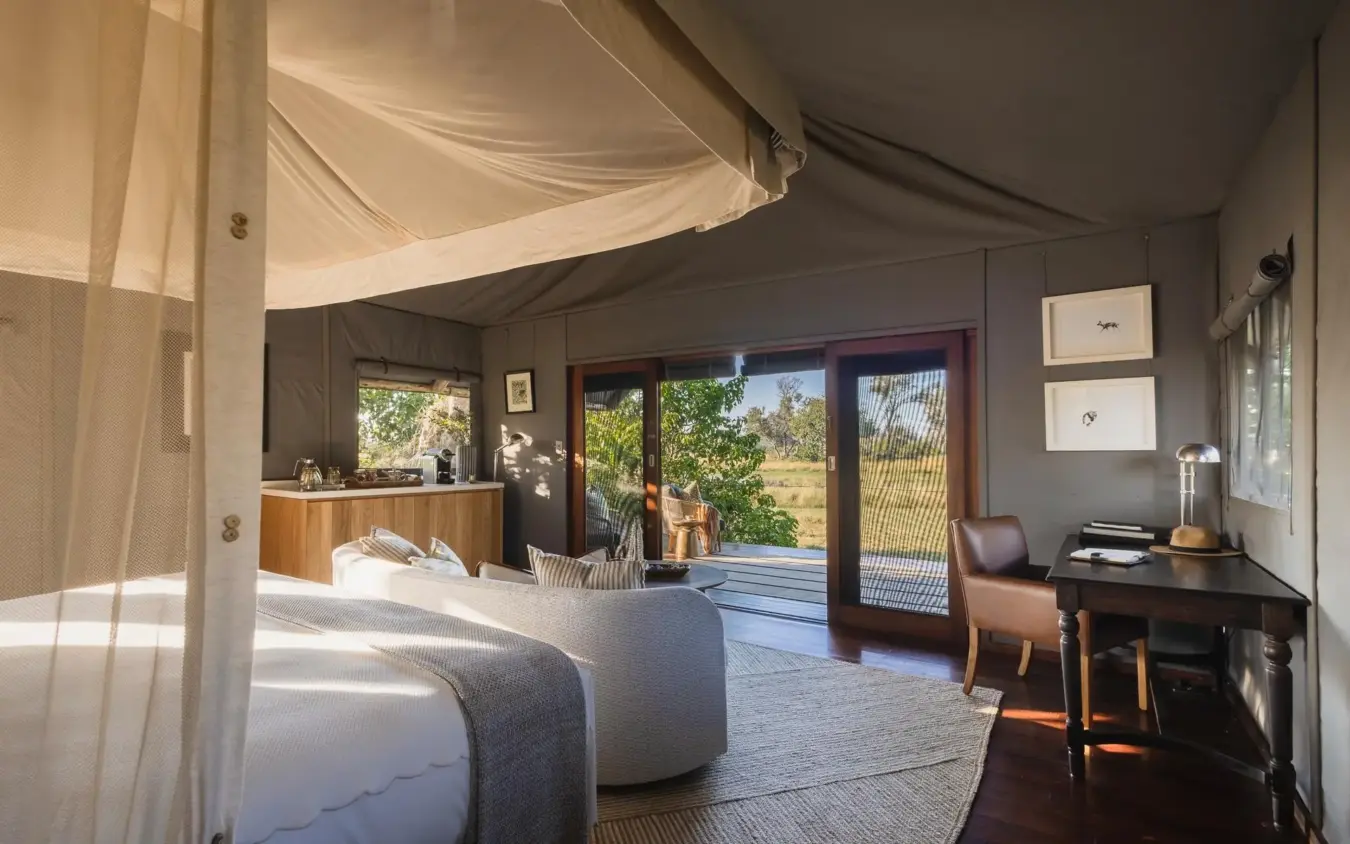
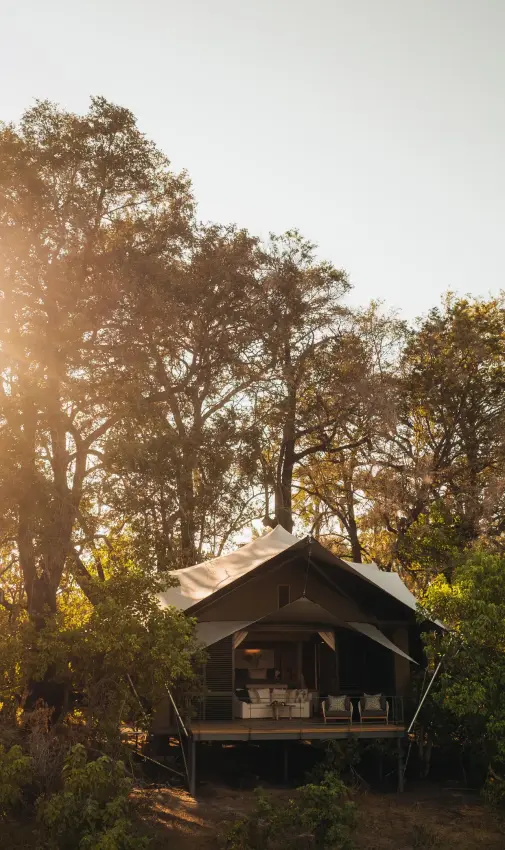
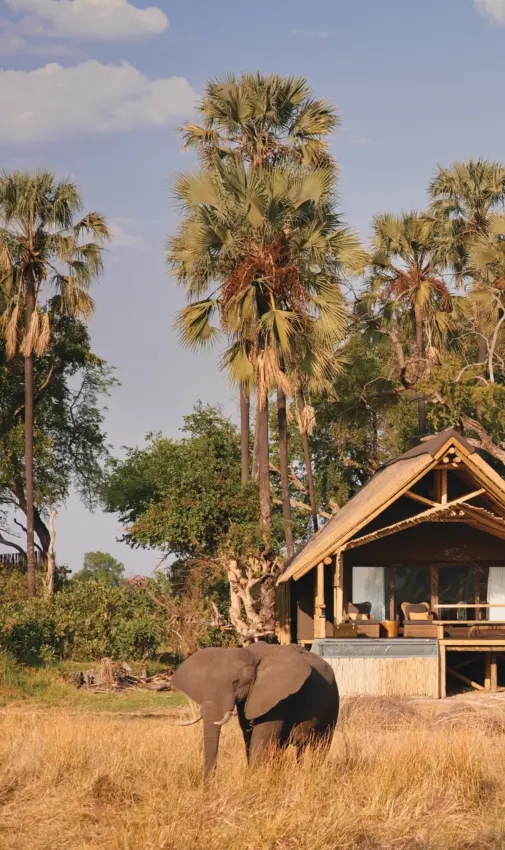
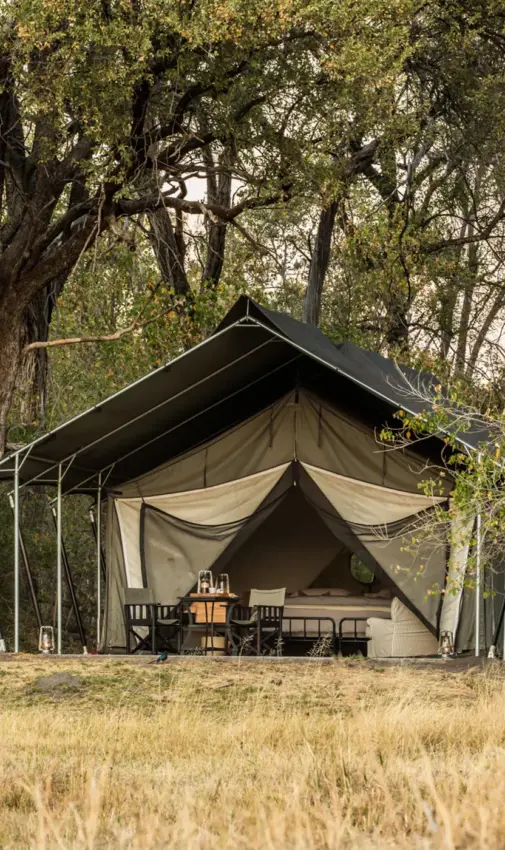
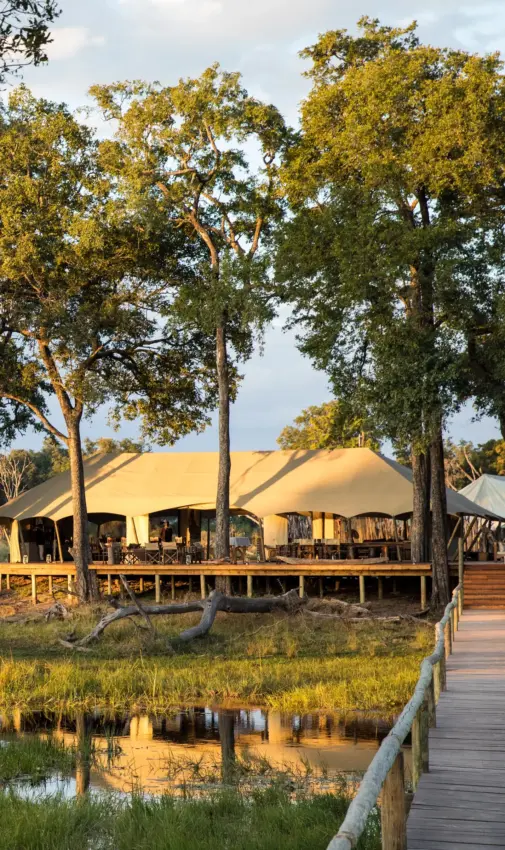
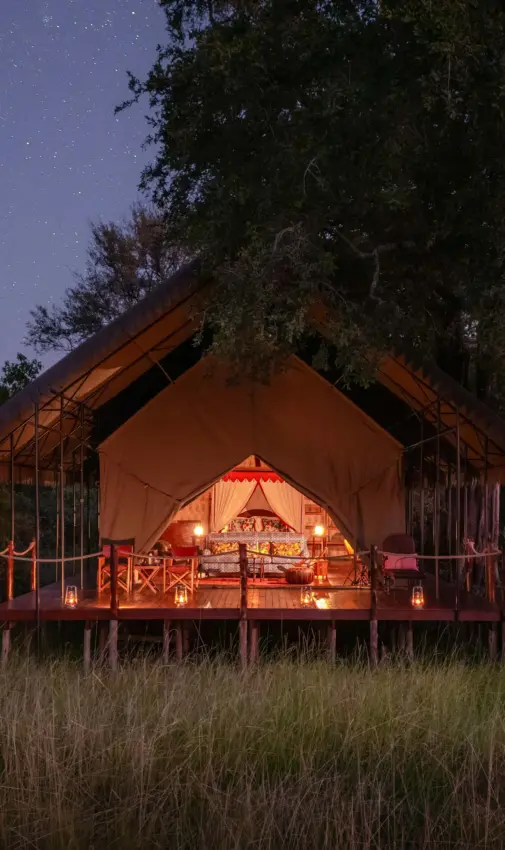
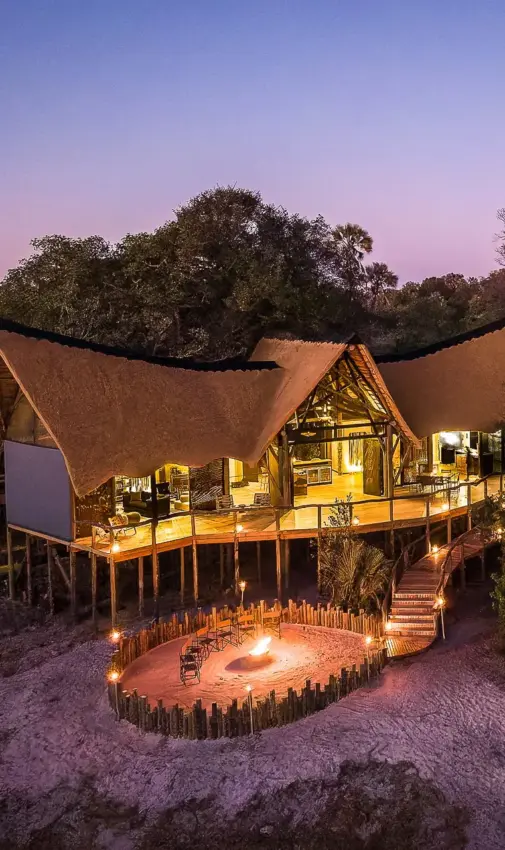
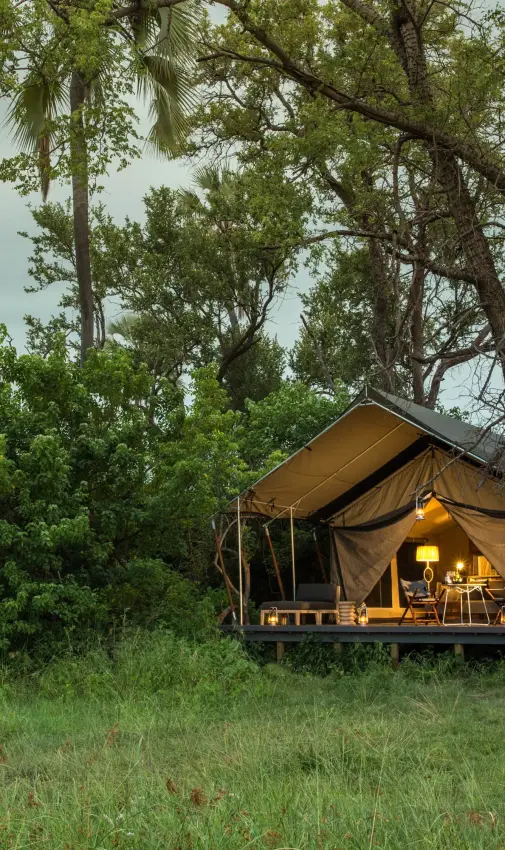
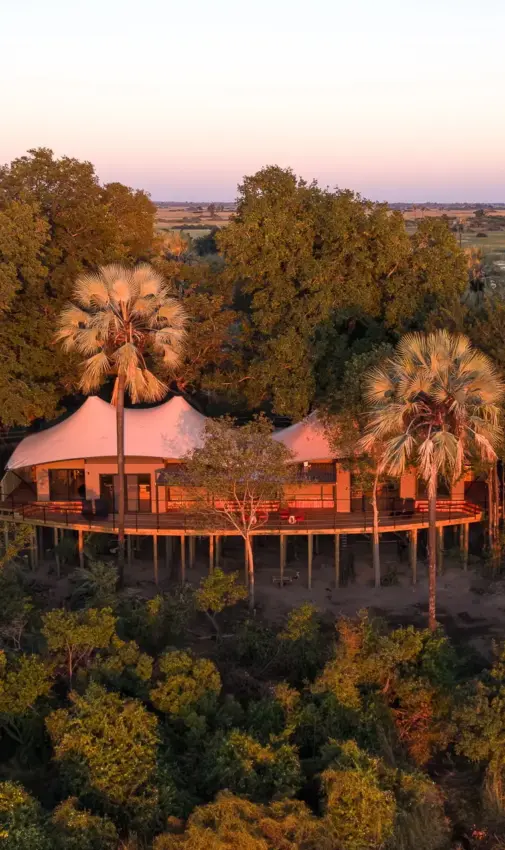
Two of the five tents are family units, their adjoining bedrooms close enough that younger children sleep within reach of their parents. A private vehicle can be arranged, so drives can be timed around the family. Wild animals move through camp, though, so children move between tents with an adult at all times. Beyond the tents, a raised boardwalk links the camp to Chitabe Camp, its larger sister, which shares the same concession.
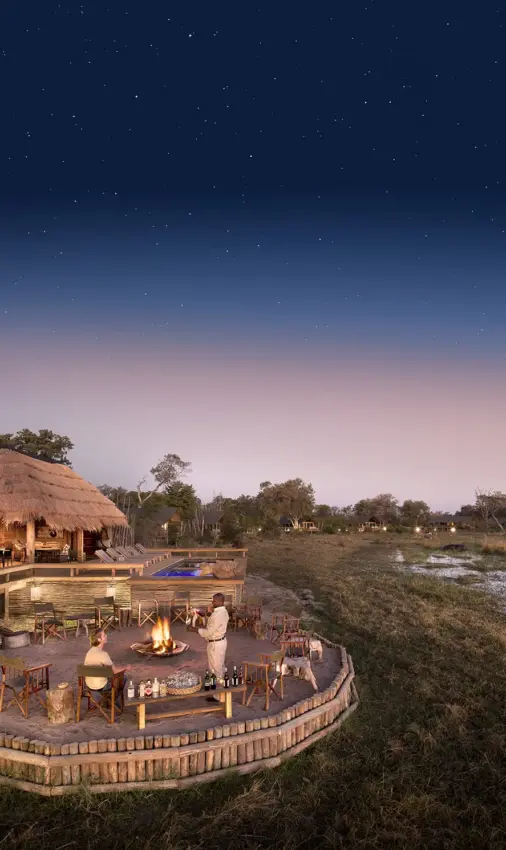
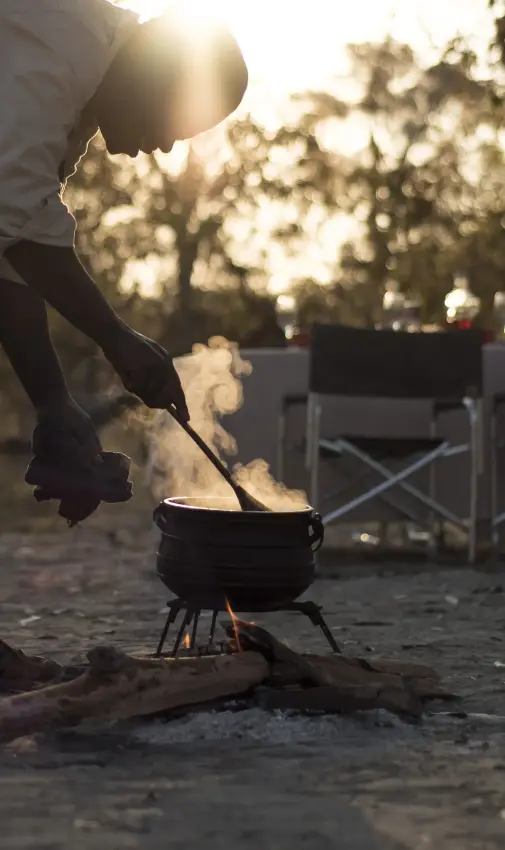
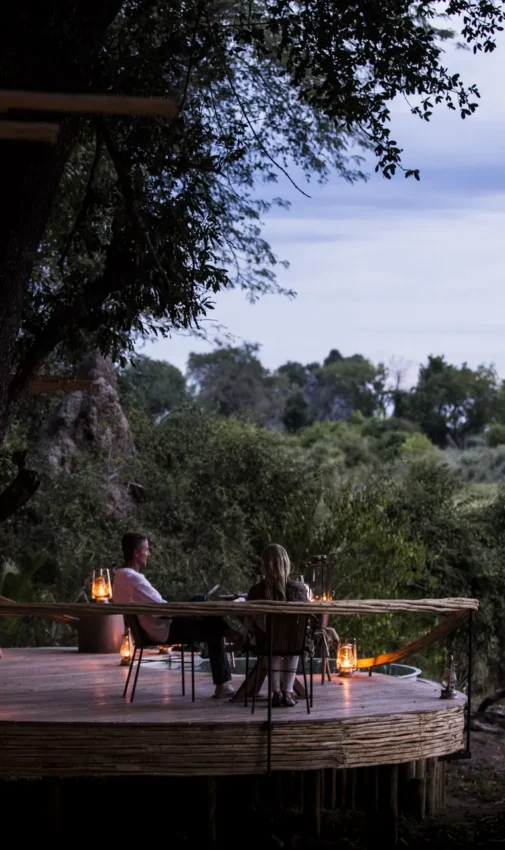
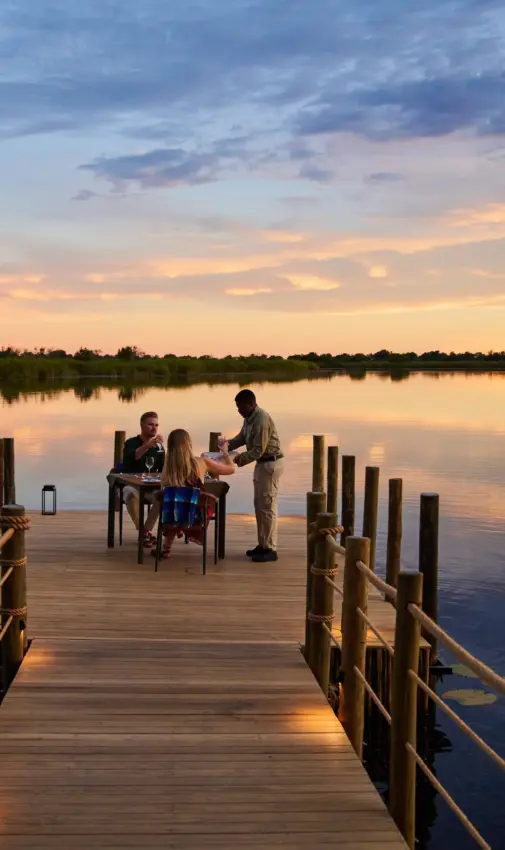
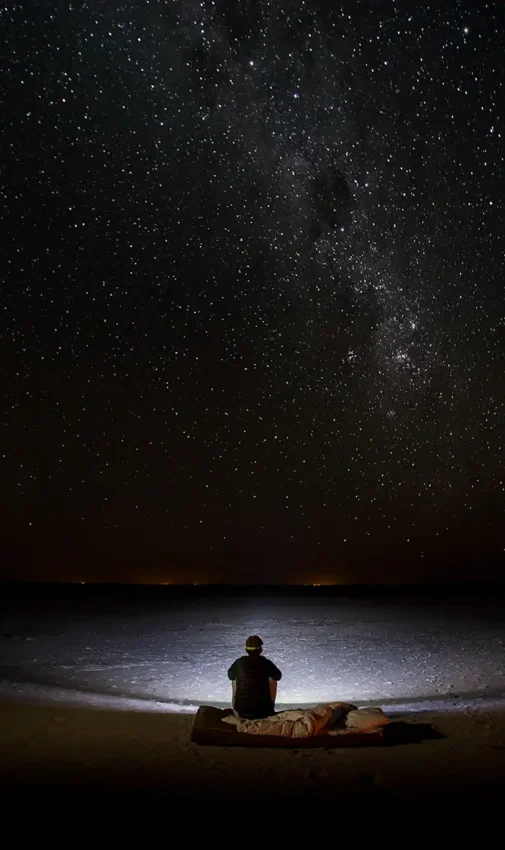
Meals follow the group’s own tastes, and the chefs bring traditional Botswana dishes to the table using local ingredients. Vegetarians are well catered for too. Lunch might be served on the deck above the lagoon or carried out to a bush picnic in the shade. Evenings move to the boma, where dinner is cooked over the coals as the stars come out, and the evening ends around the firepit.
Once night falls, the spotlight comes on, picking out owls, genets and bushbabies.
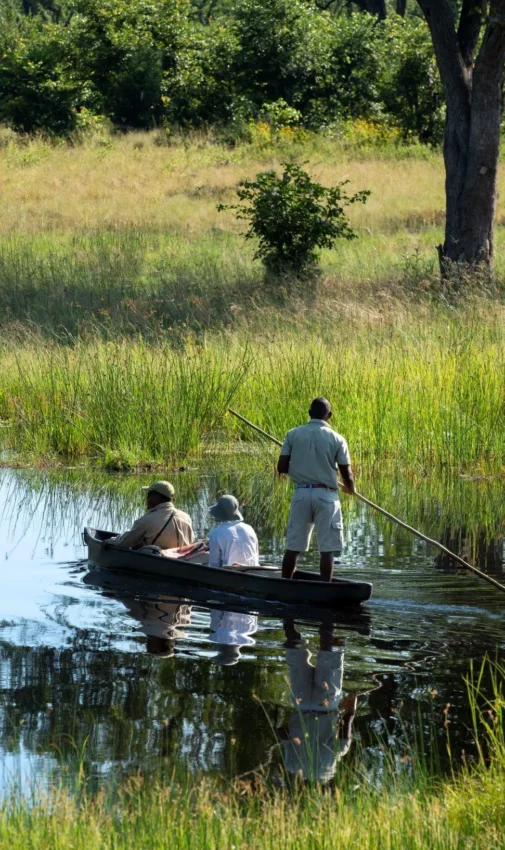
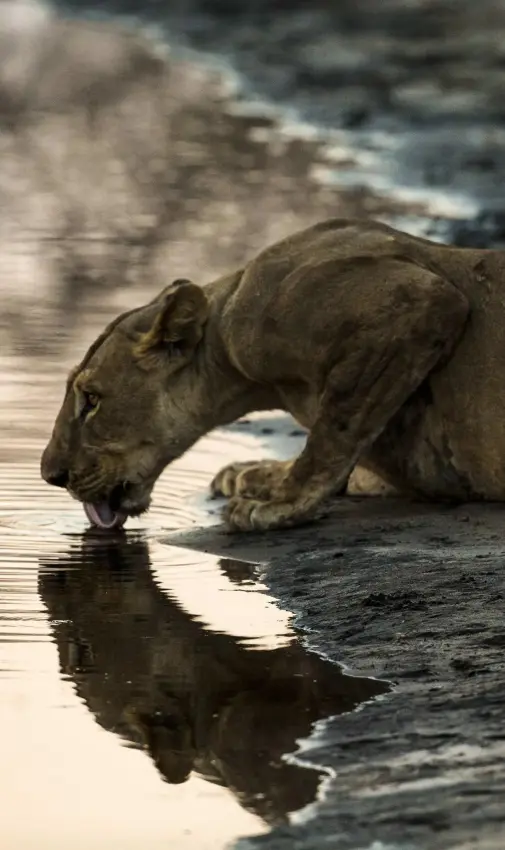
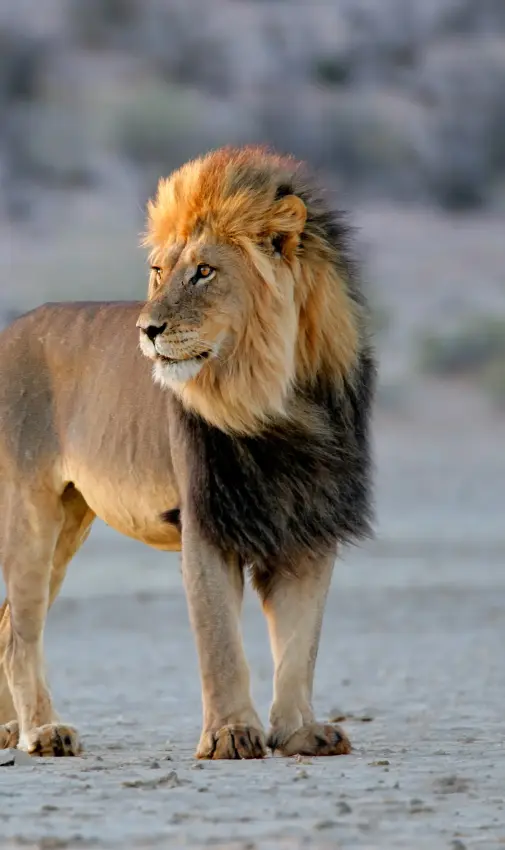
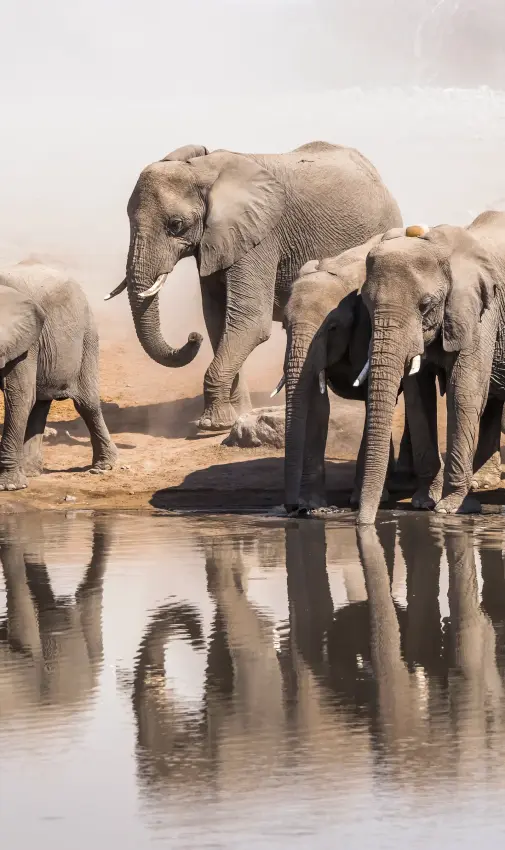
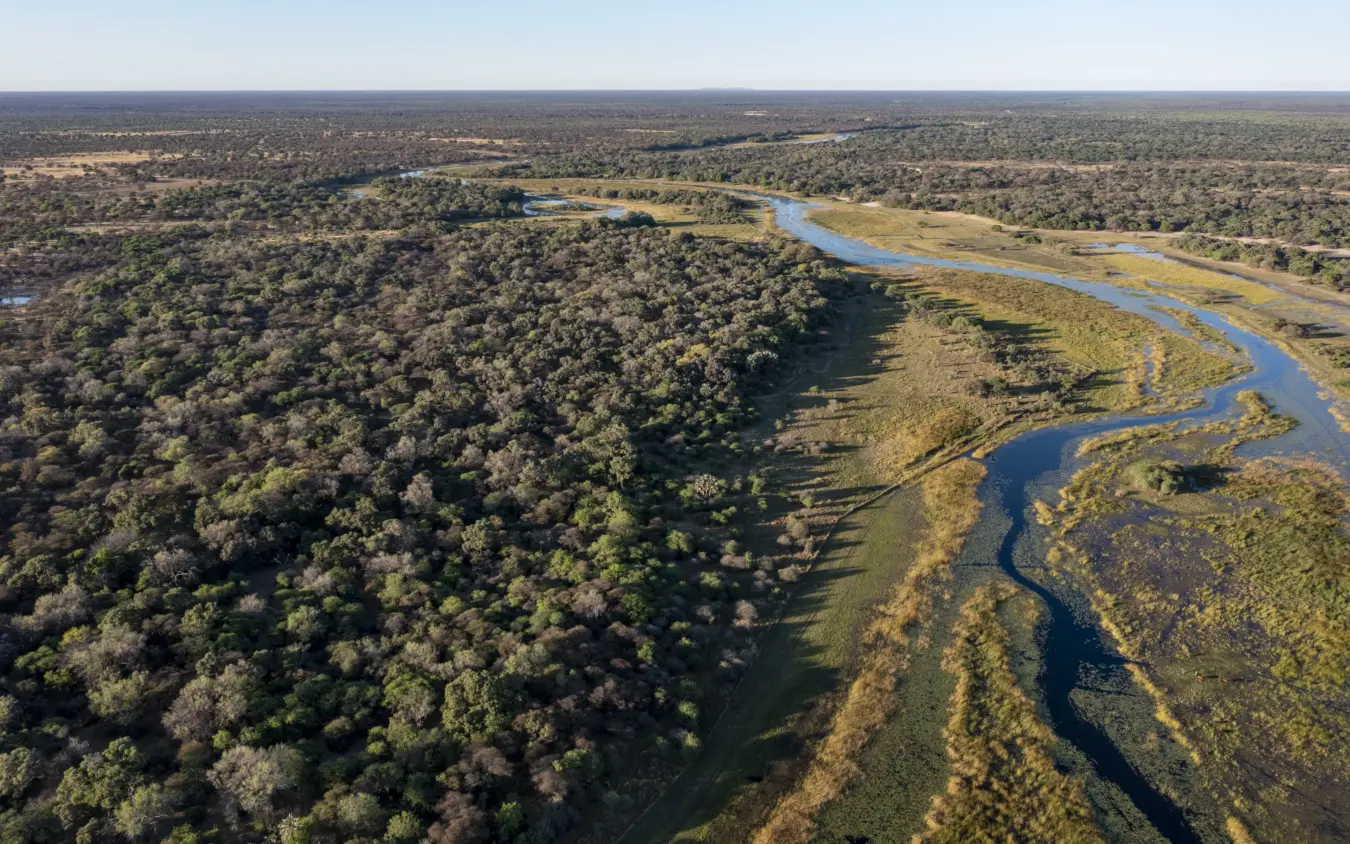
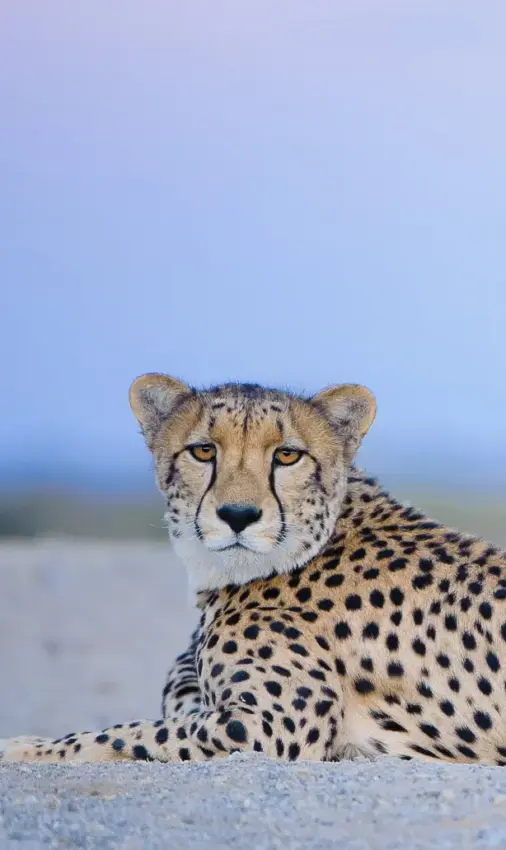
Morning and afternoon drives work the open floodplains, where cheetah are regularly seen hunting, and the channel edges where red lechwe graze. The afternoon drive does not end at sunset. Once night falls, the spotlight comes on, picking out owls, genets and bushbabies. As the dry season begins, large herds of elephants and buffalo move through. On foot, a guided walk reads the night’s tracks in the sand, and birding fills the slower midday hours. Wild dogs range widely across the concession, and no guide can promise them on a given day.
A light aircraft covers the short hop from Maun to the Chitabe airstrip, and the transfer to camp doubles as the first game drive. Chitabe Lediba is open all year and runs on solar power, with a generator kept as back-up. Waste is trucked out rather than burned, and drinking water is purified on site and poured into refillable bottles. Many of the staff have been at Chitabe for a decade or more. Some guests have come back six, seven and eight times.