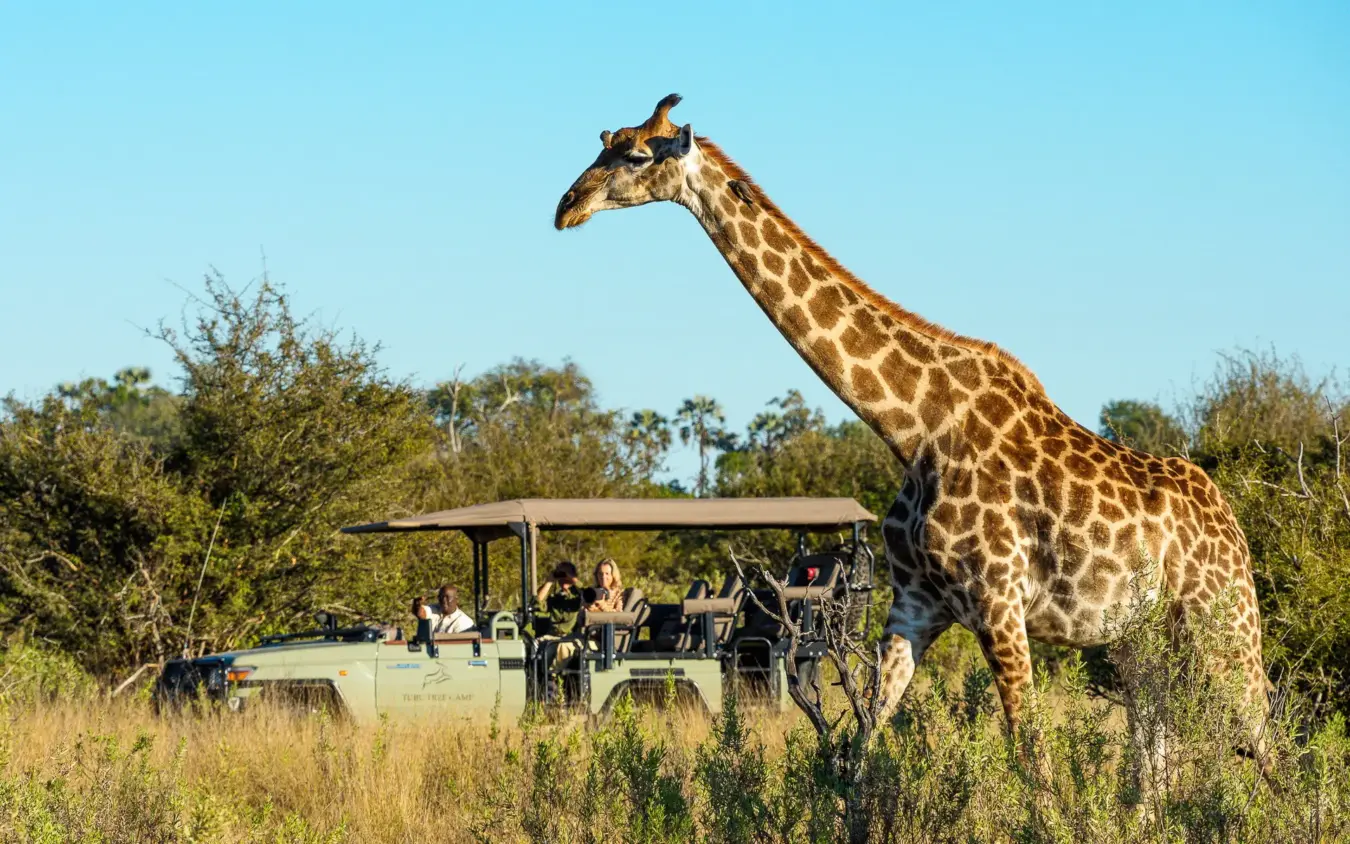
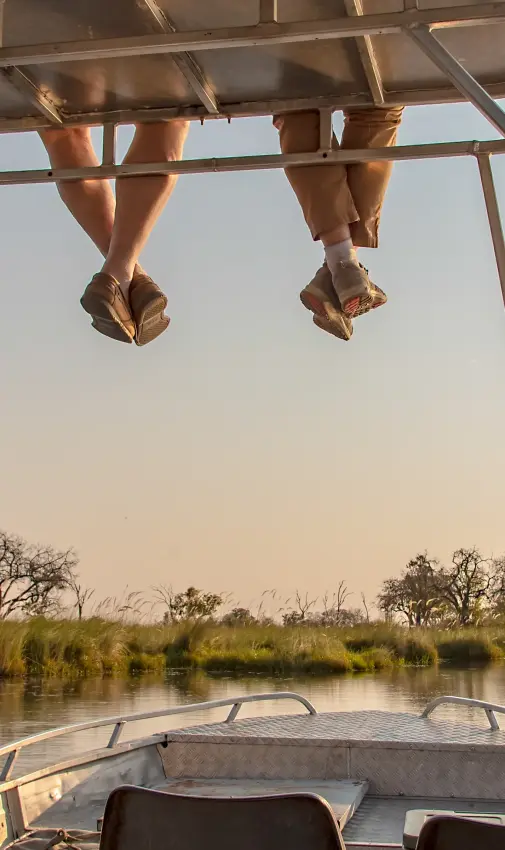
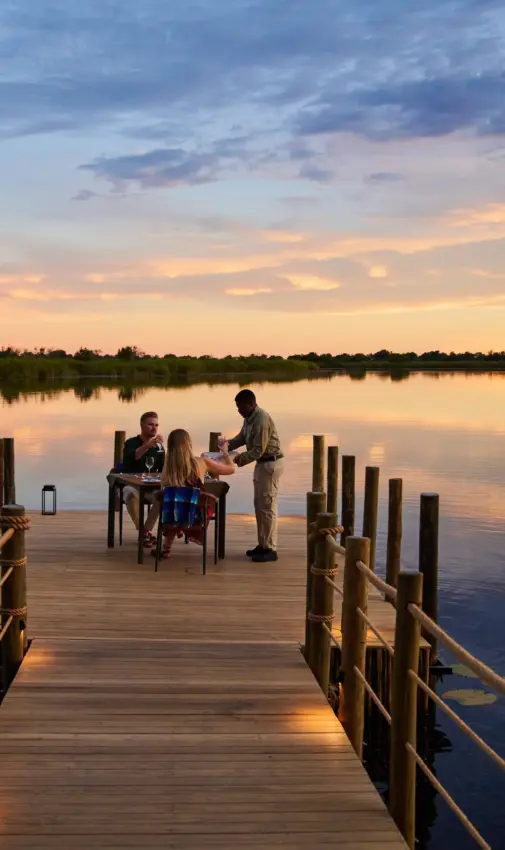
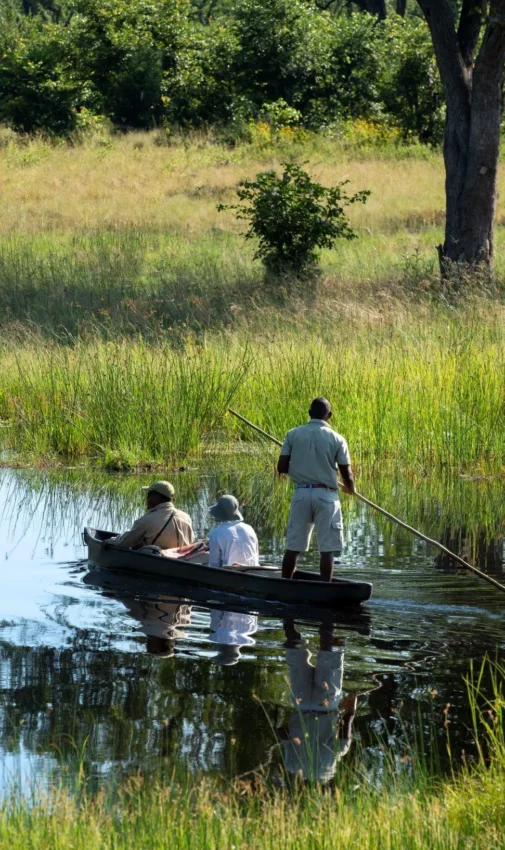
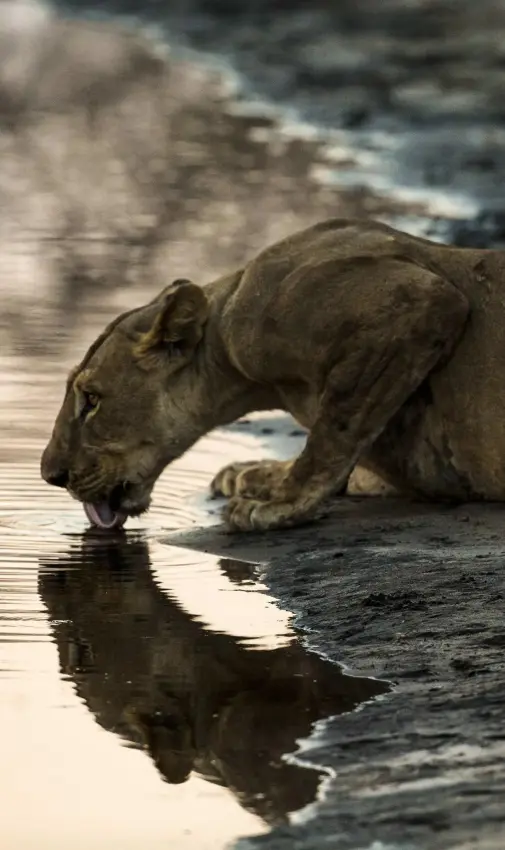
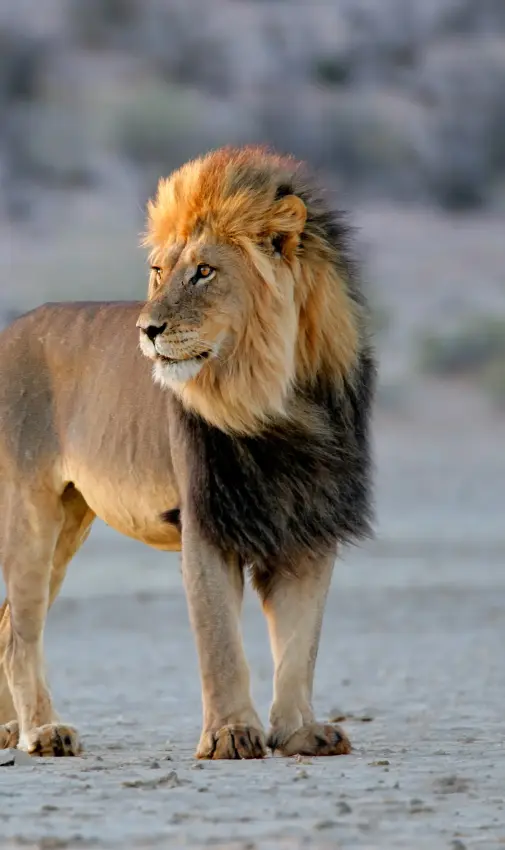
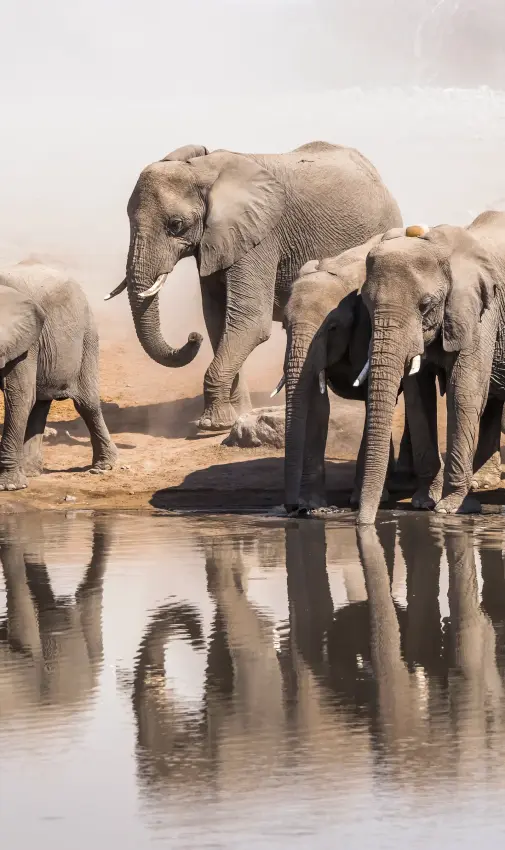
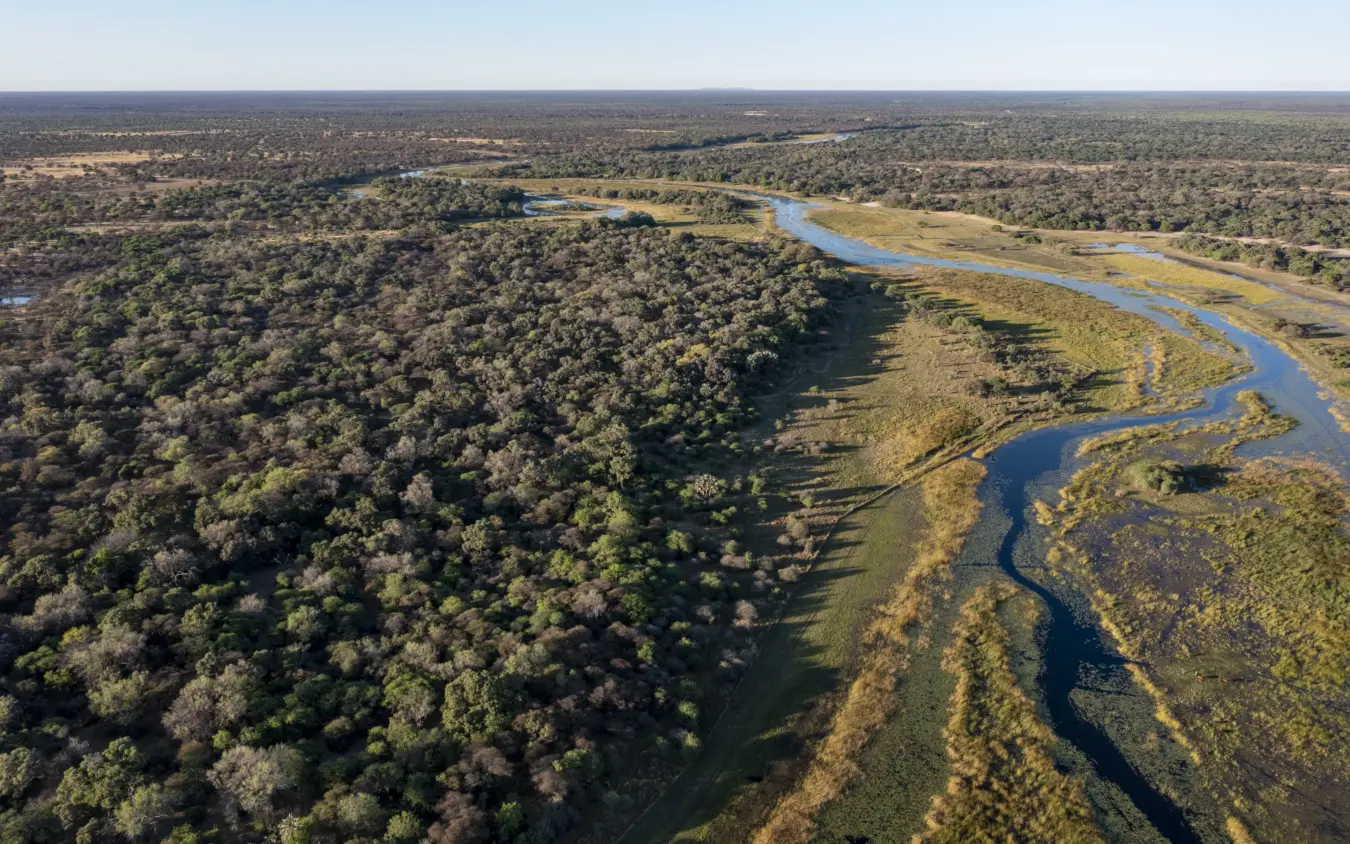
From roughly May to late September, as levels allow, the flood reaches Hunda Island and the boats come out. Mokoro trips slip along the shallow channels and motorboats take the deeper water, with catch-and-release fishing for anglers. Wattled cranes and slaty egrets turn up on the floodplain, and so do African skimmers. On much smaller islands, camps can lose their drives to the flood. Hunda is big enough to keep both, so a morning on the water can be followed by an afternoon tracking on dry sand.
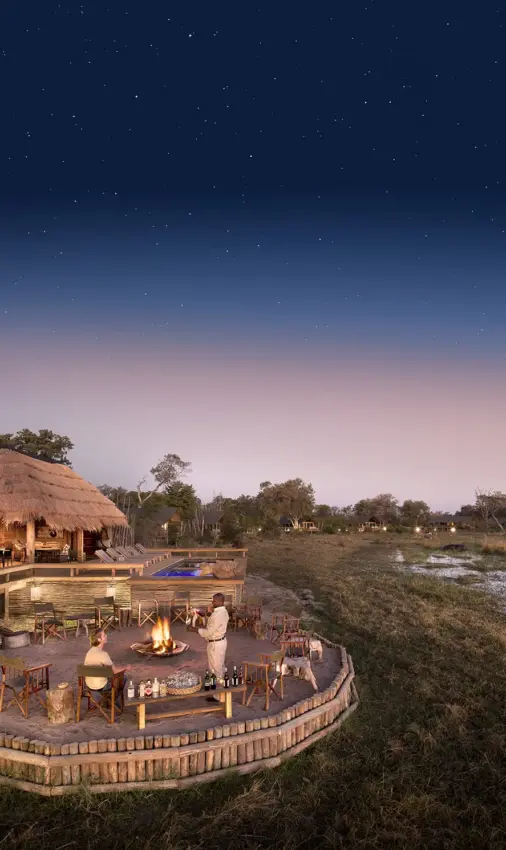
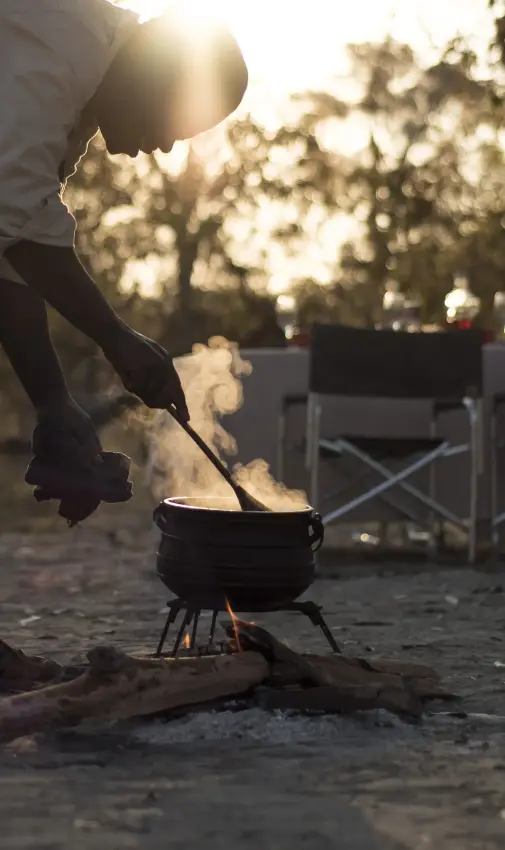
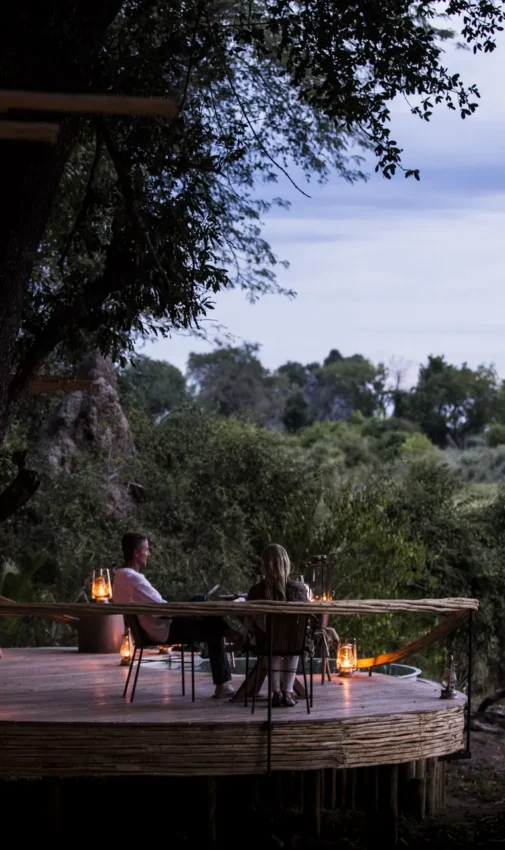
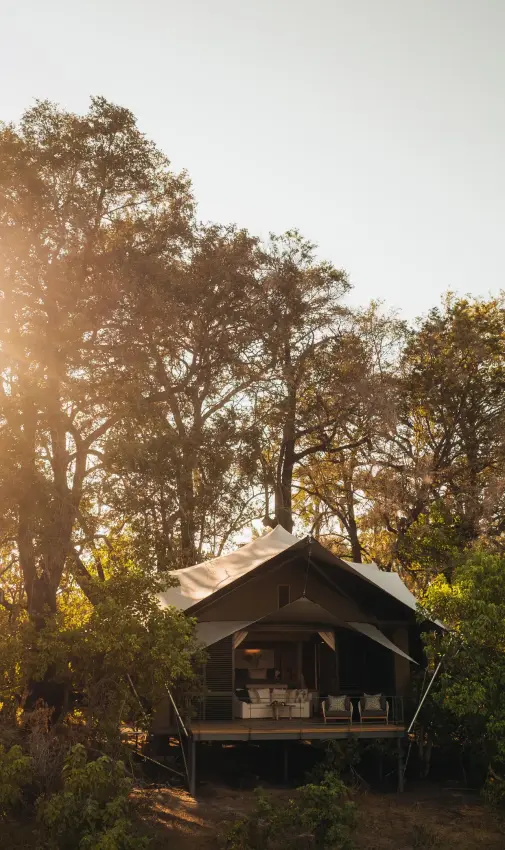
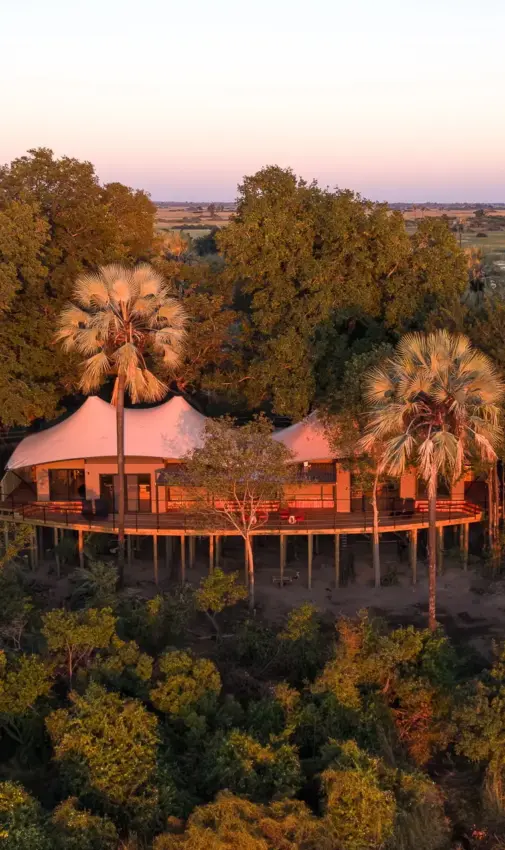
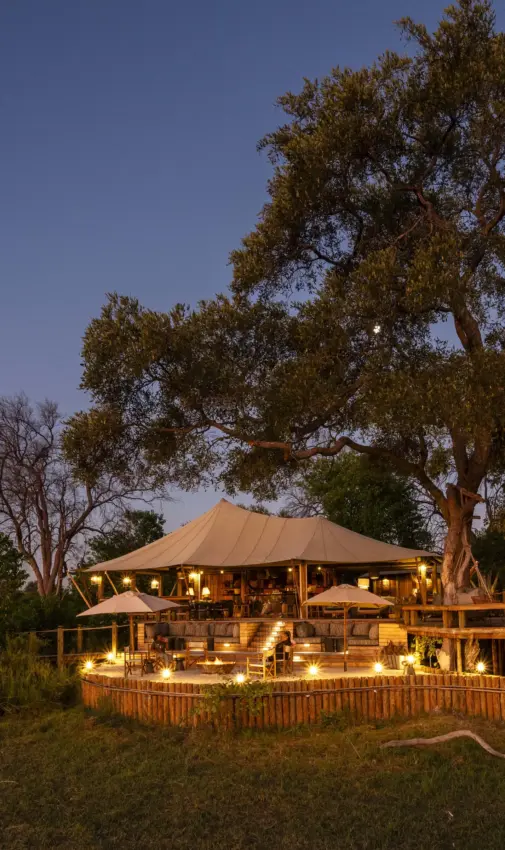
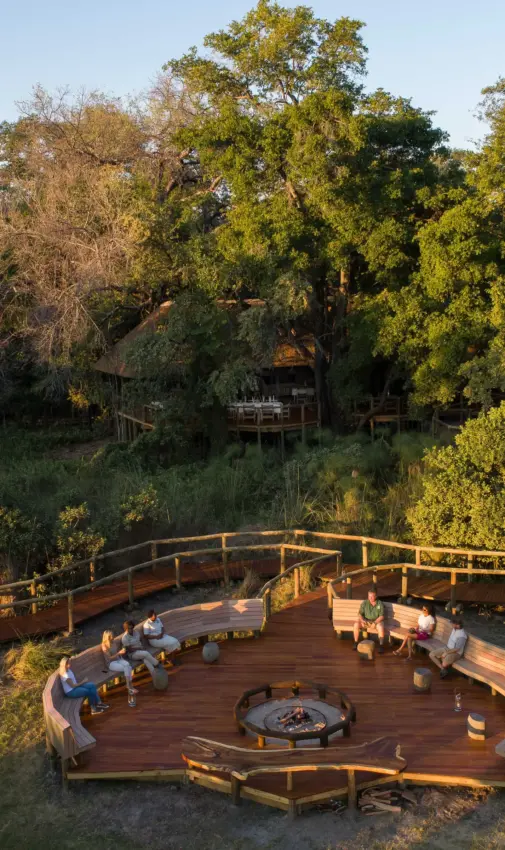
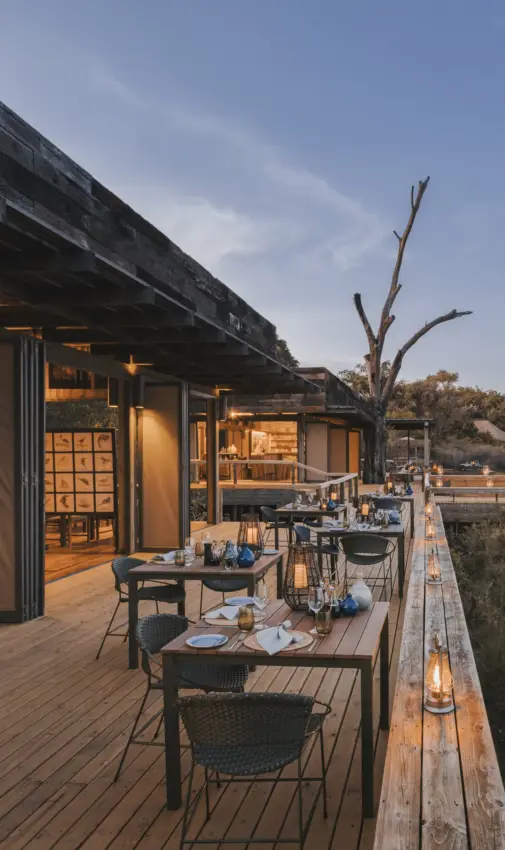
The main area is built up among the marula branches, and its lounge, bar and dining room together feel like one large tree house. Brunch is served in camp after the morning drive, and the bar stocks local brands.
a morning on the water can be followed by an afternoon tracking on dry sand
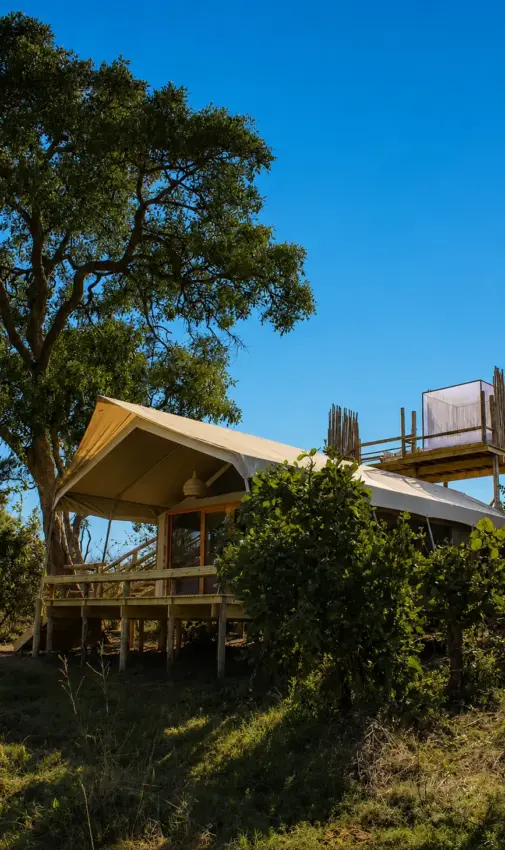
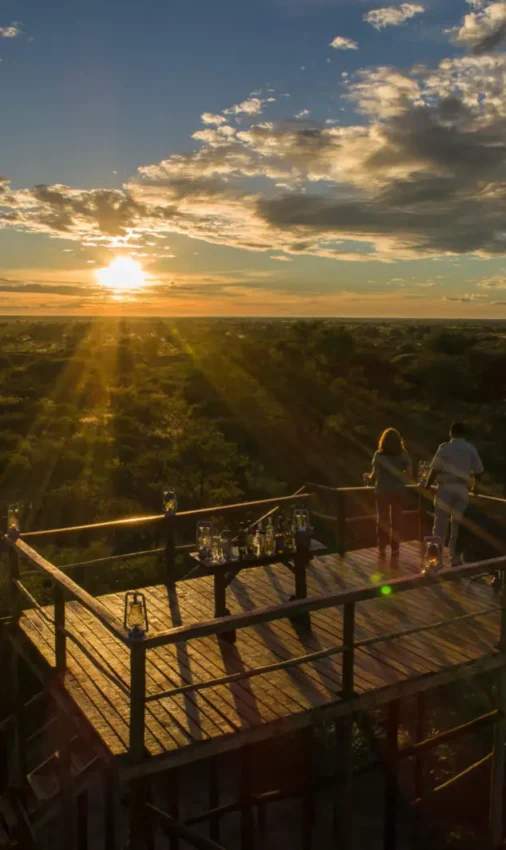
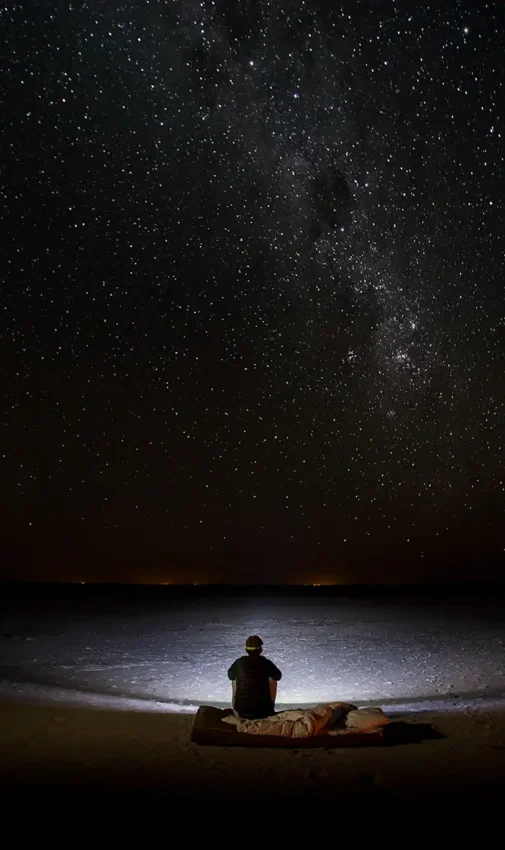
Away from camp, one of the concession’s raised hides can be made up as a star bed for up to four guests. Guests sleep on the open platform under the sky, above whatever walks past below. A private guide and vehicle can be arranged too, which lets a family set its own pace and lets a photographer wait out a leopard for as long as it stays in view.
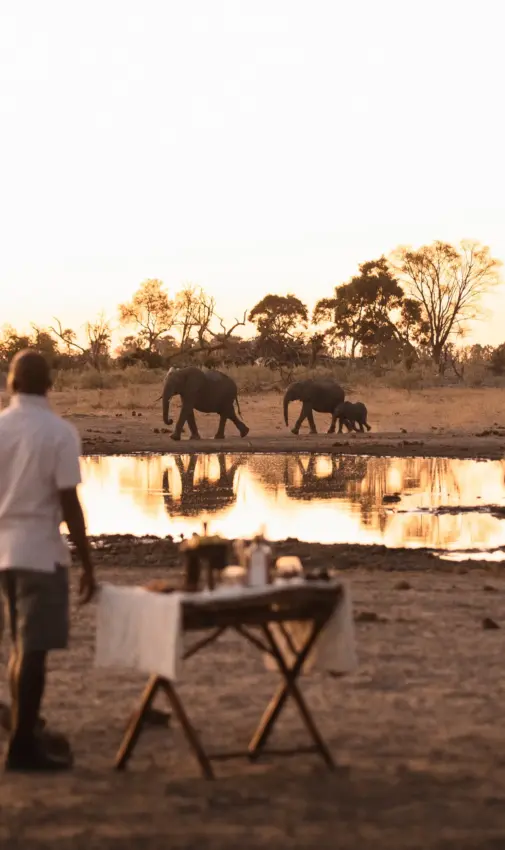
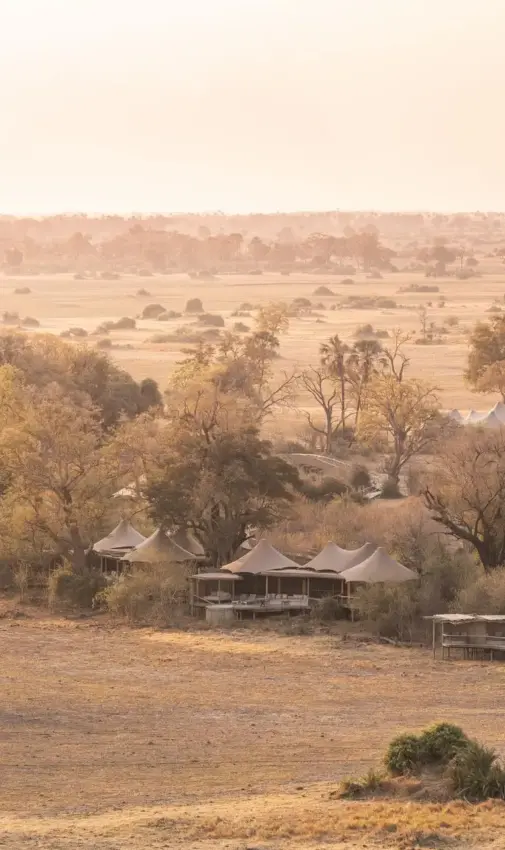
Light aircraft land at the Hunda airstrip, a short drive from camp, and further along the boardwalk from Tubu Tree is Little Tubu, a separate and smaller camp. Outside the flood months the island is given over to drives and walks. The woodland birding then turns up crimson-breasted shrikes and Meyer’s parrots, dry-country species a short distance from the cranes and skimmers of the floodplain. From the pool deck both sides of the Okavango Delta are in view, dry island behind and floodplain in front.