Camp

MmaTsebe Tented Camp

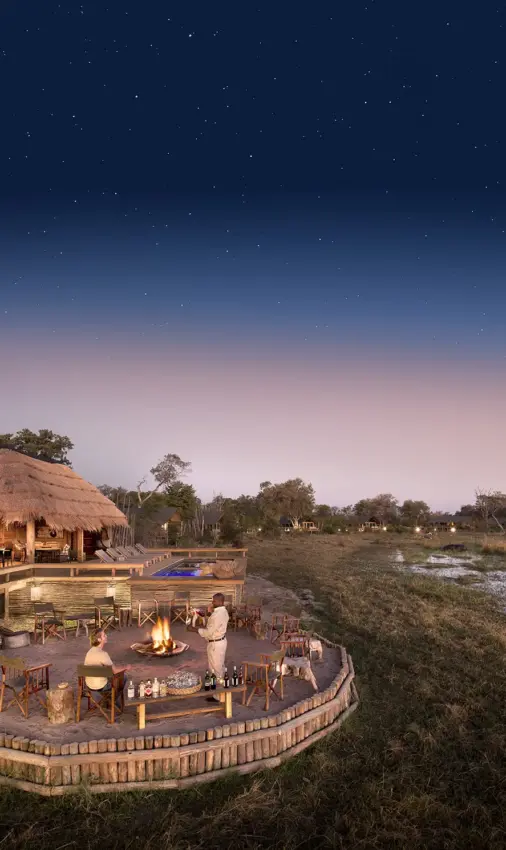
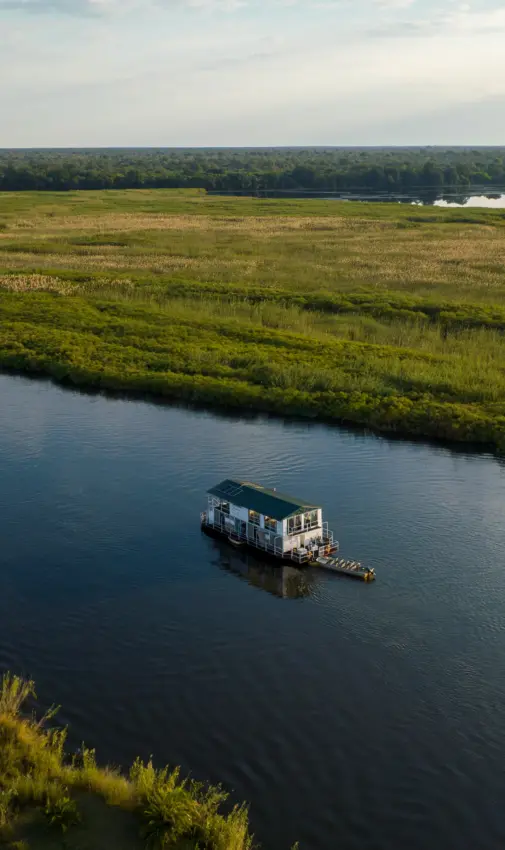
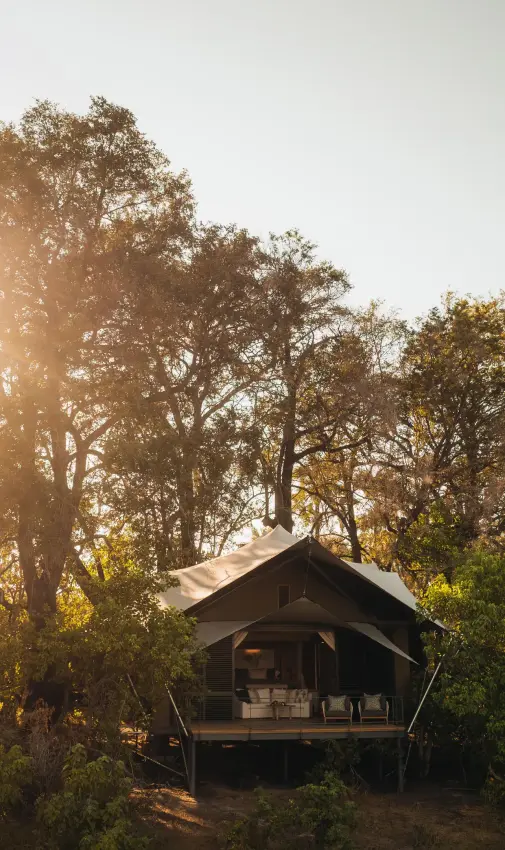
Nine canvas tents on the Mbudi River at Khwai, on Moremi’s northern boundary, run by the people who built them.
Country: Botswana
Location: Mbudi River, Okavango Delta
Number of rooms: 9

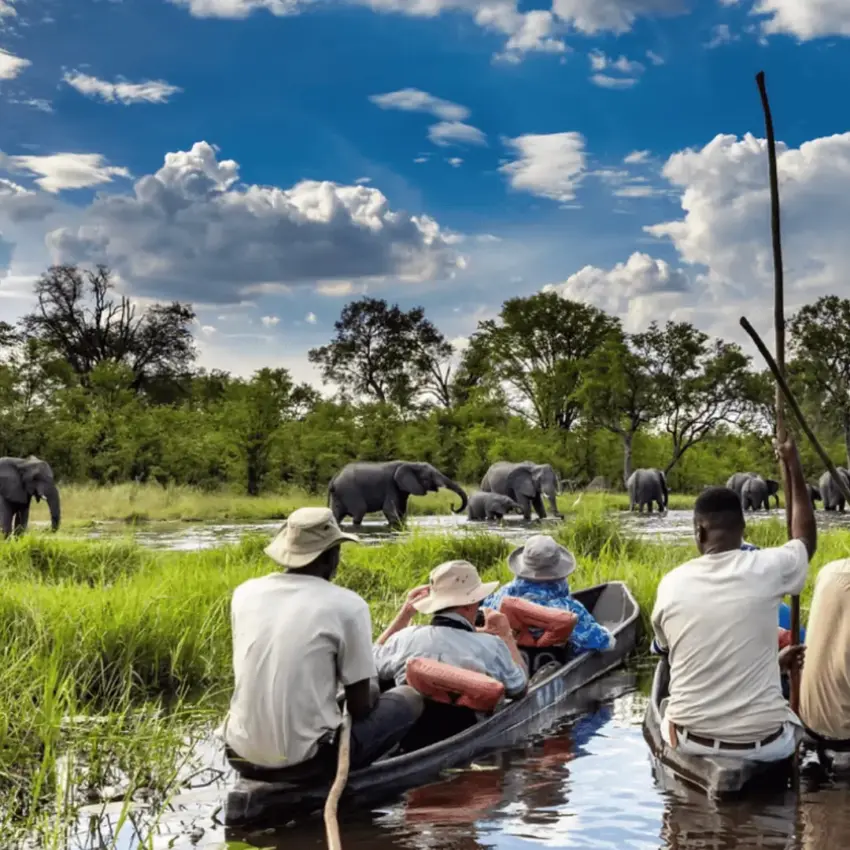
Elephants wading the Mbudi channel

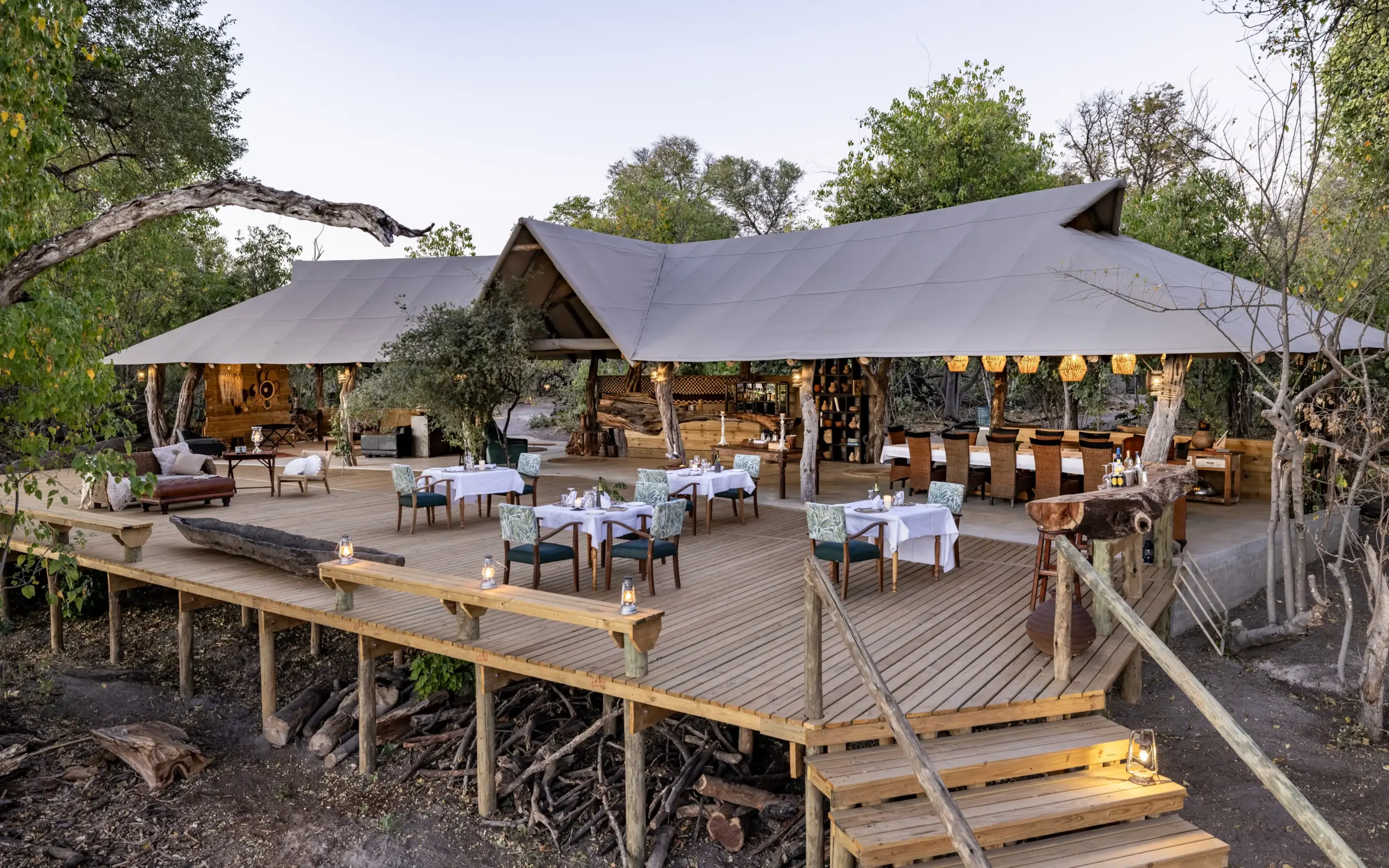
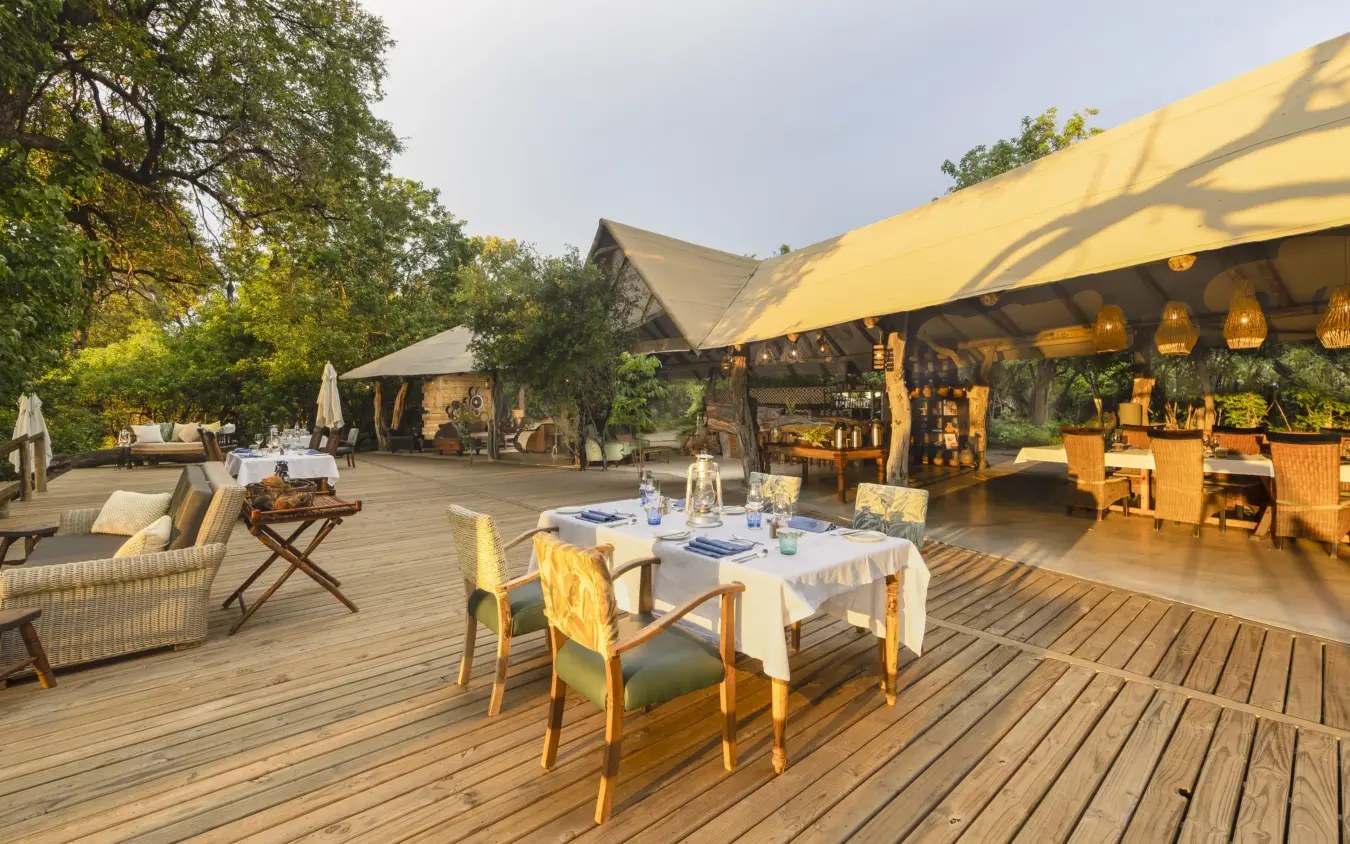
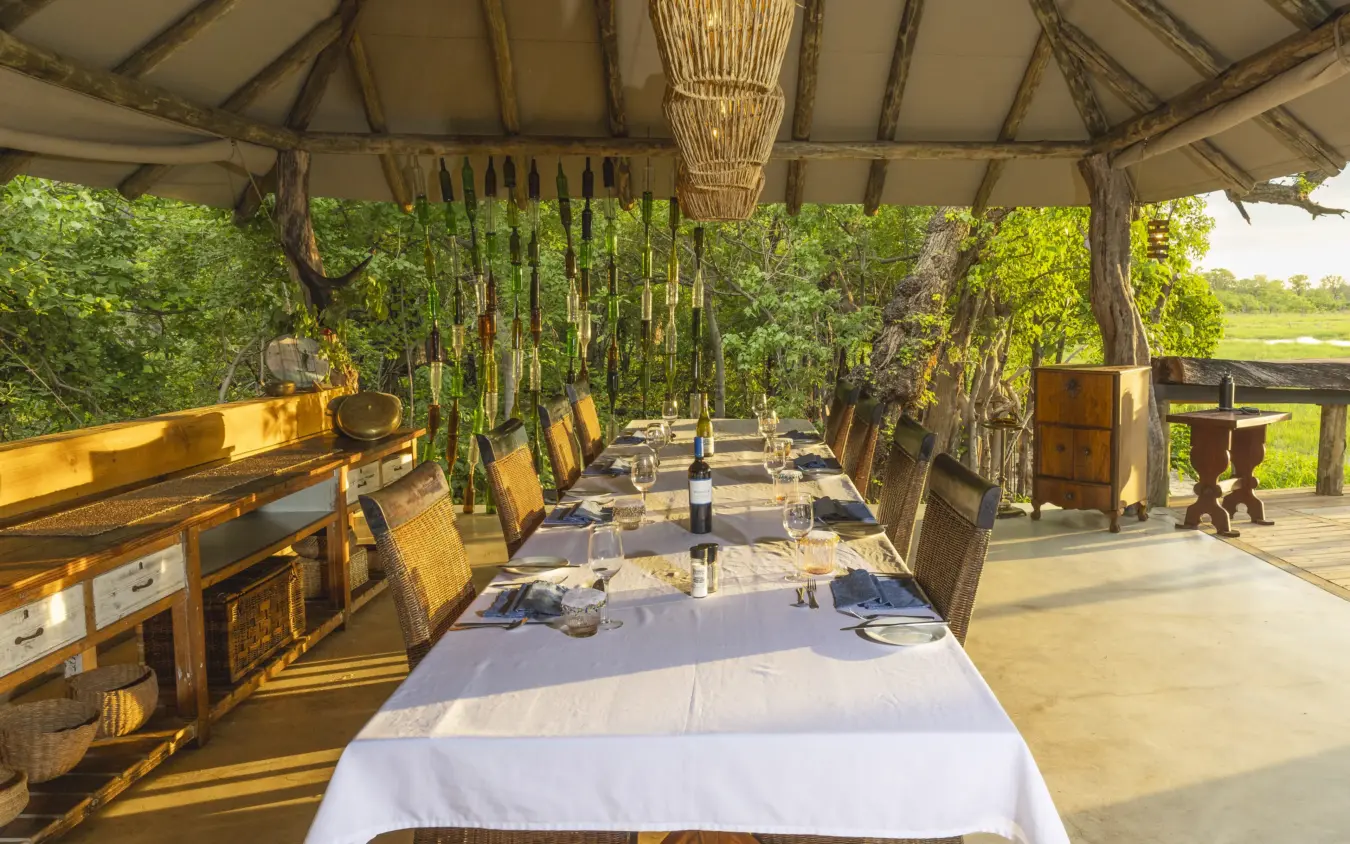
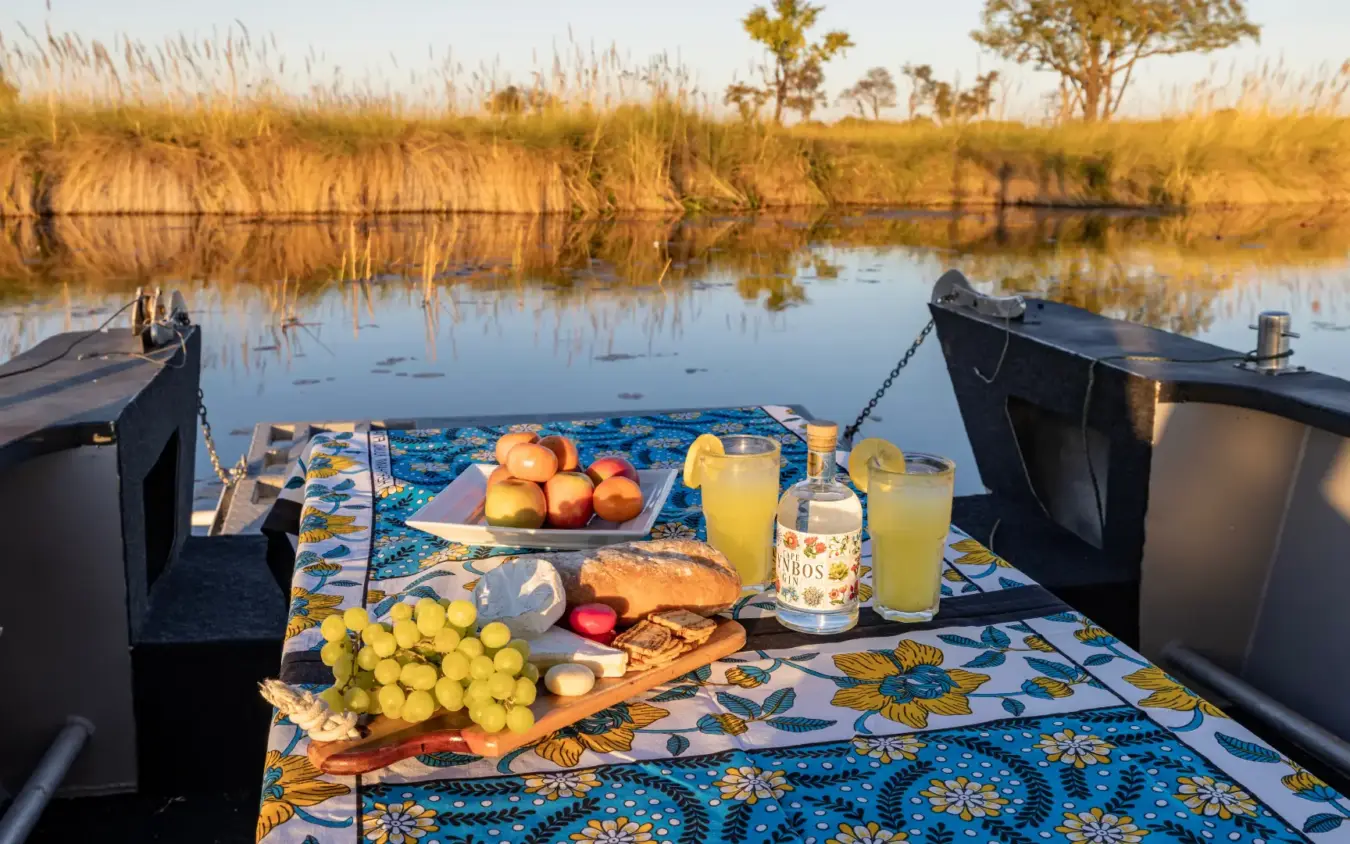
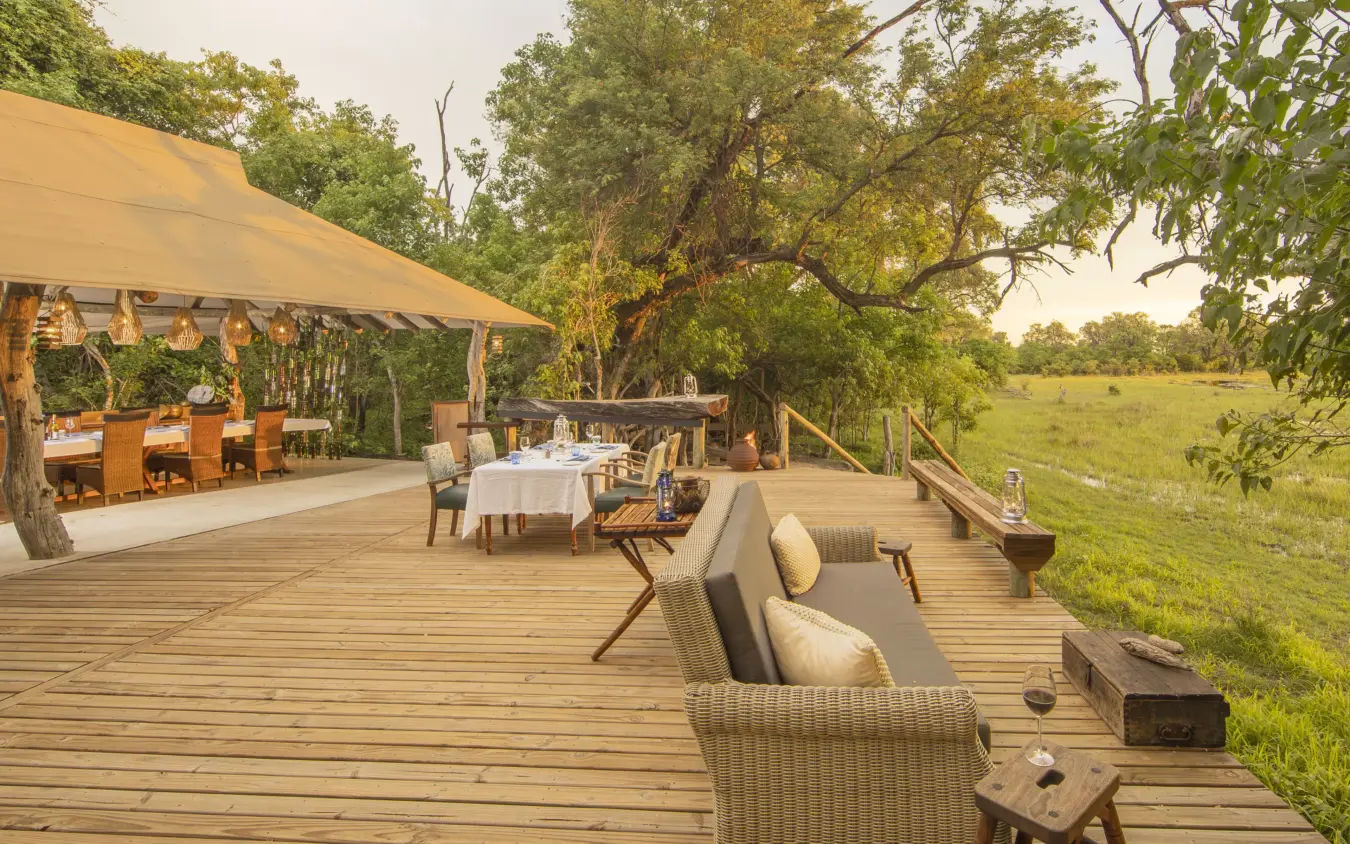
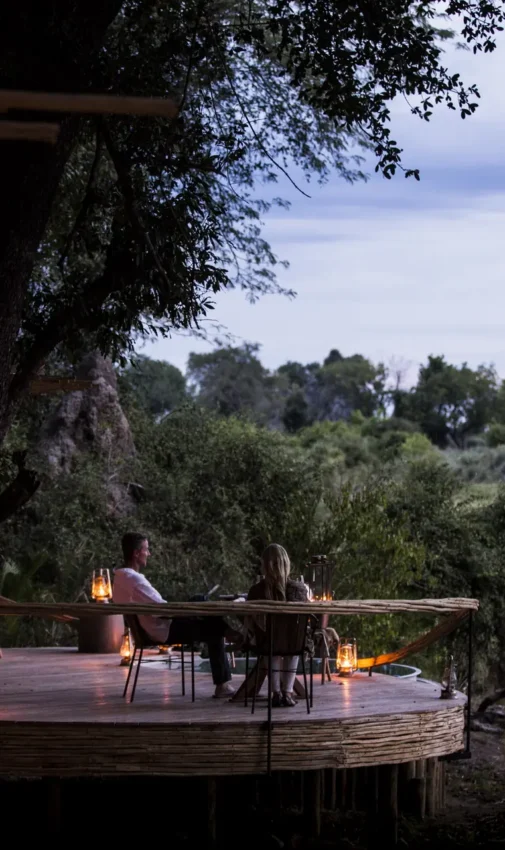
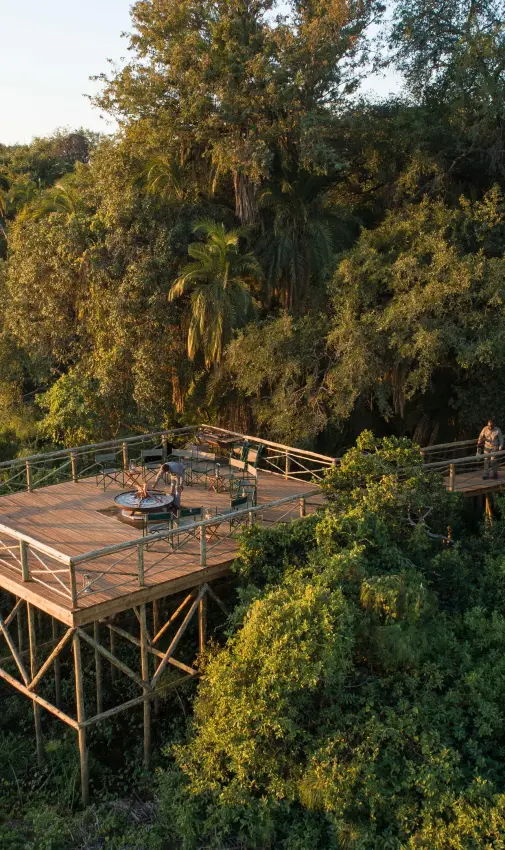
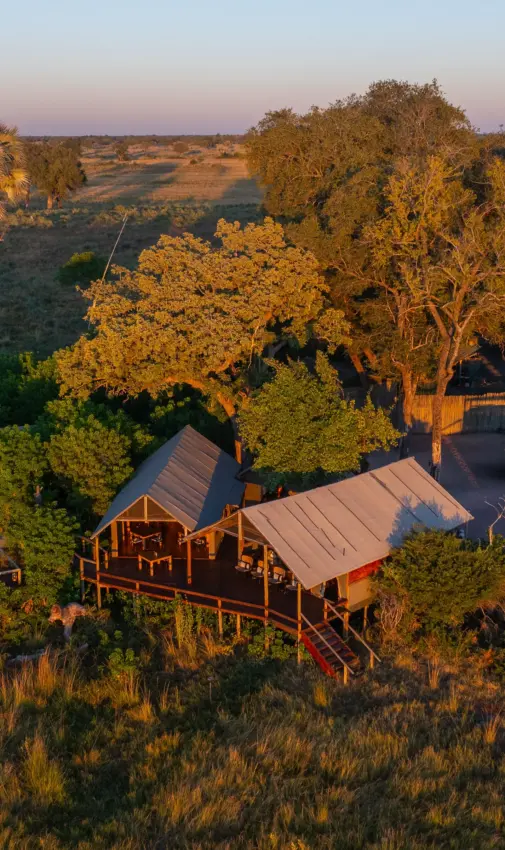
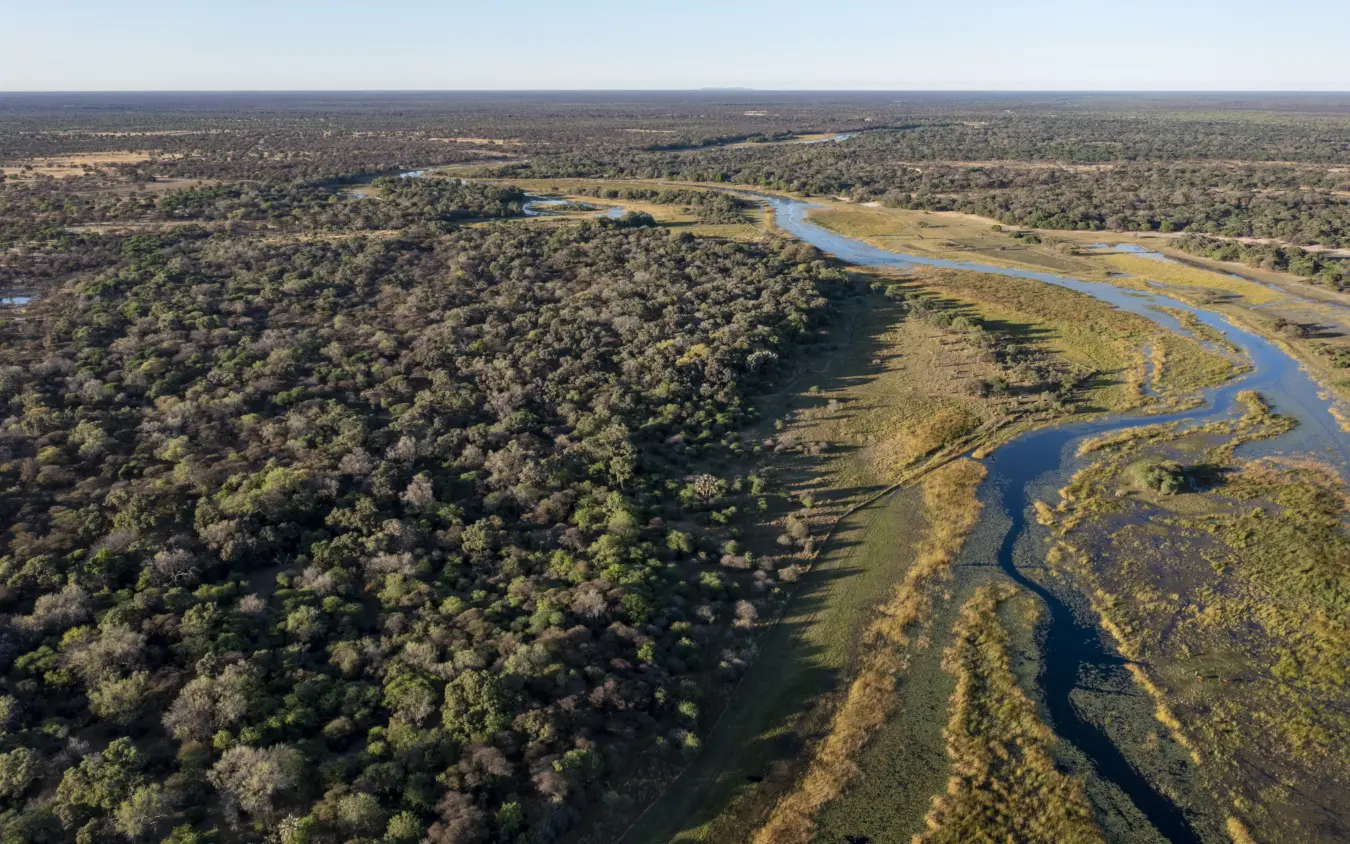
Nine canvas tents stand along a permanent stretch of the Mbudi River, a tributary of the Khwai, on the northern boundary of Moremi Game Reserve in Botswana’s Okavango Delta. Elephants wade the channel a short way from the deck. Red lechwe graze the opposite bank, and the hippos grunt through the night from the reeds.

Elephants wade the channel a short way from the deck.

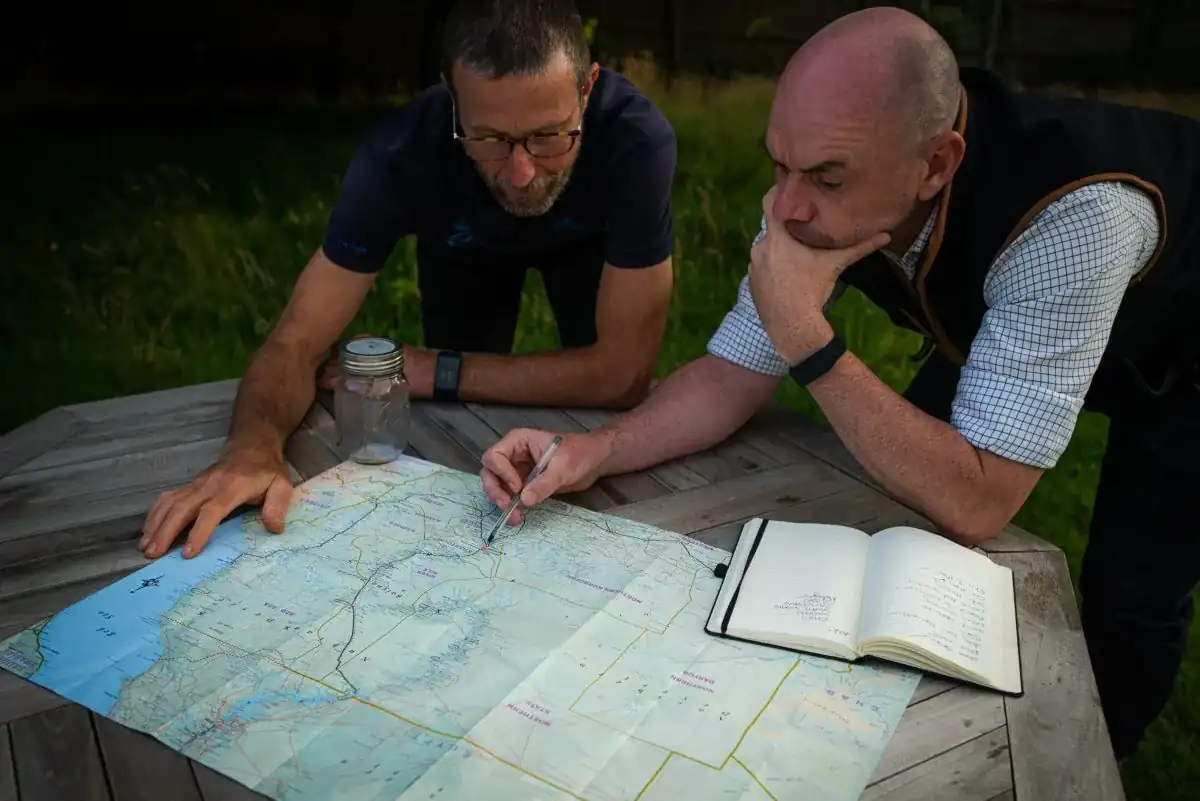
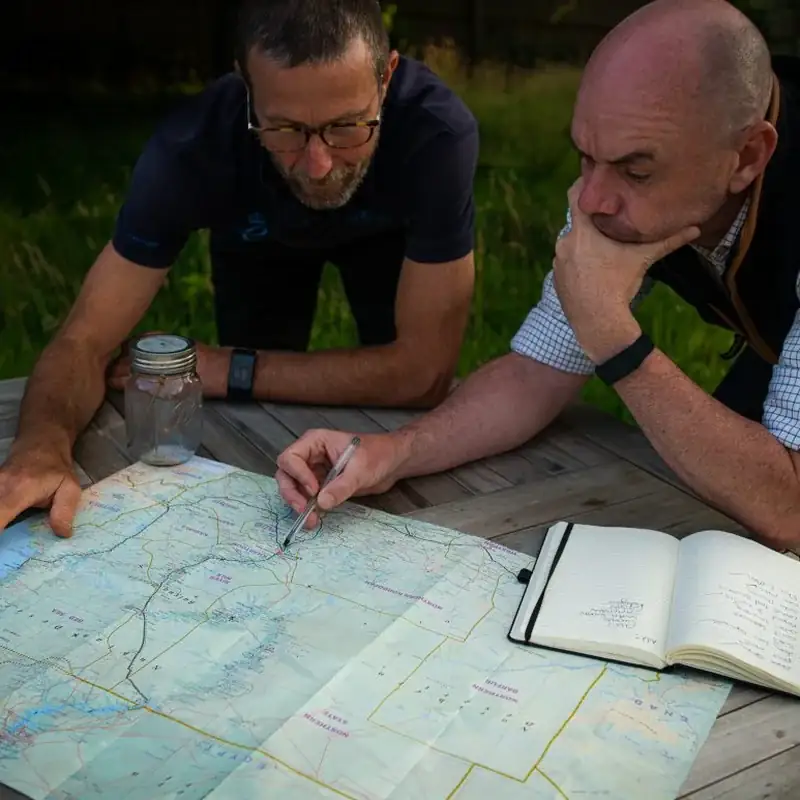
MmaTsebe opened in April 2024 and is still run by the people who built it. Clint Gielink and Pieter-Ann Sollitt have led mobile tented safaris across Botswana since 2009, and Greg and Kelly Butler spent two decades building camps around Khwai before this one. At a camp this small the difference is practical: departure times, meals and the shape of a day follow the wildlife and the guests in front of the owners, not a schedule set in a head office elsewhere.

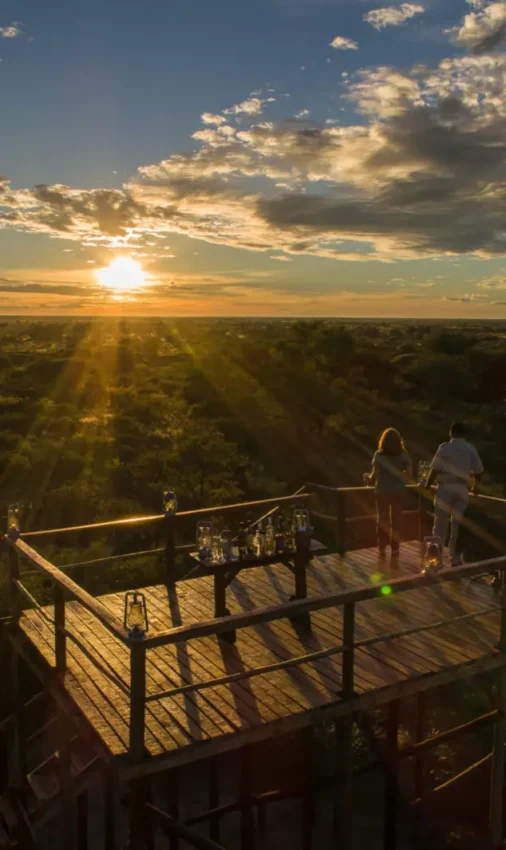
Inside Moremi Game Reserve, drives run in daylight on established roads, out through the floodplains and lagoons near North Gate. Cross onto the Khwai Community Concession and the rules loosen: guides can leave the road for a sighting, and the spotlit night drives begin, which is when servals, genets and bushbabies show themselves. Vehicles normally carry six for comfort.

Leopards turn up along the river with some regularity.

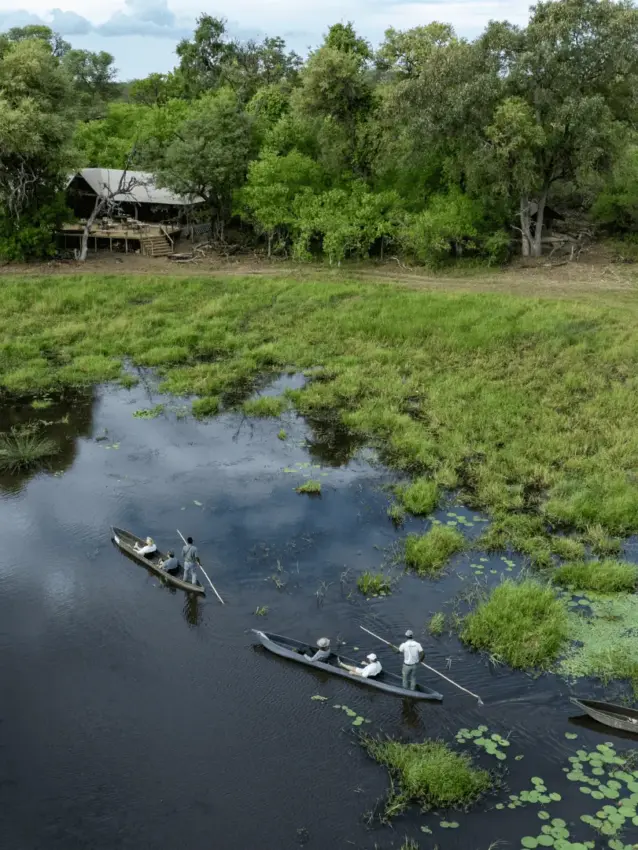
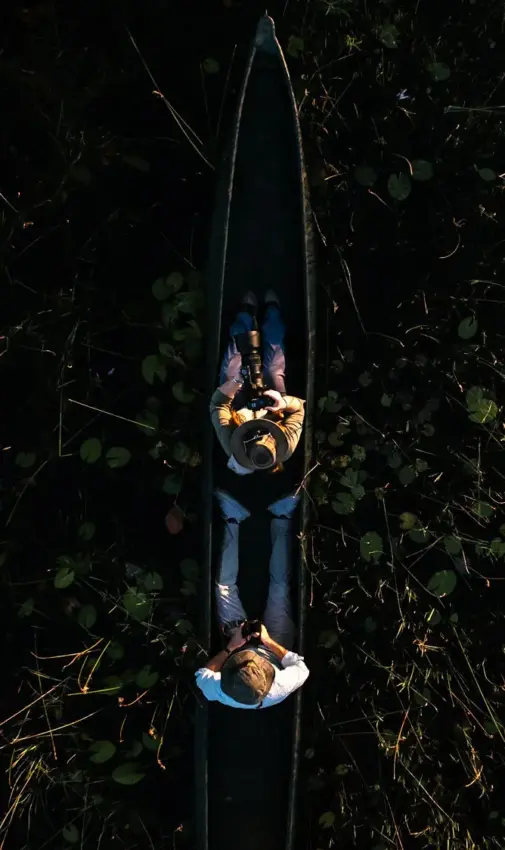
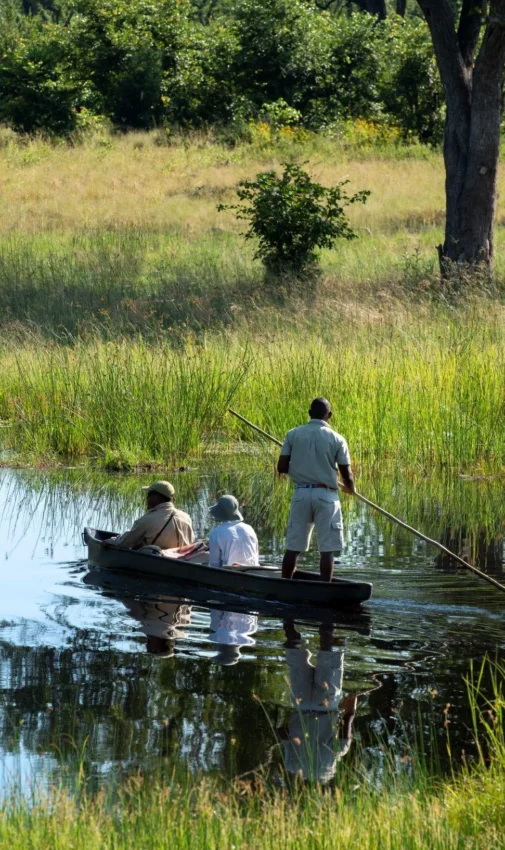
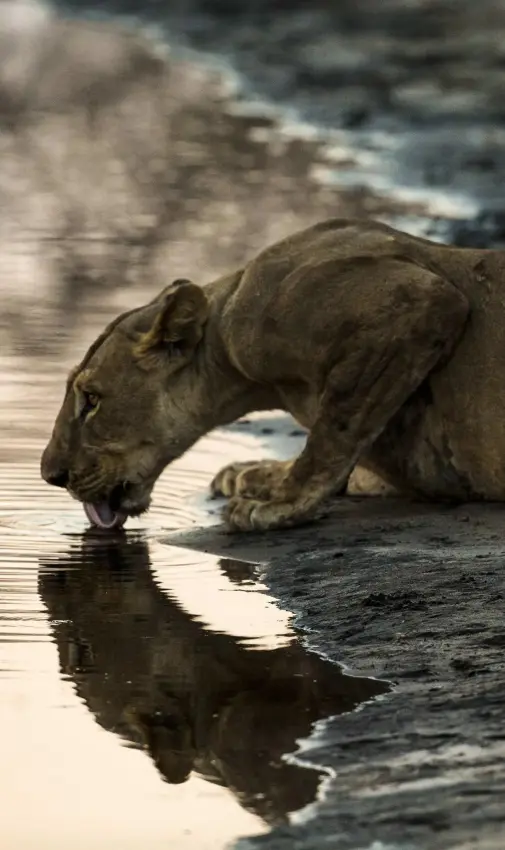
Wild dog packs hunt the Khwai floodplains and the mopane woodland. Leopards turn up along the river with some regularity. Lion and spotted hyena are part of the same predator population. When the water allows, mekoro leave from camp along the Mbudi, poled by local guides past the reeds and the malachite kingfishers, while fish eagles and saddle-billed storks work the channels.

01

accommodation

Nine Meru Tents Along Mbudi River

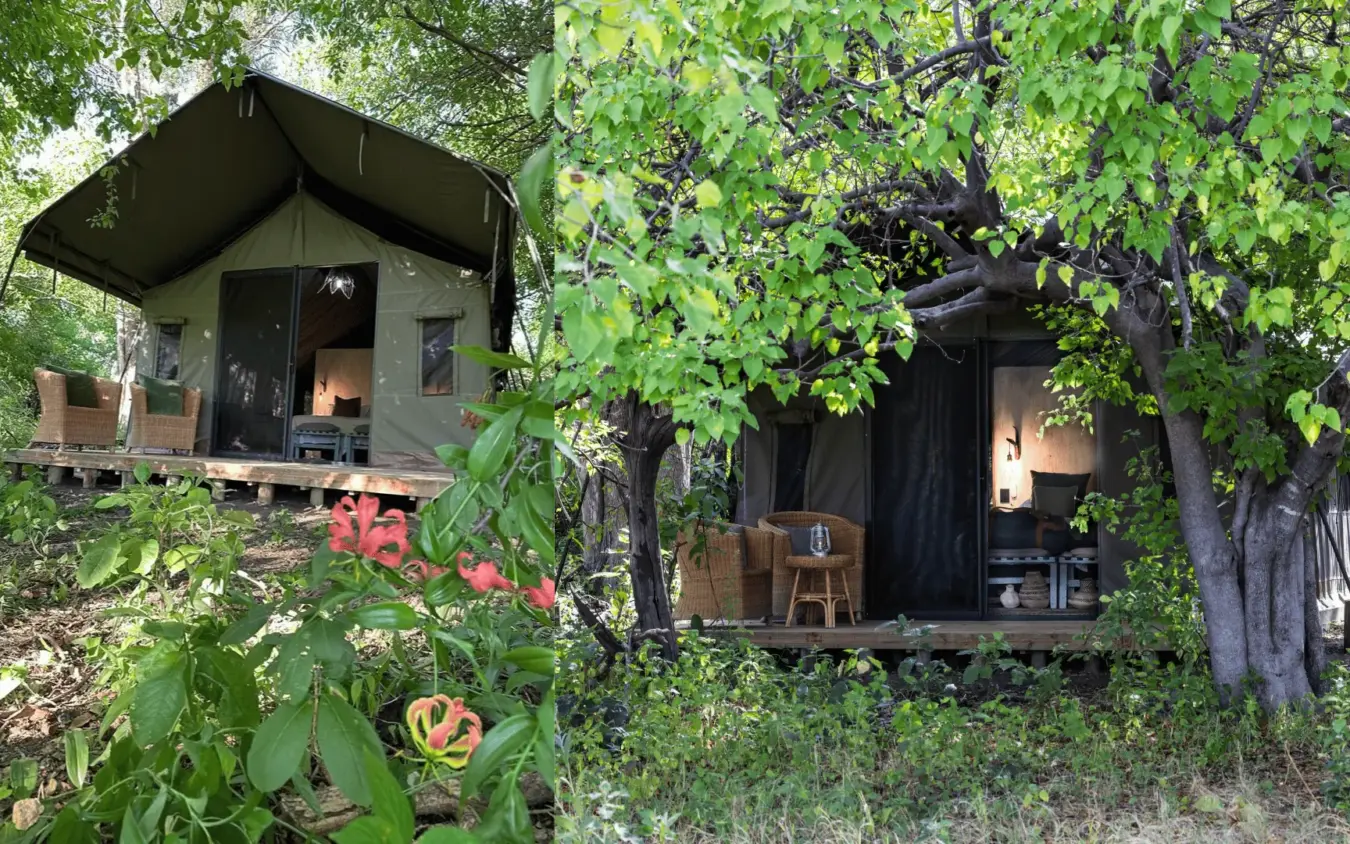
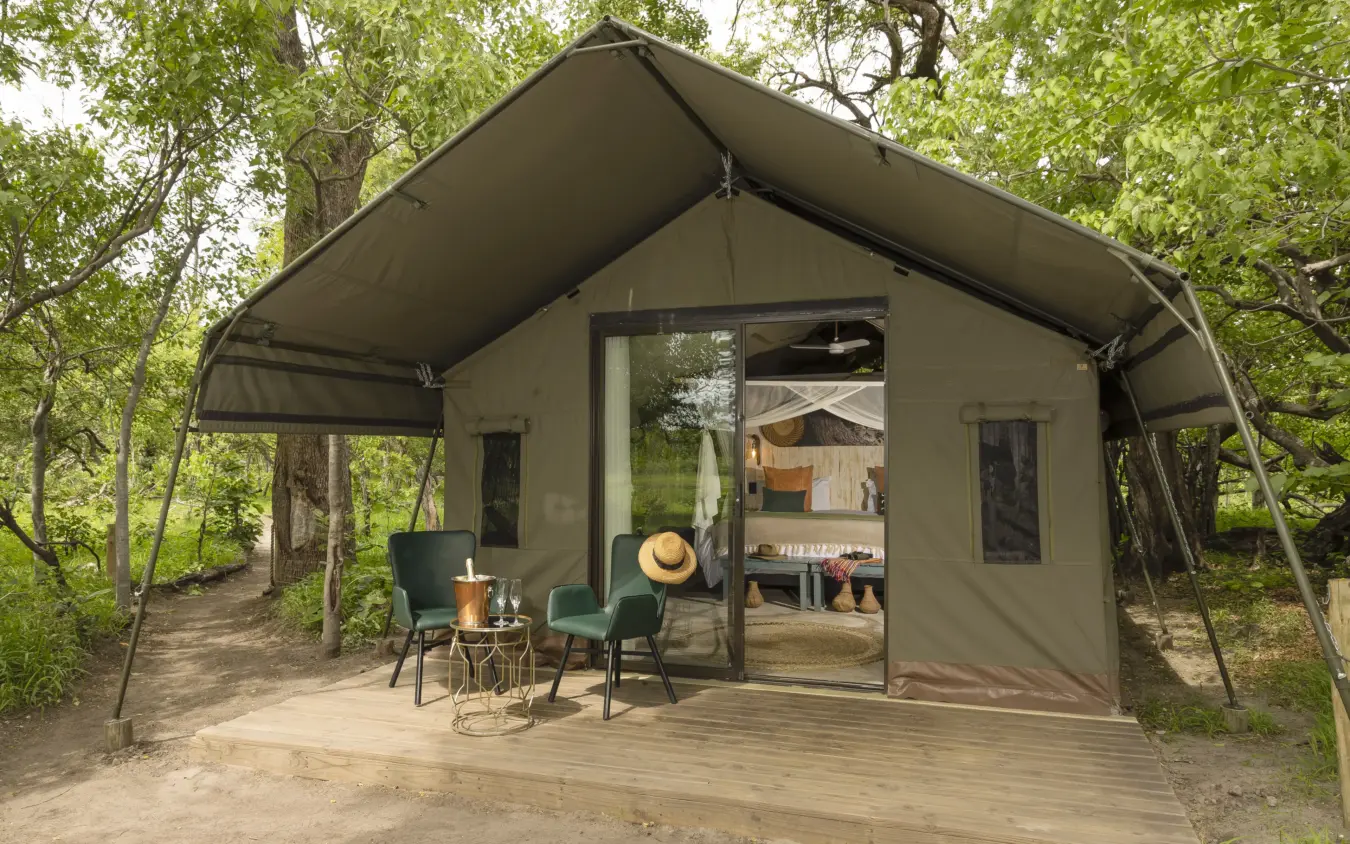
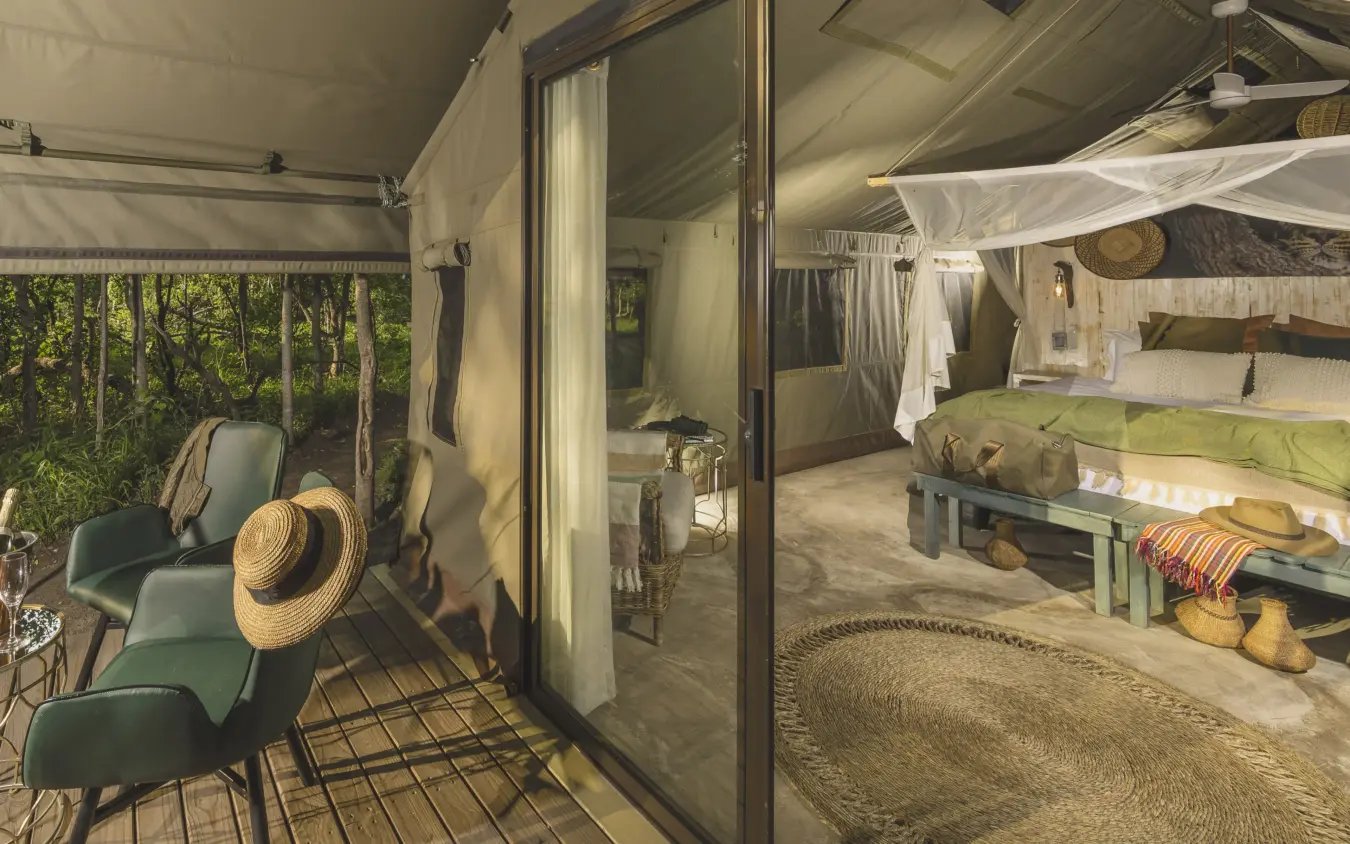
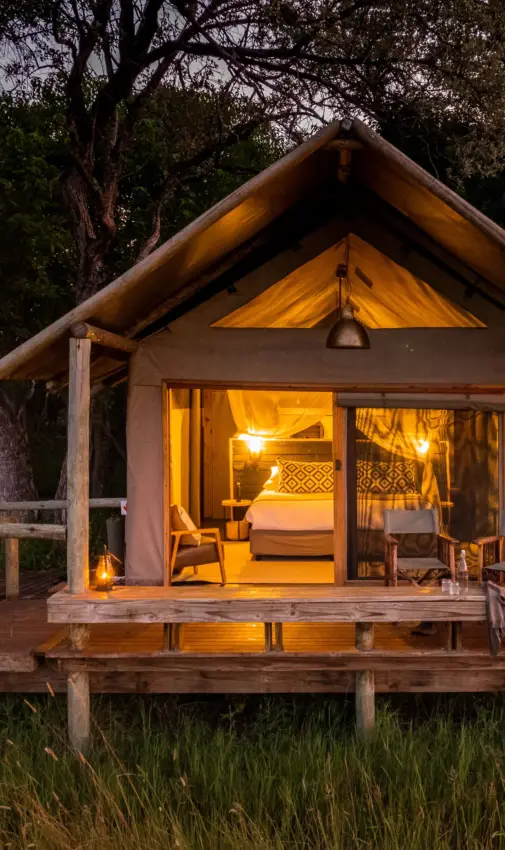
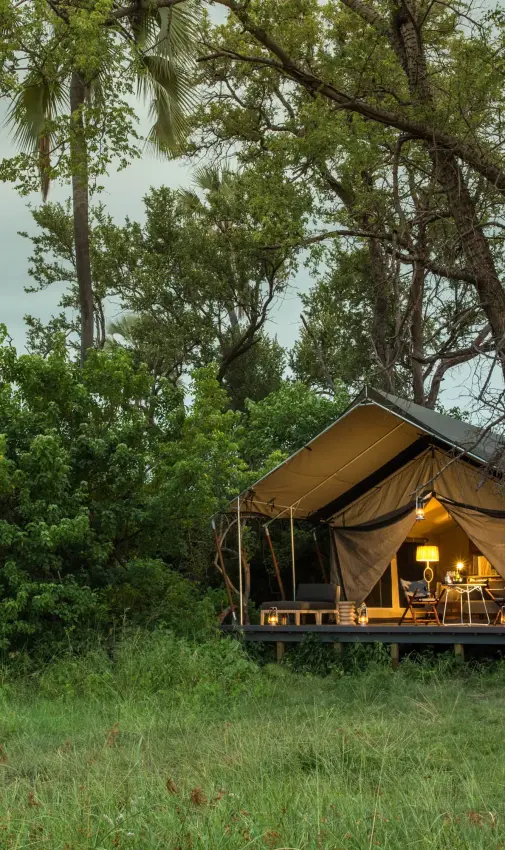
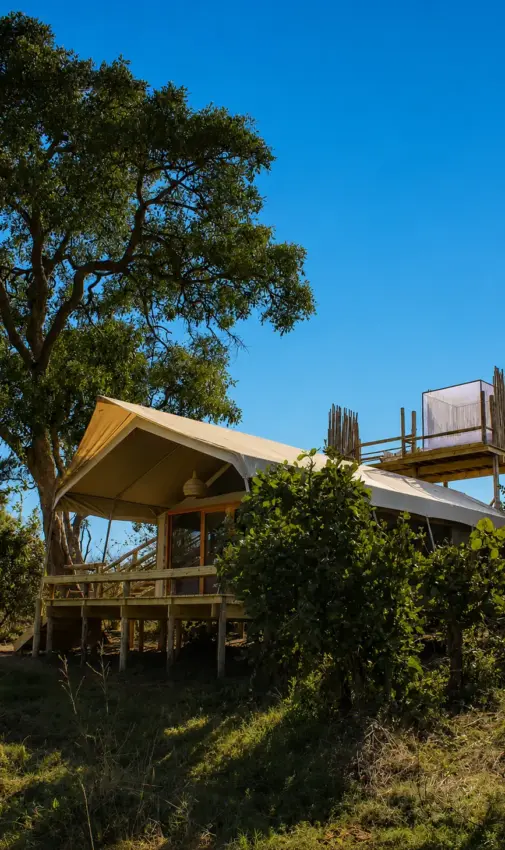
Nine Meru-style canvas tents, each about forty square metres, stand well apart under the trees along the Mbudi River. Beds are configured as doubles or twins beneath canopy nets, with ceiling fans, a safe, writing desk, luggage rack, USB points, an en-suite flush loo, double vanity and a log shower. Verandas face the water.

02

activities

Game Drives and Mokoro on Khwai

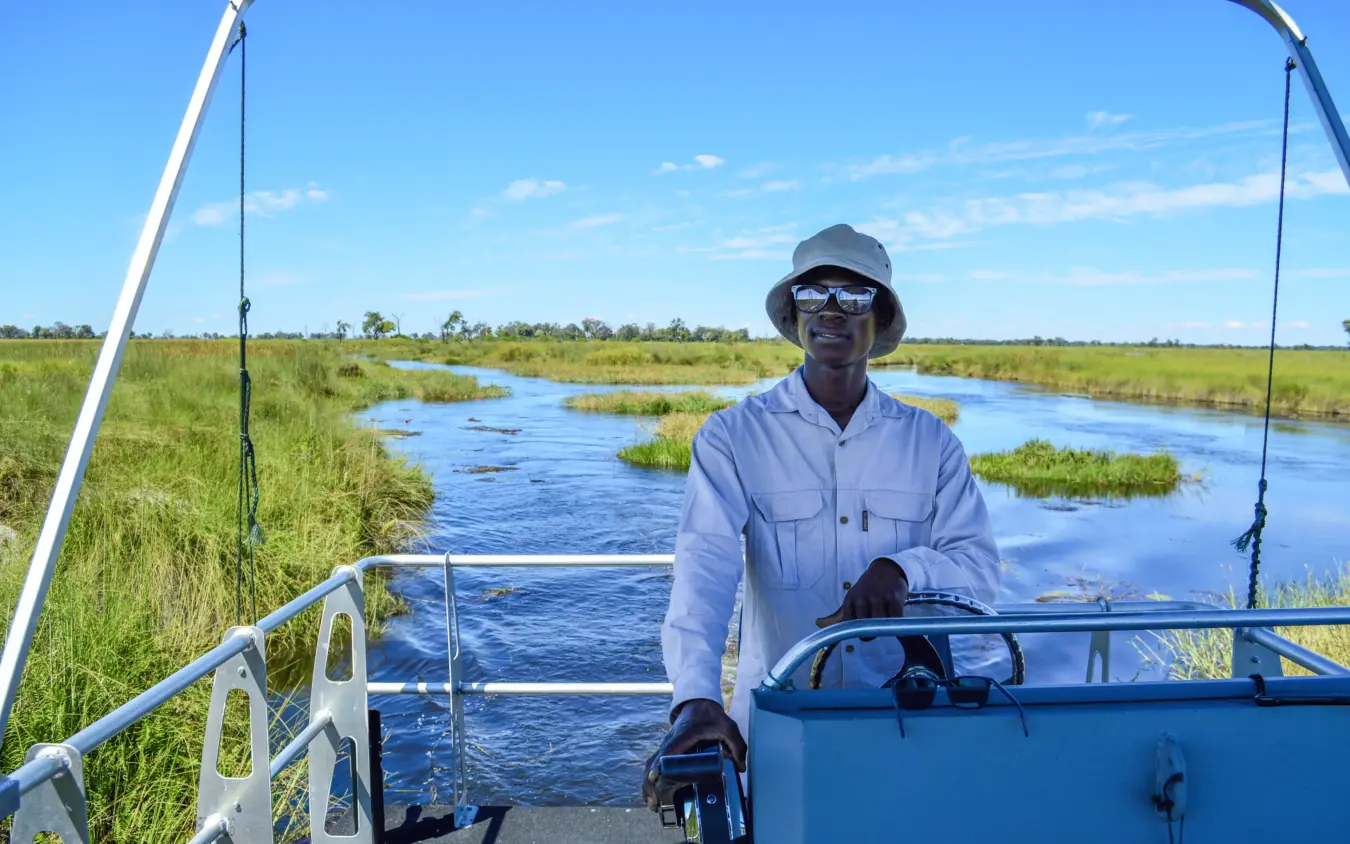
Game drives cover both Moremi Game Reserve, where driving is limited to daylight and marked roads, and the Khwai Community Concession, where off-road tracking and night drives are permitted. Mokoro outings run from camp on the Mbudi. Full-day trips reach Xakanaxa by vehicle and pontoon boat, and helicopter flights can be arranged.

03

conservation

Khwai Development Trust and the Village Lease

The camp stands on the Khwai Community Concession, roughly 1,900 square kilometres north of Moremi held by the Khwai Development Trust on behalf of Khwai village since 2000. Camps operating here lease their ground from the trust, so the village earns from the land rather than from the animals on it, and the guides who pole the mekoro and read the tracks are from Khwai itself.

ready to get started?

Get in touch and let’s start the conversation. An initial consultation helps us understand what you’re looking for, whether that’s specific experiences, luxury touches, or marking a special occasion, and from there we’ll guide you through what’s possible so you can decide if we’re the right fit.

Alternative accommodation in the okavango delta

Illuminated safari lodge dining area under ancient trees at dusk, Duba Plains, The Okavango Delta, Botswana 01

Duba Plains

The Okavango Delta

Illuminated safari lodge deck with fire pit at dusk, Khwai Leadwood, The Okavango Delta, Botswana 02

Khwai Leadwood

The Okavango Delta

03

Sable Alley

The Okavango Delta

Person tending campfire at sunset during outdoor gathering, Kweene Trails, The Okavango Delta, Botswana 04

Kweene Trails

The Okavango Delta

Safari tent accommodation nestled among tall trees at golden hour, Chitabe Camp, The Okavango Delta, Botswana 05

Chitabe Camp

The Okavango Delta

Boat with dangling feet on waterway at sunset, Kwando Splash Camp, The Okavango Delta, Botswana 06

Kwando Splash Camp

The Okavango Delta

Wooden deck dining area beneath ancient tree overlooking savanna landscape at dusk, Mombo Camp, The Okavango Delta, Botswana 07

Mombo Camp

The Okavango Delta

08

Duke’s Camp

The Okavango Delta

09

Tumani Tented Camp

The Okavango Delta

10

Duke’s East

The Okavango Delta

Guests on wooden deck overlooking savanna at sunset, Shinde, The Okavango Delta, Botswana 11

Shinde

The Okavango Delta

12

Shinde Footsteps

The Okavango Delta

Safari lodge with canvas tents beside water and trees, Duba Explorers Camp, The Okavango Delta, Botswana 13

Duba Explorers Camp

The Okavango Delta

14

Mbamba

The Okavango Delta

15

Little Sable

The Okavango Delta

Safari tent accommodation with warm interior lighting at dusk, Gomoti Plains, The Okavango Delta, Botswana 16

Gomoti Plains

The Okavango Delta

17

Okavango Spirit

The Okavango Delta

Luxury safari tent bedroom with four-poster bed and canvas interior, Kanana, The Okavango Delta, Botswana 18

Kanana

The Okavango Delta

19

North Island Okavango

The Okavango Delta

20

Tuludi

The Okavango Delta

frequently asked questions

By air into Khwai airstrip, then about thirty minutes by road into camp. The camp does not run road transfers from Maun and asks that guests arrive by air, so the airstrip is the way in, and it collects and returns guests between the airstrip and camp with that leg inside the nightly rate. The flights themselves are quoted separately and we build them into the itinerary with the camps on either side. Self-drive guests are taken as well, provided the booking says so in advance, and the drive up from Maun is around four hours in a proper four-wheel drive.

We can arrange a private charter rather than the shared light aircraft circuit, typically a Cessna Caravan or a Pilatus PC-12, which takes the fixed timings out of the day, or a doors-on helicopter straight from Maun for a minimum of two people. Either way, luggage is a soft bag of no more than twenty kilograms including hand luggage, no bigger than thirty centimetres wide, thirty-five high and seventy long. That is the aircraft's rule rather than the camp's, and it is the one thing worth checking before you pack.

Yes, and the camp says so itself, describing Khwai, like much of northern Botswana, as a malaria area and particularly so through the rains from November to April. Both official sources agree. TravelHealthPro, the UK's National Travel Health Network and Centre, classes the northern half of Botswana including the Okavango Delta as high risk from October to May and recommends antimalarial tablets for those months, with the risk dropping to low for the rest of the year, when it advises awareness of the risk and avoiding bites. The CDC lists Ngamiland and Okavango, the districts Khwai sits in, among the parts of Botswana for which it recommends prescription medicine to prevent malaria.

We plan safaris rather than give medical advice, so the choice belongs with you and your doctor or a travel clinic, and it is worth asking again close to departure. Practically, the camp puts repellent in the tents, keeps nets over the beds and asks guests to cover arms and legs after sunset, which is sensible on any floodplain regardless of what you decide about tablets.

From six, accompanied, and there are two conditions worth knowing before you book. A family travelling with a child between six and eleven has to book a private vehicle and hold it for the whole stay, which is a real cost and goes into your quote from the start. And children under eleven are not taken on the water or on walking outings unless the camp agrees it specifically, so the mokoro and anything on foot may not be part of their week.

A child of six to eleven shares an adult's tent on a roll-away bed with its own net, and the camp carries only two of those beds, so a larger family group wants booking early rather than late. From twelve, children pay the adult rate. The camp is unfenced and elephants and hippos walk through it, so it asks for children who will stay with an adult and do as they are told. Tell us the ages when you enquire and we will say honestly whether it fits or suggest somewhere in Khwai that suits better.

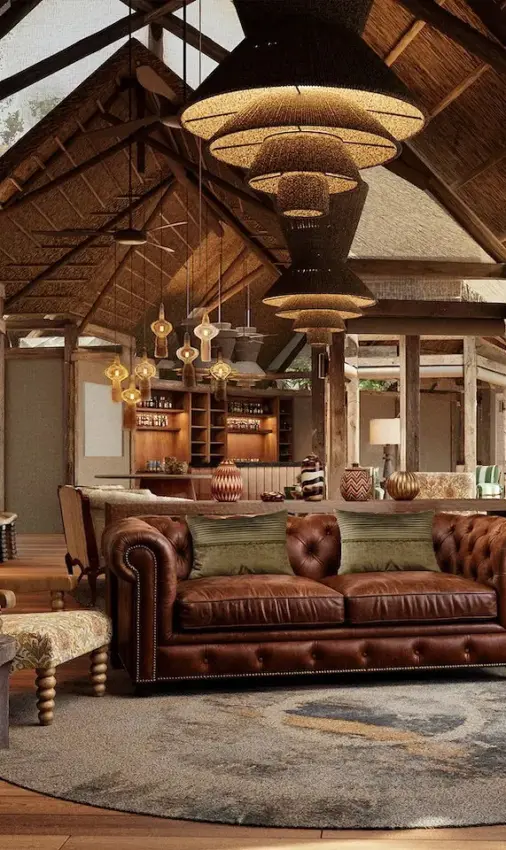
There is wifi, on a satellite connection, and it lives in one place: a lounge set aside for it, with a long table, sofas and plug points. The tents and the main deck are deliberately left without it, which is the camp's choice rather than a limitation, so the deck stays for conversation and the hippos. Mobile roaming generally does not work in camp, which means anything you send goes over that connection.

Power is solar with a generator behind it. The sockets take the round-pin plugs used across southern Africa, both the smaller and the larger kind, so British plugs need an adaptor, and there are USB points in the tents with extension leads on request. If someone in your party has to be contactable at a set time, tell us before you travel and we will confirm with the camp what is realistic for your dates.

Drives leave at around six in the morning and again at around four in the afternoon, and the mokoro outing is an afternoon of roughly an hour and a half. Guests share a vehicle unless a private one has been asked for in advance, which is the standard arrangement and worth knowing if you had assumed otherwise. A private vehicle is bookable and charged, and it is held for the whole stay rather than for the days you fancy it.

The camp is unfenced and elephants, hippos and buffalo come through it, so there is a safety briefing on arrival and a guide or manager walks guests to and from their tents after dark. That is not a formality. Sightings inside camp are ordinary here rather than remarkable, and the animals have right of way.

The rate is fully inclusive and covers the tent, meals, the drinks from the camp's own bar, laundry, the scheduled activities including the game drives and the mokoro, and the transfers between Khwai airstrip and camp, with VAT and the tourism levies already in it. It reads the same whether you fly in or drive yourself, since the camp stopped running a separate self-drive rate.

Outside it sit premium brand drinks, a private vehicle, gratuities and any outing run by someone else. The two that matter most on a Khwai itinerary are the full day out to Xakanaxa on the water, charged per person and reached either by road or with a one-way helicopter leg, and the scenic flights over the Delta. The flights in and out of Maun are quoted separately from the nightly rate as well. We put all of it into a single figure so you are looking at the real cost rather than a headline. The camp keeps a card machine for anything you spend on the spot, though tips are easier in cash.

rated five stars by our clients

other areas in botswana

Guests poling traditional boat through wetland waterway, Linyanti Wildlife Reserve, Botswana 01

Linyanti Wildlife Reserve

Lion drinking from water's edge at sunset, Selinda Reserve, Botswana 02

Selinda Reserve

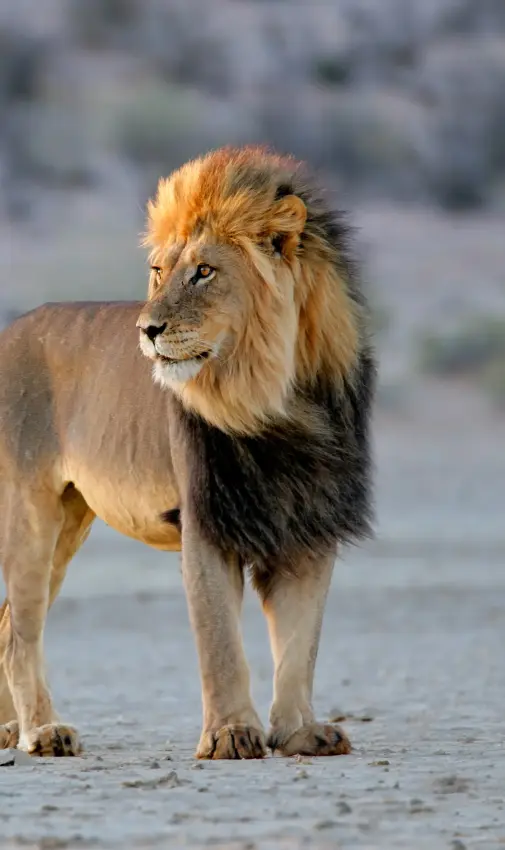
Male lion standing on sandy ground in natural habitat 03

Central Kalahari

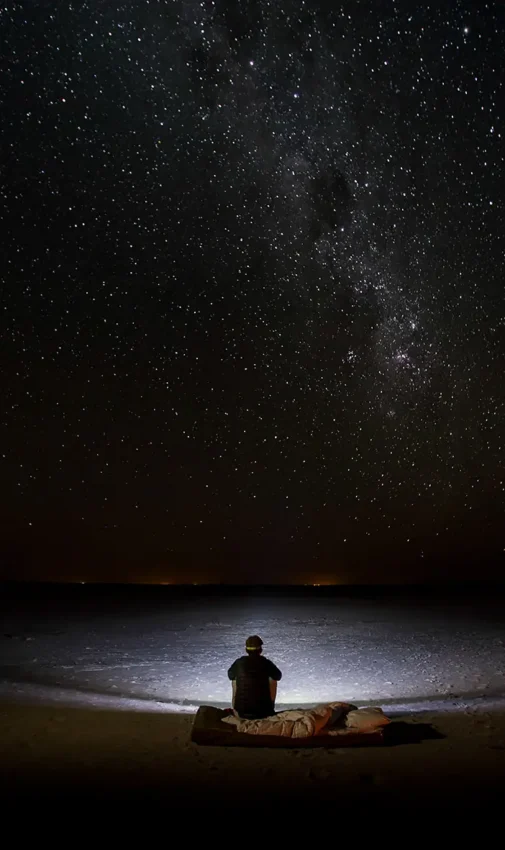
Person sitting alone under starry night sky, Makgadikgadi Pans, Botswana 04

Makgadikgadi Pans

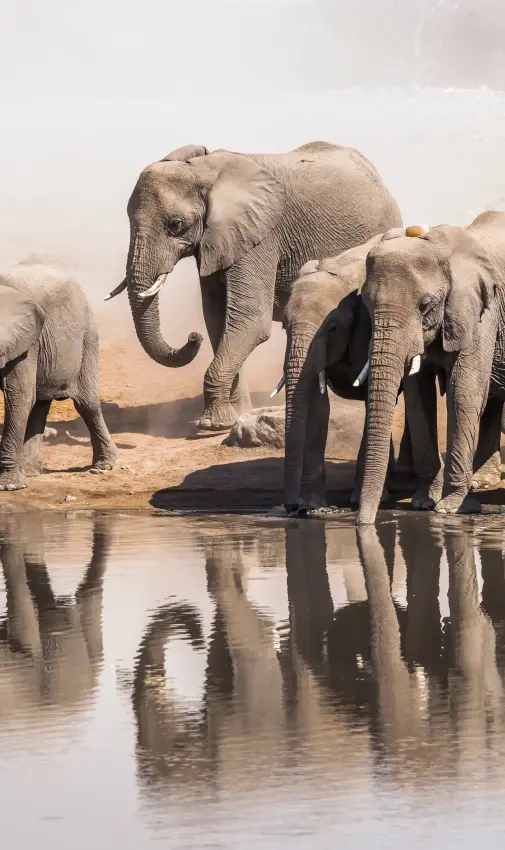
Herd of elephants drinking at waterhole with reflections 05

Chobe

06

Maun

Planning a journey together

our approach

remote, exclusive
& personal

Every journey starts with a conversation. We take the time to understand your vision before we start planning.

Whether by phone or in person, we work with you directly to shape something that is considered, personal, and expertly delivered.

get in touch
destinations ideas & inspiration our process about us contact us