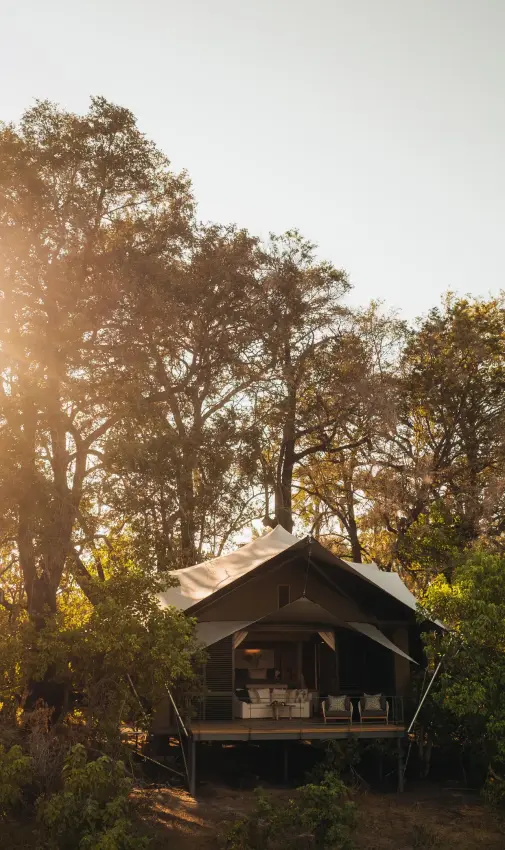
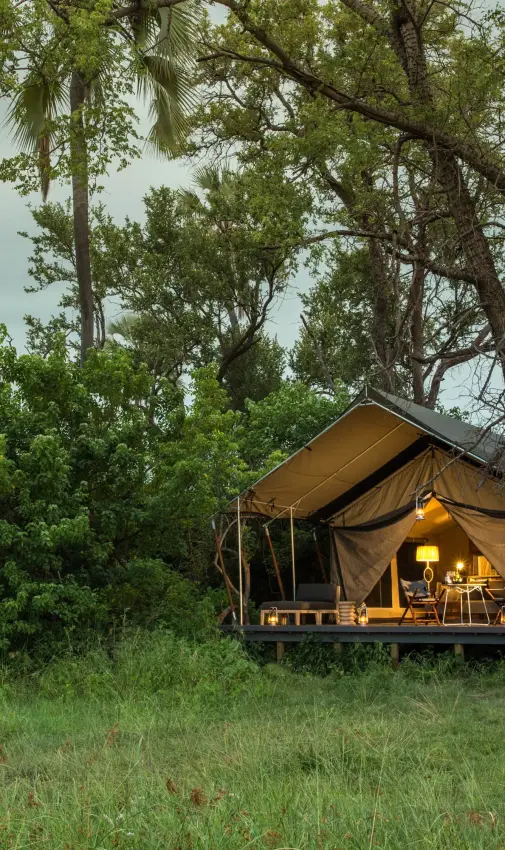
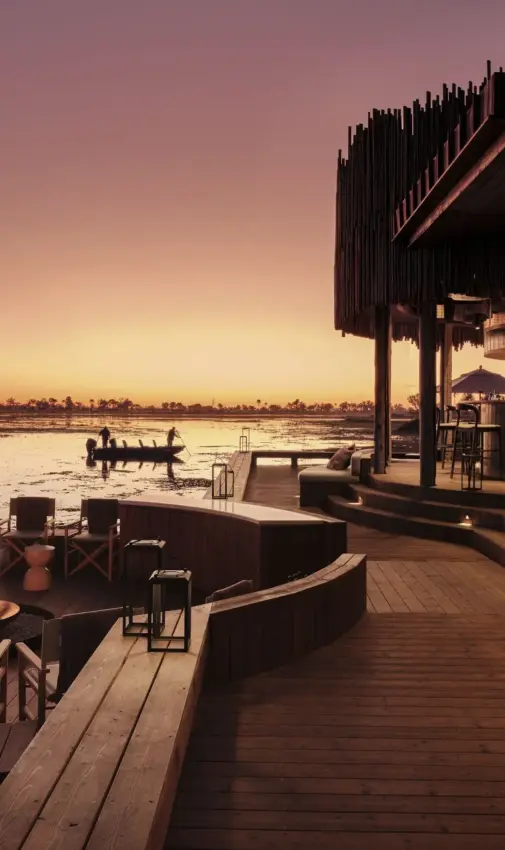
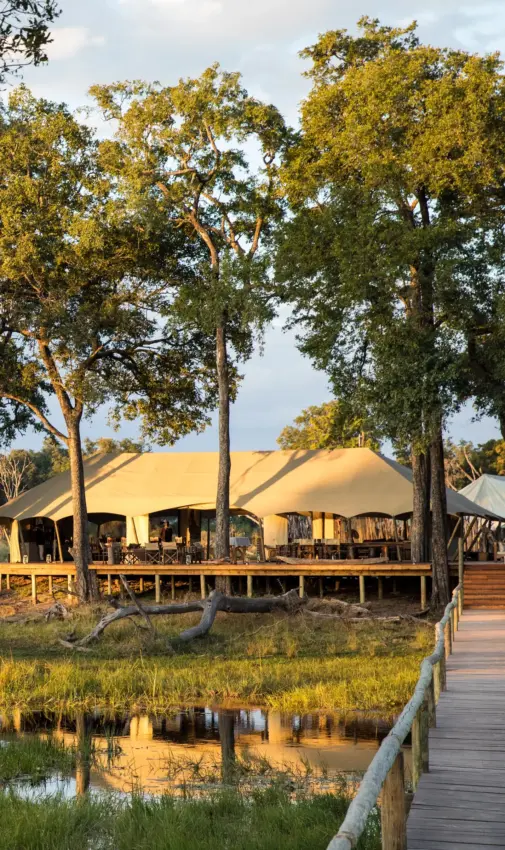
For years the island carried a camp of nine tents, built from canvas and bleached timber and reached along sandy paths. That camp closed in 2026 for a full rebuild. The new Xaranna Okavango Delta Lodge, not yet open, keeps the island and its view across the seasonal lagoon, and it keeps the count of nine. Each suite, though, now covers 160 square metres and has its own plunge pool. Just as much has changed in the hours between outings, when heat settles over the floodplain and most of the animals go still in the shade.
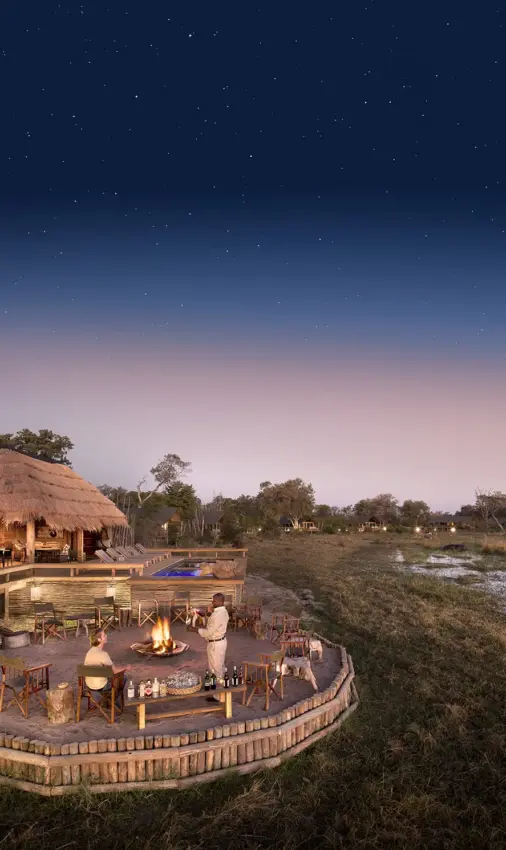
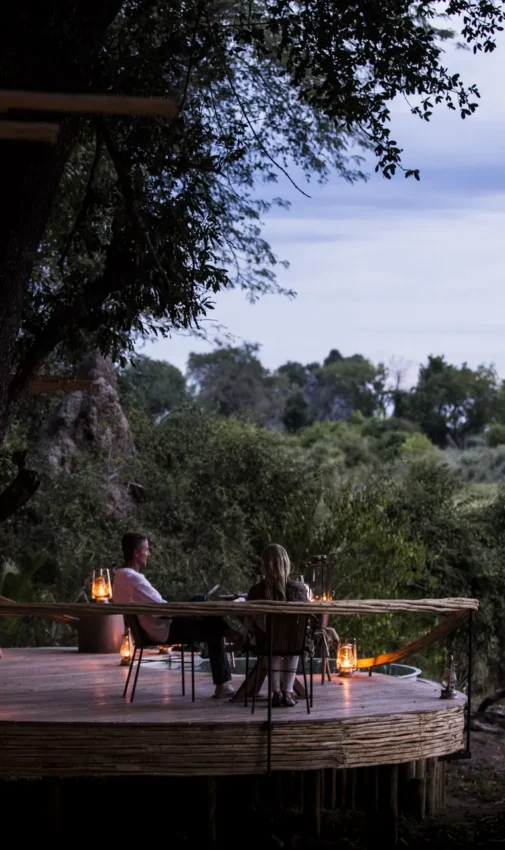
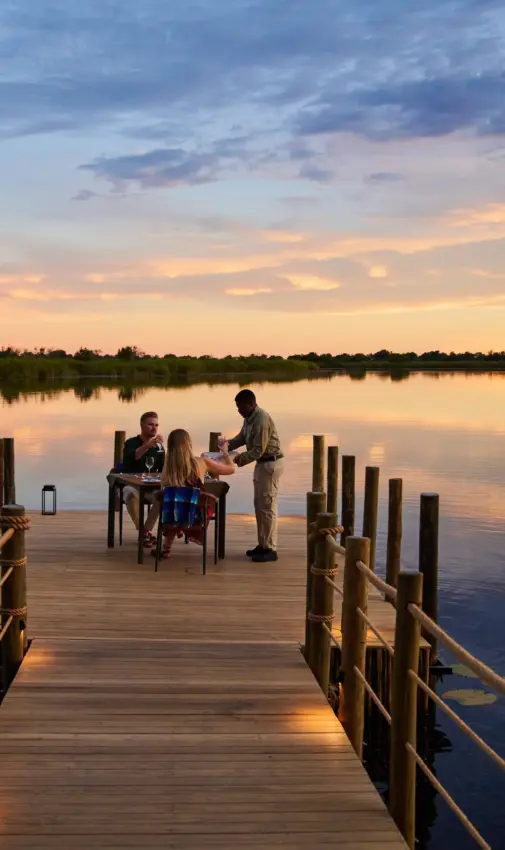
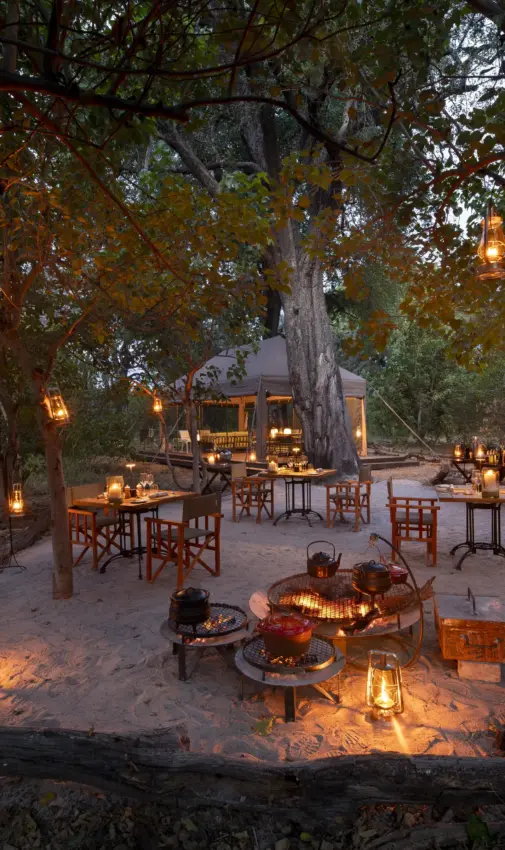
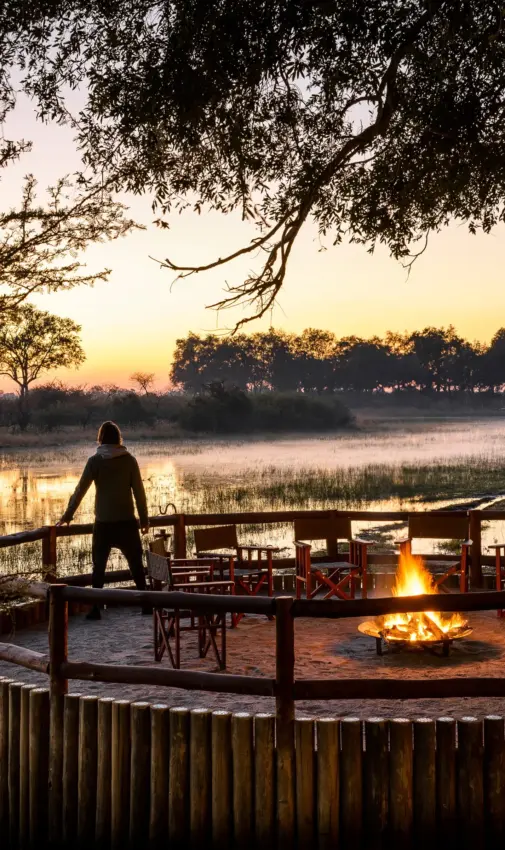
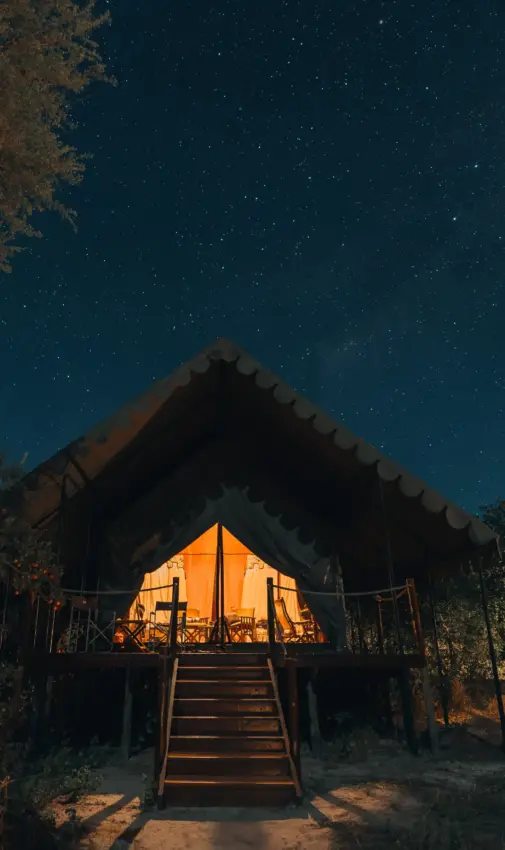
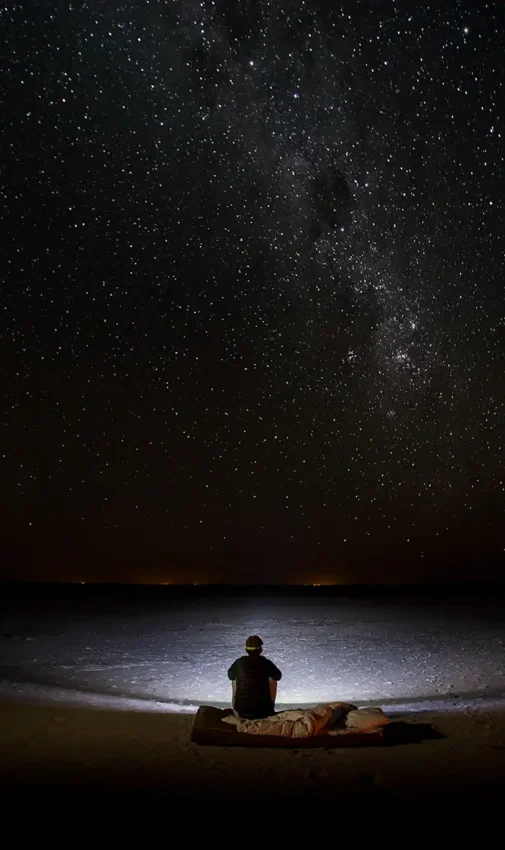
Those hours will belong to a wellness centre with a treatment tower and a hammam. There is a hydrotherapy deck too, and a gym with a cold plunge. For something quieter, each suite has a shaded sala, a daybed within earshot of the hippos. After dark, attention turns upward to a rooftop deck for stargazing above a wine cellar, and dinner is served in the open, around the fire or along the jetty with the lagoon black and still beside it. Power will come mainly from a solar hybrid system with battery storage.
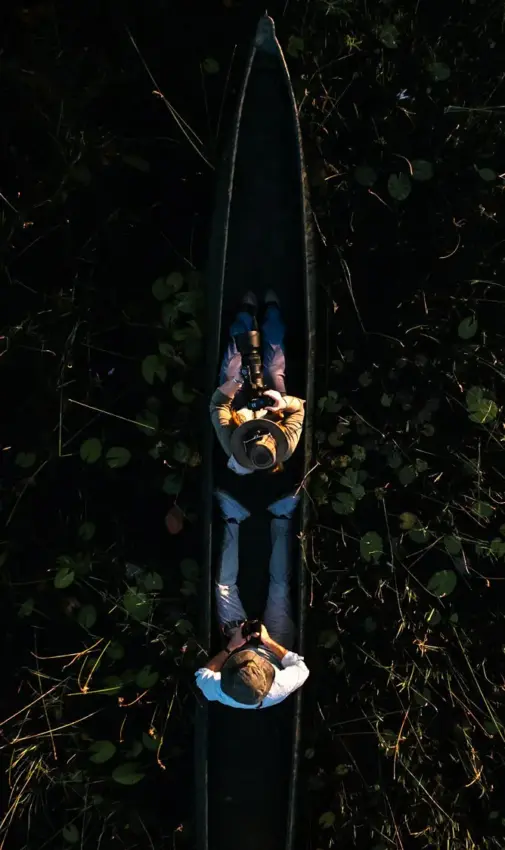
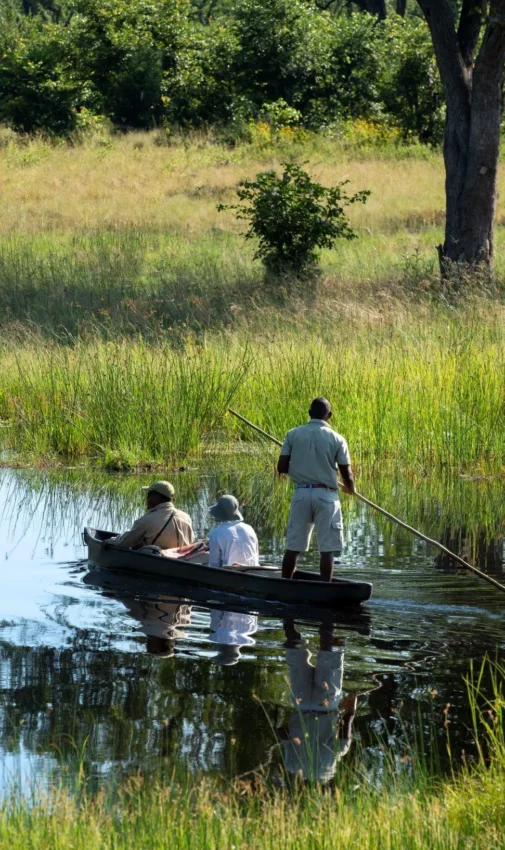
On a mokoro, the view drops to a few centimetres above the waterline and the reeds close in.
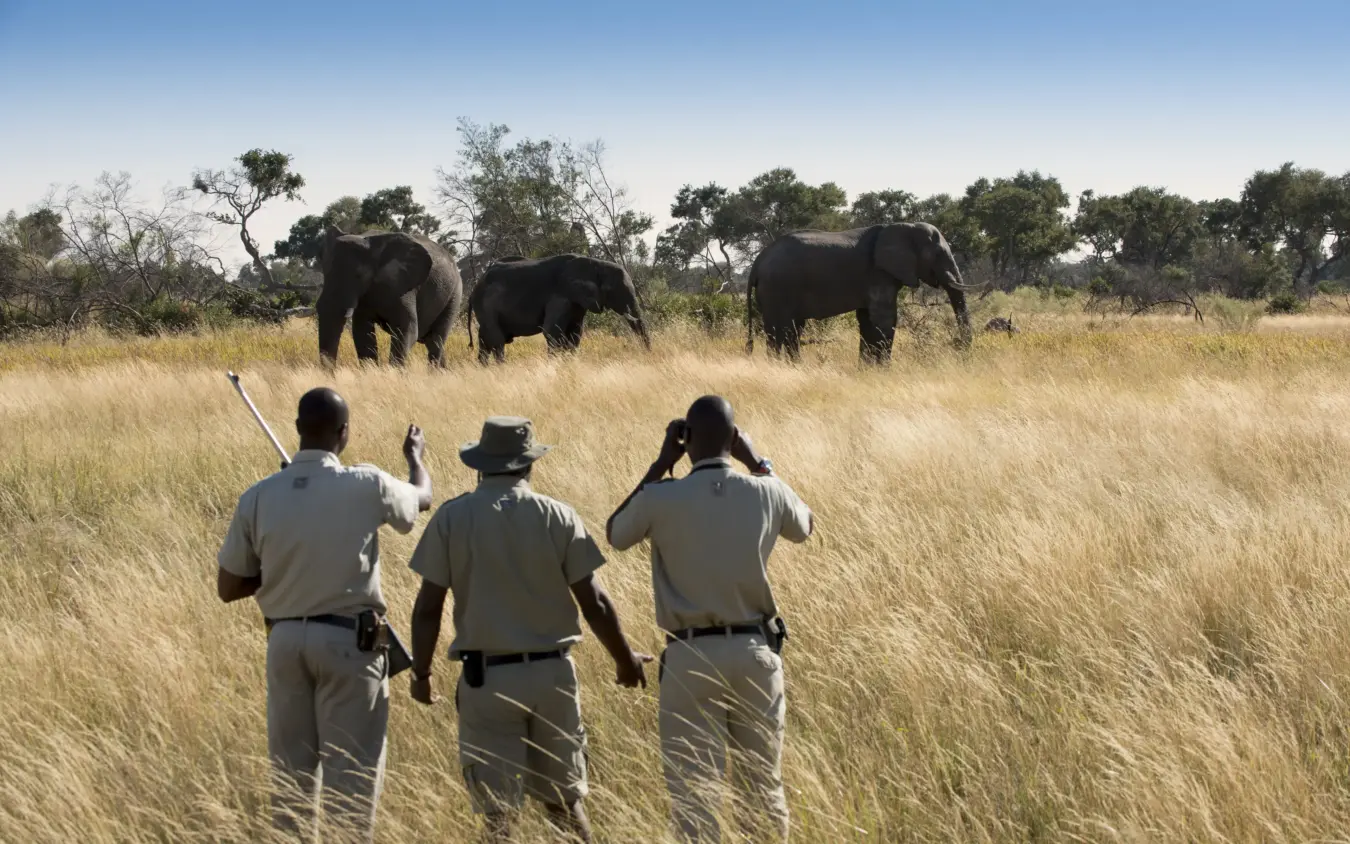
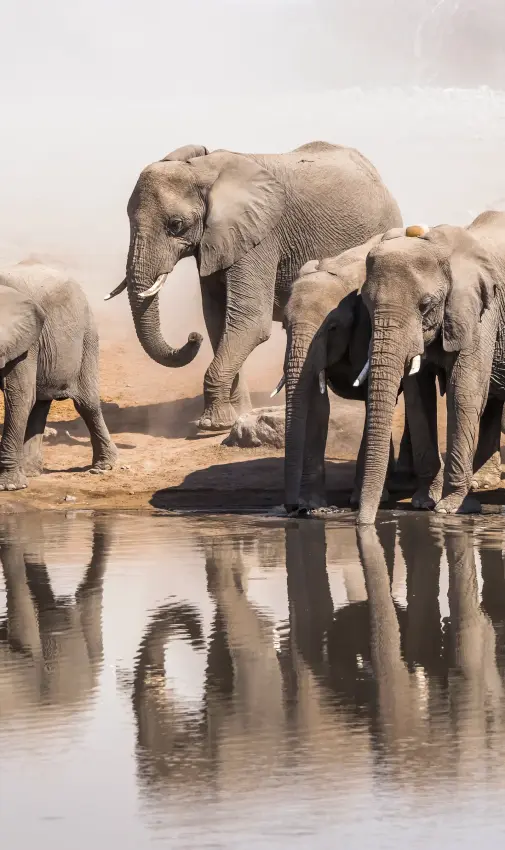
Families can take the two-bedroom suite, two suites joined around a shared lounge and deck, so parents and children share a common space by day and have separate bedrooms at night. Meals bend to them as well: children’s menus and private dining can be arranged. Younger guests have a children’s programme of their own, which matters here because minimum ages apply to the walks and mokoro trips, and to some game drives. Elephants and hippos keep no timetable around camp, so children stay with an adult whenever they move between the suites and the main area.
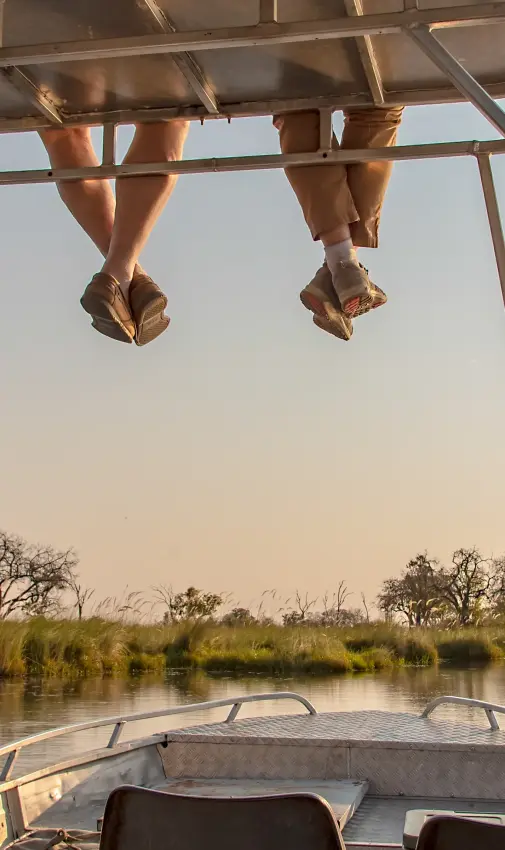
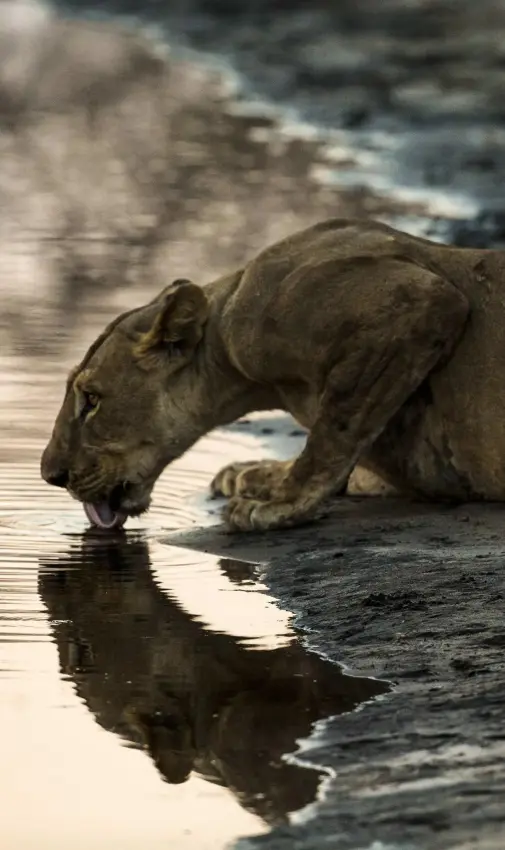
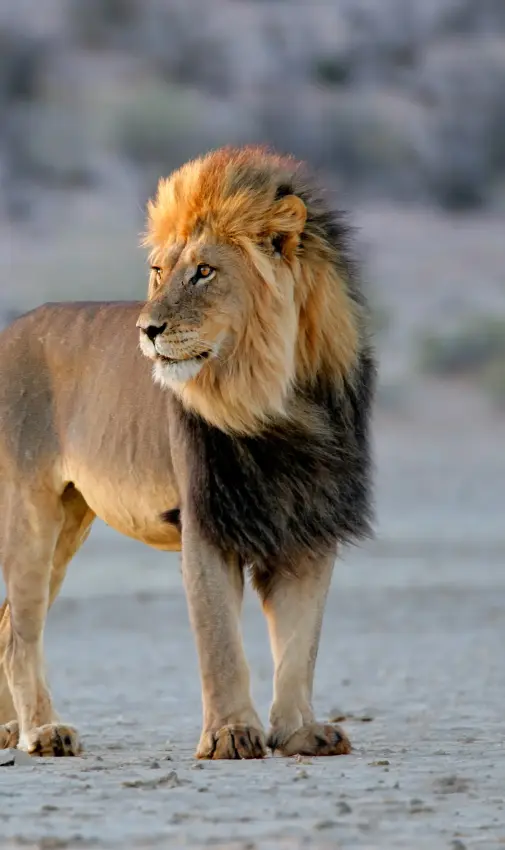
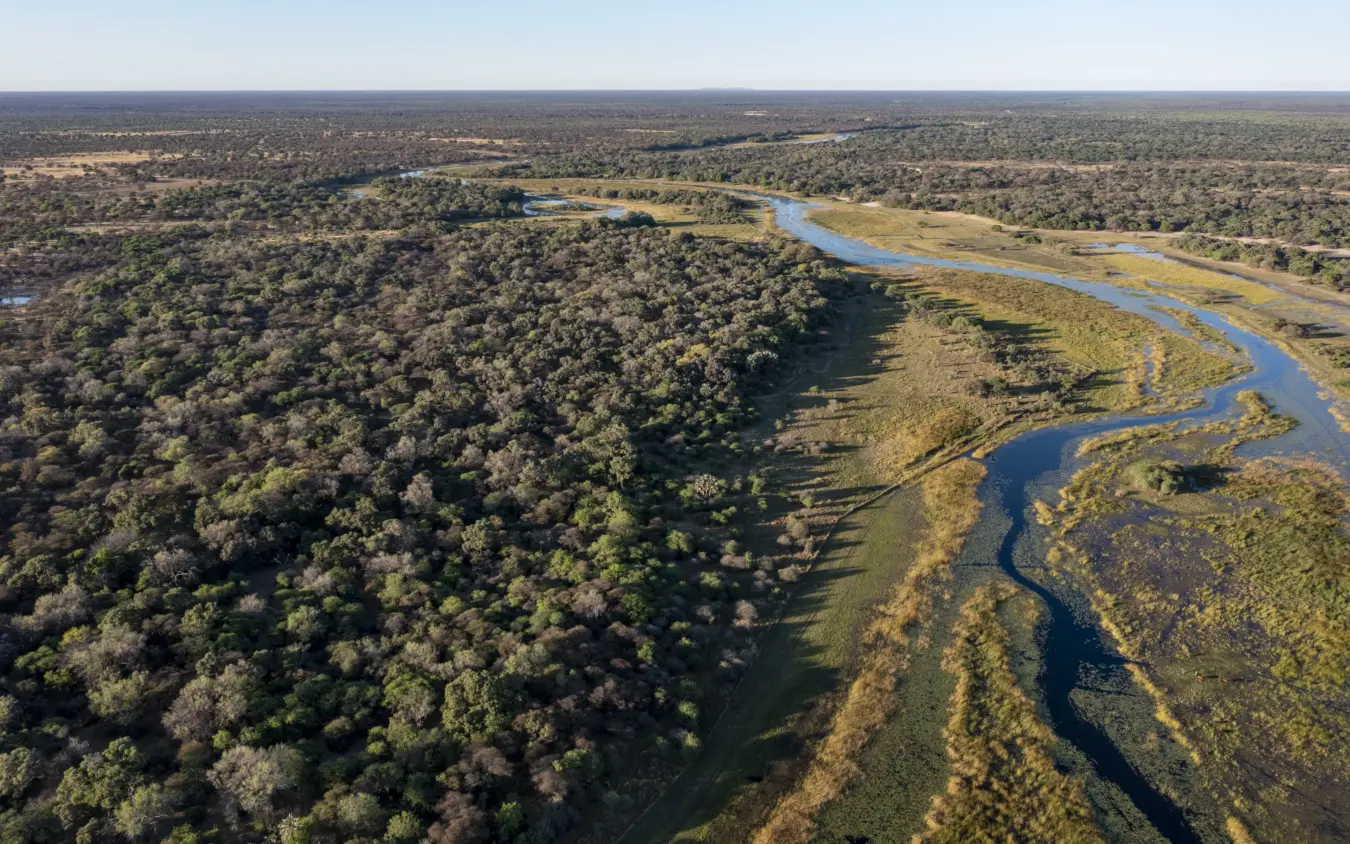
Leopard and serval are both possible once the afternoon drive carries on into darkness and the floodplain cools. By day, a scenic helicopter flight lays out the islands and channels that the boats and vehicles work at ground level, the whole pattern visible in a single sweep. On the water the next morning, the scale reverses. On a mokoro, the view drops to a few centimetres above the waterline and the reeds close in. Here the delta unfolds one bend at a time, and the channel ahead is all there is to see.