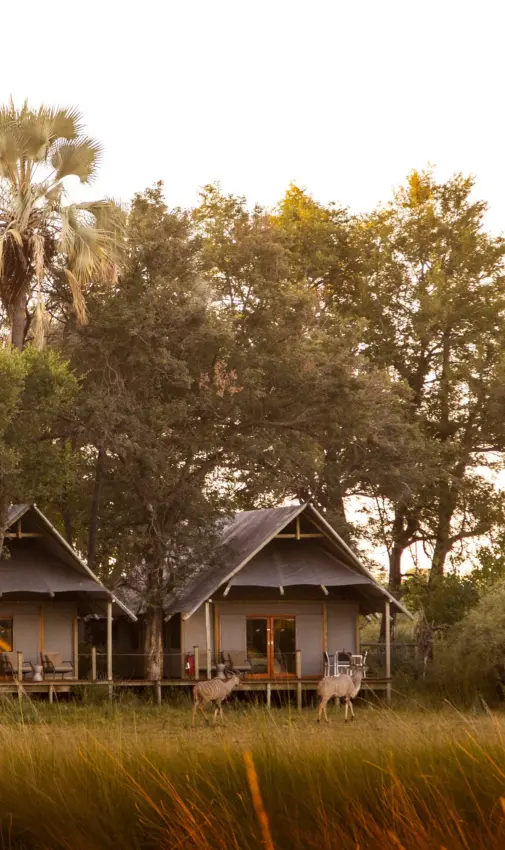
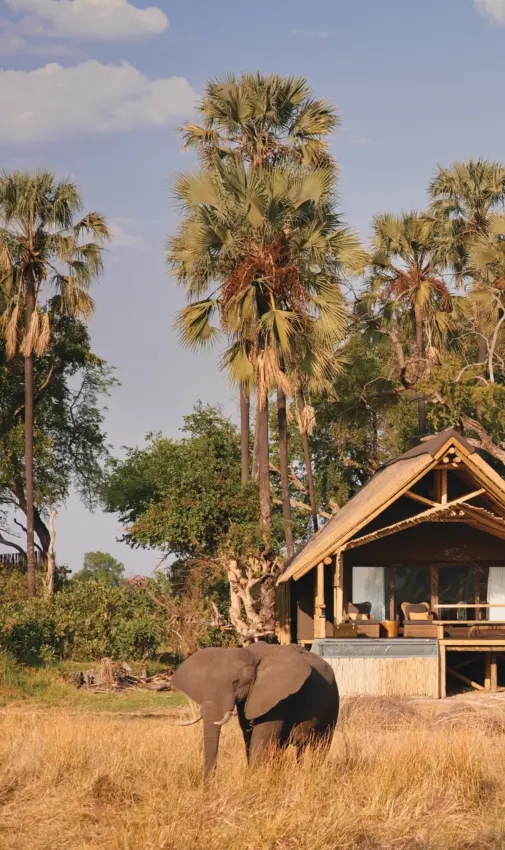
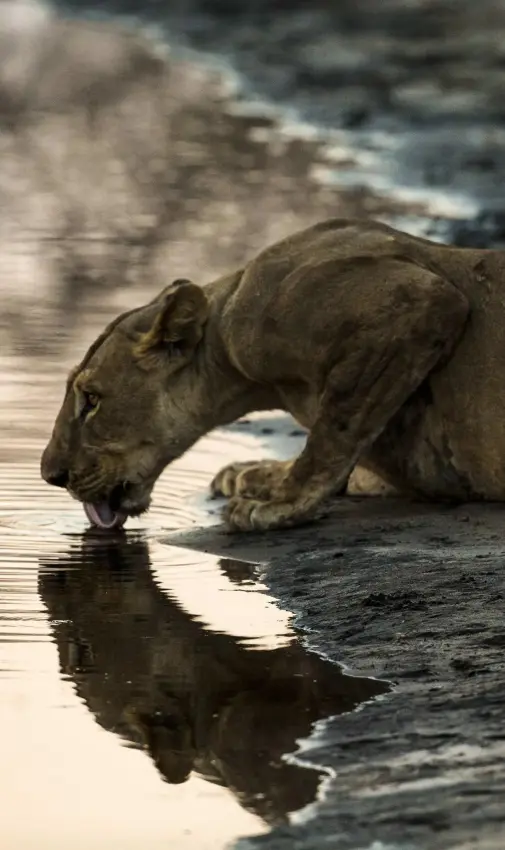
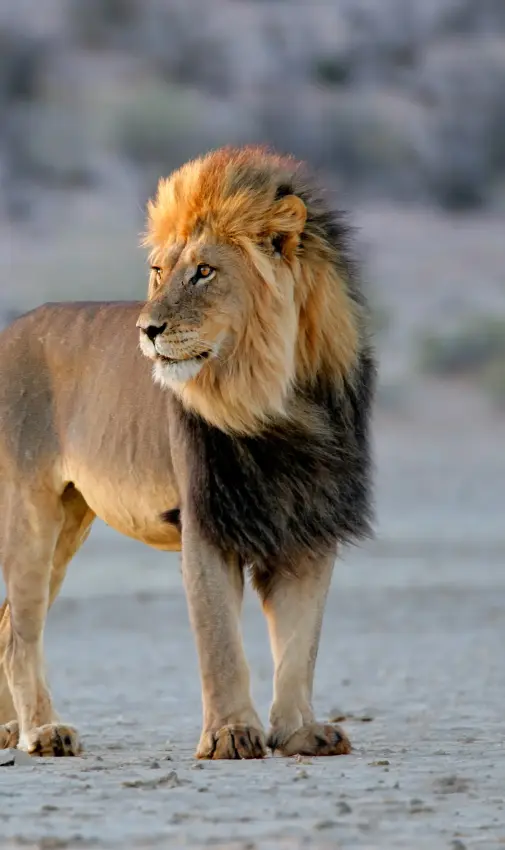
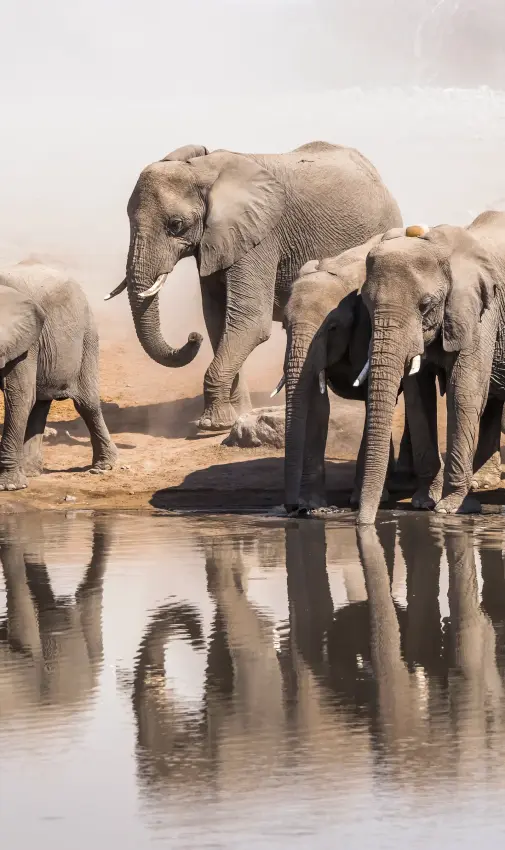
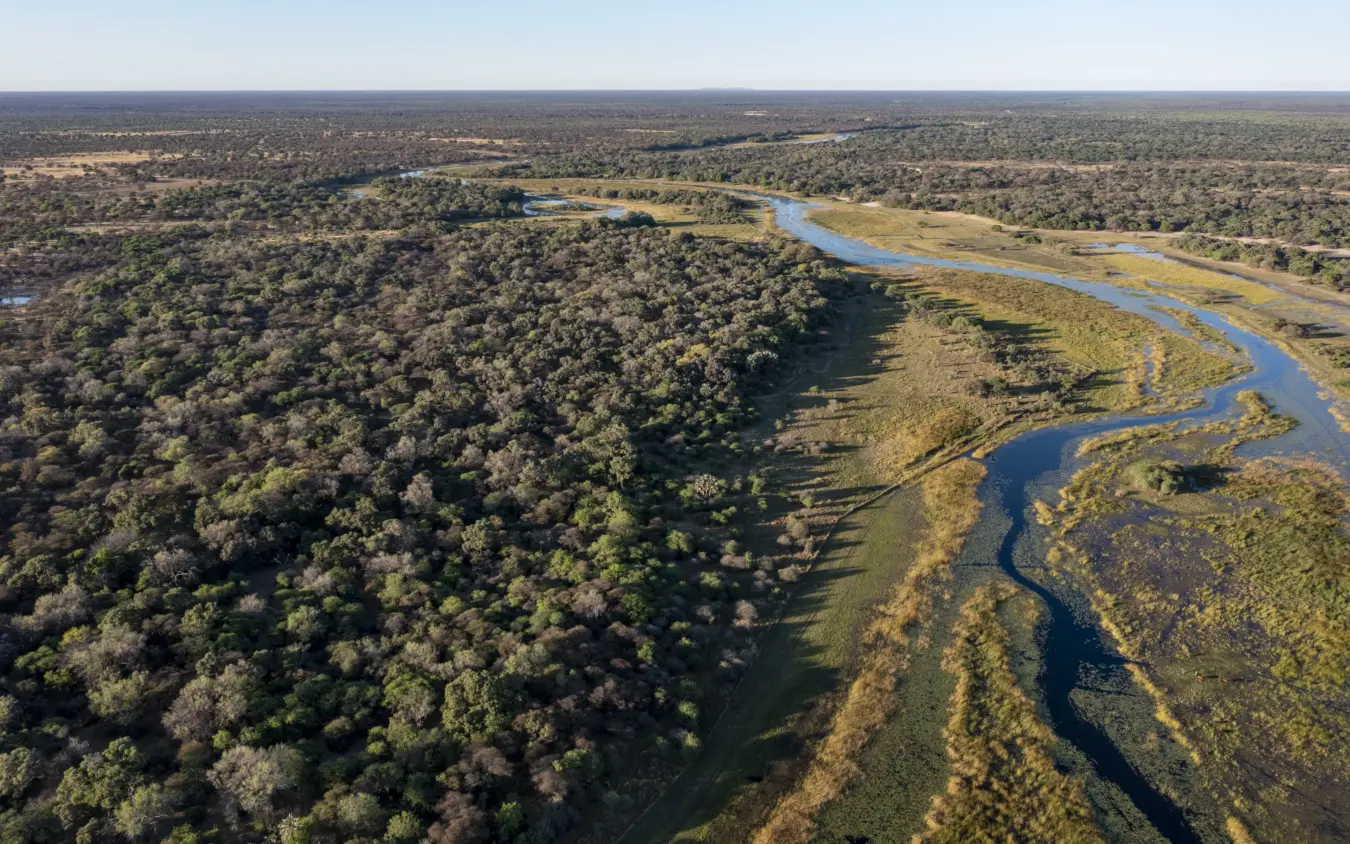
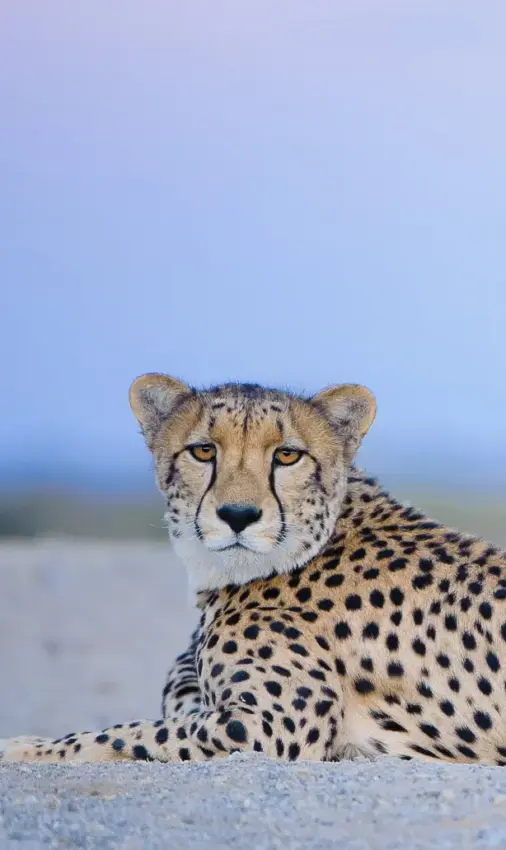
Hunda stays dry while the floodplains around it fill, and that gives the larger mammals of the 60,000-hectare NG25 concession every reason to stay put. Elephant herds and buffalo move between the woodland and the water’s edge. Giraffe and zebra work the grassland, while cheetah and spotted hyena patrol the open fringes. Wild dog are seen here, too. Game spreads out across the island rather than packing together, so predator sightings are earned. They reward patient guiding.
Drives go out in open vehicles through the mopane and acacia woodland on the reserve’s drier western side, by day and by night. Because NG25 is a private concession, not a national park, guides are free to drive at night. After dark, the spotlight picks out owls, genets and bush babies moving through the woodland. Guided bush walks slow everything to the pace of the tracks and the botany. On foot, too, the guides find the smaller animals that vehicles roll straight past.
After dark, the spotlight picks out owls, genets and bush babies moving through the woodland.
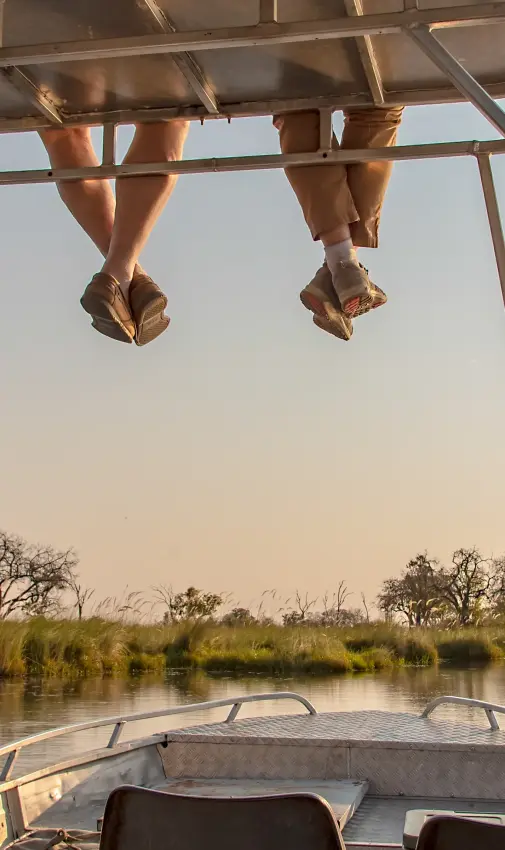
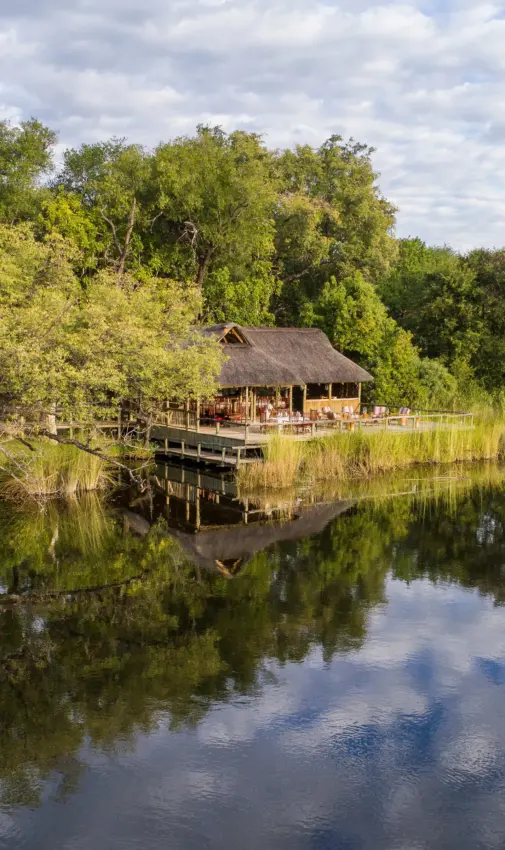
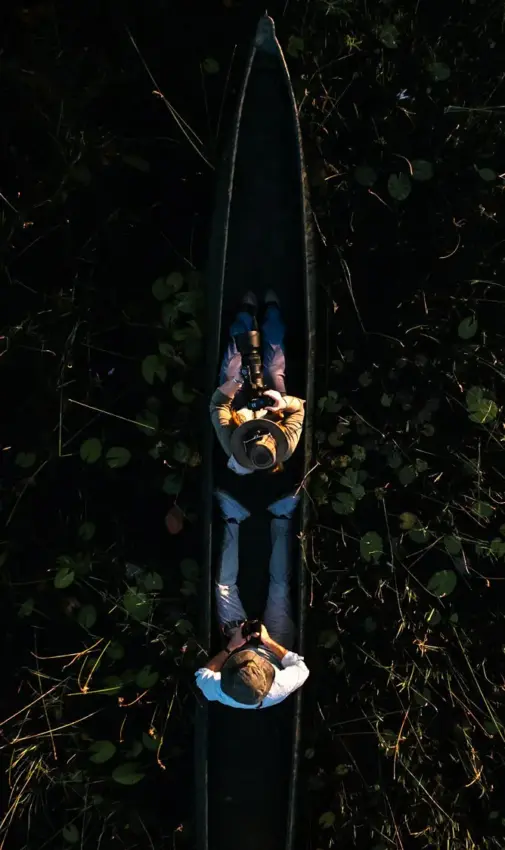
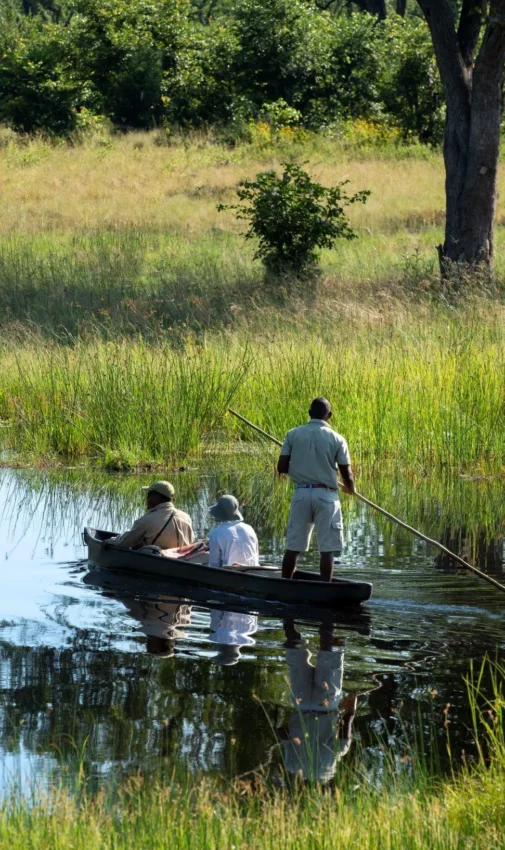
In the winter flood, between May and late September, the camp adds boating whenever water levels allow. Mokoro trips slip quietly along the channels, and there is catch-and-release fishing besides. From the water, the wildlife changes too. Sitatunga work the reed beds and red lechwe the shallows, and the birds of the concession include Pel’s fishing owl and the wattled cranes that are a particular feature of the reserve.
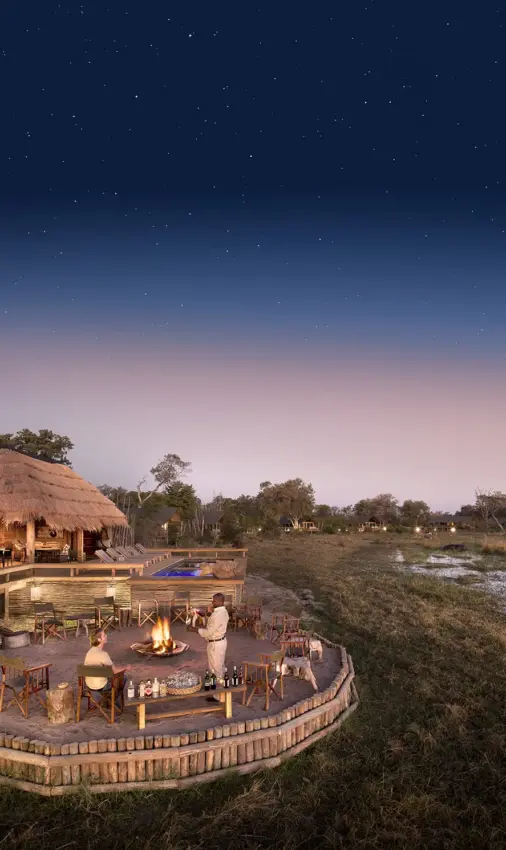
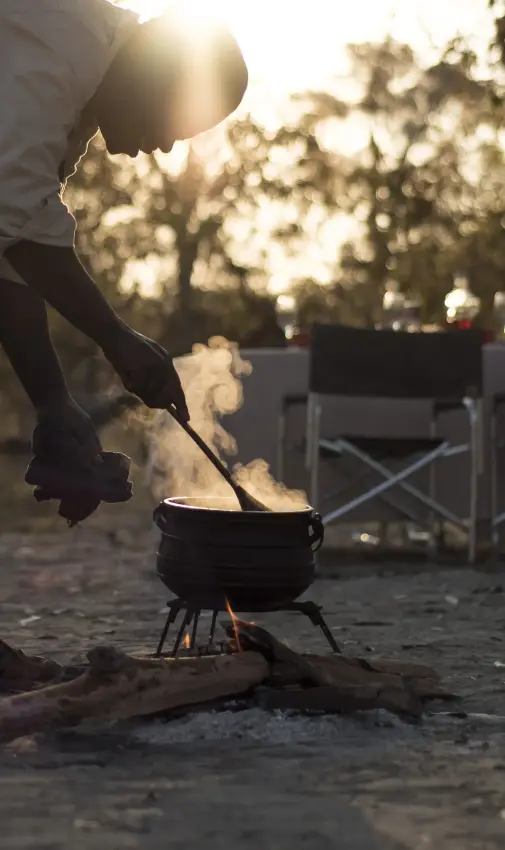
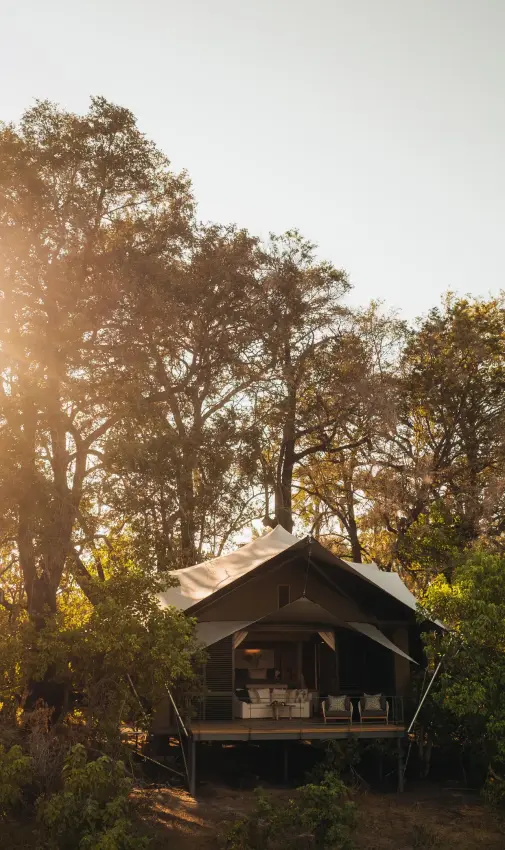
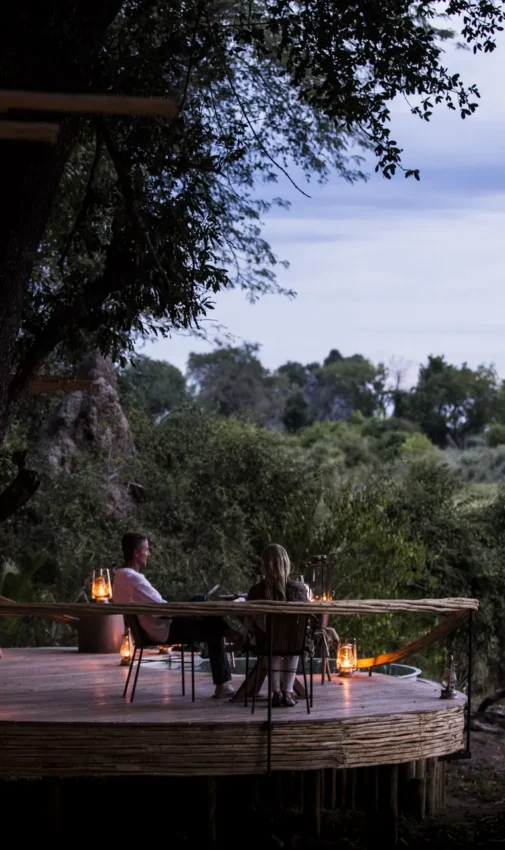
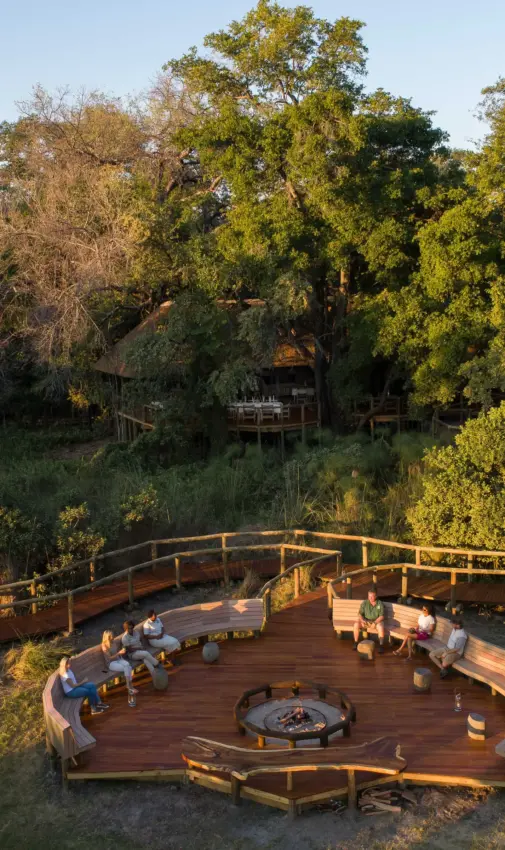
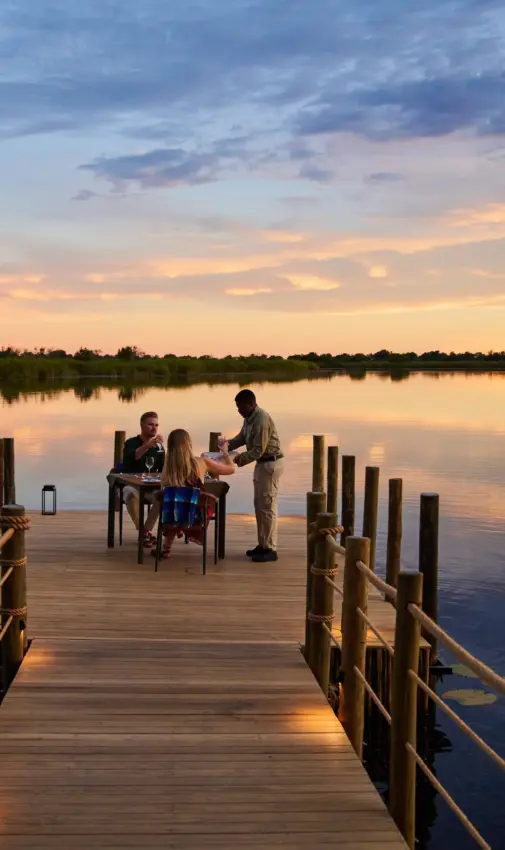
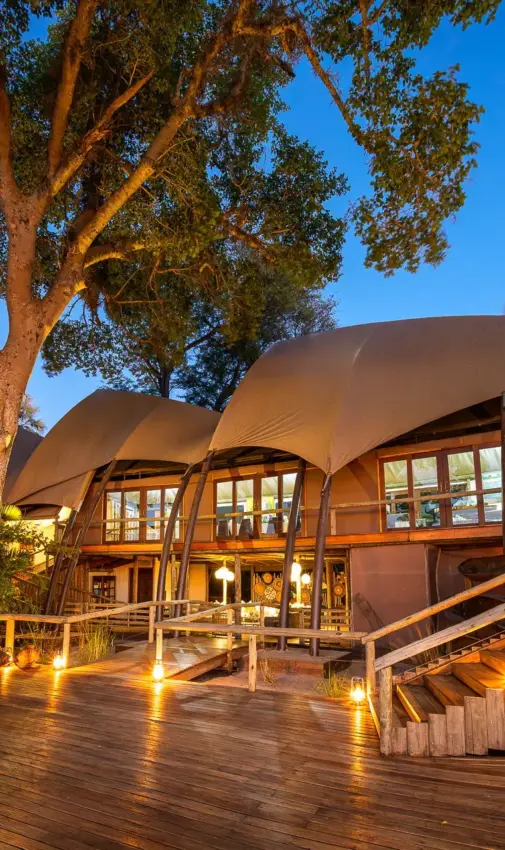
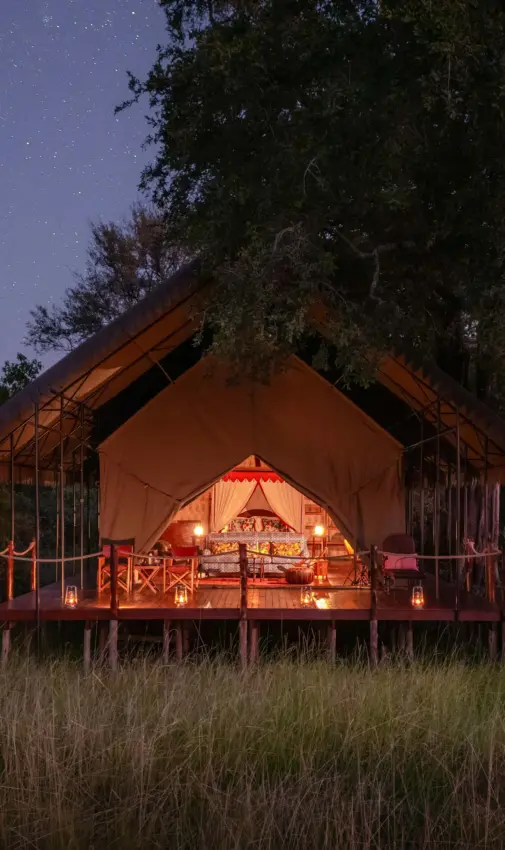
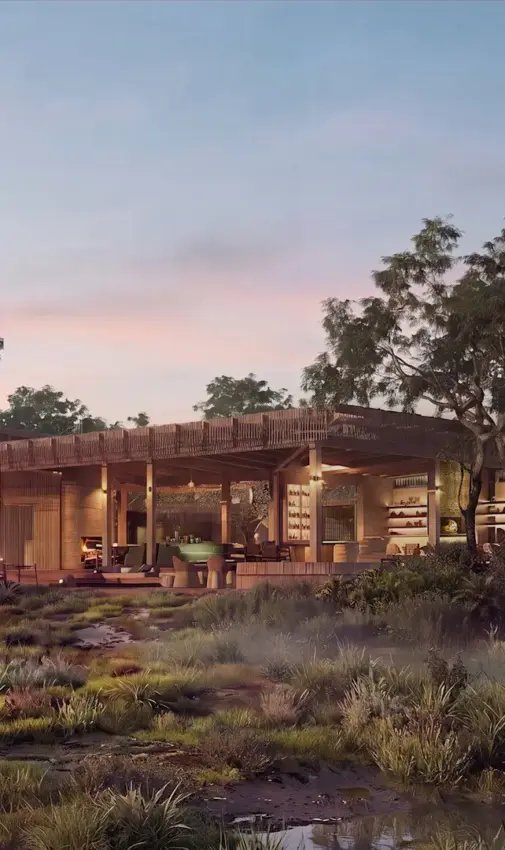
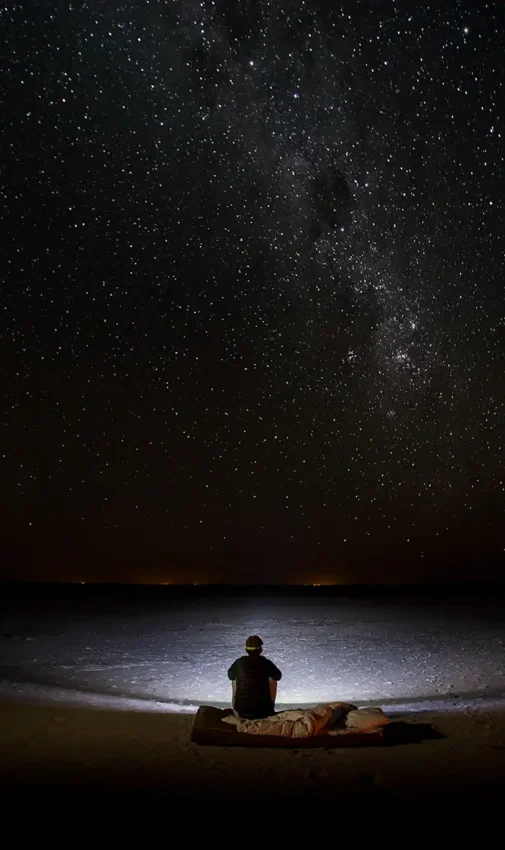
Evenings end with dinner by the fire under the stars. The camp itself is raised into the riverine canopy, linked by walkways, and the power that lights it comes from the sun. That light touch reflects a long stewardship. The Kays family have run NG25 as a reserve since 1998. They say they source locally and support small businesses, and they partner with communities on education and conservation. For the six guests in camp, that history is the ground beneath every drive and every mokoro trip.