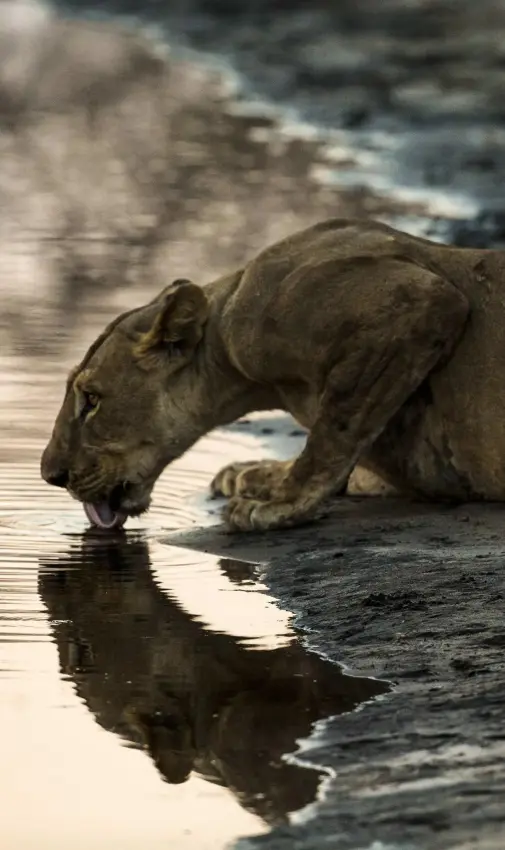
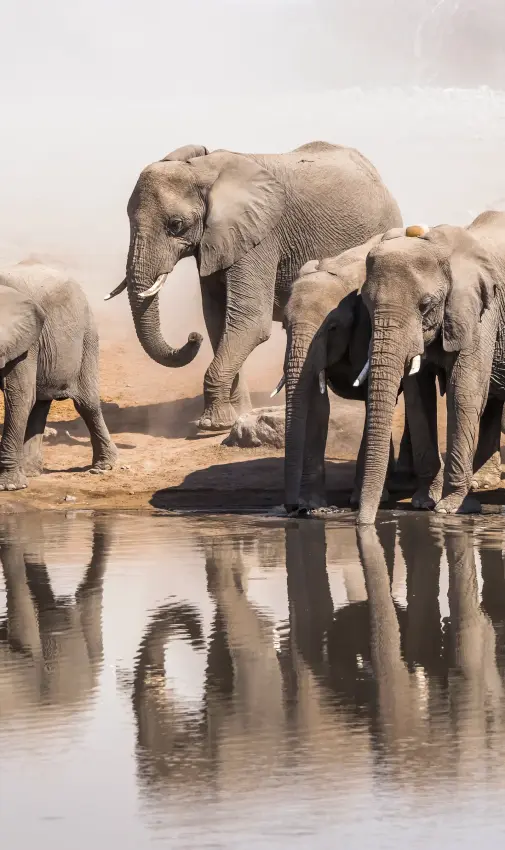
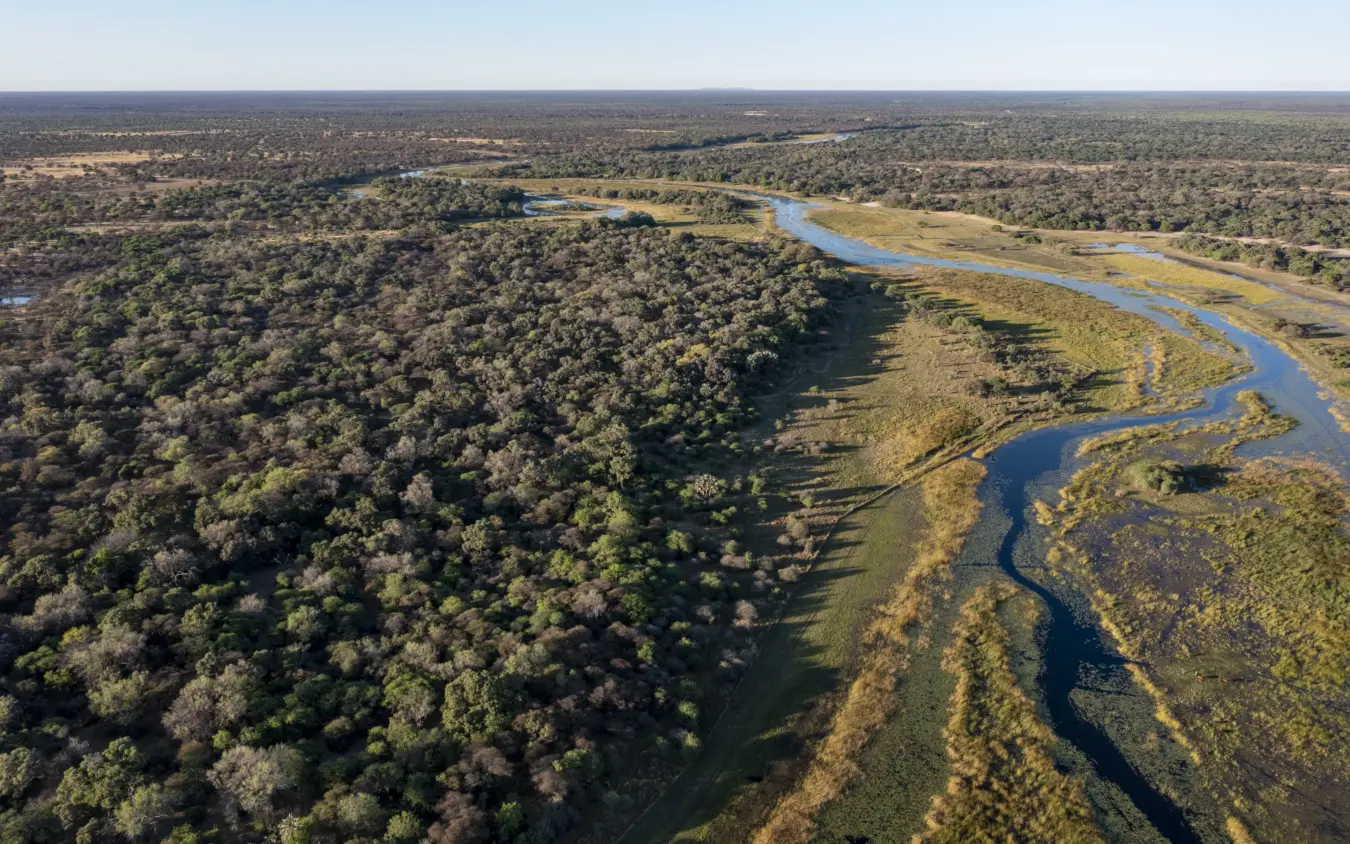
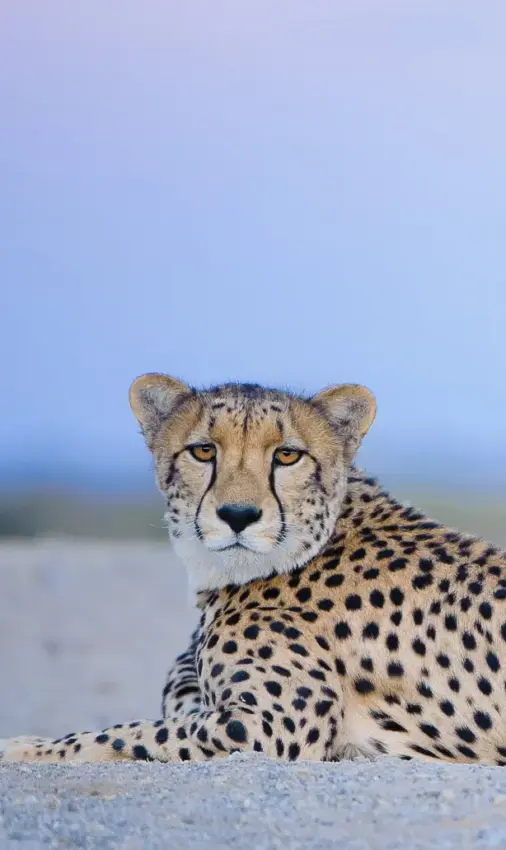
Morning drives set out in open vehicles across floodplain and palm-dotted islands, into woodland of jackalberry, fig and sausage trees, with the scent of wild sage and dust rising off the tracks. Other vehicles are a rare sight. The concession is private, not part of the reserve next door, so the guides are free to keep driving after dark, when the spotlight picks out bush babies, porcupines and Verreaux’s eagle-owls. Walks with an armed guide cross mostly open savannah, setting out from camp or a chosen spot on the concession.
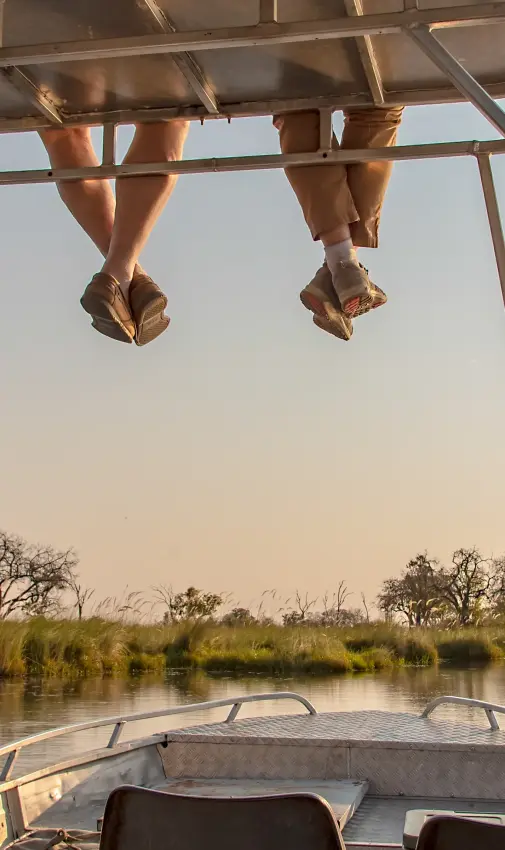
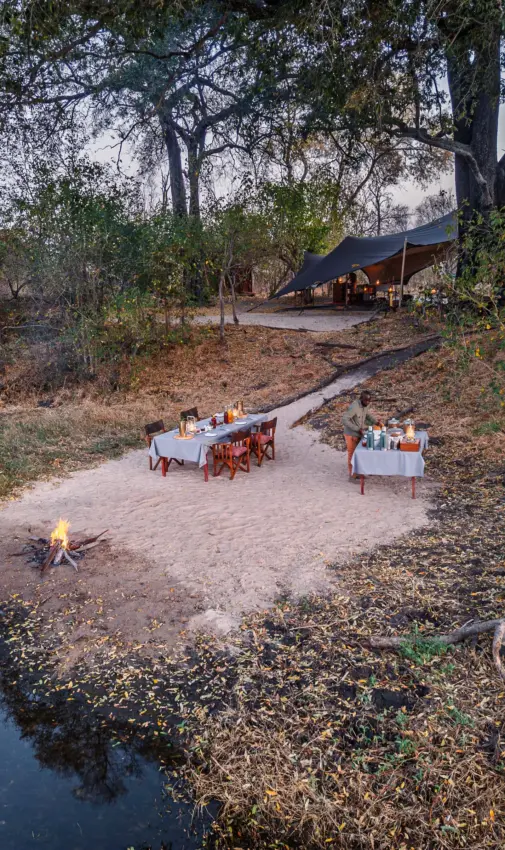
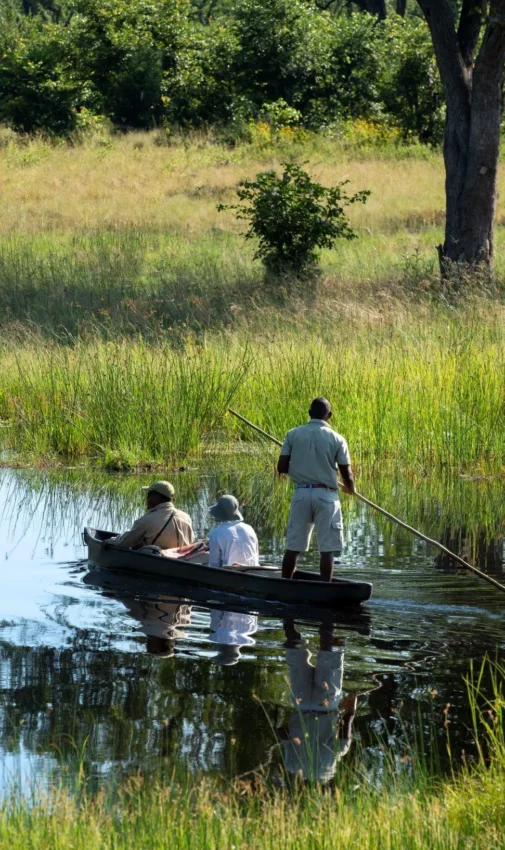
When the flood fills the channels between the Gomoti and the Santantadibe, the concession opens up by water too. A six-seat canopied boat runs the Gomoti Channel, but the quieter way in is by mokoro, with a poler guiding you along the narrower waterways. The dip of the pole and birdsong are the only sounds, and animals on the banks carry on undisturbed. Picnics are laid out beside the Gomoti. One outing ends at a bottle of champagne hidden among the reeds.
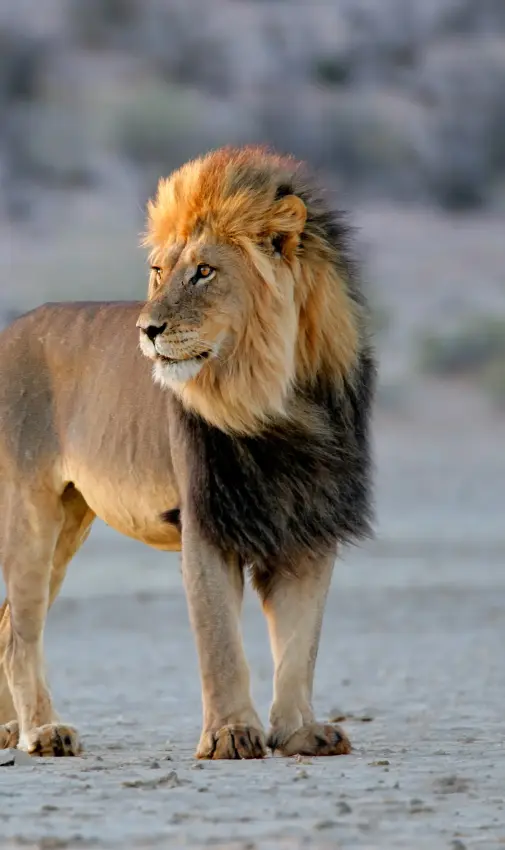
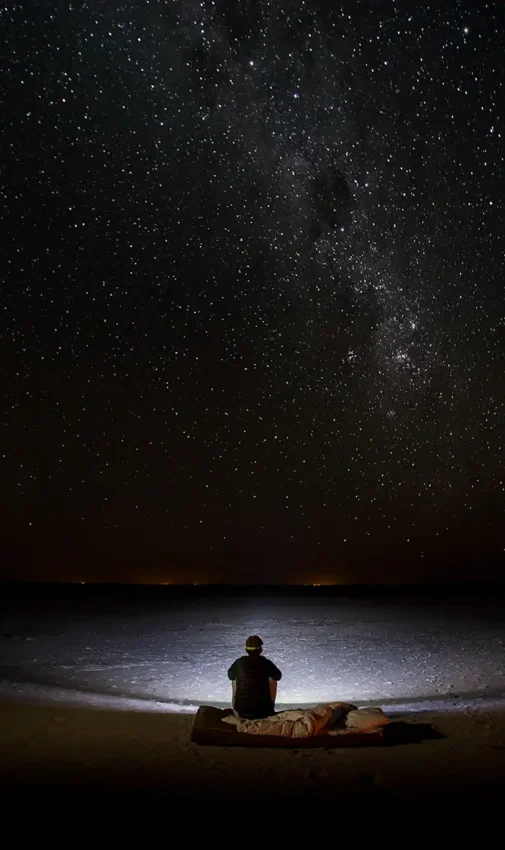
Overhead, the Southern Cross is retold as two lions hunting four giraffes.
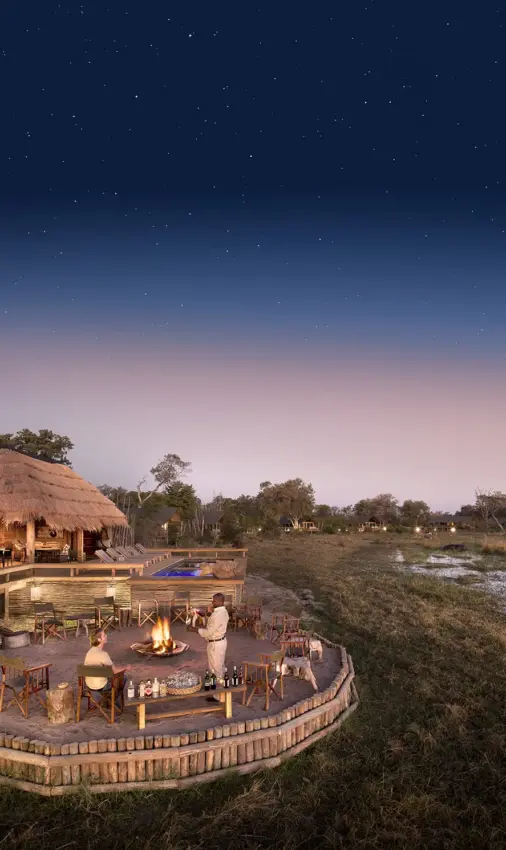
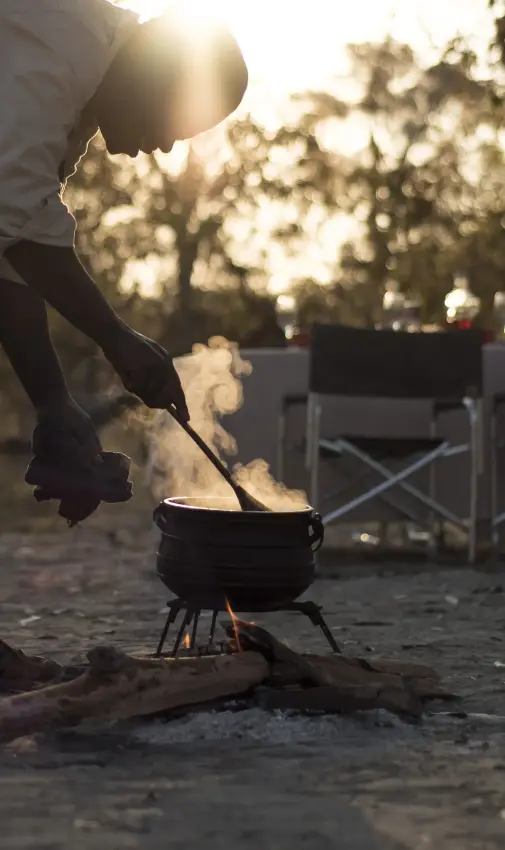
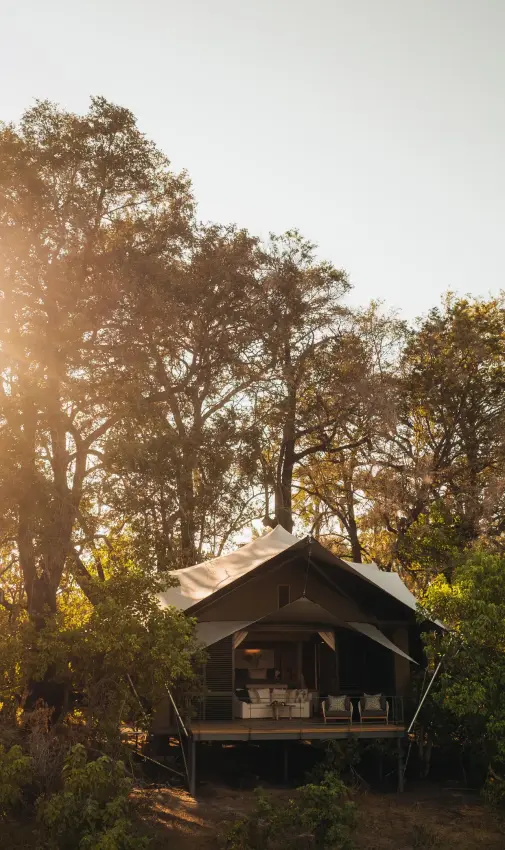
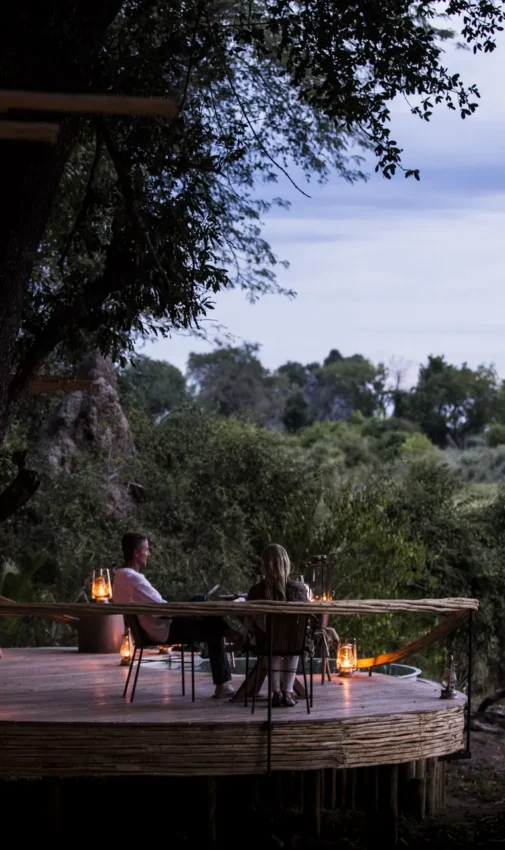
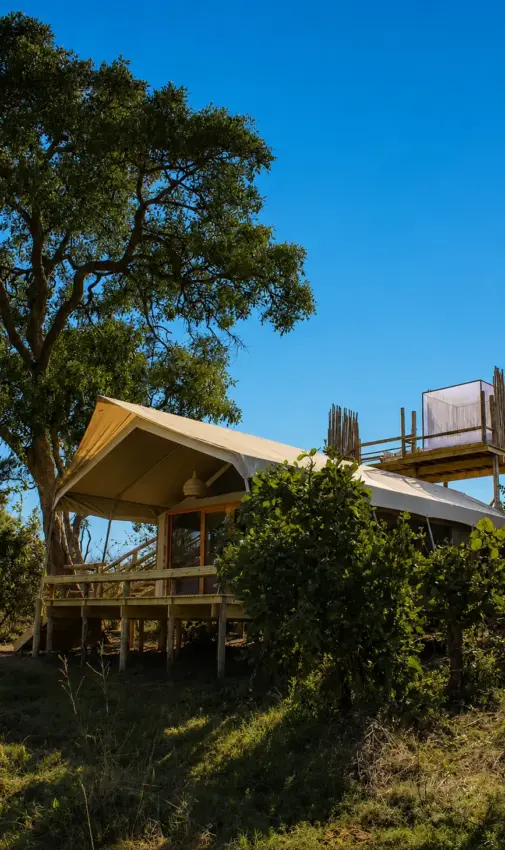
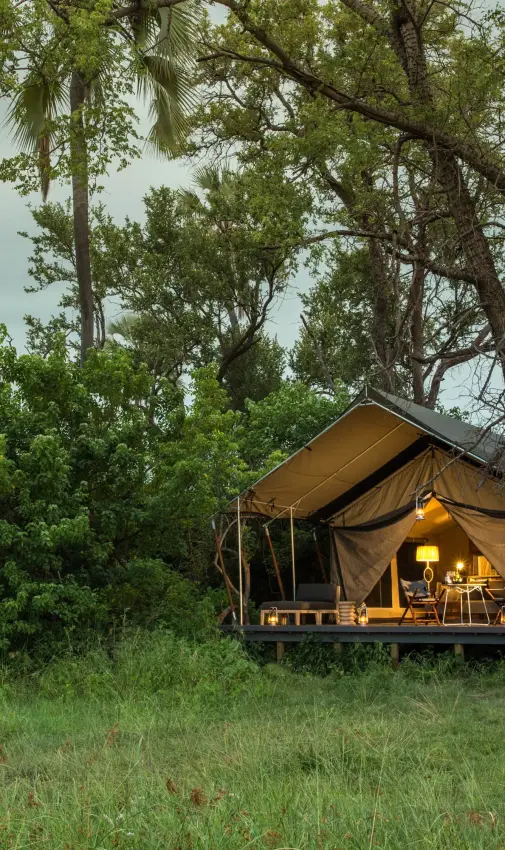
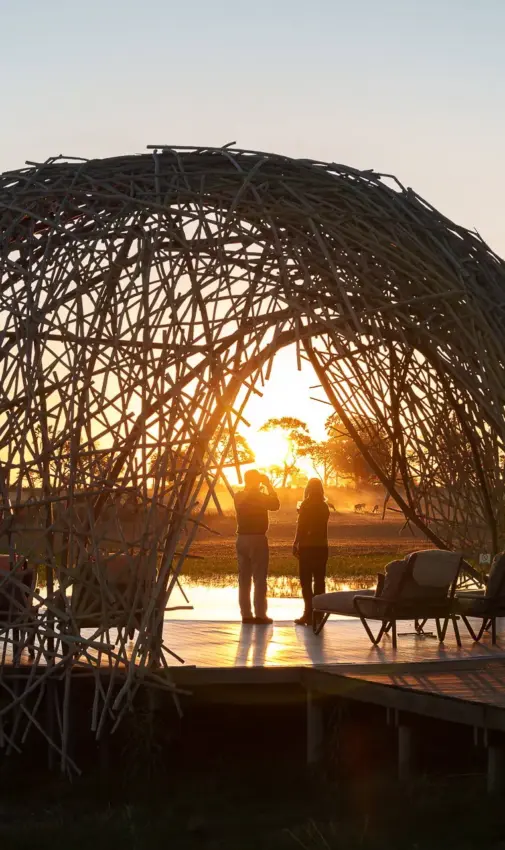
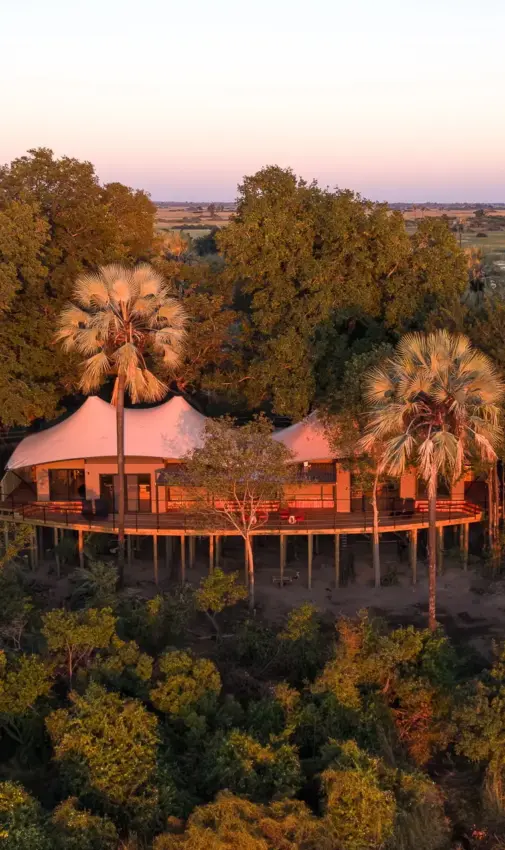
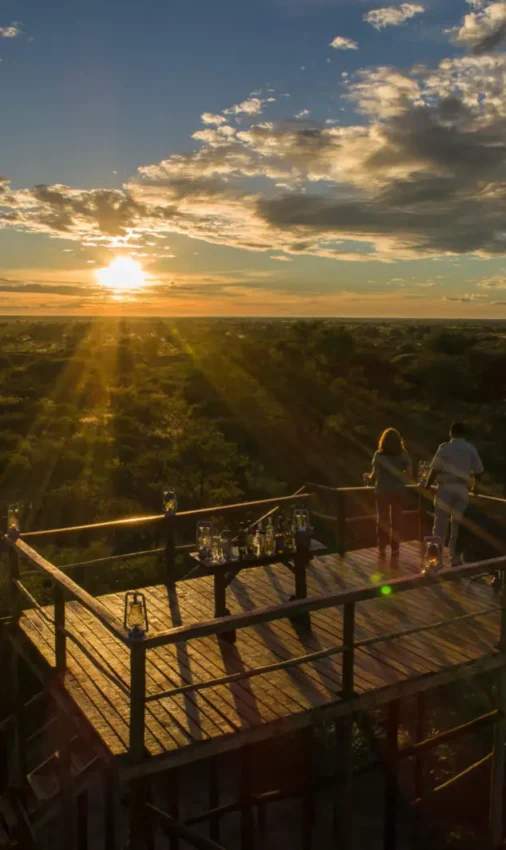
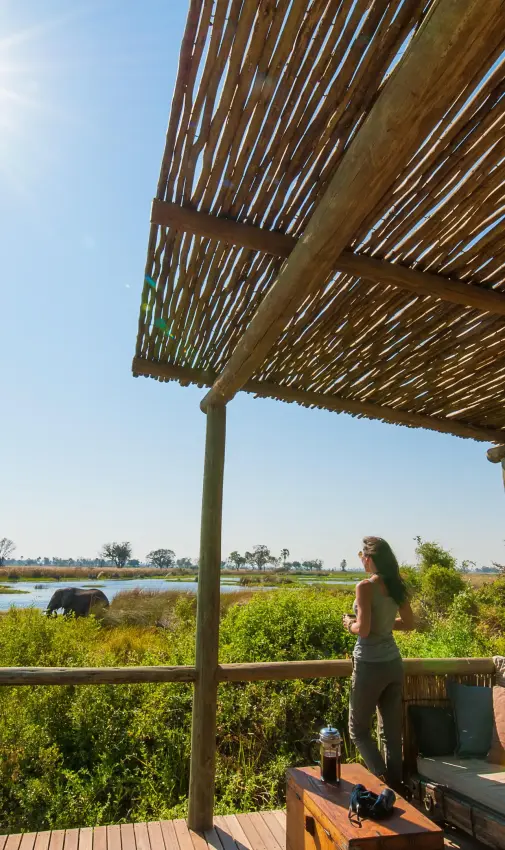
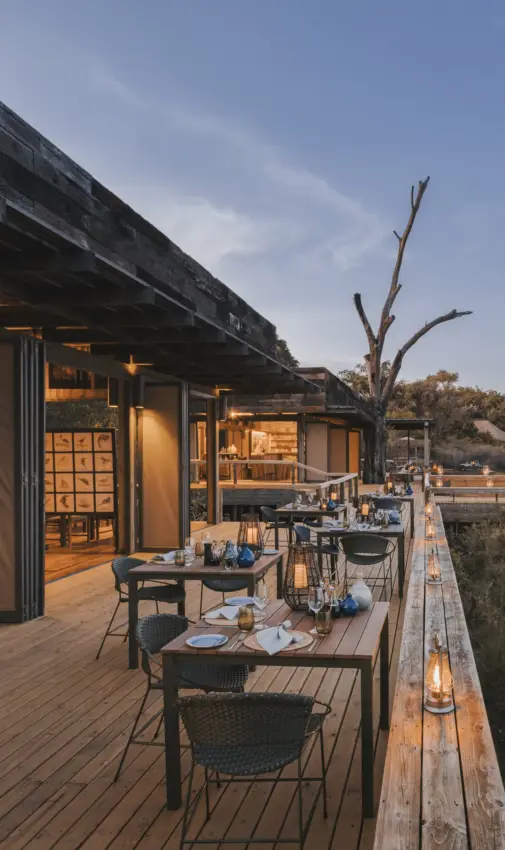
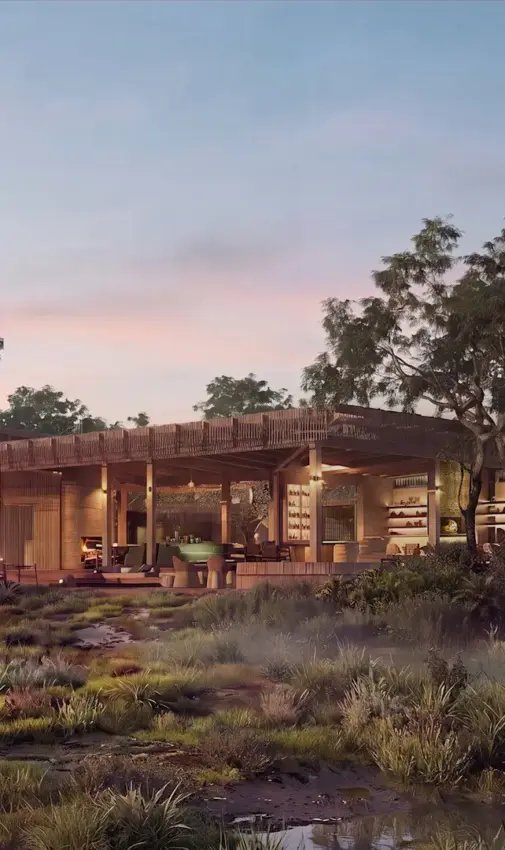
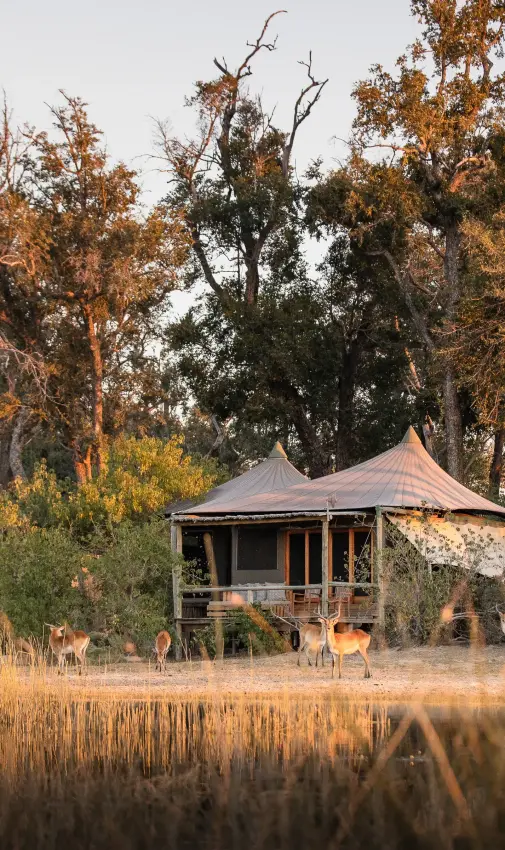
Between drives, the main deck looks over the water’s edge, where giraffes splay their legs. The camp behind it is contemporary, with near-flat roofs, box-shaped rooms and high timber ceilings in place of peaked canvas. The kitchen has range too. Meals follow the season, with sorghum and millet from community growers: dinner might be a Moroccan venison tagine and breakfast French toast with caramelised bananas, and pizza nights are make-your-own, from the camp’s oven. Dinner can also move from the dining room to a private table by the pool.
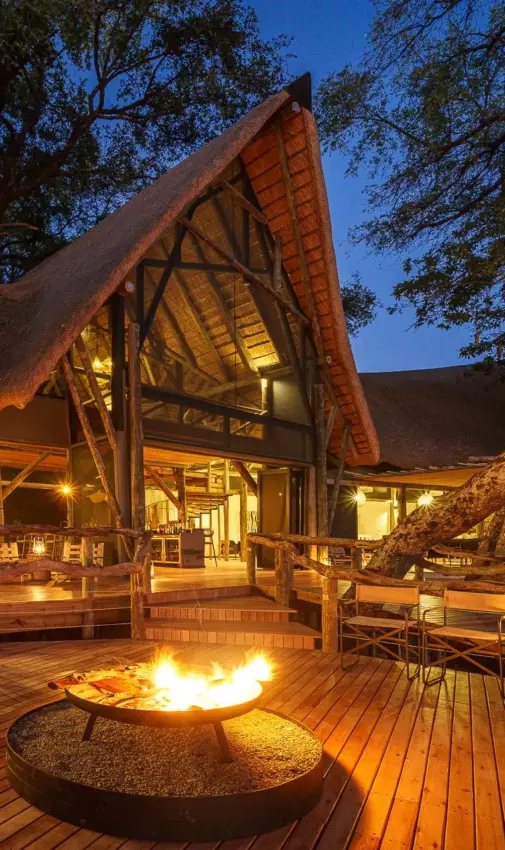
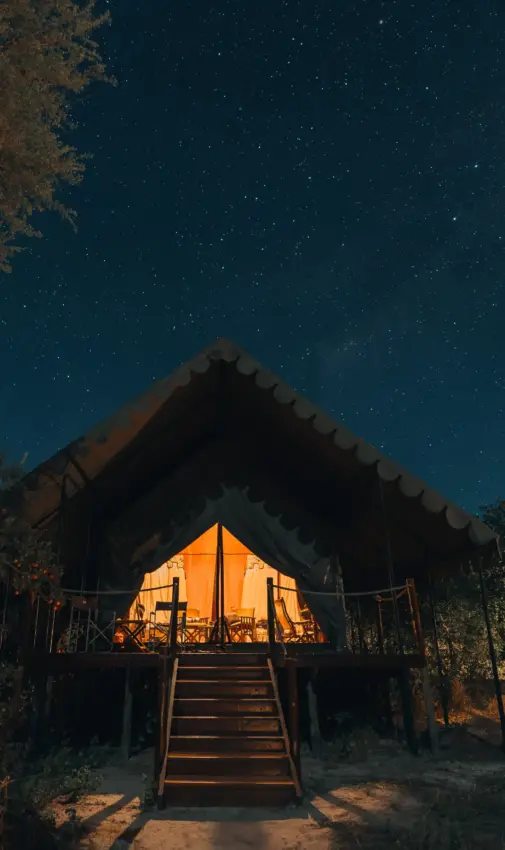
Evenings end around the firepit under a sky crossed by the Milky Way. Overhead, the Southern Cross is retold as two lions hunting four giraffes. By day, the seasons set the pattern: the drier months from May to October make game viewing easiest, while the height of the flood decides when the boats go out. Either way, the guides explore by vehicle and on foot, taking to the water whenever the flood allows. The journey in is short, too: a charter flight connects the airstrip with Maun, and light-aircraft hops link it to other camps across the Okavango Delta.