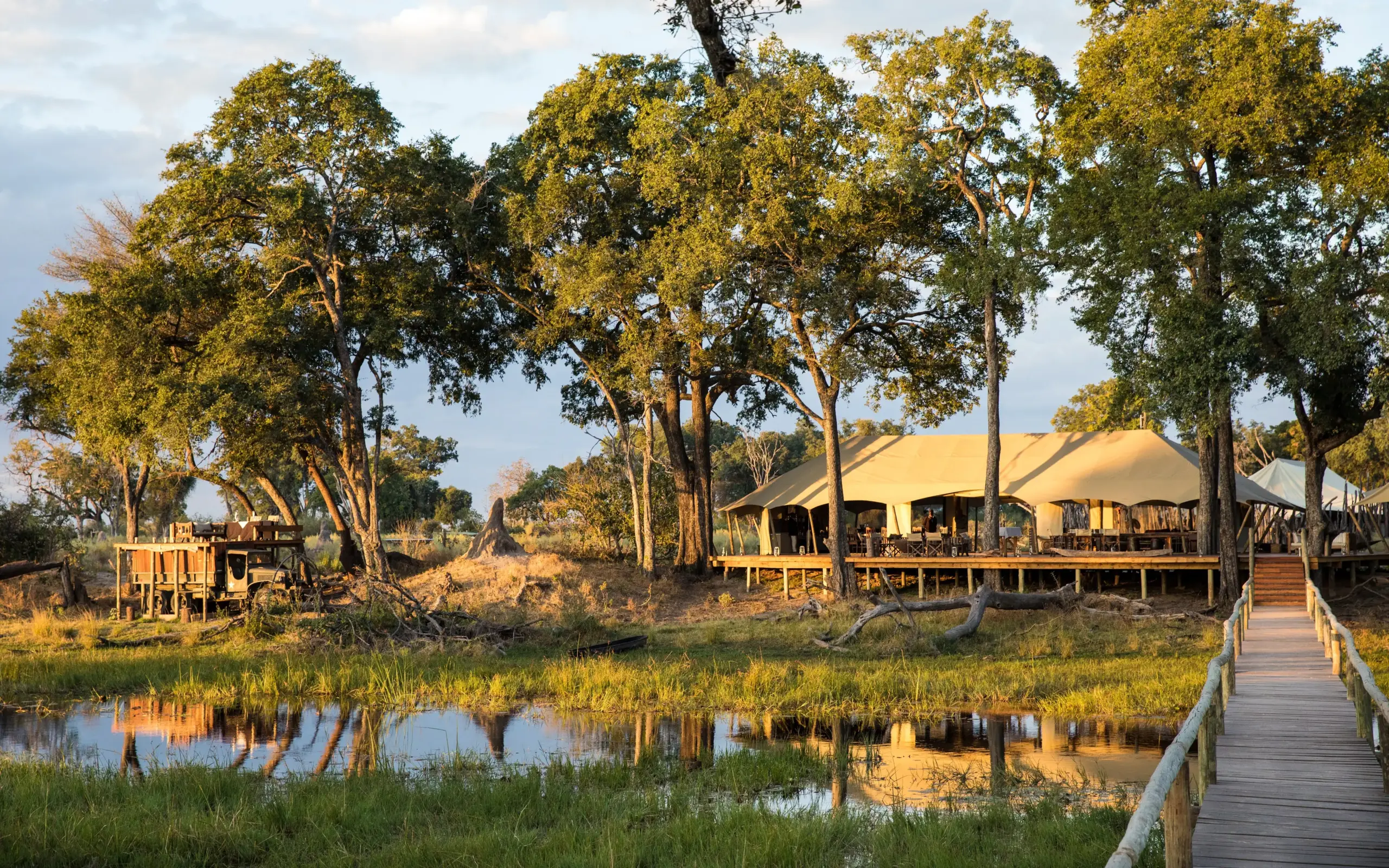
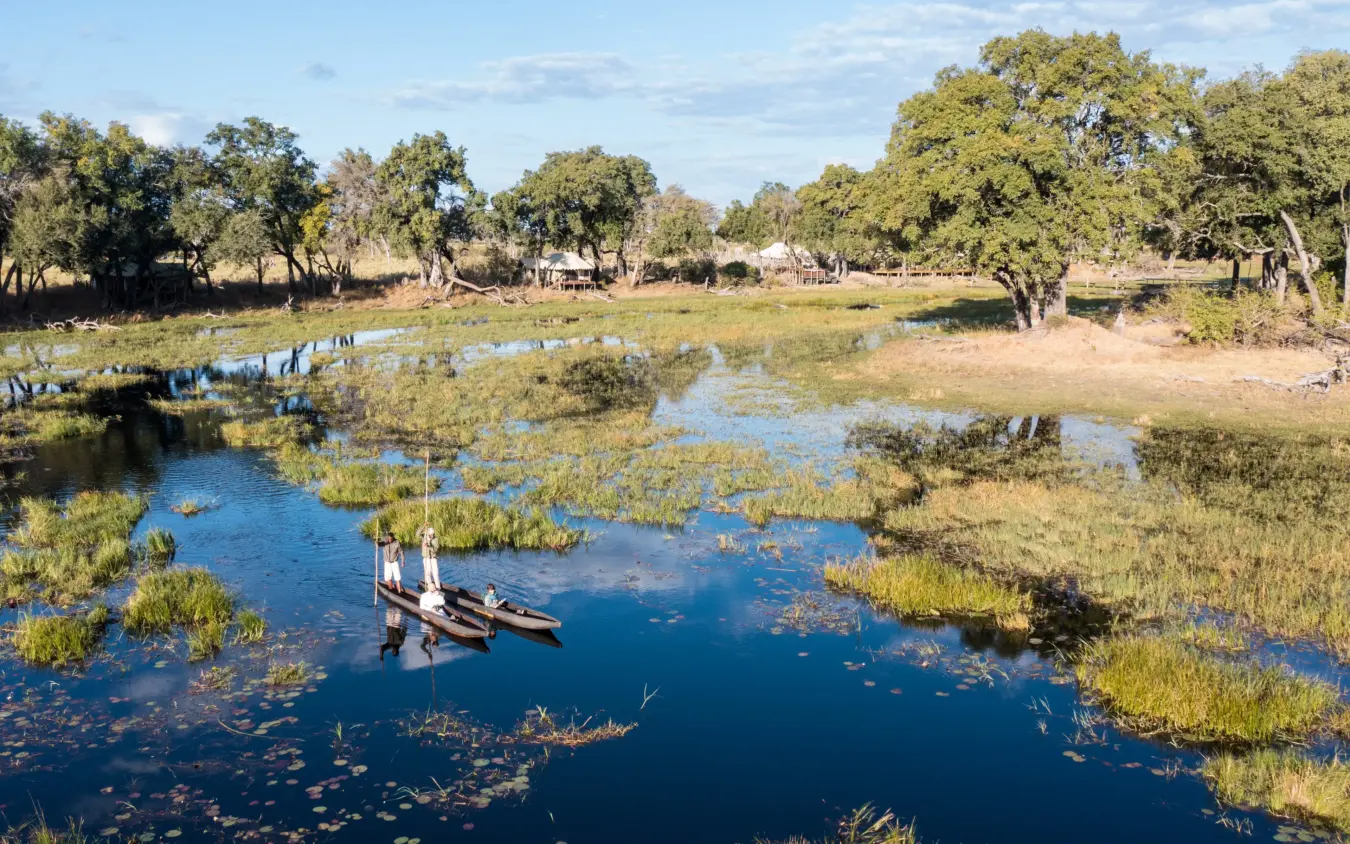
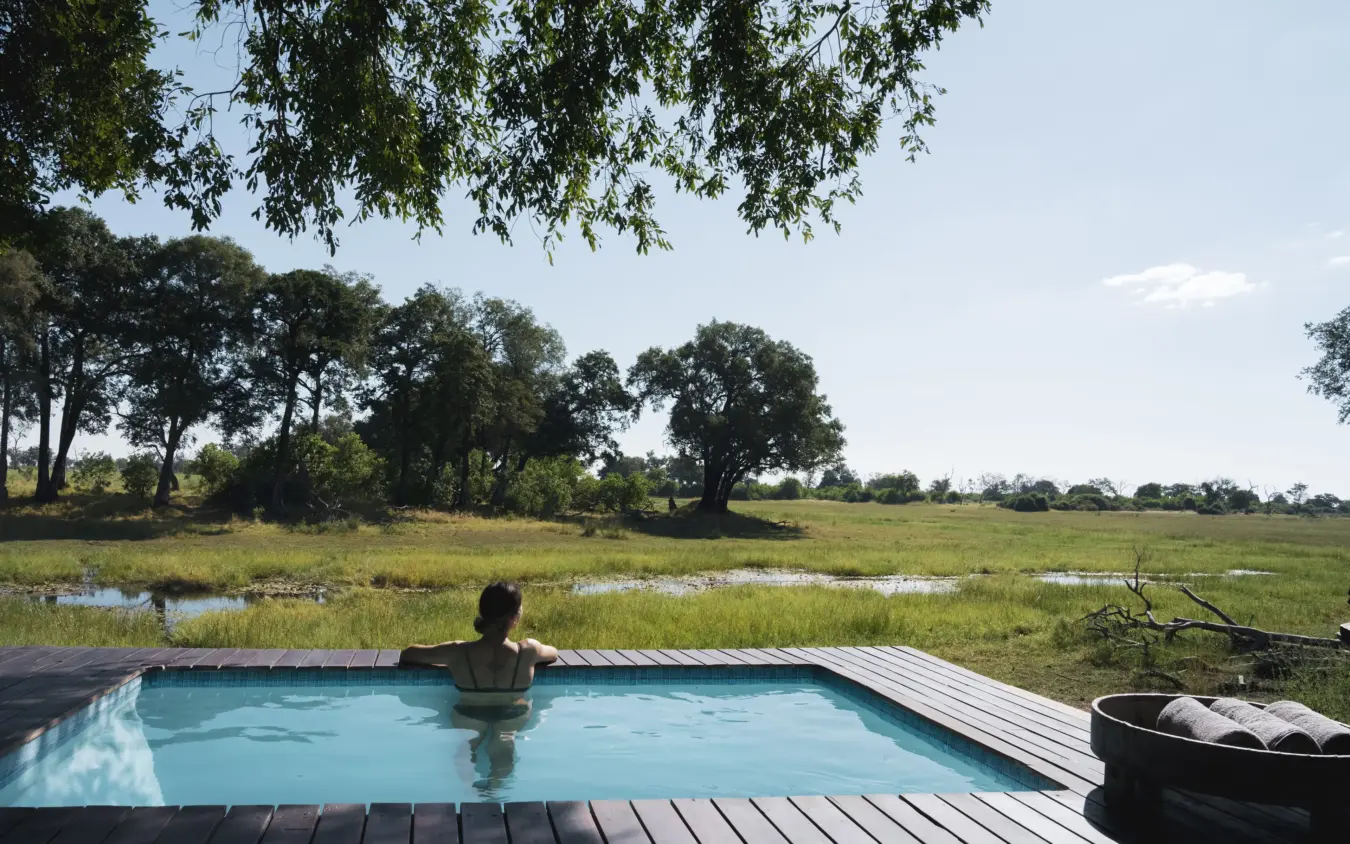
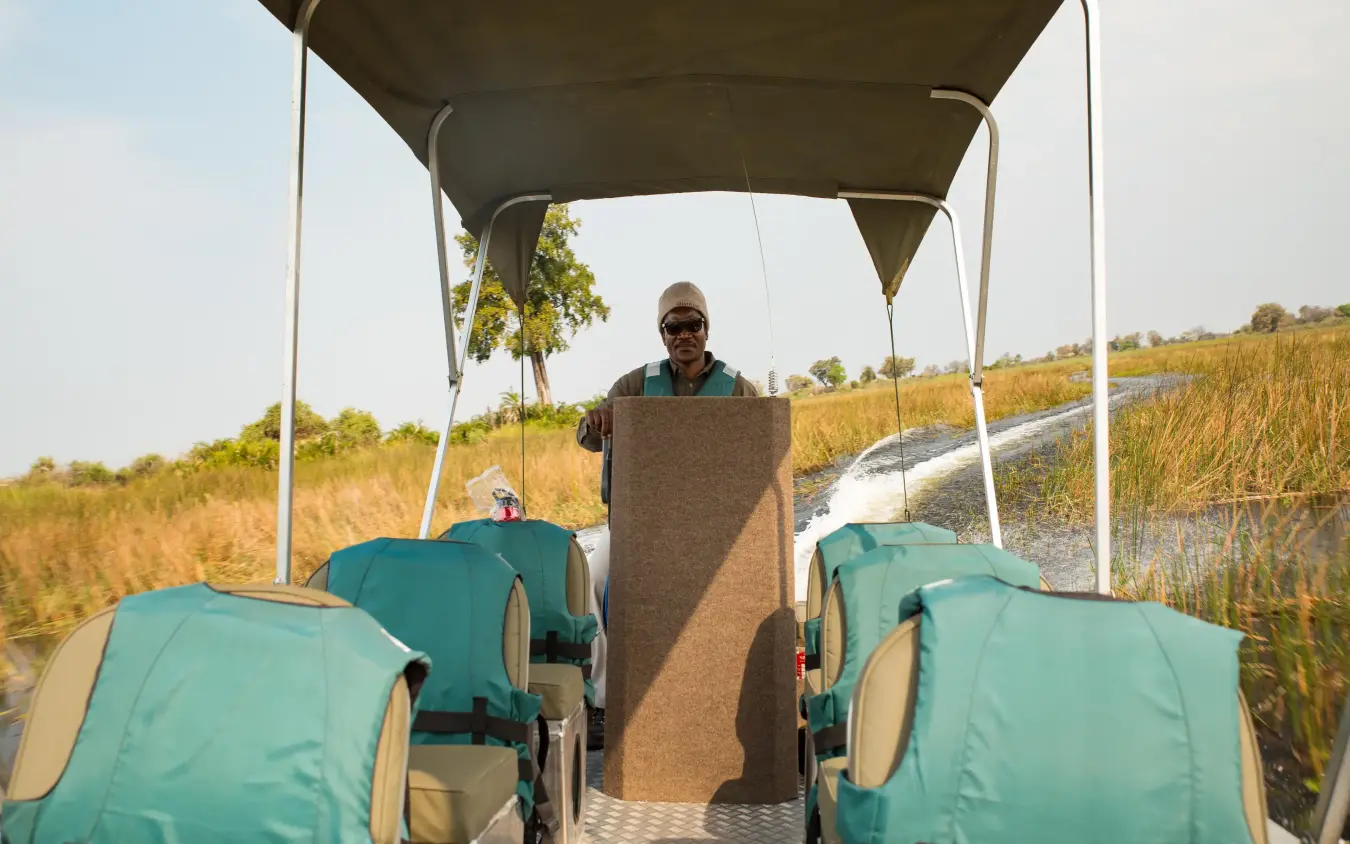
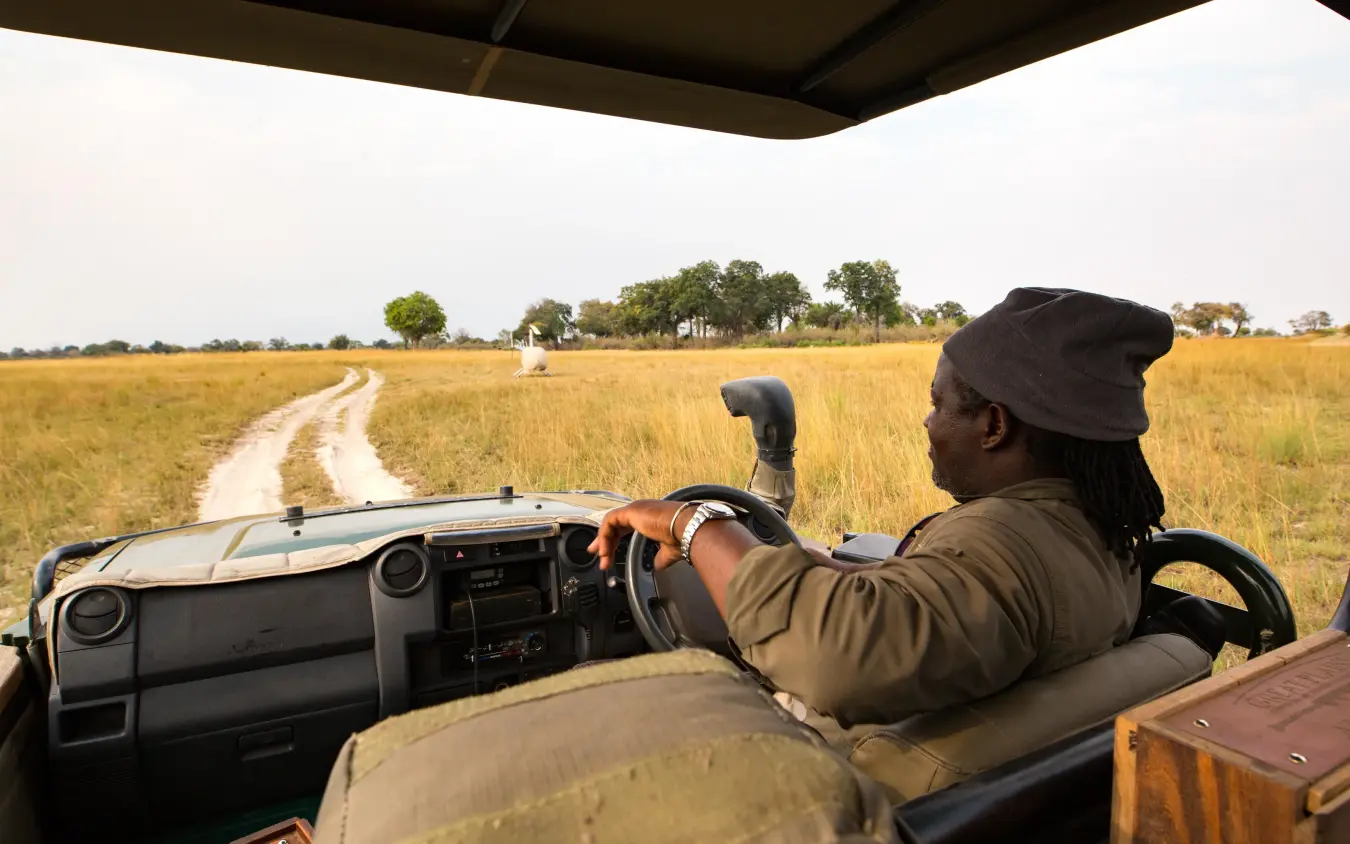
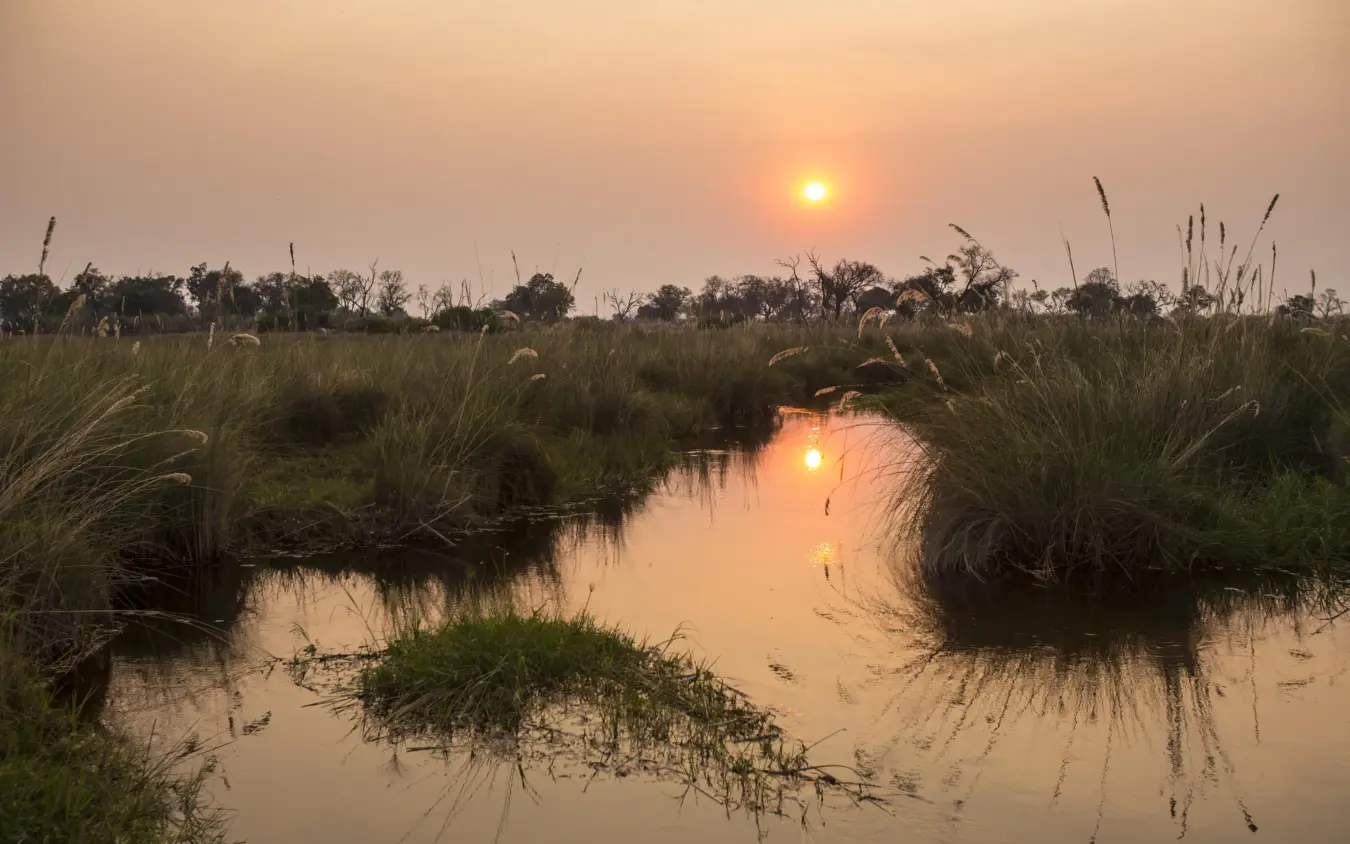
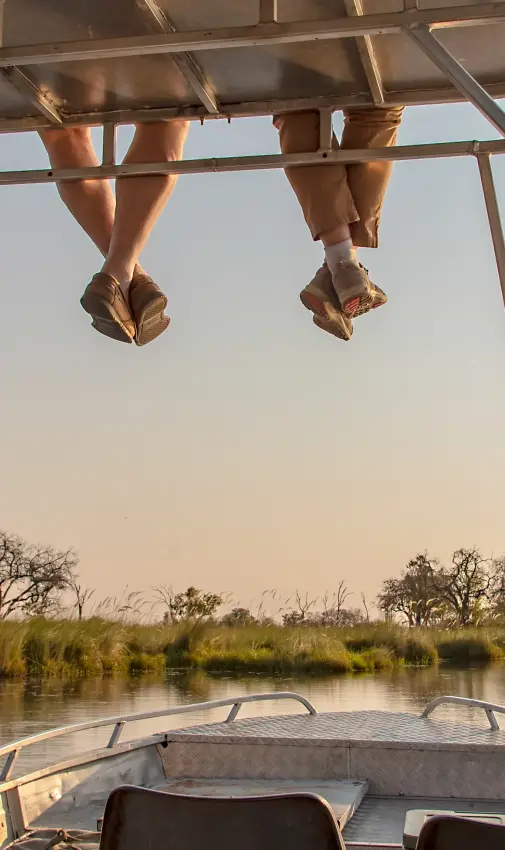
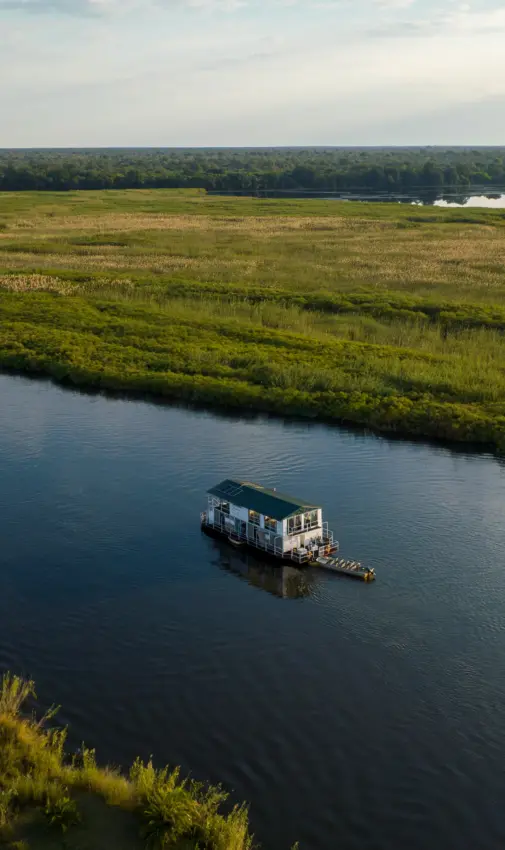
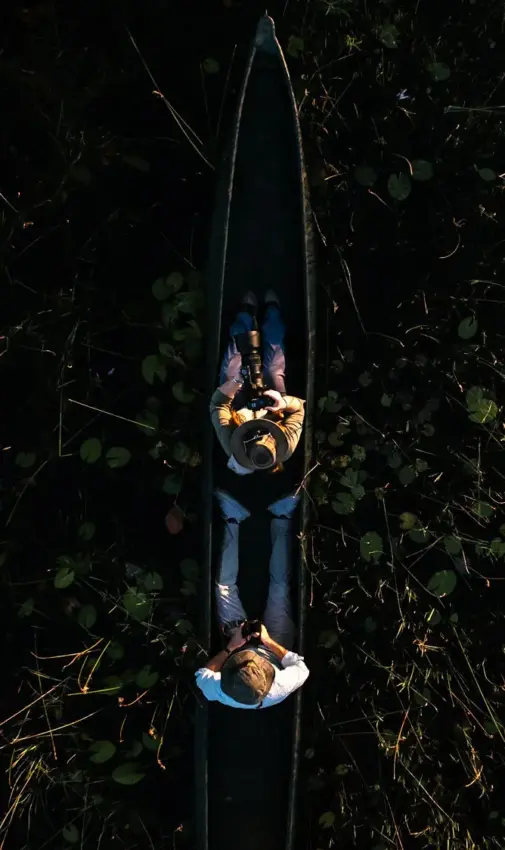
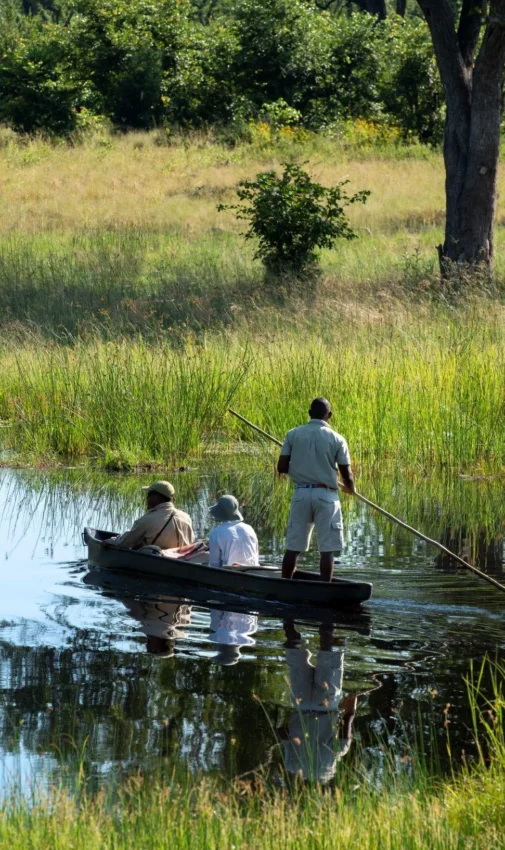
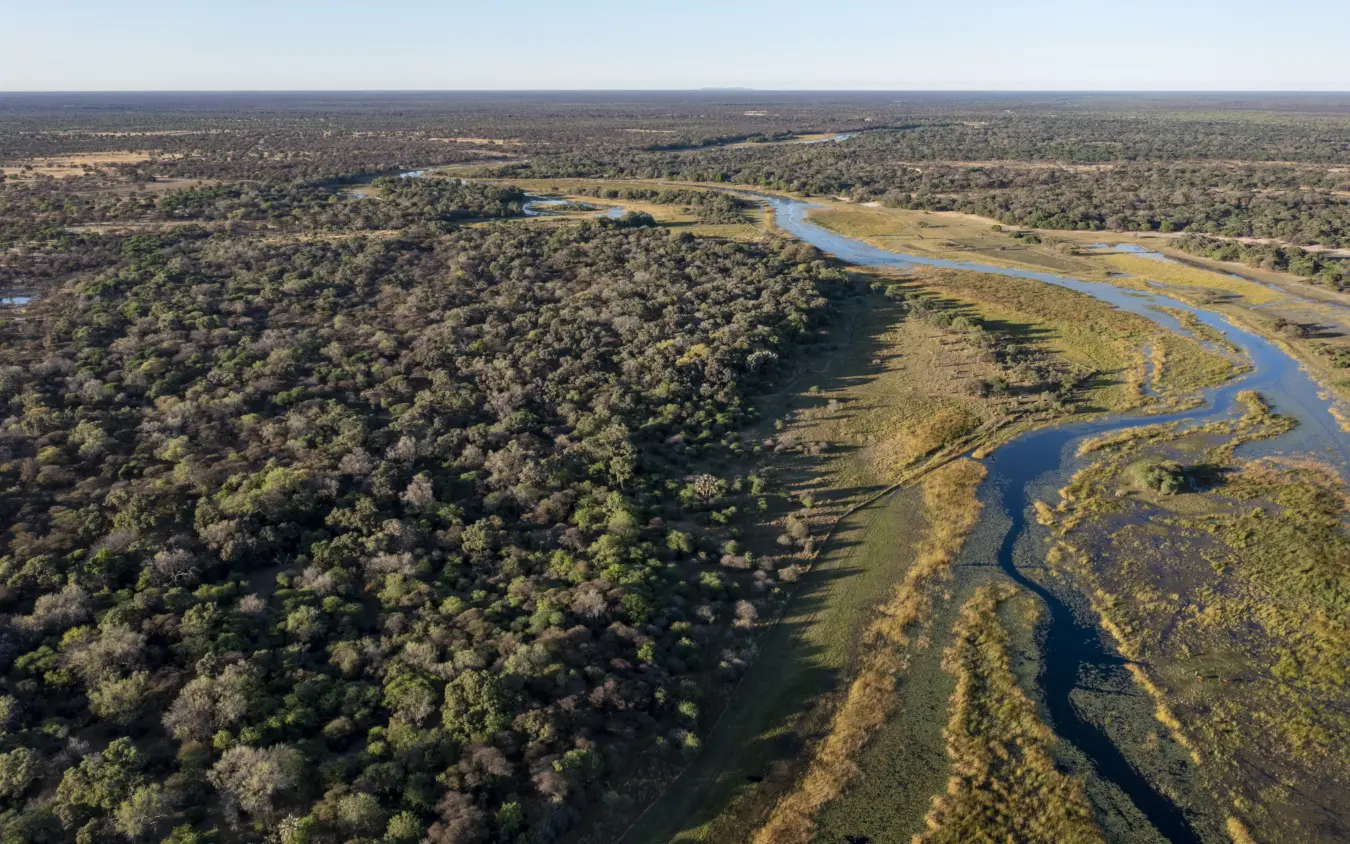
Water dictates the rhythm at Duba Explorers. The island sits ringed by channels and seasonal floodplains, and the same water that draws lechwe and hippo to the margins also decides what a given day can hold. When levels rise high enough, mokoro and motorboat excursions open the channels between papyrus and lily. When the flood retreats, the emphasis shifts onto land, and the open plains reward patient, unhurried game drives. The landscape is never quite the same from one visit to the next.
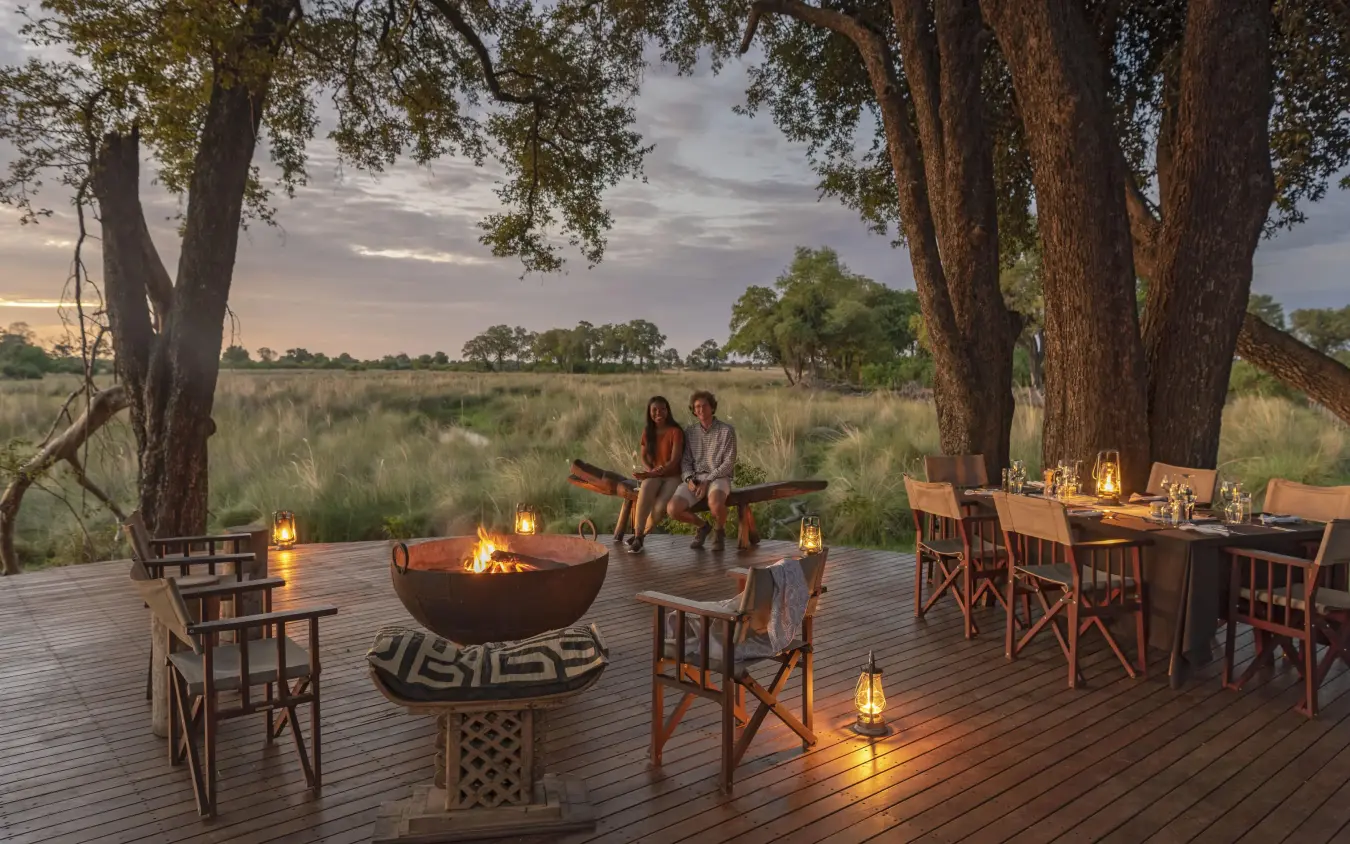
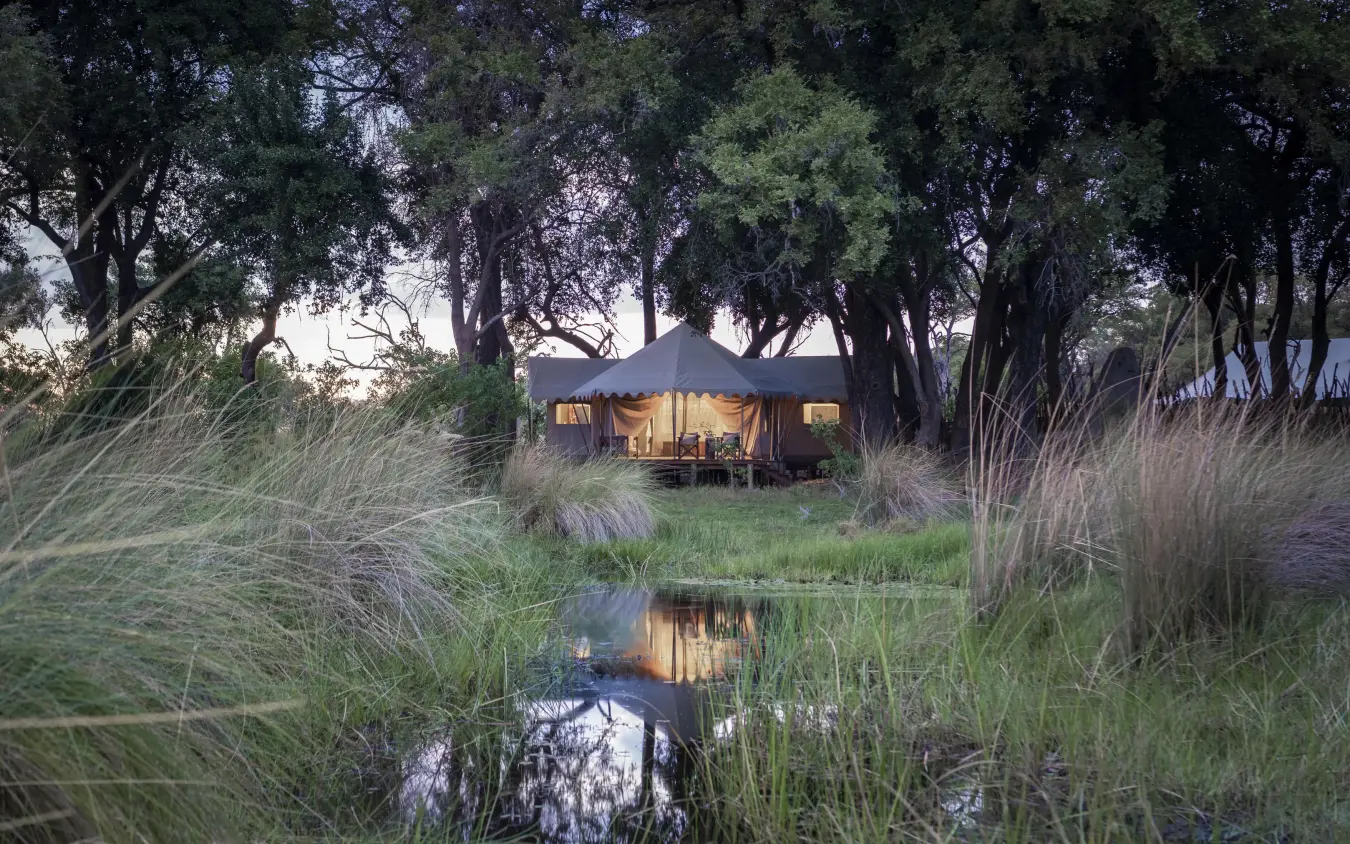
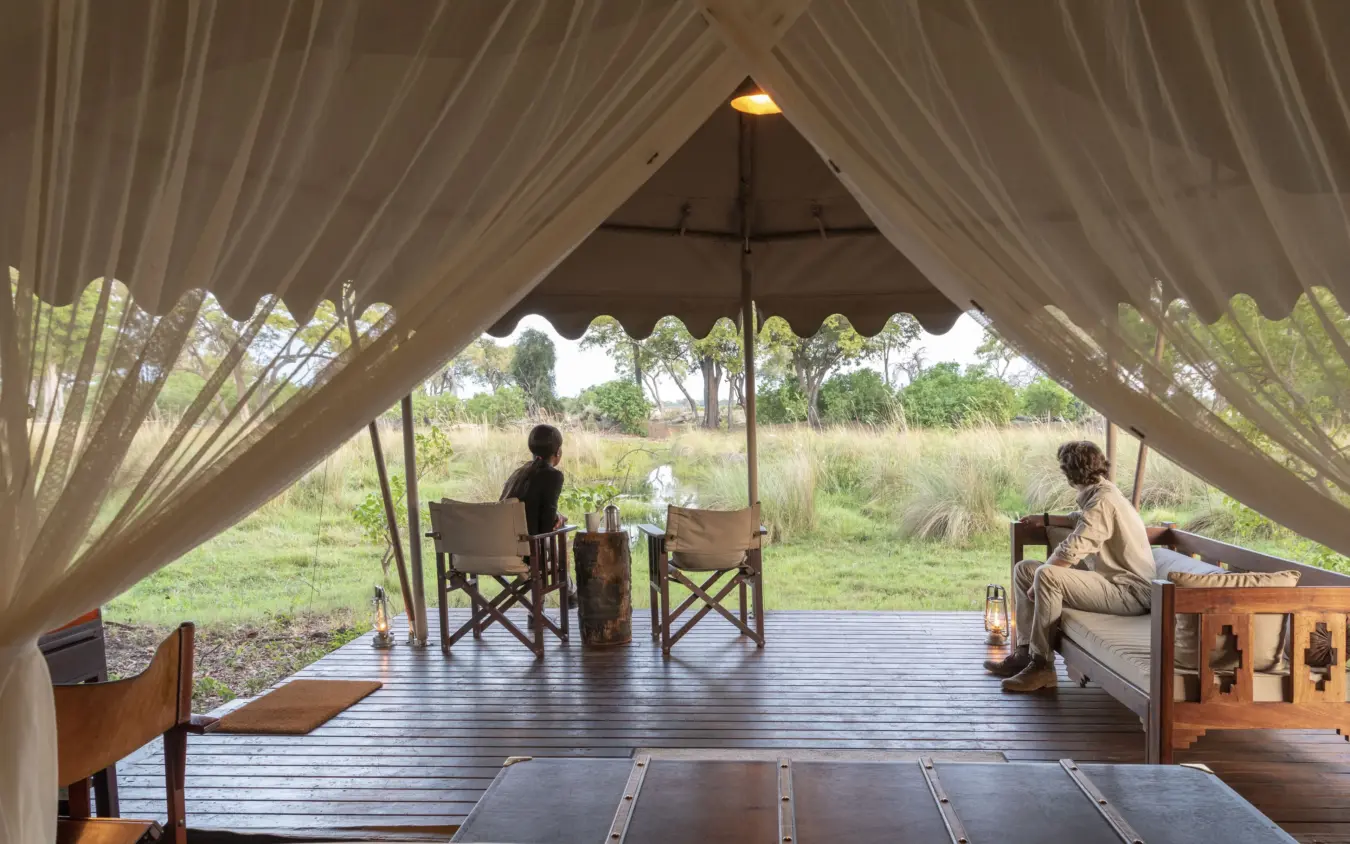
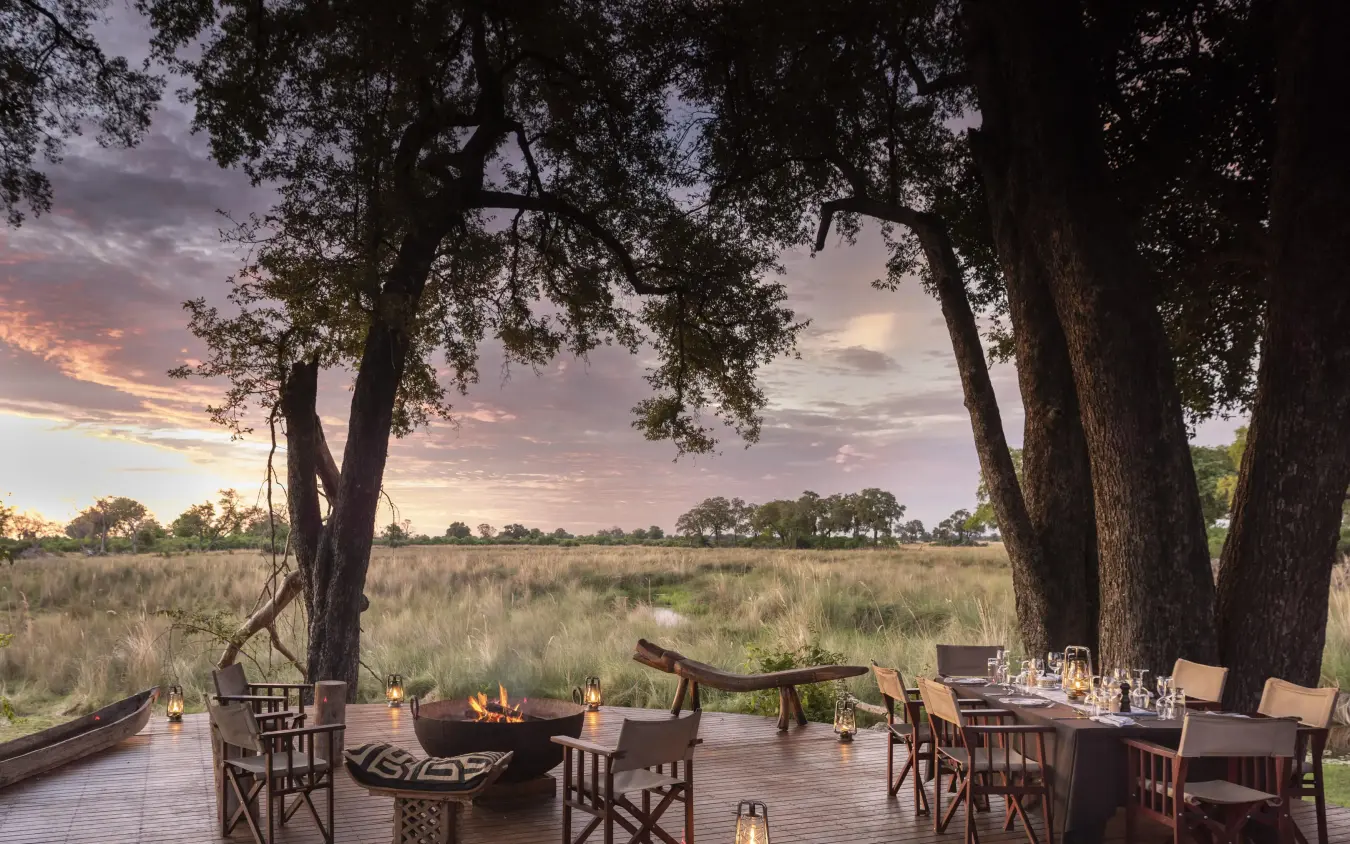
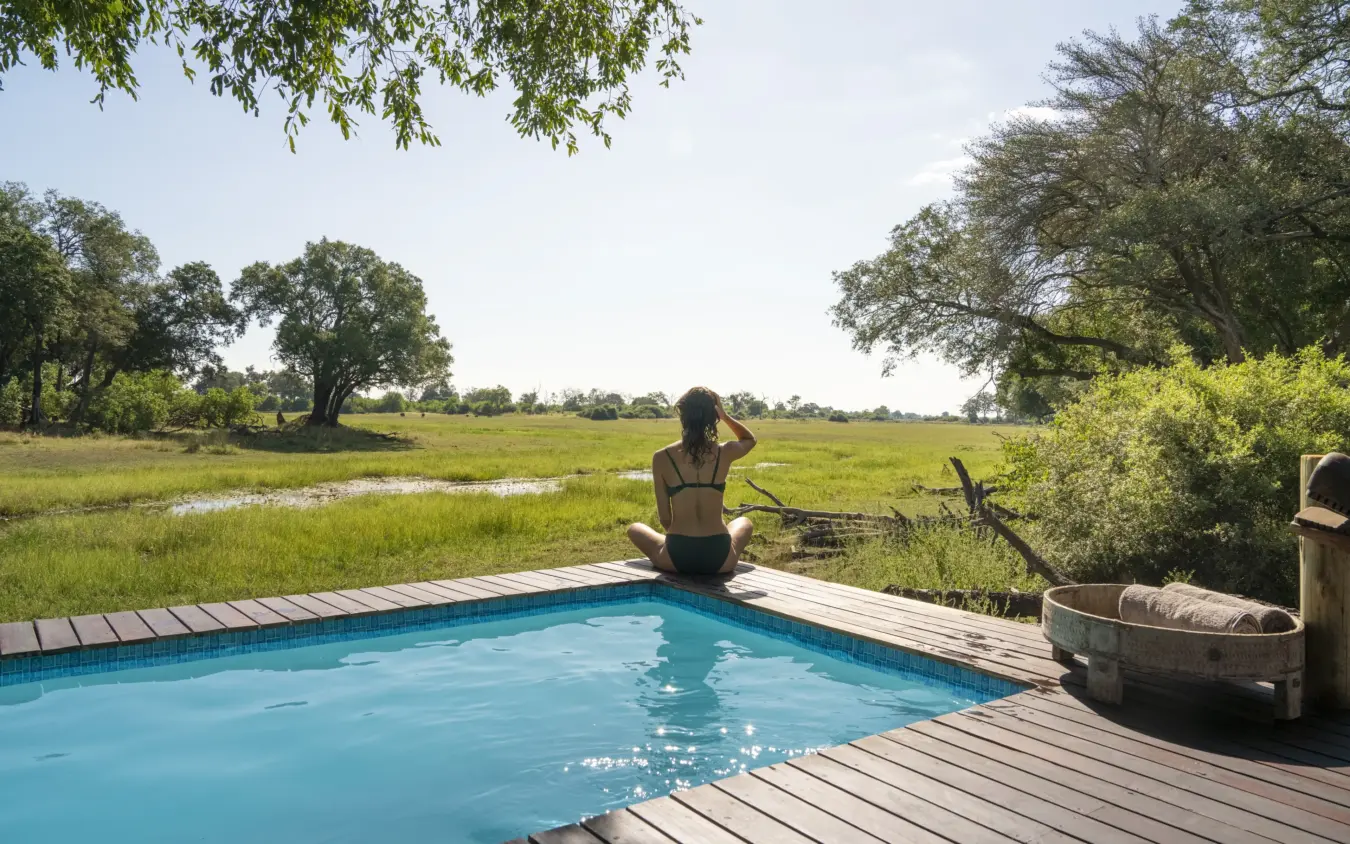
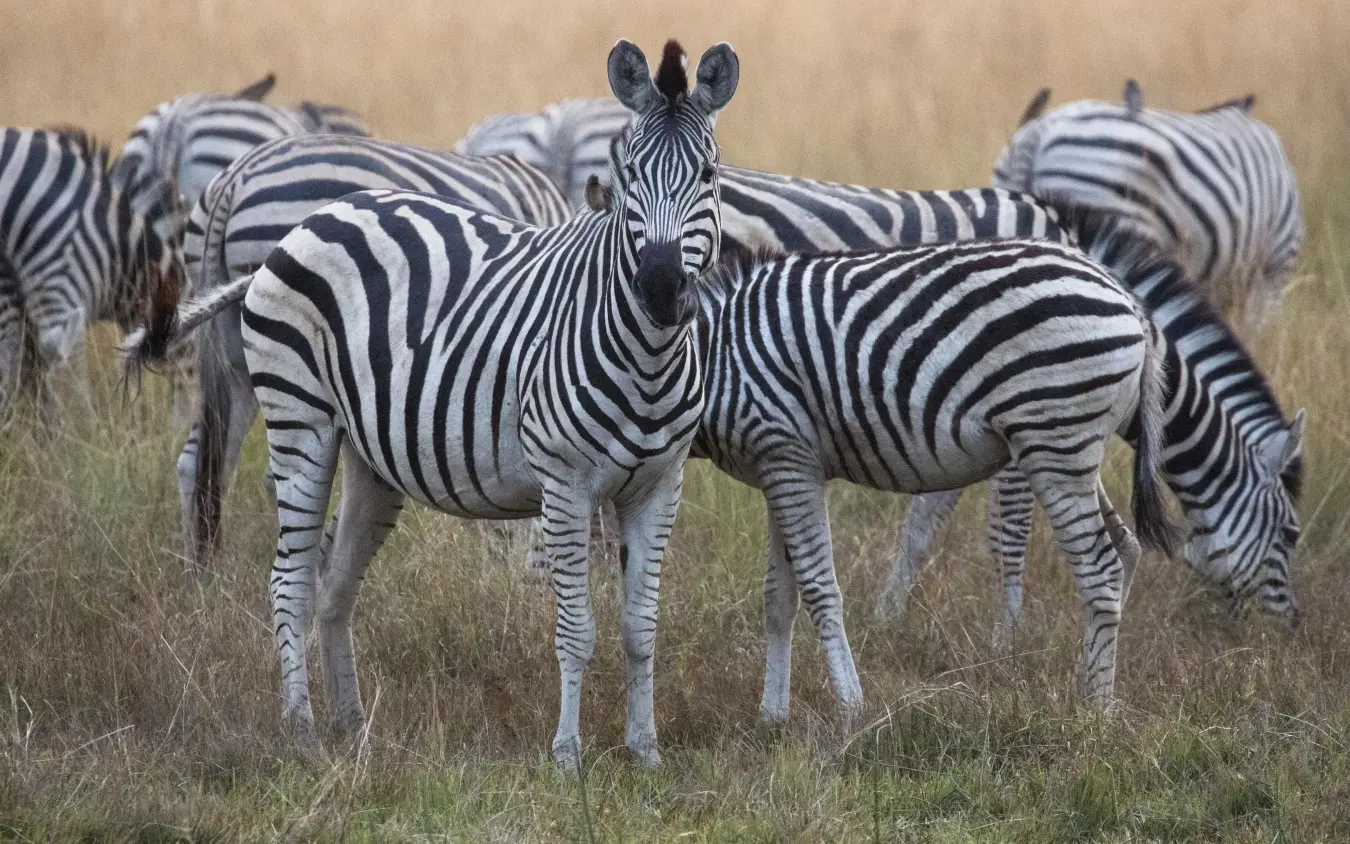
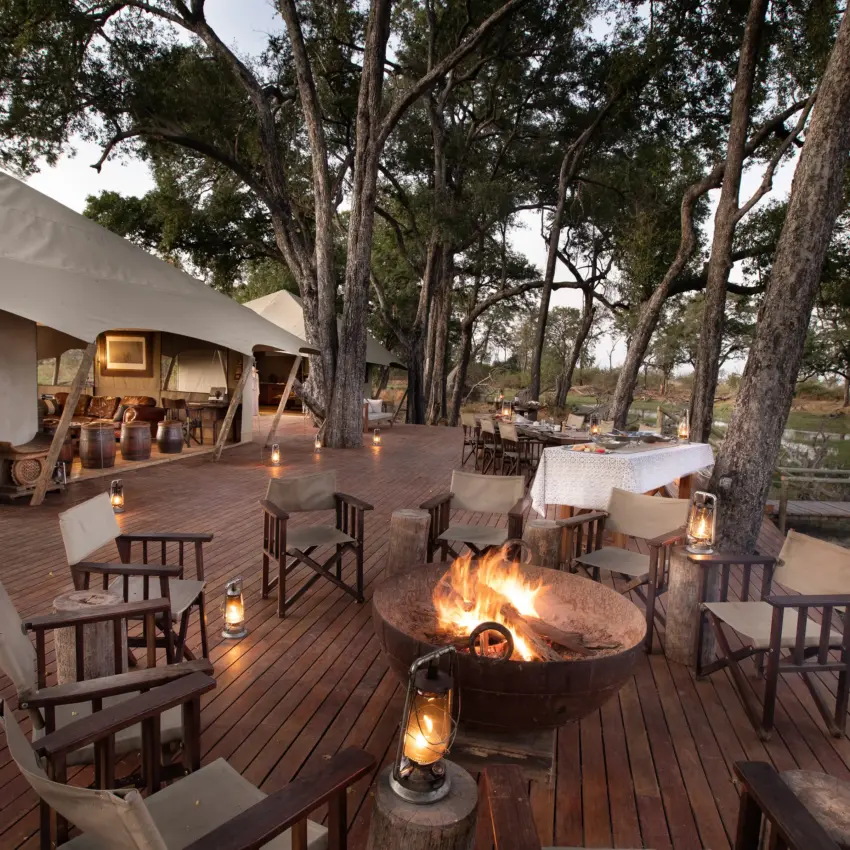
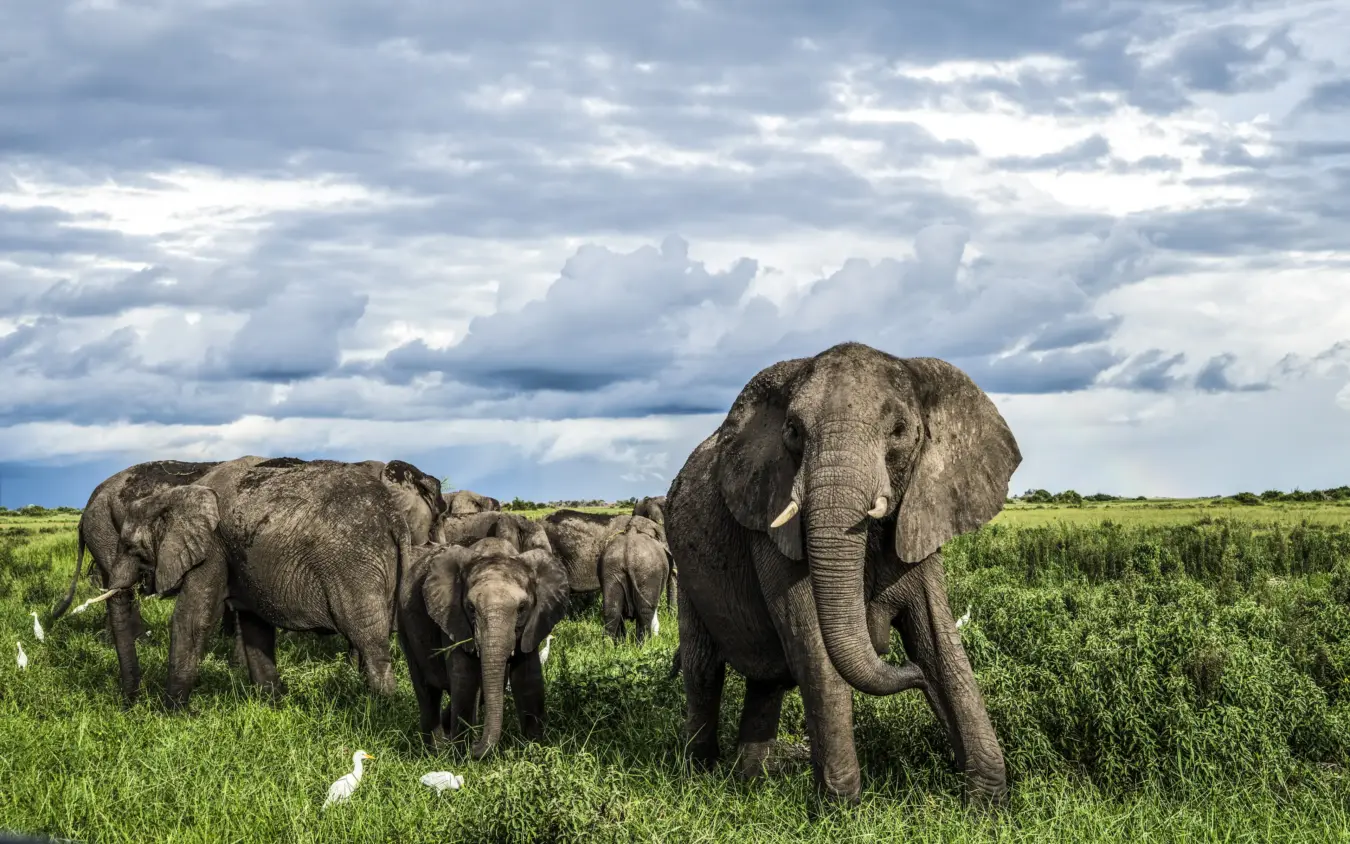
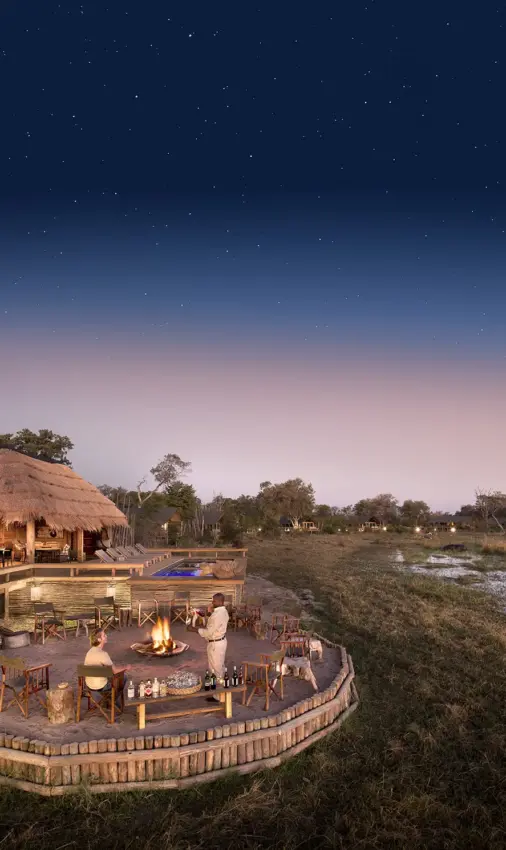
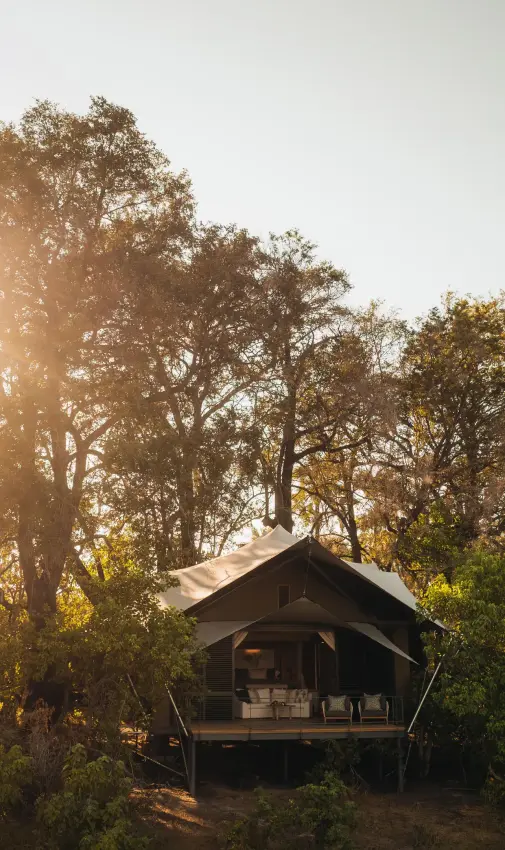
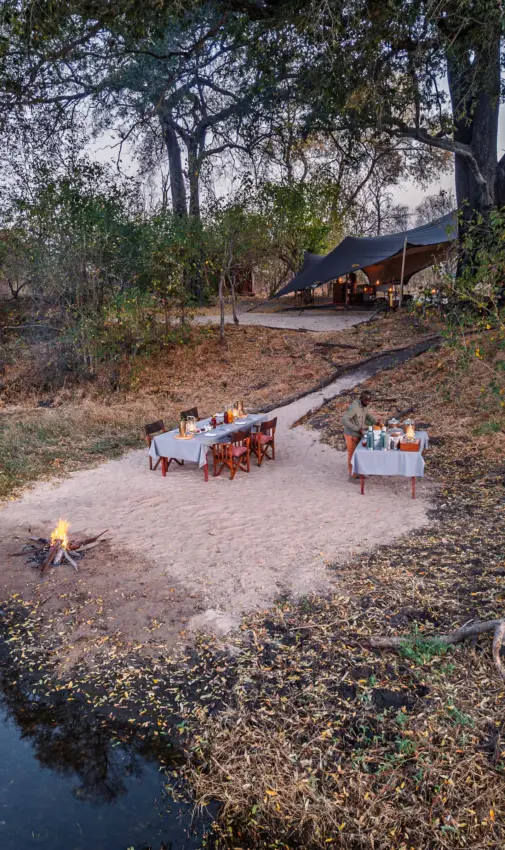
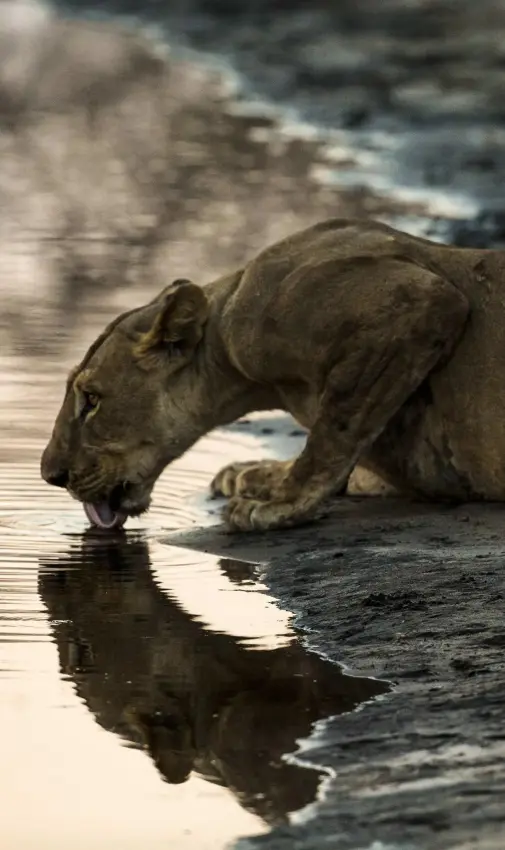
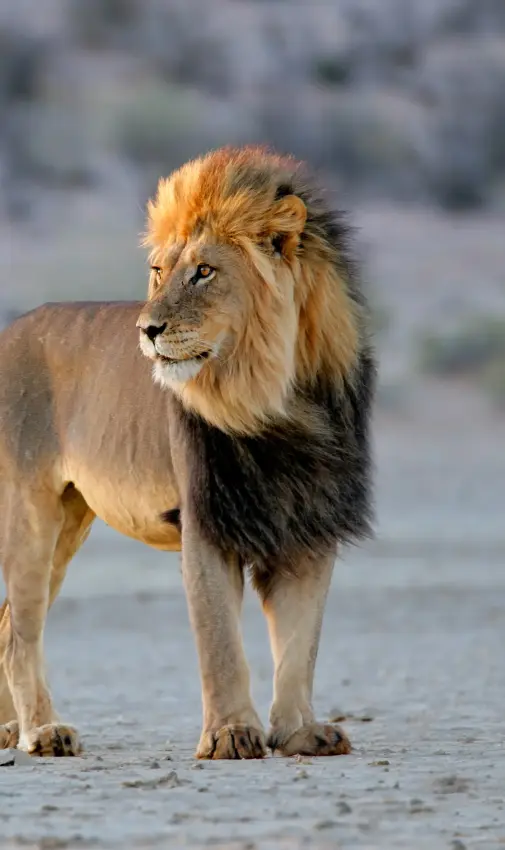
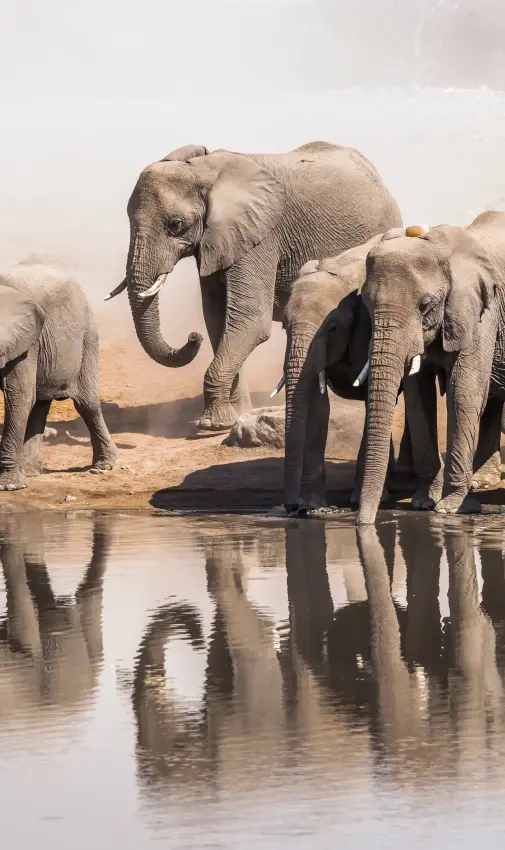
Sightings are not confined to the vehicle. Because the tents and communal areas look directly onto floodplains and channels, wildlife often turns up unannounced. Elephants graze past the deck, buffalo stand on the far bank, and hippos surface in the swamp beyond the firepit. Game drives run morning and afternoon, with night drives extending the later outing, and the private concession allows the off-road following and after-dark searching that public reserves restrict. Guided walks add a slower, ground-level read of the same terrain.
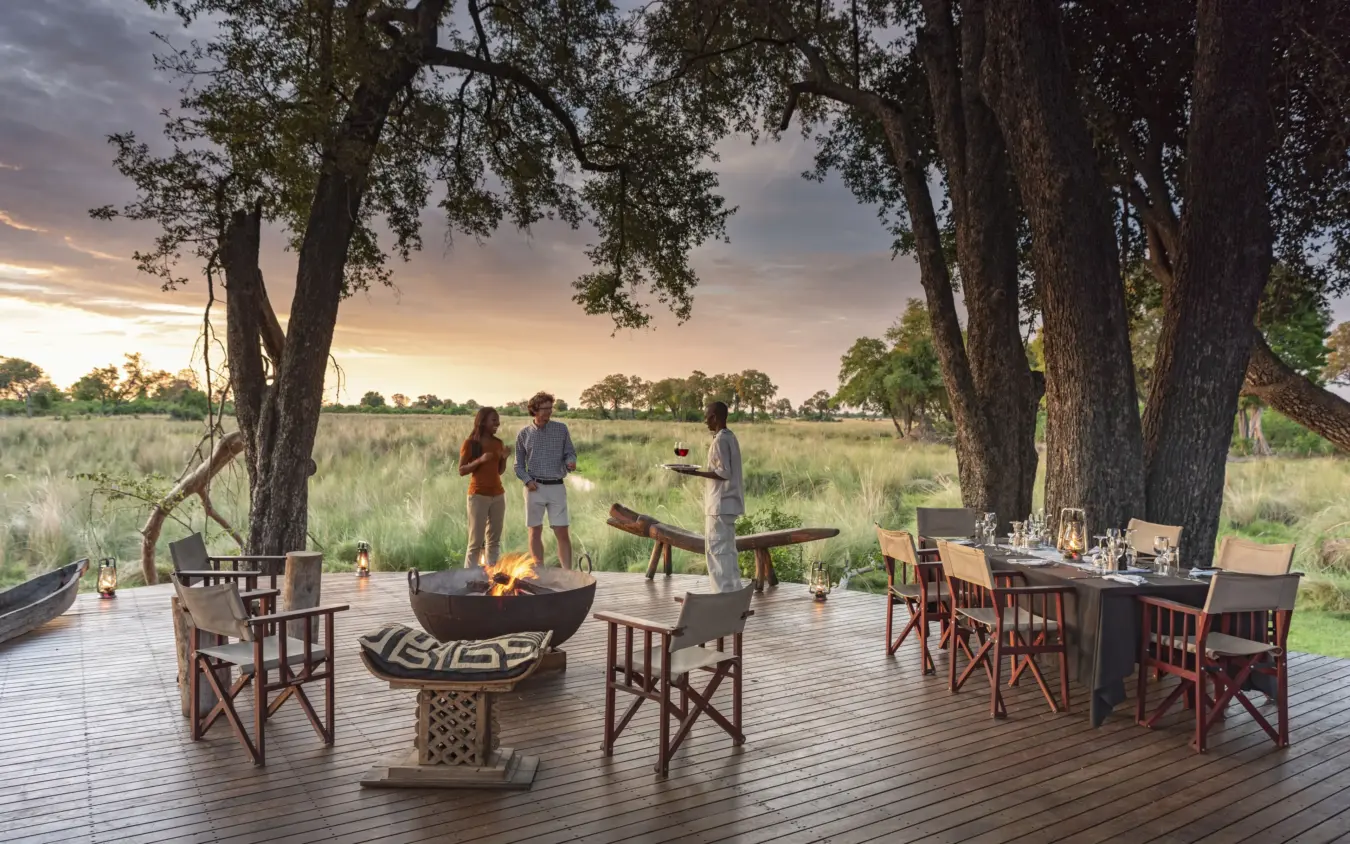
The sounds of the surrounding bush carry easily to the table once the light has gone
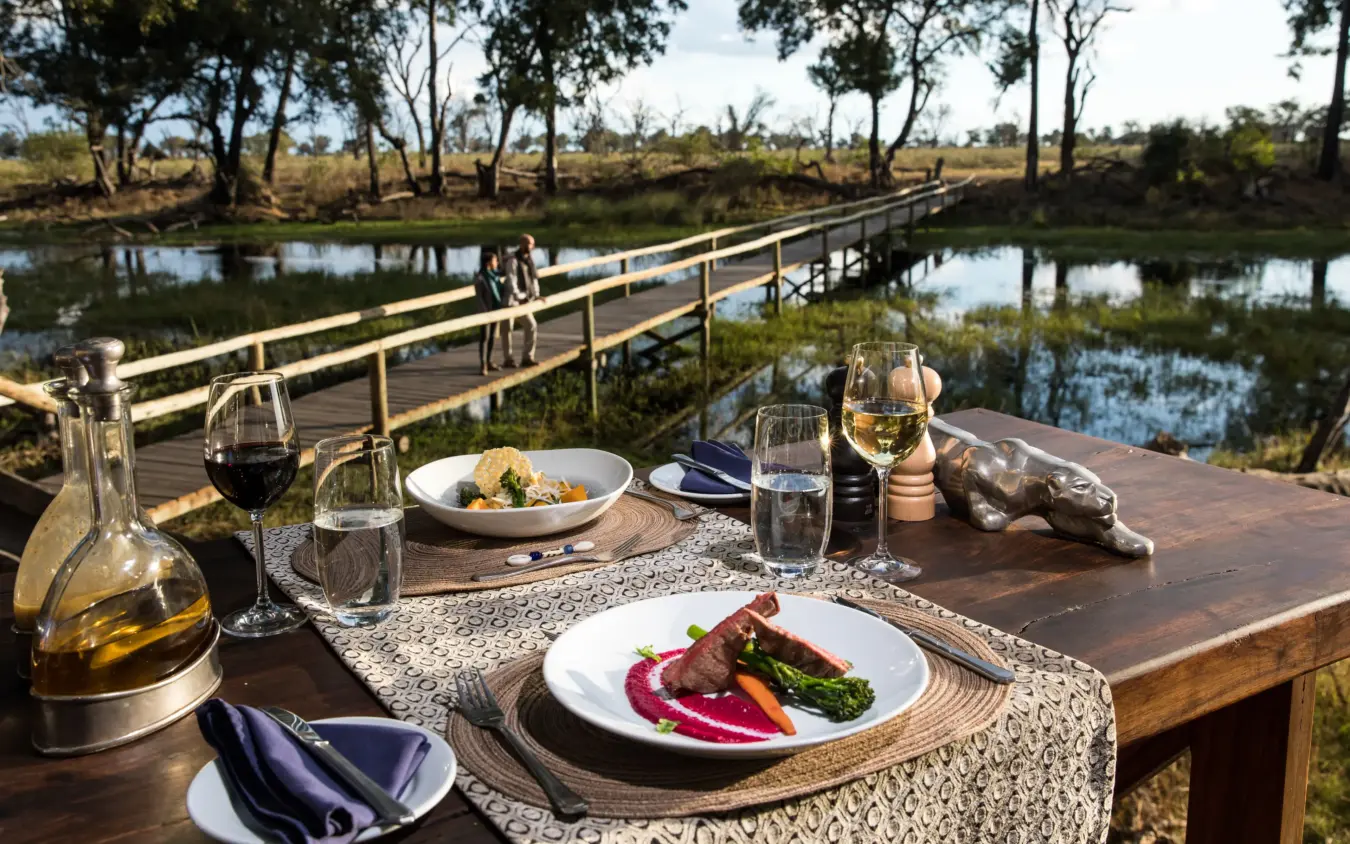
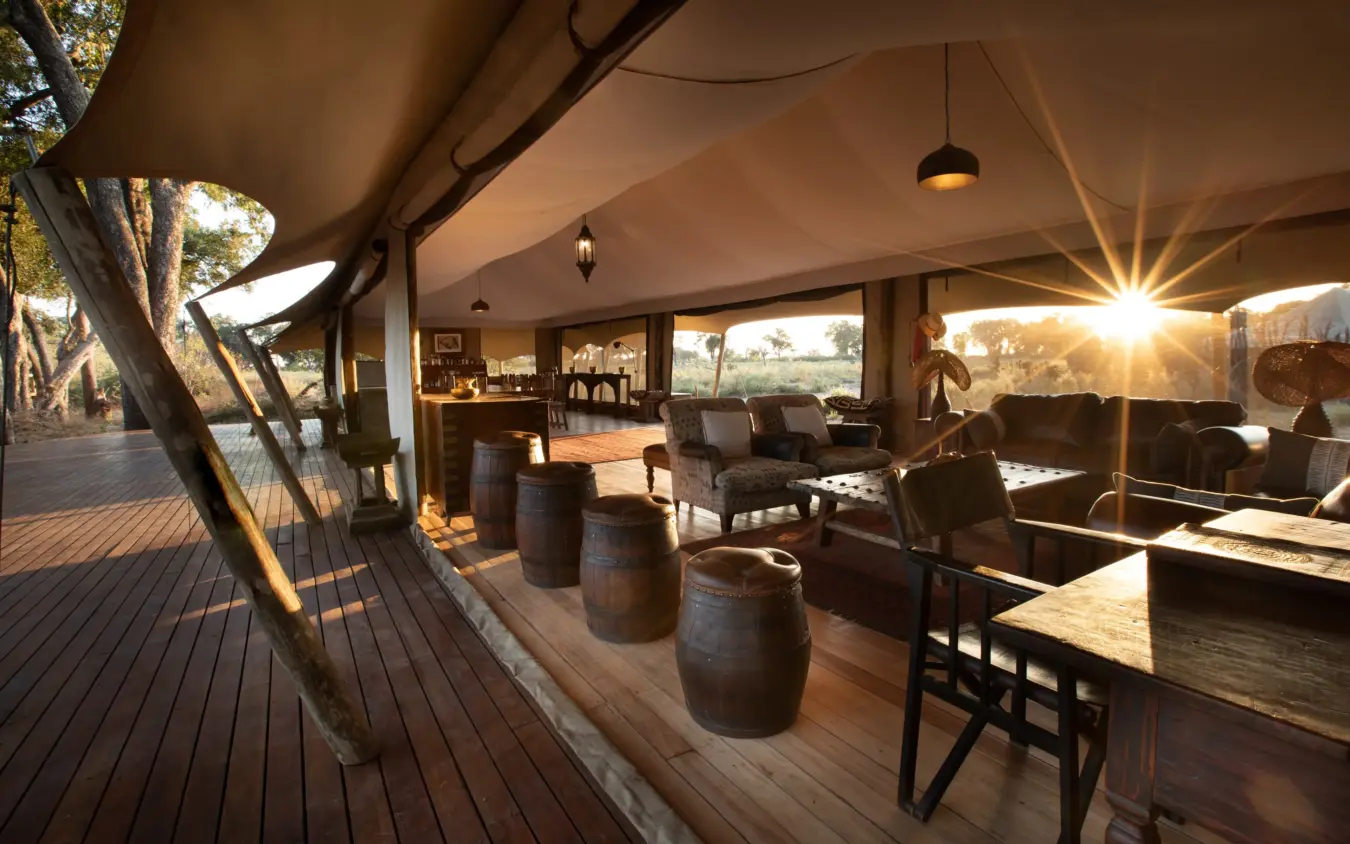
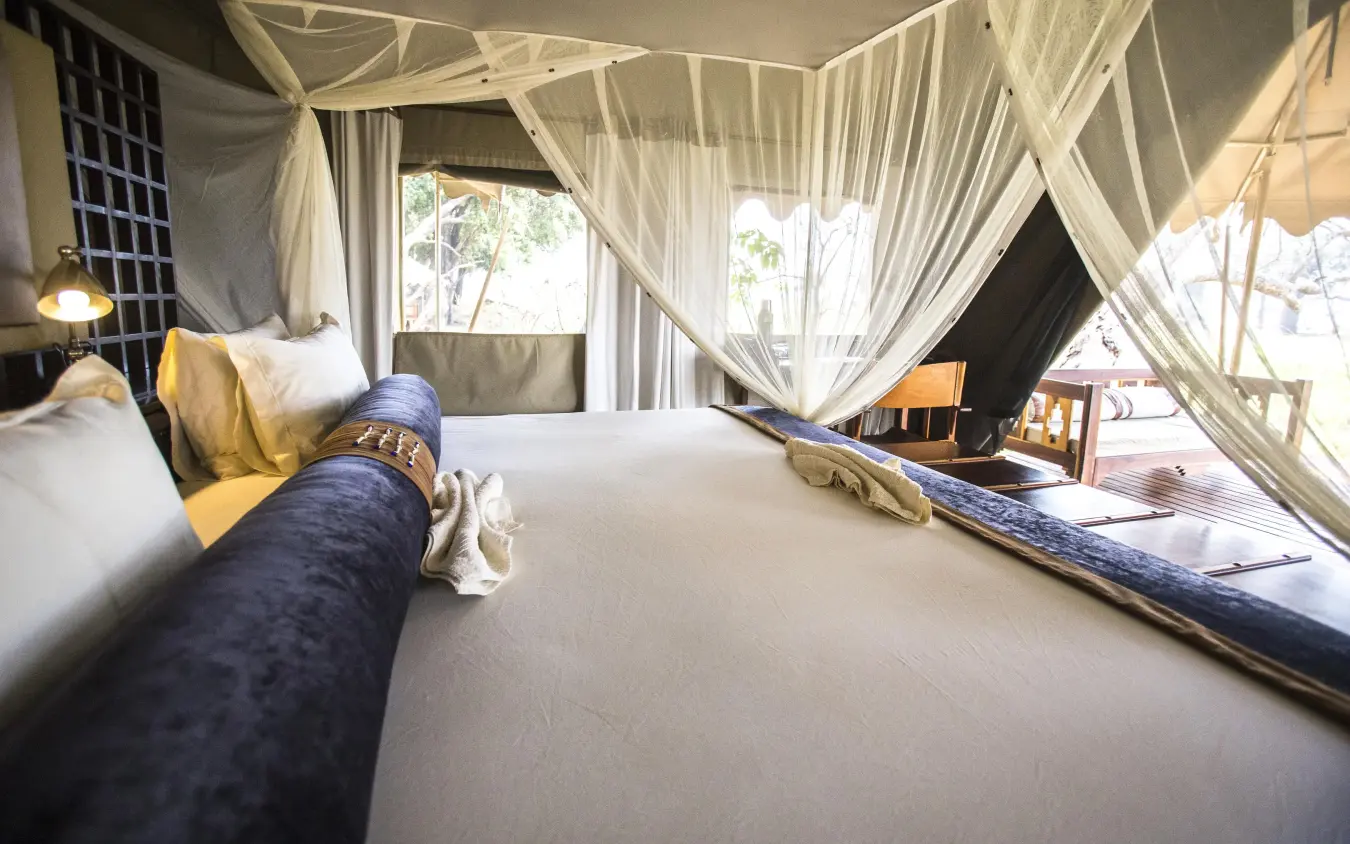
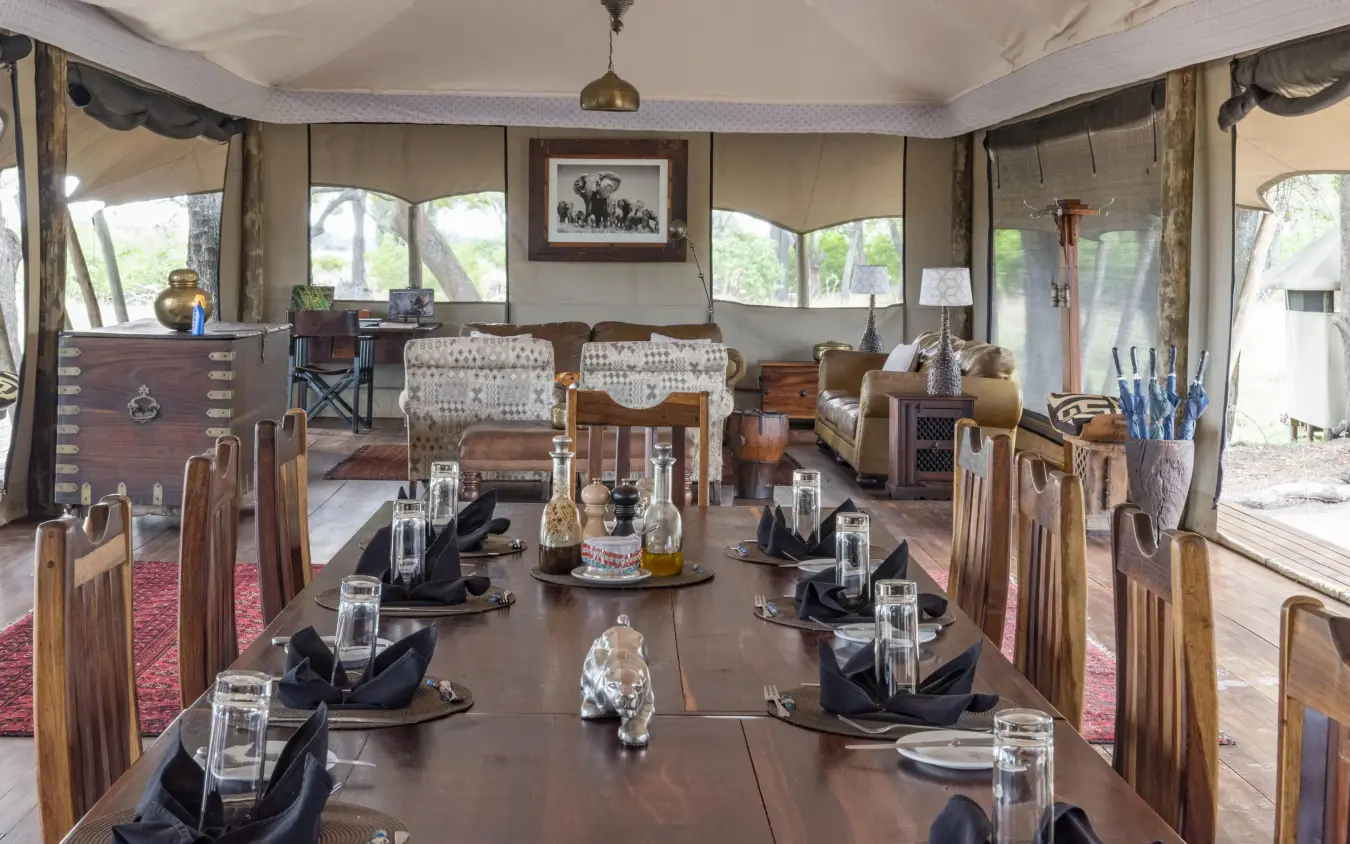
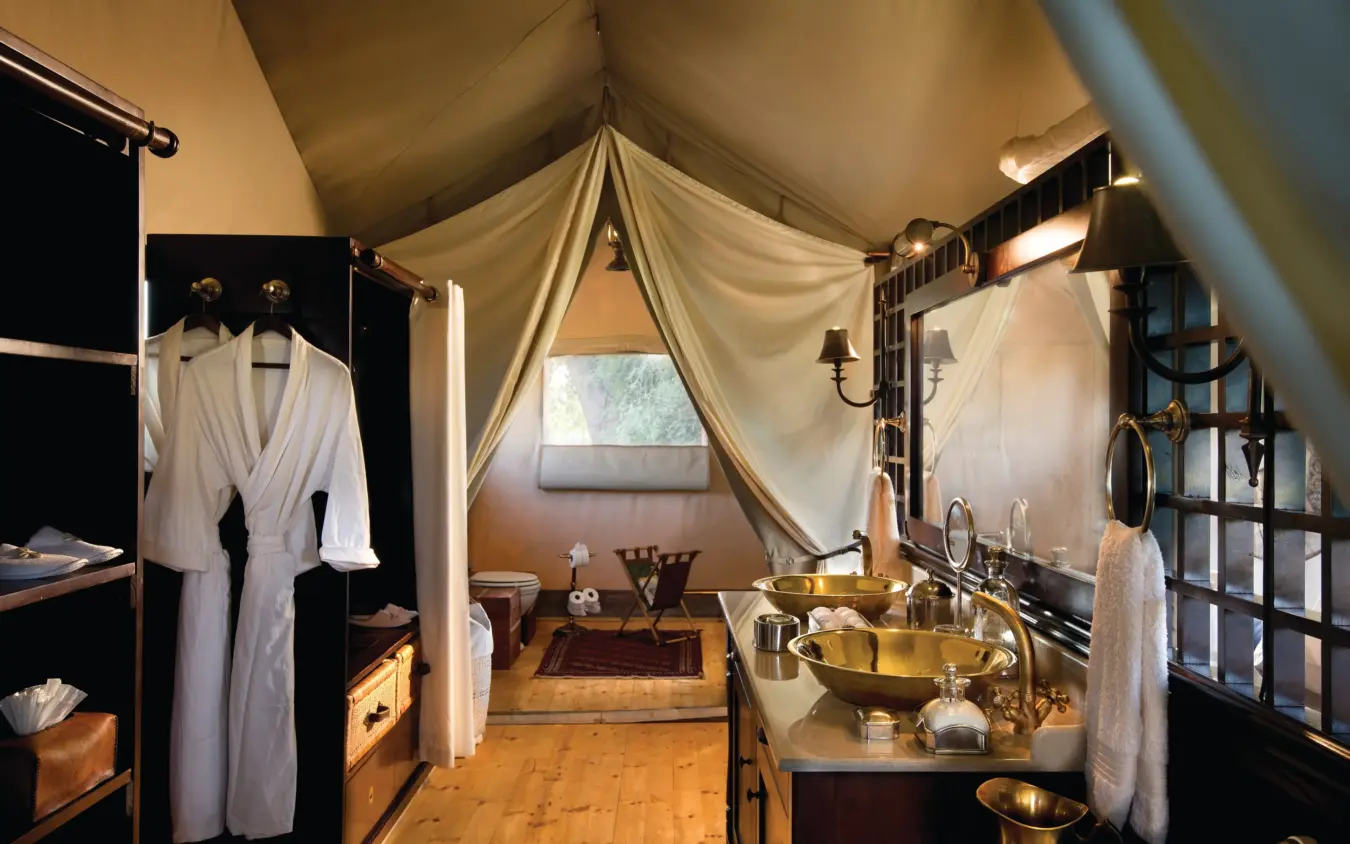
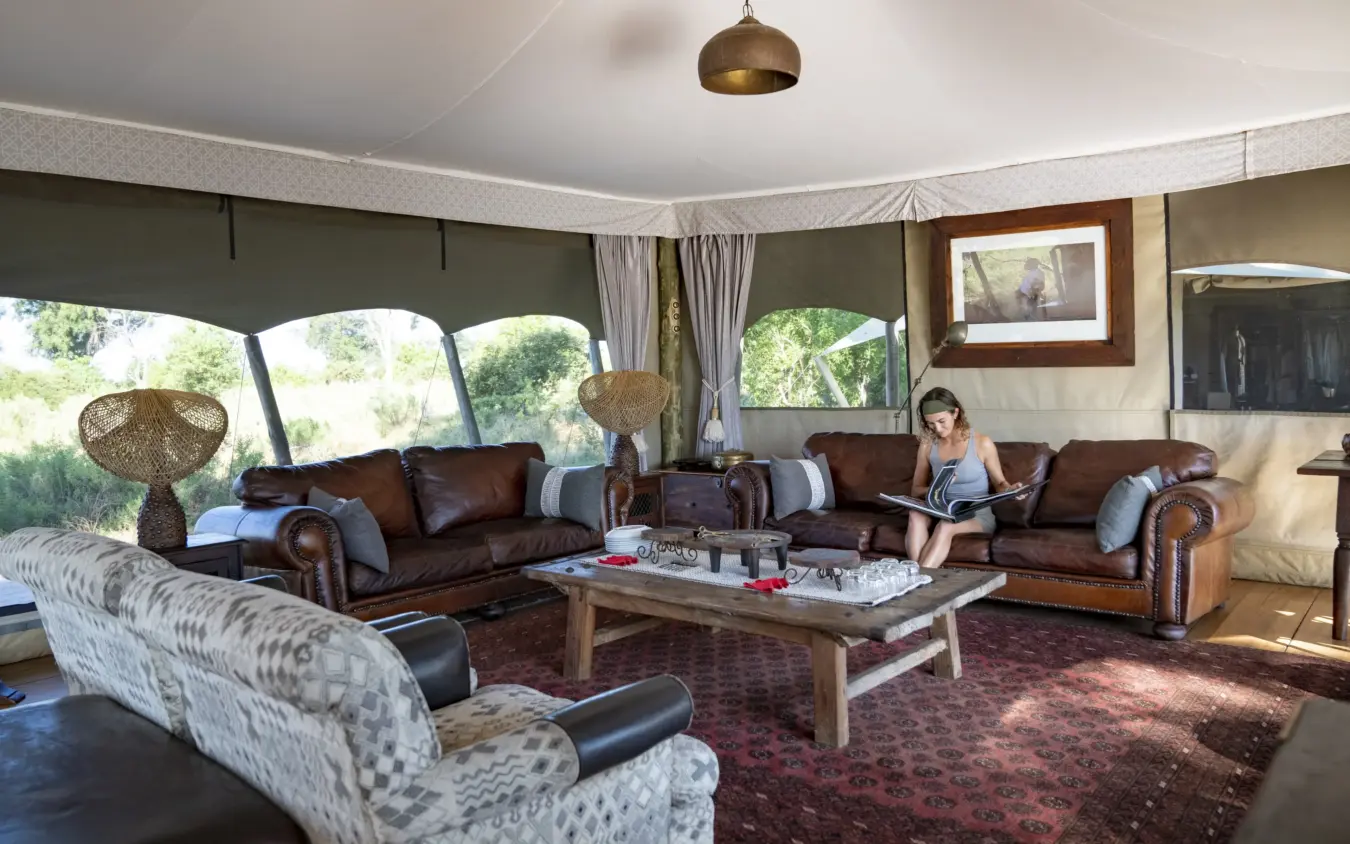
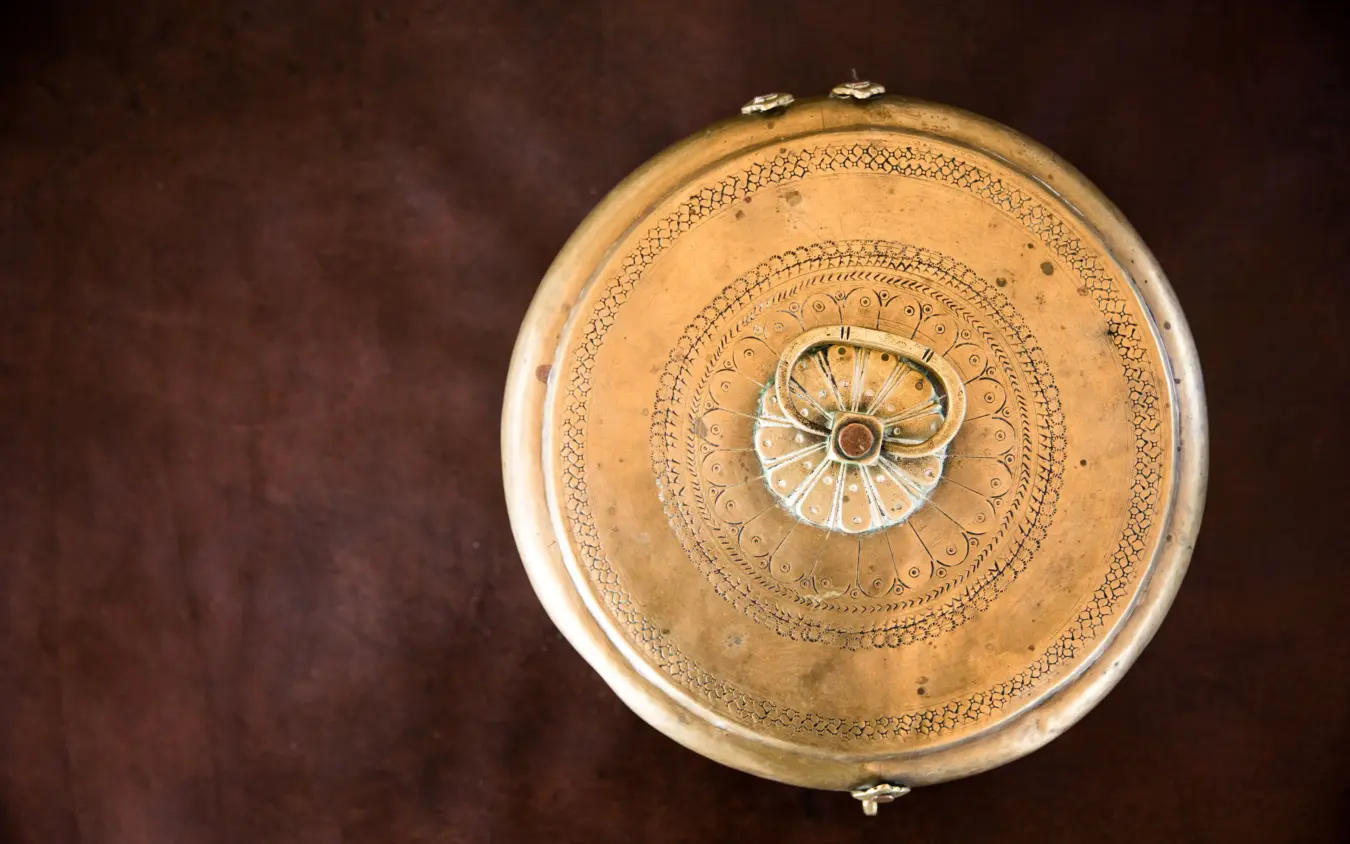
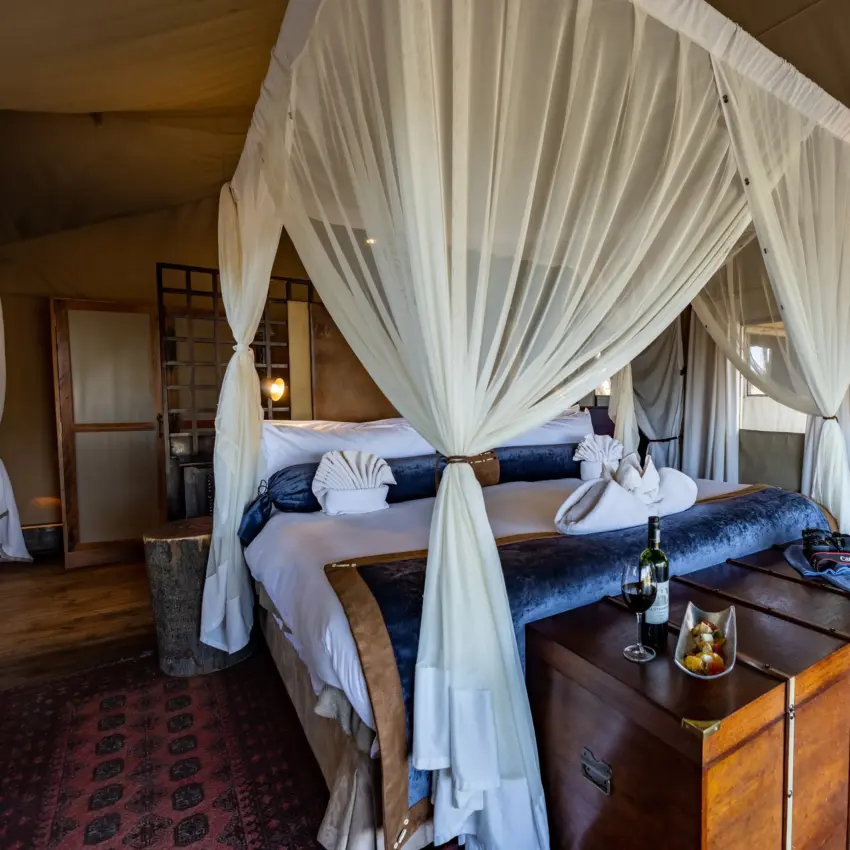
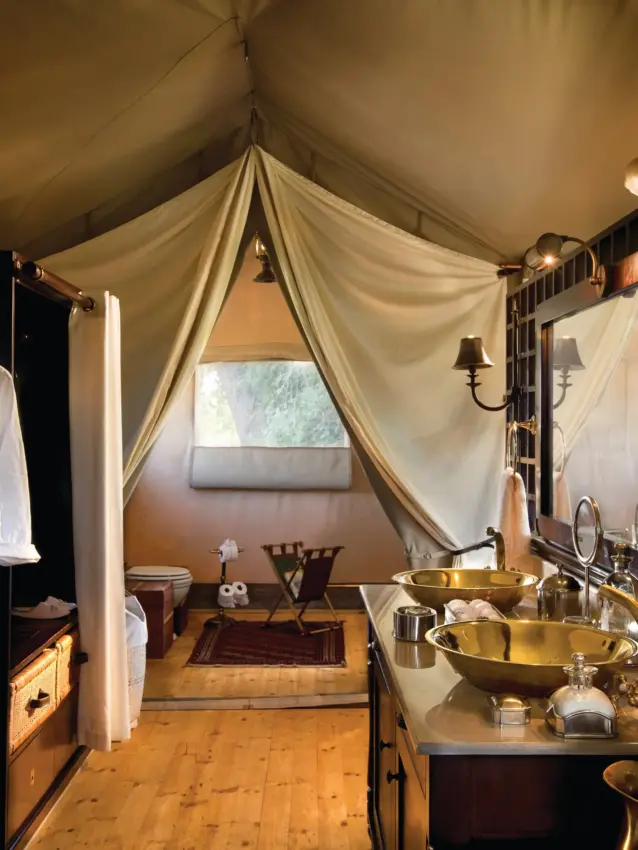
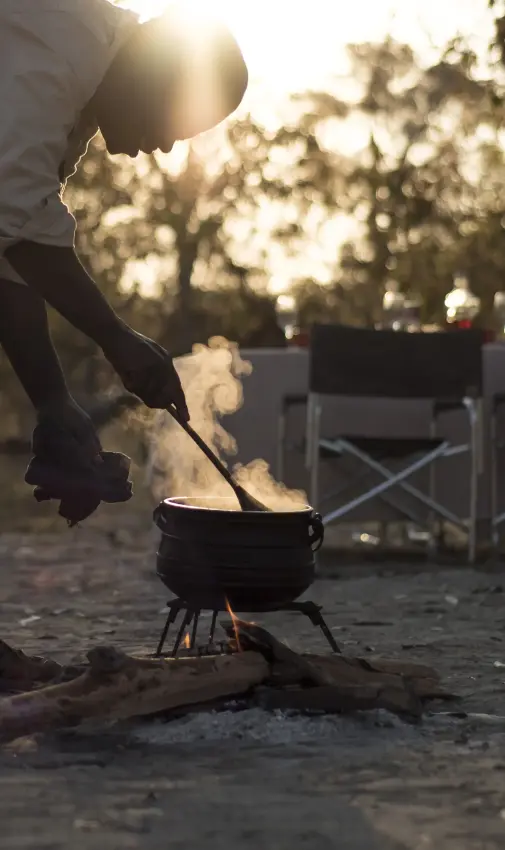
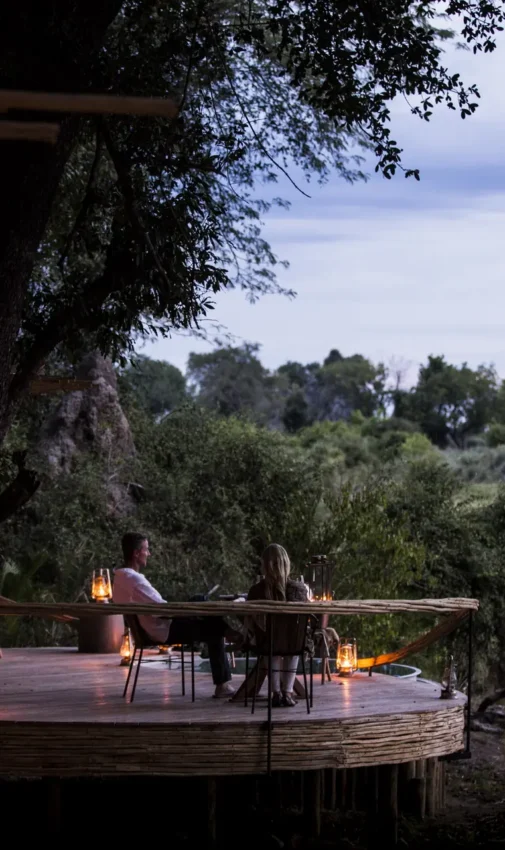
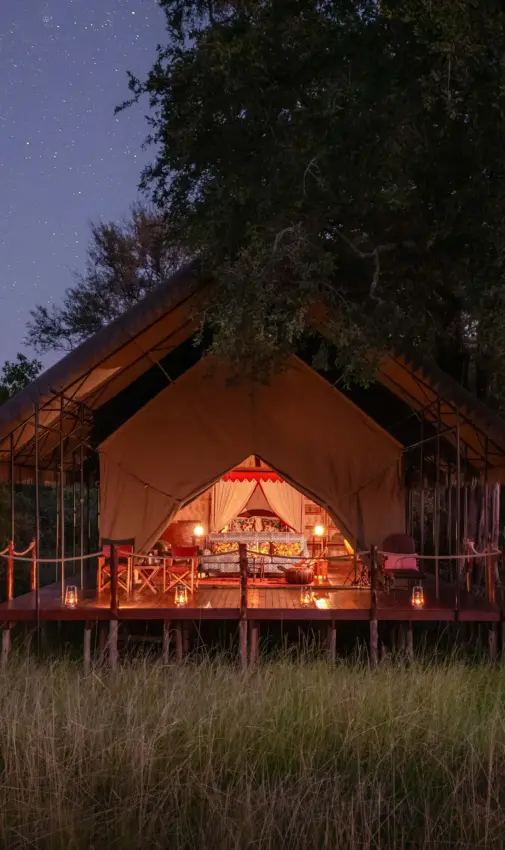
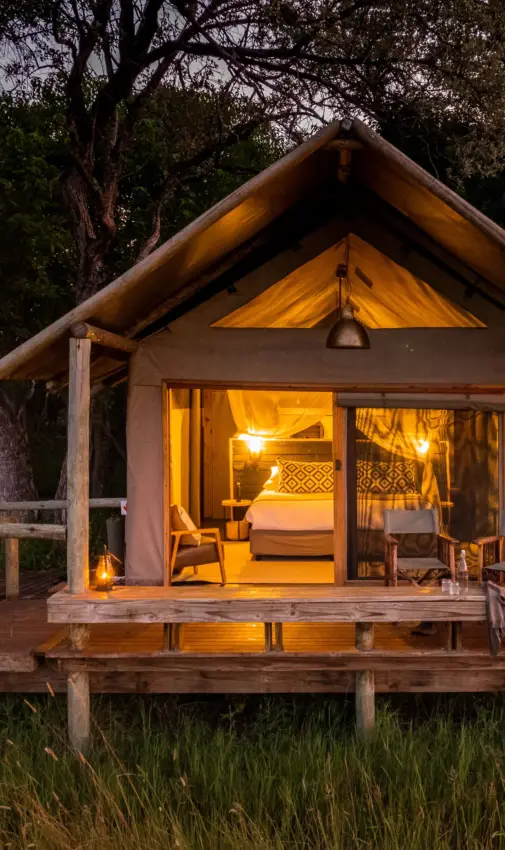
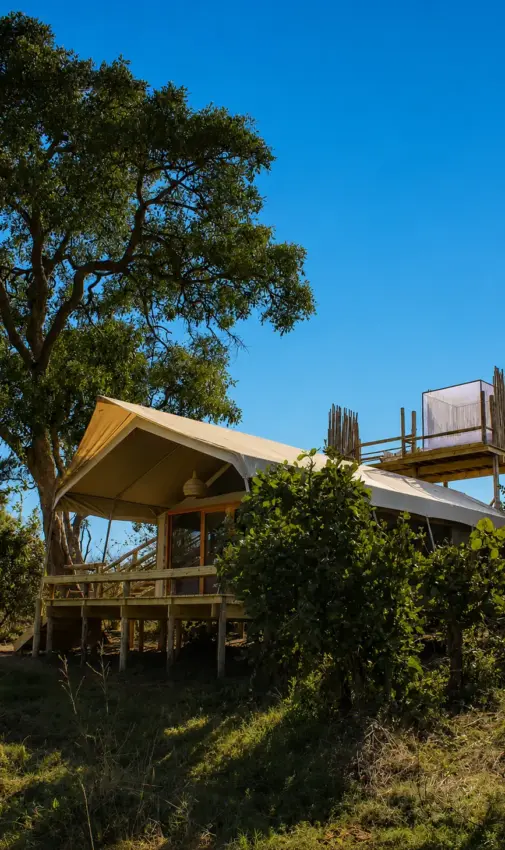
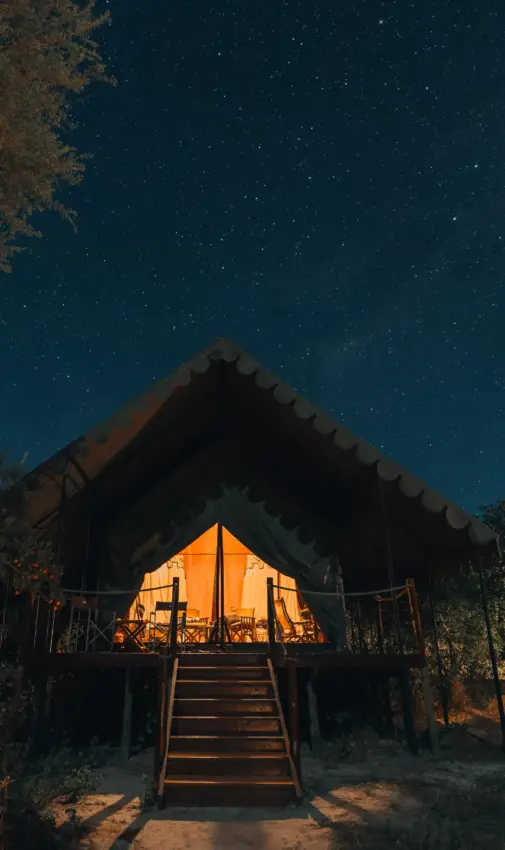
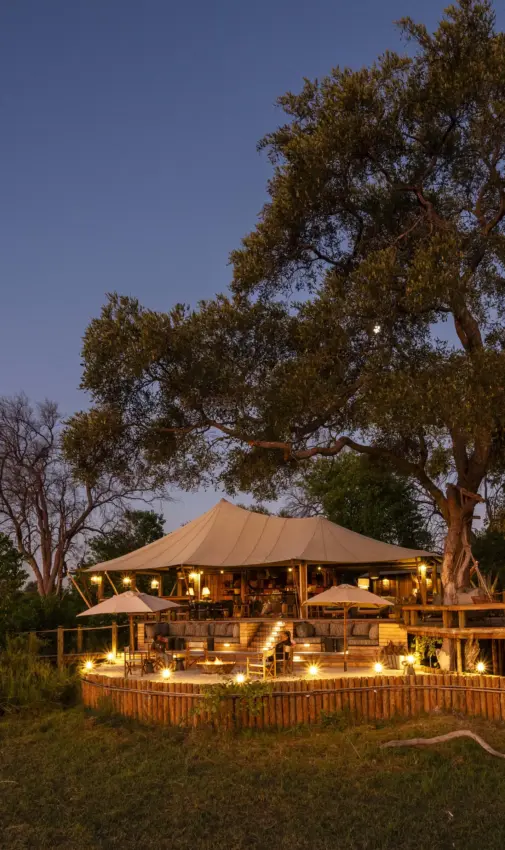
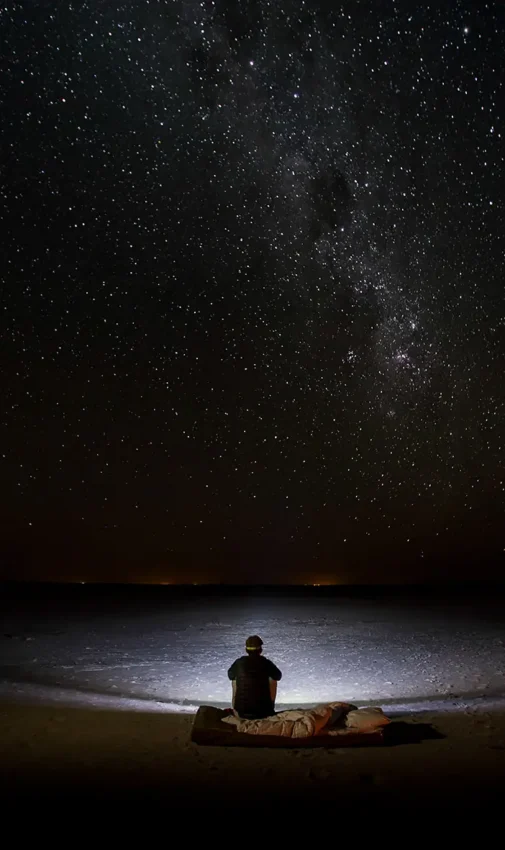
Meals are taken at a communal table in the open-plan lounge and dining area, or out on the wooden deck above the floodplain, with a help-yourself bar and staff close at hand. With only five tents, the camp keeps an intimate scale. The interiors carry vintage safari detail, from the campaign writing desk and day bed to the antique trunks, kilims and mosquito nets. The sounds of the surrounding bush carry easily to the table once the light has gone, and dinner tends to give way to talk that lasts.
Children are looked after through a Young Explorers programme, and catch-and-release fishing runs alongside the water activities when conditions allow. The camp operates as a joint venture with the Okavango Community Trust, so tourism revenue on this concession returns directly to the community that holds the land. That reserve covers roughly 330 square kilometres of private ground managed for wildlife. What Duba Explorers offers is a small, water-rich corner of the Okavango Delta, worked closely and on foot, by mokoro and by open vehicle rather than from a distance.