Camp

Karangoma

A community-partnered camp built with a Gudigwa elder, on a wooded peninsula in the northern Okavango Delta, Botswana.

Country: Botswana
Location: NG12 Concession, northern Okavango Delta
Number of rooms: 8

Home ground for a Gudigwa elder

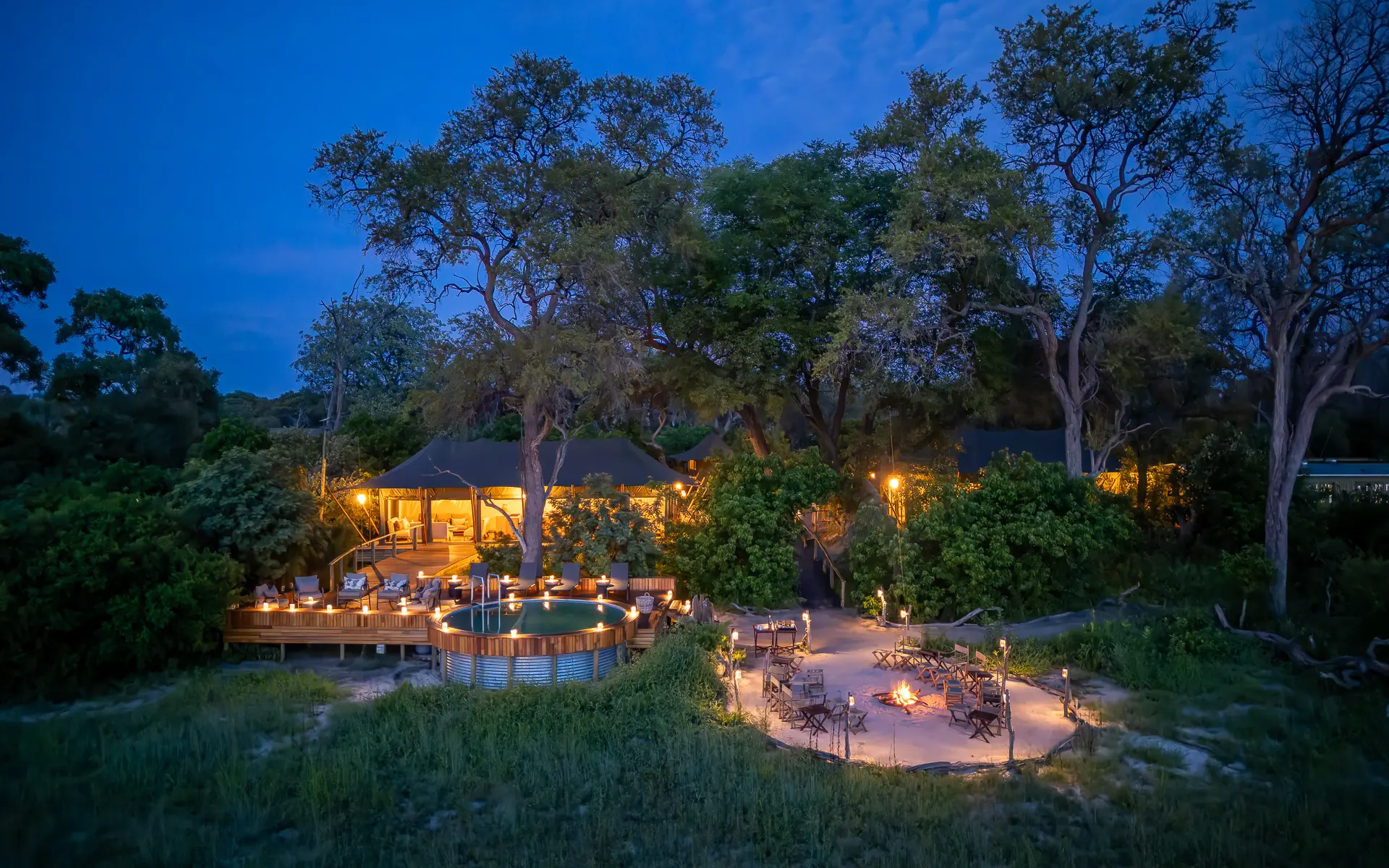
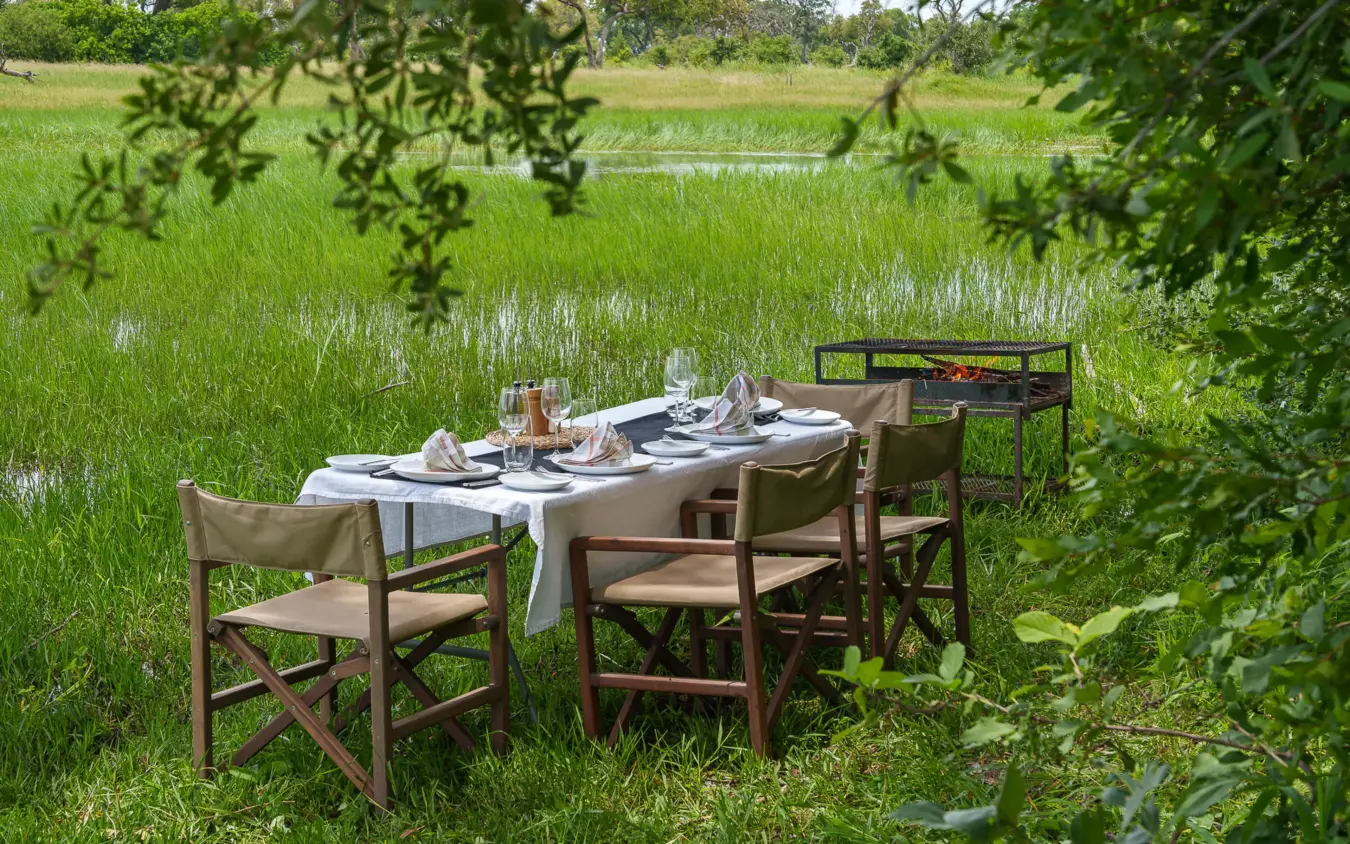
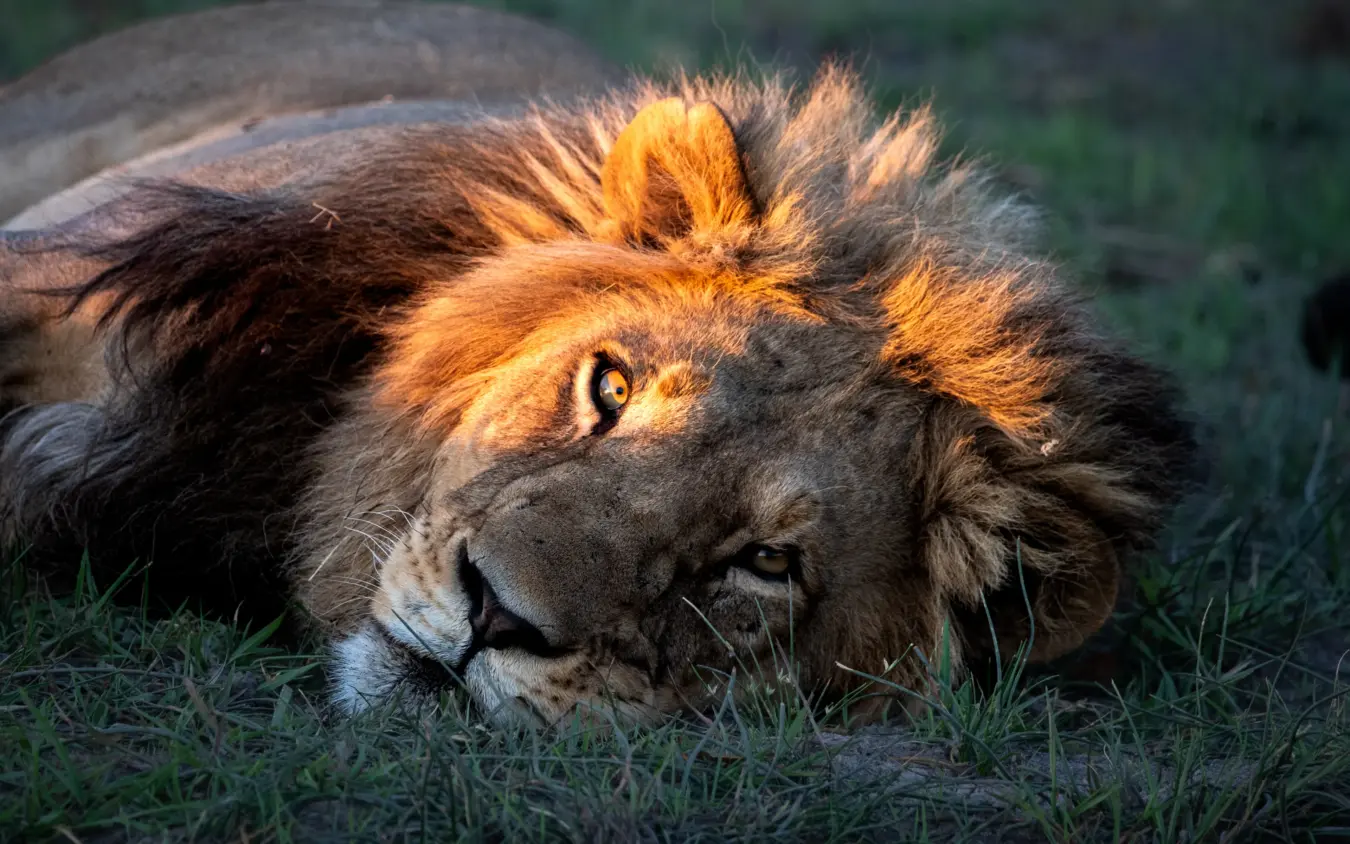
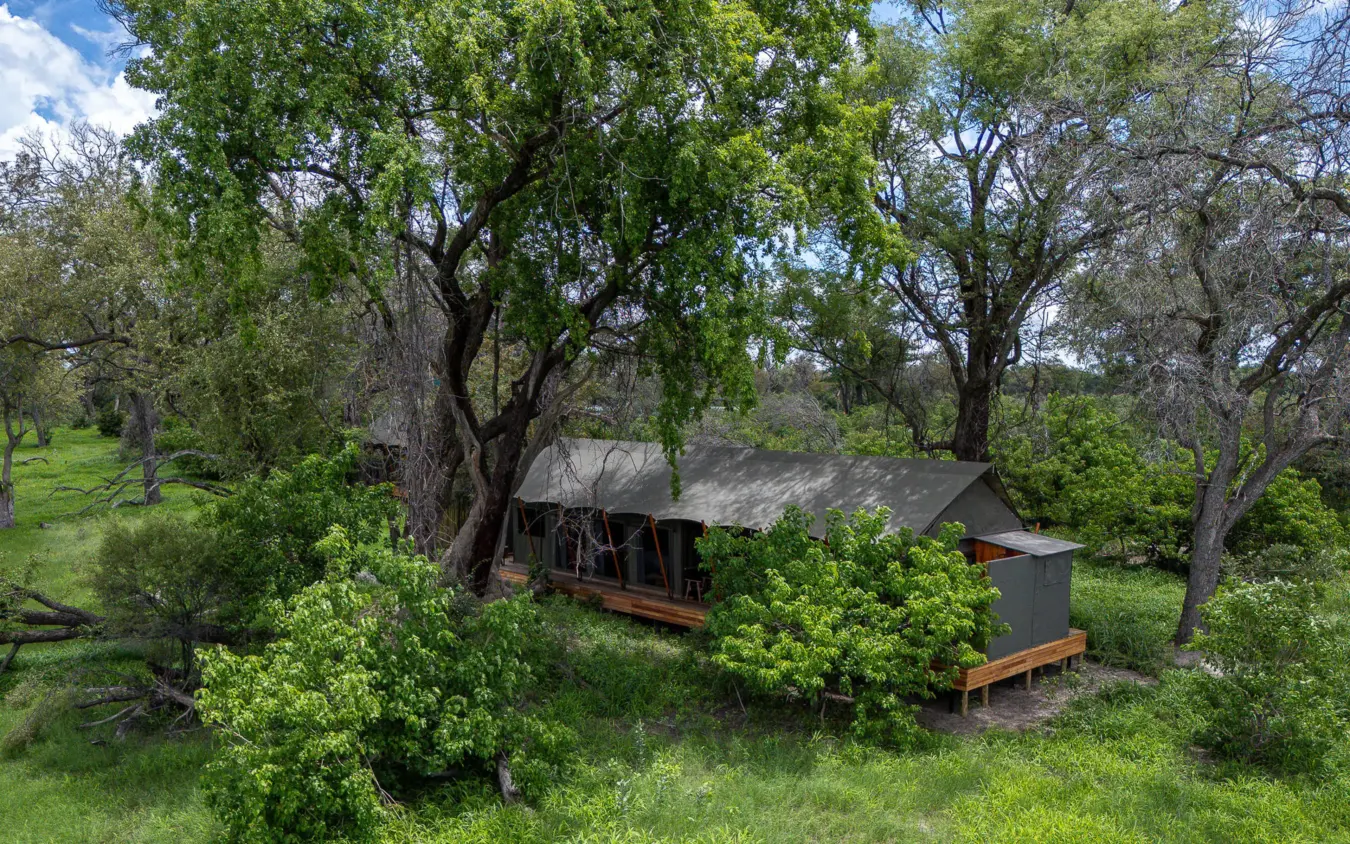
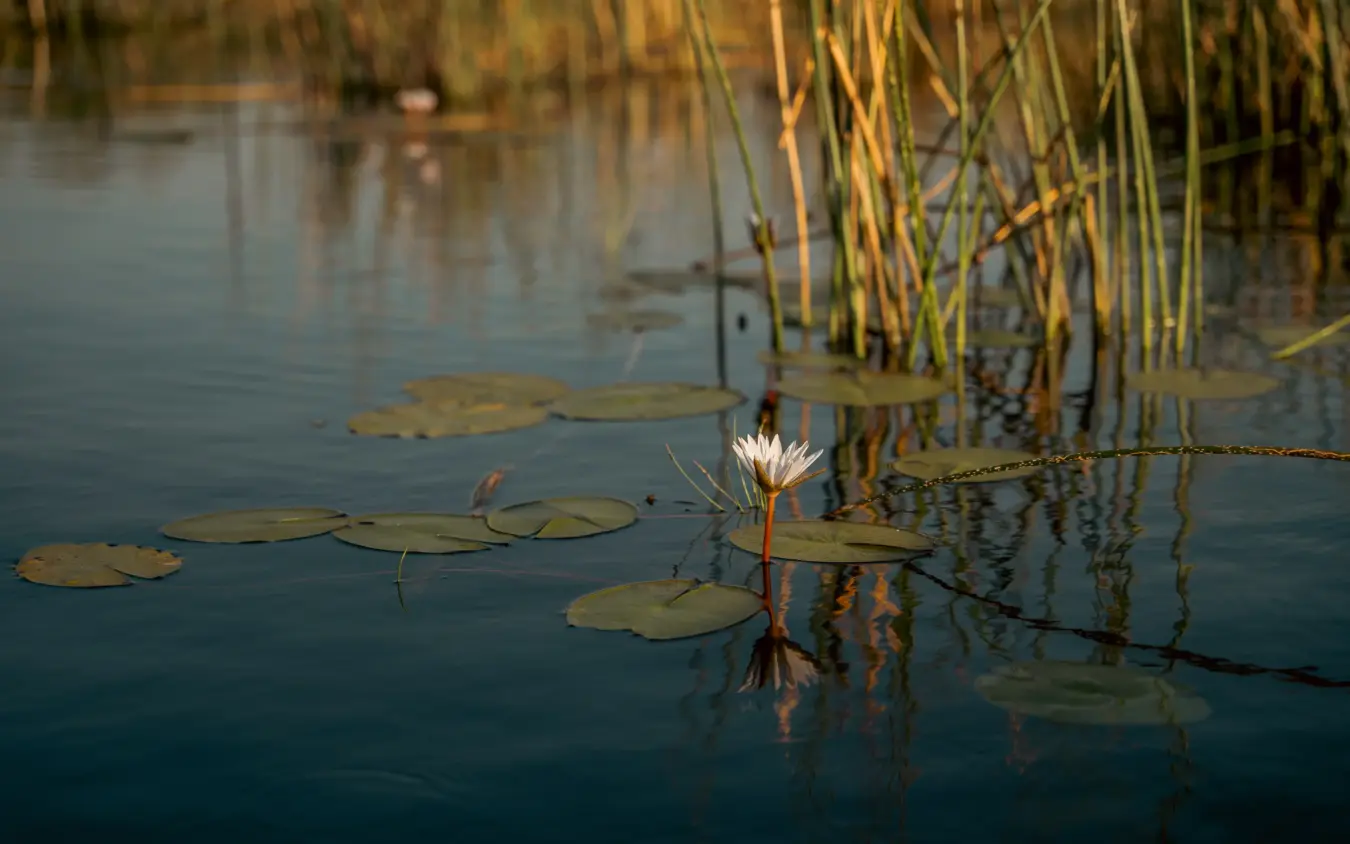
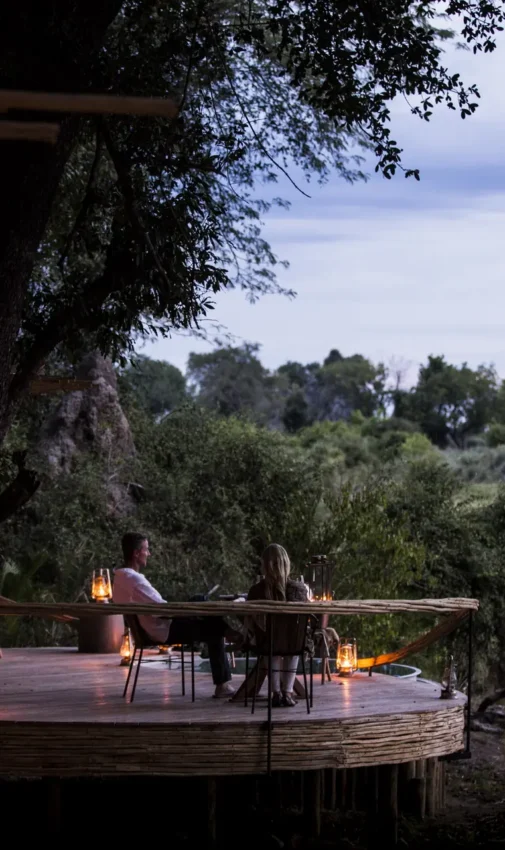
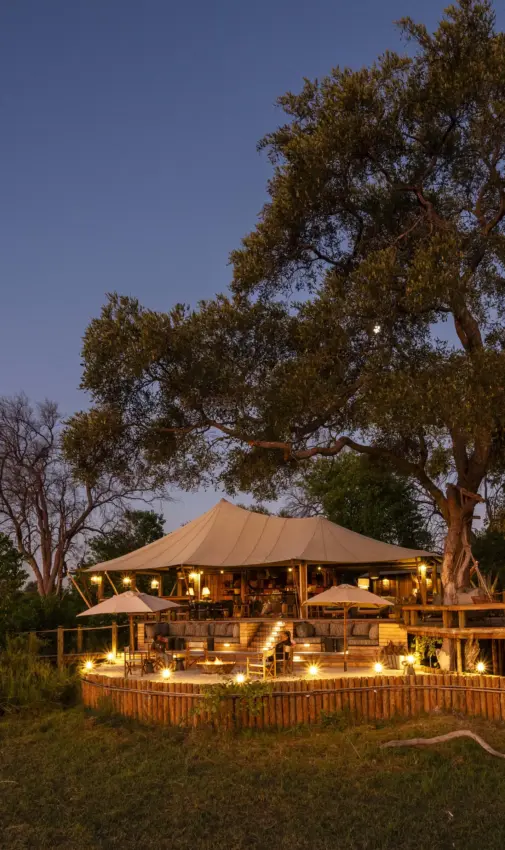
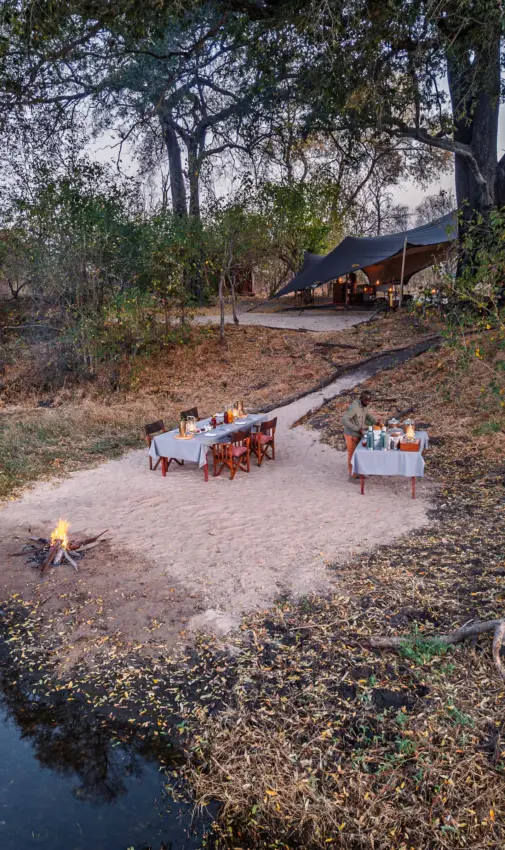
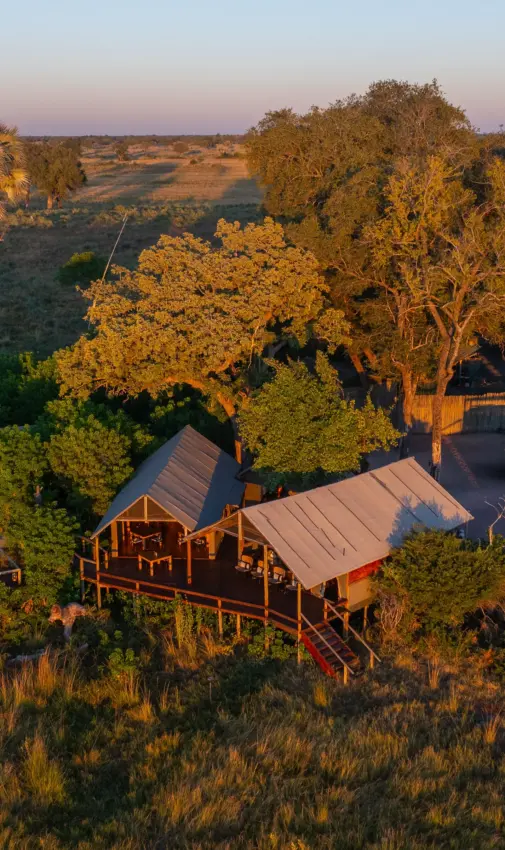
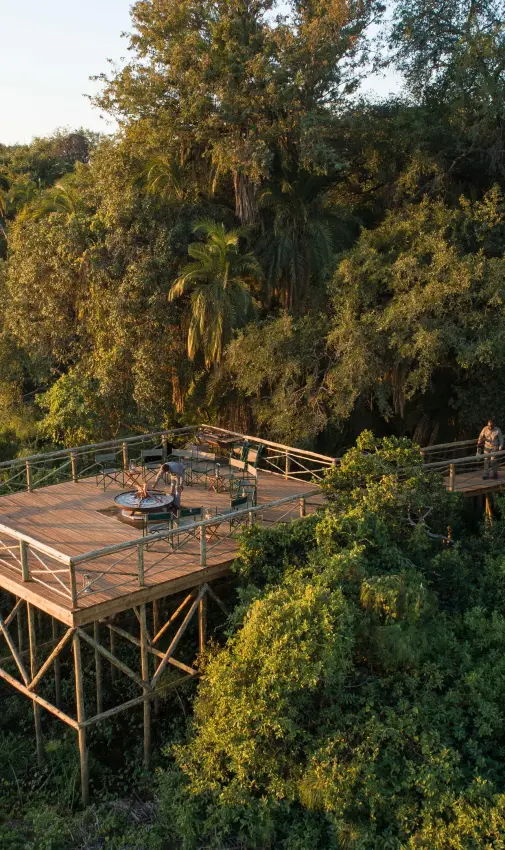
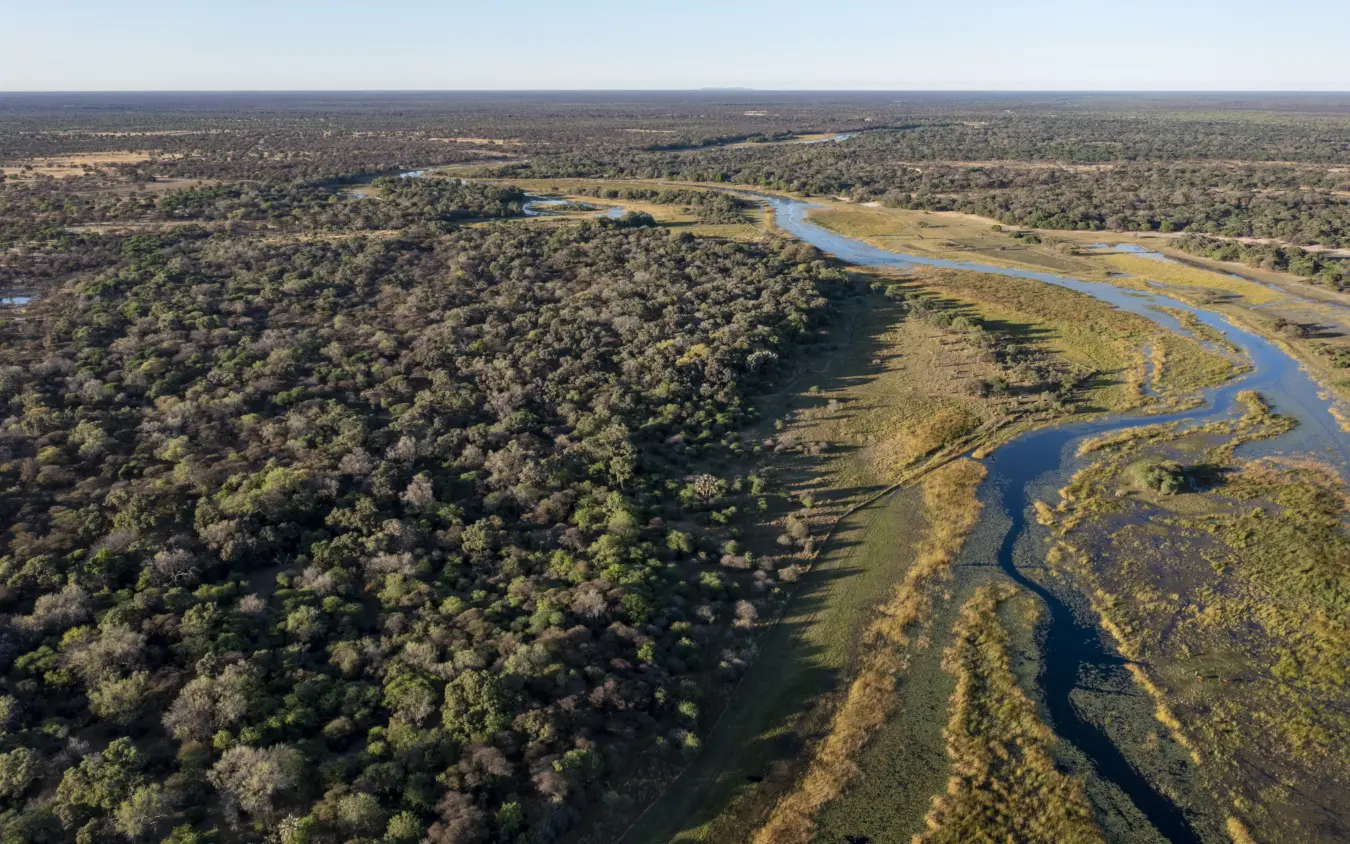
A shaded peninsula pushes out into an Okavango Delta floodplain, canopied by leadwood and sausage trees, and a well-worn game path to the water runs past the tents. Eight tented suites line its length on low wooden decks. The concession behind them runs to 30,000 hectares, where Delta floodplain gives way to mopane woodland, and lions are heard roaring from camp at night.

A resident pack of wild dogs dens in the forest behind camp.

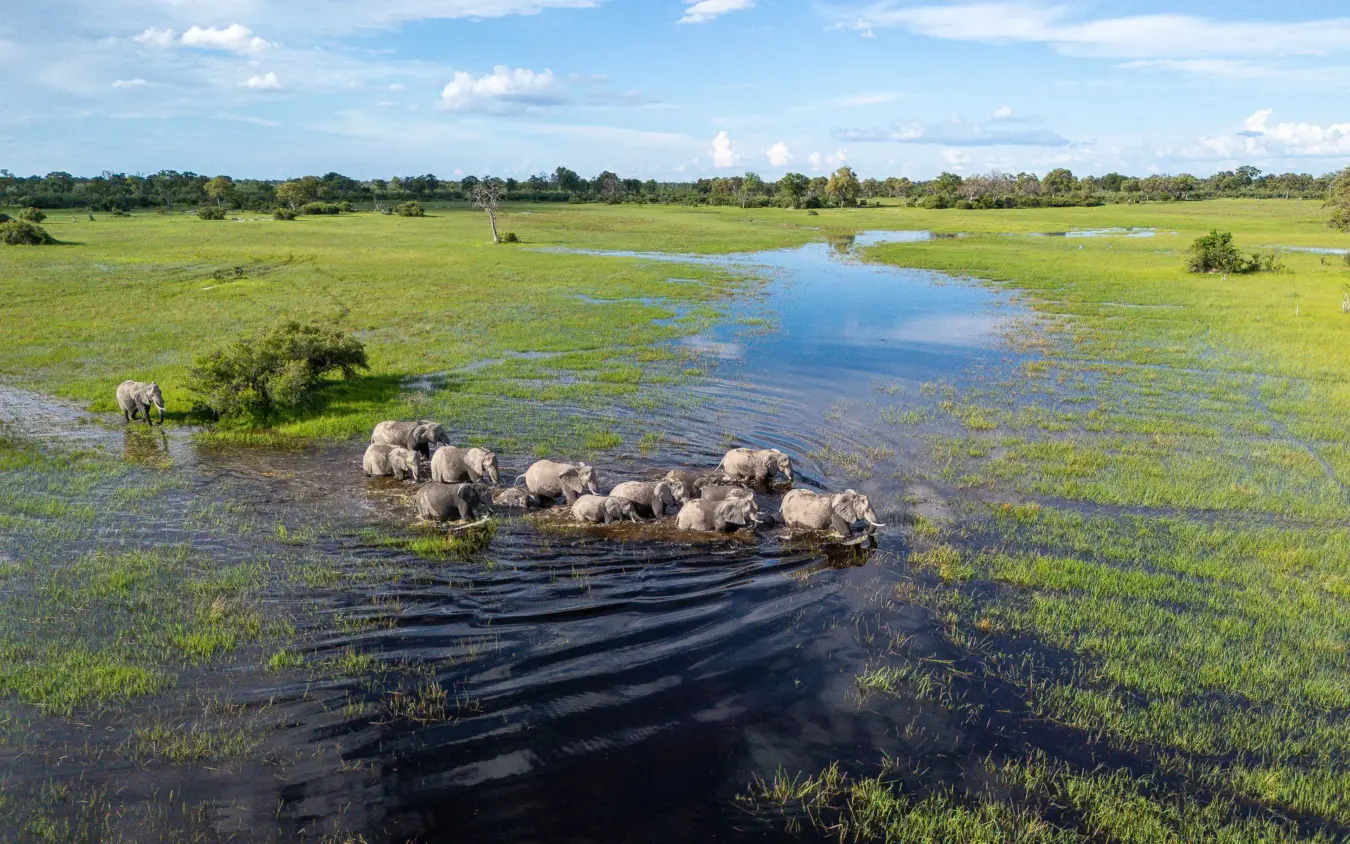
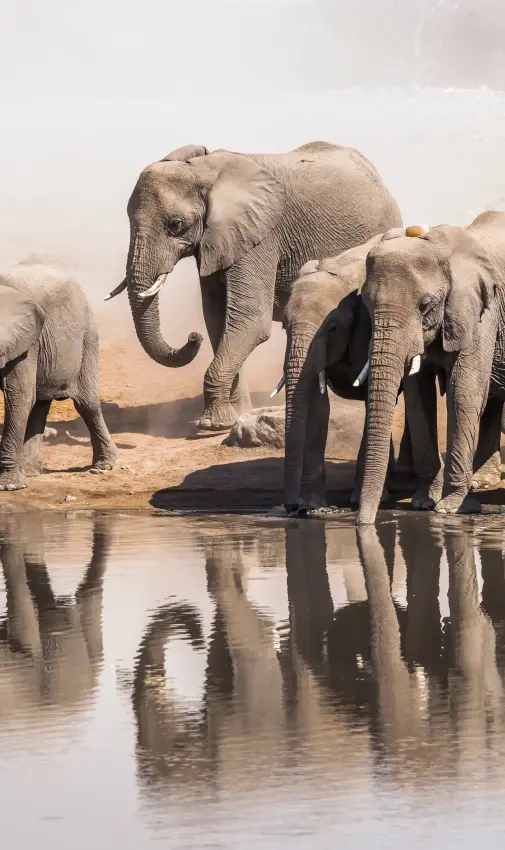
Floodplain and woodland overlap here, and the game ranges with them: red lechwe and hippo in the water, roan and sable antelope in the sandveld, elephant and zebra in numbers across both. A resident pack of wild dogs dens in the forest behind camp. Leopards work the same stretch of forest, and buffalo, giraffe and wildebeest are regular sightings on the drives.

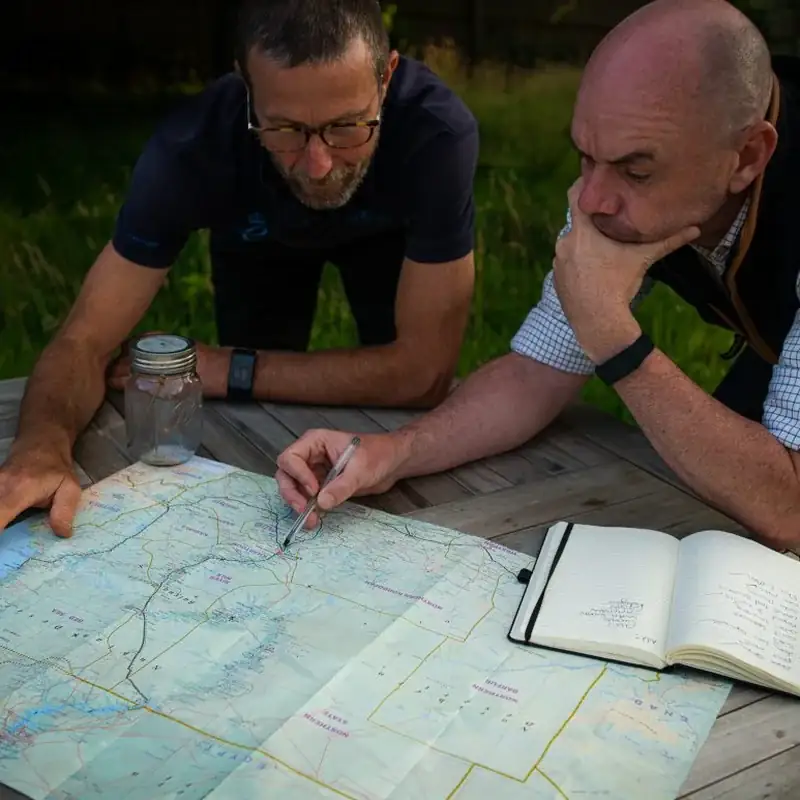
Olatotse Sarefo is a Gudigwa elder of Bukakhwe San heritage. He started out guiding, and later ran his own mobile safari operation under the Karangoma name. The name is a Sembukushu word for drum beating and ancestral healing. The fixed camp opened in May 2024, on land his family once called home.

The name is a Sembukushu word for drum beating and ancestral healing.

He built it with his community and Wild Expeditions Africa, the collective of owner-run camps that runs it today, and a levy on every night booked goes to a community and conservation fund. Visits to Gudigwa, 30 kilometres away, follow no script: a school, the clinic, the village store, whatever the day holds. Hambukushu basketry patterns run through the fabrics and the woven light shades above the dining tables.

01

accommodation

Eight Tented Suites Above the Floodplain

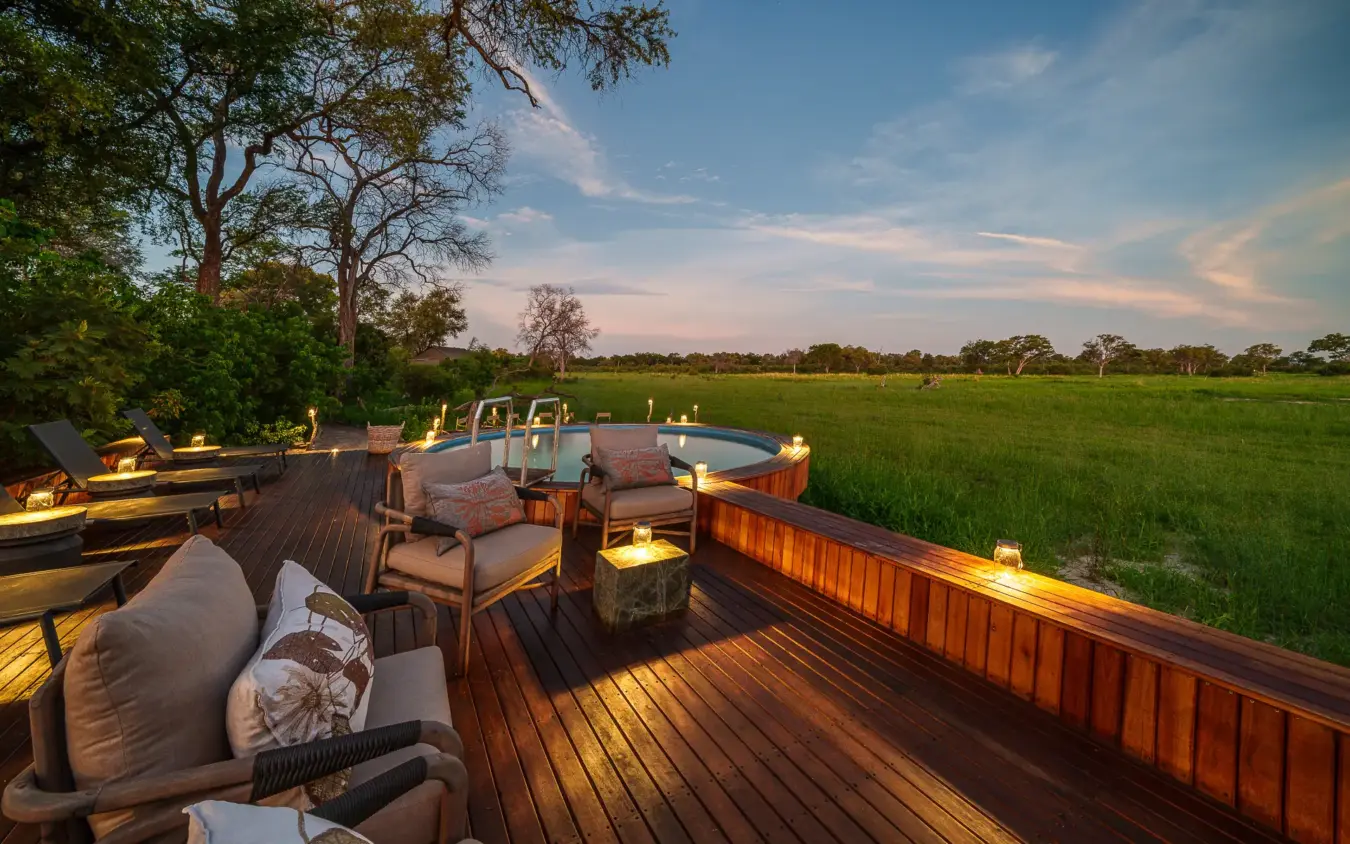
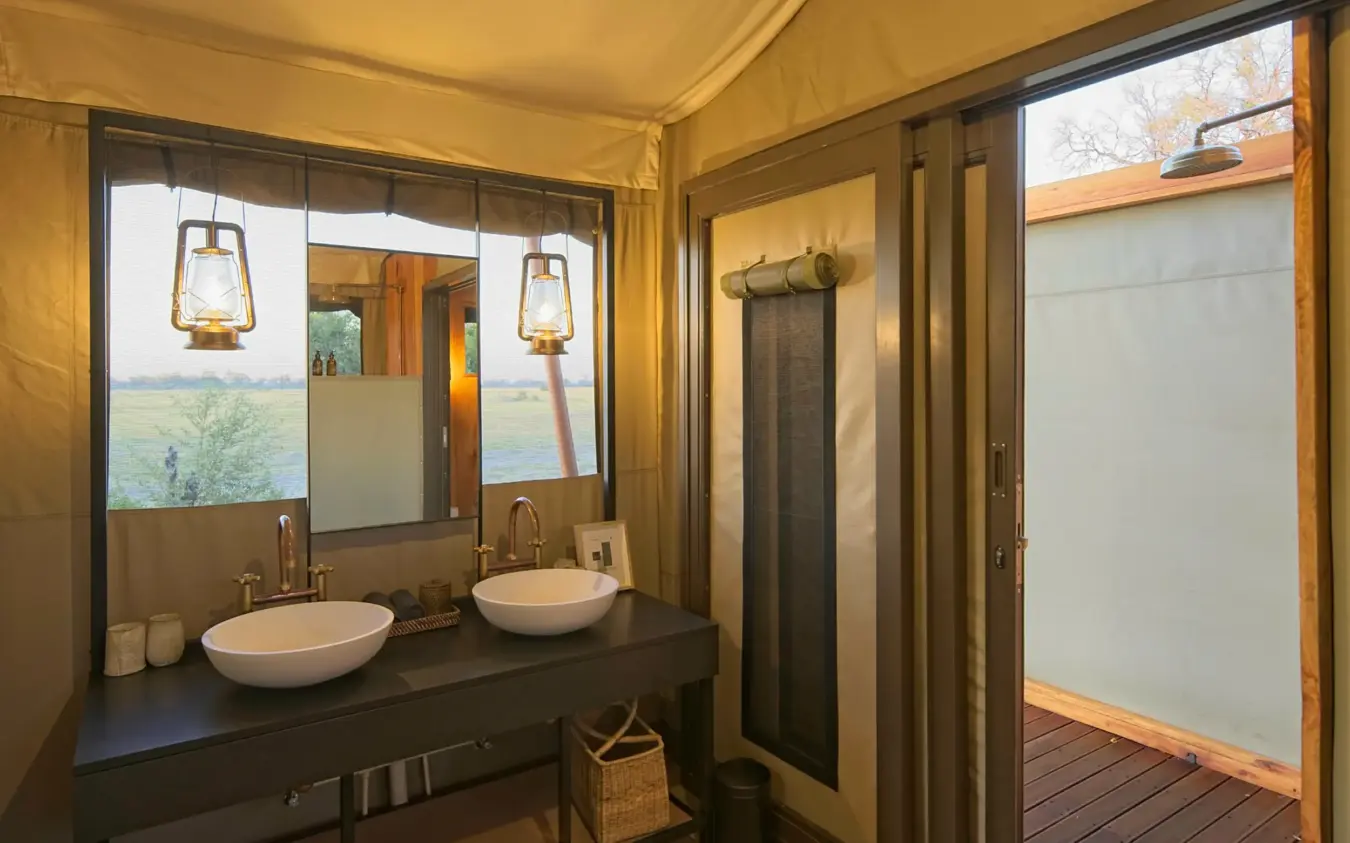
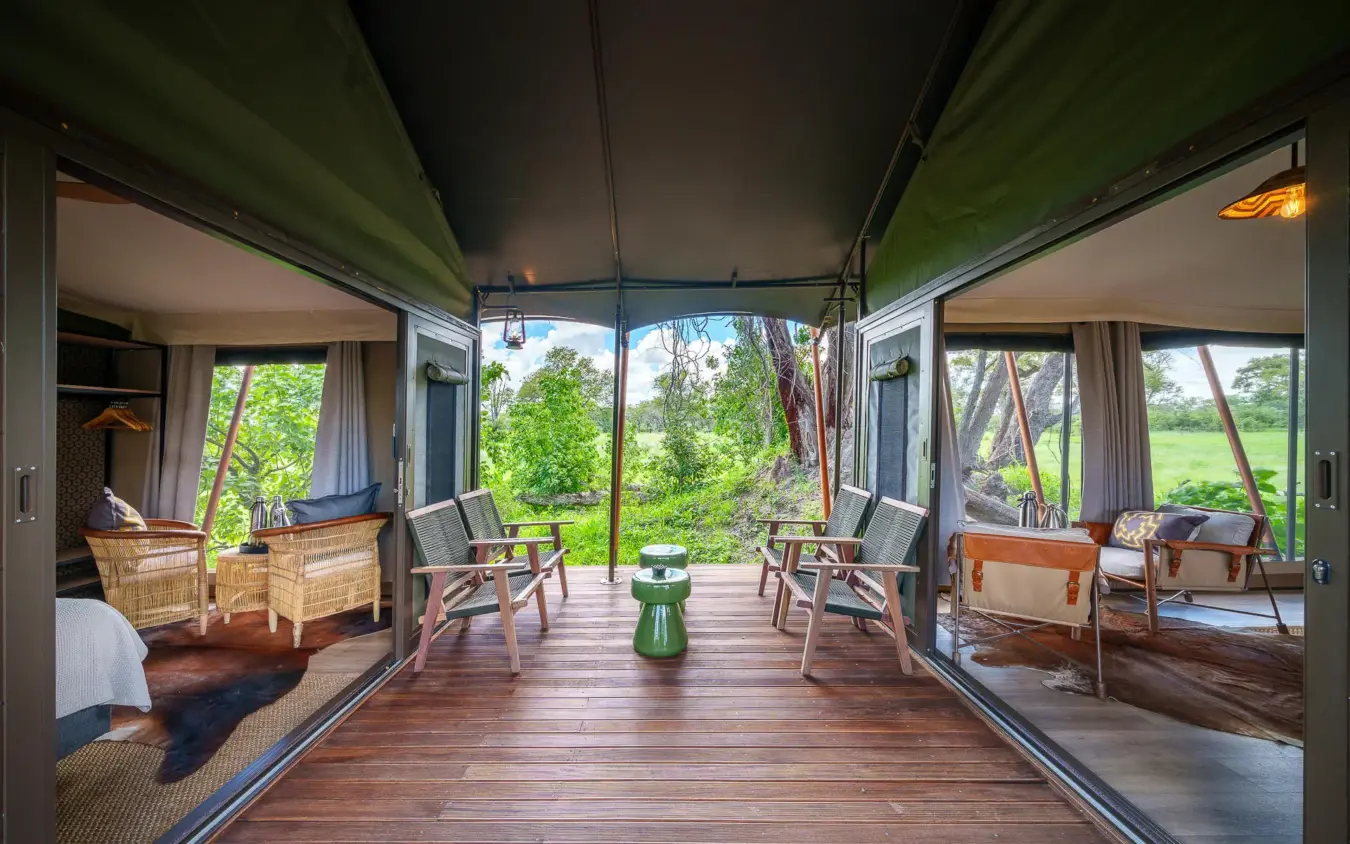
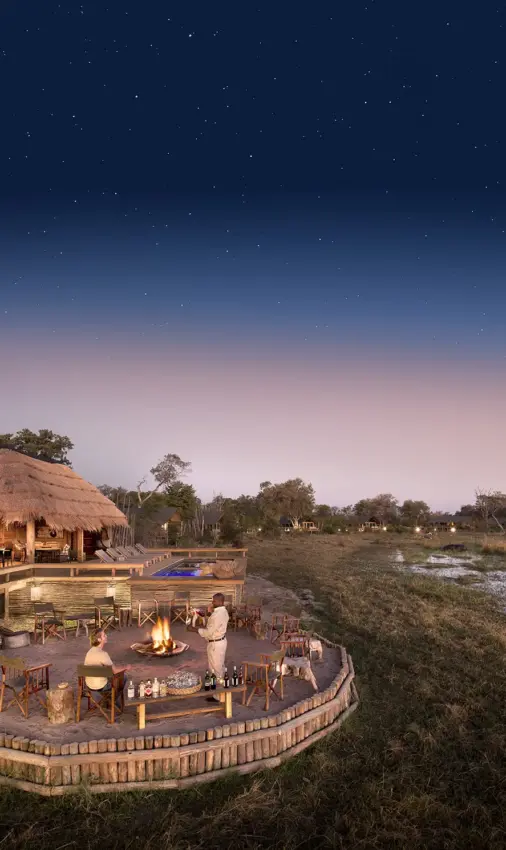
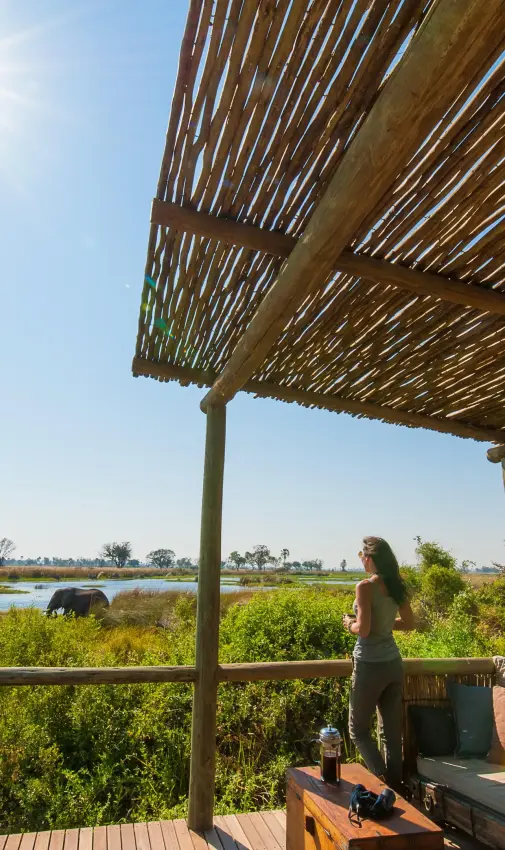
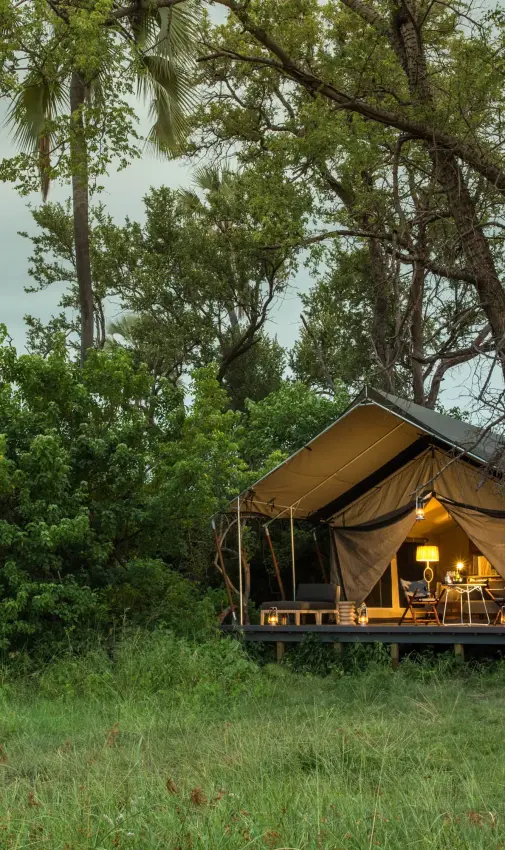
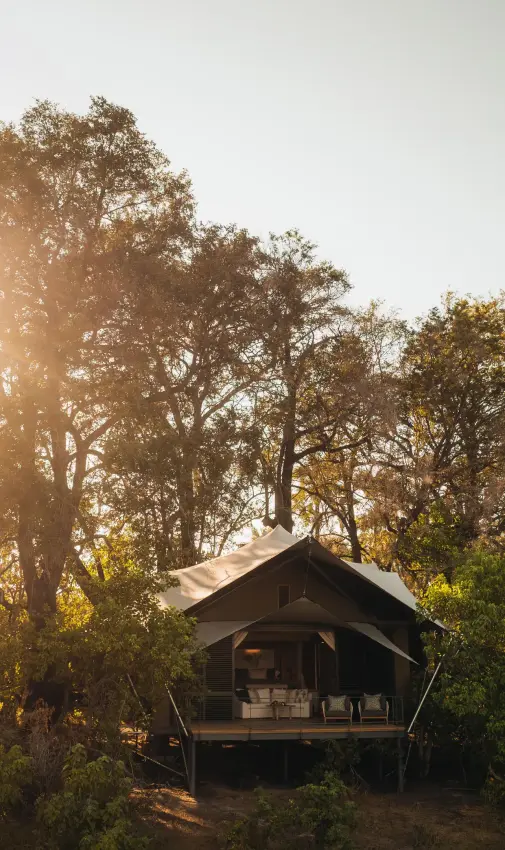
Eight tented suites, one of them a family tent of two rooms sharing a deck, stand on low wooden platforms above the floodplain. The colours and patterns inside come from Hambukushu basketry. Each has a small lounge, a writing desk, a ceiling fan, mesh windows onto the water, and showers indoors and out.

02

activities

Game Drives, Walking Safaris, and Mokoro Trips

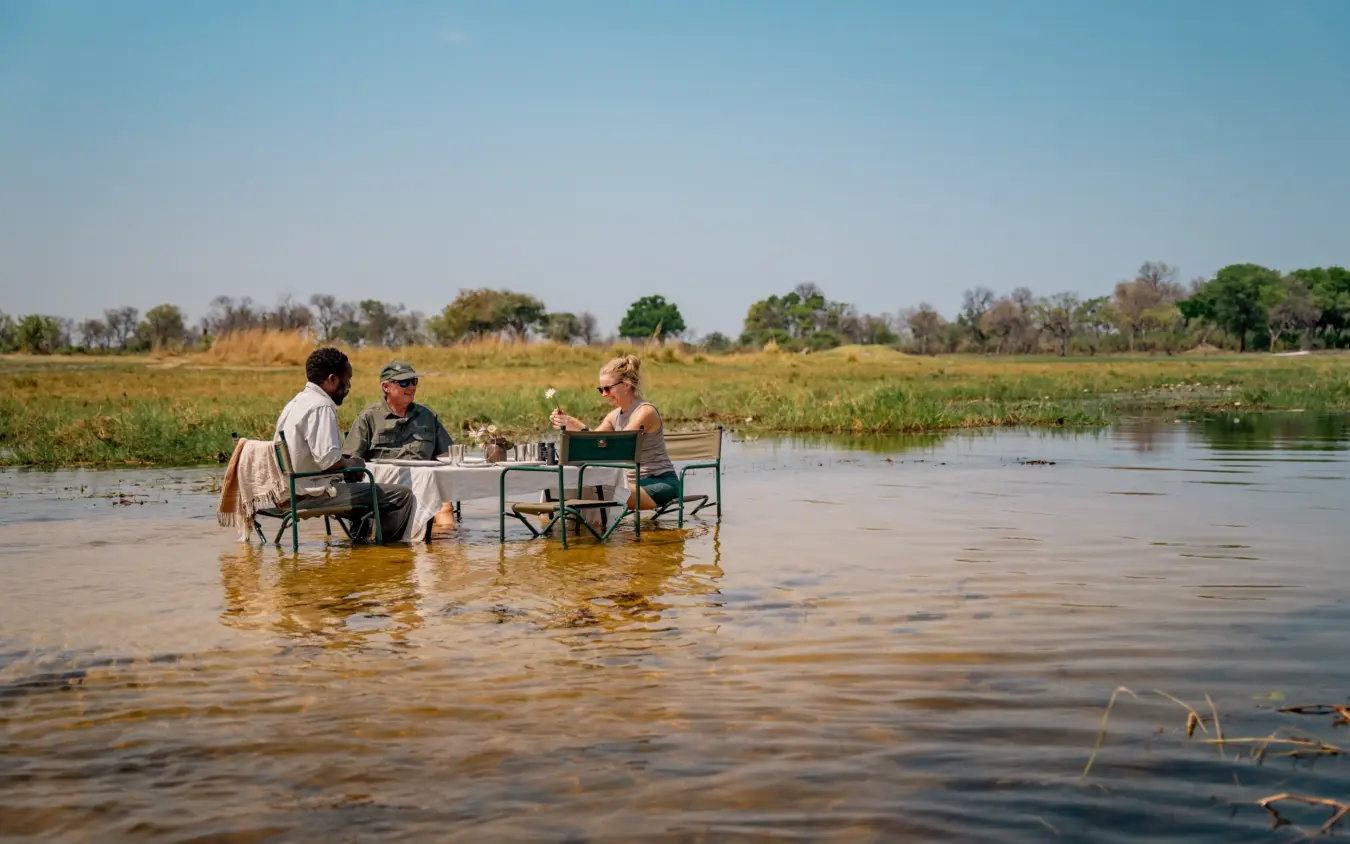
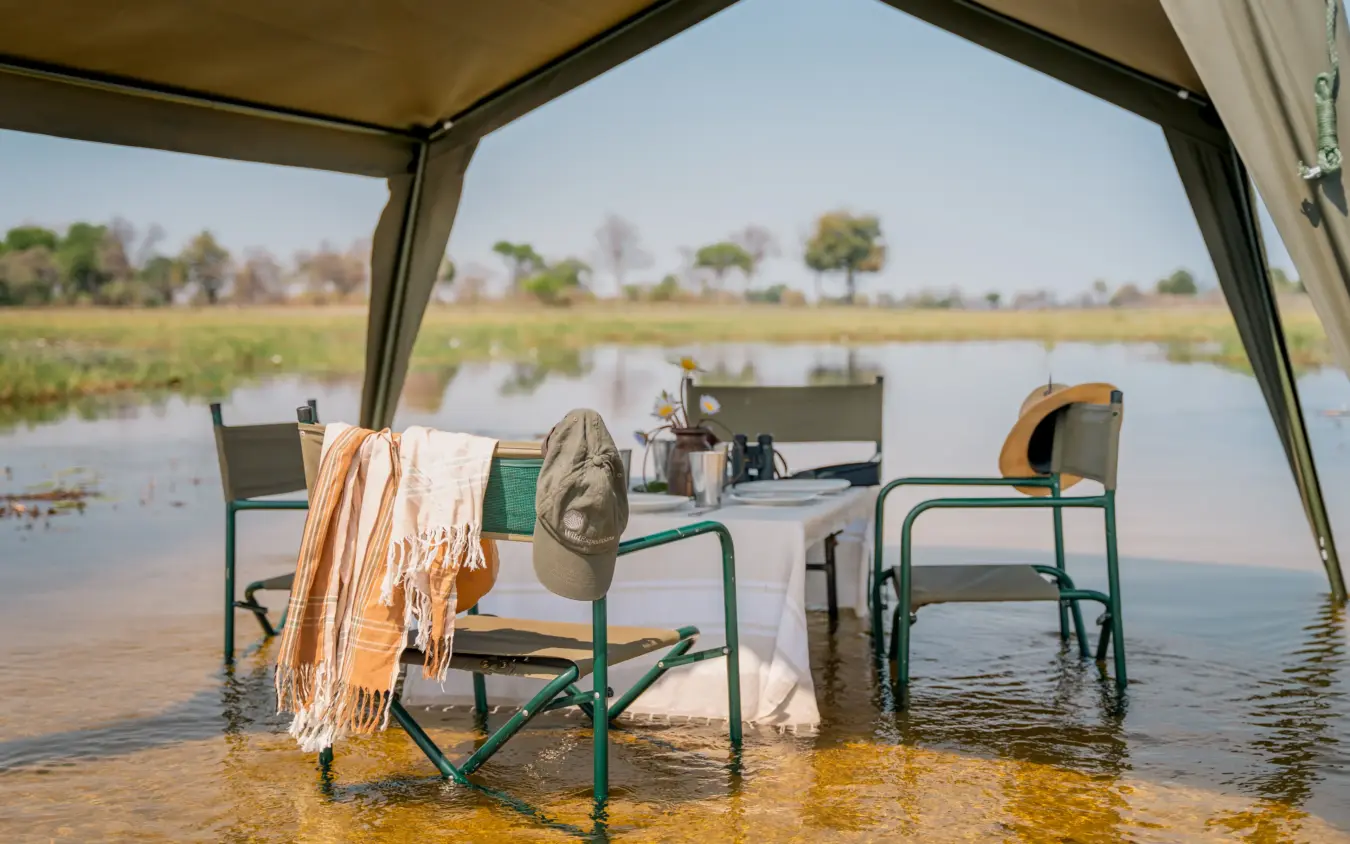
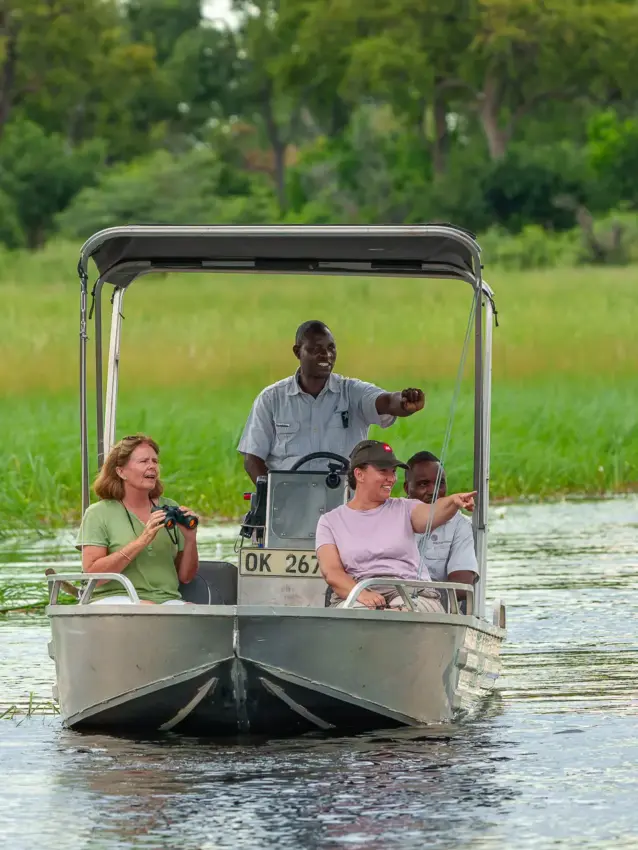
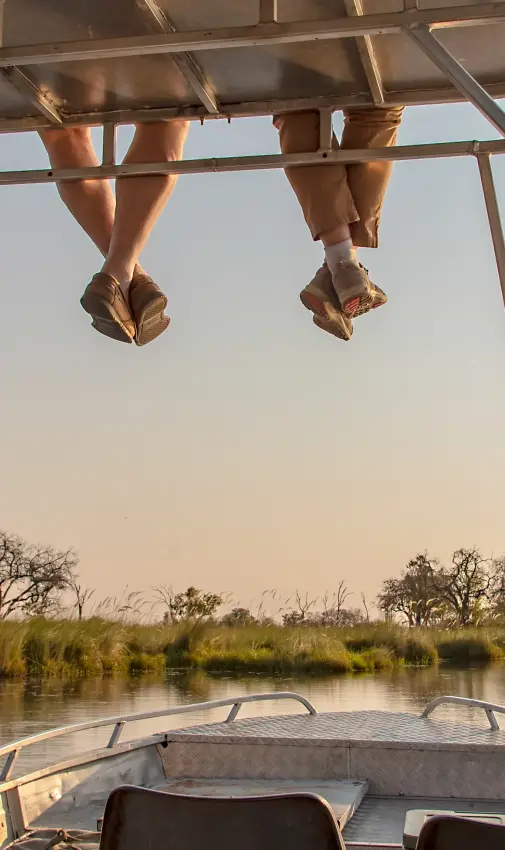
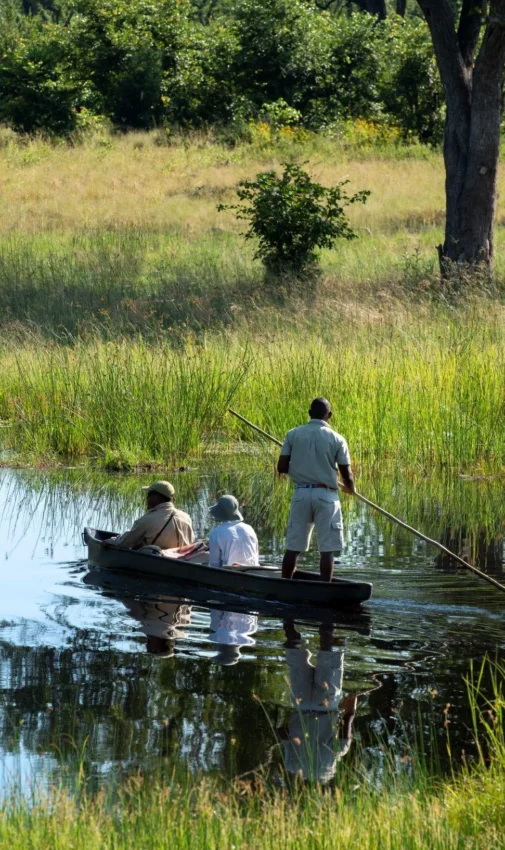
Game drives run morning and afternoon in open vehicles, night drives with a spotlight, and walking safaris led by San trackers. Boating along the Selinda Spillway and mokoro trips run when flood levels allow. Half or full-day visits to Gudigwa village, and helicopter flights to CLAWS.

03

conservation

CLAWS Satellite-Collared Lions Protect Delta Herds

CLAWS, Communities Living Among Wildlife Sustainably, works with herders on the northern Delta edge using satellite-collared lions as an early warning system, so cattle losses to stock-raiding prides stay rare. Researchers also give talks in camp. Karangoma employs from the Bukakhwe San clans and shares revenue with Gudigwa.

ready to get started?

Get in touch and let’s start the conversation. An initial consultation helps us understand what you’re looking for, whether that’s specific experiences, luxury touches, or marking a special occasion, and from there we’ll guide you through what’s possible so you can decide if we’re the right fit.

Alternative accommodation in the okavango delta

Person tending campfire at sunset during outdoor gathering, Kweene Trails, The Okavango Delta, Botswana 01

Kweene Trails

The Okavango Delta

Illuminated safari lodge dining area under ancient trees at dusk, Duba Plains, The Okavango Delta, Botswana 02

Duba Plains

The Okavango Delta

03

Sable Alley

The Okavango Delta

Illuminated safari lodge deck with fire pit at dusk, Khwai Leadwood, The Okavango Delta, Botswana 04

Khwai Leadwood

The Okavango Delta

Boat with dangling feet on waterway at sunset, Kwando Splash Camp, The Okavango Delta, Botswana 05

Kwando Splash Camp

The Okavango Delta

Safari tent accommodation nestled among tall trees at golden hour, Chitabe Camp, The Okavango Delta, Botswana 06

Chitabe Camp

The Okavango Delta

Wooden deck dining area beneath ancient tree overlooking savanna landscape at dusk, Mombo Camp, The Okavango Delta, Botswana 07

Mombo Camp

The Okavango Delta

08

Kanana Nyana

The Okavango Delta

09

Tumani Tented Camp

The Okavango Delta

10

Mbamba

The Okavango Delta

11

Tuludi

The Okavango Delta

Guests on wooden deck overlooking savanna at sunset, Shinde, The Okavango Delta, Botswana 12

Shinde

The Okavango Delta

13

Mokolwane

The Okavango Delta

14

Skybeds

The Okavango Delta

15

Little Sable

The Okavango Delta

Luxury safari tent bedroom with four-poster bed and canvas interior, Kanana, The Okavango Delta, Botswana 16

Kanana

The Okavango Delta

17

Duke’s East

The Okavango Delta

Woman standing on wooden deck overlooking wetland landscape, Delta Camp, The Okavango Delta, Botswana 18

Delta Camp

The Okavango Delta

Safari tent accommodation with warm interior lighting at dusk, Gomoti Plains, The Okavango Delta, Botswana 19

Gomoti Plains

The Okavango Delta

20

Tawana

The Okavango Delta

frequently asked questions

By air, in two legs. A scheduled light aircraft leaves Maun and lands at Vumbura airstrip about twenty-five minutes later, a hundred and thirty kilometres to the north-east, and the same scheduled service runs from Kasane and from other Delta airstrips. A helicopter then carries you the last thirty kilometres into camp, a flight of ten to twelve minutes. The camp has no airstrip of its own and the operator's own rule is that access is by helicopter only, so that second leg is part of the standard route rather than an add-on. Karangoma can also be joined to other Delta camps by helicopter direct, which skips the airstrip altogether.

We can also arrange a private charter into Vumbura, typically a Cessna Caravan or a Pilatus PC-12, which frees you from the scheduled timetable, or a private helicopter the whole way from Maun. Whichever way you fly, the limit is twenty kilograms a person including hand luggage, and it has to be a soft bag, because neither the light aircraft nor the helicopter takes a hard case.

Yes. The camp's own fact sheet says so in as many words, and both official sources agree. TravelHealthPro, the UK's official travel health service, classes the northern half of Botswana, the Okavango Delta included, as high risk from October to May and lists antimalarial tablets among its recommendations for those months, with the risk dropping to low for the rest of the year, when it advises bite avoidance. The CDC names the Okavango and Ngamiland districts, which is where Karangoma sits, among the parts of Botswana for which it recommends prescription medicine to prevent malaria.

We are travel planners rather than medical people, so the decision belongs with you and your doctor or a travel clinic, and it is worth checking close to departure because the advice moves. Whatever you settle on, a camp on a floodplain has mosquitoes at dusk as part of the setting, so long sleeves once the sun goes and repellent on any skin left showing, at the fire pit and on the night drives, still apply.

From eight upwards, and the camp is set up for two children at a time rather than a crowd: it takes a maximum of sixteen adults and two children, and the family tent is built for parents and up to two children. Families with children between eight and twelve must book a private vehicle for the drives, which we build into the quote from the start so it never turns up later as a surprise, and the boating joins the walks and the mokoro in being for twelve and over. The village visits have no age limit at all.

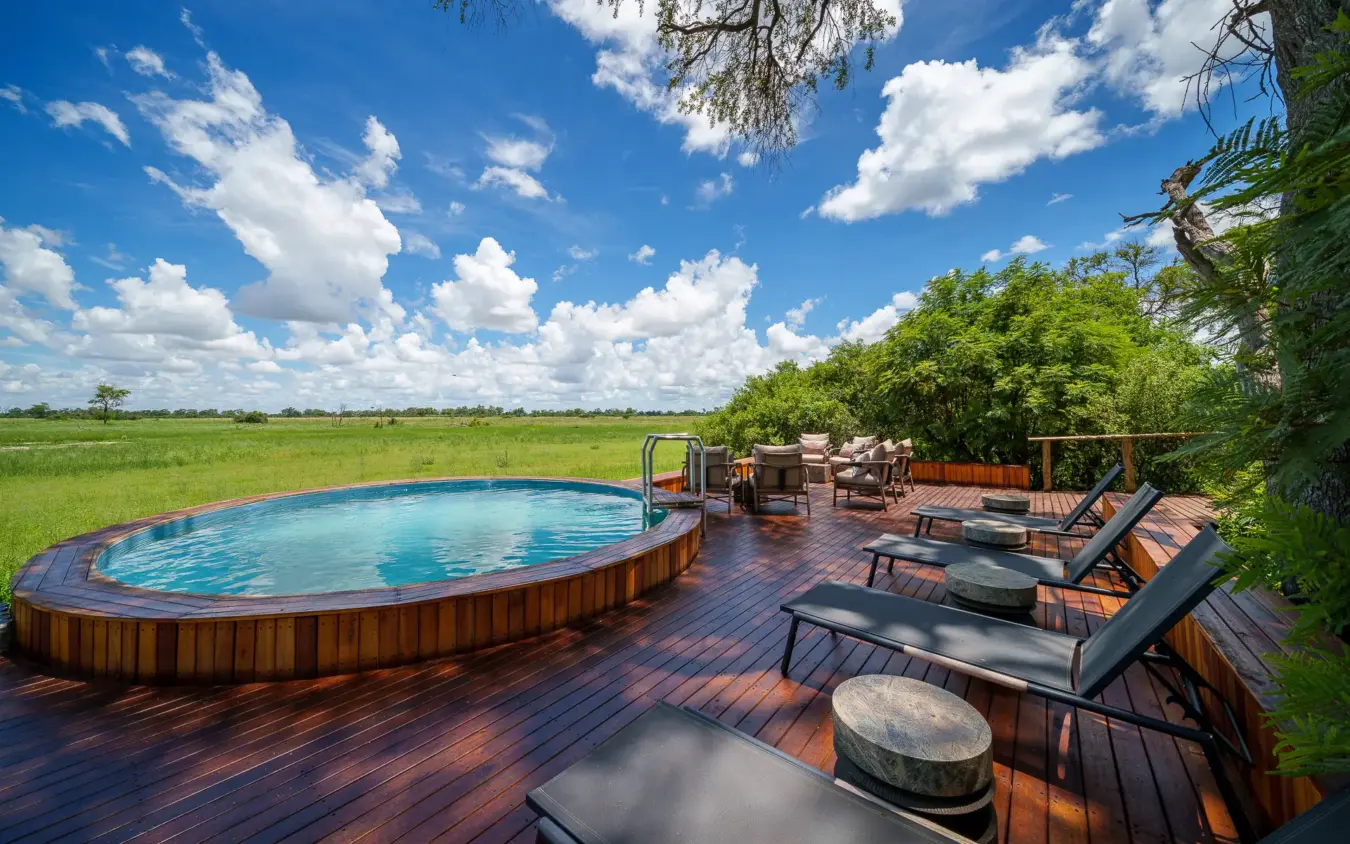
There is no children's programme and no child-minding. What there is instead is the guides' own time: fishing in the afternoons, learning to read the tracks around camp, board games in the lounge and the pool for the hot hours. The camp is unfenced and so is the pool, so children need a parent's eye on them at all times, and in our judgement it suits sensible children of ten and over best. Tell us the ages when you enquire and we will say plainly whether it fits or suggest a Delta camp that suits better.

The wifi is a Starlink satellite link, and it is strongest in the main area, where the lounge and dining deck are; in the tents it is limited and can drop in and out. There is no mobile signal anywhere in the concession, so calls over the phone network are out and anything you send goes over the wifi. For emergencies the camp keeps a satellite phone and a radio.

If someone in your party needs to be reachable at a set time, for work or for family, tell us before you travel and we will check the current setup with the camp rather than guess.

Two seasons, and a flood that runs on its own timetable. The rain falls between November and March, January and February being the wettest months, when afternoons sit in the low thirties and the floodplain turns green with migrant birds and new calves. From April the rain stops and the flood arrives from Angola, filling the channels through the cool, dry winter: a July or August morning can be close to six degrees before the day climbs past thirty, and there is next to no rain from May to September. October is the hottest month, with days towards thirty-seven degrees and the water at its lowest, which pulls the wildlife in tight around whatever water remains.
The flood decides the boat and the mokoro. The camp's own guidance is that the mokoro runs for around six or seven months of the year and the boating is seasonal too, so if being on the water matters to you, aim for the months between April and September, tell us, and we will check the level for your dates with the camp. Drives, night drives and the walks run all year. Pack layers for the winter mornings, a warm jacket and a hat included, light neutral clothing and strong sun protection for the middle of the day, closed shoes for the walks, swimwear for the pool, binoculars, and all of it in a soft bag under twenty kilograms.

Three nights is the right minimum: one for the drives and a night drive, one for a walk with the trackers and the water when it is running, and one in hand for whatever the guides have been following that week. Make it four if you want a full day at Gudigwa, which is the better way to do the village than a half day, since the visit follows whatever the village is doing and a full day gives it room. Both the village visit and a private vehicle need booking ahead, so tell us at the planning stage rather than on arrival.

The rate is fully inclusive: the tent, all meals, every drink the camp stocks, the daily activities on a shared basis, laundry, and the park and community fees, so the conservation and community levy sits inside the nightly rate rather than being added at the end. That levy is what pays for the training and the children's eco-clubs in Gudigwa, and for the herding and veterinary work that helps the village keep its cattle alive alongside lions. What sits outside the rate is the flights and the helicopter transfer, a single supplement if you travel alone, a private vehicle where you want or need one, and the optional helicopter outings such as the scenic flight to the Tsodilo Hills, which the camp books through a separate operator.

rated five stars by our clients

other areas in botswana

Guests poling traditional boat through wetland waterway, Linyanti Wildlife Reserve, Botswana 01

Linyanti Wildlife Reserve

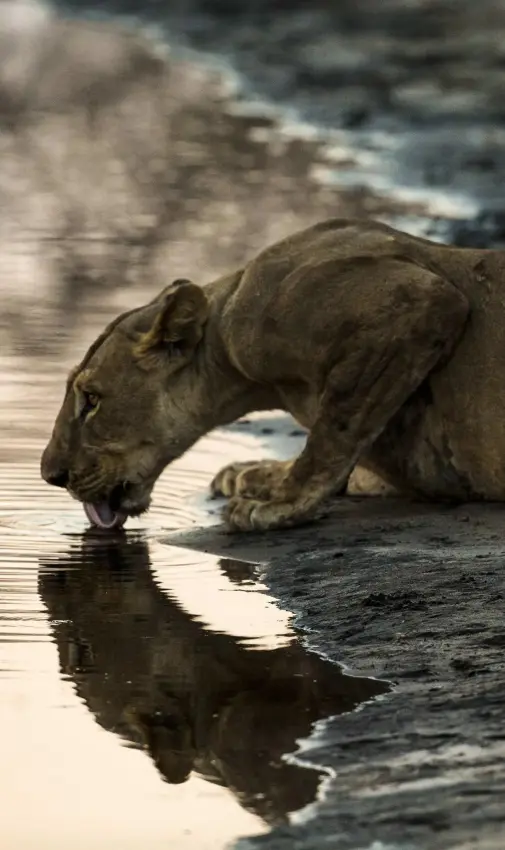
Lion drinking from water's edge at sunset, Selinda Reserve, Botswana 02

Selinda Reserve

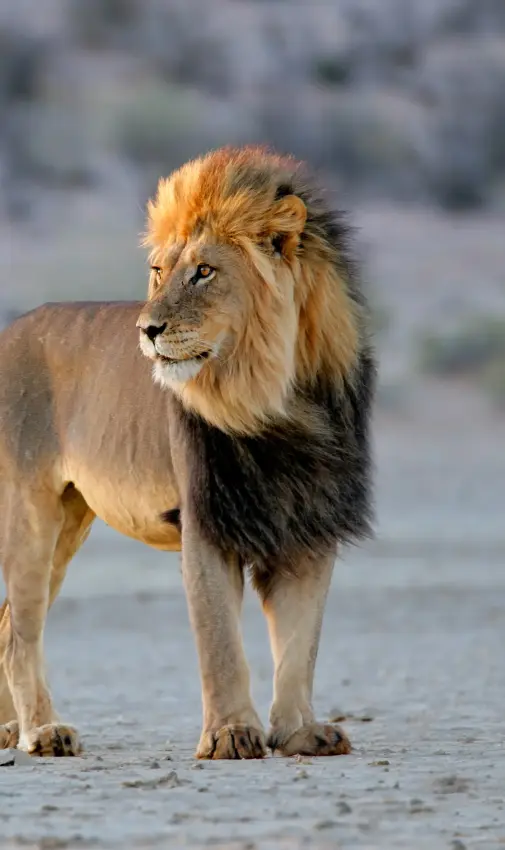
Male lion standing on sandy ground in natural habitat 03

Central Kalahari

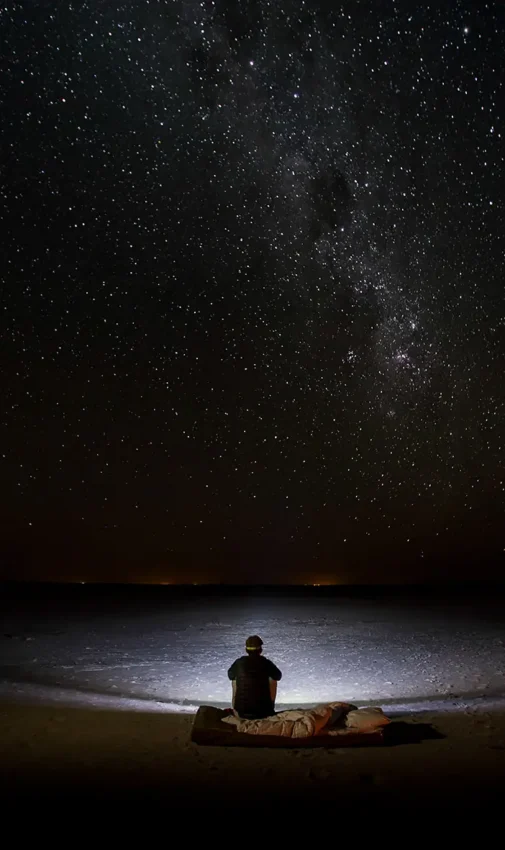
Person sitting alone under starry night sky, Makgadikgadi Pans, Botswana 04

Makgadikgadi Pans

Herd of elephants drinking at waterhole with reflections 05

Chobe

06

Maun

Planning a journey together

our approach

remote, exclusive
& personal

Every journey starts with a conversation. We take the time to understand your vision before we start planning.

Whether by phone or in person, we work with you directly to shape something that is considered, personal, and expertly delivered.

get in touch
destinations ideas & inspiration our process about us contact us