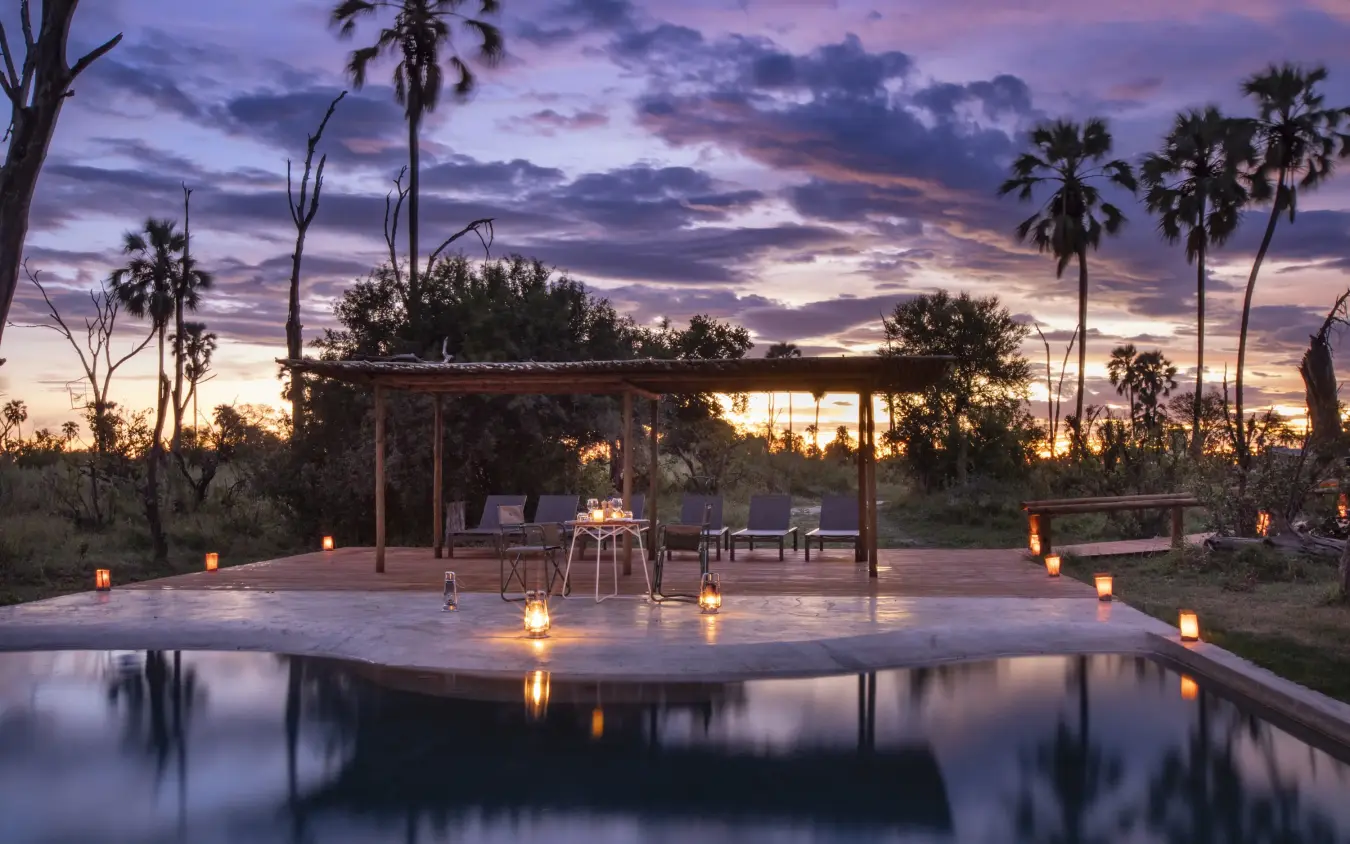
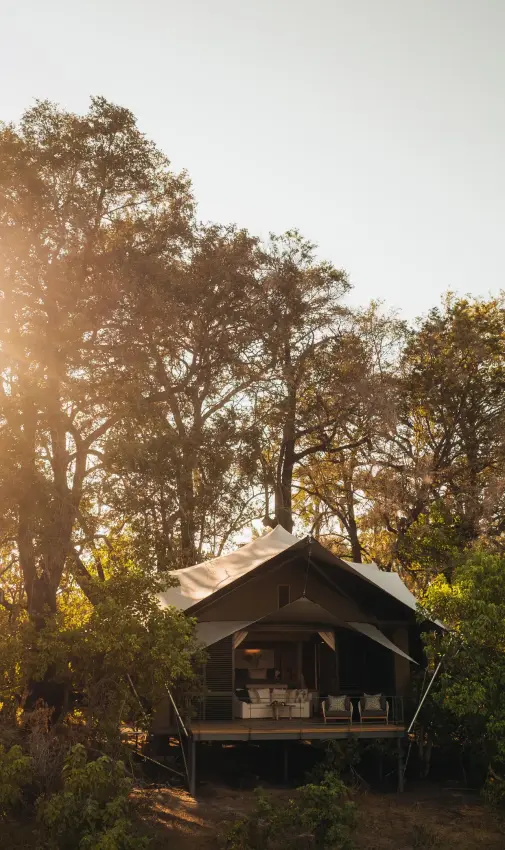
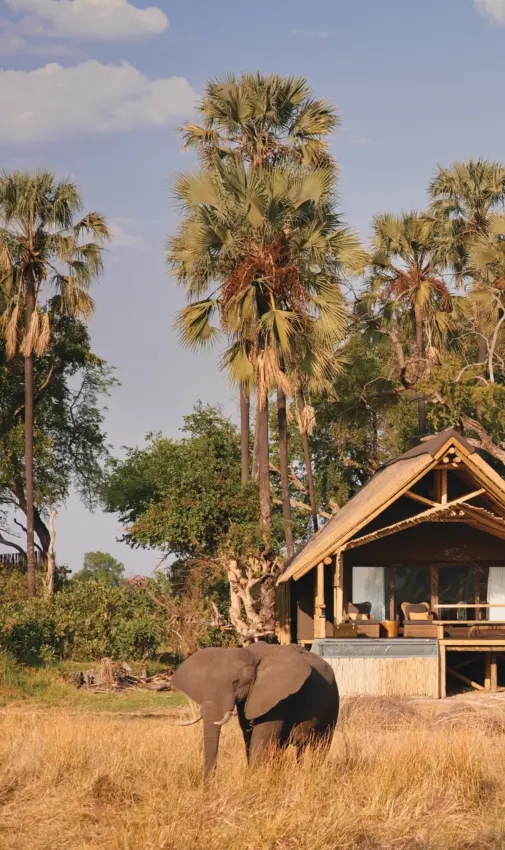
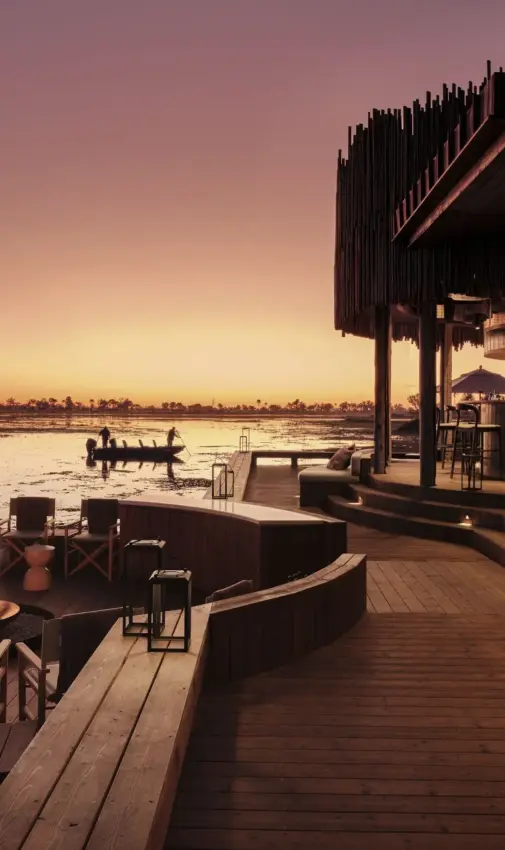
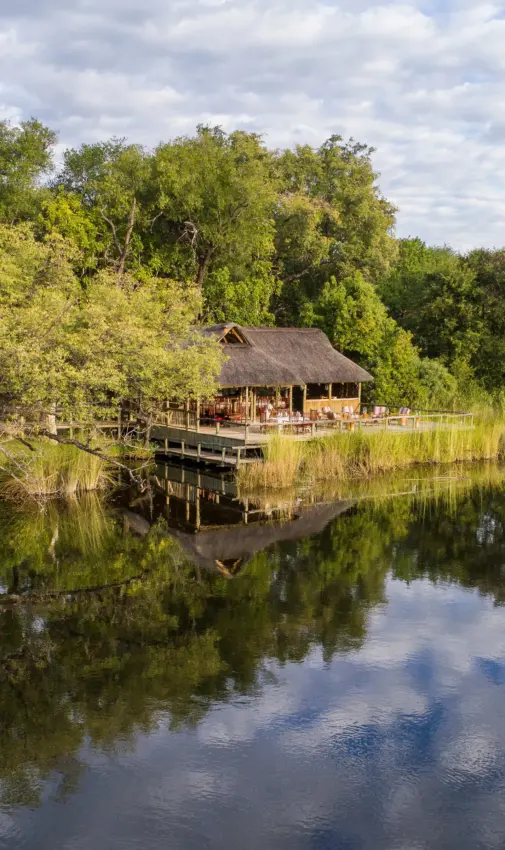
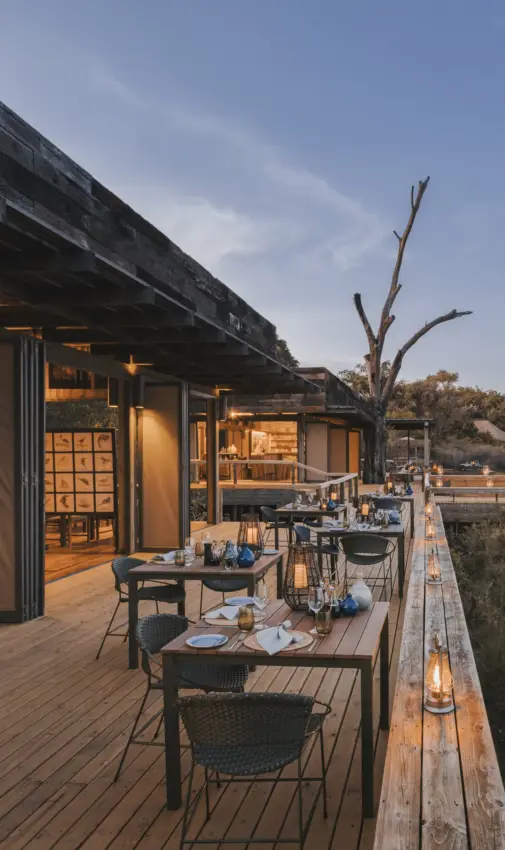
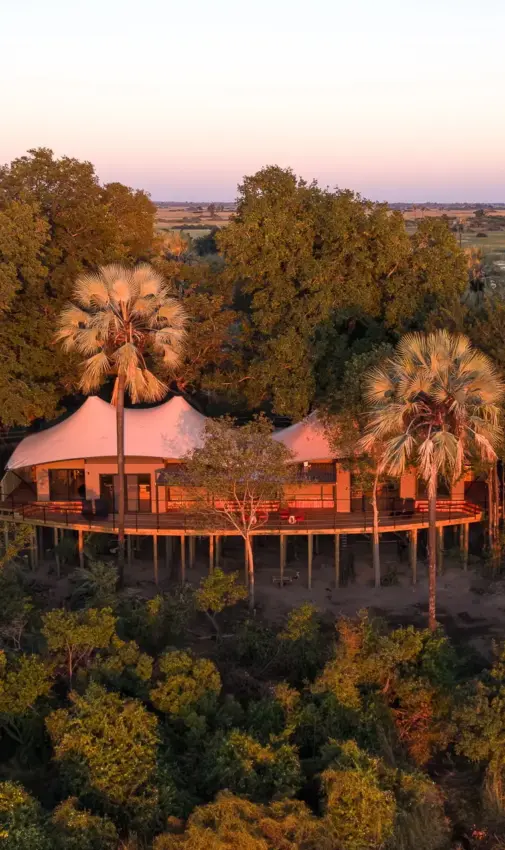
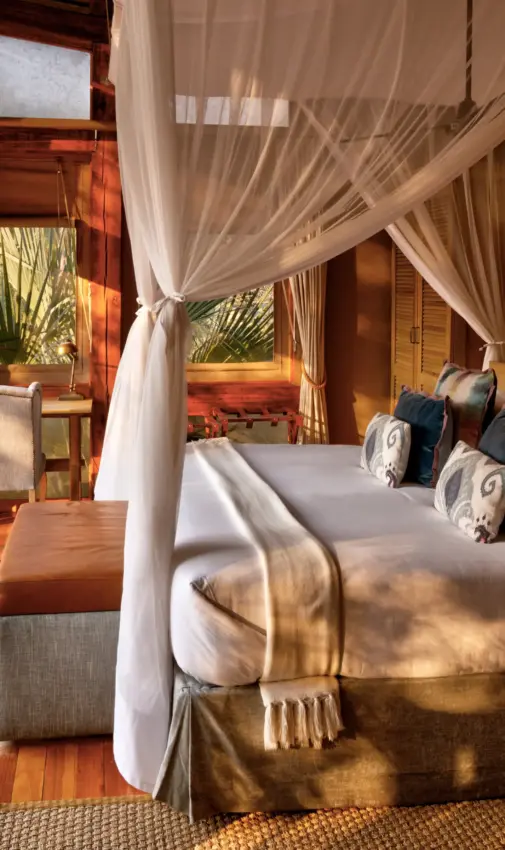
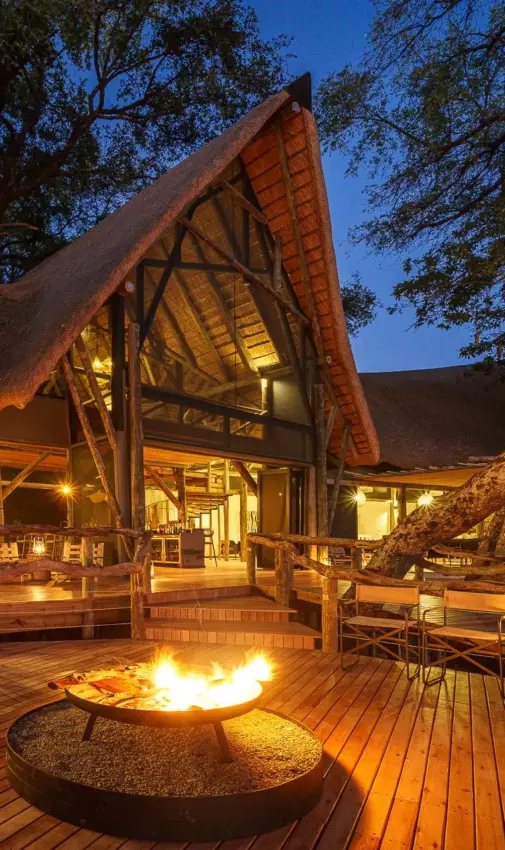
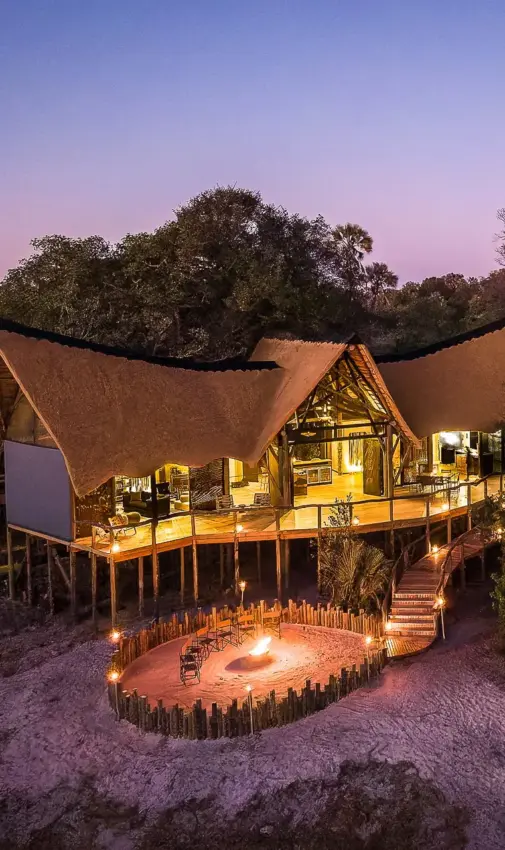
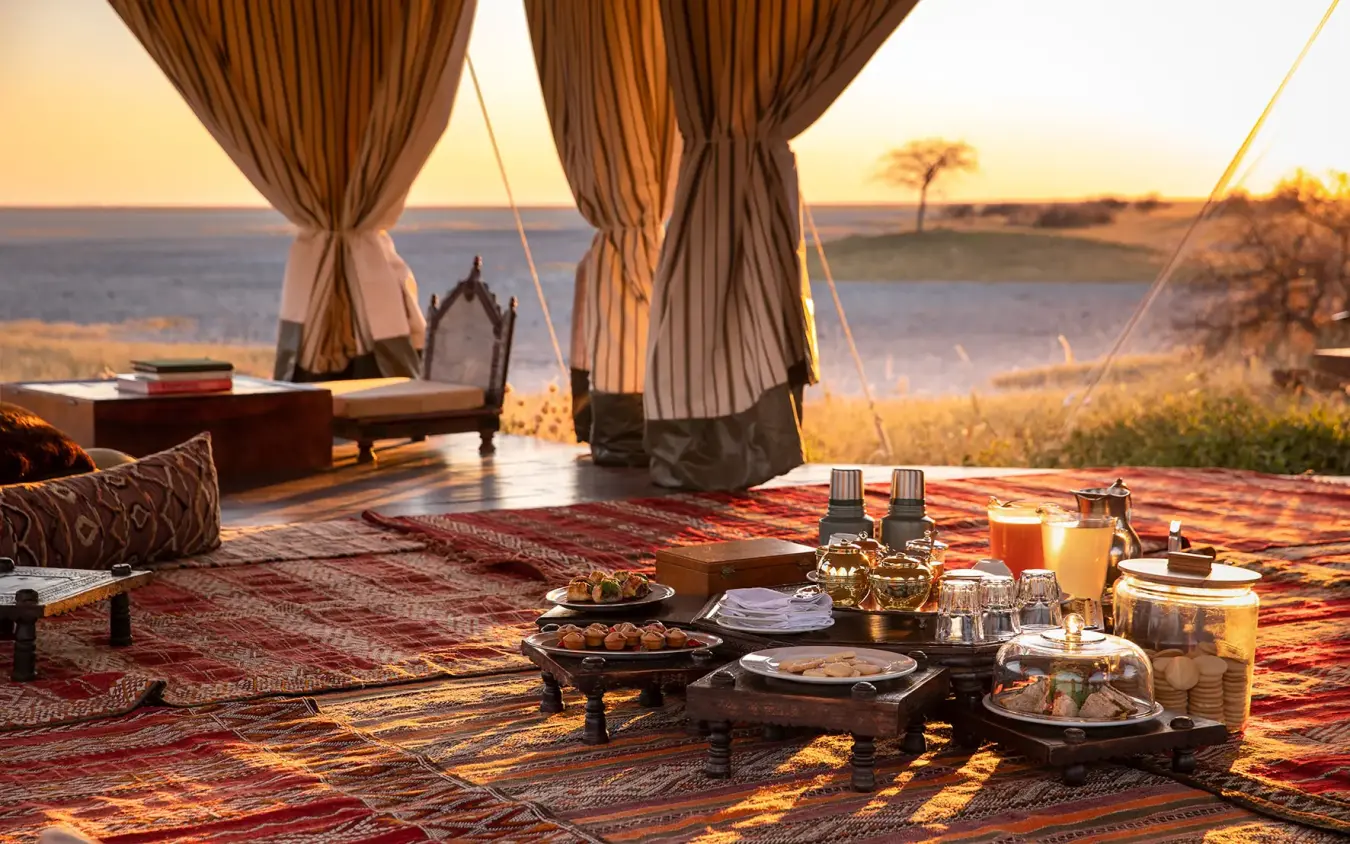
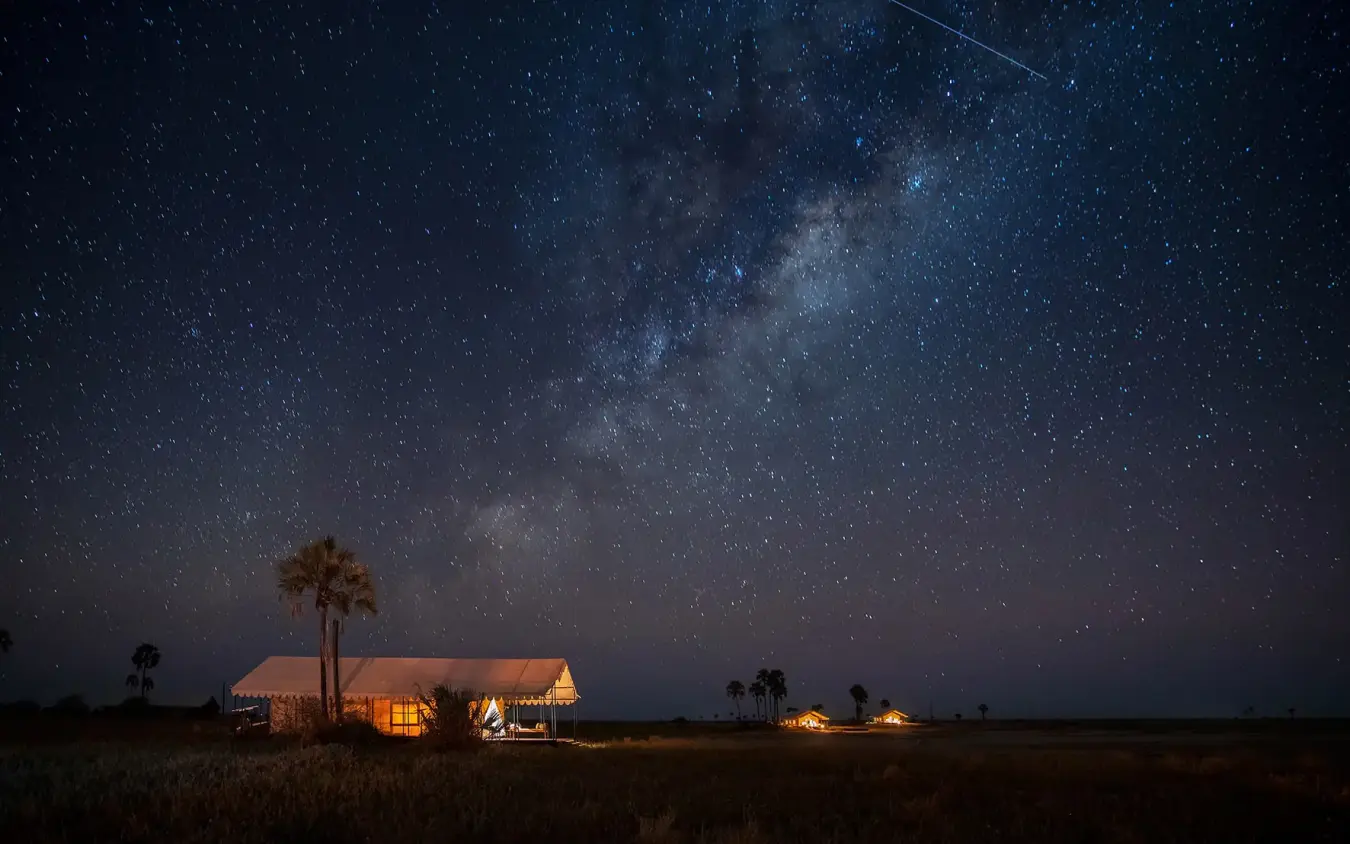
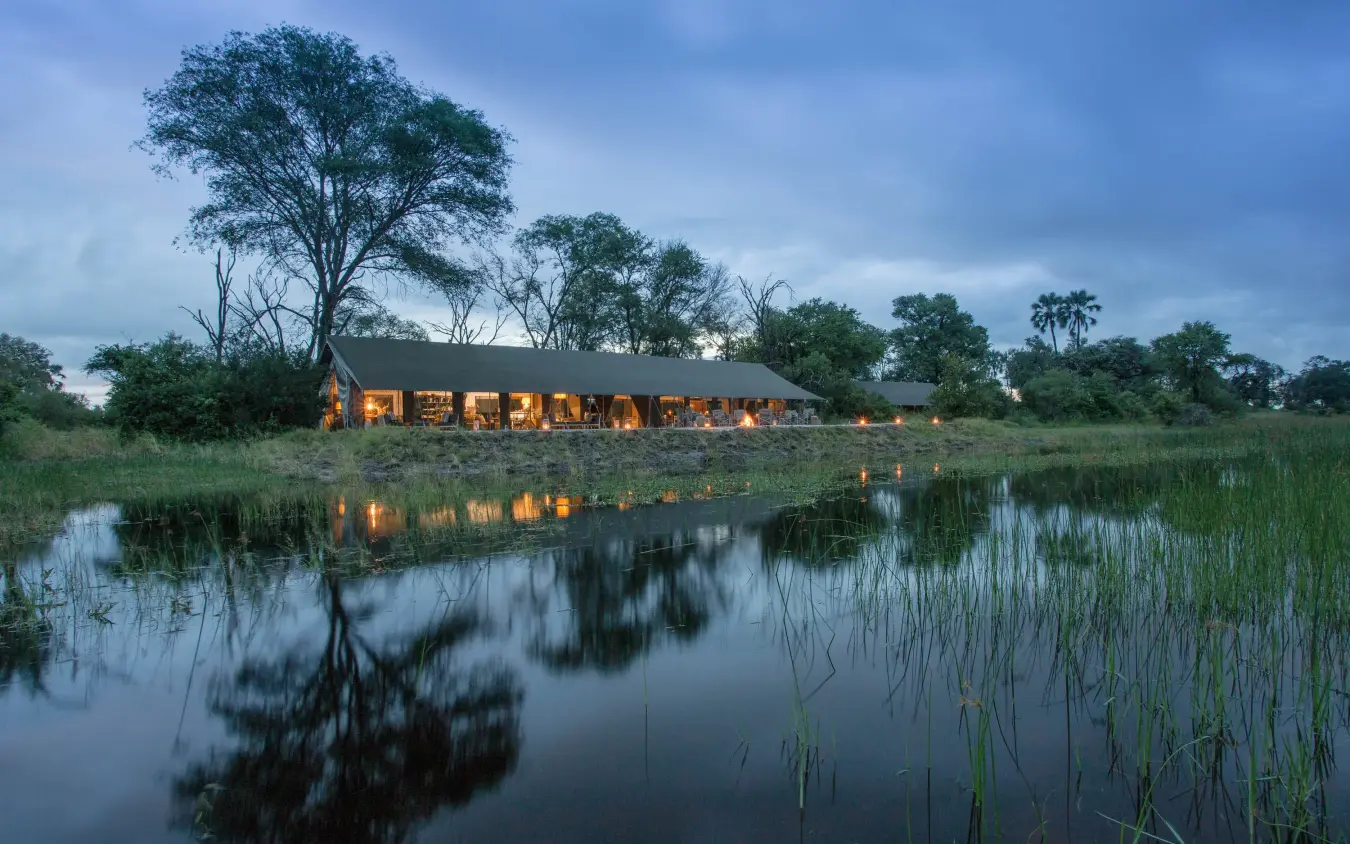
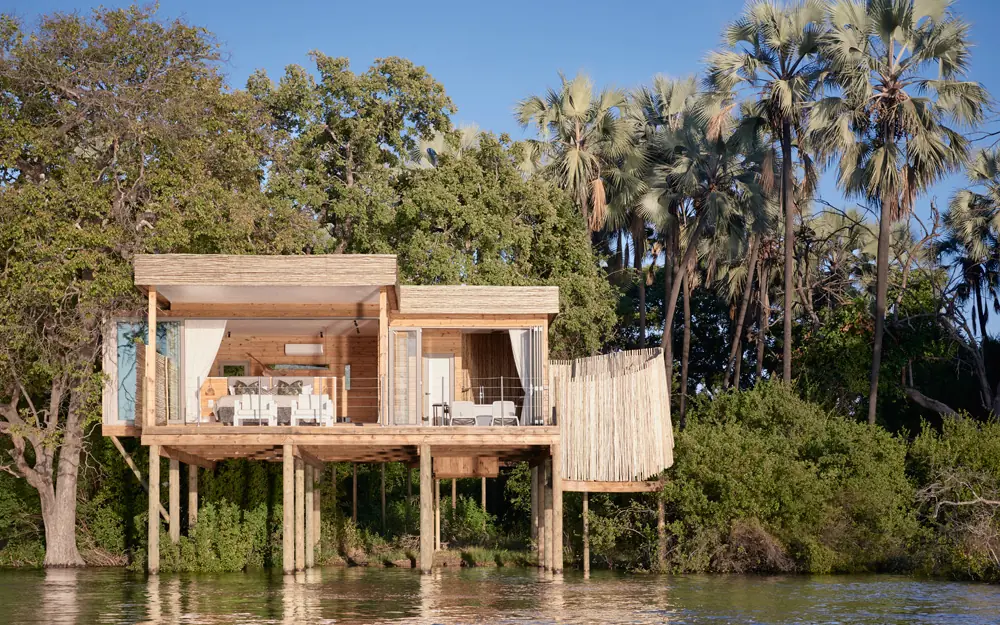
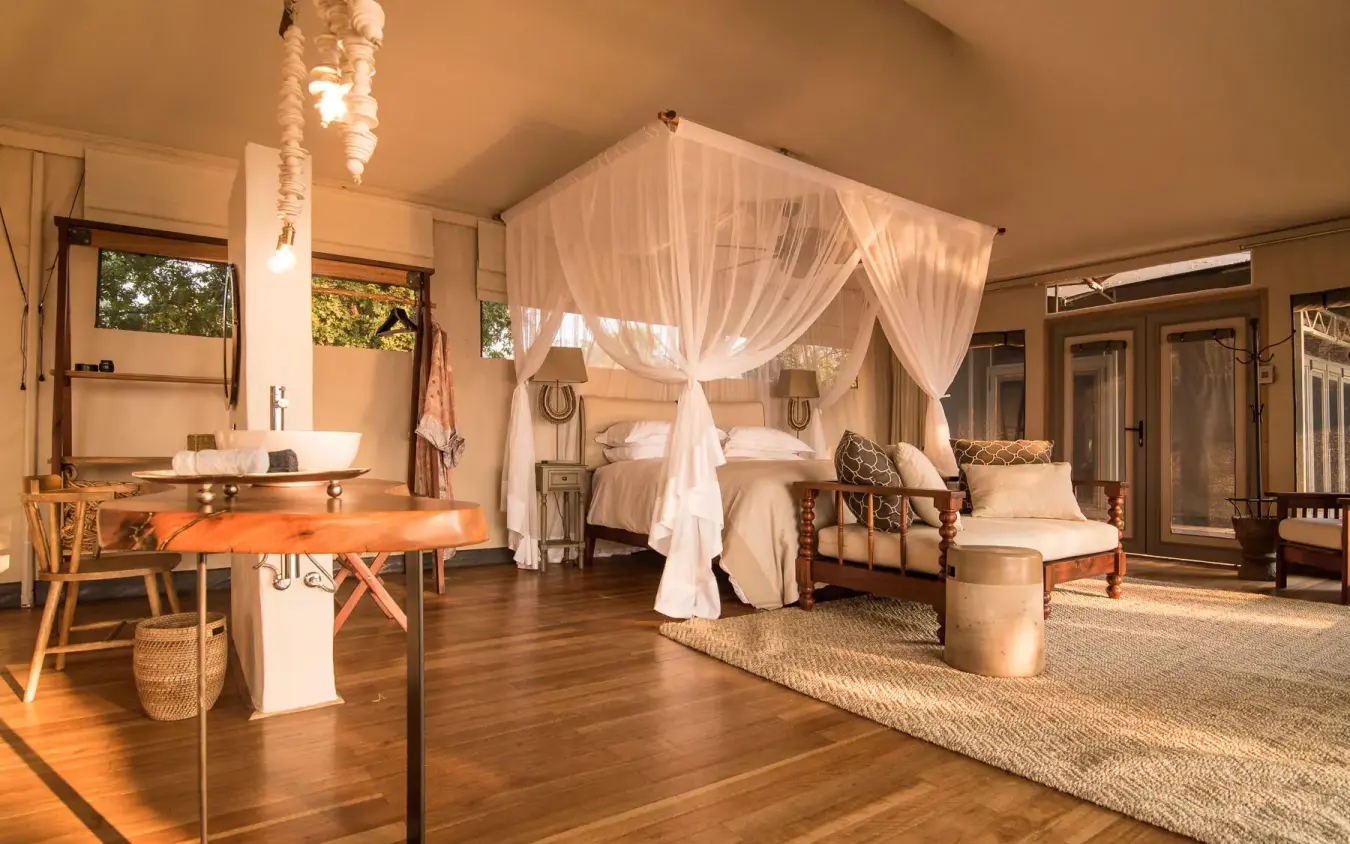
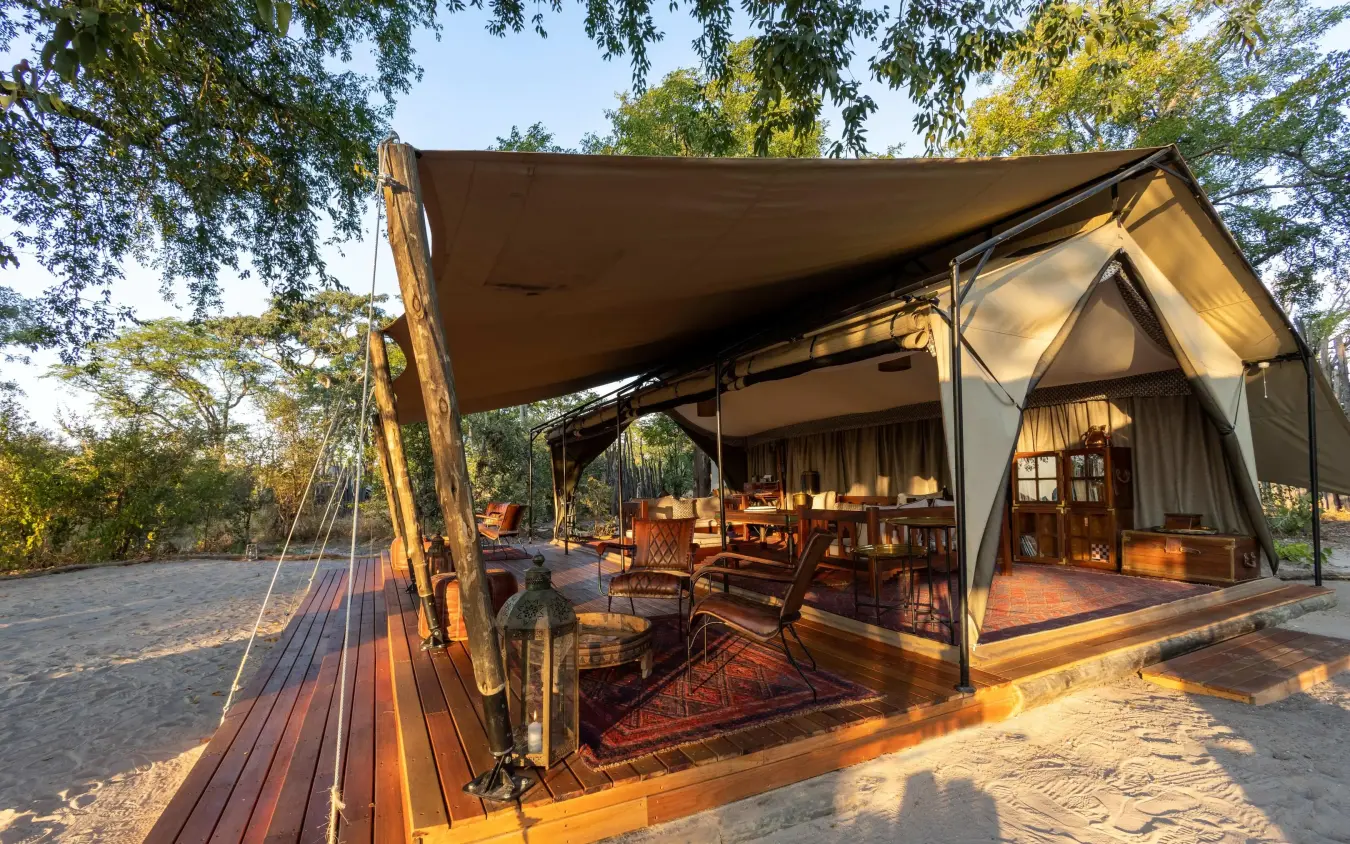
Gomoti Plains opened in April 2017 on land held by the Okavango Kopano Mokoro Community Trust, the first camp built under the Botswana Tourism Organisation’s tourism land bank initiative. Andrew and Rhona Currell ran it in its early years, and the style they arrived at is classic tented safari with a modern edge. Cream canvas rises over wooden decking, the wardrobes and chairs are teak, and the colours are taken from the water and earth outside. Solar power runs the camp, though at dusk it is the paraffin lamps that are lit.
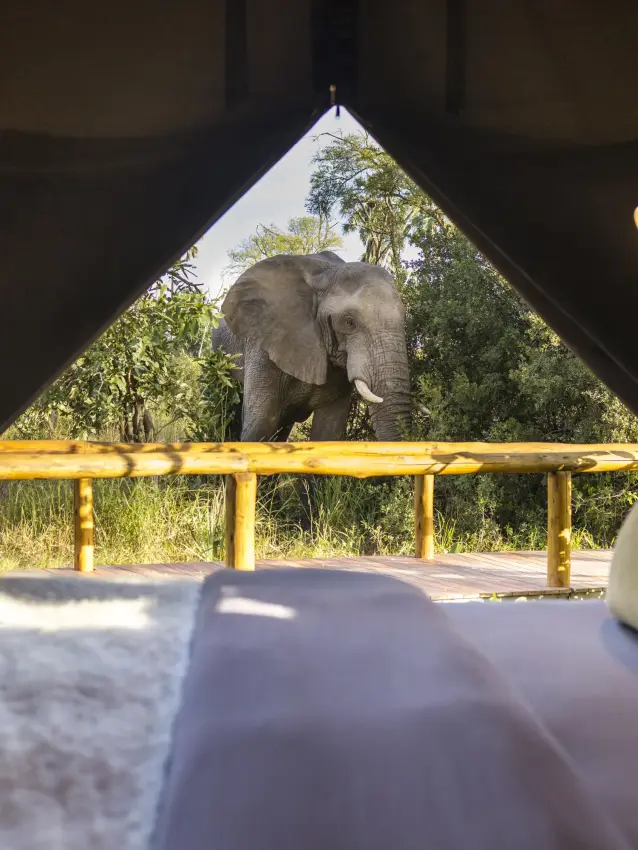
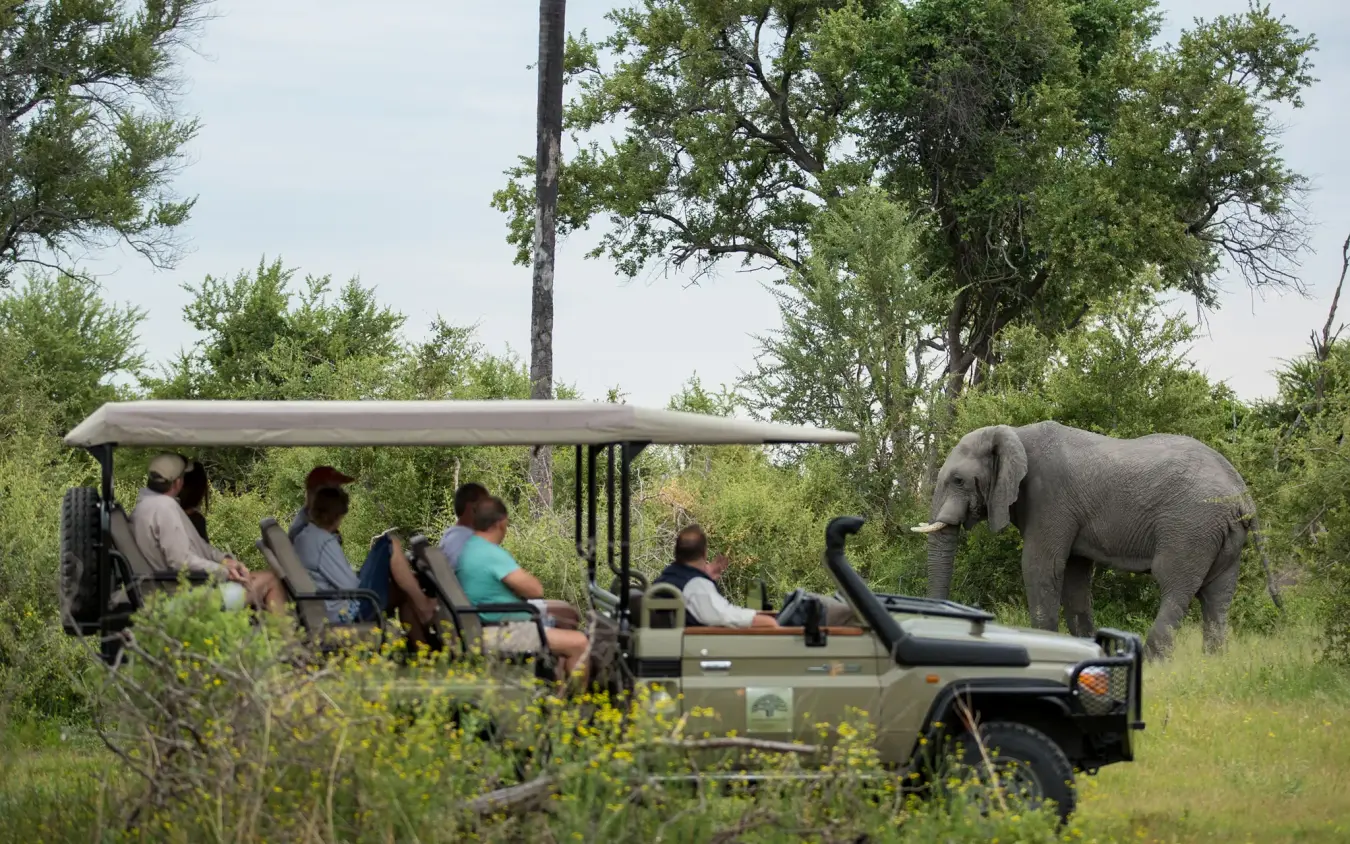
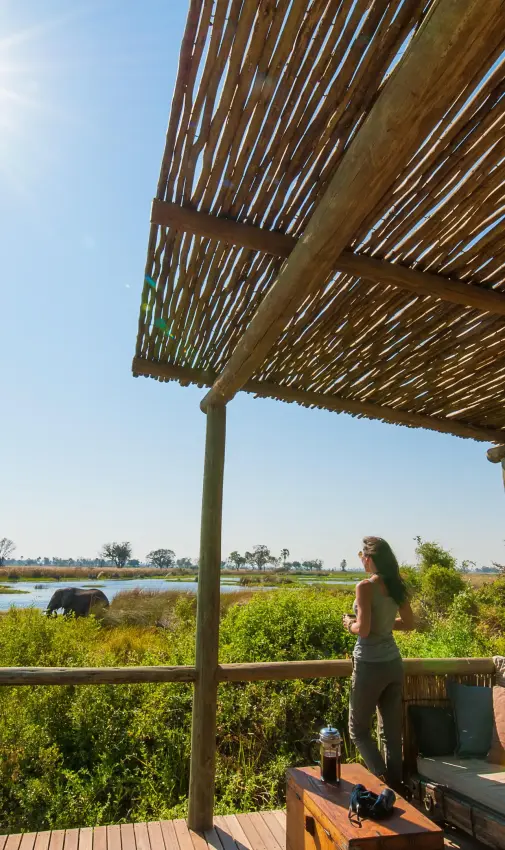
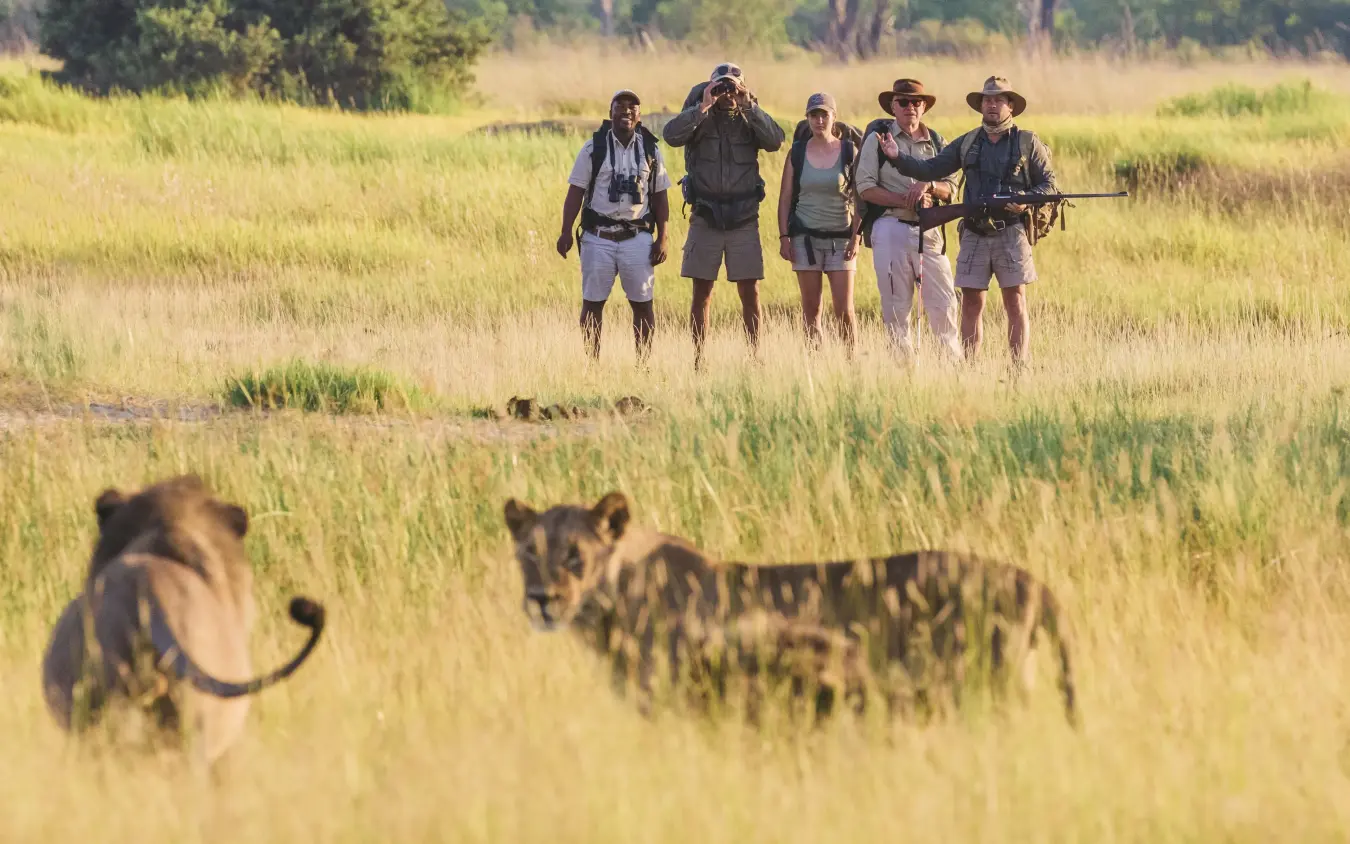
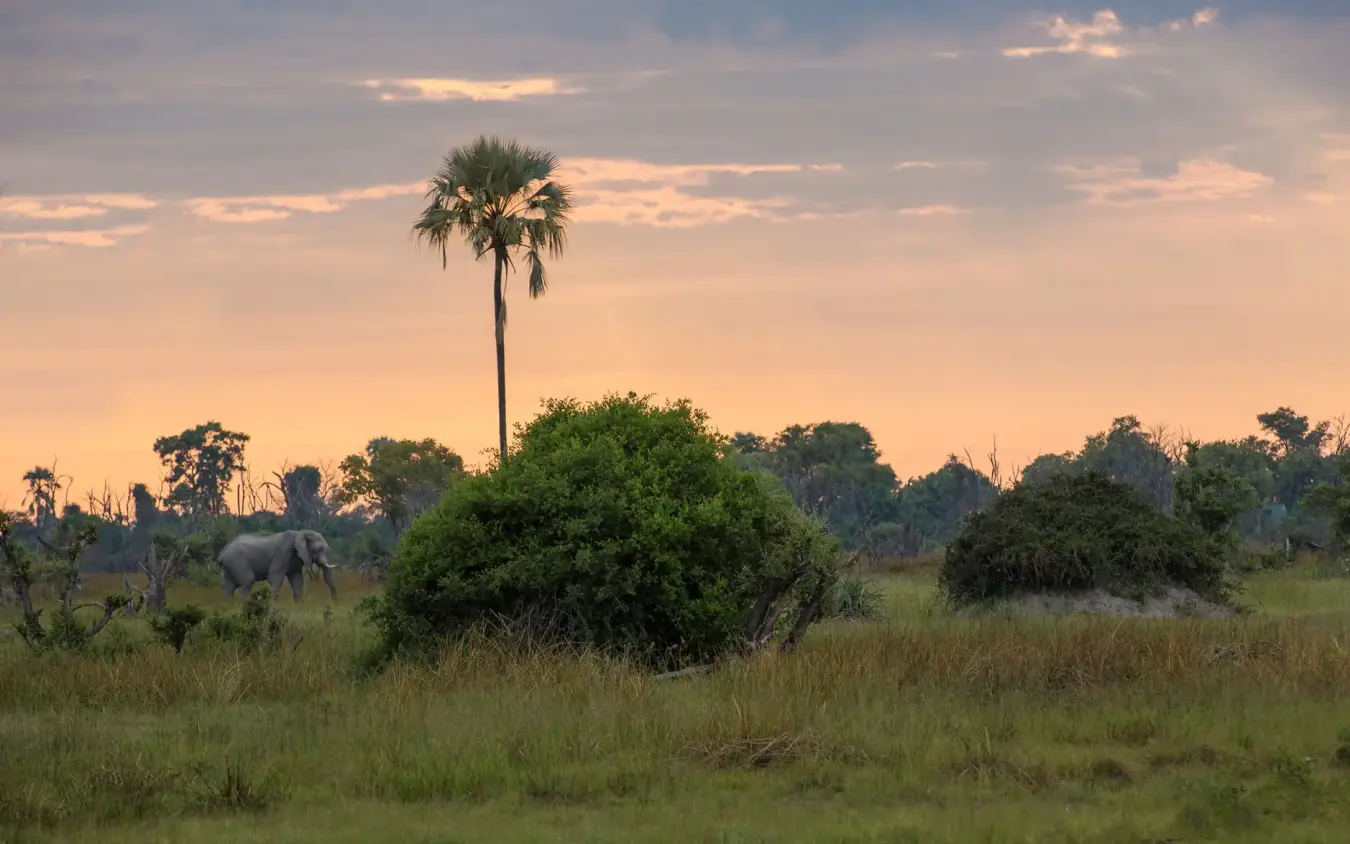
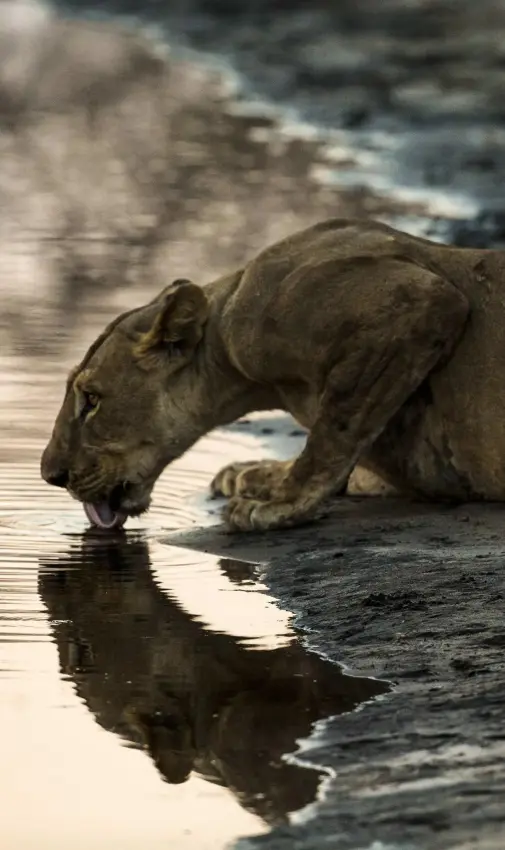
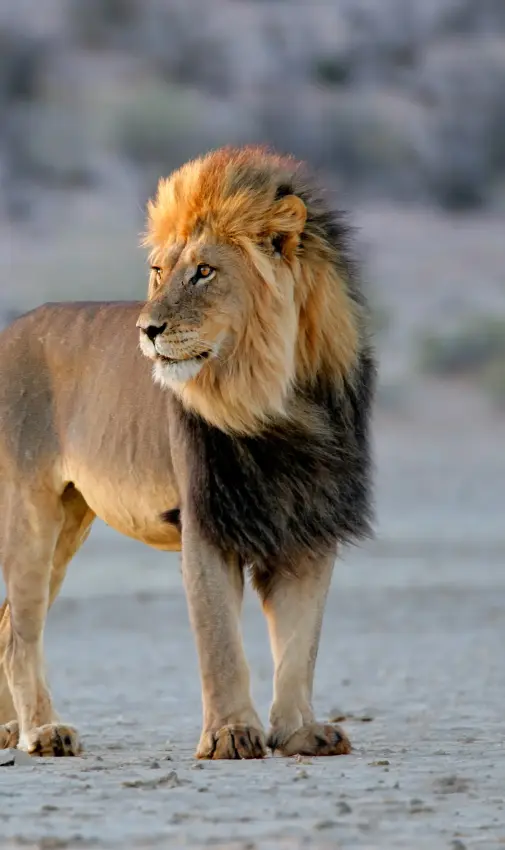
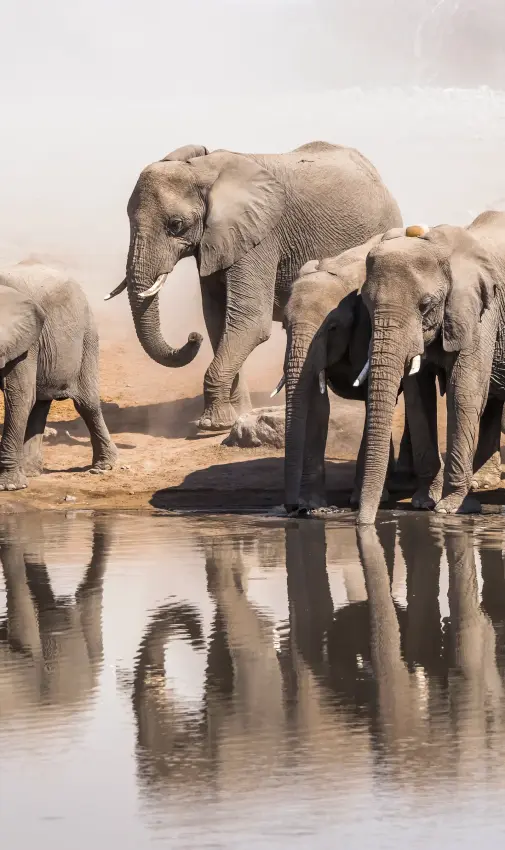
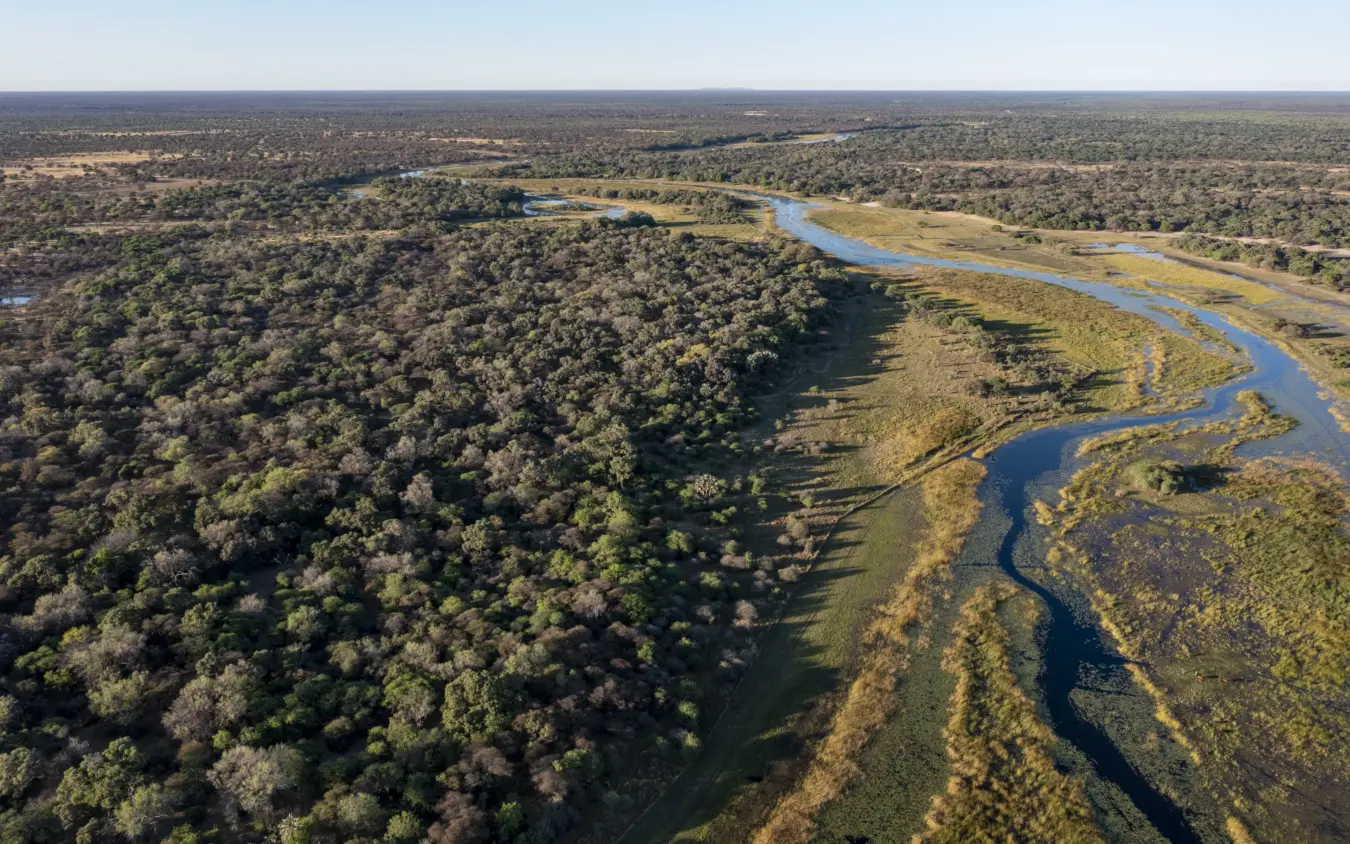
Mornings begin on floodplains that hold their mist until the sun burns it off. Buffalo move in large herds here, with giraffes and zebras on the open ground and red lechwe alongside them. Between drives the day slackens, and much of what happens arrives unasked, to anyone sitting still with a book. Impala graze beside the main area. Hippos and elephants cross in front of the tents while fish eagles call from the river. A lioness has walked through camp at midday. In the heat, a pool and its loungers look over the same floodplain.
Hippos and elephants cross in front of the tents while fish eagles call from the river.
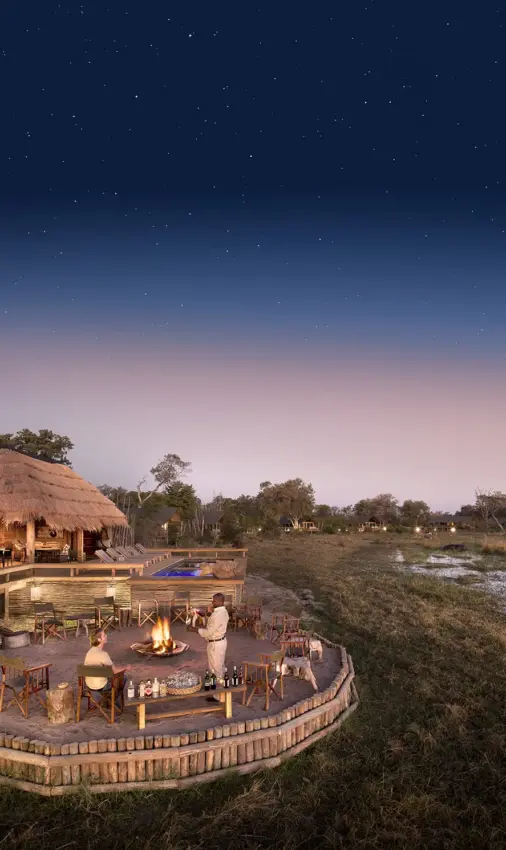
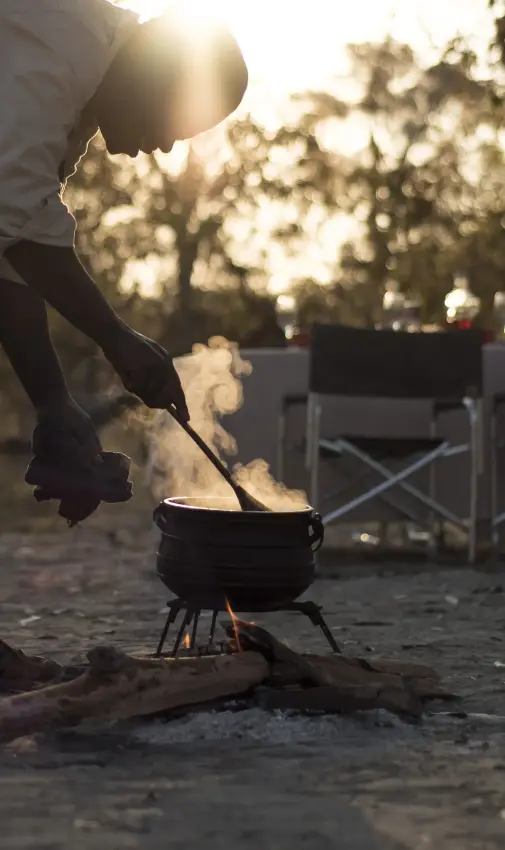
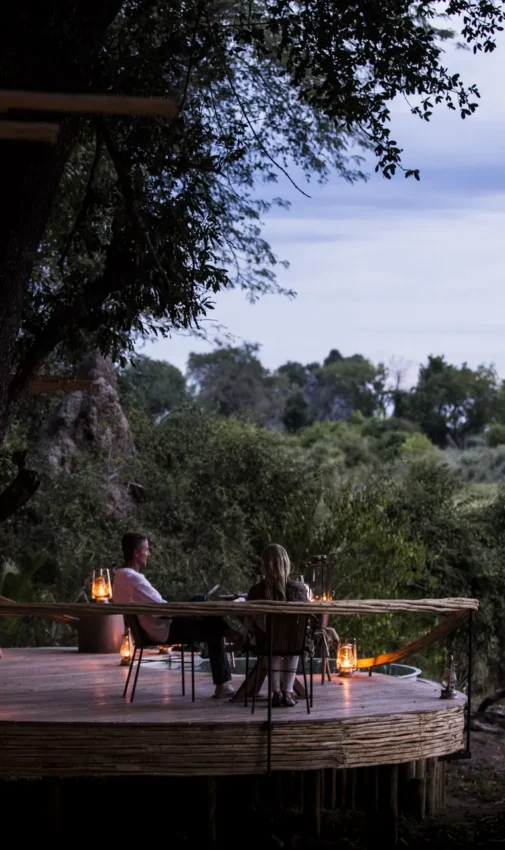
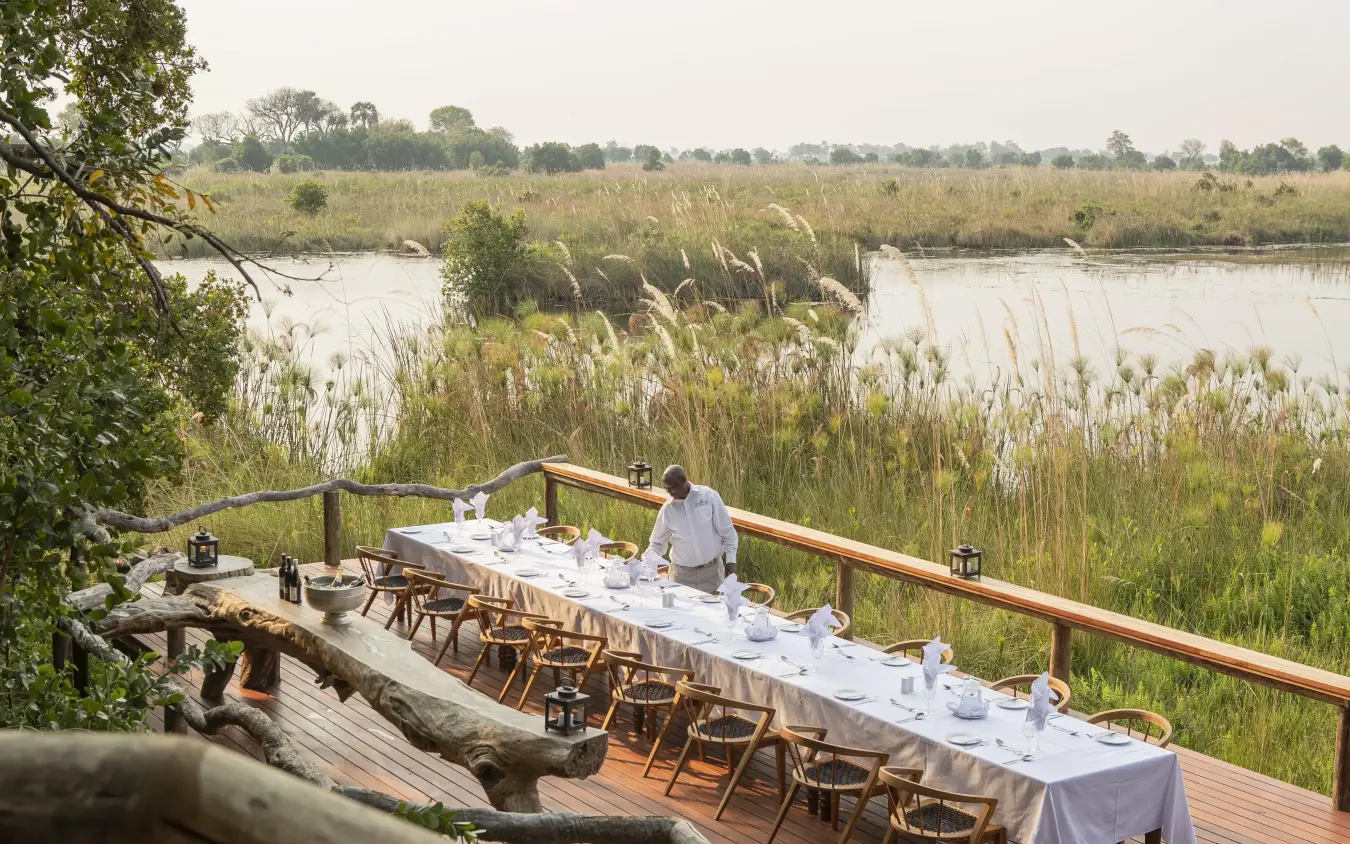
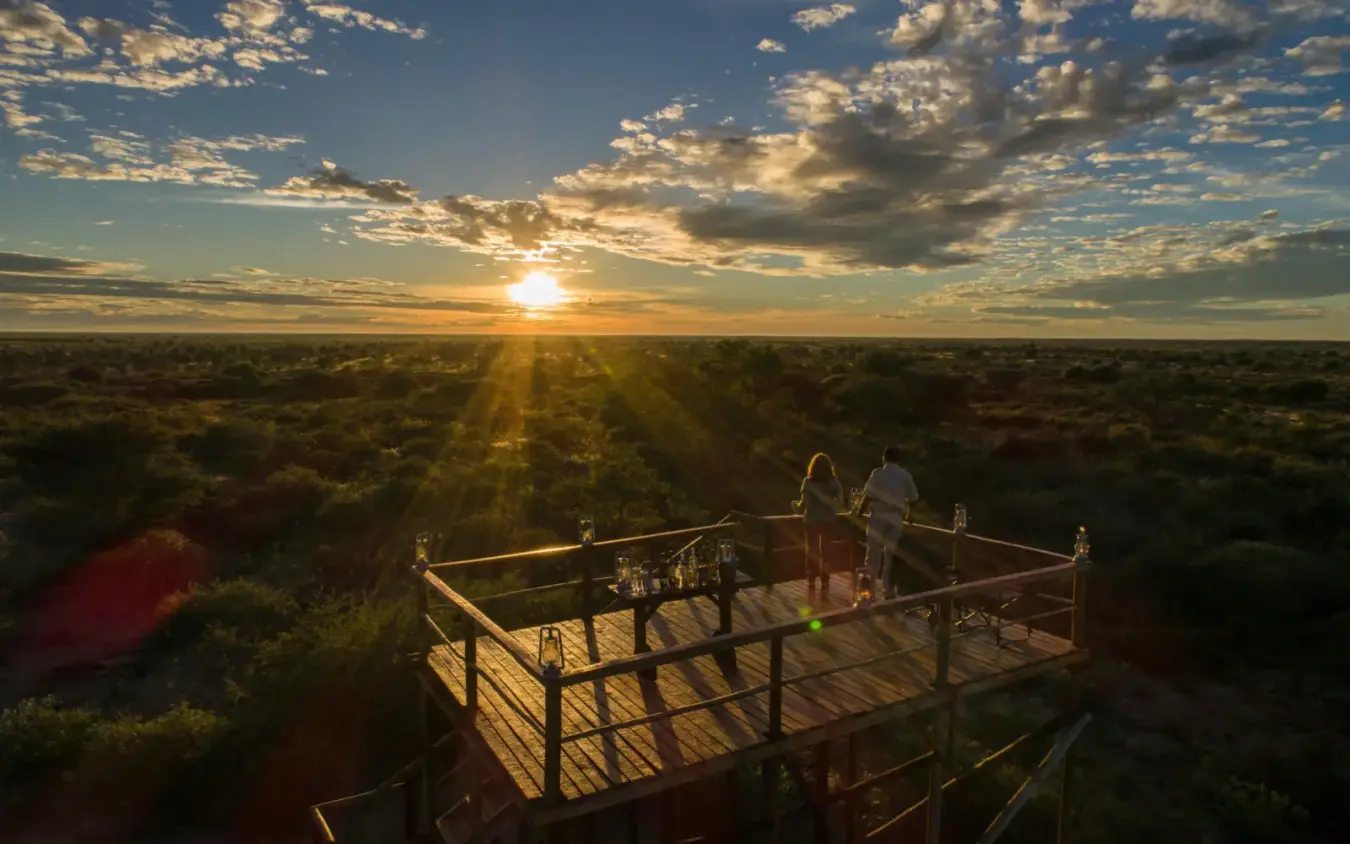
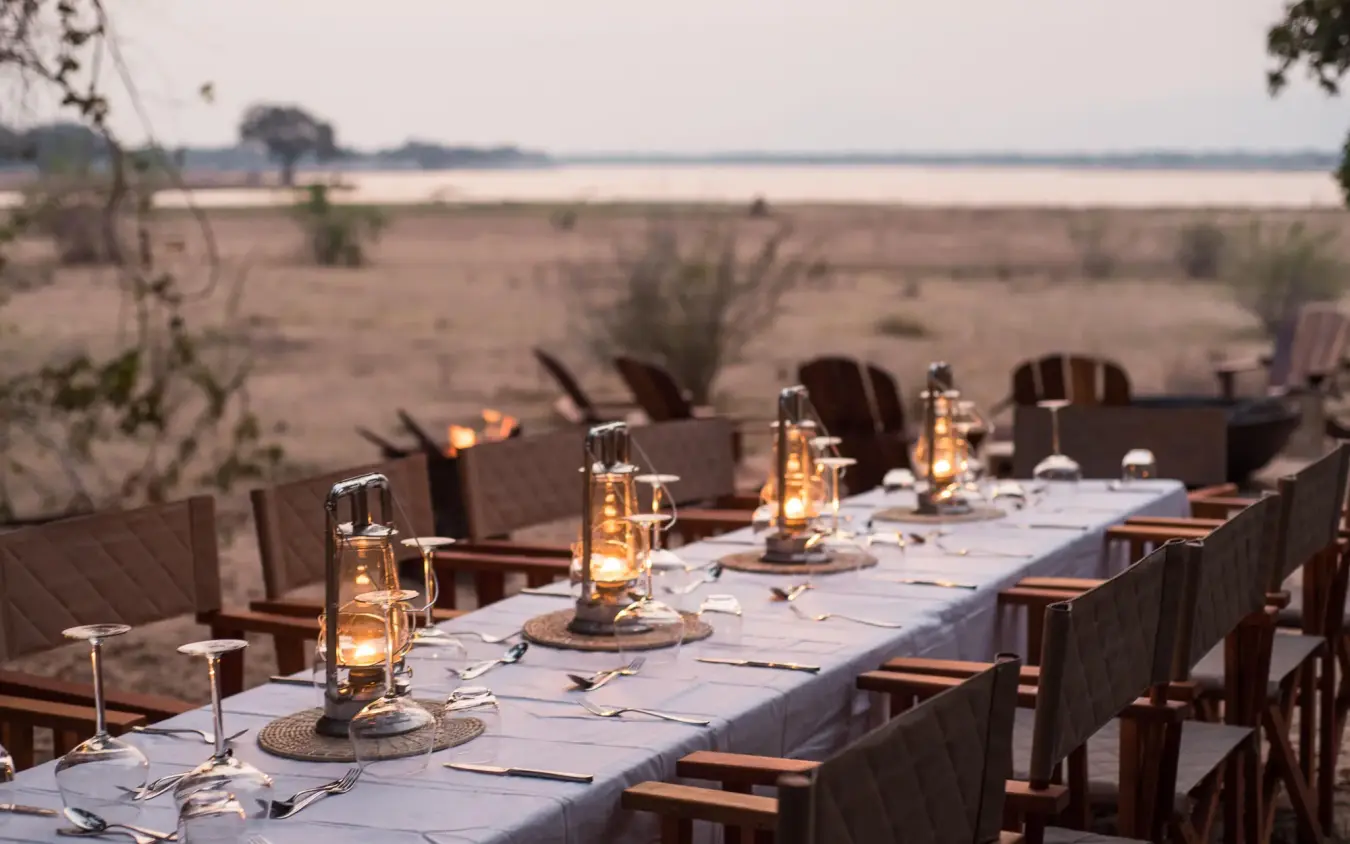
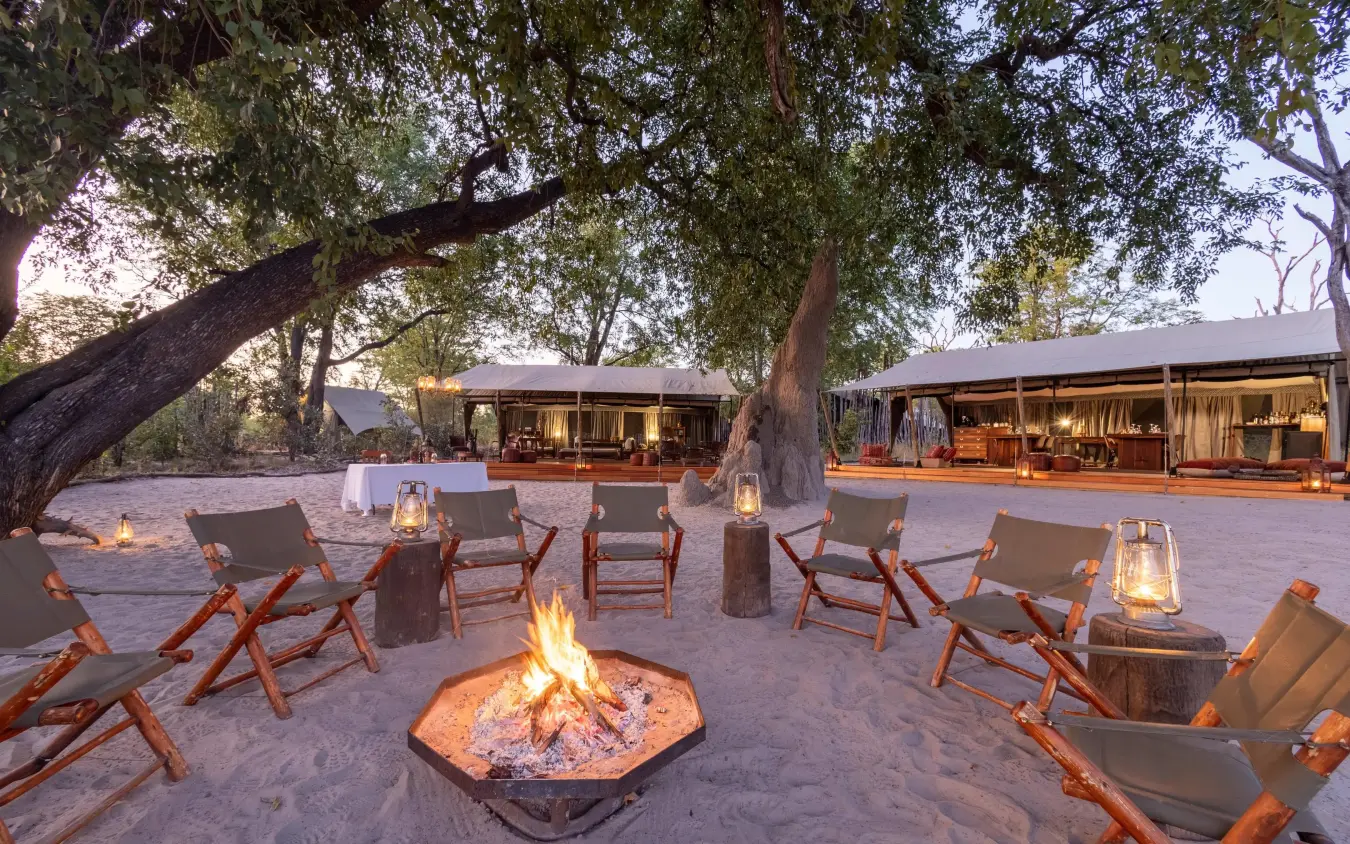
A campfire beyond the main deck starts the evening, drink in hand, the lamps throwing a soft light across the boards. Dinner follows under canvas or outside beneath the stars, depending on the weather. The kitchen calls its food bushfare, Botswana cooking alongside home-style dishes from Batswana chefs. A kudu potjie might share the menu with beef medallions or peppered mackerel, with rooibos panna cotta to finish. For those who stay in camp, a spa therapist brings massages and facials to the tents, and there is a library for the hot hours.
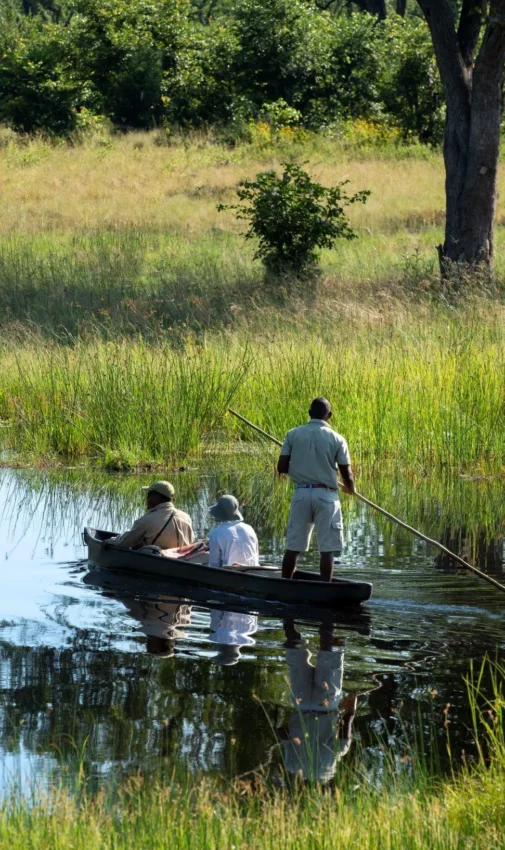
Light aircraft fly from Maun to a nearby airstrip, and the game drive of around forty-five minutes that follows often produces wildlife long before the tents come into view. No more than twenty-four guests stay at a time. Two family tents, each with two bedrooms, suit multi-generational groups, though mokoro trips and walks carry minimum ages. Most of the staff come from the six Bayei villages the concession supports, and training, education and drinking-water provision in those communities are funded by the operation.