






botswana
helicopters through the delta
Wild dog country at Chitabe, a walking safari in the western Delta and the Makgadikgadi salt pans over 11 nights.
- Private Safari
- From $19,824 pp
- 4 guests
- 11 nights
Thirteen nights across Botswana, linking two faces of the Okavango Delta to the salt flats of the Makgadikgadi. You begin on a private community concession in the south-eastern Delta, where floodplain gives way to acacia and mopane woodland, then spend five nights on foot with a lightweight mobile camp. From there to a permanent lagoon in the northern Delta, and finally the edge of Ntwetwe Pan.
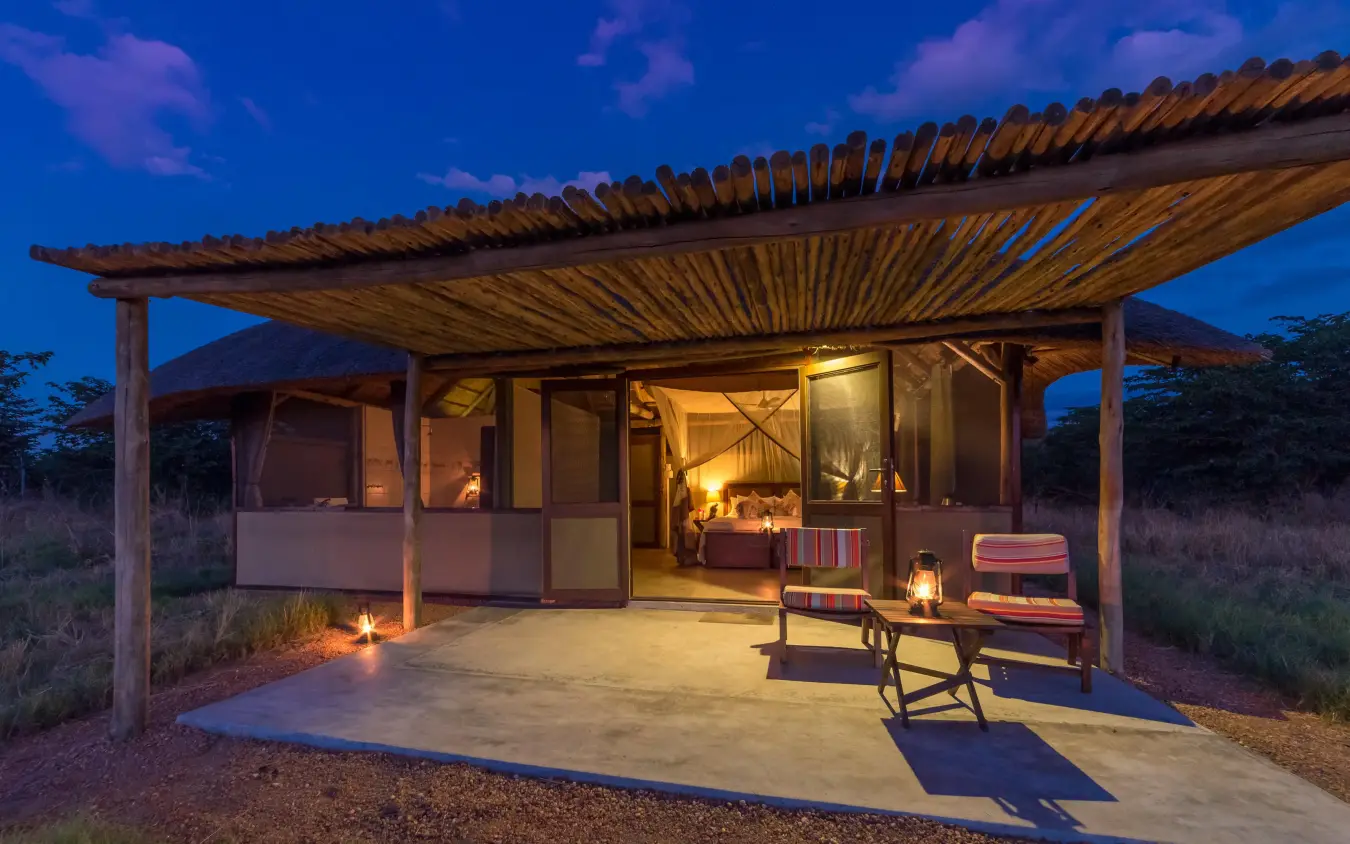
You travel by vehicle, by mokoro and motorboat and on foot, with light aircraft between regions and a helicopter in and out of the walking camp. Days hold game drives, water safaris and night drives on private concessions where guides can leave the road, alongside quad biking and sleeping out on the pans. The camps range from raised canvas tents on decking to a mobile walking camp and seven tents lit by paraffin lamp.
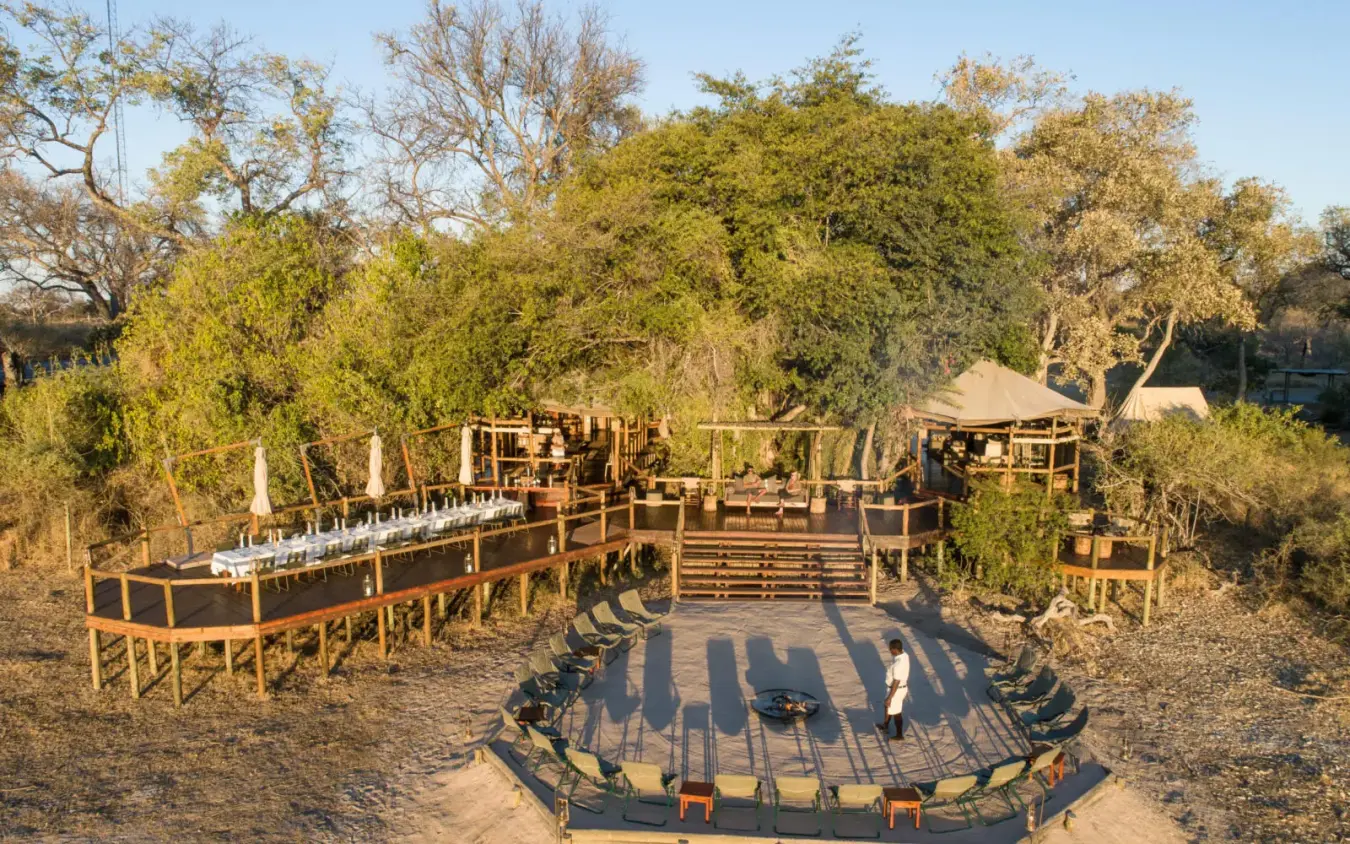
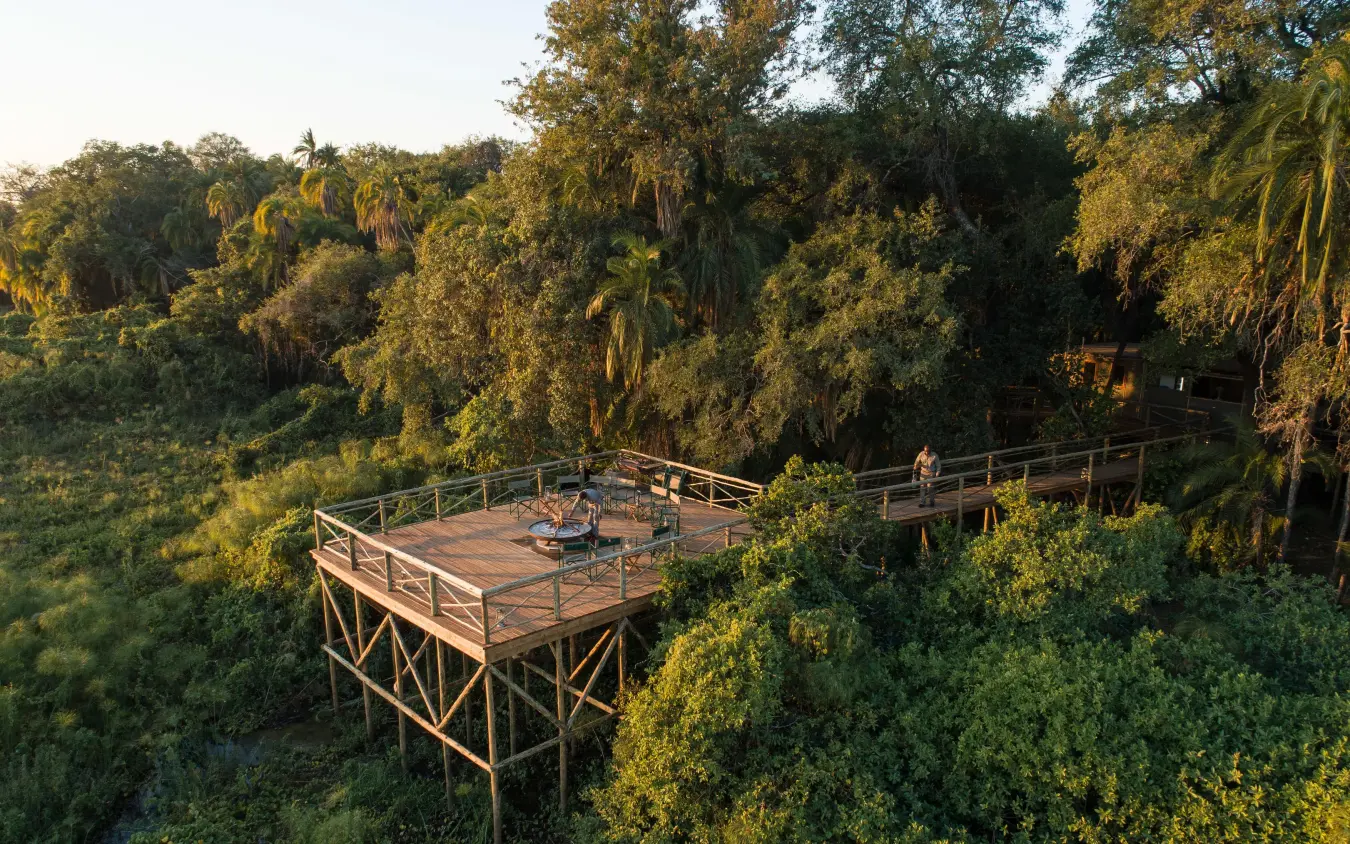
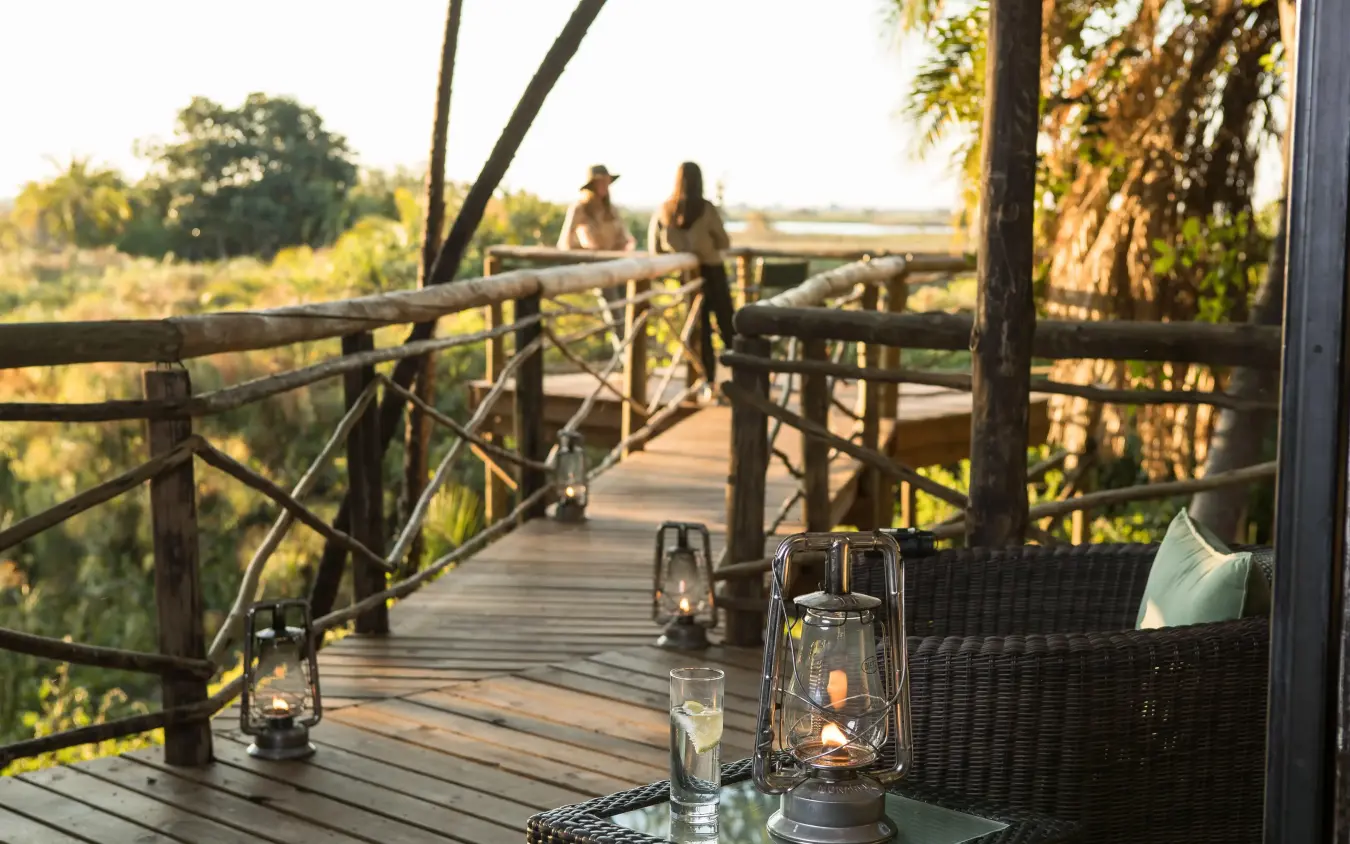
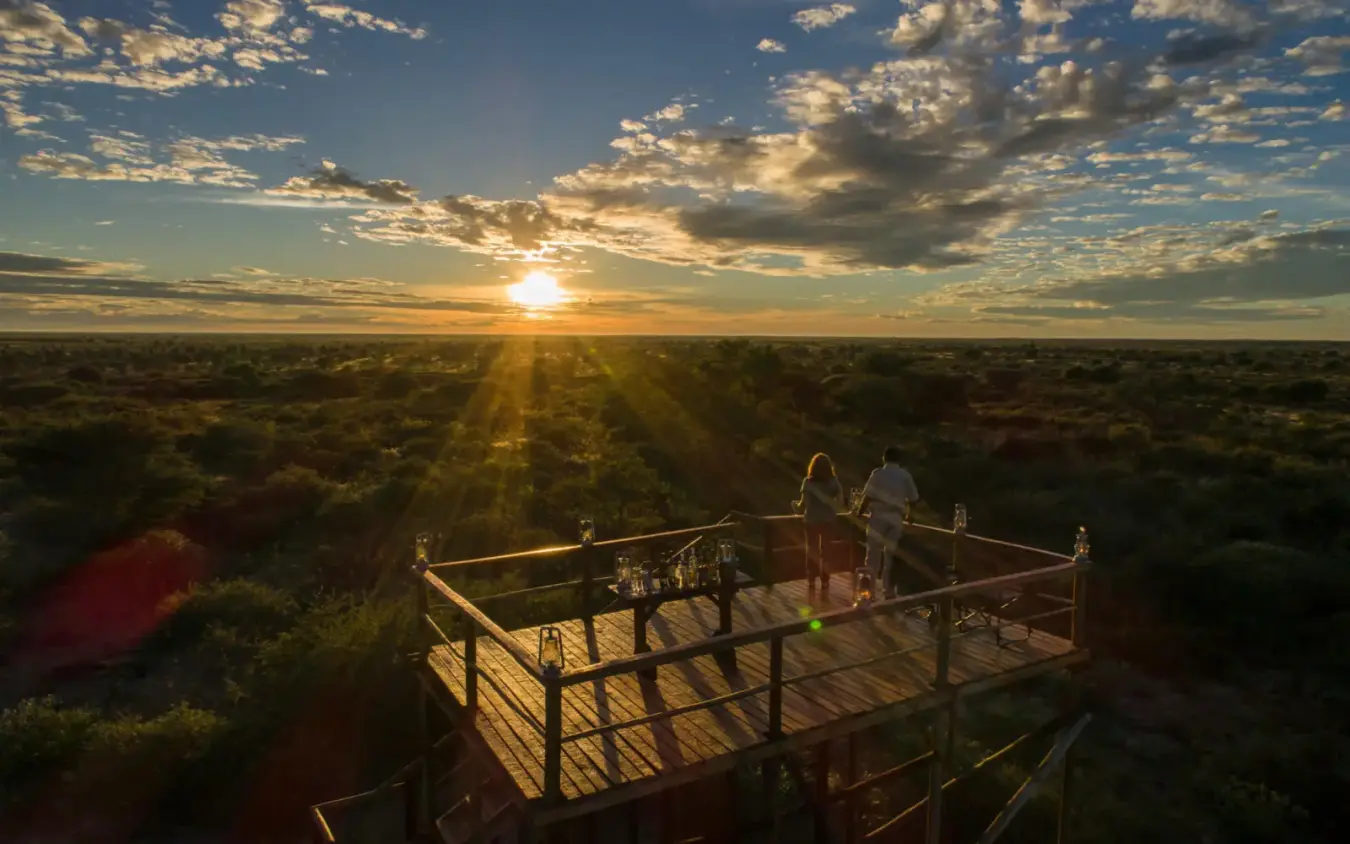
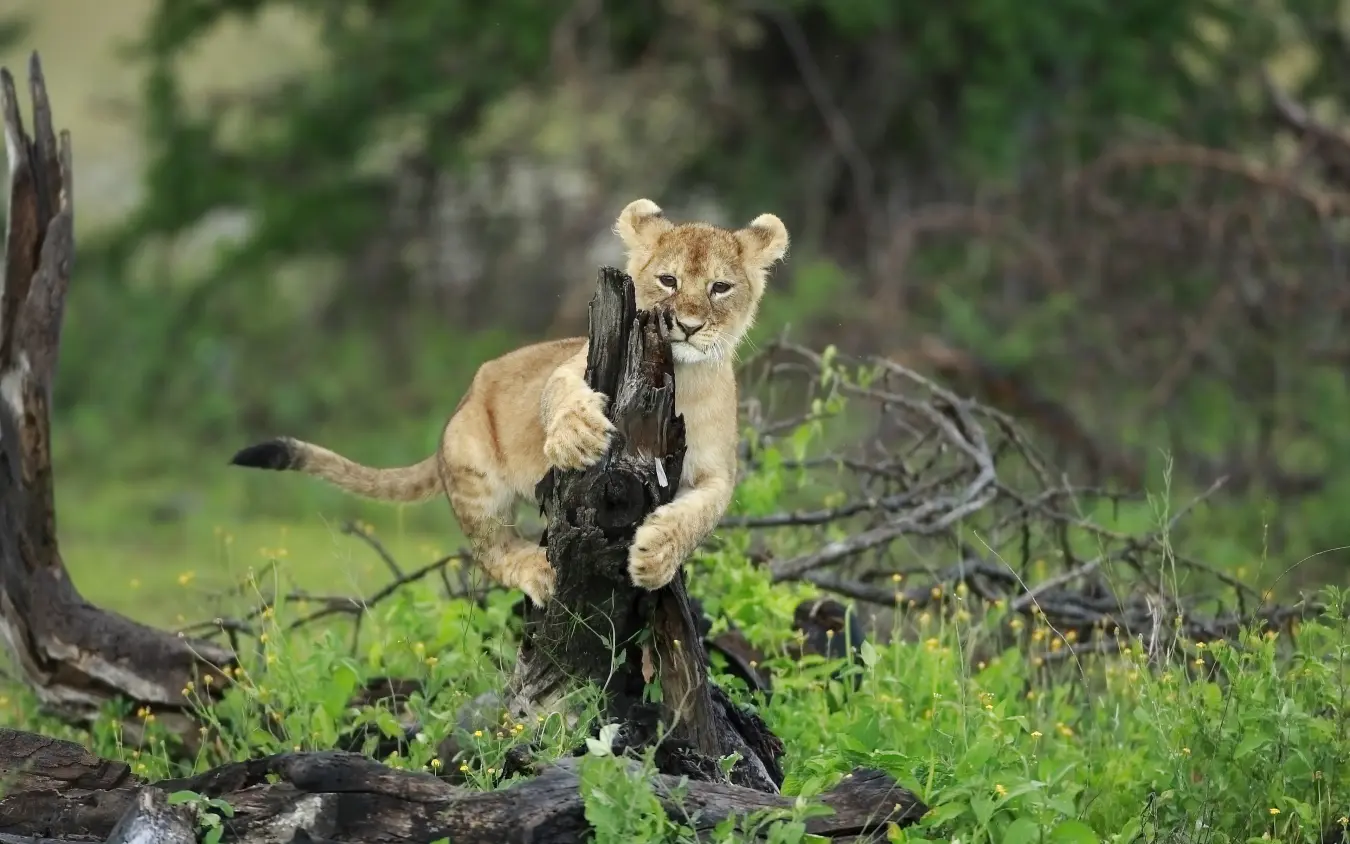
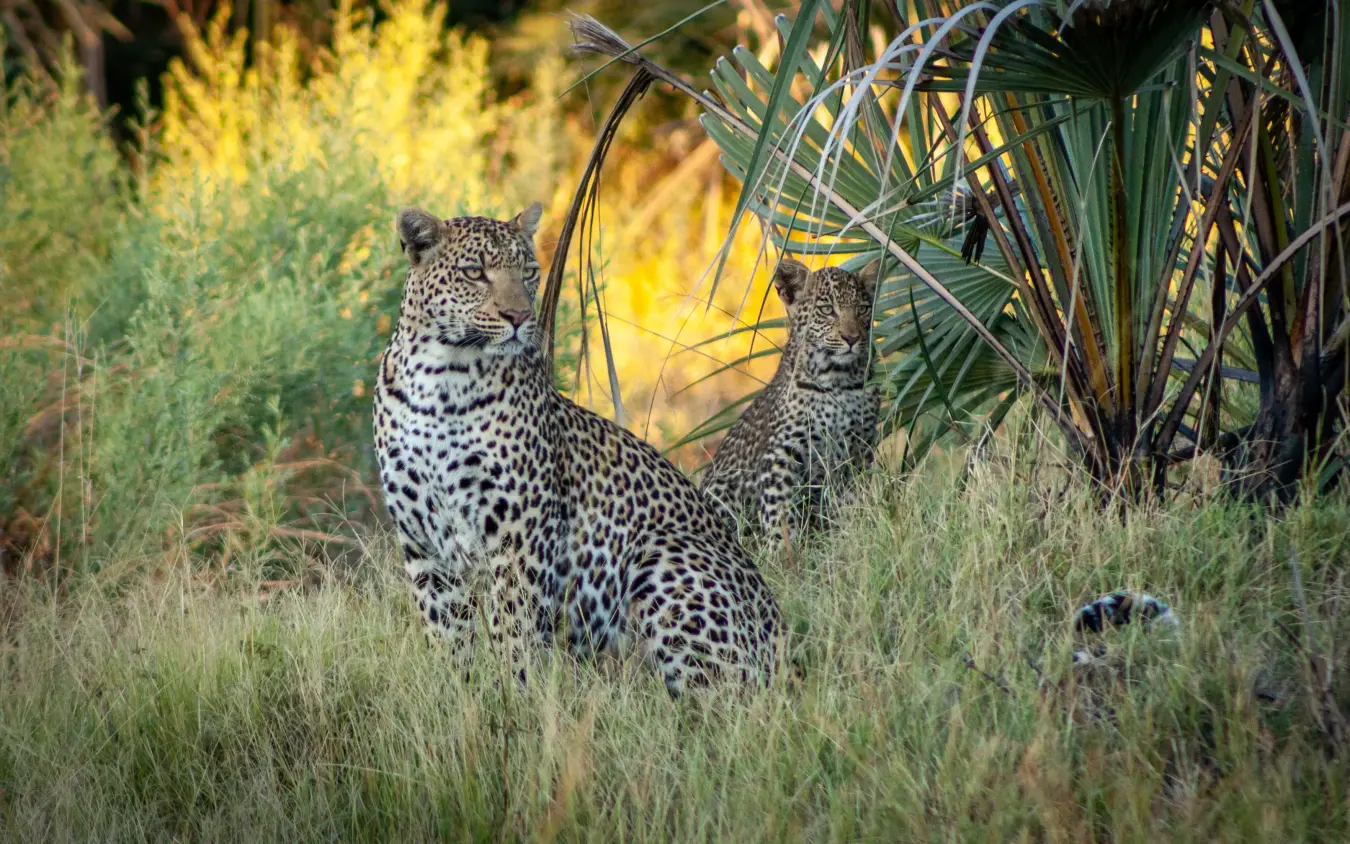
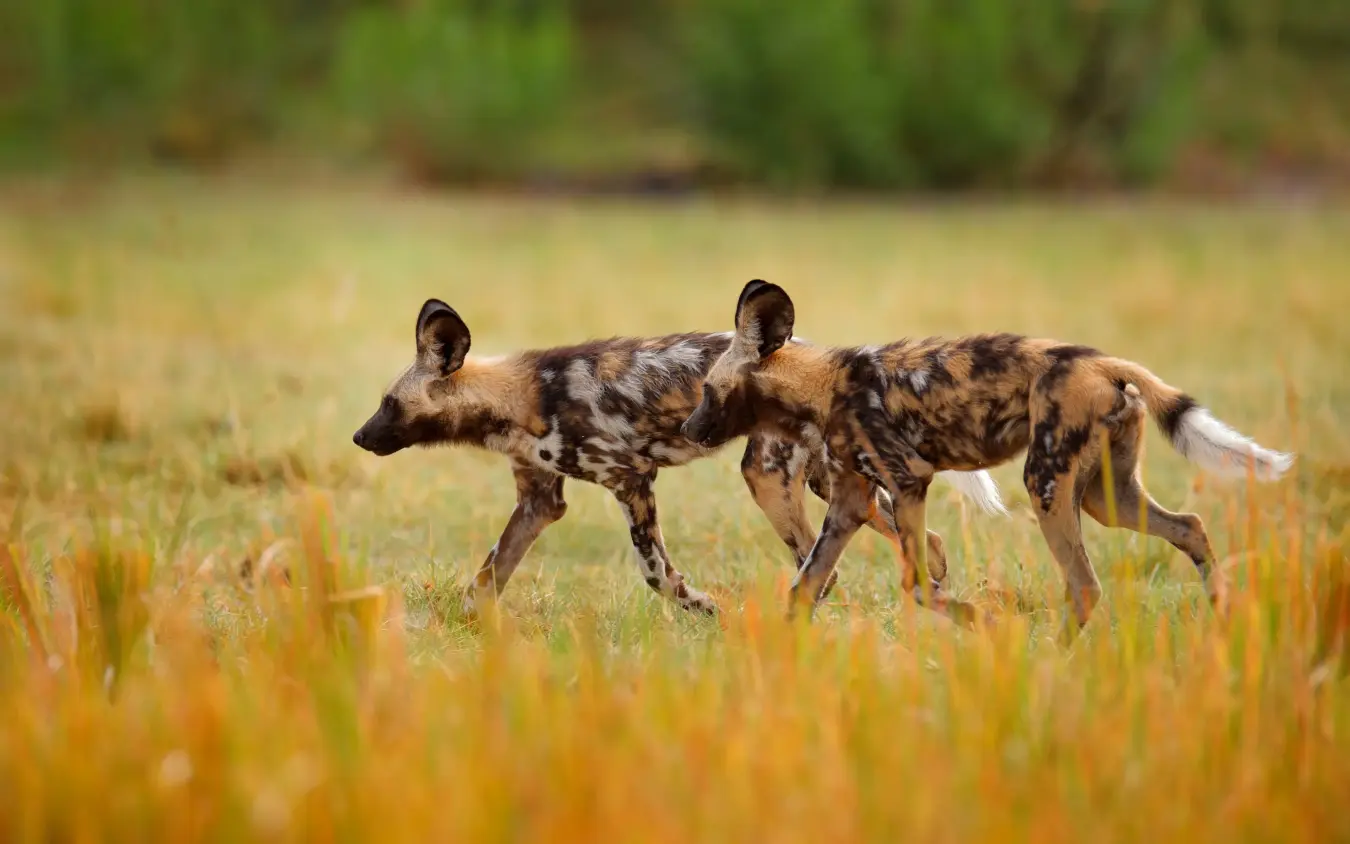
Three days working a private community concession in the south-eastern Delta, where permanent channels give way to acacia and mopane woodland and the game moves with the water. Lions, leopards, cheetah and wild dog cross a mosaic of floodplain, riverine forest and islands, and because this is private land the guides can leave the road, run night drives after dinner and walk you out with an armed guide. When the annual flood fills the channels the mokoro come out. Ten canvas tents stand raised on wooden decks among riverine forest, under the water figs that give Gomoti Plains its name.
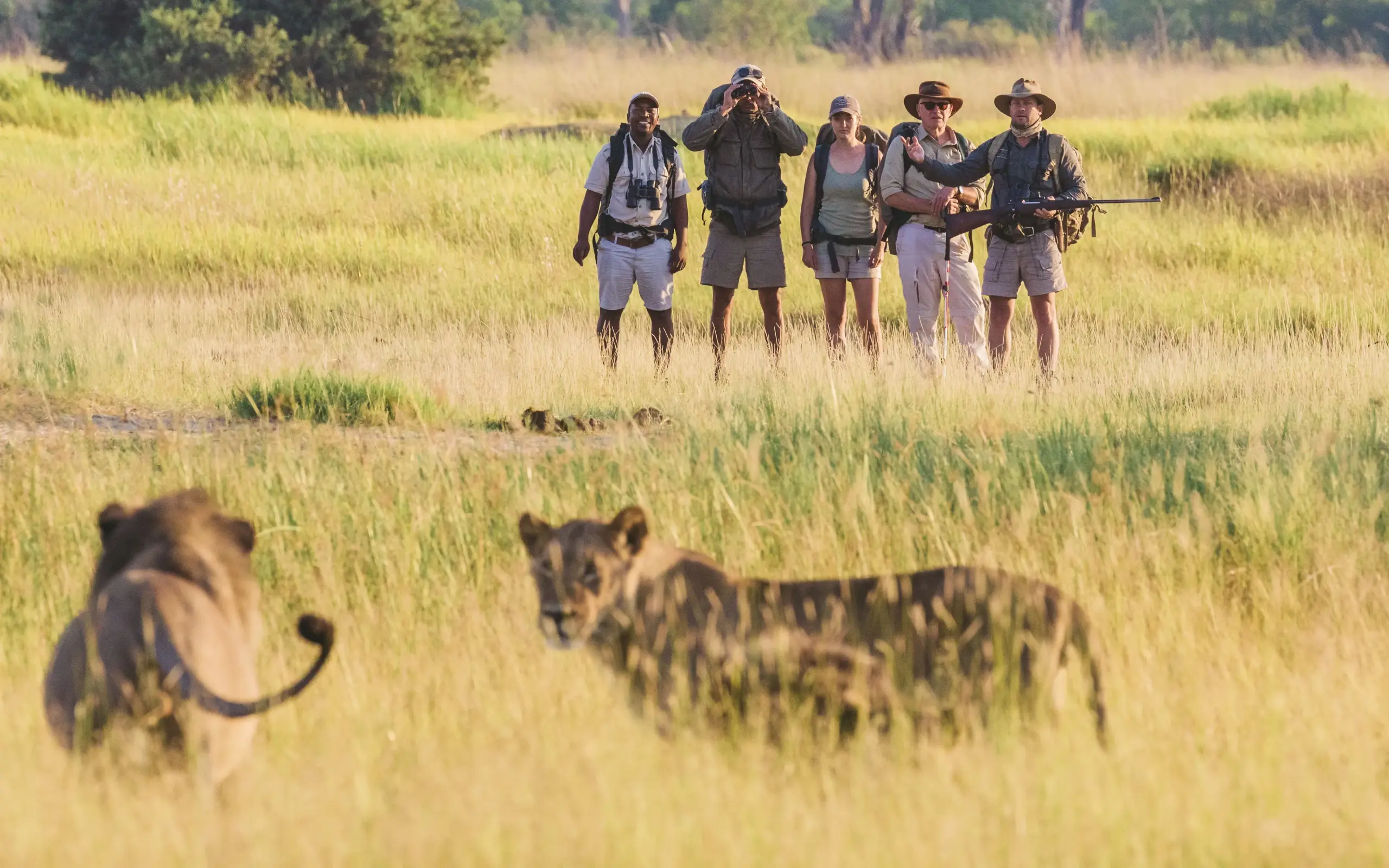
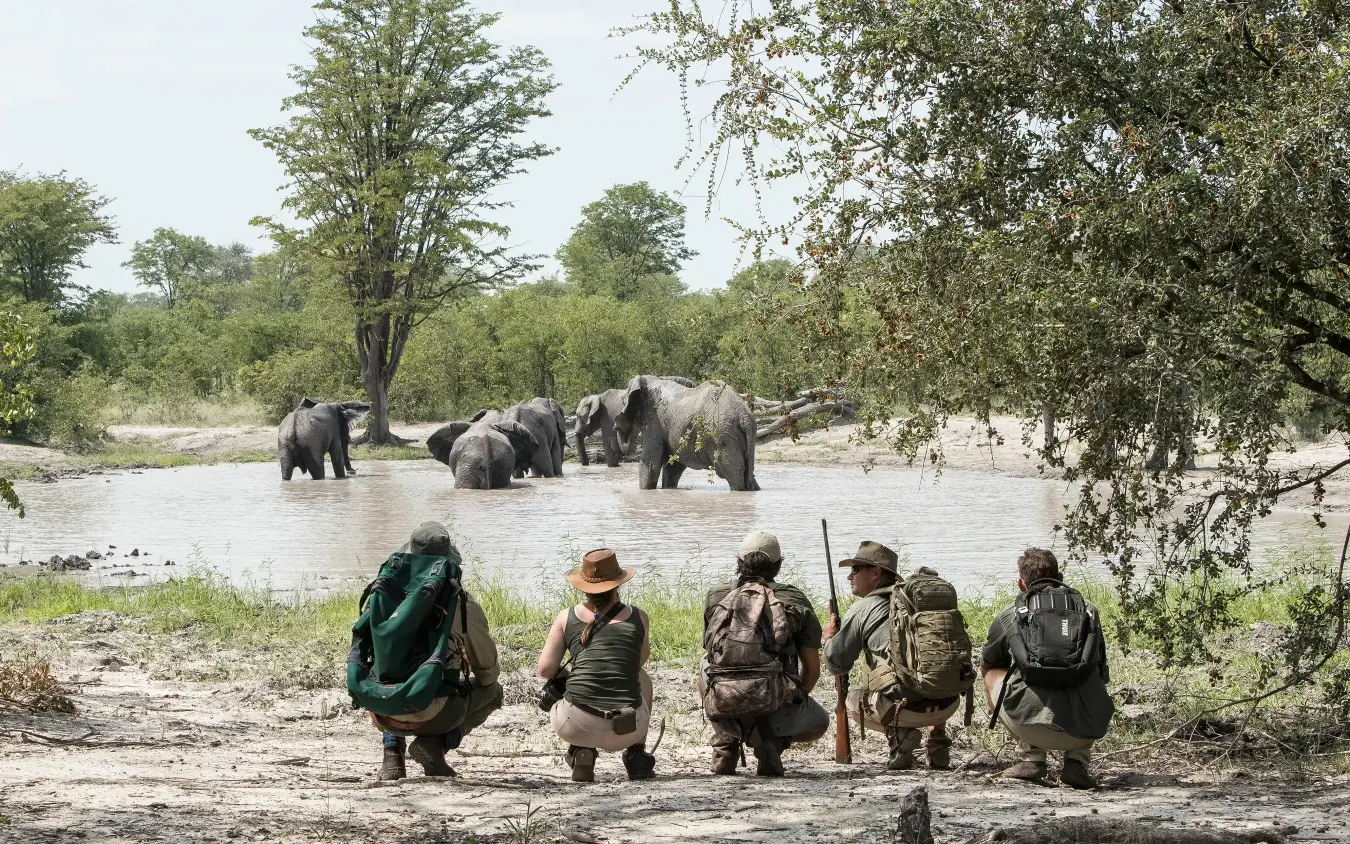
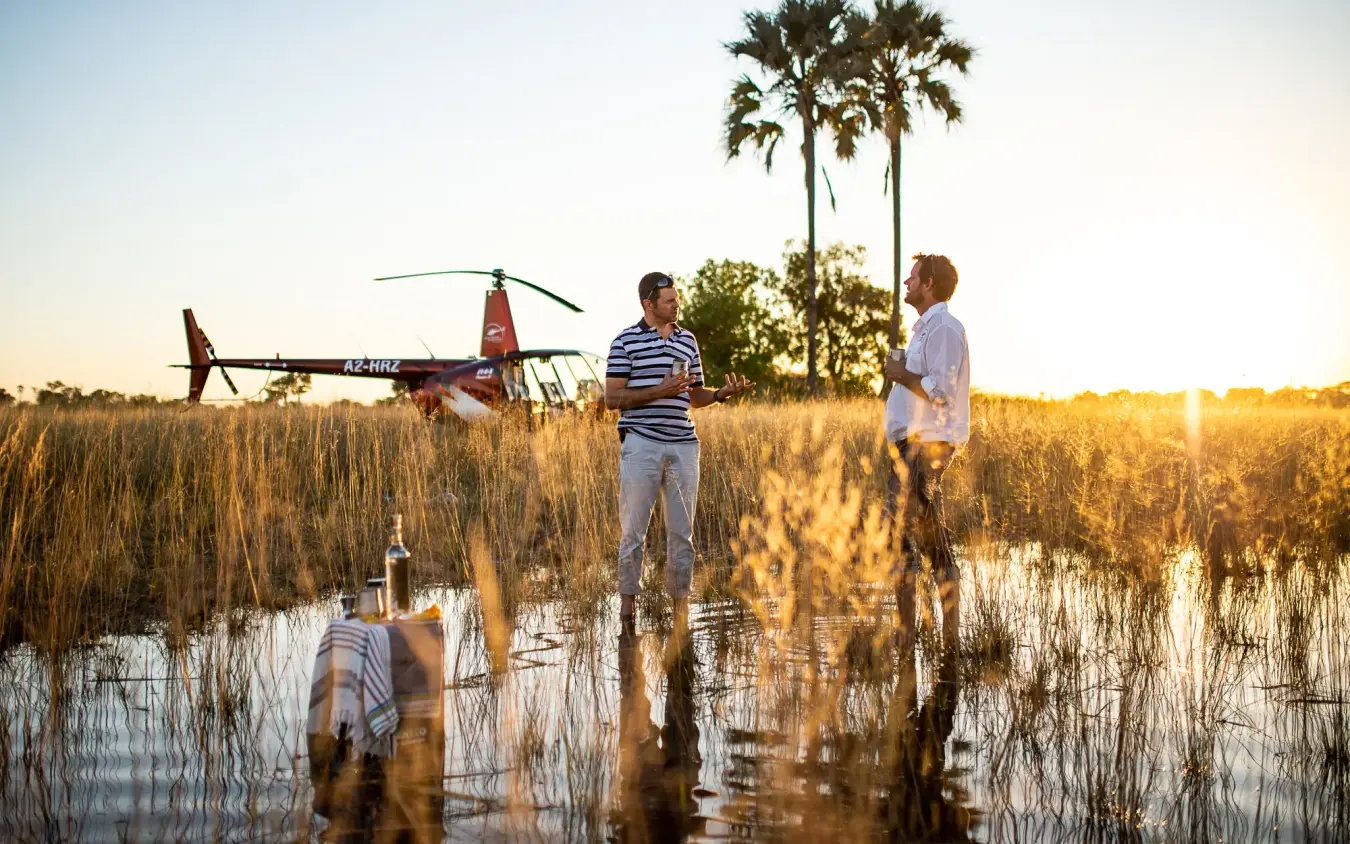
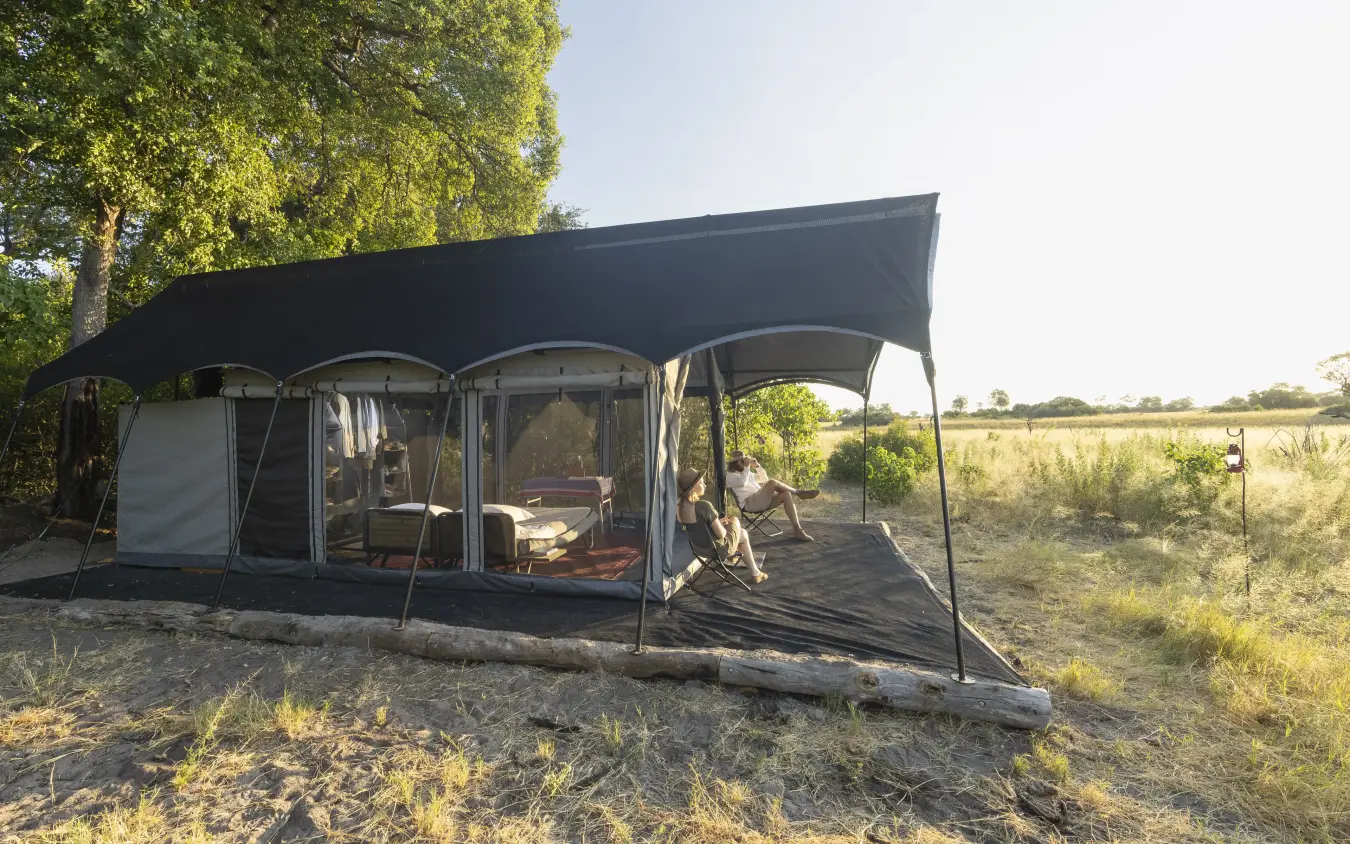
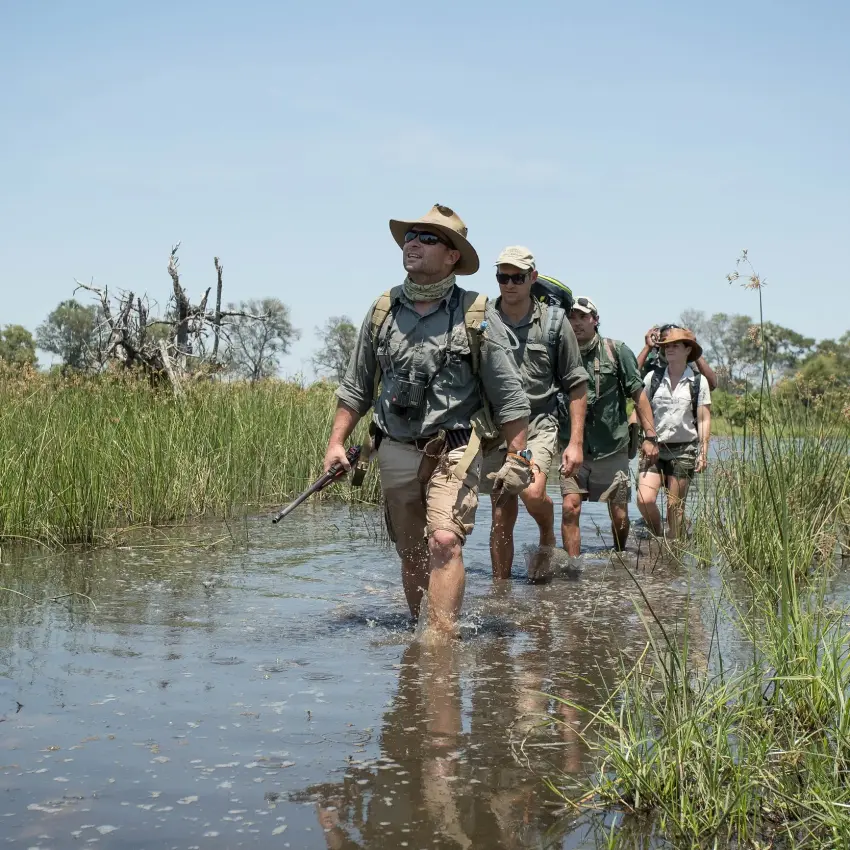
Five days exploring the Okavango Delta on foot, moving at walking pace across floodplain, channel and island rather than by vehicle. The time is spent tracking and reading the ground, with the terrain and the season setting where you go. A helicopter carries you in and out of the walking camp, flown privately and direct at wildlife viewing height, with headsets to talk to the pilot and a window seat for everyone aboard. It reaches ground that fixed-wing aircraft and vehicles cannot, which is the point of putting a walking camp there at all. The allowance is 20 kilograms a person in soft bags. You stay in a lightweight mobile camp that travels with you, stripped back to canvas and moved to suit the walking, so the accommodation follows the ground rather than the other way round.
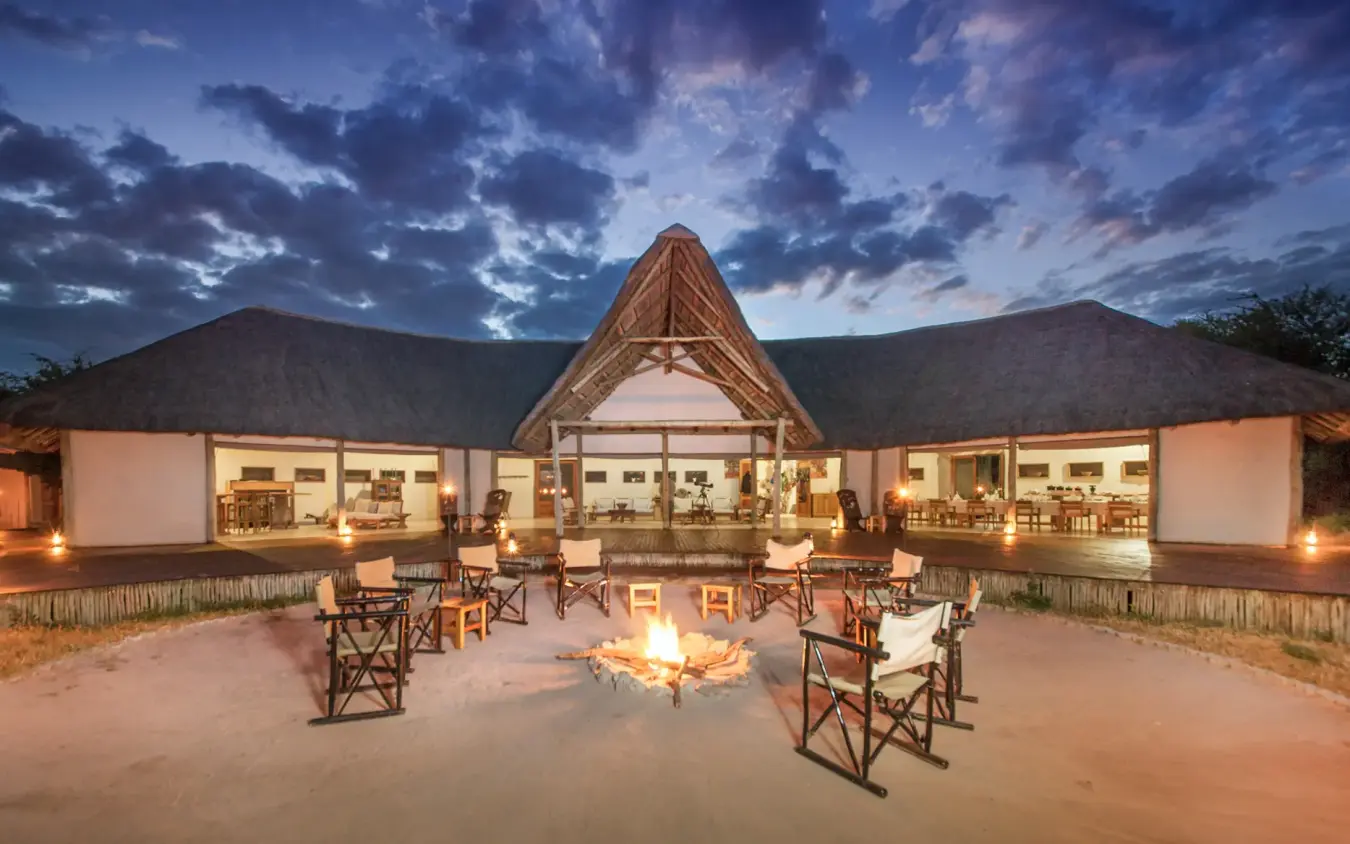
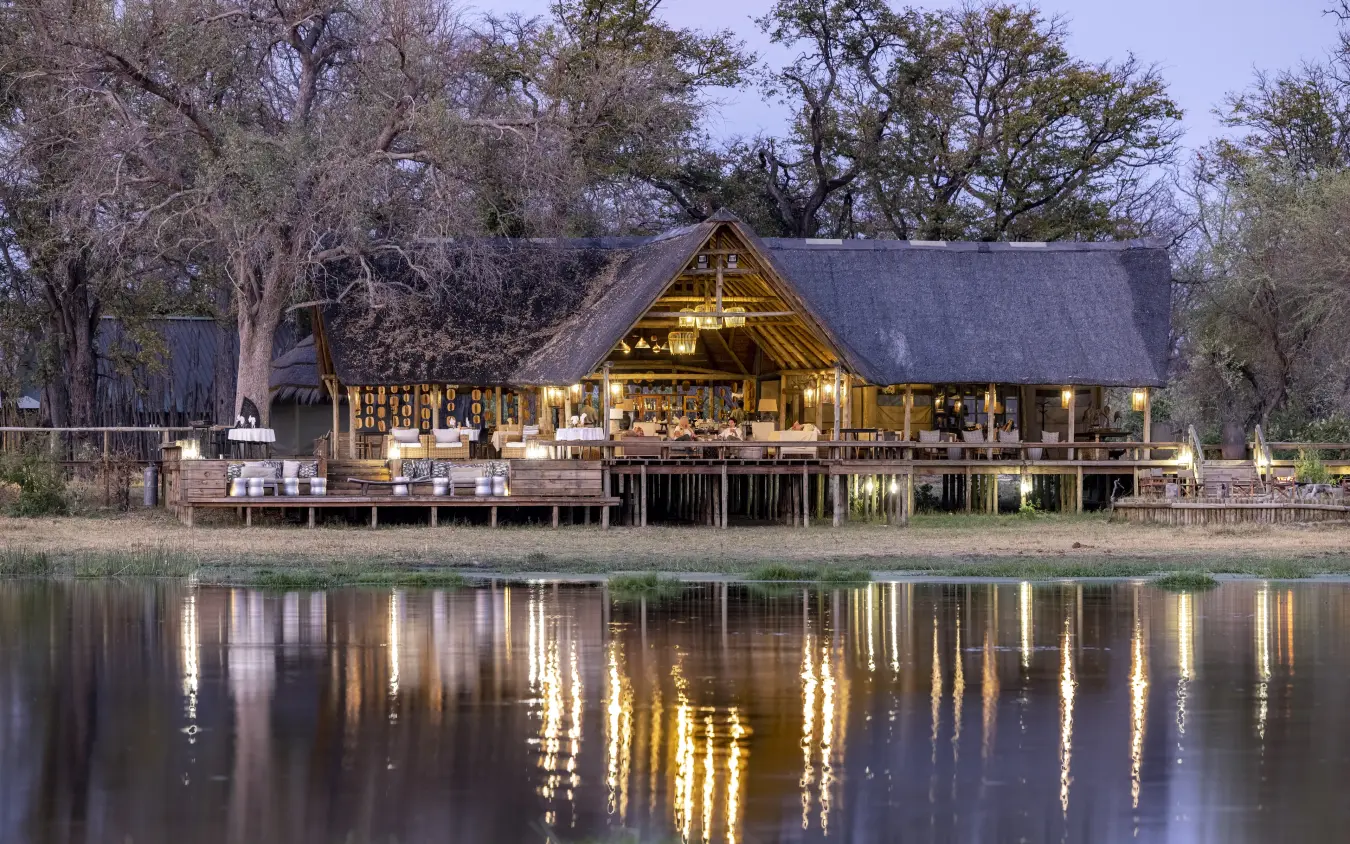
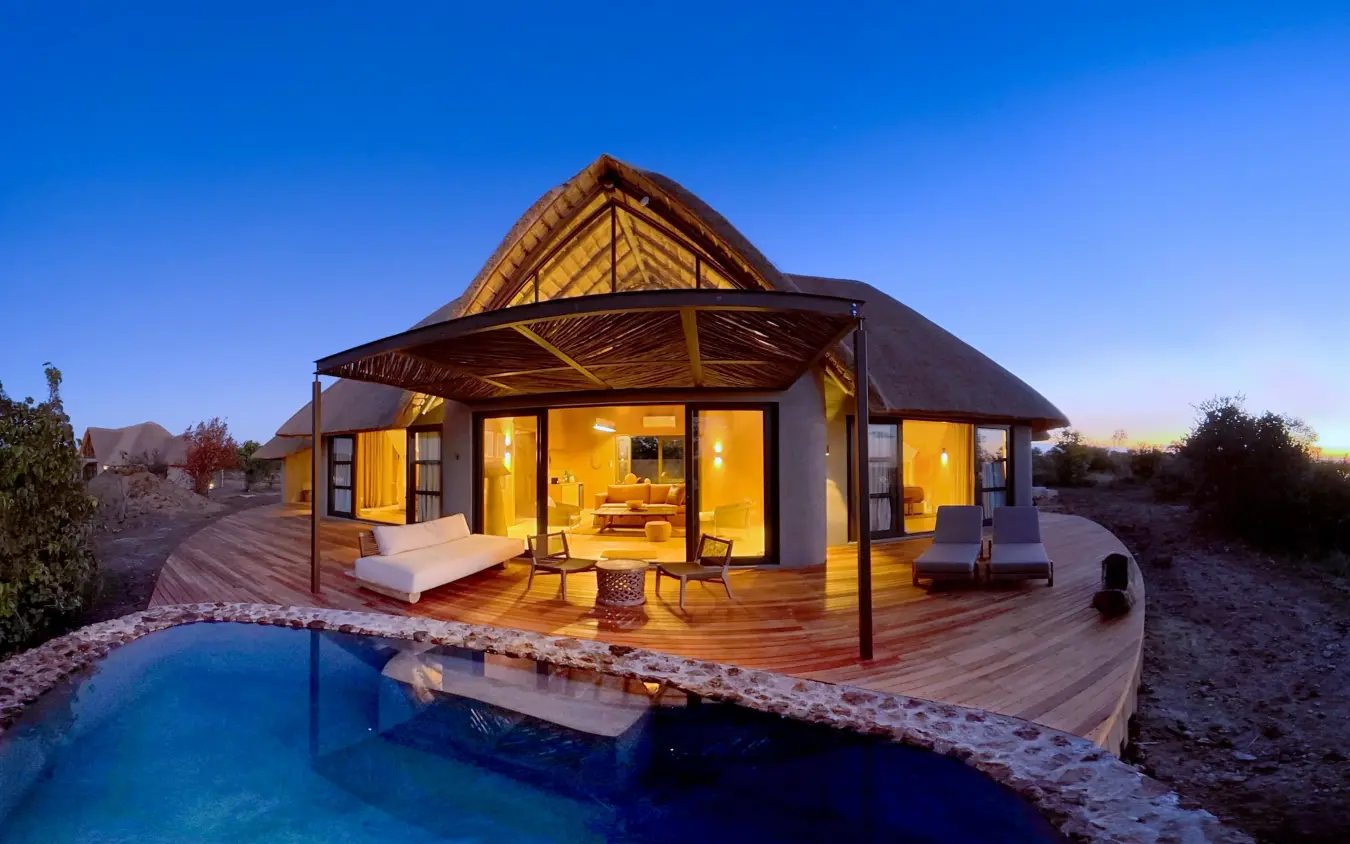
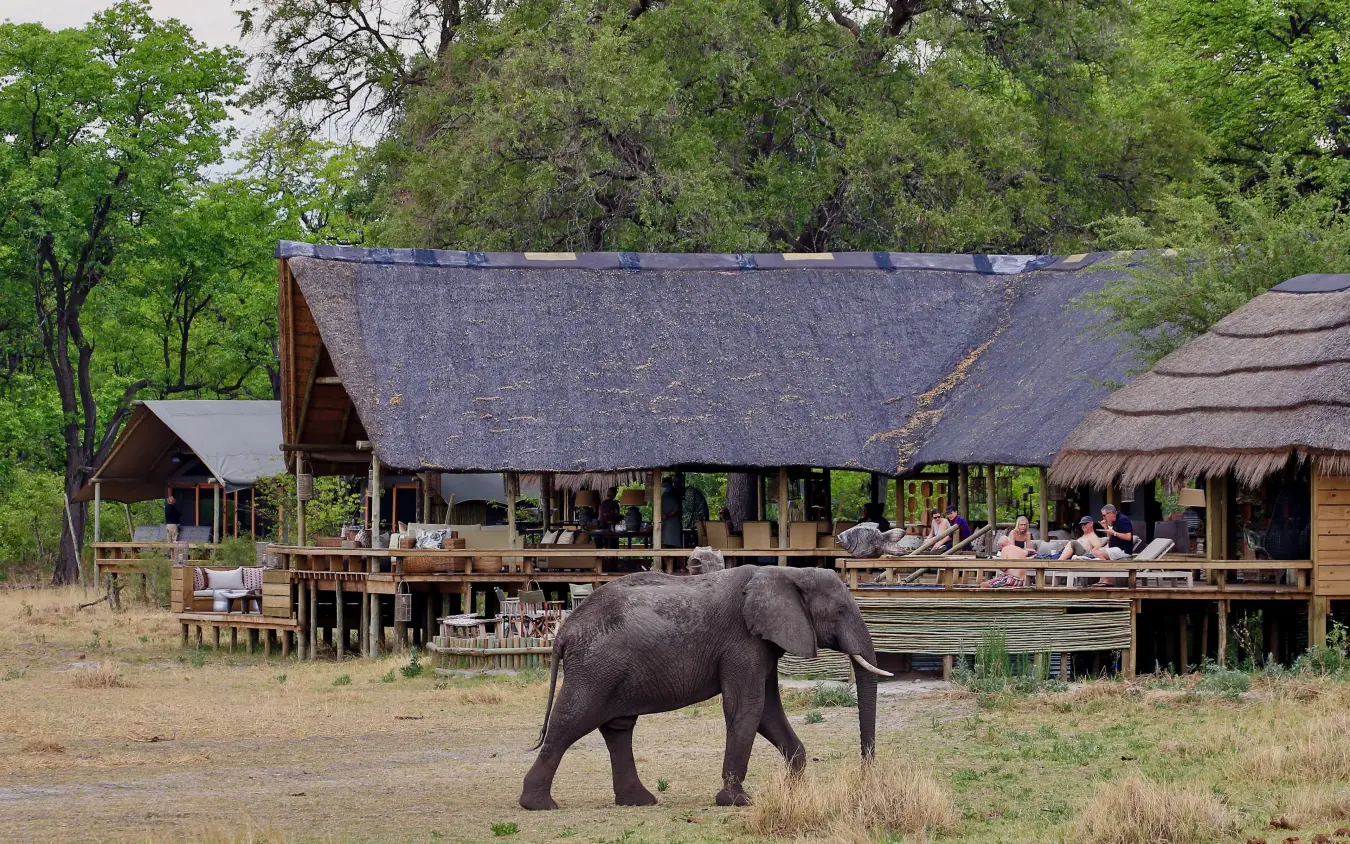
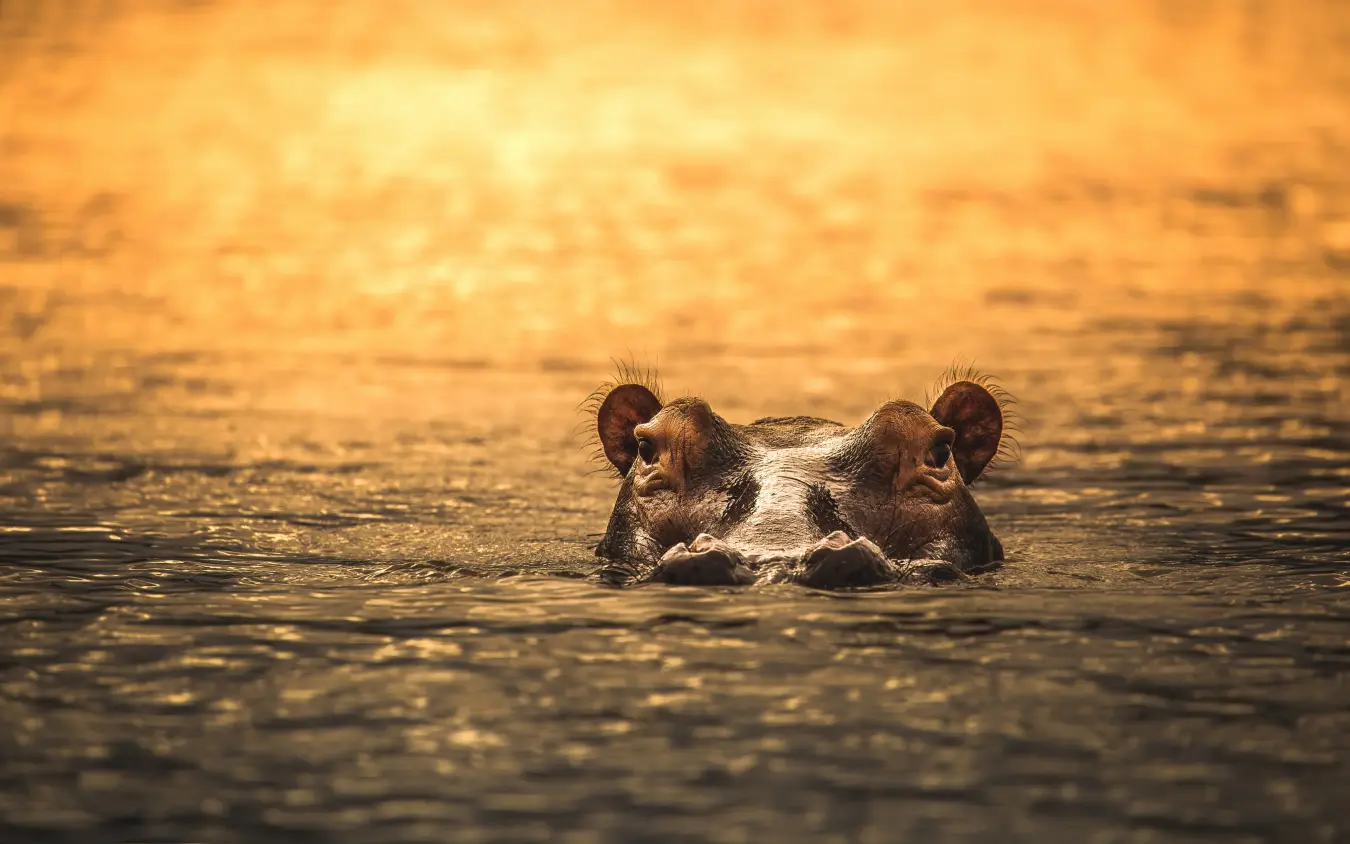
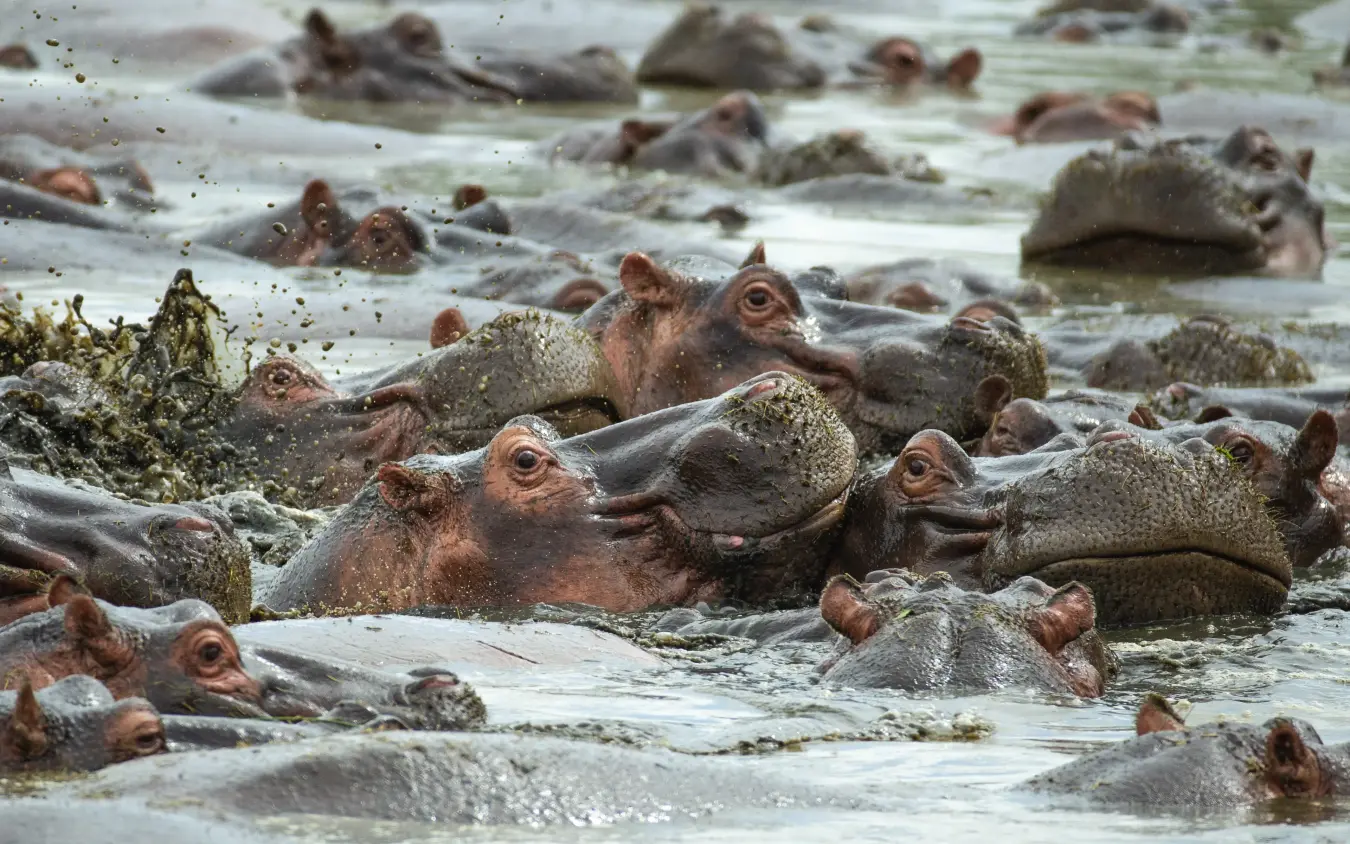
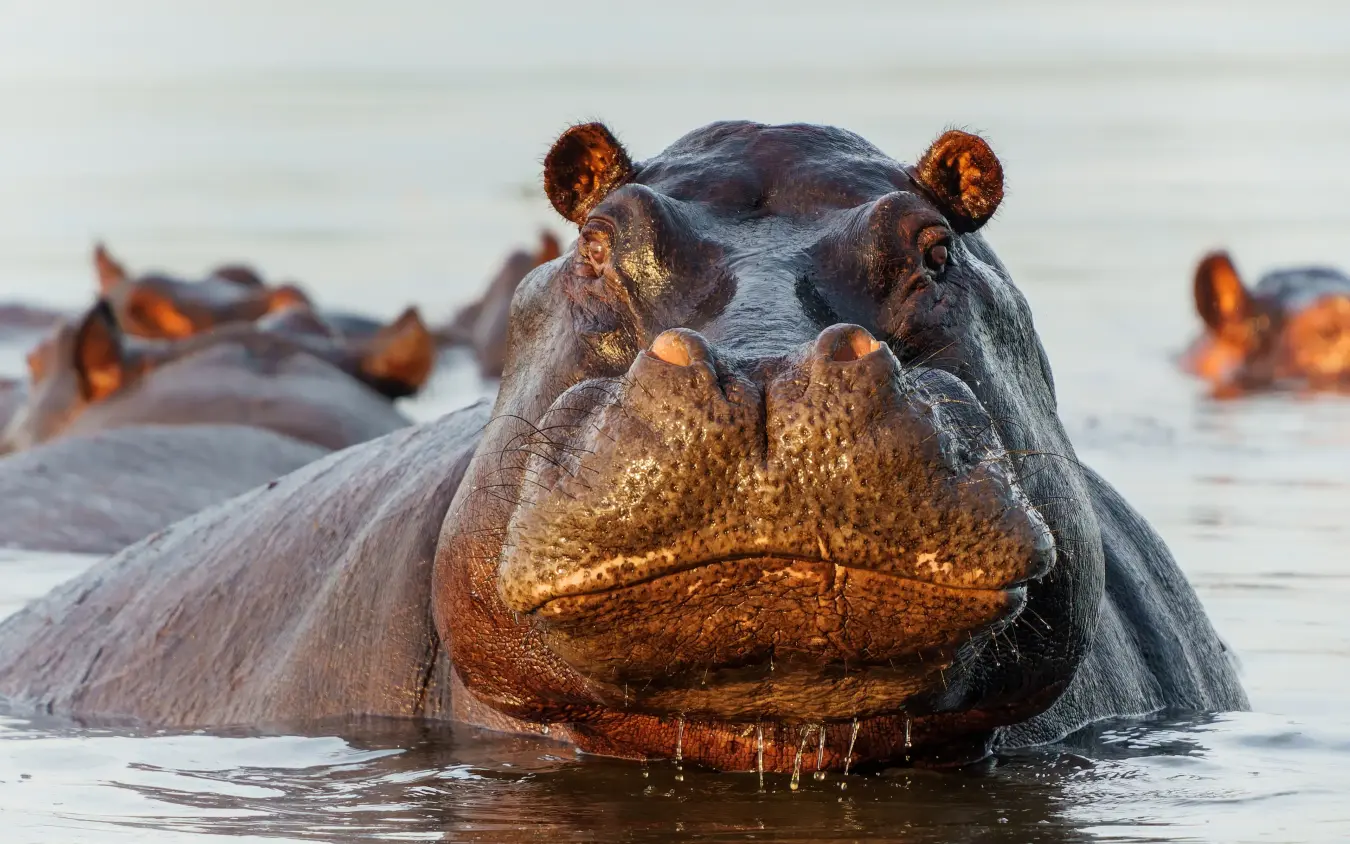
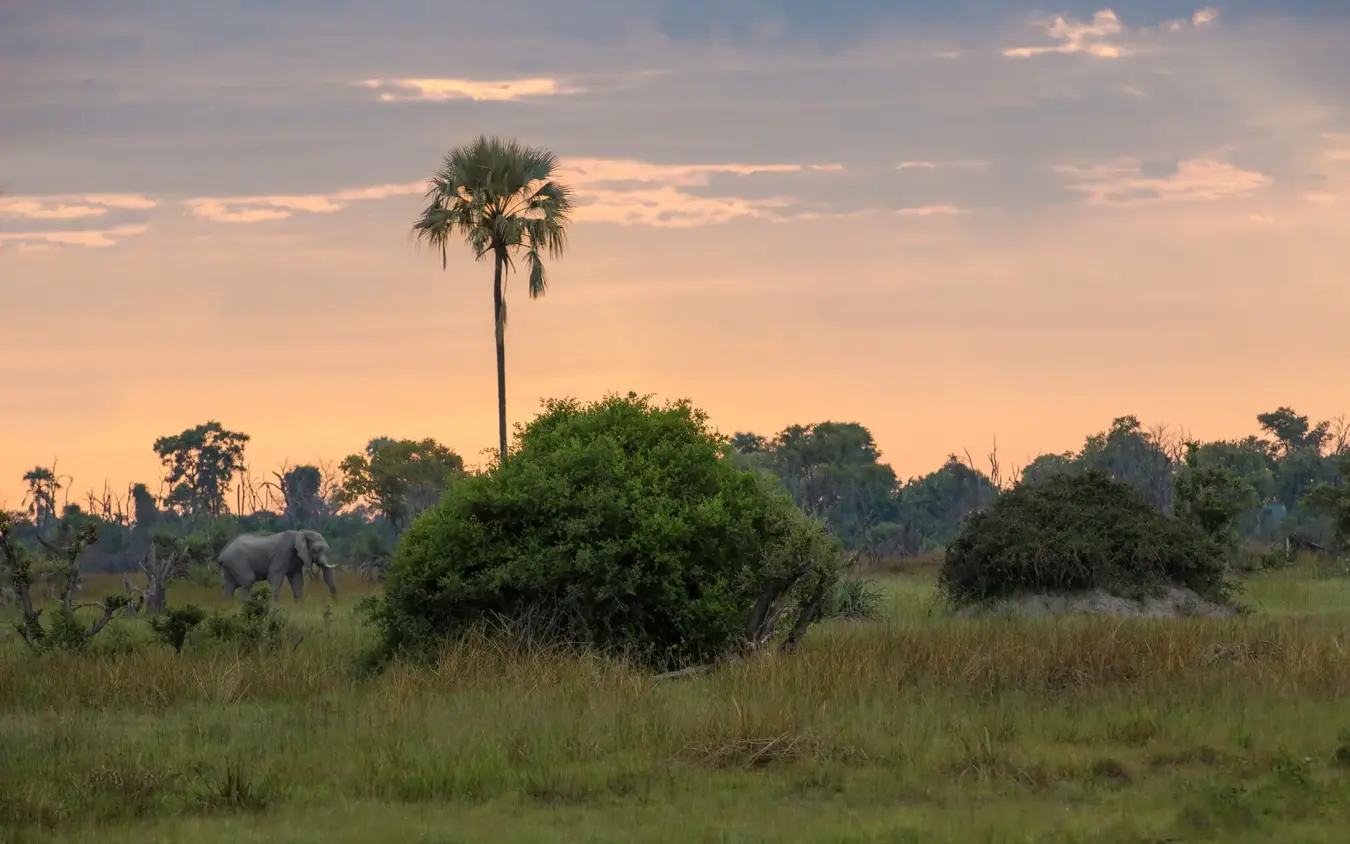
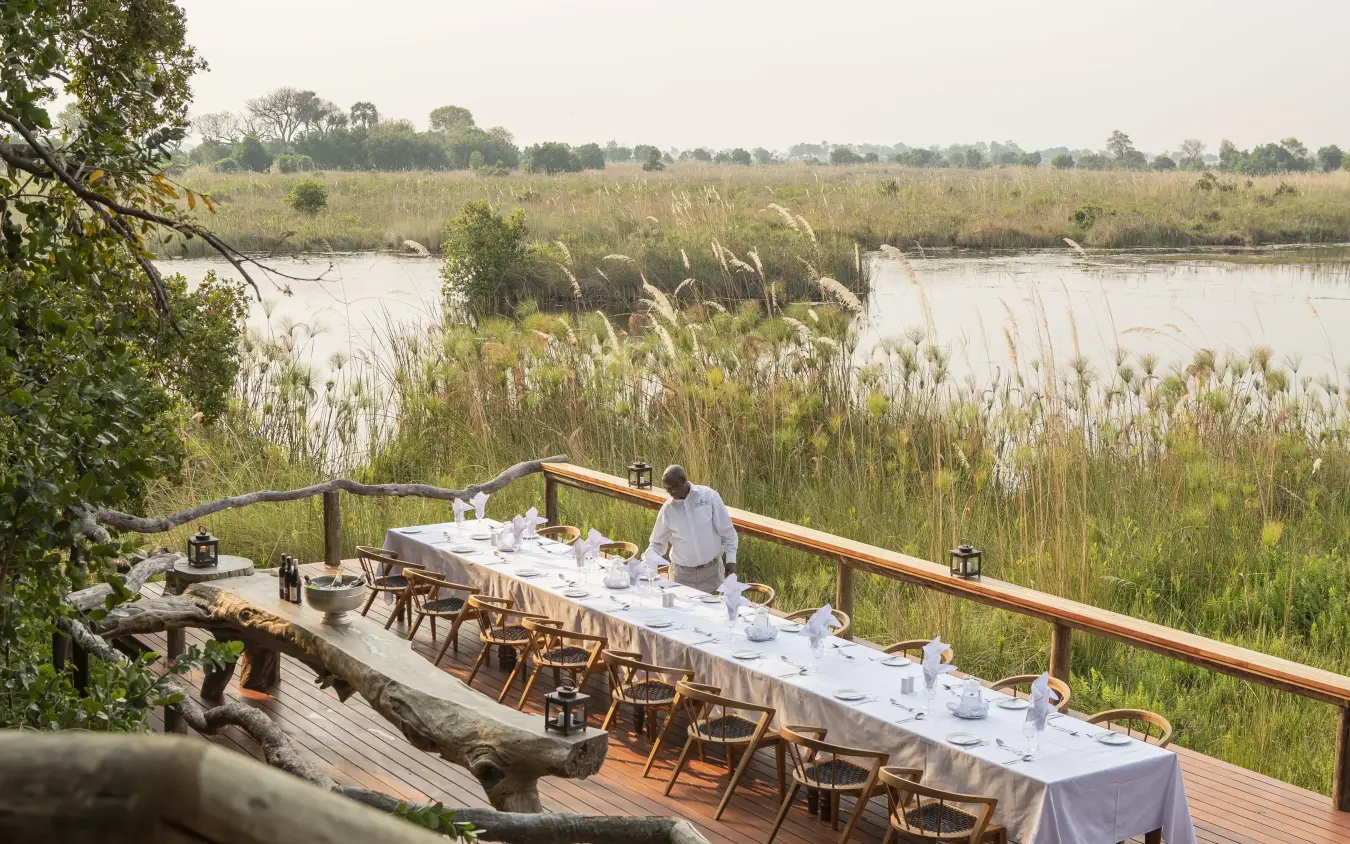
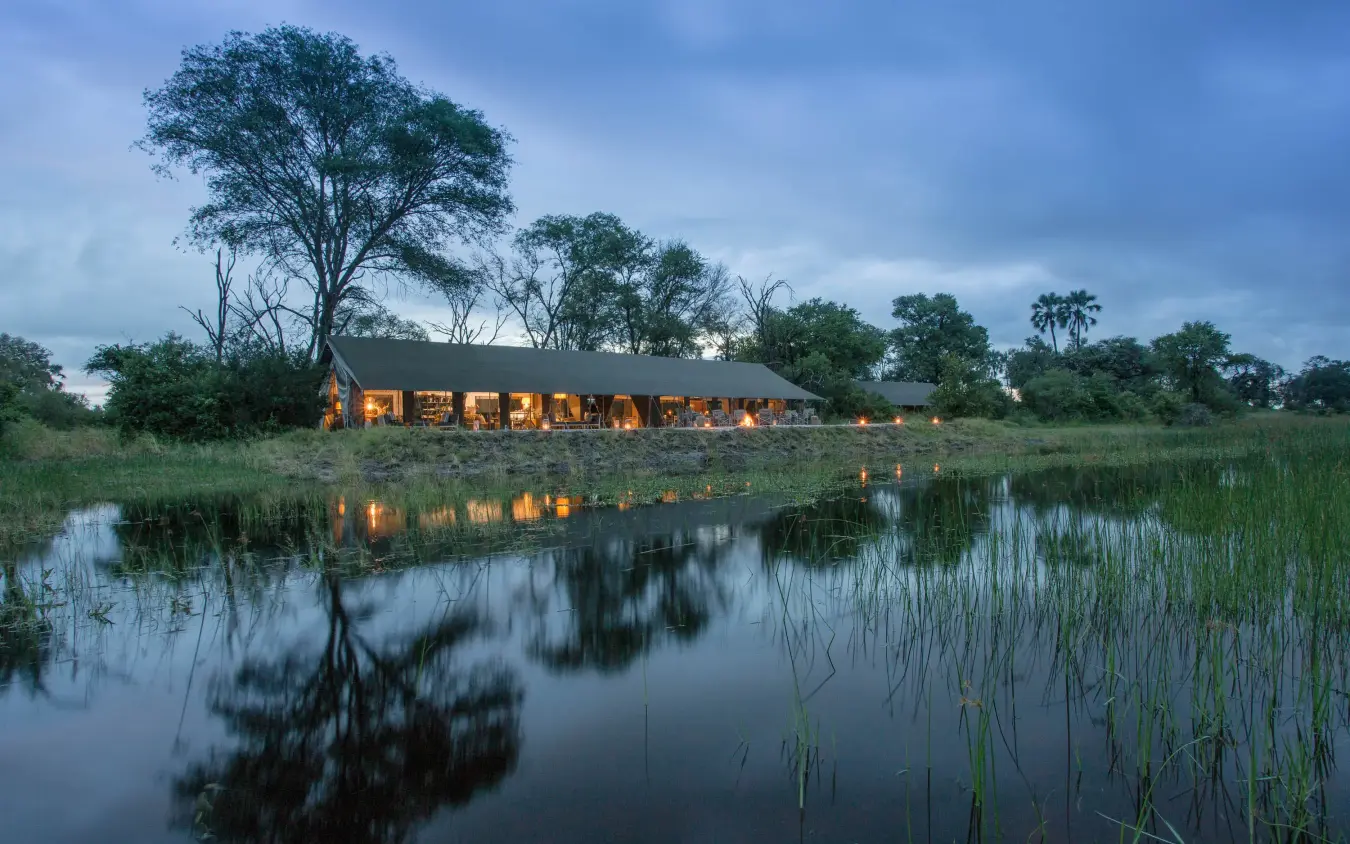
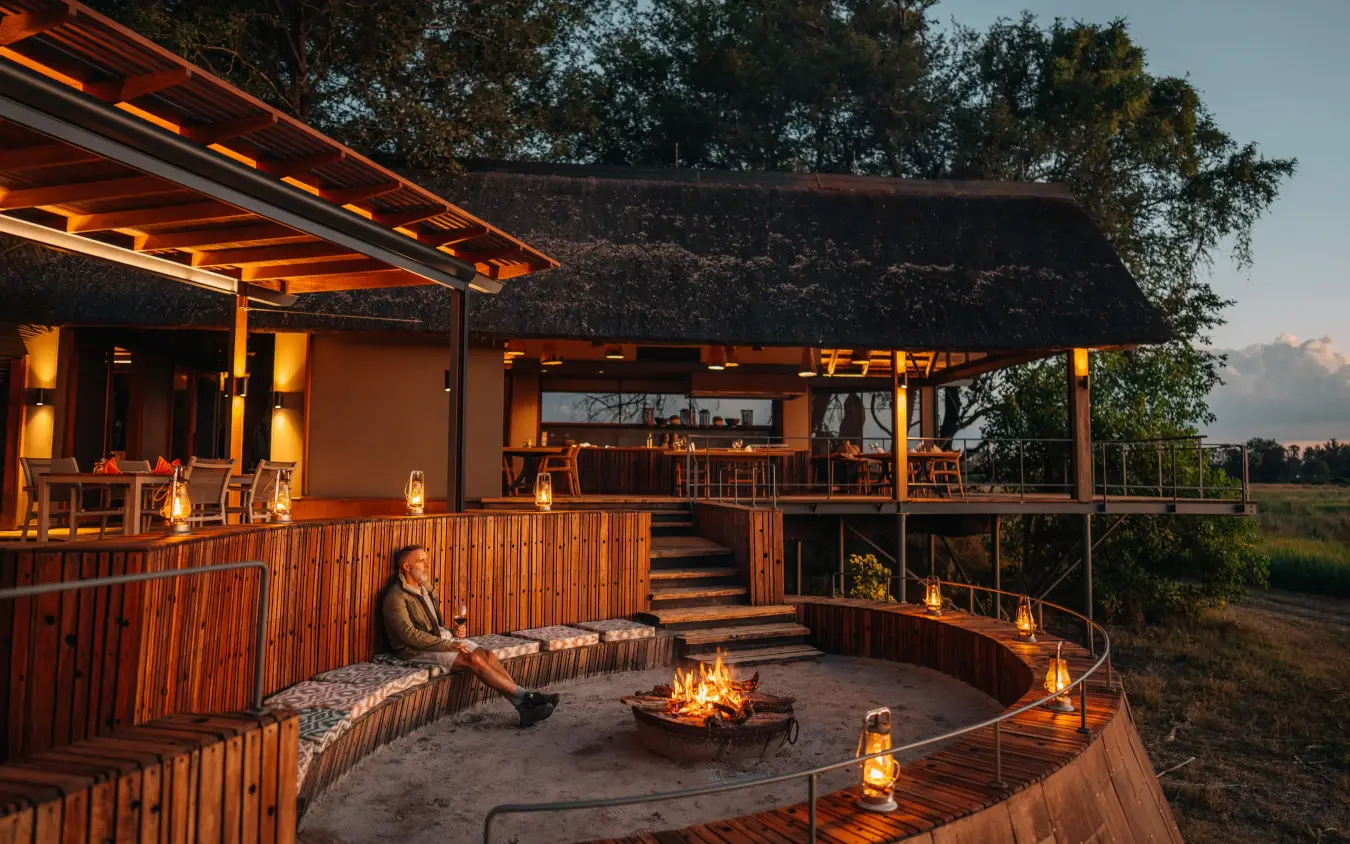
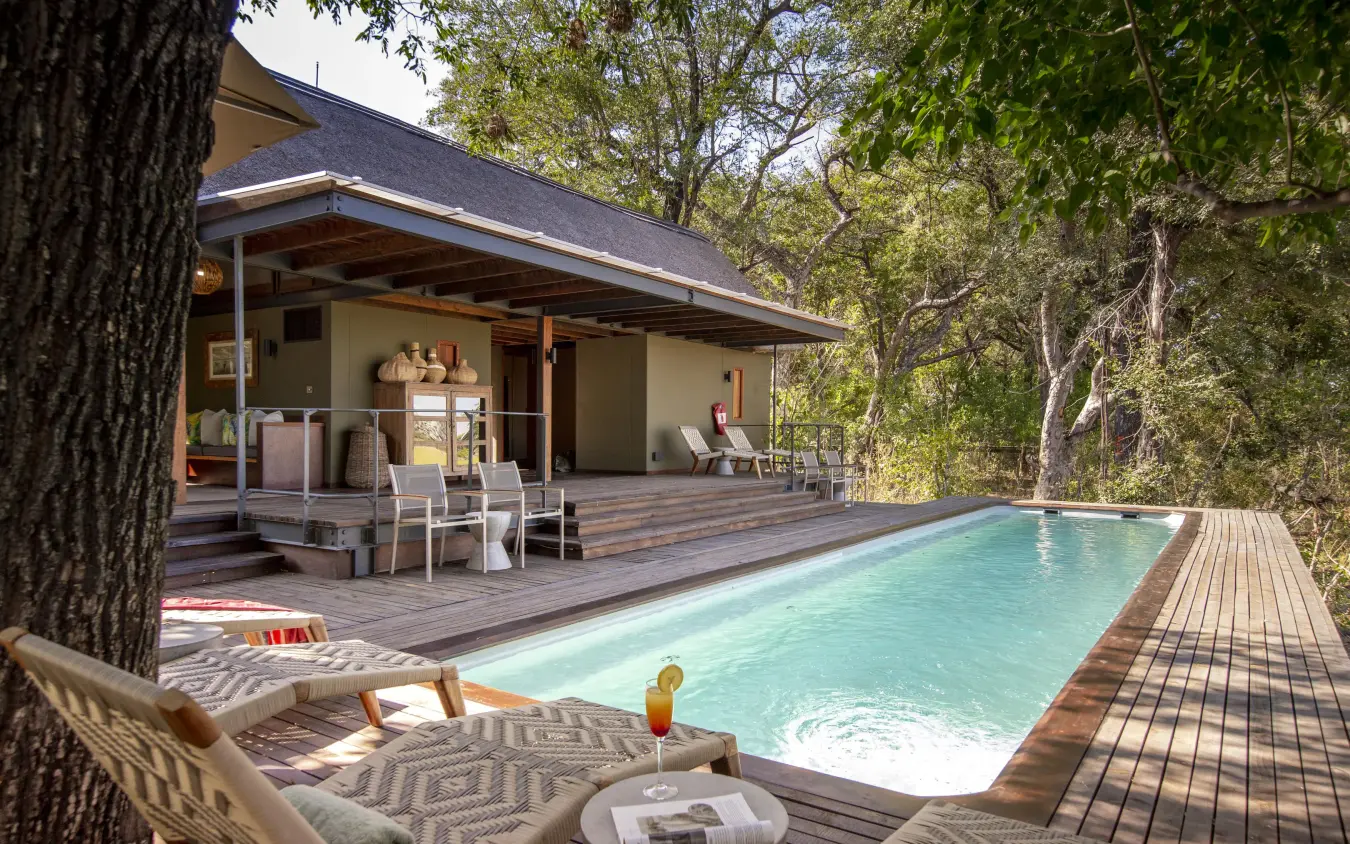
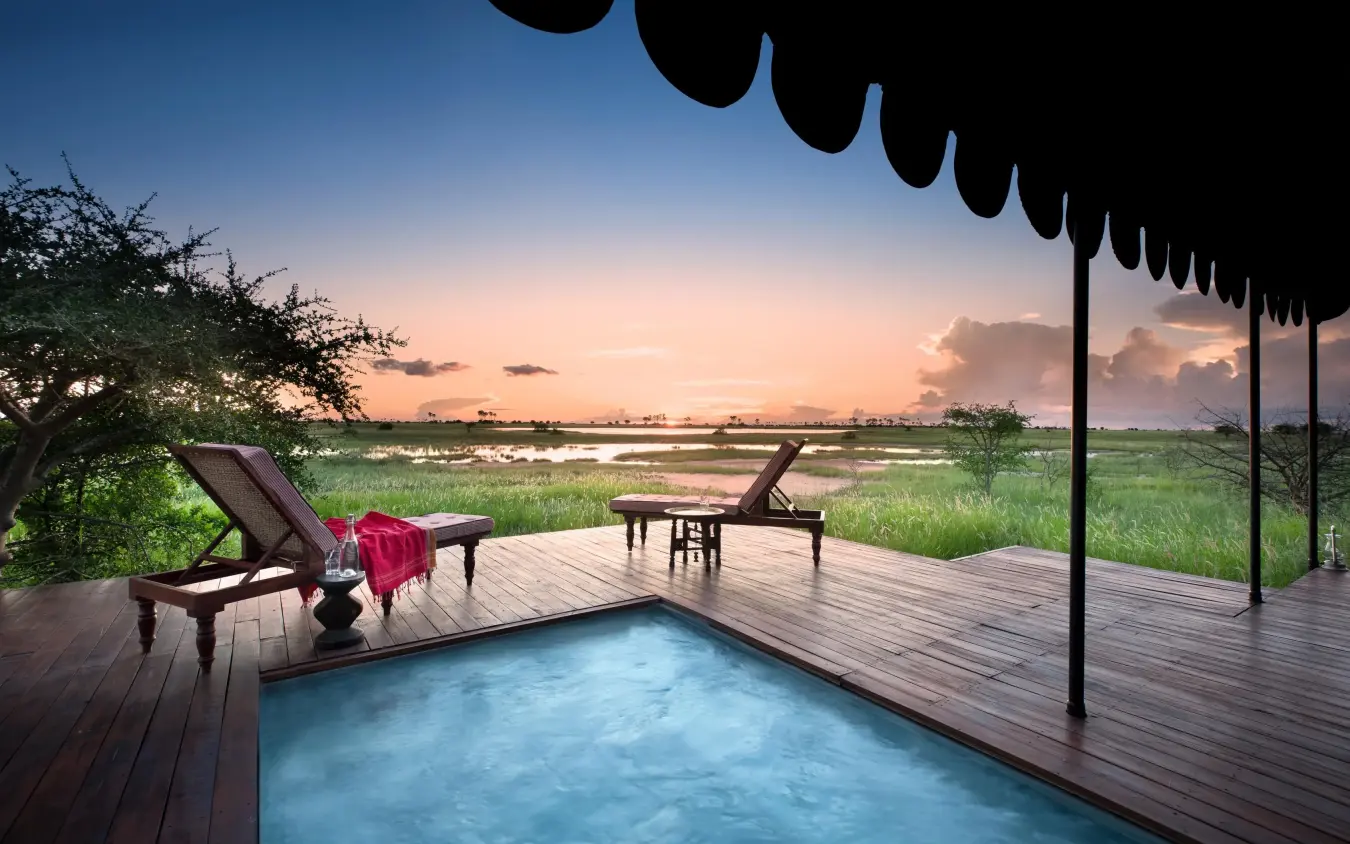
Three days on a private concession in the northern Delta beside a lagoon that holds water year-round, so mokoro, motorboats and game drives all run from the same palm island. Elephant, red lechwe and hippo move across the floodplains within sight of camp, and deeper channels carry motorboats out while papyrus-lined shallows suit a mokoro. The concession borders Moremi, so night drives and walking safaris run here too. The main lodge at Shinde was rebuilt in 2020, raised into the canopy of ebony and mangosteen on several tiers, keeping its classic tented character.
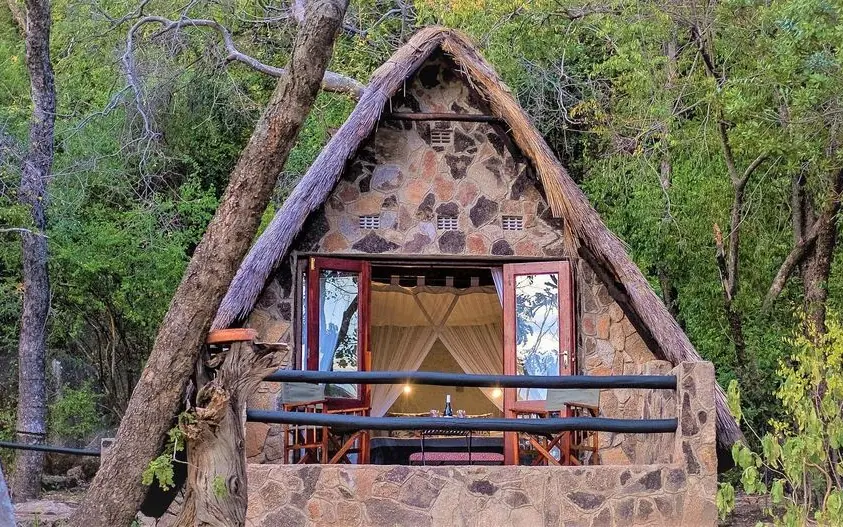
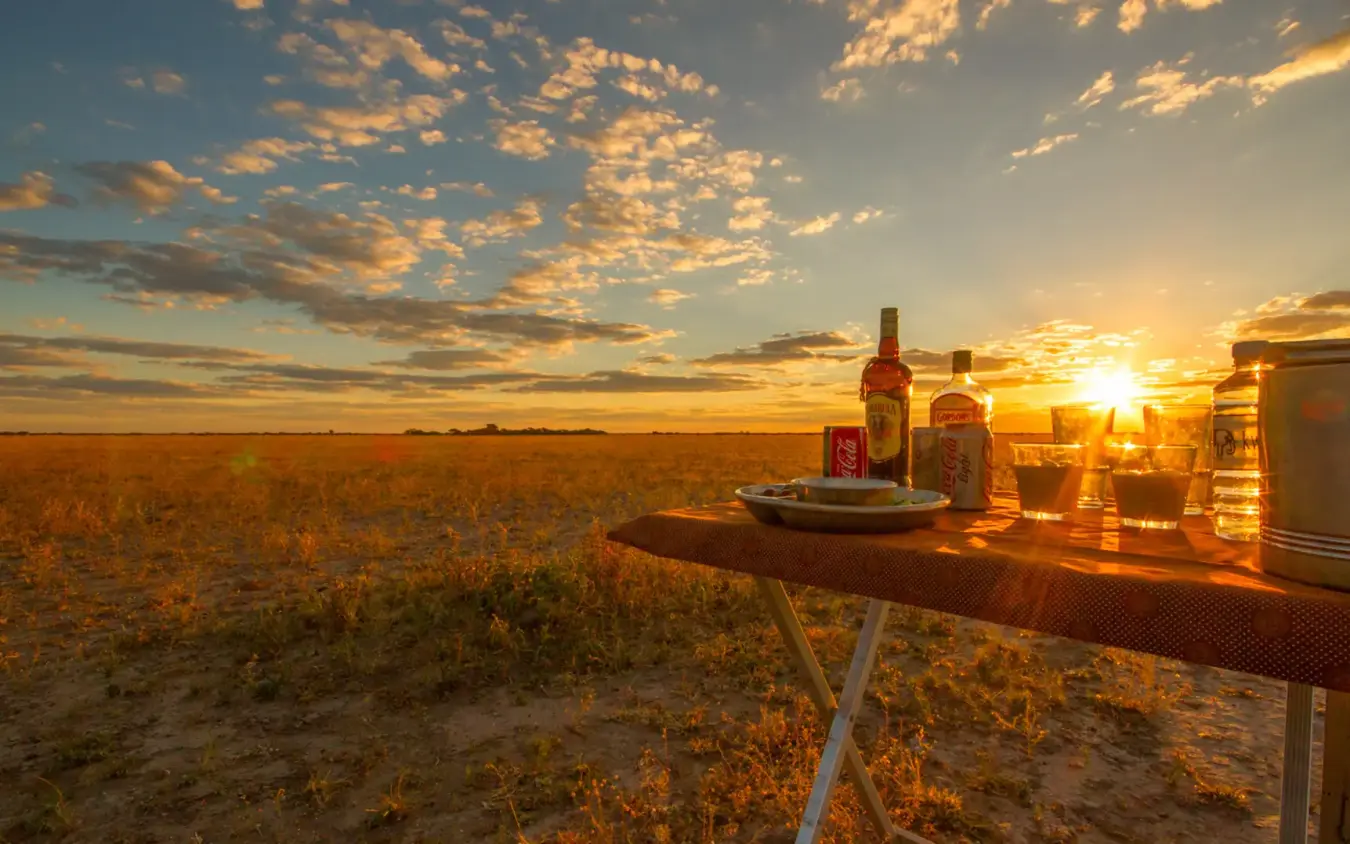
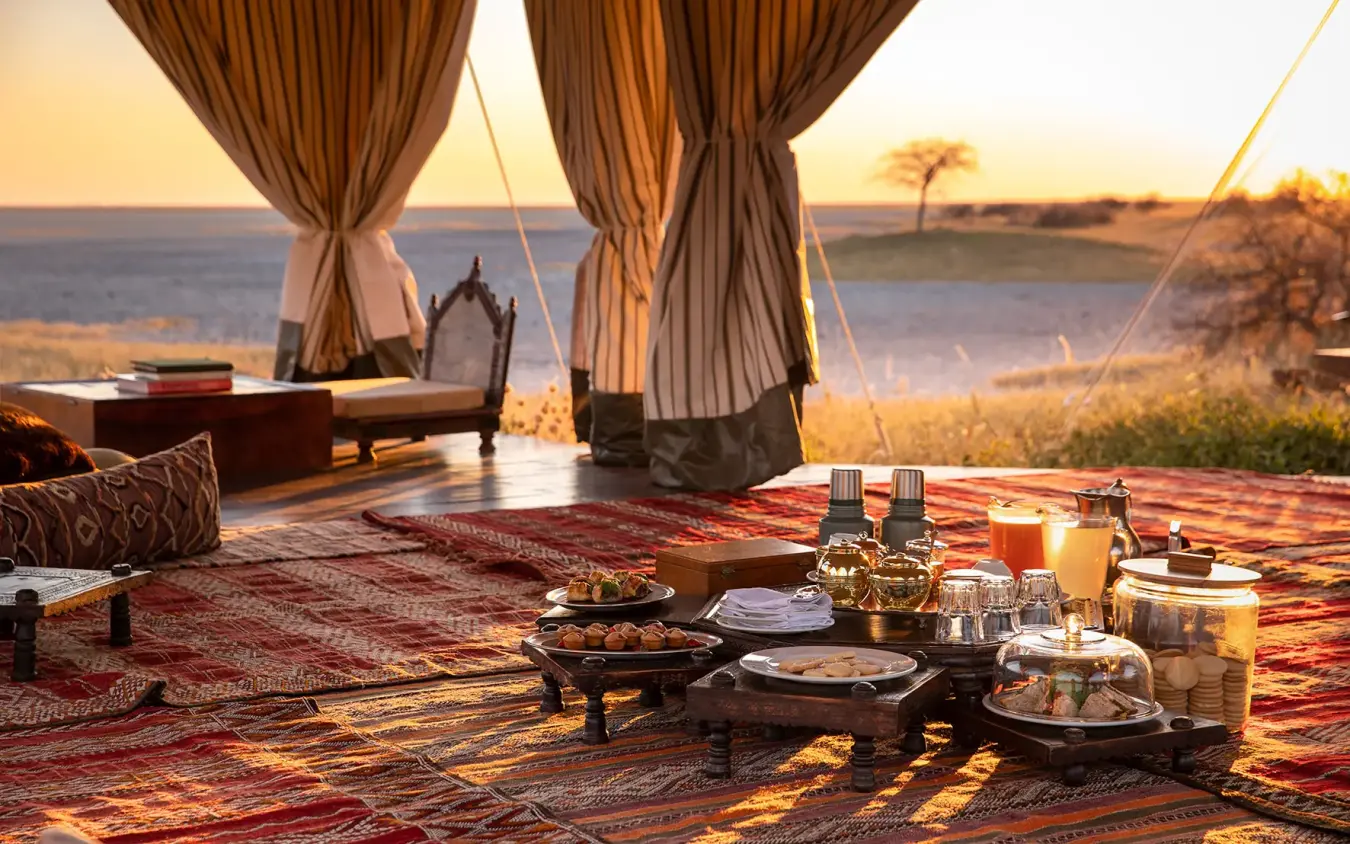
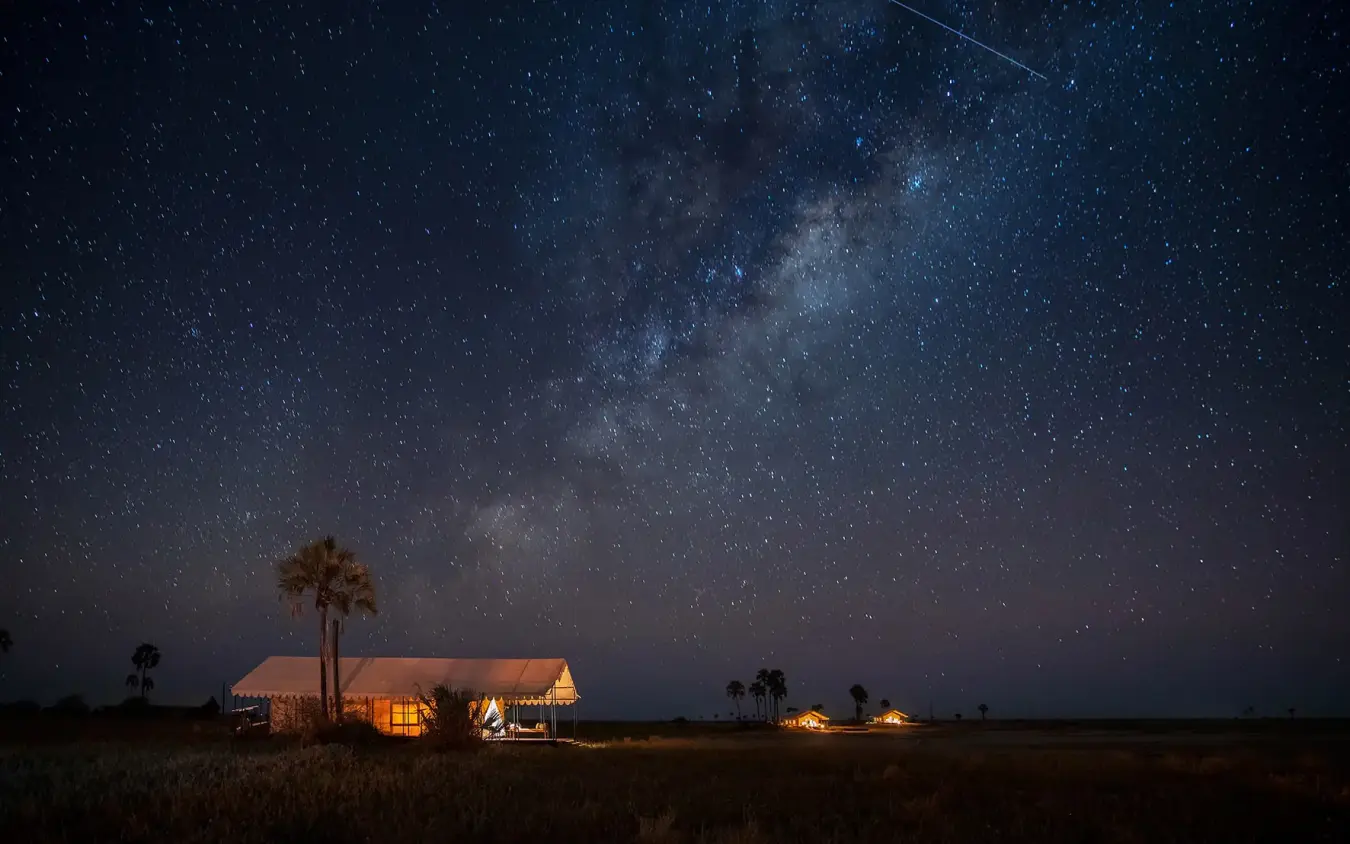
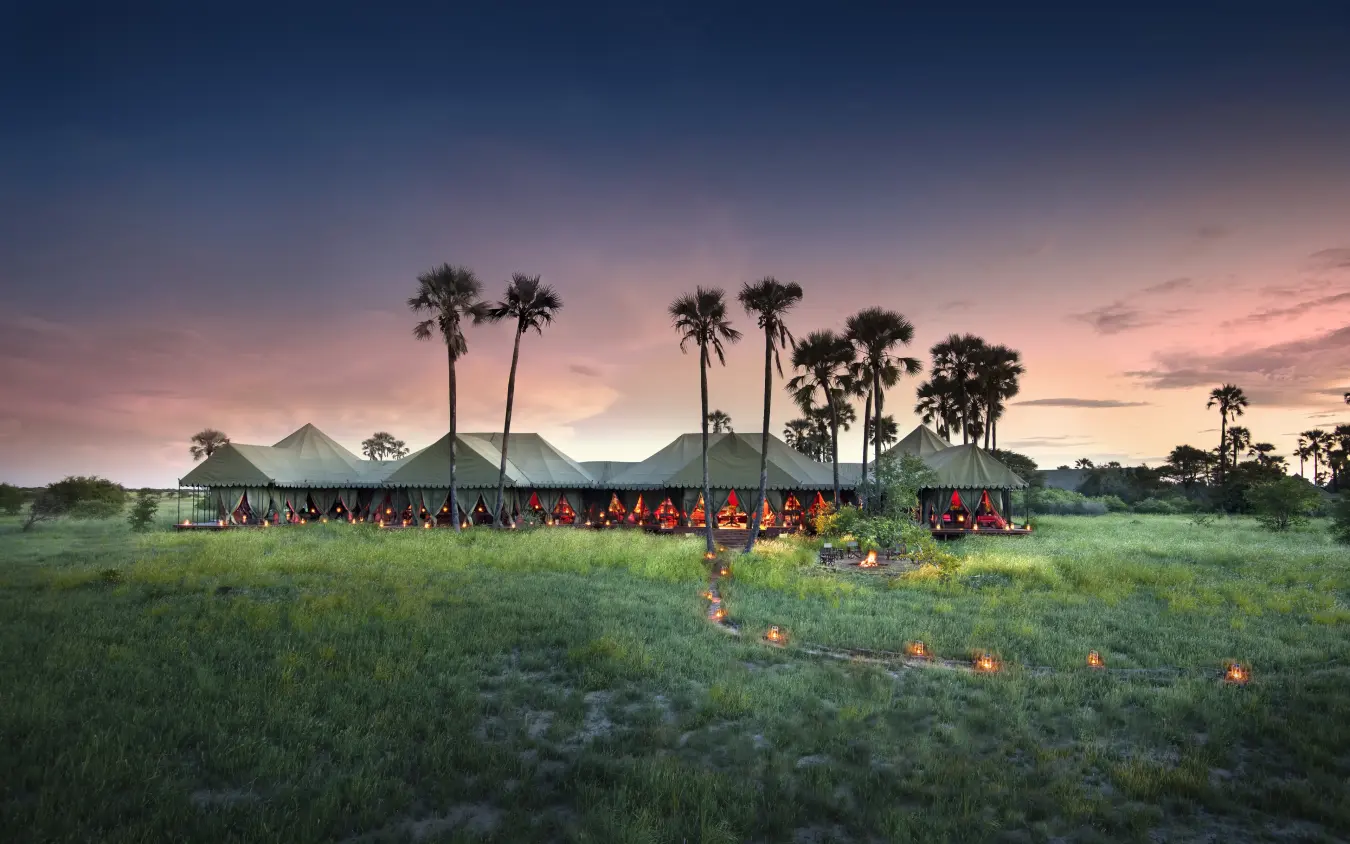
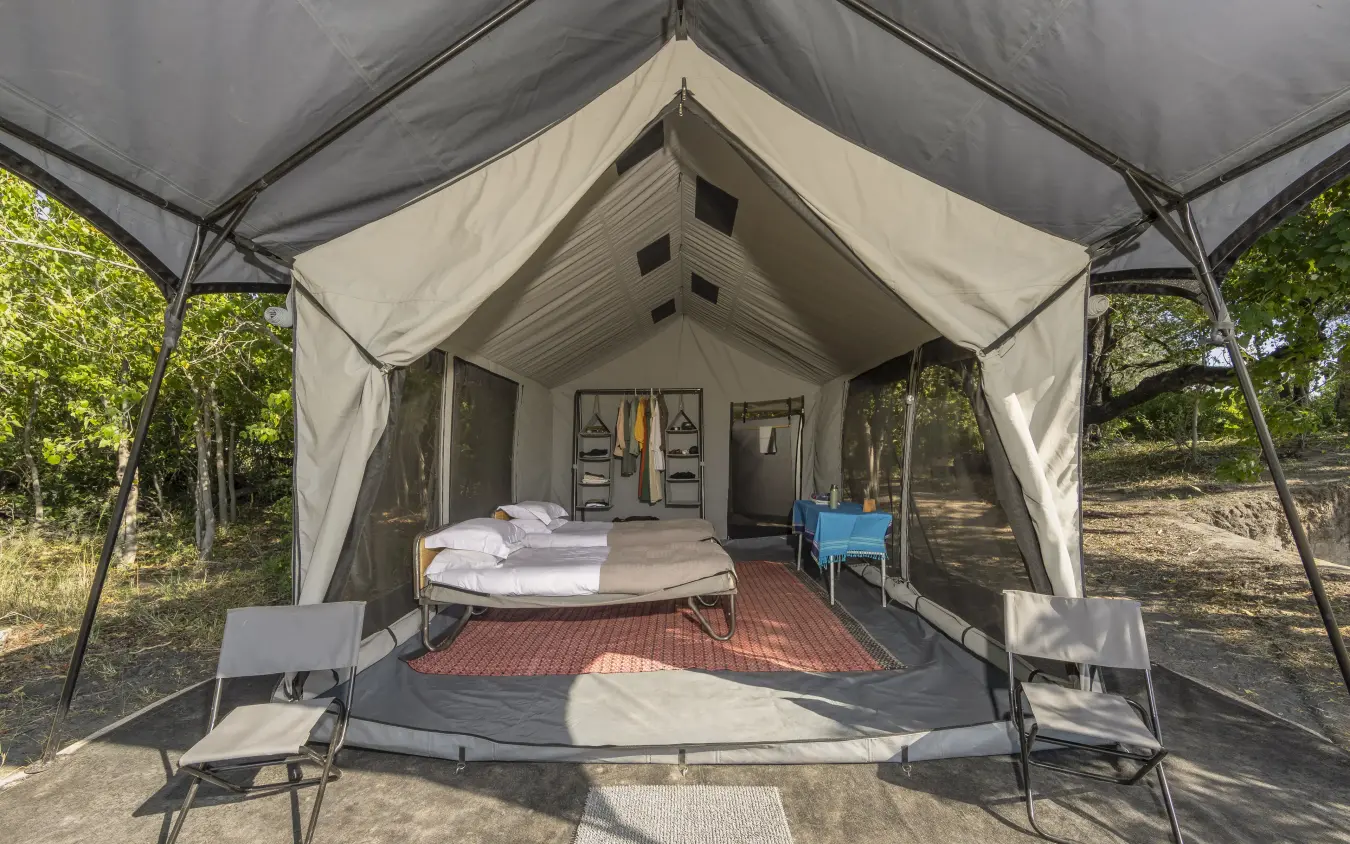
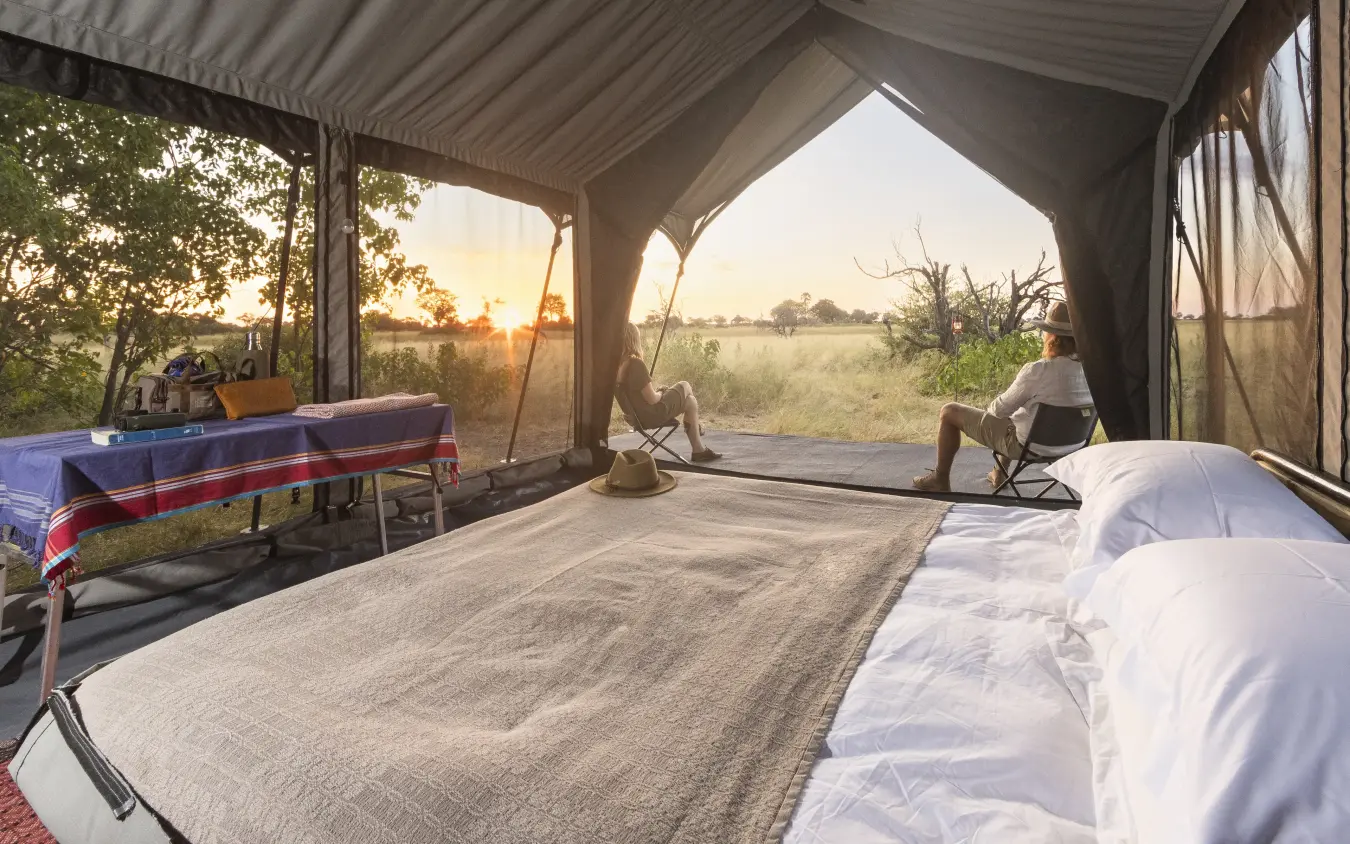
Two days on the edge of Ntwetwe Pan, one of the great salt flats of the Makgadikgadi, on private concession land where the days run beyond the game drive. You can quad bike across the crusted salt, sleep out beneath the stars and walk with the Zu/'hoasi, who read the desert for plants, water and animal signs. In the dry months habituated meerkats emerge at first light to warm before foraging. Seven white canvas tents shelter beneath desert palms at San Camp, styled after 1940s expeditions, lit by paraffin lamps with no electricity.
It is set to suit you, not to a fixed distance.
The walking outfit plans every safari around the party and thinks of walkers as three kinds:
Tell us honestly which you are, and the guide plans the days, and the camp's moves, to match.
The Delta is about as flat as land gets, with under two metres between its highest and lowest ground, so the effort lies in hours on your feet and in the heat, not in hills. The pace is slow, with long stops over tracks and birds, and the guides who lead the walks are experienced and armed.
It is a real camp that is taken down and moved.
The outfit runs it at three levels of comfort, so tell us which you want. At the simplest you sleep in a three-metre dome tent on a thick foam mattress on the ground, with a shower tent and a toilet tent a few steps away.
At the top level the tent is a walk-in one with proper beds and linen, a wardrobe, a bathroom of its own at the back and a basin with running water on the veranda.
At every level the shower is a bucket shower, filled for you with water heated on the fire, and the toilet is a long drop with a proper seat, because nothing out here is plumbed. A camp chef cooks over the fire and meals are served in a dining tent.
Keeping it this light is what lets the camp follow the walking, which no lodge can do.
Closer than you might expect, but closeness is not the aim.
The goal is to approach big game safely, watch it behave naturally and then withdraw quietly. Much of each day is about smaller things: tracks, dung, birds and plants, and what they say about who passed in the night.
You walk behind a guide who carries a rifle, and in Botswana only guides who hold the rifle qualification may lead walks in wildlife areas. The rifle is a last resort that is almost never fired.
What keeps people safe is the guide's awareness, knowledge of animal behaviour and clear leadership, together with a full briefing before you set out on how to move, stay together and respond. Walking among wild animals can never be made free of risk, which is why you do what the guide says at once and save the questions for later.
June to September.
Those are the months we rate as recommended in the Delta, on the Makgadikgadi and for Botswana as a whole. They suit a walking trip for plain reasons: mornings are cold, days are clear and warm, the bush has thinned so you see further on foot, and the Delta's flood is up for the mokoro at Gomoti.
As written, the trip can only operate from mid-April to mid-October, because San Camp shuts for the rest of the year.
April and May are in-between months, quieter and with lower rates.
October is productive for game in the Delta but punishing on foot, with afternoons that can top 40 degrees, and at the pans it is already past its best.
Between November and March we would use a different pans camp, one that keeps going through the rains, with the zebra migration in place of the quad bikes. Be aware, though, that the Delta from December to March carries our challenging rating: hot, wet and hard going on foot.
Yes. This is a sample route, and the walking section is the most flexible part of it.
The outfit builds every walking safari to order: three nights instead of five, a gentler pace or a more comfortable level of camp are all possible.
Two things are fixed. San Camp's year runs from the middle of April to the middle of October and no longer, so outside it we would use another camp on the pans.
And two nights there is tight. The morning with the meerkats takes about four hours, a quad bike outing two to three and the walk with the Zu/'hoasi about two, so if you want all three and a night sleeping out on the pan, add a third night.
Shinde can sit anywhere in the order, since its lagoon holds water all year. At Gomoti the mokoro only go out once the flood has arrived, so tell us if that matters and we will time the trip for it.
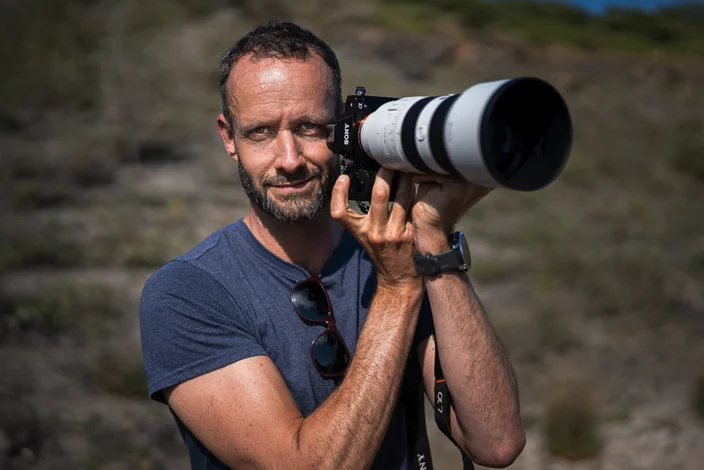
Ed Charles, BBC Producer
Fitzroy are true specialists in accessing the wilderness. They know where to go and importantly, when to go there. Highly recommended.
botswana
Wild dog country at Chitabe, a walking safari in the western Delta and the Makgadikgadi salt pans over 11 nights.
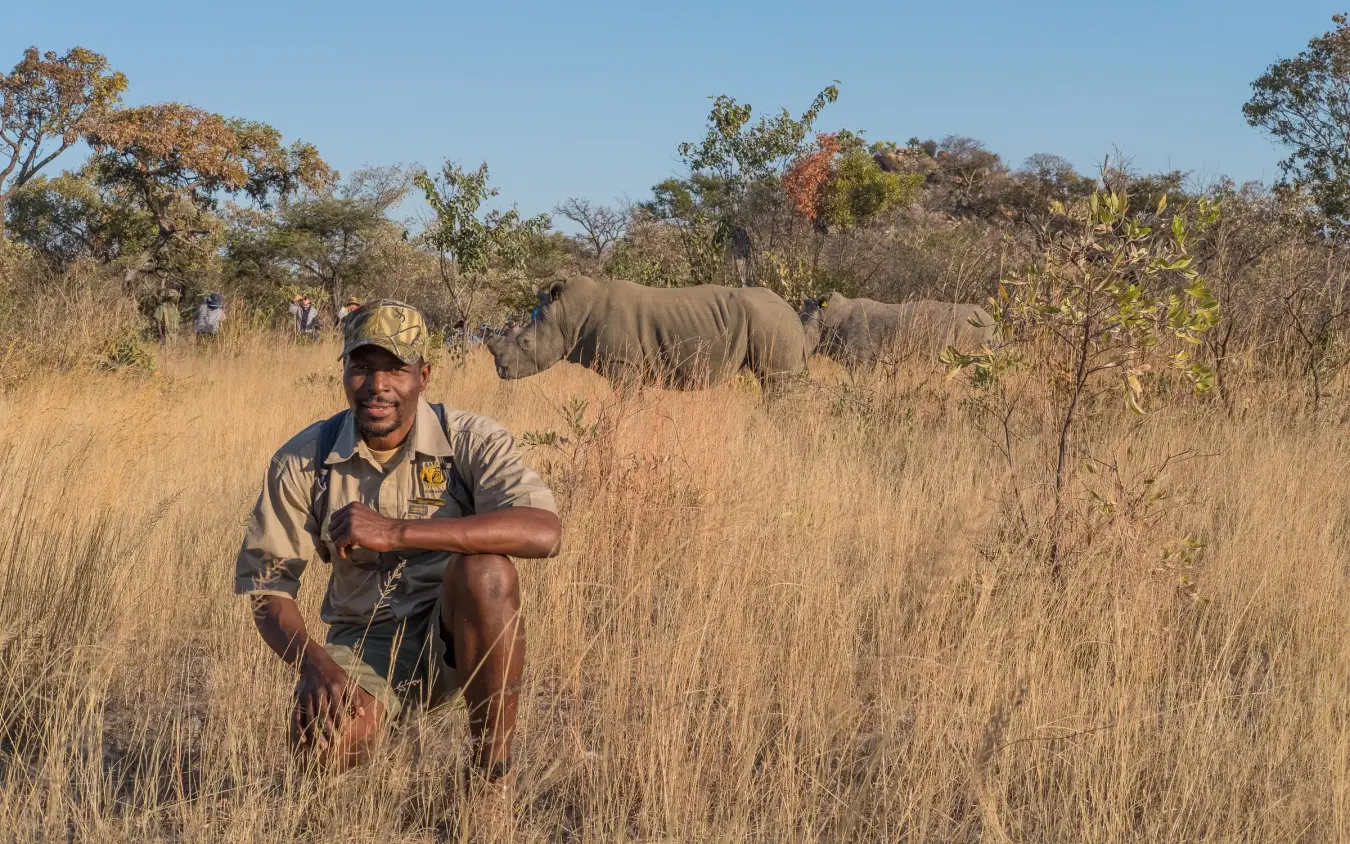
zimbabwe & botswana
Fifteen nights across Zimbabwe and Botswana, from Victoria Falls and Hwange to Matobo, the Makgadikgadi, the Okavango and Chobe.
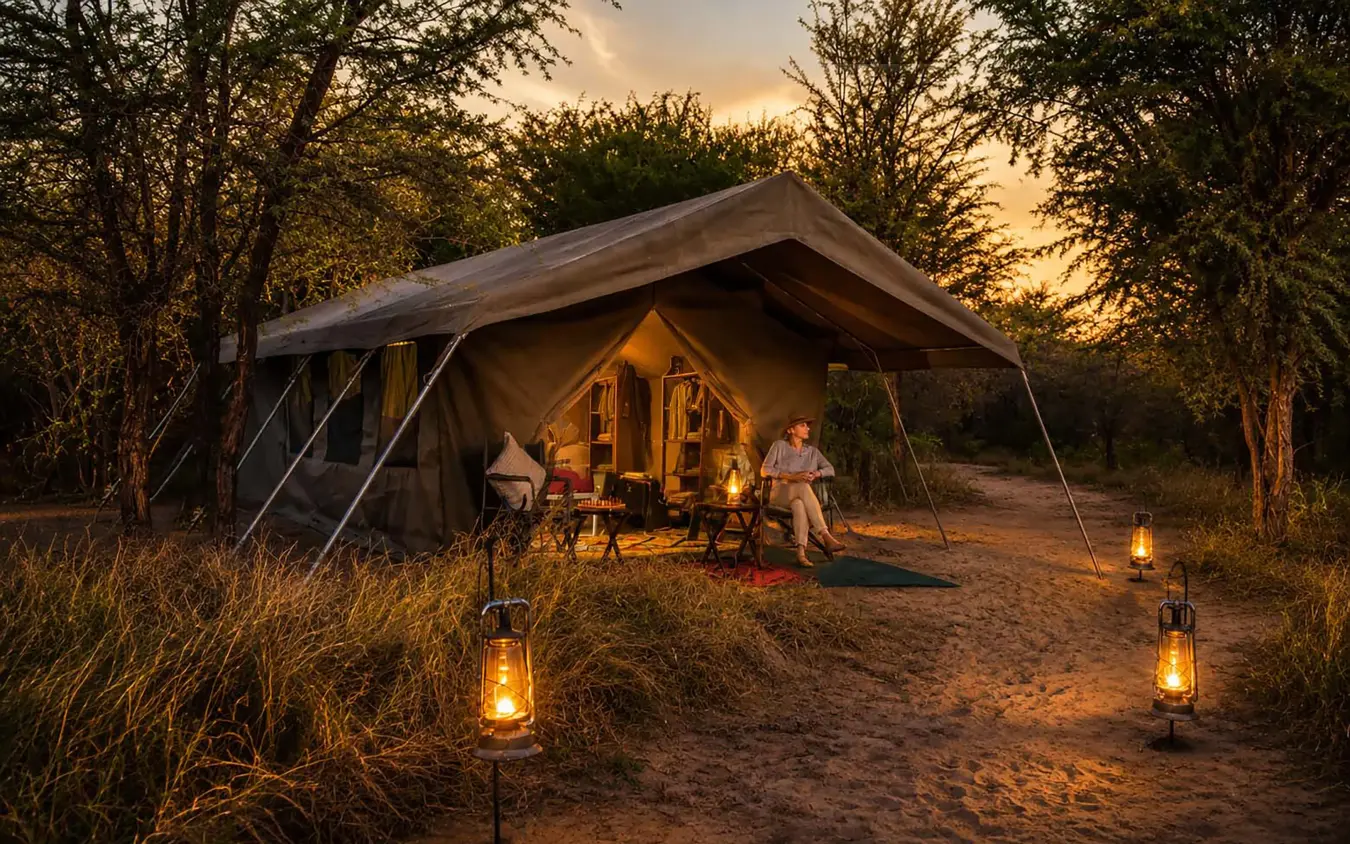
botswana & zimbabwe
Fourteen nights from mobile camps in Moremi, Khwai and Savute to a Delta water camp and the Zambezi at Victoria Falls.
rated five stars by our clients

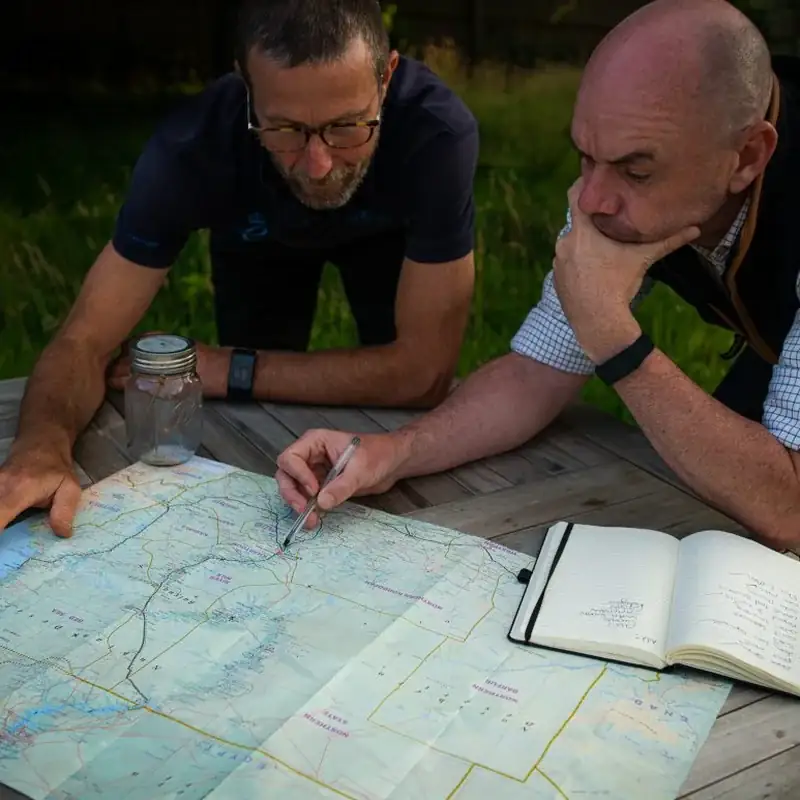
our approach
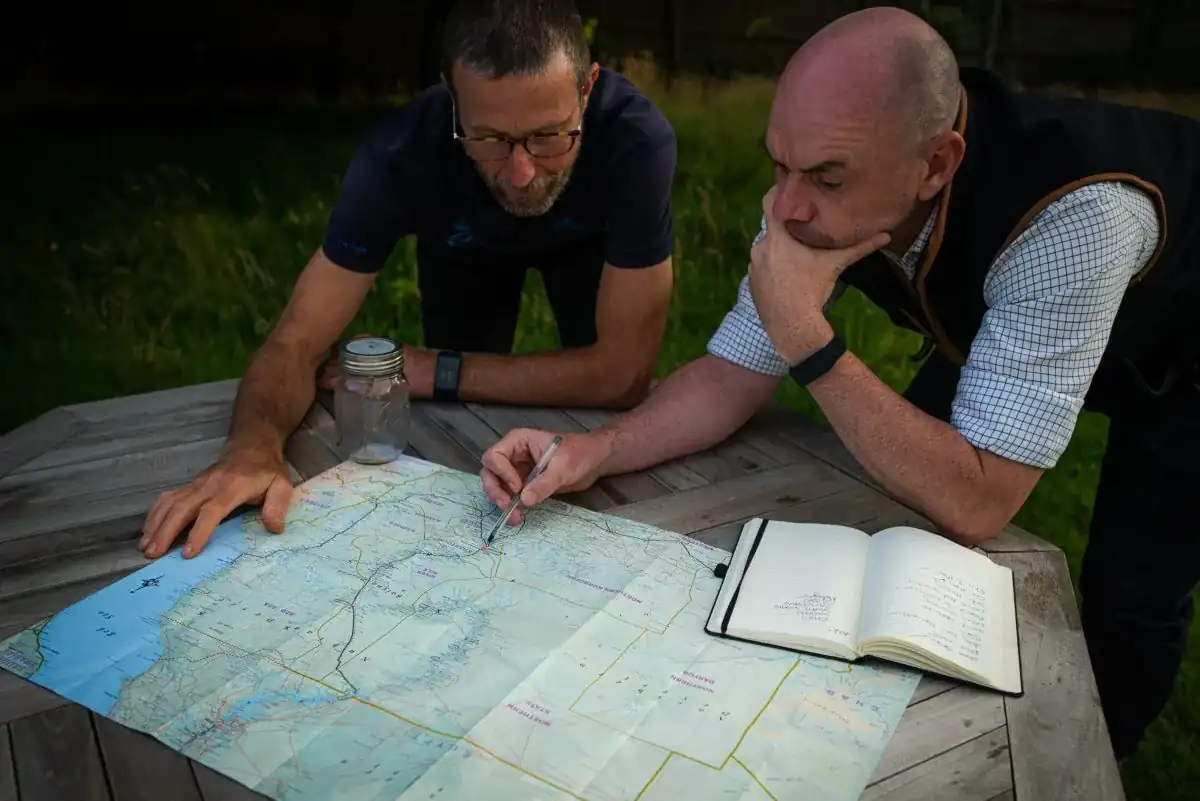
Every journey starts with a conversation. We take the time to understand your vision before we start planning.
Whether by phone or in person, we work with you directly to shape something that is considered, personal, and expertly delivered.
Every journey starts with a conversation. We favour a direct, personal approach: understanding your vision before anything else.
Whether by phone or in person, we work with you directly to shape a journey that is both thoughtfully considered and expertly delivered.
Get in touch to start planning yours.