







zimbabwe & botswana
rhino tracking to the delta
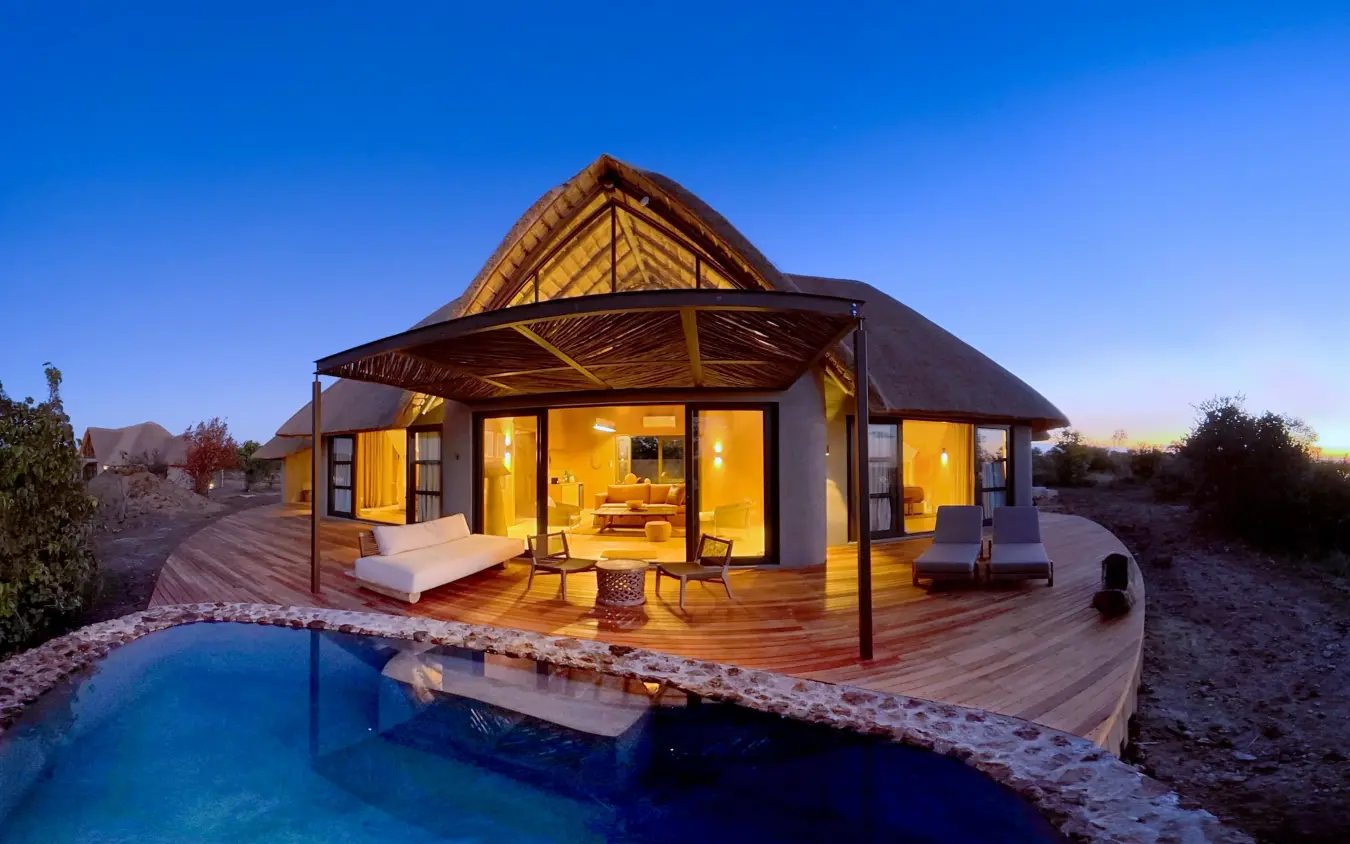
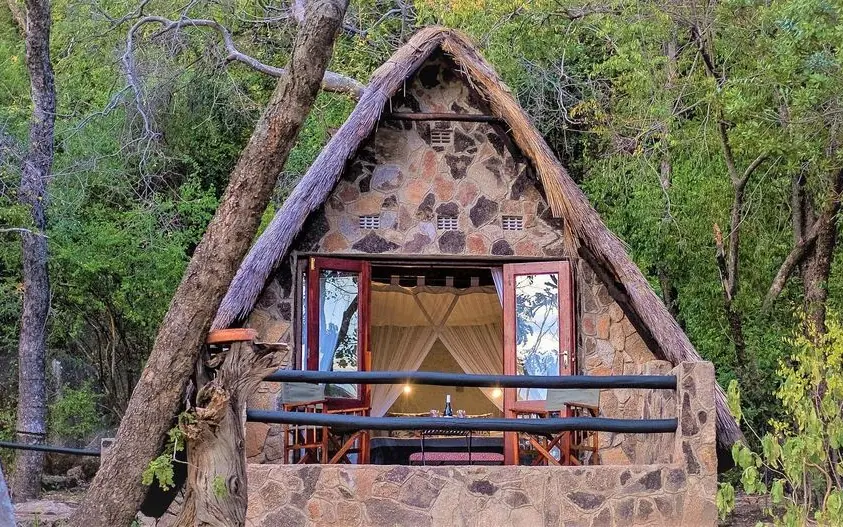
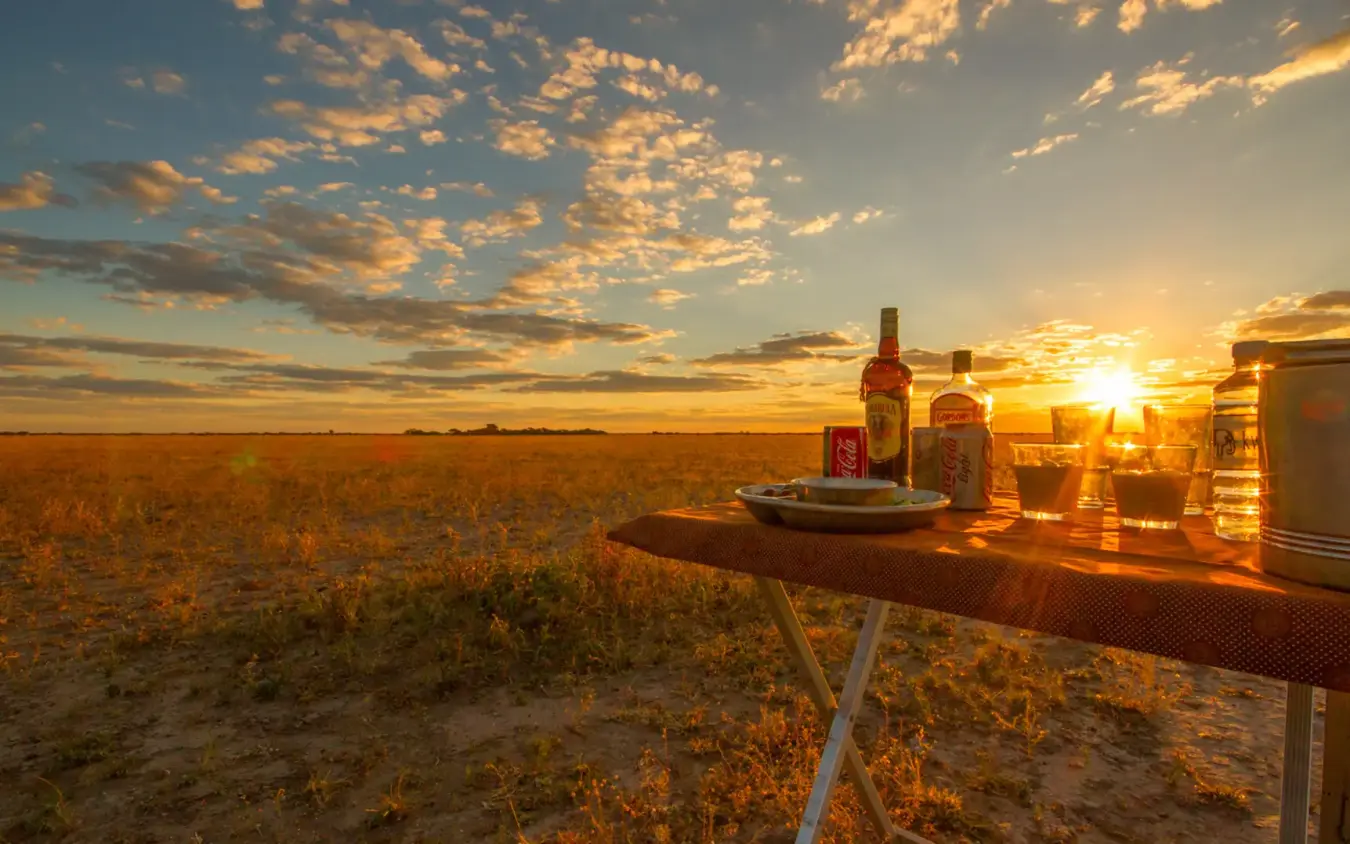
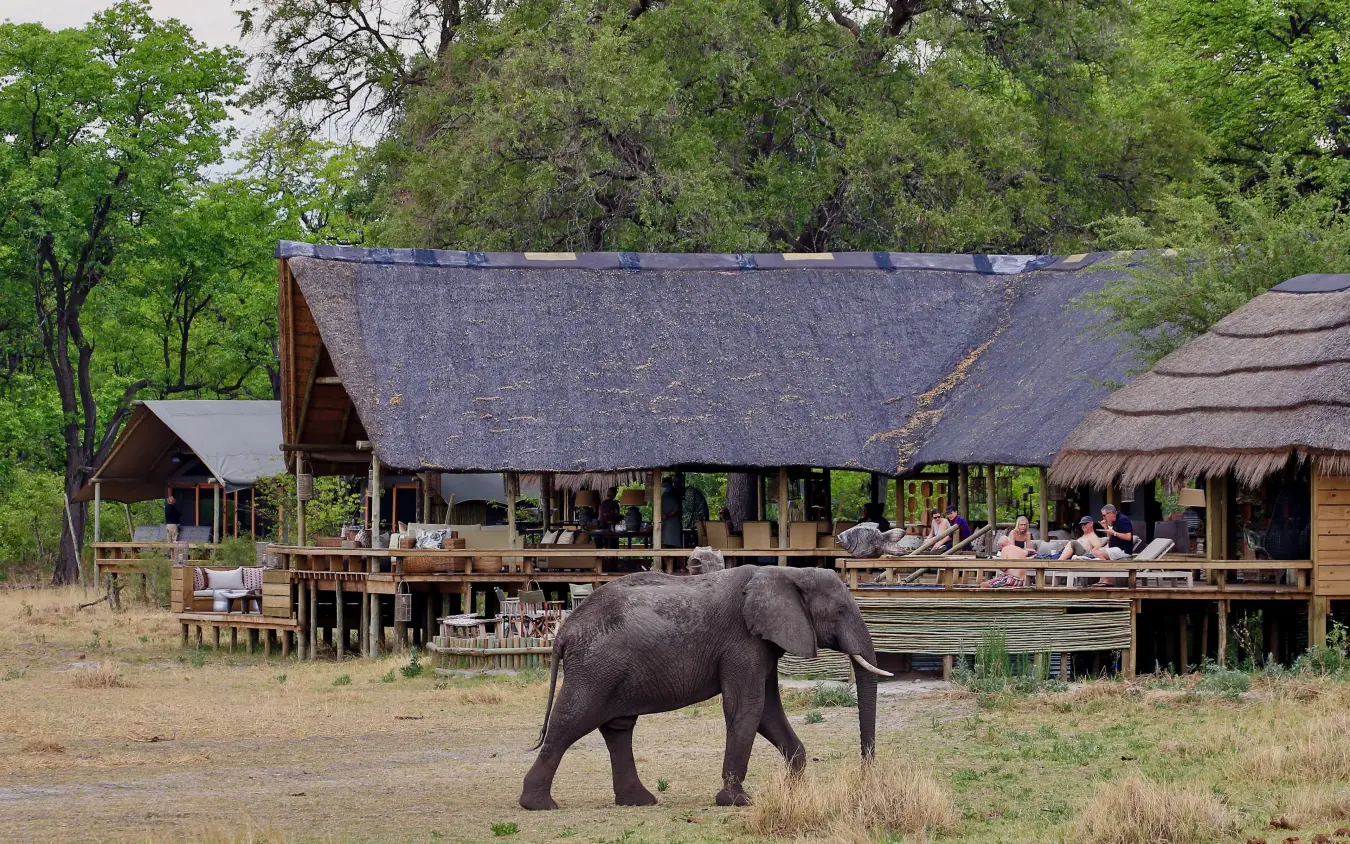
Fifteen nights across Zimbabwe and Botswana, from Victoria Falls and Hwange to Matobo, the Makgadikgadi, the Okavango and Chobe.
- Private Safari
- From $19,885 pp
- 2 guests
- 15 nights
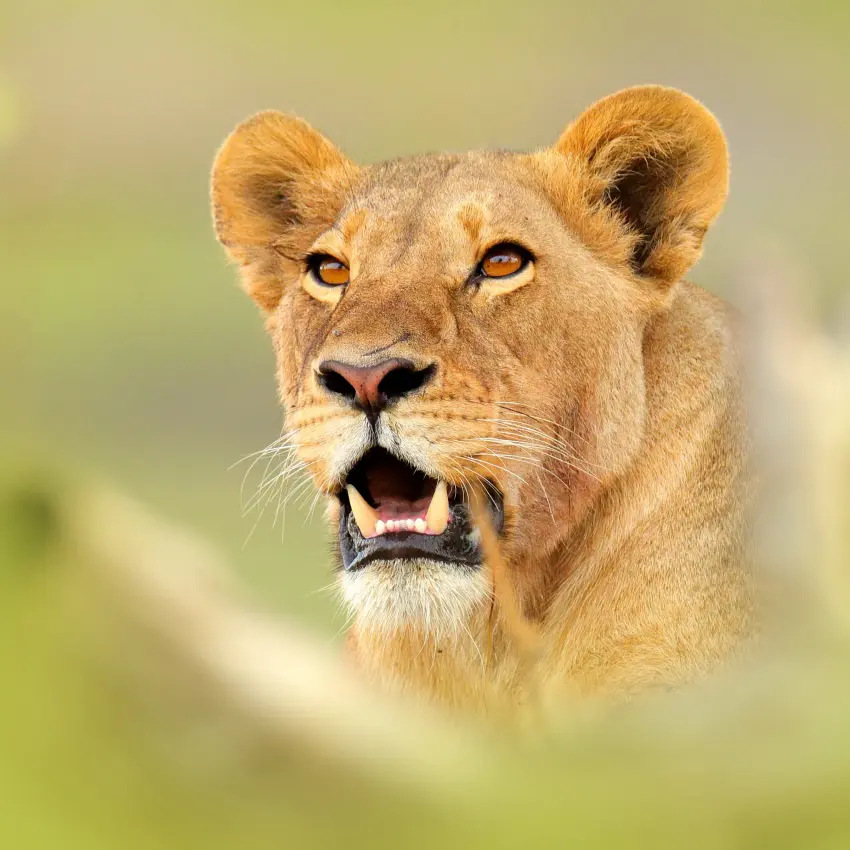
This nine-night route links three private concessions in northern Botswana. It opens in the far northern Okavango Delta, where flooded grassland draws buffalo, red lechwe and the lion prides that hunt them. It moves to a riverine island in Moremi Game Reserve, ringed by permanent channels that hold their water the year round. It ends on the Selinda Spillway, the ancient channel that connects the Okavango and Linyanti systems.
You travel between the three by light aircraft, each landing on a concession airstrip. Days move with the water: game drives across open floodplains, mokoro and boat trips through lily-covered lagoons, night drives and guided walking. Each camp is small and set on private ground, chosen for its position rather than its scale.
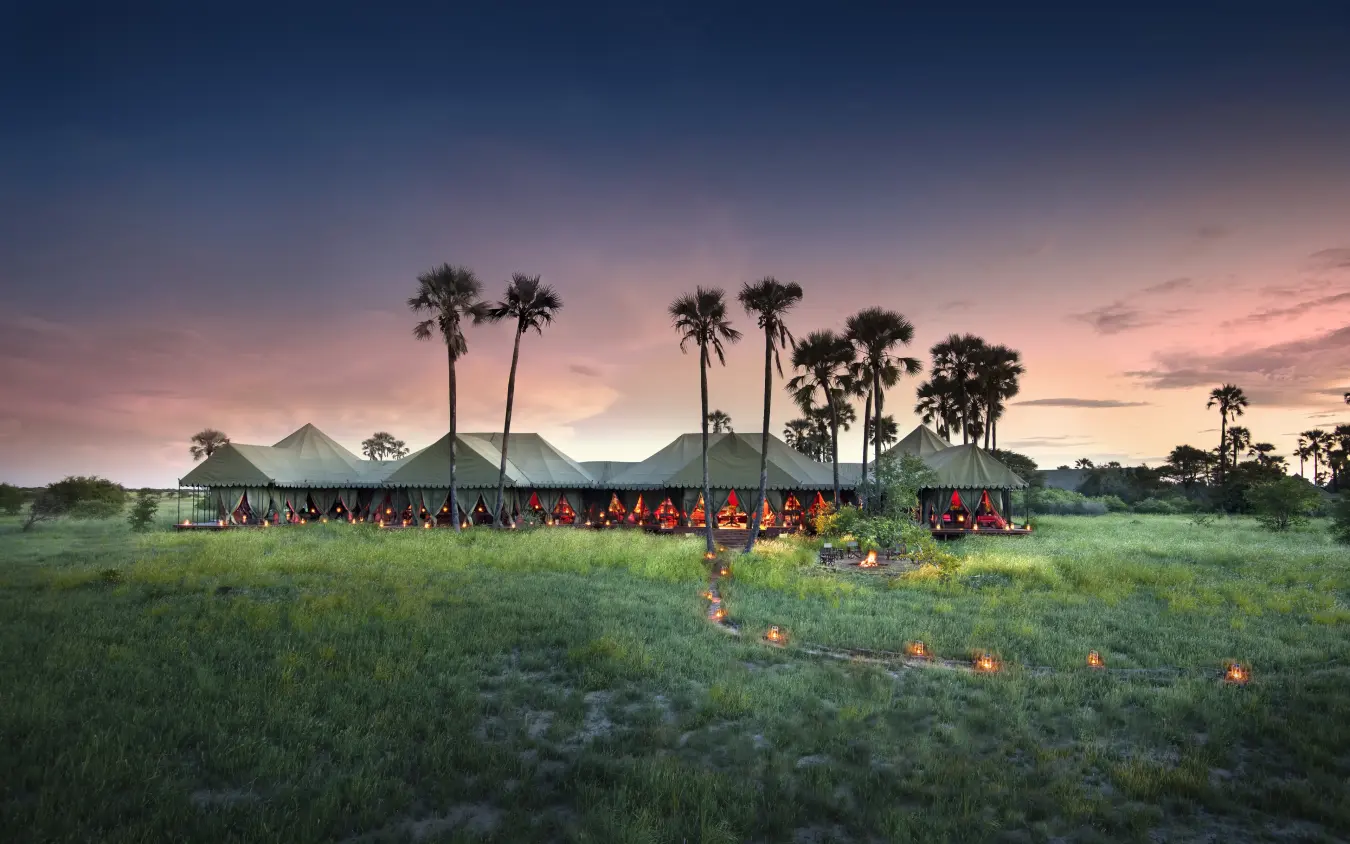
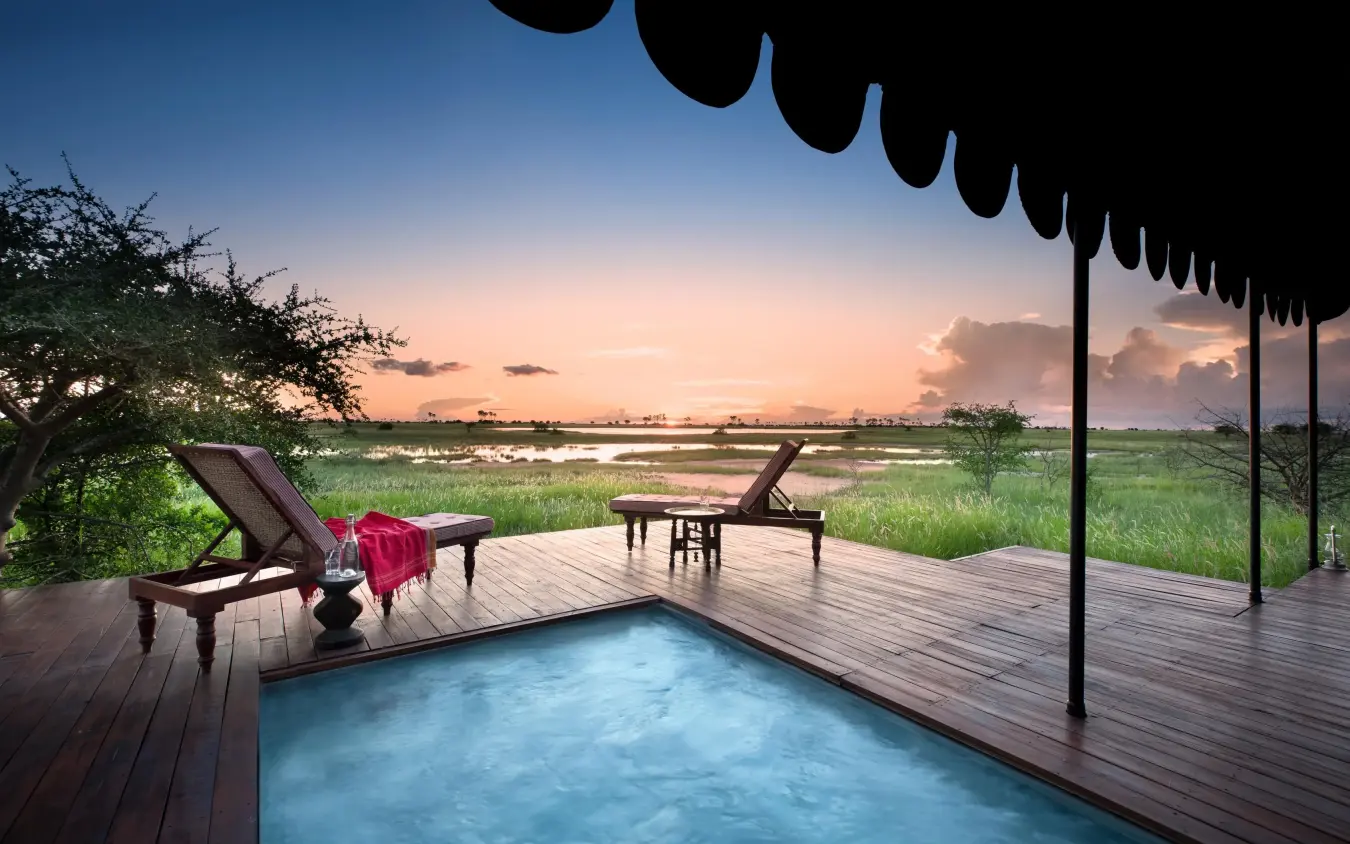
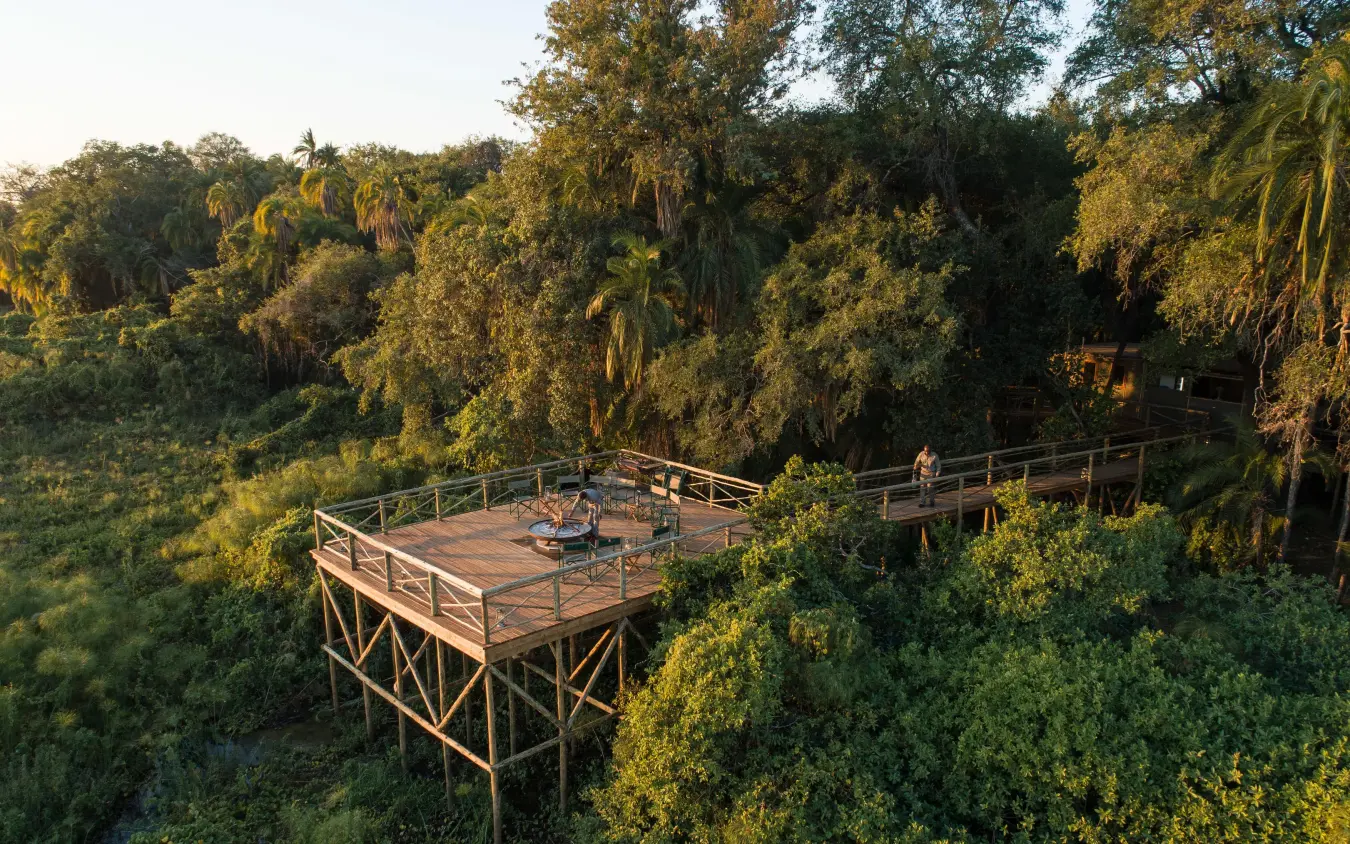
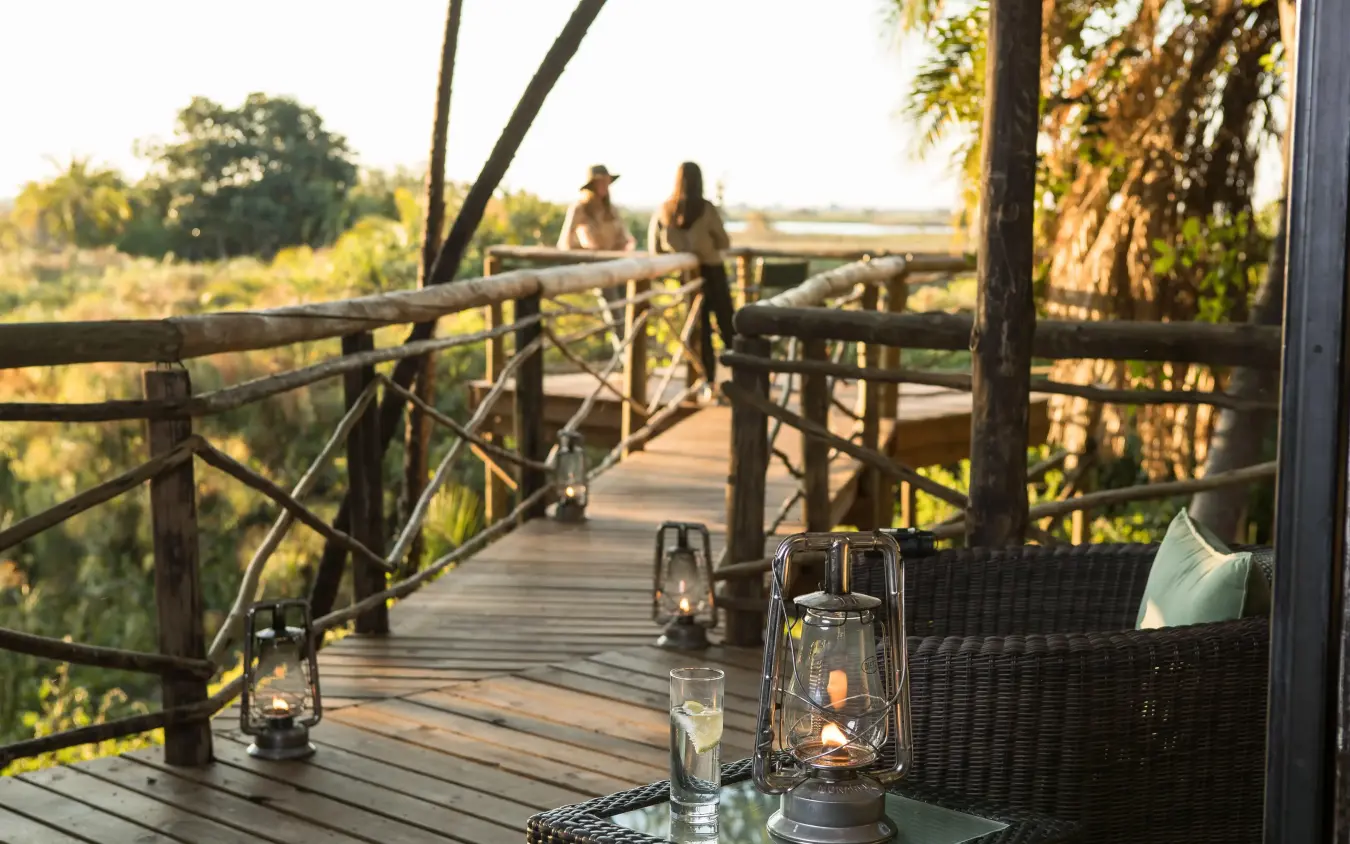
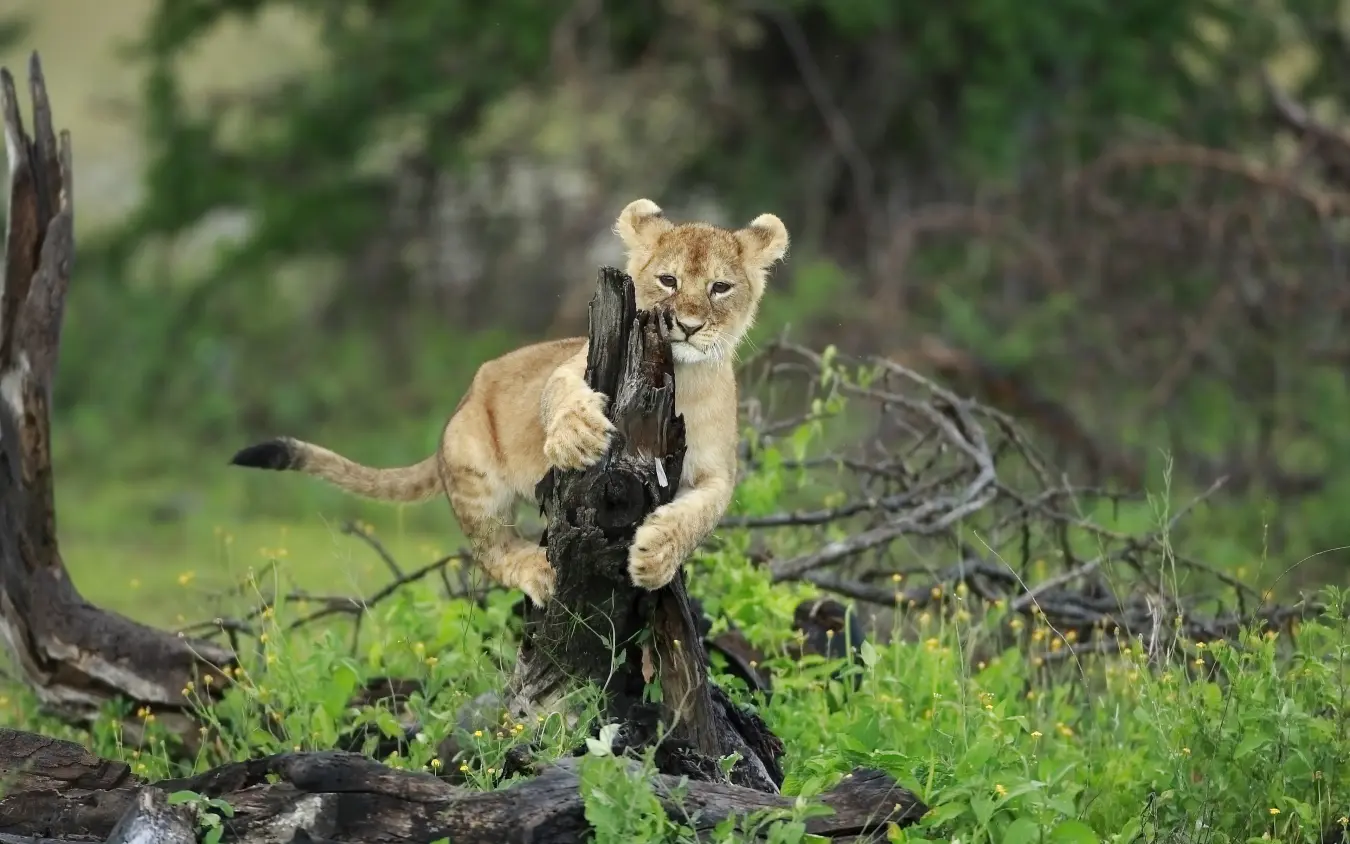
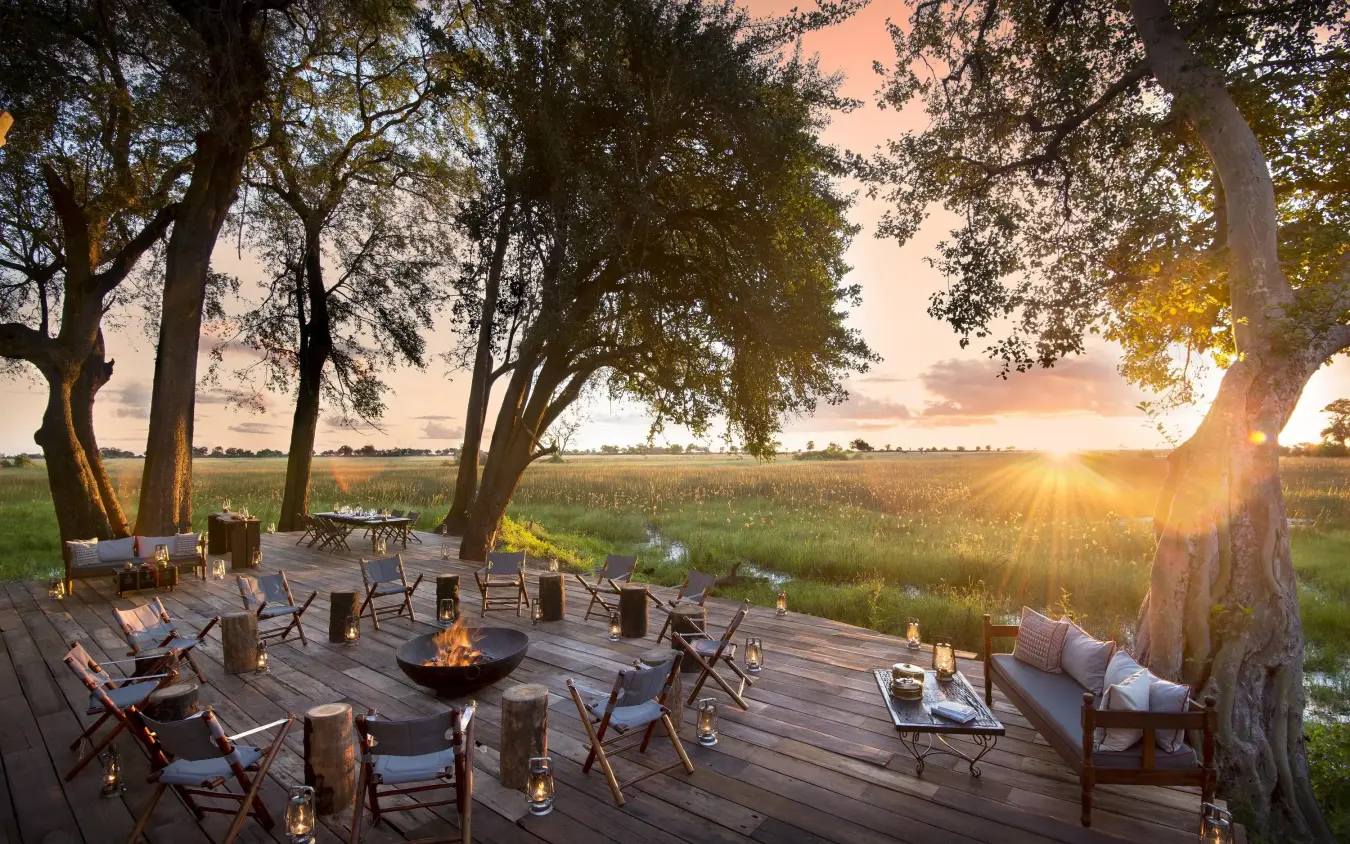
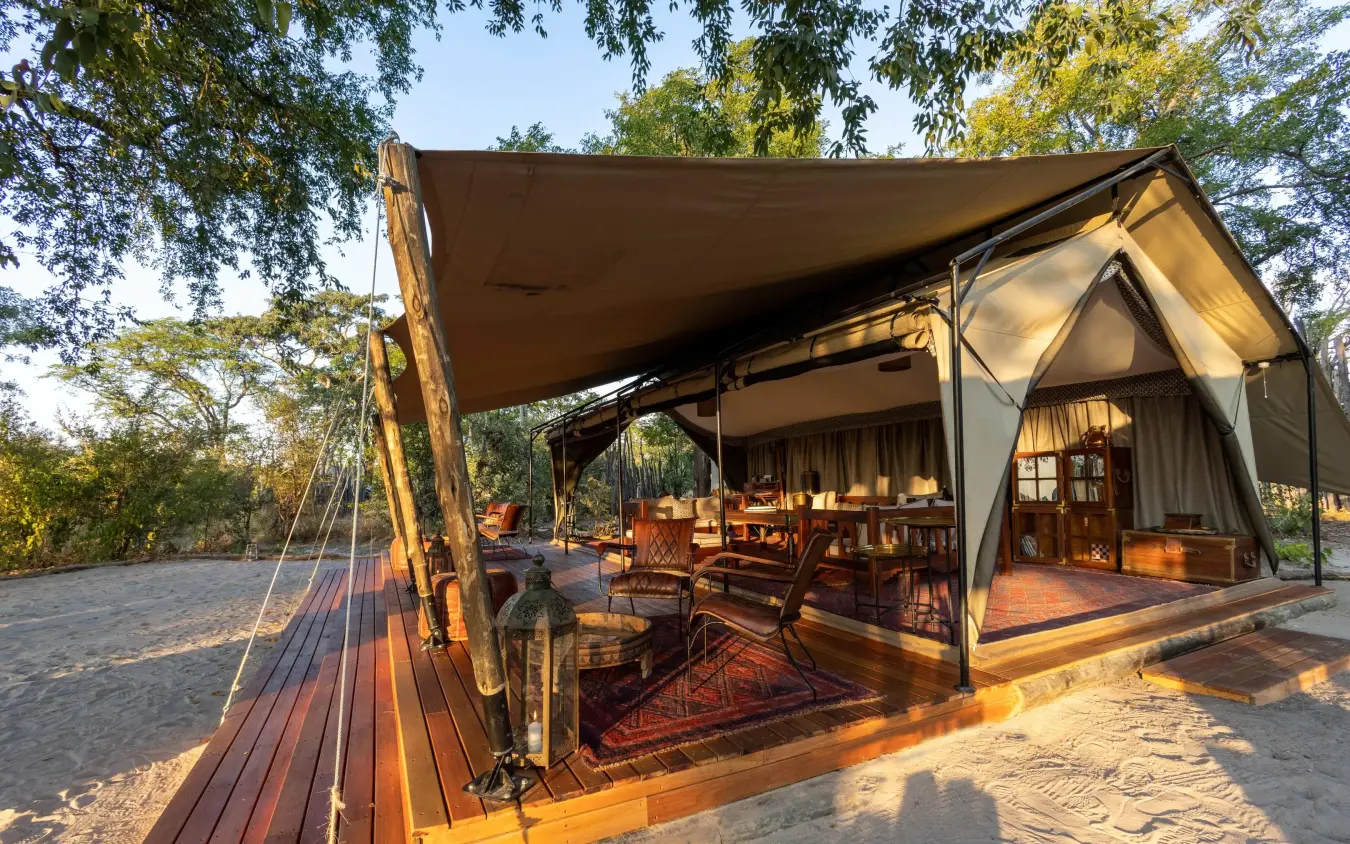
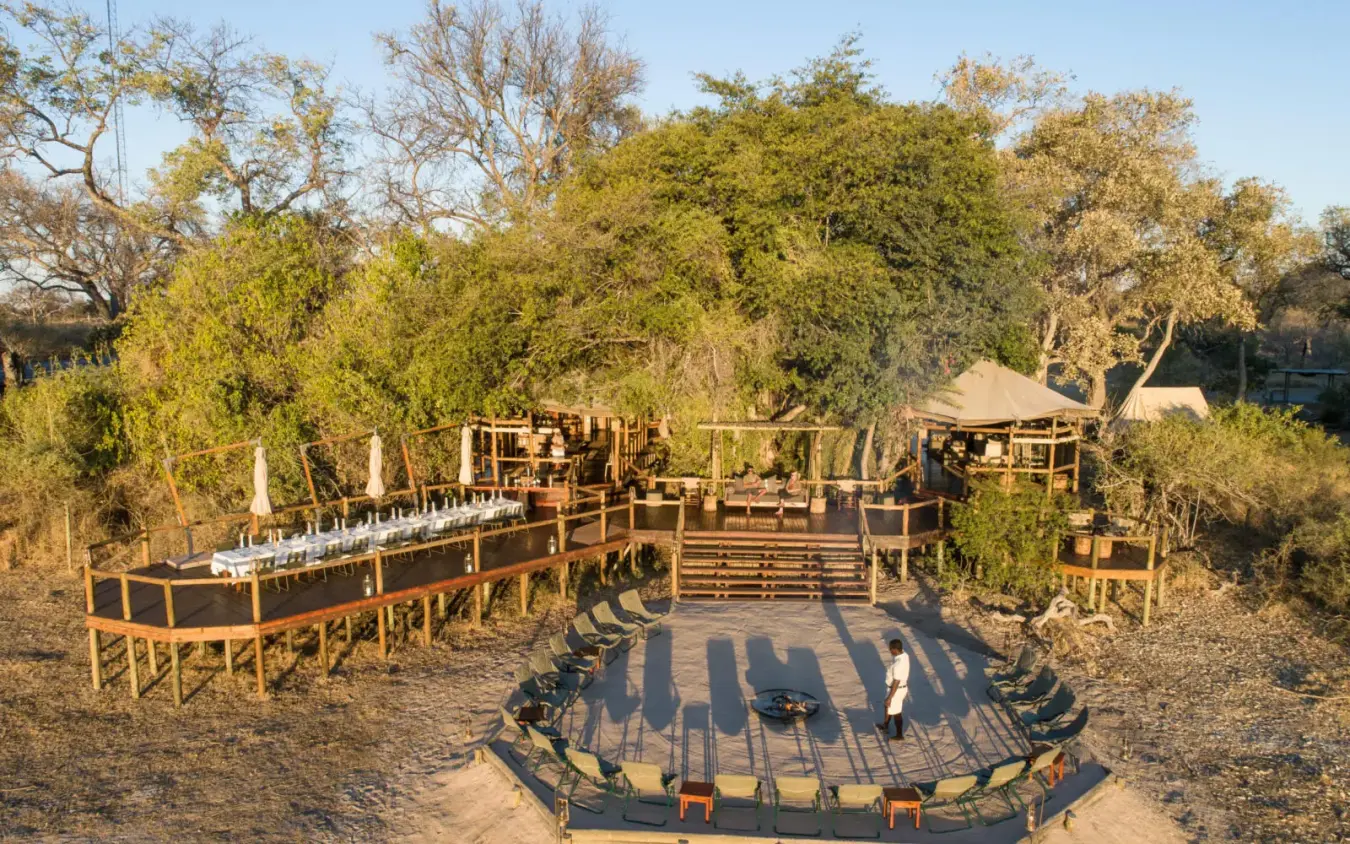
You begin on a private island in the far northern Okavango Delta, on the NG23 concession, where open floodplains rather than woodland fill the view. Hundreds of buffalo work these floodplains alongside thousands of red lechwe, and since a pride split in 2014 the lions have hunted lechwe more often than buffalo. Because this is a private concession, drives run long and uninterrupted, guides can leave the road, and spotlit night drives and walks along the channels are all possible; in flood season boating and mokoro open up the reed-lined waterways. Duba Plains is a vintage-styled tented camp shaded by ebony, fig and garcinia, raised above the flood with decks that look straight onto it.
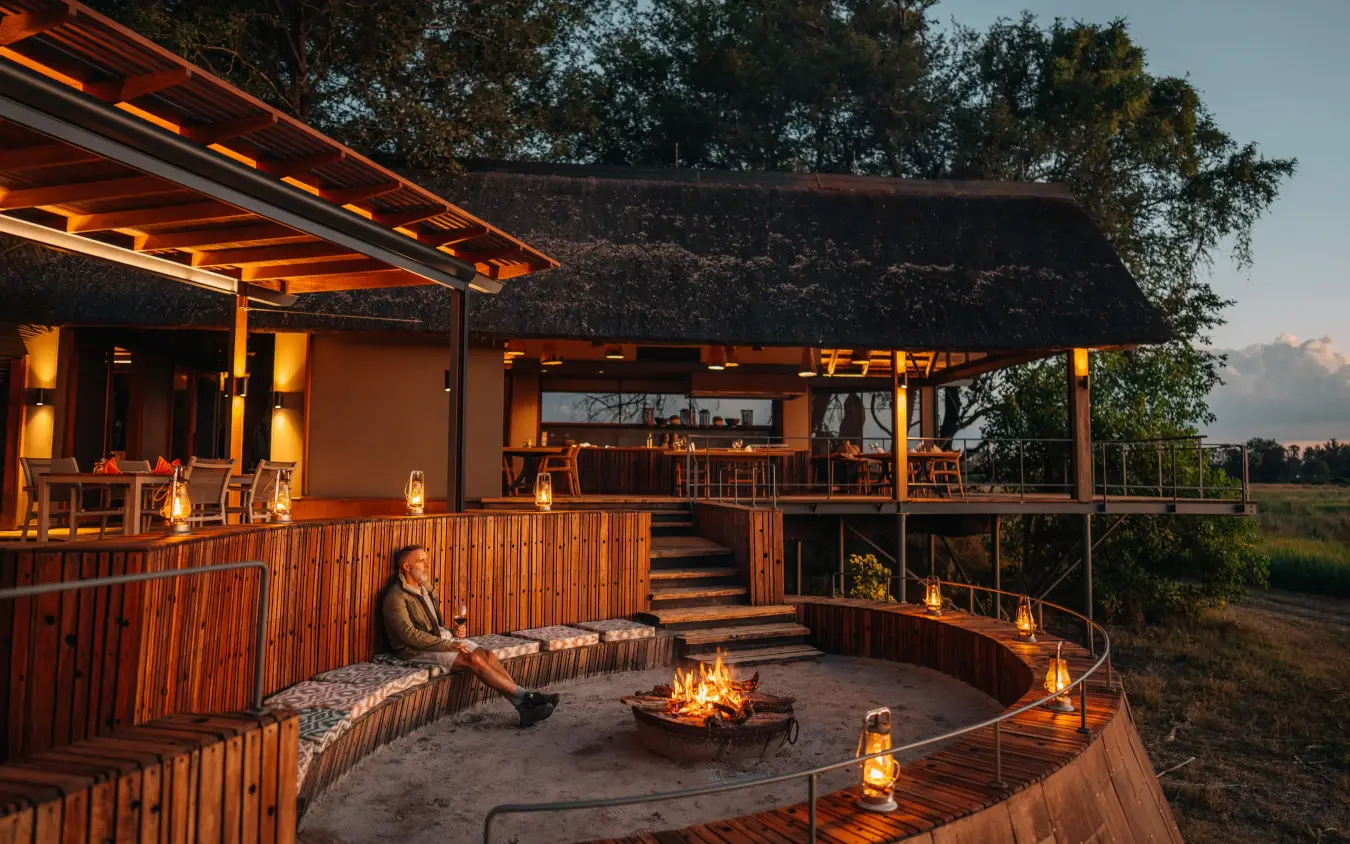
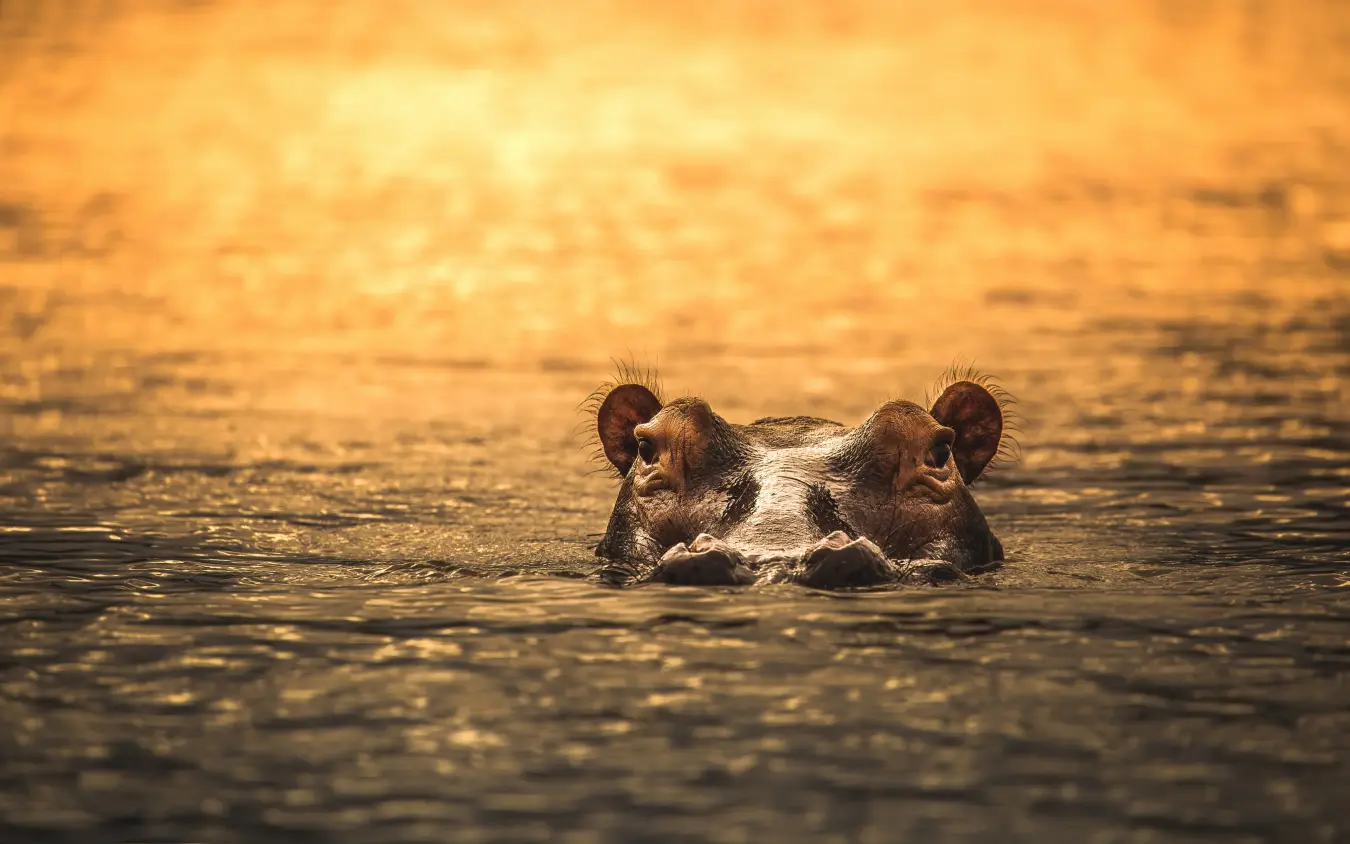
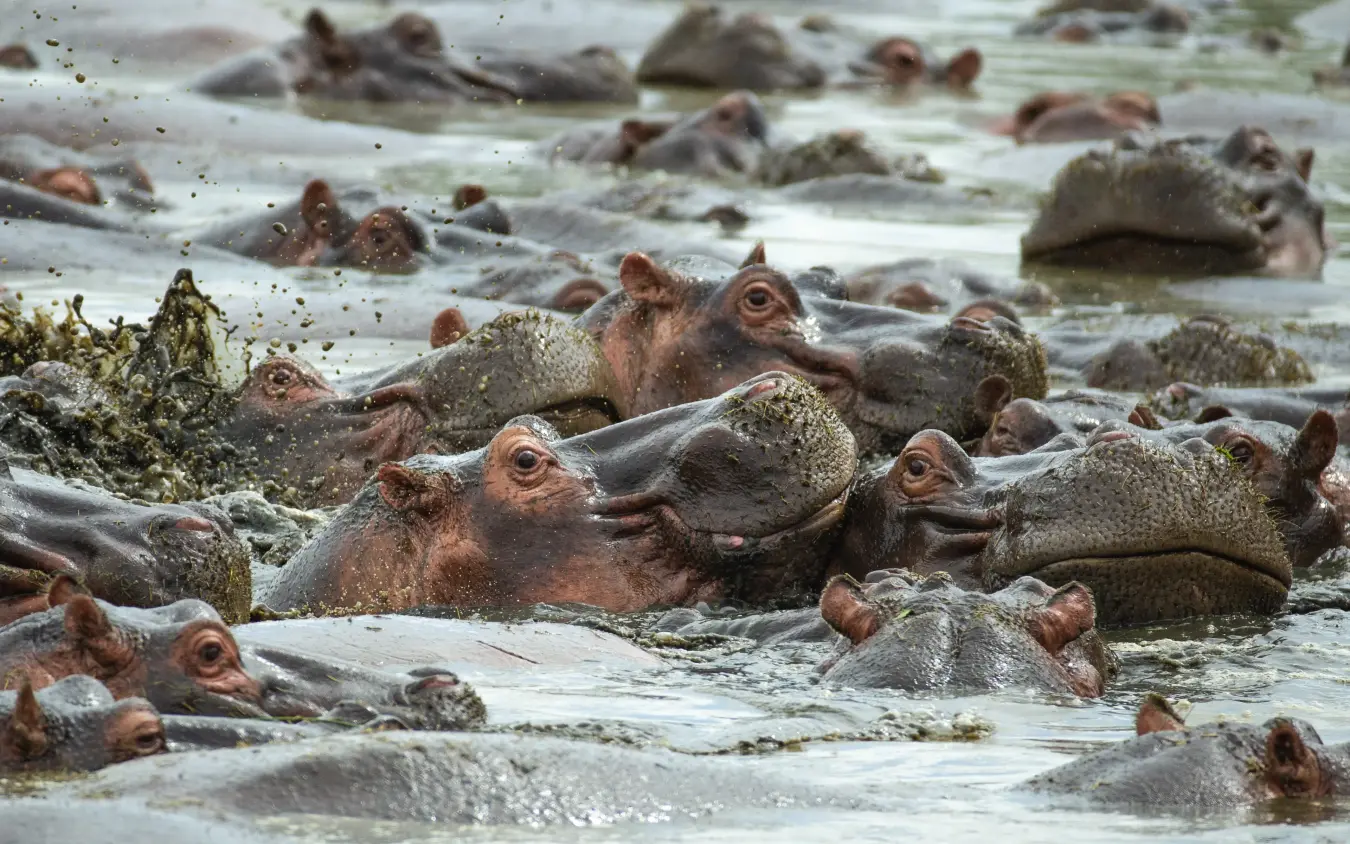
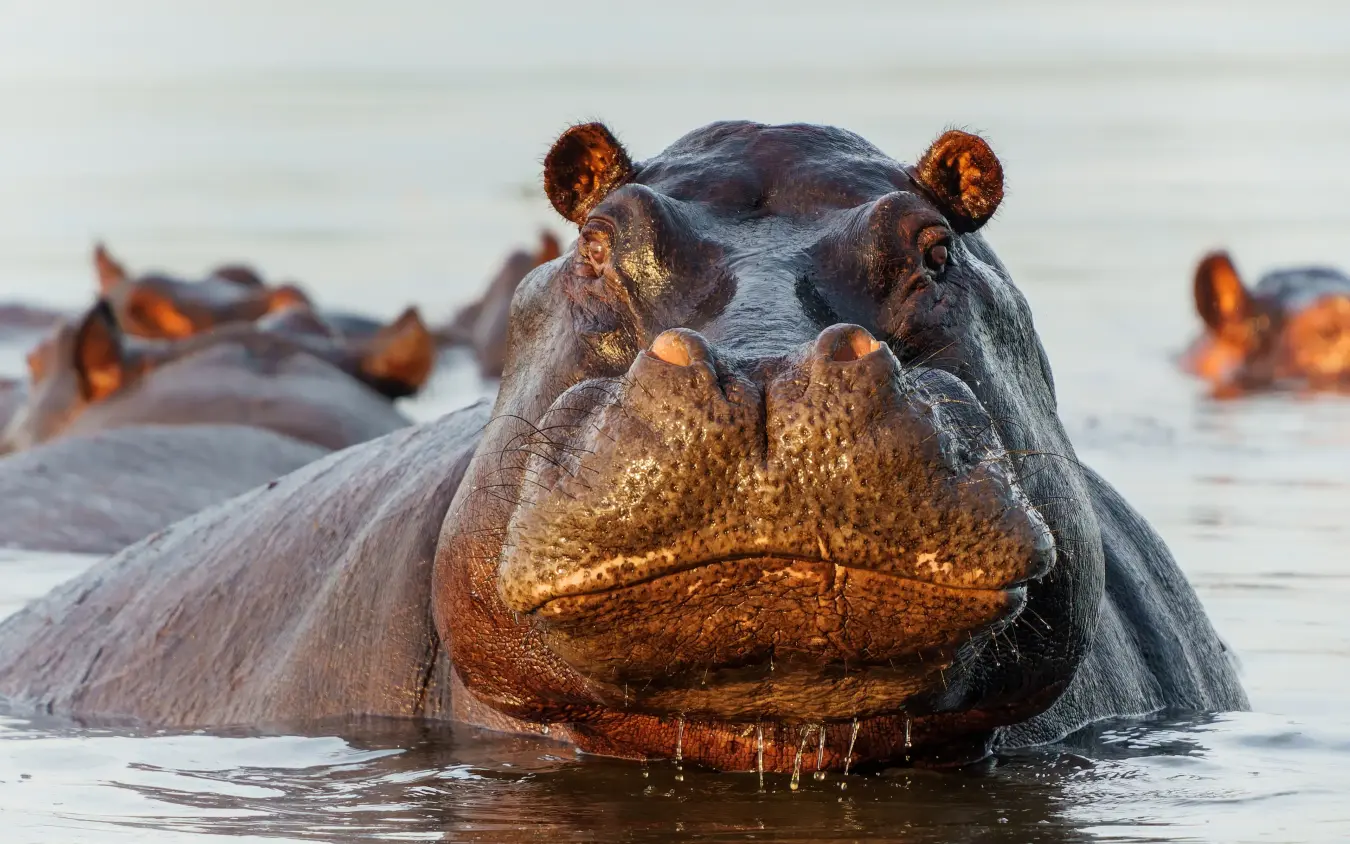
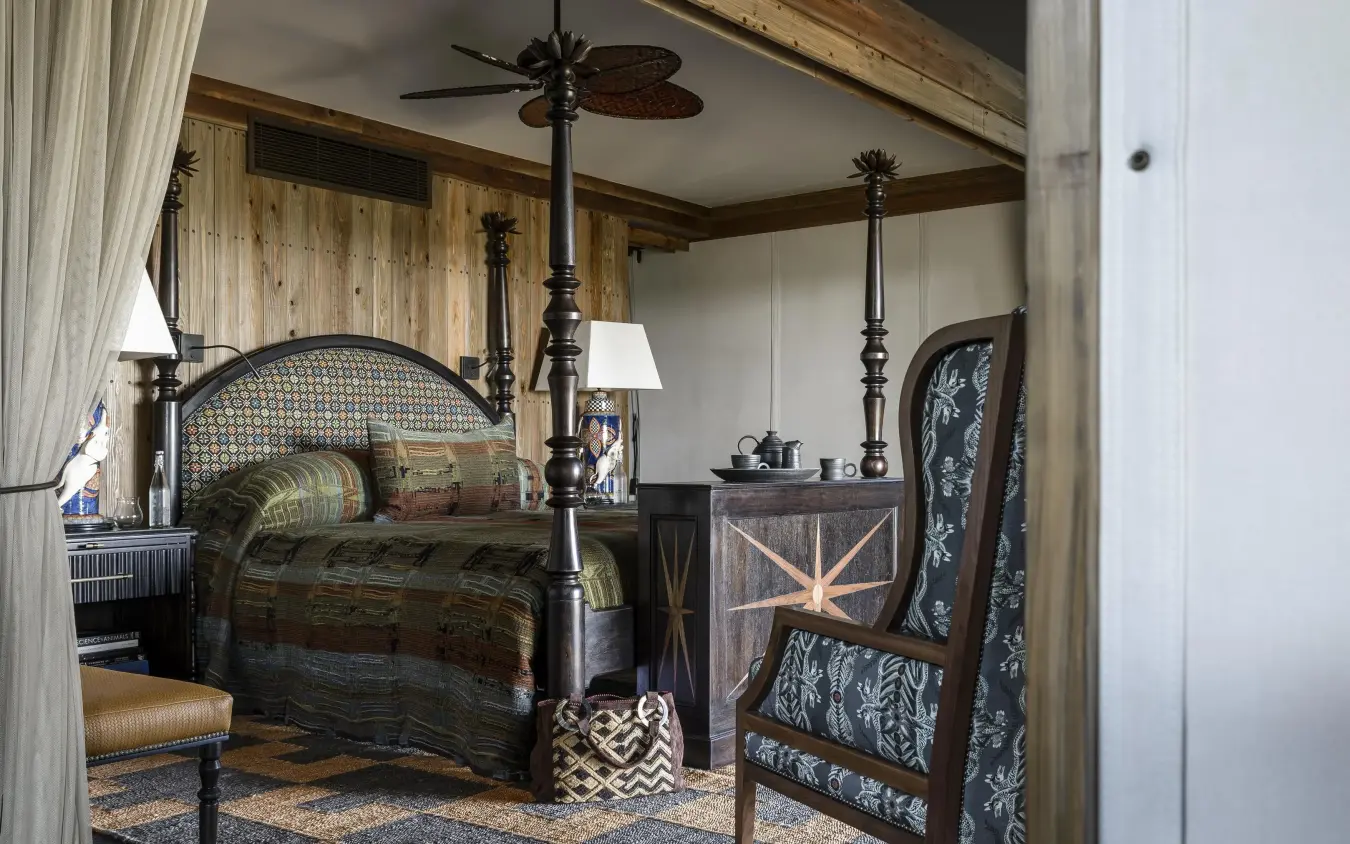
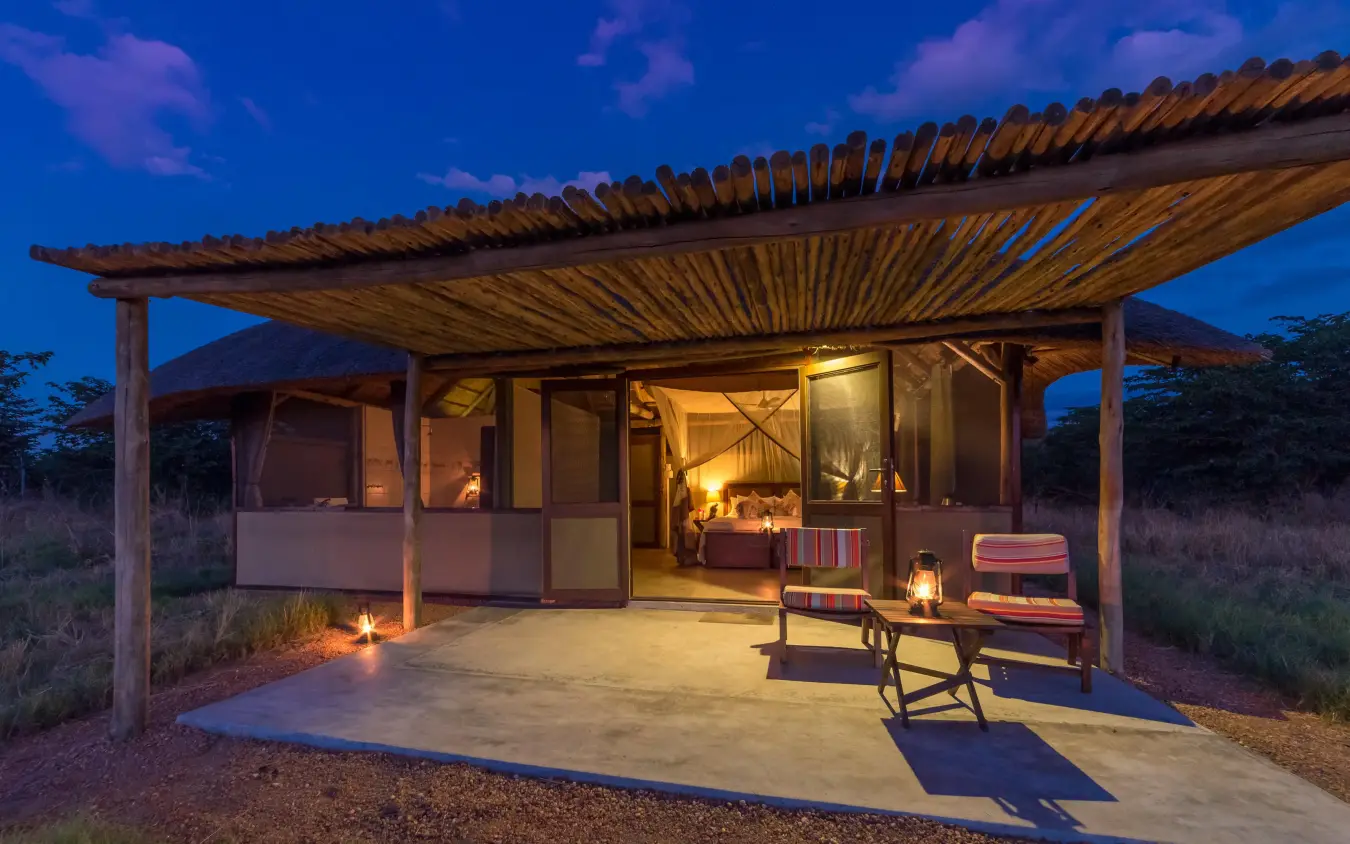
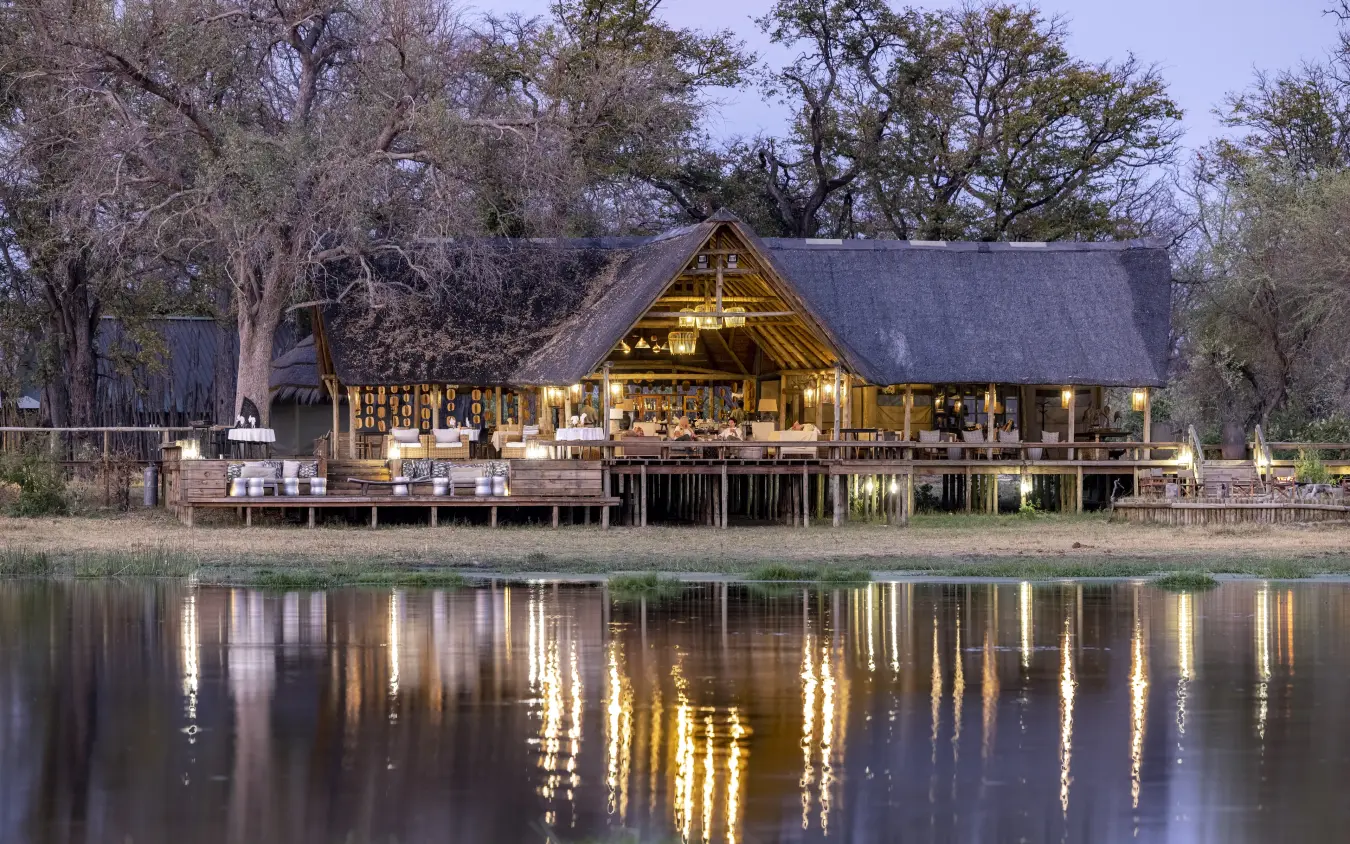
A short flight brings you to a riverine island in the western Okavango, within a private concession in Moremi Game Reserve. Deep channels ring the island, so days turn to the water: mokoro through lily-covered lagoons, boat trips on the larger channels when levels allow, and long stretches watching hippos and red lechwe from a raised deck. Reserve rules still apply on this ground, so night drives are not offered here. Xigera Lodge runs on one principle, anything anytime, with suites on stilts beneath jackalberry, mangosteen and leadwood, and interiors holding commissioned work from more than eighty African artists.
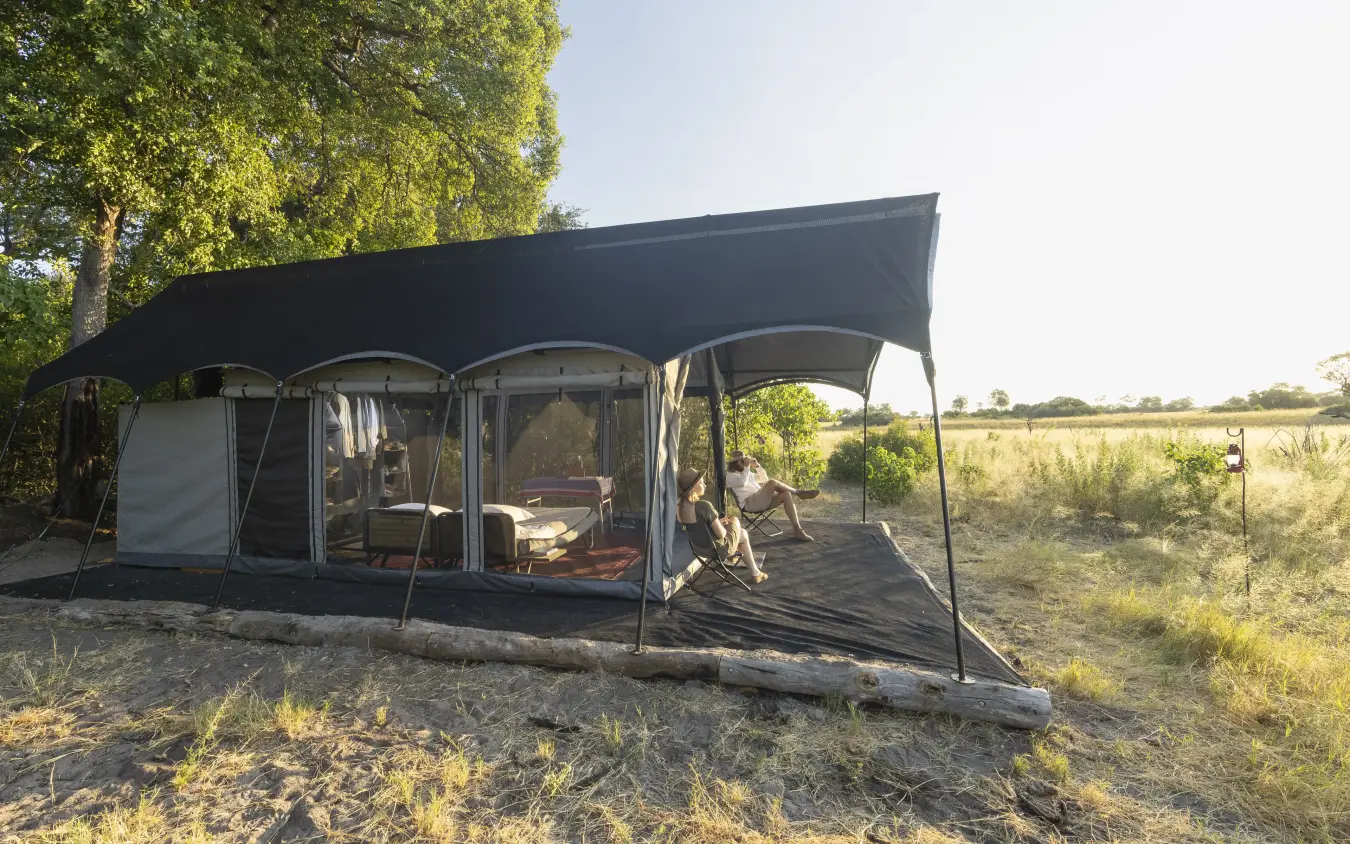
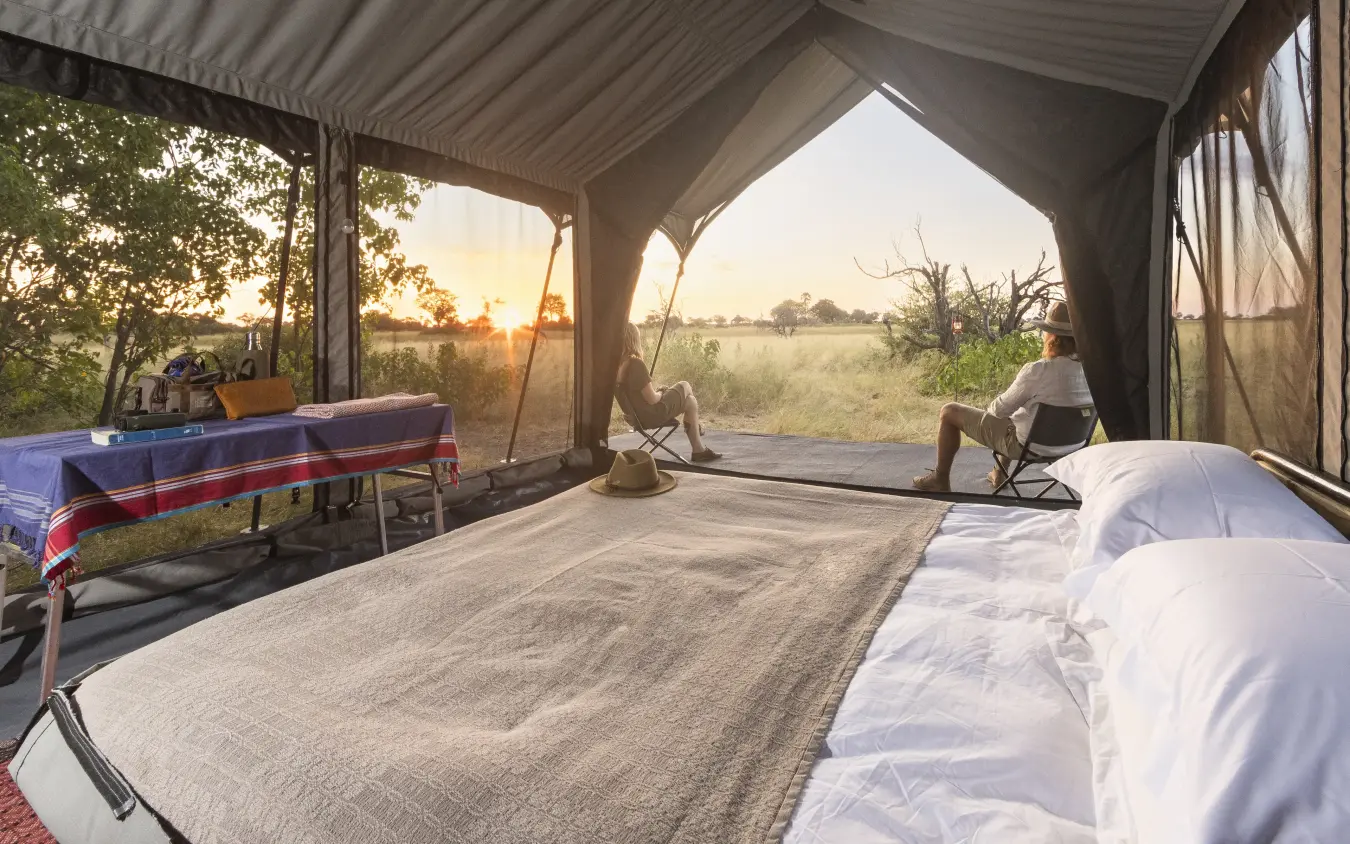
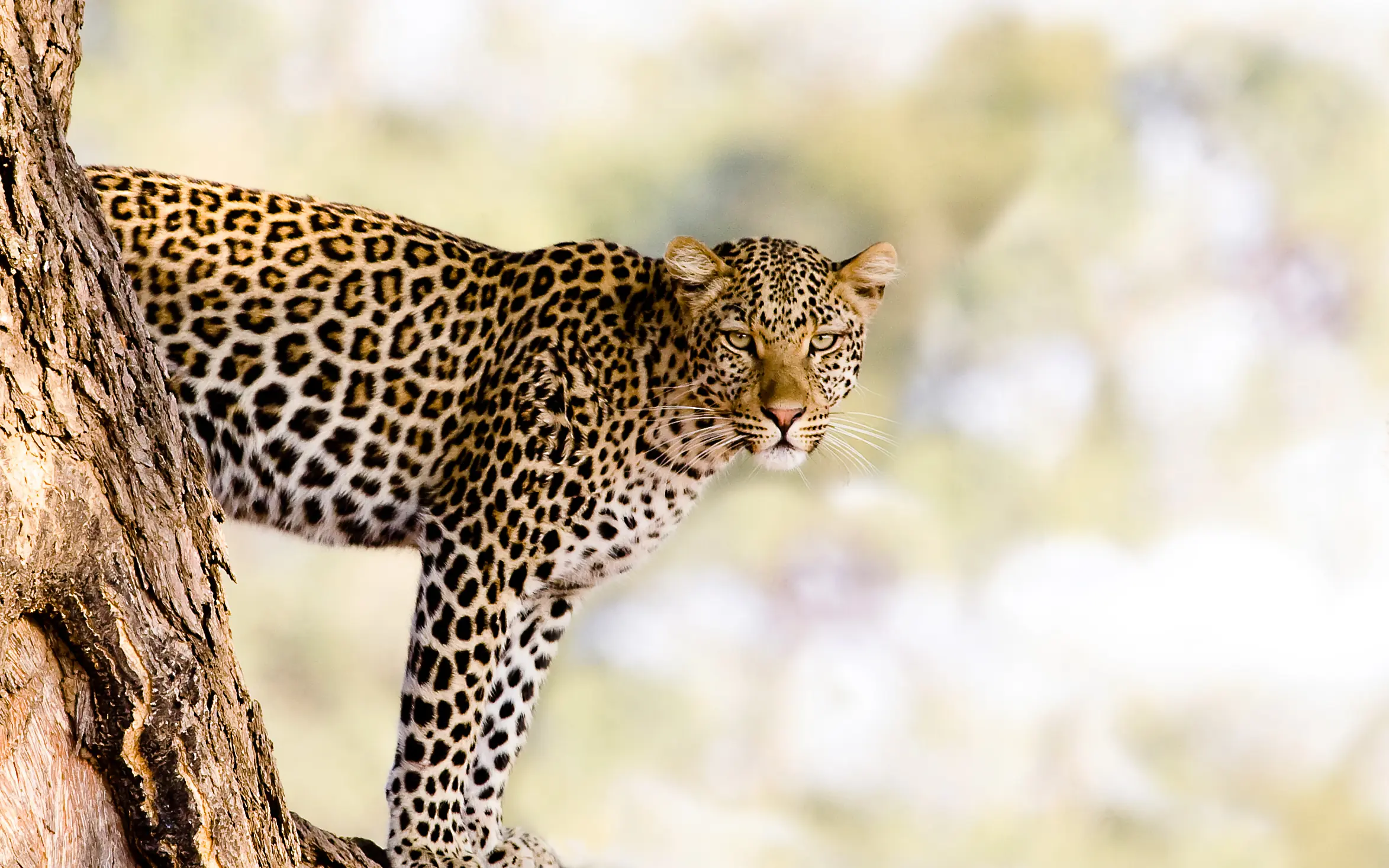
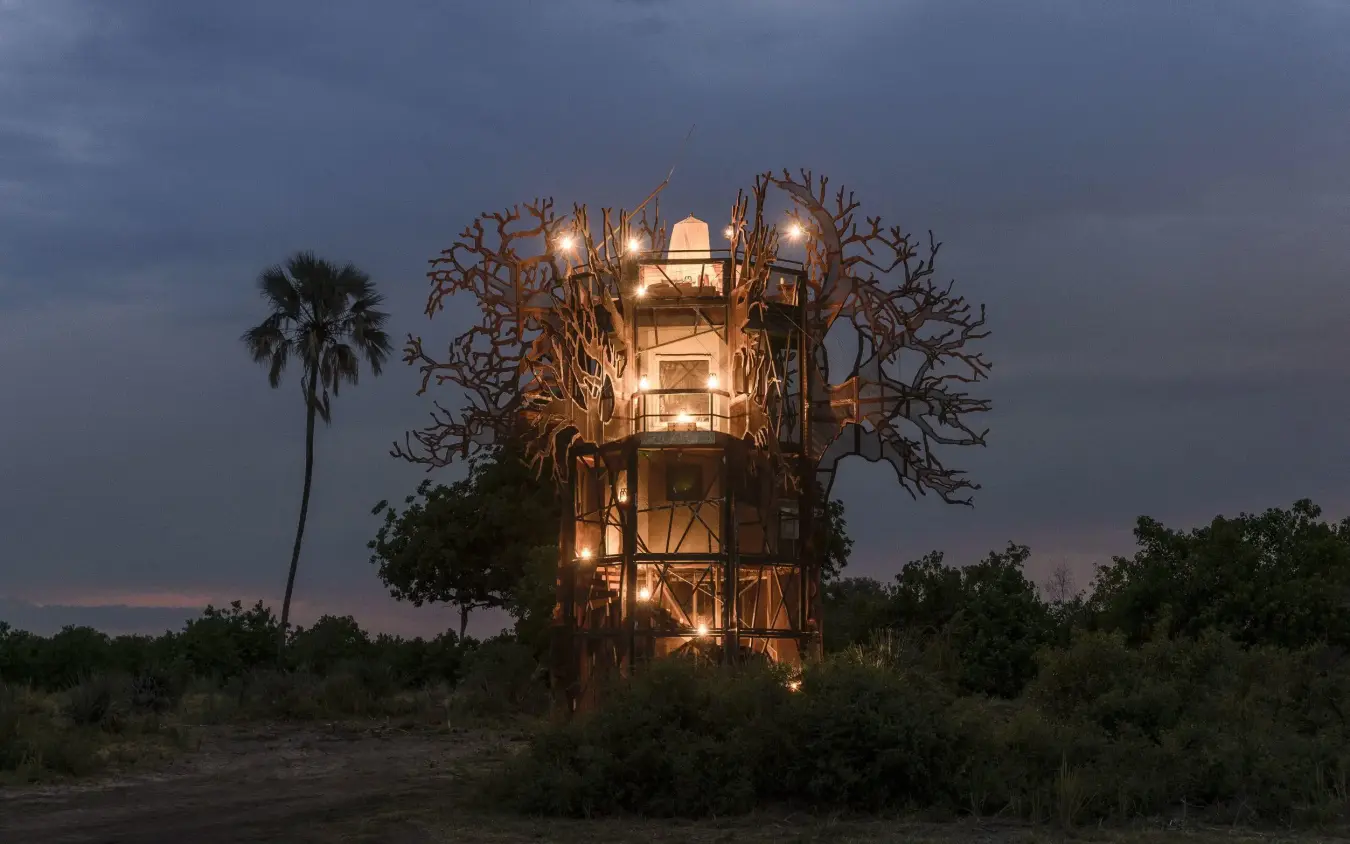
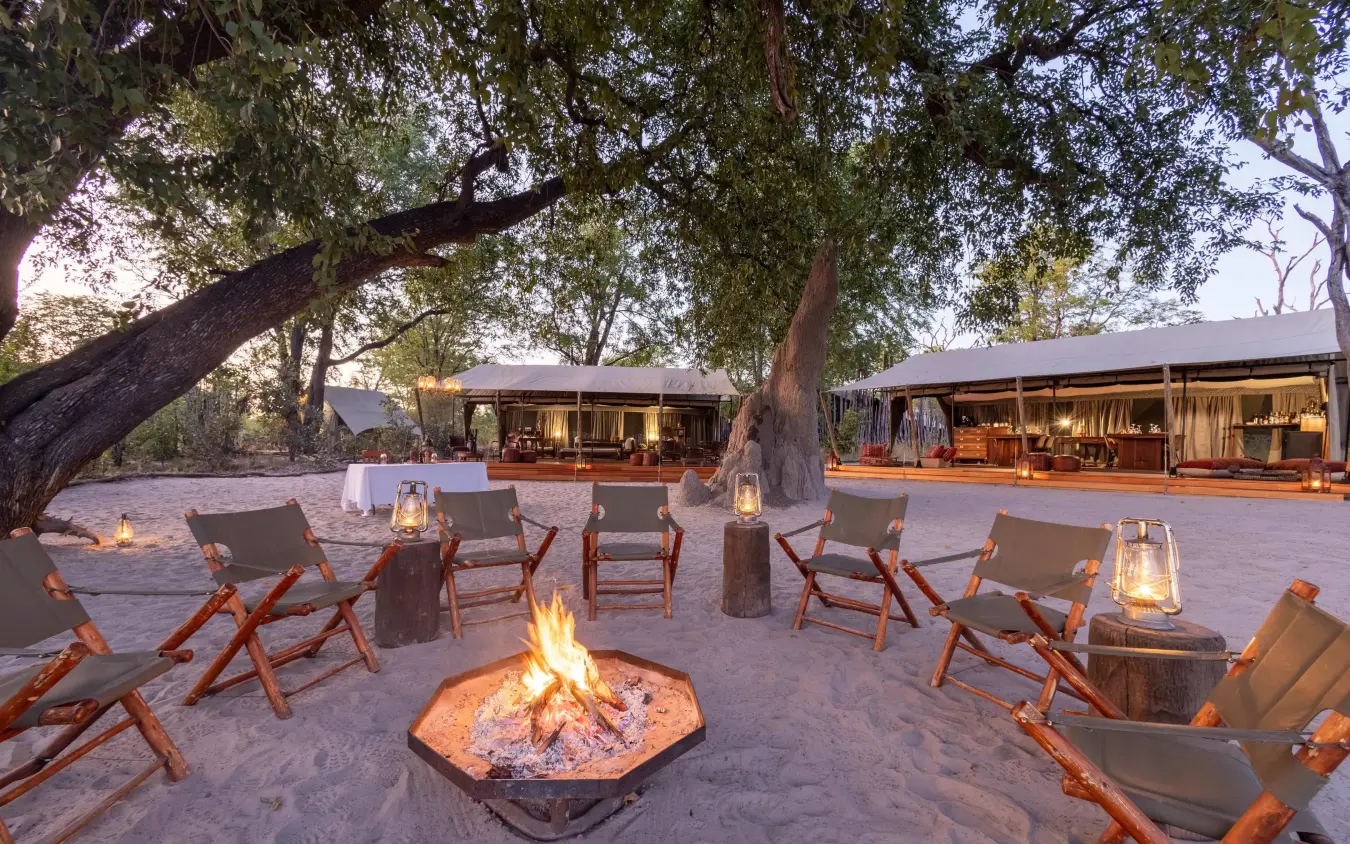
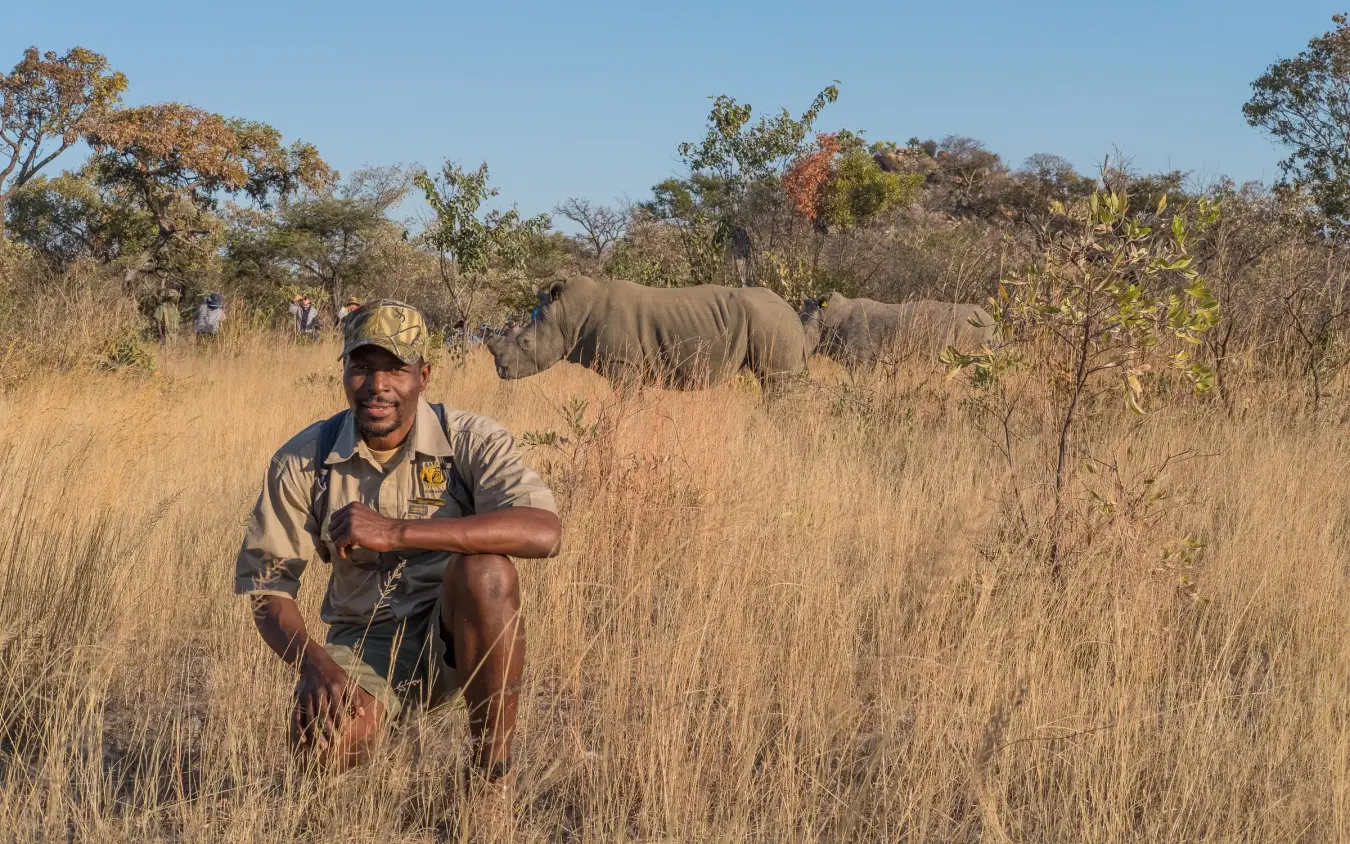
You fly on to the private Selinda Reserve, which runs between the Okavango and the Linyanti and Kwando systems. Walking is the whole point here, led by armed and trained guides who read tracks, dung and birdsong at a pace that brings the smaller detail into focus; when the spillway runs deep enough, two-person Canadian-style canoes replace the walk on the way back to camp. Selinda is regarded as one of Botswana's finest stretches for predators, with lion, leopard, cheetah and a regularly sighted pack of painted dogs. Selinda Explorers Camp is a four-tent walking camp under African ebony and mopane on the spillway's edge, with campaign-style interiors and meals cooked over open fire.
Sometimes, but it is no longer the daily event the films showed.
Duba Plains became famous through documentaries made here by National Geographic filmmakers, which followed a pride that hunted buffalo across the floodplain by day. The balance has shifted since.
That pride split in 2014, and the smaller prides that replaced it now prey largely on red lechwe, swimming the channels to reach them, with buffalo taken when the chance comes. There are now thousands of lechwe and hundreds of buffalo.
What has not changed is that these are lions you can watch at work in daylight, in open country, on a private reserve where guides can leave the road and stay with them.
Nobody can promise a hunt, but lions are the reason people come to Duba Plains, and they are still here. Go hoping to watch lions being lions, not to see a particular film scene repeated.
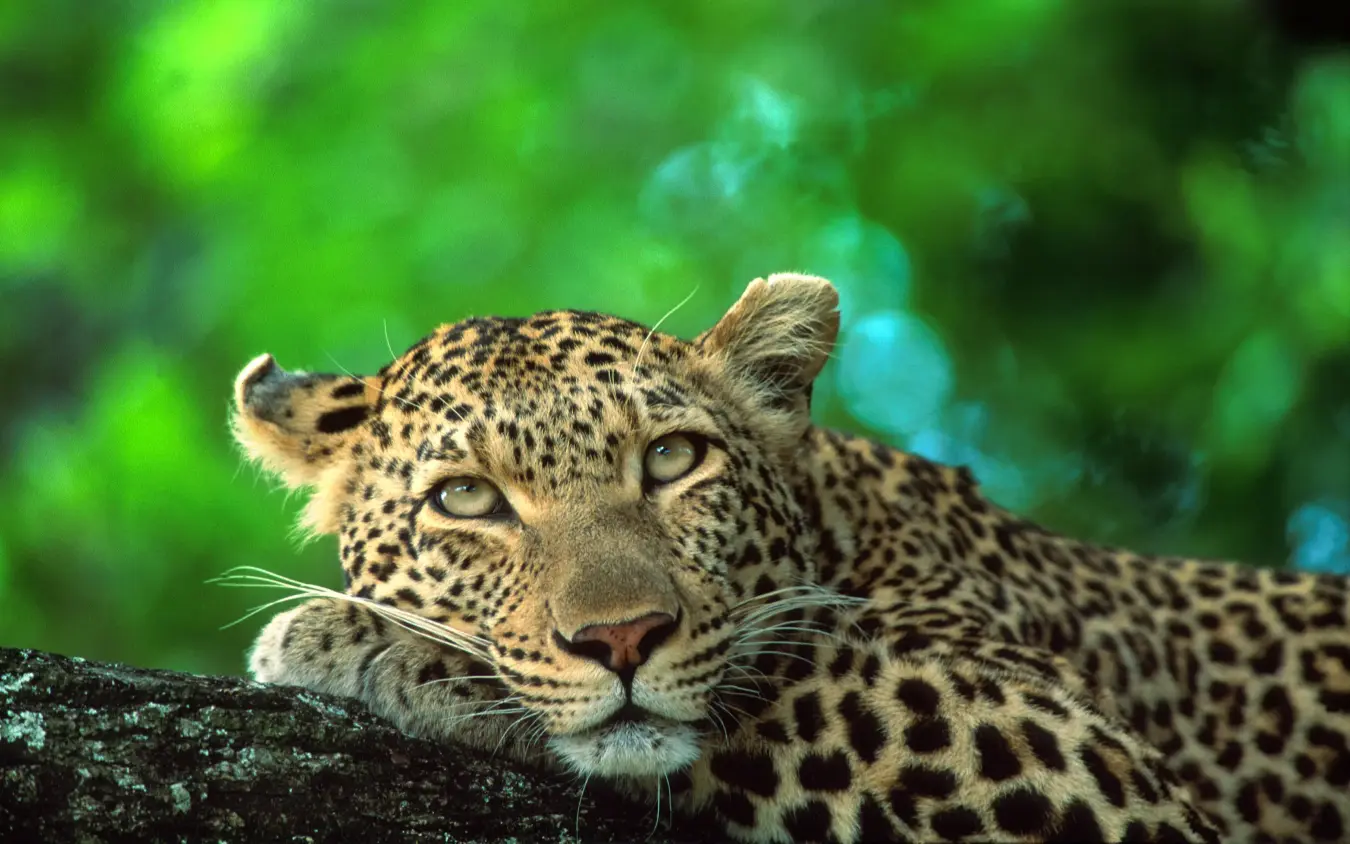
Leopard is a realistic hope, wild dog a fair chance at the right time of year, and cheetah a bonus. None can be promised.
Leopard sightings at Duba Plains have become more frequent since the big lion pride there broke up, and around Xigera lion, leopard and wild dog are all seen regularly.
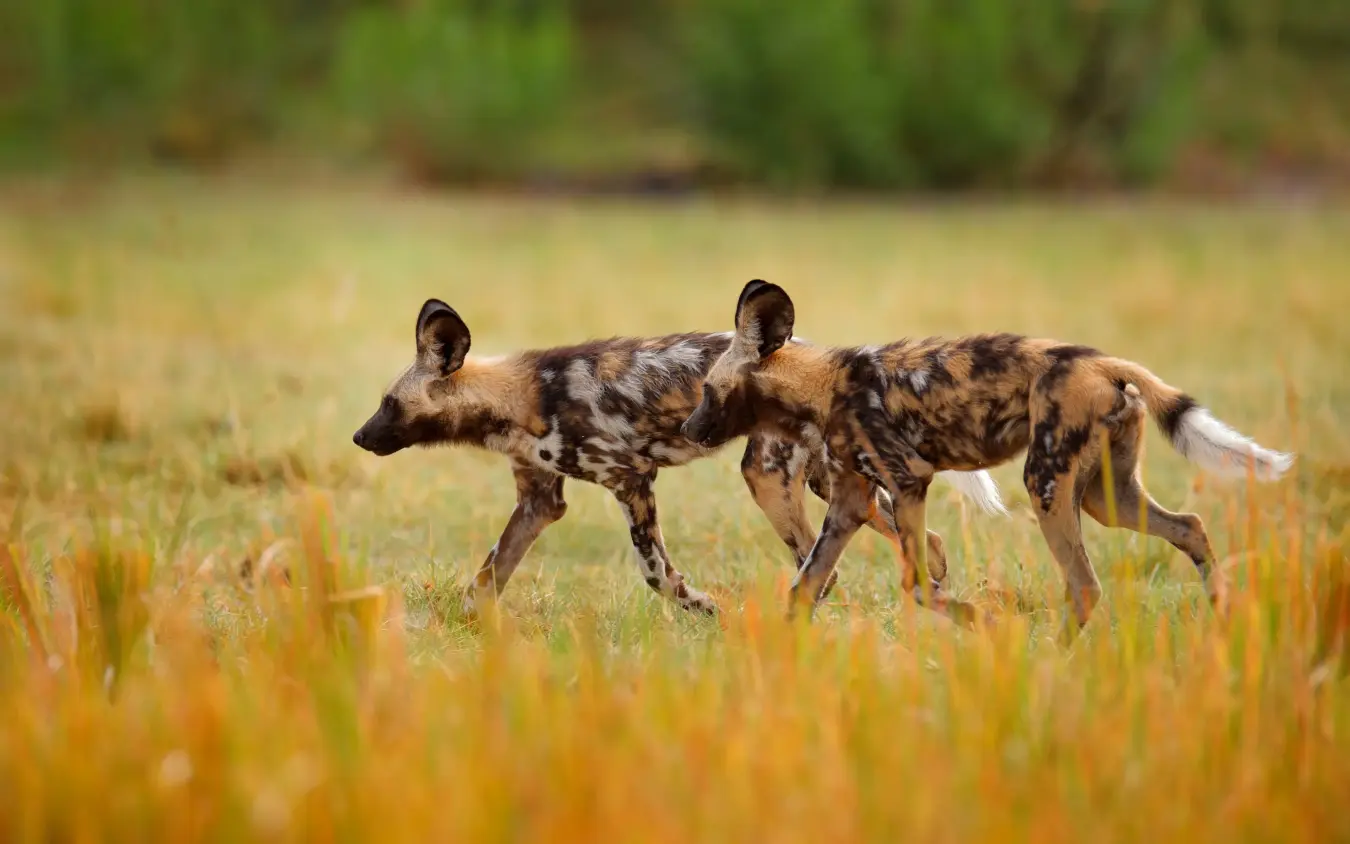
Selinda is the strongest stop for the scarcer predators: it is the one place on this route where cheetah are regularly listed, and a pack of wild dogs lives in the reserve.
Wild dogs roam widely and only become predictable once they have pups in a den, from about June to August in this part of Botswana, and at Selinda the den is often near the camp. In other months finding them takes good tracking and some luck.
Three nights in each place helps, because the guides can pick up one day where they left off the day before.
No, you do not have to.
Walking is what the camp is known for, but it also sends out vehicles, in daylight and at night, so you can walk one morning and drive the next, or not walk at all.
The walks themselves are gentle: a few kilometres at strolling pace behind an armed guide, with frequent stops for tracks, birds and plants. It is time on your feet, not a hike, and a reasonable level of fitness and steady footing is all it asks.
Walking is at its best from about the end of May to October, when the grass has died back and you can see further.
Canoeing depends on the Okavango's flood reaching the Selinda Spillway, which usually happens between about May and September, and in a poor flood year it may not happen at all.
Published minimum ages for the camp and for walking differ, so let us know how old any children are and we will confirm the rules for them.
That depends on the flood more than on the calendar.
The Okavango's water comes down from Angola and spreads through the Delta months after the rains that fed it, so levels usually peak between June and August, in the middle of the dry winter.
At Duba Plains the water activities depend on the water level, and the high water typically lasts from about May to September.
Xigera sits among deep channels and usually keeps some water activities going for much of the year, but boating is seasonal, with fewer chances between September and April.
On the Selinda Spillway the canoes normally run from about May to September, and only if the flood gets that far.
So if a mokoro is high on your list, June to August gives the best odds at all three camps. At other times the camps turn to game drives and walks instead.
The four months from June to September, recommended on our own pages for the Delta, for Selinda and for Botswana.
The country around the water dries out, the bush thins and the antelope and buffalo crowd towards what water is left, so the cats have less cover and the guides less ground to search. The flood is also up, so the mokoro are out.
October is just as productive for predators in the Delta and at Selinda, but it is very hot, often topping 40 degrees.
April, May and November sit in between: fewer visitors, lower rates, and in November the first storms and newborn antelope, which keep the predators busy.
From December to March our rating for all three drops to challenging: it is hot and wet, with the game spread out and harder to find, though migrant birds are present in numbers, storm skies suit photographers and the camps are at their quietest.
By light aircraft, from one bush airstrip to the next, with no long drives.
Most guests start from Maun, the Delta's gateway town, and the flight to Duba Plains takes about 40 minutes; the flights between the camps are short hops of the same kind.
These are small bush planes, typically a Cessna Grand Caravan, a GA8 Airvan or a Cessna 206, which is why the luggage rule is strict: 20 kilograms per person in total, with hand luggage and camera bags counted in, packed in soft bags and not hard cases so that they fit the hold.
If you would rather not share a flight with other travellers, we can charter an aircraft for your party alone, typically a Cessna Caravan or a Pilatus PC-12.
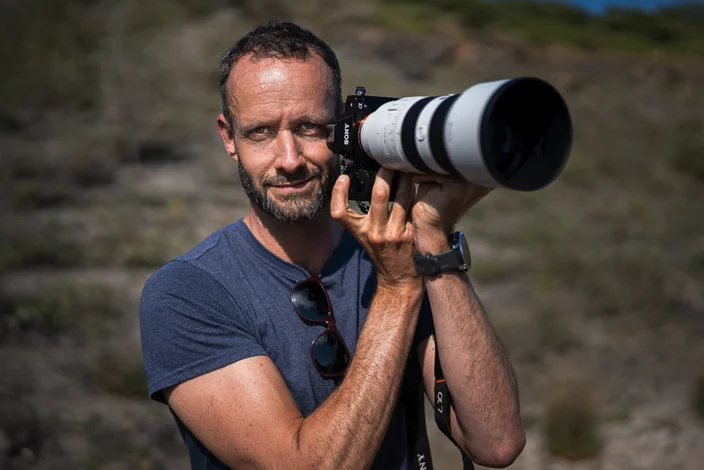
Ed Charles, BBC Producer
Fitzroy are true specialists in accessing the wilderness. They know where to go and importantly, when to go there. Highly recommended.
zimbabwe & botswana
Fifteen nights across Zimbabwe and Botswana, from Victoria Falls and Hwange to Matobo, the Makgadikgadi, the Okavango and Chobe.
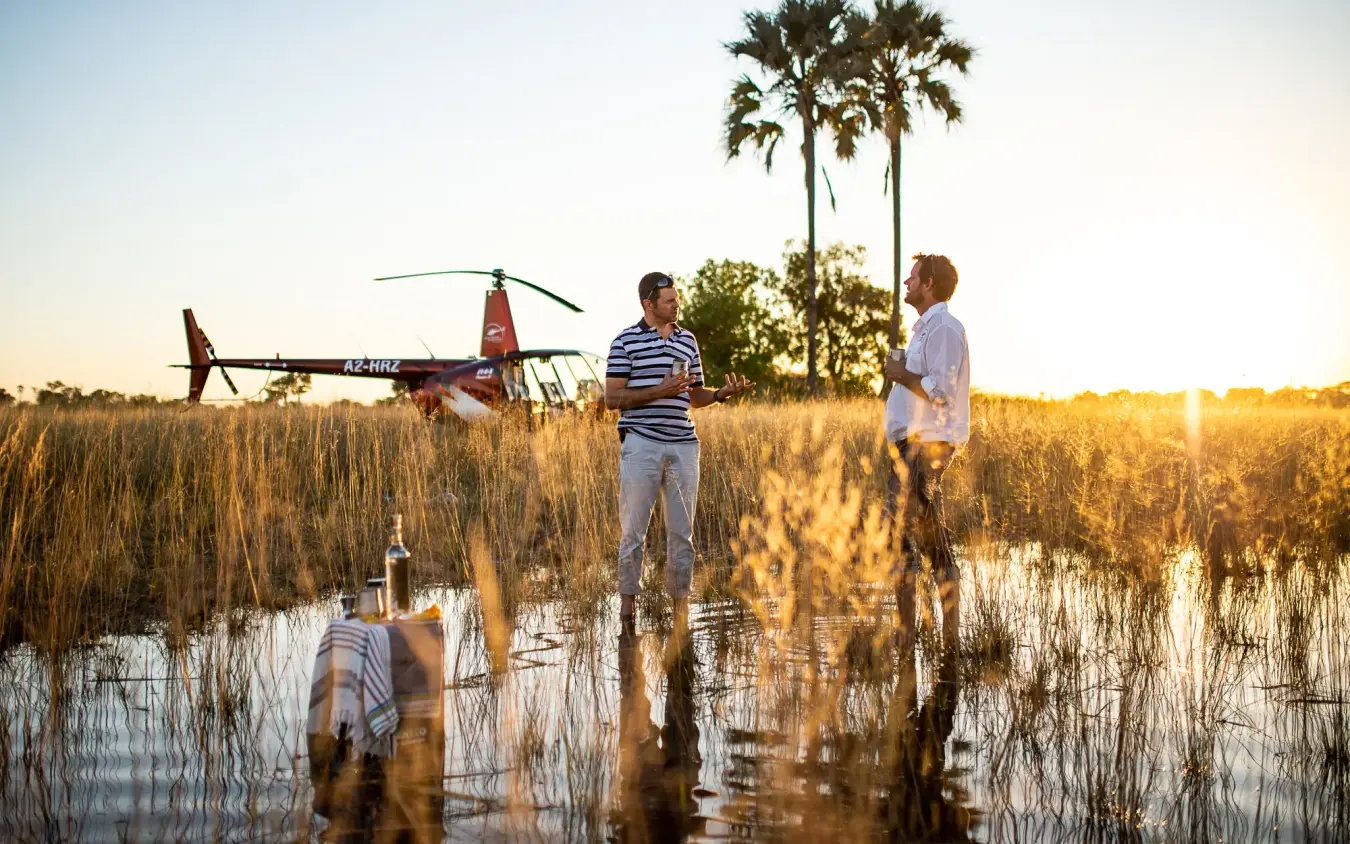
botswana
Wild dog country at Chitabe, a walking safari in the western Delta and the Makgadikgadi salt pans over 11 nights.
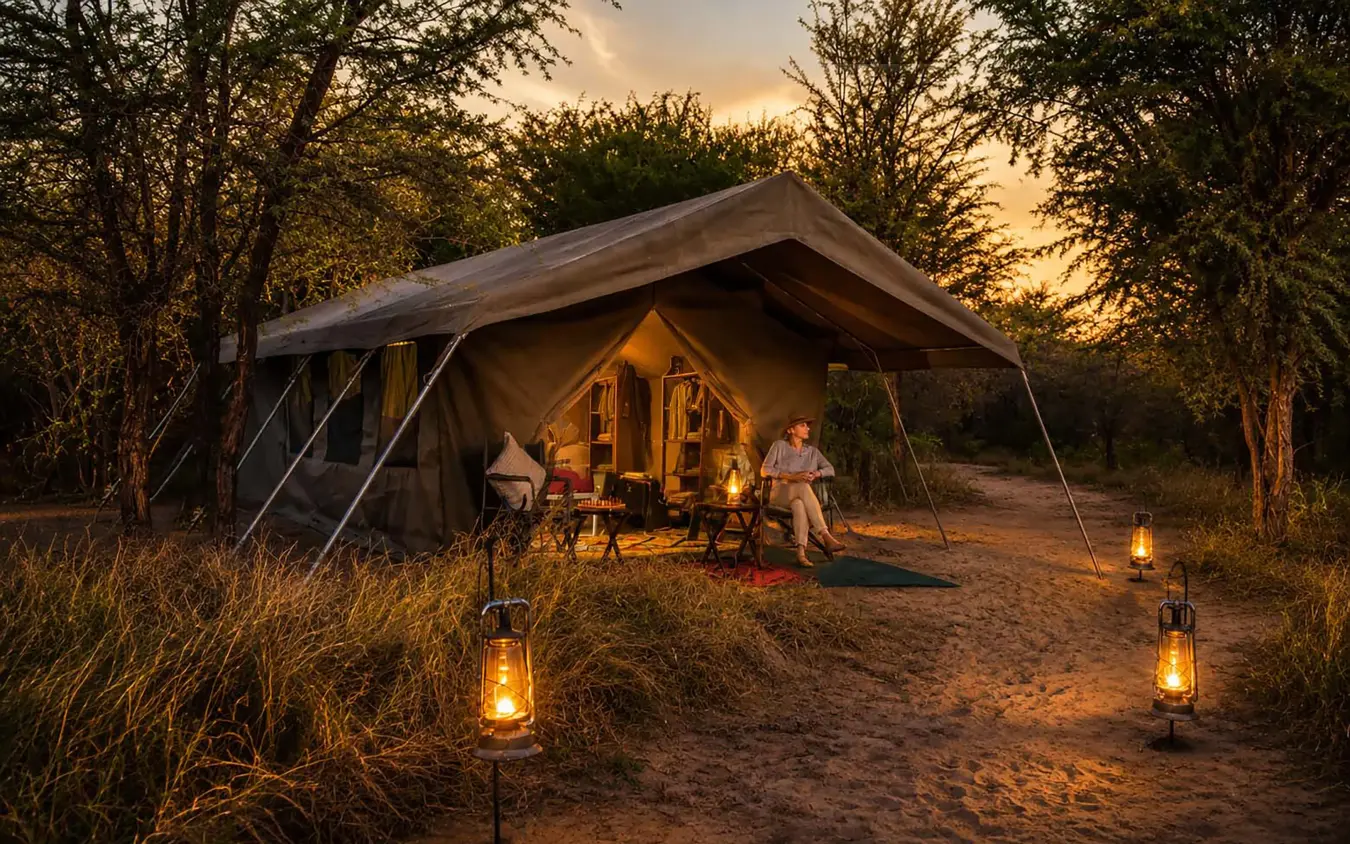
botswana & zimbabwe
Fourteen nights from mobile camps in Moremi, Khwai and Savute to a Delta water camp and the Zambezi at Victoria Falls.
rated five stars by our clients

our approach
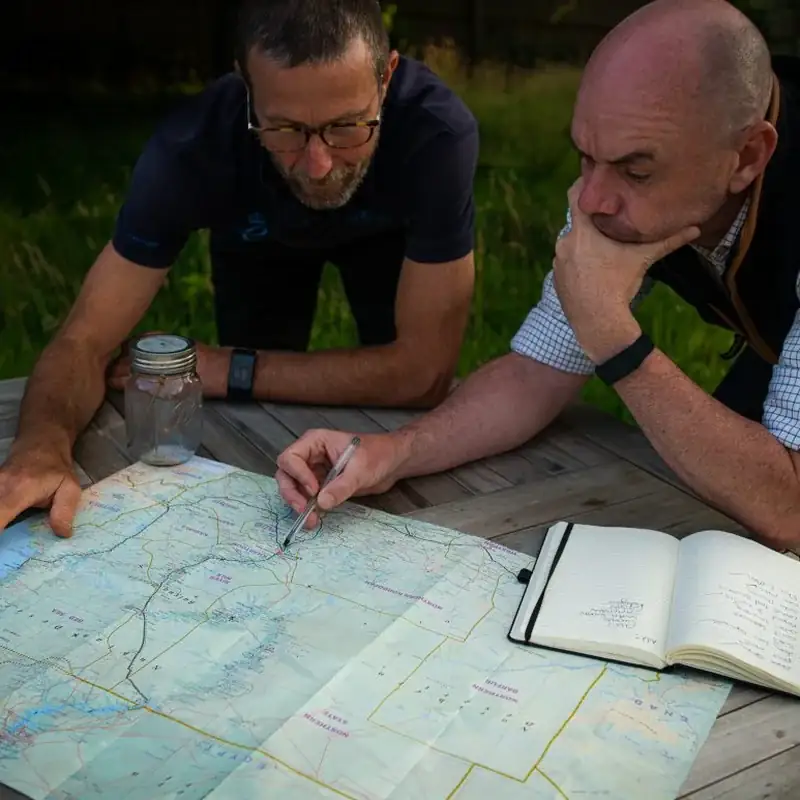
Every journey starts with a conversation. We take the time to understand your vision before we start planning.
Whether by phone or in person, we work with you directly to shape something that is considered, personal, and expertly delivered.
Every journey starts with a conversation. We favour a direct, personal approach: understanding your vision before anything else.
Whether by phone or in person, we work with you directly to shape a journey that is both thoughtfully considered and expertly delivered.
Get in touch to start planning yours.