









zimbabwe
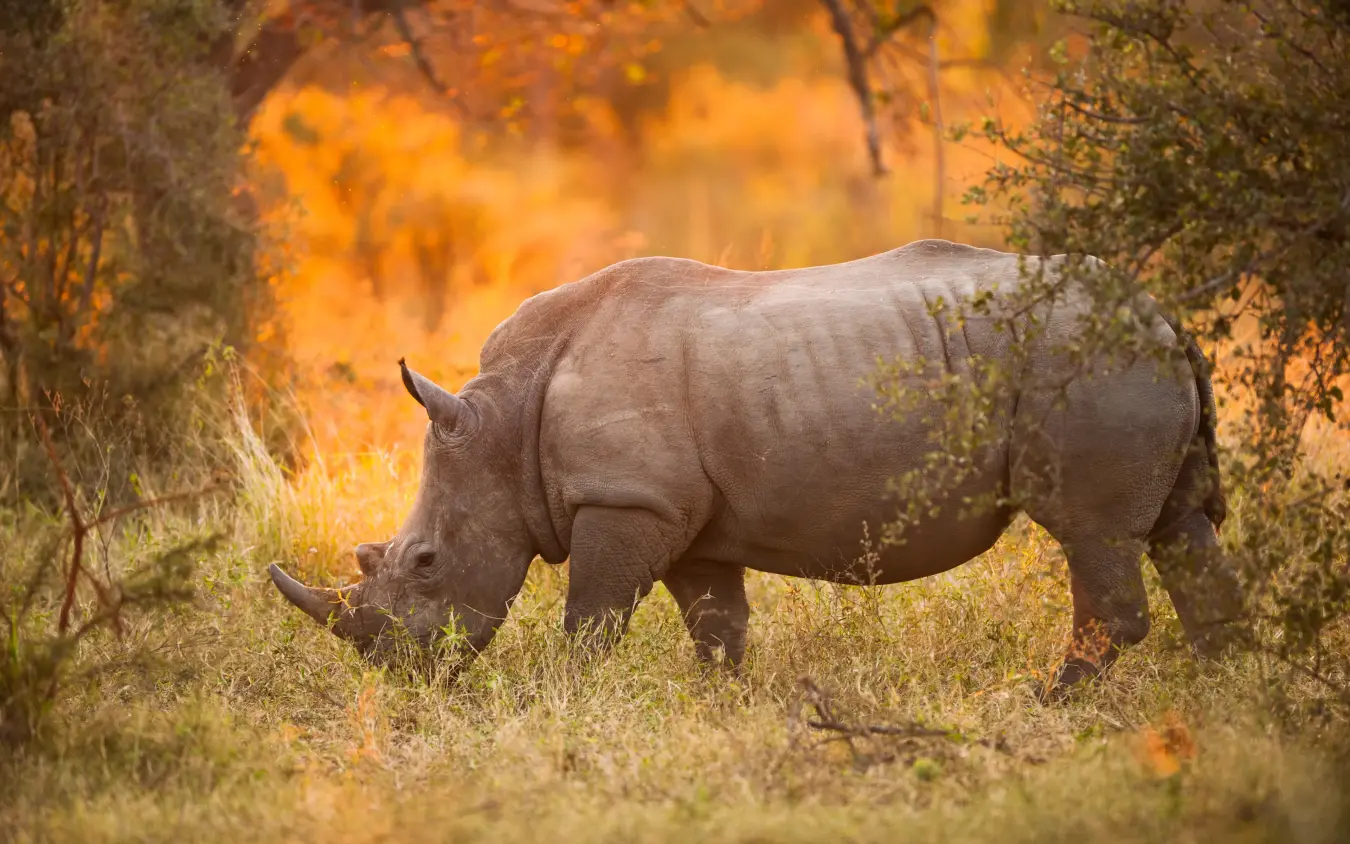
mana on foot and the matobo rhino
Twelve nights across Zimbabwe, from Victoria Falls and Mana Pools to Lake Kariba, Hwange and the granite of Matobo.
- Private Safari
- From $15,805 pp
- 2 guests
- 12 nights

Twelve nights link four distinct pieces of country. It opens on the Zambezi floodplain of Mana Pools, a park walked and paddled rather than driven, then moves to Victoria Falls, where the river drops into the Batoka Gorge along a curtain nearly 1.7 kilometres across. From there it crosses into Botswana, first to the private Selinda Reserve and its ancient spillway, then to the Gomoti channels in the south-eastern Okavango Delta.
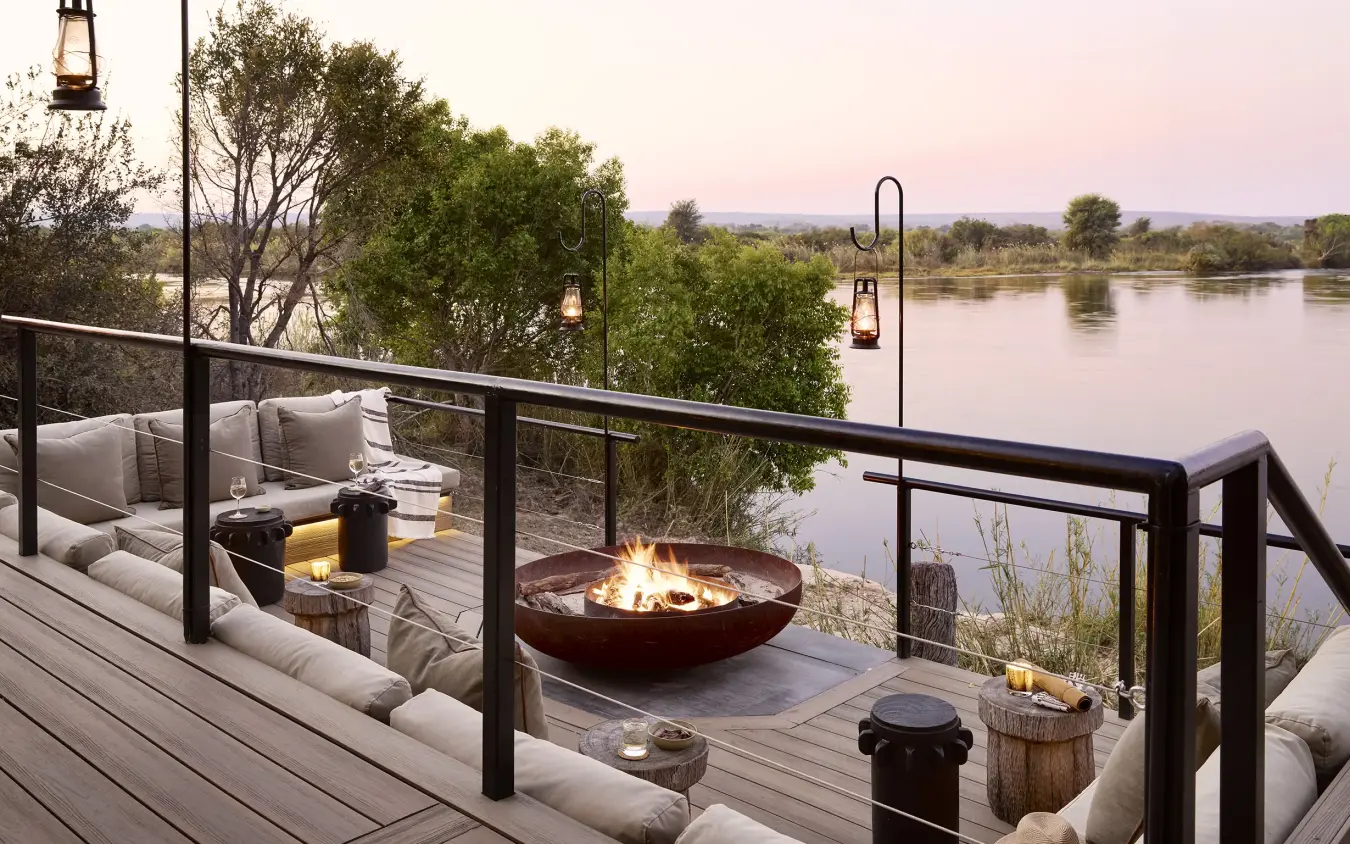
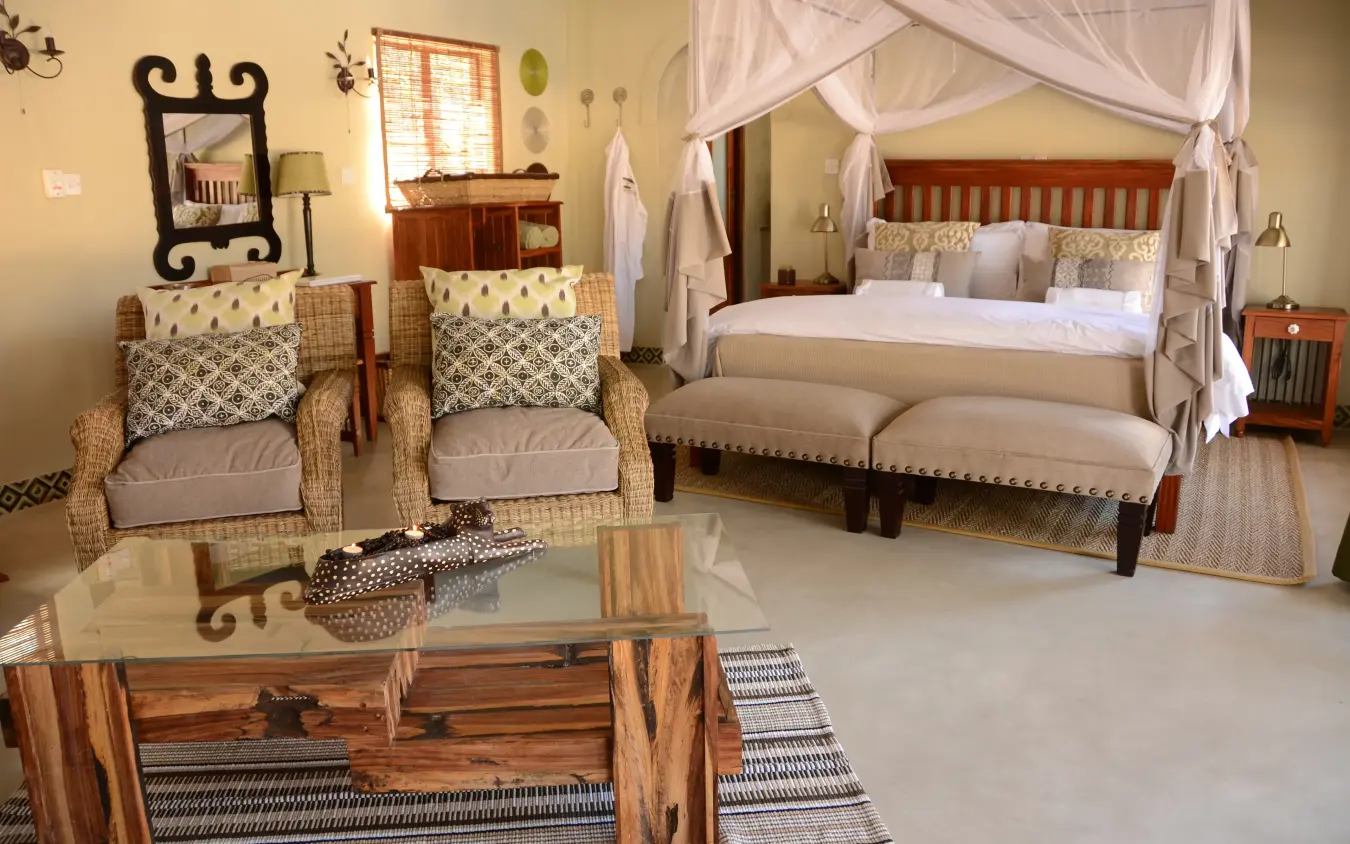
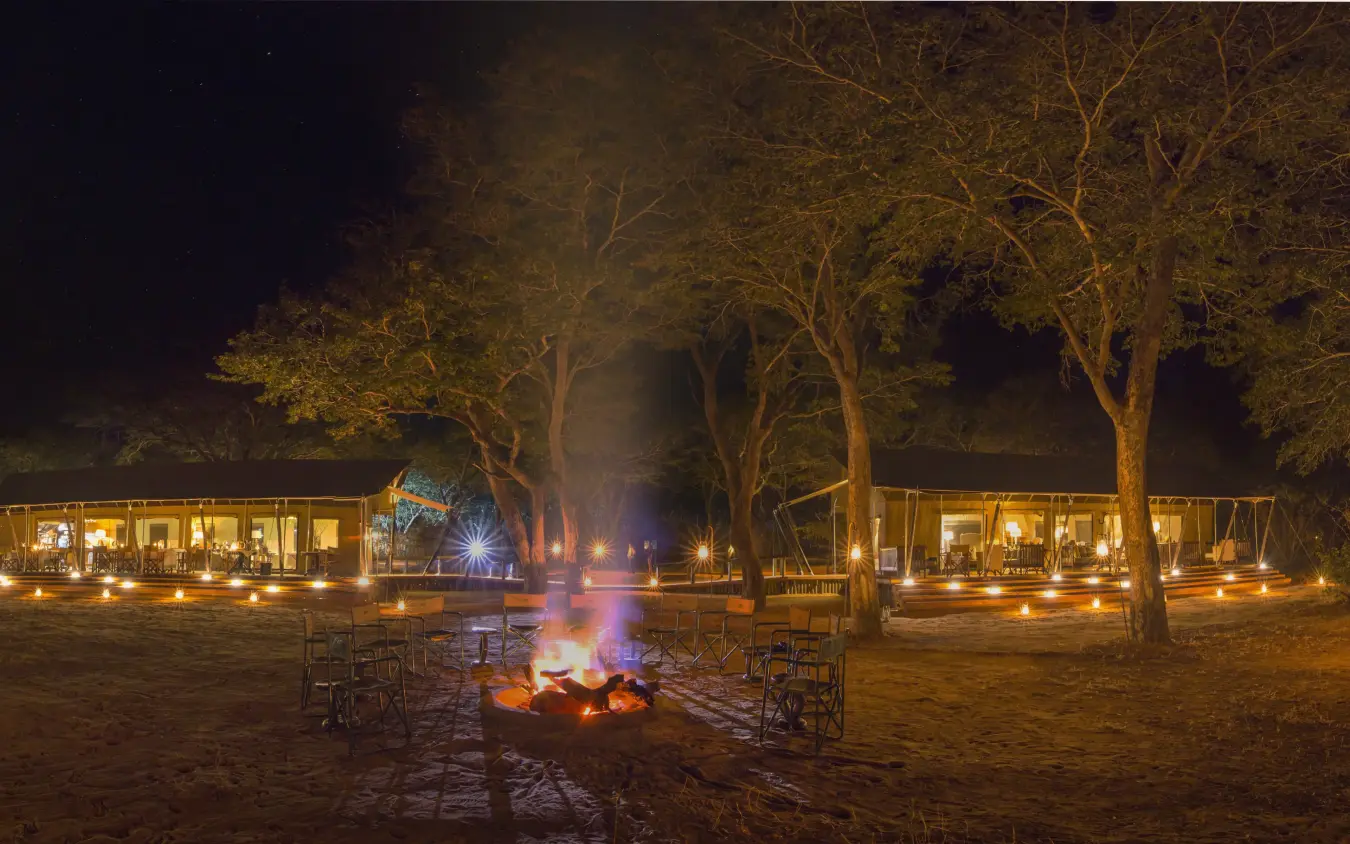
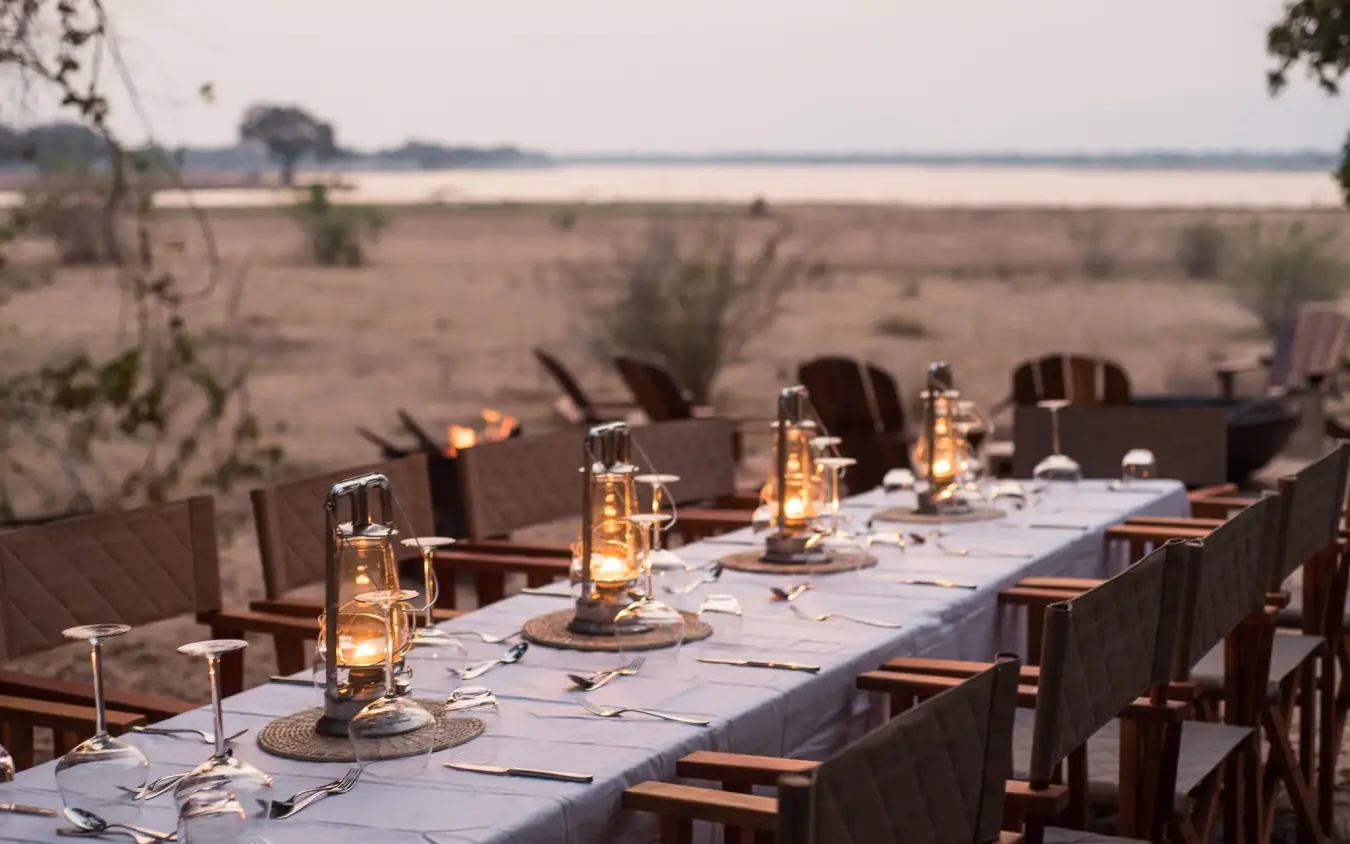
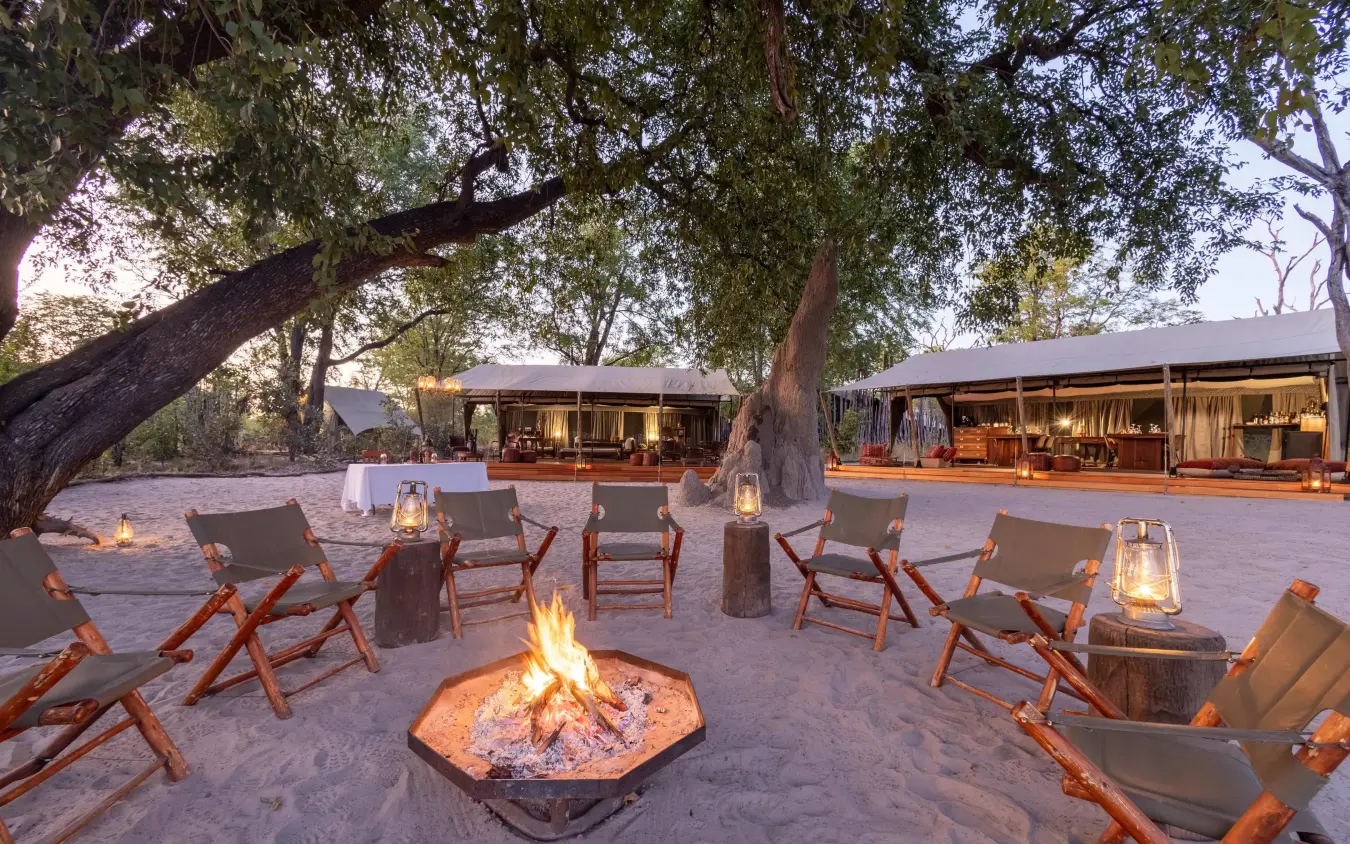
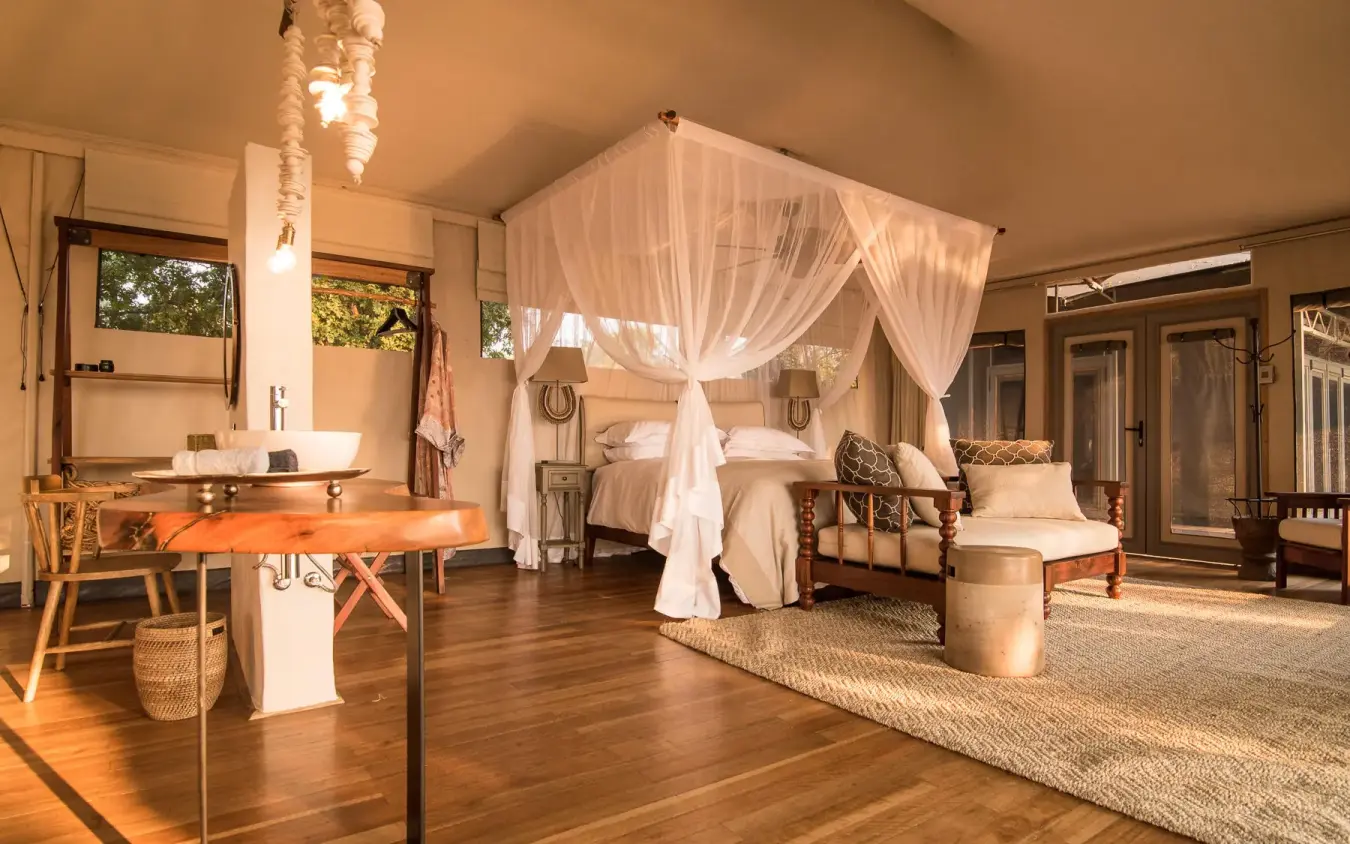
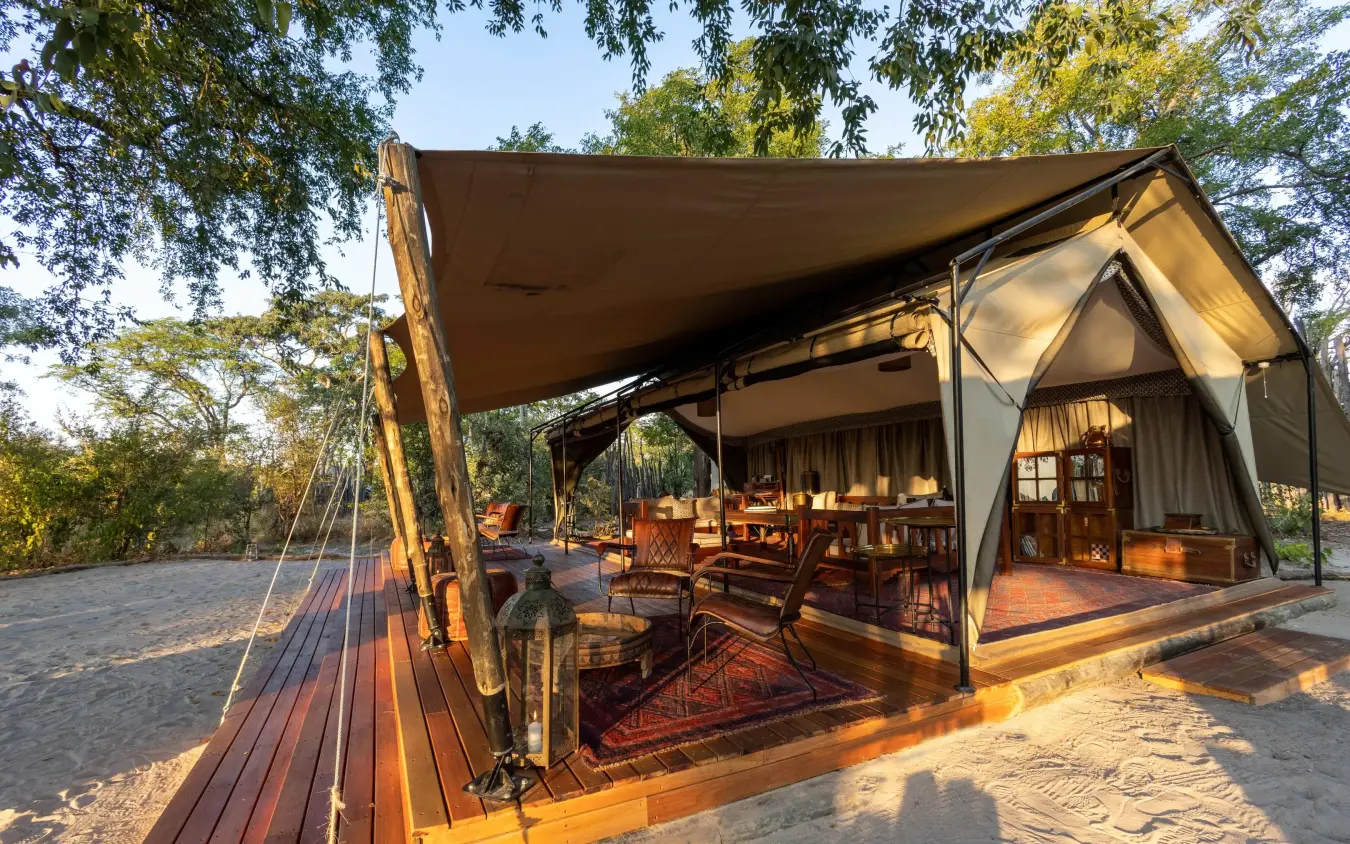
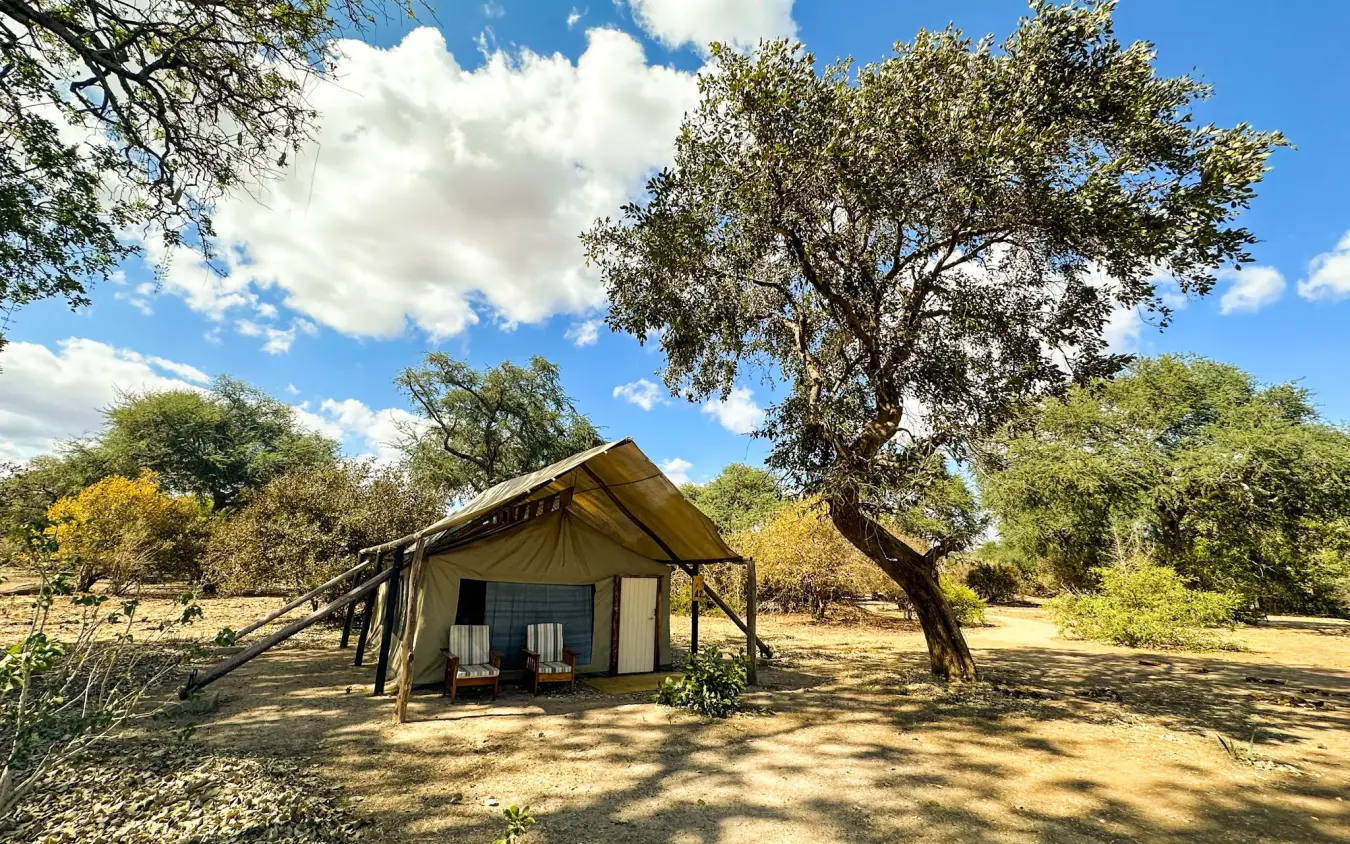
You travel on foot, by canoe and mokoro, by boat and by vehicle, following the water as it rises and falls. Each of the four camps is small and holds its ground to itself, from tented suites on a private concession to a four-tent walking camp on the spillway. The accommodation is comfortable and low-key, placed to keep the river and floodplain in view.
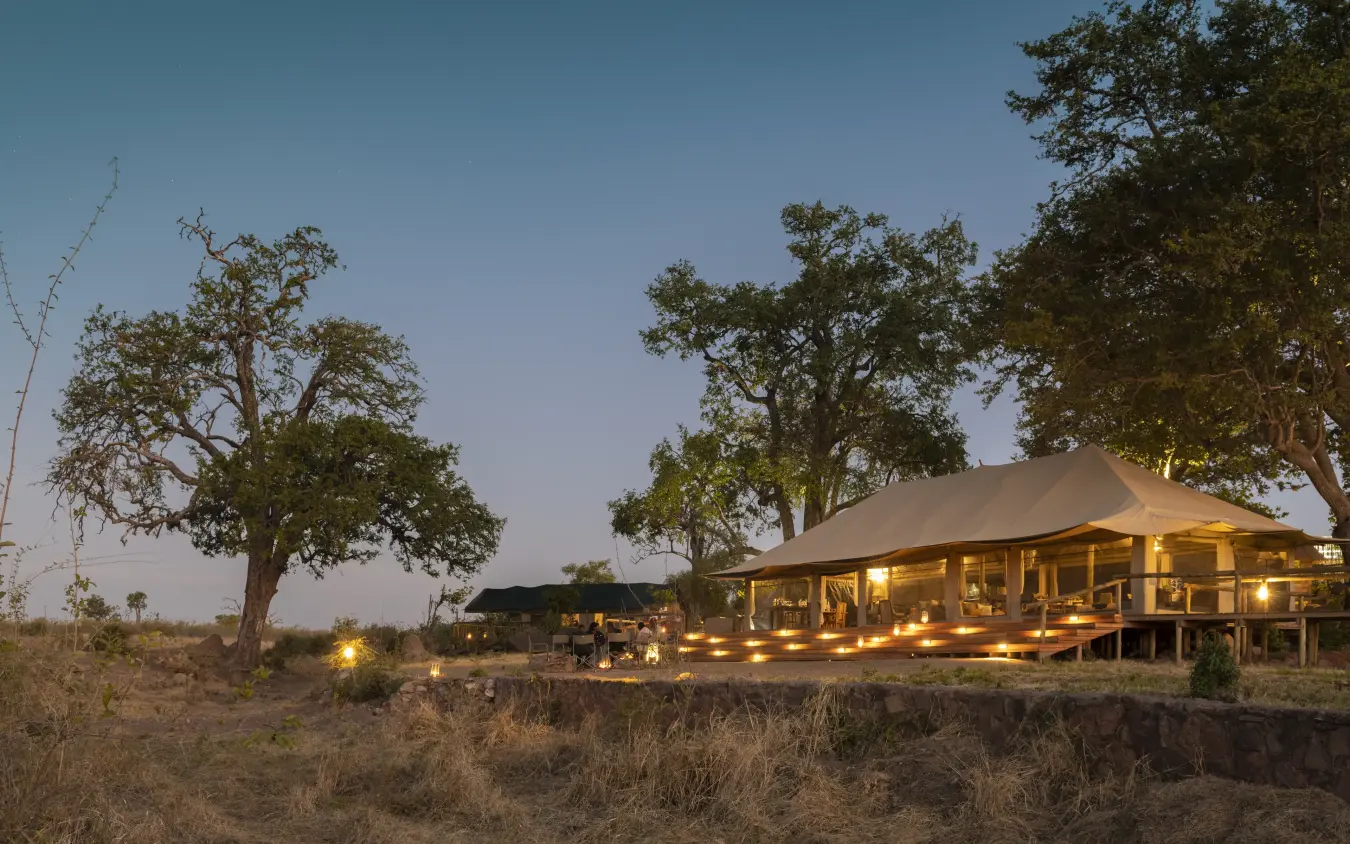
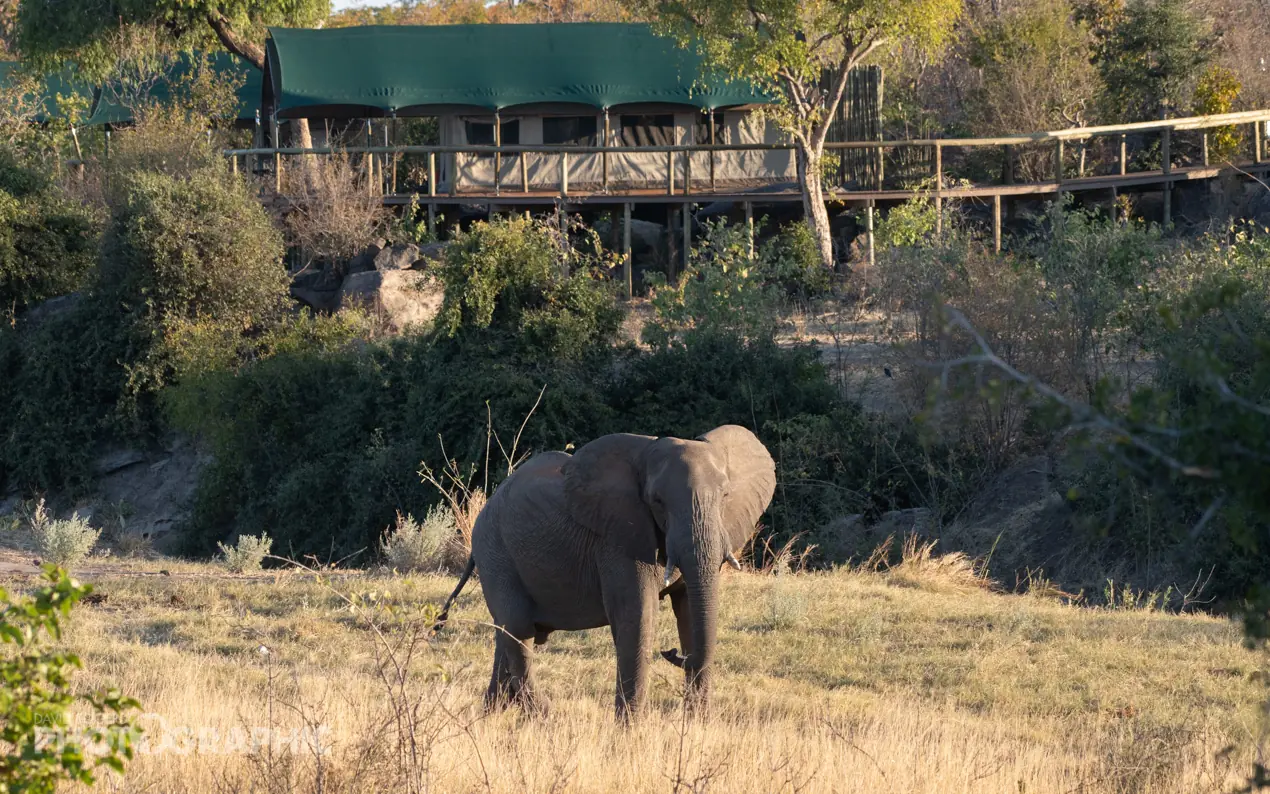
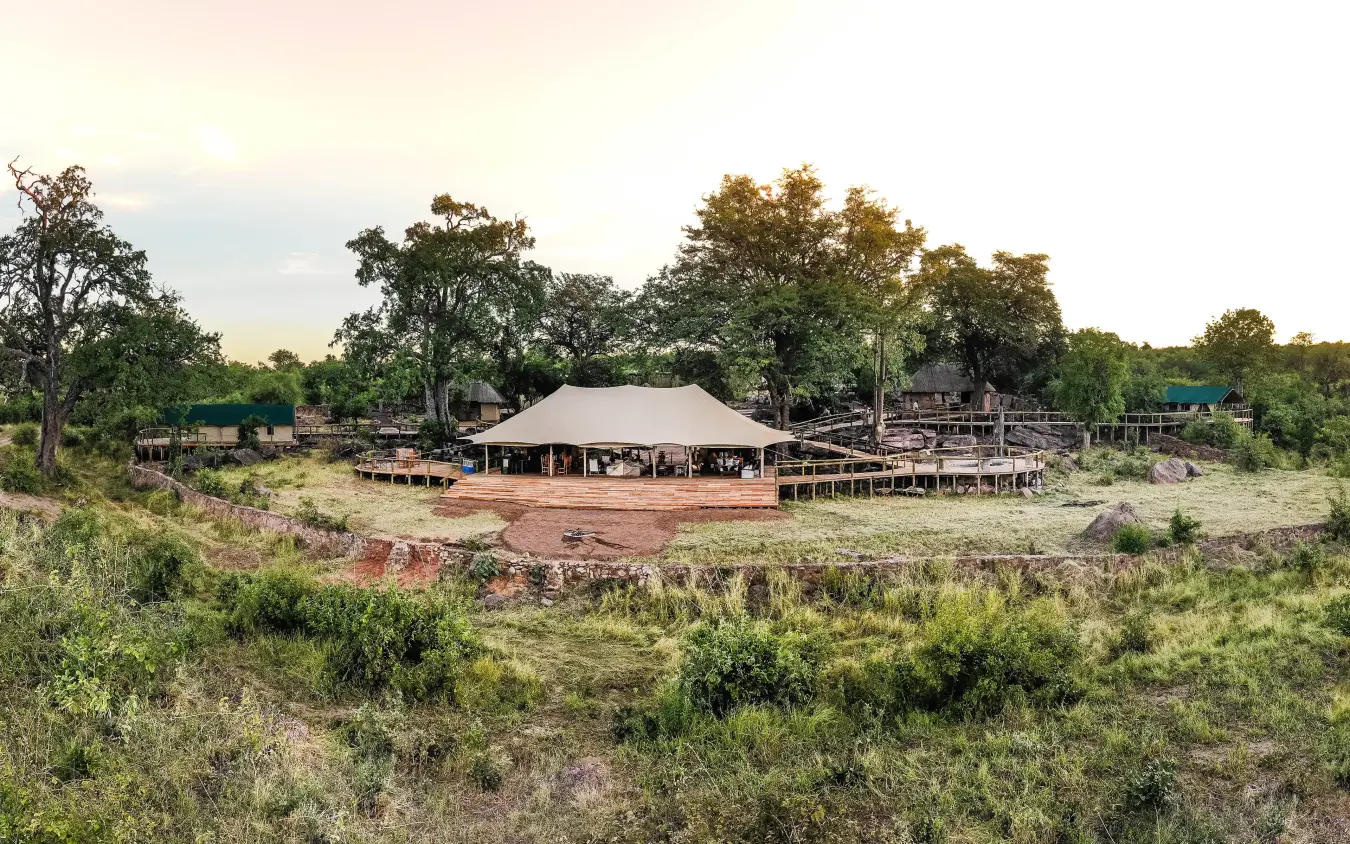
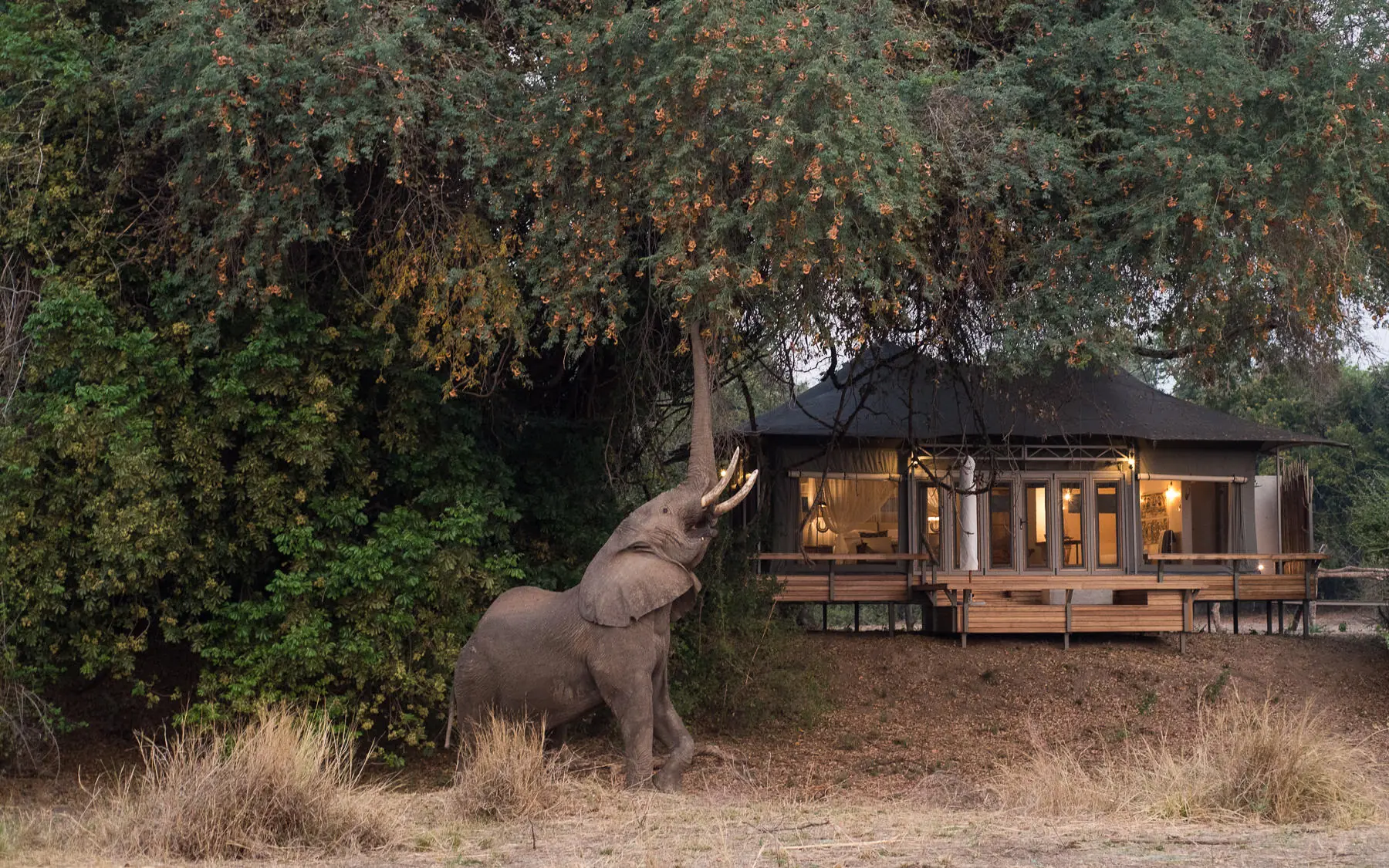
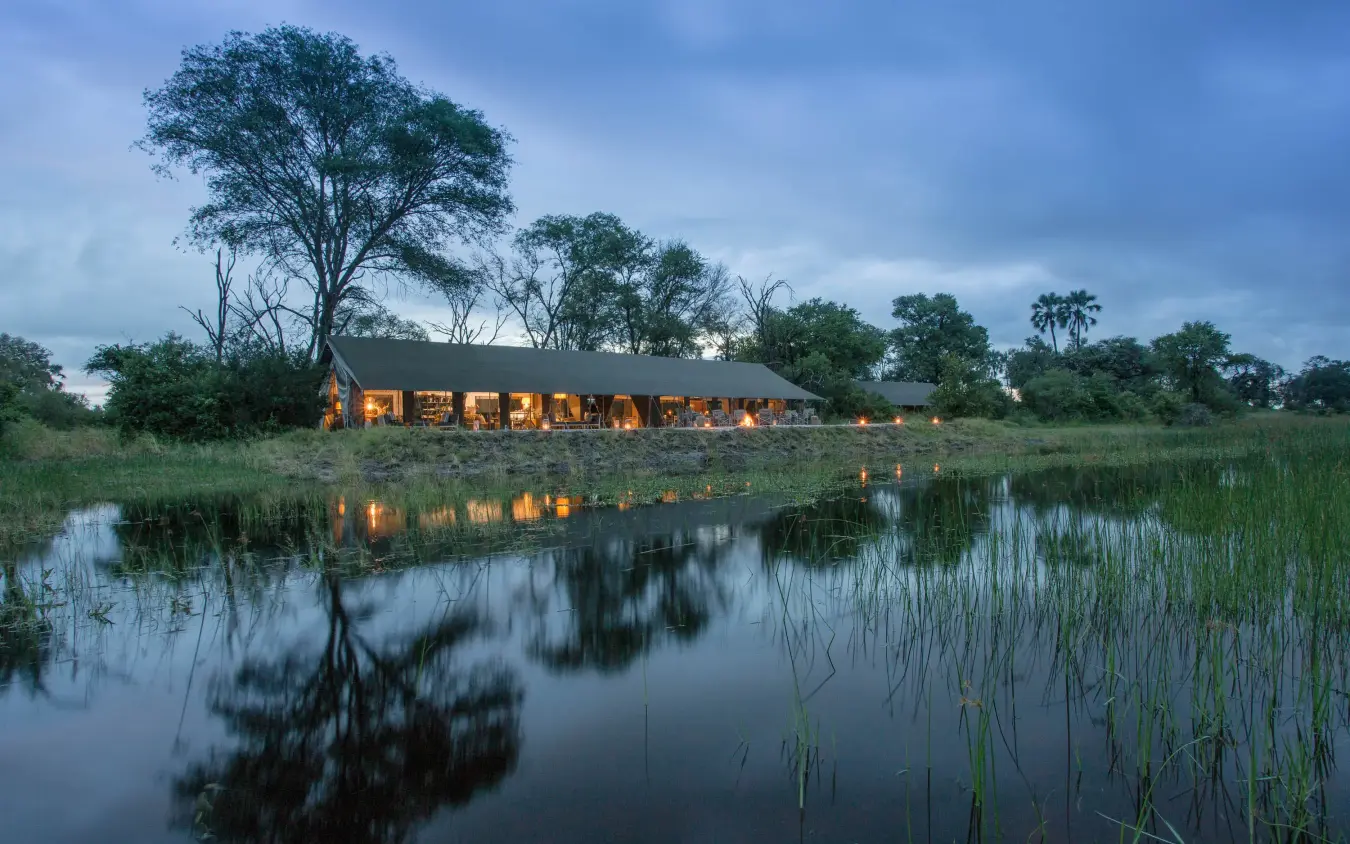
You spend these days on foot and on the water, in the old Mana Pools tradition of tracking elephant and buffalo with a guide, then drifting past drinking herds by canoe or heading out for tiger fishing by boat. This is one of Africa's strongholds of the painted dog, and through the dry months the winterthorn pods pull elephants close, some rearing onto their hind legs to reach the higher branches. Your base sits on a private concession at the Sapi-Zambezi confluence, its seven tented suites raised on decks beneath albida and Natal mahogany. Because the ground lies outside the park's core, night drives and river outings are open to you here.
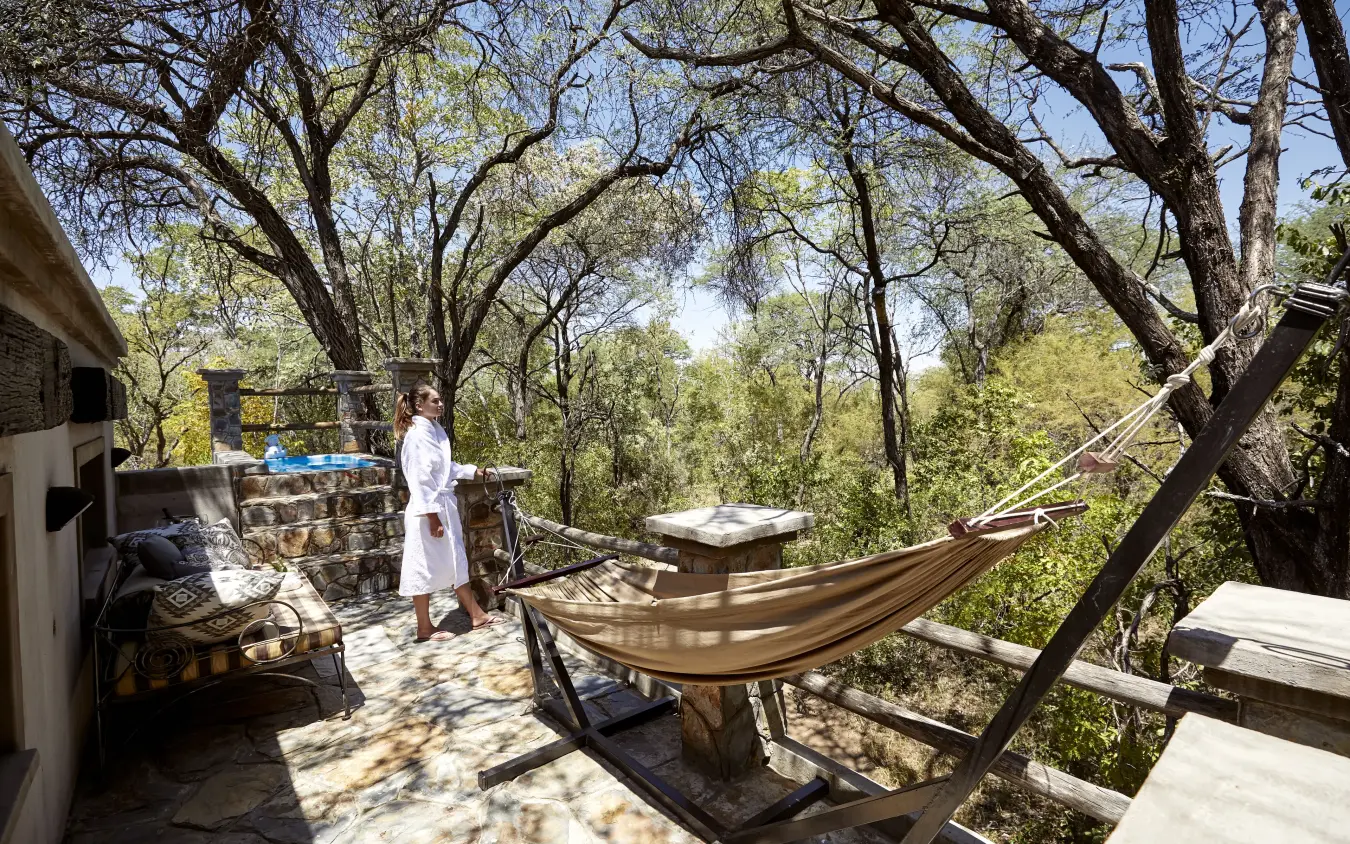
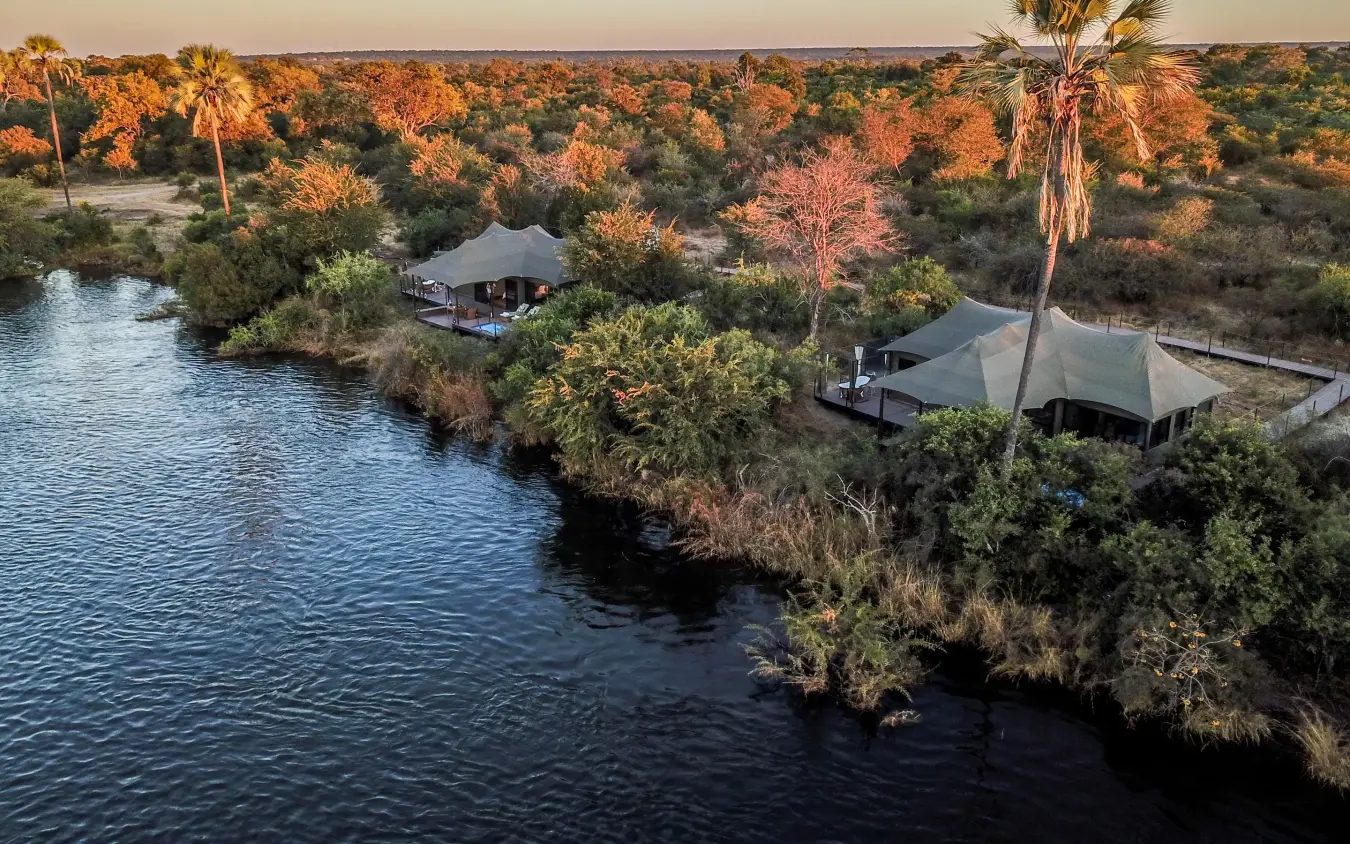
The Zambezi reaches Victoria Falls as a wide, slow river before dropping into the Batoka Gorge, and footpaths thread through the rim rainforest to a run of viewpoints. From June the flow lowers and the gorge and its cataracts come clearer, sharpest from August to October. Sunset cruises drift past hippos, crocodiles and elephants above the falls, while game drives explore Zambezi National Park. Your suites stand on a private island upstream, reached only by boat and kept adults-only, with plunge pools facing the water and hippos audible in the channels after dark.
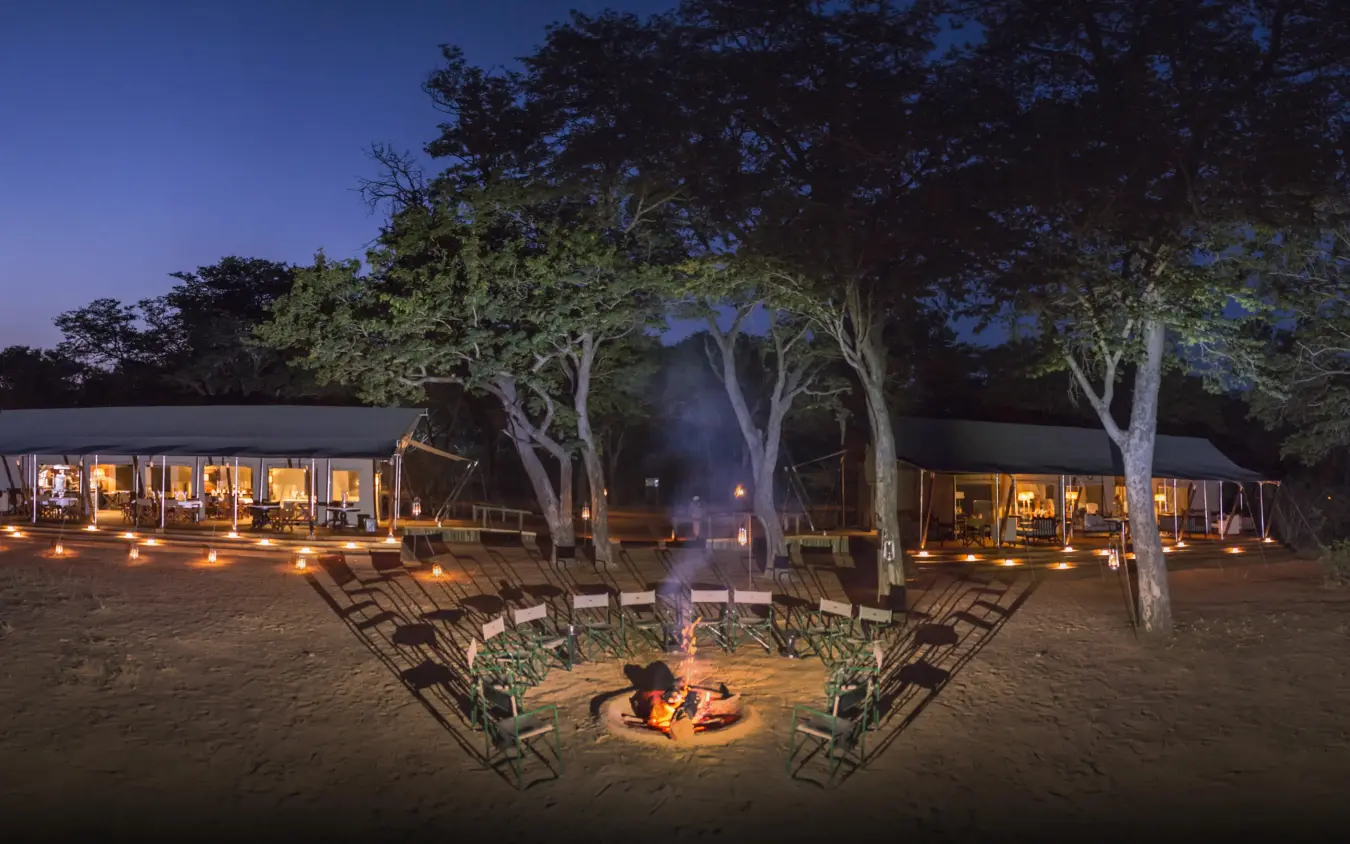
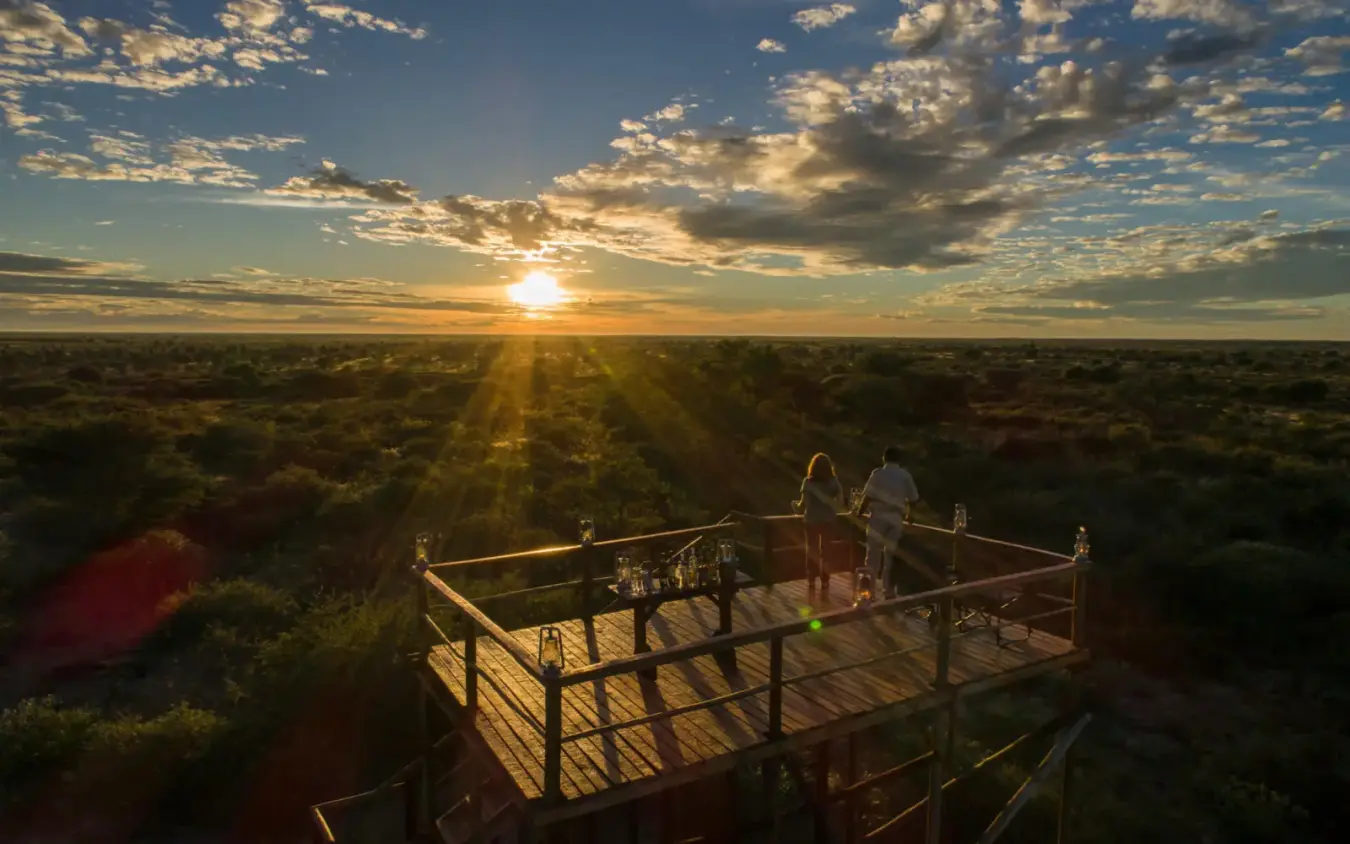
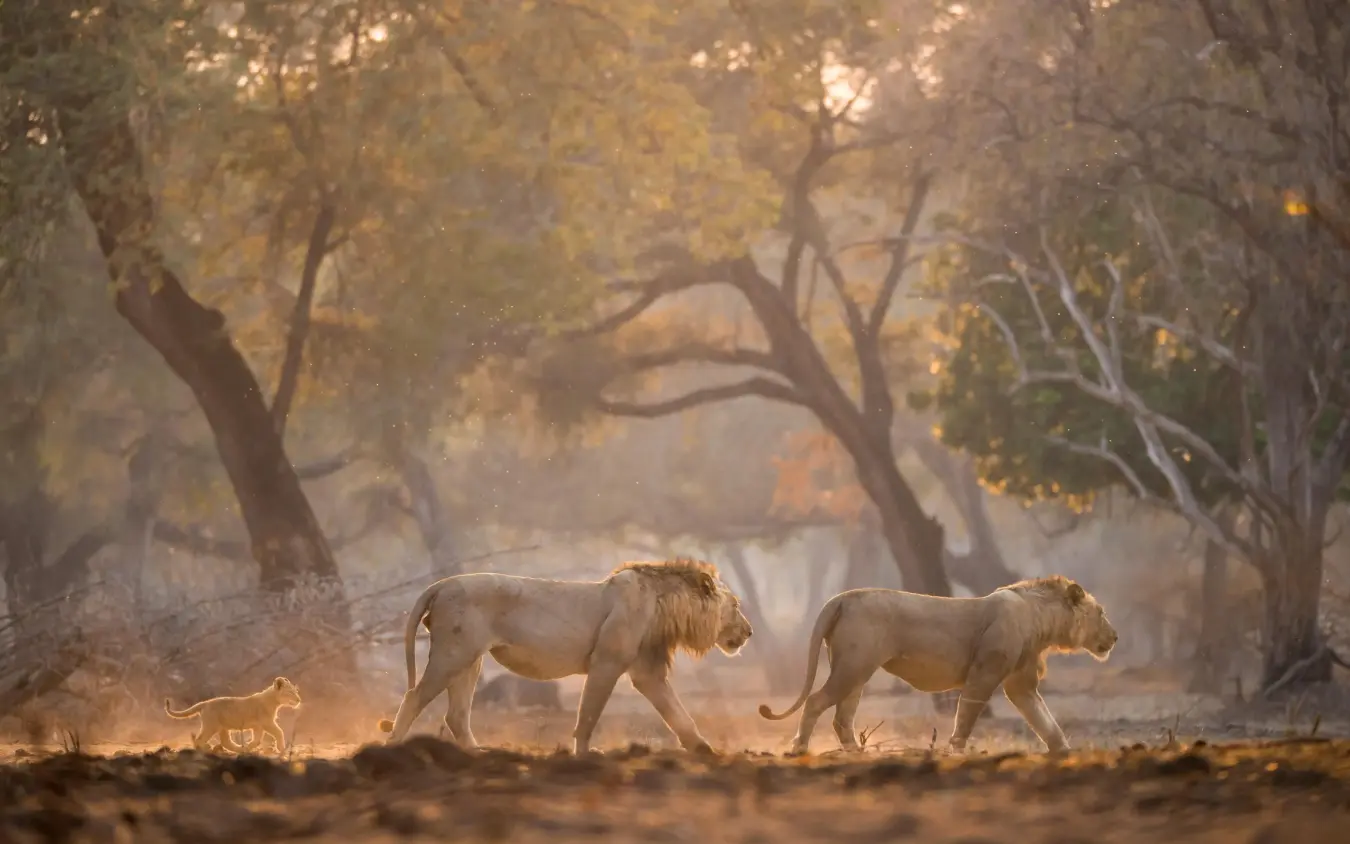
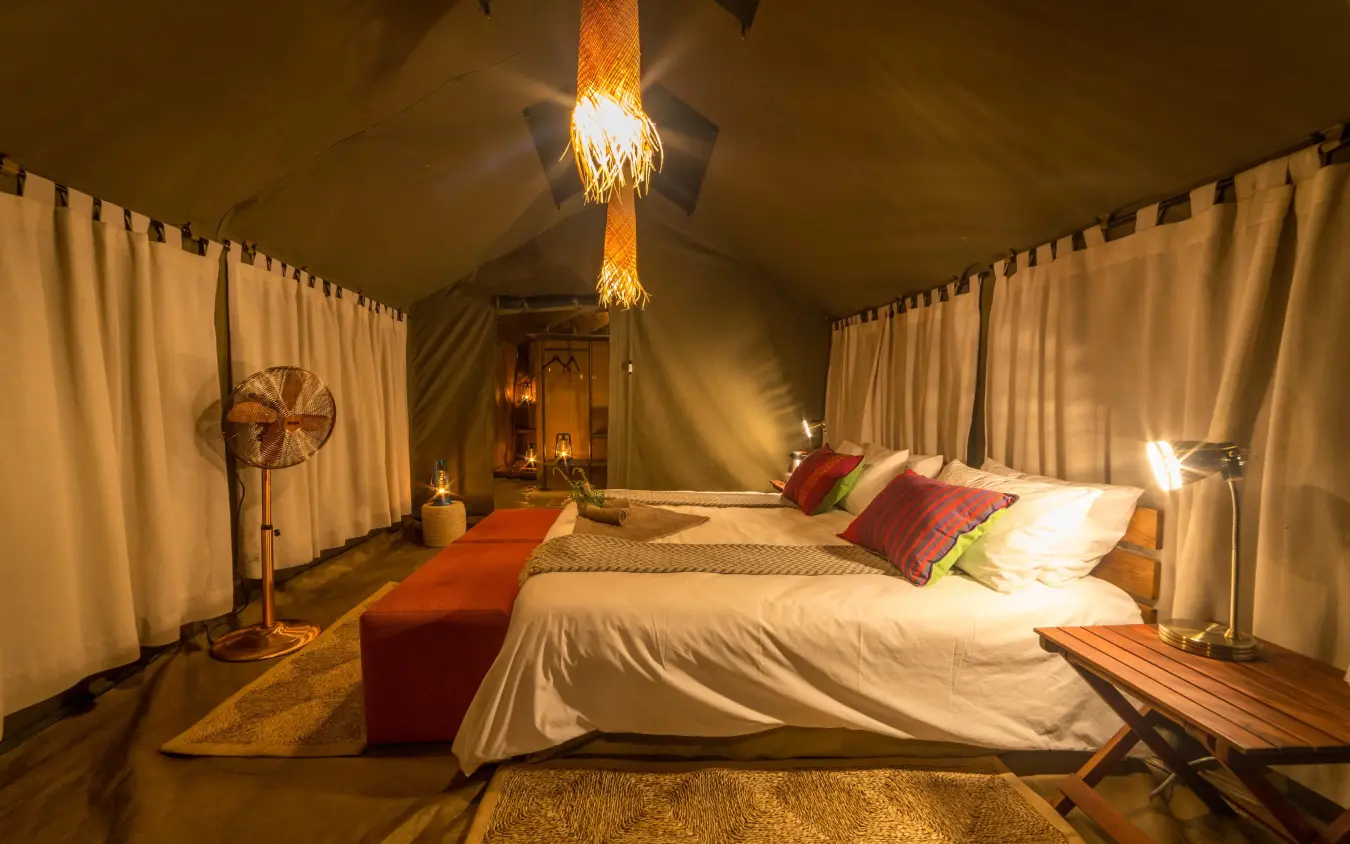
Walking is the whole point in this private Botswana reserve, led by armed and trained guides who read tracks, dung and birdsong at a pace that brings the smaller detail into focus. When the Selinda Spillway carries water, two-person canoes replace part of the route back to camp and birdlife concentrates along the banks. Selinda is regarded as one of the finest stretches for predators in Botswana, with lion, leopard, cheetah and a resident pack of painted dogs. Your camp is four canvas tents under African ebony and mopane on the spillway's edge, the work of Dereck and Beverly Joubert.
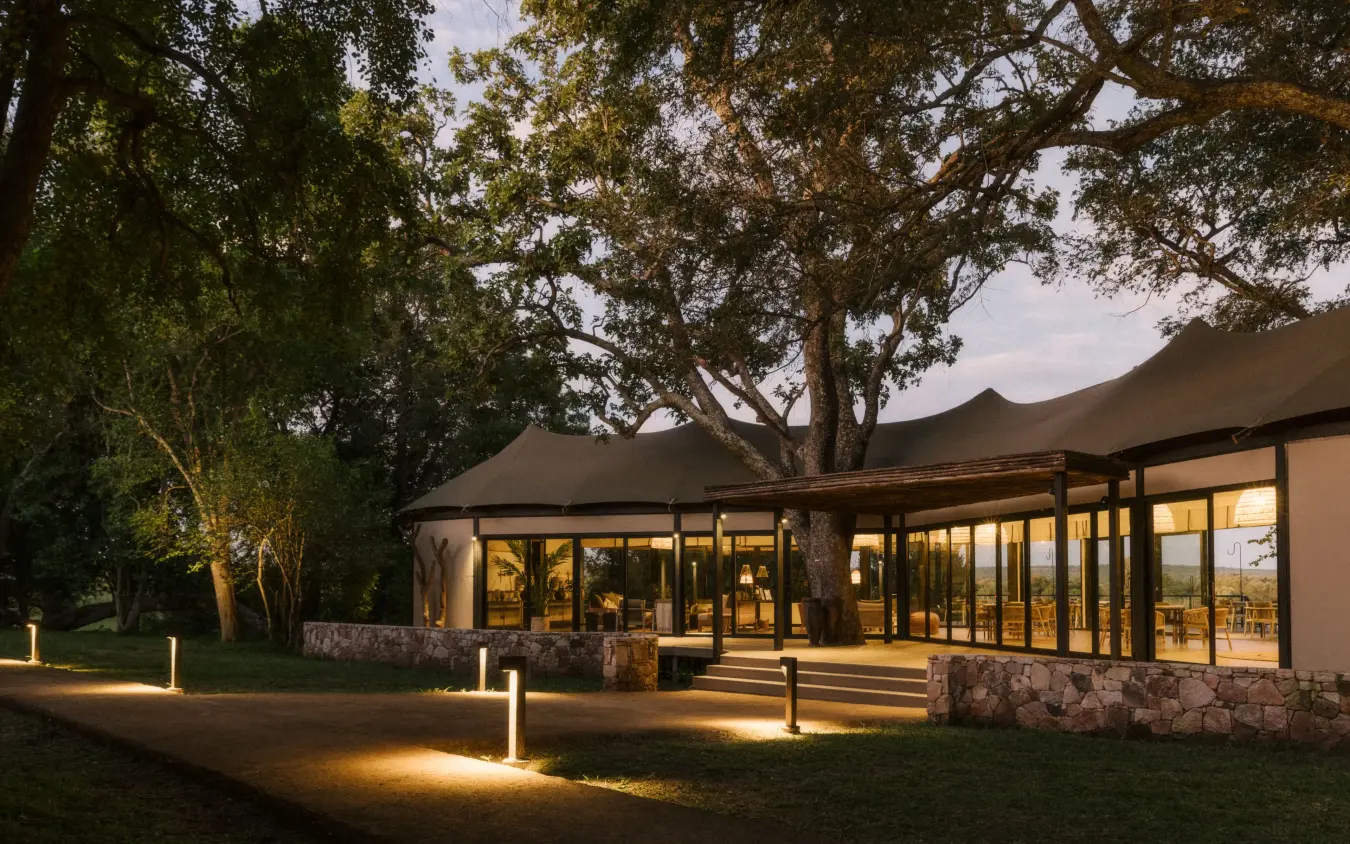
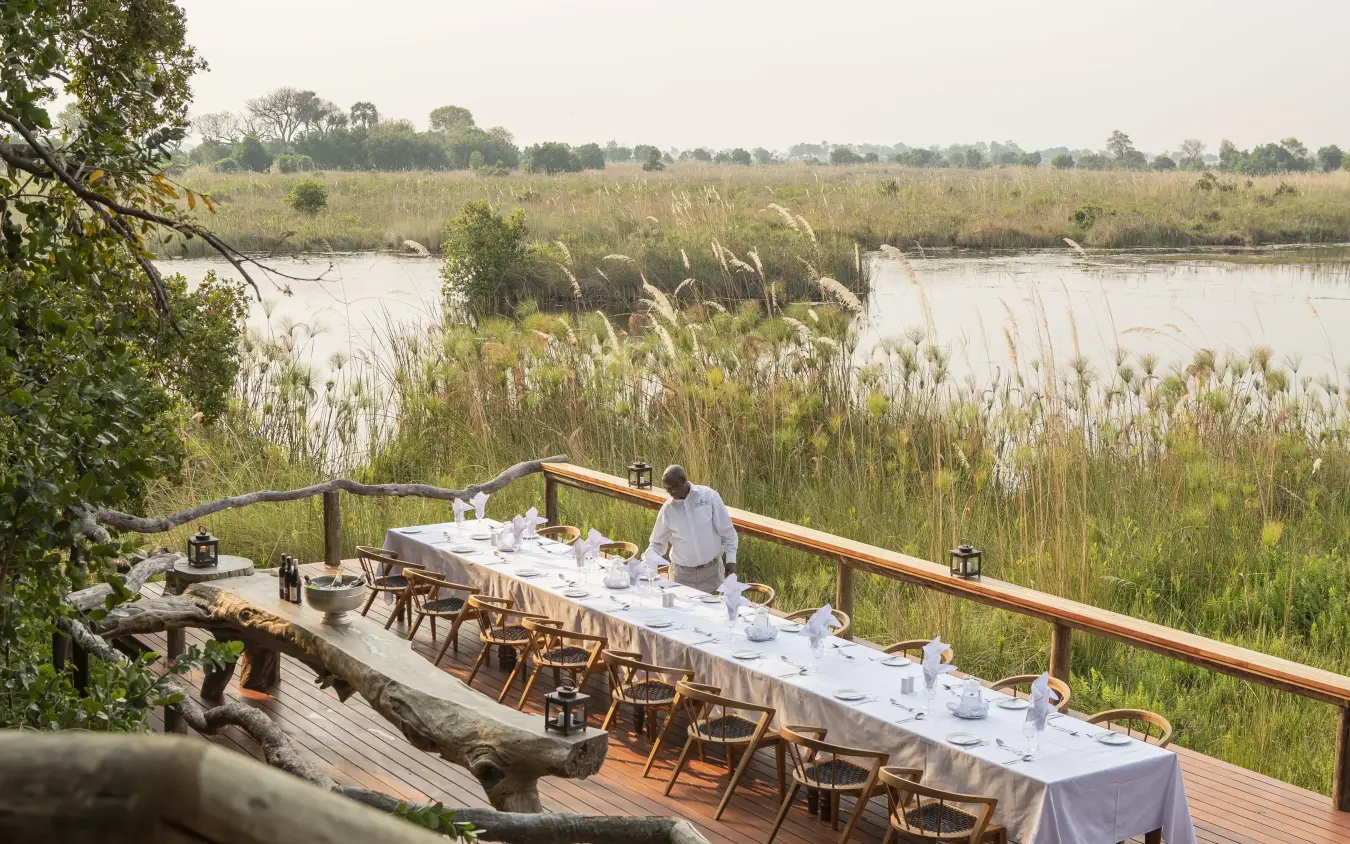
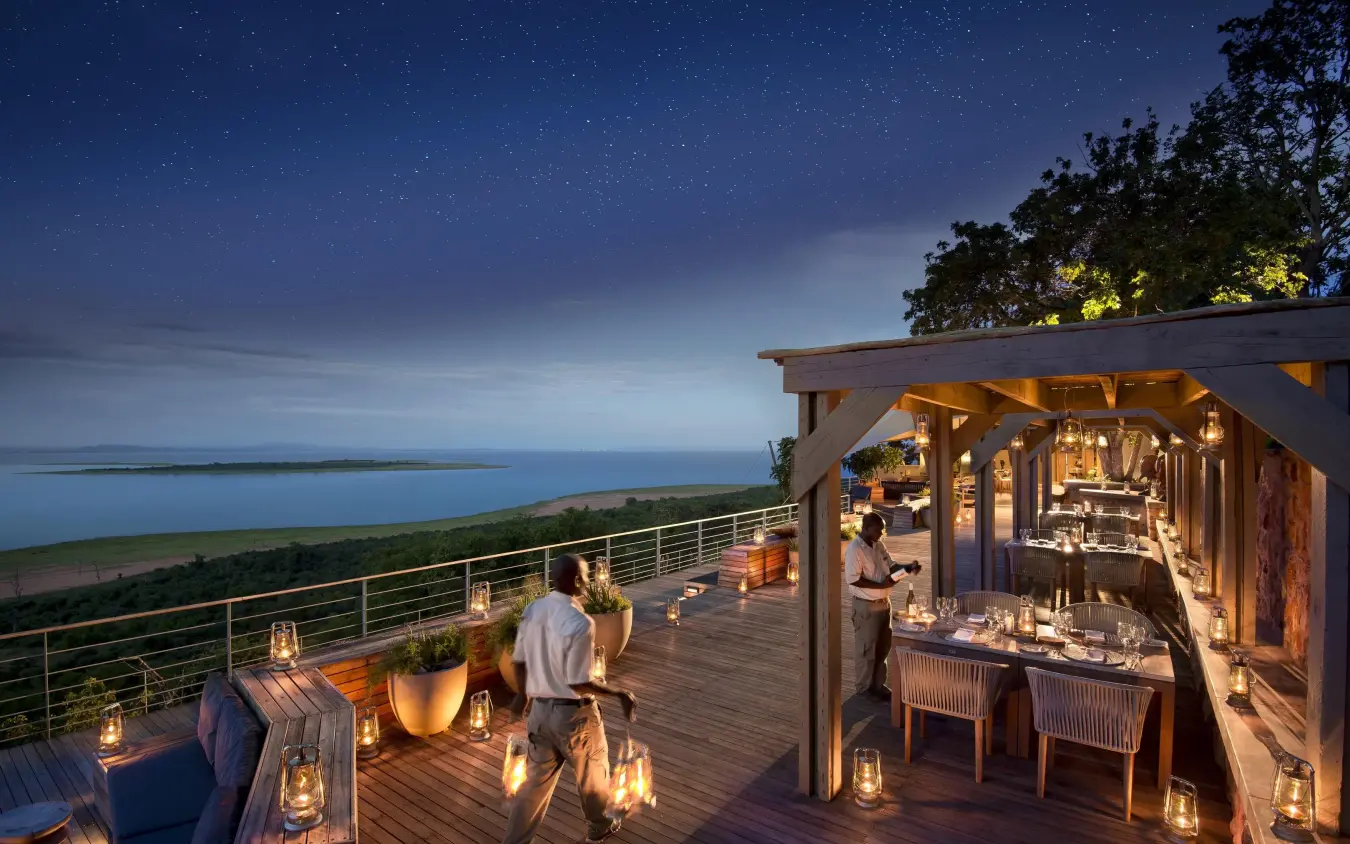
The Gomoti river runs through the south-eastern Delta across a private concession, where permanent channels give way to acacia and mopane woodland and the game moves with the water. Lions, leopards, cheetah and wild dog cross freely between here and neighbouring Moremi, and because this is private land, guides can leave the road, run night drives after dinner and walk you out on foot. When the annual flood fills the channels, the mokoro come out. Ten canvas tents stand raised on decks among the water figs that give the camp its name, run in partnership with six Bayei villages.
Better than on most safaris, because three of the four stops are wild dog country, but no one can promise an animal that is always on the move.
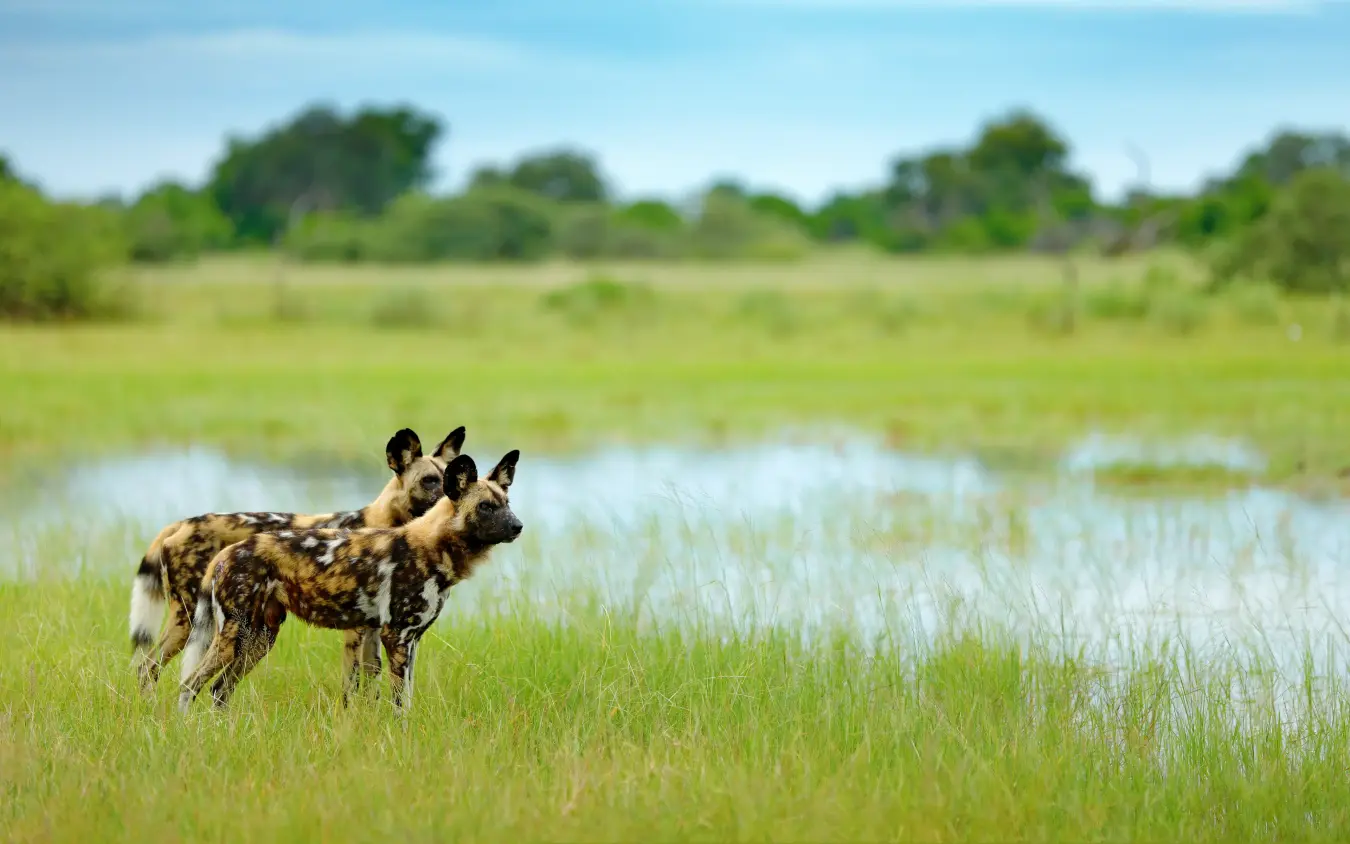
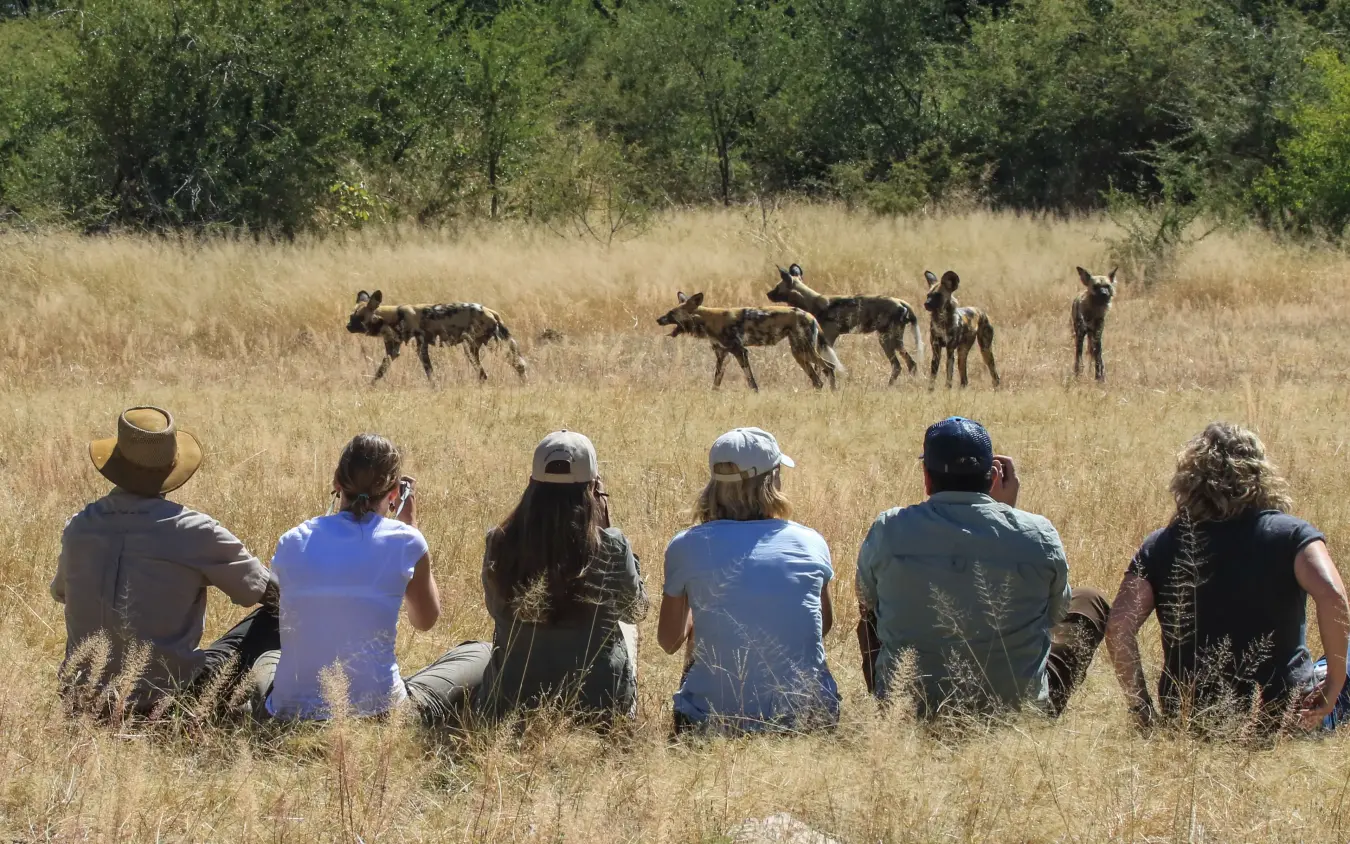
Mana Pools is where the BBC filmed the painted wolf episode of its Dynasties series, and we rate it among the best places to see them, above all in midwinter, when the packs stay close to their dens.
Denning is the key everywhere. The pups are born around May and June in Zimbabwe and between June and August in northern Botswana, and the pack is then tied to that one spot for ten to fourteen weeks.
Selinda has a resident pack that often dens within reach of the camp, and at Gomoti the dogs cross in and out of Moremi next door.
Once the pups are big enough to travel, the packs wander again and a sighting is a matter of tracking and patience. No reliable percentage exists, so we will not quote one.
Possibly, but go hoping and not expecting.
Only certain bulls have learned the trick of rearing up on their back legs to reach the higher branches of the winterthorn, or albida, trees, so it depends on one of those individuals being nearby, and hungry, while you are watching.
What draws them is the trees' seed pods, which come late in the dry months: our own best time page dates the behaviour from August, and the albida matter most between September and November.
Chikwenya stands in an albida forest of its own, so you are in the right kind of place, and even a bull that keeps four feet on the ground stretches to his full height under these trees, which is a sight in itself. Earlier in the dry months it is much less likely.
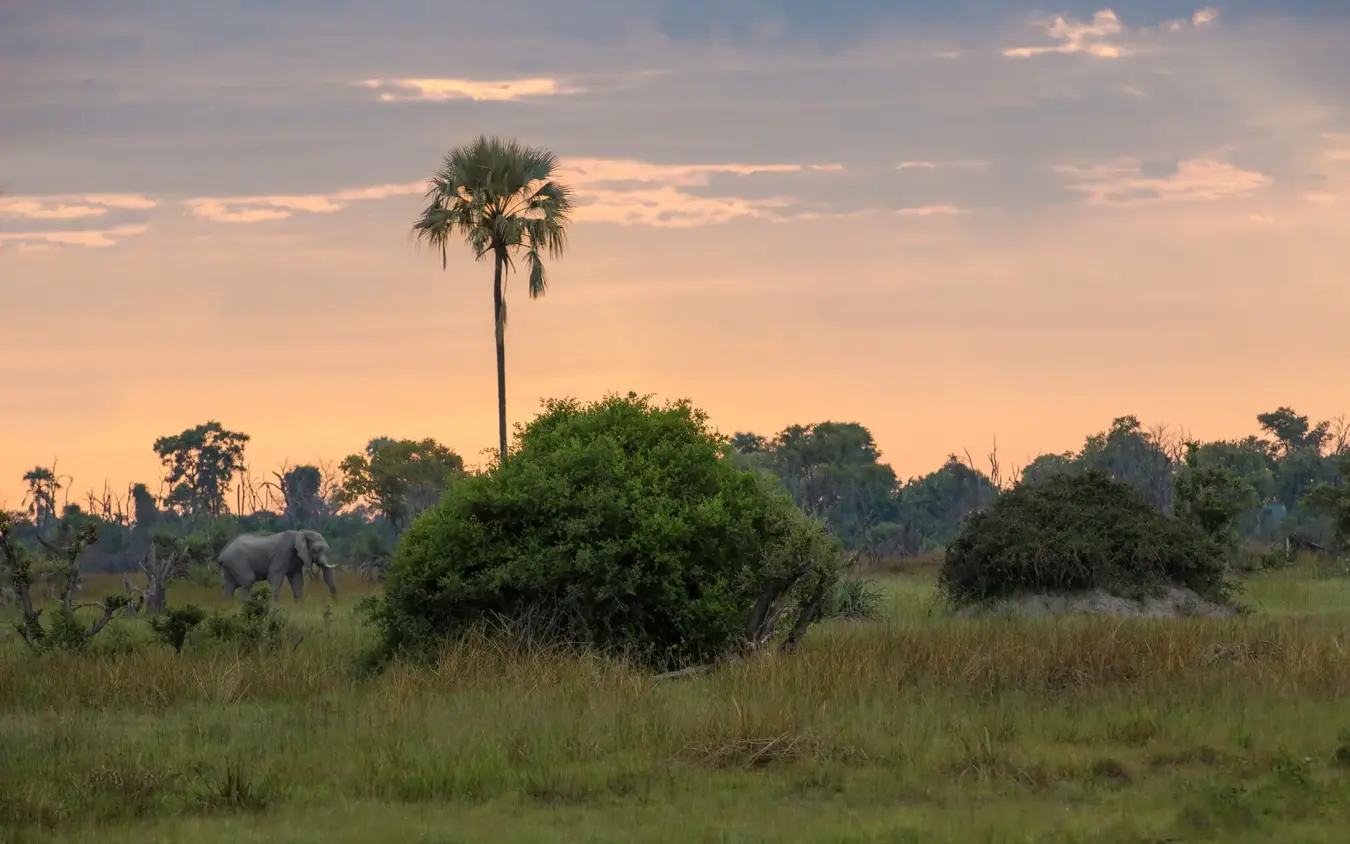
Elephants themselves are another matter: we rate your chance of meeting them on foot at Mana Pools as excellent.
Neither asks for much fitness.
Walks are slow and cover a few kilometres of open floodplain, which is why we rate Mana Pools among Africa's best parks for walking, and canoeing on this stretch of the Zambezi is generally leisurely, going with the current, with no experience needed.
Safety deserves a straight answer. Well over a thousand hippos live along this part of the river, and we say plainly that these canoe trips are not free of risk and that steering safely round the hippos can be tricky.
Guides handle it by letting the hippos know where the canoe is, knocking a paddle on the hull, and by insisting that hands stay out of the water; your part is to do as you are told at once.
Zimbabwe's professional guides train for at least two years and sit a seven-day practical exam. Canoe trips on this river generally set a minimum age of fifteen or sixteen. If the idea worries you, leave it out.
June to September, which is when all four stops and both countries carry our recommended rating.
The game is back on the Zambezi floodplain for the walking and canoeing, the wild dogs are denning, the falls are clear of their heaviest spray, and the Okavango's flood is up, which is what fills the Selinda Spillway for the canoes and the Gomoti channels for the mokoro.
August and September add the elephants reaching for albida pods at Mana Pools.
October is superb for game on the Zambezi and in Botswana, but the valley often passes 40 degrees, and that is hard on a trip built around walking.
As written the route has no December to March version, because Chikwenya shuts for the rains.
Either side of that, April, May and November are green, quiet and lower in price, and the falls run at their fullest through April and May.
Mostly by light aircraft.
Chikwenya has no road access for guests, so you fly in and out, and the leg between the camp and Victoria Falls is the longest flight of the trip, anywhere from two hours to three depending on the routing and any stop on the way.
From the falls a road transfer takes you over the border to Kasane in Botswana, usually in two hours or a little less, and from there light aircraft link Kasane, Selinda, Gomoti and finally Maun.
Both countries' bush flights apply one rule: soft bags, and 20 kilograms in all with your cabin bag counted. Zimbabwe issues visas on arrival to most visitors, British ones included, and Botswana lets British travellers in without one for up to 90 days.
If you would like an aircraft to yourselves, above all for the long Zambezi leg, we can charter one privately, typically a Cessna Caravan or a Pilatus PC-12.
Yes, around three fixed points:
Around those, most things can move. The order works in either direction. Three nights at the falls can become two, with the spare night added to Mana Pools or the Delta.
If you would rather drive than walk at Selinda, there is no need to swap the camp, because vehicles go out from it morning, afternoon and night as well as the walks.
And if the hind-leg elephants or a wild dog den are your reason for going, say so at the start, because that decides the month.
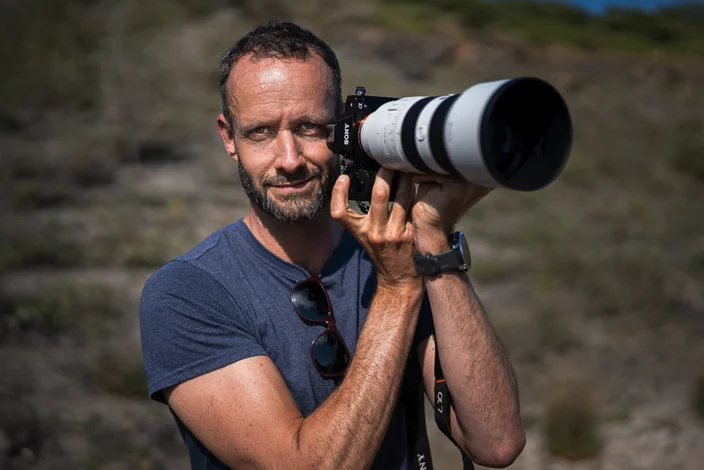
Ed Charles, BBC Producer
Fitzroy are true specialists in accessing the wilderness. They know where to go and importantly, when to go there. Highly recommended.
zimbabwe
Twelve nights across Zimbabwe, from Victoria Falls and Mana Pools to Lake Kariba, Hwange and the granite of Matobo.
zimbabwe
Twelve nights across northwest Zimbabwe, from Victoria Falls to Hwange's plains and springs and the upper Zambezi.
botswana & zimbabwe
Twelve nights across Botswana and Zimbabwe, linking the Okavango Delta, Victoria Falls, a Hwange concession and Lake Kariba.
rated five stars by our clients

our approach
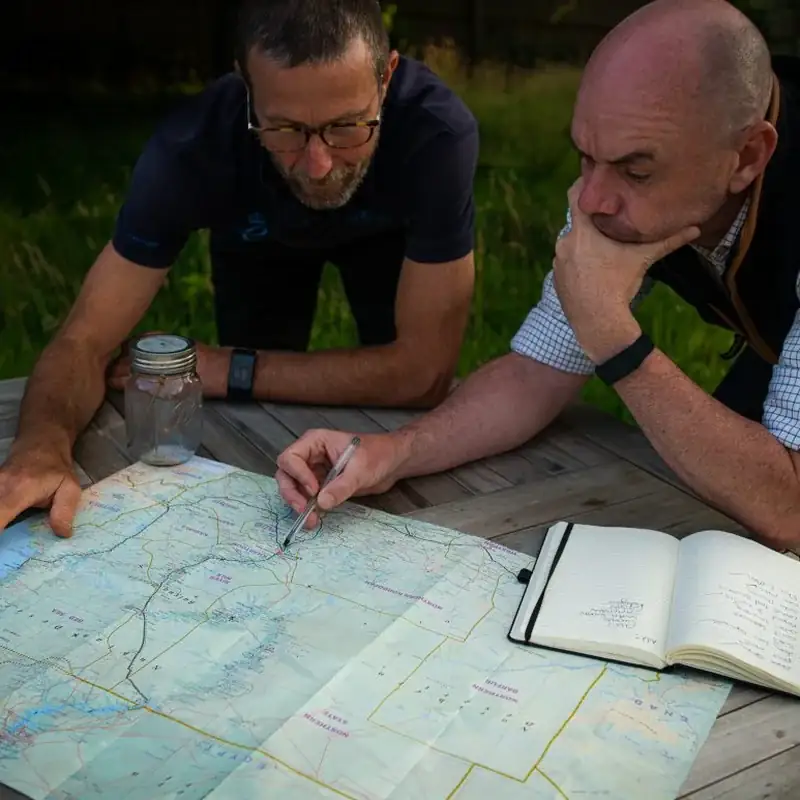
Every journey starts with a conversation. We take the time to understand your vision before we start planning.
Whether by phone or in person, we work with you directly to shape something that is considered, personal, and expertly delivered.
Every journey starts with a conversation. We favour a direct, personal approach: understanding your vision before anything else.
Whether by phone or in person, we work with you directly to shape a journey that is both thoughtfully considered and expertly delivered.
Get in touch to start planning yours.