







zimbabwe & botswana
the falls, the delta and the pans
Twelve nights from Victoria Falls into Botswana, linking a walking concession, a permanent Delta lagoon and the salt pans.
- Private Safari
- From $24,480 pp
- 2 guests
- 12 nights

This nine-night route crosses northern Zimbabwe in three parts. It opens in the remote Robins area of Hwange, the country’s largest park, where pumped waterholes gather dry-season game on Kalahari sand. It moves to the Mana Pools floodplain on the Zambezi, a park walked and paddled rather than driven. It closes at Victoria Falls, where the river drops into the Batoka Gorge along a curtain nearly 1.7 kilometres across.
You travel it on foot, by canoe and by open 4×4, with walking safaris the thread that runs through all three stops. Light aircraft carry you between the three areas, which keeps whole days off the road. Light aircraft carry you between the three areas, which keeps whole days off the road. The camps are small and built for the country they sit in: a six-tent walking camp in Hwange, a semi-mobile six-tent camp on the Zambezi bank at Mana Pools, and a fourteen-unit tented lodge inside Zambezi National Park near the falls.
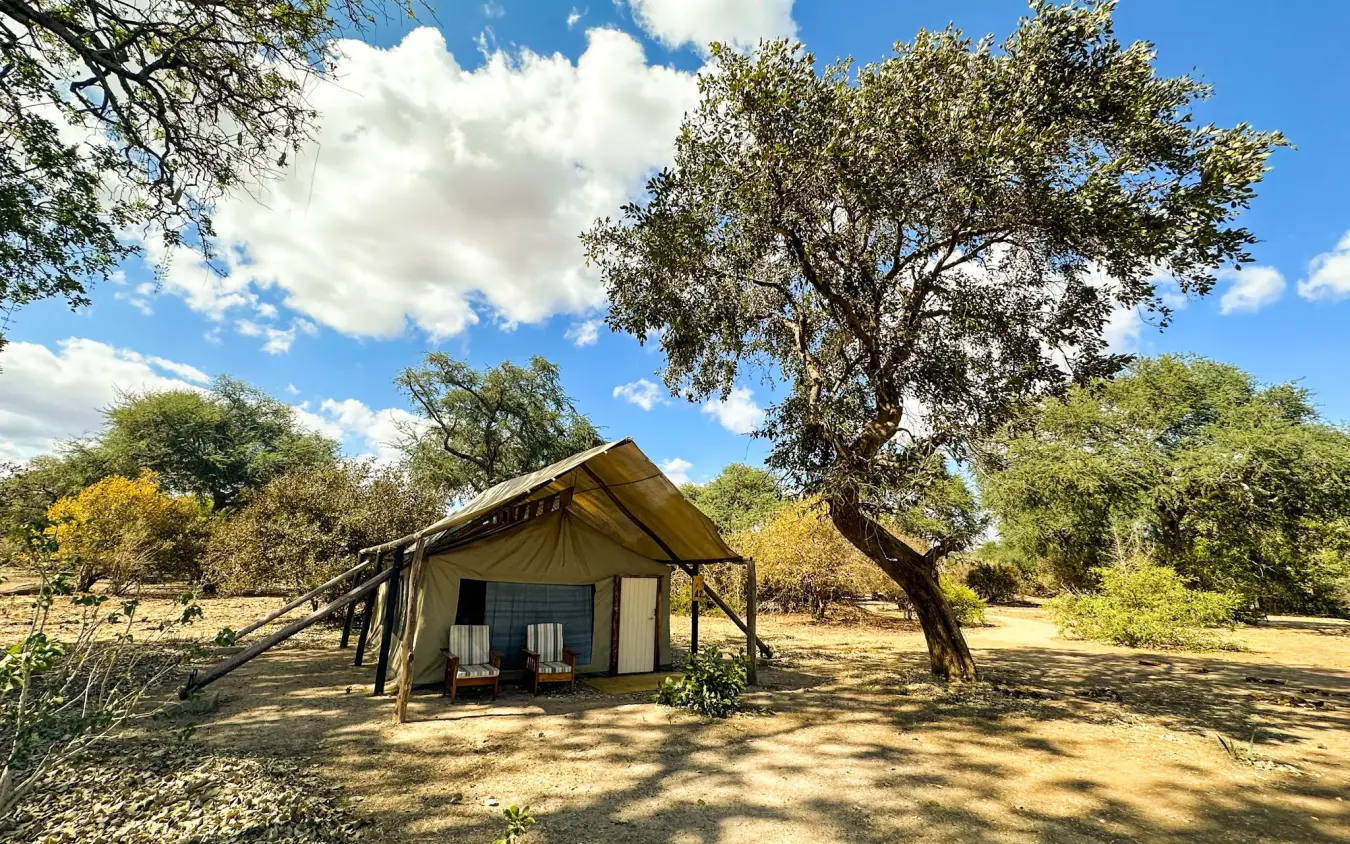
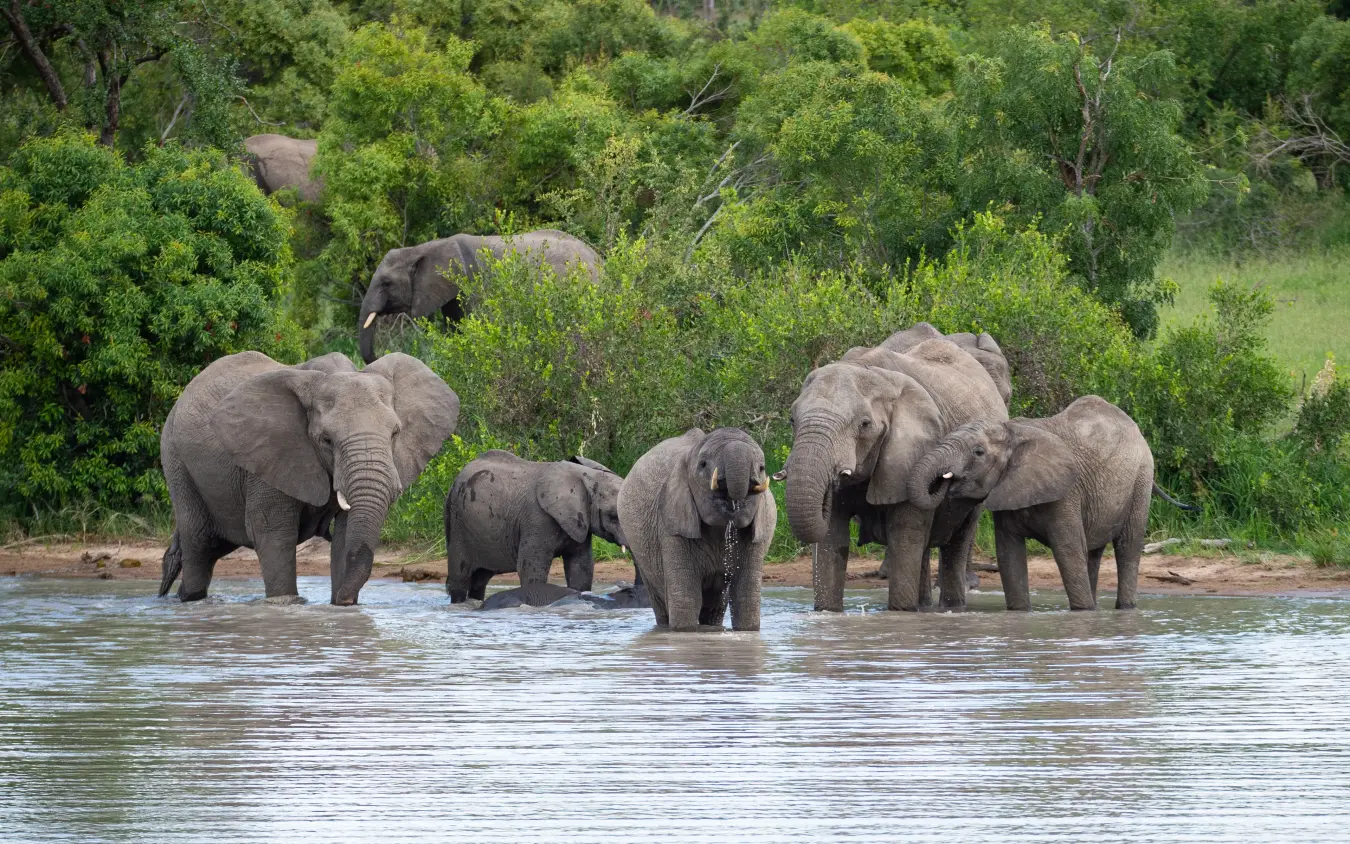
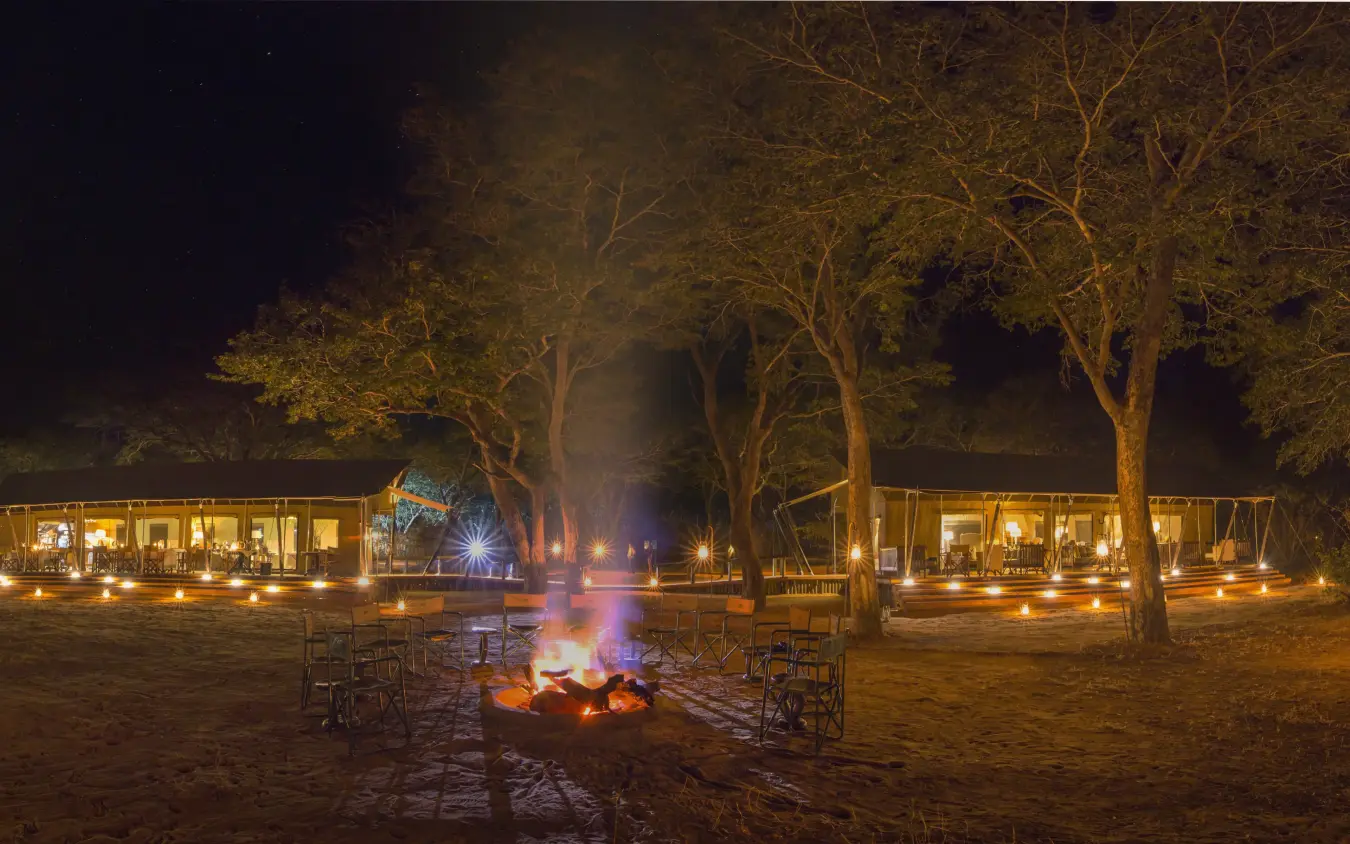
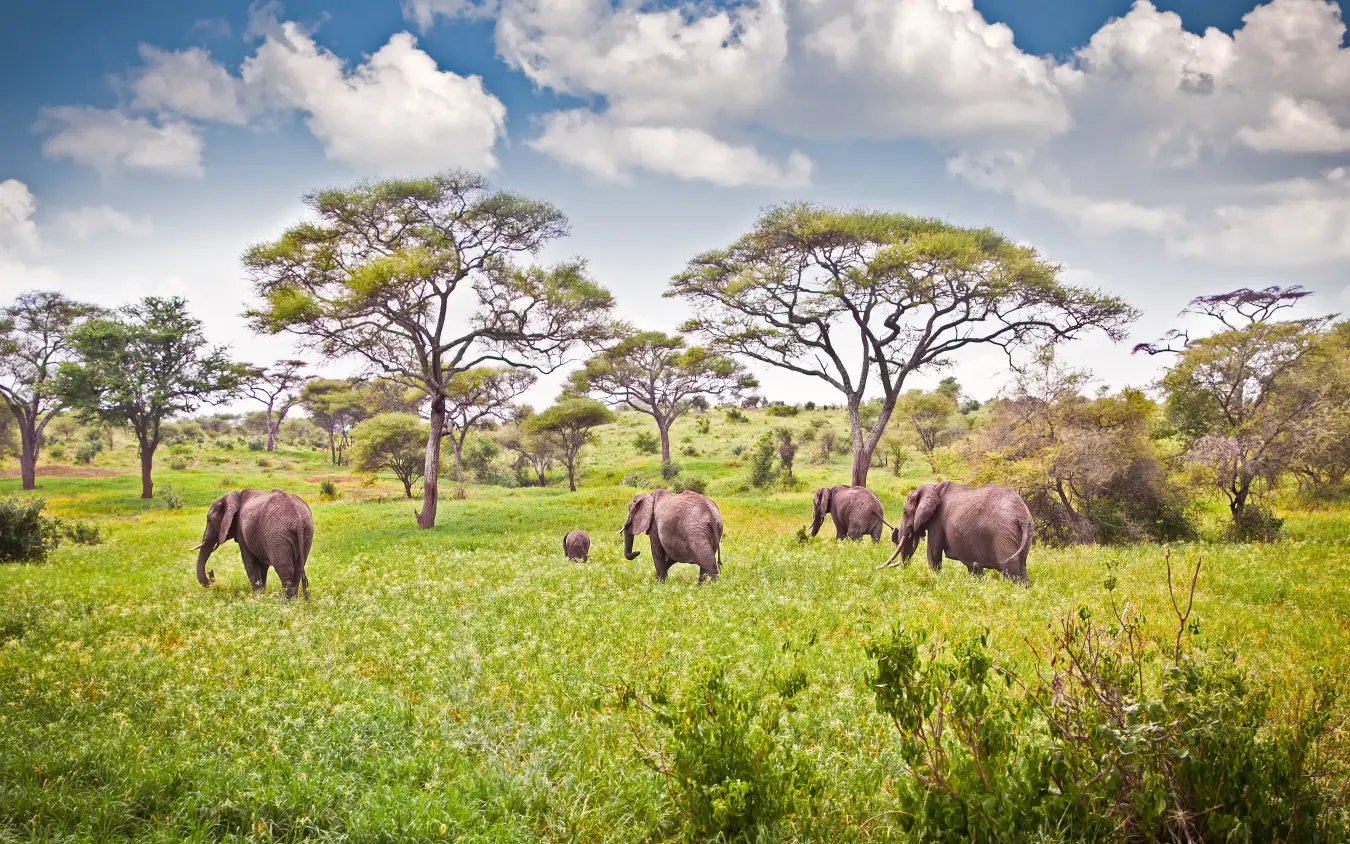
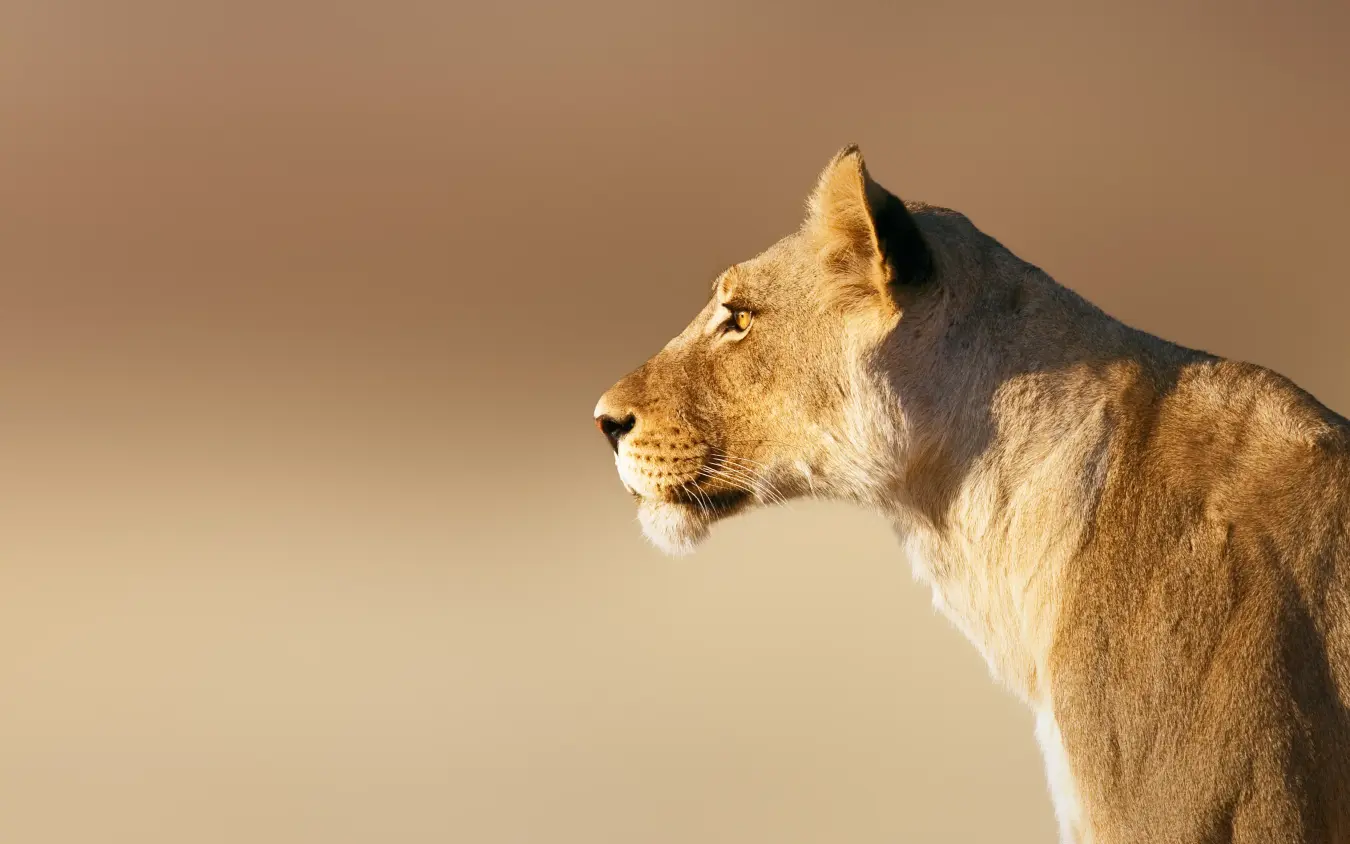
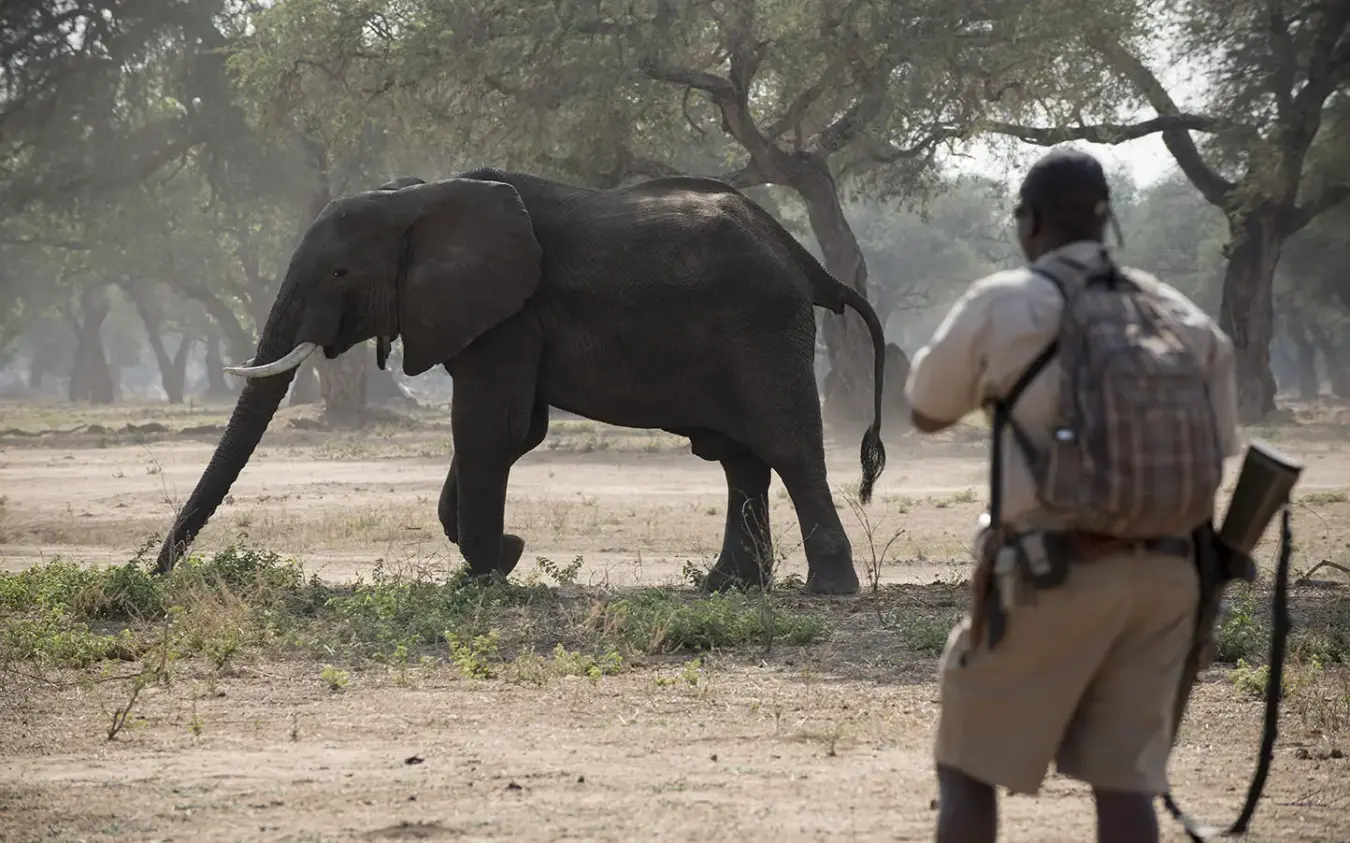
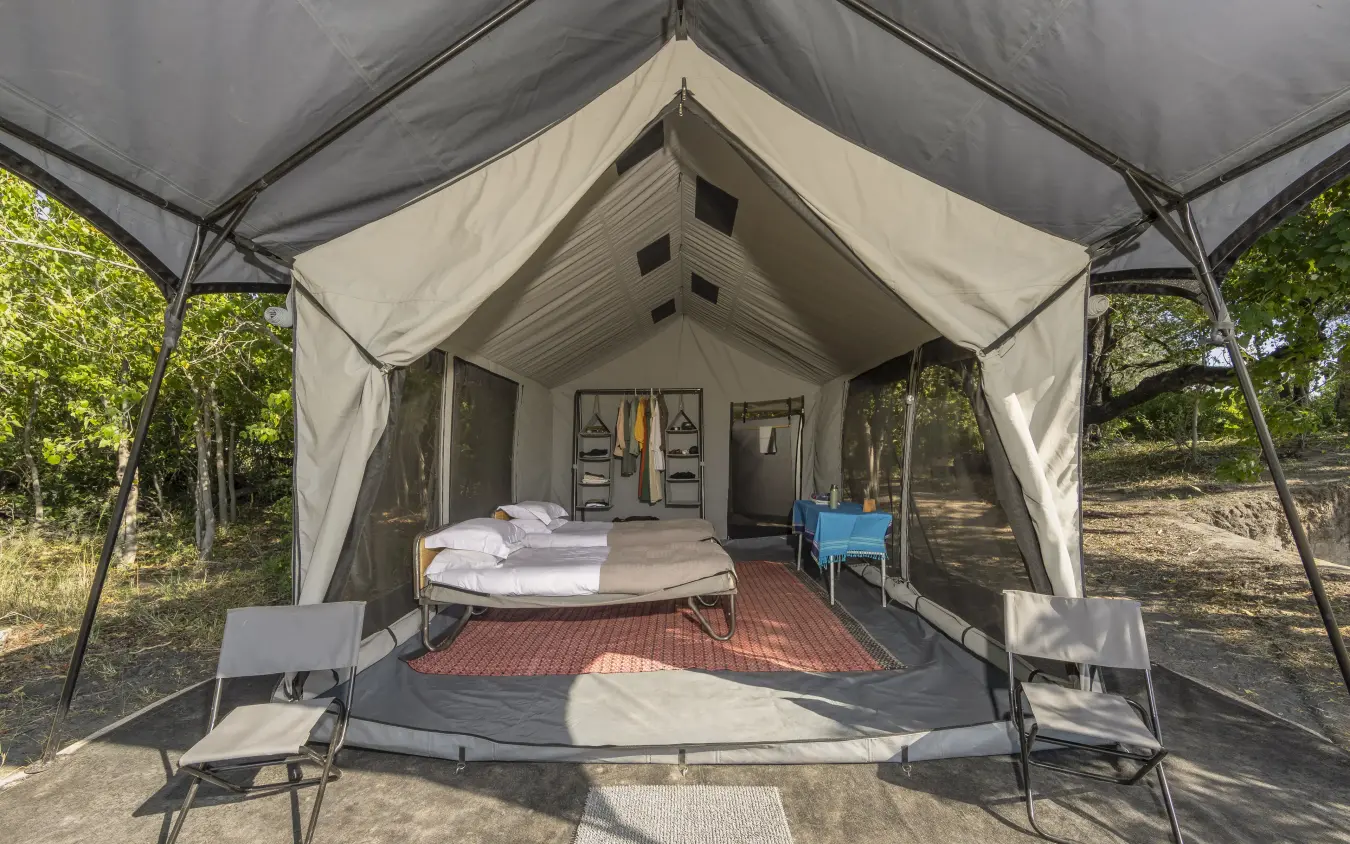
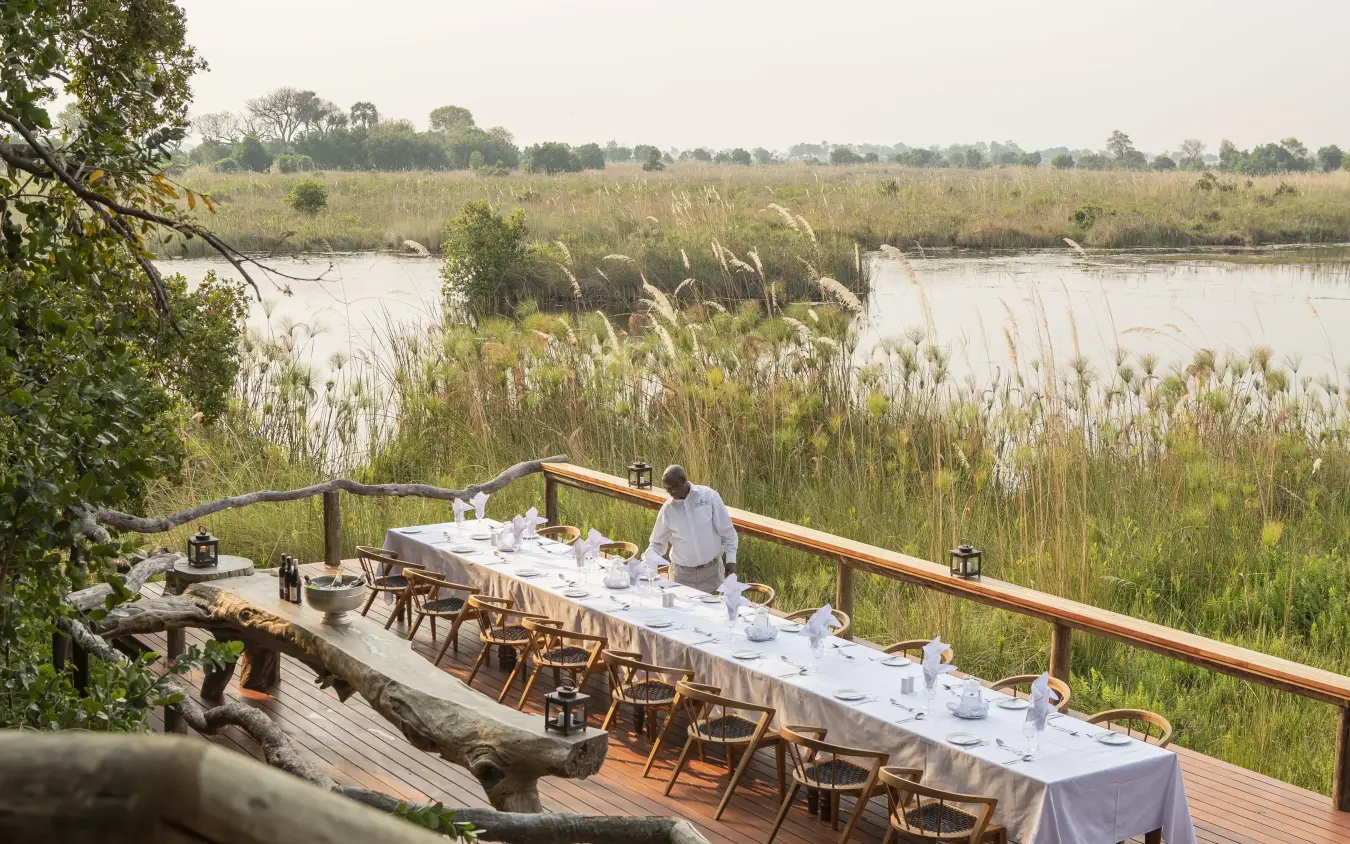
Days here are led on foot across undulating ridges of mopane woodland, open grassland and rock outcrops in the remote Robins area of northern Hwange. Guides work the springs and pumped pans, and the way to see the elephant herds is to settle at Deteema Dam or Dolilo Pan and let the sightings come rather than chase them. Buffalo move through in large herds and several lion prides hold here year-round. Hwange Bush Camp is six Meru tents spaced under tree shade, where the guides host the meals and share the fire at night.
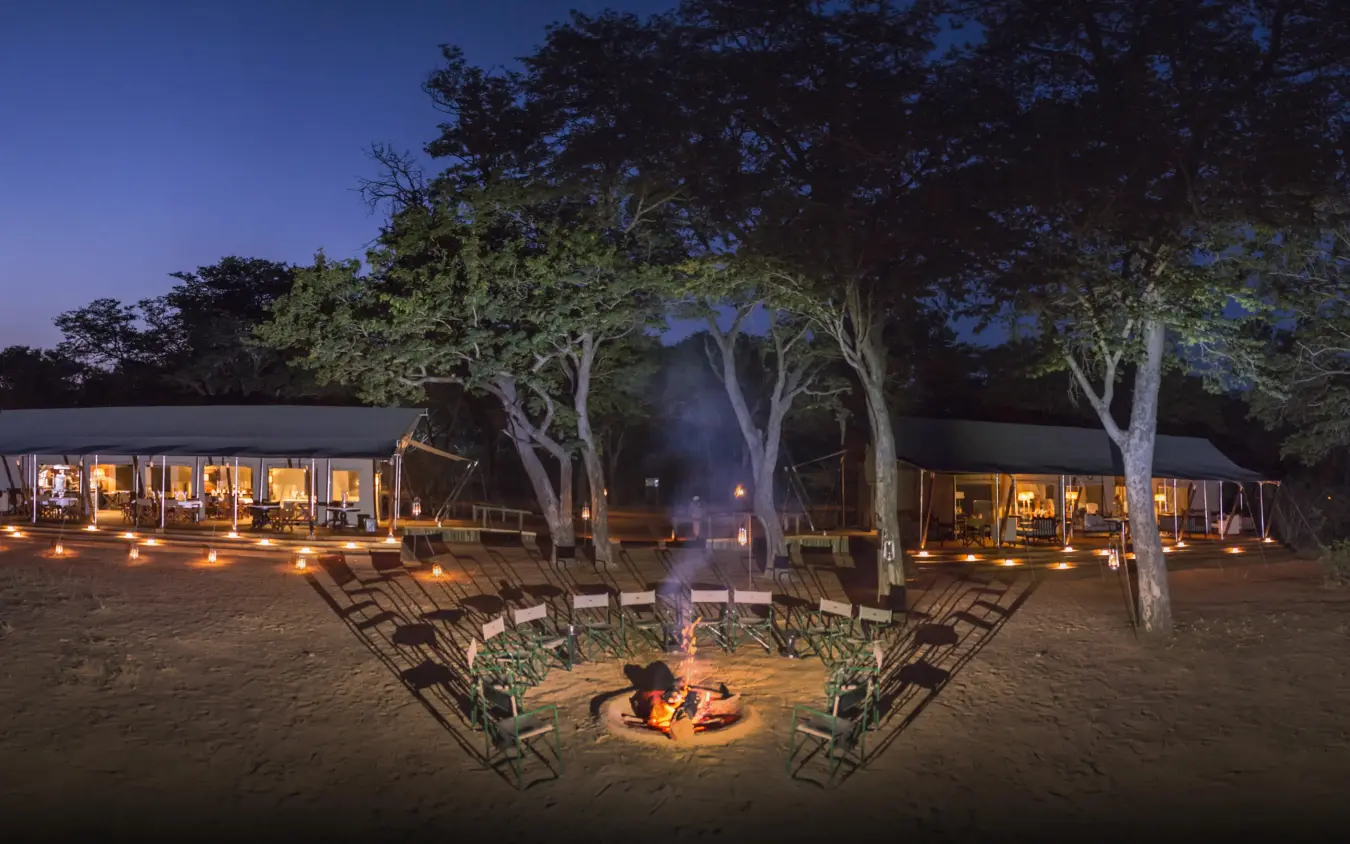
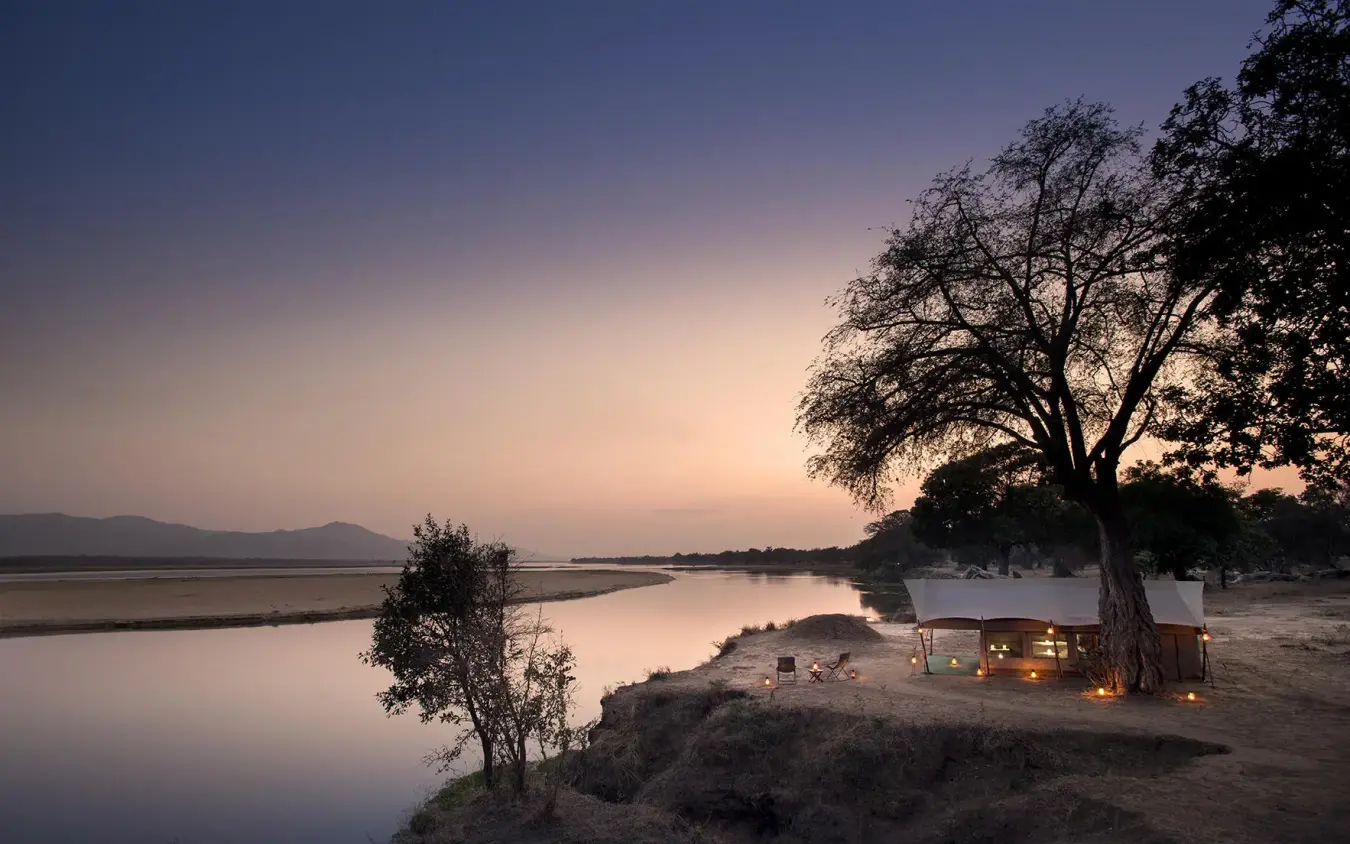
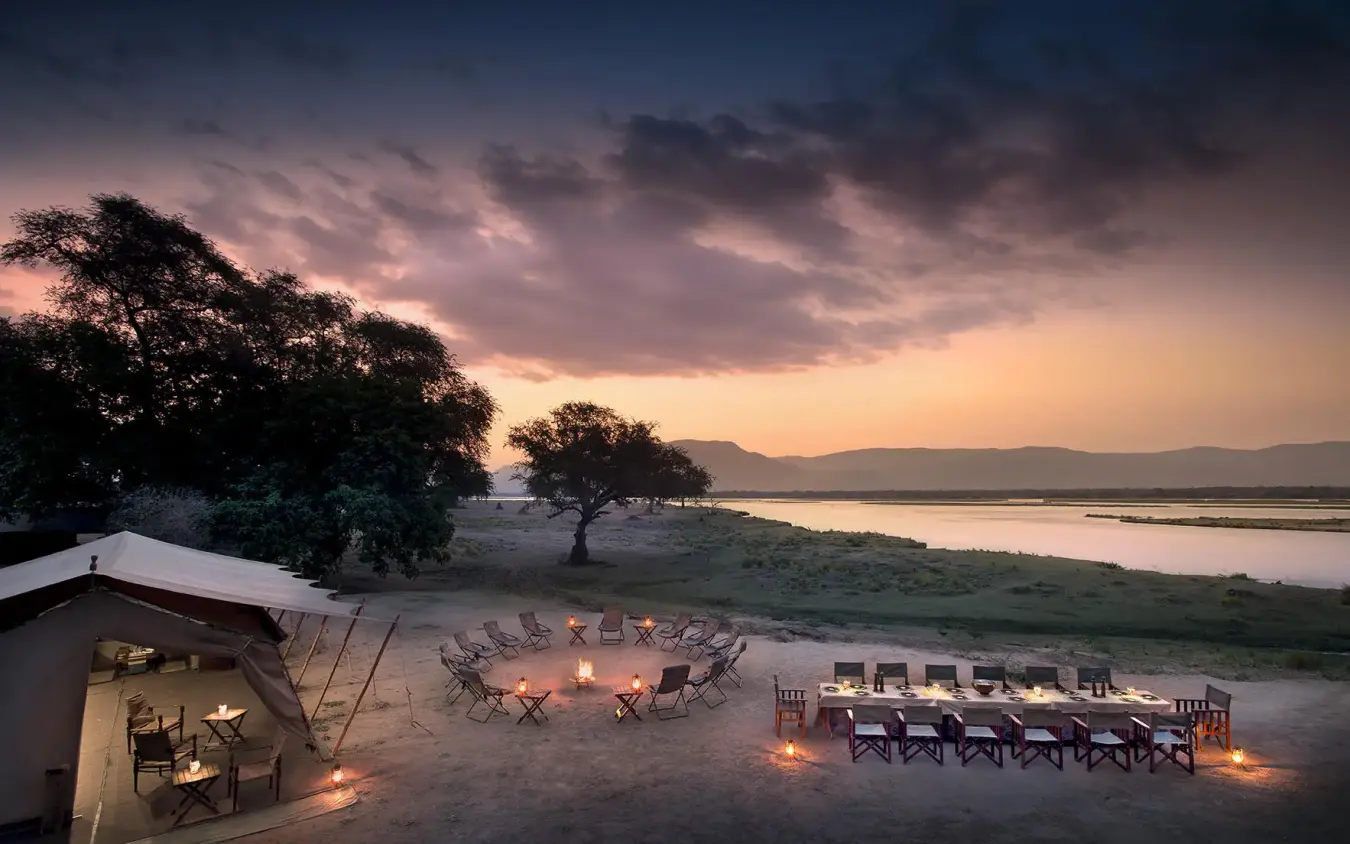
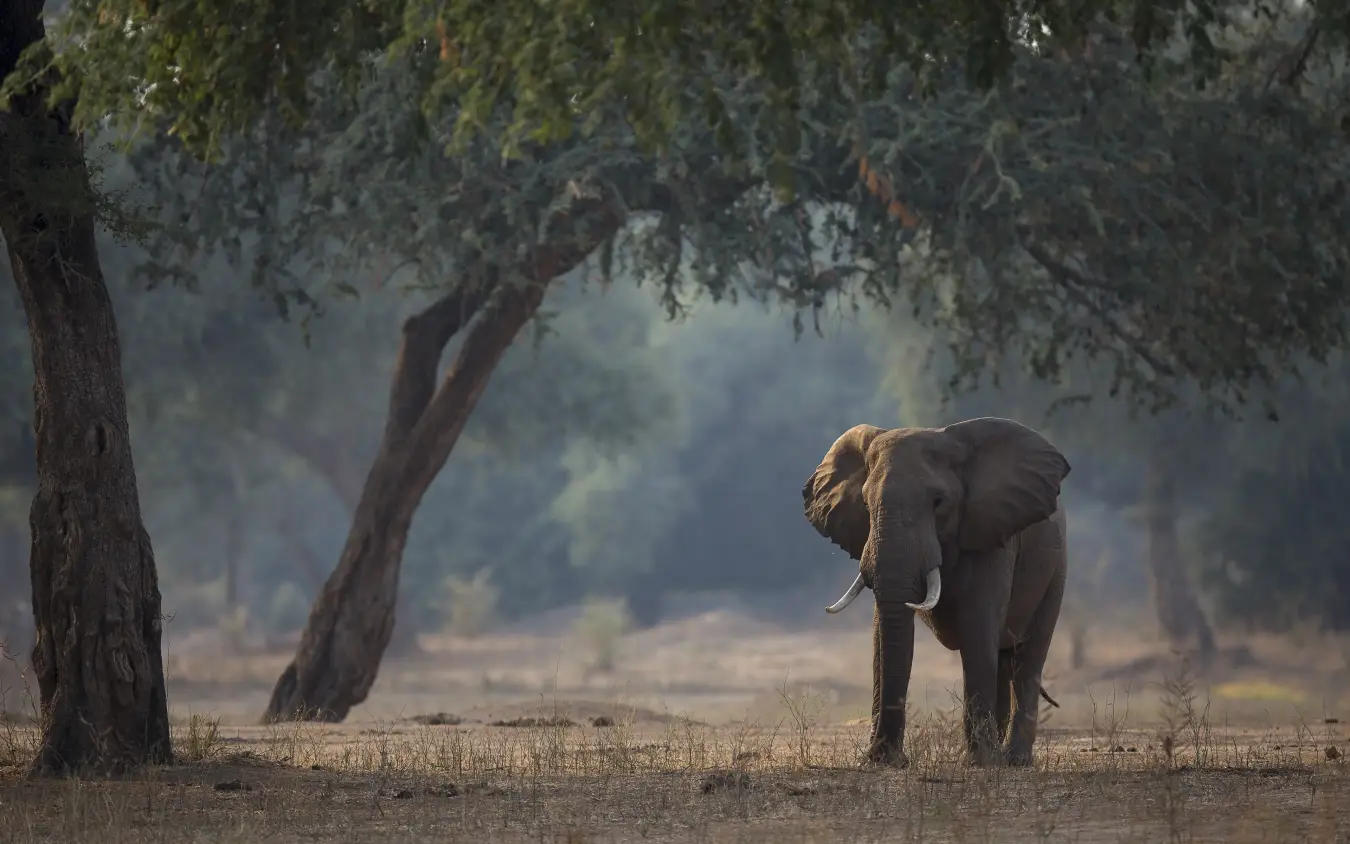
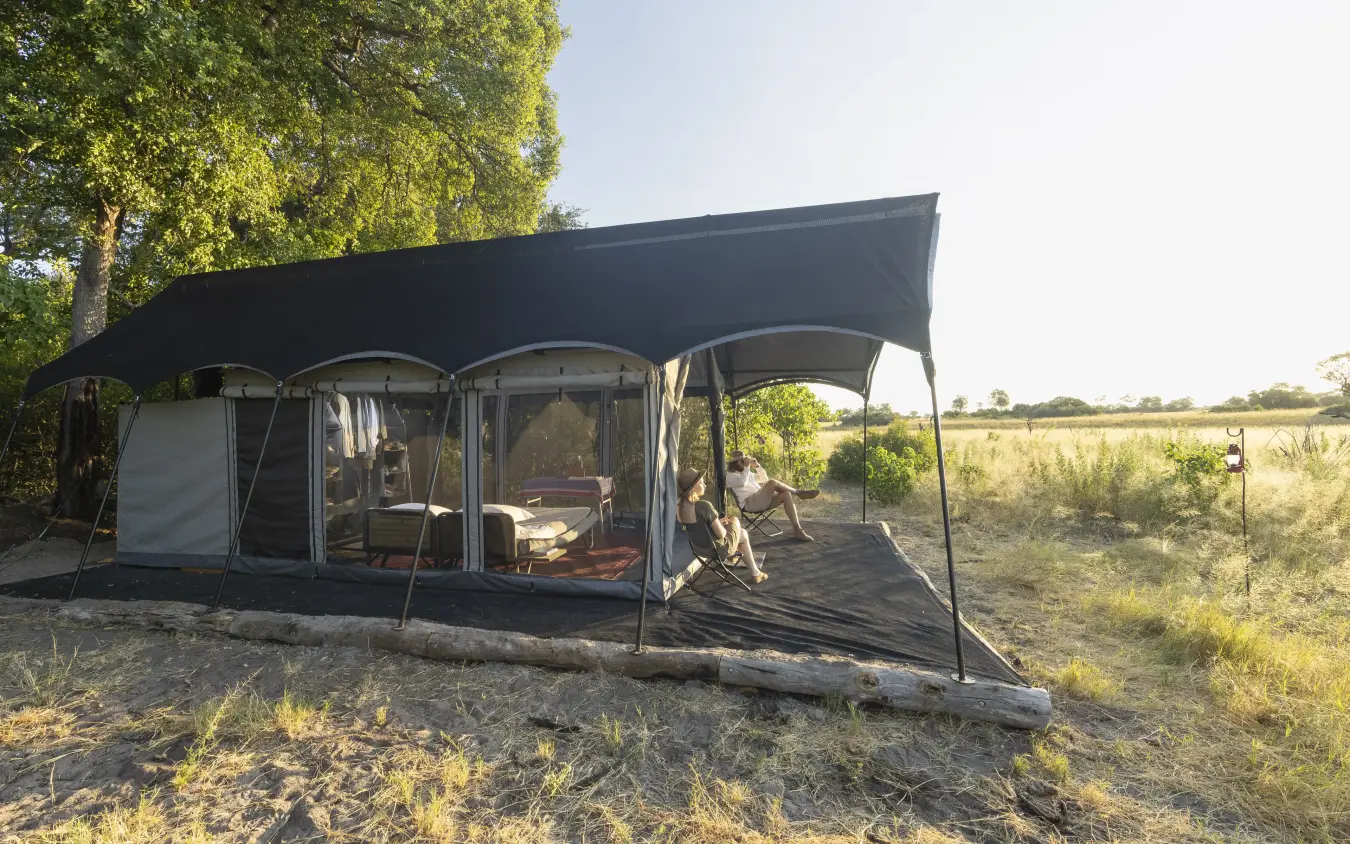
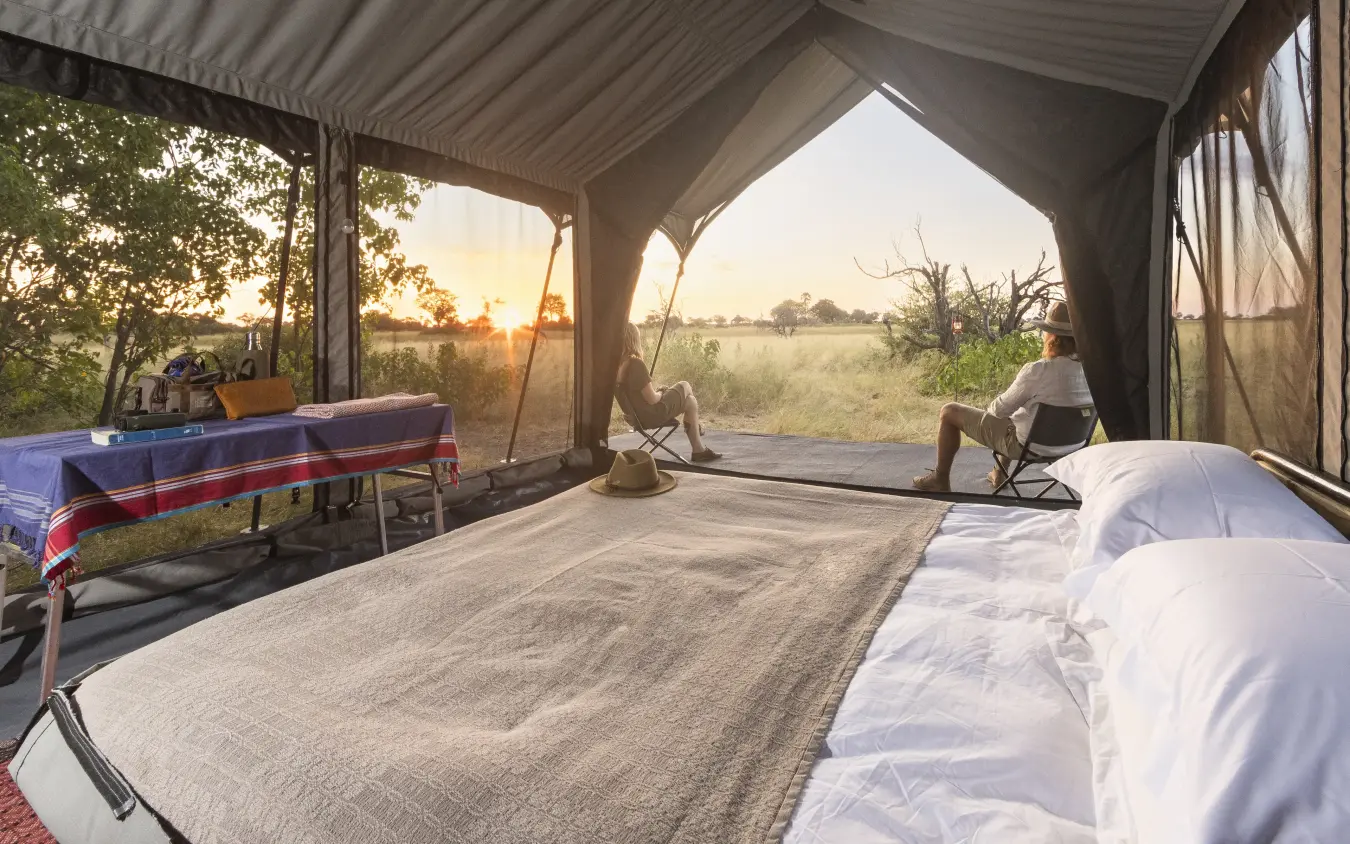
On the Zimbabwean bank of the Zambezi you walk the floodplain with an armed professional guide who reads tracks and browse lines, and you canoe past hippo pods and elephants feeding at the water's edge. Some bulls rear onto their hind legs to reach the albida pods overhead. Mana Pools is one of Africa's great strongholds of the painted dog, and through the driest months its four permanent inland pools draw lion, buffalo and waterbuck. Zambezi Expeditions is six canvas tents at the Nkupi site, facing the river with the Zambian escarpment across the water and gathered around a small plunge pool.
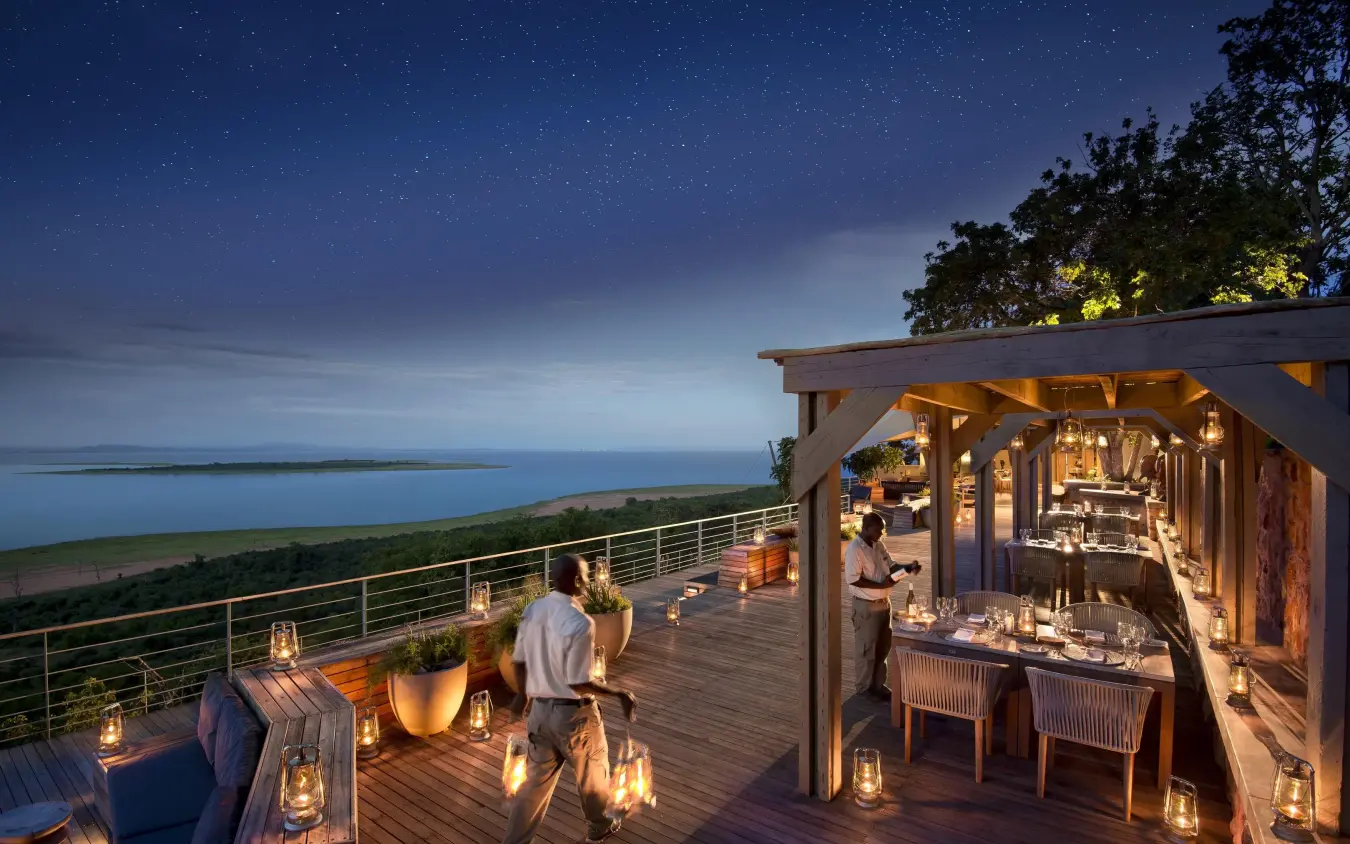
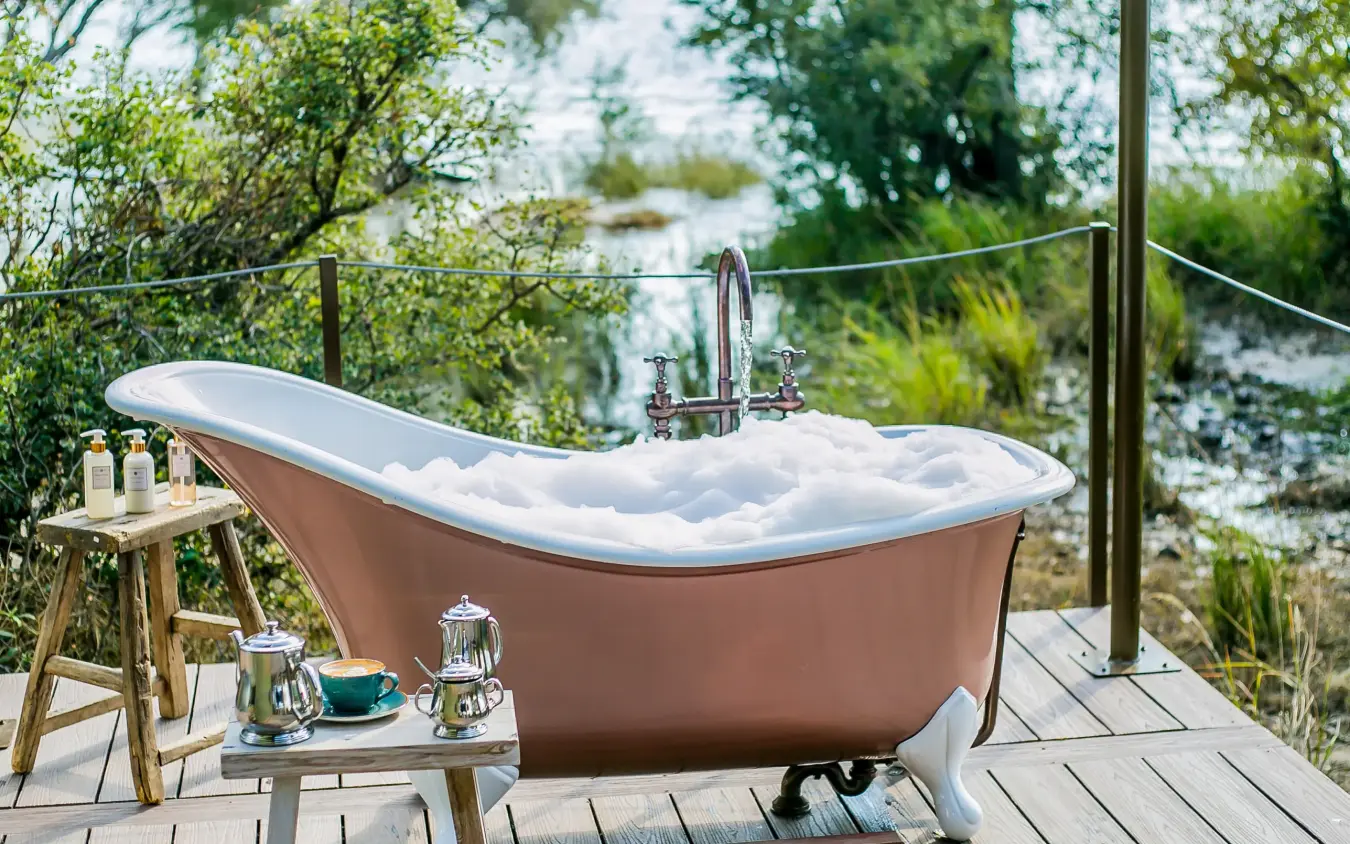
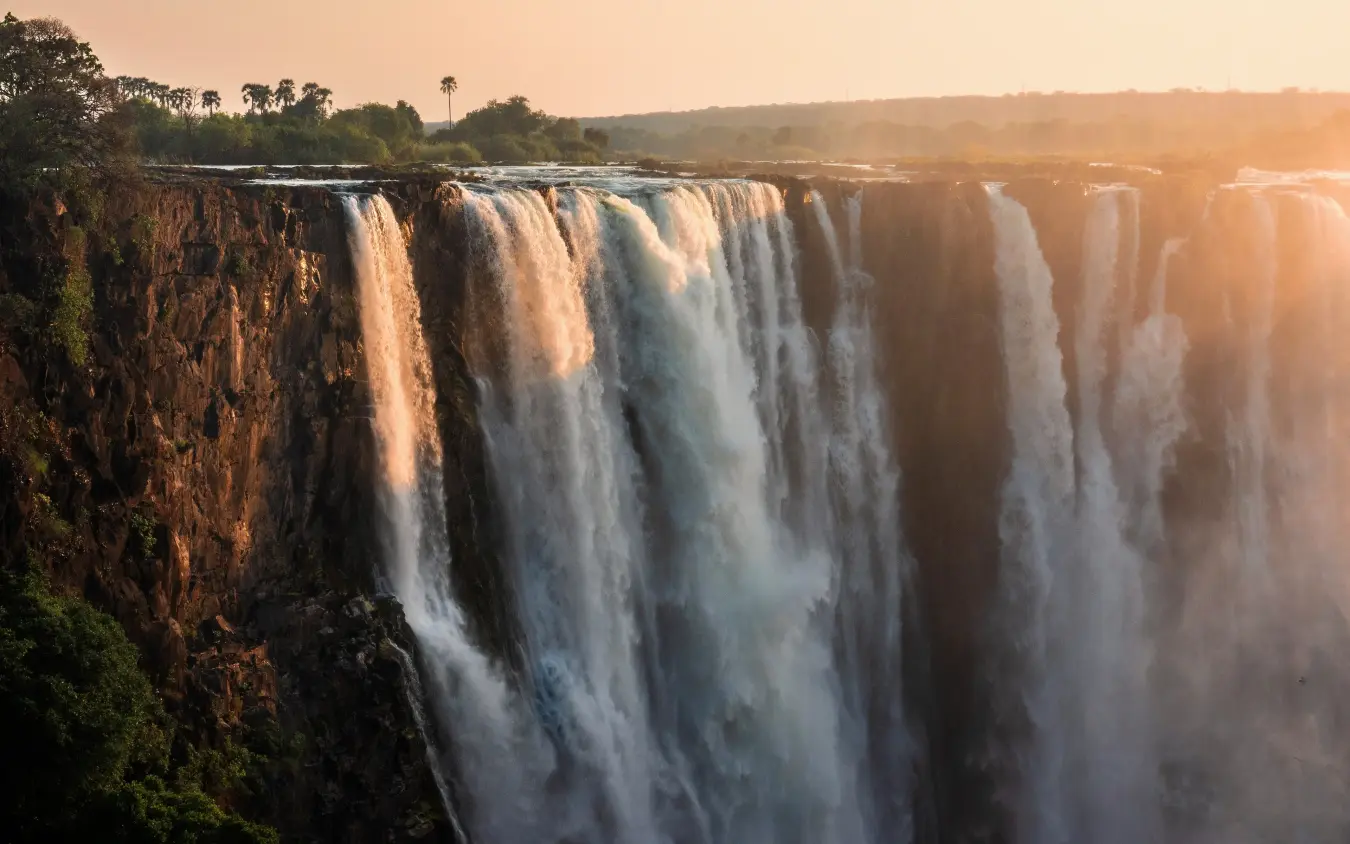
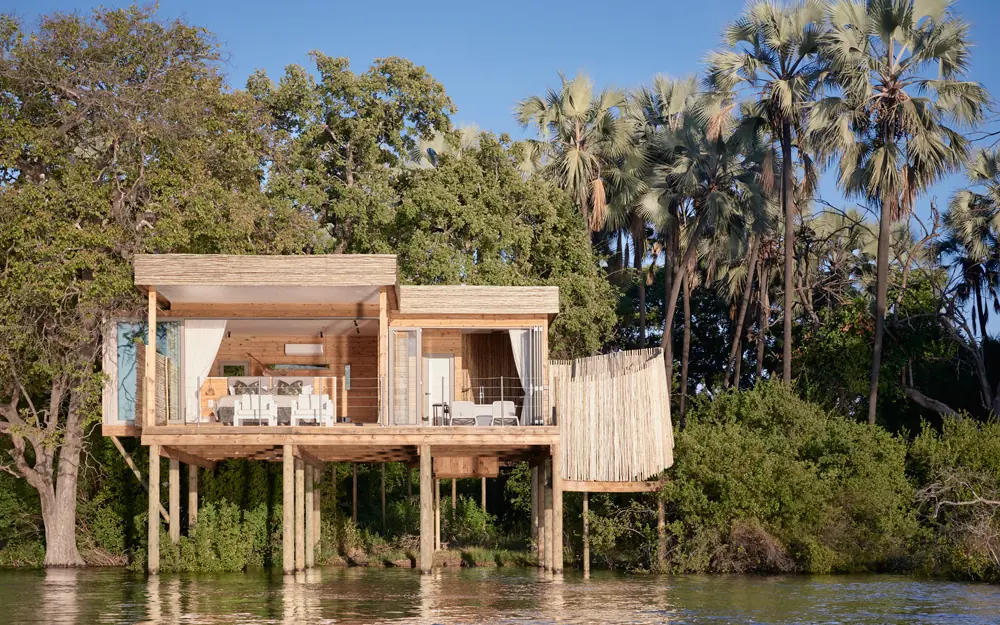
The Zambezi drops into the Batoka Gorge along a curtain of falling water nearly 1.7 kilometres across, with footpaths threading the rim rainforest to a run of viewpoints; from August the lower flow brings clearer views of the gorge and its cataracts. Days also run on game drives into Zambezi National Park, where elephant, buffalo and plains game come to the waterhole, and out onto the river by boat and canoe. Old Drift Lodge is reached by a cruise of about fifteen minutes along the Zambezi, fourteen canvas tented units on the original crossing point, each with a private plunge pool and a claw-foot bath on the deck.
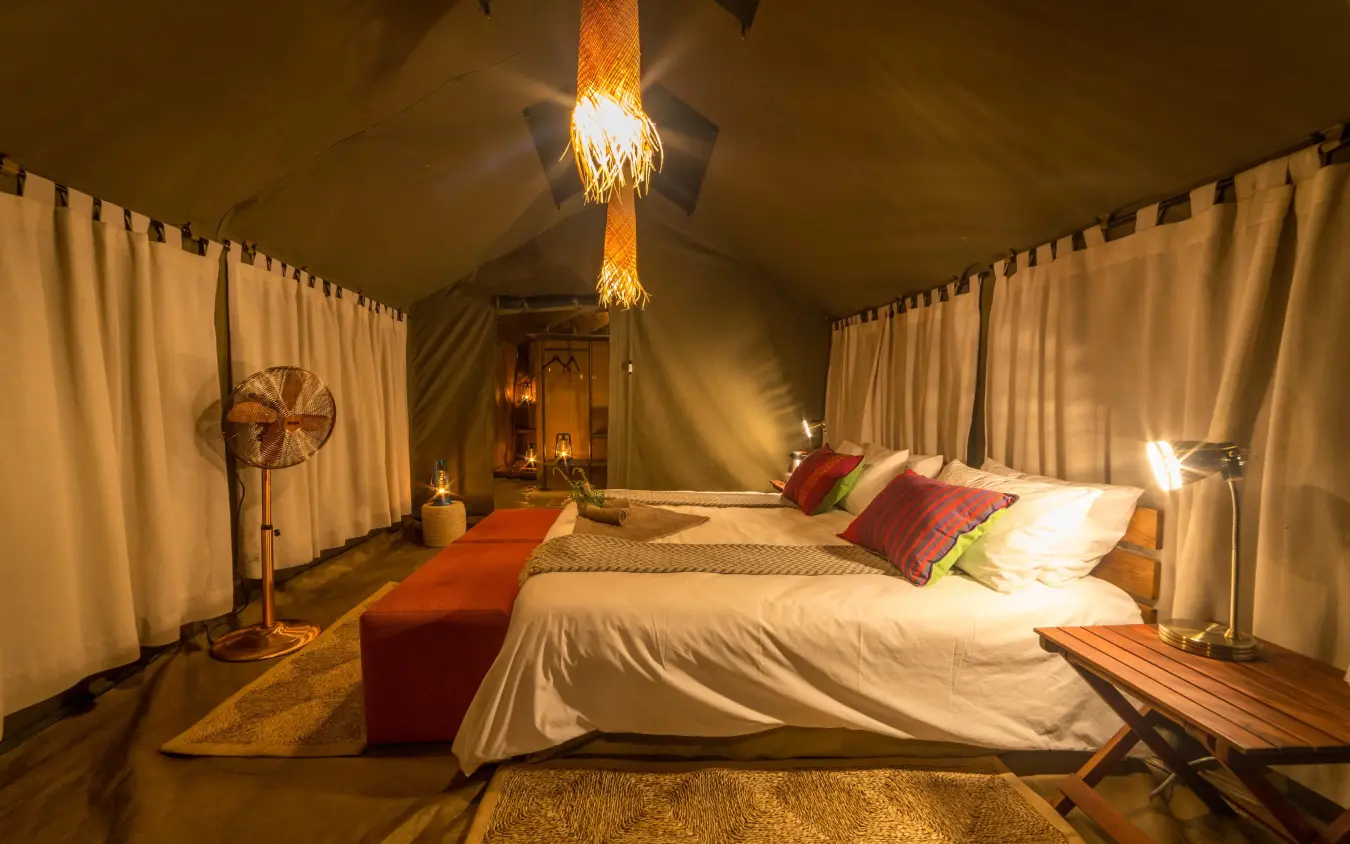
Proper beds and a bathroom of your own in every tent, but little electricity and no wifi in the two bush camps.
Hwange Bush Camp is the simplest: walk-in Meru tents, each with a flush toilet, a basin and a bush shower filled with hot water when you ask for it.
Lights and a fan run on solar power, there is no phone signal at all, and nothing can be charged in the tents, so batteries go on the inverters in the vehicles or the charging point in the dining tent.
At Mana Pools the tents again have a flush toilet and an open-air bucket shower, electric lights but no sockets, and charging is in the main tent. Wild animals can and do wander through Hwange Bush Camp.
Old Drift Lodge, at the end, is a different thing altogether, with a plunge pool and a bath on every deck. Bring a head torch and a spare camera battery.
No experience is needed. You travel downstream with the current, and the paddling is leisurely.
The honest part is the wildlife. The river here holds a very large number of hippos, and our advice is that steering safely round them can be tricky and that canoeing is not free of risk.
That is why you go with a professional guide, who taps a paddle on the side of the canoe so that any hippo ahead surfaces and shows itself, and who will tell you never to trail your hands in the water. Pay attention at the safety talk and keep to the line the guide paddles.
Camps here commonly set a minimum age in the mid teens for canoeing, this one at sixteen, so tell us the ages of any young paddlers and we will confirm before you book. If you would rather stay on land, a walk or a drive is always on offer instead.
It is a legal licence, and we regard it as one of the most demanding guiding qualifications in Africa.
A candidate first passes written papers on law, animal habits and habitat, and firearms, then works as an apprentice under licensed guides for an absolute minimum of two years, and often twice that. Along the way come a first aid certificate and a shooting test with a heavy rifle.
The last hurdle is a seven day practical examination in the bush, held once a year, with examiners from the national parks authority and the guides' association.
Only then can someone lead guests on foot among dangerous game, which is why the person walking you through Hwange and Mana Pools carries a rifle and has usually spent five years or more on foot in the bush.
On the Zimbabwean side, where this trip stays, yes.
The Zambezi peaks around April and then drops: by November the flow is about a tenth of the April figure, and from September up to half of the rock face can be dry.
It is the eastern end, in Zambia, that dries first, sometimes almost completely in October and November, while the western end that faces the Zimbabwean paths holds its water best. So expect a narrower set of falls, not the unbroken wall of the photographs.
The gain is that you can see: no spray in your face, the full depth of the gorge, and the rock itself.
Low water also opens the Devil's Pool on the Zambian lip of the Falls, usually from late August to late December. It is reached from Livingstone, so ask us about adding it and about the visa that covers both countries.
In May or June the opposite applies: huge volume and heavy spray.
From May to November.
Both bush camps are seasonal: the Hwange one goes up in May, and the Mana Pools camp is struck at the end of November, before the rains make that floodplain almost impossible to reach.
Our ratings peak from July to September at all three stops: cold mornings, warm days, thin bush, and elephants crowding the water at Deteema and Dolilo. For walking, June to August is the most comfortable, and under canvas you will want a fleece and a warm hat at dawn.
October is the month for sheer numbers of animals, and for heat that a tent does little to keep out, topping 40 degrees at Mana Pools.
Take the weeks at either end and you swap concentration for quiet: greener bush, animals spread widely, almost nobody else in camp and rates that are usually softer. A May trip finishes at a Falls still running high. A November one starts under the first storms, with migrant birds back in the woodland.
By light aircraft for the two long hops, and by road and river at either end.
The sample route does not fix the transfers, so this is how we would normally plan it. Hwange Bush Camp is reached by road from Victoria Falls: about two hours to the park gate, then a two hour game drive to camp, which turns the transfer into your first outing.
From Hwange to Mana Pools is roughly two hours in the air, and Mana Pools back to Victoria Falls about the same, with a drive of twenty minutes or so between the airstrip and camp. Old Drift Lodge is then reached by boat, a quarter of an hour along the Zambezi.
Pack for the aircraft and not for the hotel: the limit is 20 kilograms a person, which counts hand luggage, and bags must be soft. Ask us if you would prefer an aircraft to yourselves.
A private charter is the alternative to the scheduled seats, usually a Cessna Caravan, which is worth pricing for a party travelling together or a tight connection.
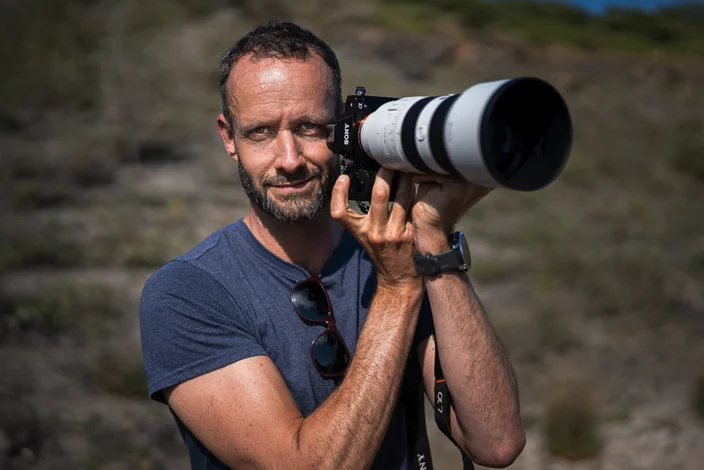
Ed Charles, BBC Producer
Fitzroy are true specialists in accessing the wilderness. They know where to go and importantly, when to go there. Highly recommended.
zimbabwe & botswana
Twelve nights from Victoria Falls into Botswana, linking a walking concession, a permanent Delta lagoon and the salt pans.
zimbabwe
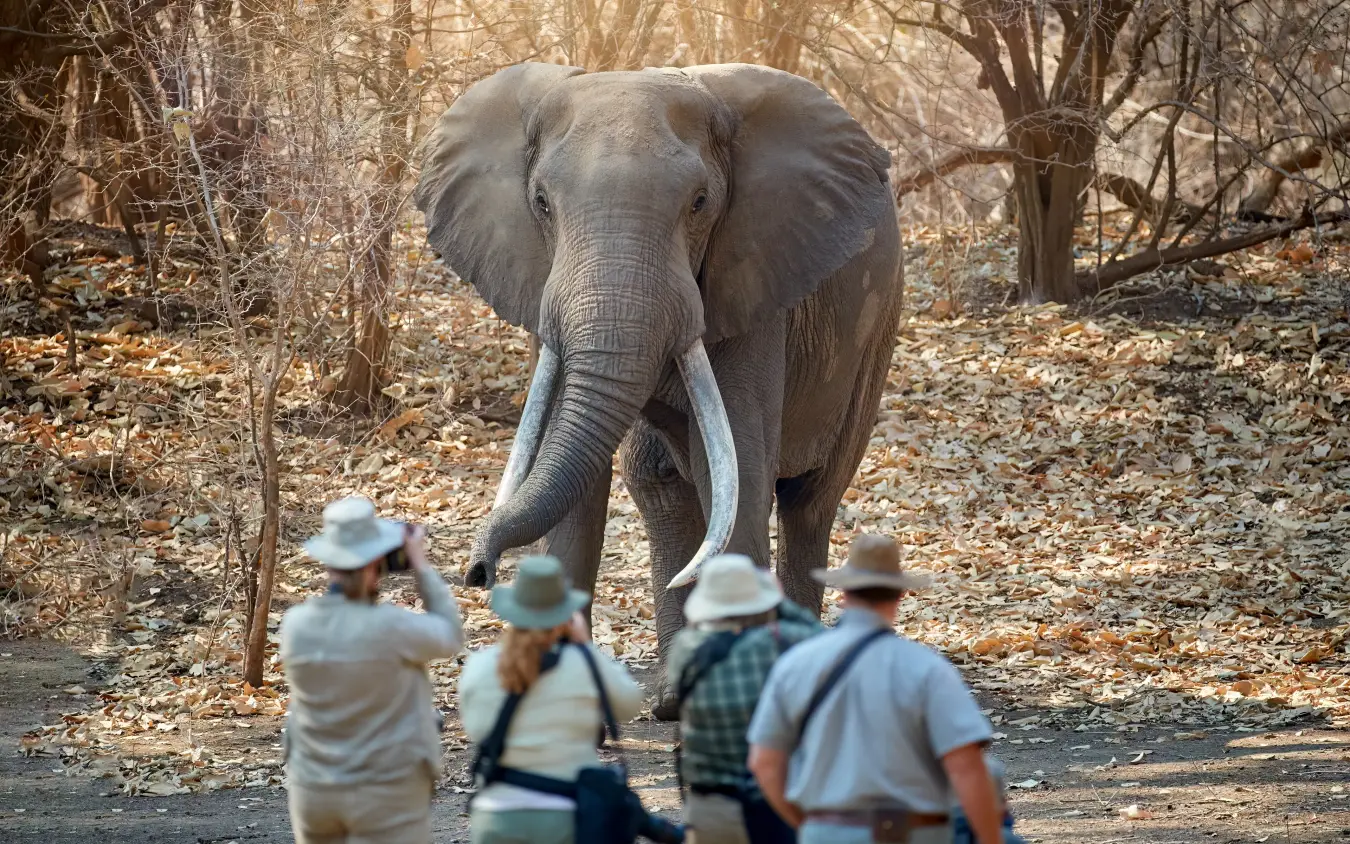
Twelve nights across Zimbabwe, from Victoria Falls and Mana Pools to Lake Kariba, Hwange and the granite of Matobo.
botswana & zimbabwe
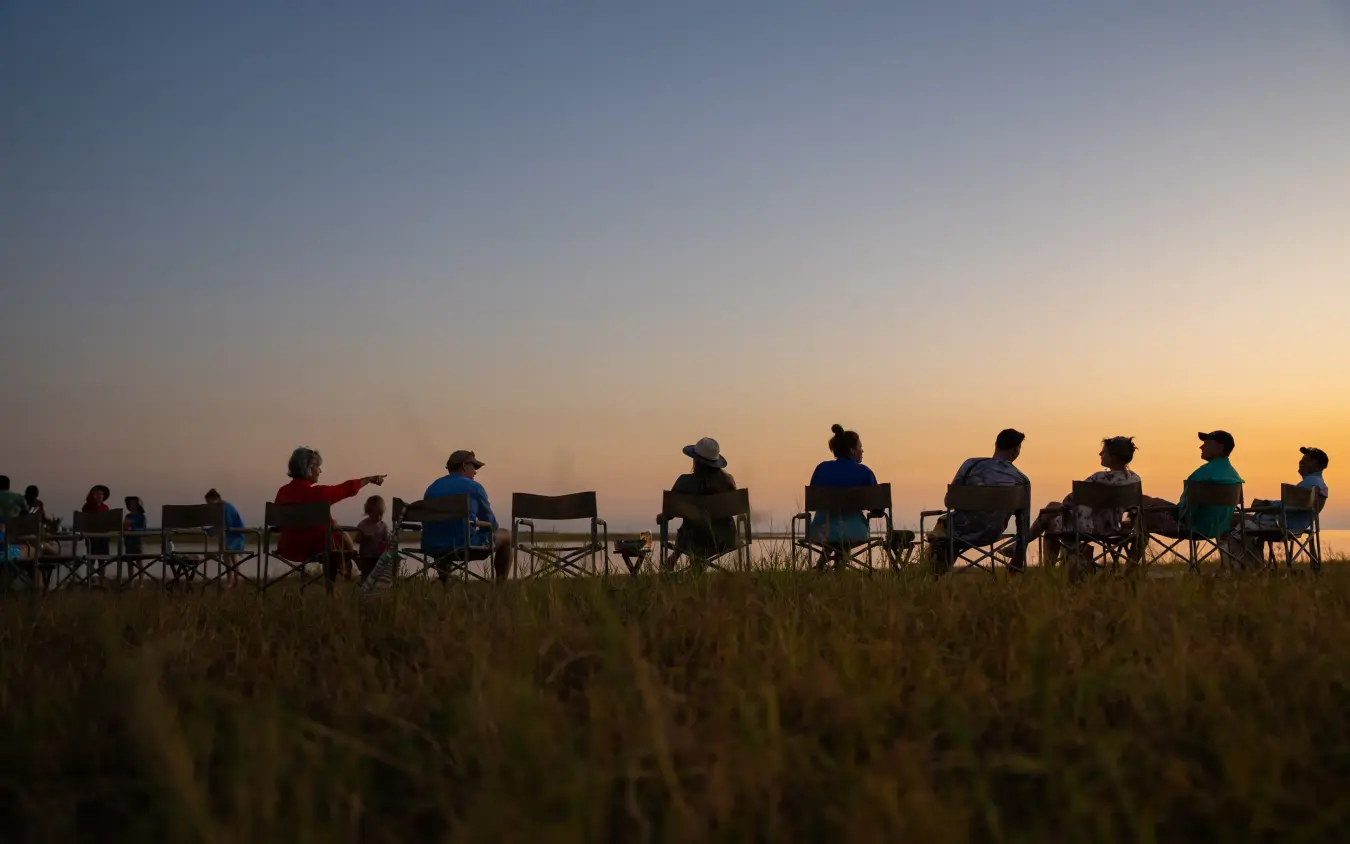
Twelve nights across Botswana and Zimbabwe, linking the Okavango Delta, Victoria Falls, a Hwange concession and Lake Kariba.
rated five stars by our clients

our approach
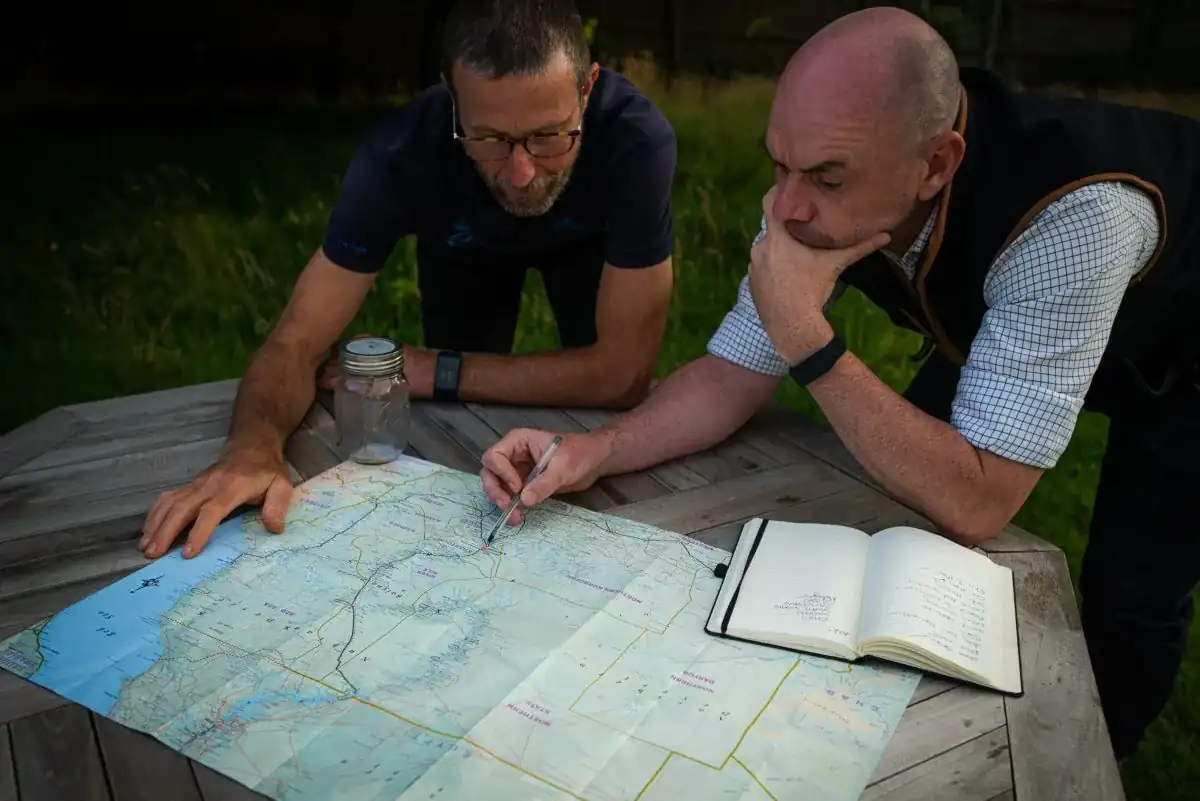
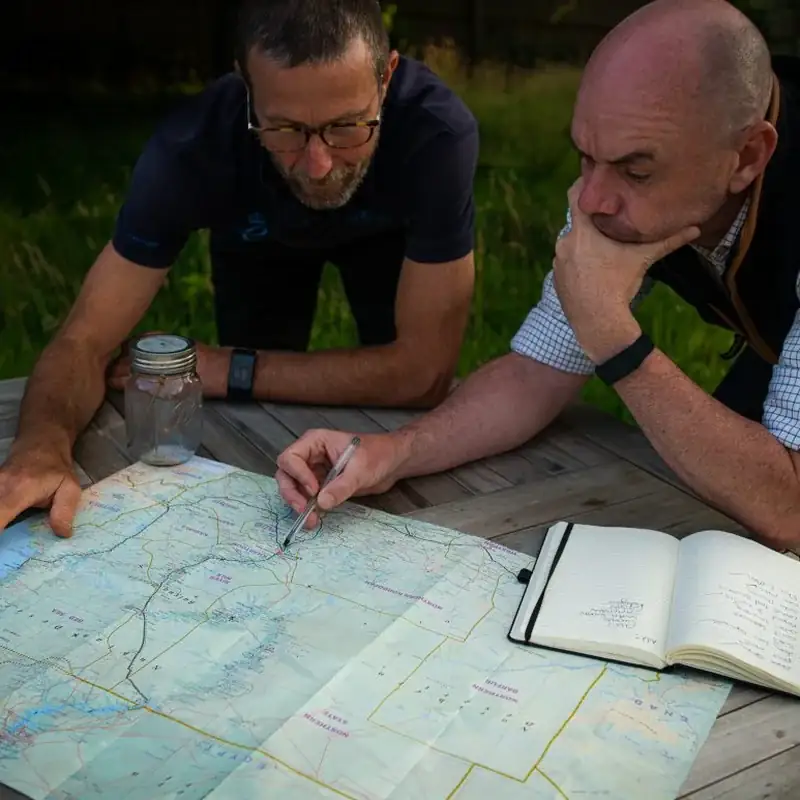
Every journey starts with a conversation. We take the time to understand your vision before we start planning.
Whether by phone or in person, we work with you directly to shape something that is considered, personal, and expertly delivered.
Every journey starts with a conversation. We favour a direct, personal approach: understanding your vision before anything else.
Whether by phone or in person, we work with you directly to shape a journey that is both thoughtfully considered and expertly delivered.
Get in touch to start planning yours.