











zimbabwe
mana on foot and the matobo rhino
Twelve nights across Zimbabwe, from Victoria Falls and Mana Pools to Lake Kariba, Hwange and the granite of Matobo.
- Private Safari
- From $15,805 pp
- 2 guests
- 12 nights
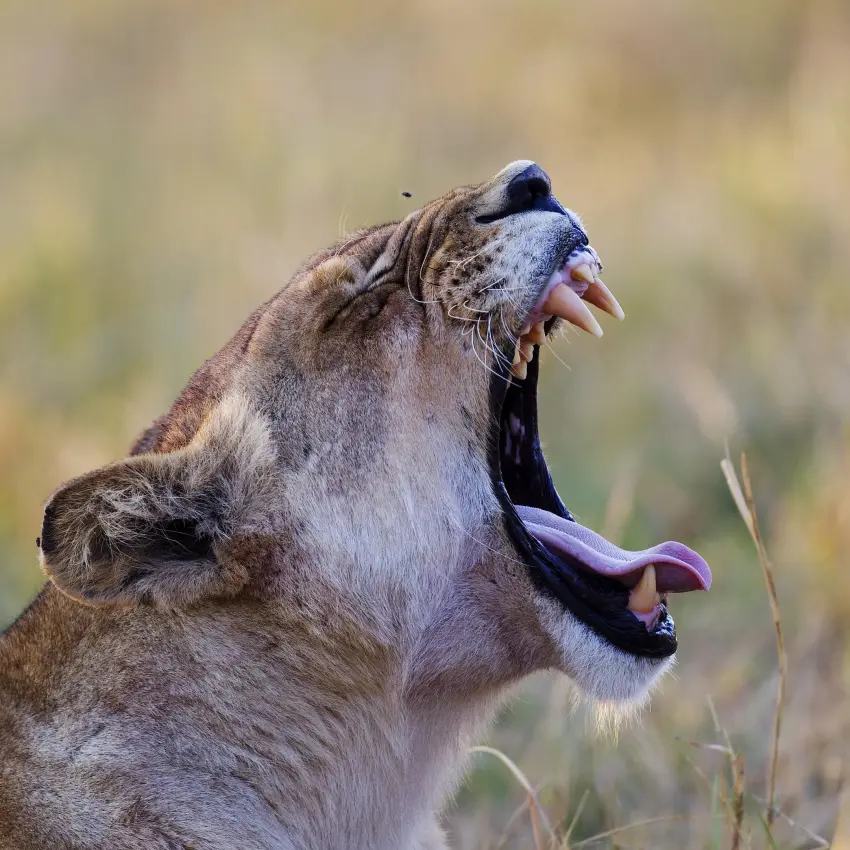
This route links Botswana and Zimbabwe across twelve nights. It opens in the northern Okavango Delta on a private concession beside a permanent lagoon, crosses to Victoria Falls on the Zambezi, then moves to a private concession within Hwange National Park facing an elephant pan, and closes on the shore of Lake Kariba beside Matusadona National Park.
You travel by light aircraft and road, with days built around water and land: mokoro and motorboat in the Delta, game drives and walking safaris in Hwange, boating and fishing on the lake. The four properties are private-concession safari camps and a family-built hotel at the Falls, each chosen for what it puts within reach.
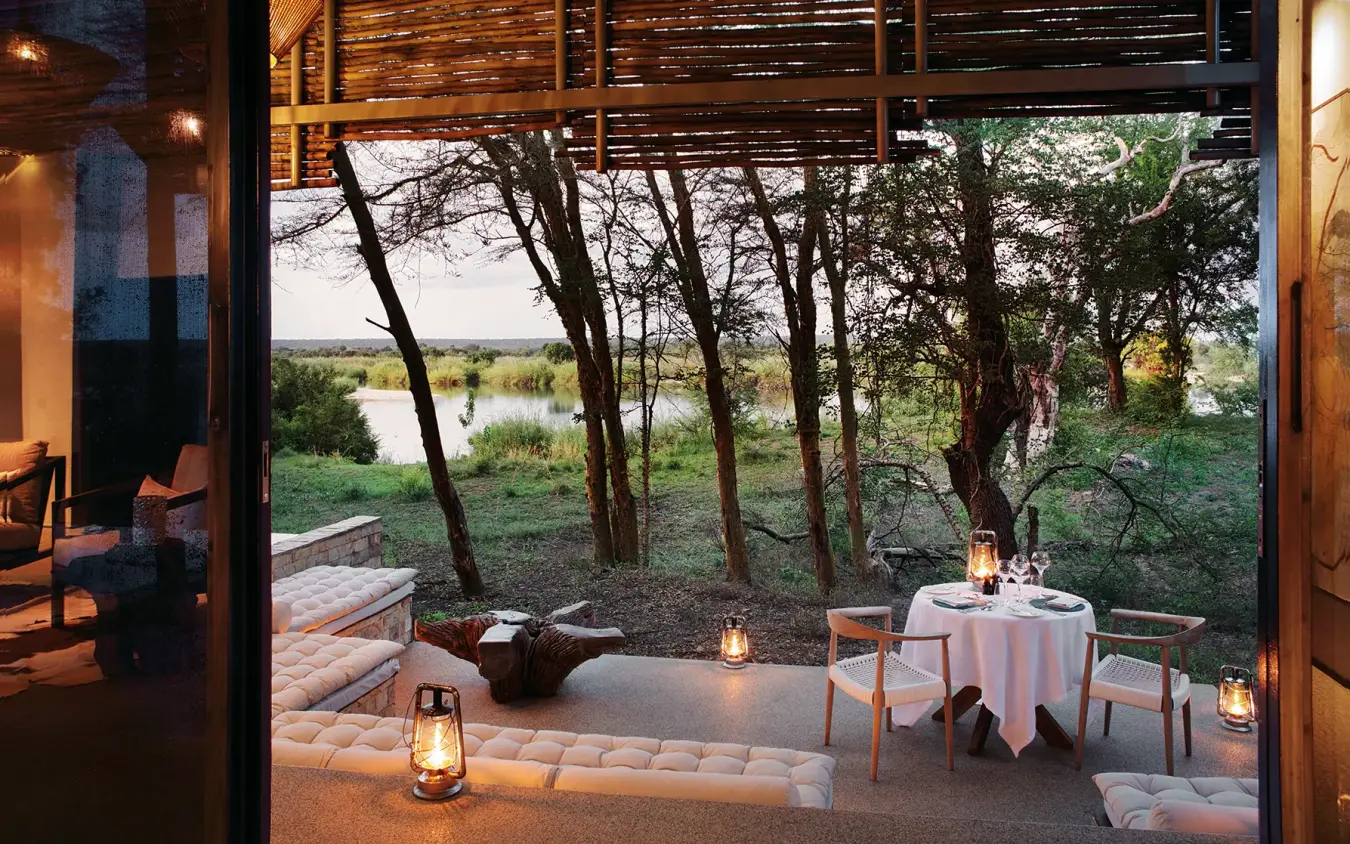
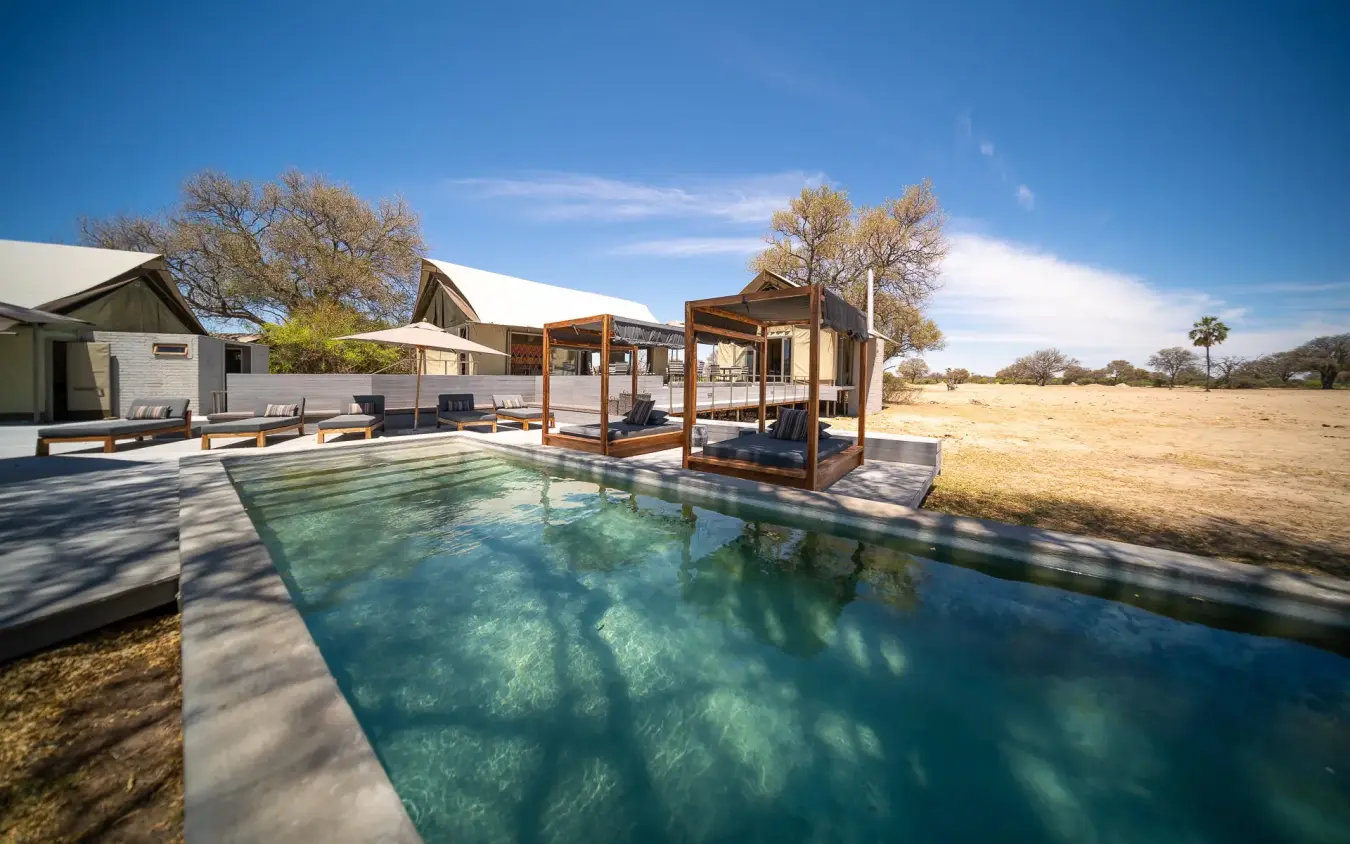
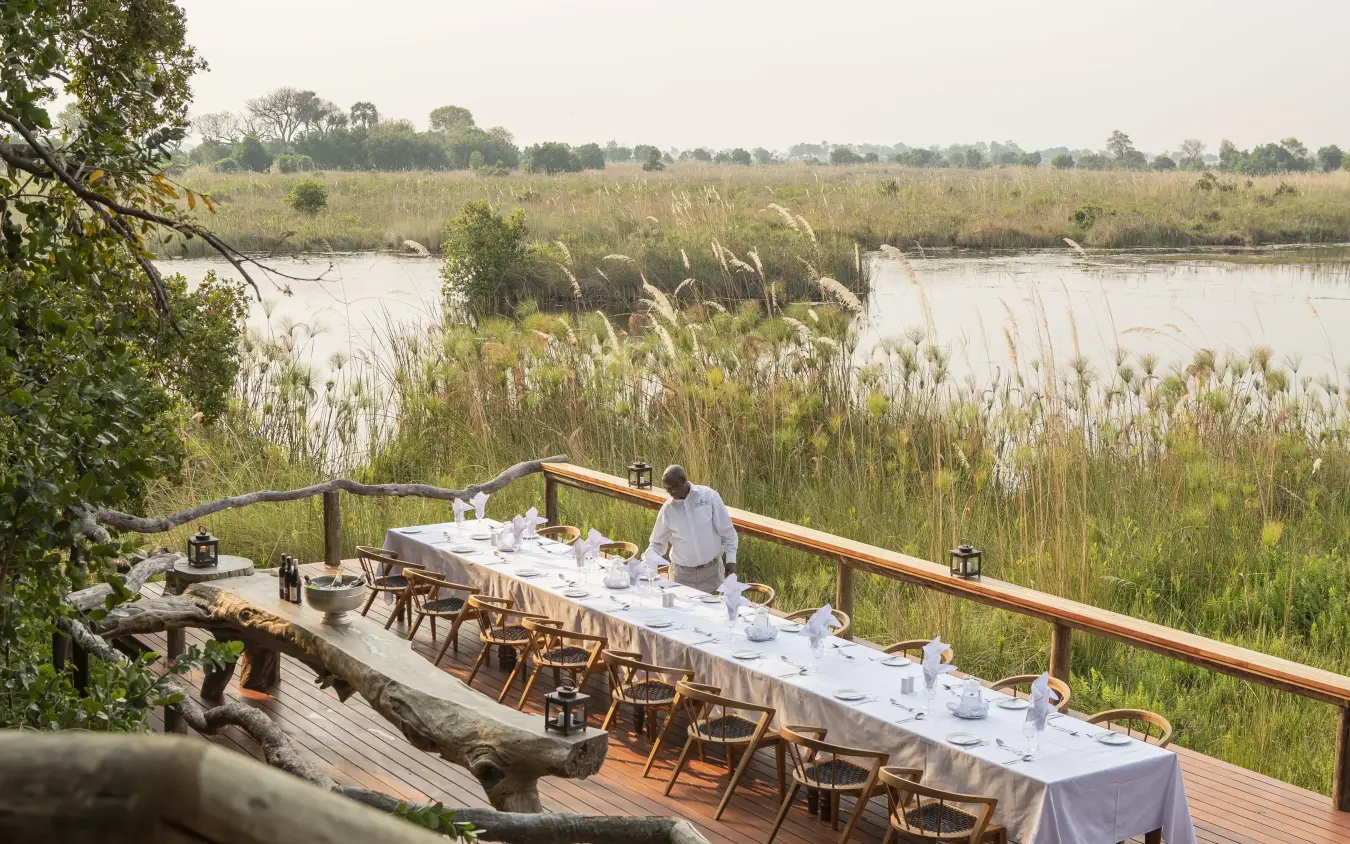
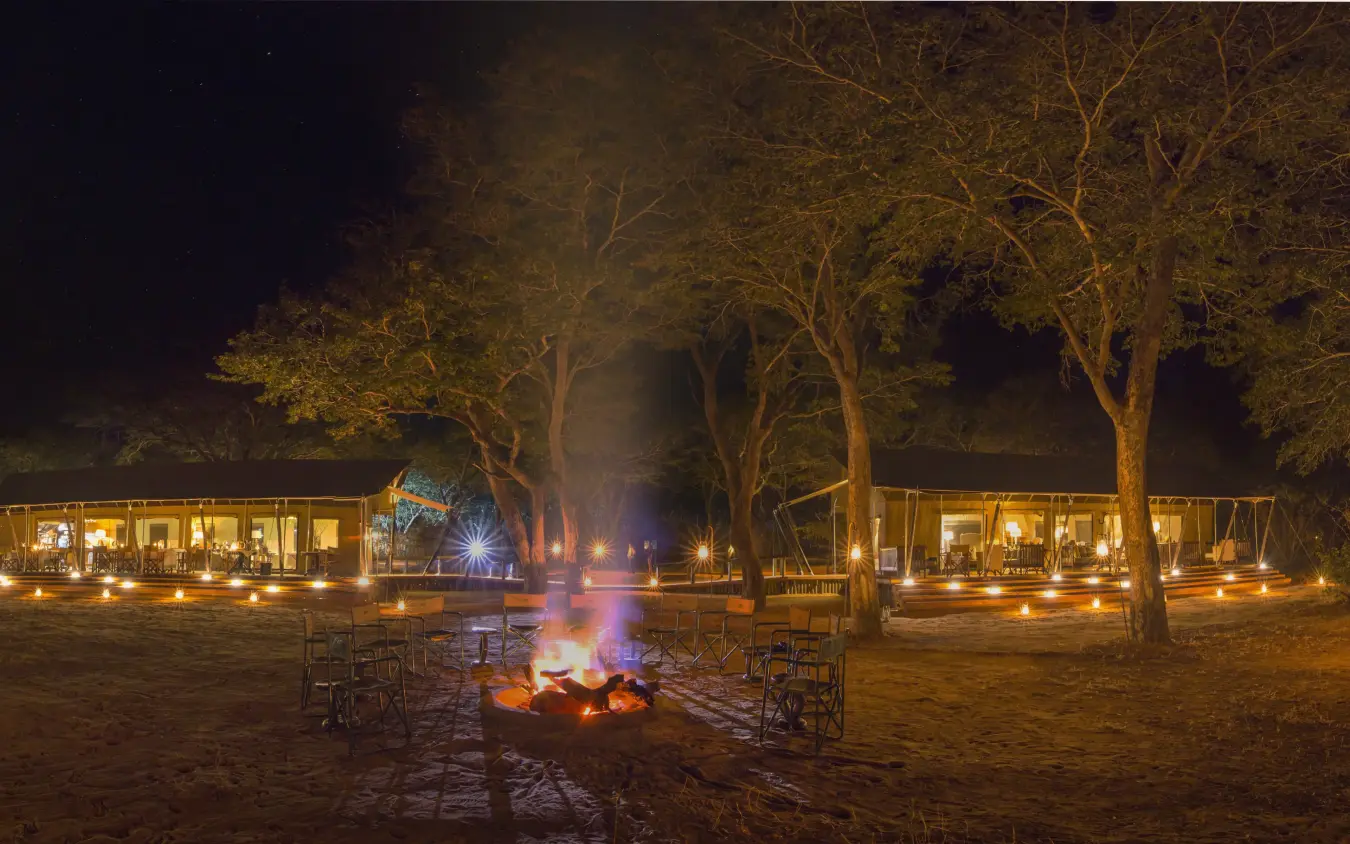
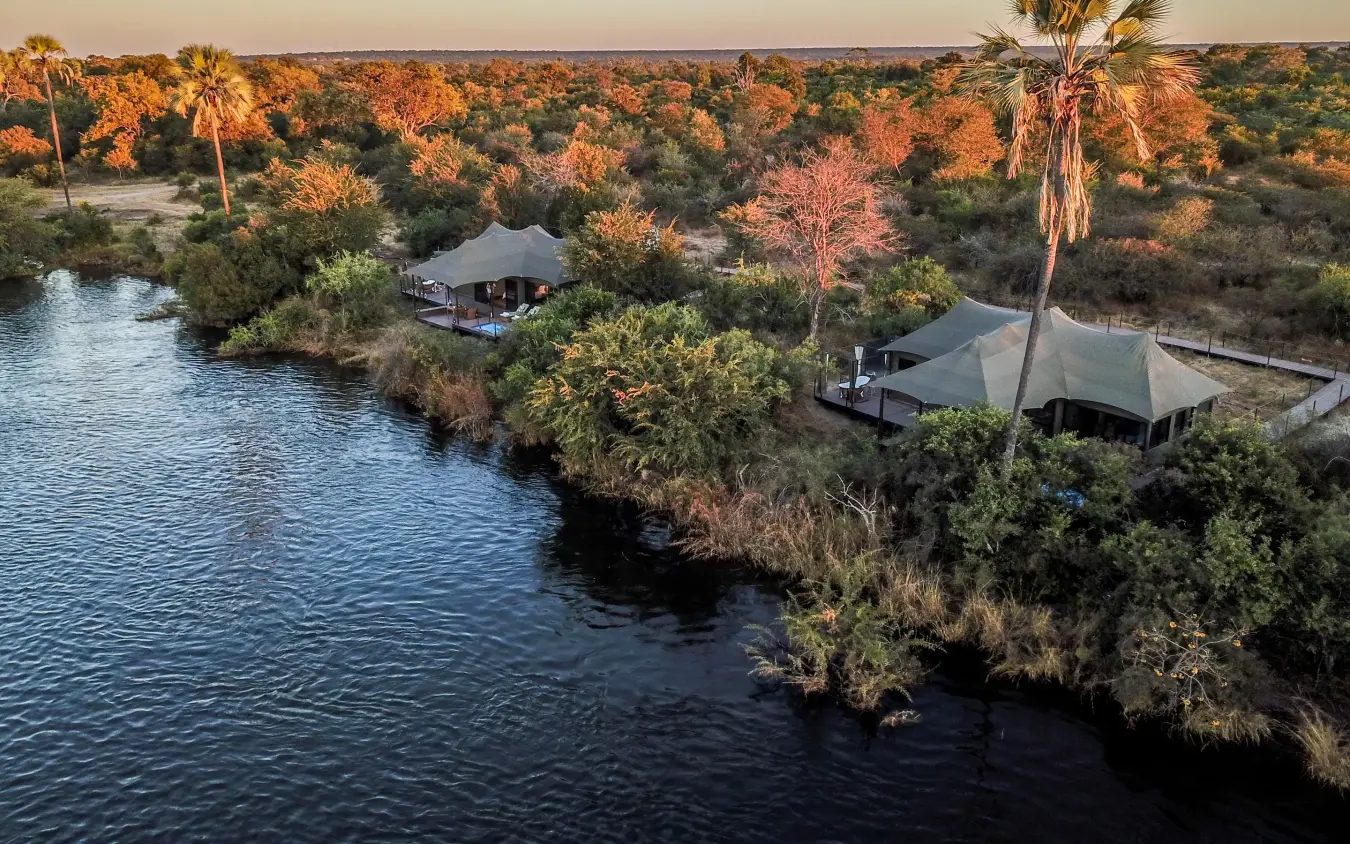
A light aircraft flight of around 25 to 30 minutes from Maun brings you to the private Shinde airstrip and a short road transfer to camp. The Shinde Lagoon holds water throughout the year, so you move between mokoro, motorboat and game drive from the same palm island whatever the season, with elephant, red lechwe and hippo across the floodplains. Because the concession borders Moremi Game Reserve, guides also run night drives for genets, civets and porcupines and walking safaris. Rebuilt in 2020 into the canopy of ebony and mangosteen, Shinde keeps its classic tented character across several tiers.
The Zambezi drops into the Batoka Gorge along a curtain of falling water nearly 1.7 kilometres across, the falls the Lozi called Mosi-oa-Tunya, the smoke that thunders. Footpaths thread the rim rainforest to a run of viewpoints, and the drier months from June bring lower flow and clearer views of the gorge, sharpest from August to October. Above the falls the river runs calm for sunset cruises past hippos, crocodiles and elephants. Ilala Lodge Hotel is the closest hotel to the falls on the Zimbabwean side, an eight-minute walk from the rainforest gate, family-built since 1991, with its own Ra-Ikane cruise boats and lawns bordering Victoria Falls National Park.
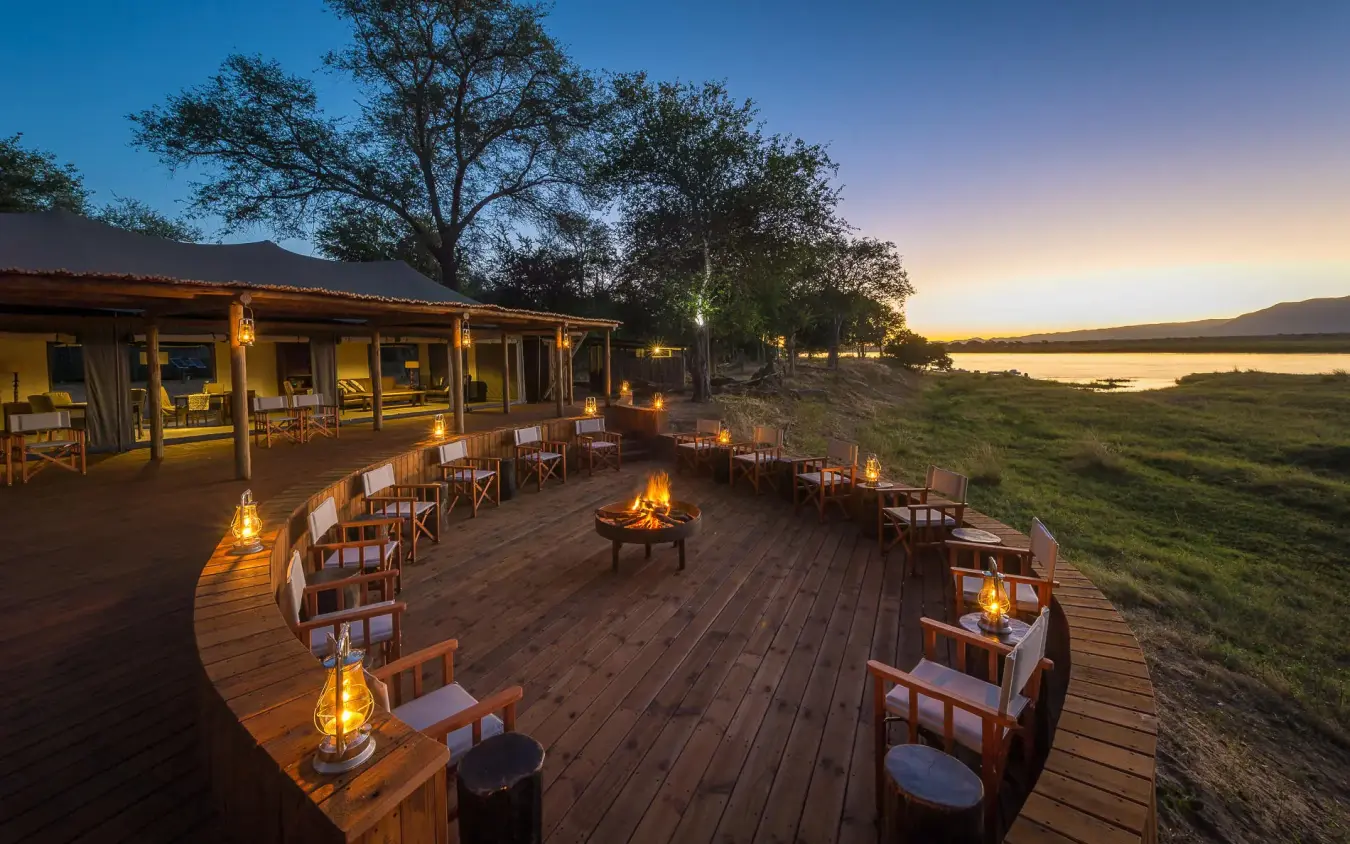
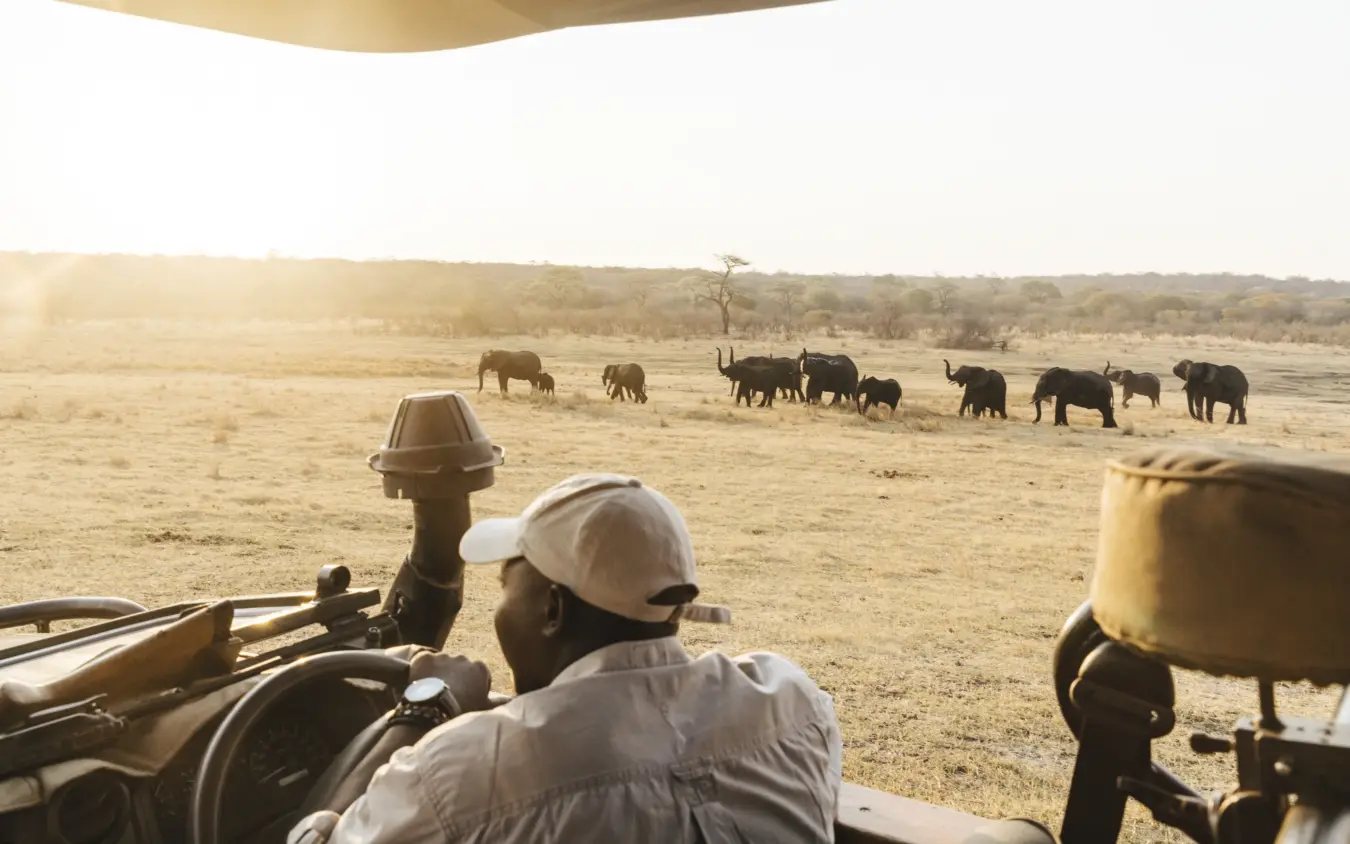
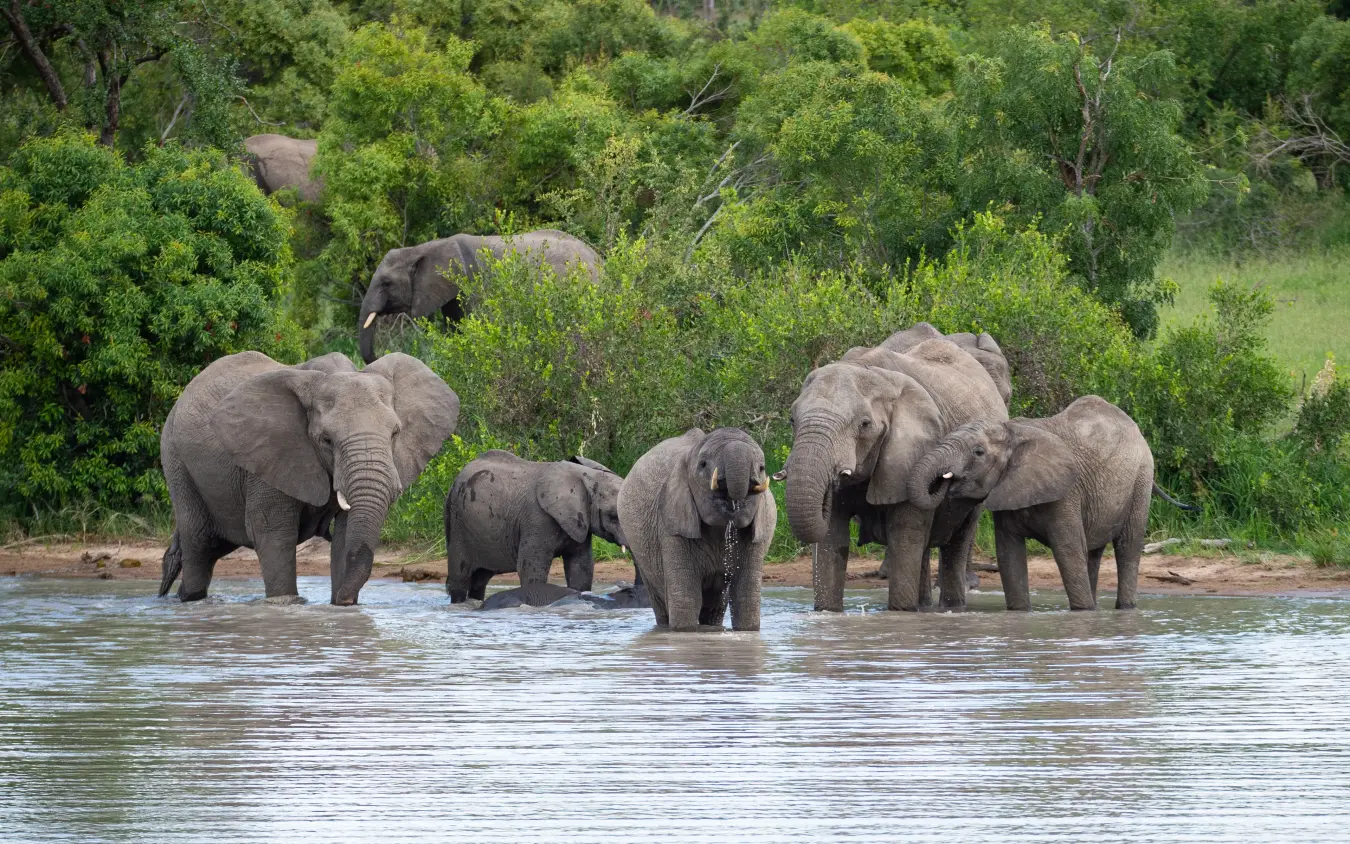
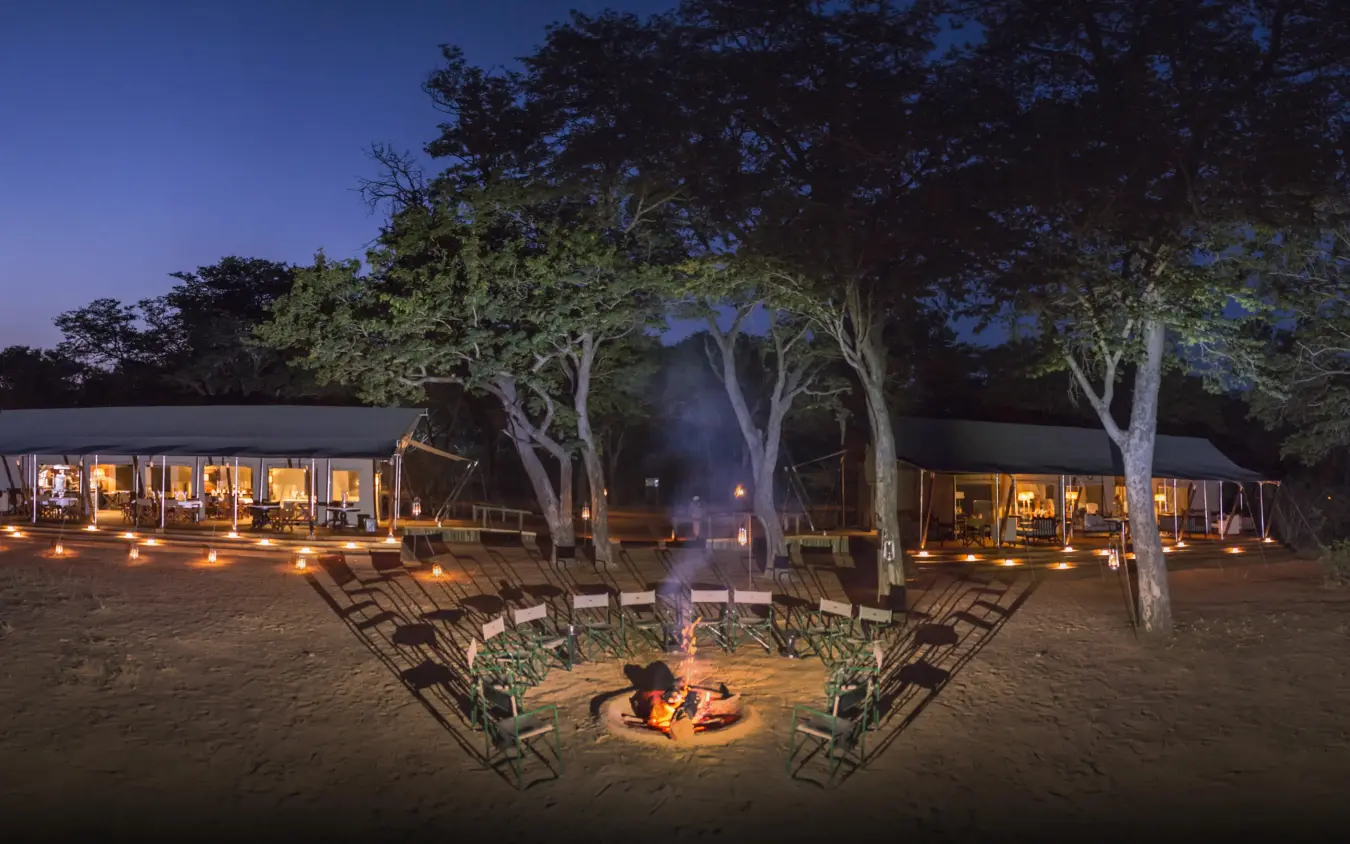
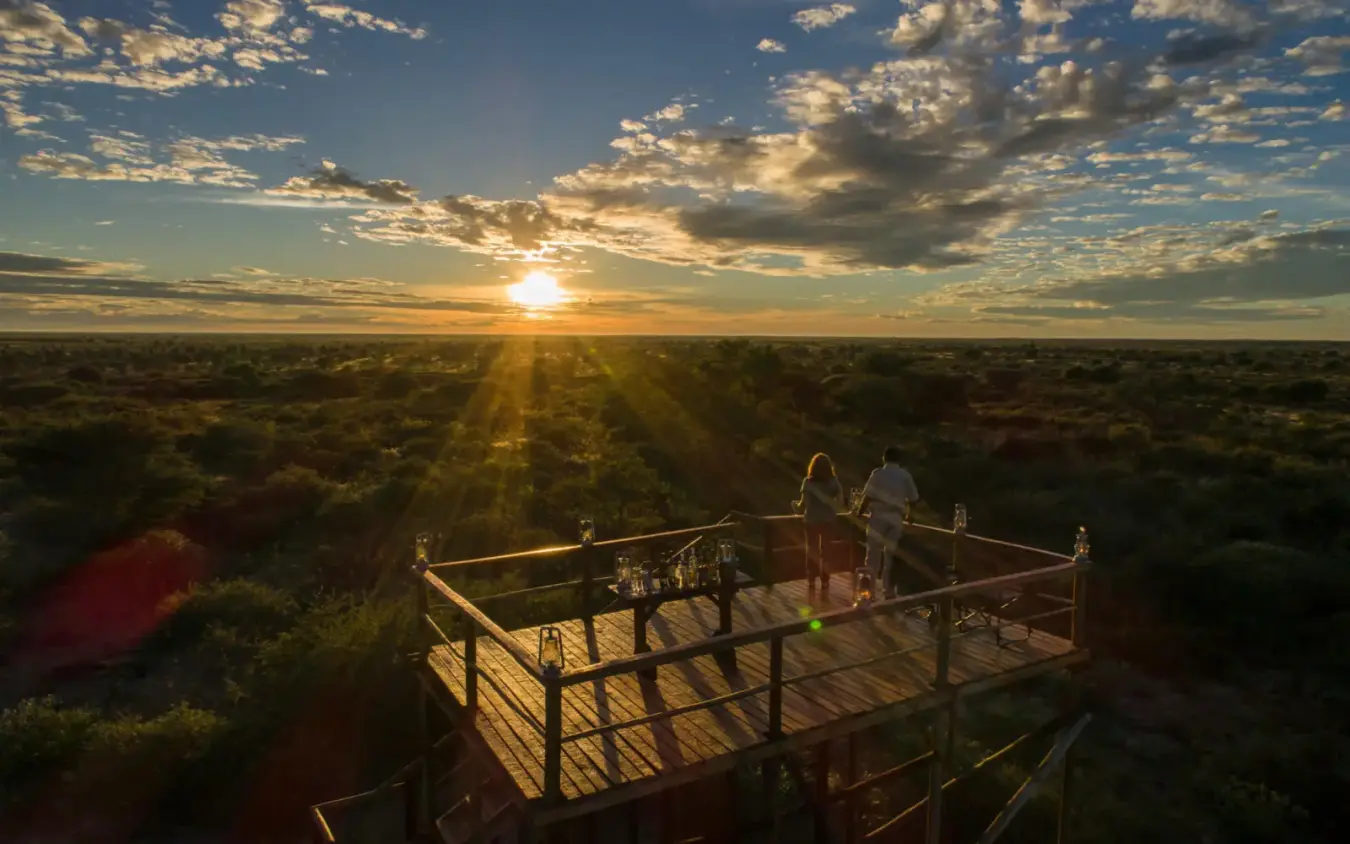
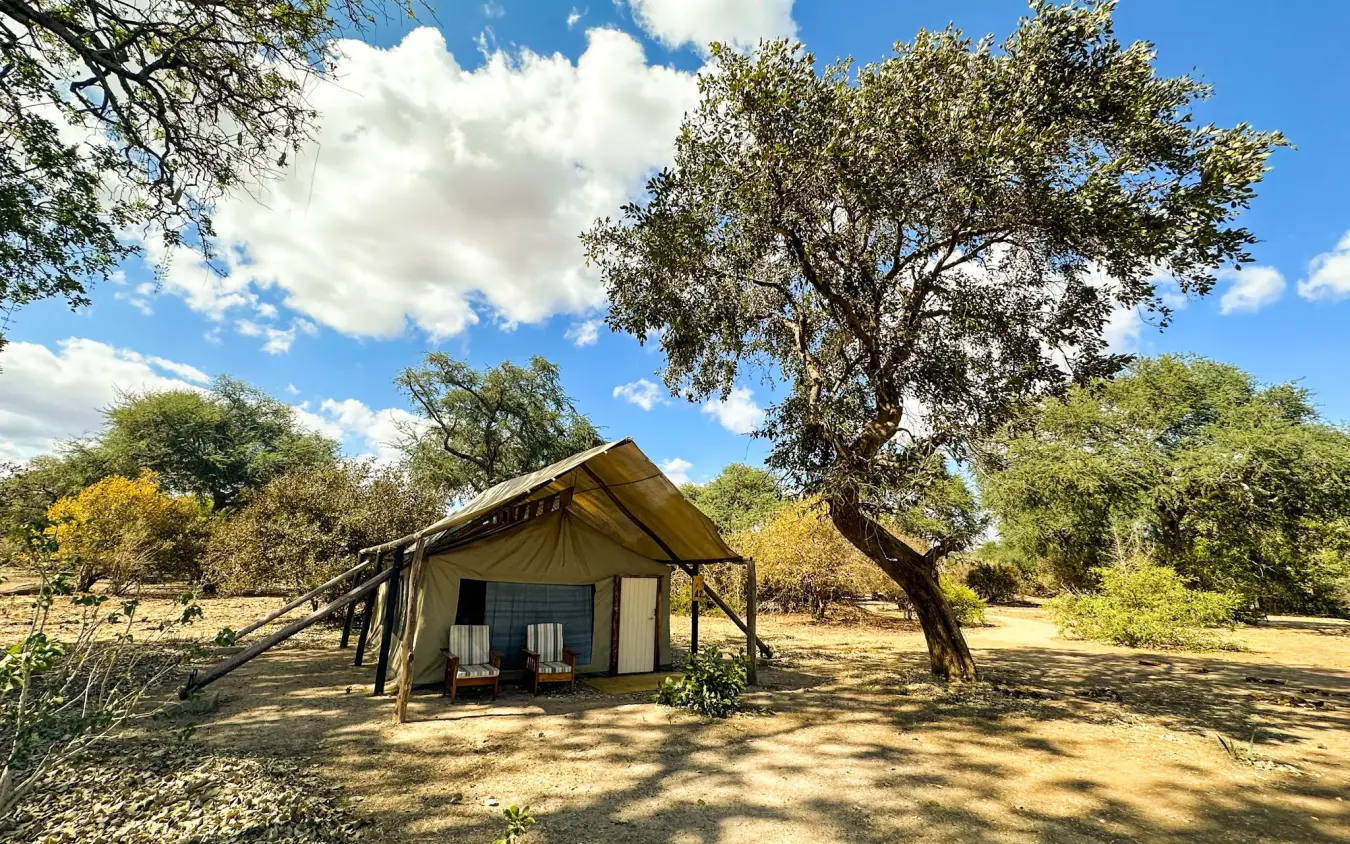
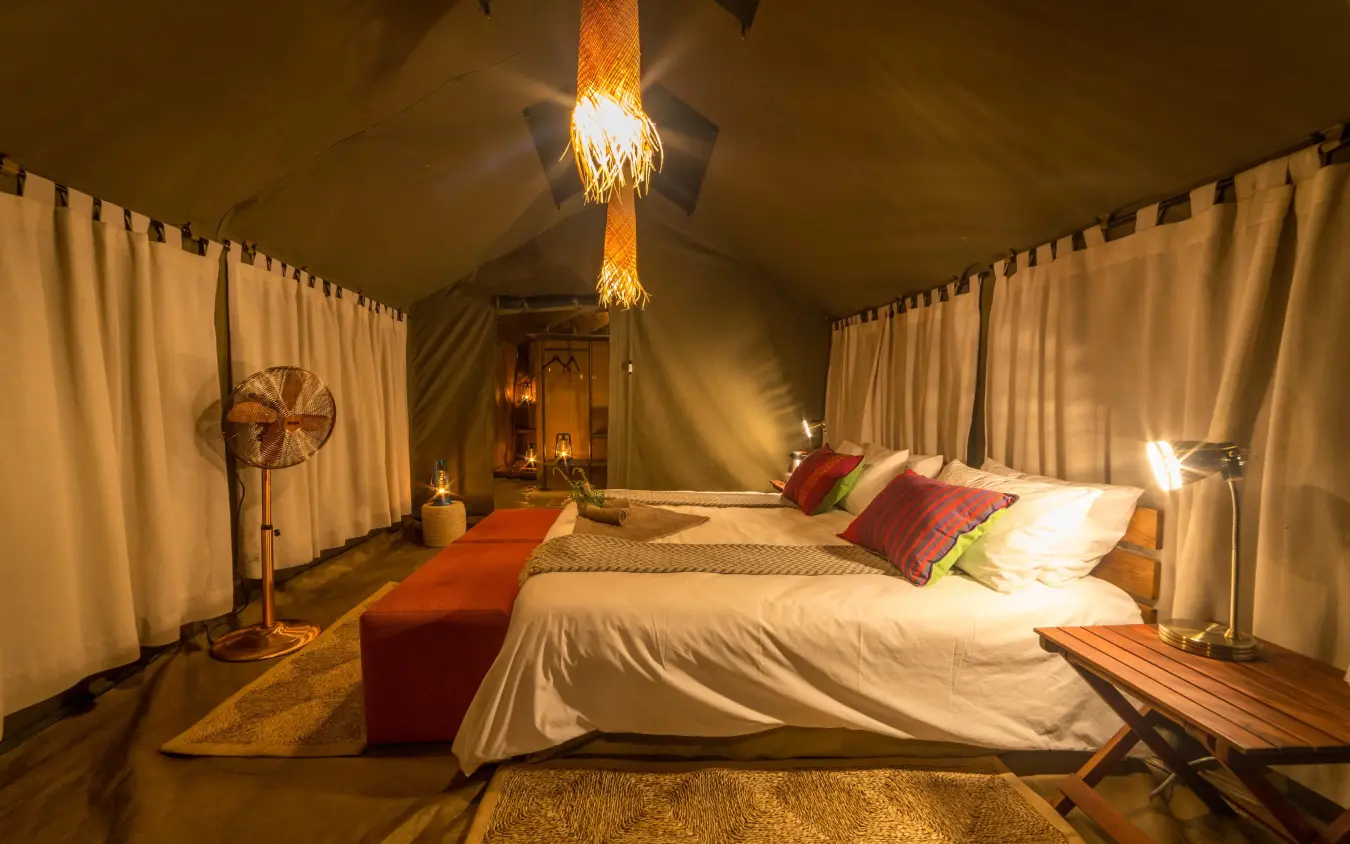
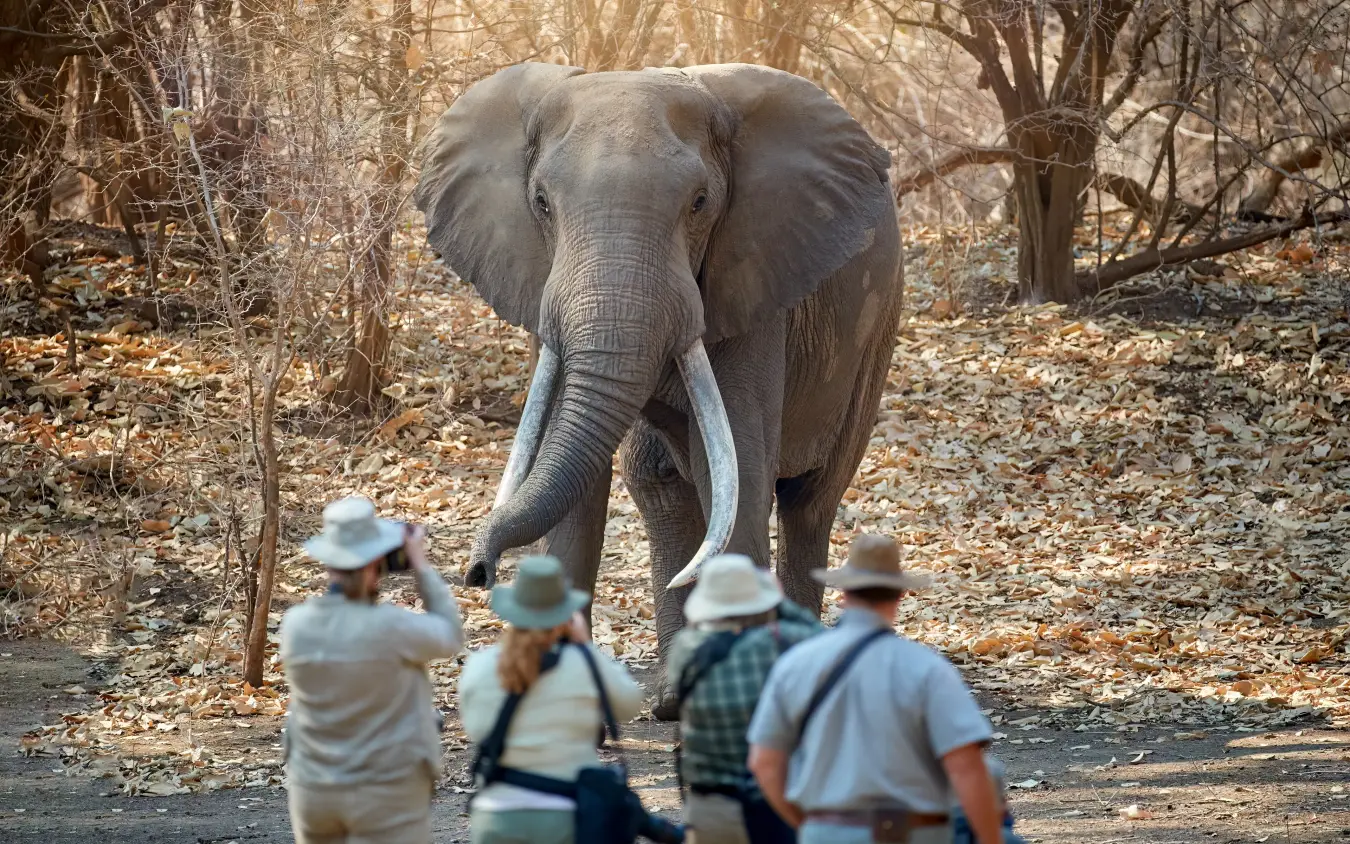
On a 10,000-hectare private concession within Hwange National Park, the days run between game drives across open plains ringed by teak forest and long afternoons on the deck above a permanent pan. In the dry season, from roughly May to October, the elephant herds converge on permanent water and gather at the pan metres from the tents. Walking safaris led by armed guides slow the pace to tracks, while night drives add porcupine, aardvark and occasionally pangolin; lion, leopard, cheetah, buffalo, giraffe, zebra and wildebeest range the plains. Verney's Camp is ten canvas tents on low wooden decks, opened in 2018, with sightings shared only with the camp's own vehicles.
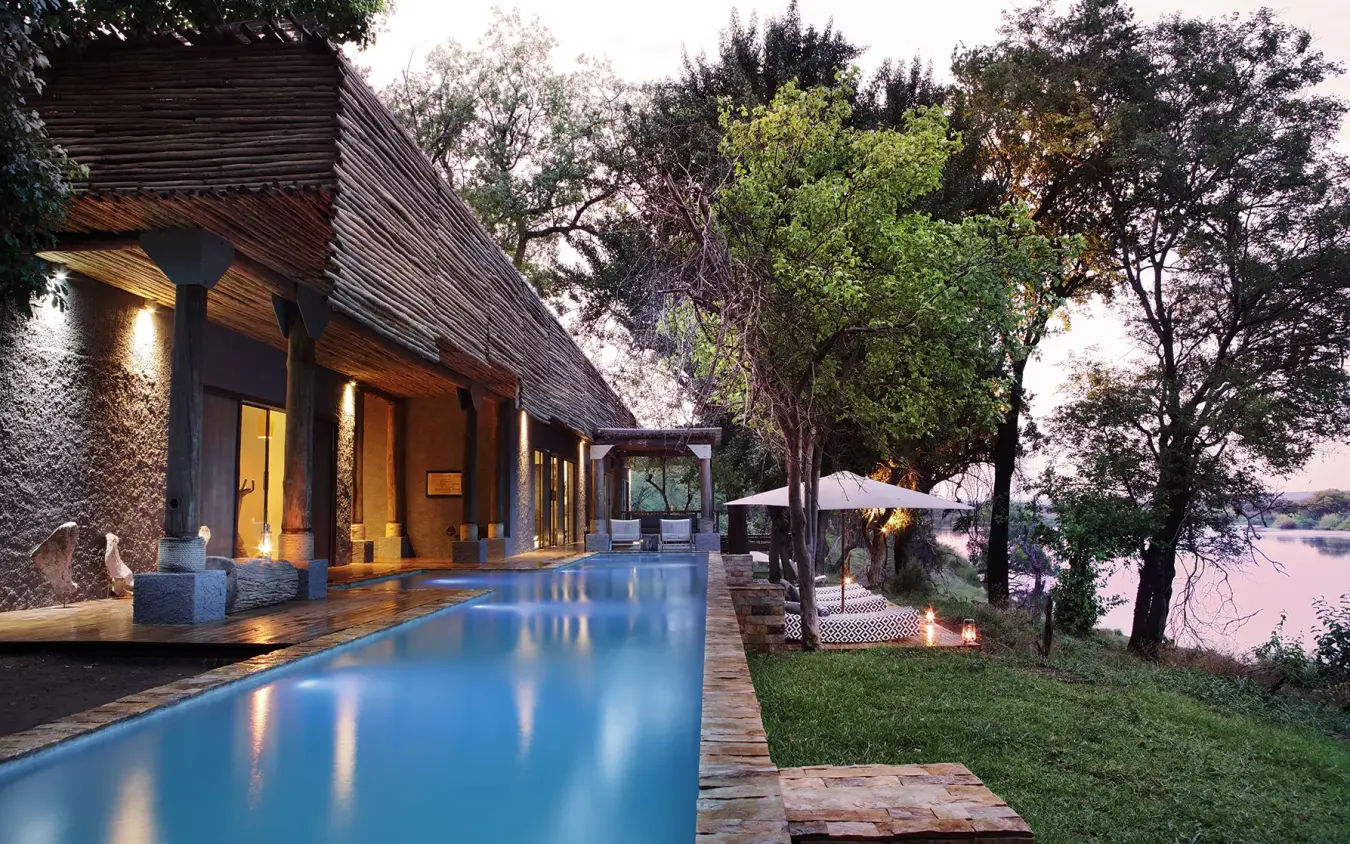
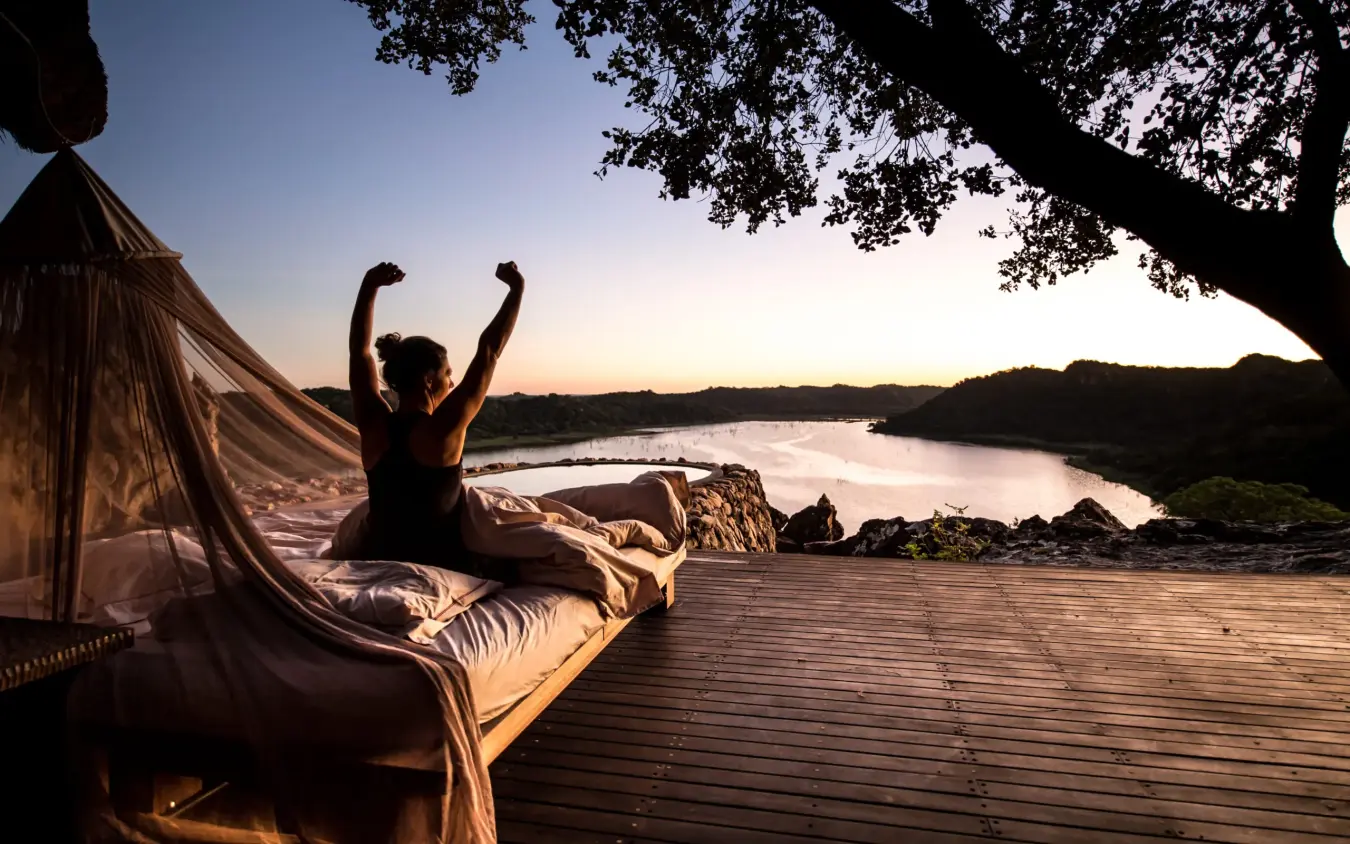
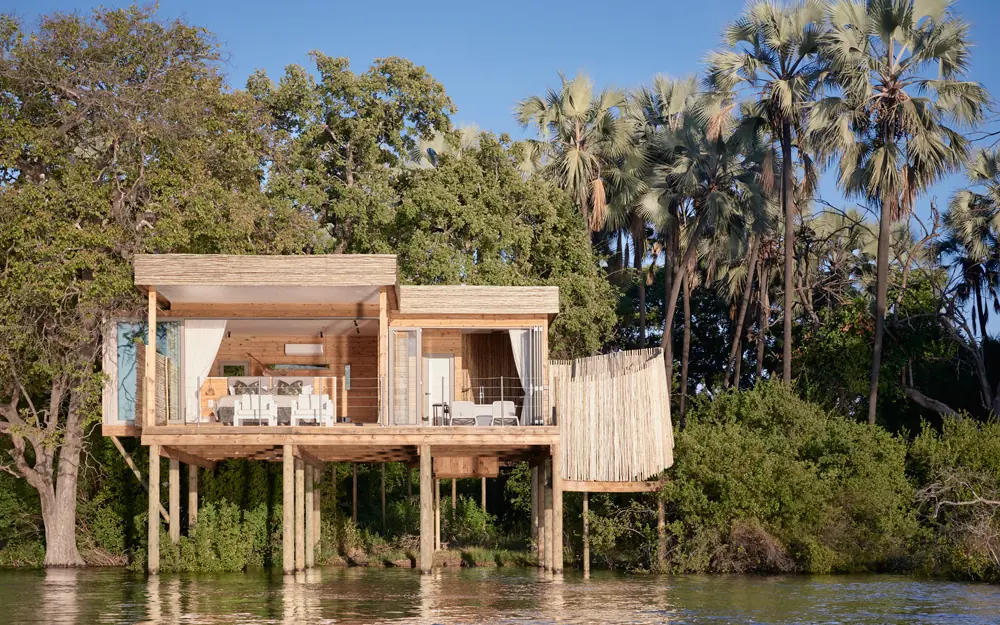
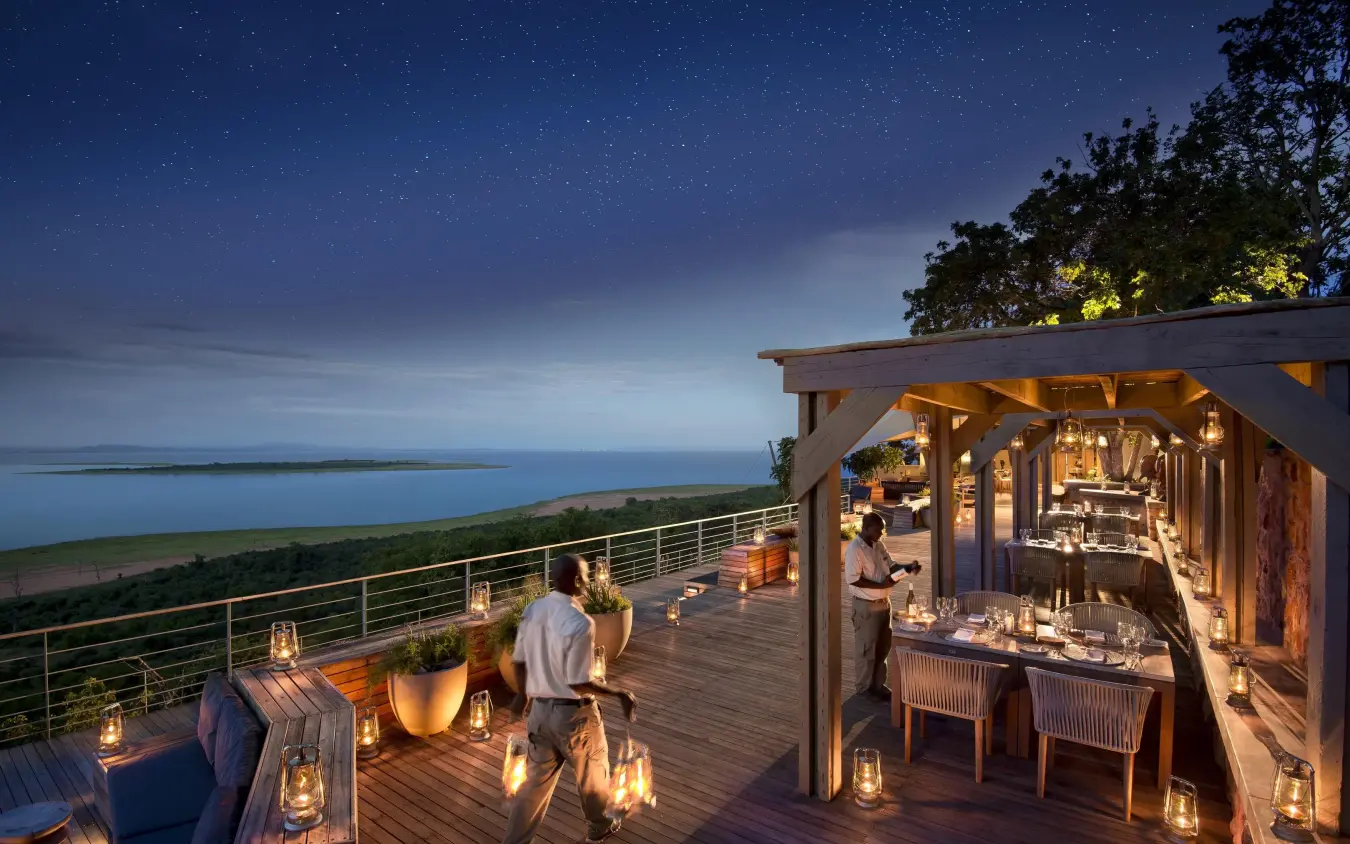
Days follow the rhythm of the water on Lake Kariba, with boating, sundowner cruises, birding and catch-and-release fishing for tigerfish, often shared with elephants and hippos along the bank. The Lady Jacqueline houseboat carries up to eight guests for a one-night sleepout along the Matusadona shoreline, with walking safaris and boat cruises. Land-based game drives and guided walks stay on Bumi's private concession near the north-eastern edge of Matusadona National Park, though wildlife moves freely between the two. Set on a hill above the lake, Bumi Hills Safari Lodge pairs an infinity pool that appears to meet the horizon with stonework interiors reopened in 2018 after renovation.
The Lady Jacqueline is a small private houseboat run by Bumi Hills, nothing like a cruise ship.
She takes at most eight guests, in two double cabins with their own bathrooms and two bunk rooms, and sails with a captain, a chef, a deckhand and a professional guide from the lodge. You cruise the Matusadona shoreline, go out in the tender boat to fish or to watch game on the bank, can walk in the national park with the guide, and sleep on board.
The lodge offers the night to guests staying at least three nights, so that it never falls on a travelling day, and this trip has four. It has to be reserved ahead and depends on the boat being free, so tell us when you enquire.
Children under twelve are not taken on board. If sleeping afloat does not appeal, leave it out: the lodge runs its own boat cruises and fishing trips by day.
Yes, more than most safaris, with a few age limits to plan around.
Shinde takes children from six, and asks families with children of fifteen and under to have a vehicle of their own, which we arrange. Verney's Camp takes all ages and has two family tents with two bedrooms each; with under-sixes it too requires a private vehicle. Bumi Hills welcomes all ages and runs a children's club.
The limits apply on foot and afloat: walking safaris at both Verney's and Bumi Hills are for those of sixteen and over, and the houseboat night on Lake Kariba is for twelve and over. At Victoria Falls each activity sets its own age limit, so let us have each child's age when you first get in touch, and every activity can be checked before you book.
If anyone under eighteen is travelling, carry a full birth certificate for each child: the UK Foreign Office says Botswana asks for it on the way in and the way out.
In the dry months, very, and the reason is water.
Hwange has very little natural surface water through its long dry winter, so once the rains end the natural pans shrink and the park's animals come to depend on waterholes fed by boreholes, most of them now pumped by solar power. We put Hwange's elephant population at around 45,000.
From about July the elephants gather at that pumped water in herds, with the pressure building to a climax in October and November, just before the rains break. A permanent pan in a quiet corner of the park, like the one at Verney's, is then busy for much of the day, and you can watch it from the camp's deck between drives.
The other side of this is that after good rain the herds scatter to fresh water all over the park, so between about December and April the pan may be quiet for days. Nobody can promise a herd on a given afternoon.
By a mix of light aircraft and road, with the border crossed by road.
The trip opens with a flight of 25 to 30 minutes from Maun to Shinde. From Shinde the usual way to the falls is a light aircraft to Kasane, in the north of Botswana, and then a drive across the border. Allow between ninety minutes and two hours for it, including the stop at immigration.
British travellers need a visa for Zimbabwe and, like most visitors, normally get it at the border, while Botswana asks them for none for a stay of up to 90 days; holders of other passports should check.
Verney's Camp can be reached from the falls by road or by light aircraft to the Manga airstrip, a 50-minute game drive from camp. Hwange to Lake Kariba is normally flown: the flight takes about an hour and a half, landing five minutes from Bumi Hills.
On every flight the limit is 20 kilograms per person in soft bags, hand luggage included.
A private charter is the alternative to the scheduled seats, usually a Cessna Caravan, which is worth pricing for a party travelling together or a tight connection.
July to September: those three months are the only ones recommended on our own pages for every stop.
By then Hwange's natural water has gone and the elephants are crowding the pumped pans, the Delta's flood is high for the mokoro at Shinde, the game on Kariba's shore has been drawn down to the lake, and the falls have dropped far enough for the spray to clear and the gorge to show. June is close behind; only Hwange is still building.
October has the heaviest gatherings of animals in Hwange and on the lake, but it is fiercely hot, above all at Kariba, and by then the falls have thinned.
April and May have the falls at their fullest, when spray can hide the view from the paths, and fewer people about, while the game is still spread out.
December to March are rated challenging for most of this route: hot, wet and green, good for birds and young animals but poor for the big gatherings this trip is built around.
Kariba is one of Zimbabwe's classic tigerfish waters: its tigerfish tournament has been fished there since 1962, in October, when the weather is warmer.
Fish can be caught all year, but we favour the warm months, and that is worth weighing against the heat, because October is also the hottest month on the lake.
At Bumi Hills the tigerfishing is catch and release, from the lodge's boats or from the tender of the houseboat, along a shoreline you will often share with elephants and hippos. Bream is the fish most often caught, in a lake that holds dozens of species.
Keen anglers should say so at the start, so that guides, boats and tackle for your dates can be settled with the lodge before you book.
Ed Charles, BBC Producer
Fitzroy are true specialists in accessing the wilderness. They know where to go and importantly, when to go there. Highly recommended.
zimbabwe
Twelve nights across Zimbabwe, from Victoria Falls and Mana Pools to Lake Kariba, Hwange and the granite of Matobo.

zimbabwe
Thirteen nights across Zimbabwe, from the Zambezi at Victoria Falls to Mana Pools, Lake Kariba, Hwange and Malilangwe.
zimbabwe
Twelve nights across Zimbabwe, from Victoria Falls and Mana Pools to Lake Kariba, Hwange and the granite of Matobo.
rated five stars by our clients

our approach
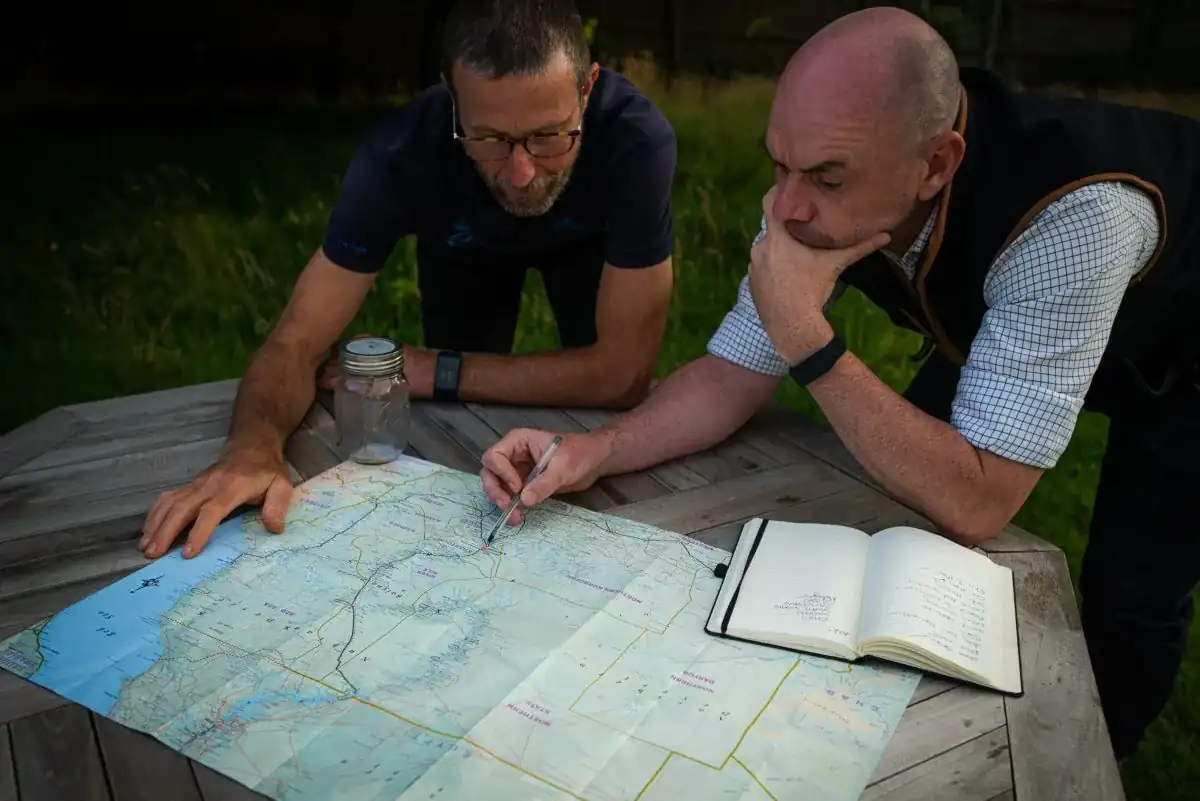
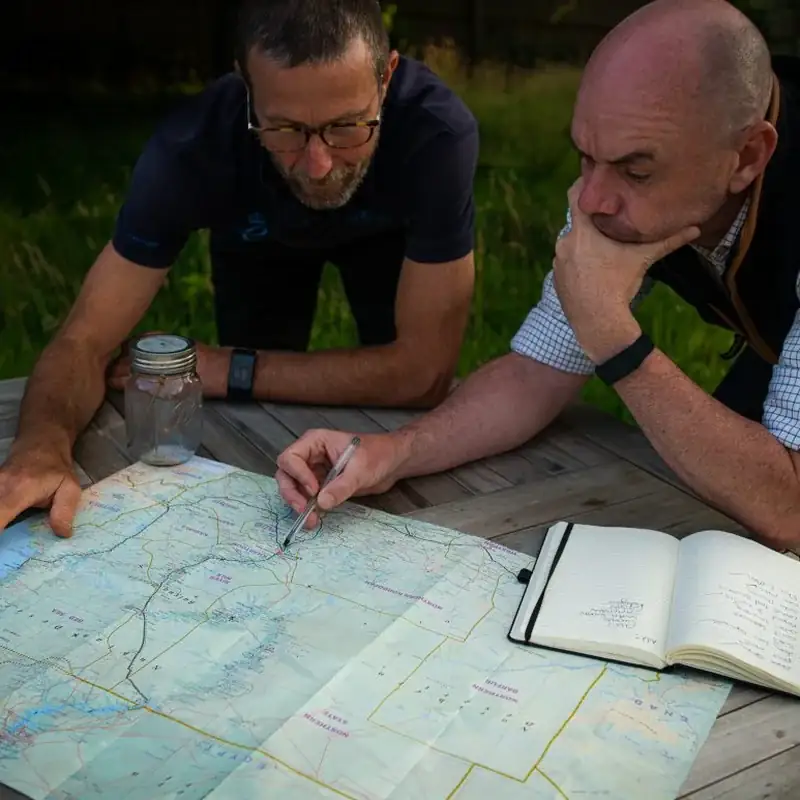
Every journey starts with a conversation. We take the time to understand your vision before we start planning.
Whether by phone or in person, we work with you directly to shape something that is considered, personal, and expertly delivered.
Every journey starts with a conversation. We favour a direct, personal approach: understanding your vision before anything else.
Whether by phone or in person, we work with you directly to shape a journey that is both thoughtfully considered and expertly delivered.
Get in touch to start planning yours.