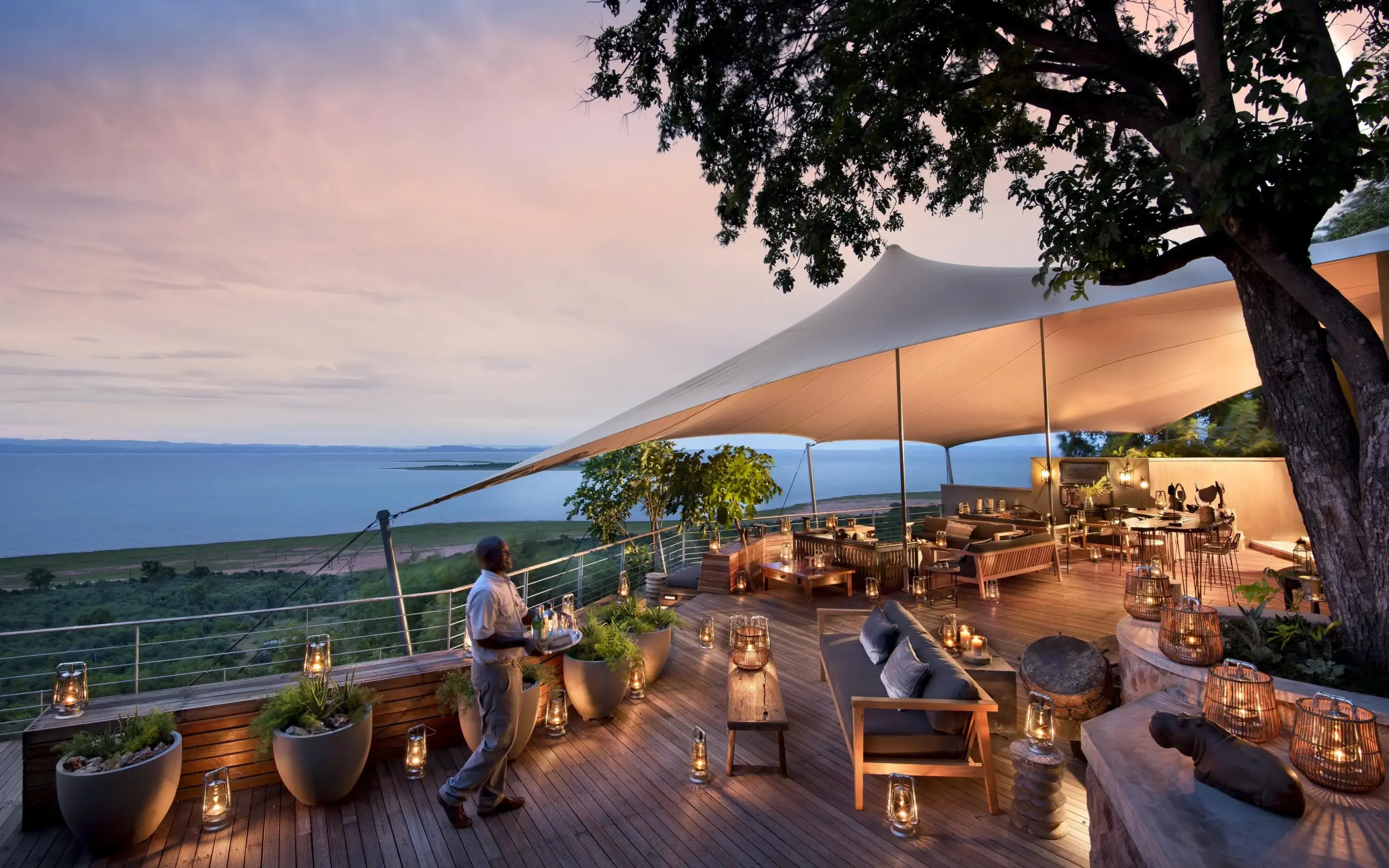
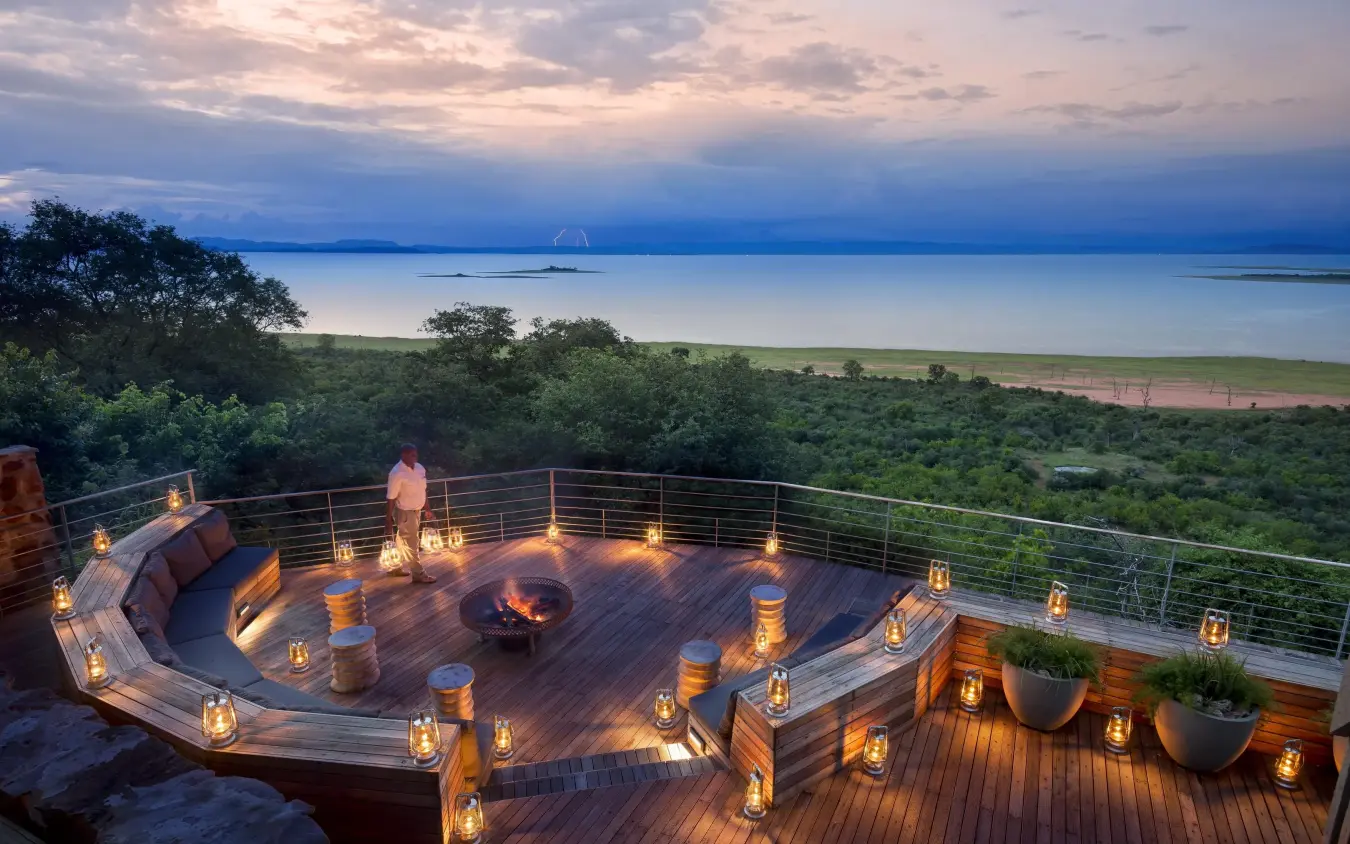
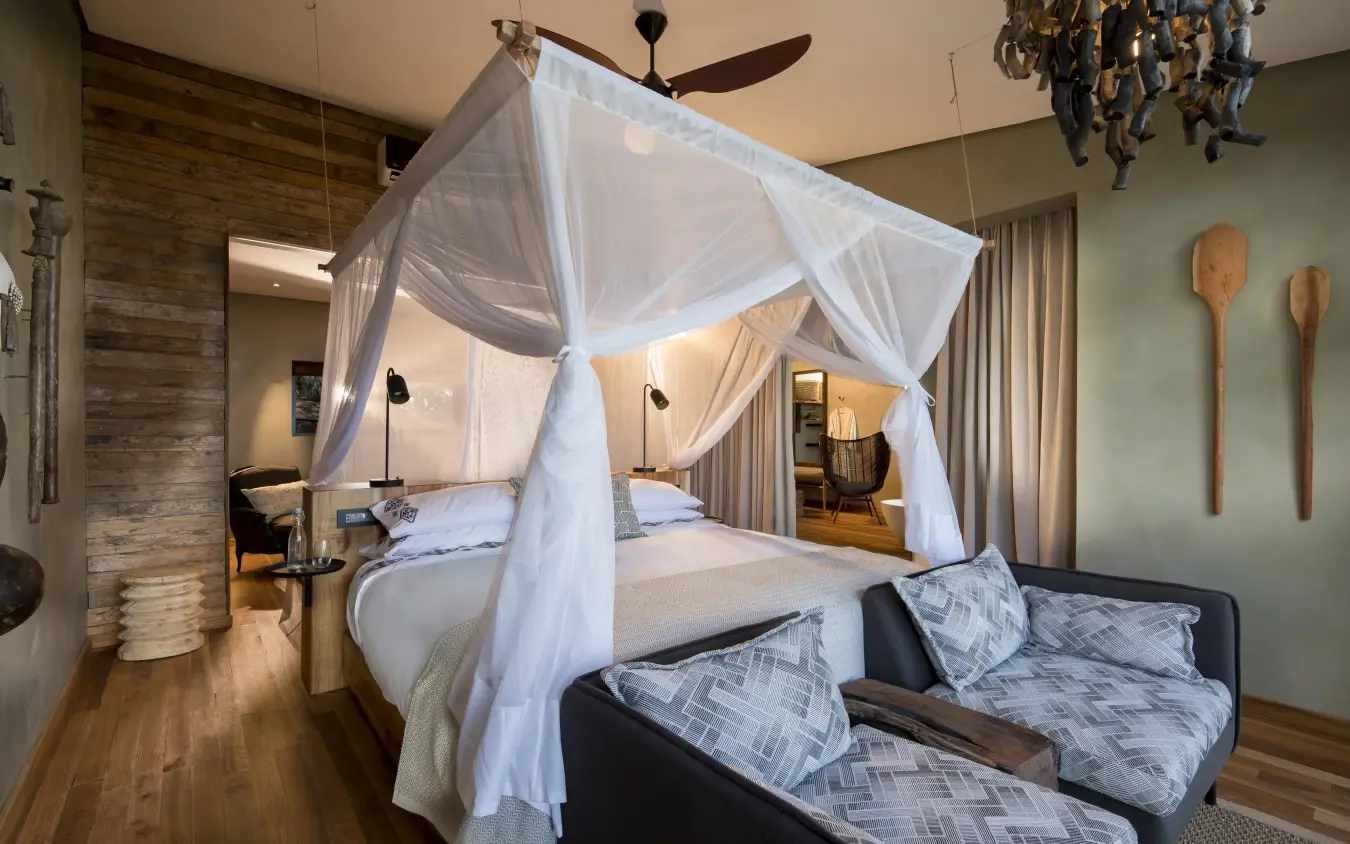
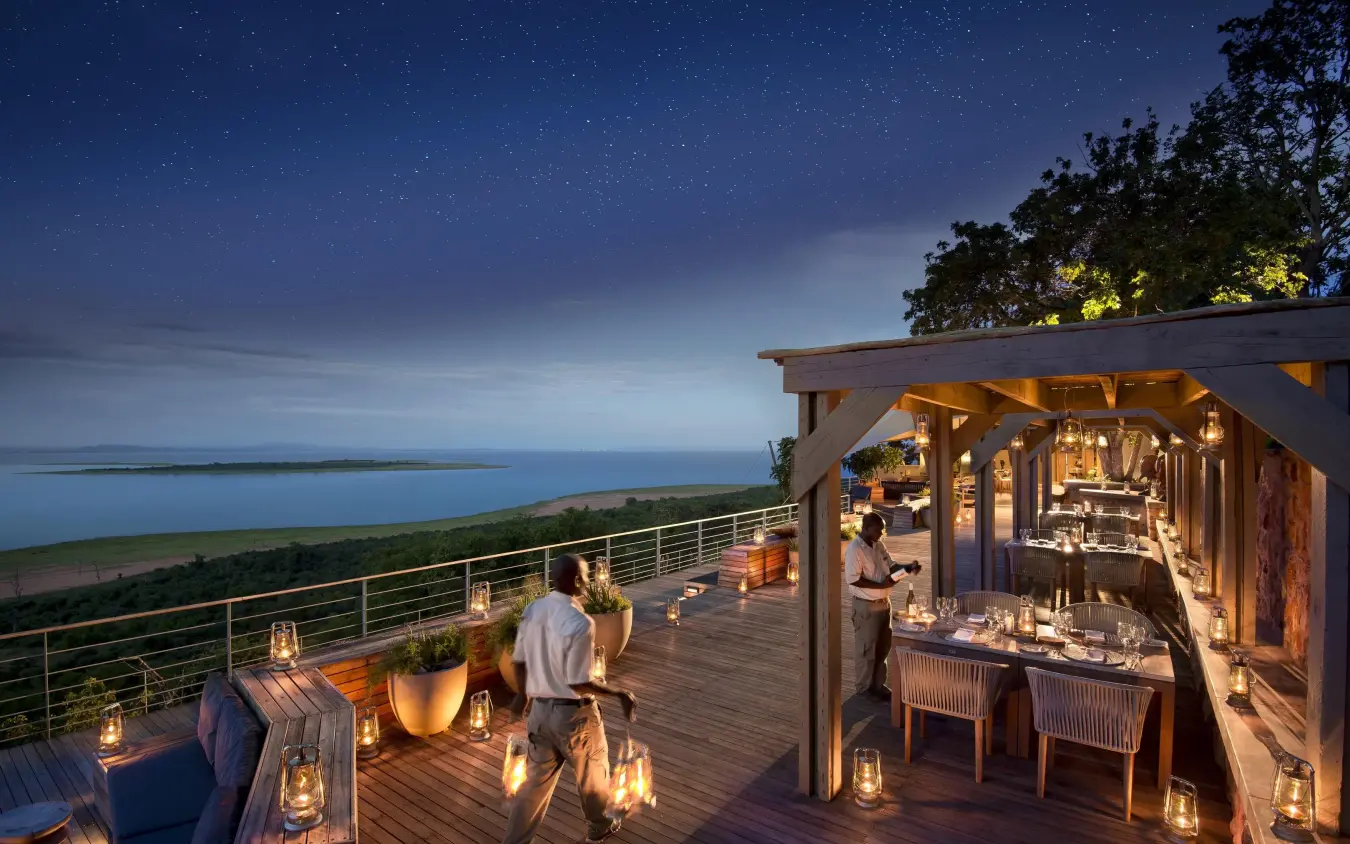
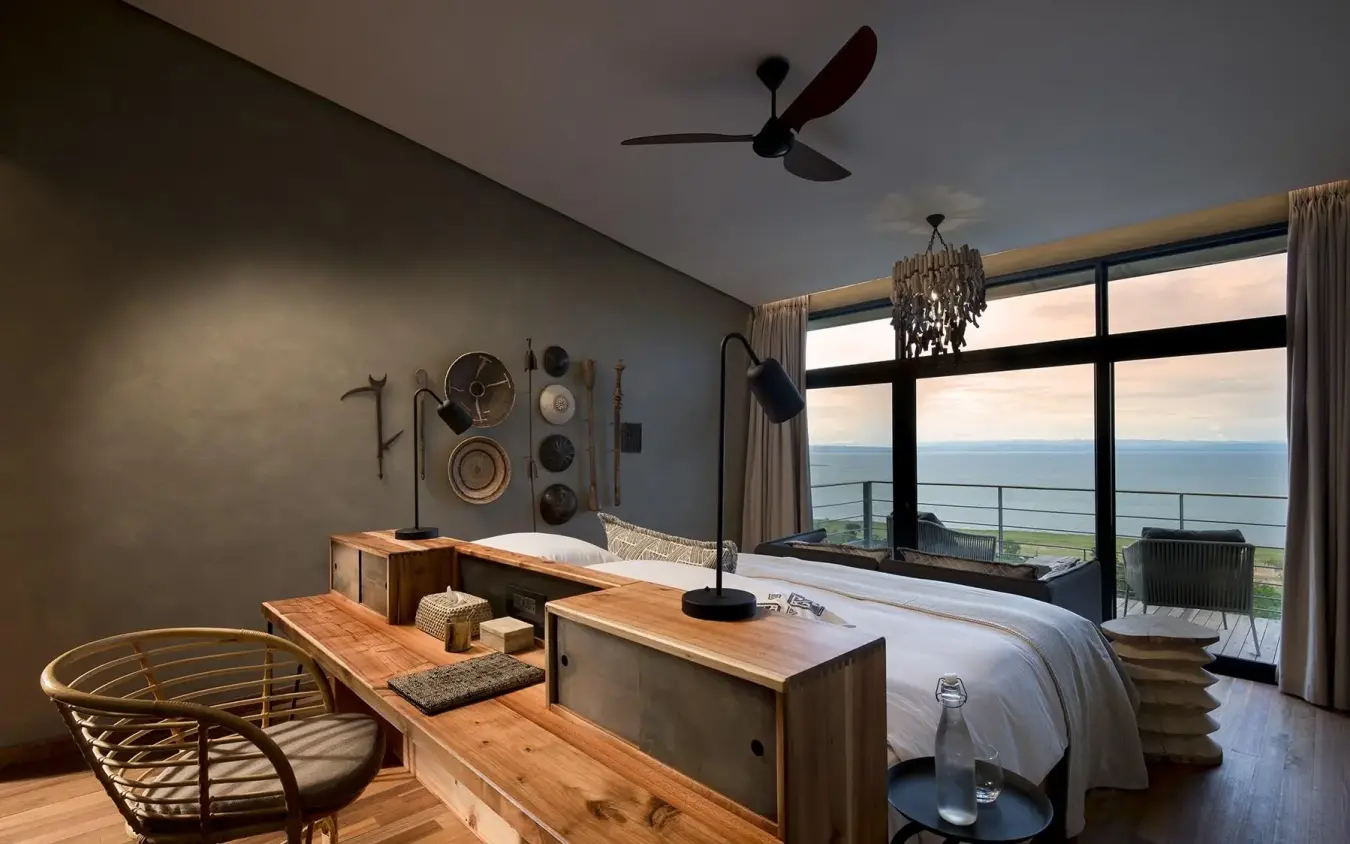
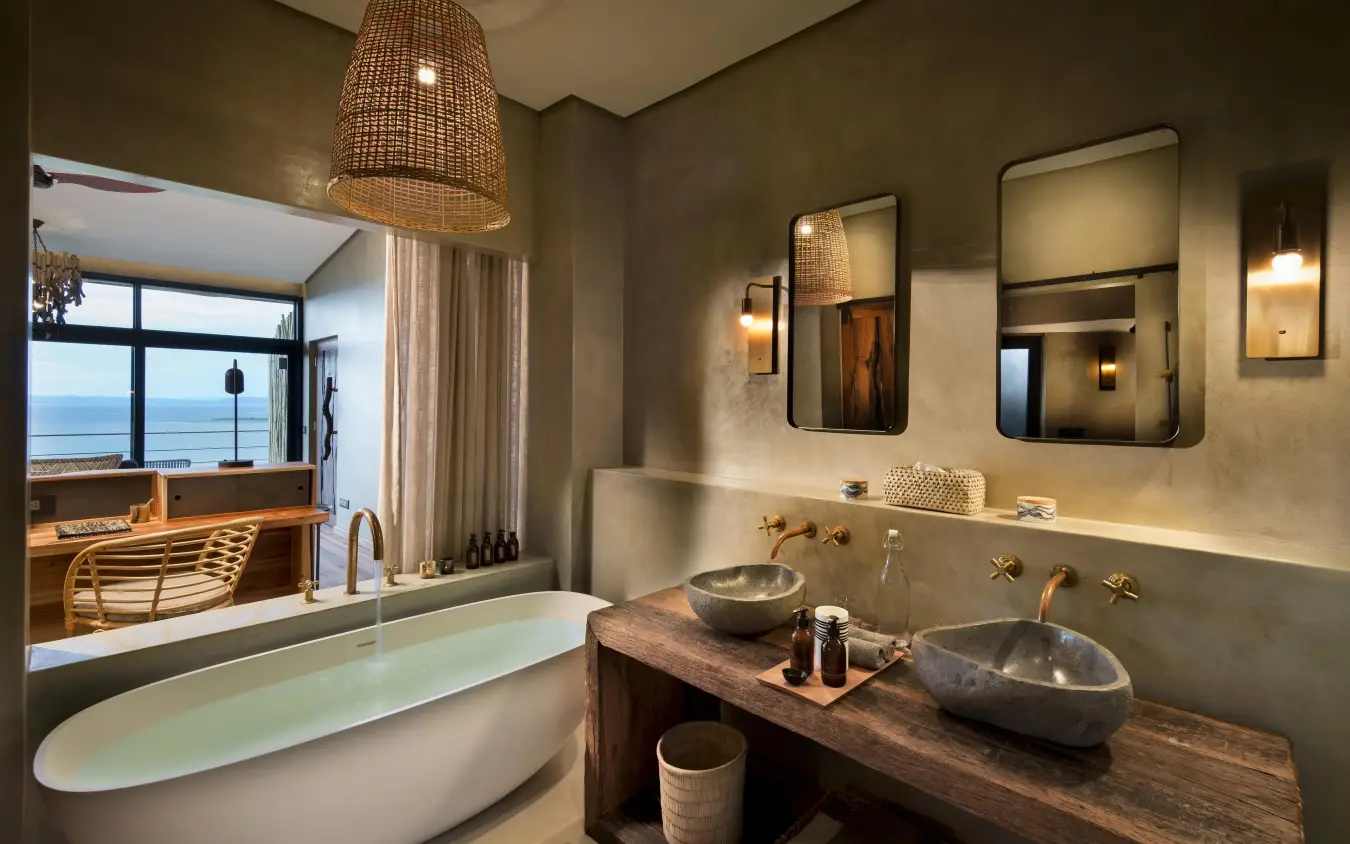
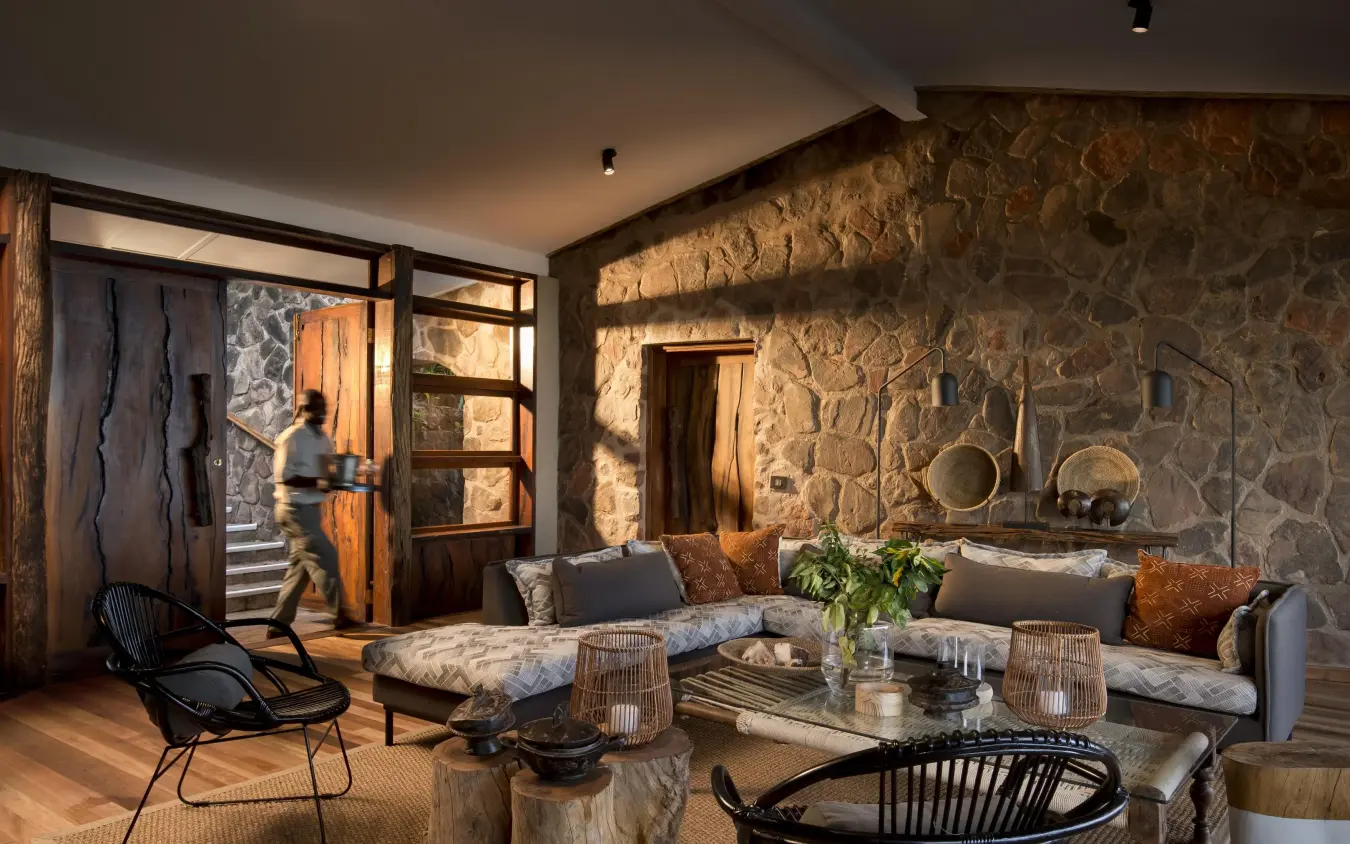
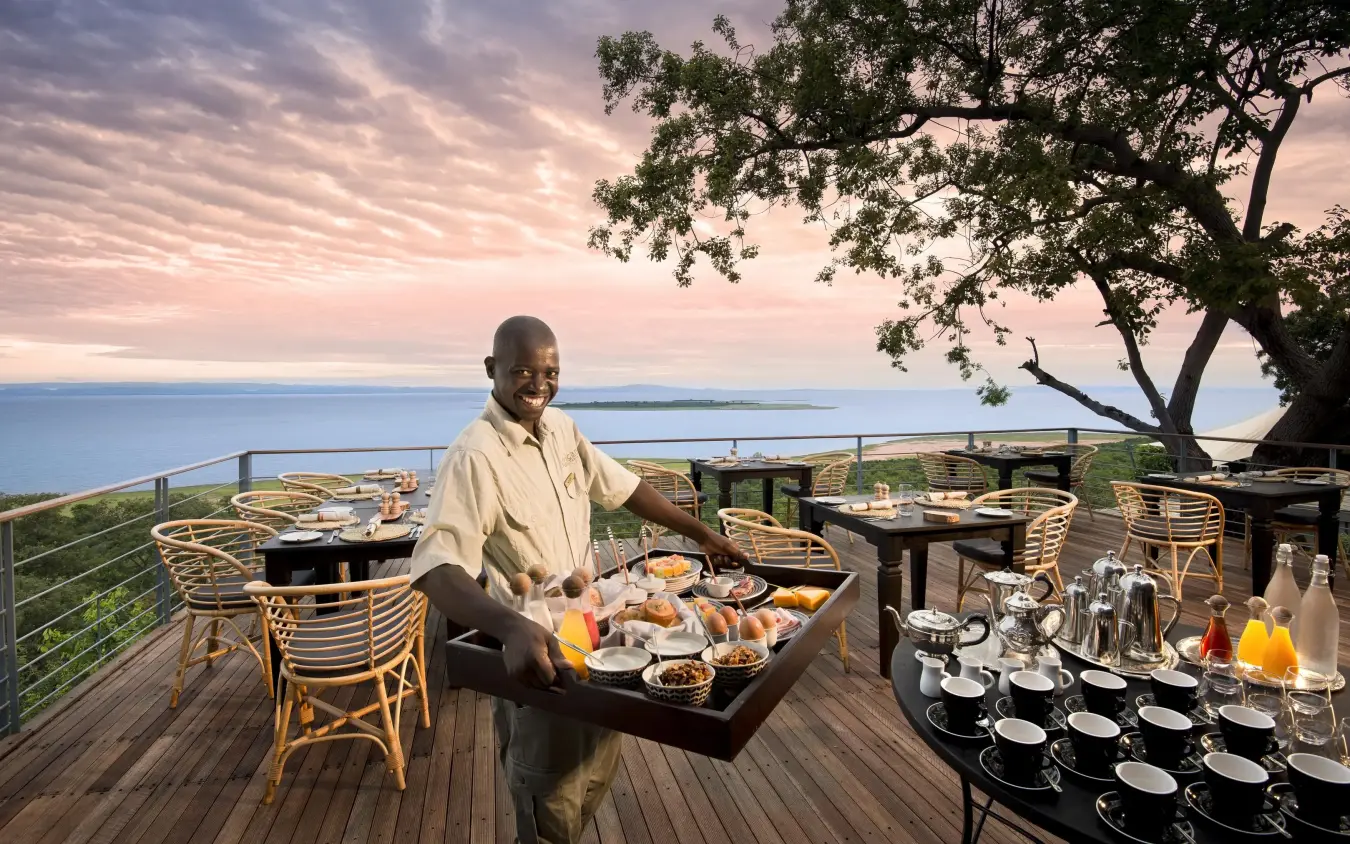
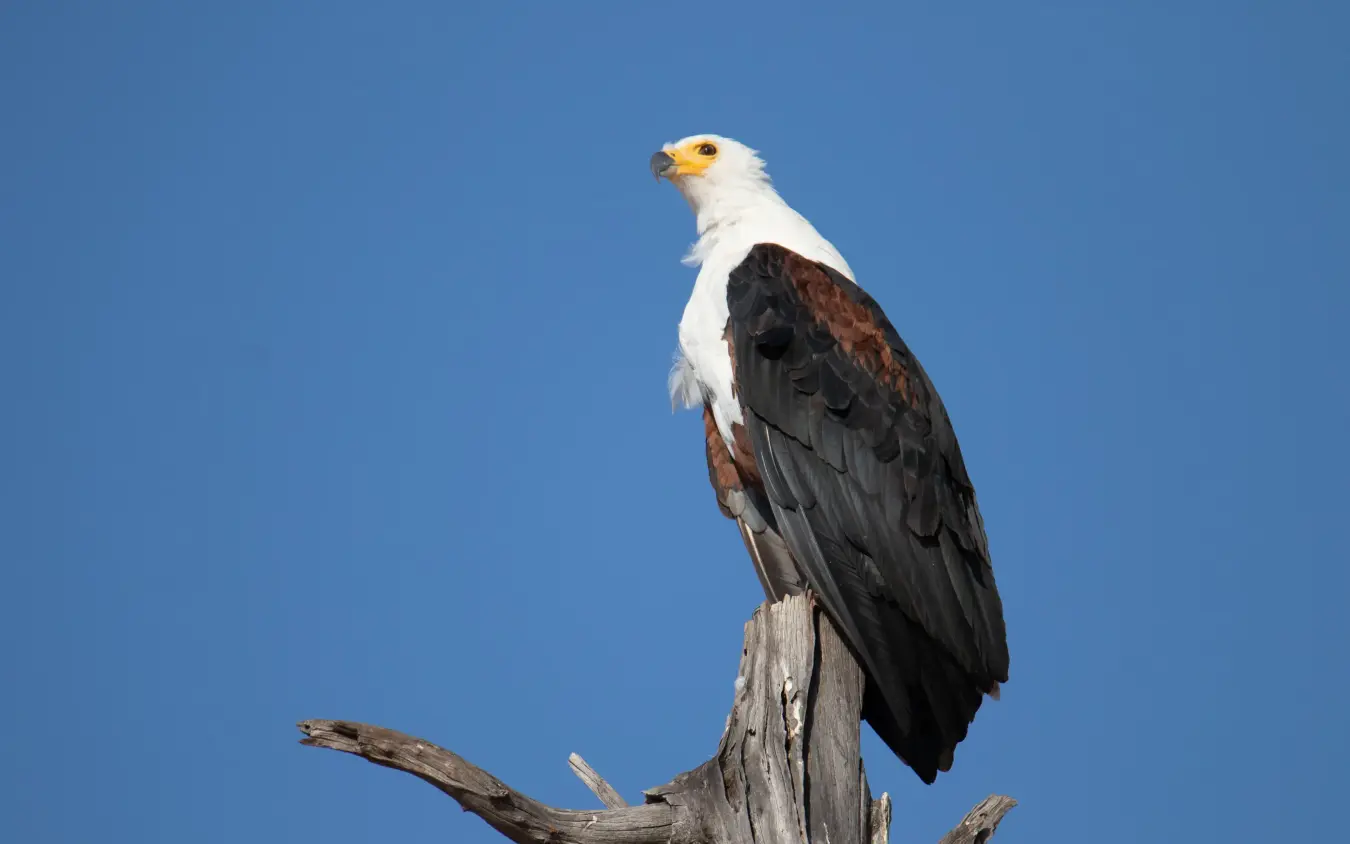
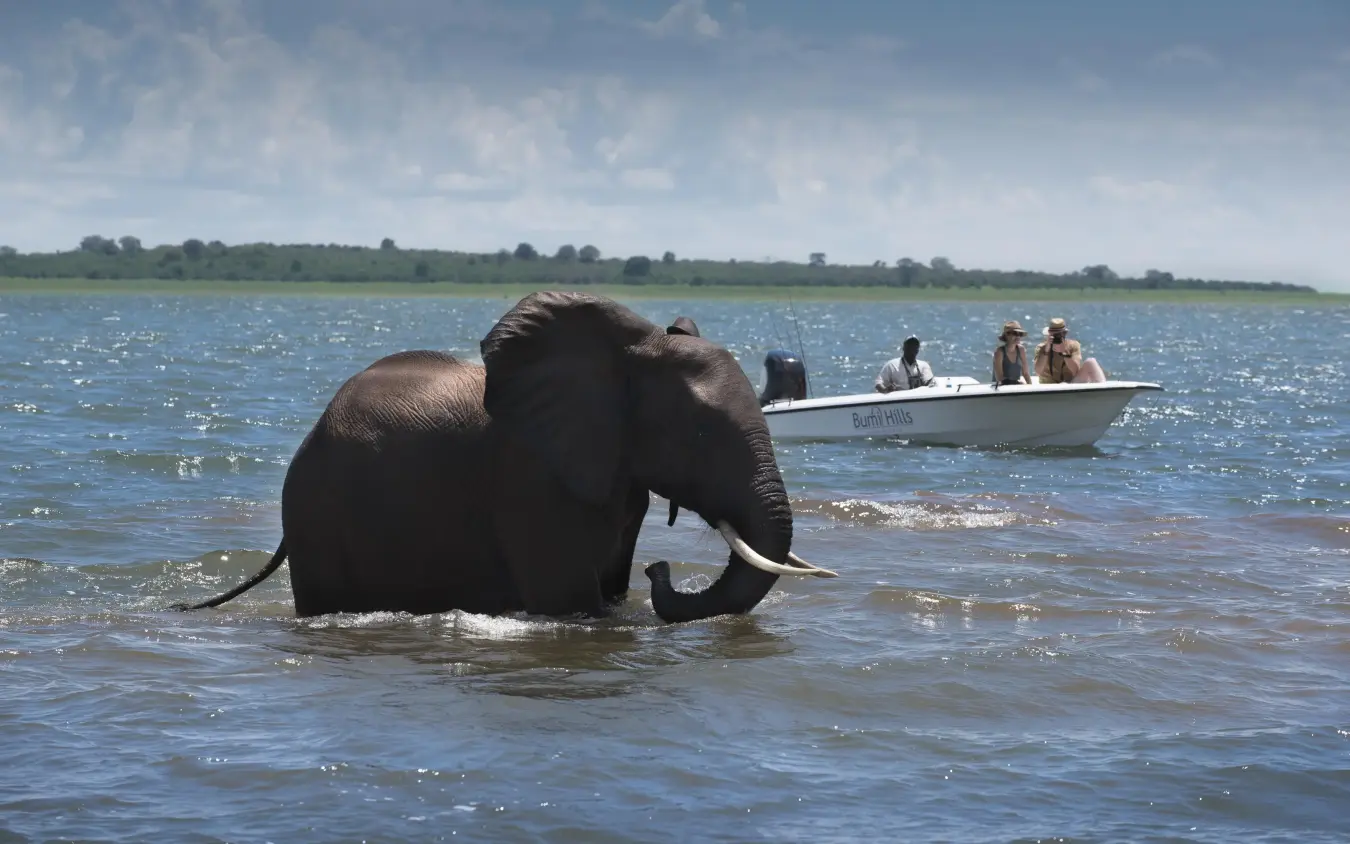
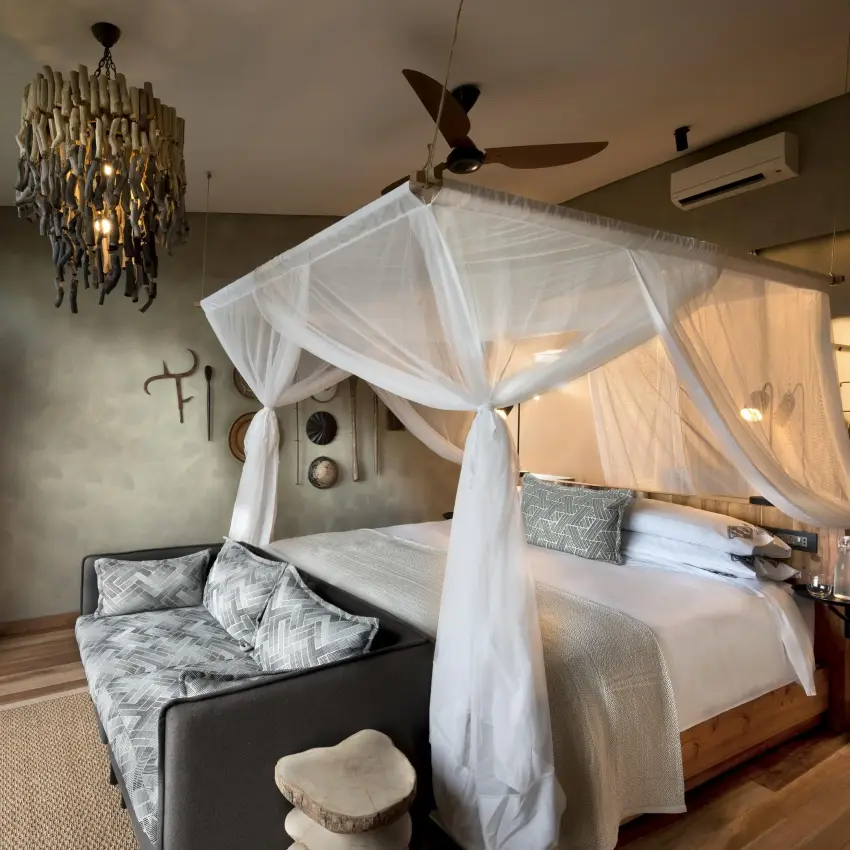
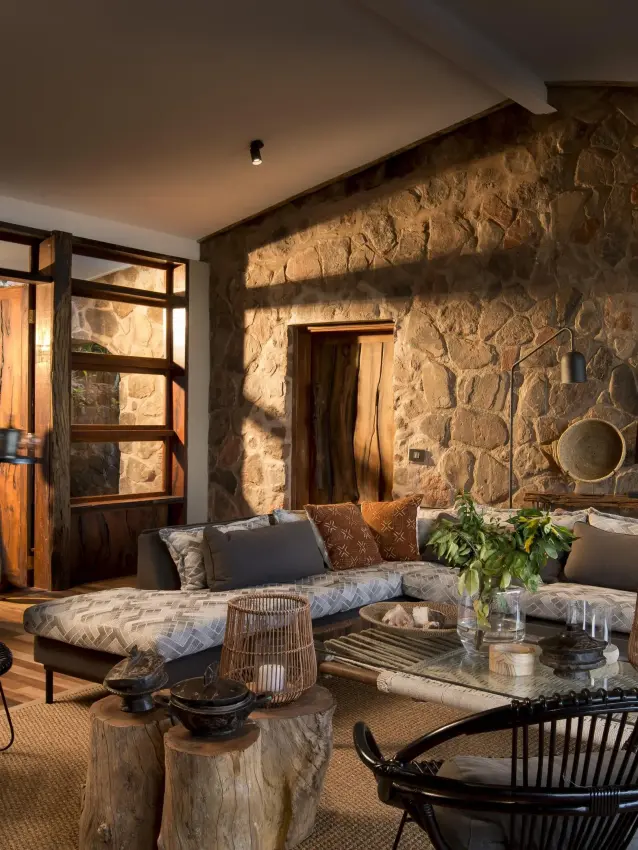
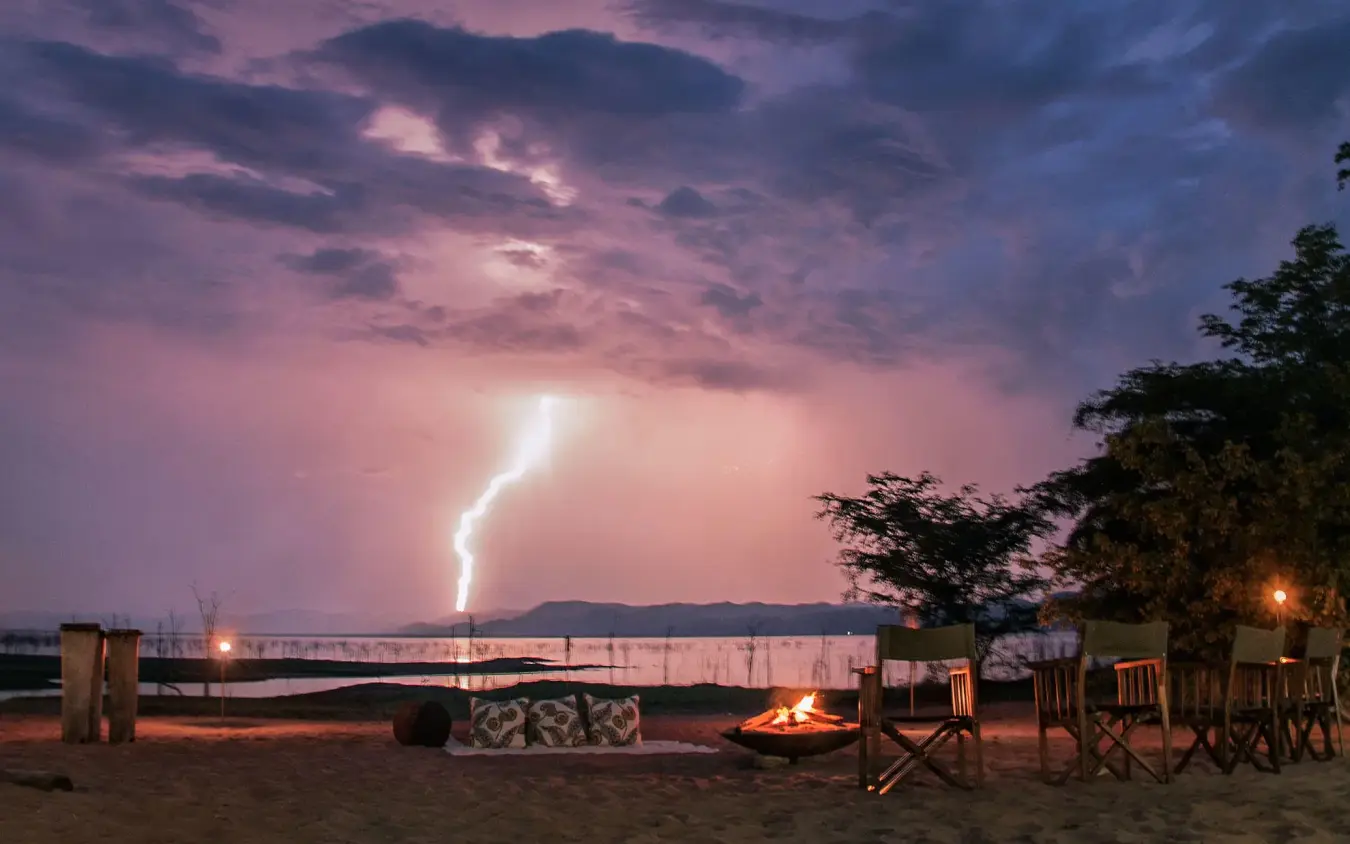
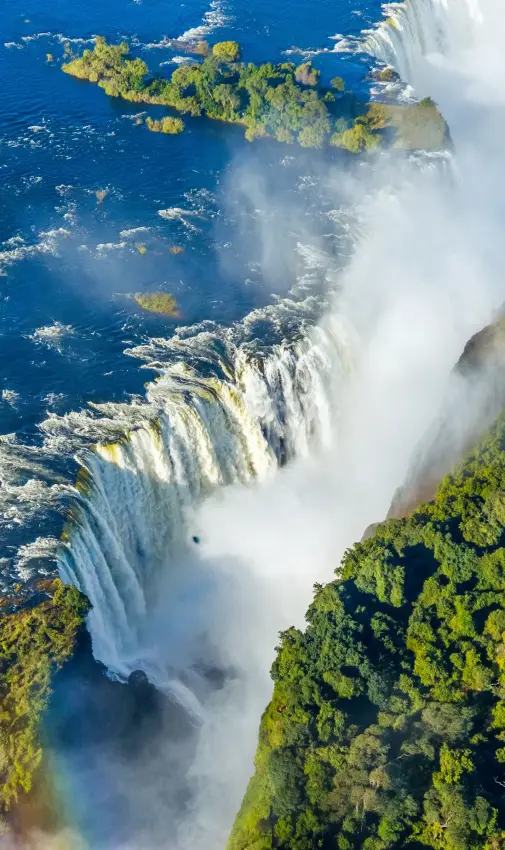
Lake Kariba is frequently described as the world’s largest man-made reservoir by volume, and Bumi Hills Safari Lodge makes the most of its shoreline. Days follow the rhythm of the water, with boating, sundowner cruises, birding and fishing often shared with elephants and hippos along the bank.
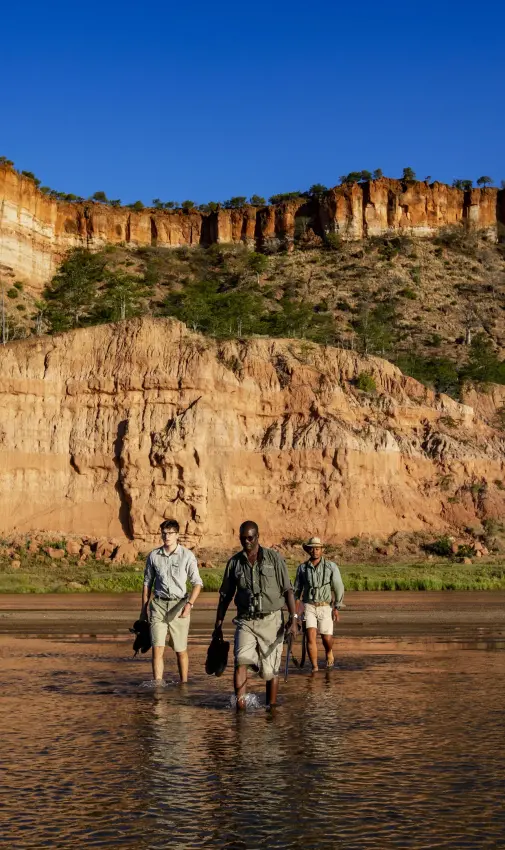
The Lady Jacqueline houseboat carries up to eight guests for a one-night sleepout along the Matusadona shoreline, with walking safaris and boat cruises, or a shorter half-day lunch cruise. Back at the lodge, the infinity pool appears to blend into the lake horizon, edged by dining and wine terraces on several levels.
Boating safaris are very good, and the fishing for tigerfish is superb, all catch and release.
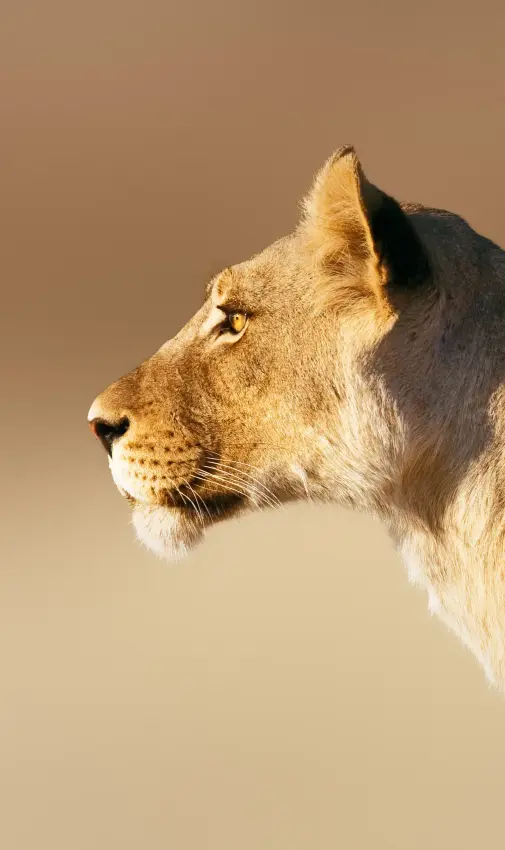
Land-based game drives and guided walks stay on Bumi’s private concession rather than entering the national park, though wildlife moves freely between the two. The area is known for big herds of elephant and buffalo, with lion, leopard and plains game also present. Game densities are lower than some Zimbabwean parks, but the elephant viewing is a real draw.
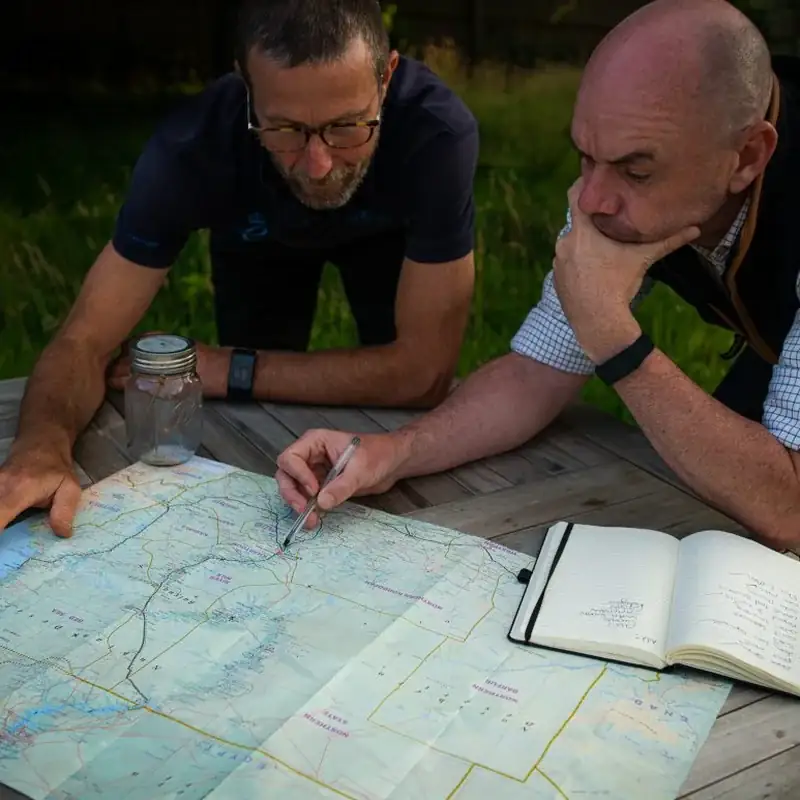
Conservation runs deep here. The Bumi Hills Anti-Poaching Unit, formed in 2009 and folded into the Bumi Hills Foundation Trust in March 2016, works across the Sebungwe region. Since 2013 it has forensically investigated more than 275 elephant carcasses and removed over 30,000 wire snares.
The African Bush Camps Foundation works alongside neighbouring Tonga communities, supporting Mangwara Primary School near Mola village and the Build a Lion Boma project, which protects livestock and reduces conflict with predators. In 2019 the Zimbabwe Parks and Wildlife Management Authority partnered with African Parks on a 20-year agreement to restore Matusadona National Park.