







zimbabwe & botswana
khwai camping to chief’s island
Twelve nights from Victoria Falls to the Chobe and across Botswana's Okavango, by vehicle, boat, mokoro and on foot.
- Private Safari
- From $8,995 pp
- 2 guests
- 12 nights

The route links five parts of Zimbabwe in turn. It opens at Victoria Falls, where the Zambezi drops into the Batoka Gorge, then moves to the Mana Pools floodplain, walked and paddled rather than driven. From there it reaches Lake Kariba and the Matusadona shore, the pumped pans of northern Hwange, and finally the granite of the Matobo Hills.
You travel by a mix of boat, vehicle, canoe and foot, with days shaped by the season and the water. Light aircraft move you between the five areas, so the long road transfers stay off the itinerary. Light aircraft move you between the five areas, so the long road transfers stay off the itinerary. Walks and game drives sit alongside river cruises, canoe trails and rhino tracking, and the wildlife runs from elephant and painted dogs to buffalo, lion and rhino. The stays are small camps and lodges, from island treehouse suites and canvas tents to rooms worked into granite.
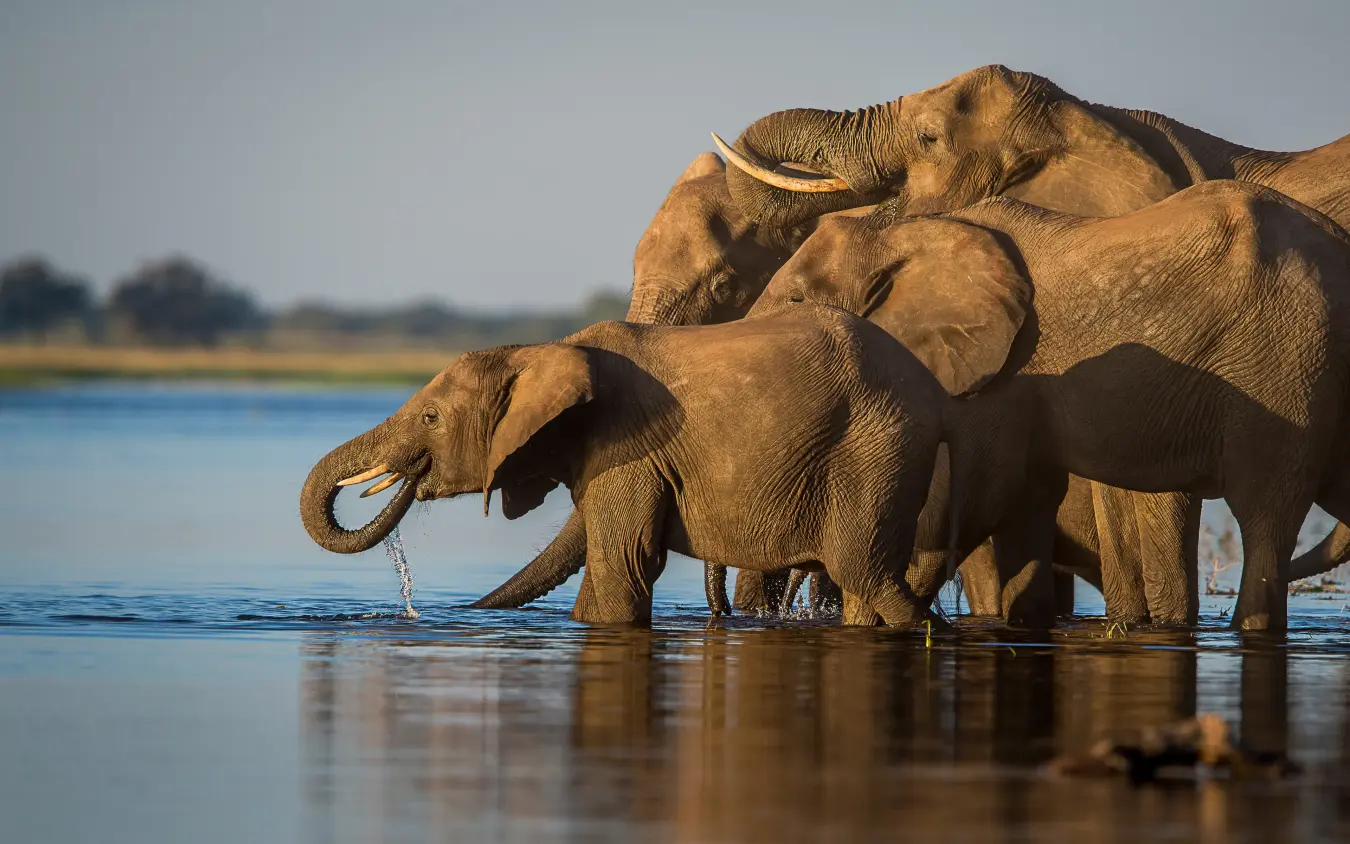
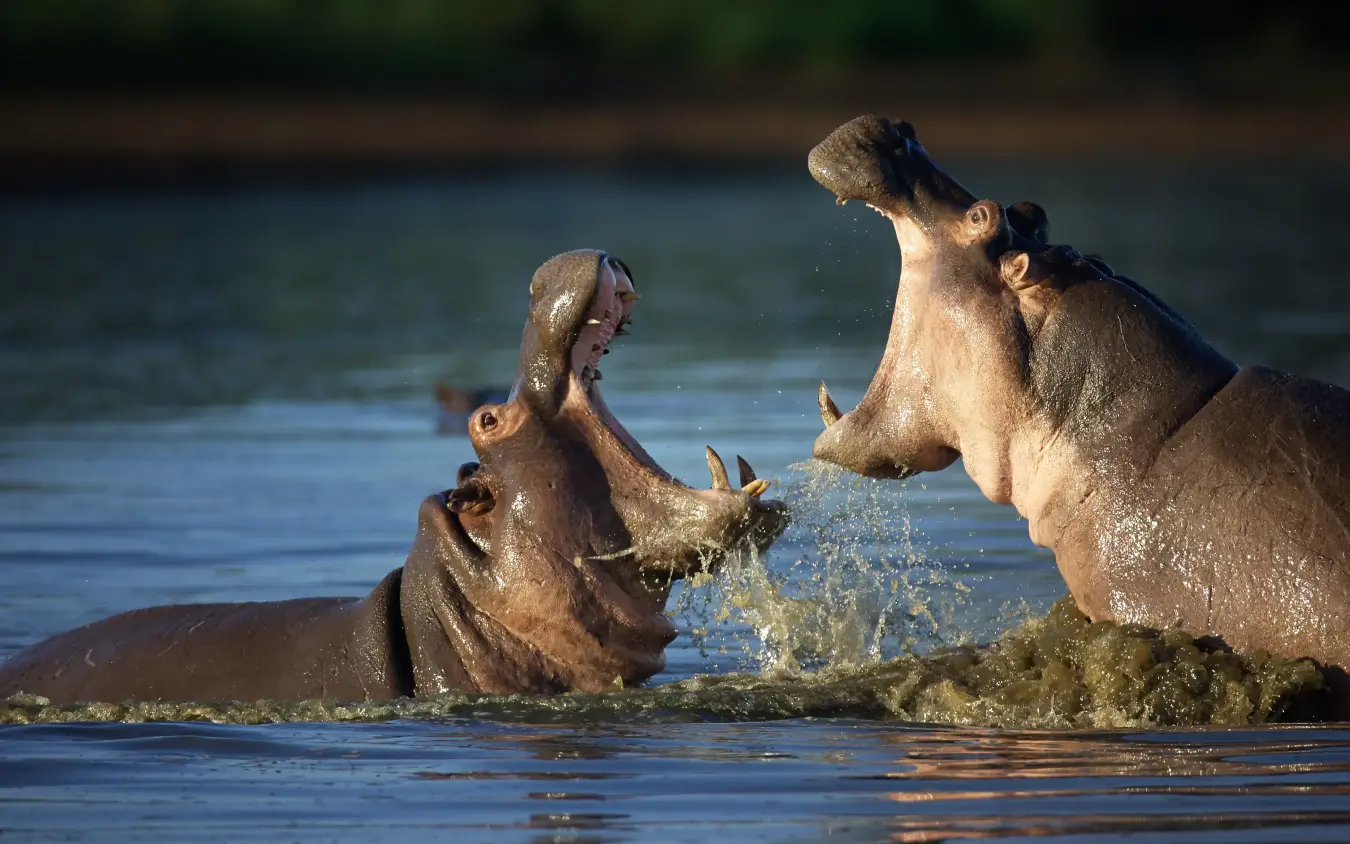
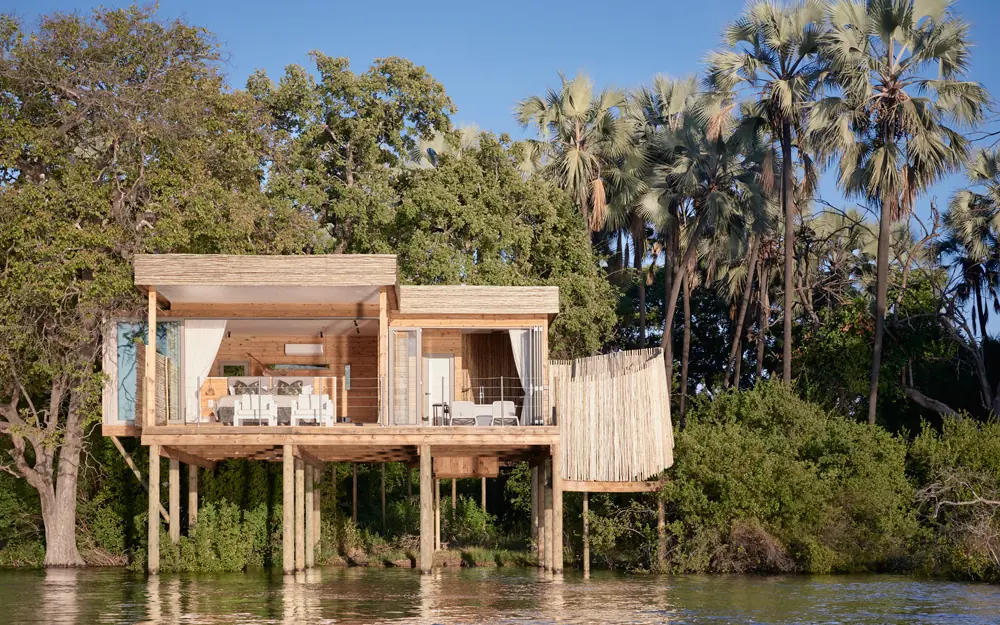
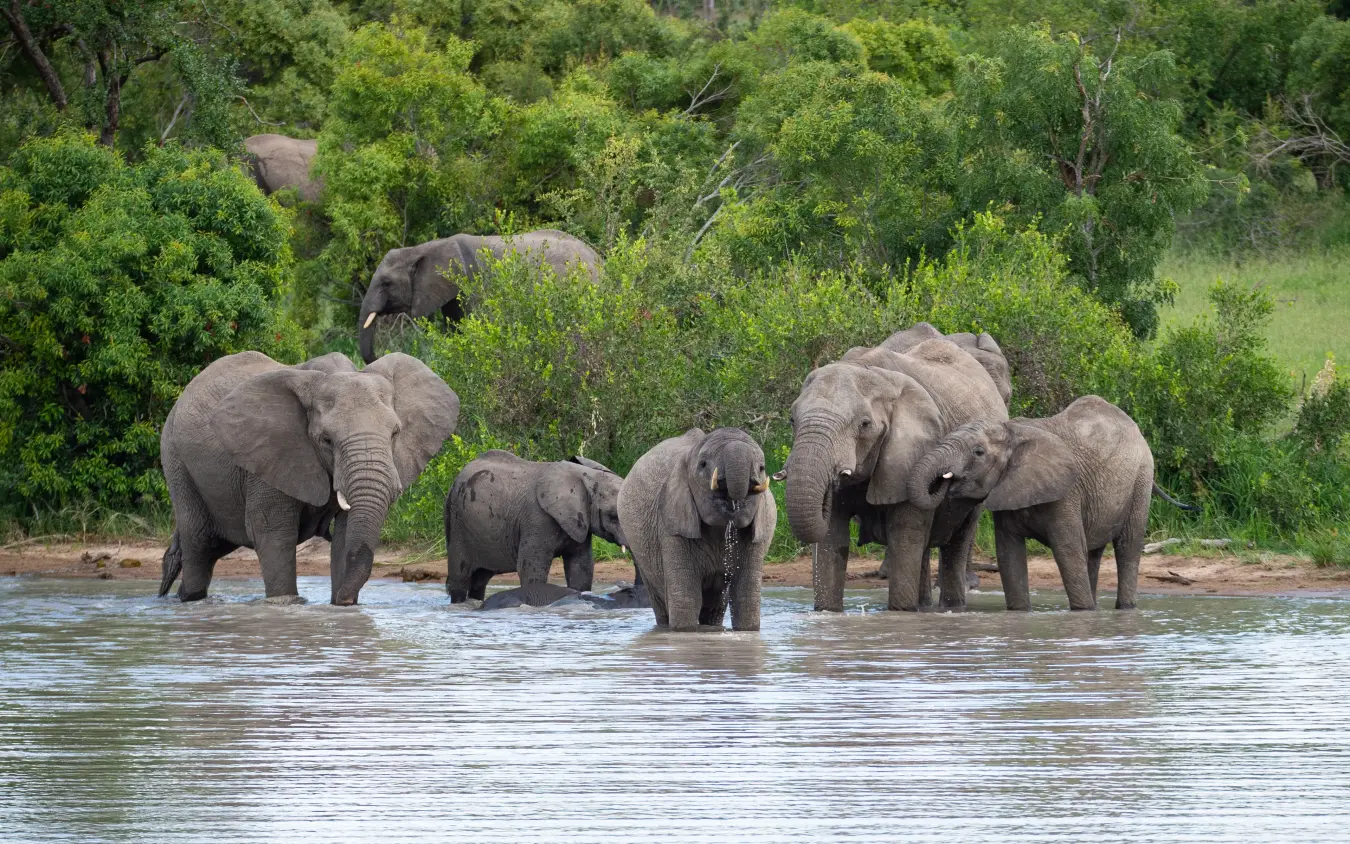
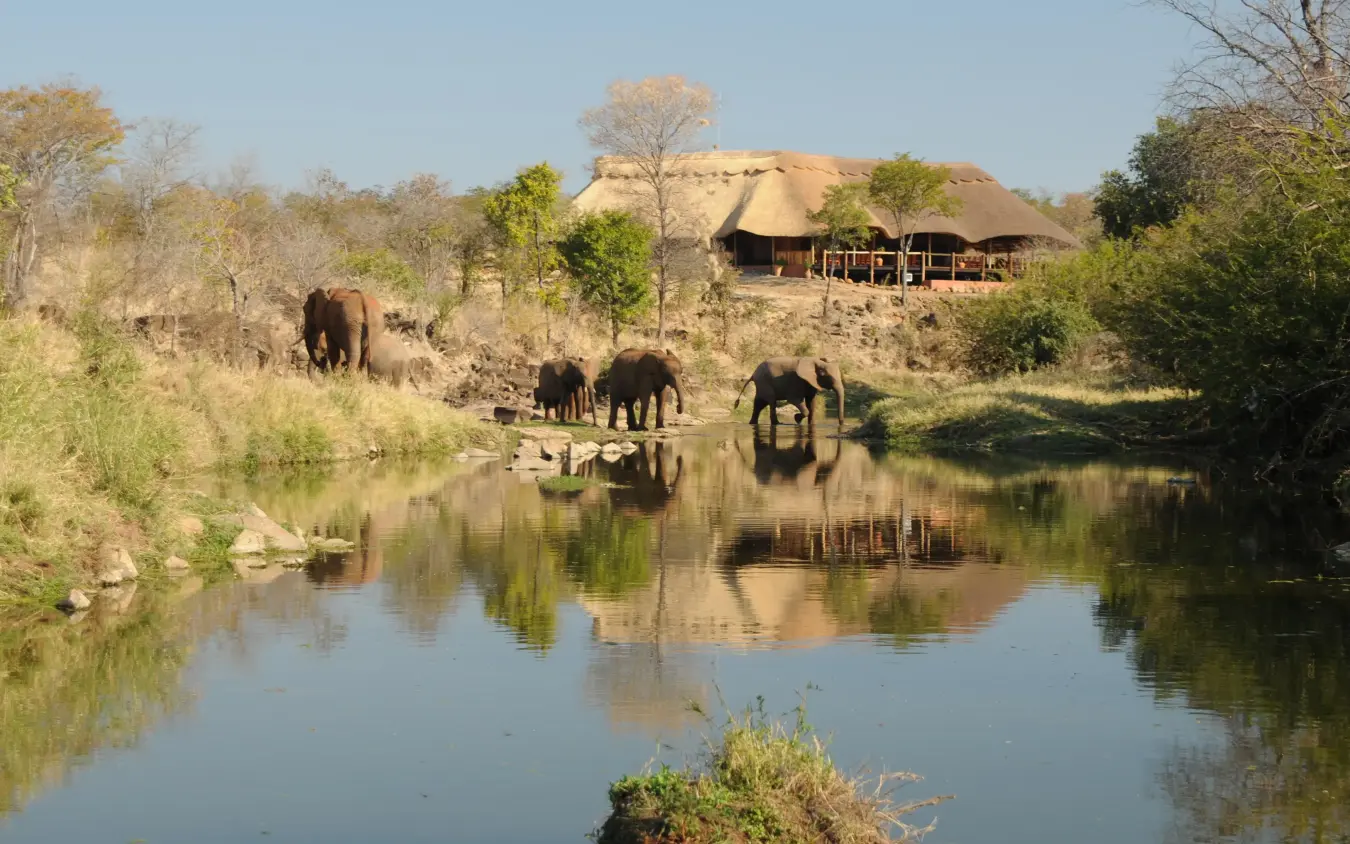
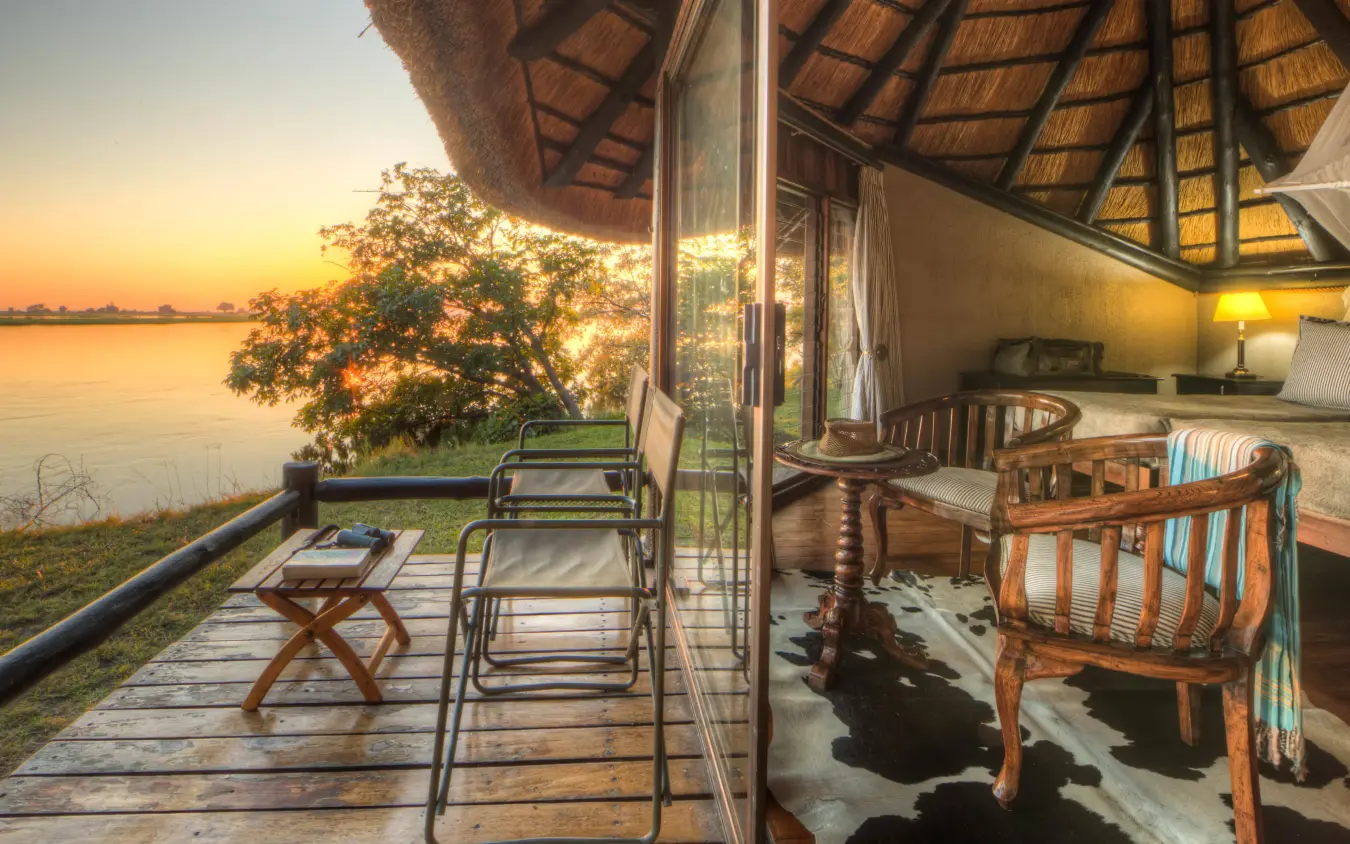
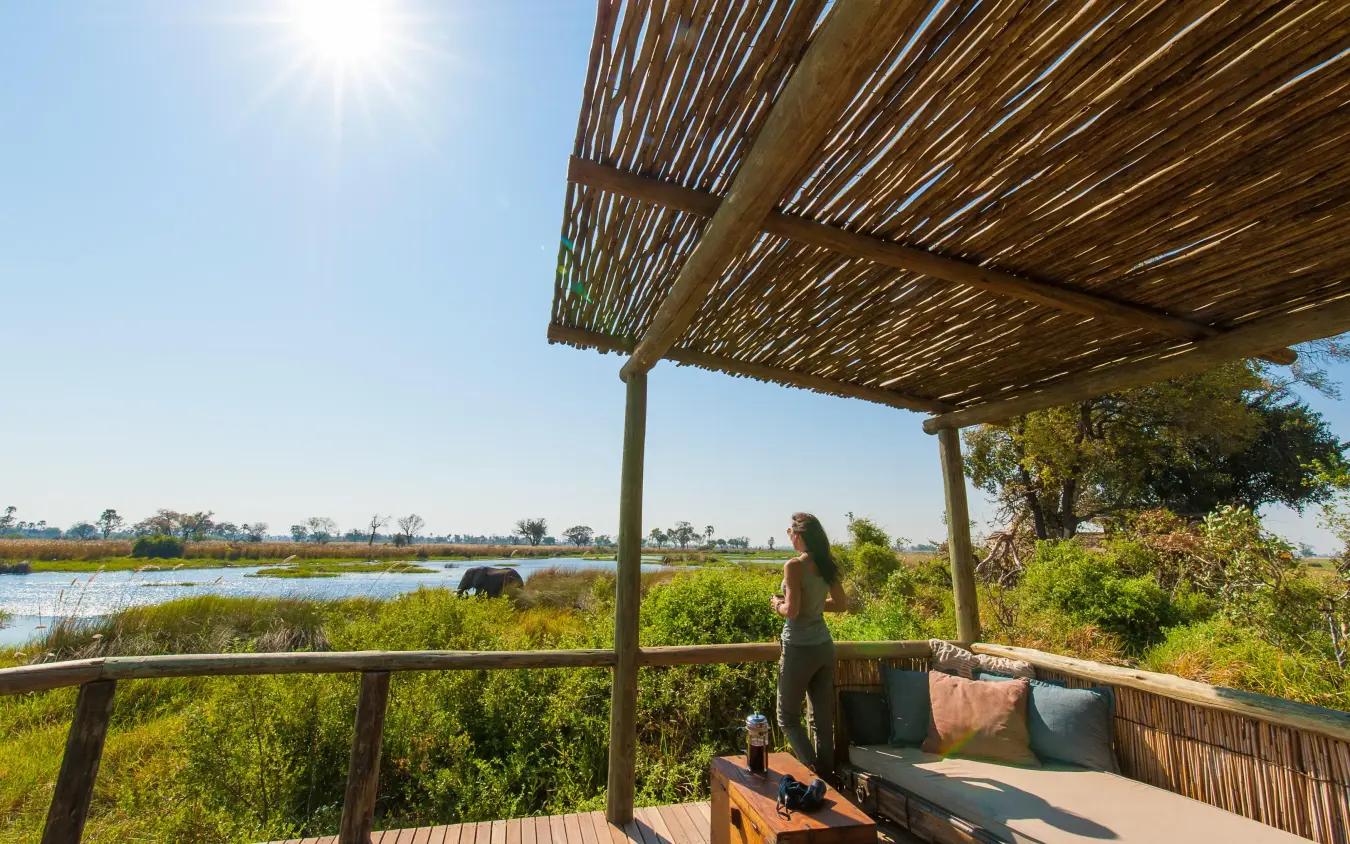
The Zambezi reaches Victoria Falls as a wide, slow river, then drops into the Batoka Gorge along a curtain nearly 1.7 kilometres across, with footpaths threading the rim rainforest to a run of viewpoints. Days run from a mainland lodge a short boat transfer away, with game drives in Zambezi National Park, sunrise and sunset cruises, guided walks and canoe trails. Your suites sit on a private Zambezi island reached only by boat, six timber-and-glass rooms raised on stilts above the water, adults-only and apart from the main lodge. Elephants follow the banks below and hippos surface in the channels after dark.
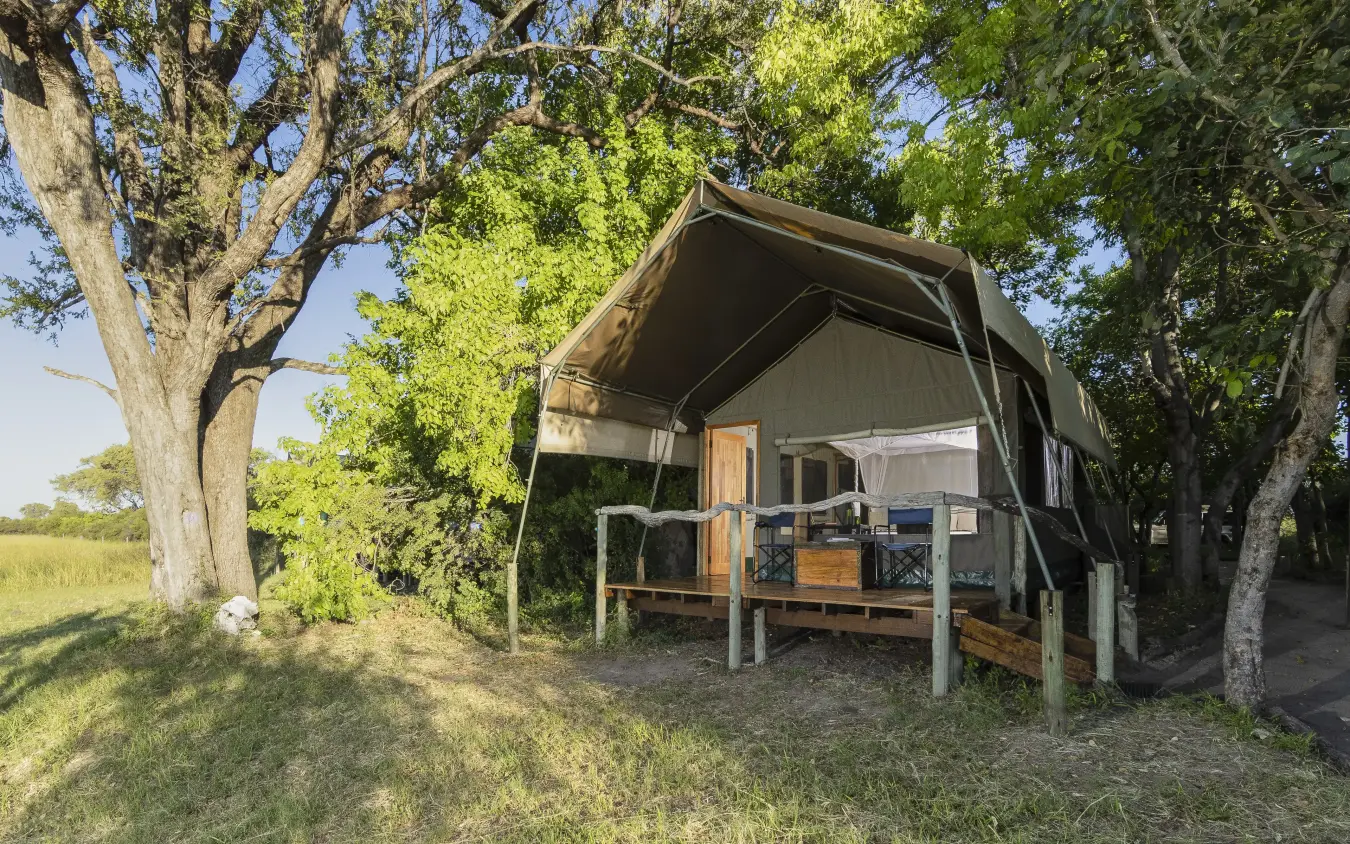
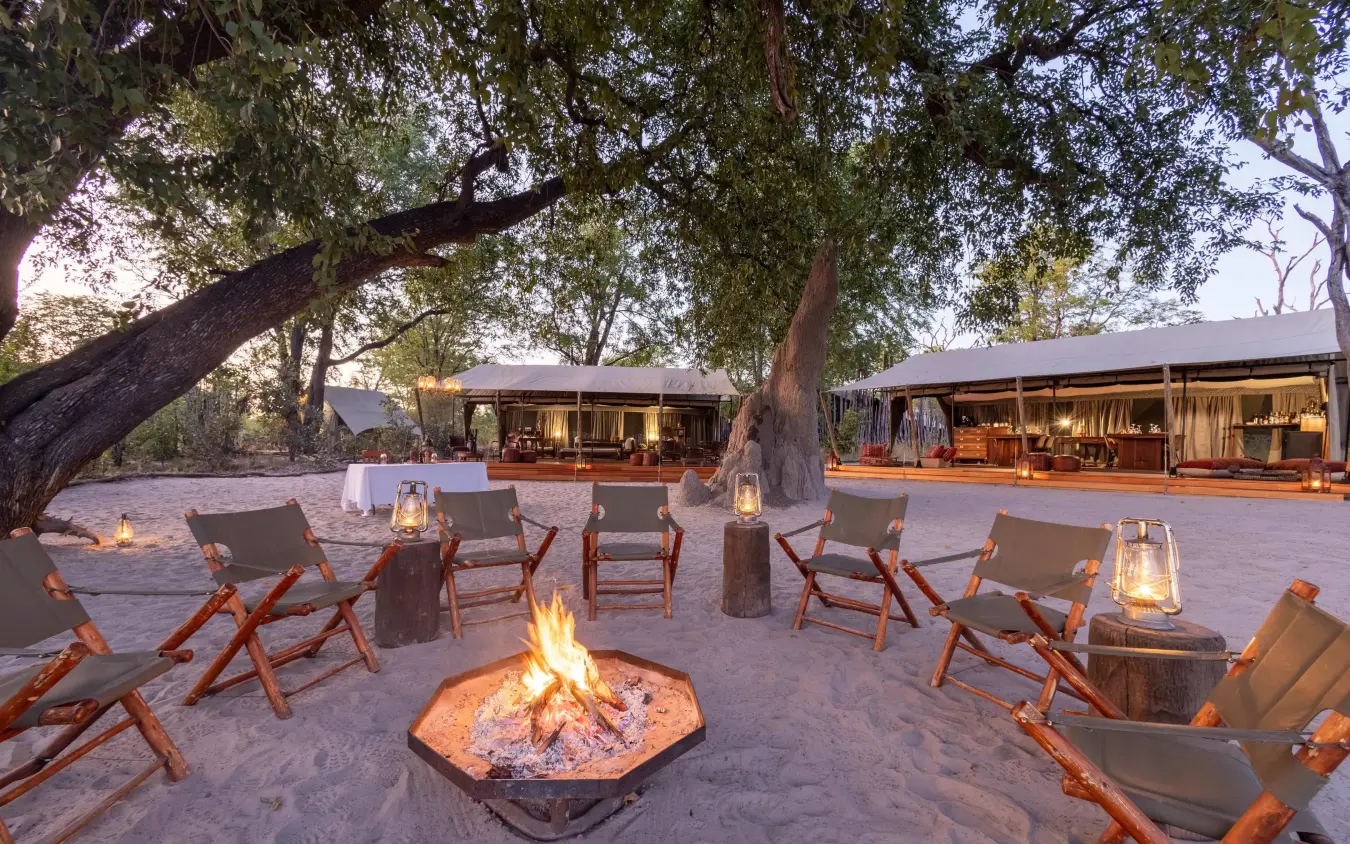
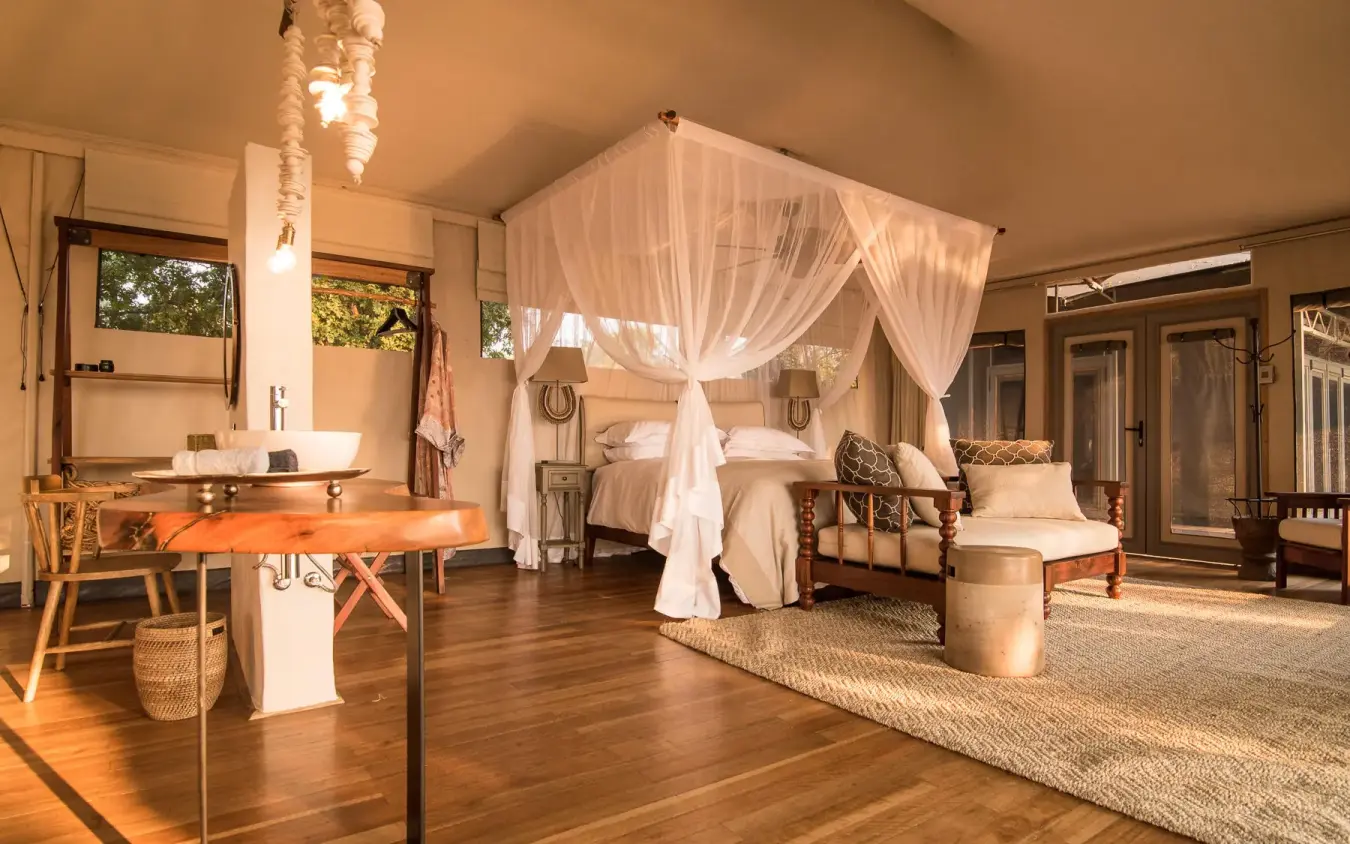
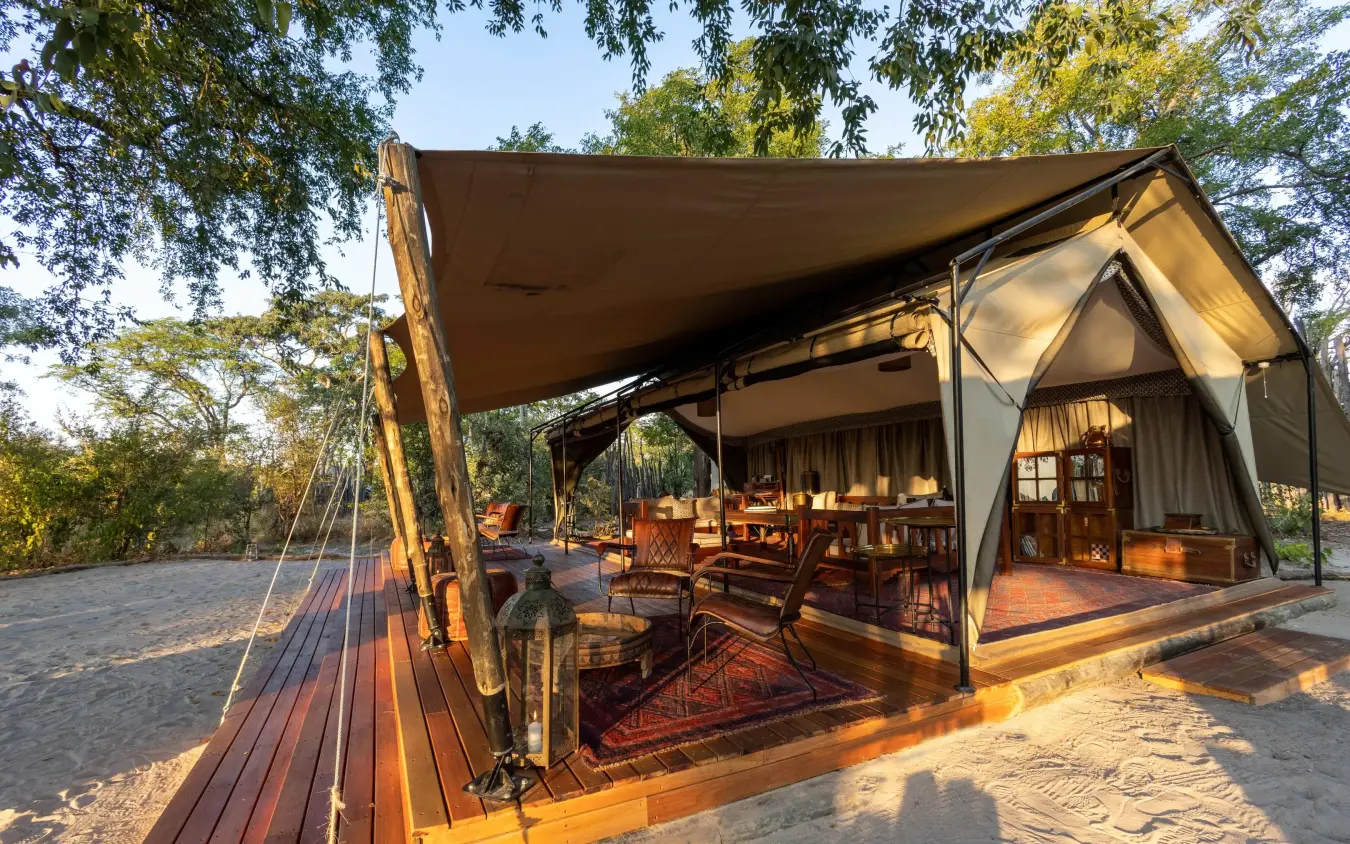
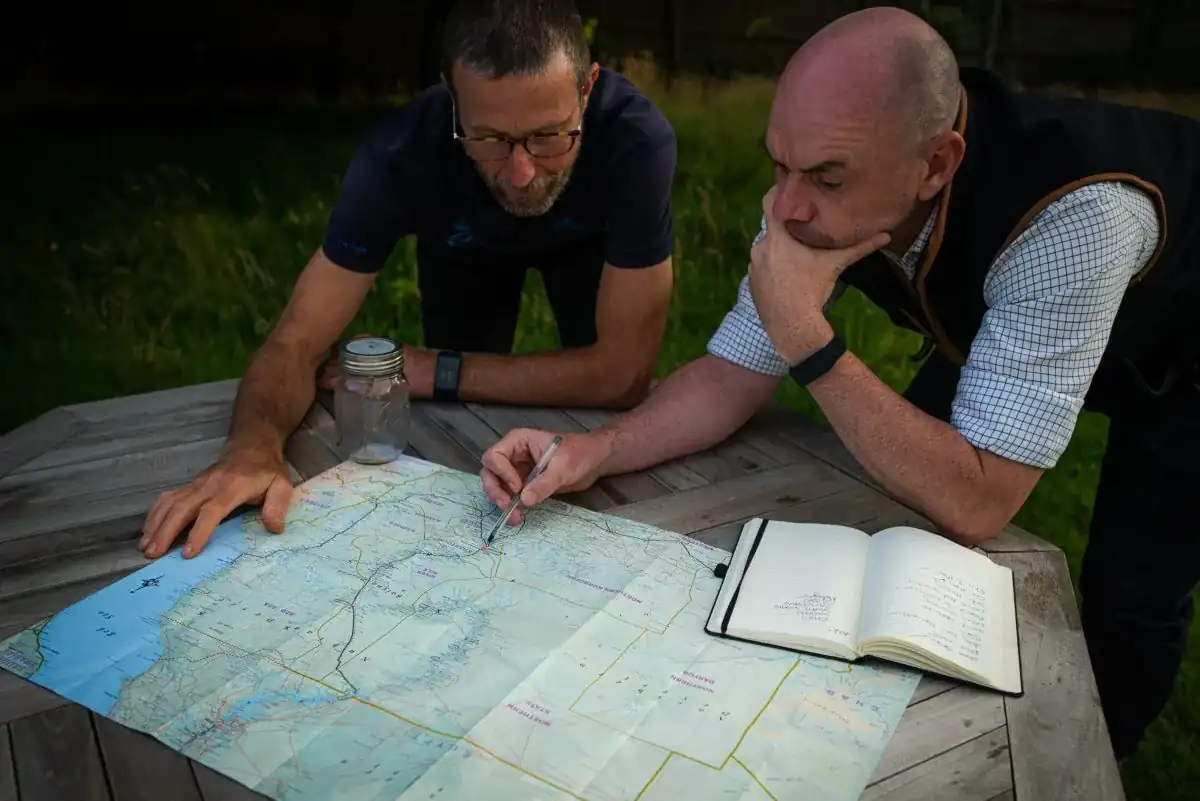
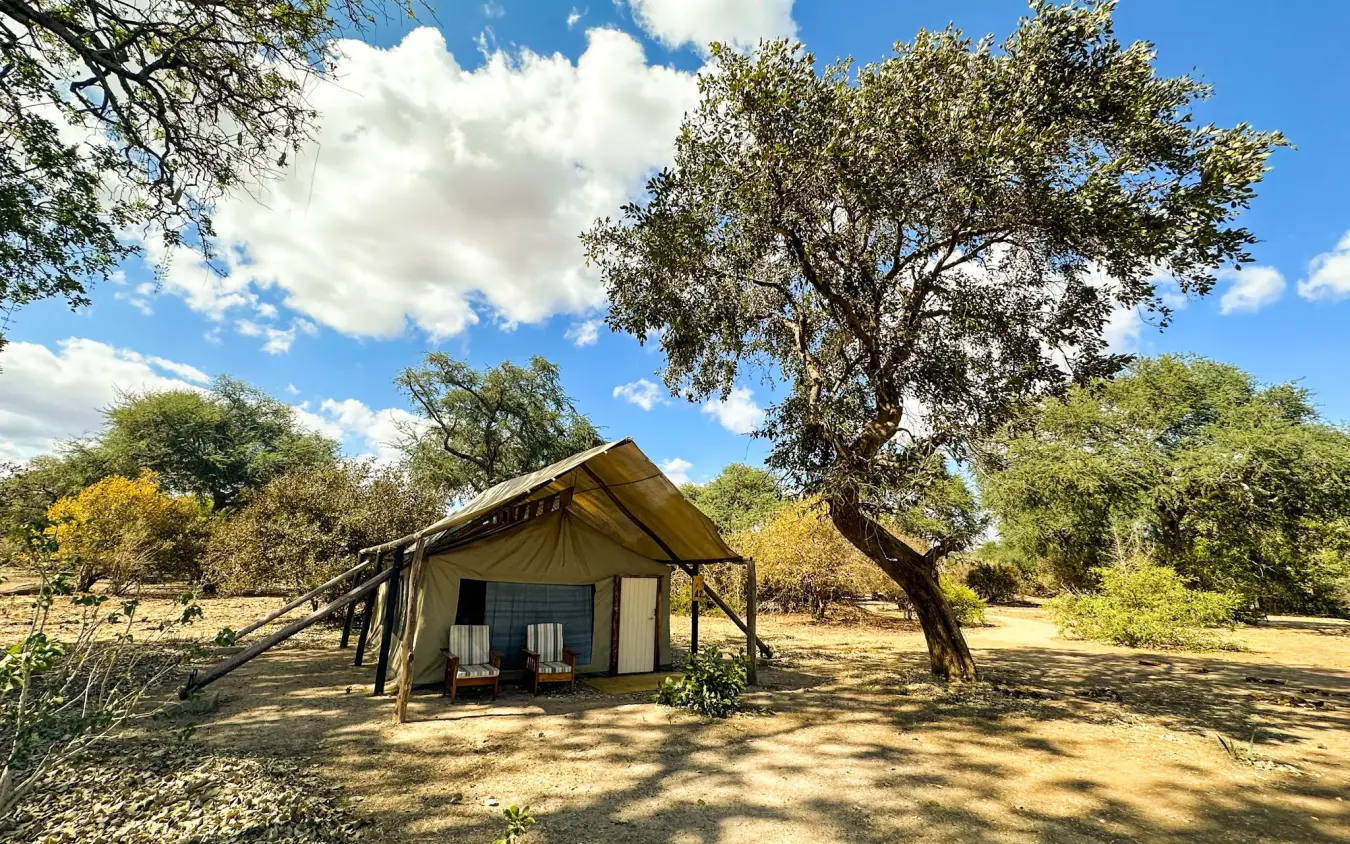
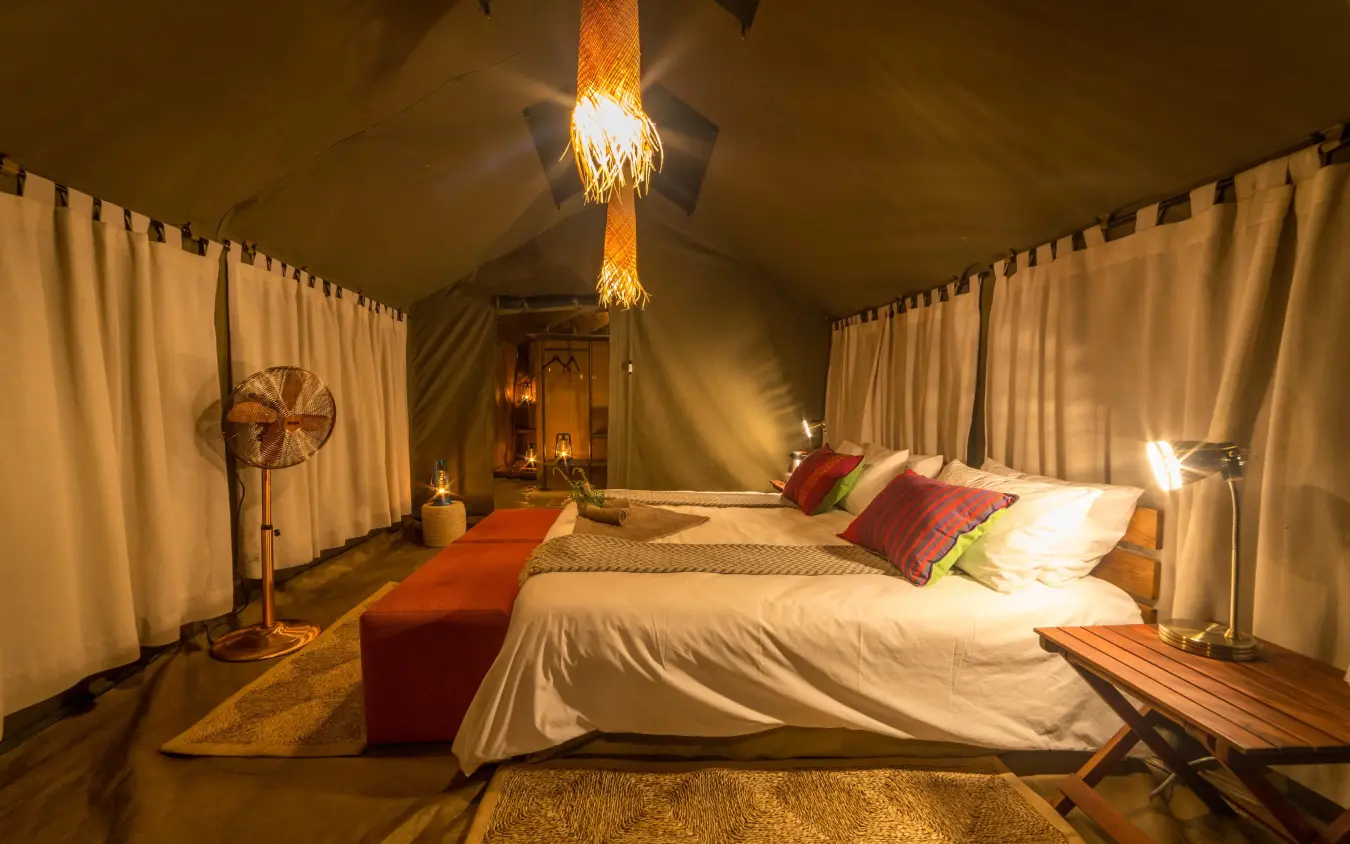
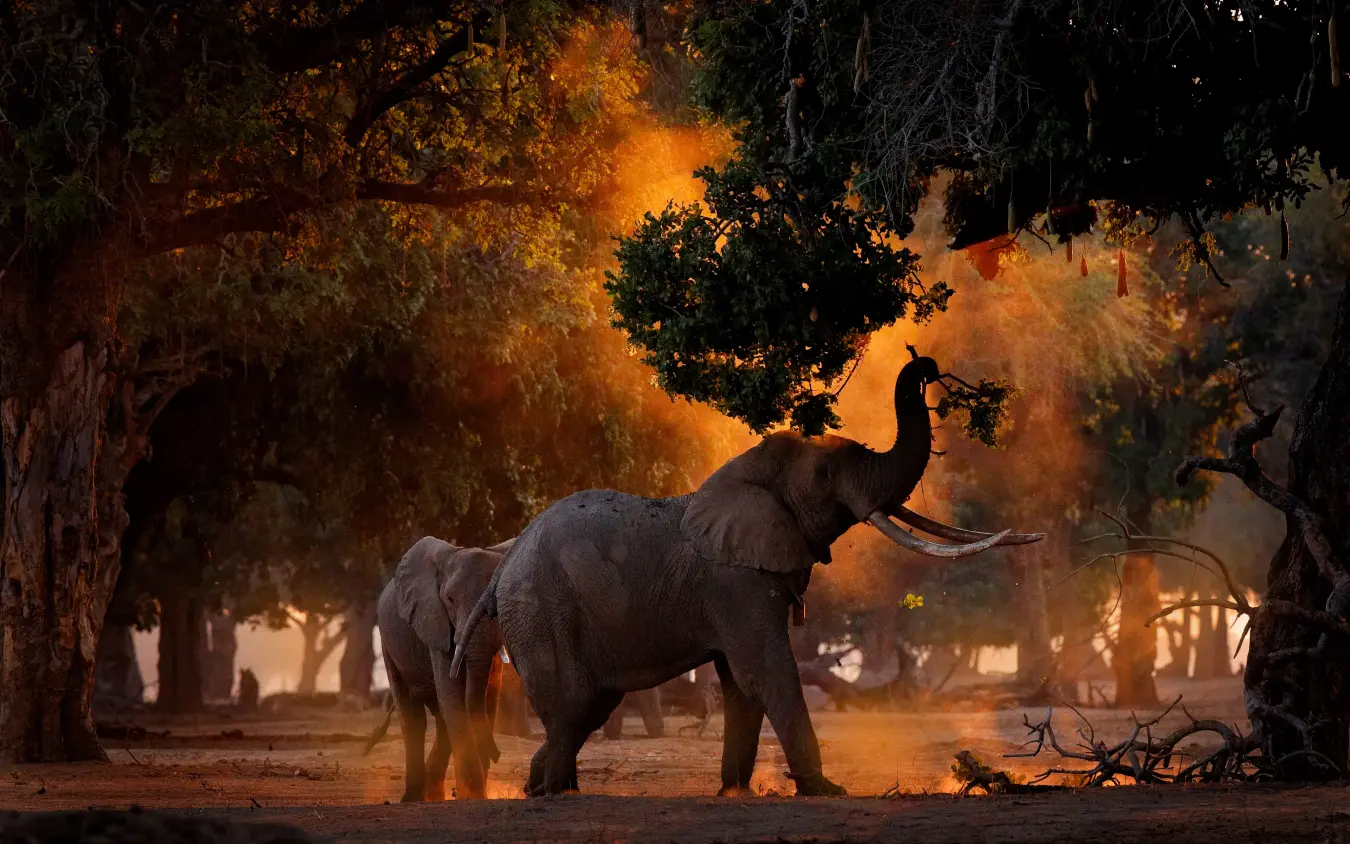
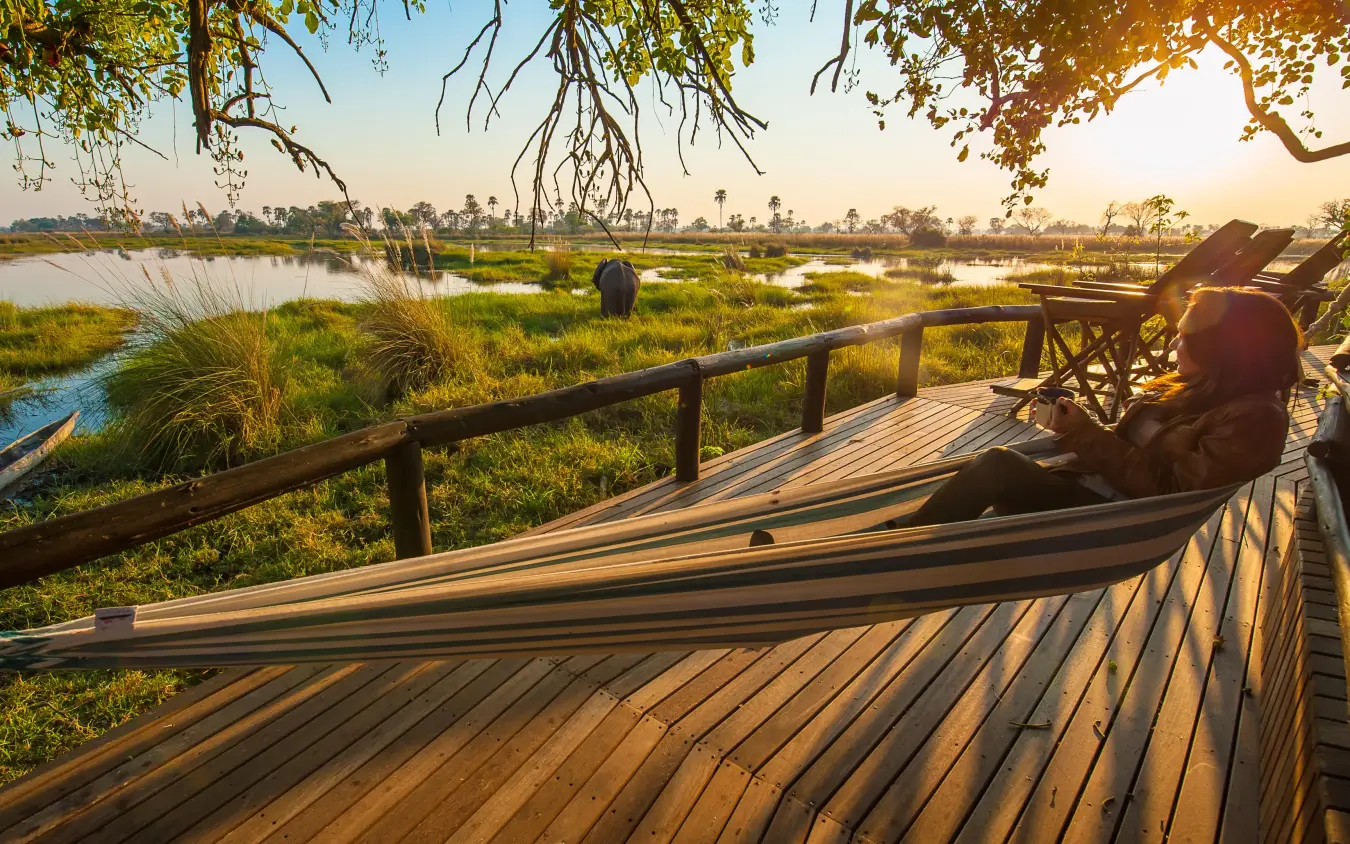
This is a floodplain wilderness walked and paddled, not driven. Days combine walks, drives and canoe trips as the morning demands, following elephant, lion and painted dogs, with canoes drifting past hippos and crocodiles at eye level. The dry season draws elephant and buffalo down to the shrinking river, and the winterthorn forest is where bulls rear onto their hind legs to reach the high pods. Little Vundu keeps five canvas tents on a private concession fronting the Zambezi, run by guide Nick Murray and built around walking safaris, rebuilt each May and dismantled in November.
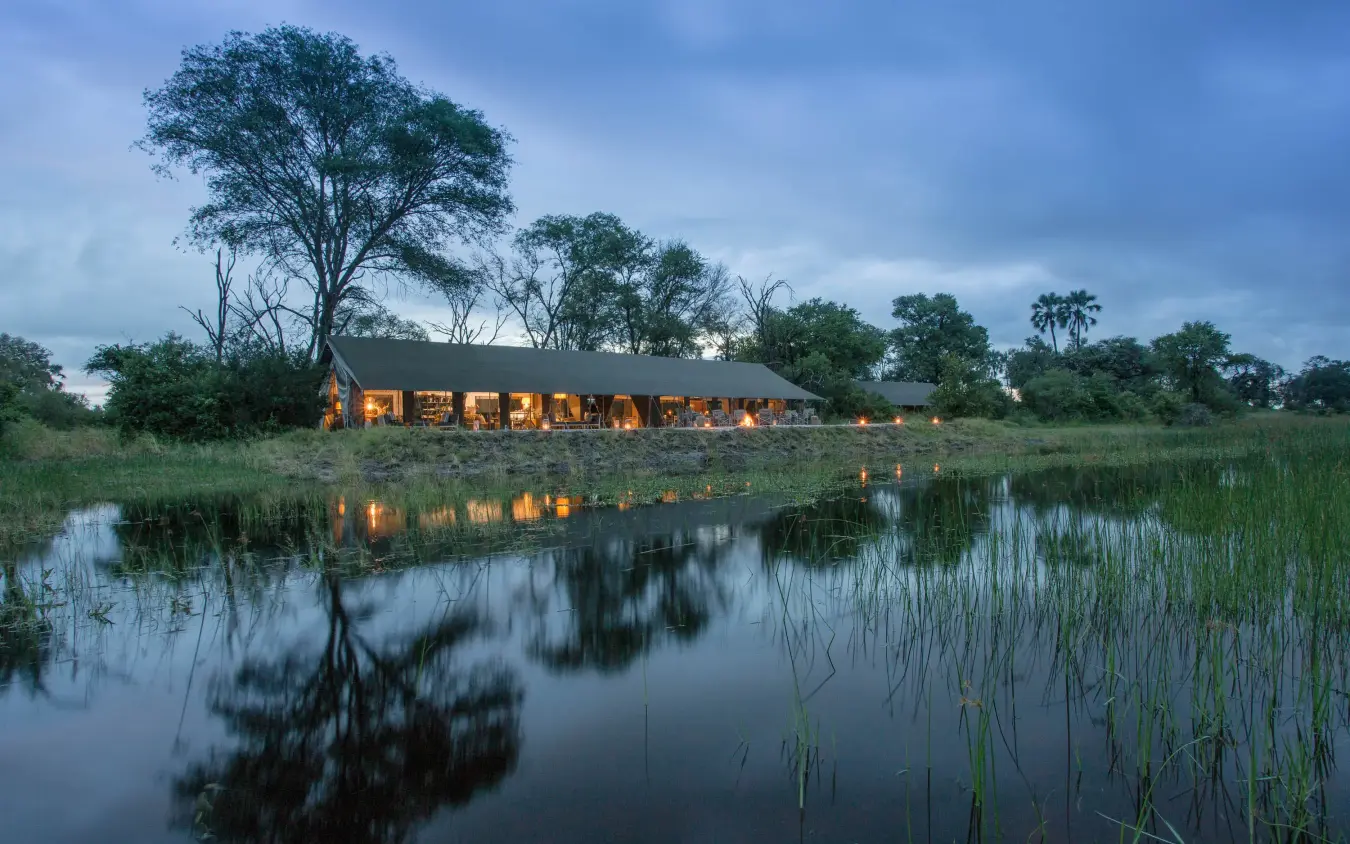
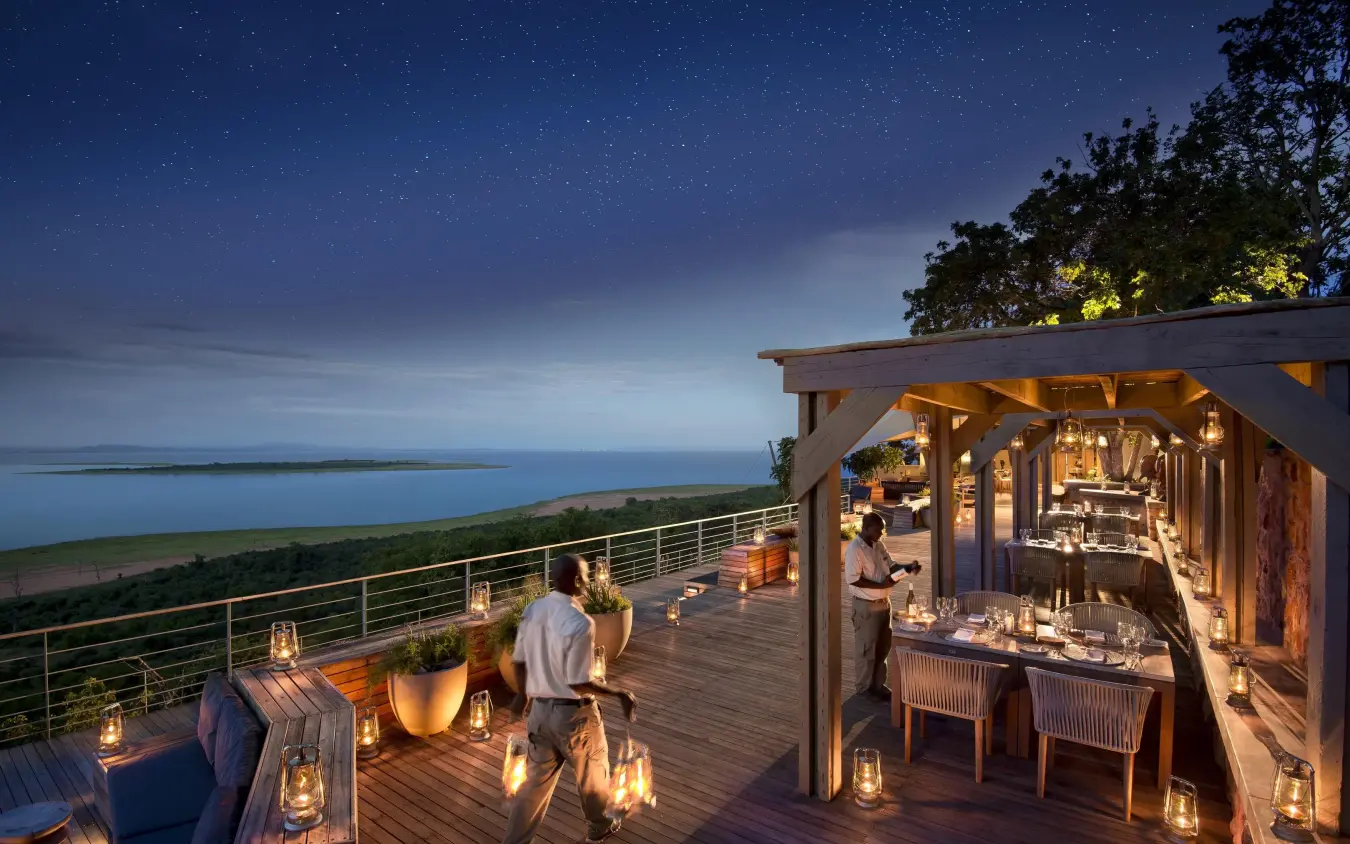
Here the safari often begins on the water. Game is watched from a boat as readily as from a vehicle, elephants cooling in the shallows, buffalo grazing the exposed lakebed, hippos and crocodiles working the inlets, while land-based drives and walks stay on a private concession. Days follow the rhythm of the lake, with boating, sundowner cruises, birding and catch-and-release fishing for tigerfish. Bumi Hills Safari Lodge crowns a hill above Lake Kariba near the north-eastern edge of Matusadona National Park, its infinity pool appearing to blend into the lake horizon.
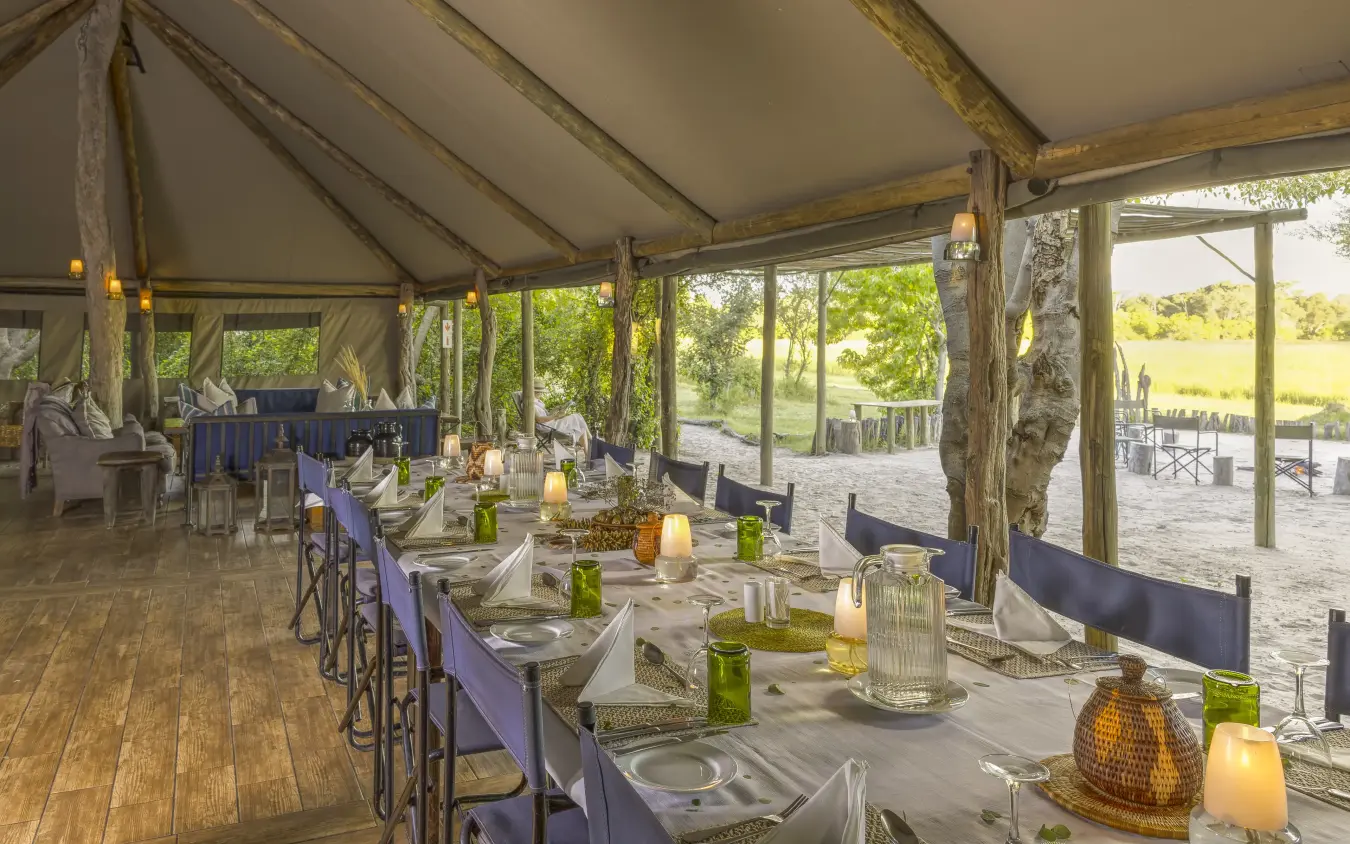
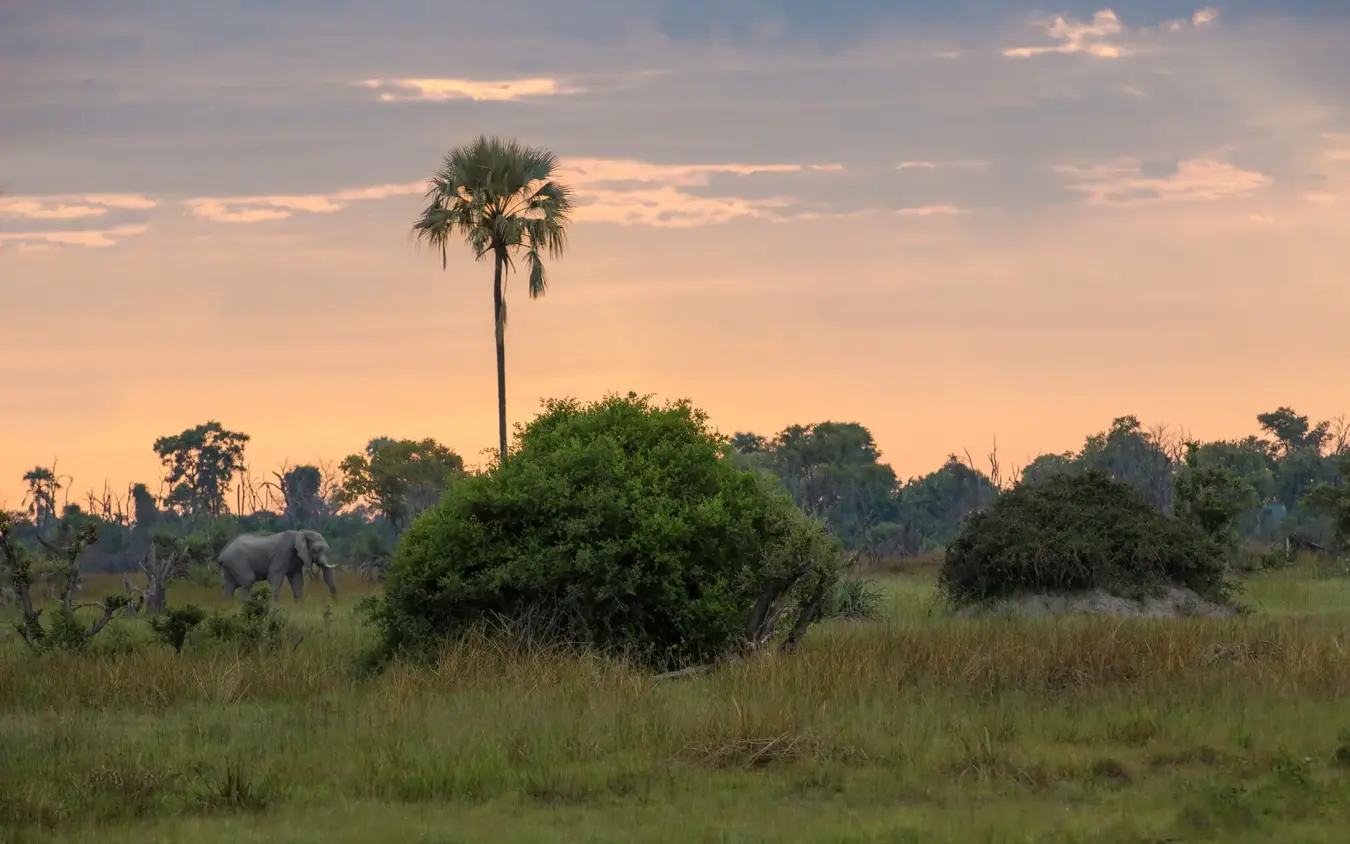
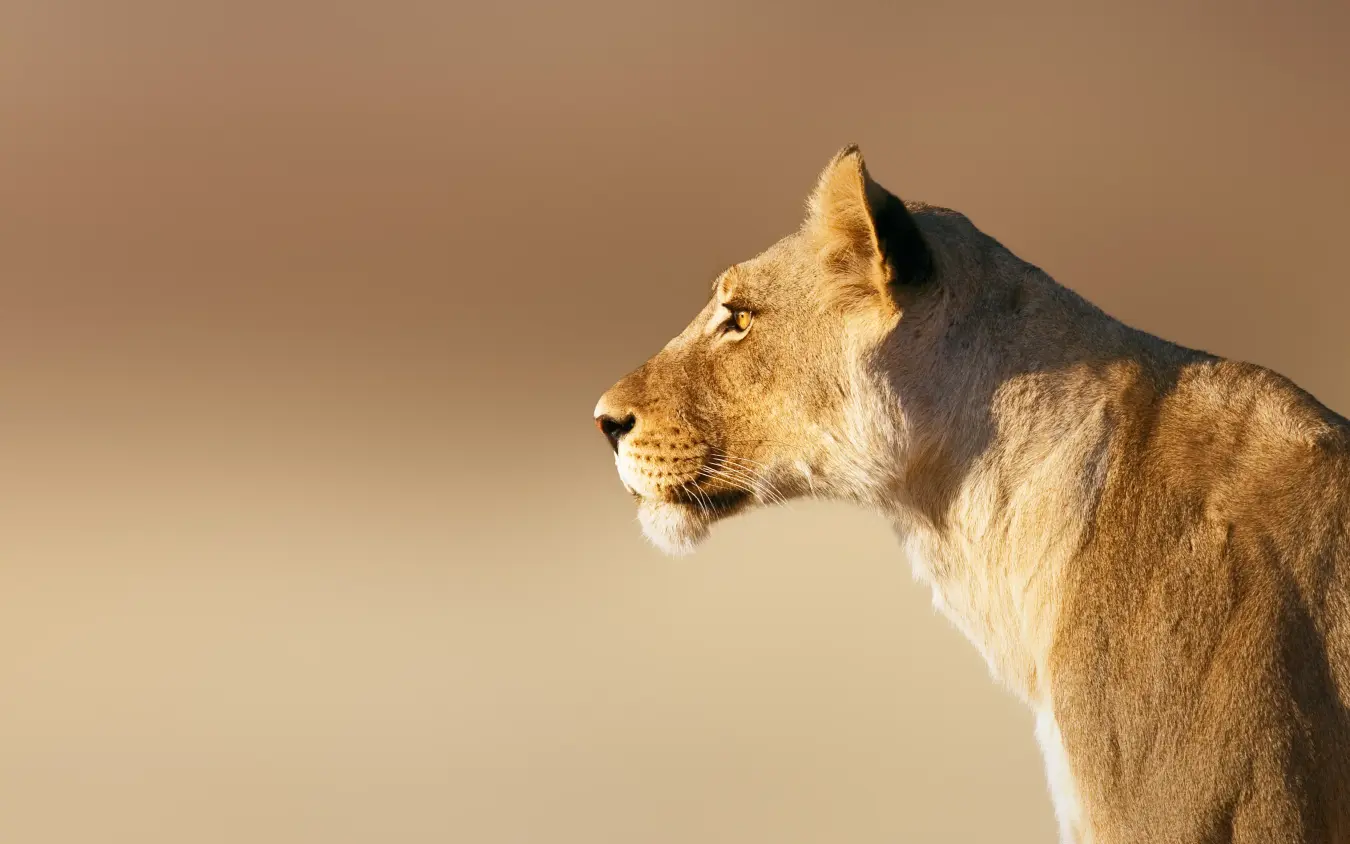
Days here are led on foot and by vehicle across the hilly, rocky Robins country of northern Hwange, working the springs and pumped pans that hold the wildlife through the dry months. Deteema and the nearby springs pull in elephant herds, and the way to see them is to settle at a waterhole and let the sightings come rather than chase them. Buffalo move through in large herds, several lion prides hold year-round, and leopard, cheetah and wild dog are all recorded here. Hwange Bush Camp holds six Meru tents under tree shade, struck each November and rebuilt in May, run by Dave Carson and Antonette as part of their Kazuma Trails operation.
Days here revolve around tracking white rhino on foot through Matobo National Park, alongside guides who know the terrain intimately, some of them professional archaeologists. This is a landscape of granite domes, balancing rocks and whale-back dwalas, part of a UNESCO World Heritage Site scattered with San rock art, so a walk to a painted cave carries as much interpretation as any game drive. There are no lions or elephants here; the focus falls on rhino and leopard, on klipspringer and rock hyrax and breeding pairs of Verreaux's eagle. Amalinda Lodge works nine thatched rooms directly into the granite boulders, built by Phil and Lin Stead in the early 1990s.
Closer than most people expect, and not as close as some photographs suggest.
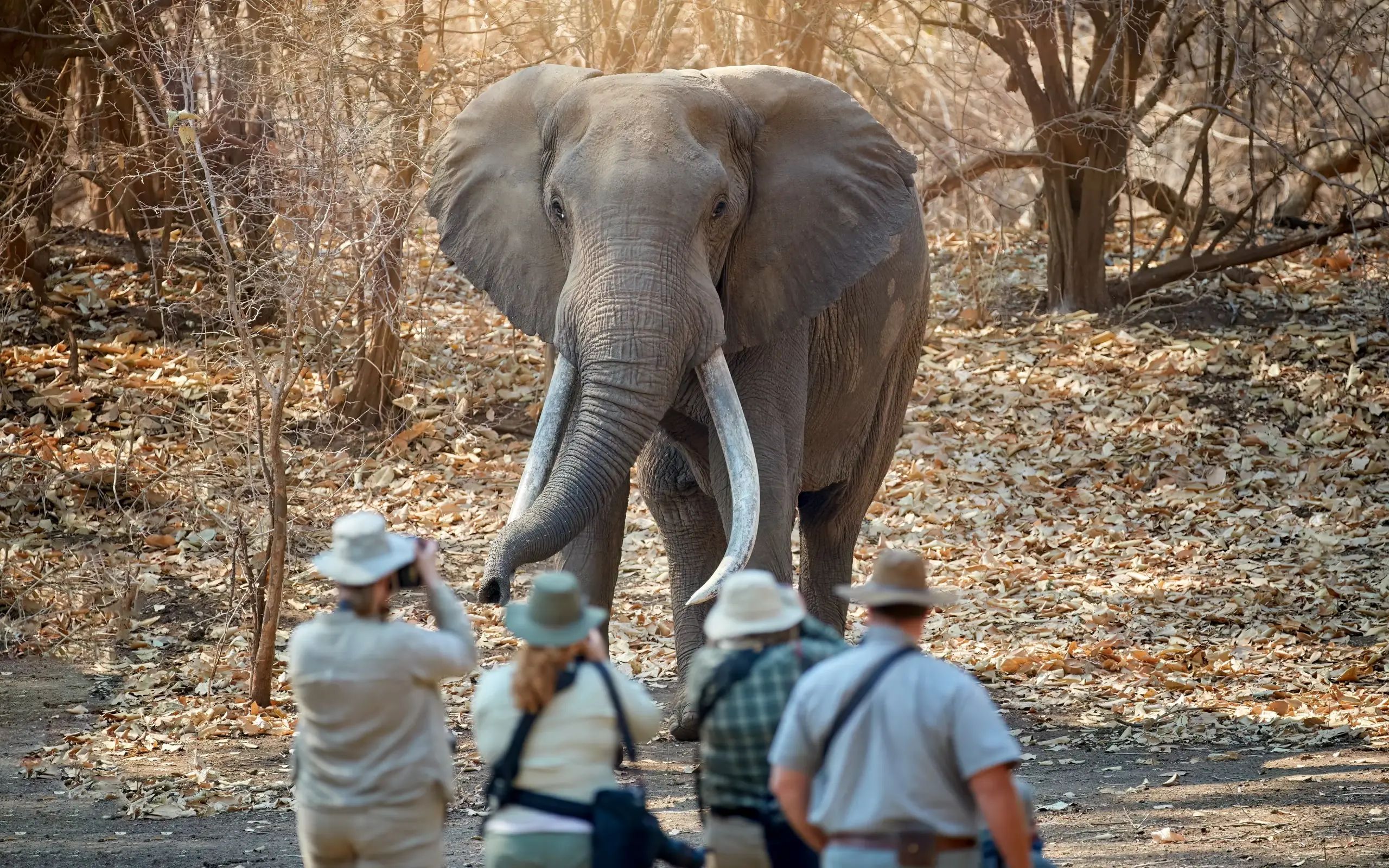
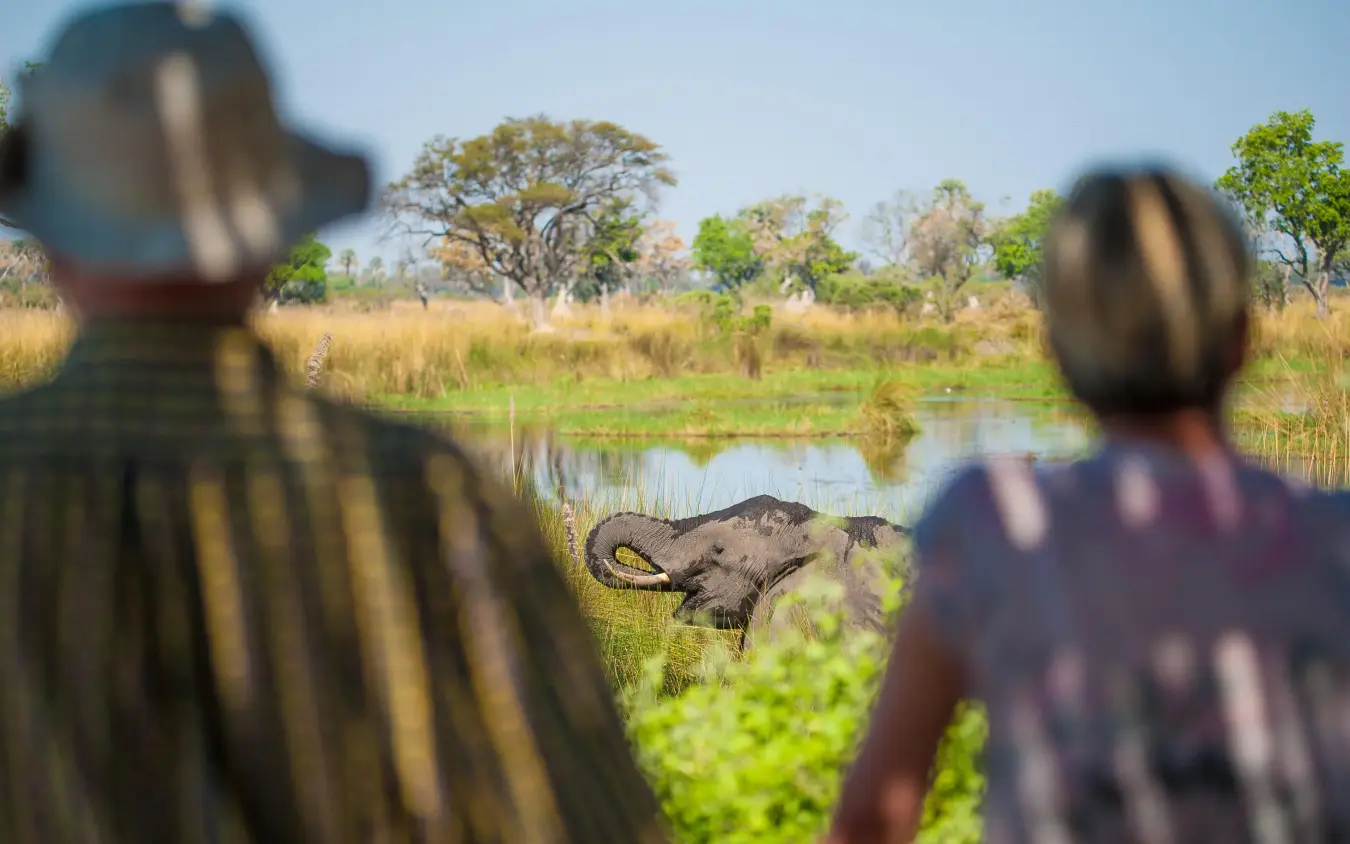
Mana Pools is one of the few national parks in Africa where you go among dangerous big game on foot, always with a licensed professional guide. Many of the old bulls simply carry on feeding as a guide brings you quietly in from downwind.
The park's own code sets the limits:
Thirty metres from a bull elephant, with no vehicle around you, feels very near indeed. From about August some bulls rise onto their hind legs to reach the winterthorn pods, which is the sight everyone hopes for and nobody can order up.
Your part is simple: stay behind the guide, keep quiet and do as you are asked.
Mana Pools is a stronghold for them and sightings there are regular, but with wild dogs nothing can be counted on.
The packs on this floodplain were the subject of the BBC's Dynasties film on painted wolves, first shown in 2018 and narrated by David Attenborough, which is a fair measure of how closely these particular families have been followed.
Two things help. The floodplain is open, so once dogs are found you can watch them on foot and at their own level. And your dates matter: Zimbabwe's packs usually den in May or June, and a pack with pups stays tied to that den for ten to fourteen weeks instead of roaming.
At other times the same pack can cover 30 kilometres in a day. Hwange's Robins country records wild dog too, a second and slimmer chance later in the trip.
Older teenagers, yes. Young children, not as the route is written.
The suites on the private island at the Falls are adults only, so a family would start at a lodge on the mainland instead, which is an easy change. After that the limits come from the walking.
Little Vundu takes no children under six, asks families with under twelves to book a private vehicle, and allows walking and canoeing from ten at the guide's discretion. Hwange Bush Camp welcomes children over eight but sets twelve as the age for walking safaris, again at the guide's discretion.
Since both camps are built around being on foot, we would suggest this route from about twelve at the youngest. At Matobo, rhino tracking suits older children and teenagers who can walk quietly and follow instructions.
Send us the children's ages with your enquiry and we will check every camp's current policy, Bumi Hills included.
White rhino above all, and they are the reason to come.
We rate Matobo one of the best places in Zimbabwe to see them, and here you do it on foot.
Be realistic about the other two animals people ask about. Black rhino live in these hills but are rated rare. Leopard are reputed to reach a very high density among the granite, yet they are secretive and seldom show themselves.
What fills the rest of your two days is the land and its past. The hills hold more than 3,000 registered rock art sites, and the lodge's guides take you into painted caves. Cecil Rhodes's grave is cut into the granite summit of Malindidzimu, the hill known as World's View.
And because no lion or elephant live here, walking is relaxed in a way it cannot be at Mana Pools or Hwange.
May to November only. Two of the camps are canvas put up for the season and taken down again for the rains, which pins the whole route inside the dry half of the year.
For a route that is mostly on foot we would pick July, August or September, which score top marks on our own pages for all five stops: mornings cold enough for gloves, days warm and dry, and grass low enough to see what you are walking towards.
October is a real choice and not a mistake. It brings the greatest numbers to the river and the pans, and it is also when Mana Pools easily tops 40 degrees, so expect very early starts and long rests in the shade.
June is cool and quiet, with Hwange's herds still building. The edge months, May and November, trade animals spread thinly across green country for walking you have almost to yourselves, with the first storms and their birds in November.
As much or as little as you like.
Nothing on this route is a march. The walks are about tracks and detail, not distance, and at both walking camps the plan is made around what the animals are doing, so a morning might be a walk, a drive, a canoe or some of each.
At Hwange Bush Camp the days are game drives and walks or a combination of the two, and the aim is the experience and not ticking off every animal. There, the way to see elephants is to sit still beside a pan.
On Lake Kariba much of the watching is done from a boat, and the walks there are optional. The one outing with a fixed purpose is the morning spent tracking rhino in the Matobo Hills. Anyone who would rather drive can do so at every stop.
Underfoot it is level at Mana Pools, stonier and hillier in Hwange, and bare granite at Matobo.
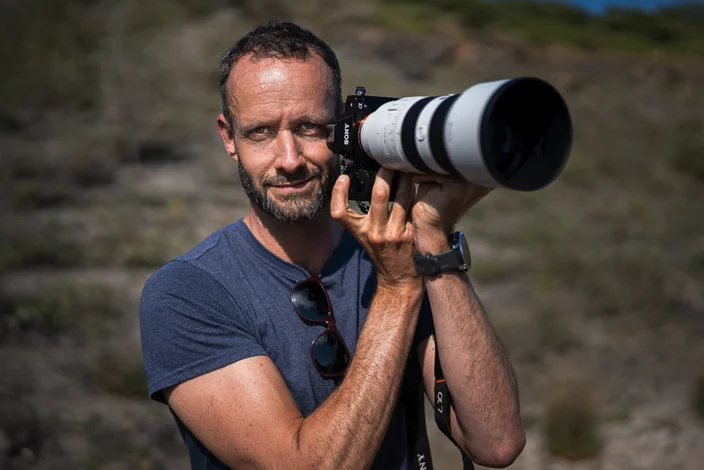
Ed Charles, BBC Producer
Fitzroy are true specialists in accessing the wilderness. They know where to go and importantly, when to go there. Highly recommended.
zimbabwe & botswana
Twelve nights from Victoria Falls to the Chobe and across Botswana's Okavango, by vehicle, boat, mokoro and on foot.
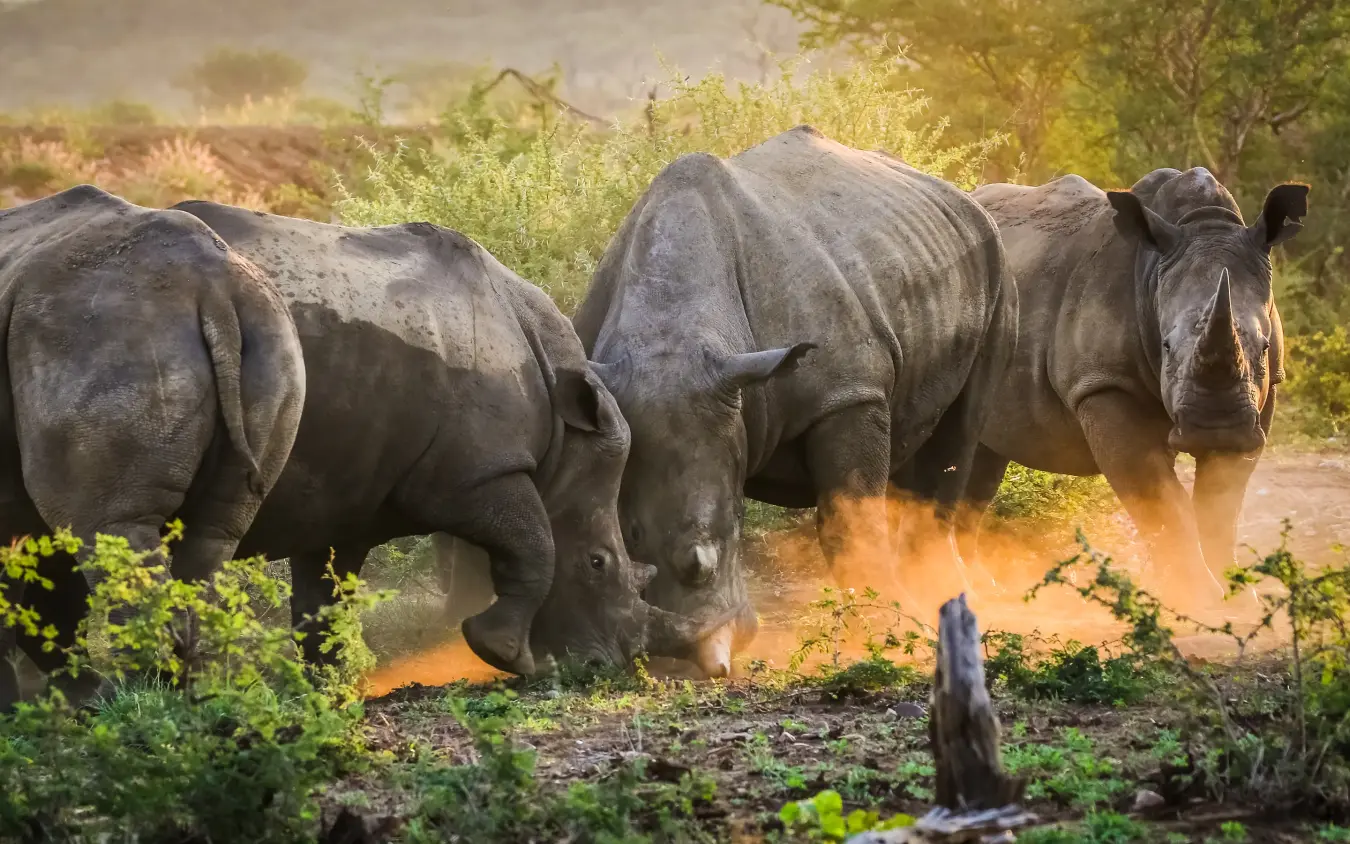
zimbabwe
Nine nights in south-eastern Zimbabwe, from the Save River and Gonarezhou to rhino tracking in the Sango Conservancy.

zimbabwe & botswana
Twelve nights from the Zambezi floodplain and Victoria Falls to Selinda's spillway and the Okavango's Gomoti channels.
rated five stars by our clients

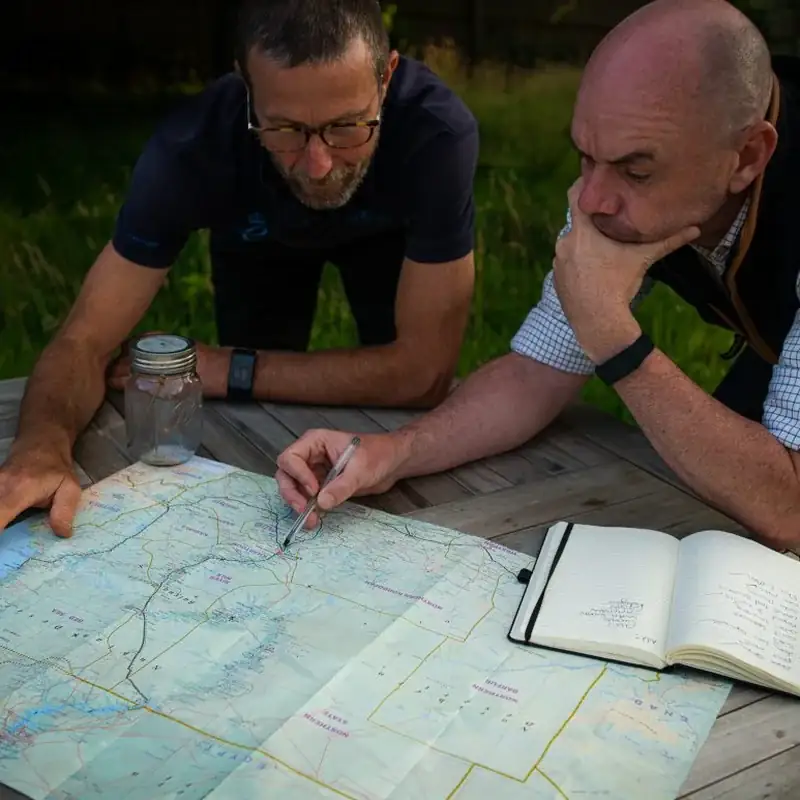
our approach
Every journey starts with a conversation. We take the time to understand your vision before we start planning.
Whether by phone or in person, we work with you directly to shape something that is considered, personal, and expertly delivered.
Every journey starts with a conversation. We favour a direct, personal approach: understanding your vision before anything else.
Whether by phone or in person, we work with you directly to shape a journey that is both thoughtfully considered and expertly delivered.
Get in touch to start planning yours.