Lodge

Little Vundu

Five canvas tents on the Zambezi in Mana Pools, Zimbabwe, rebuilt every May and given over to walking with elephants.

Country: Zimbabwe
Location: Banks of the Zambezi, western Mana Pools
Number of rooms: 5

Walking to elephants with Nick Murray

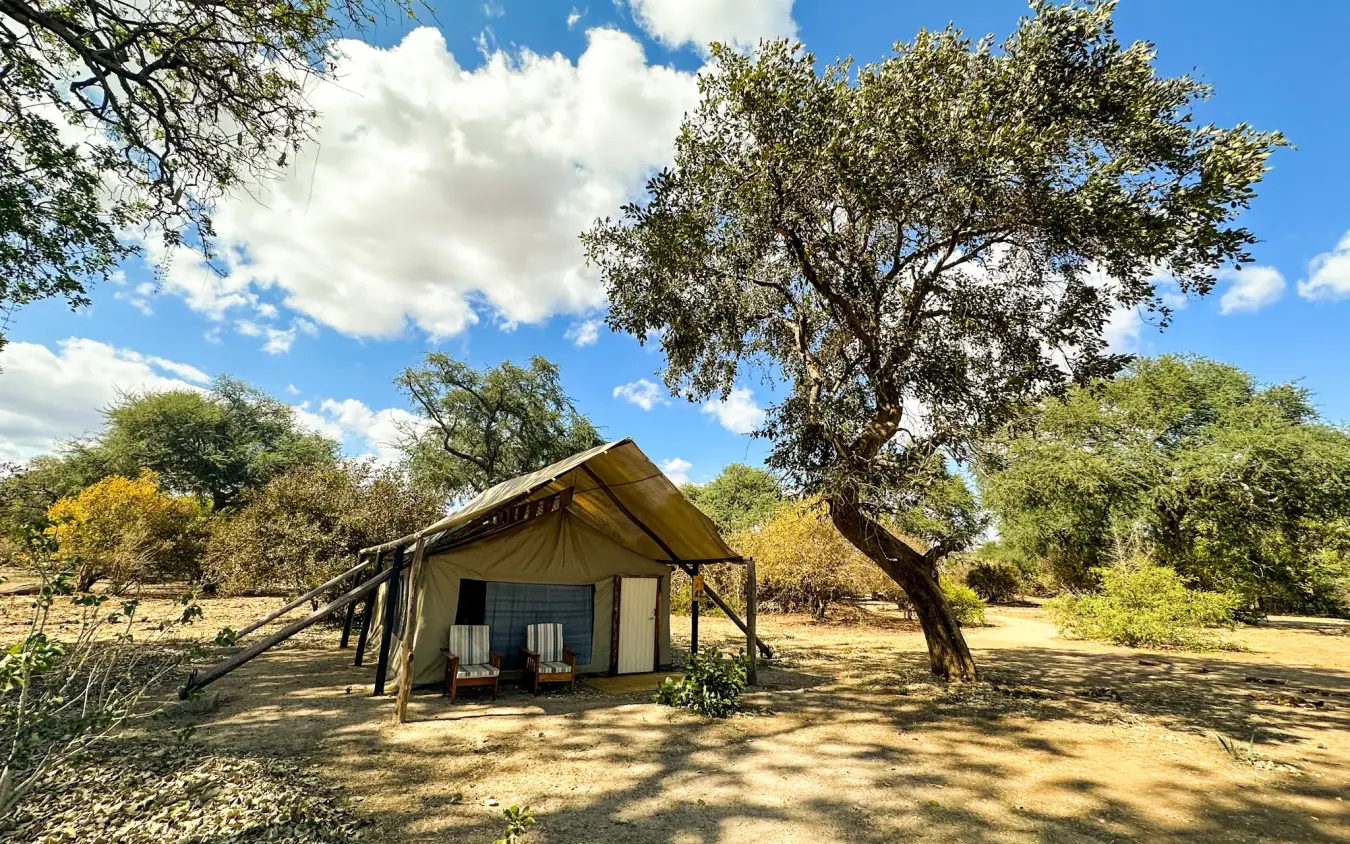
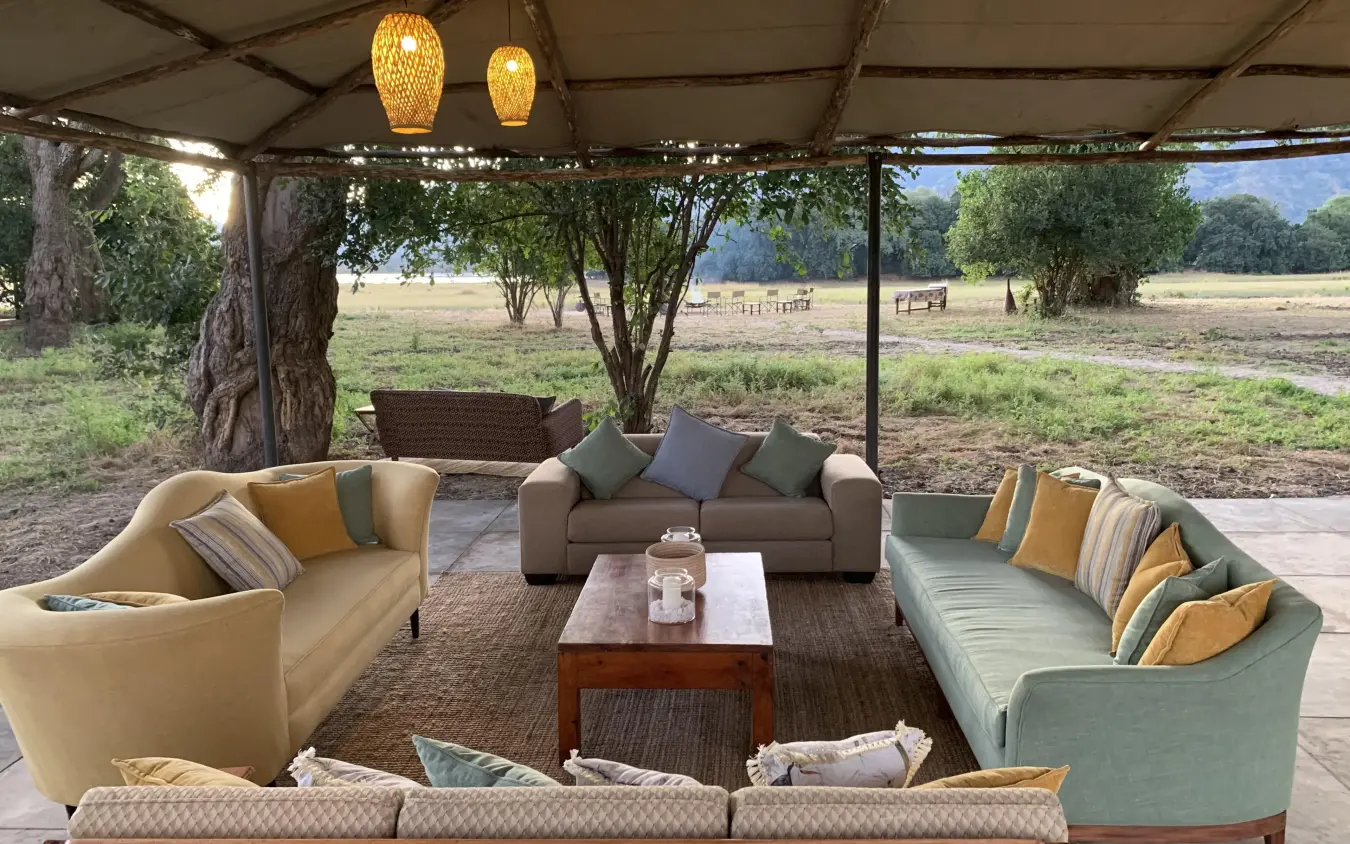
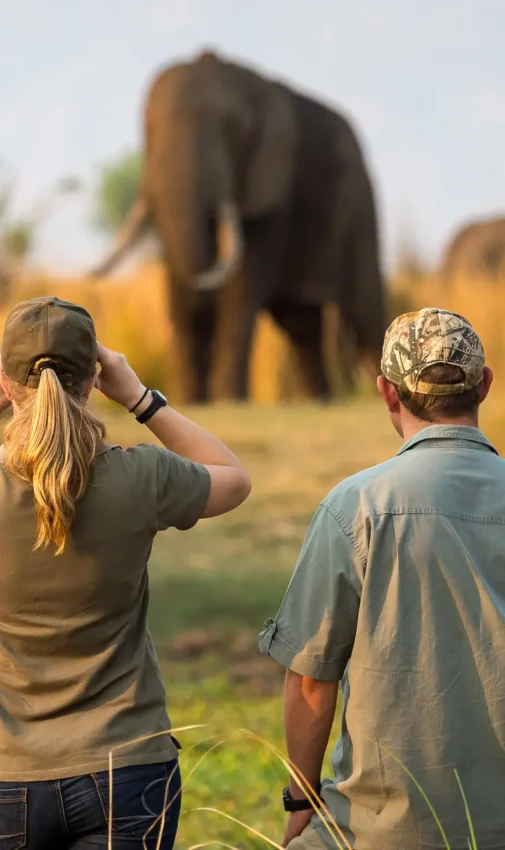
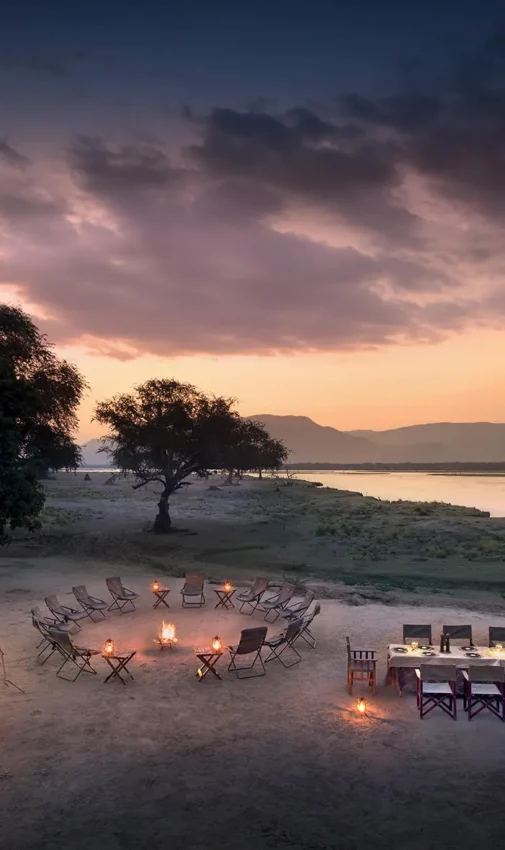
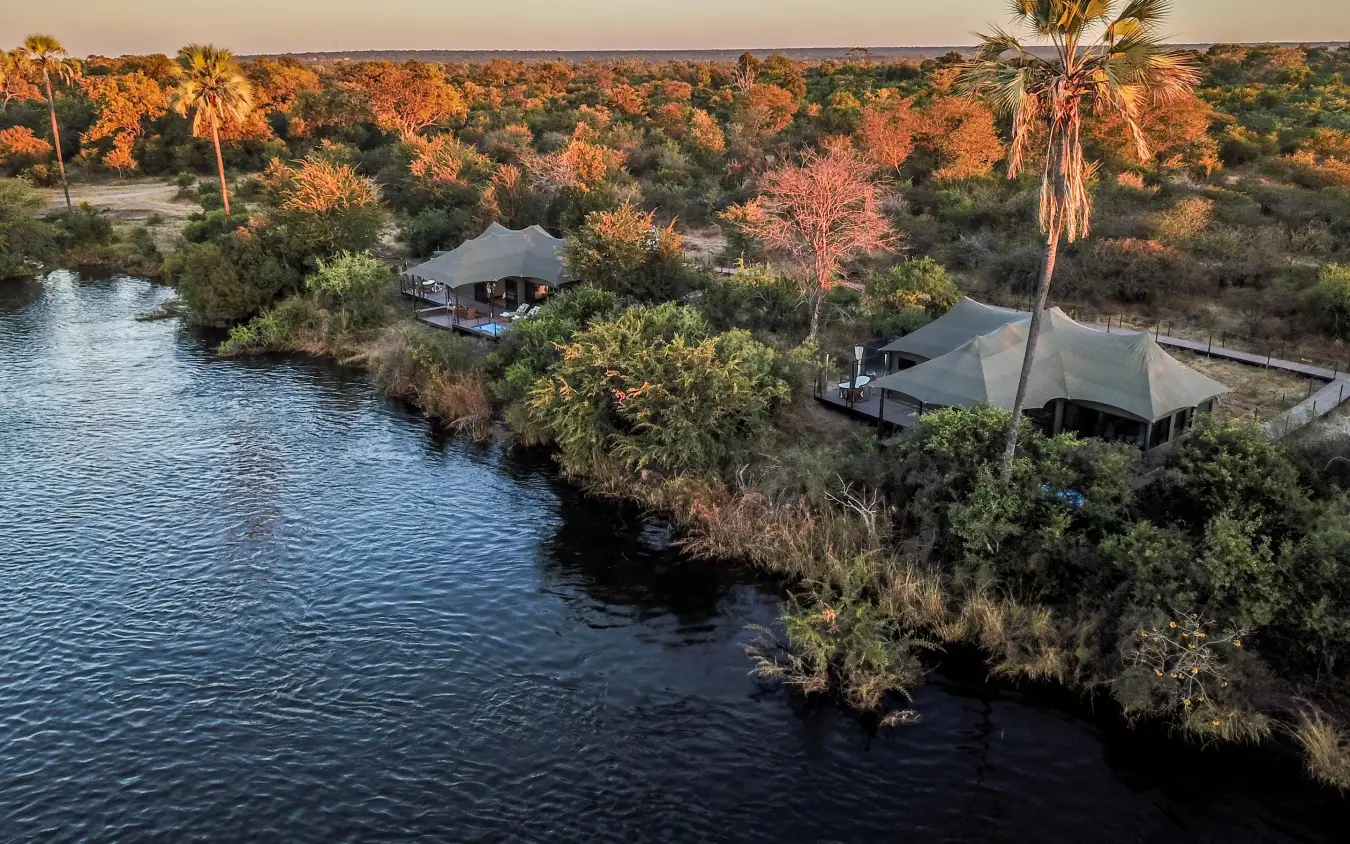
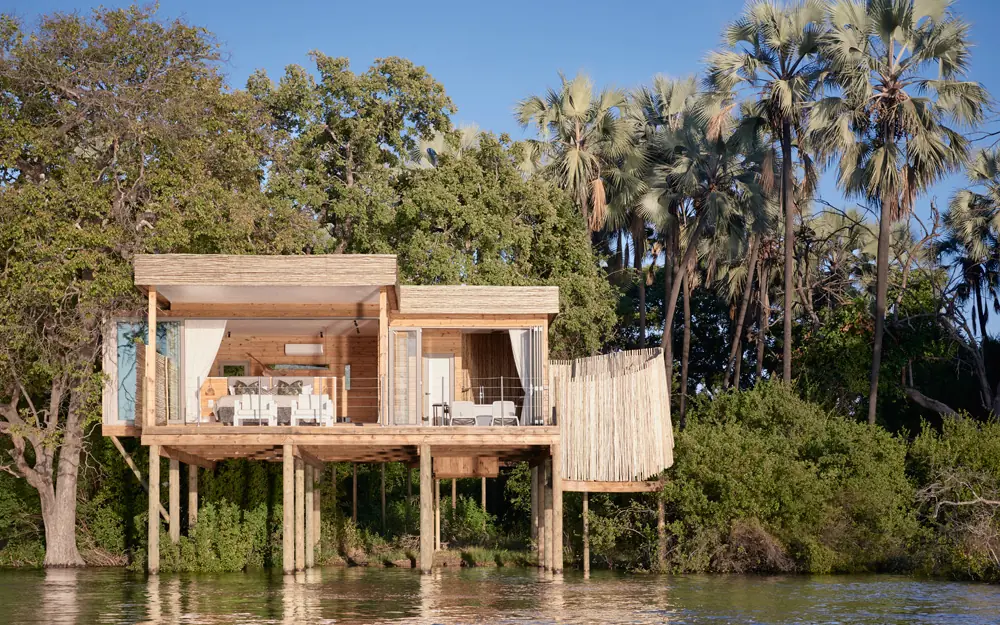
Bull elephants feed on fallen sausage-tree pods within metres of the tents at Little Vundu. Five tents occupy a private concession in Zimbabwe’s Mana Pools National Park, rebuilt every May beneath sausage trees, ebony and acacia. The Zambezi runs some 75 metres away. A footbridge leads to the dining tent across a narrow channel that elephants use daily to drink and feed.

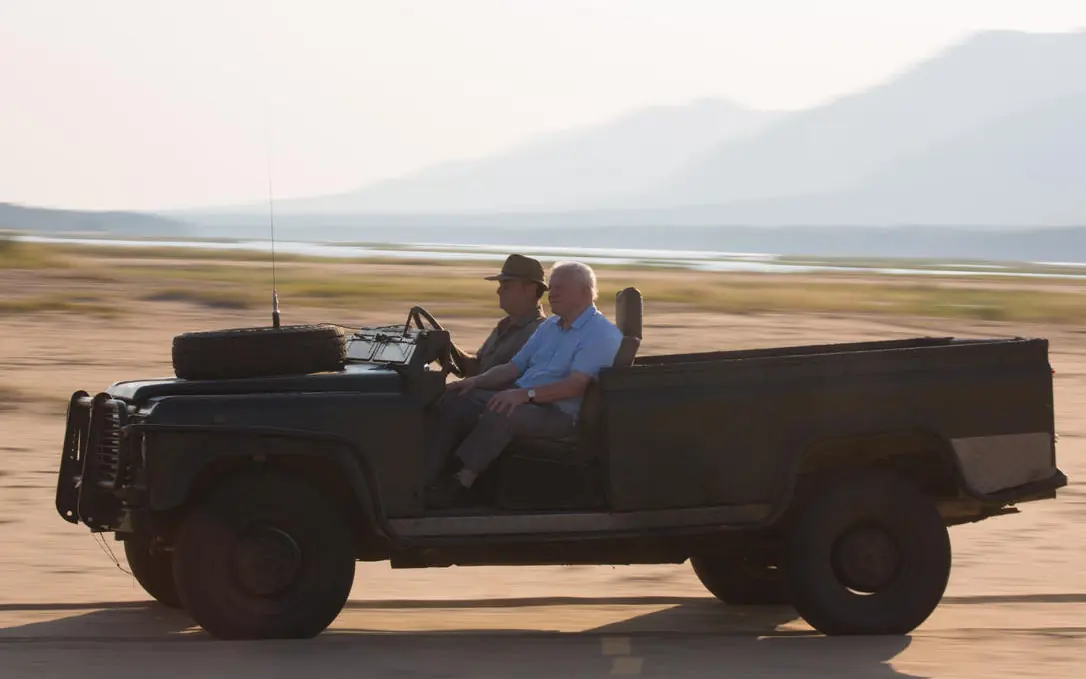
A morning drive gives way to walking wherever fresh tracks lead.

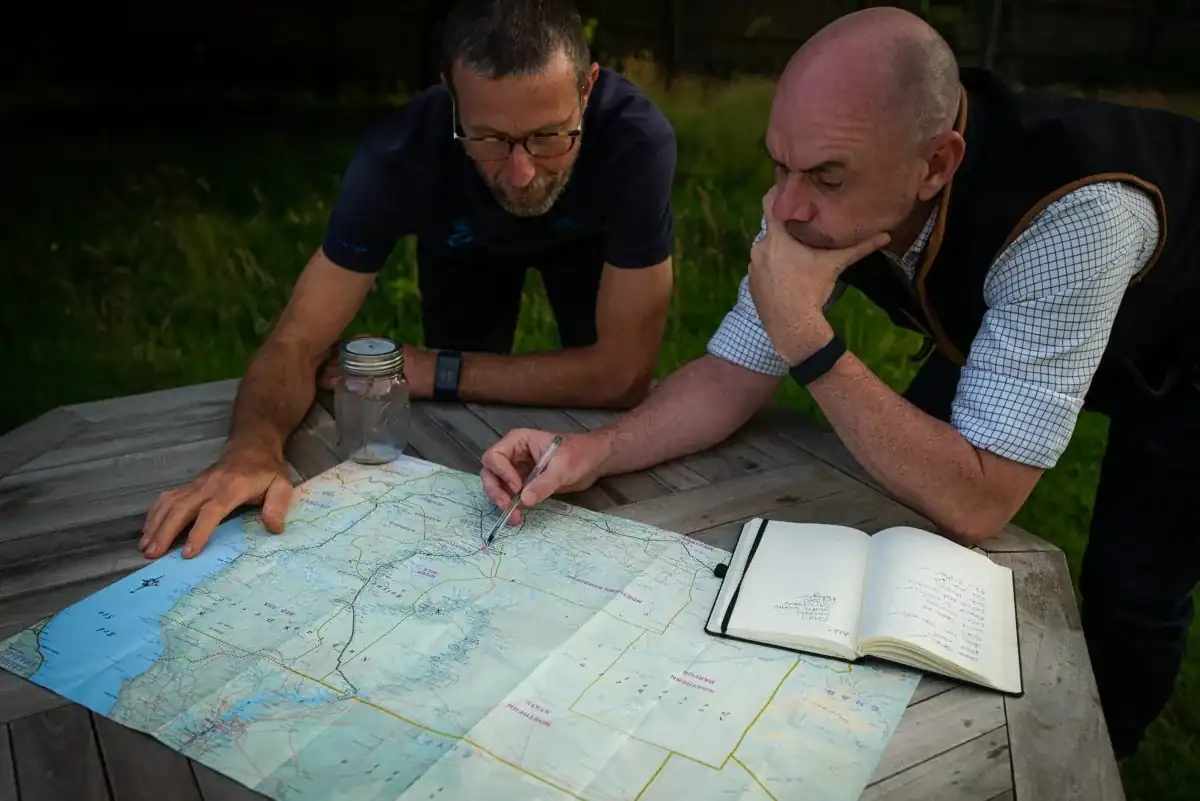
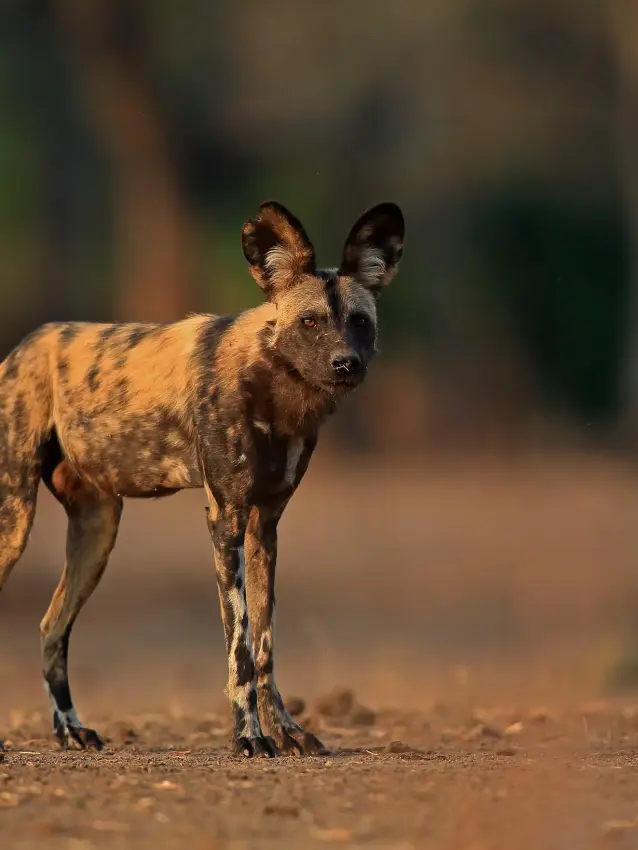
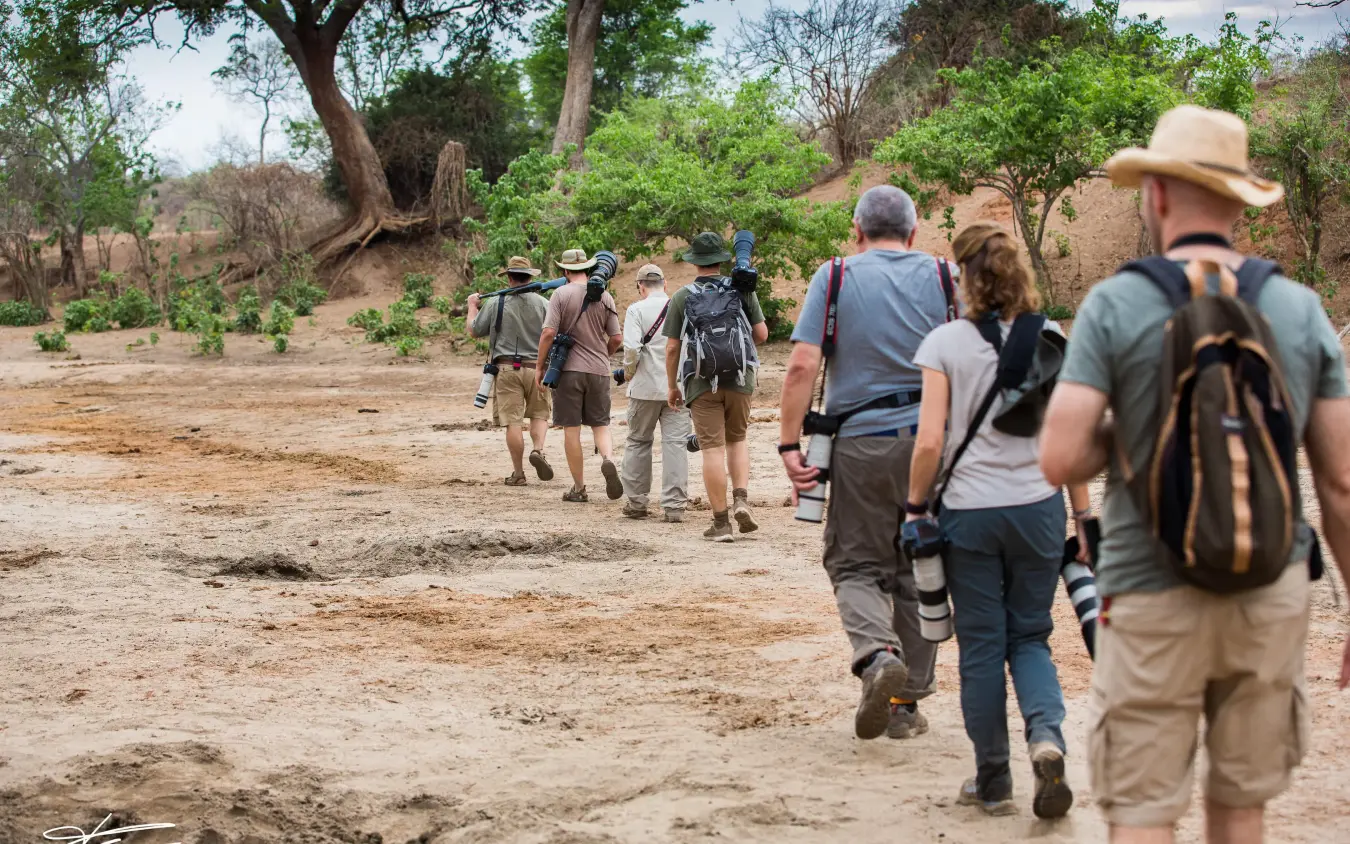
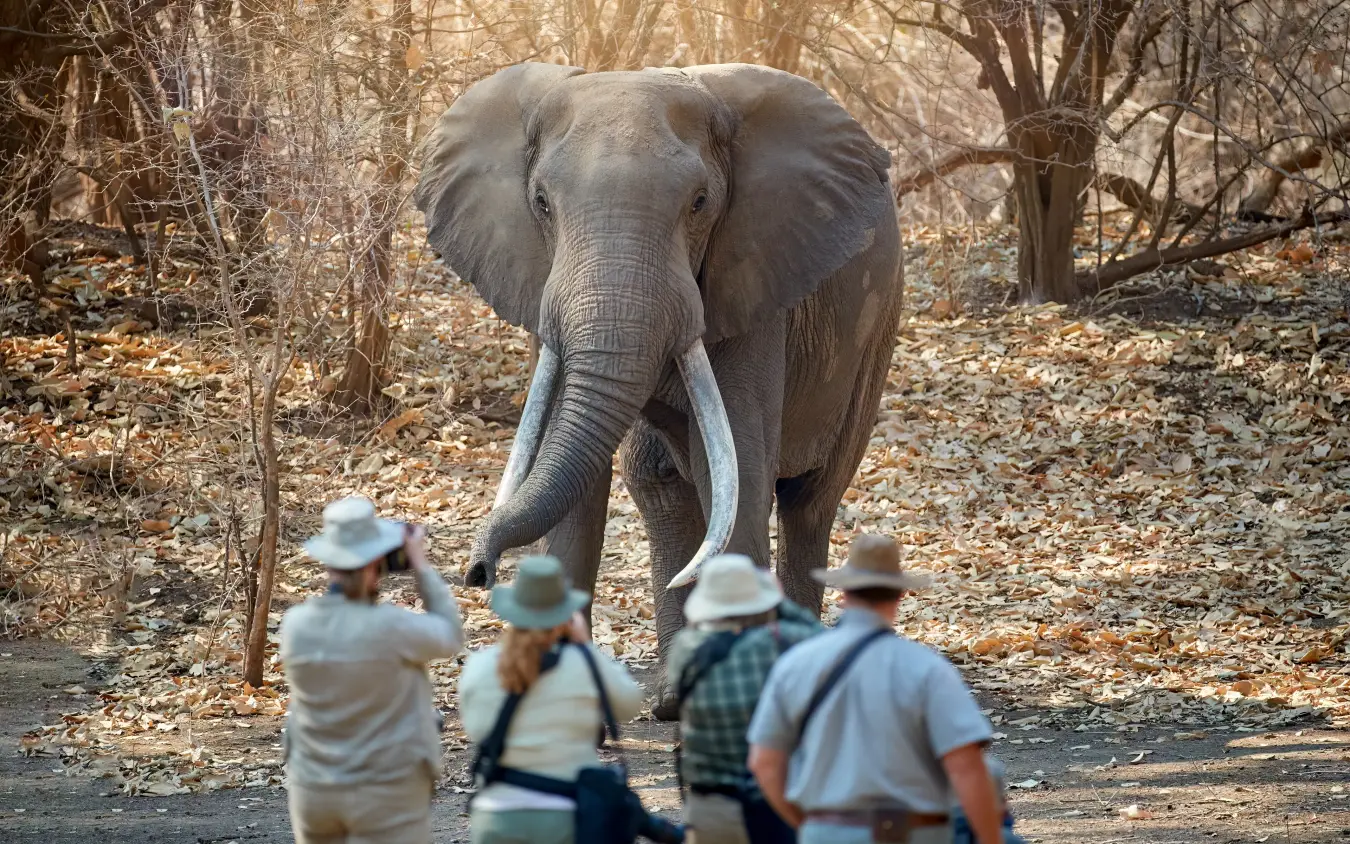
Guests come here to walk. Nick Murray, a professional guide, founded Bushlife Safaris with his wife Desirée and runs it himself. His team has worked this stretch of the Zambezi Valley for decades, tracking elephants and wild dogs on foot. A morning drive gives way to walking wherever fresh tracks lead. That experience is why guests book Little Vundu ahead of a larger, more polished camp.
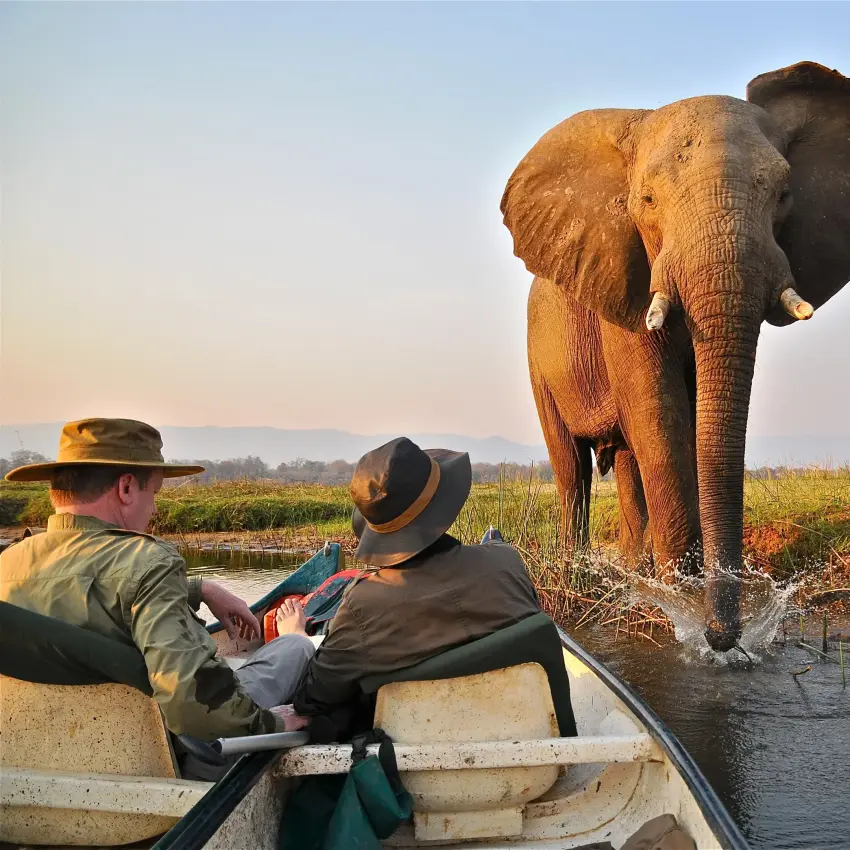
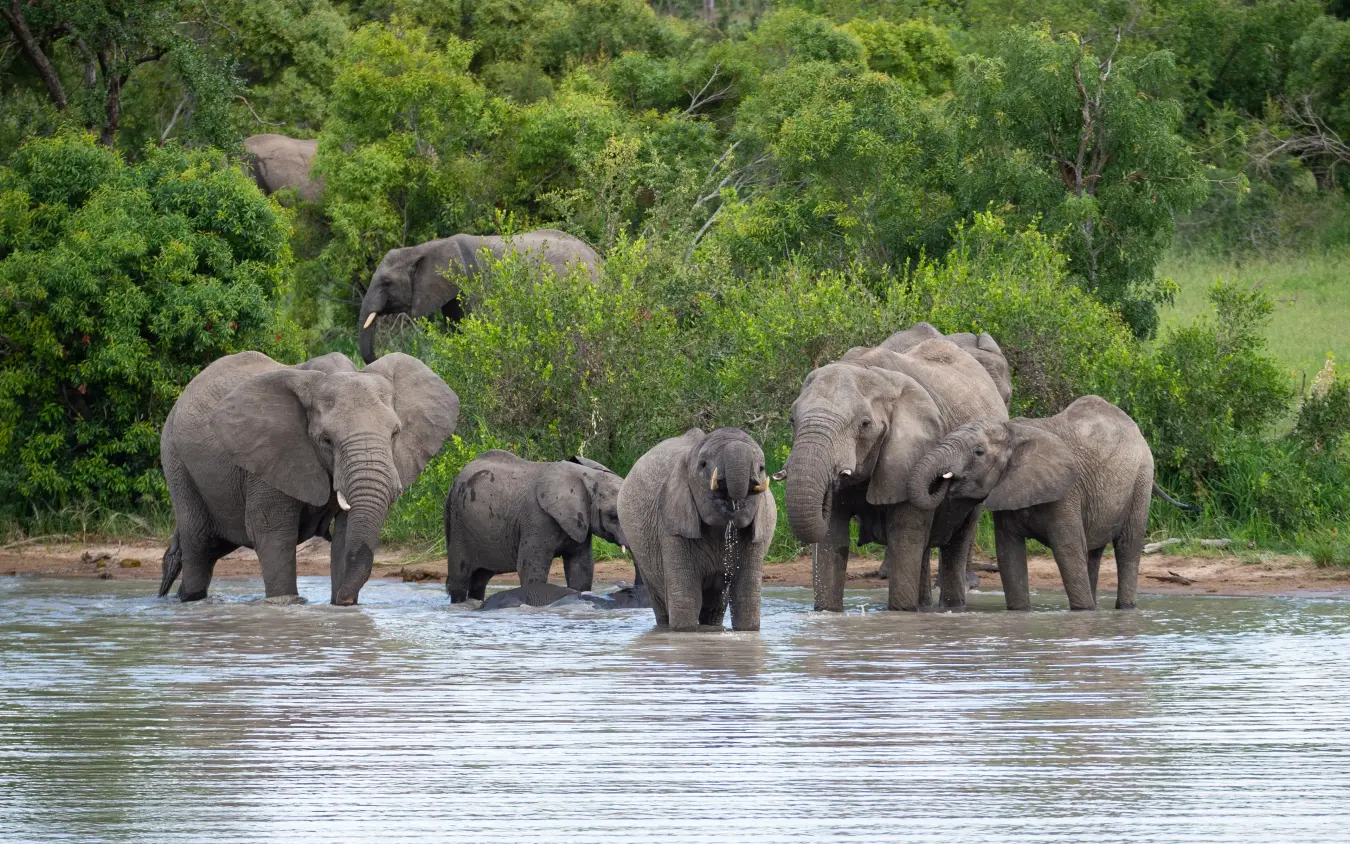
Guests in boat observing elephant bathing in water, Little Vundu, Mana Pools, Zimbabwe
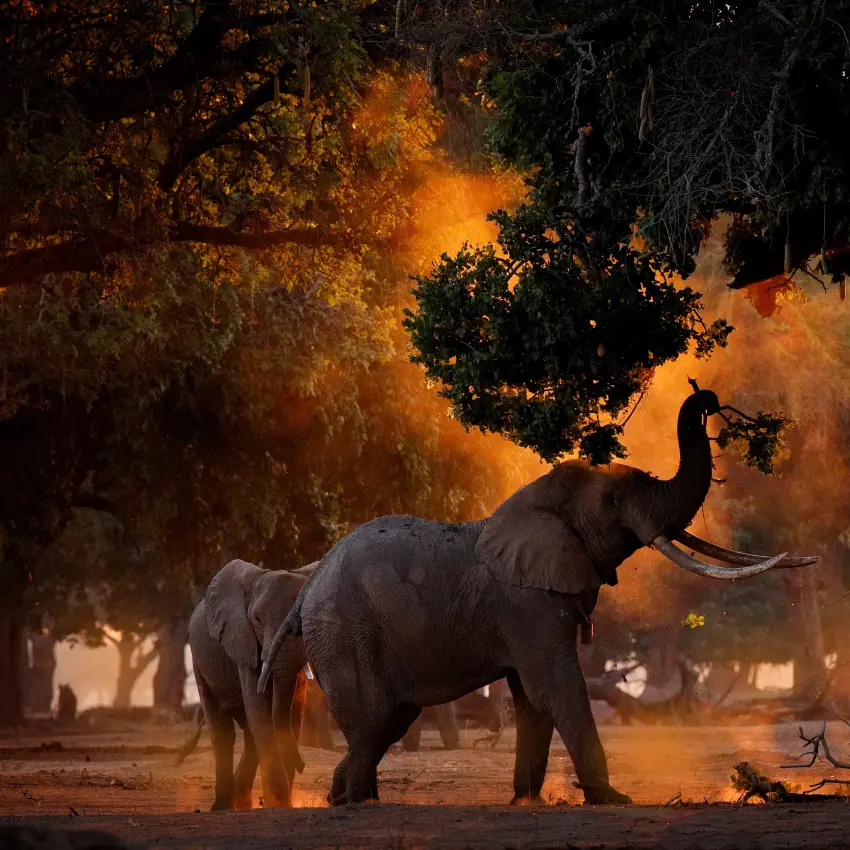
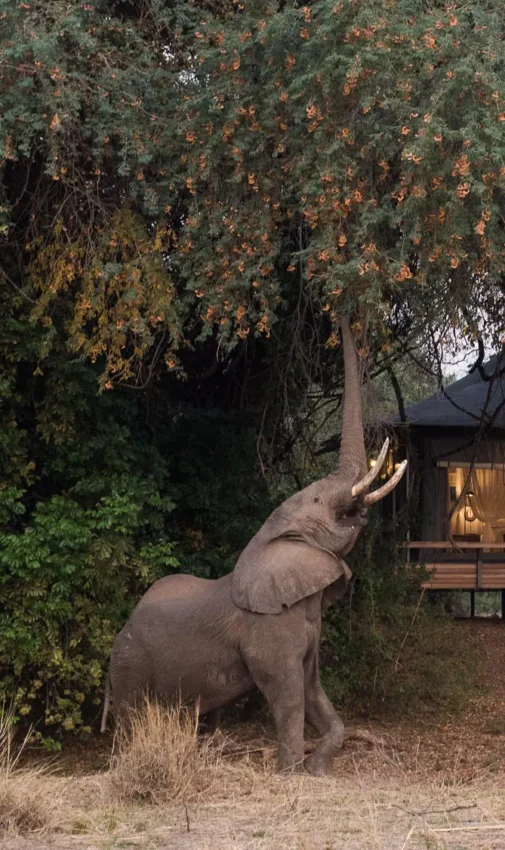
Elephant with raised trunk in misty forest at sunset, Little Vundu, Mana Pools, Zimbabwe

Breakfast comes at first light, with mist still lifting off the river and fish eagles calling as the hippos surface. The guides then decide whether the morning calls for a walk, a drive or a canoe. On the river, canoes pass hippos and crocodiles at water level. Fishing and birdwatching fill the quieter hours, and after dark the hippos call again from the water.

On the river, canoes pass hippos and crocodiles at water level.

In the dry season the shrinking river holds the game close to the water. The concession is private, so walking, driving and paddling combine, with far fewer vehicles around than in the park’s public sections. Close to 400 bird species have been recorded in Mana Pools, a UNESCO World Heritage Site, and the riverine woodland around the camp holds kingfishers and bee-eaters alongside the larger game.

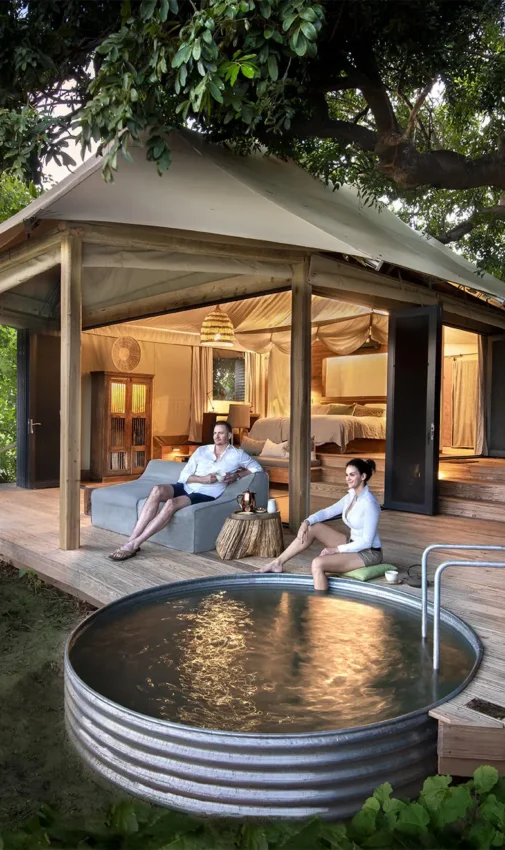
Spacious safari tent bedroom with multiple beds and natural light, Little Vundu, Mana Pools, Zimbabwe 01

accommodation

Five Meru-style Tents Among Sausage Trees

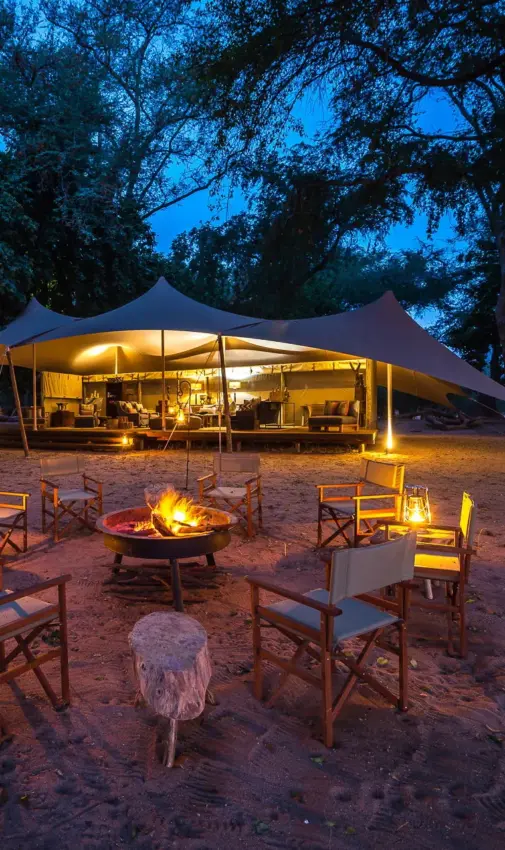
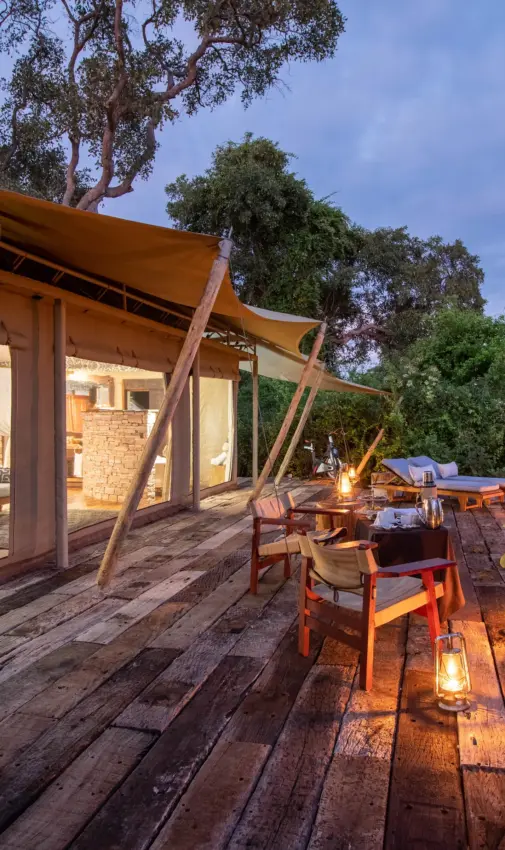
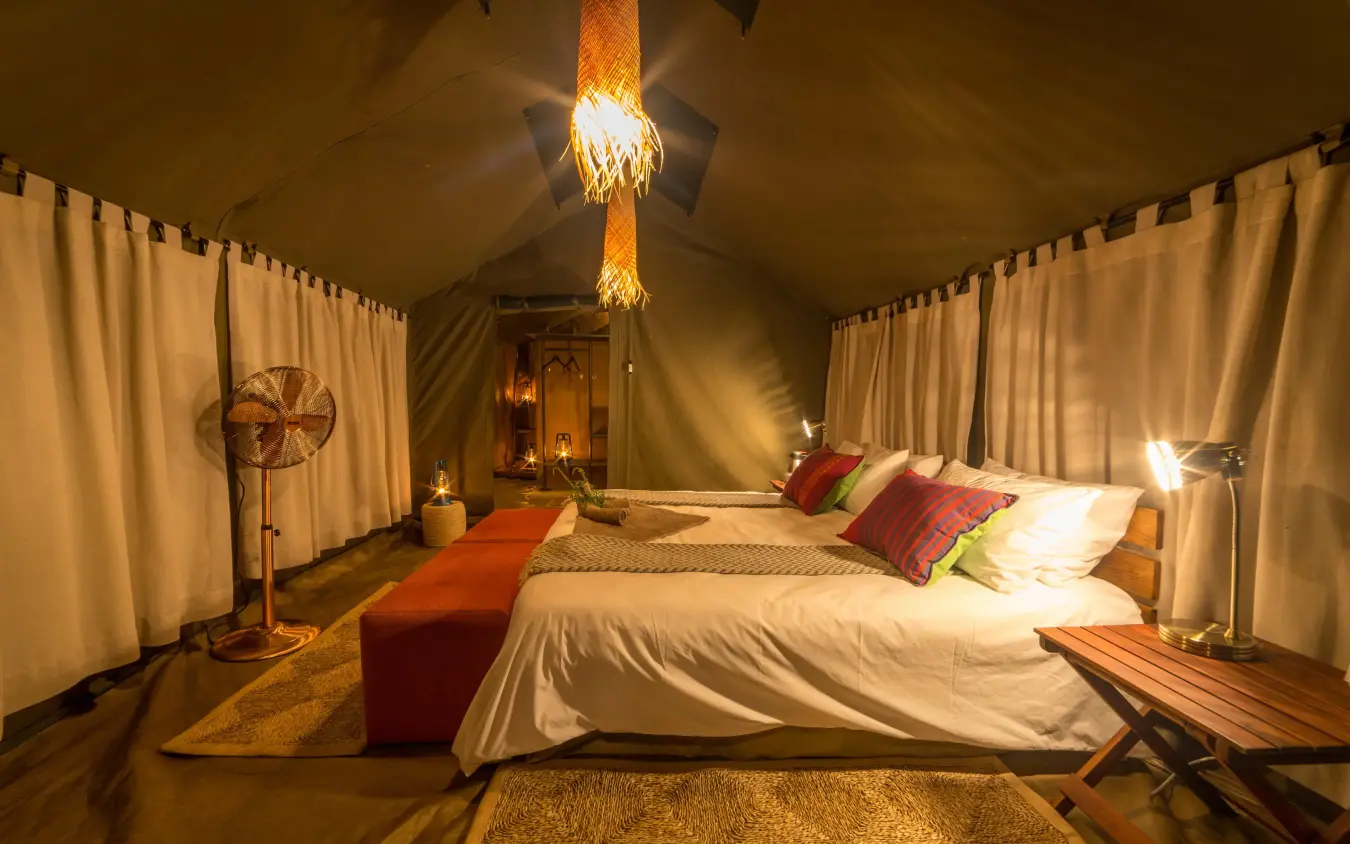
Five Meru-style tents stand among sausage and ebony trees, refurbished with new canvas and updated interiors. Each has twin beds under mosquito netting and a simple fan. The en-suite bathroom is open to the air, with a flush toilet and an outdoor shower, and private seating outside looks through the trees to the Zambezi.

Guides leading guests on walking safari through dry terrain, Little Vundu, Mana Pools, Zimbabwe 02

activities

Walks, Drives and Canoe Trips Combined

Guided walks come first on the private concession, tracking elephants and wild dogs on foot. Morning and afternoon 4x4 drives turn into walks when tracks or sightings warrant it. Canoe trips on the Zambezi pass hippos and crocodiles at water level, and fishing and birdwatching fill the quieter hours.
Leopard on dark ground among sparse vegetation, Little Vundu, Mana Pools, Zimbabwe 03

conservation

Bushlife Support Unit Patrols Zambezi Valley

Nick and Desirée Murray run the Bushlife Support Unit, founded in 2015, which patrols daily against poaching with the Zimbabwe Parks and Wildlife Management Authority. Their Bushlife Conservancy protects wildlife across the Zambezi Valley, and the Murrays back health, welfare and education projects in nearby communities.

ready to get started?

Get in touch and let’s start the conversation. An initial consultation helps us understand what you’re looking for, whether that’s specific experiences, luxury touches, or marking a special occasion, and from there we’ll guide you through what’s possible so you can decide if we’re the right fit.

Alternative accommodation in mana pools

Camps range from intimate tented and canvas-and-thatch operations along the river and floodplain to a smaller number of more permanent lodges, all keeping a low footprint in line with the park's wilderness character. Several operators offer exclusive-use camps for private parties, with dedicated guides and canoes. Seasonal mobile camps support multi-day canoe and walking expeditions. The emphasis falls on guiding quality; top-end camps provide full comforts alongside it. Most close during the wet season.

frequently asked questions

Mana Pools is remote and reached by air. You fly into Victoria Falls or Harare, then take a light aircraft to one of the Zambezi valley airstrips, from where the camp collects you for the short transfer to the river. There is no practical way in by scheduled flight, so the small charter is part of the experience and we arrange the whole chain of connections.

These flights are shared, with the exact departure set the day before once the airline fixes its routing, and luggage is soft bags of around 20kg per person including hand luggage, which we confirm before you pack.

If you would prefer to set your own timings, we can arrange a private charter instead, typically a Cessna Caravan or Pilatus PC-12, flown direct to the valley. The camp is seasonal, running through the dry months from roughly April or May to the end of October and closing for the green-season rains, so we plan your trip around the months it is open.

Yes, and the risk is there all year. TravelHealthPro, the UK's official travel health service, rates the Zambezi valley as high risk for malaria throughout the year and recommends antimalarial tablets there in every month, dry season included. Its malaria map places Mana Pools inside that zone, whichever month you travel. The CDC recommends prescription medicine to prevent malaria for travellers to every part of Zimbabwe.

We do not make medical recommendations. We are travel planners, not doctors, so which tablets suit you, and anyone else in your party, is a decision for your own doctor or a travel clinic. On the practical side, cover arms and legs from late afternoon and keep repellent to hand.

The dry-season days are warm and the early mornings cool, so you want a warm layer for the first walk or drive and light clothing for the heat of the day. From September the valley grows very hot, and October can top 40 degrees, which is worth knowing if heat is hard for you.

Pack light, neutral-coloured clothes, closed shoes for walking, a hat and strong sun protection, and plan to drink plenty of water through the day. Bags need to be soft-sided for the light aircraft, so leave hard suitcases at home.

Mana Pools is one of the few parks where you can properly explore on foot, and this camp is built around it. Days follow fresh tracks rather than set routes, on foot with an experienced guide, often approaching the famous elephants that stand tall on their back legs to reach the higher branches. On the river, canoes drift past hippos and elephants at water level.

Walking safaris are for guests aged sixteen and over for safety reasons. If you are travelling with teenagers, tell us their ages and we will confirm what they can join.

More on this: are walking safaris safe?

The camp generally takes children from around ten years old, and families with children under twelve are usually asked to book a private vehicle so a shared safari is not held up. It is a small, remote walking camp rather than a dedicated family lodge.

Walking safaris are limited to ages sixteen and over. Tell us the ages of your children and we will let you know honestly whether the camp suits your family or suggest a better fit.

No, there is no wifi at the camp, and the mobile signal in this remote part of Mana Pools is very limited or absent. The camp keeps a radio or satellite link for safety and logistics, but not for guests to browse or call.

Plan to be offline for the stay, which most guests come to value as one of the best parts of the stay. If you need to stay reachable for a genuine reason, tell us before you travel and we will advise on the options.

rated five stars by our clients

other areas in zimbabwe

Hwange, Zimbabwe's largest park, pairs naturally with Mana Pools, offering vehicle-based big-game viewing across Kalahari sandveld, teak and mopane woodland, with large elephant herds at dry-season waterholes. Victoria Falls is the gateway and adventure hub on the Zambezi. Lake Kariba adds houseboats, fishing and a relaxed aquatic counterpoint upstream. Further south, the Matobo Hills bring granite landscapes, rock art and white rhino, while the Eastern Highlands offer cool forests and waterfalls in contrast to the hot lowland river.

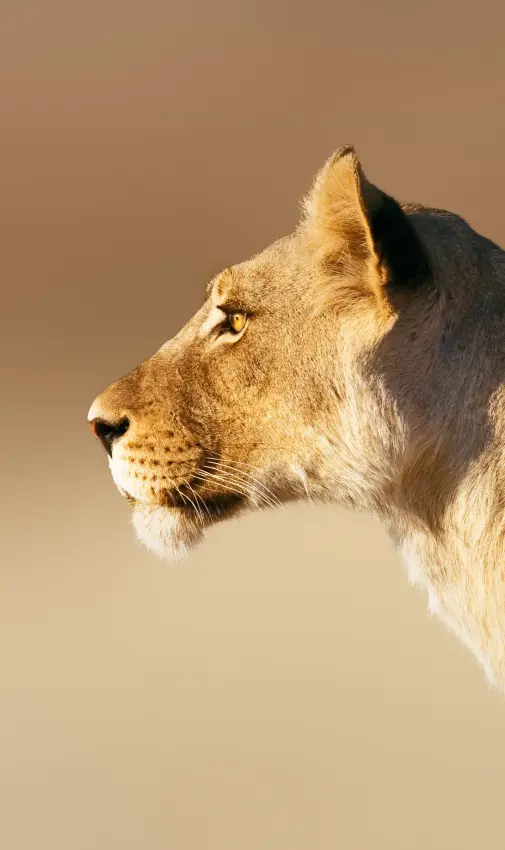
Lioness in profile against neutral sandy background 01

Hwange National Park

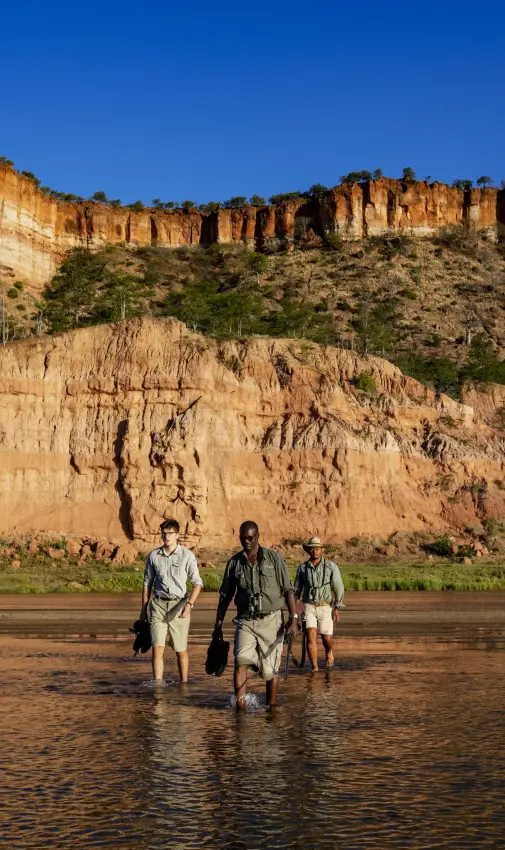
Guests wading in river beside towering sandstone cliffs, Gonarezhou & Malilangwe, Zimbabwe 02

Gonarezhou & Malilangwe

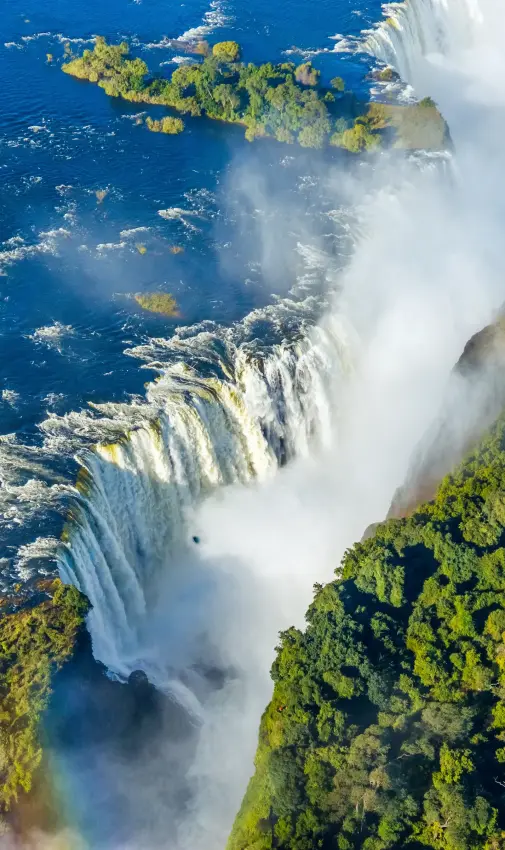
Aerial view of massive waterfall cascading into river below 03

Victoria Falls

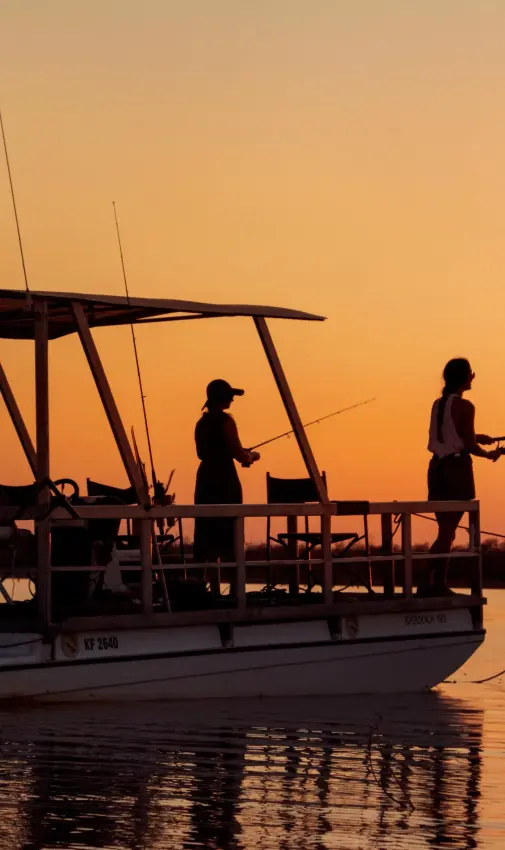
Fishermen silhouetted against sunset on shallow water boat, Changa Safari Camp, Matusadona National Park, Zimbabwe 04

Matusadona

Guests examining ancient rock art on stone wall, Amalinda Lodge, Matobo, Zimbabwe 05

Matobo

Planning a journey together

our approach

remote, exclusive
& personal

Every journey starts with a conversation. We take the time to understand your vision before we start planning.

Whether by phone or in person, we work with you directly to shape something that is considered, personal, and expertly delivered.

get in touch
destinations ideas & inspiration our process about us contact us