




zimbabwe & botswana
khwai camping to chief’s island
Twelve nights from Victoria Falls to the Chobe and across Botswana's Okavango, by vehicle, boat, mokoro and on foot.
- Private Safari
- From $8,995 pp
- 2 guests
- 12 nights

This nine-night route runs through the Lowveld of south-eastern Zimbabwe. It opens on the red sandstone cliffs above the Save River, which forms the boundary of Gonarezhou National Park, then gives its middle days to the Chipinda Pools and the Chilojo Cliffs above the Runde River. It closes north of the park in the Sango Wildlife Conservancy, on the seasonal Mzaise River.
The first seven nights are spent at Chilo Gorge Safari Lodge, a double-storey building of local stone, timber and thatch with ten chalets facing the water. Days run on drives into Gonarezhou and long trips to the Chilojo Cliffs. The last two nights move to Sango Expedition Camp, three canvas tents for six guests, where guides track rhino on foot and drives go off-road and after dark.
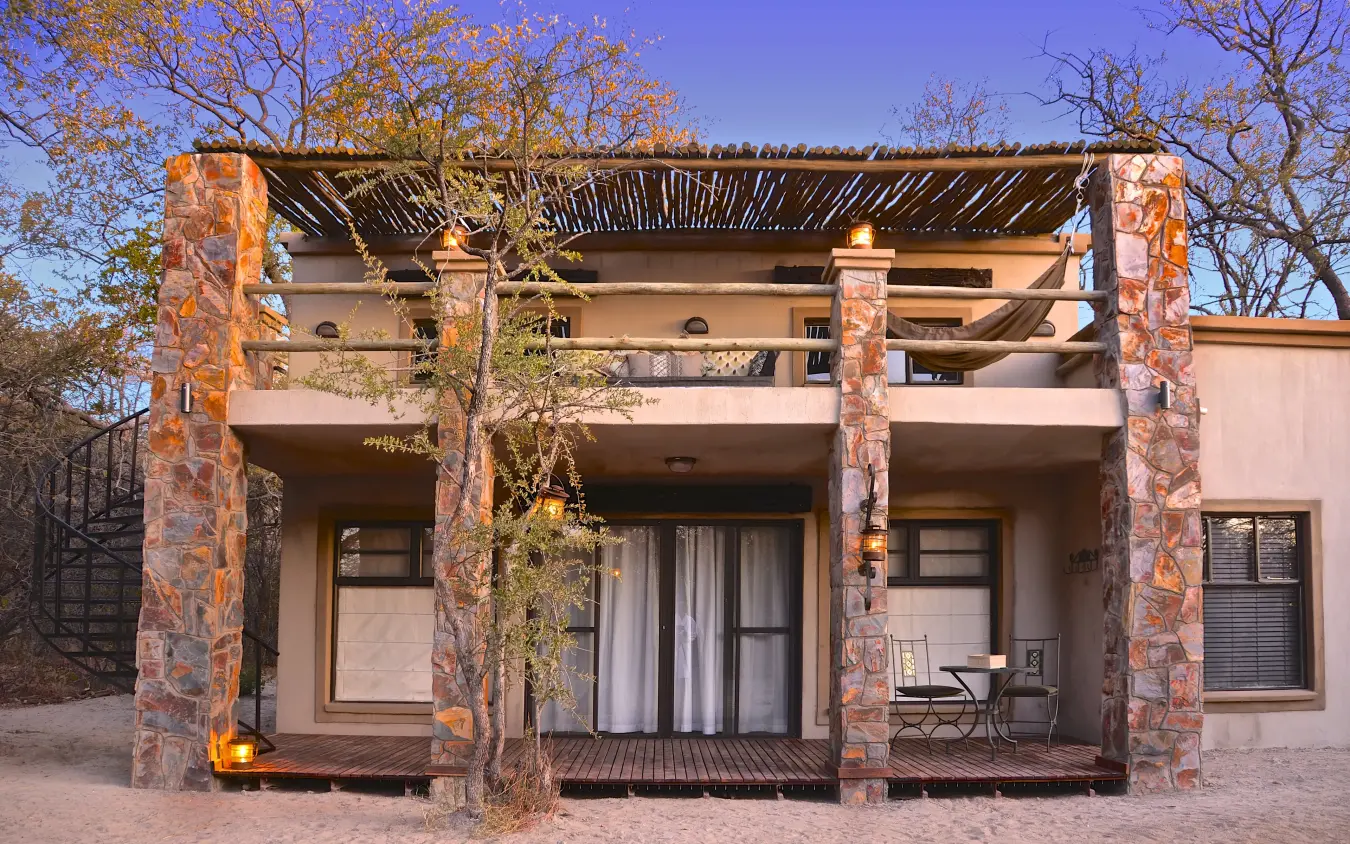
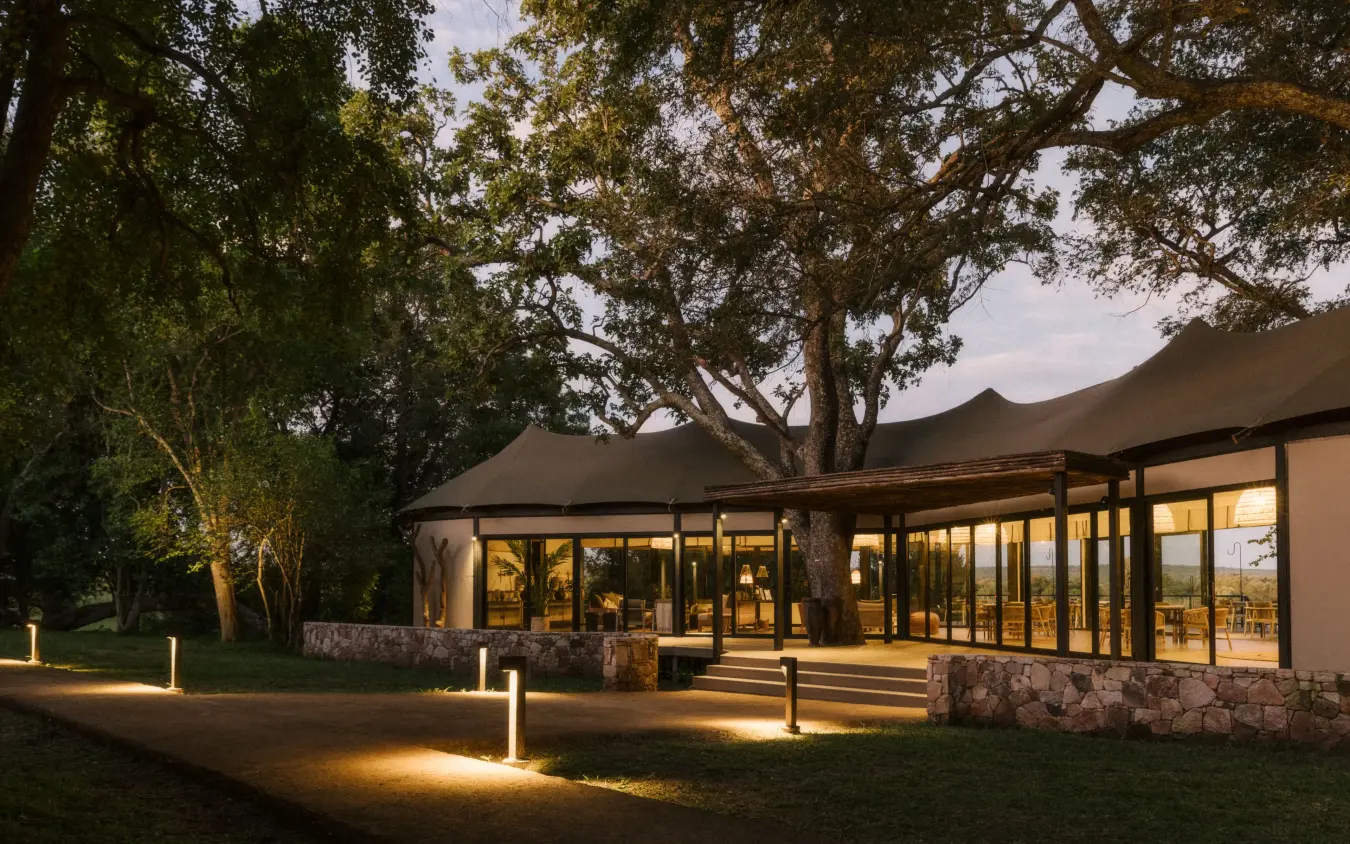
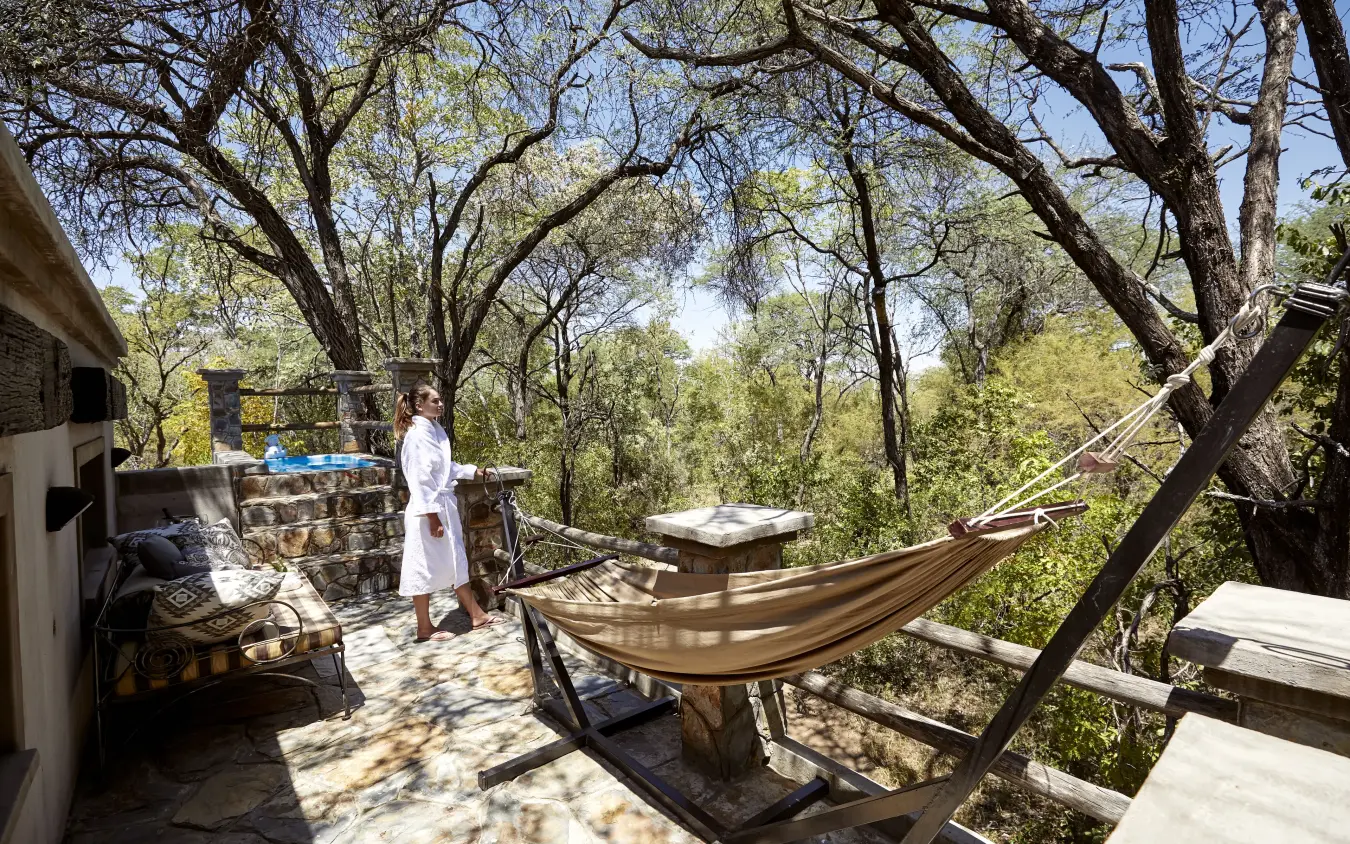
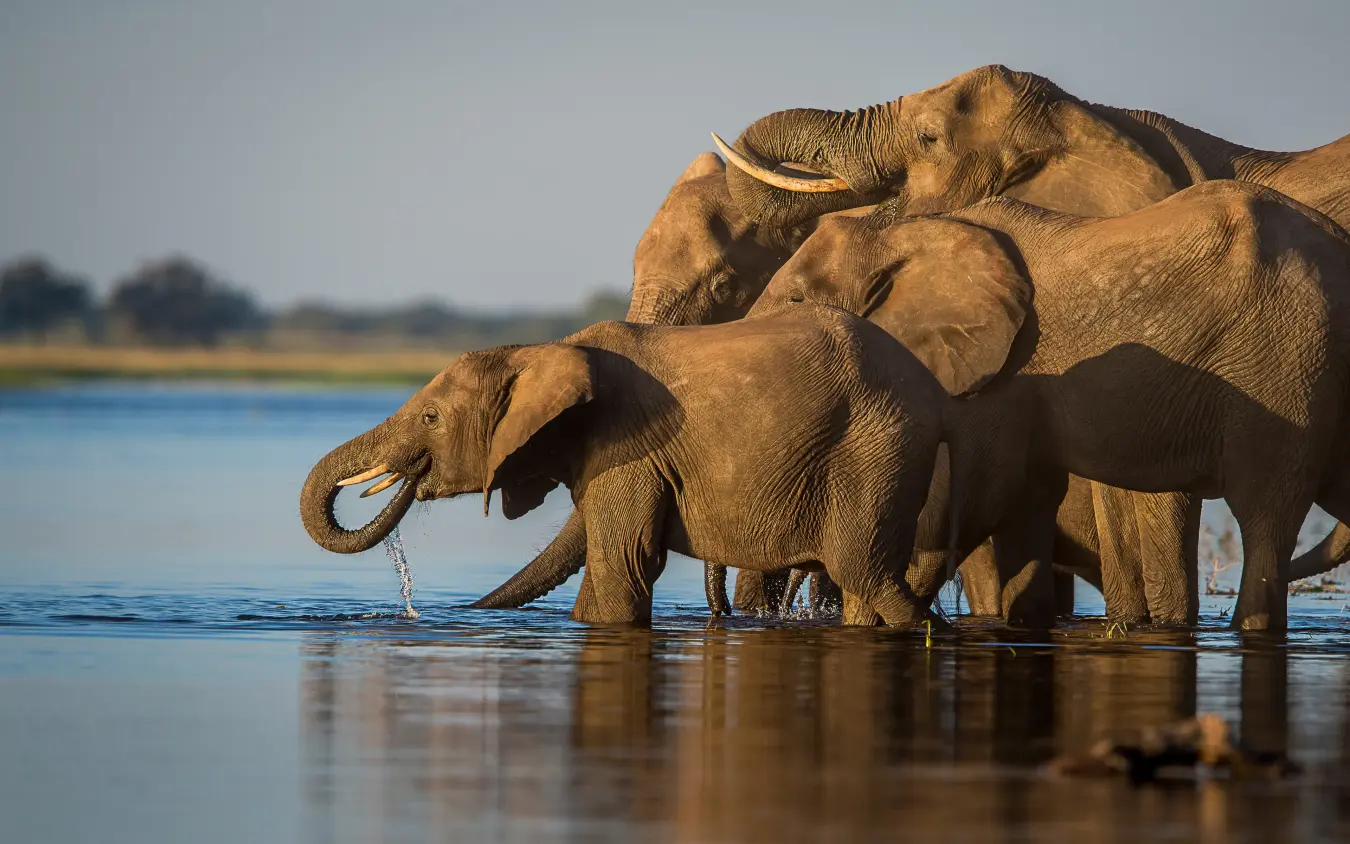
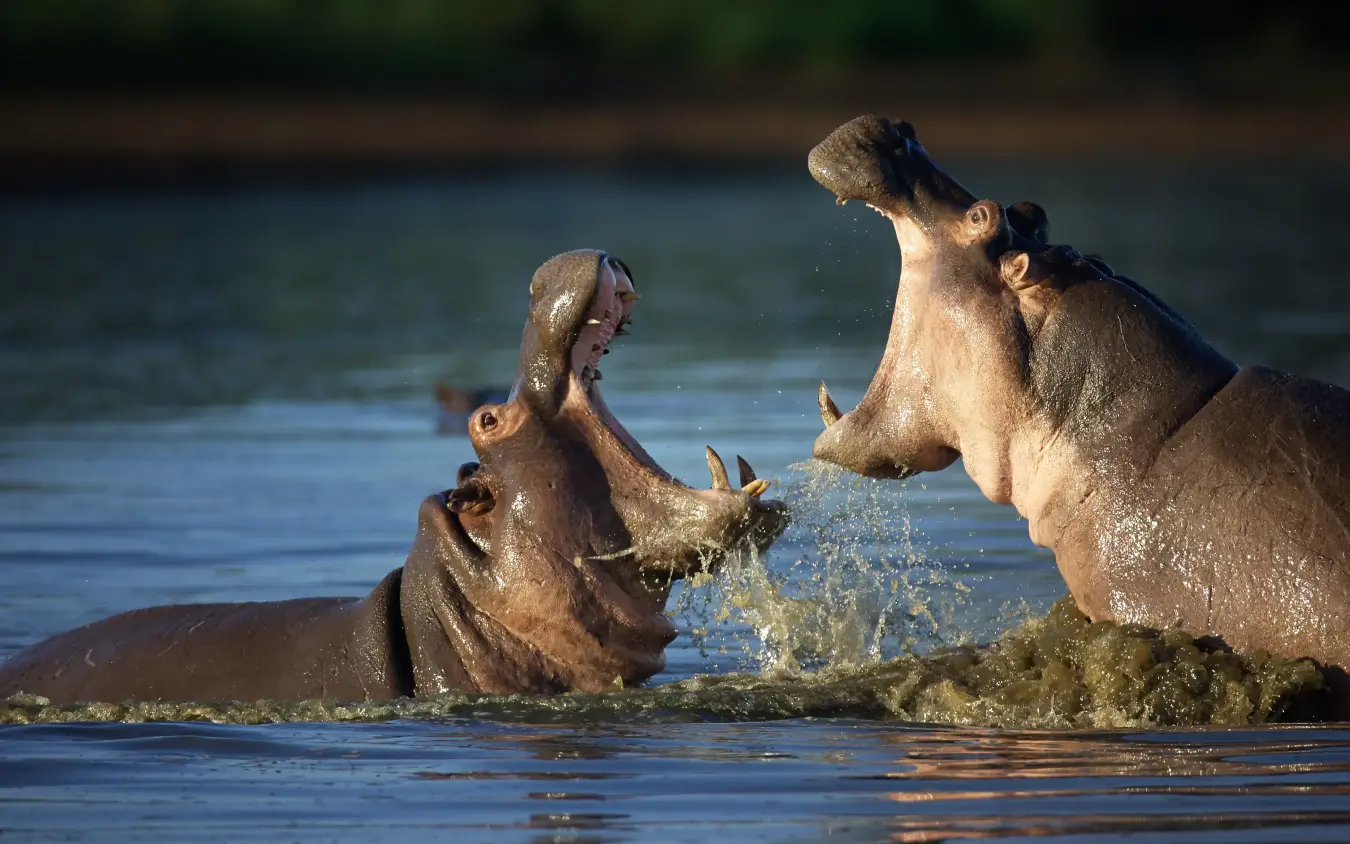
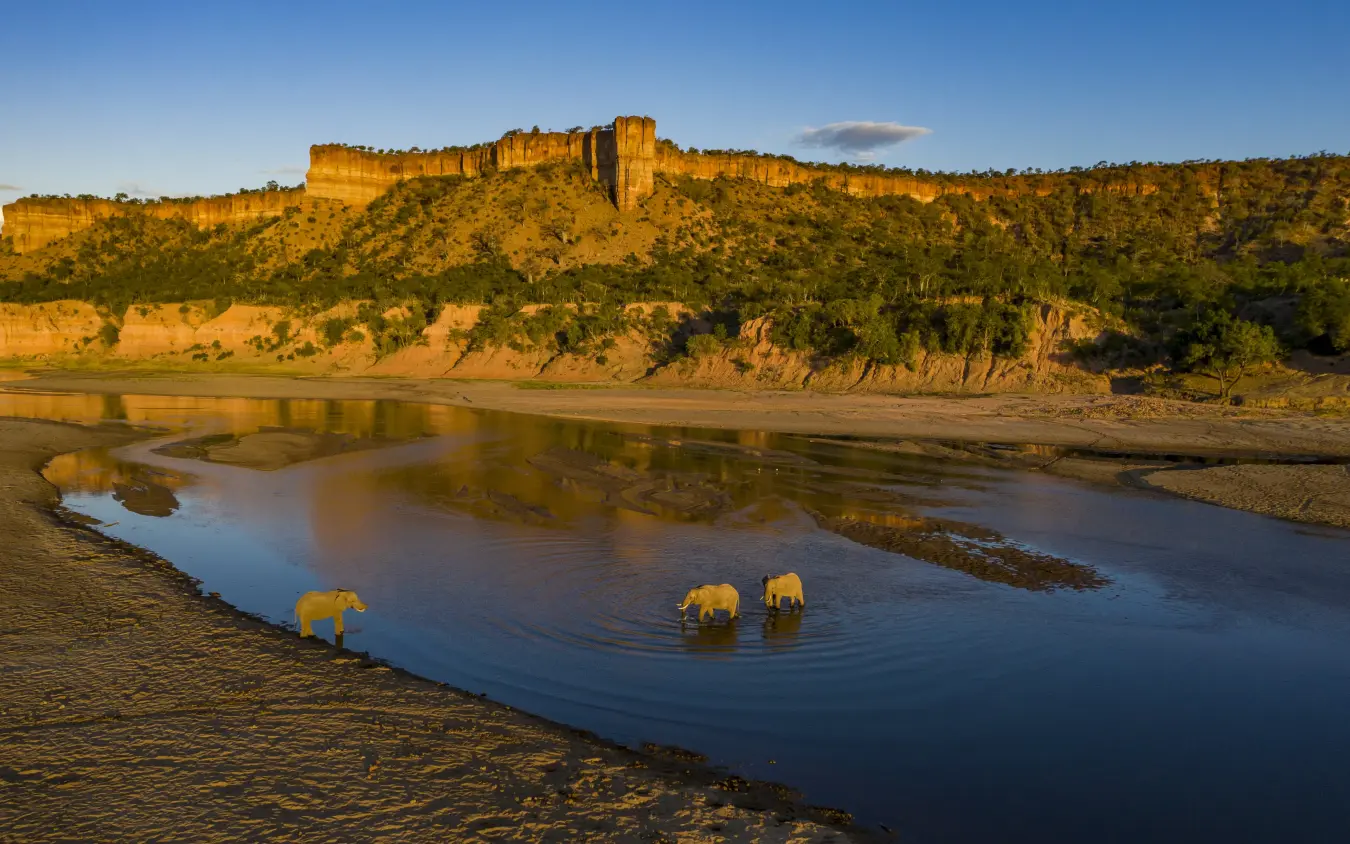
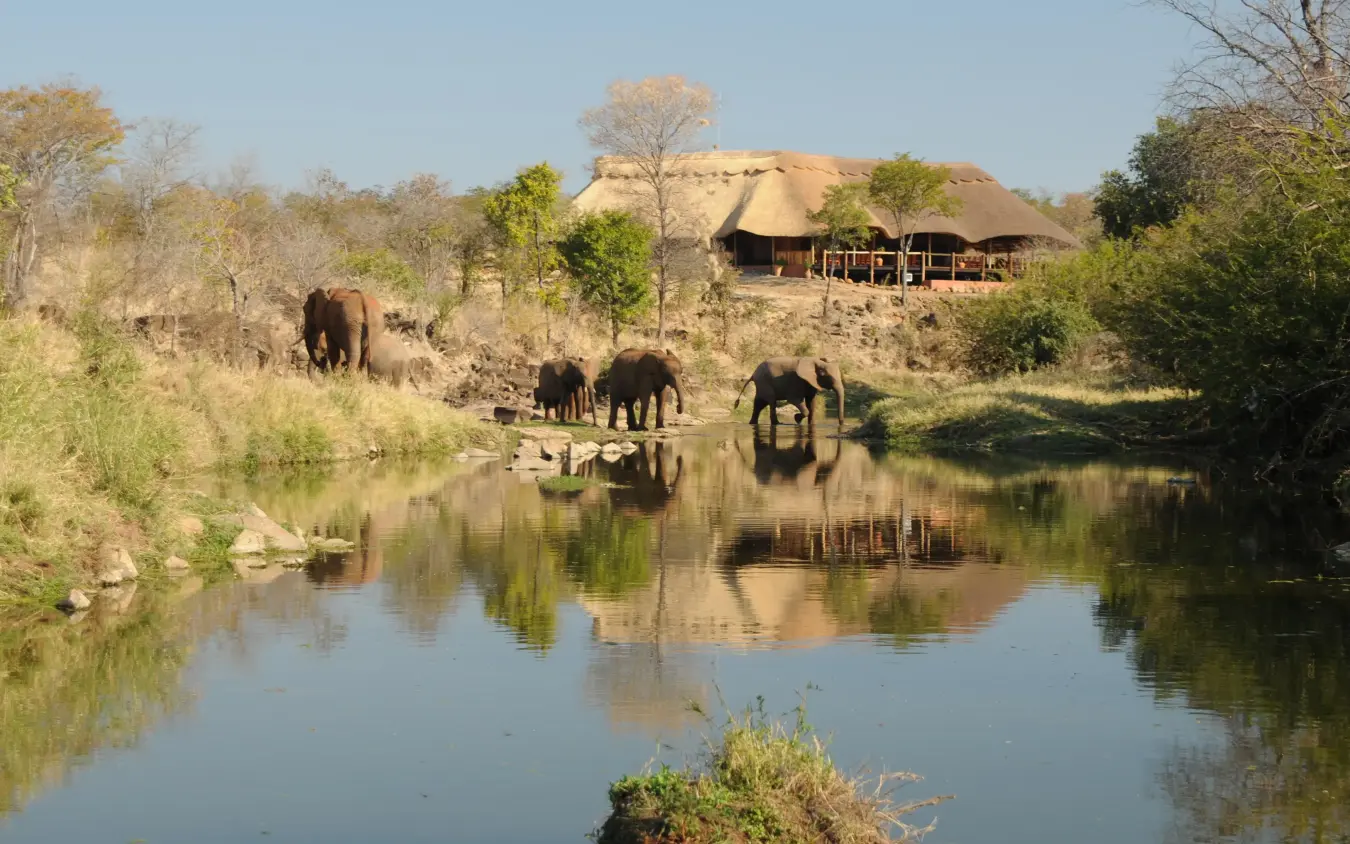
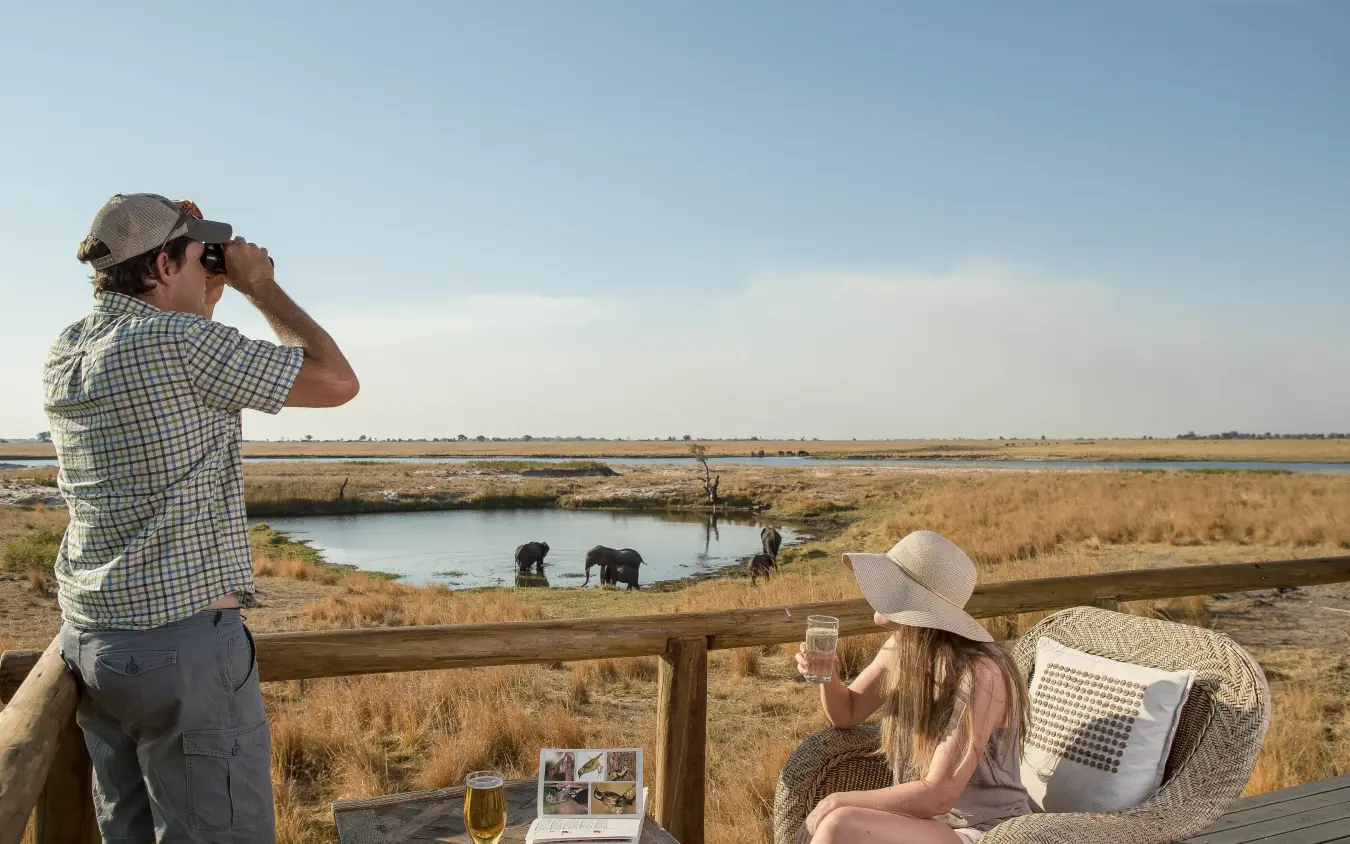
You are on red sandstone cliffs above the Save River, which forms the boundary with Gonarezhou National Park. Elephants, buffalo, hippo and crocodile work the sandbanks below the deck, close enough to watch without a vehicle, and at night the hippo calls carry up the gorge. Gonarezhou means place of many elephants, and its herds include bulls that still carry old, heavy ivory; visitors are few enough that a morning drive can pass no other vehicle. Chilo Gorge Safari Lodge stands on land the Mahenye community set aside for wildlife, with ten chalets facing the river and a pool at the lip of the gorge.
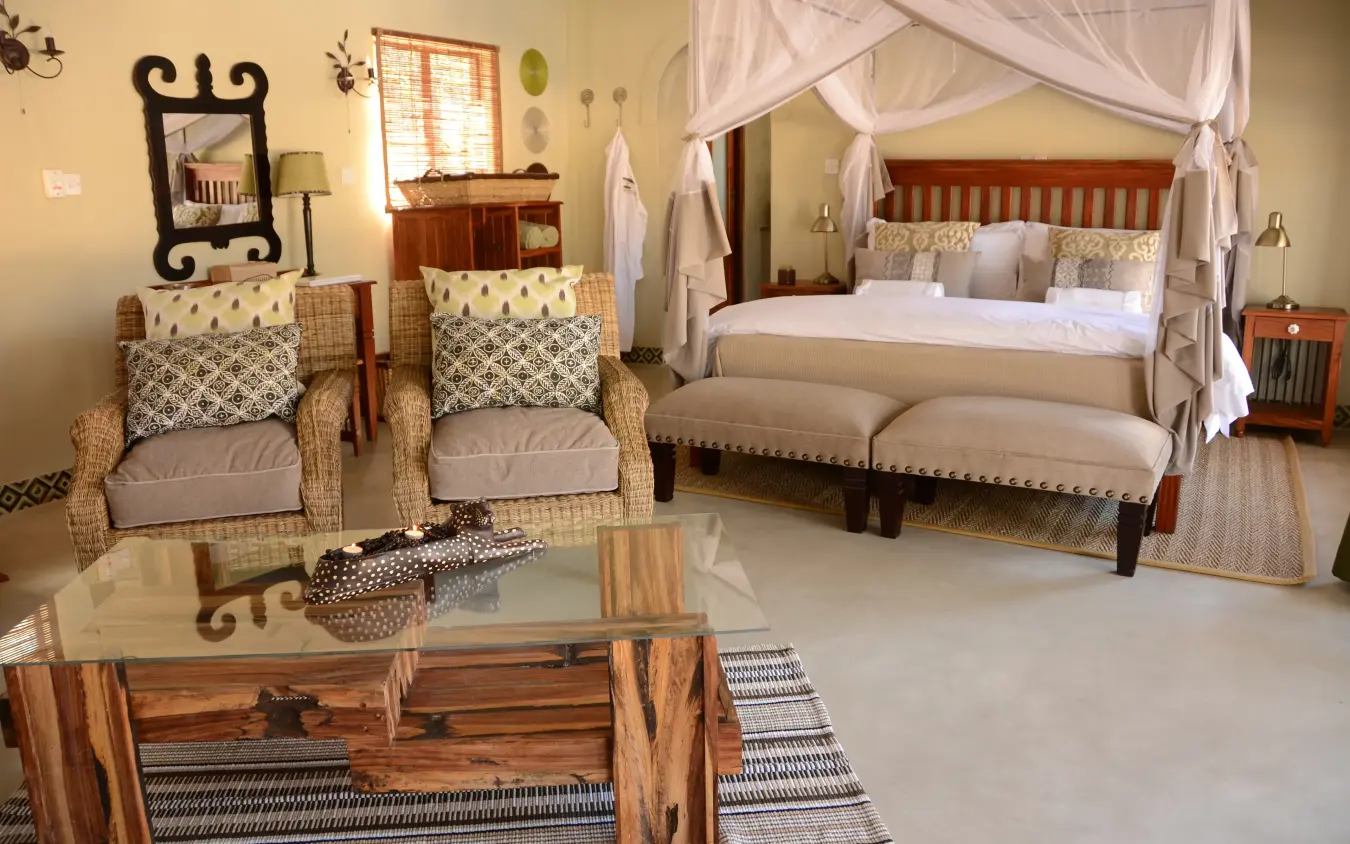
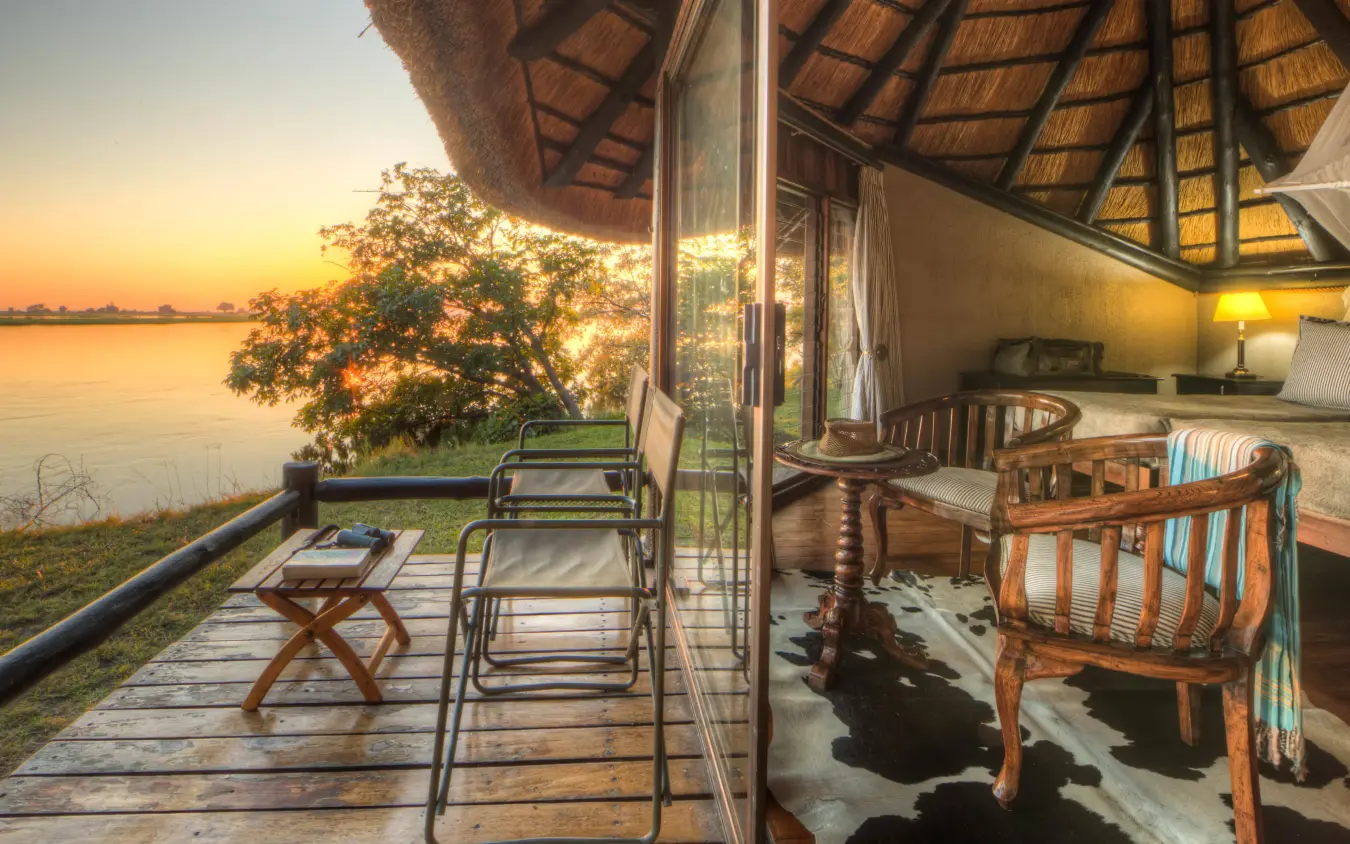
Still based above the Save River, these days give over to full-day drives into Gonarezhou. When the Runde River allows, you can reach the Chilojo Cliffs, a long red sandstone wall above the water. After the rains, crossing into the park can involve a short boat crossing before transferring to vehicles on the far bank. Nights return to Chilo Gorge Safari Lodge, where the doors were carved by hand, the headboards cut from jacaranda and the walls lined with woven reed.
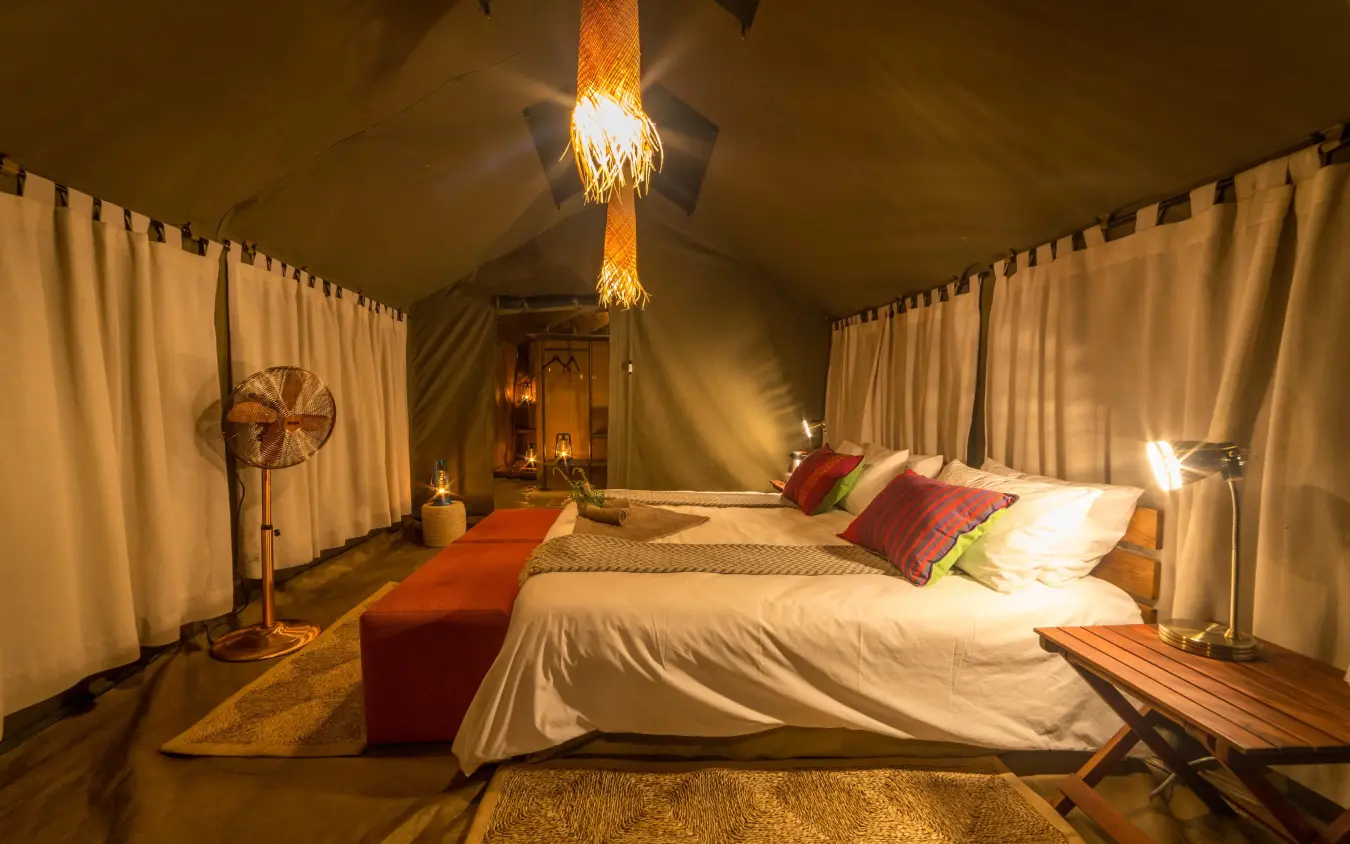
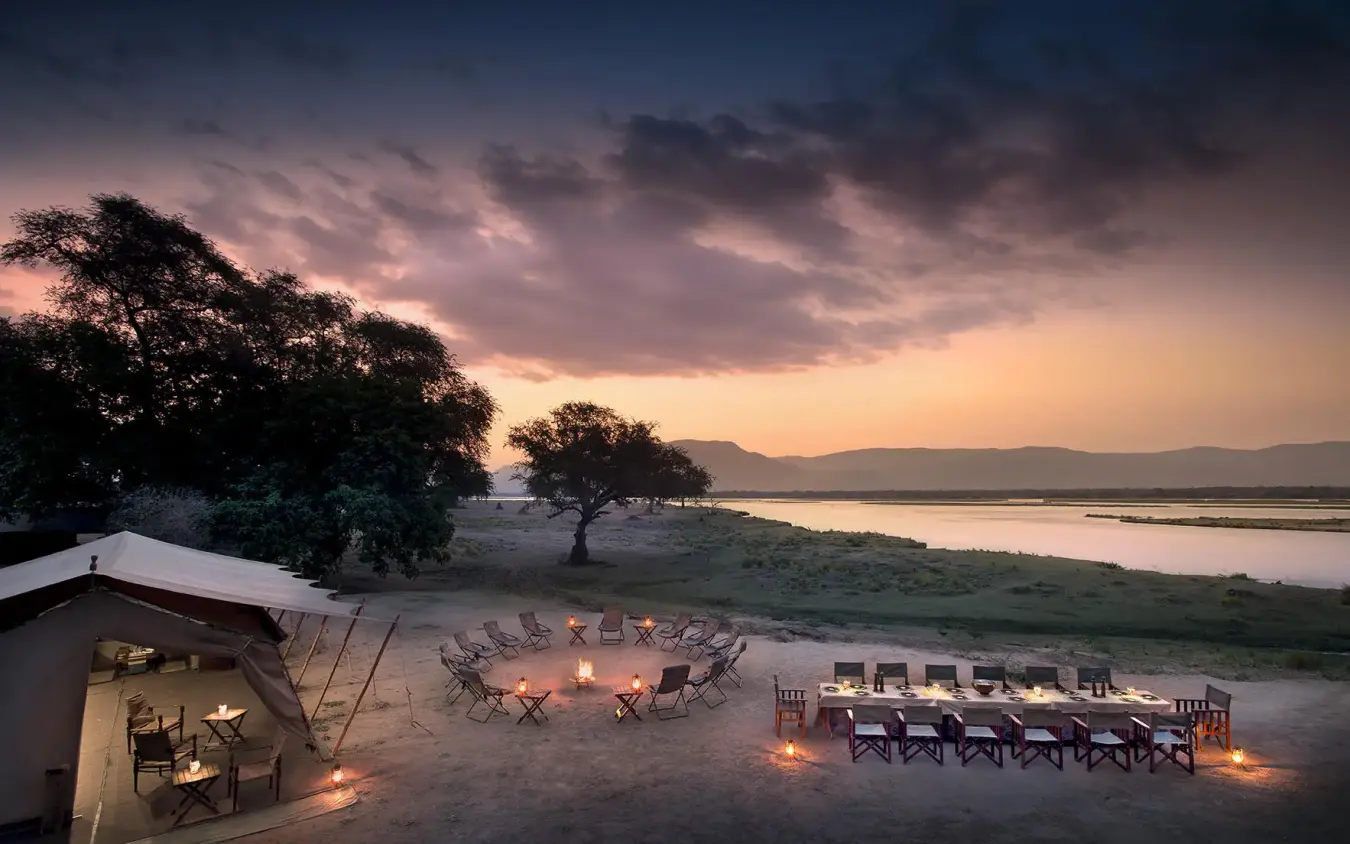
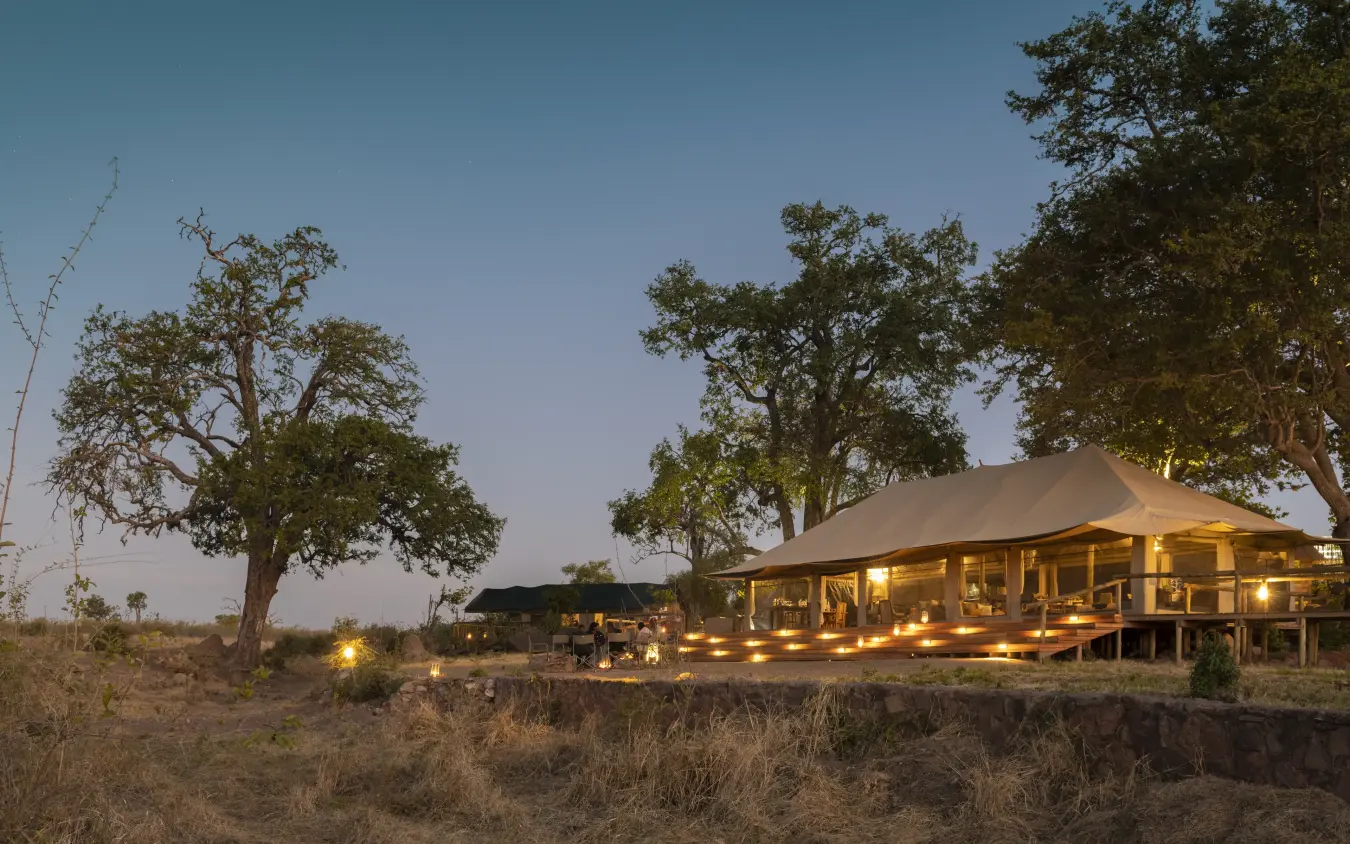
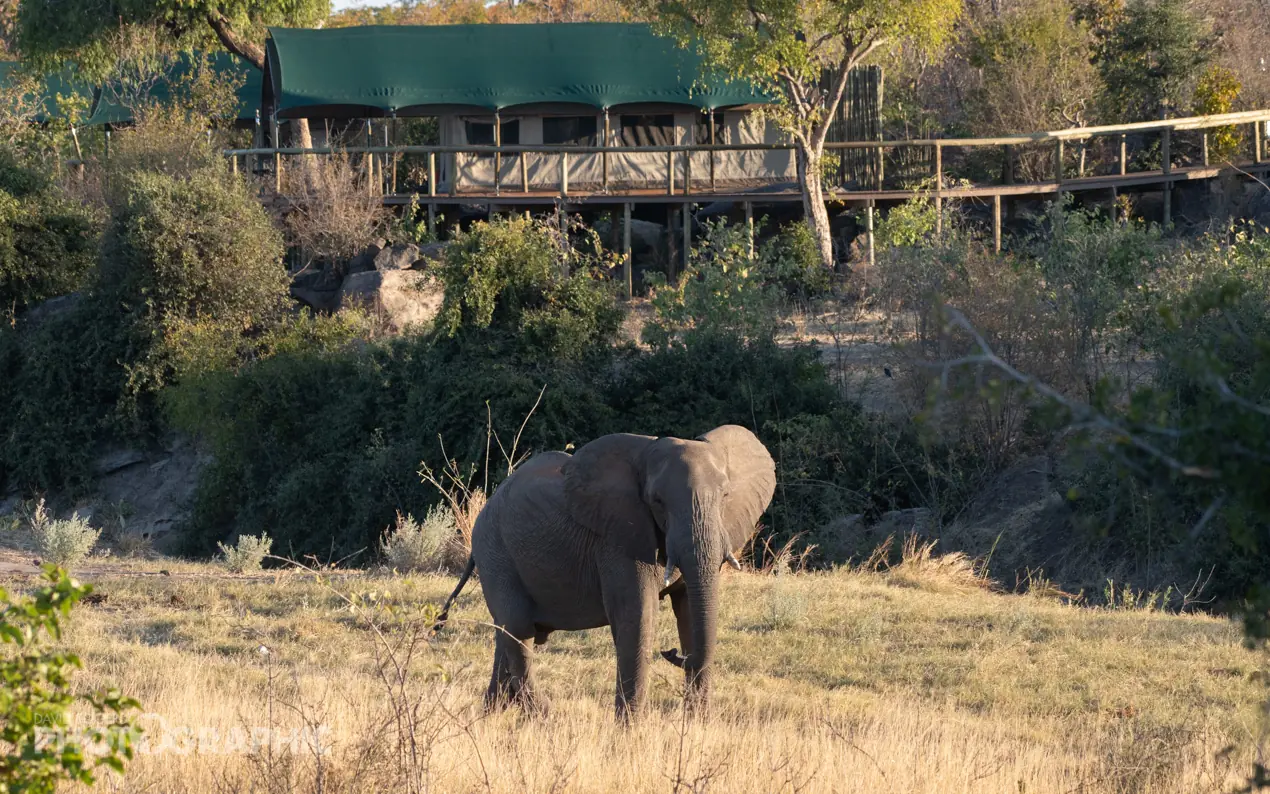
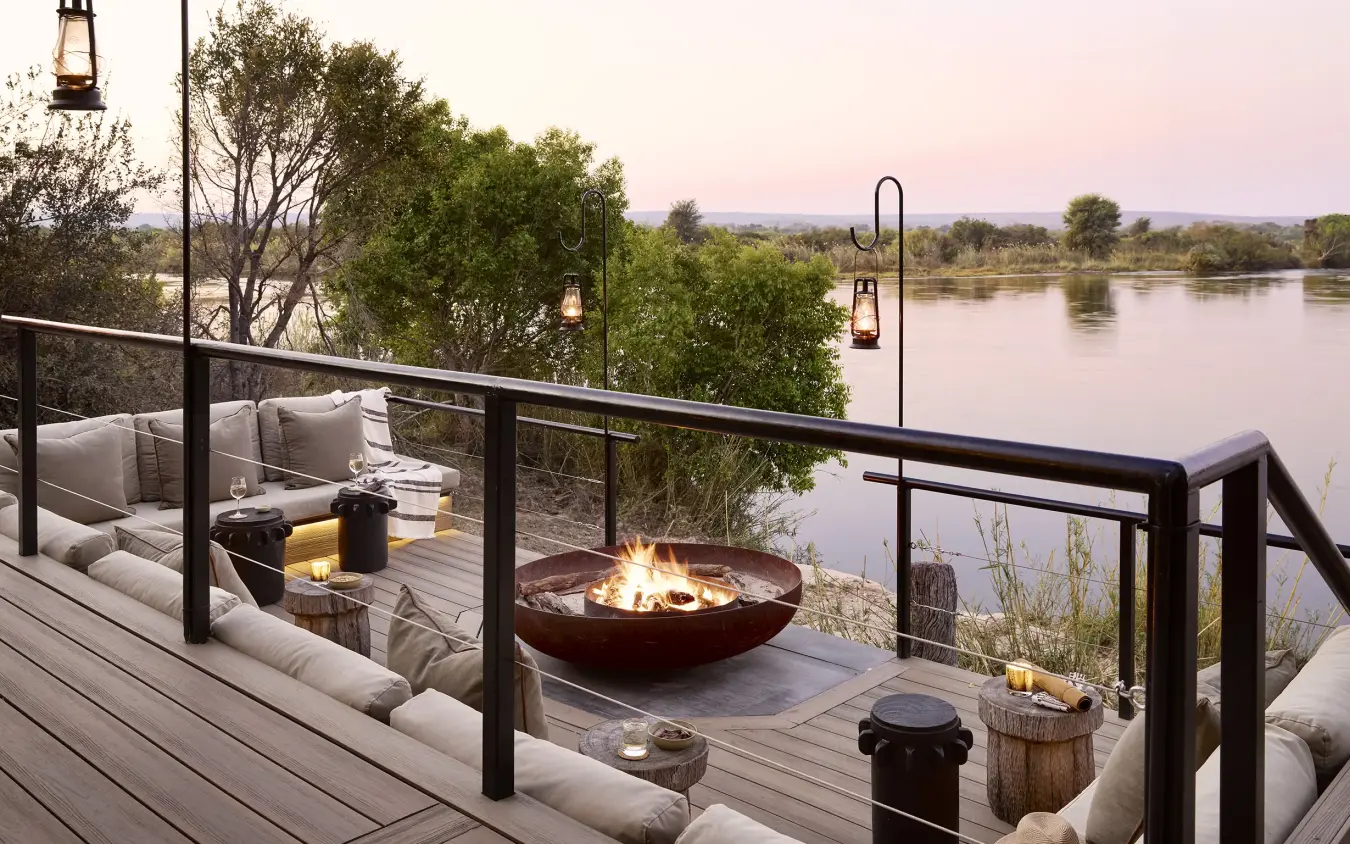
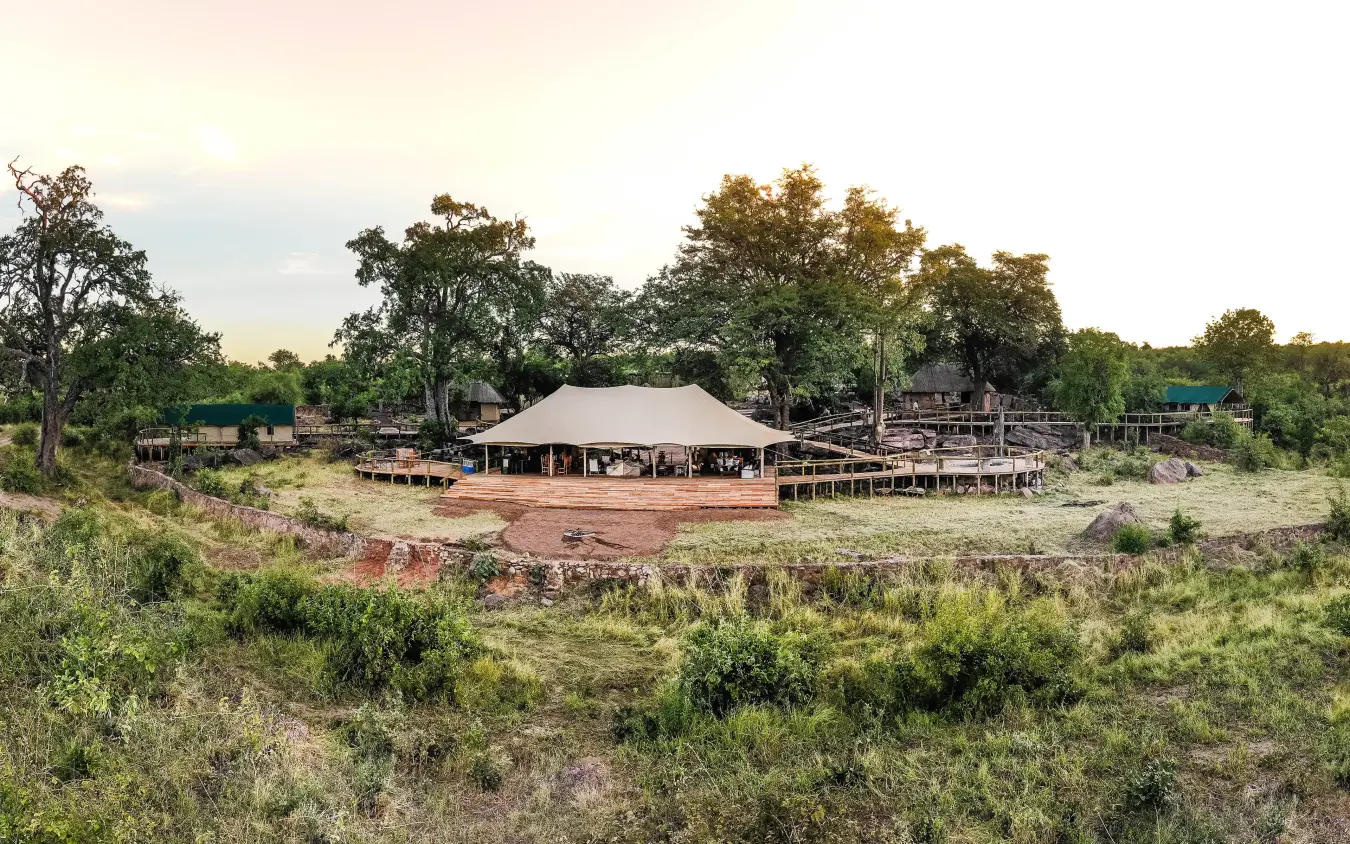
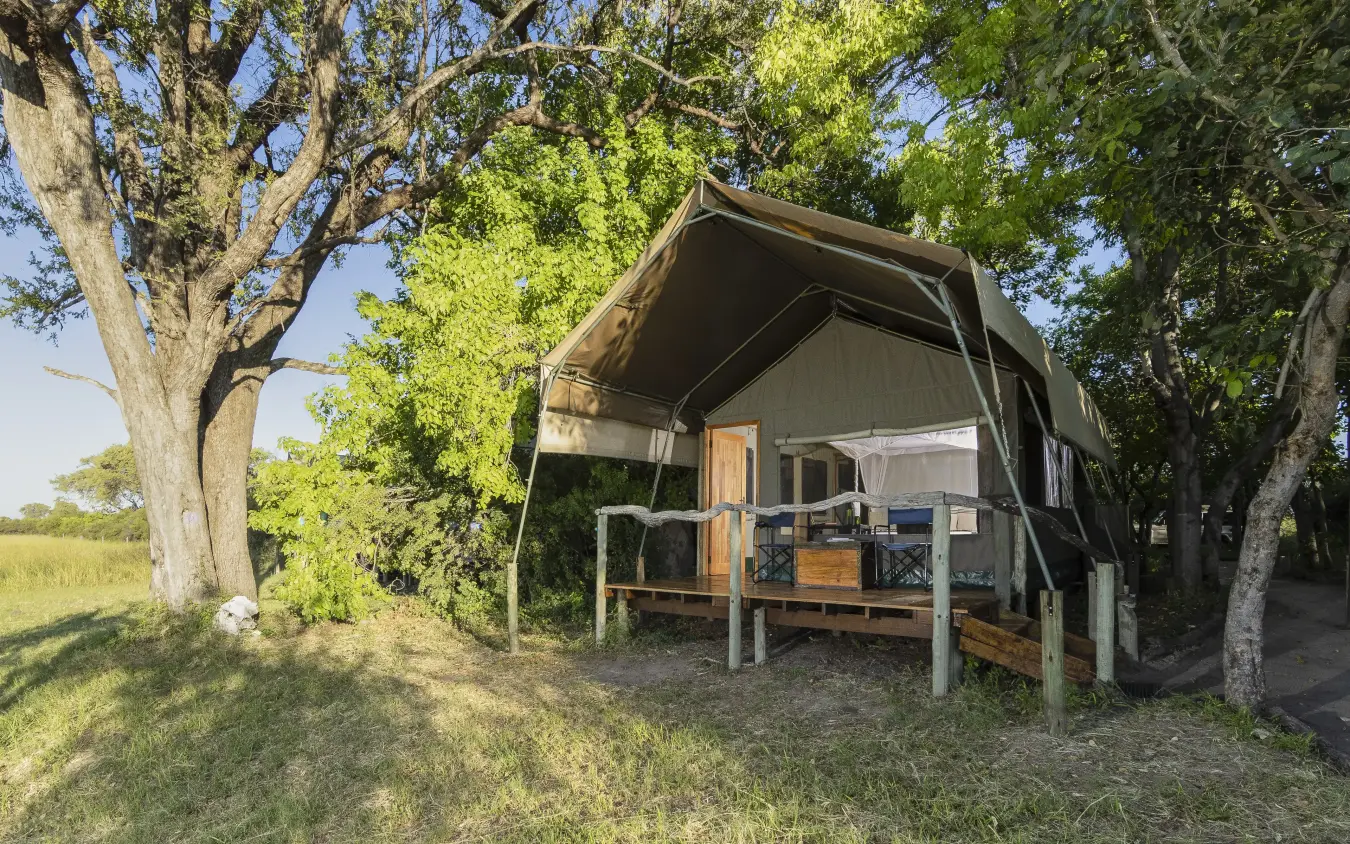
Moving north of Gonarezhou into the Sango Wildlife Conservancy, you reach a 60,000-hectare private reserve on the seasonal Mzaise River. As private land it allows what the parks cannot, so drives go off-road and on into the dark, and guides track black and white rhino on foot. From June to October the game draws tight on the shrinking waterholes and the dry riverbed, which the elephants use as a road. Sango Expedition Camp is three canvas tents for six guests, with lamplight after dark and hot water by the bucket, running from April to October.
The odds are good, but this is real tracking, and some mornings end with fresh tracks and no animal.
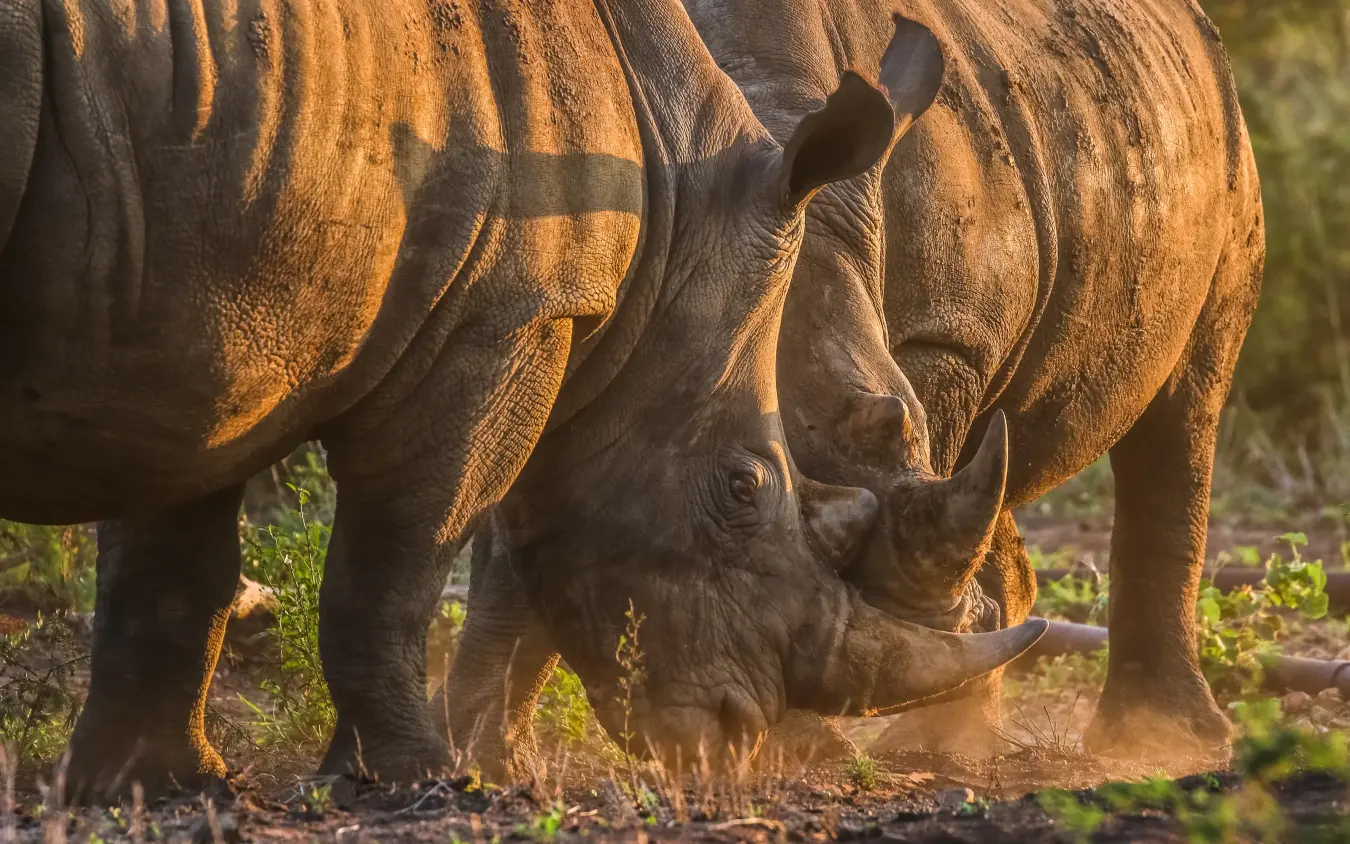
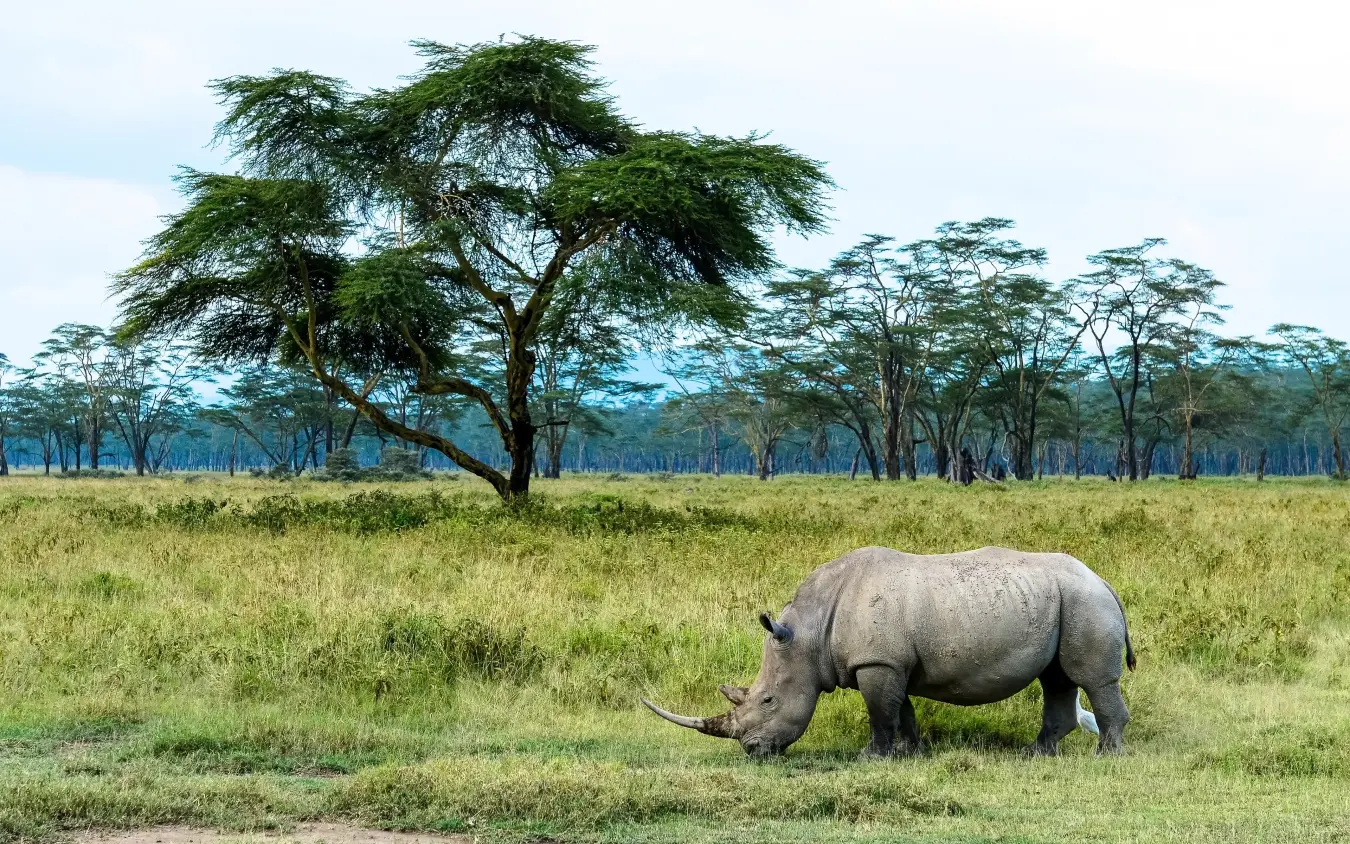
A quarter of Zimbabwe's rhino live in the wider Save Valley, and about 120 black and white rhino are on Sango's own 60,000 hectares.
Finding one means a morning on foot with a guide and a tracker, reading spoor, dung middens, rubbing posts and bent branches until the animal is close, then watching from a careful distance. It is slow, quiet walking, and it asks for patience more than fitness.
Of the two species, the white rhino is the grazer and keeps to more open ground, so it is usually the one found first. Black rhino, the species these tracking mornings set out for, browse in thick cover, so meeting one is the prize and the less certain outcome.
Two nights allows at least one full morning on foot. If rhino matter most to you, ask us about a third night.
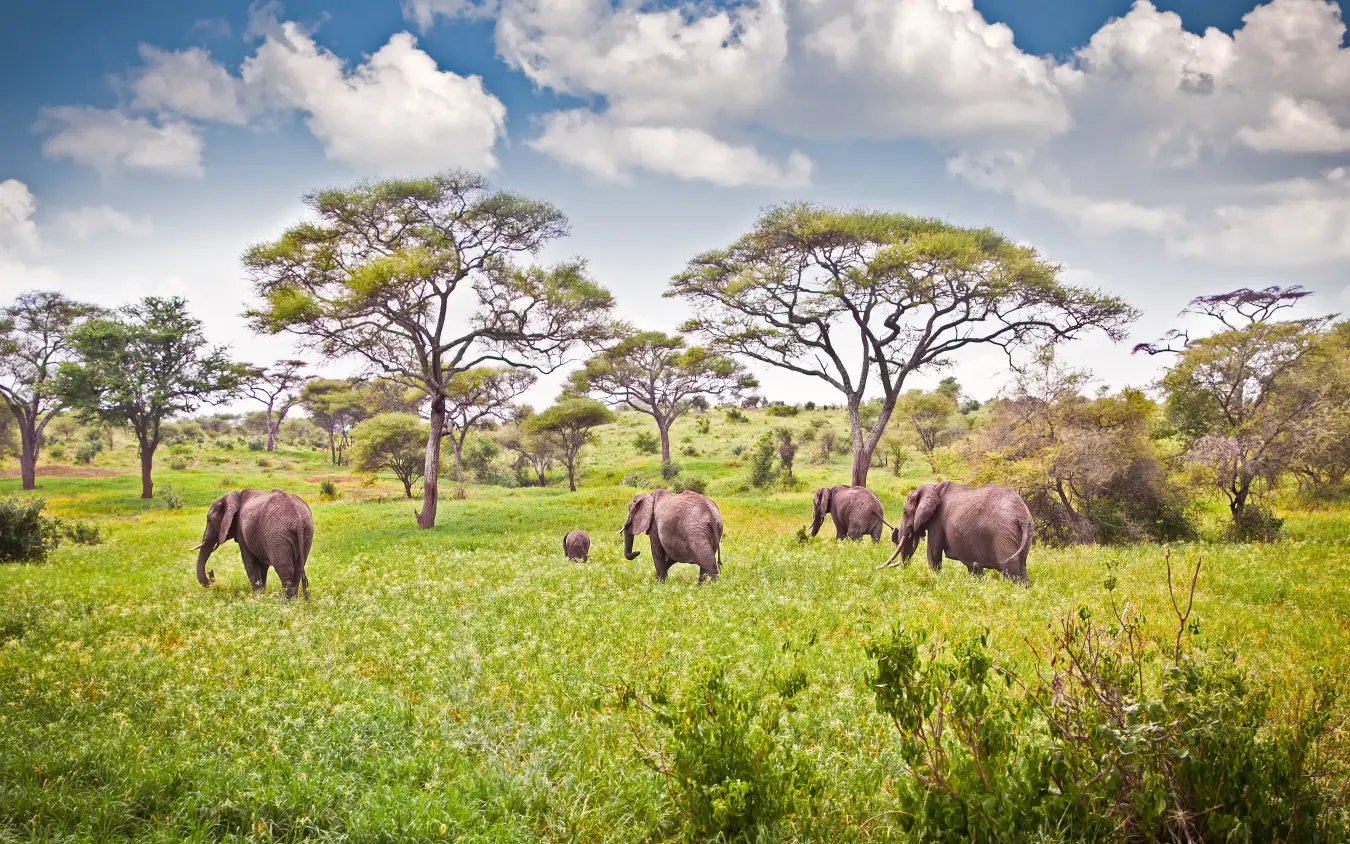
There are a great many of them, an estimated 11,000 in a park of about 5,000 square kilometres, and they do carry a reputation.
Put plainly, Gonarezhou's elephants became known for being aggressive, a legacy of the difficult times they have been through. Our view is that this is changing, that negative encounters still happen as with any wild animal, and that by far the majority of meetings are now positive.
Arrive expecting herds that want more room than those in busier parks. It changes how you are guided, not whether you go.
Our advice to anyone driving there is to give elephants space and never to push them, rev an engine or hoot. What you get in return is one of the least visited parks in Zimbabwe.
This corner of Zimbabwe is a long way from everything, which is much of its appeal, so we would normally fly you in.
Chilo Gorge has its own airstrip at Mahenye, ten minutes from the lodge, and a light aircraft charter from Harare takes about an hour and three quarters.
From South Africa there is currently a scheduled flight from Johannesburg to Buffalo Range, near Chiredzi, on two days a week, followed by a road transfer of an hour and three quarters; schedules change, so we check before building a trip around it.
By road from Harare it is about 525 kilometres and seven hours, the last 43 kilometres on gravel. Sango, where the trip ends, has an airstrip of its own, about an hour from Harare by charter or four to five hours by road.
The tidiest shape is to fly in to Chilo Gorge and out from Sango, and both legs can be flown privately.
As written it runs from April to October, the months when Sango Expedition Camp is standing.
Within that, May to October is the dry stretch we rate highest for the Lowveld, when the bush thins and animals stay close to the rivers, the pans and the Mzaise riverbed. The cool, dry months from April to August bring comfortable days and nights.
September and October bring the tightest gatherings at water and the most heat.
April sits in between. It is green and quiet, but the rivers are still high: the Save is normally fordable by vehicle only from about the end of June, so until then the crossing into the park can be by boat, and the drive to the Chilojo Cliffs depends on the level of the Runde.
Gonarezhou itself shuts to visitors from 10 January to 1 March.
For most people seven nights in one lodge is more than they need, and it is the easiest thing on this route to change.
The sample is written long so that the full day drives deep into Gonarezhou, including the one to the Chilojo Cliffs, can be spread out with quiet days between them. Those quiet days are not empty.
The lodge offers:
Four or five nights covers all of that. With the nights you save, ask us about adding a night or two of fly camping inside the park, which the lodge runs, or a third night at Sango for the rhino.
The part that cannot move is Sango's camp, with three tents and a short run each year, so that end of the trip is booked first.
Ed Charles, BBC Producer
Fitzroy are true specialists in accessing the wilderness. They know where to go and importantly, when to go there. Highly recommended.
zimbabwe & botswana
Twelve nights from Victoria Falls to the Chobe and across Botswana's Okavango, by vehicle, boat, mokoro and on foot.

zimbabwe
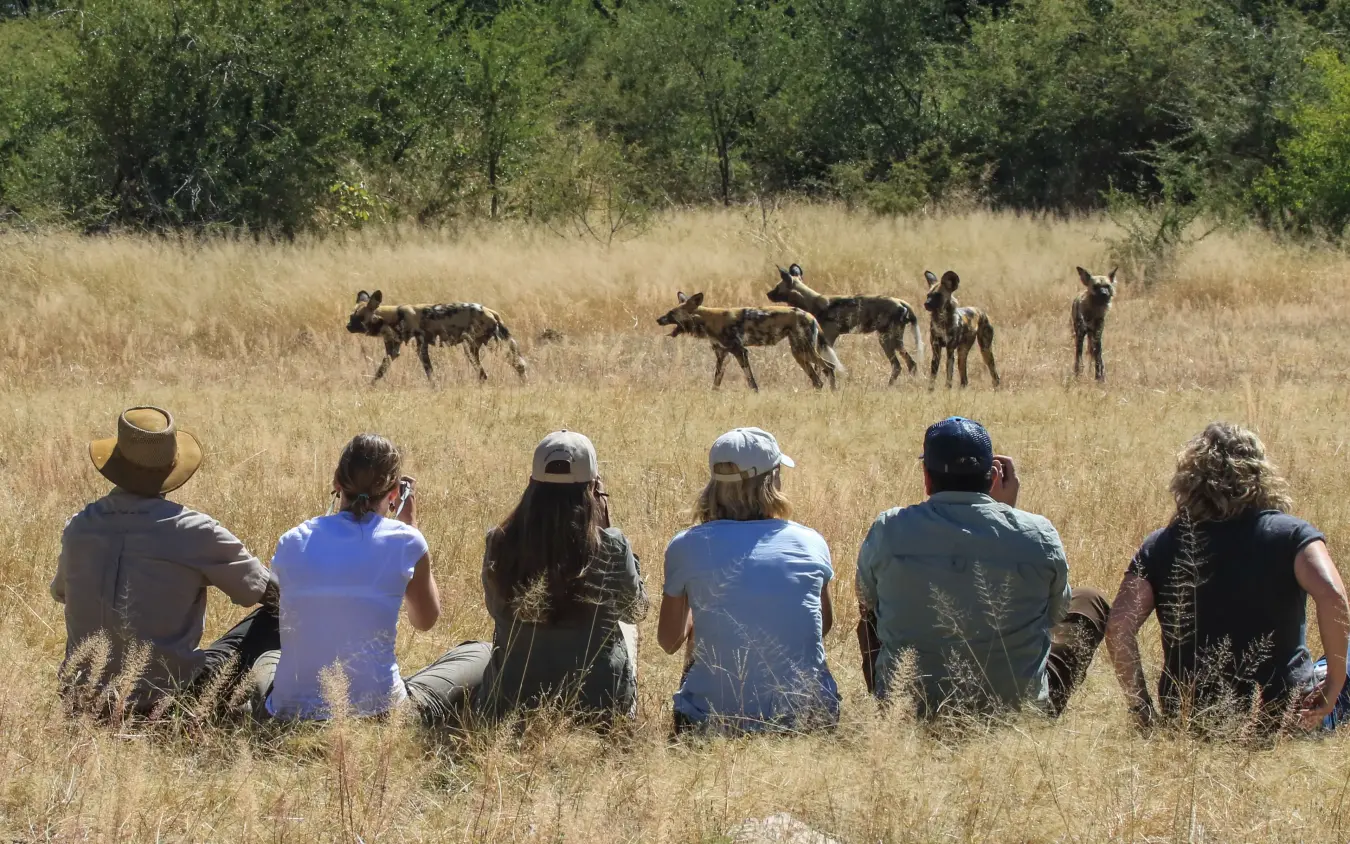
Nine nights in northern Zimbabwe, walking Hwange and Mana Pools by foot and canoe, finishing at Victoria Falls.
zimbabwe
Twelve nights across northwest Zimbabwe, from Victoria Falls to Hwange's plains and springs and the upper Zambezi.
rated five stars by our clients

our approach
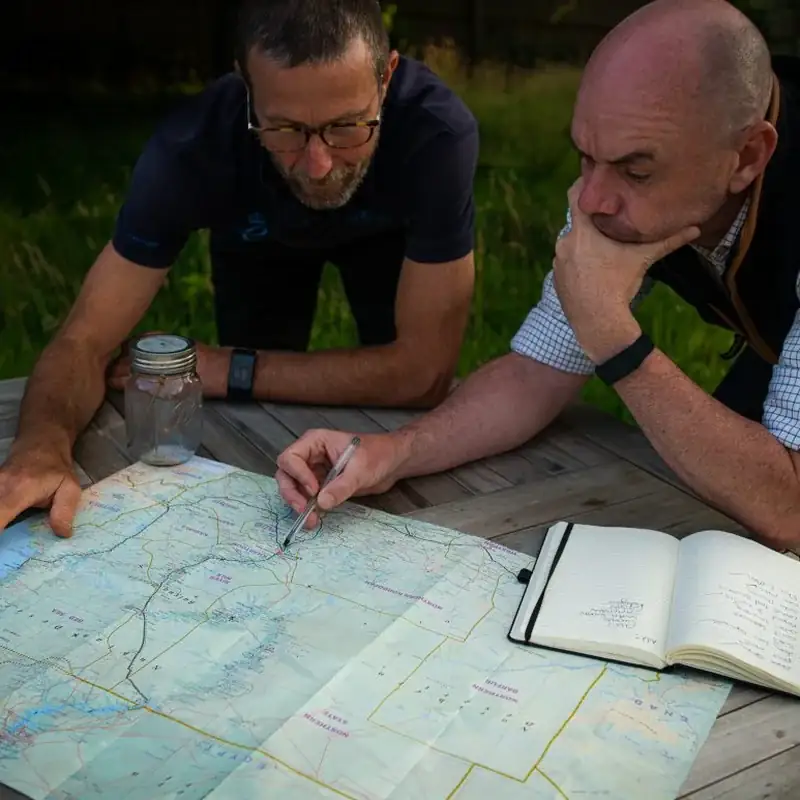
Every journey starts with a conversation. We take the time to understand your vision before we start planning.
Whether by phone or in person, we work with you directly to shape something that is considered, personal, and expertly delivered.
Every journey starts with a conversation. We favour a direct, personal approach: understanding your vision before anything else.
Whether by phone or in person, we work with you directly to shape a journey that is both thoughtfully considered and expertly delivered.
Get in touch to start planning yours.