






zimbabwe
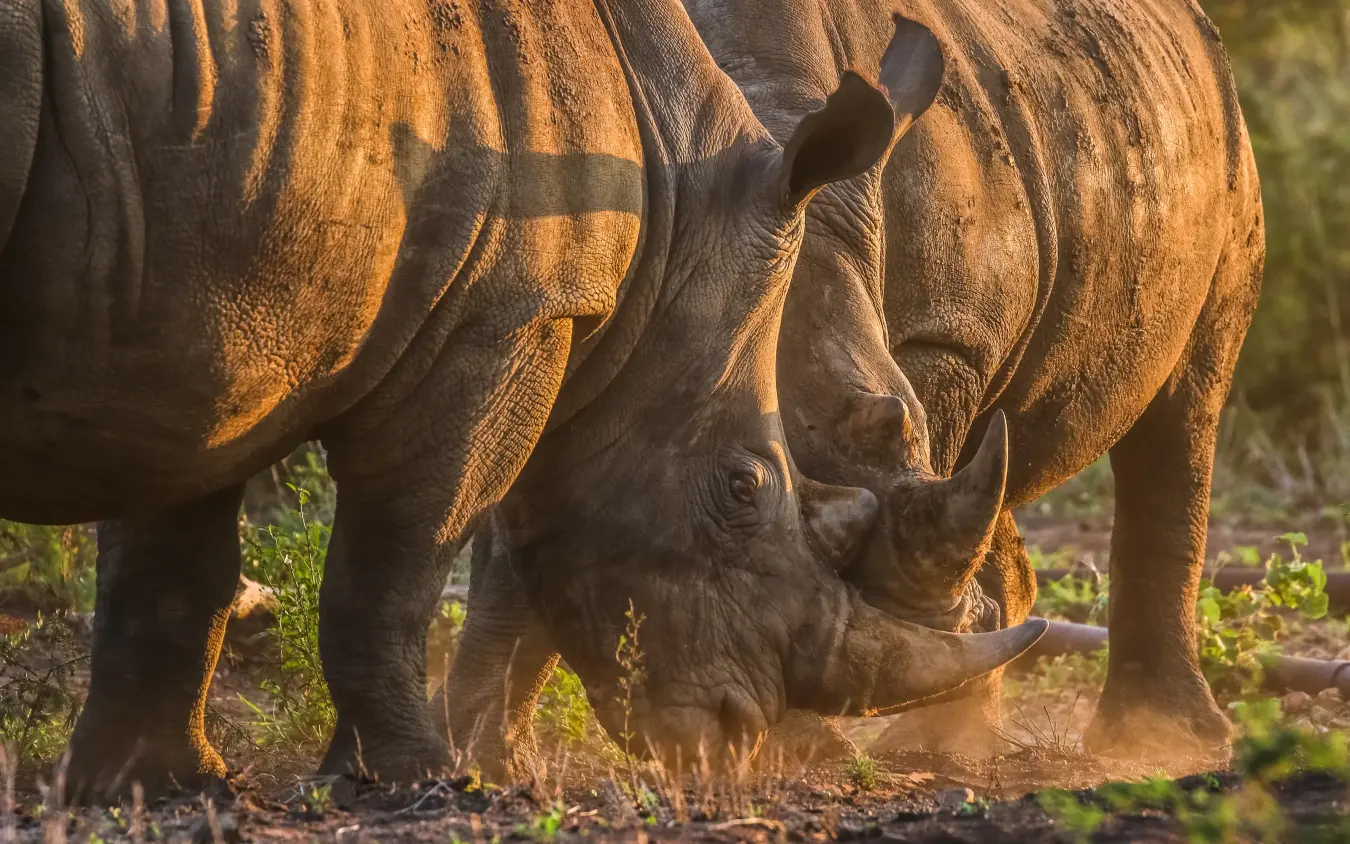
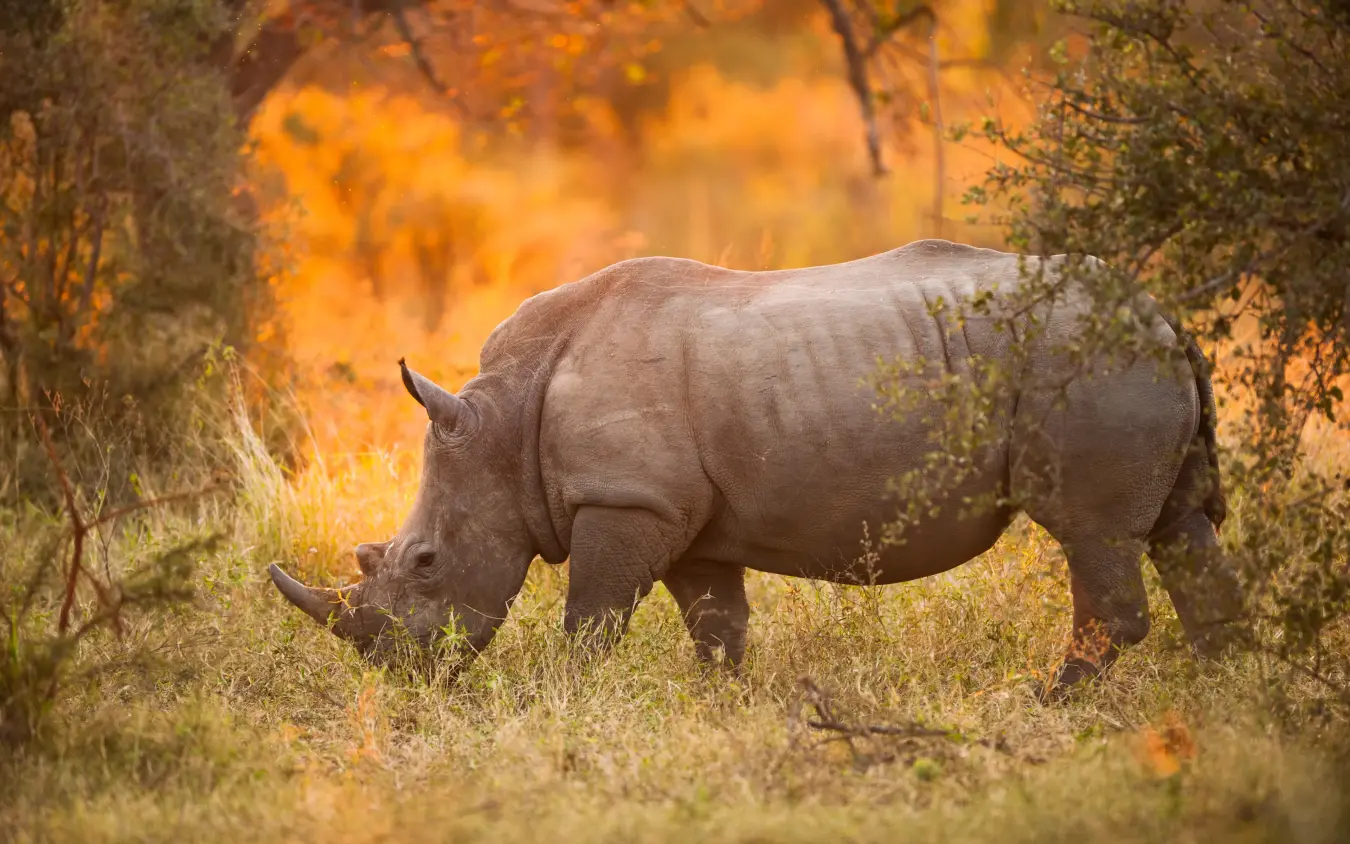
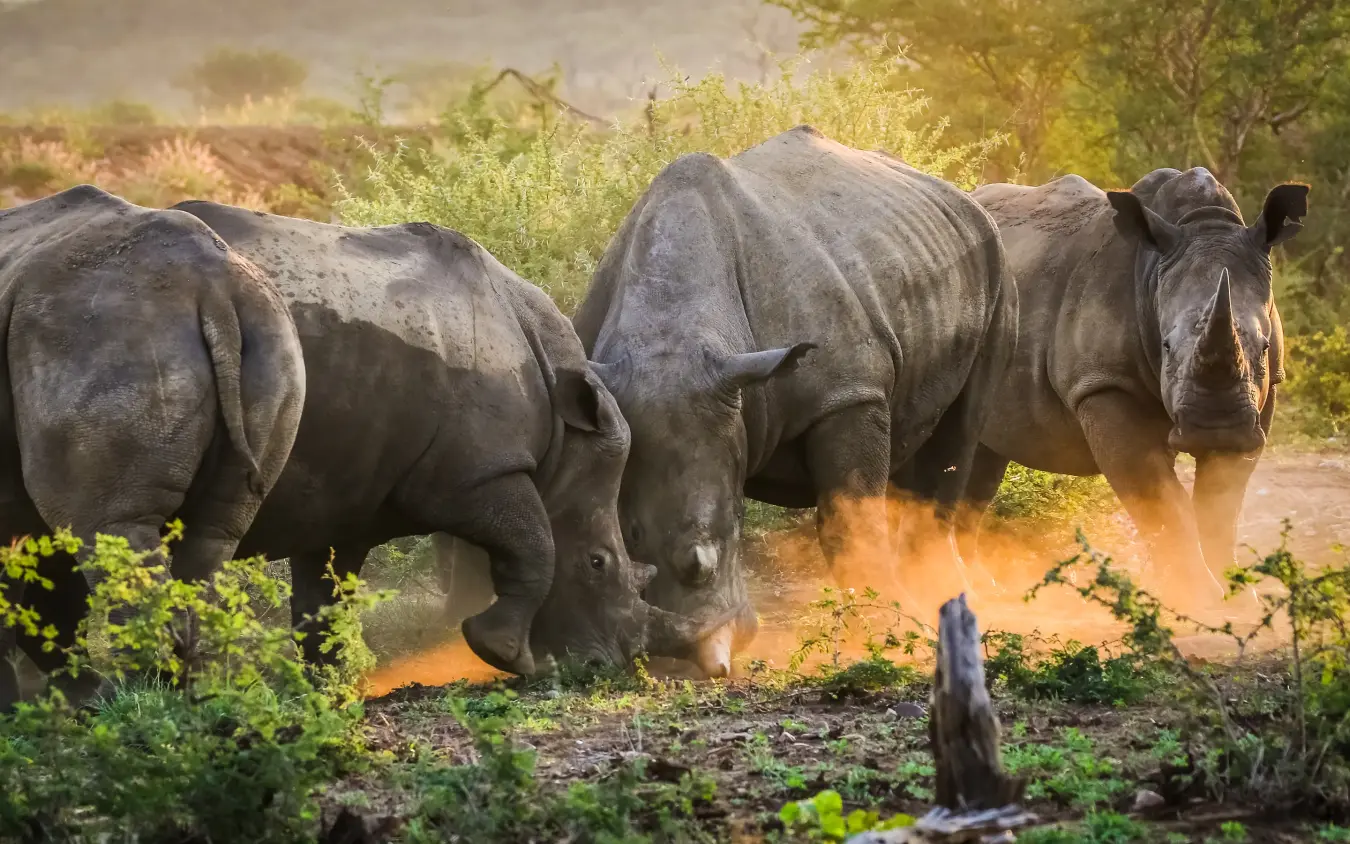
rhino in the save valley
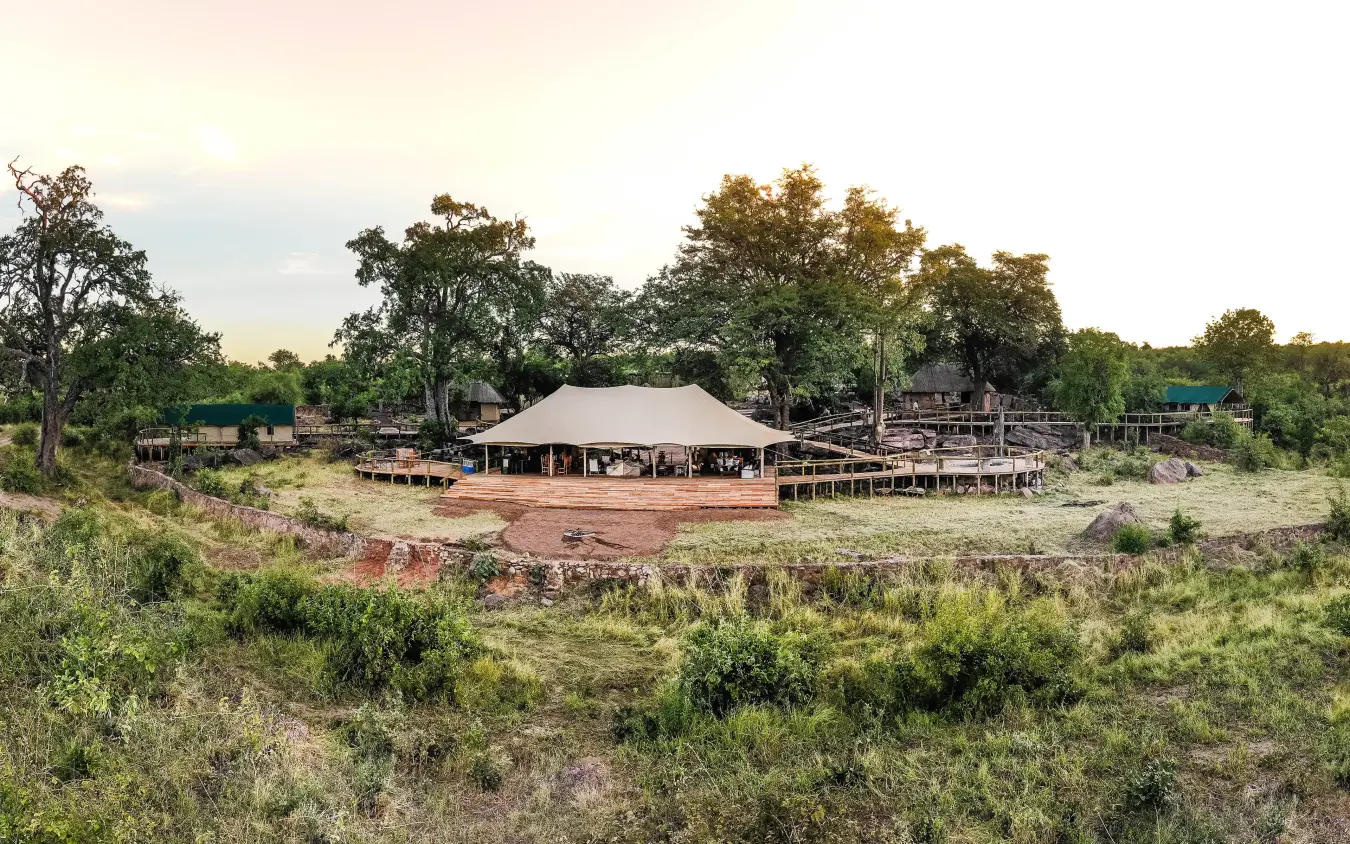
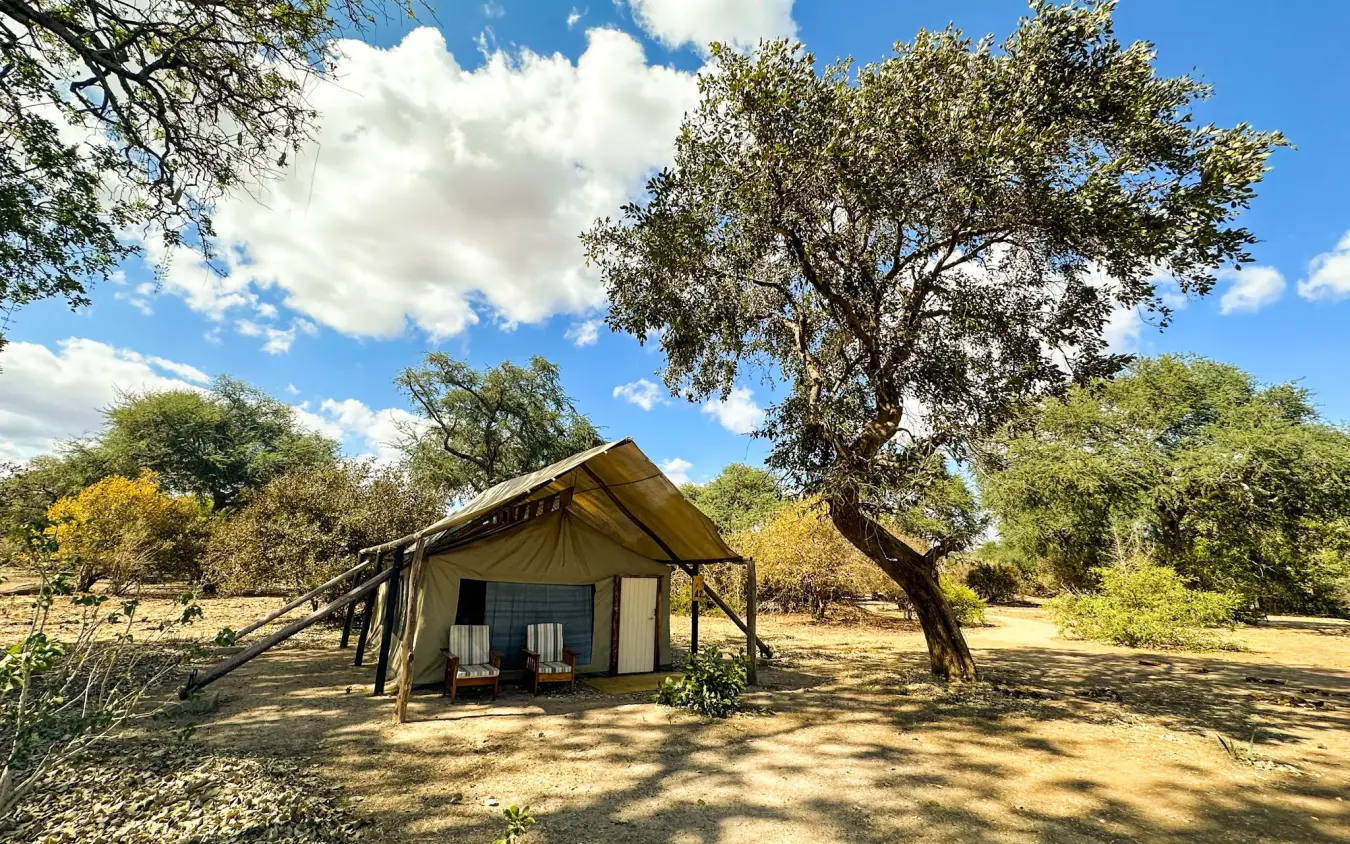
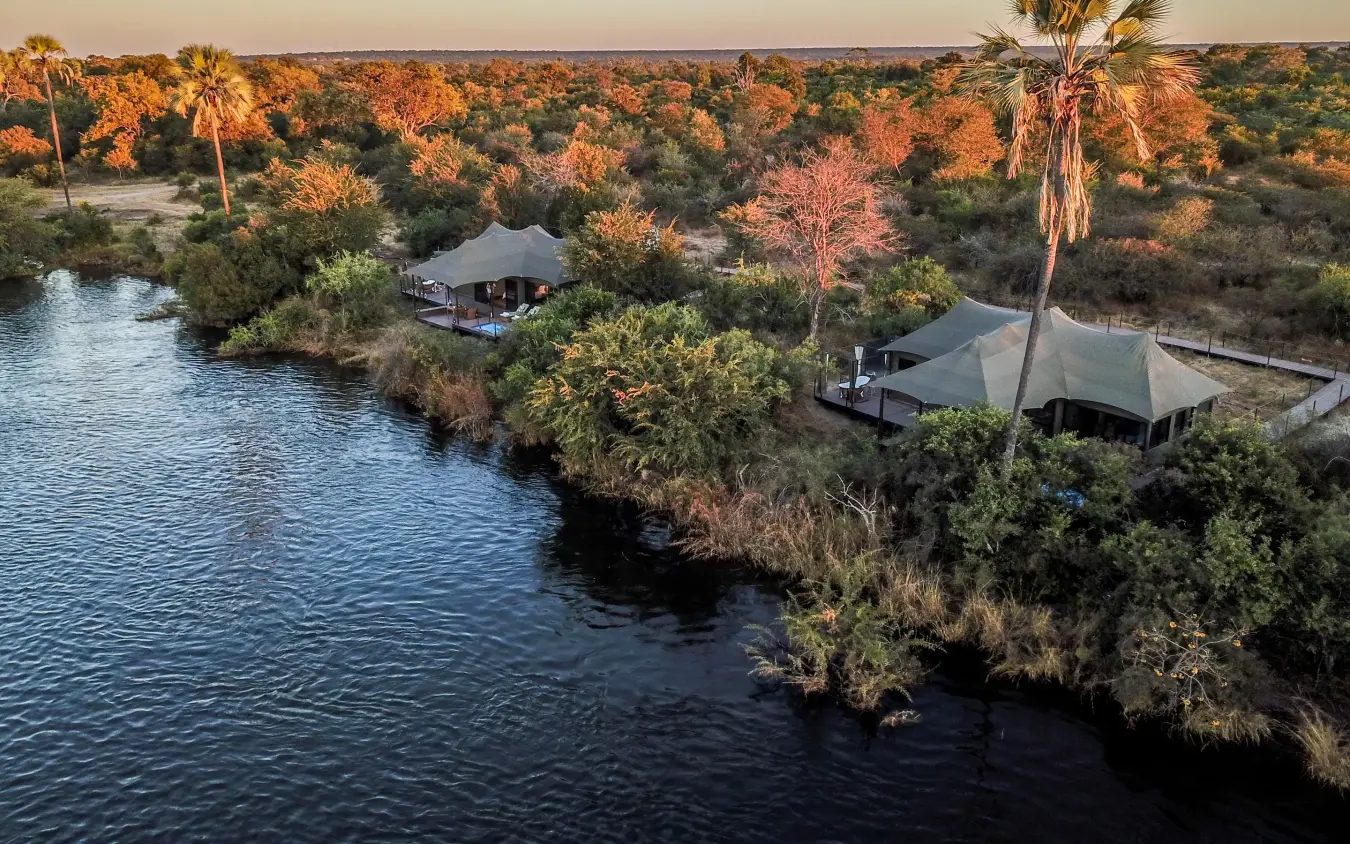
Nine nights in south-eastern Zimbabwe, from the Save River and Gonarezhou to rhino tracking in the Sango Conservancy.
- Private Safari
- From $11,015 pp
- 2 guests
- 9 nights
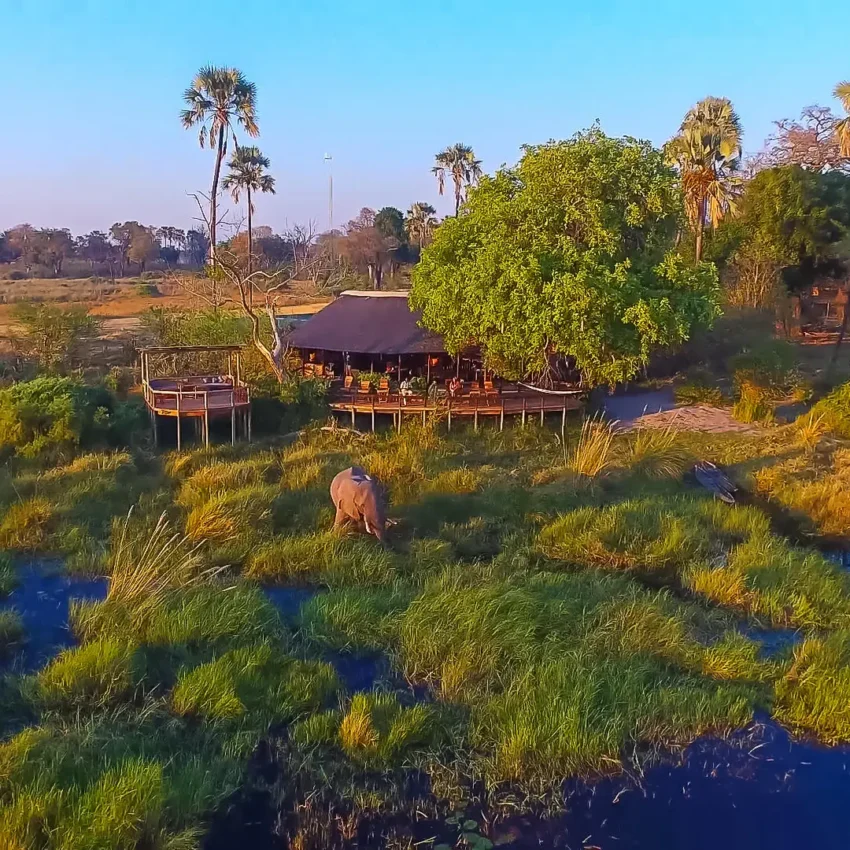
This twelve-night route runs from Zimbabwe into Namibia and down through Botswana. It opens at Victoria Falls, where the Zambezi drops into the Batoka Gorge, then crosses to the Namibian bank of the Chobe River and its floodplains. From there it moves into the Okavango system, the Khwai Community Reserve, the Moremi Game Reserve and finally Chief’s Island in the Delta itself.
You travel by a mix of open vehicle, boat, mokoro and on foot, the mode changing with each region. Two lightweight mobile camps carry you through Khwai and Moremi, while the fixed camps sit on a private river sanctuary, the Chobe and a palm island in the Delta. Days run to first light and late afternoon, on water where there are no roads and on foot where the ground allows.
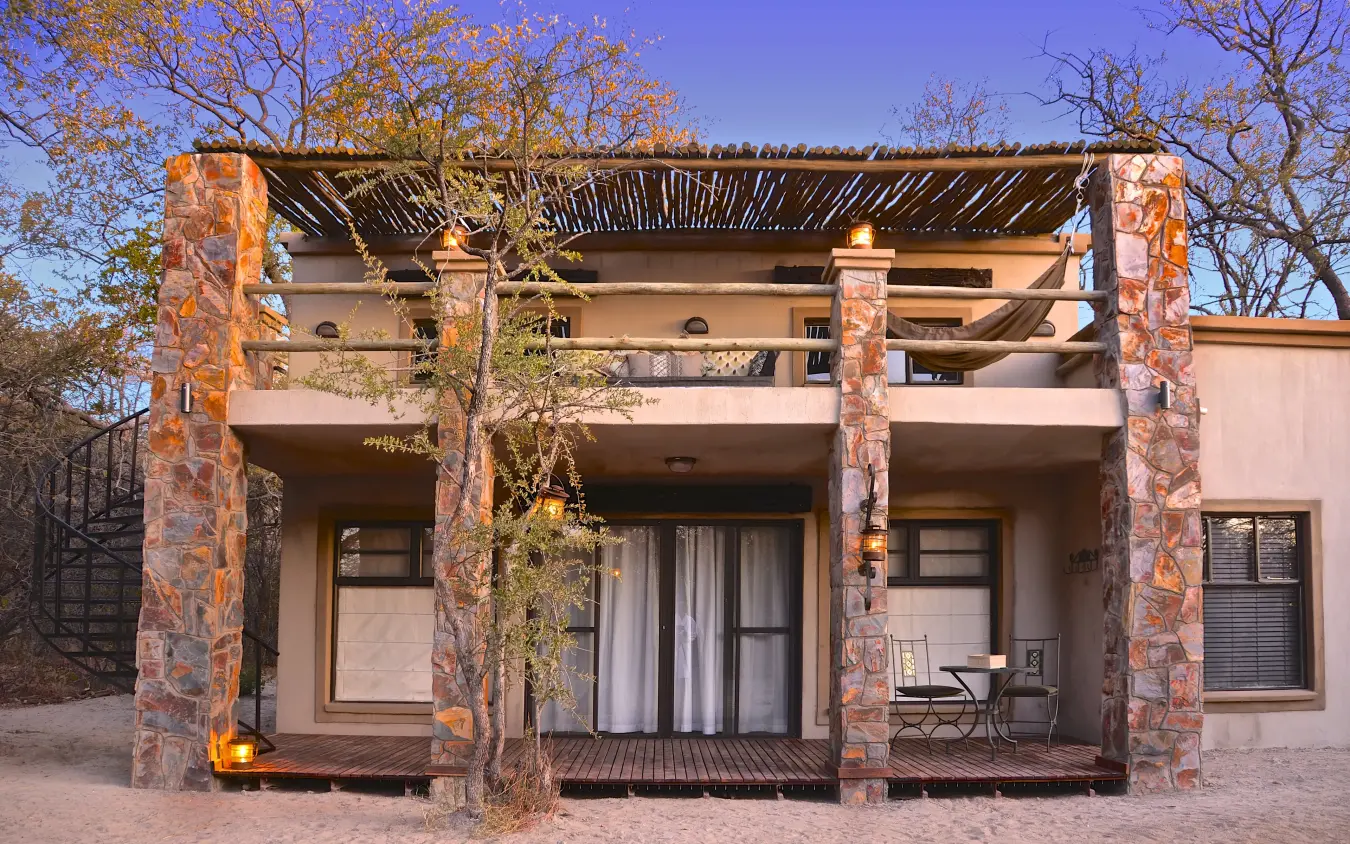
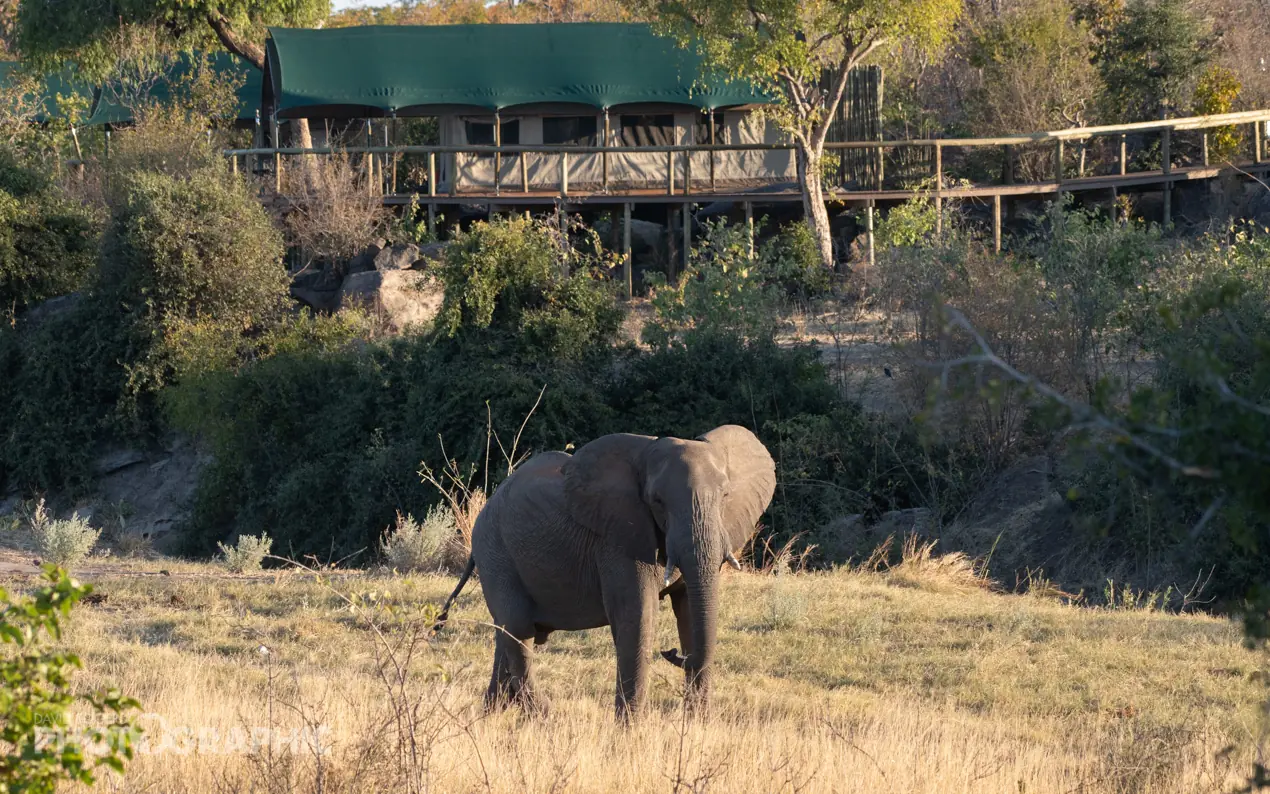
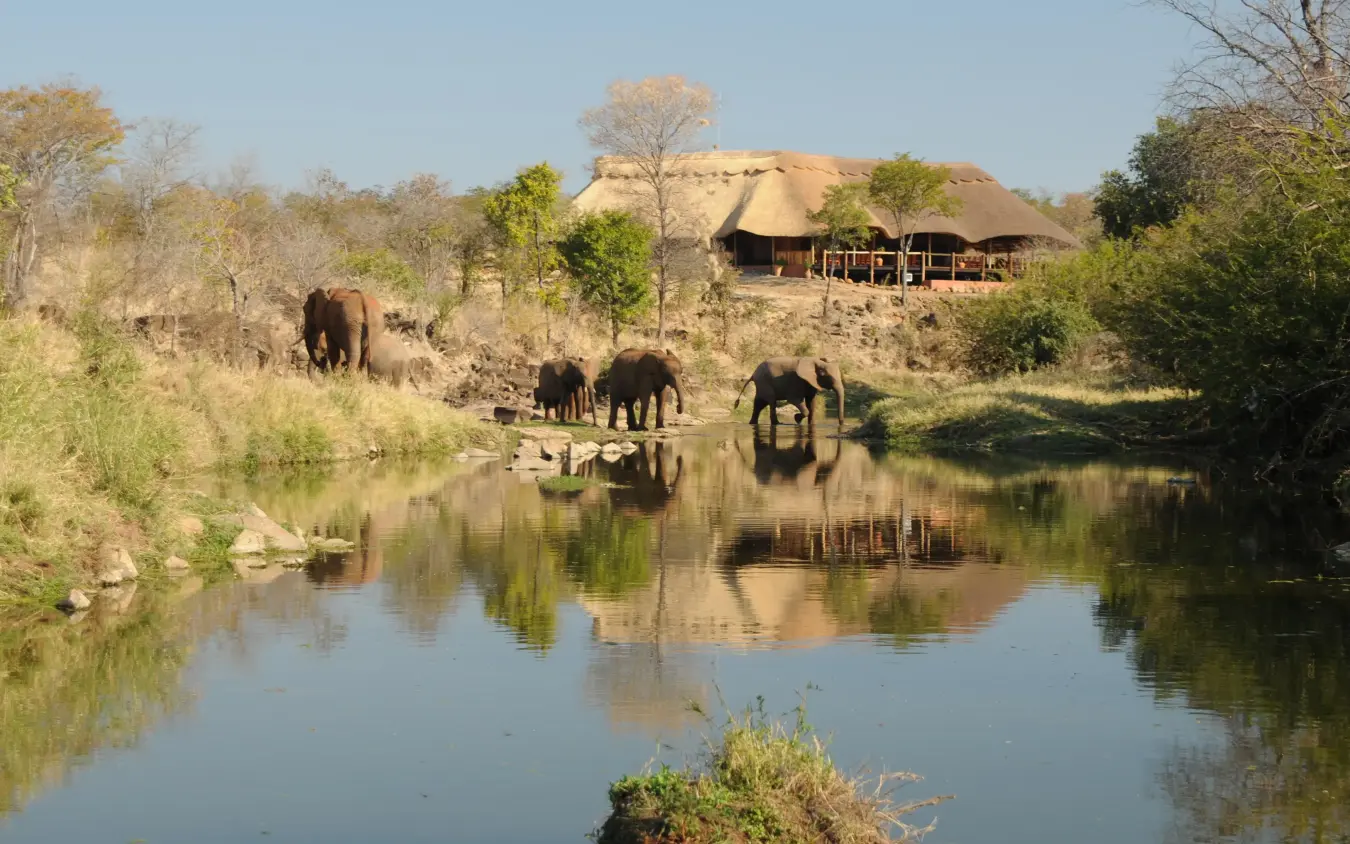
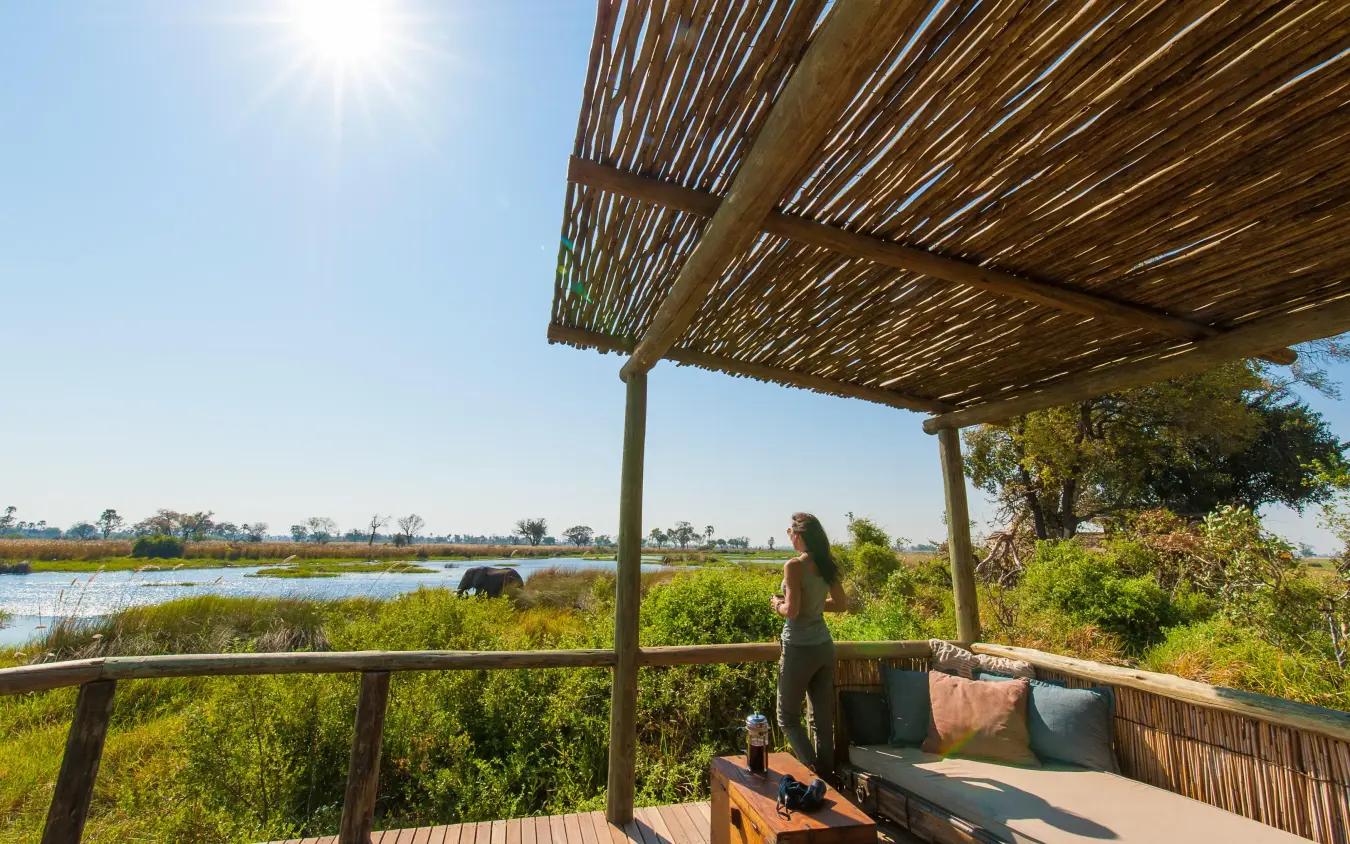
You spend these first two days on the banks of the Masuwe River, in a private sanctuary within Victoria Falls National Park, about twenty minutes from the falls. Because this is private ground rather than parkland, game drives run at first light and again as the heat drops, and guides can take you out on foot. Evenings move to the lip of Batoka Gorge, sundowners in hand with the rapids churning below. The Wallow Lodge raises sixteen canvas suites beneath the riverine trees, each turned to the water, where elephants and buffalo wade below the decks.
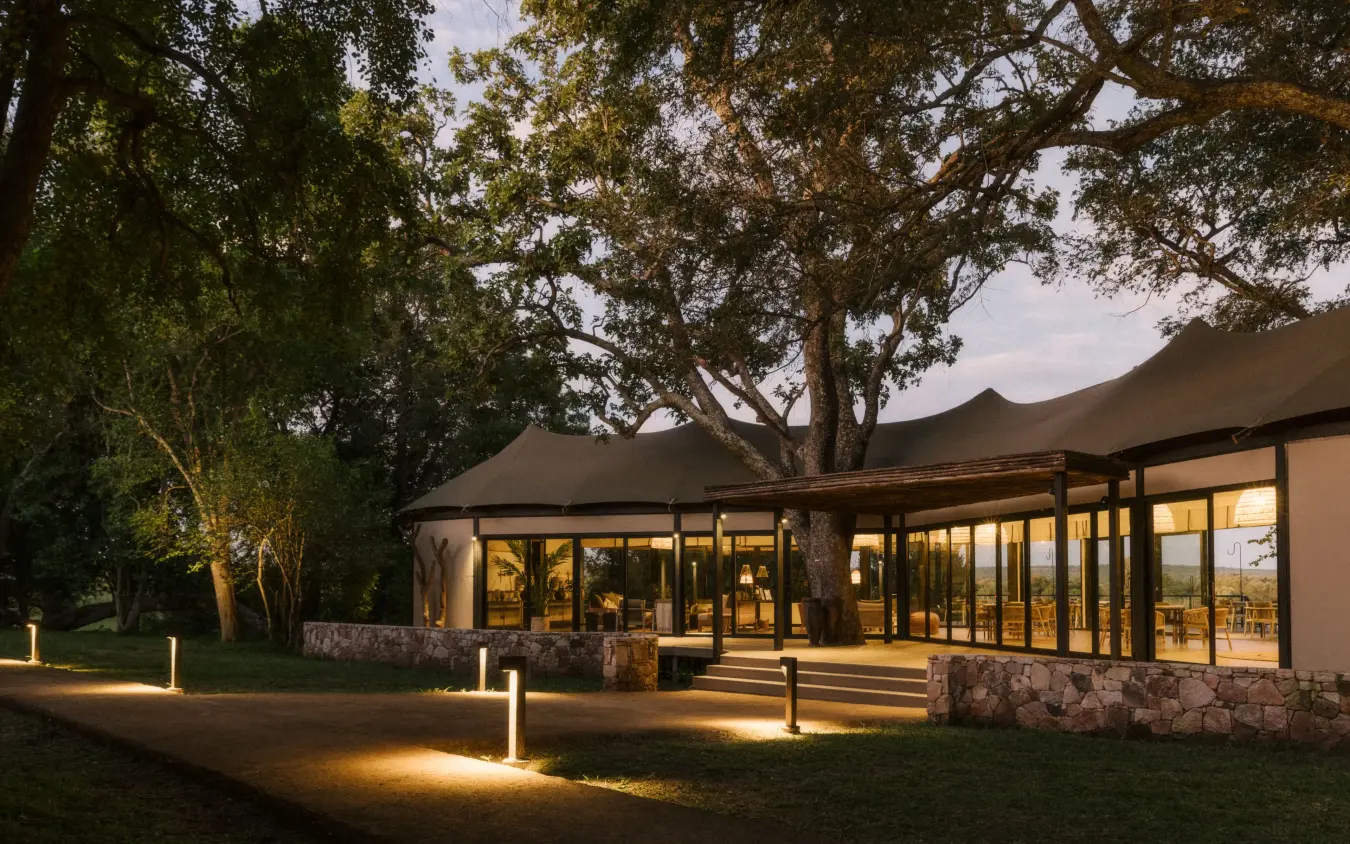
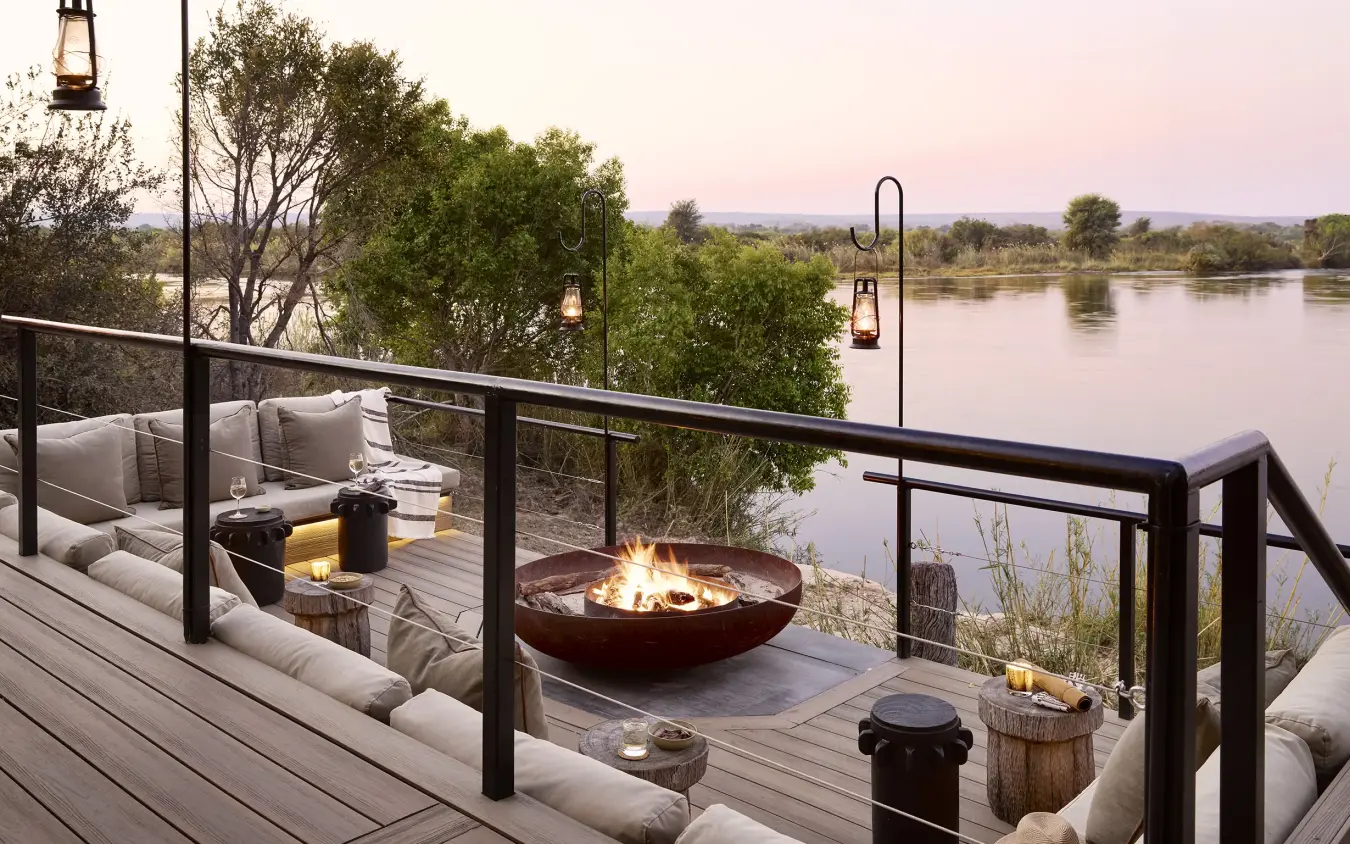
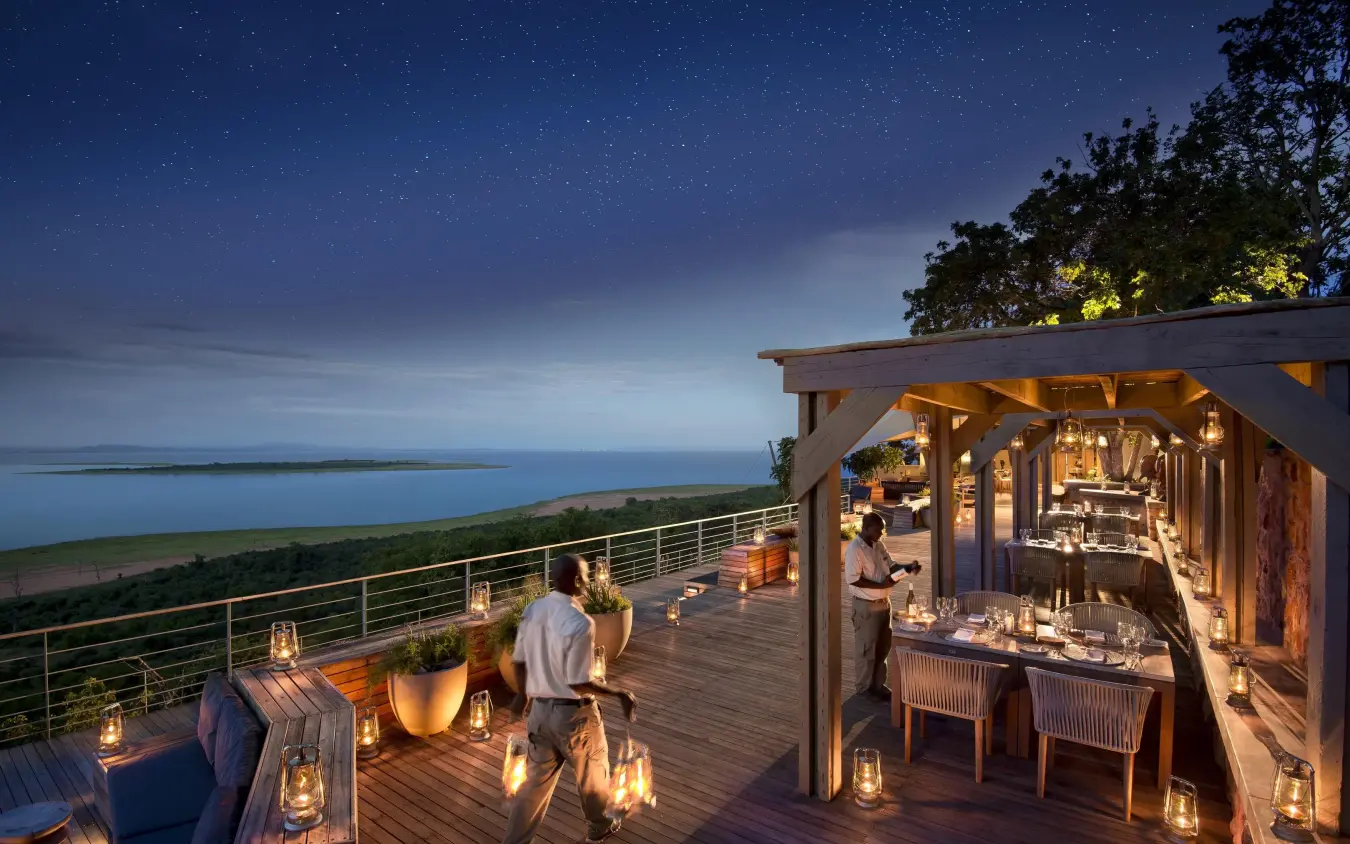
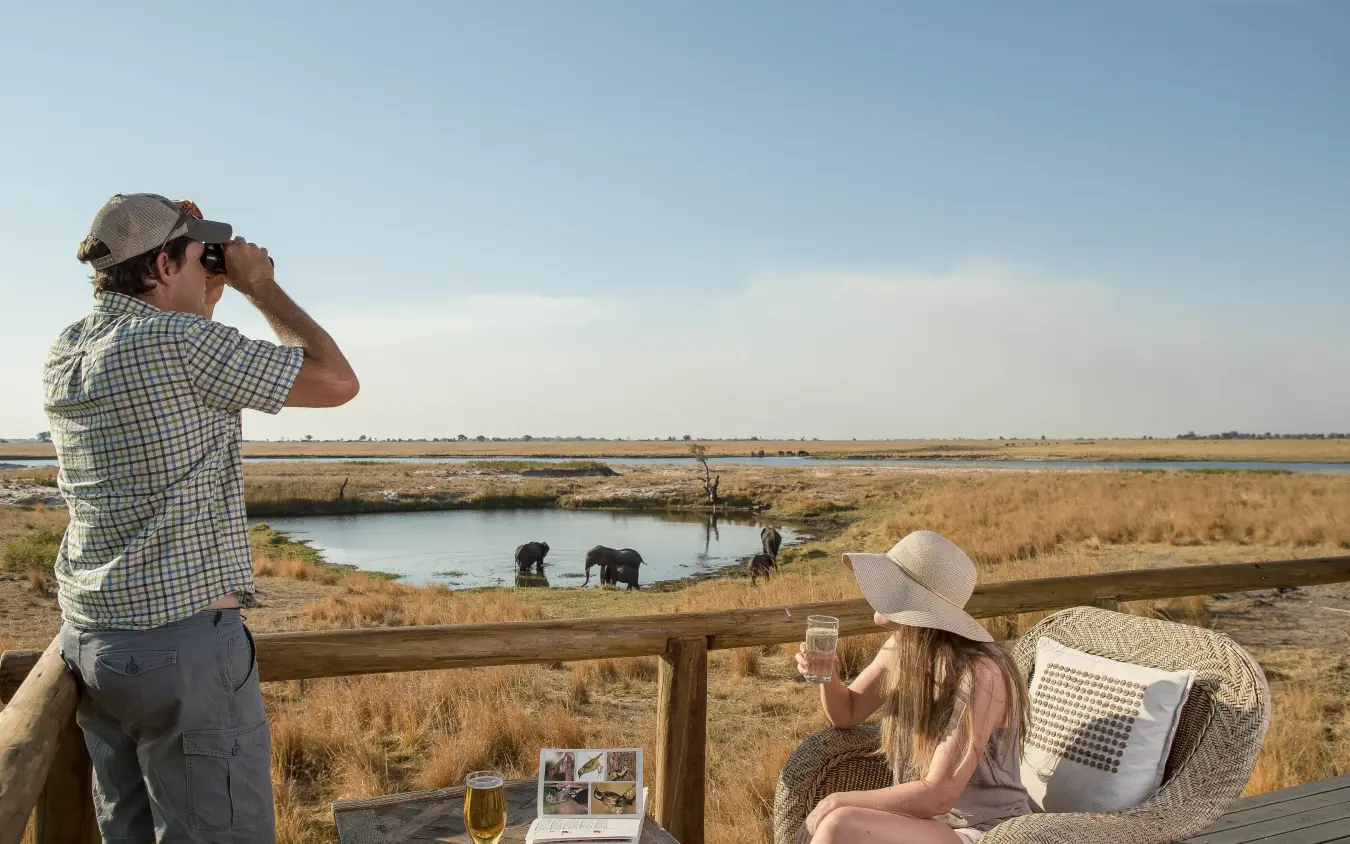
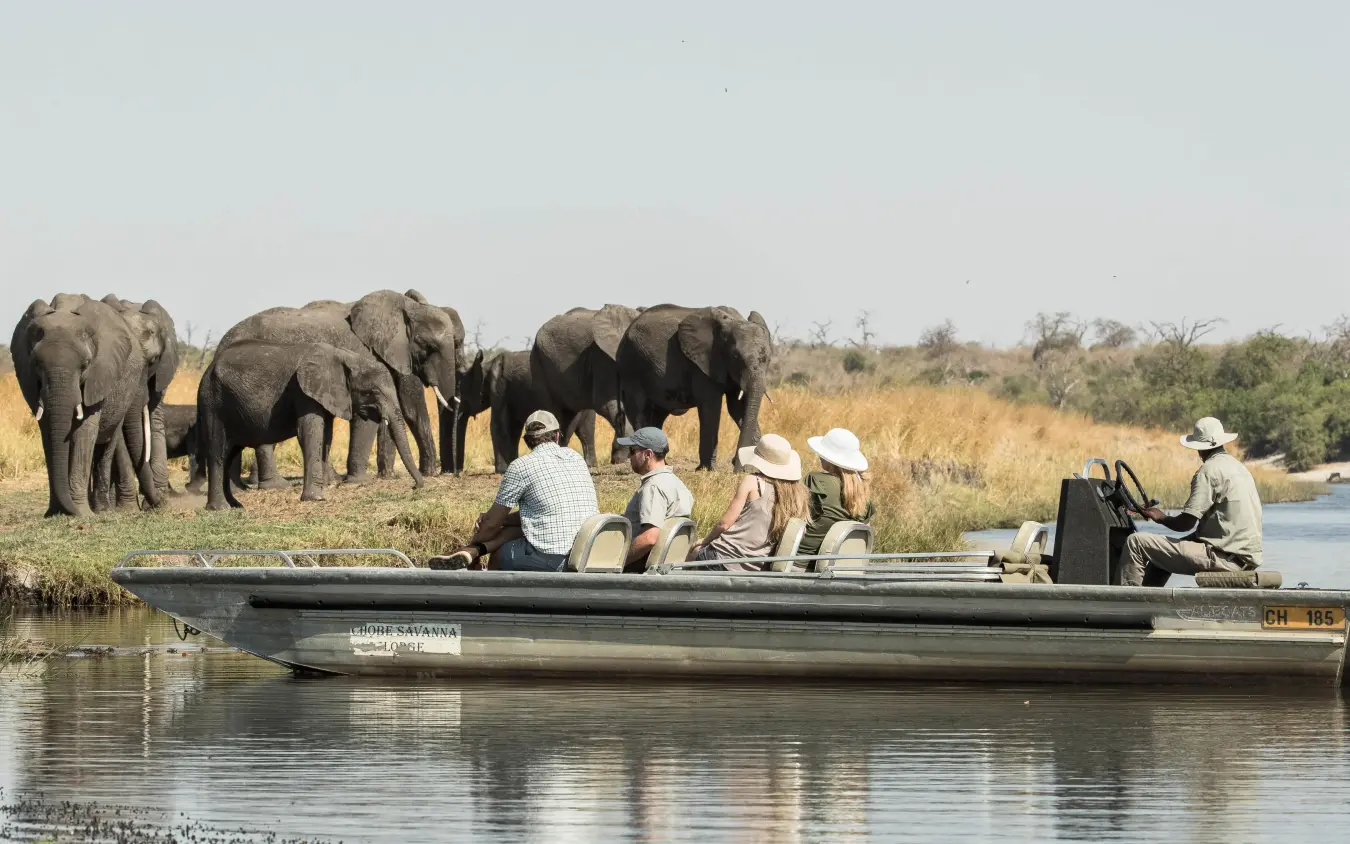
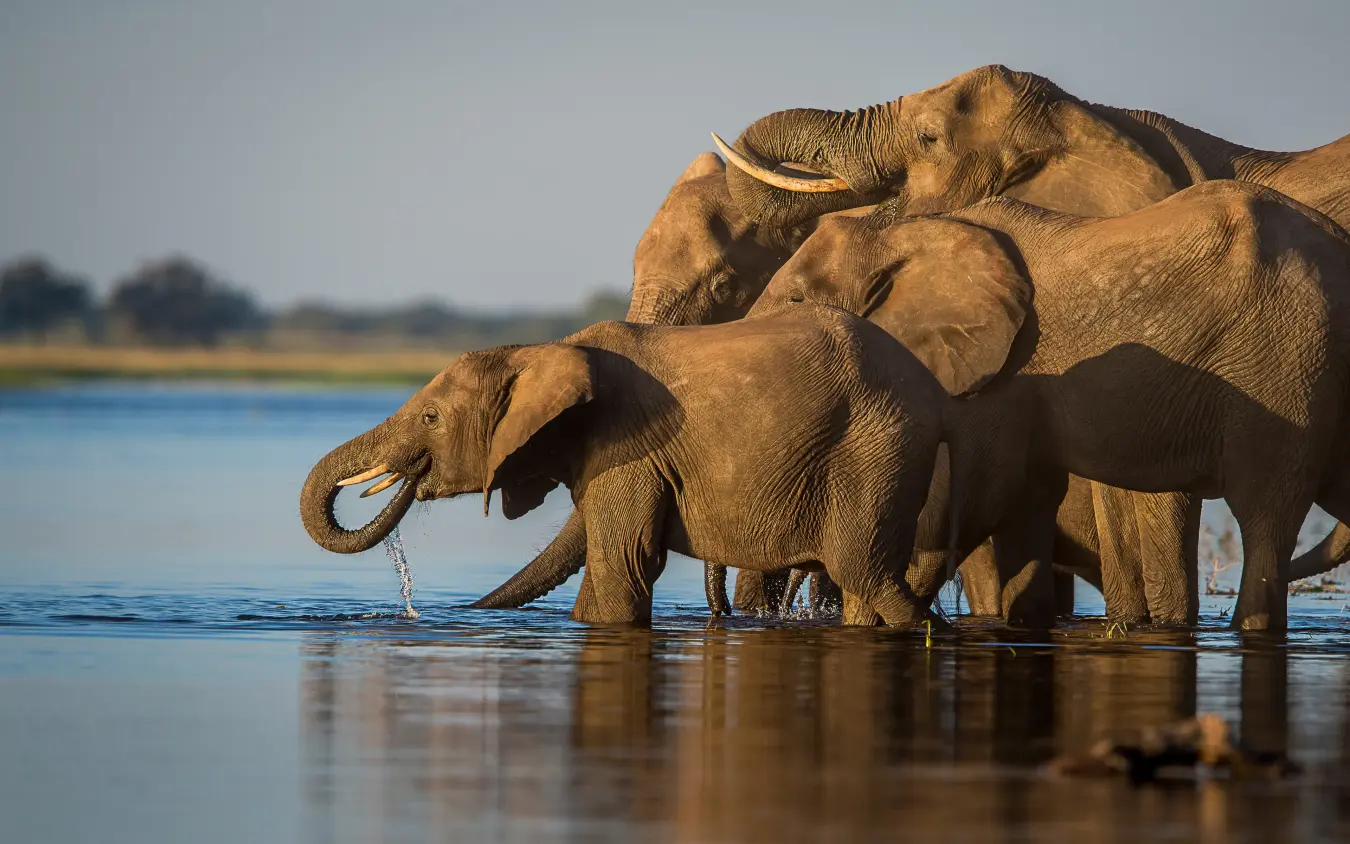
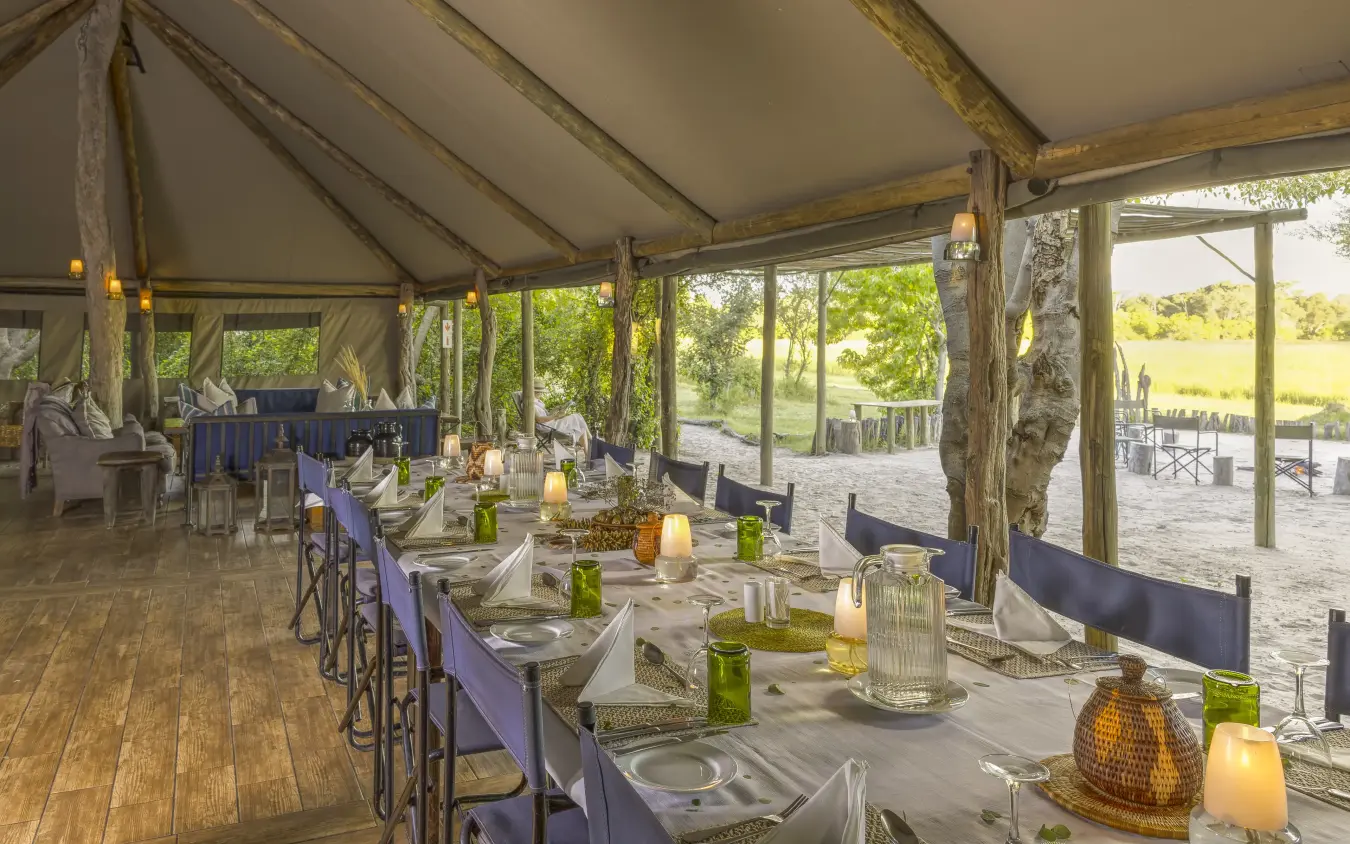
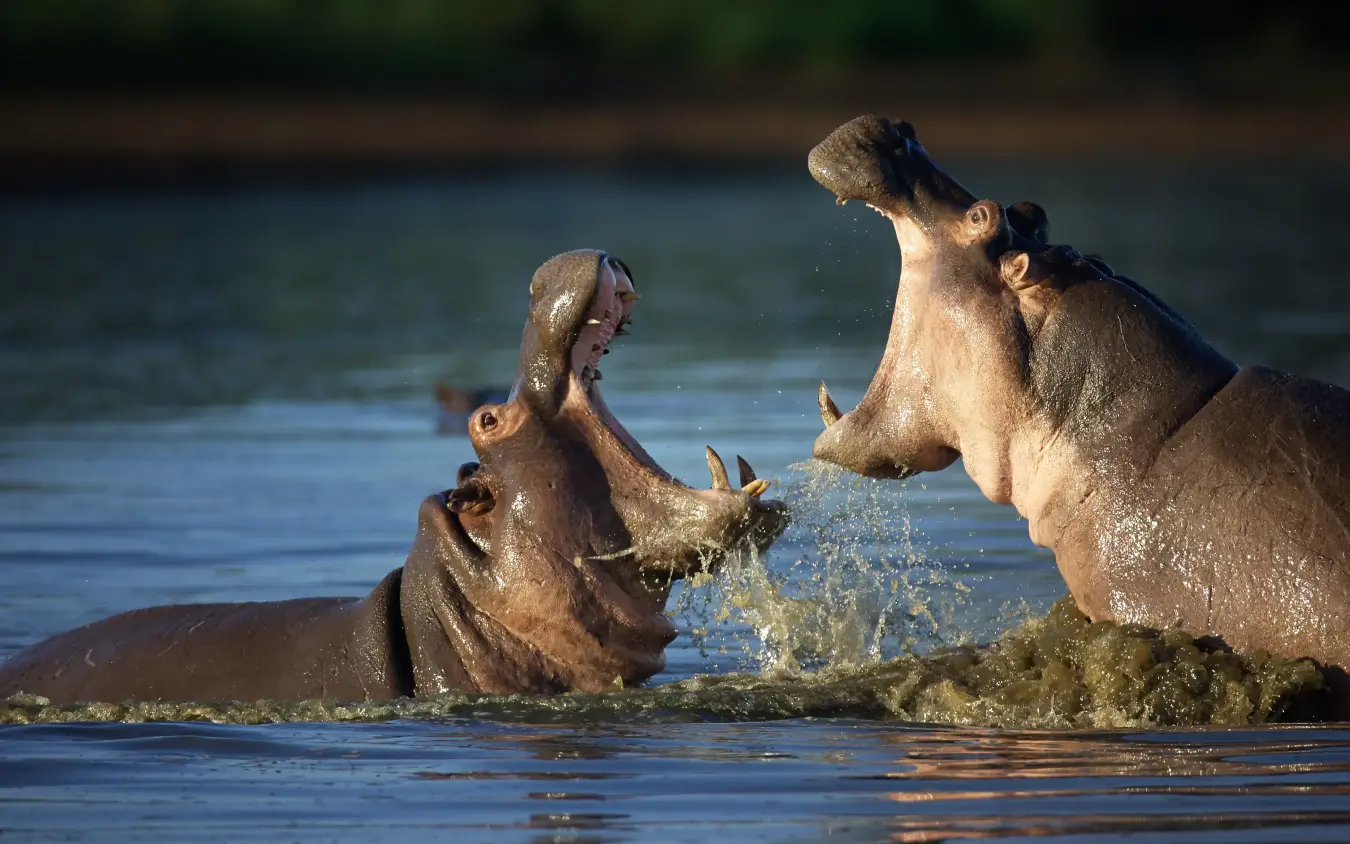
On the Namibian bank of the Chobe River, all game viewing happens on the water. Small flat-bottomed boats leave the jetty at first light and drift close to elephants standing chest-deep in the shallows, grazing antelope and hippo pods surfacing off the bow, with fish eagles working the channels. From June to October, as the inland pans dry, breeding herds gather along the water within sight of the chalets. Chobe Savanna Lodge is a thatched lodge reached only by boat, its deck wrapping around roughly 270 degrees of river and the Puku Flats floodplains opposite.
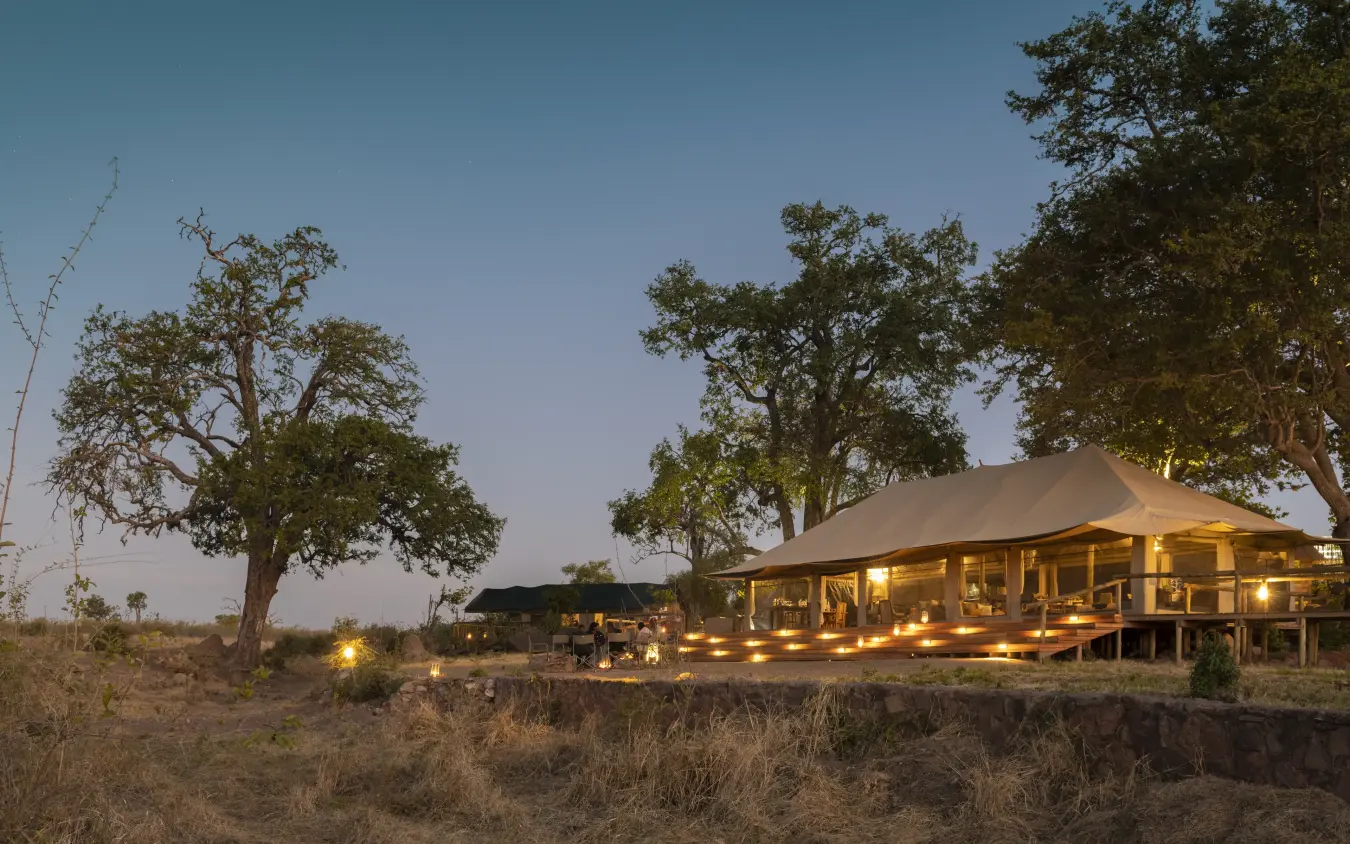
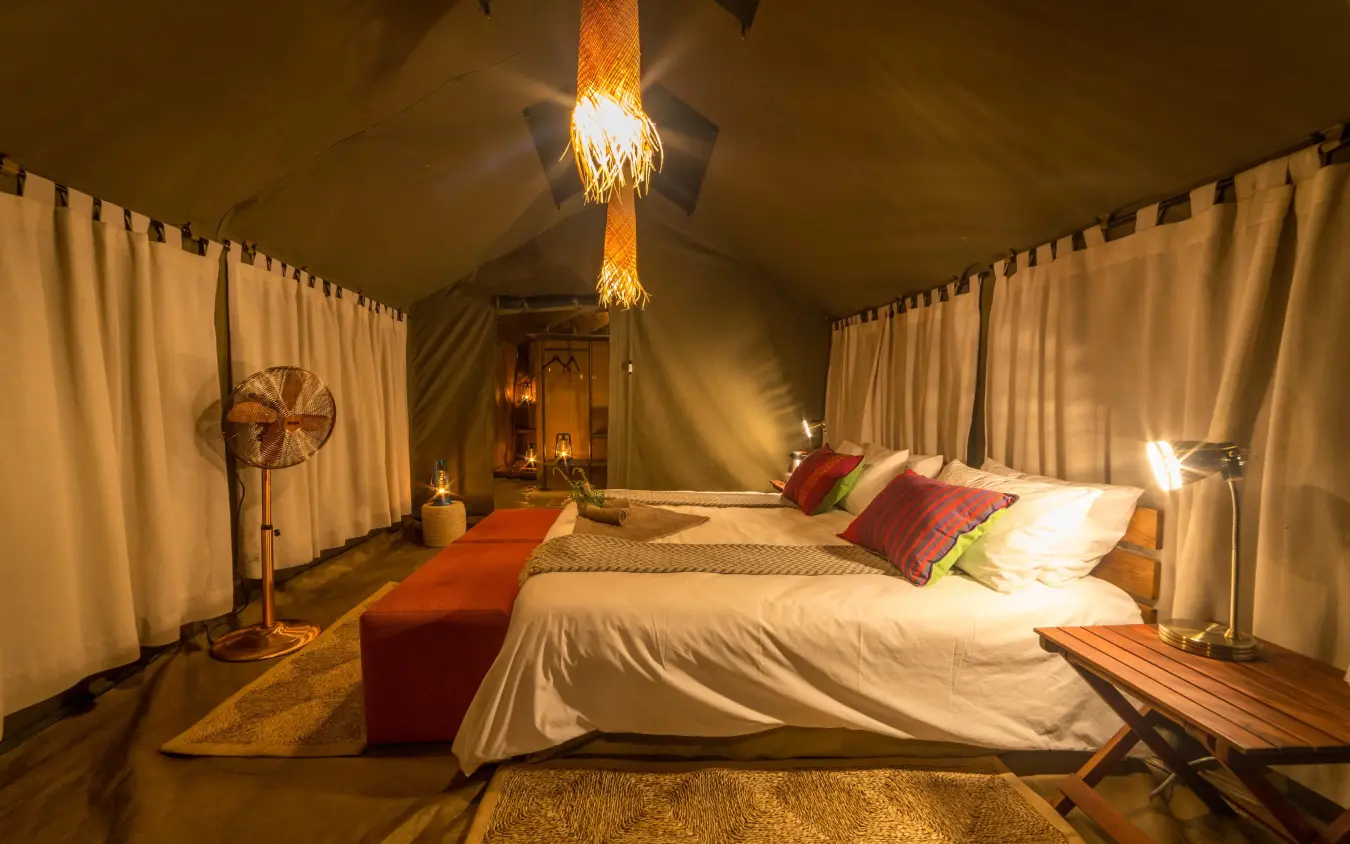
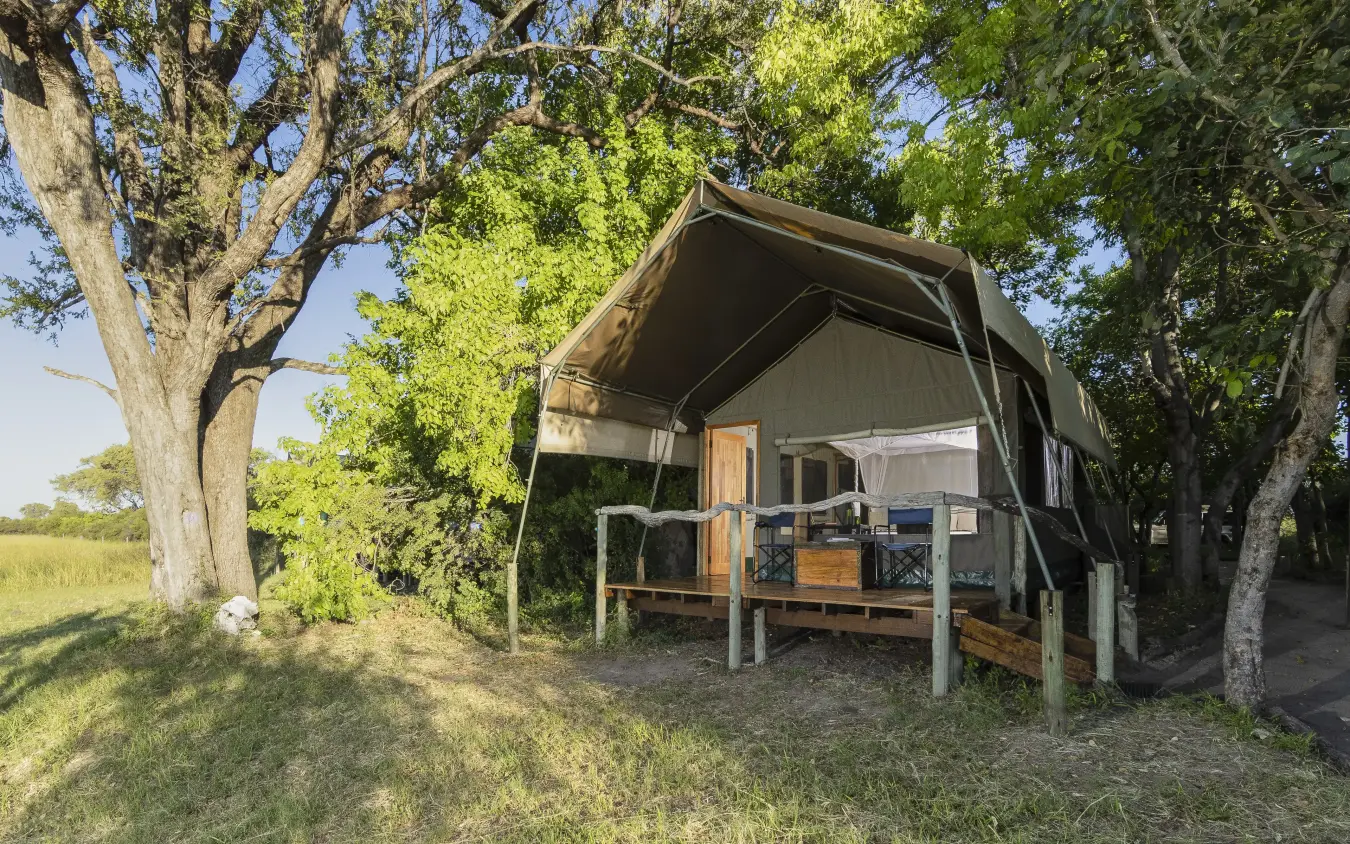
These three days are spent in the Khwai Community Reserve. You stay in a lightweight mobile camp rather than a permanent lodge, its tents pitched under canvas and struck again when the camp moves on, which keeps the footprint on the ground light. Mornings and late afternoons are given to guided outings from camp, the days shaped by the reserve around you rather than the place you sleep. The camp carries the essentials and little more.
You move on to the Moremi Game Reserve for three days, again under canvas in a lightweight mobile camp set up for the stay and taken down after. As in Khwai, there is no permanent structure here; the days run to first light and late afternoon on guided outings, with the camp itself kept simple and low. Meals and evenings happen around the fire and the tents, the reserve doing the rest.
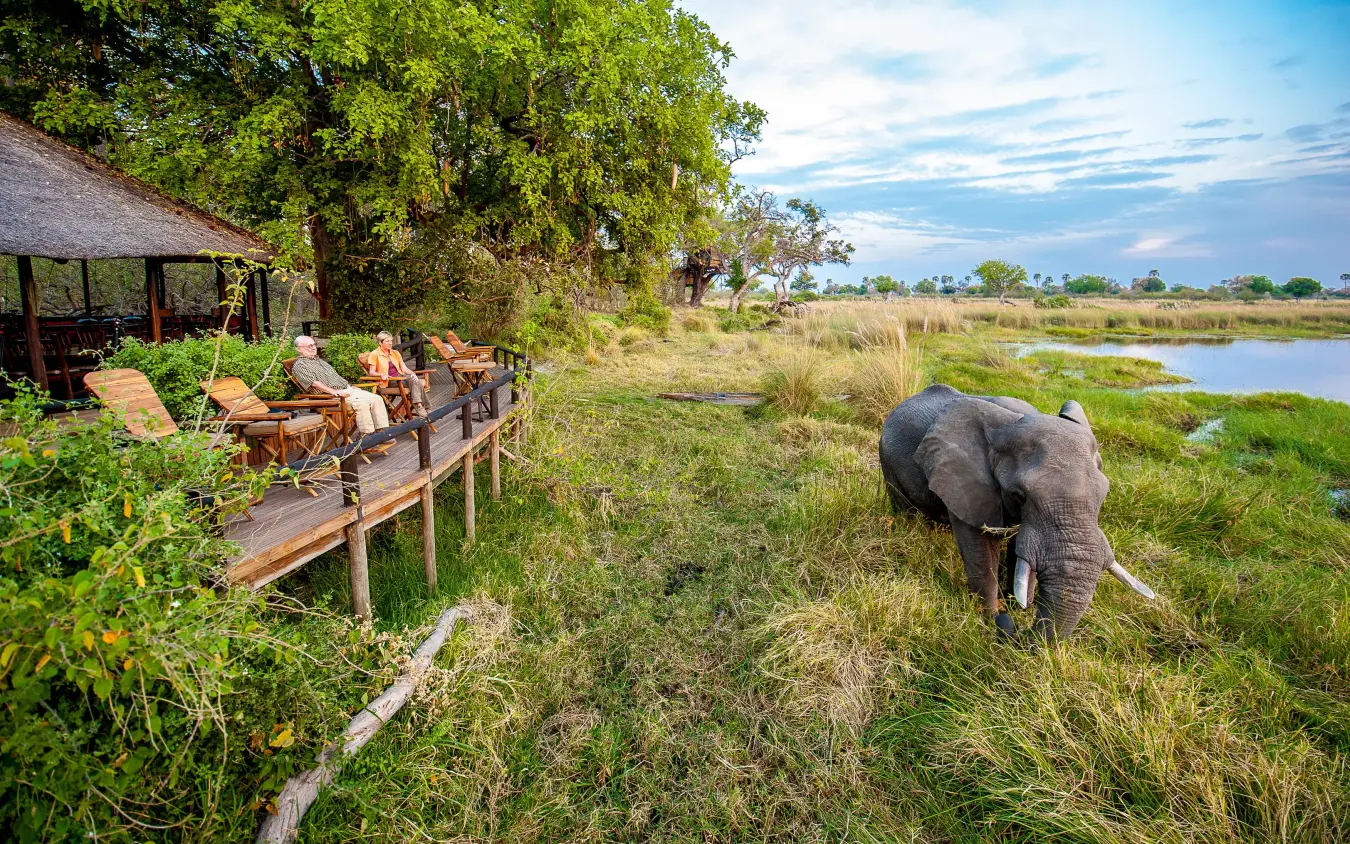
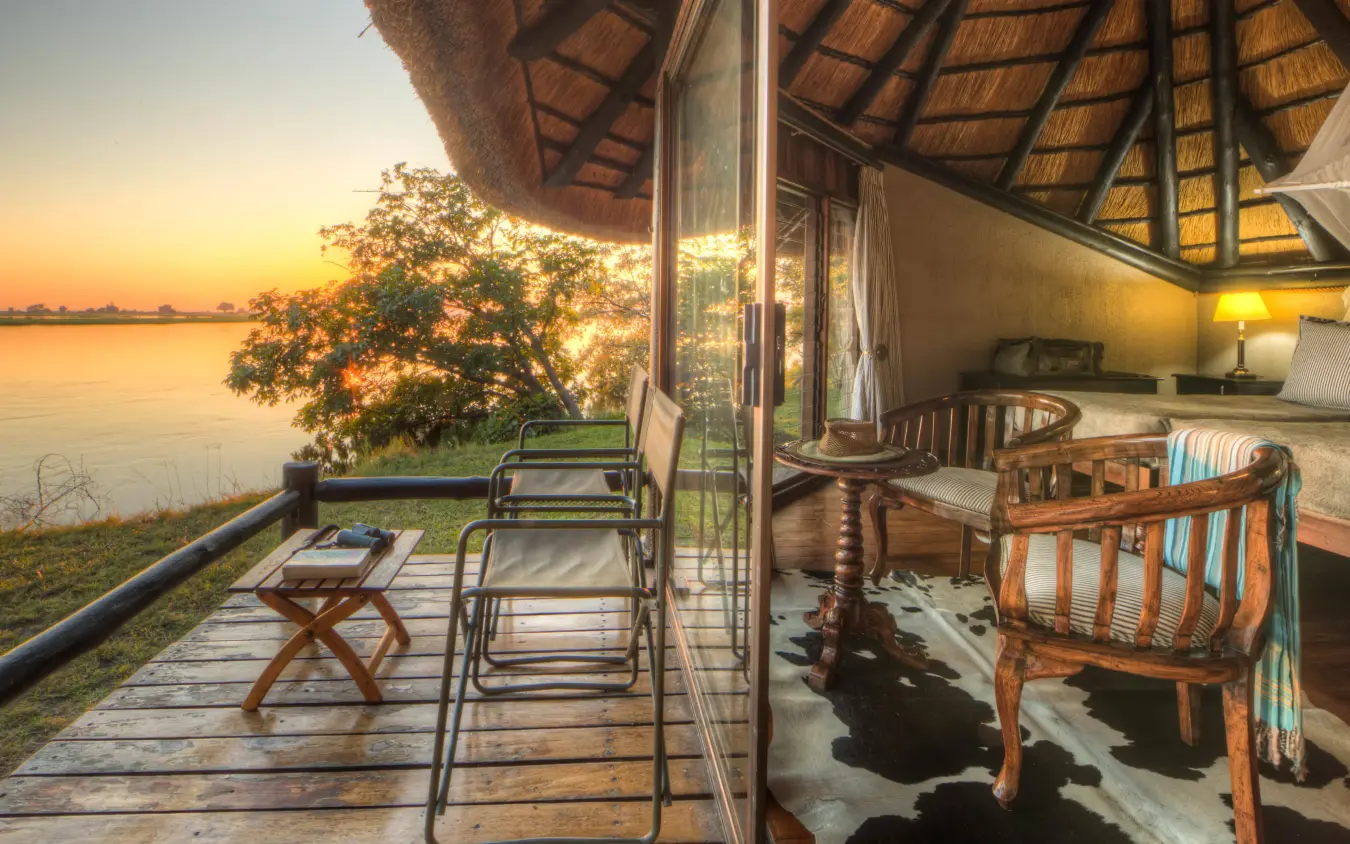
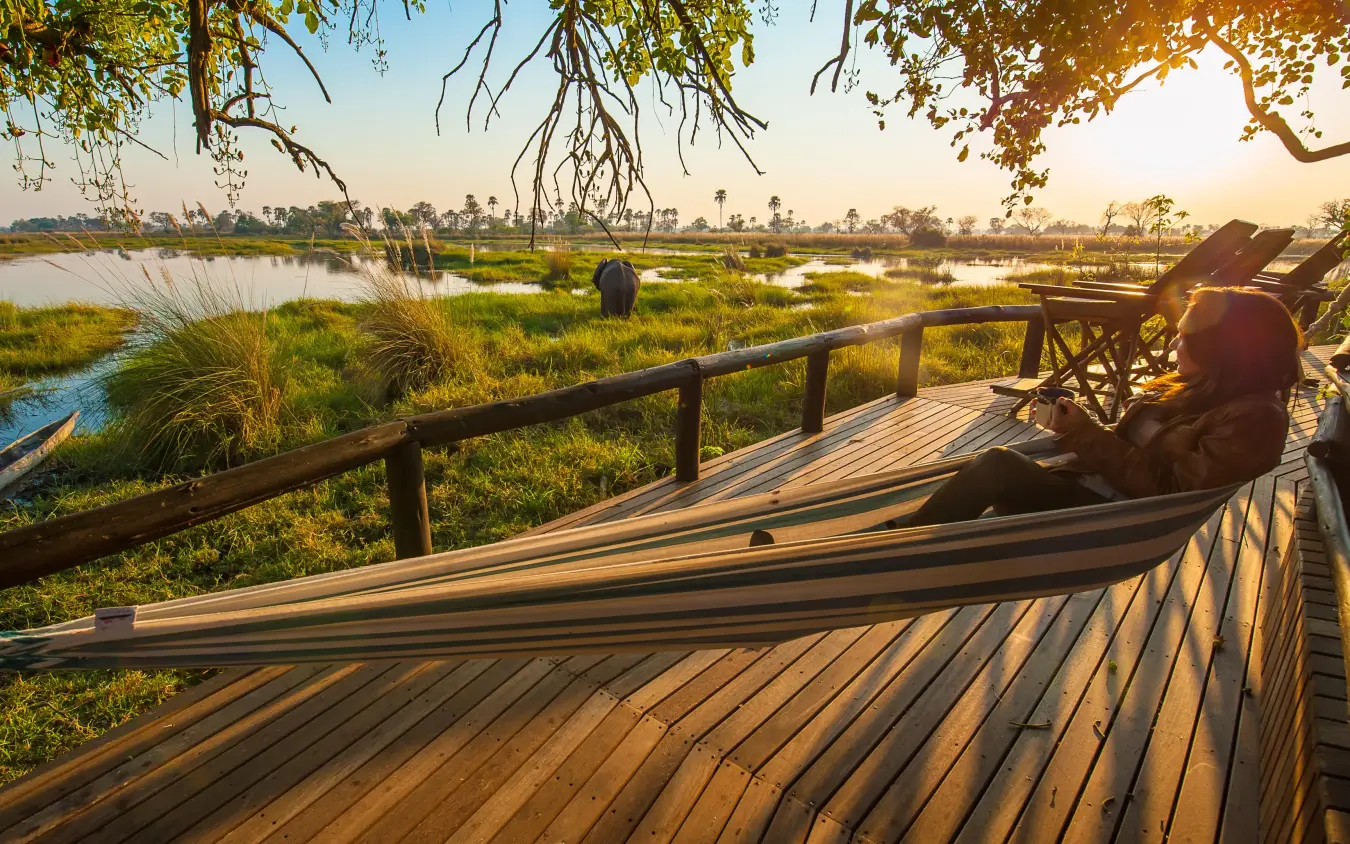
The trip closes on a palm-forested island off the south-western edge of Chief's Island, in the Okavango Delta, where nothing runs on an engine. You explore on foot and by hand-carved mokoro, poled by a private guide who stays with you throughout, crossing to Chief's Island and walking its lechwe paths and elephant tracks morning and afternoon. At night hippos grunt in the reeds below the deck. Delta Camp is built of lethaka reed, local timber and grass thatch, raised on piles, with mesh screens and canvas rolls instead of glass between the beds and the floodplain.
All the crossings fall in the first four days, and none is difficult.
You enter Zimbabwe on arrival at Victoria Falls. Two days later you are driven to Kasane in Botswana, which takes an hour and a half, or two if the border is busy.
At the immigration jetty in Kasane you are stamped out of Botswana, and the lodge's boat calls at the Namibian immigration post on its way up the Chobe, about an hour on the water in all. The same happens in reverse when you leave.
For British passport holders, the UK Foreign Office says:
We suggest doing the Namibian one online before you leave home. All three countries ask for six months left on your passport and at least three blank pages, and this route fills several. Other nationalities should check their own rules.
Delta Camp works differently from the rest of the trip.
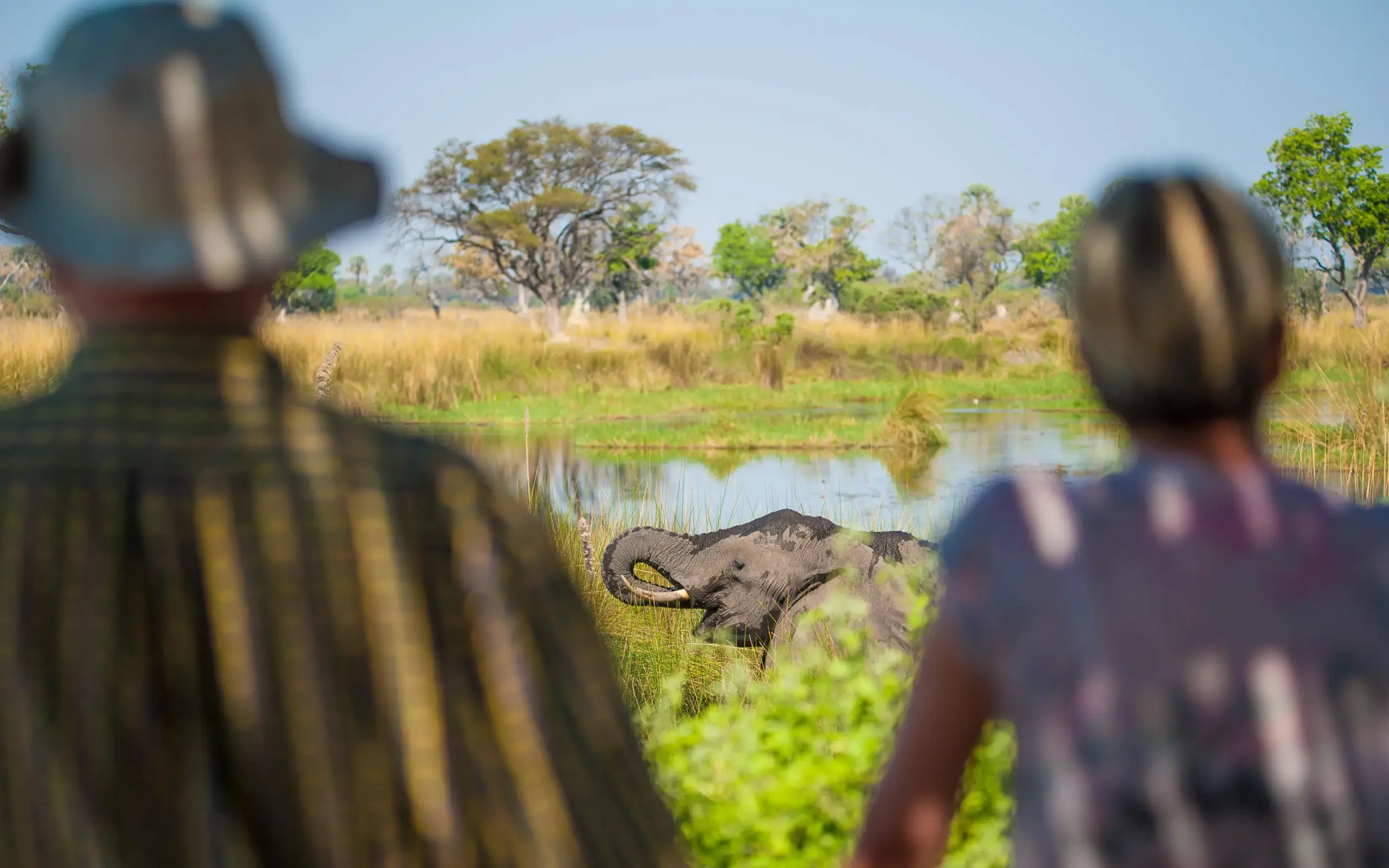
It has no vehicles and no motorboats: every outing is on foot or in a mokoro, a dugout canoe poled from the stern like a punt, and your party has its own guide, drawn from the local communities, for the whole stay.
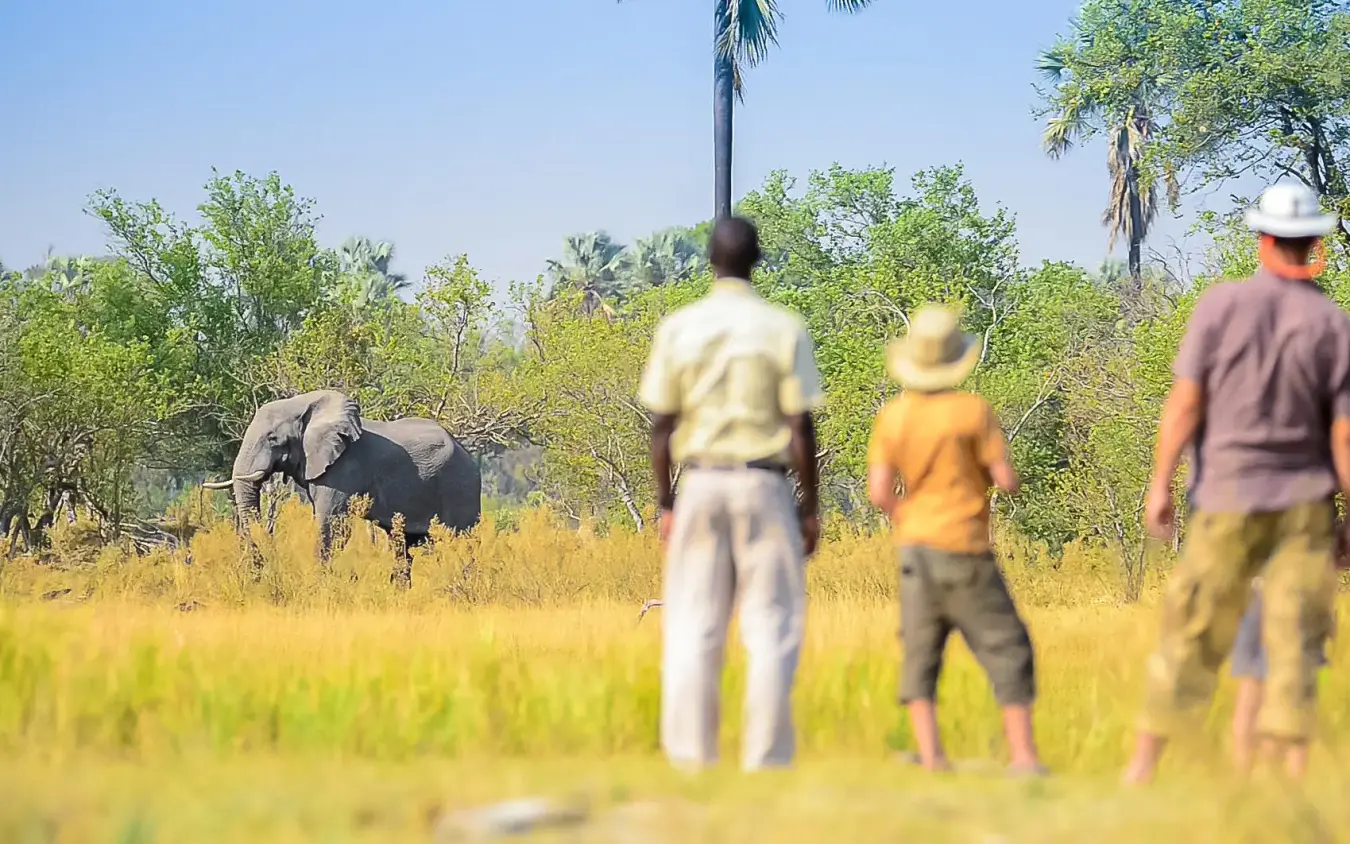
He poles you across to Chief's Island, inside Moremi Game Reserve, and leads the walks there, usually at sunrise and again towards sunset. With no engine anywhere the days are quiet ones, and the wildlife is met on foot rather than from a seat.
How the walking is led differs from camp to camp in Botswana, so we go through what to expect with you while we are planning. If you would rather these last two days leaned on the mokoro instead, tell us and we will set them up that way.
Because the rules change at the boundary, and with them what you can do.
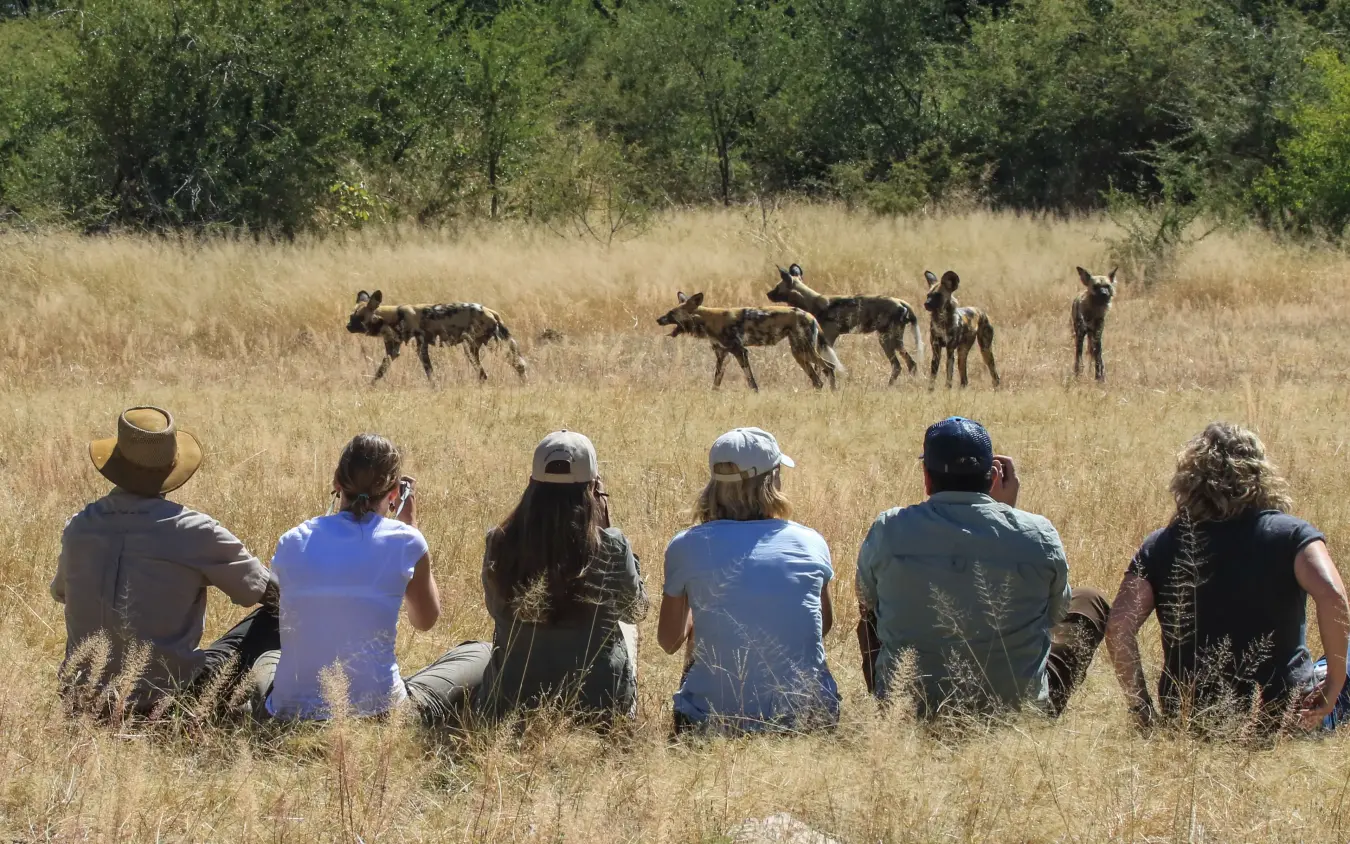
The Khwai Community Reserve is community land on the northern edge of Moremi. There your guide may leave the track to stay with a leopard or a pack of wild dogs, take you out after dark with a spotlight, neither of which is allowed inside the game reserve.
Moremi is the game reserve itself, and under Botswana's park rules the vehicle does not leave the tracks, there are no night drives, and everyone is back in camp around dark.
Three nights in each gives you both: the freedom of Khwai and the protected country of Moremi. The two camps are of the same lightweight kind, so the comfort does not change, only the country and the way the days run.
Simple by design, and you should be comfortable with that for six nights. Our own description is frank that the camp carries the essentials and little more.
For a Botswana mobile camp that usually means:
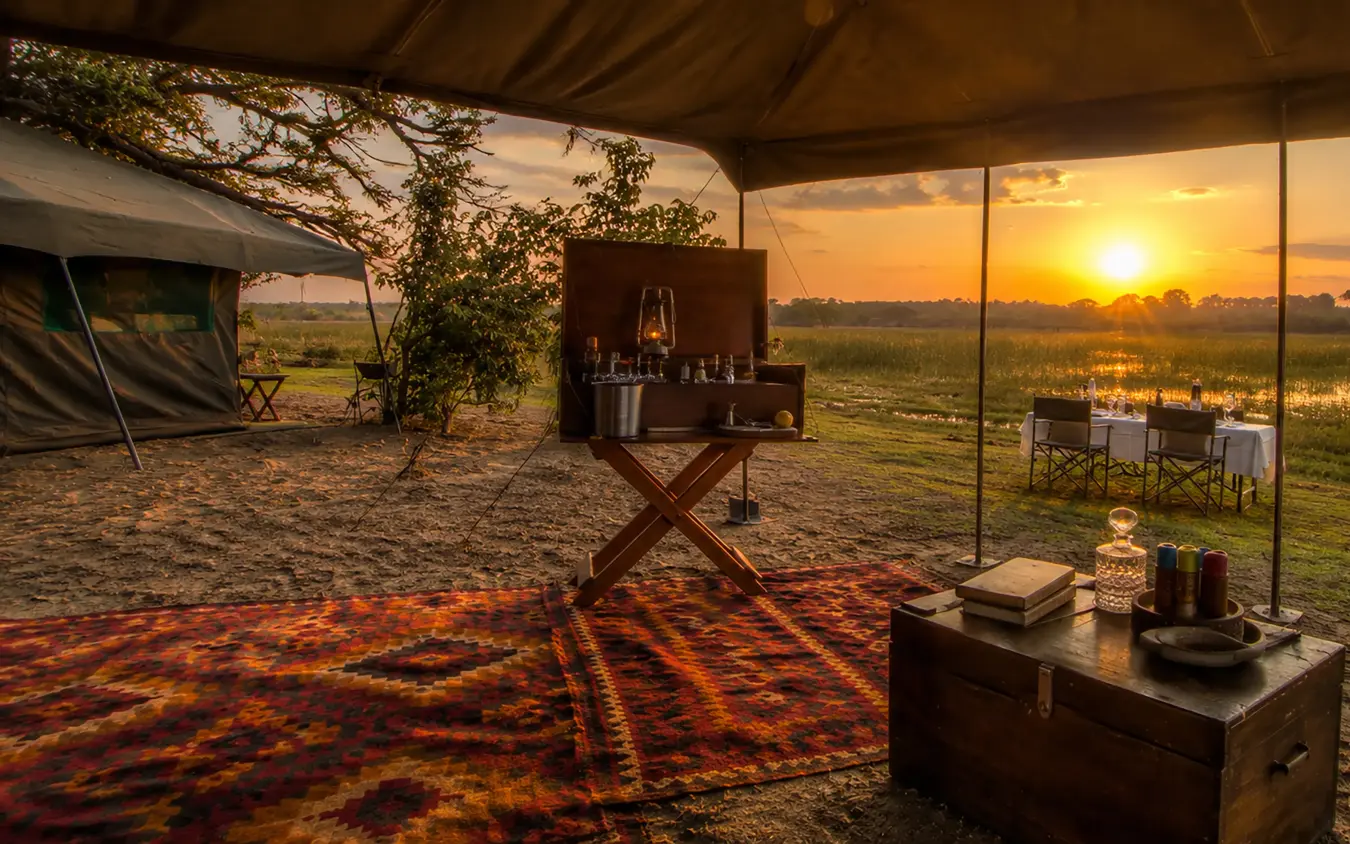
A crew travels with the camp, sets it up before you arrive and takes it down after you leave, so you carry and pitch nothing yourself. Evenings are spent round the fire. There is no heating or cooling.
Winter nights can fall close to freezing and the hottest weeks before the rains can top 38 degrees, and canvas does little about either, so pack warm layers for June to August. If six nights sounds like too many, we can replace one of the two mobile stops with a lodge and keep the other.
In the dry months, very likely, though the number on any one afternoon cannot be promised.
When the pans inland dry up, from about June to October, the herds come down to the river to drink and, often, to swim. In Botswana you can see hundreds of elephants at one time along the riverfront then.
A small boat lets you sit quietly beside animals that are drinking or swimming, and brings you closer to hippo, crocodile and water birds than a vehicle can.
Once the rains begin, usually in November, the herds spread back into the woodland and the river is much quieter for elephants, though it is a rich time for birds. The lodge stands on the Namibian bank, looking across at the park, so every outing here is by boat.
The answer is June to September, when our own pages recommend the falls, the Chobe, the Delta and Botswana as a whole.
The Chobe's elephants are on the river, the falls have cleared enough to be seen properly, the Okavango's flood is at its height, which matters at Delta Camp where every outing is by mokoro or on foot, and the mobile camps stay dry. Nights under canvas are cold from June to August, so pack for them.
May and October sit either side.
May is cooler and quieter, already recommended on the Chobe while the Delta is still filling.
October has the most dramatic game and the most punishing heat, often above 40 degrees, which is hard to escape in a tent.
From December to March nearly all of this route carries our challenging rating: hot, stormy and green, with game scattered, mud on the tracks and camping at its least comfortable. What those months do offer is birdlife, young animals, storm light for photographers and lower rates.
Ed Charles, BBC Producer
Fitzroy are true specialists in accessing the wilderness. They know where to go and importantly, when to go there. Highly recommended.
zimbabwe
Nine nights in south-eastern Zimbabwe, from the Save River and Gonarezhou to rhino tracking in the Sango Conservancy.
zimbabwe
Twelve nights across northwest Zimbabwe, from Victoria Falls to Hwange's plains and springs and the upper Zambezi.

zimbabwe
Twelve nights across Zimbabwe, from Victoria Falls and Mana Pools to Lake Kariba, Hwange and the granite of Matobo.
rated five stars by our clients

our approach
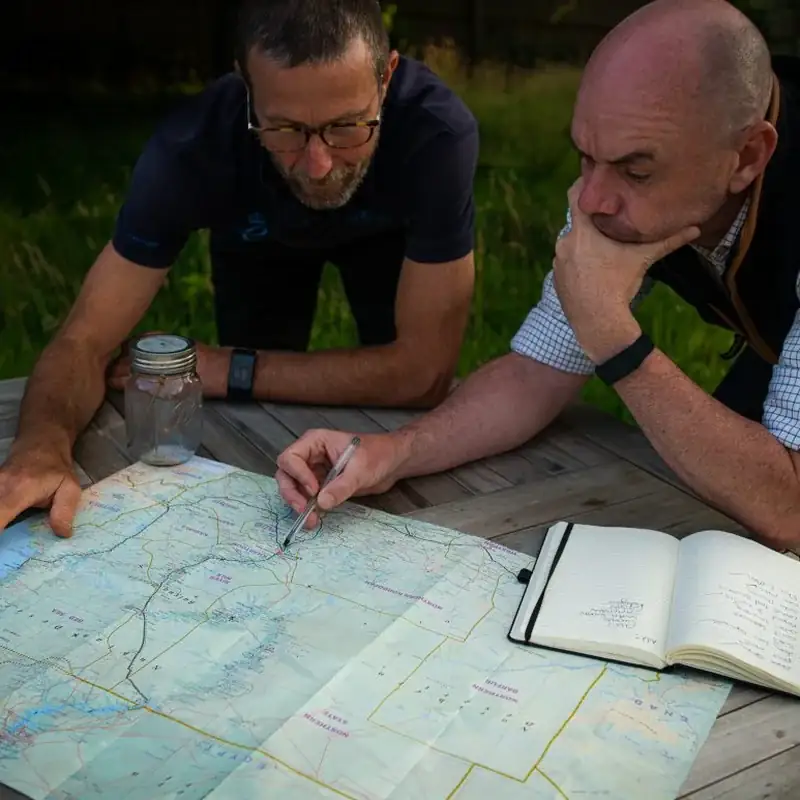
Every journey starts with a conversation. We take the time to understand your vision before we start planning.
Whether by phone or in person, we work with you directly to shape something that is considered, personal, and expertly delivered.
Every journey starts with a conversation. We favour a direct, personal approach: understanding your vision before anything else.
Whether by phone or in person, we work with you directly to shape a journey that is both thoughtfully considered and expertly delivered.
Get in touch to start planning yours.