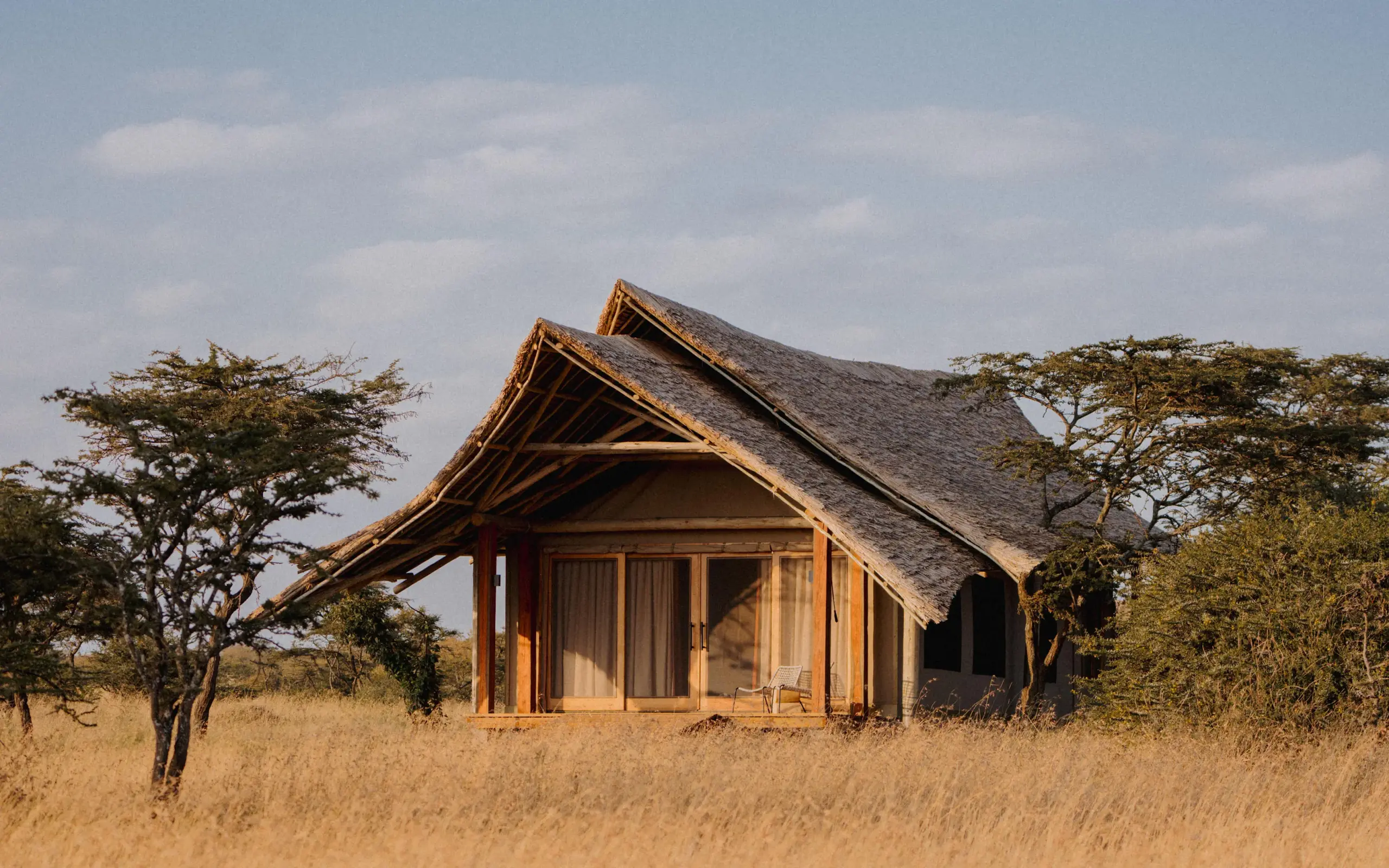
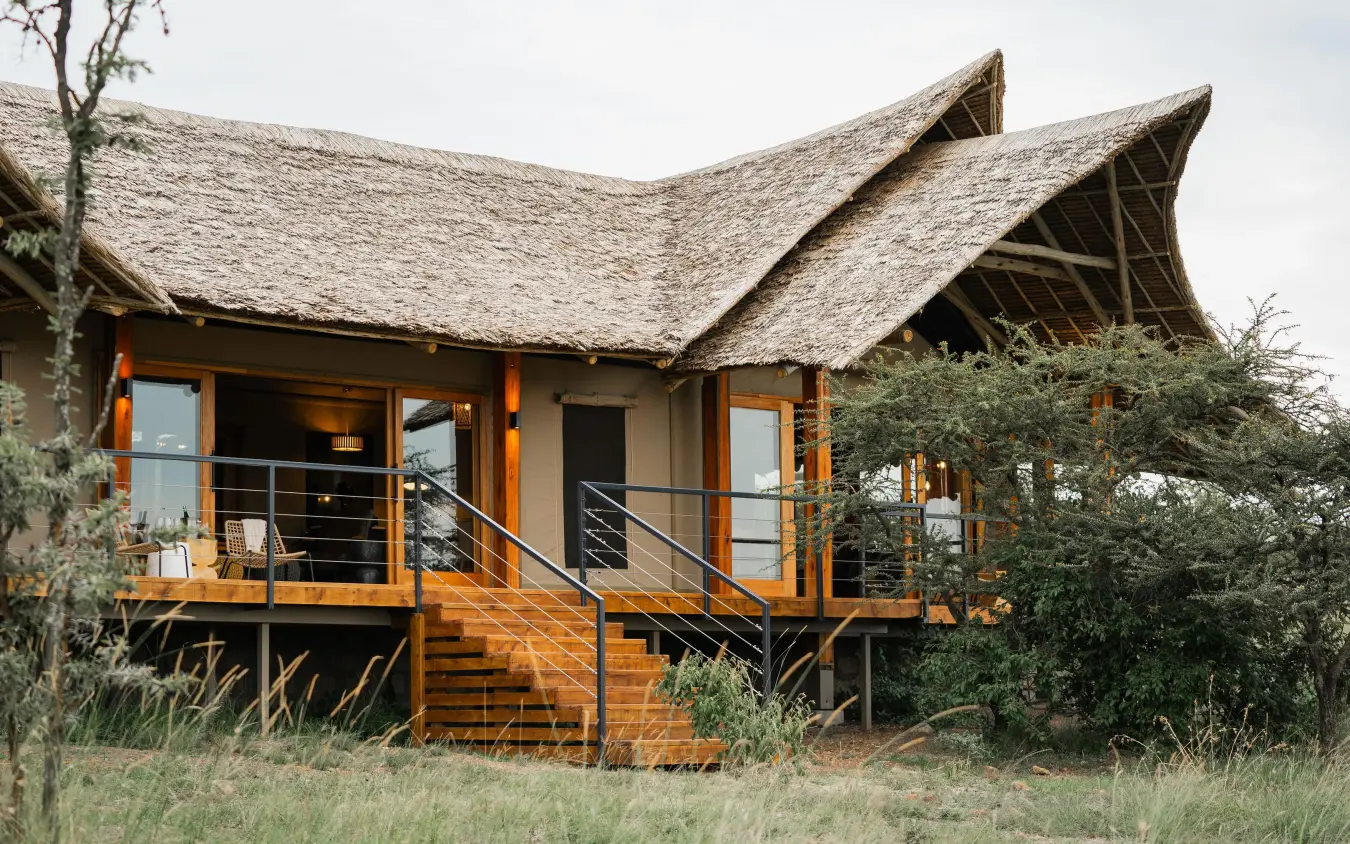
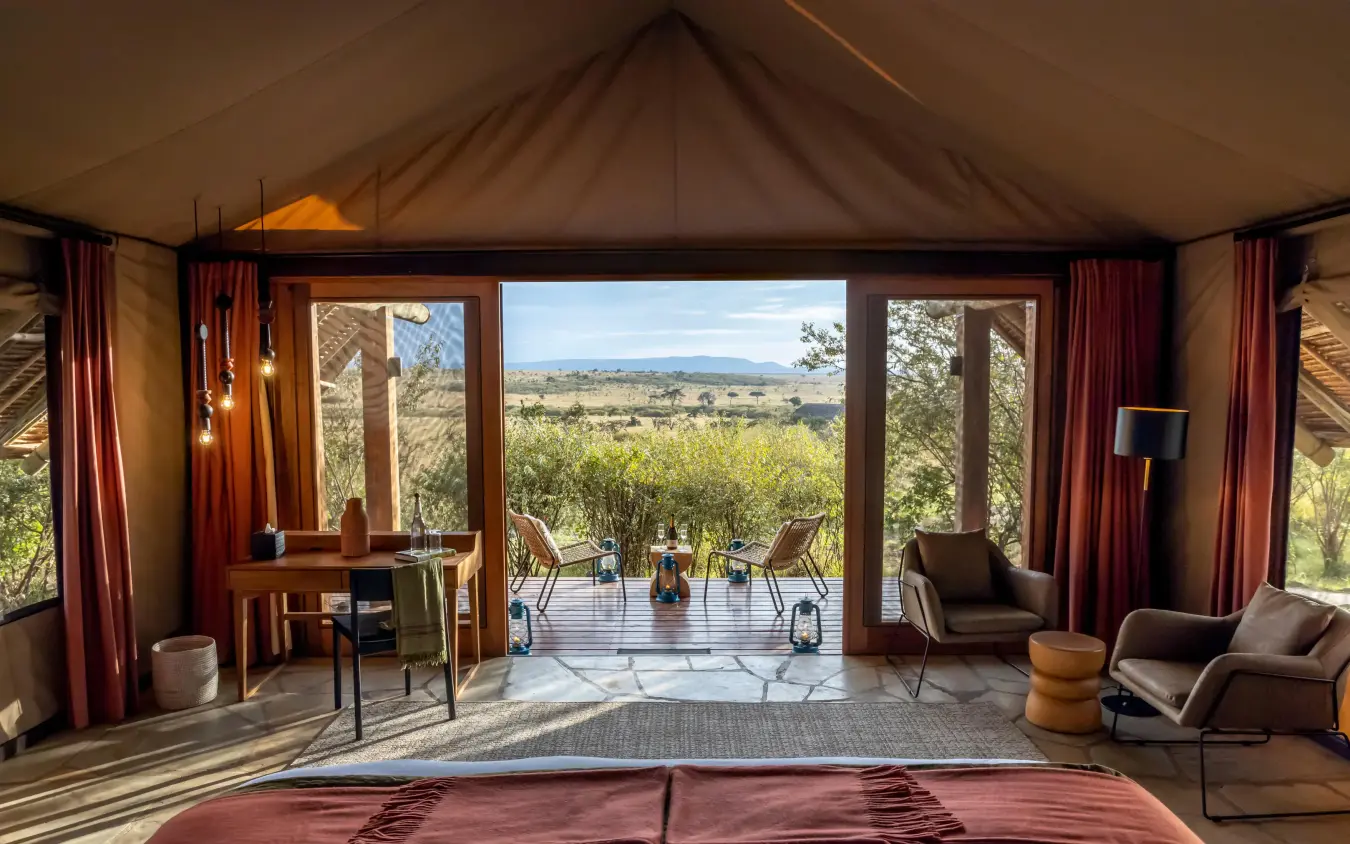
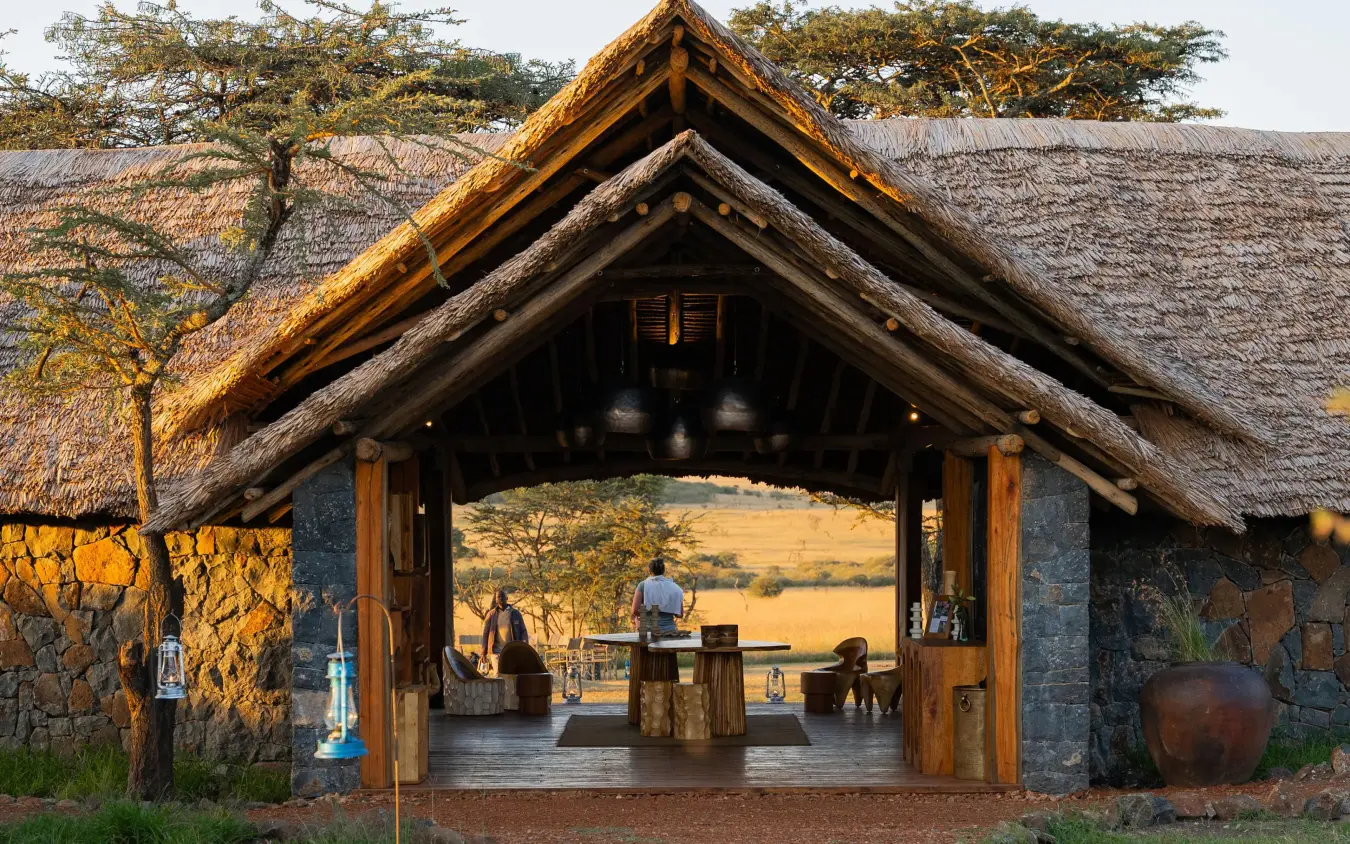
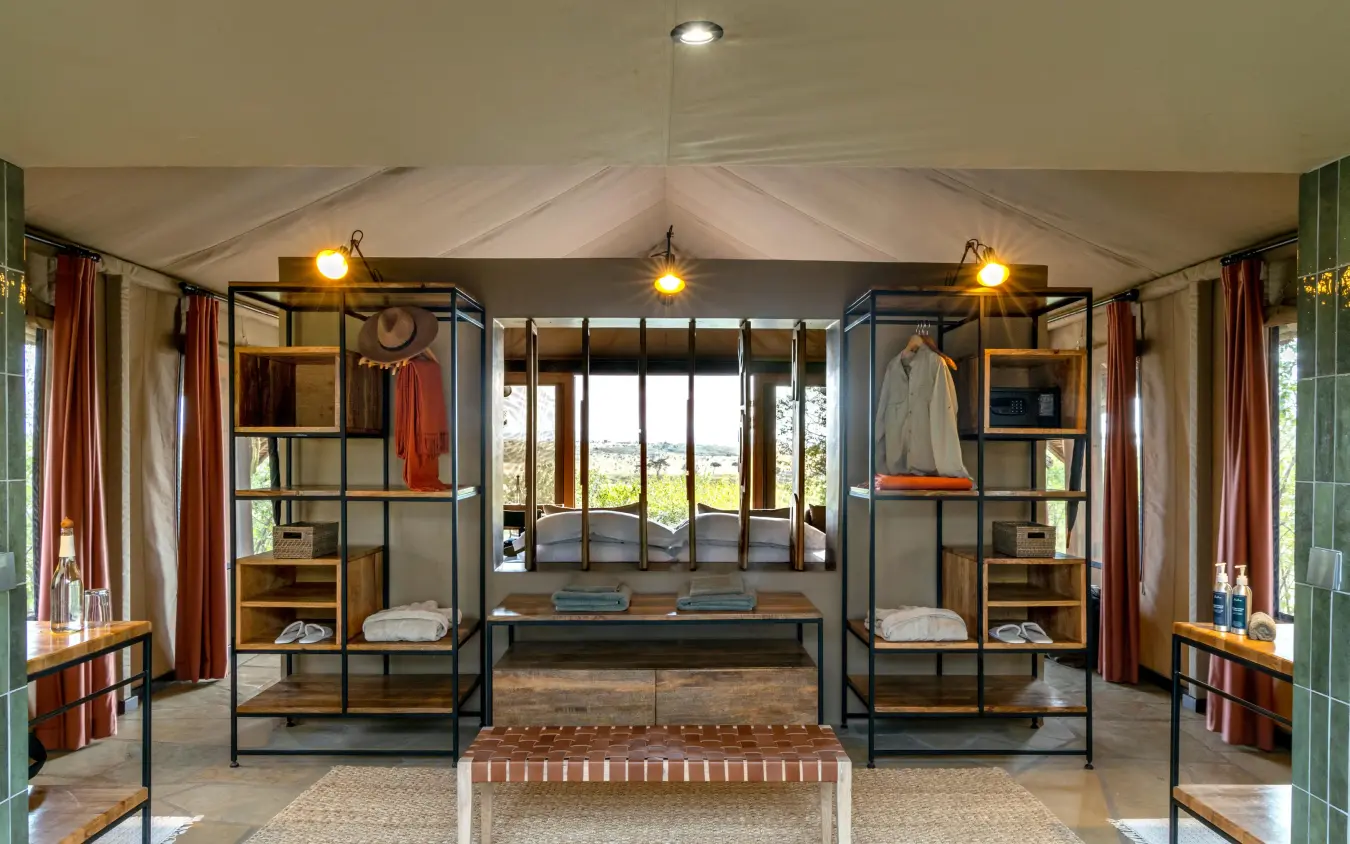
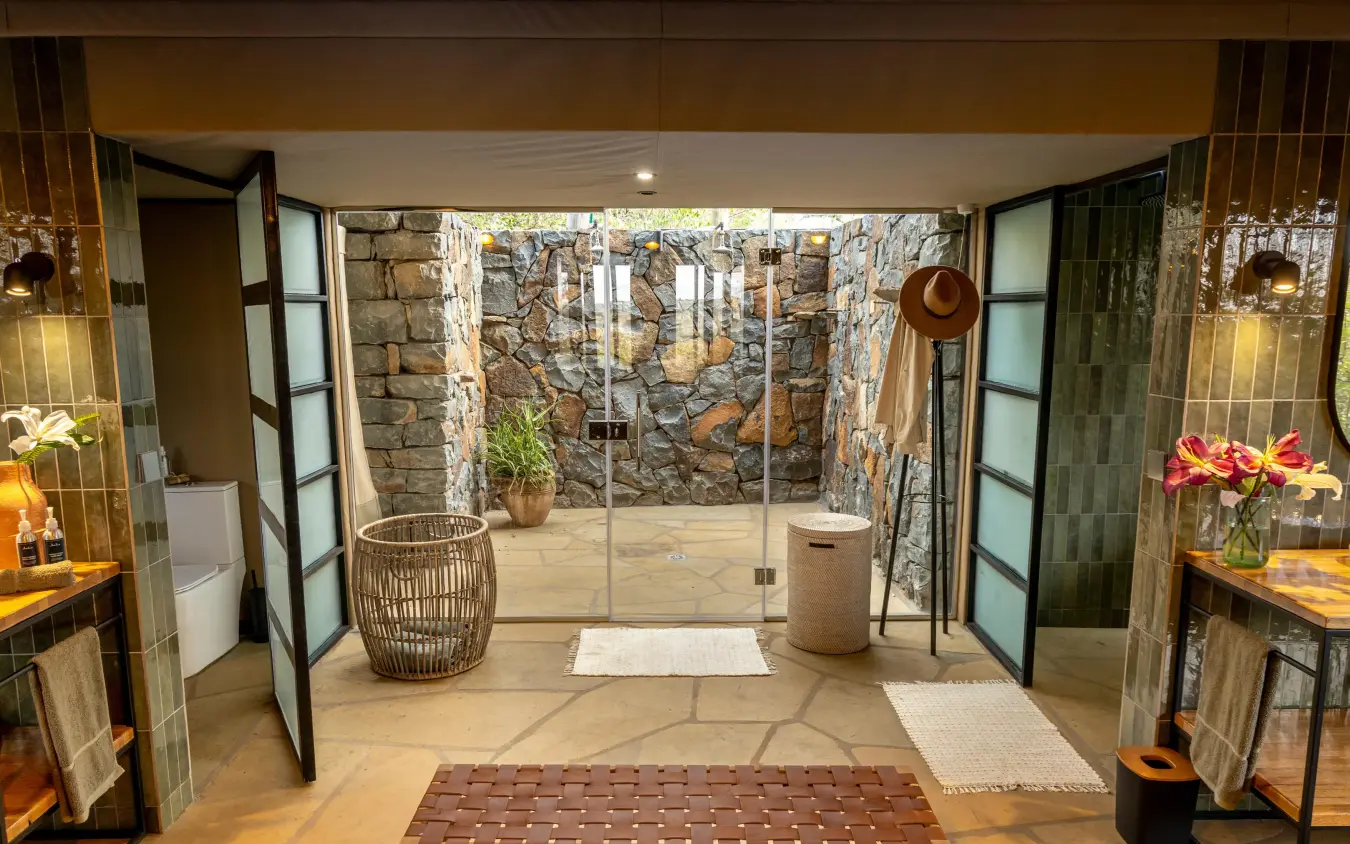
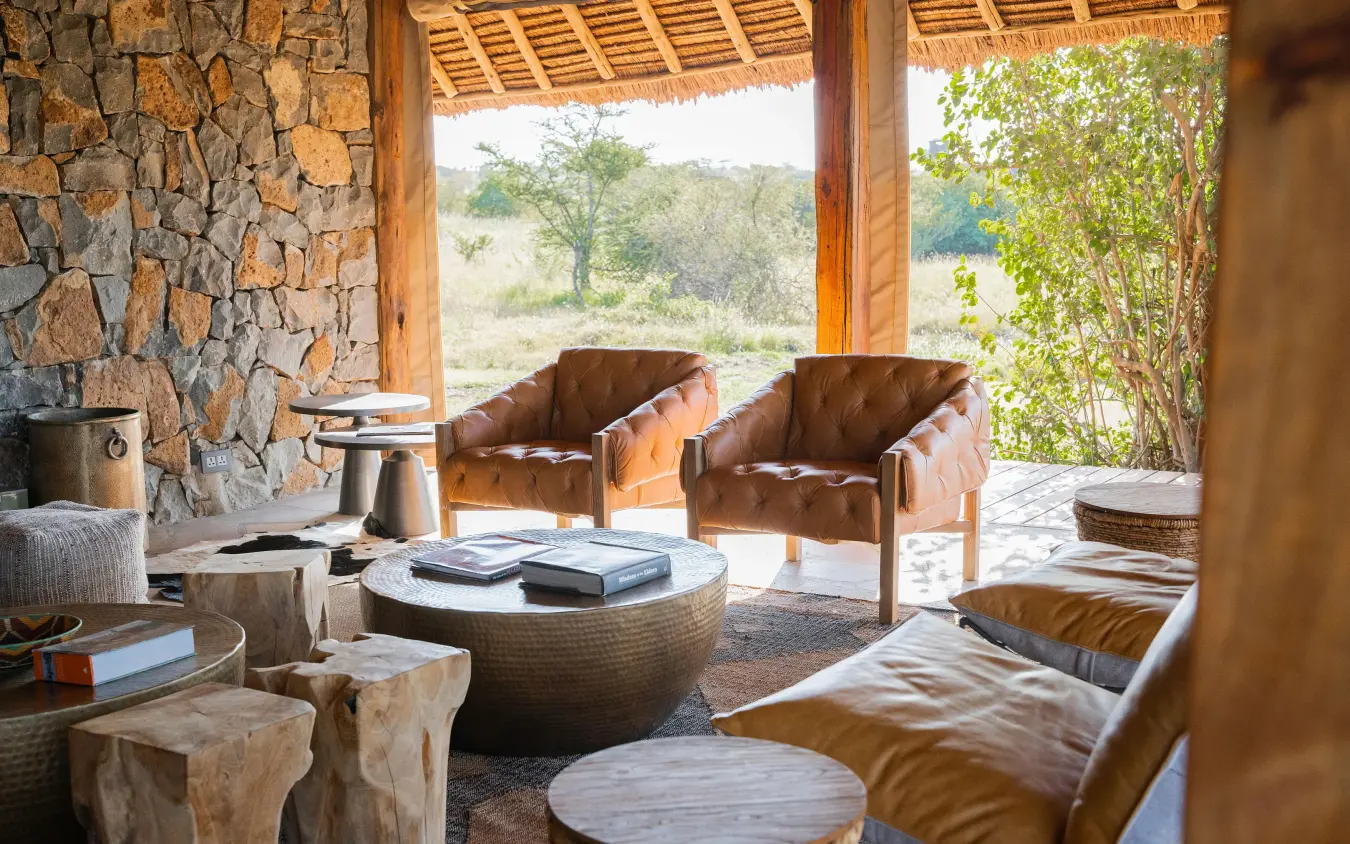
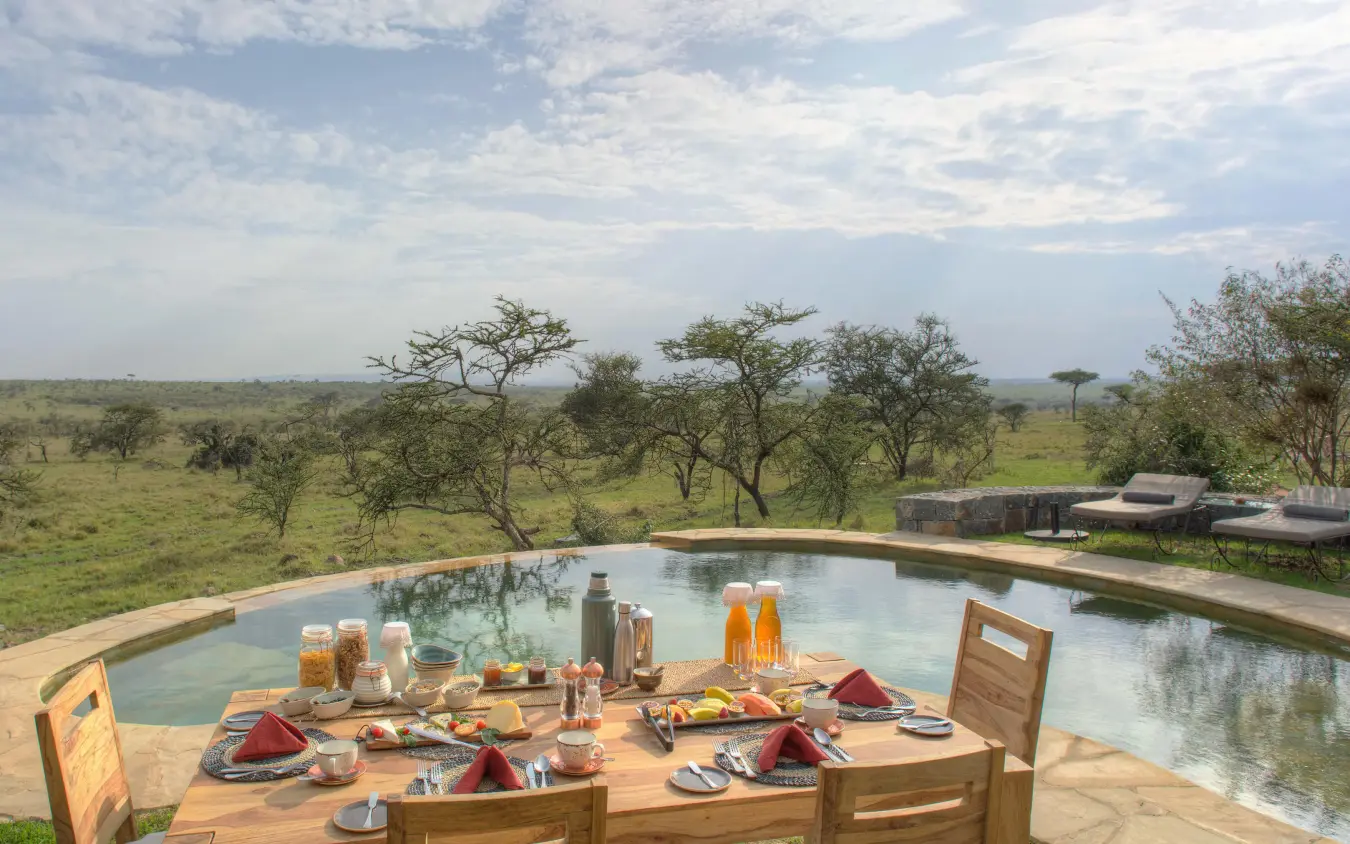
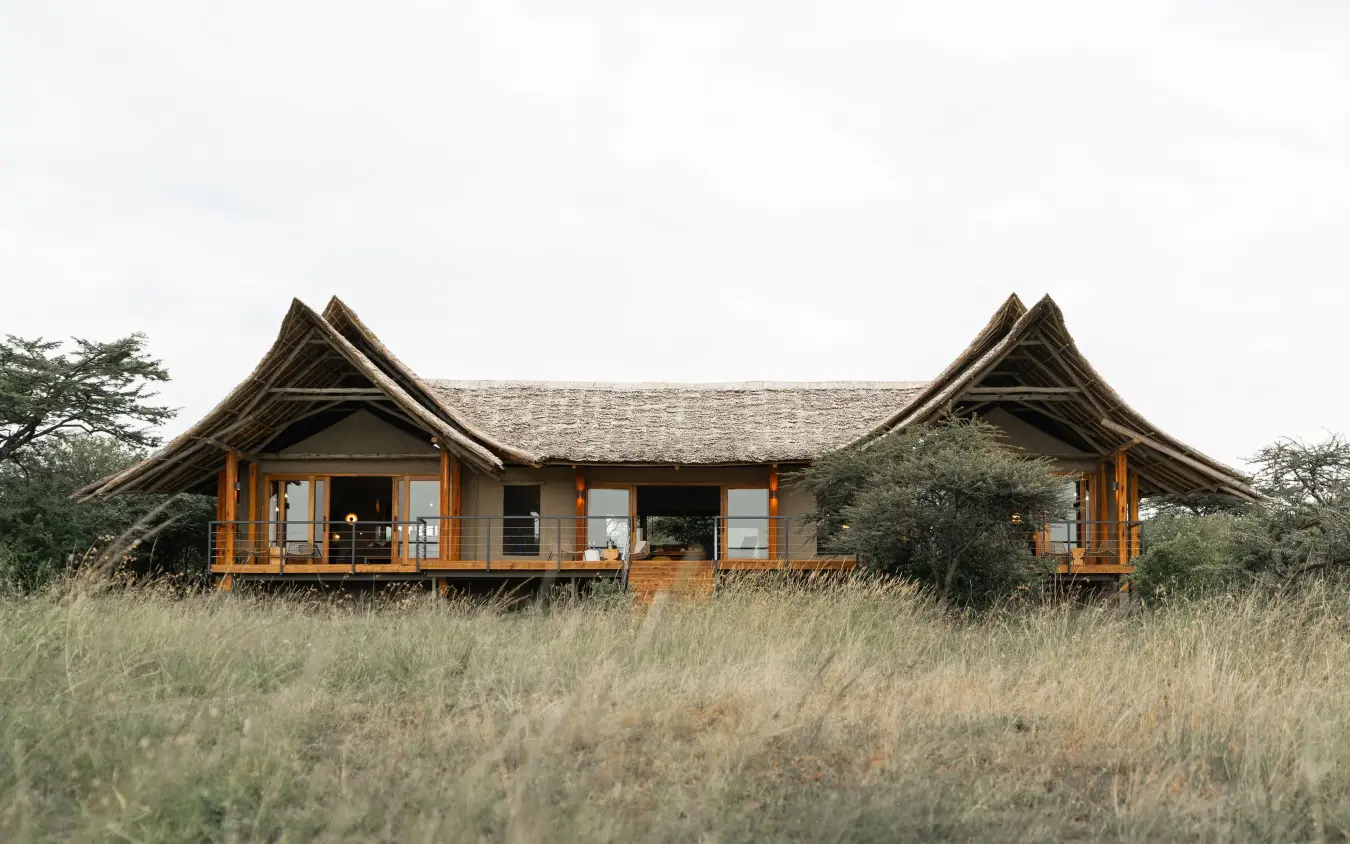
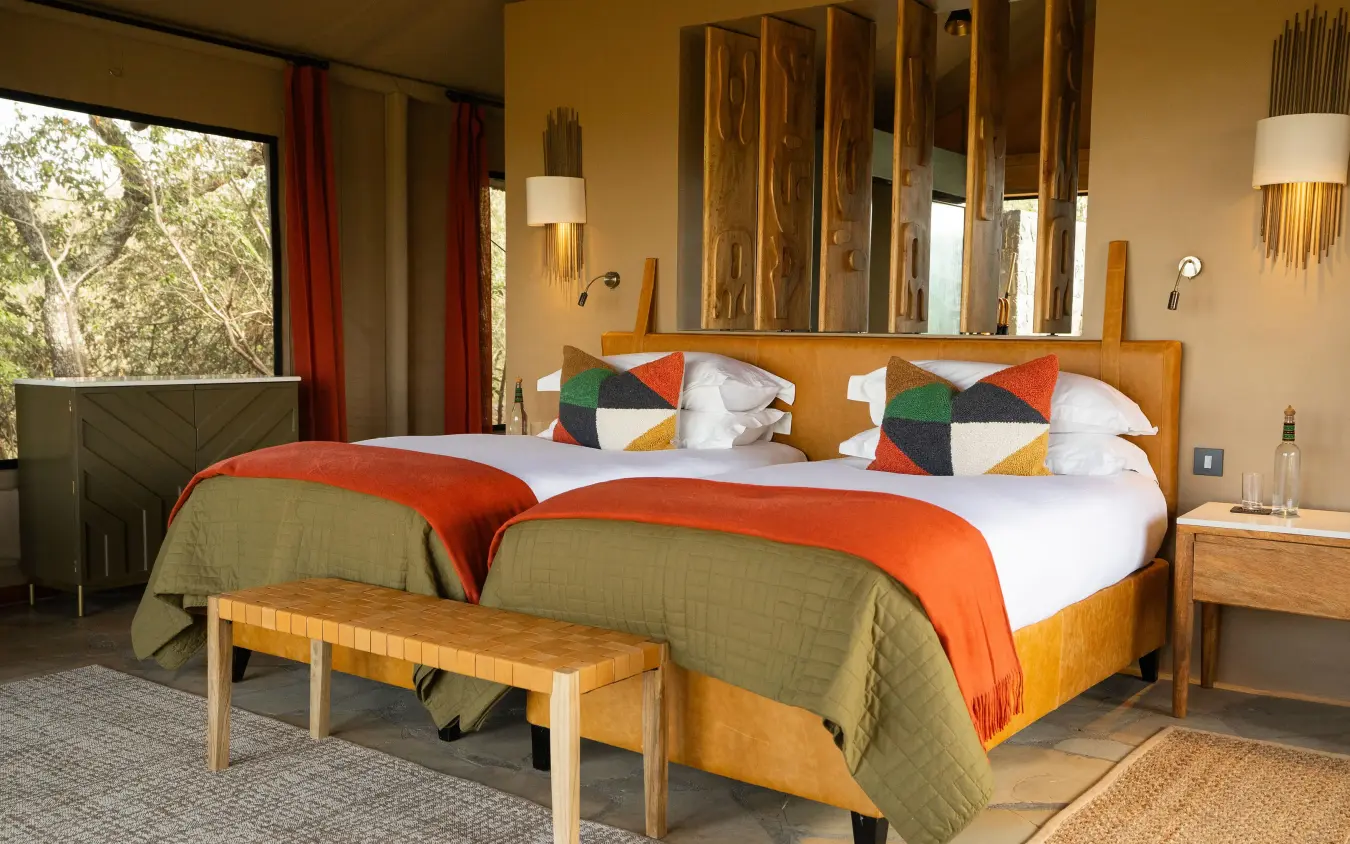
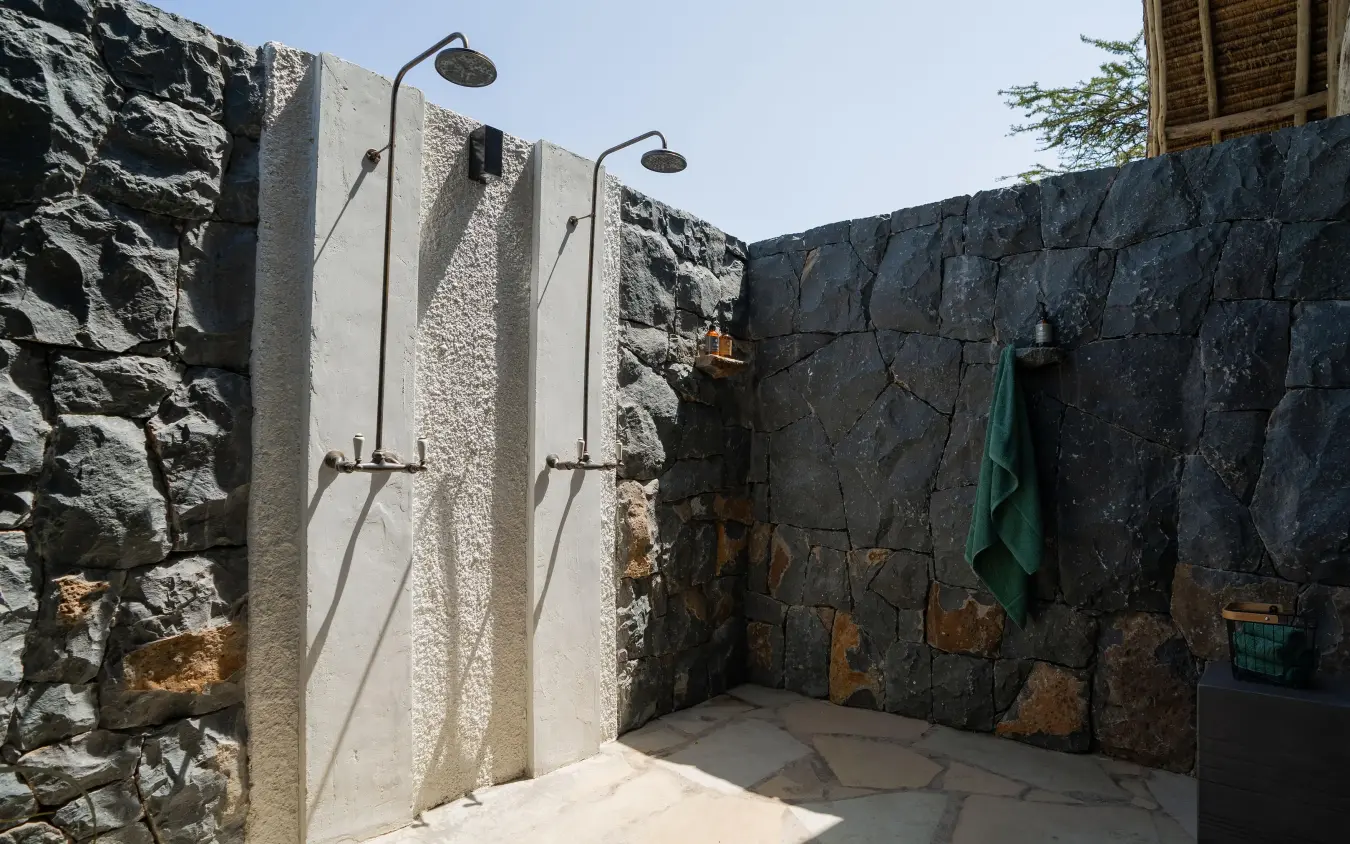
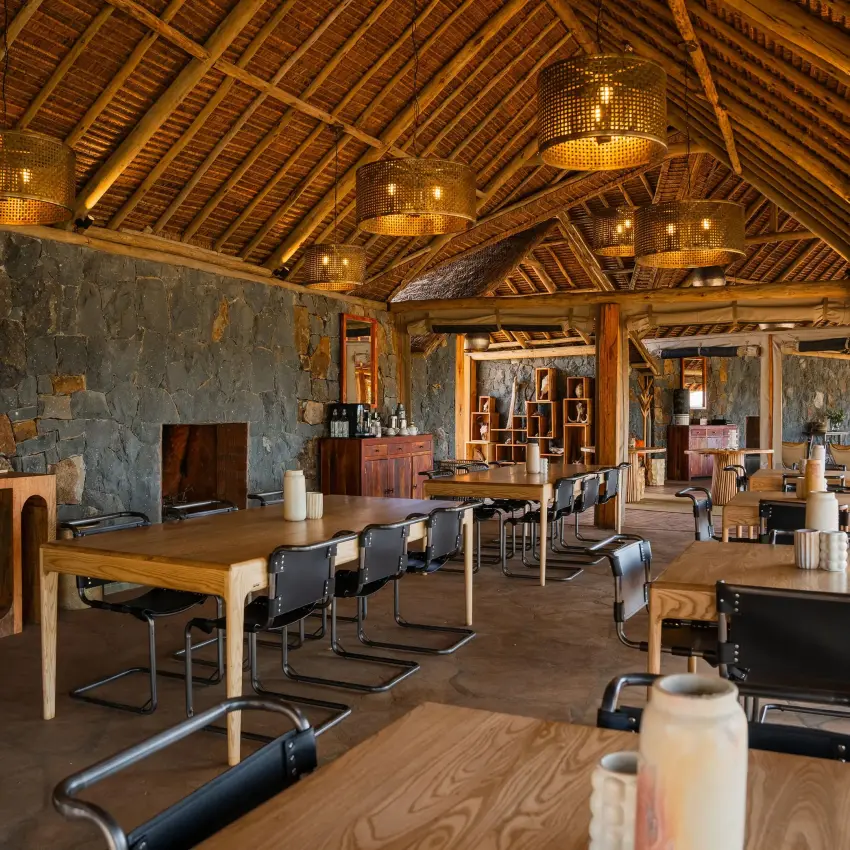
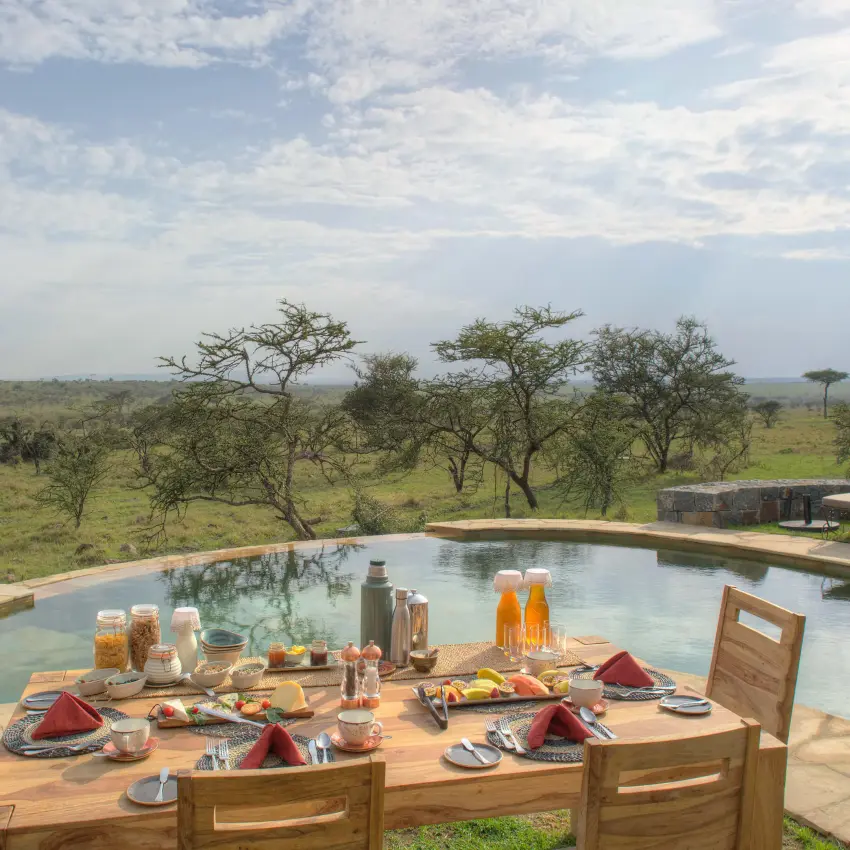
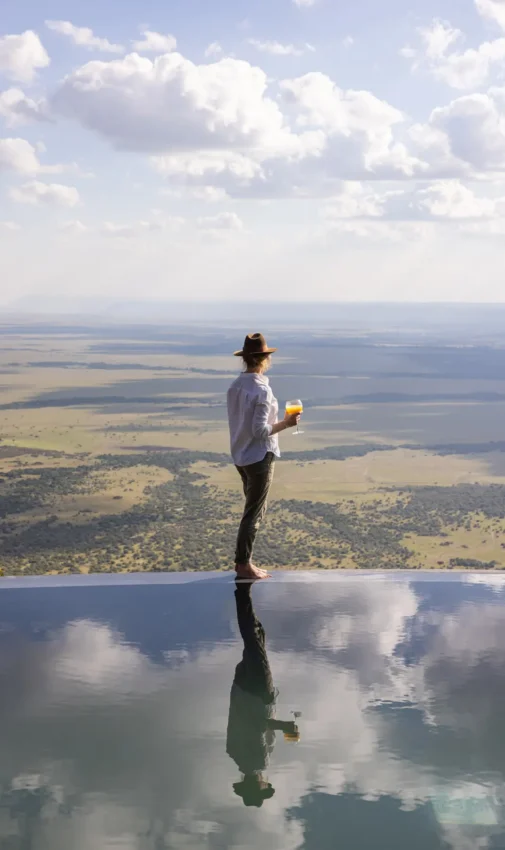
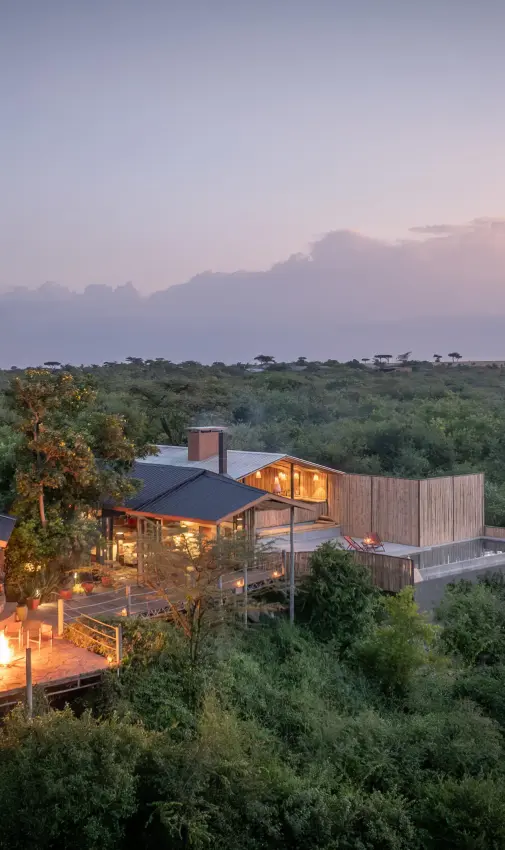
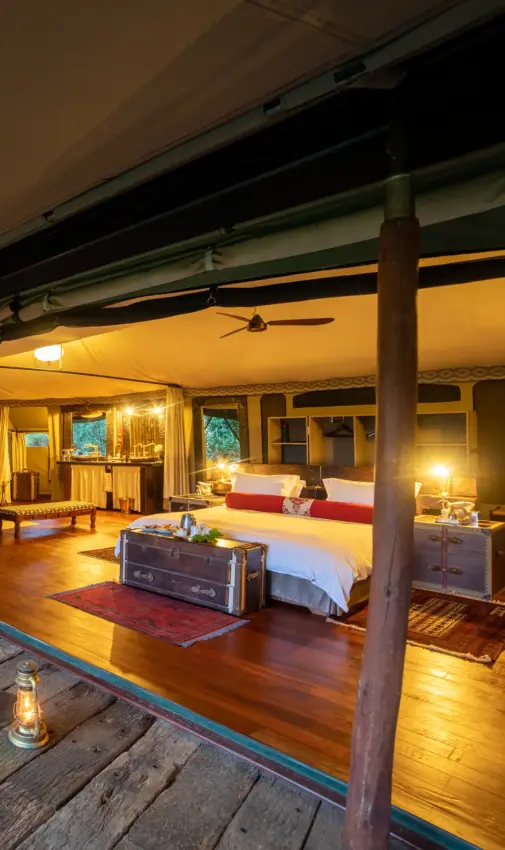
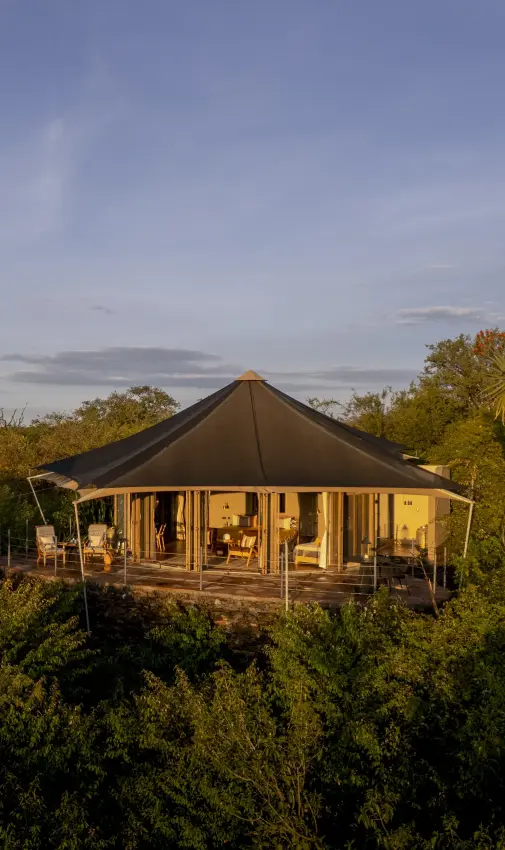
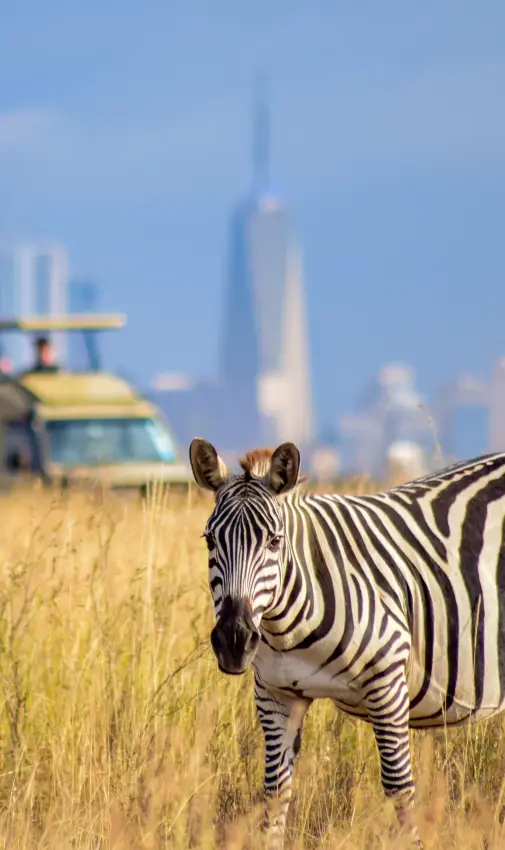
Rebuilt in 2023, the camp now reads as a hybrid of canvas and solid structure: tented walls and big screen windows on one side, glass sliding doors and a heavy thatched roof above. Natural textures and handcrafted furniture keep the decor quiet and leave the outlook to do the talking. Each of the nine tented suites has a king or twin beds, indoor and outdoor showers, a flushing toilet and a veranda over the plains. Game gathers at the waterhole within sight of a morning coffee, and the plains open beyond. The main lodge is open-fronted, and the pool faces the same view.
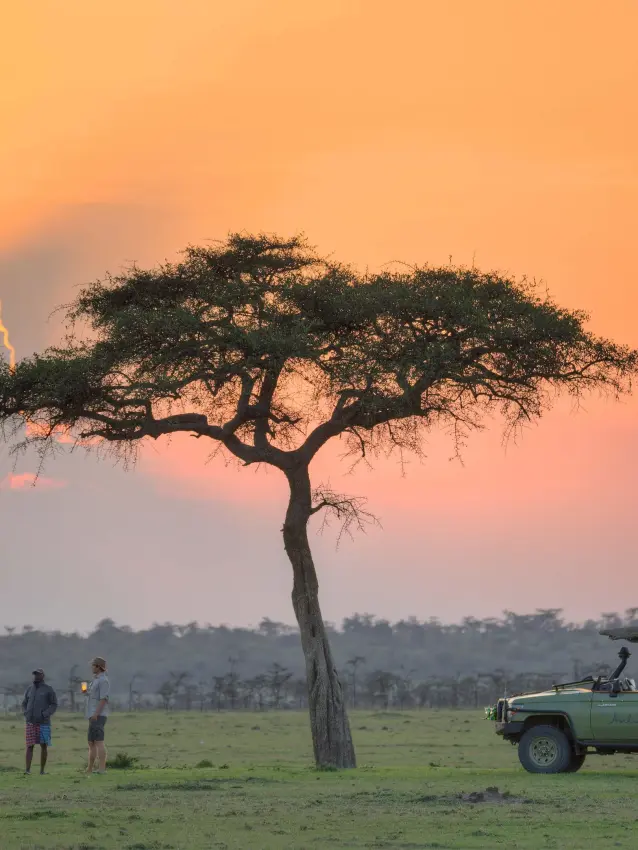
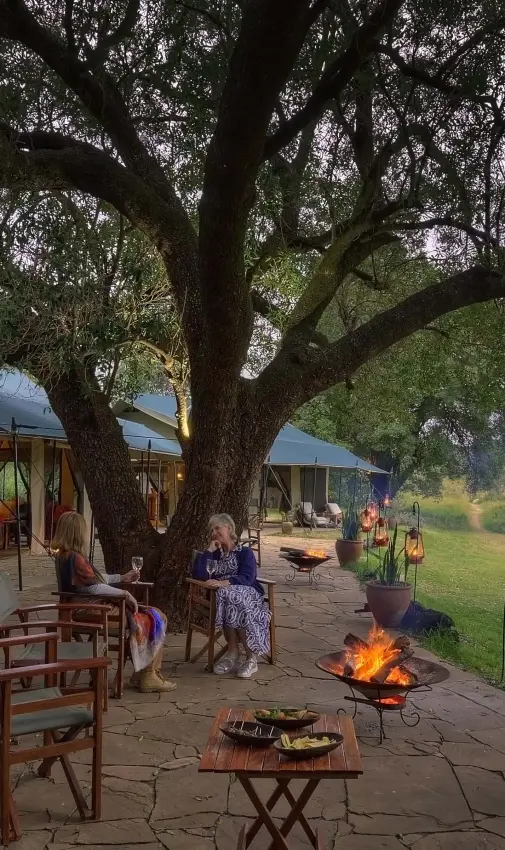
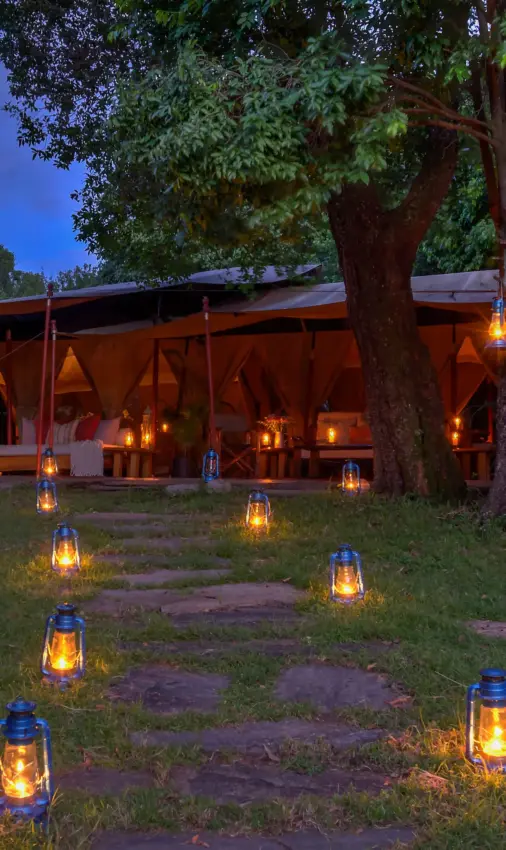
Dining is communal and unfussy. Long tables, home-cooked food that leans on East African flavours, and an afternoon tea built each day around whatever has come out of the oven. Breakfast might be laid out under an acacia after an early drive, while dinner returns to the central thatched building. A private table on the lawn or beside the pool can be arranged when you would rather eat alone. Meals follow the drives instead of a timetable, and nine suites set the scale for the whole place.
Game gathers at the waterhole within sight of a morning coffee, and the plains open beyond
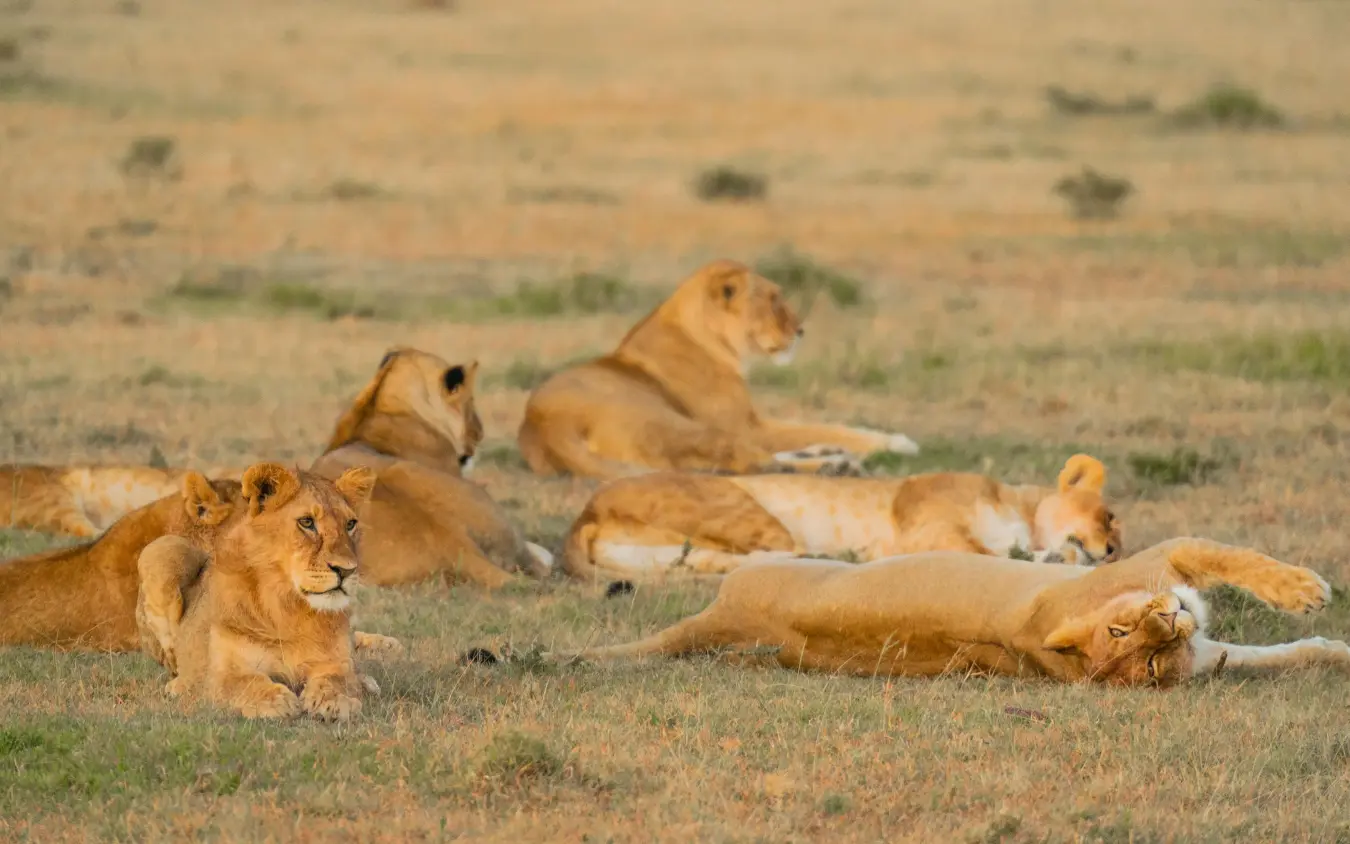
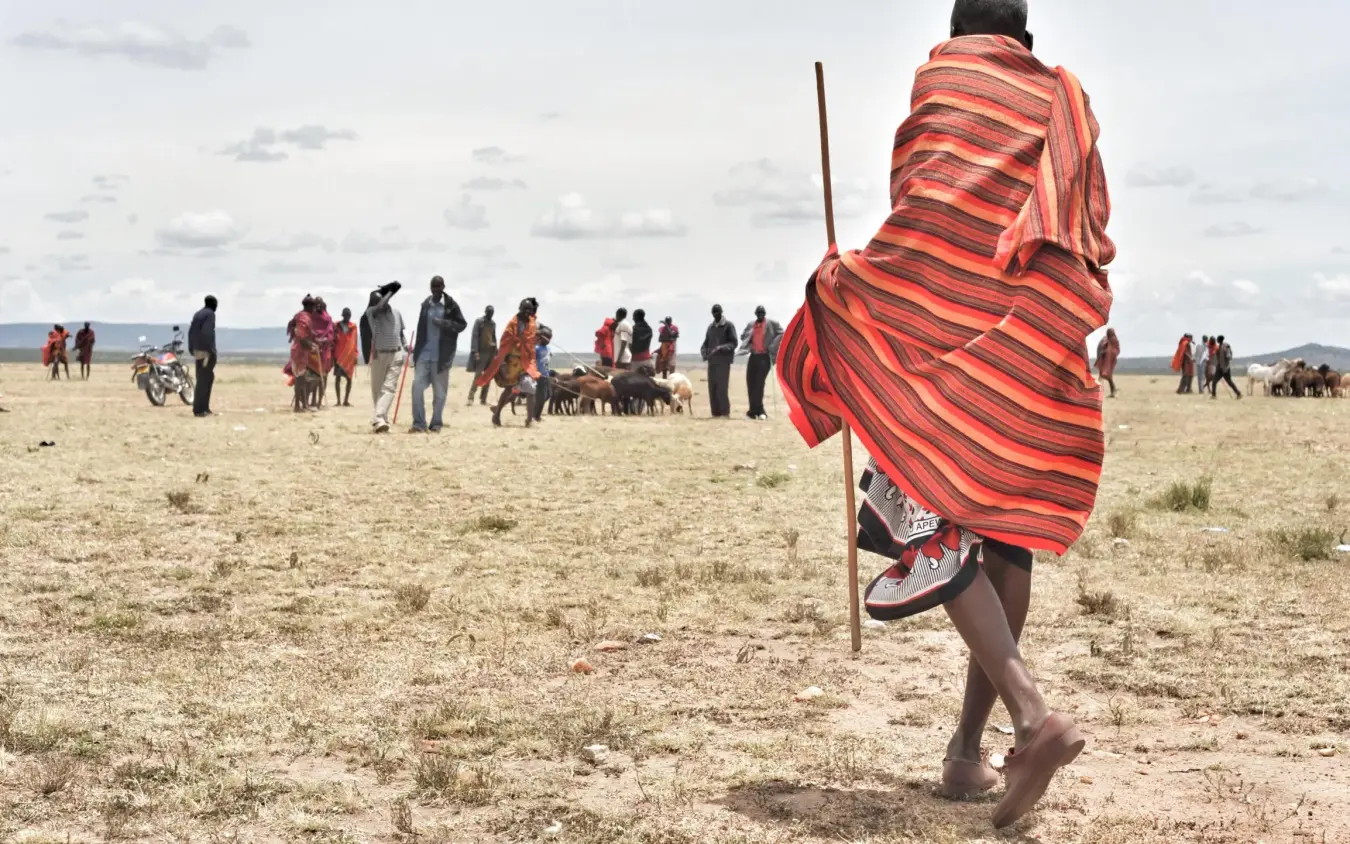
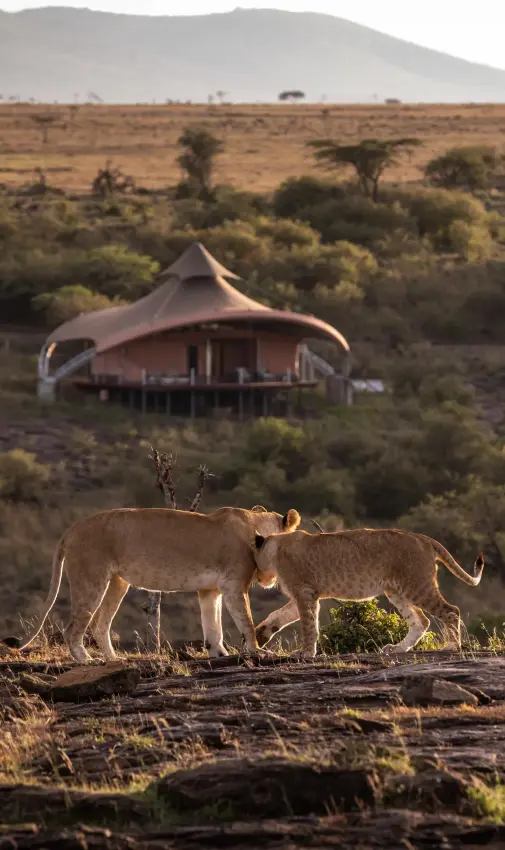
The camp opened in 2011, a year after more than five hundred Maasai landowners agreed to set their land aside for wildlife instead of cattle. Lease payments now reach over seven hundred families, a guaranteed income that also funds clean water, schooling and renewable energy. A nightly conservation levy paid by guests feeds straight into that work. It is the reason the lion are here at all, and the reason a pride of around twenty-two can hold its ground on country that could as easily have been grazed.
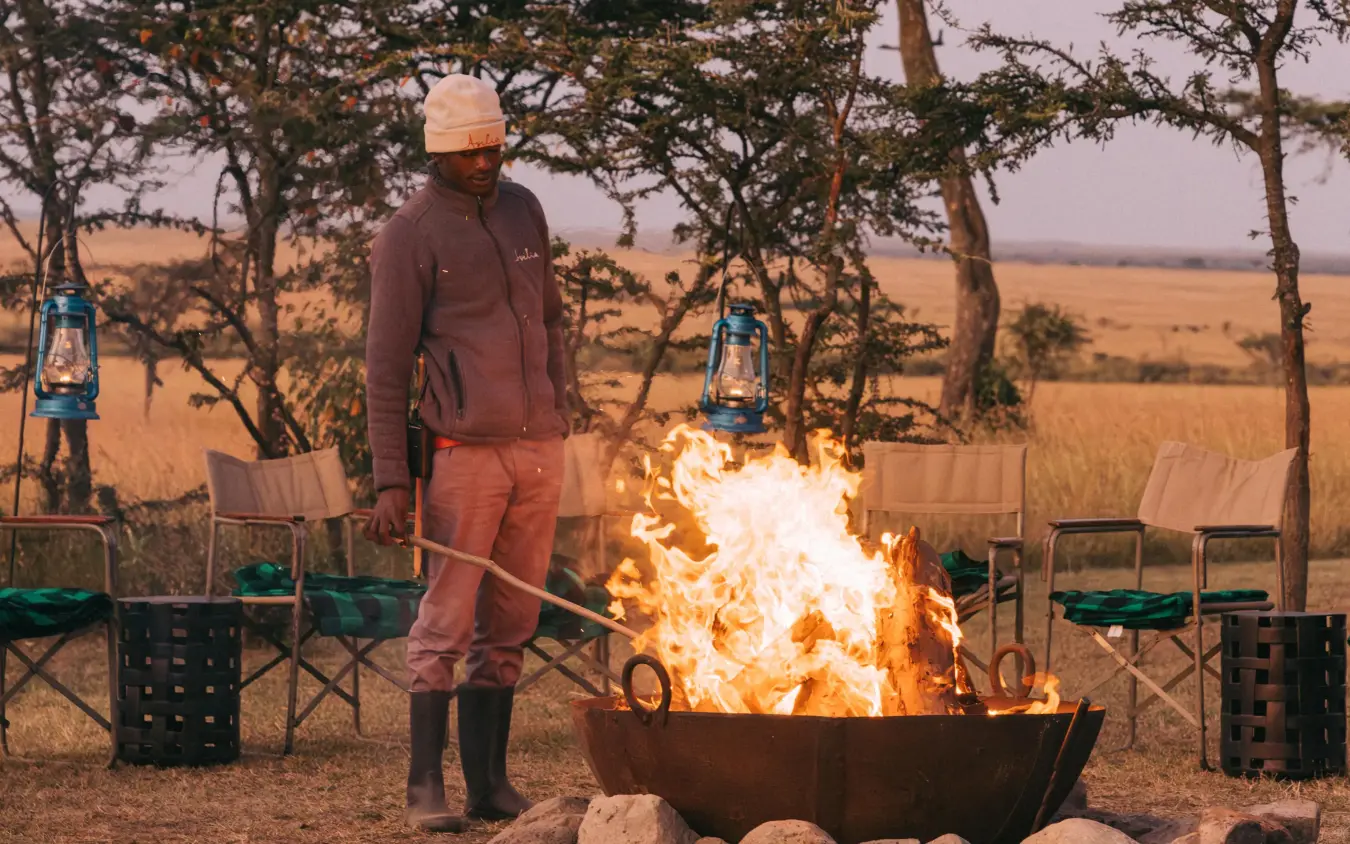
Naboisho Camp belongs to a larger safari group, so it lacks the personality of an owner-run outfit where the founder greets guests at the fire. What it gives instead is consistency and some of the strongest guiding in the conservancy, a fair trade for many. Families are well served here, with two purpose-built suites that each hold two en-suite bedrooms around a shared lounge. Children aged five and over are welcome, and a programme built for them teaches younger guests to track animals and read the bush.