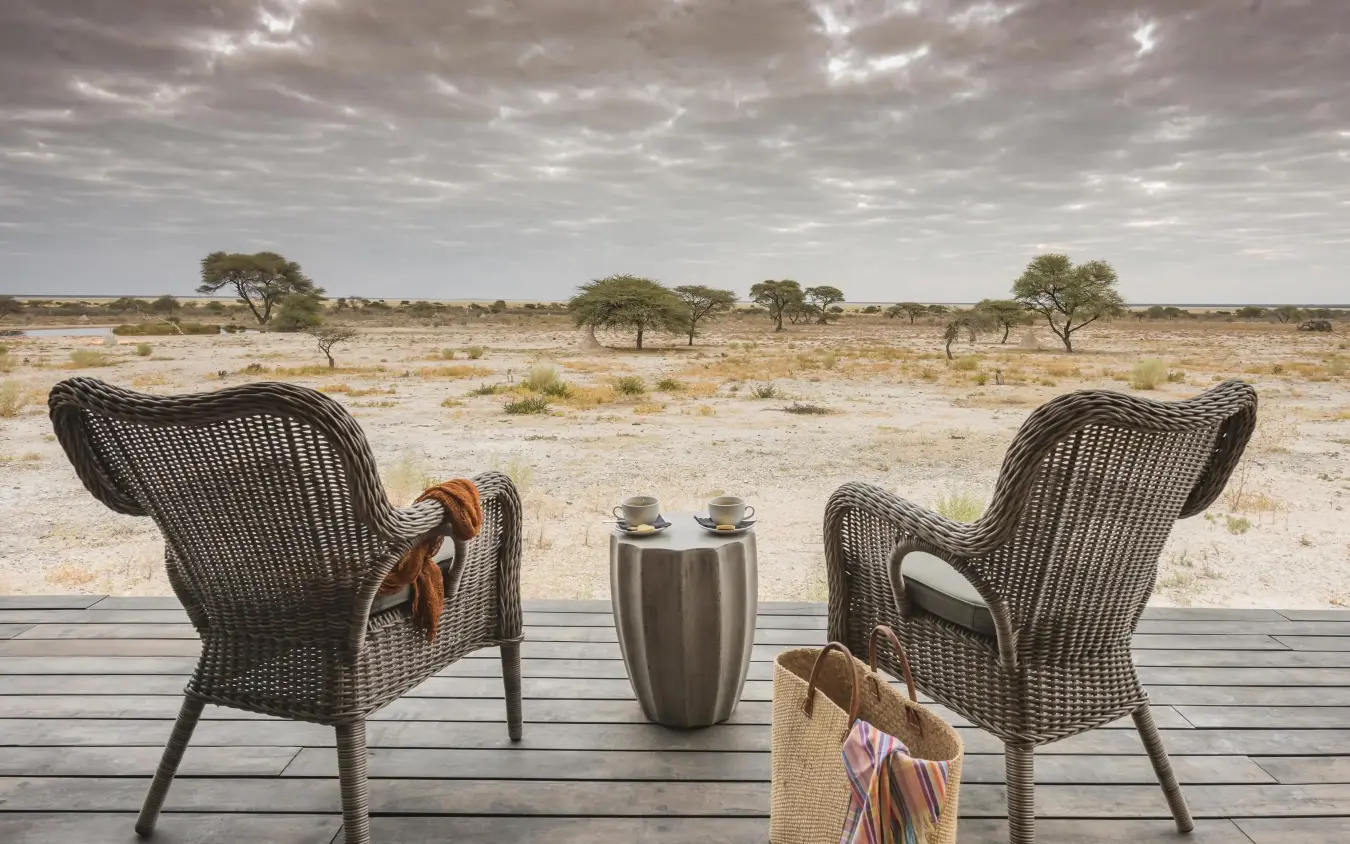
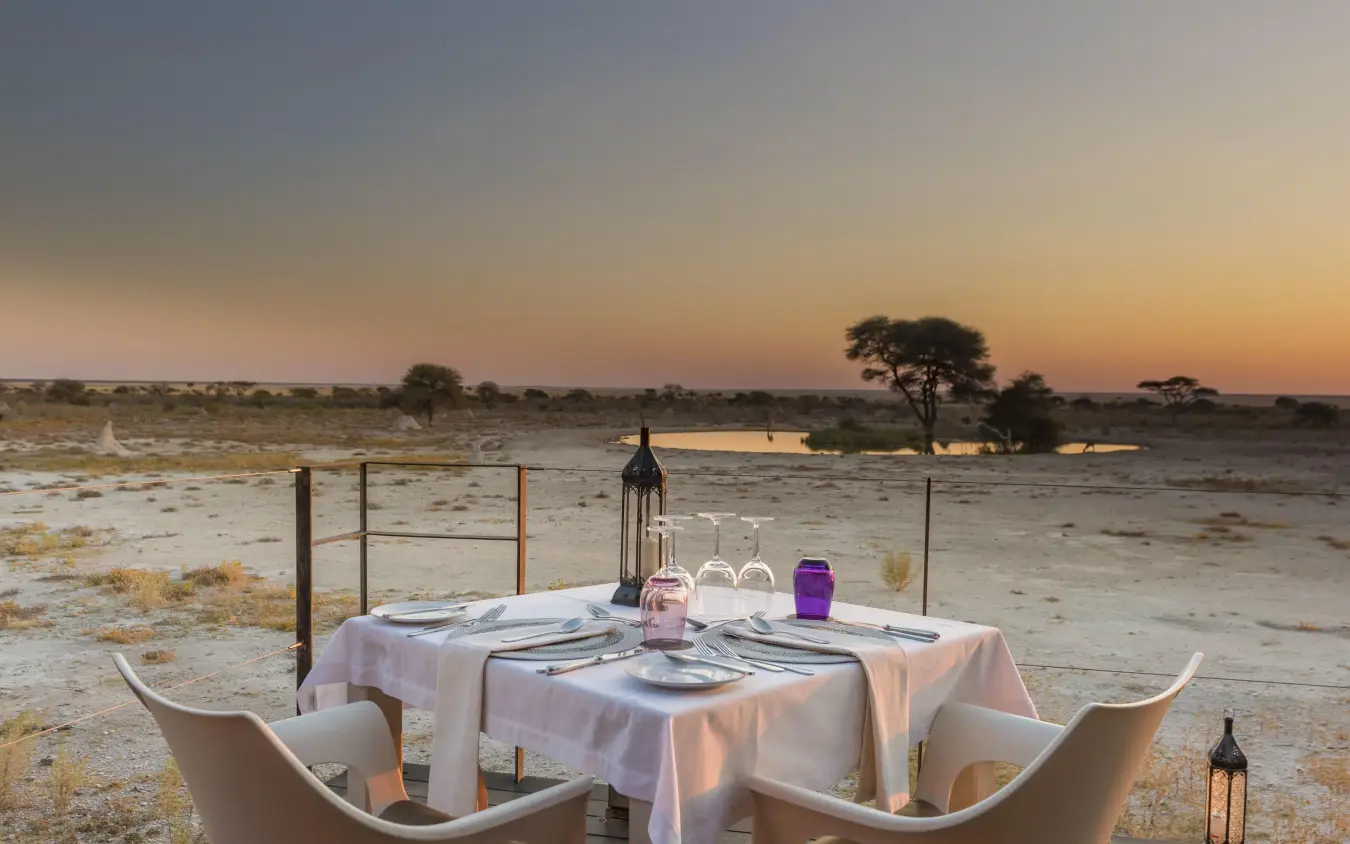
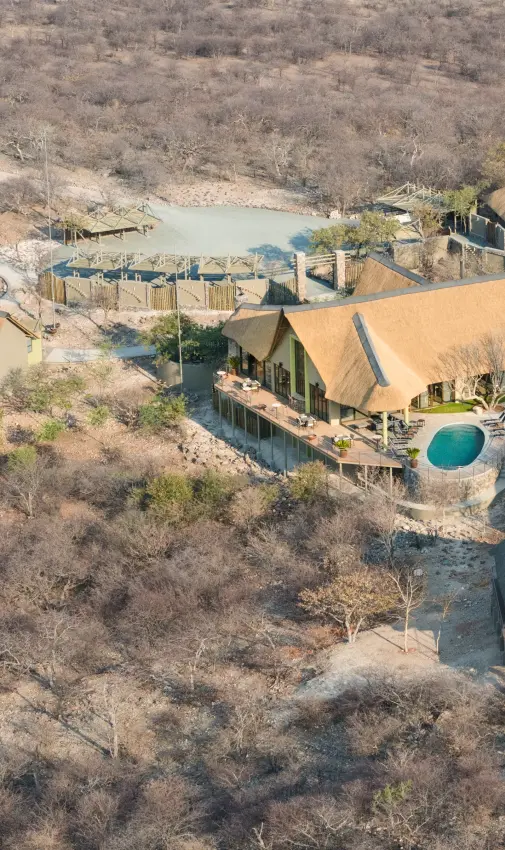
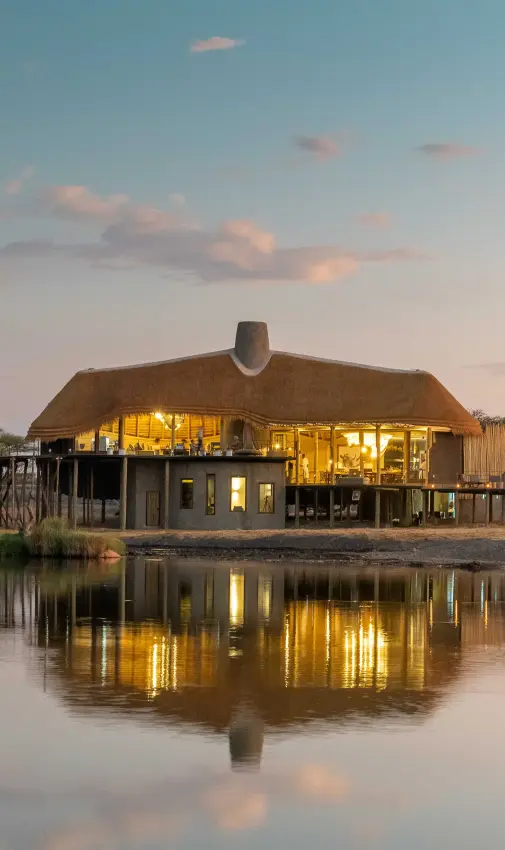
The reserve covers 34,000 hectares of restored wilderness on the eastern side of Etosha, sharing a long boundary with the national park and overlooking Fisher’s Pan. Camel-thorn trees dot the open plains, and the land carries more game each year as the former farmland continues to recover.
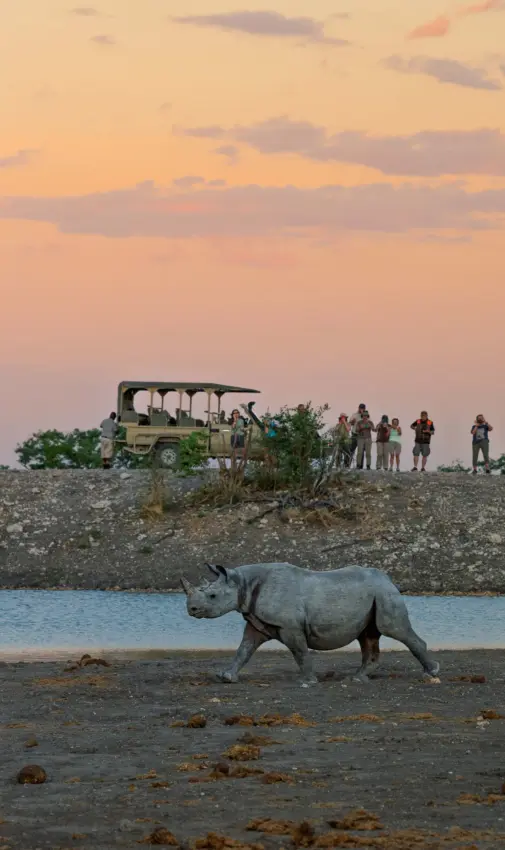
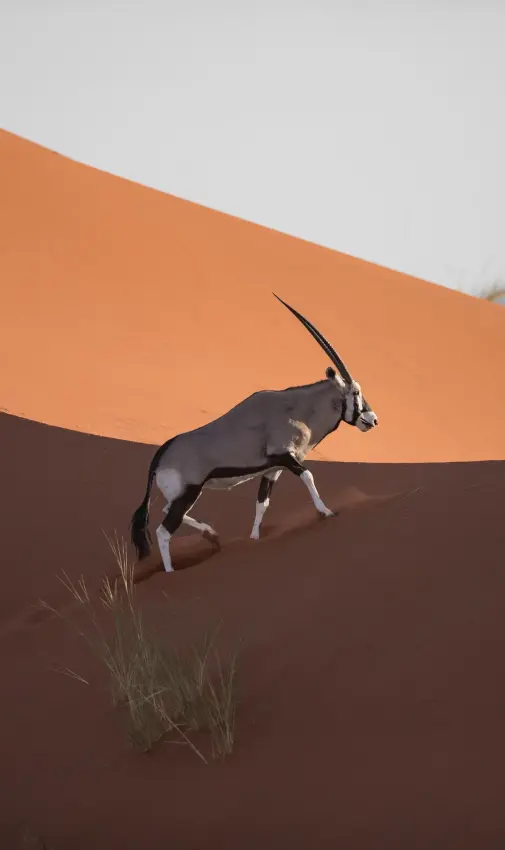
Four of the Big Five are present, with lion, leopard and elephant moving through the reserve alongside black rhino and, more recently, white rhino. Plains game includes kudu, giraffe, eland, oryx, red hartebeest and zebra, and more than 340 bird species have been recorded across the property.
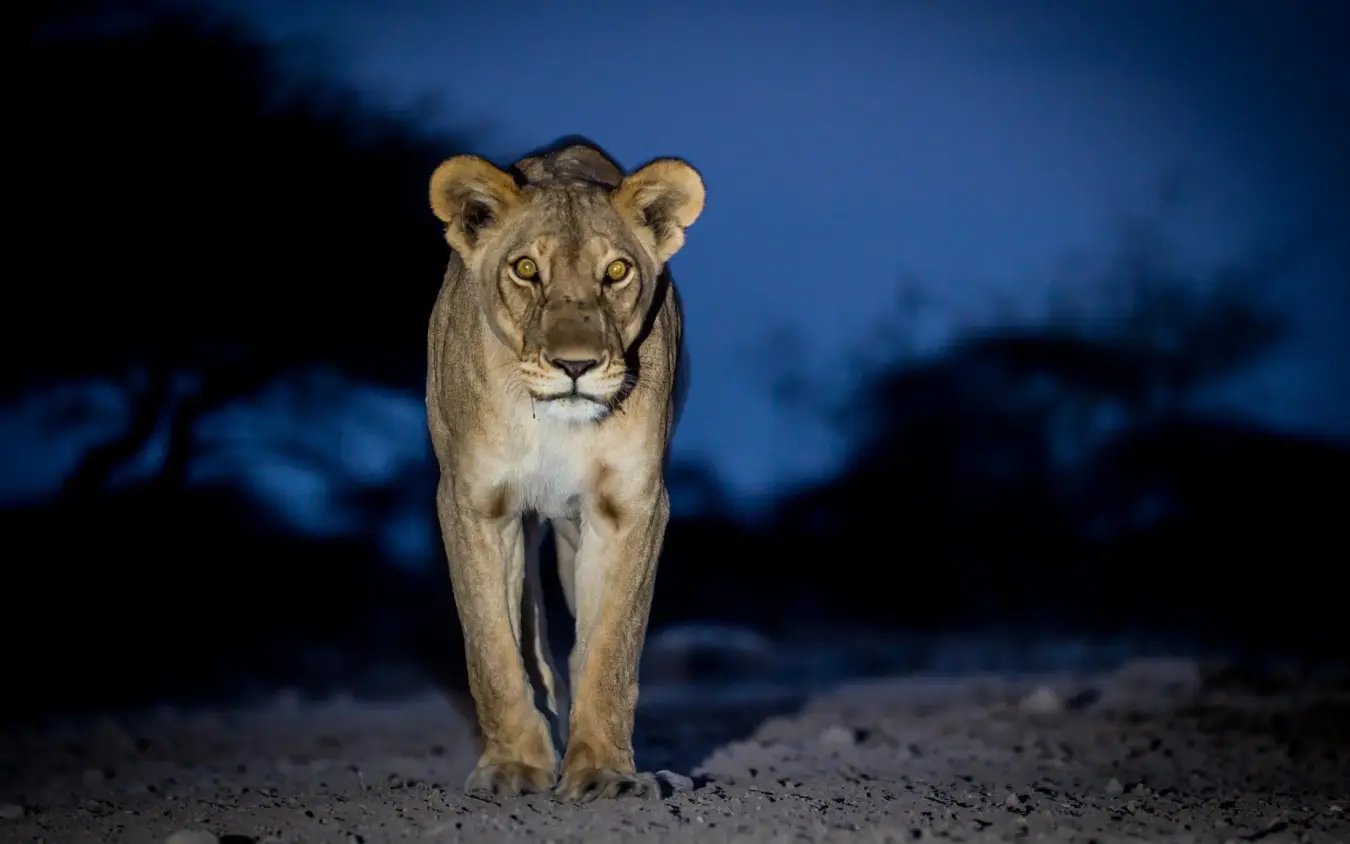
Lions are frequently seen and often heard, their calls carrying across the pans at night.
Onguma is an official custodian under Namibia’s Black Rhino Custodianship Programme, run by the Ministry of Environment, Forestry and Tourism, which relocates breeding black rhino to secure private reserves. A dedicated Anti-Poaching Unit patrols the 34,000 hectares around the clock, with rangers trained in tracking, surveillance and first aid.
The group also runs Oshivelo Farming, a 500-hectare vegetable project established in 2012 on the borders of Etosha, the reserve and the Oshivelo township. Built up from overgrown bush into one of Namibia’s larger vegetable producers, it employs more than 180 permanent staff, supplies the lodges and supports the largely San community of Oshivelo with fresh produce.
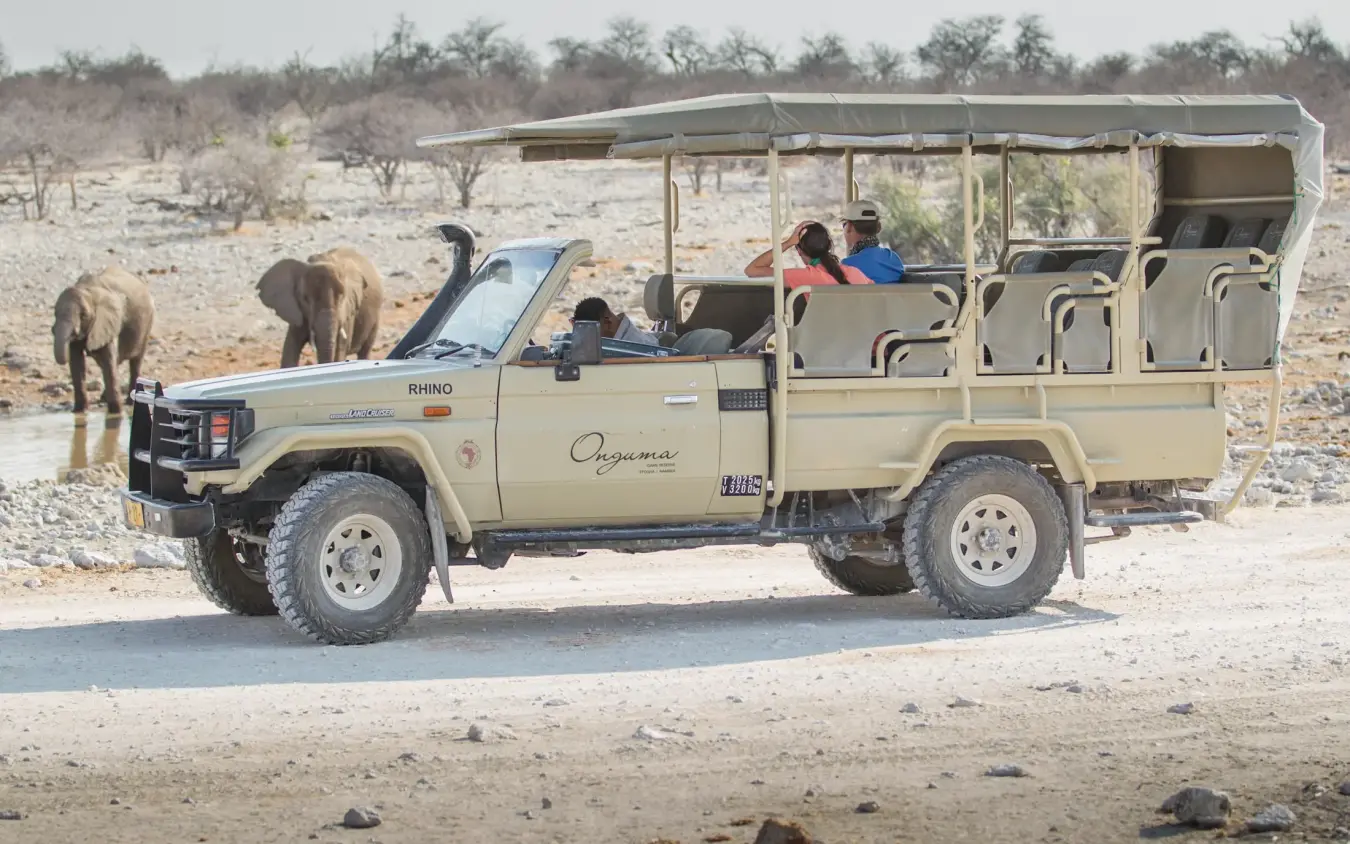
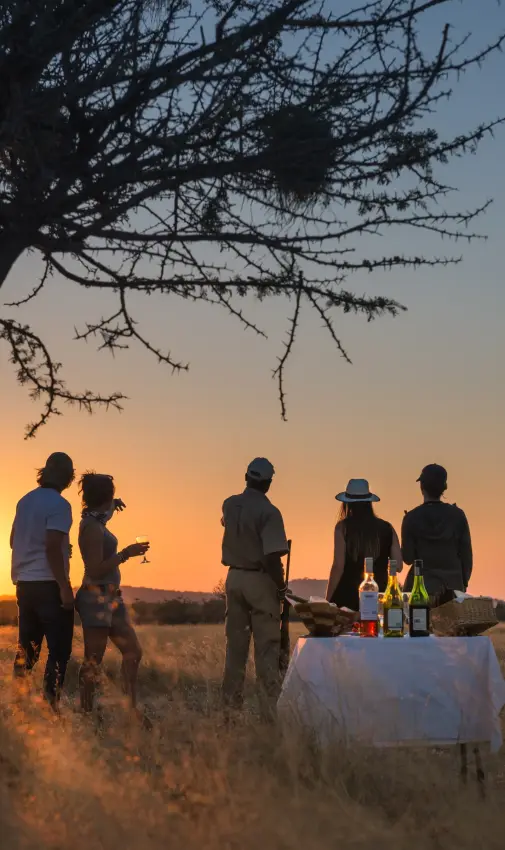
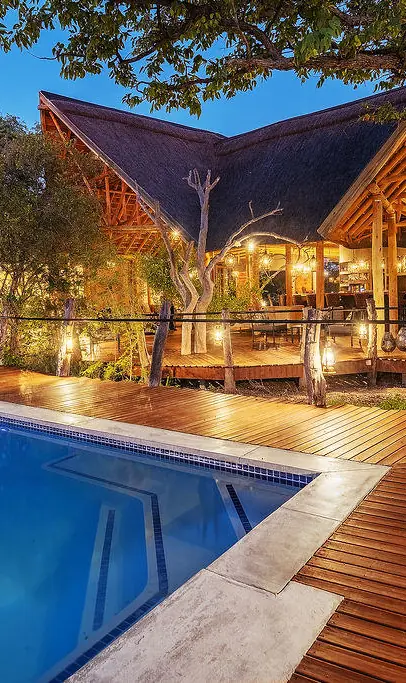
Days are spent on guided drives into Etosha, sunset and night drives across the private reserve, and walking safaris that the national park does not allow. The Onkolo photographic hide offers close, water-level viewing, and a rhino research drive lets guests join the monitoring work first-hand. The lodge is unfenced, so children under seven are not accommodated; families with younger children are directed to the group’s nearby Bush Camp.