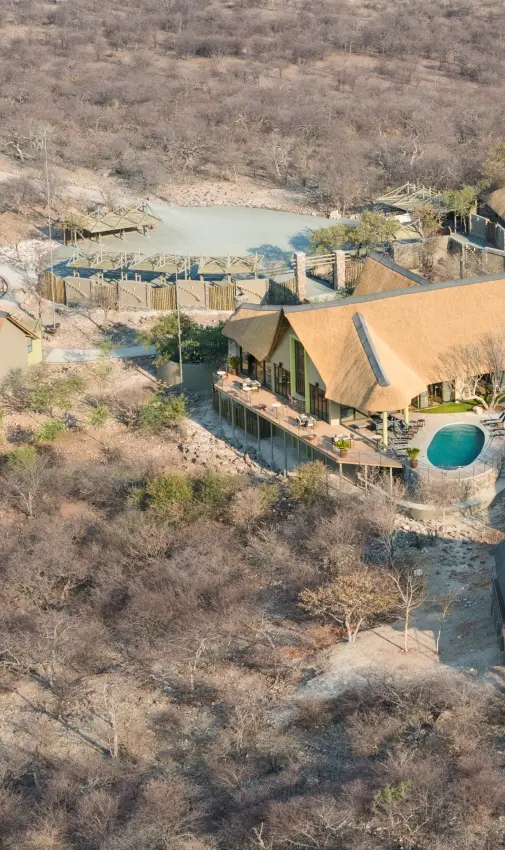
Omuramba is the Herero word for the kind of old, dry riverbed the eight tents are spaced along, and it is the riverbed that gives the camp its voice. Along its banks the birdlife is heard first, well before anything is seen. The tents are strung out along the riverbed, each with its own private veranda, so the walk back from a drive is a quiet one with the riverbed for company.
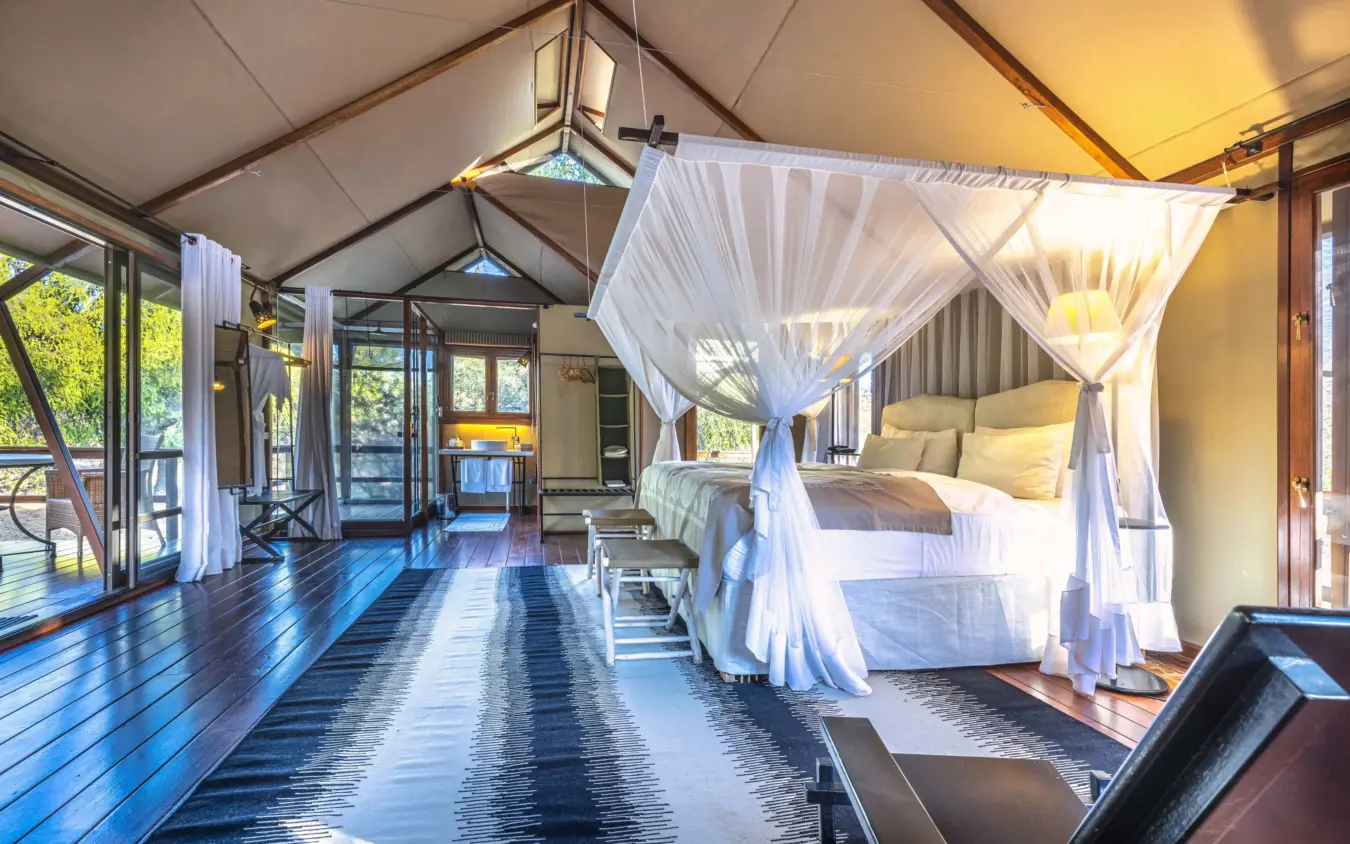
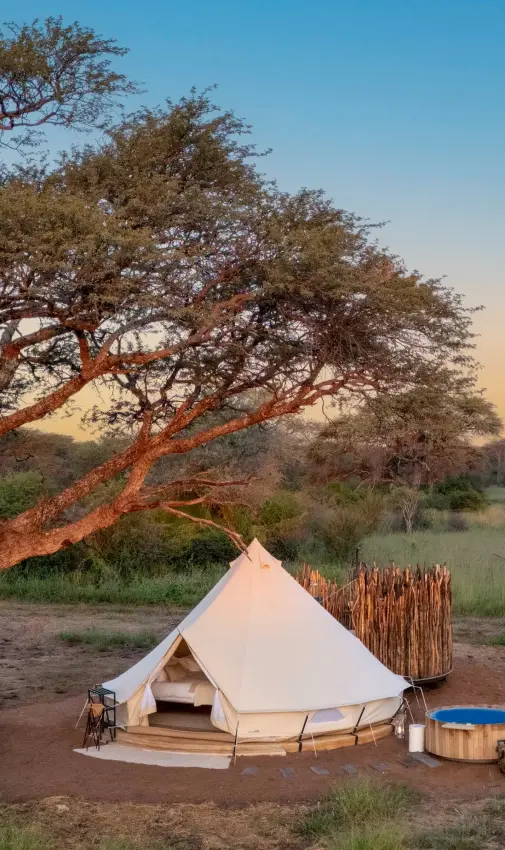
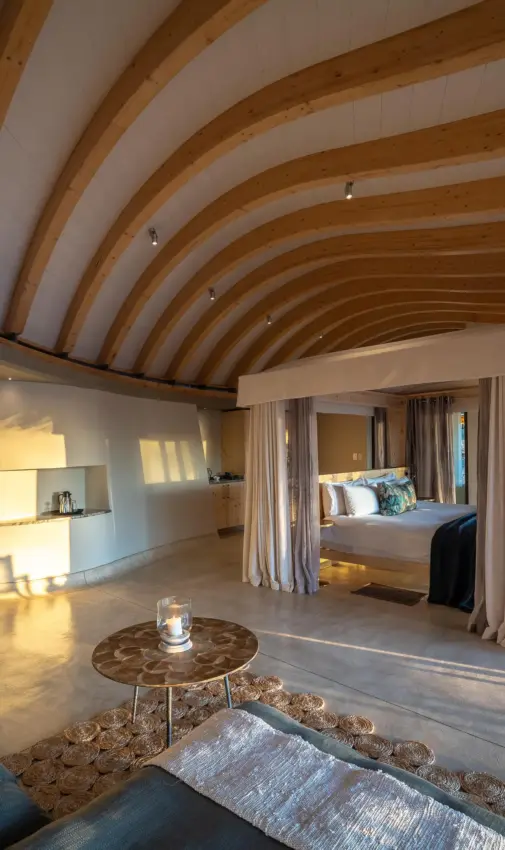
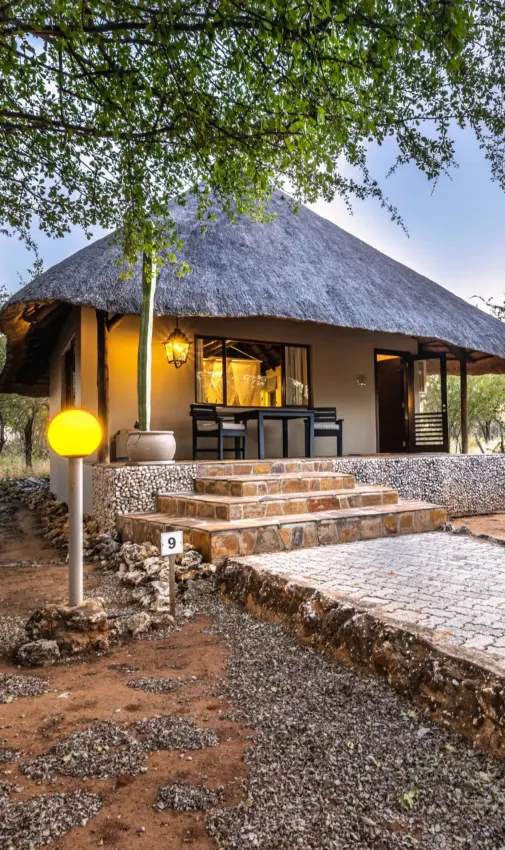
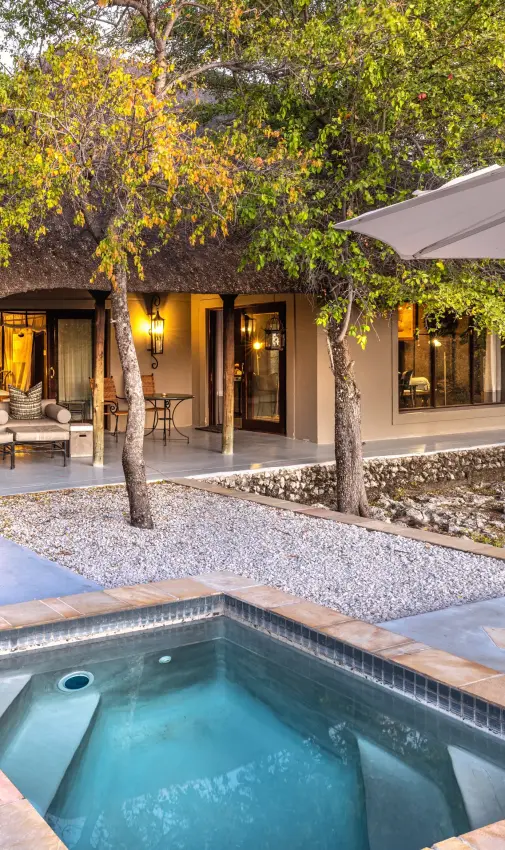
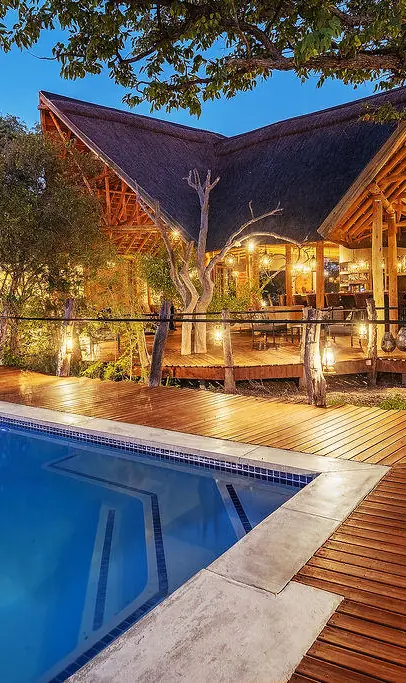
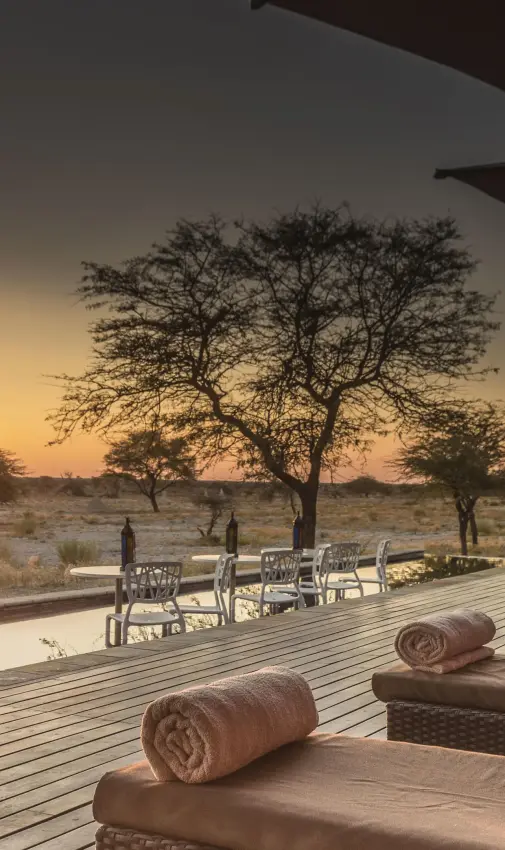
Each tent is raised on a timber deck 1.5 metres off the ground, and the front is floor-to-ceiling glass, with a sliding door onto a private veranda. Inside, the bathroom is open-plan, the toilet closed off on its own. The shower is a glass cubicle behind a canvas outer wall, and once that canvas is unzipped it faces open bush by day and a sky full of stars at night. Fly-screens cover every door and window, so the bush can come close without coming in, and air conditioning carries the tent through the hottest afternoons.
Along its banks the birdlife is heard first, well before anything is seen.
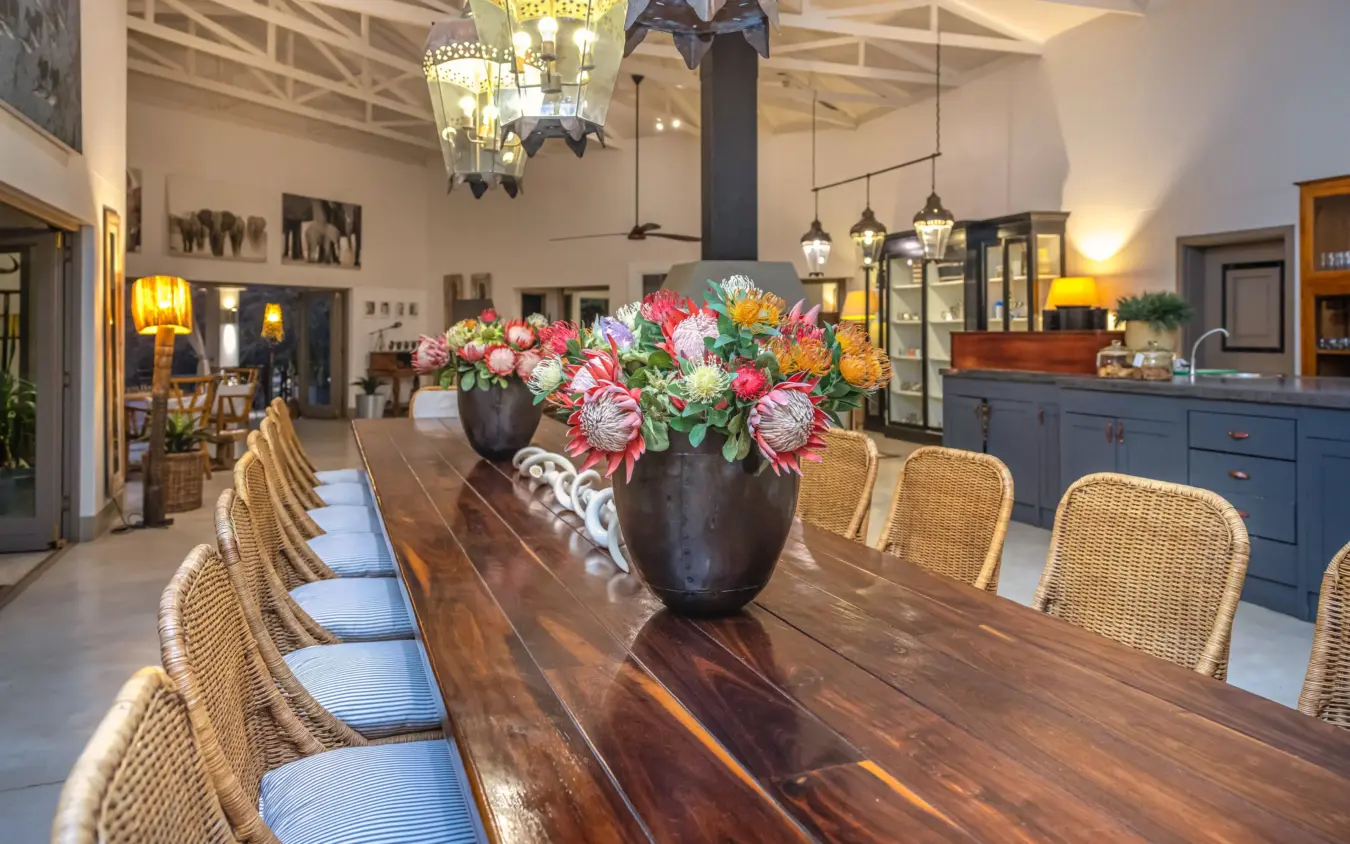
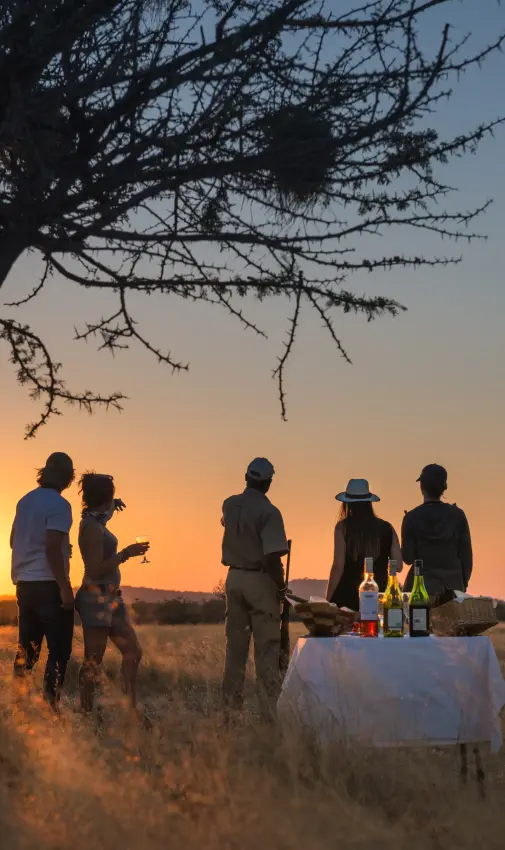
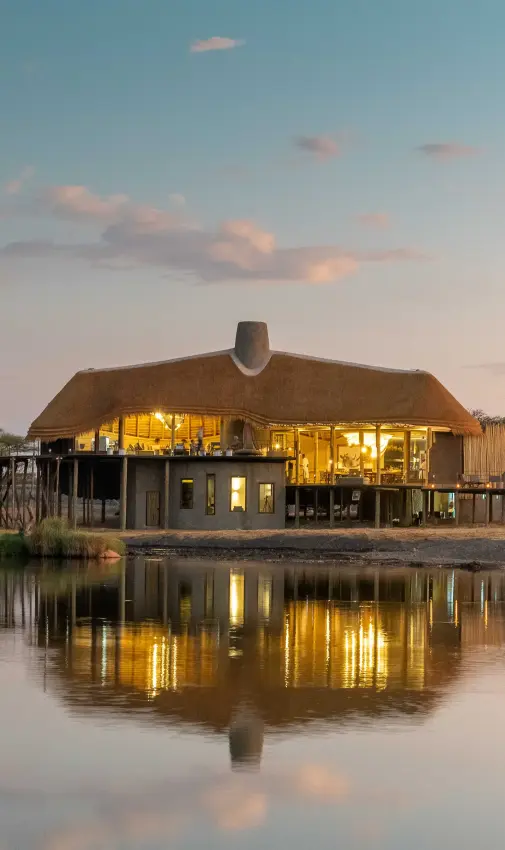
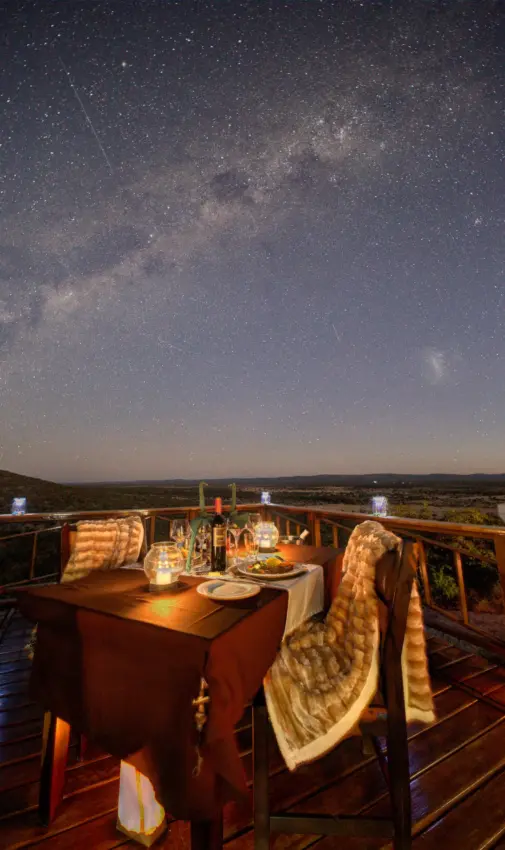
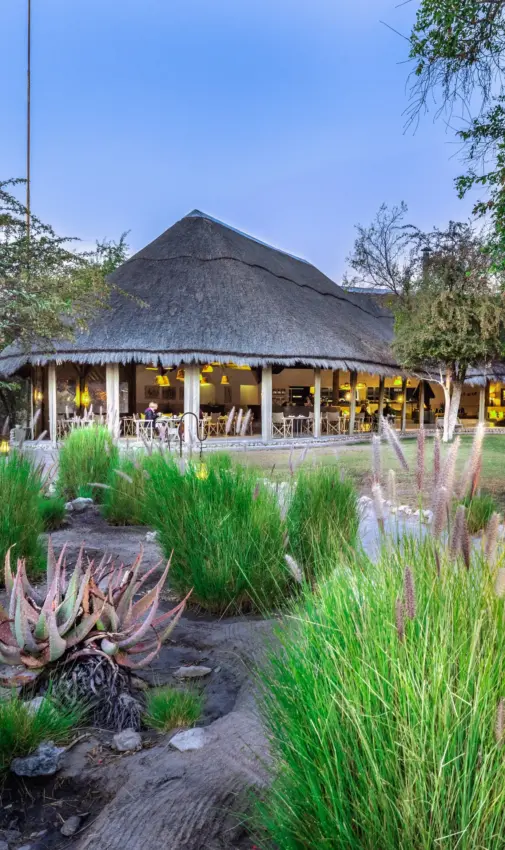
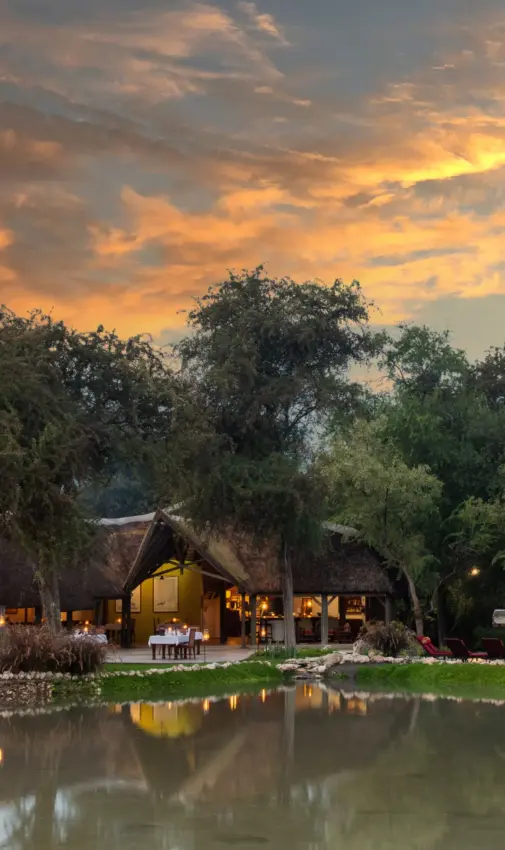
The main house is bright and comfortably lived in, more home than lodge, its doors opening onto the garden that keeps the kitchen in vegetables, herbs and fruit. The cooking is home cooking, built around whatever is ripe, and the service has the personal, unhurried manner of a farmhouse that happens to take guests. At dusk the camp gathers with a glass of wine and the day’s sightings to go over. Dinner follows, at the end of a day that began at the waterholes.
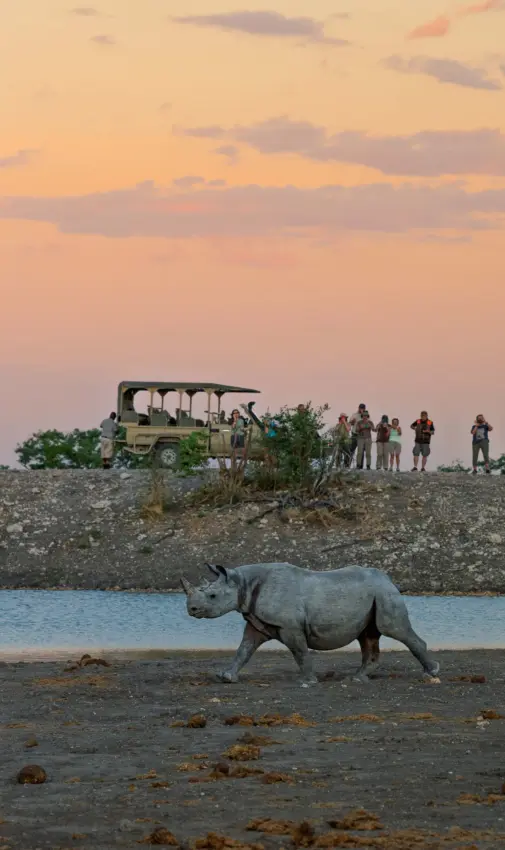
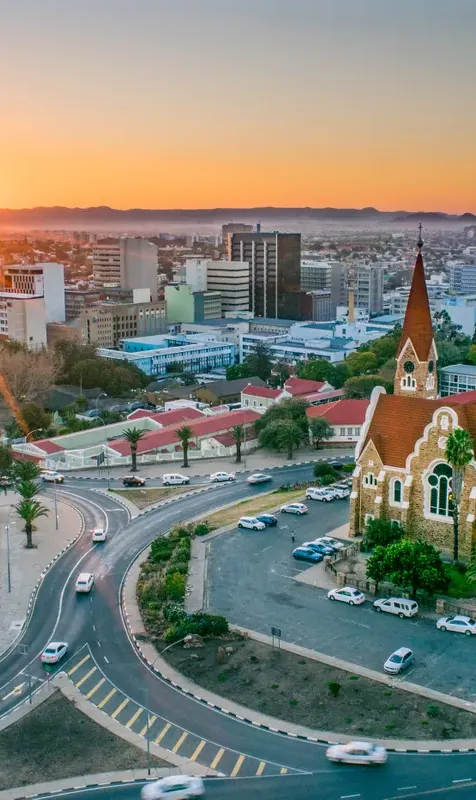
By road, the approach runs north from Windhoek through Tsumeb, about 530 kilometres and most of a day in the vehicle. No scheduled flights come this way, but private charters land at an airstrip a few minutes from the lodge, and the transfer from plane to veranda is brief. Flying in leaves that first day free for the park. Whichever way guests arrive, the camp exists to send them into Etosha early, bring them back to shade and home cooking, and send them out again for the afternoon drive.