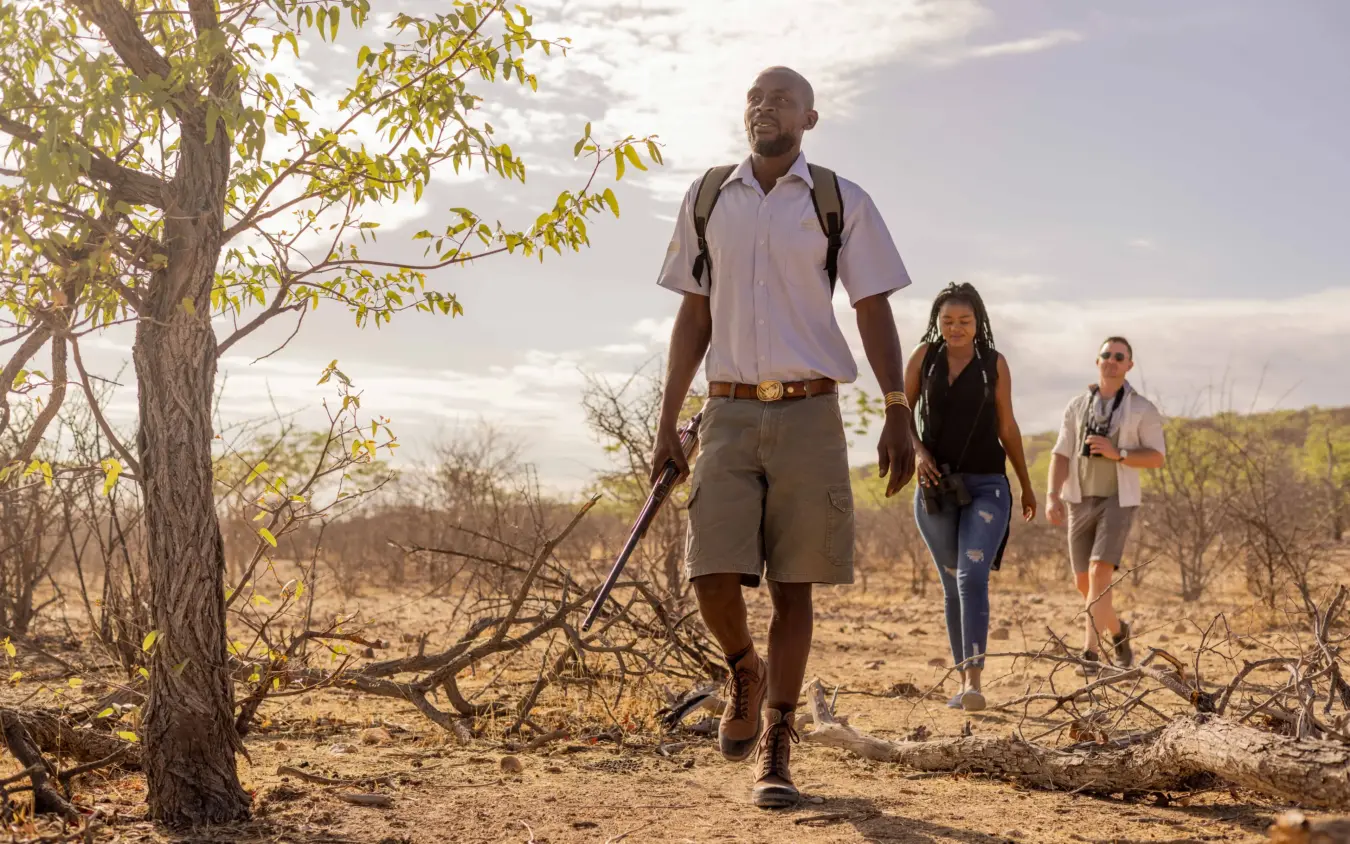
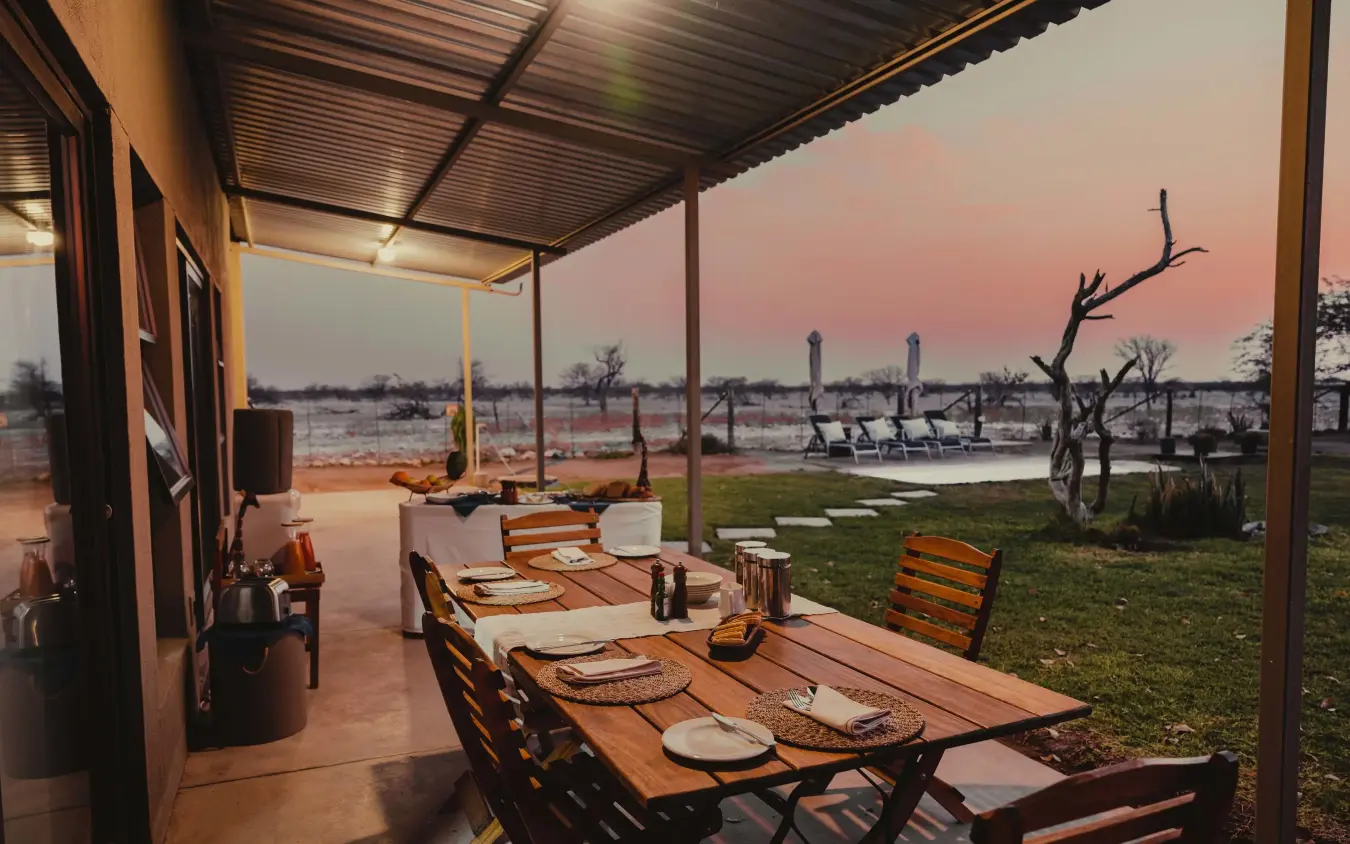
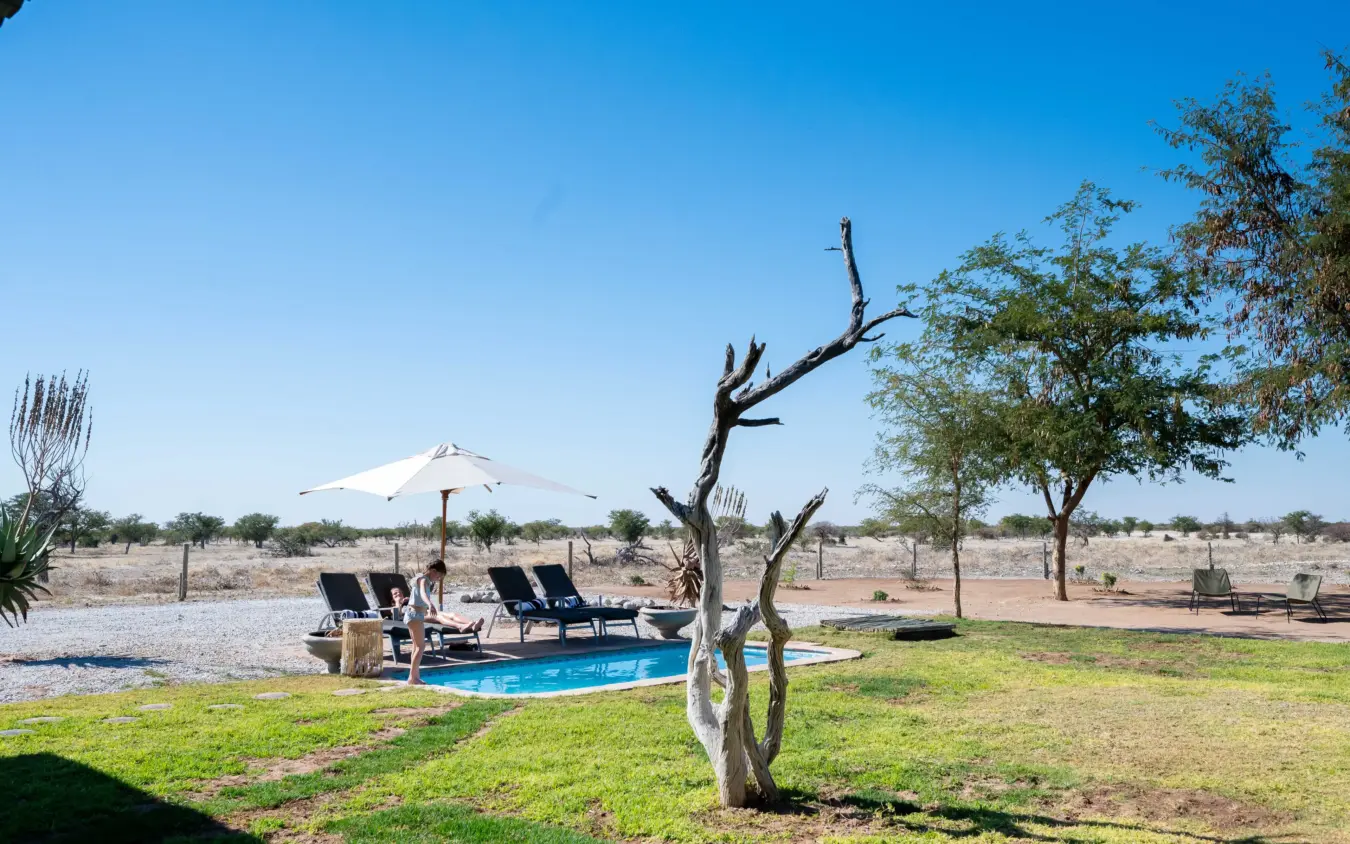
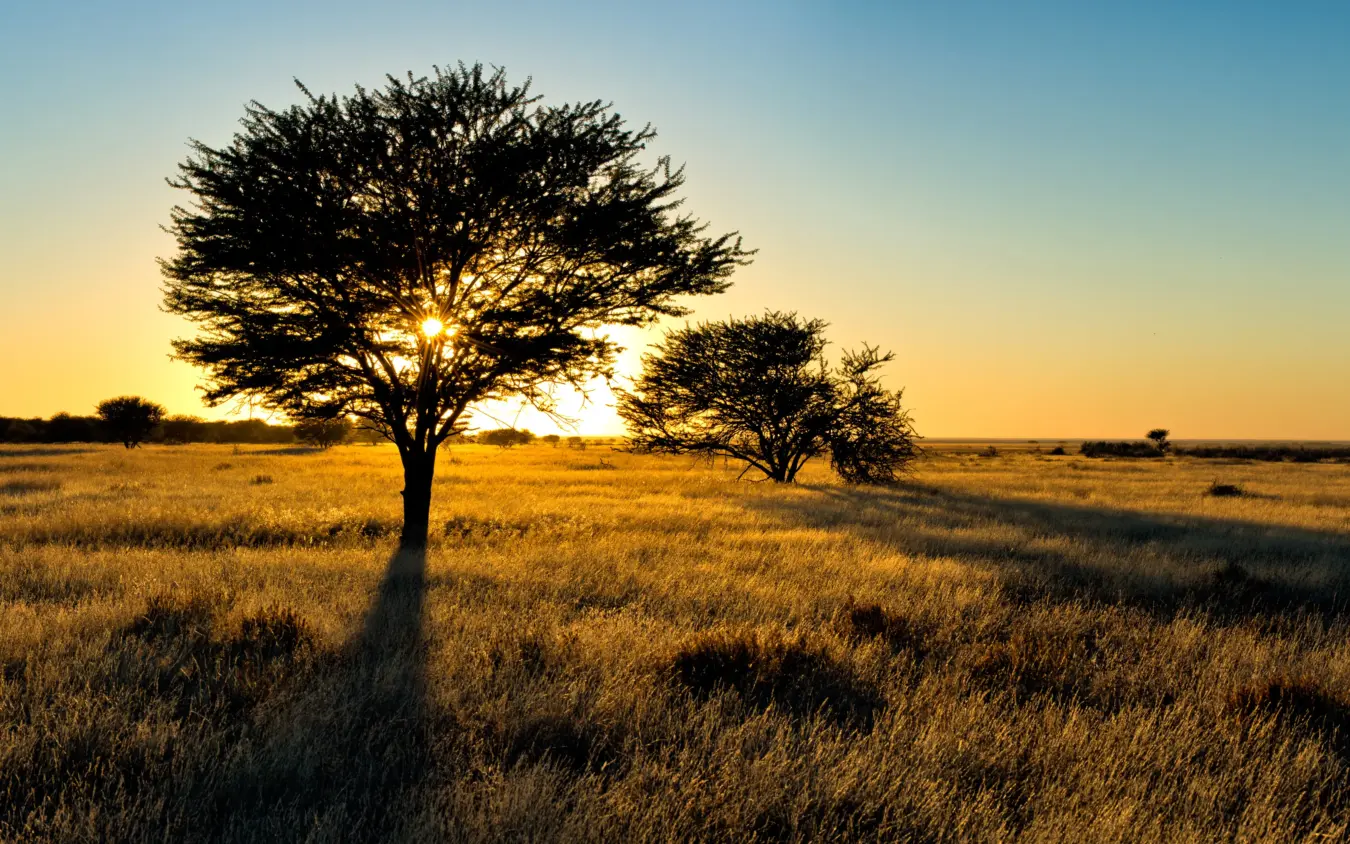
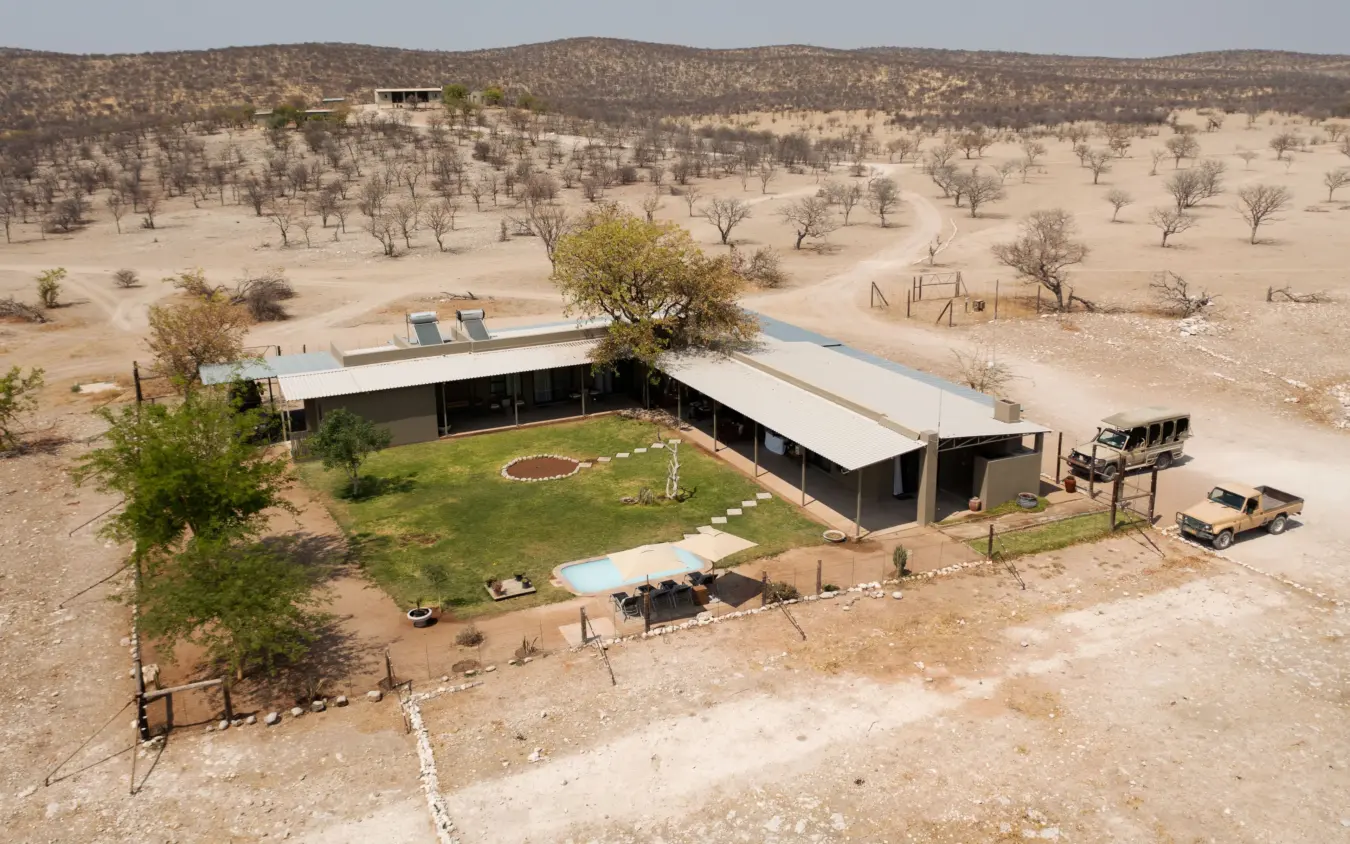
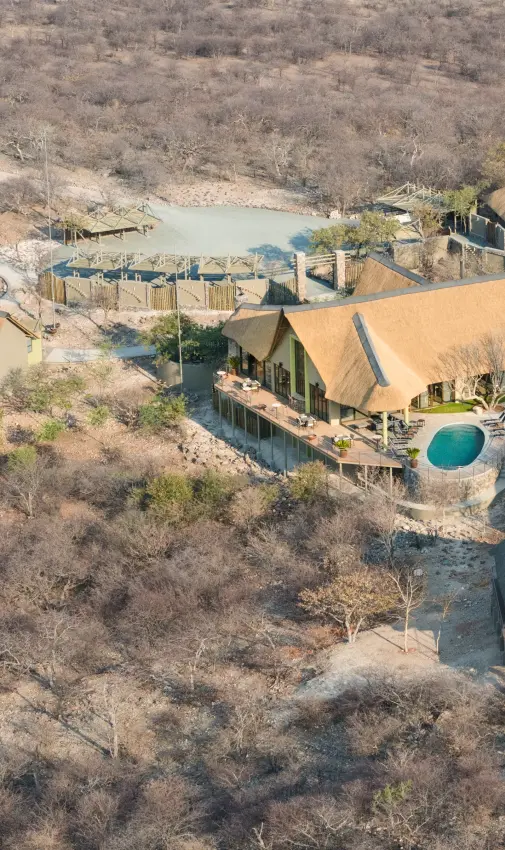
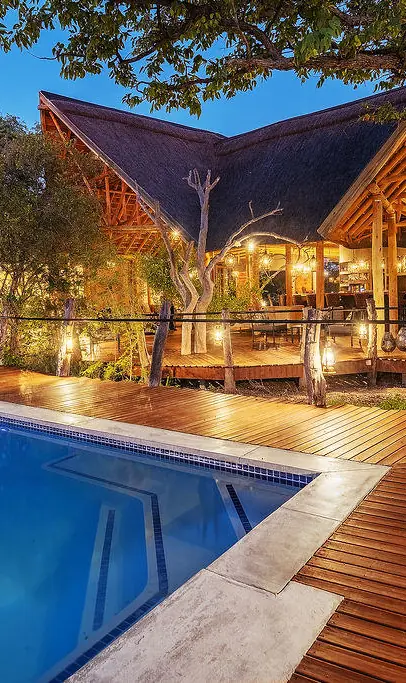
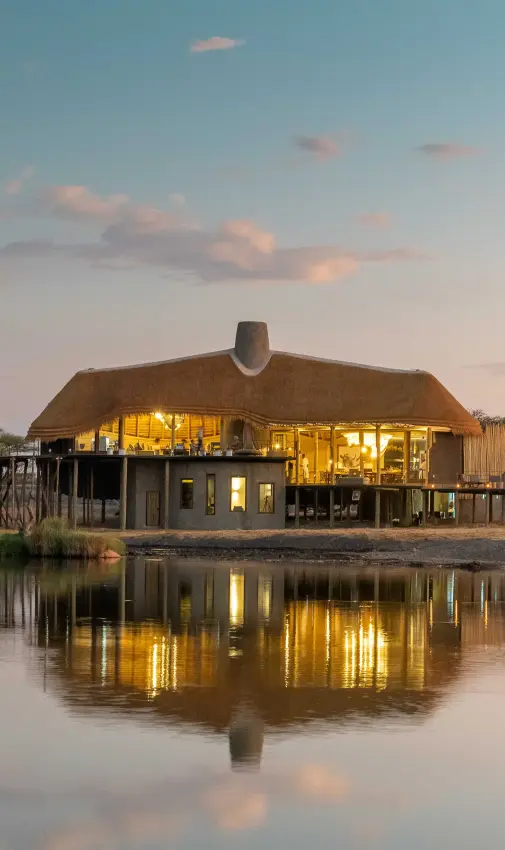
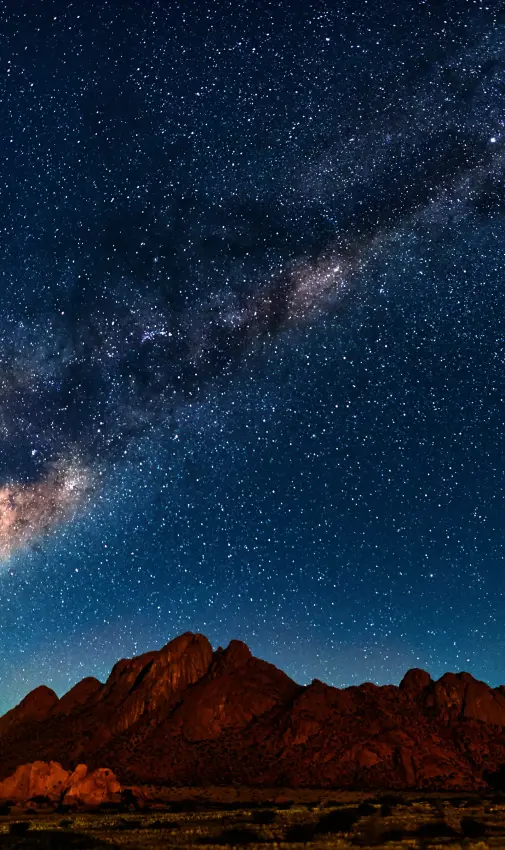
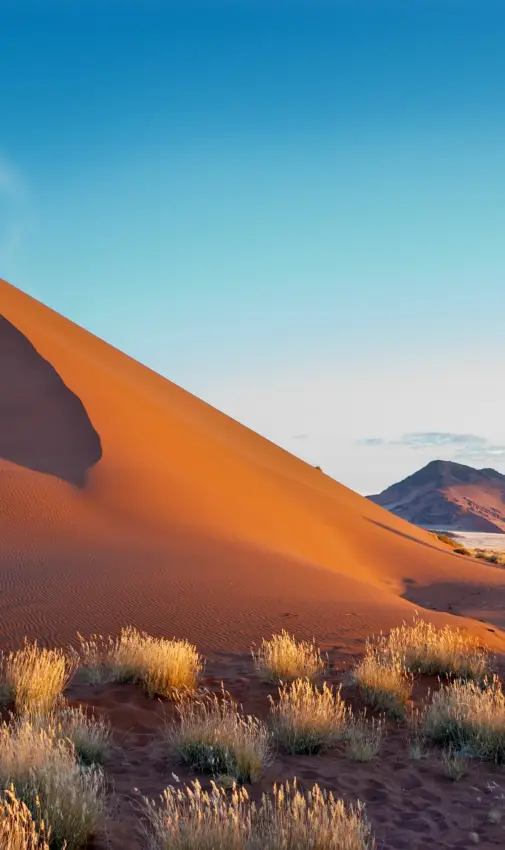
Safari House sits beside its sister camp, Safarihoek Lodge, on the same stretch of Namibia. Etosha Heights runs from dolomite hills down to open plains, through mopane woodland and riverine forest. Its remove from Etosha’s public gates keeps the game viewing far quieter than it is inside the park, and this is country you have largely to yourself, one party at a time, with the reserve unfolding beyond the veranda in every direction.
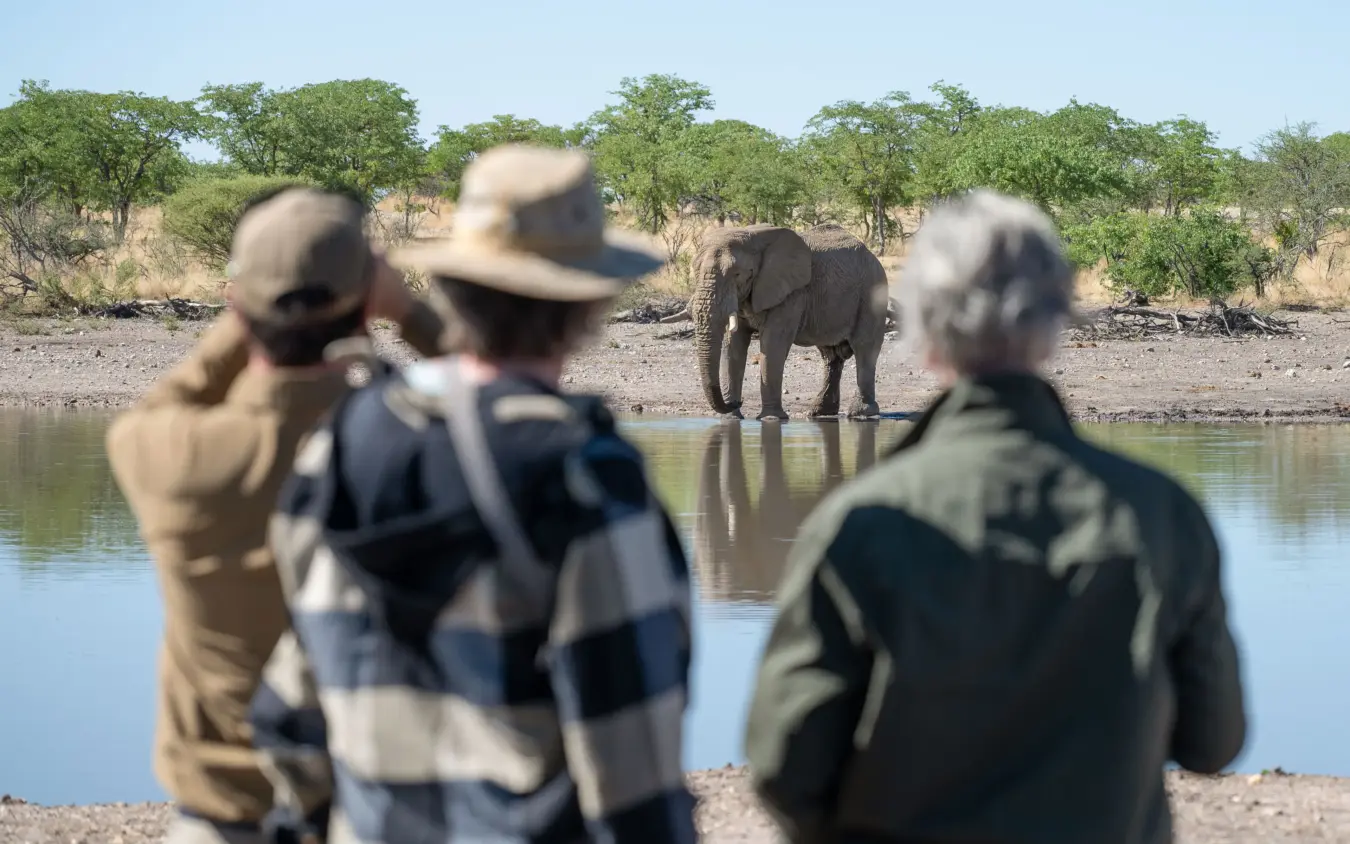
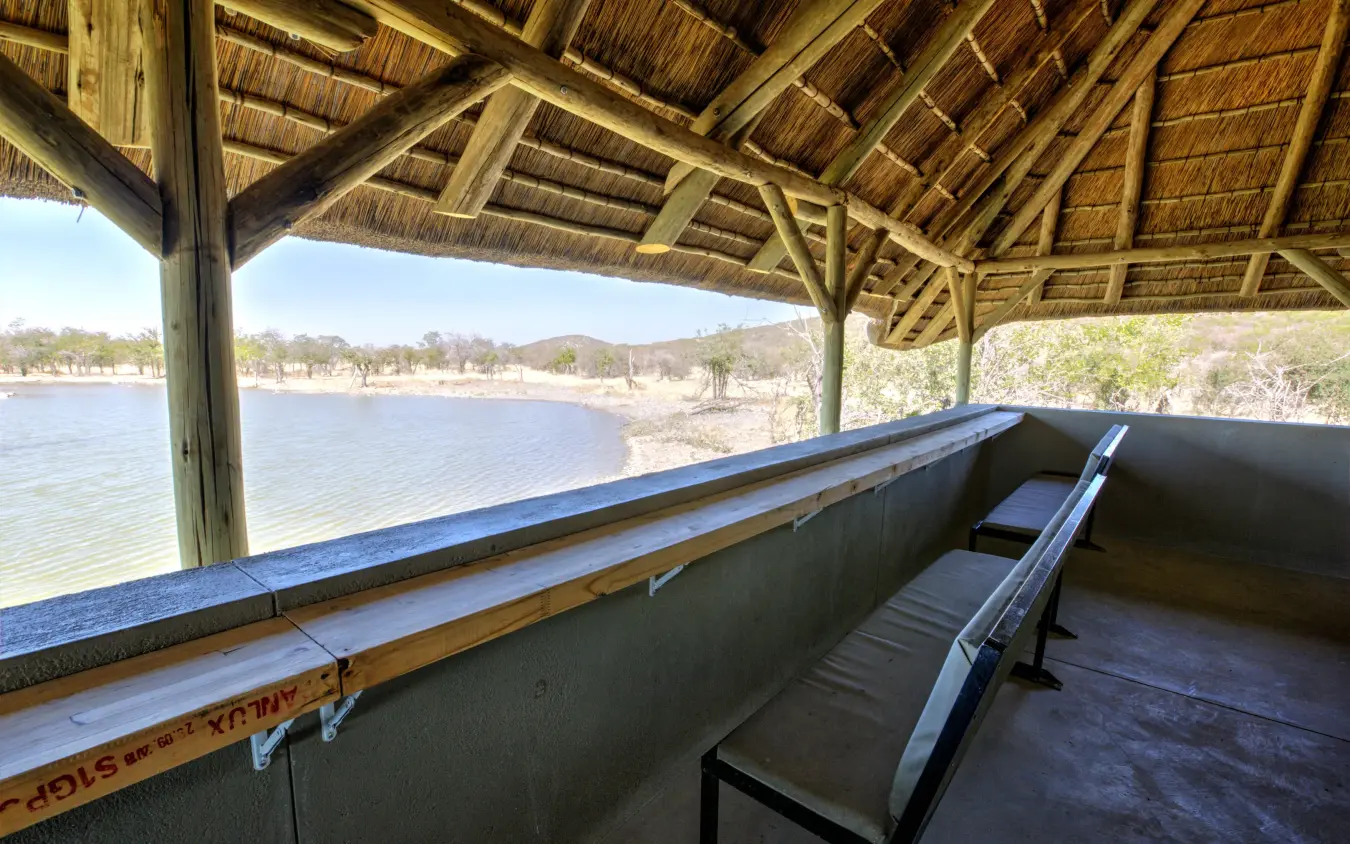
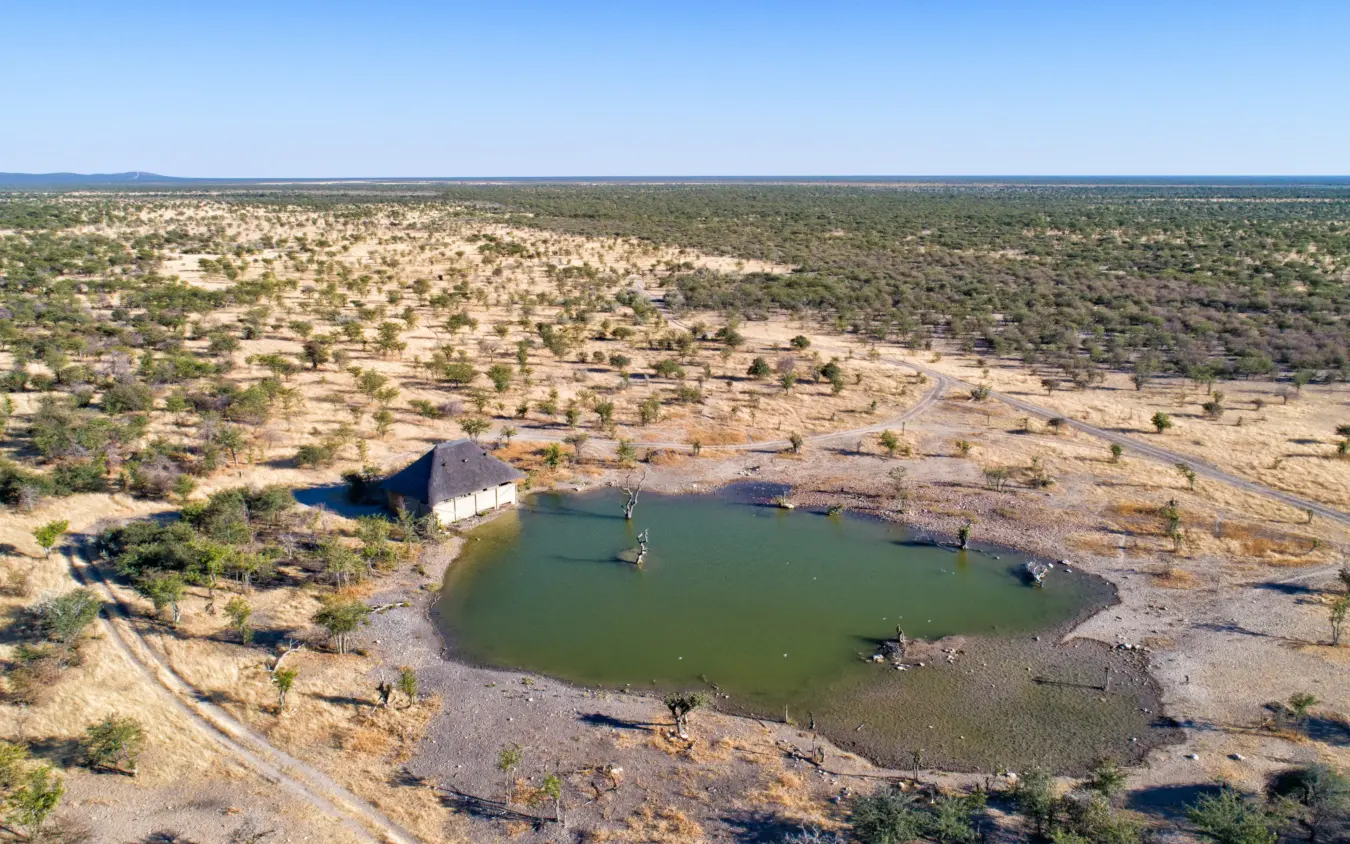
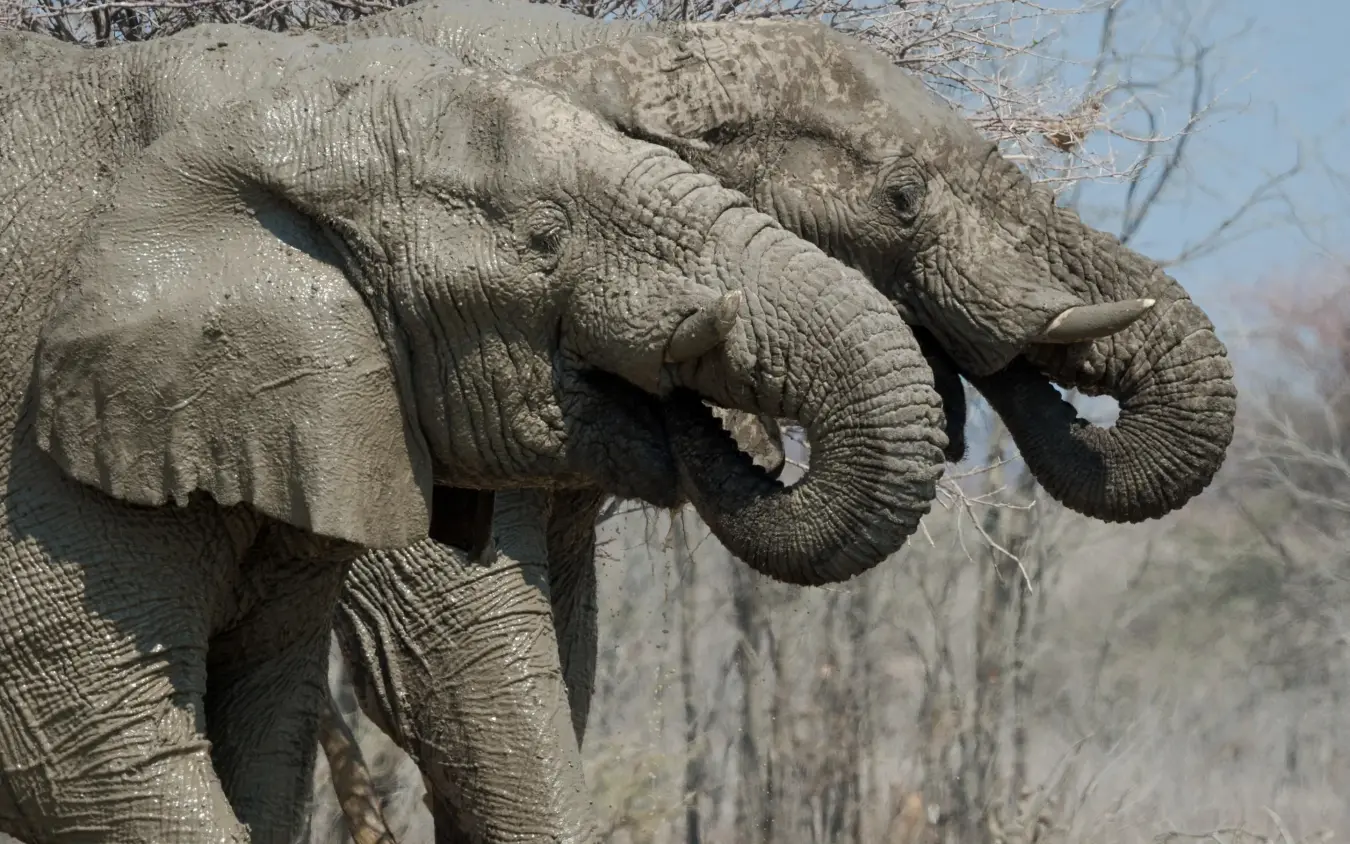
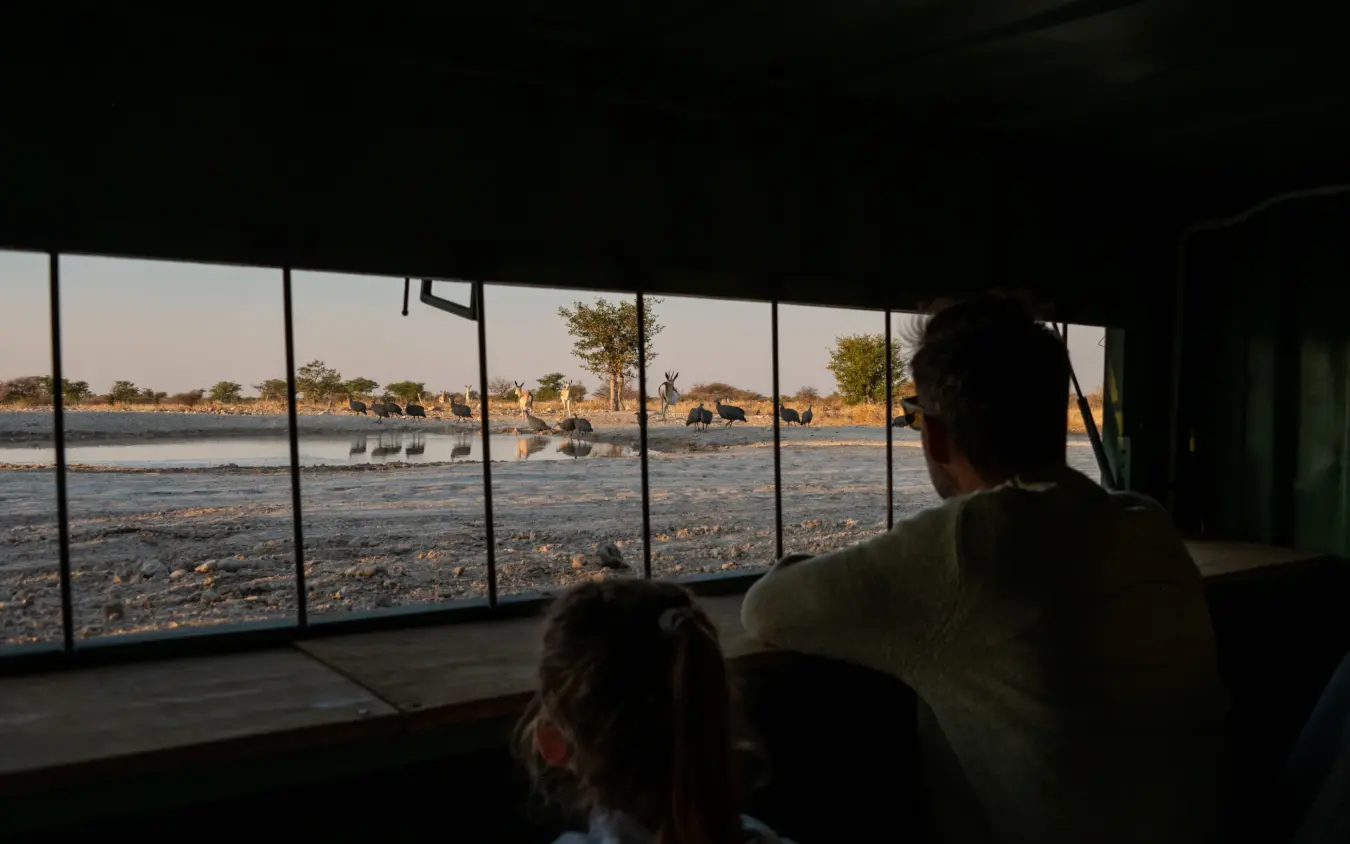
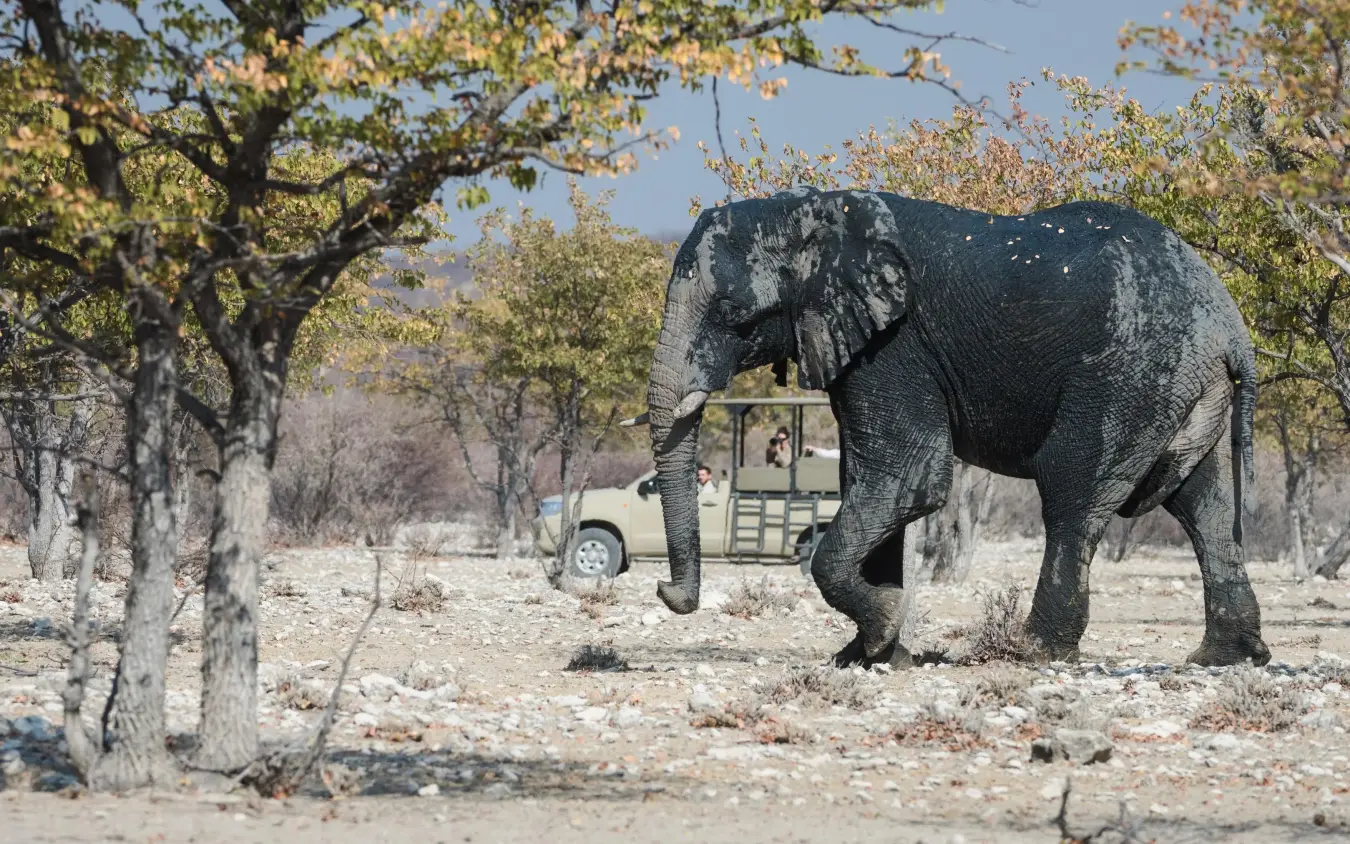
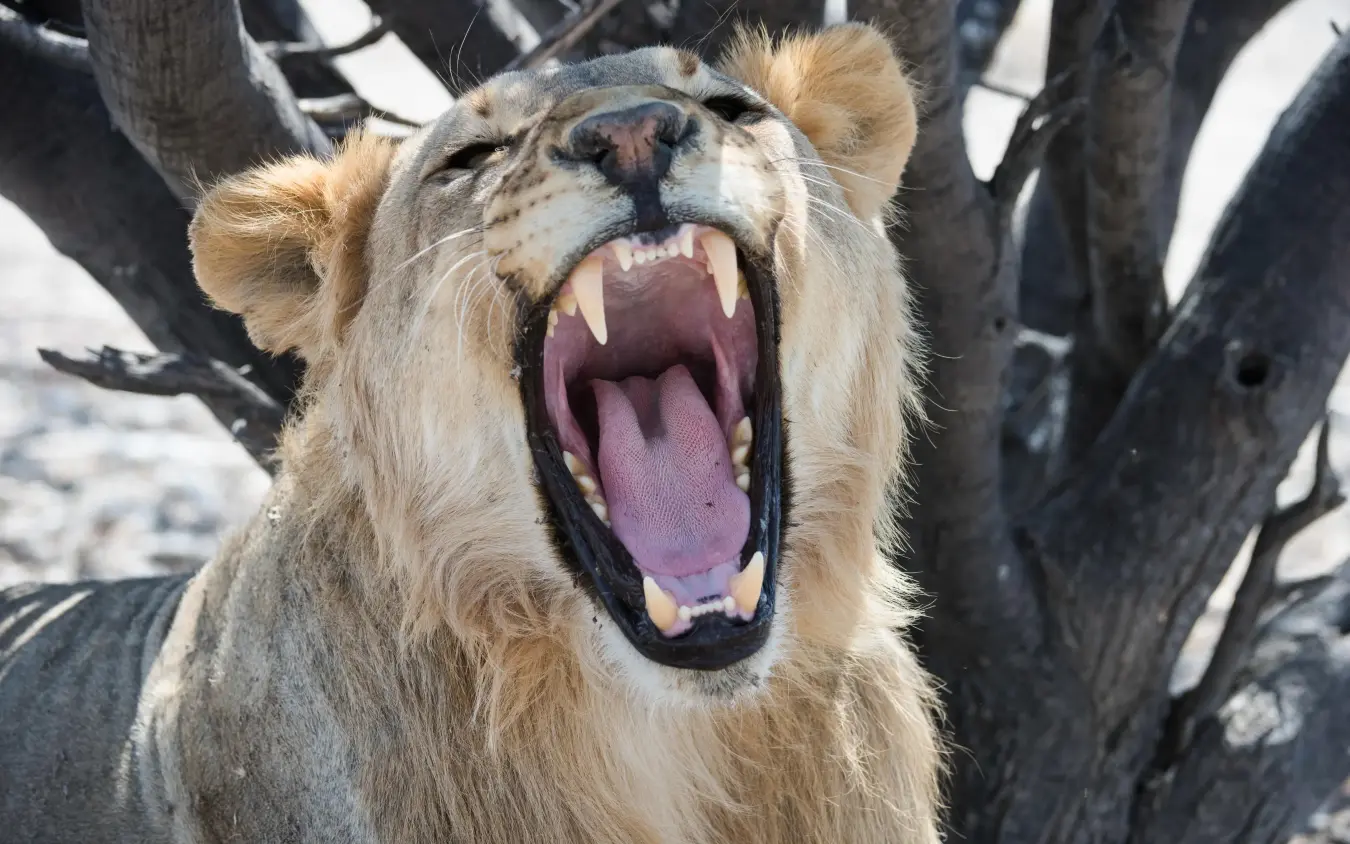
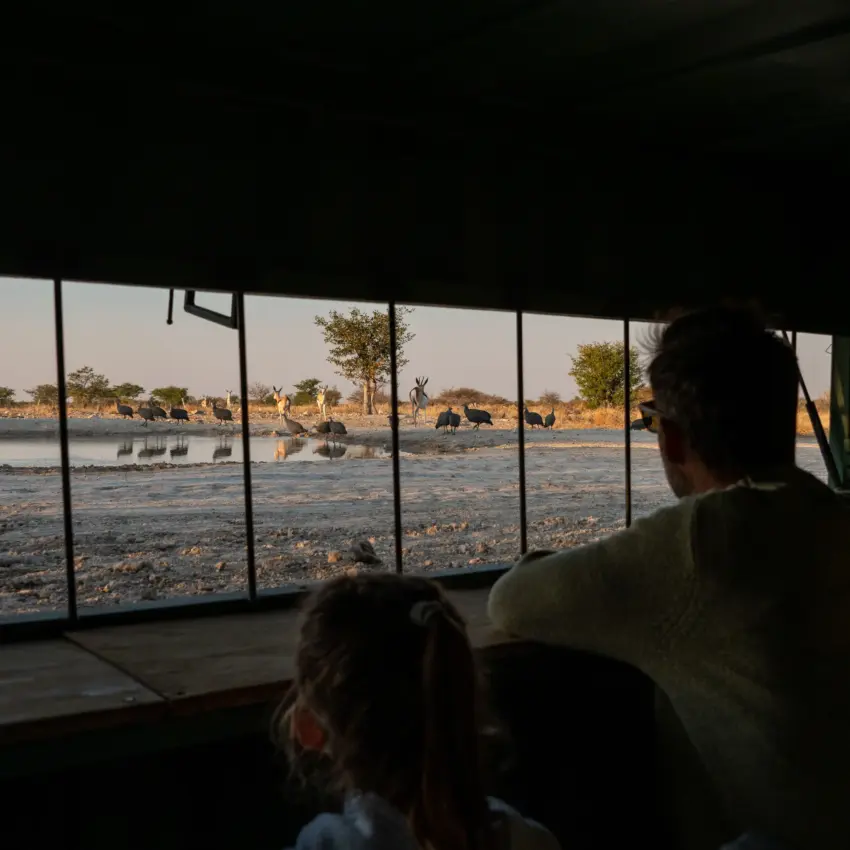
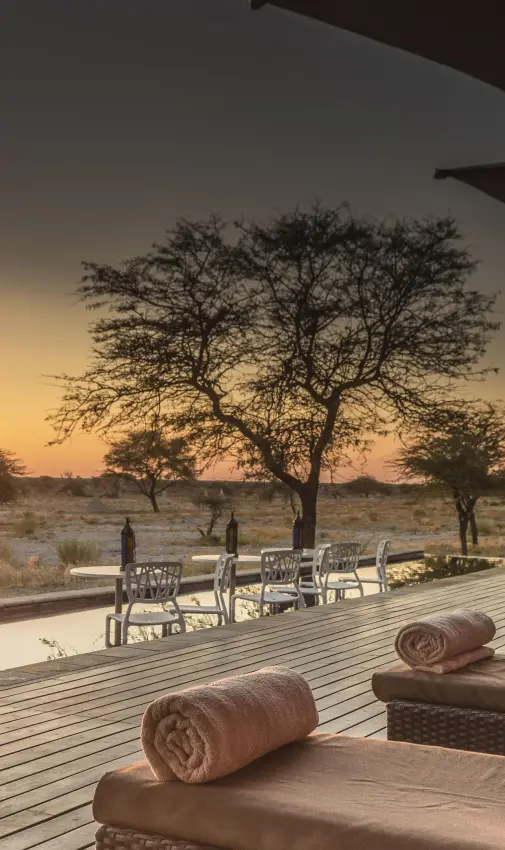
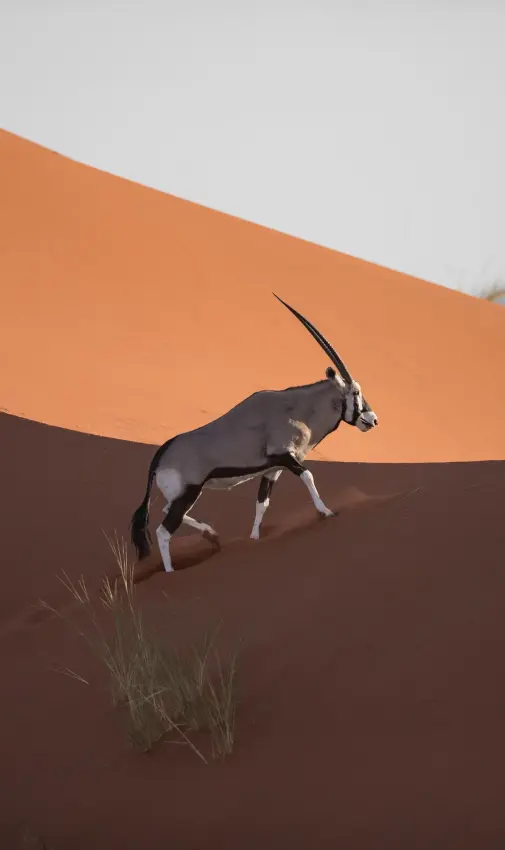
The waterhole lies within sight of that veranda, and it is rarely still. Elephants arrive at dusk, columns of oryx and zebra file in to drink, and lion, cheetah and leopard all pass through the reserve, moving among eland, kudu, springbok, hartebeest and black-faced impala. The reserve’s double-storey photographic hide puts photographers at eye level with all of it, close enough to work through a long lens without a vehicle between them and the animals.
The waterhole lies within sight of that veranda, and it is rarely still
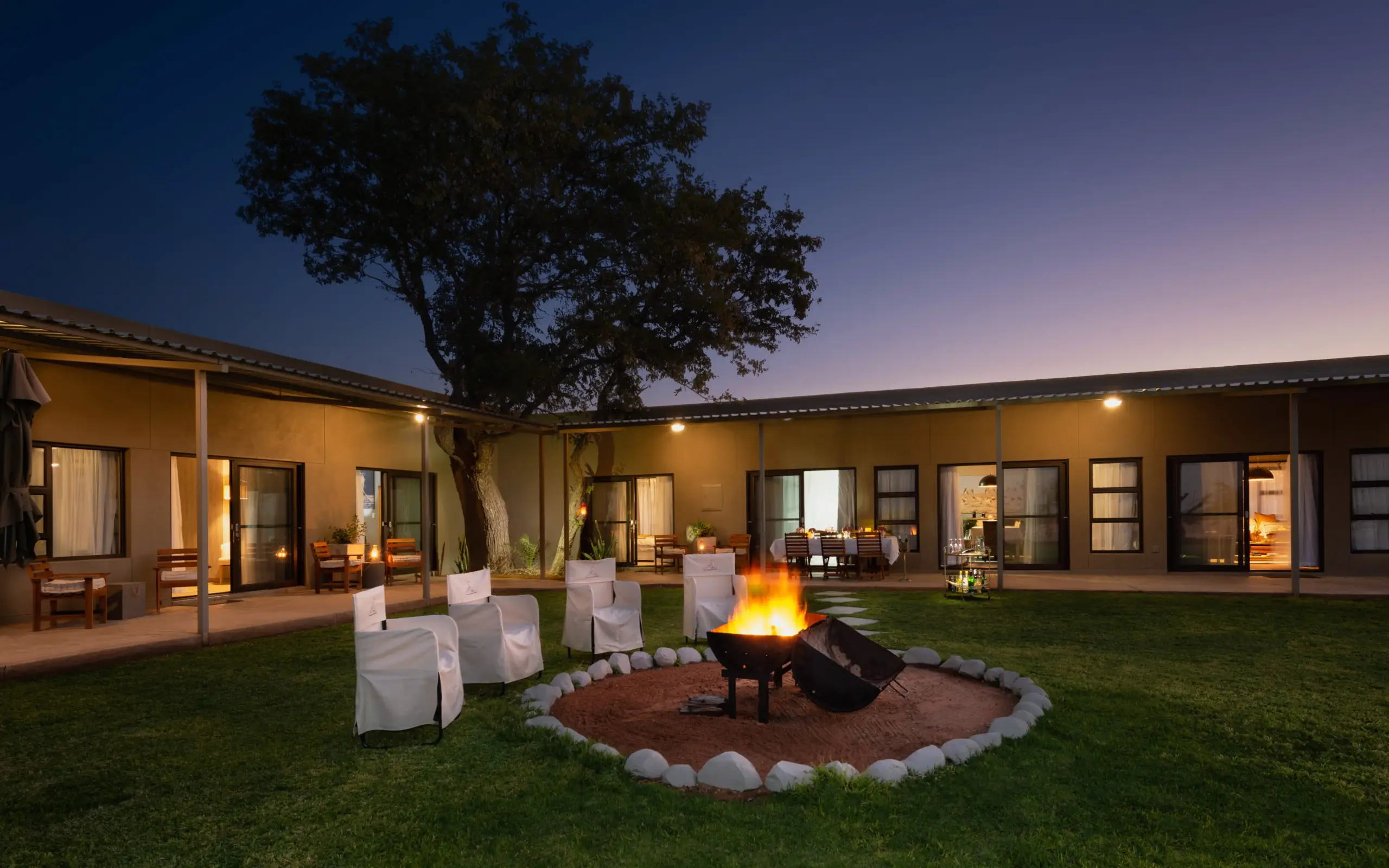
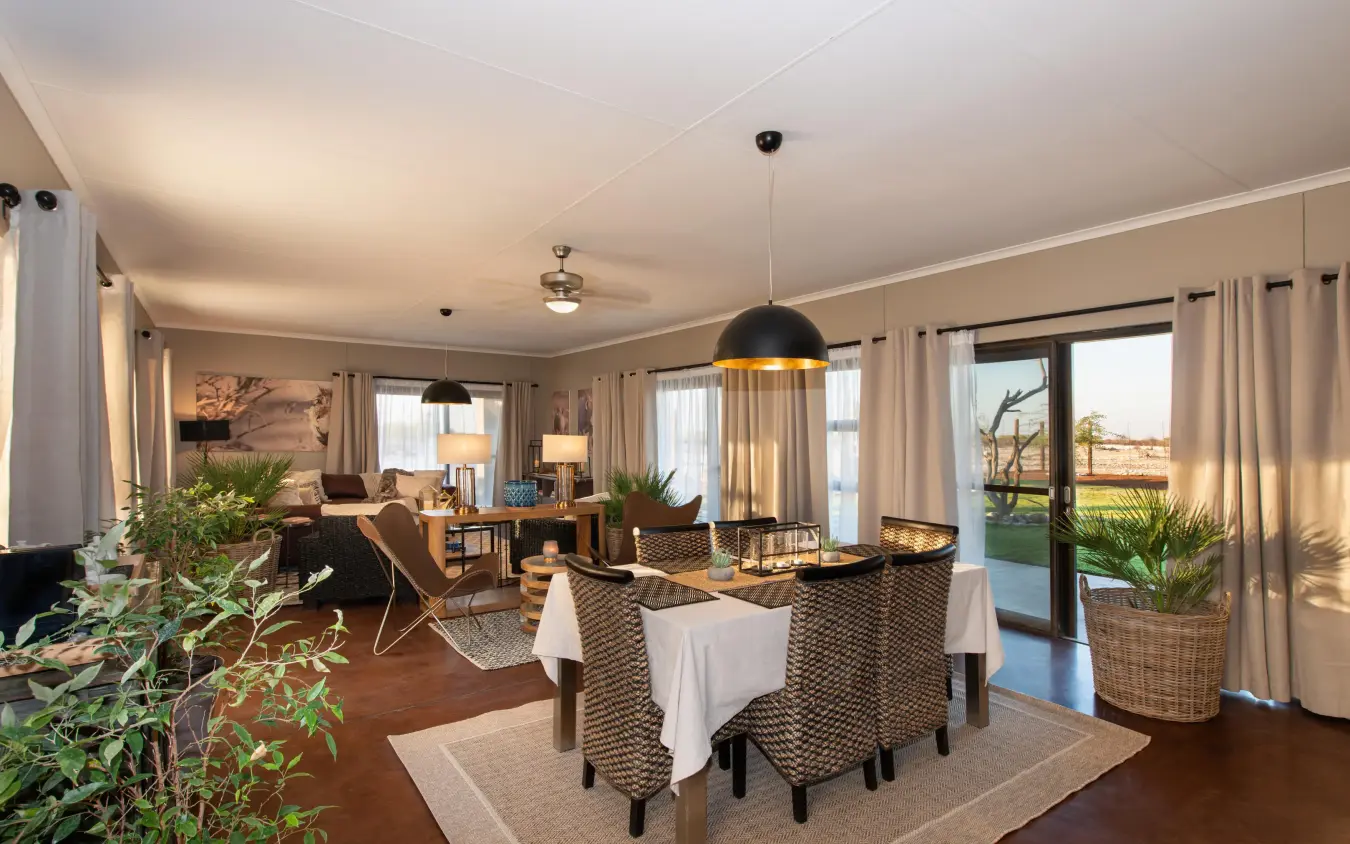
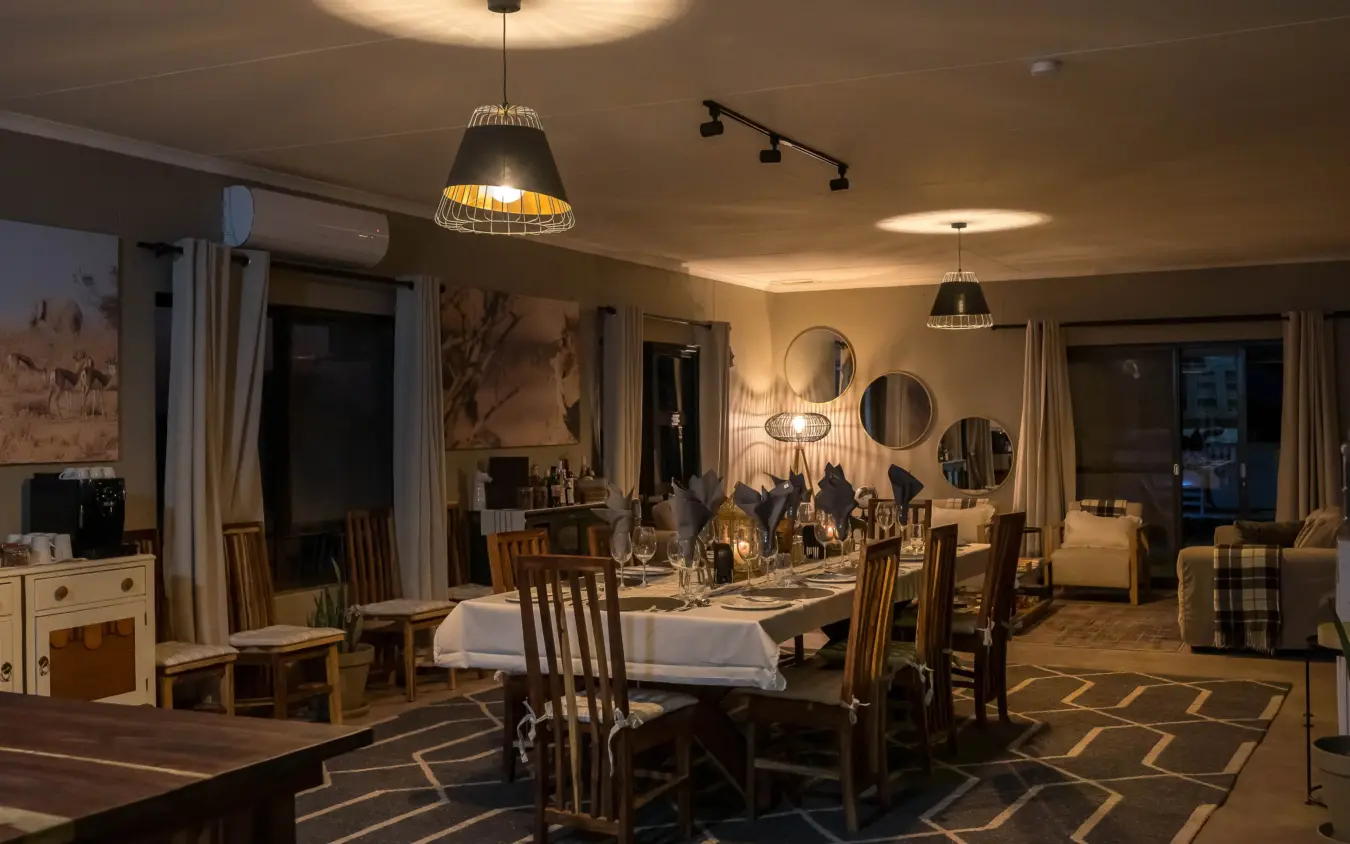
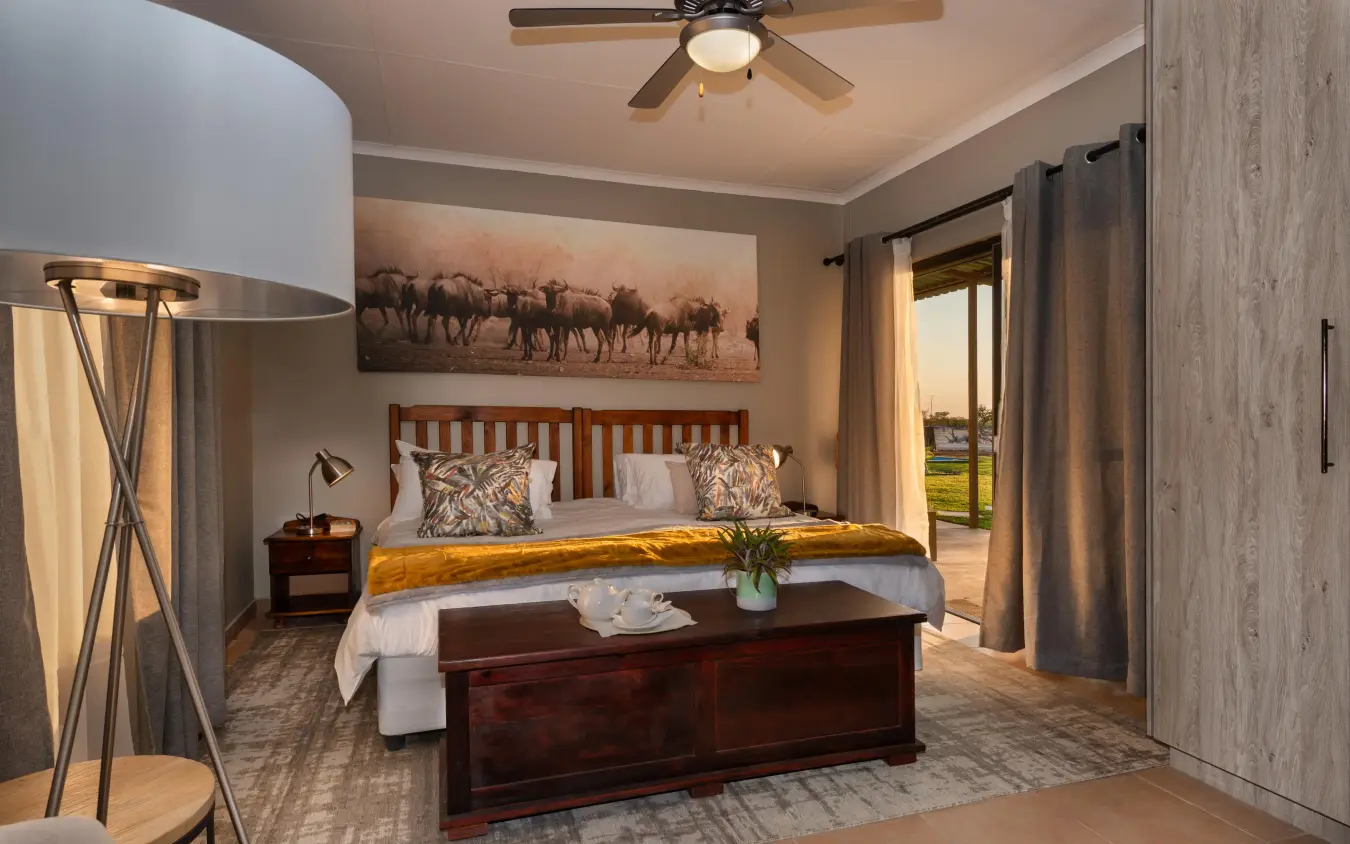
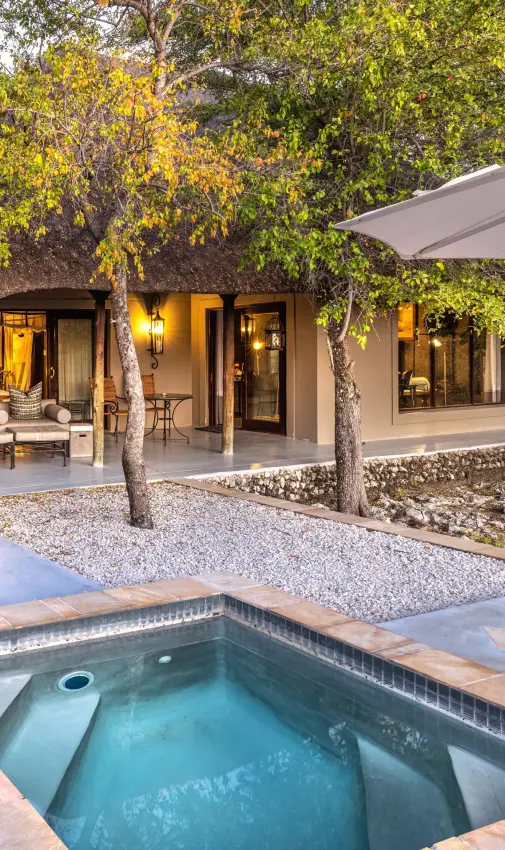
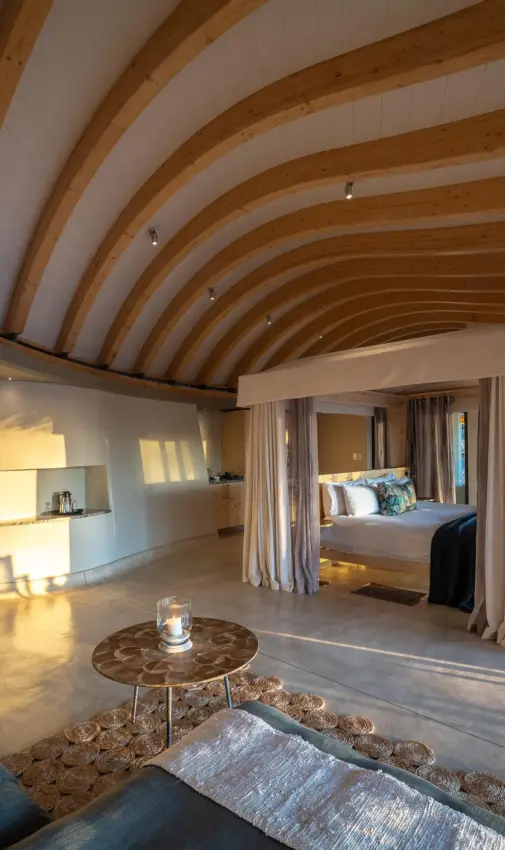
The land became a private reserve in 1999, working for years as cattle ranch and hunting ground before the turn to photographic safari in 2016. New conservation partners arrived in 2017, restored the original homestead and opened it as Safari House. It is held by landowners André Nel and Leen de Koster. The interiors keep a light hand throughout, with pale timbers, stone floors, woven cane and earth-toned textiles in place of any showpiece design statement.
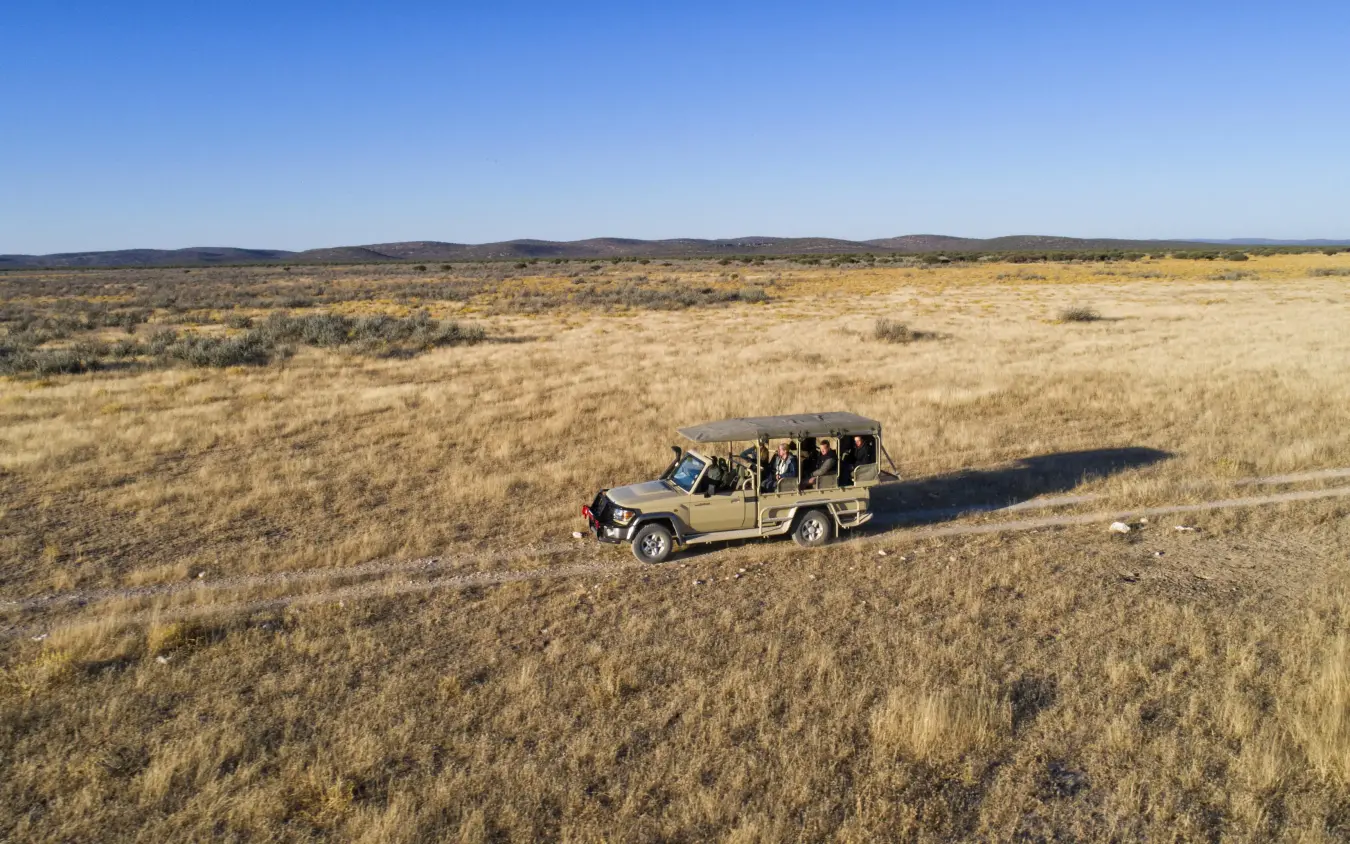
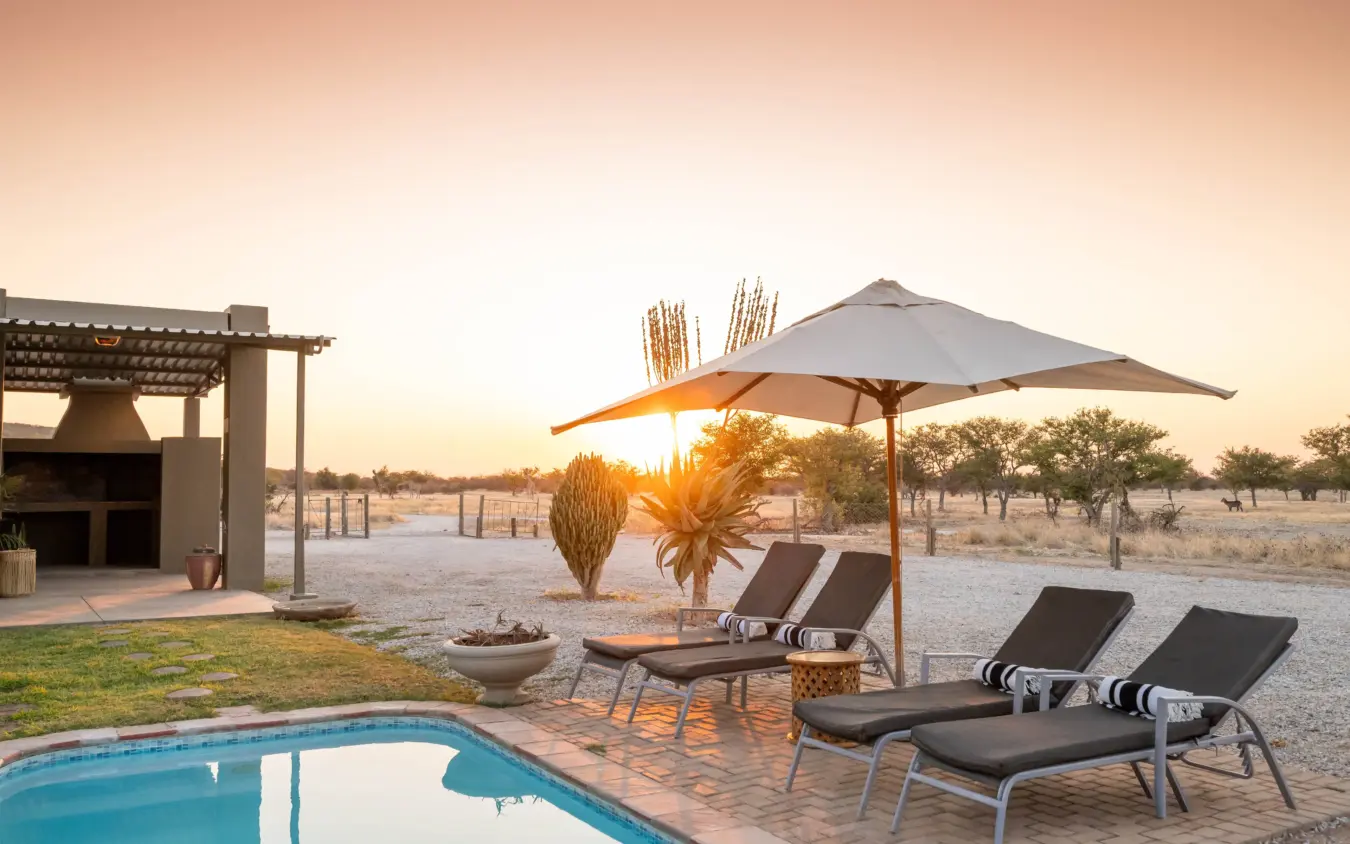
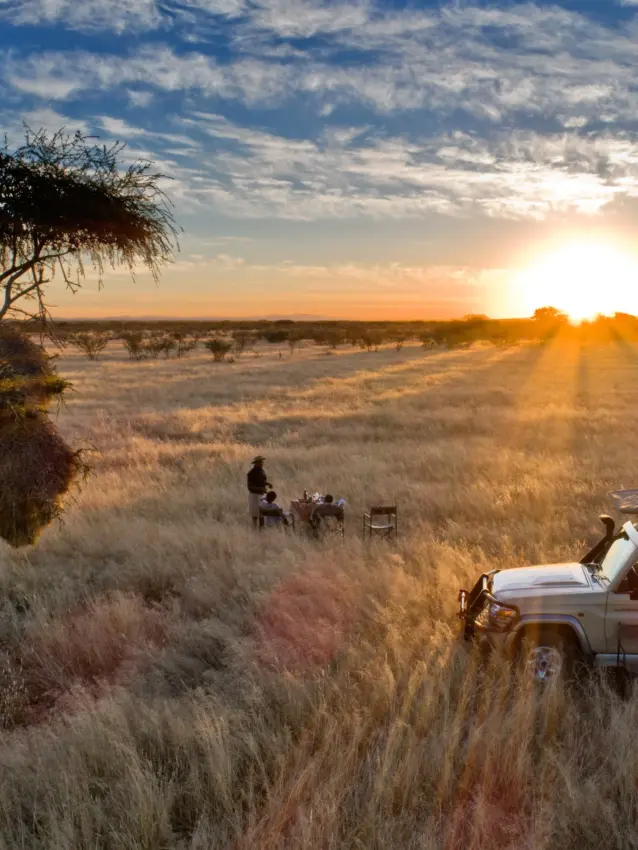
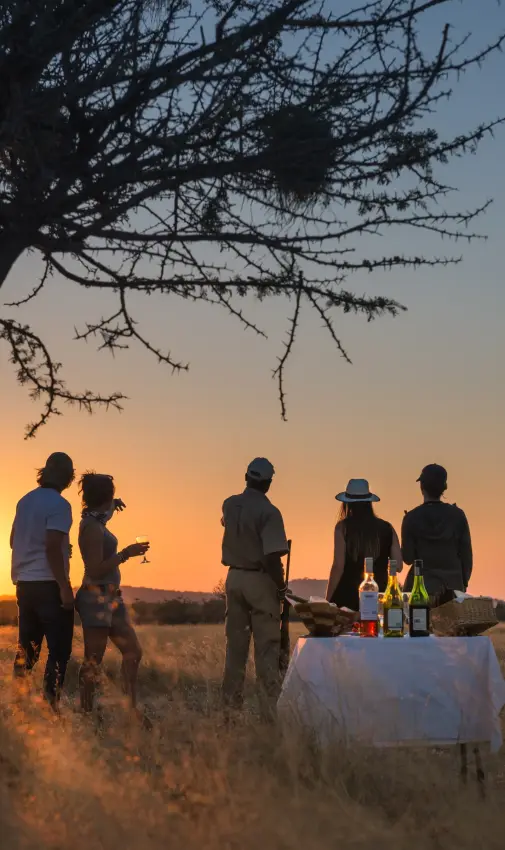
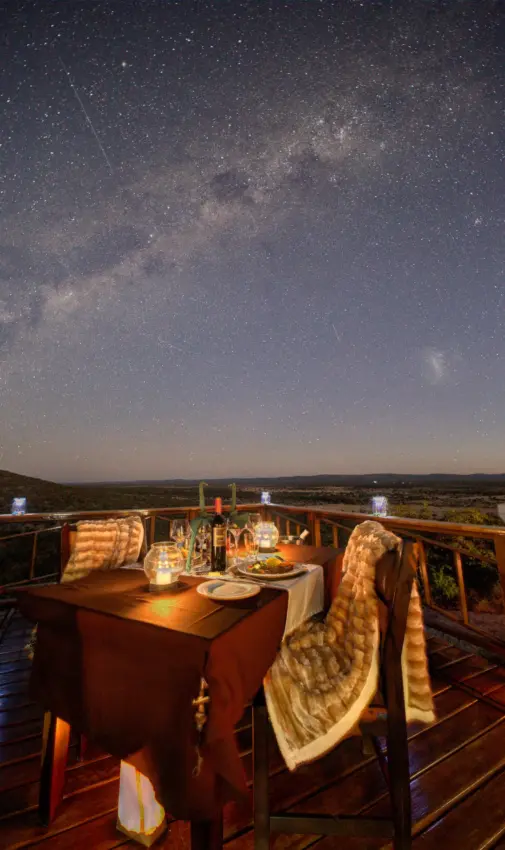
Meals arrive whenever the party wants them, wherever they choose to sit. The private chef cooks Namibian comfort food, served in the dining room, out on the veranda, beside the firepit, or packed up as a bush picnic. The braai stays at the heart of it, and guests are free to hand over the tongs or take them up themselves. With guide, vehicle and chef reserved for one group alone, the pace of each day is set by the people staying rather than by any timetable.