
 01
Cattle ranch turned leopard research
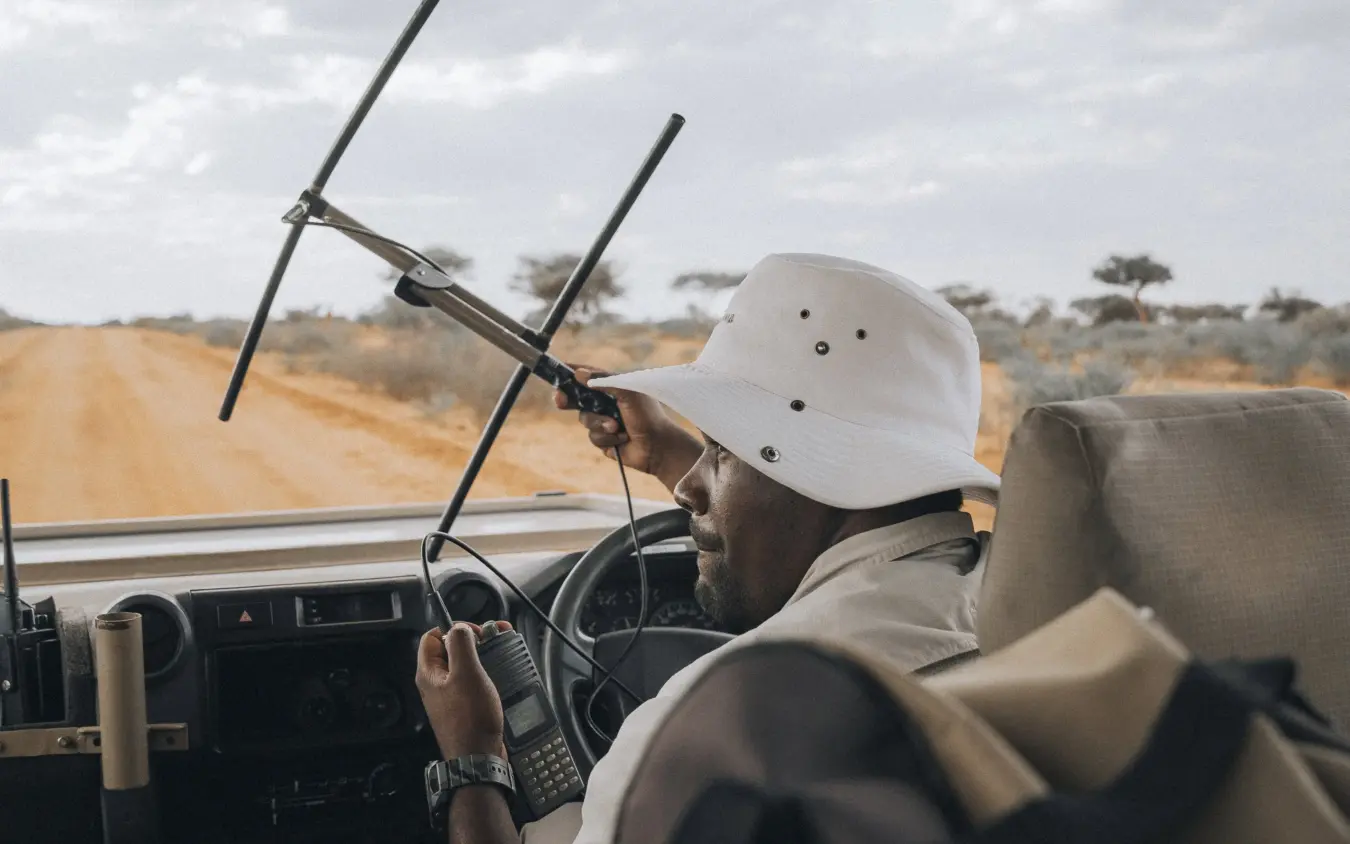
Okonjima’s leopards are found by radio signal. A receiver ticks and the antenna swings across the thornveld. Then the vehicle turns toward a cat whose every movement has been logged for years. All of it unfolds across 22,000 hectares of acacia thornveld and grassy plains below the Omboroko Mountains, in central Namibia between Windhoek and Etosha.
A receiver ticks and the antenna swings across the thornveld.
From 1970 Val and Rose Hanssen ran Brahman and Jersey cattle here. It was farming country, where leopards and cheetahs were trapped as livestock killers. In 1991 the family founded the AfriCat Foundation to help farmers live with predators, and two years later the three Hanssen children bought the farm. In time, four farms south of Otjiwarongo became one reserve.
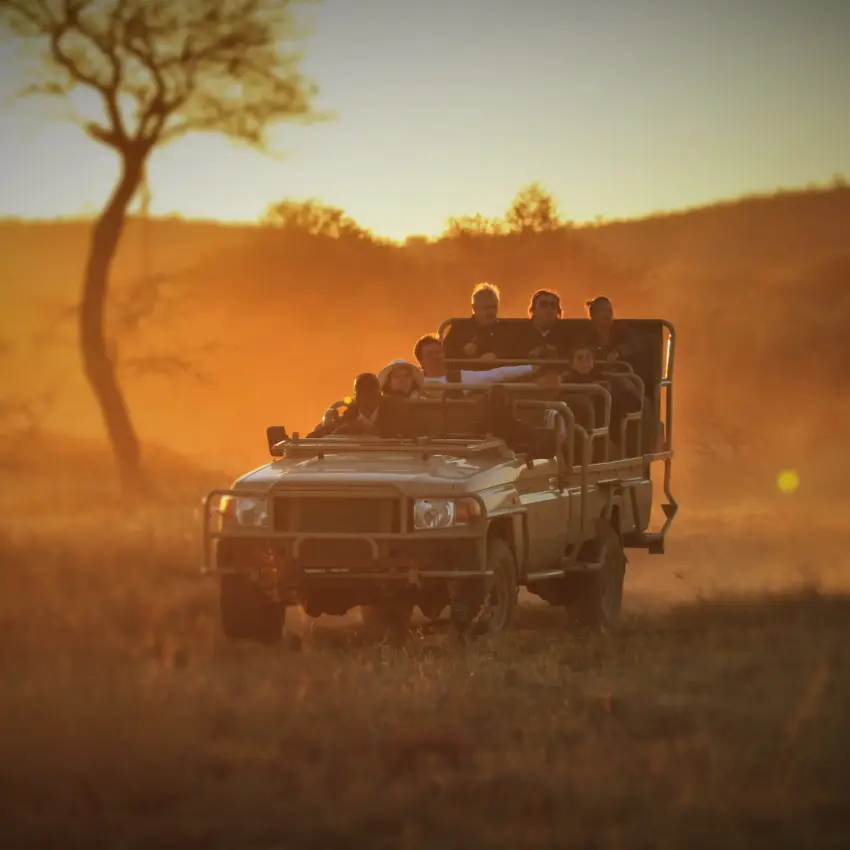
The research team sees most of its study animals at least weekly, some twice a day, and guests ride along on that routine. Leopard tracking runs by vehicle and on foot, and every sighting adds to a dataset close to 30 years old. In 2023 the project enrolled a third-generation leopard, whose mother and grandmother were already part of the study.
Few research projects anywhere follow free-roaming pangolins.
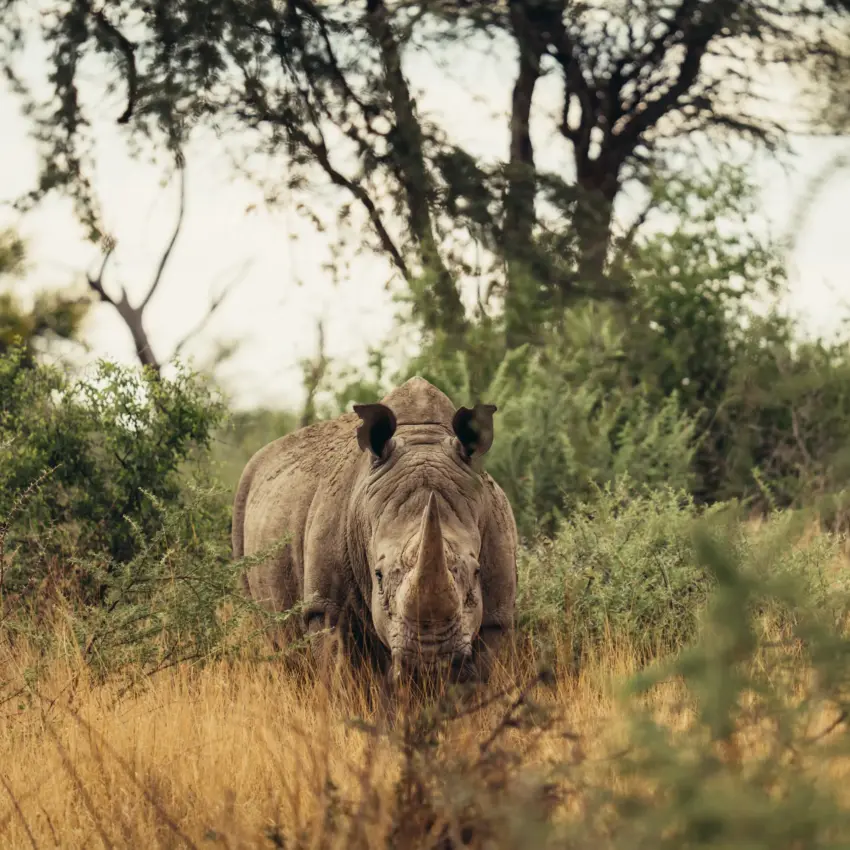
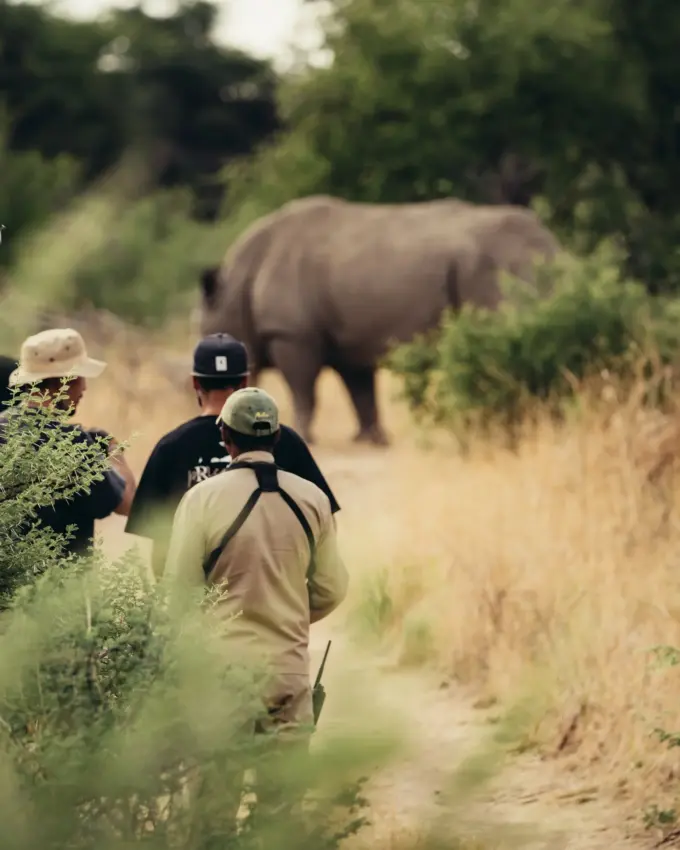
Brown hyenas are followed the same way. Pangolins are tracked on foot with a researcher, late at night in summer and after dusk in winter. Few research projects anywhere follow free-roaming pangolins. White rhinos are tracked on foot too, alongside the anti-poaching unit and without telemetry. After dark, spotlit drives and hides turn up aardwolf and bat-eared fox, as well as the honey badger.
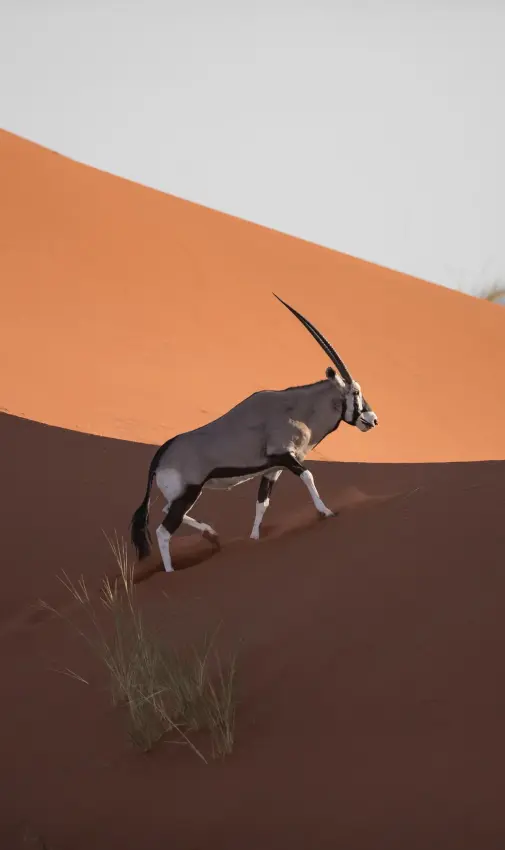
Between tracking sessions, daytime drives head out across the grassy plains. Hartmann’s mountain zebra and oryx graze there among giraffe, blue wildebeest and eland. Damara dik-dik slip through the thornveld, and on some drives there are sable too. The bush itself is changing: thickening bush is cut back across Okonjima, and the University of Namibia is running a multi-year study of what that clearing does to the land. More than 250 bird species have been recorded. Among them are Carp’s tit and the greater scimitar hoopoe, along with the Damara rock runner.
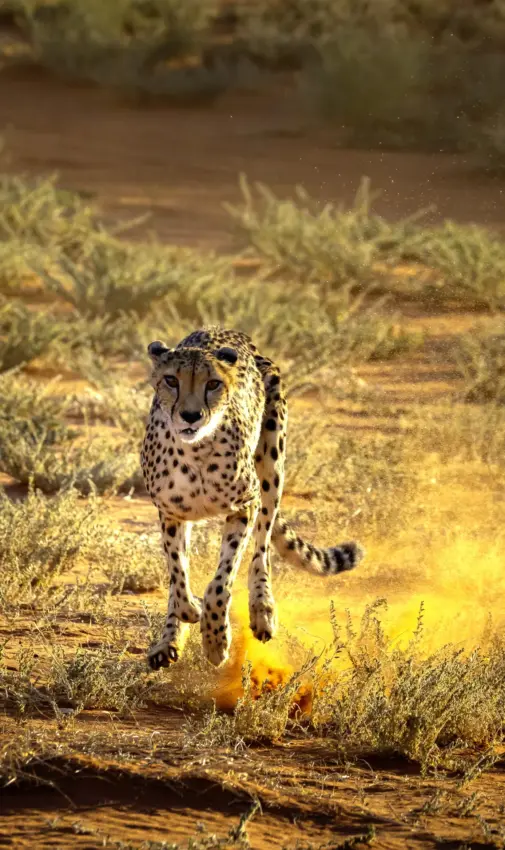
Leopards are so numerous here that they ended AfriCat’s cheetah release programme. Between 2000 and 2018 the foundation rehabilitated cheetahs, and most of those that stayed died within two years, the great majority killed by leopards. The last was released in 2018, and cheetahs play no part in a stay today. AfriCat now studies carnivores in place rather than rescuing them. Into AfriCat, a session on the telemetry and camera traps and the data behind each sighting, shows that work from the inside.
Damara dik-dik slip through the thornveld, and on some drives there are sable too.
Windhoek is about three hours away by road, so a morning arrival can reach the reserve in time for the afternoon game drive. That makes Okonjima a natural first stop in Namibia, and for those coming south from Etosha, a last one before the flight home. Around the main camps lies a zone kept free of large predators, laced with marked trails for guided and self-guided walks. A morning can begin there on foot before the vehicle heads out after leopard. Rhino tracking and night drives are booked once on the reserve.
Sixty percent of AfriCat’s spending comes directly from Okonjima’s lodges, with guest donations covering the balance, so each night of a stay puts money toward collars and camera traps, and toward time in the field. The reserve also employs more Namibians than the land could as a cattle or game farm. When Covid closed the lodges, leopard monitoring carried on, funded from reserve savings. And in early 2023, when a research leopard left the reserve, neighbouring farmers helped look for him, a long way from the days when leopards were trapped as livestock killers.
The best time to visit Okonjima Nature Reserve
Jan
Feb
Mar
Apr
May
Jun
Jul
Aug
Sep
Oct
Nov
Dec
Recommended
Transitional
Challenging conditions
Come between June and September, when the grass dies back, the thorn trees lose their leaves and predators visit permanent waterholes daily, so tracking is at its most reliable. August and September are the strongest months. From November to April hot days and afternoon storms turn the bush green and dense, so tracking takes more patience, though birding peaks.
accommodation in okonjima nature reserve
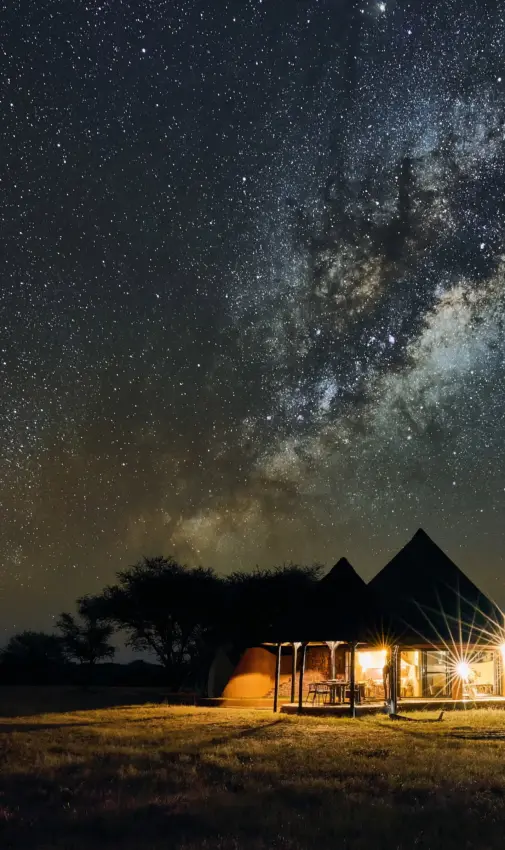
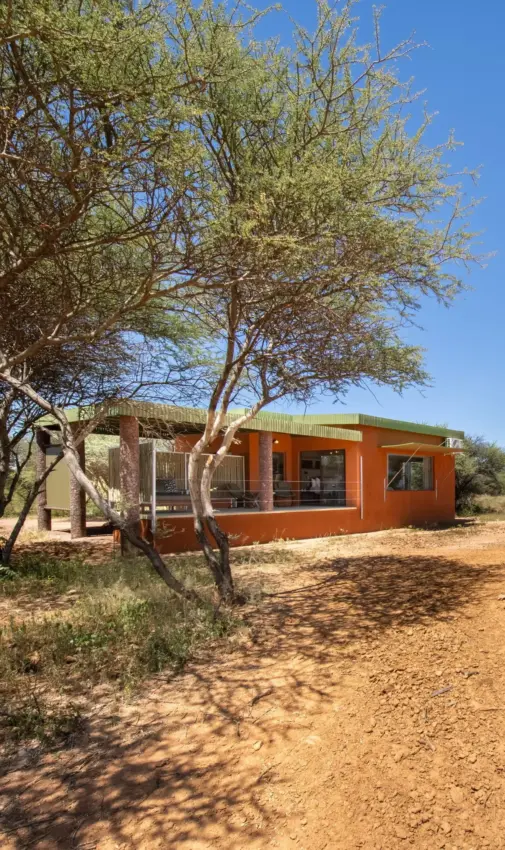
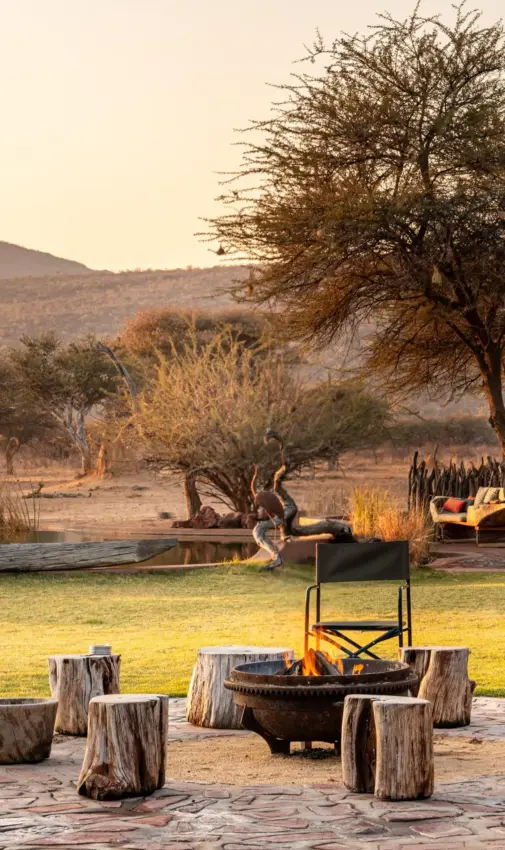
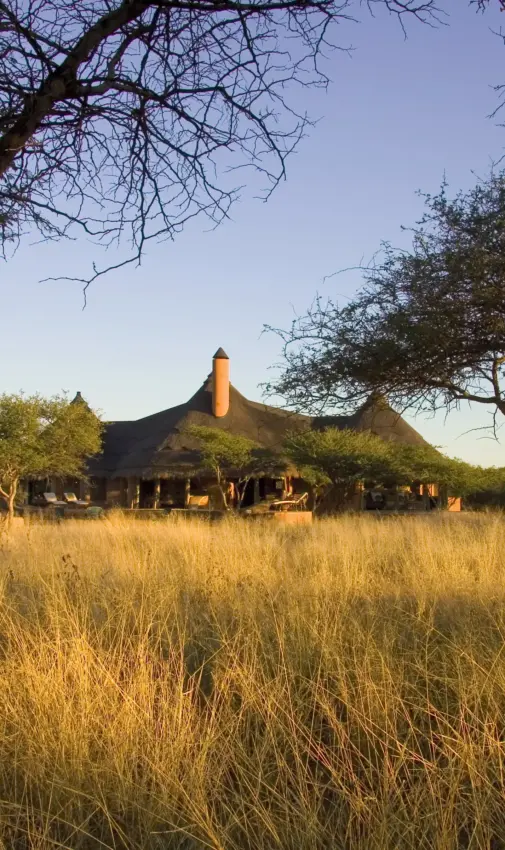
A larger lodge faces the open plains, while a quieter camp of roomy chalets lies in the acacia thornveld, and there are campsites too. Families and private groups can take one of two exclusive-use options: a two-bedroom suite with its own guide and chef, or a villa deep in the reserve for up to eight adults, with a dedicated host and chef beside a private waterhole and infinity pool.


activities
Following collared leopards and pangolins
Guides use VHF telemetry to find collared leopards and brown hyenas. Pangolin walks with an AfriCat researcher take up to six guests and need a stay of at least two nights. Rhino are tracked on foot, and after dark there are spotlit drives and hides. Marked trails and sundowners in the thornveld round out the days.

conservation
AfriCat's leopard, hyena and pangolin research
AfriCat runs long-term studies on the reserve: the Leopard Monitoring Project, the Brown Hyena Research Project and the Pangolin Research Project. Collars and camera traps feed the data, along with the guides' daily sightings. Partners include the University of Namibia and the Ongava Research Centre.

getting around
Charter flights to a private airstrip
Okonjima has its own private airstrip, about an hour by air from Windhoek. No scheduled airline serves it, so arrivals come by private light aircraft. By road, the drive from Windhoek takes about three hours, and Etosha lies a similar distance beyond.
other areas in namibia
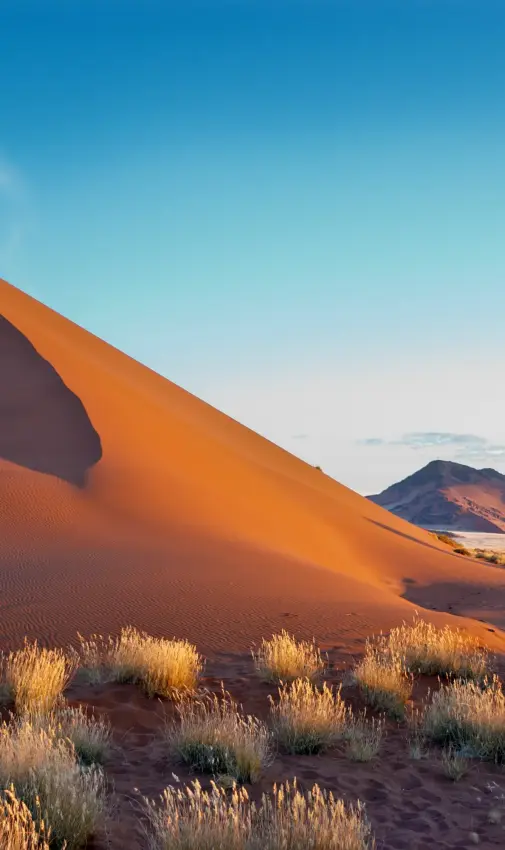
Etosha National Park lies a similar distance north of Okonjima, with classic waterhole game viewing in the dry season. Close by is the Waterberg Plateau, a sandstone table mountain. Damaraland brings desert-adapted wildlife and rock art. Further afield, the dunes of Sossusvlei in the Namib-Naukluft and the coast around Swakopmund complete a Namibian itinerary, and both can be reached by charter flight.
 01
 02
 03
 04
 05
 06
 07
 08
 09
 10
rated five stars by our clients

our approach
remote, exclusive
& personal
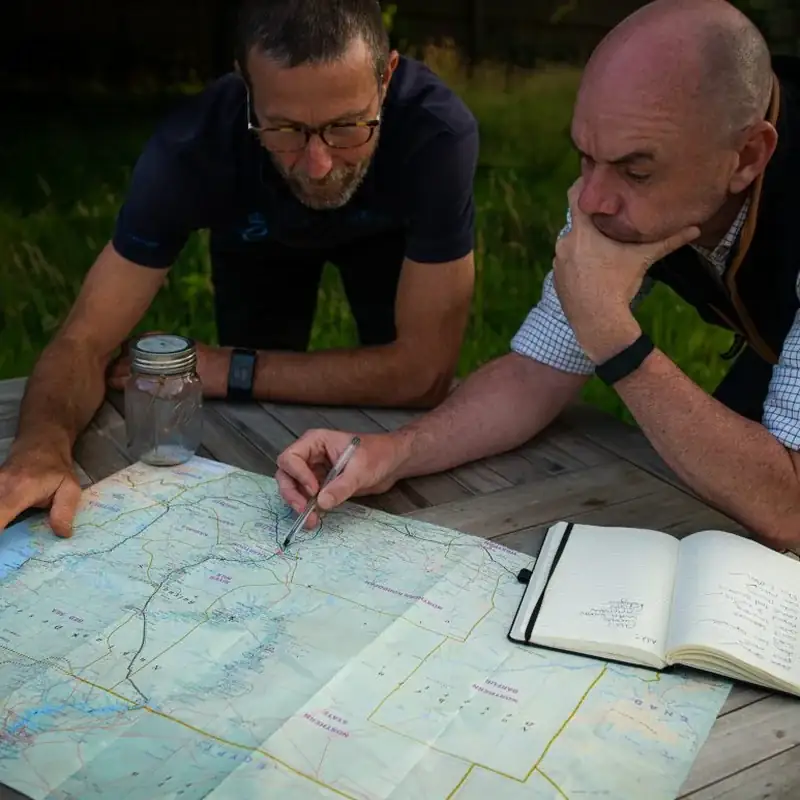
Every journey starts with a conversation. We take the time to understand your vision before we start planning.
Whether by phone or in person, we work with you directly to shape something that is considered, personal, and expertly delivered.
Every journey starts with a conversation. We favour a direct, personal approach: understanding your vision before anything else.
Whether by phone or in person, we work with you directly to shape a journey that is both thoughtfully considered and expertly delivered.
Get in touch to start planning yours.