Timing your trip
best time to visit okonjima nature reserve
Okonjima is open all year, and its calendar turns on visibility: bare winter thornveld for tracking predators, or a green, storm-washed summer of newborn plains game and migrant birds.
seasonal guide to okonjima nature reserve
Come between June and September, when the grass dies back, the thorn trees lose their leaves and predators visit permanent waterholes daily, so tracking is at its most reliable. August and September are the strongest months. From November to April hot days and afternoon storms turn the bush green and dense, so tracking takes more patience, though birding peaks.
month by month details
January falls deep in the wet summer, when the arid thornveld turns a vivid green. Days are hot, between 30°C and 36°C, and periodic, torrential afternoon thunderstorms bring rapid cooling.
Birding is at its best, with intra-African and Palearctic migrants in residence. Denser foliage means tracking asks for more patience, but visitor numbers are low and the reserve feels more exclusive.
February keeps the wet-season pattern of hot days and dramatic afternoon storms. The landscape is green and full, and game no longer needs to come to the permanent waterholes every day.
This is birthing season for impala and other plains game, which brings heightened predator activity. Tracking takes longer in the thick cover, but the reward is a quiet reserve and a lively bush.
March is still firmly in the wet summer, hot by day with periodic heavy thunderstorms in the afternoon. The storms cool the air quickly and keep the bush dense and green.
Migrant birds remain in residence and predator activity stays high around the young plains game. Expect to work harder for sightings in the foliage, in exchange for low visitor density.
April closes the wet summer, with hot days and the last of the afternoon thunderstorms. The bush is still green and thick, so visibility for tracking is not yet at its best.
Birding remains rewarding and the reserve is quiet. It suits travellers who value an exclusive feel over the easier sightings of the dry months that follow.
May opens the dry winter season, with rainfall all but gone and brilliant blue skies. Days are warm, between 20°C and 26°C, and nights turn cold.
As the grass begins to die back, visibility through the bush improves and game starts to rely on permanent waterholes. Tracking gets steadily easier through the month as the peak season begins.
June is a prime month for predator tracking, with virtually no rain and clear blue skies. Days are warm and nights cold, dropping to between 0°C and 7°C, so warm layers matter on early drives.
The grass has died back and the thorn trees are shedding their leaves, opening up sightlines through the bush. Large carnivores and plains game visit permanent waterholes daily, which makes for dependable photography.
July delivers classic dry winter conditions: warm, cloudless days and cold nights, with occasional ground frost. Rain is virtually absent and the air is crisp on morning activities.
With the foliage thinned, visibility is excellent and tracking predators is at its most rewarding. Game gathers at the permanent waterholes every day, giving reliable sightings across the reserve.
August is one of the two strongest months at Okonjima, with the bush at its most open. Days are warm and bright, while nights stay cold enough for the odd ground frost.
Deciduous thorn trees have dropped their leaves and the grass cover has died back, so visibility is at its best. Predators and plains game come to the permanent waterholes daily, ideal for tracking and photography.
September matches August as one of the best months of the year for predator tracking. Skies are clear, rain is virtually absent and days are warm and bright.
Visibility through the bare thornveld remains excellent and game depends on the permanent waterholes every day. It is the last of the peak months before the heat builds.
October closes the dry season, still rain-free but noticeably hotter as the month goes on. Skies stay clear and the bush is at its barest.
Game continues to gather at the permanent waterholes, so sightings remain strong. The rising heat makes early mornings and late afternoons the most comfortable times to be out.
November marks the turn into the wet summer, with hot days and the arrival of afternoon thunderstorms. When the storms come they are torrential and cool the air quickly.
The terrain begins to green and migrant birds arrive. Game spreads away from the waterholes as cover thickens, so tracking takes more patience, but visitor numbers fall away.
December brings the full wet-season transformation, with hot days and periodic heavy afternoon storms. The arid thornveld becomes lush and green.
Plains game births bring heightened predator activity, and birding approaches its peak with migrants in residence. Denser foliage slows tracking, but the low visitor density gives the reserve an exclusive feel.
Plan your perfect namibia safari
Tell us a little about what you have in mind and one of our specialists will be in touch.
frequently asked questions
June to September, with August and September the strongest months.
The grass has died back and the thorn trees have lost their leaves, so sightlines are open, and predators and plains game come to the permanent waterholes every day. That makes tracking at its most dependable, and the clear skies suit photography.
May and October are good months either side, though October grows hotter as it goes on. Winter nights are cold, so warm layers matter on early drives.
For Namibia as a whole: the best time to visit Namibia
Yes, with more patience.
From November to April the bush turns green and dense, so tracking takes longer than in the dry months, and our ratings place those months as shoulder months rather than recommended. Leopard tracking runs all year, and the collared cats are followed by radio signal whatever the season.
The case for the wet summer is a quiet reserve, fewer visitors, newborn plains game and storm light for photographers. Afternoon thunderstorms cool the air quickly, and the early and late outings are the comfortable ones.
Birds peak between November and April, and newborn plains game arrive around December and February.
Migrants return as the storms begin in November, and January finds intra-African and Palearctic species in residence. More than 250 bird species have been recorded, among them Carp's tit, the greater scimitar hoopoe and the Damara rock runner.
Impala and other plains game give birth in the summer, which brings heightened predator activity around the young animals.
Cold nights in winter and hot days in summer.
In May days run from 20°C to 26°C and nights turn cold. By June nights drop to between 0°C and 7°C, and July and August bring the odd ground frost, so pack warm layers and a hat for early drives. The reserve sits on a plateau at about 1,700 metres.
In January days reach between 30°C and 36°C, and October grows noticeably hotter as the month goes on.
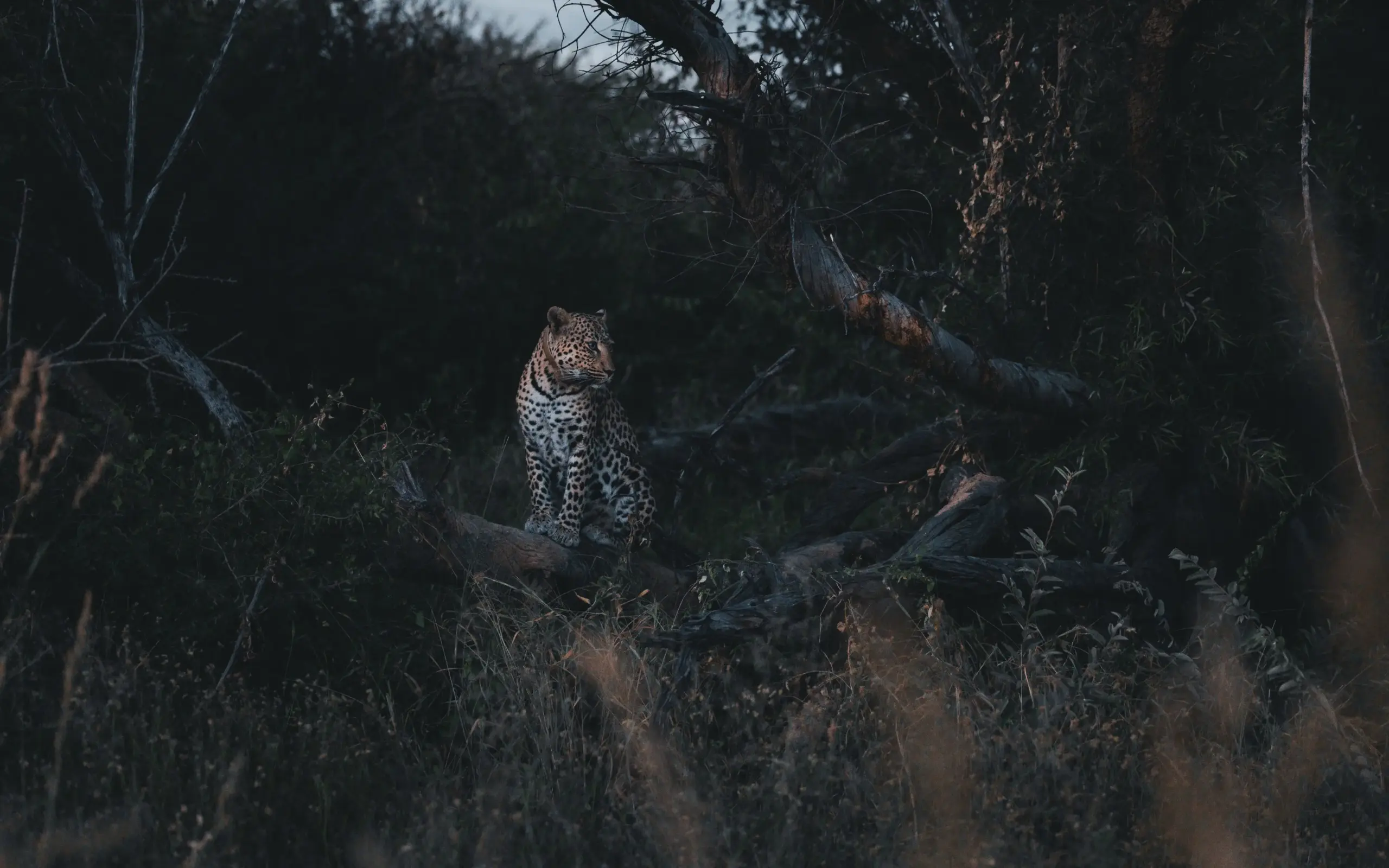
Through the year, at different hours: late into the night in summer, and from early evening in winter.
The tracking is on foot, with a researcher or a guide and tracker, and takes six guests at most. It is kept for guests staying two nights or more, so the dates you choose need to allow for that.
The pangolin research is one of few projects anywhere to follow free-roaming pangolins. A torch with a red light is worth packing.
Best in the dry winter, June to September, with May also working.
Those same months match our advice for Etosha and Windhoek, the two places most often paired with Okonjima. Etosha lies three to four hours north by road, and Windhoek is about three hours south, so the reserve makes a natural first or last stop.
In the green months the same route works, but tracking takes more patience, and the gravel approach can soften after heavy rain.
rated five stars by our clients

our approach
remote, exclusive
& personal
Every journey starts with a conversation. We take the time to understand your vision before we start planning.
Whether by phone or in person, we work with you directly to shape something that is considered, personal, and expertly delivered.
Every journey starts with a conversation. We favour a direct, personal approach: understanding your vision before anything else.
Whether by phone or in person, we work with you directly to shape a journey that is both thoughtfully considered and expertly delivered.
Get in touch to start planning yours.