The Crowds Follow the Crossings
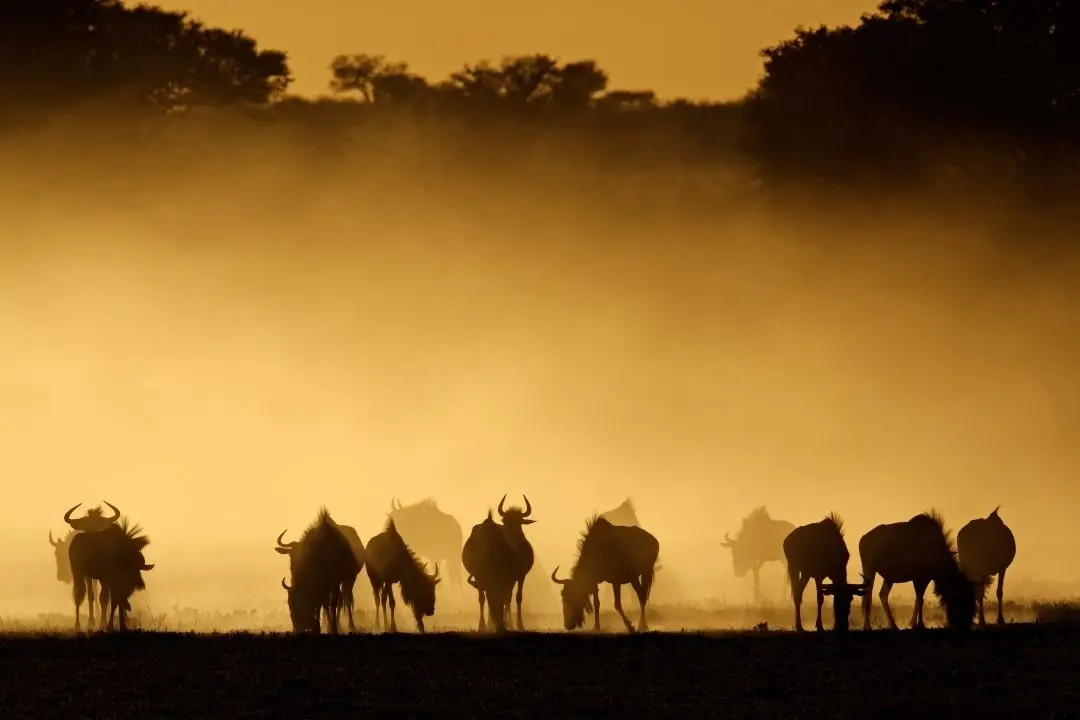
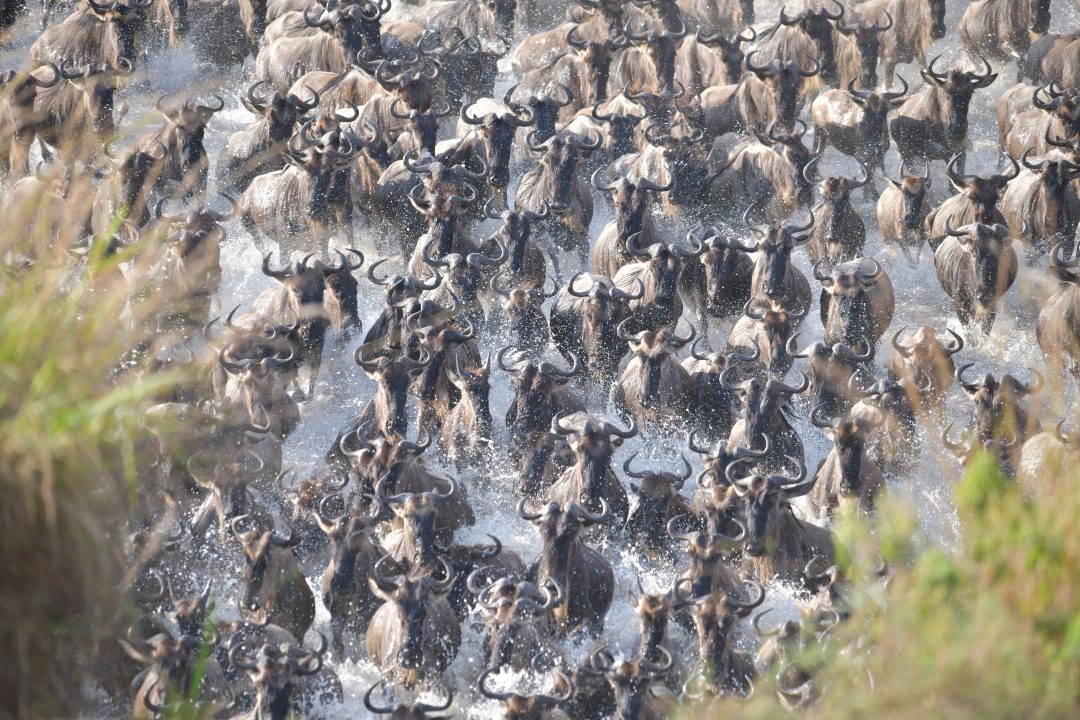
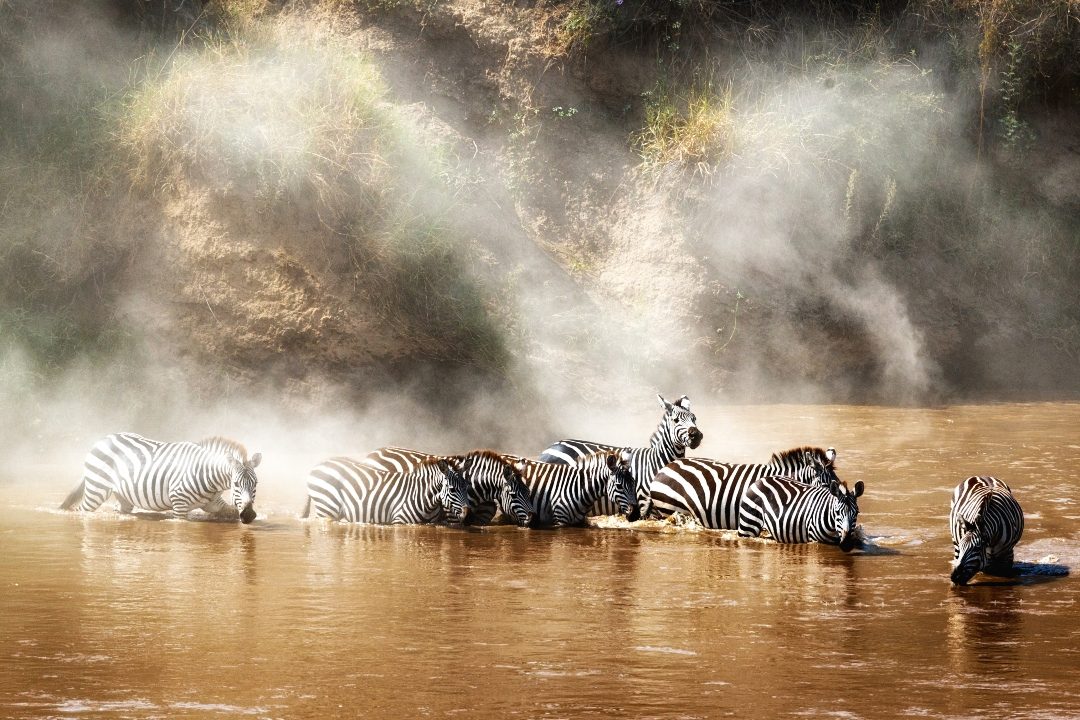
The Great Migration moves around 1.5 million wildebeest through the Serengeti-Mara ecosystem every year, with zebra and gazelle taking the total movement to some two million animals. It is rightly the most famous wildlife event on earth. The trouble is that its fame has concentrated on one image, herds plunging into the Mara River, and so the industry has concentrated there too. The once-remote northern Serengeti now holds camp after camp, and in August the riverbanks can carry more vehicles than a city junction.
Fame has concentrated on one image, and so the industry has concentrated there too.
None of this makes the migration less extraordinary. It makes the planning more important. The herds are spread across an ecosystem the size of a small country for twelve months of the year; the crowds occupy a few kilometres of it for three. Solitude is not gone. It is simply somewhere else in the cycle.
How the Migration Actually Moves
There is no start date and no finish line; the movement is continuous and driven by rain. Broadly: calving on the southern Serengeti plains from January to March, the push through the western corridor from April to June, the northern river country and its crossings from July to September, and the return south through November and December. Every phase has its own character, and only one of them has the traffic.
The Honest Problem With Peak Season
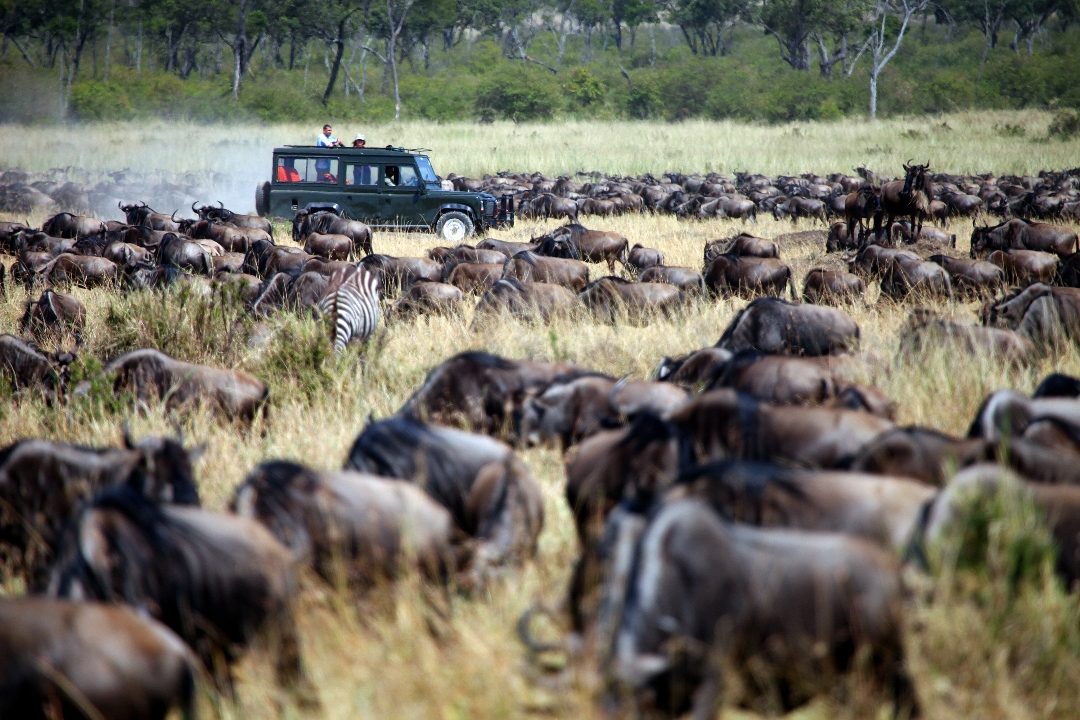
Vehicle congestion at the famous crossing points is real, and it changes both the experience and the wildlife’s behaviour. A camp close to the river helps you arrive first; a guide who knows the quieter fords helps more. But the deeper fix is structural: choose the phase and the ground where the spectacle does not have to be shared, rather than paying more to queue closer.
Where the Quiet Still Is
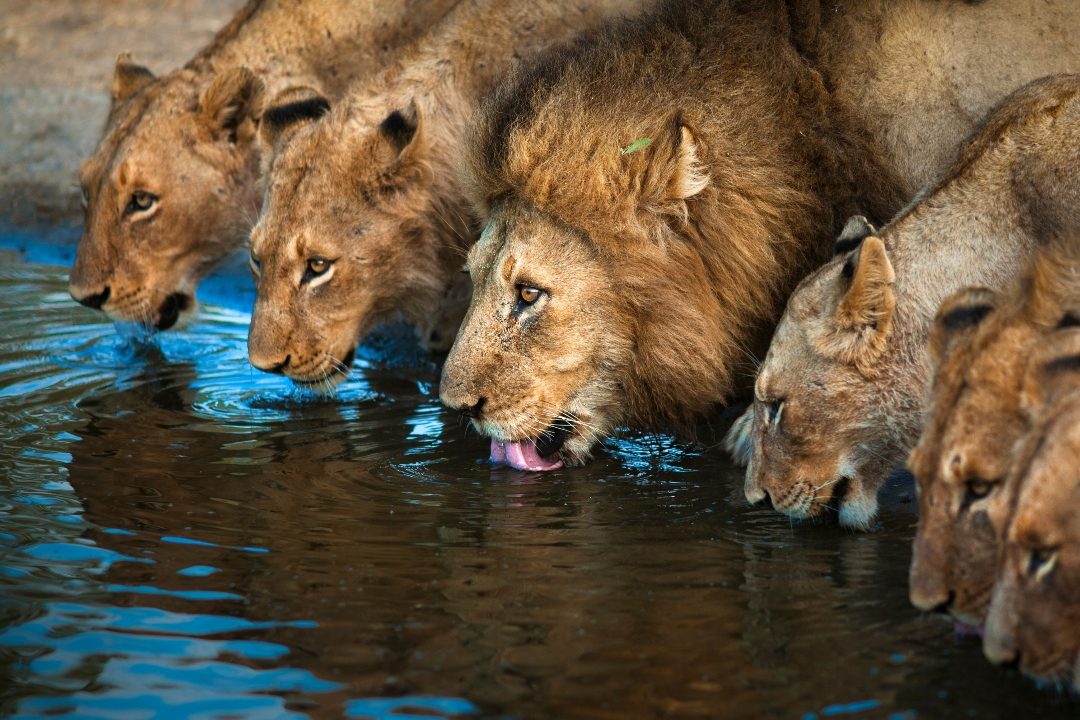
Two answers stand out. The first is calving season on the southern plains, hundreds of thousands of animals, constant predator pressure, and a fraction of the visitors, because the south in February has no queue. The second is the northern Serengeti out of season, when the camps empty but the resident wildlife stays: big lion prides, leopard along the river lines, and plains that feel the way the Maasai Mara did decades ago. Private conservancies bordering the Mara offer a third route, with night drives and walking that the national parks cannot allow.
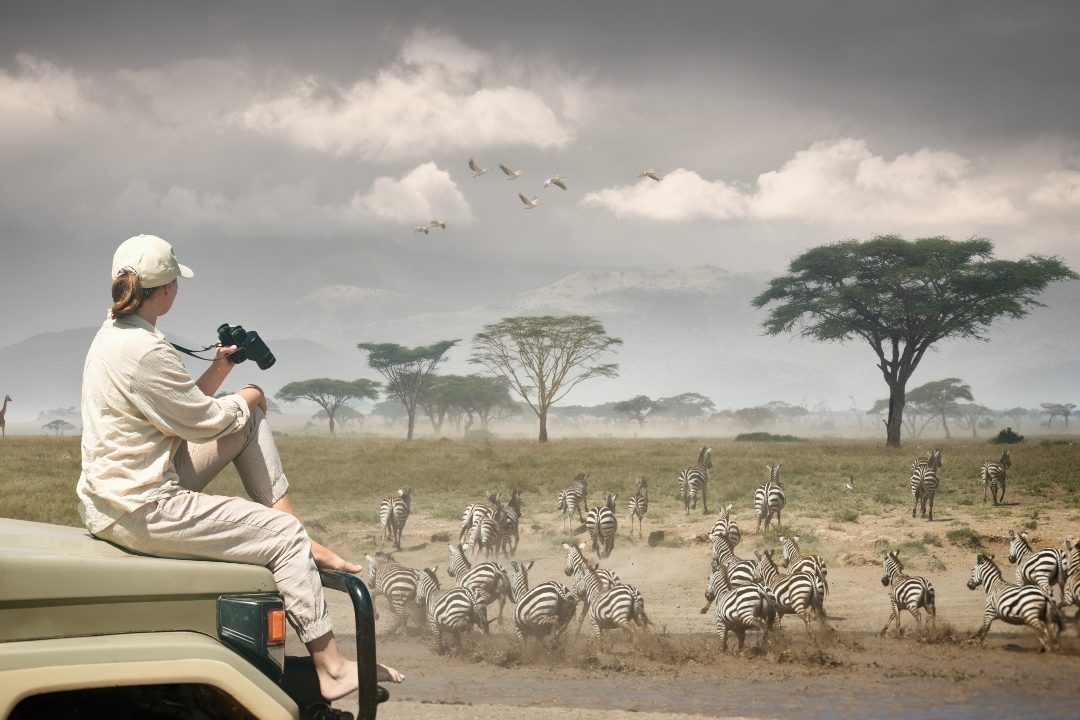
When someone tells me they want the migration, my first question is whether they want the event or the place. The event is the crossing, and you share it. The place is two million animals living across an ecosystem with almost nobody in it, and you can have that nearly to yourself if you accept a different month and a different patch of grass. I know which trip I would take.
Managing Director
Our Position
The Serengeti ecosystem is spectacular with or without a river crossing in front of you. We build migration trips around quieter phases and lesser-used ground, mobile camps where they earn their place, guides chosen for their routes rather than their radios, and itineraries that leave room for the unplanned. The migration does not perform on schedule. The best trips do not ask it to.
Your next adventure starts with a conversation.
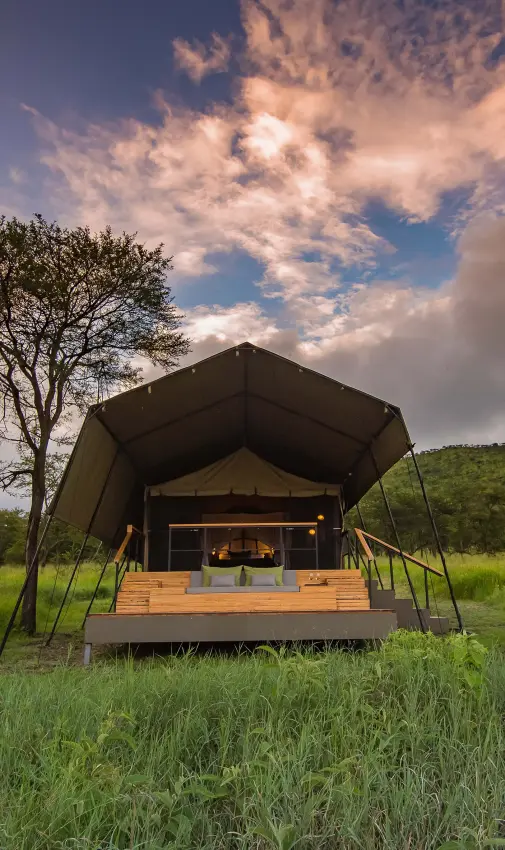
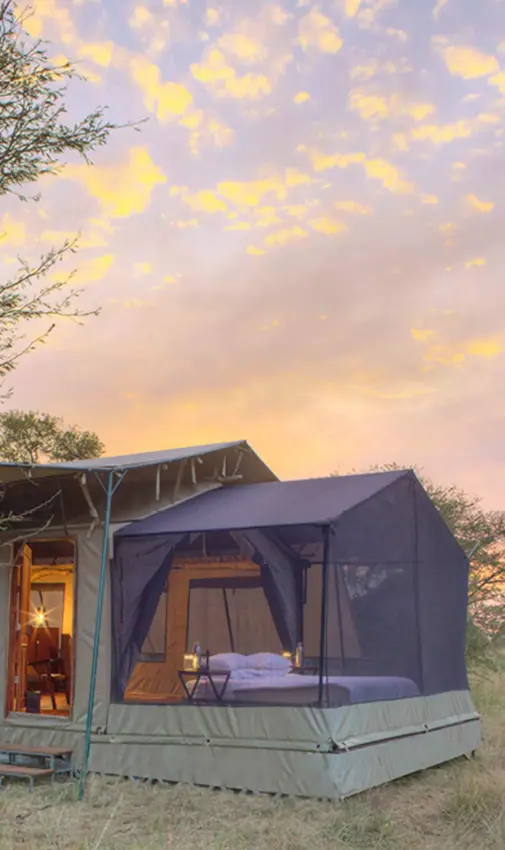
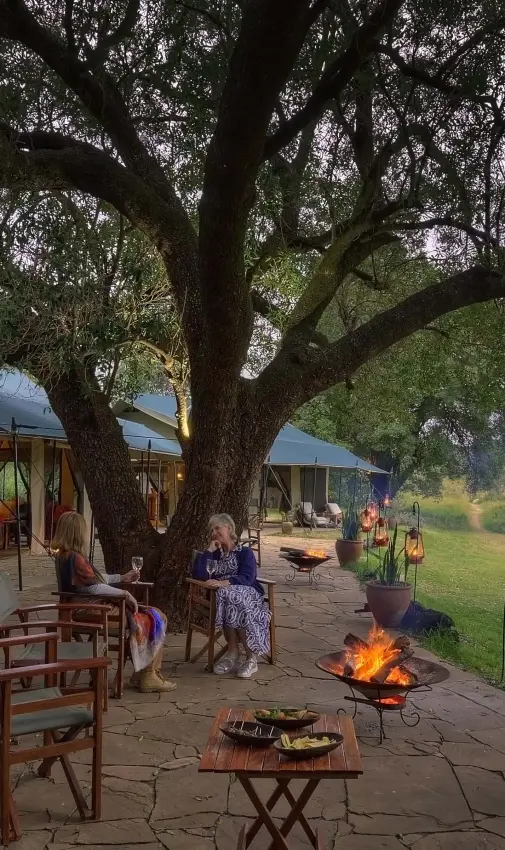
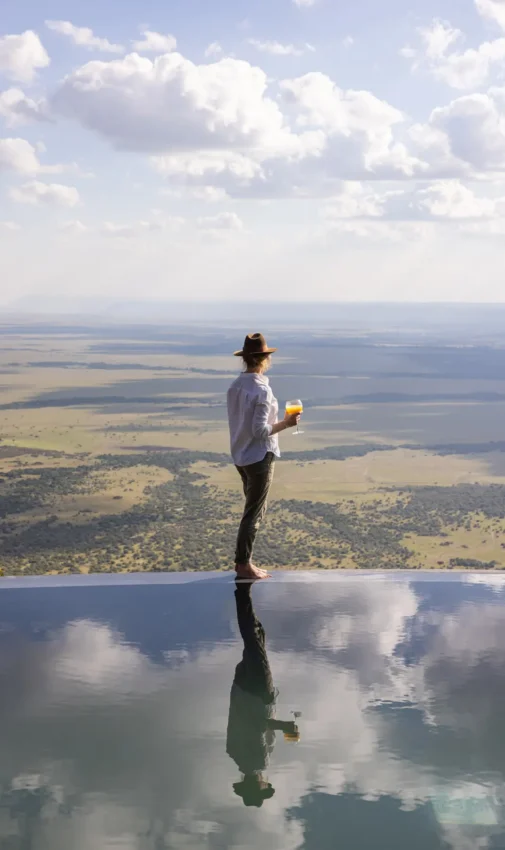
recommended camps and lodges for the migration
 01
01

 02
02
 03
03
 04
04

 05
05
 06
06
 07
07
 08
08
 09
09
 10
10
 11
11
 12
12
 13
13
 14
14
 15
15
 16
16
 17
17
 18
18
 19
19
 20
20
 21
21
Find out more about our migration safaris
Let us know your travel requirements below and one of our specialists will be in touch with you as soon as possible.