What a Serengeti Safari Actually Involves
A Serengeti safari typically runs between 7 and 14 days, depending on whether you combine it with other parts of Tanzania such as the Ngorongoro Crater or the coast. Most trips begin with a flight into Arusha or Kilimanjaro, followed by a light aircraft transfer into the park. Internal flights are short, usually under an hour, and they eliminate the long road transfers that eat into game-viewing time.
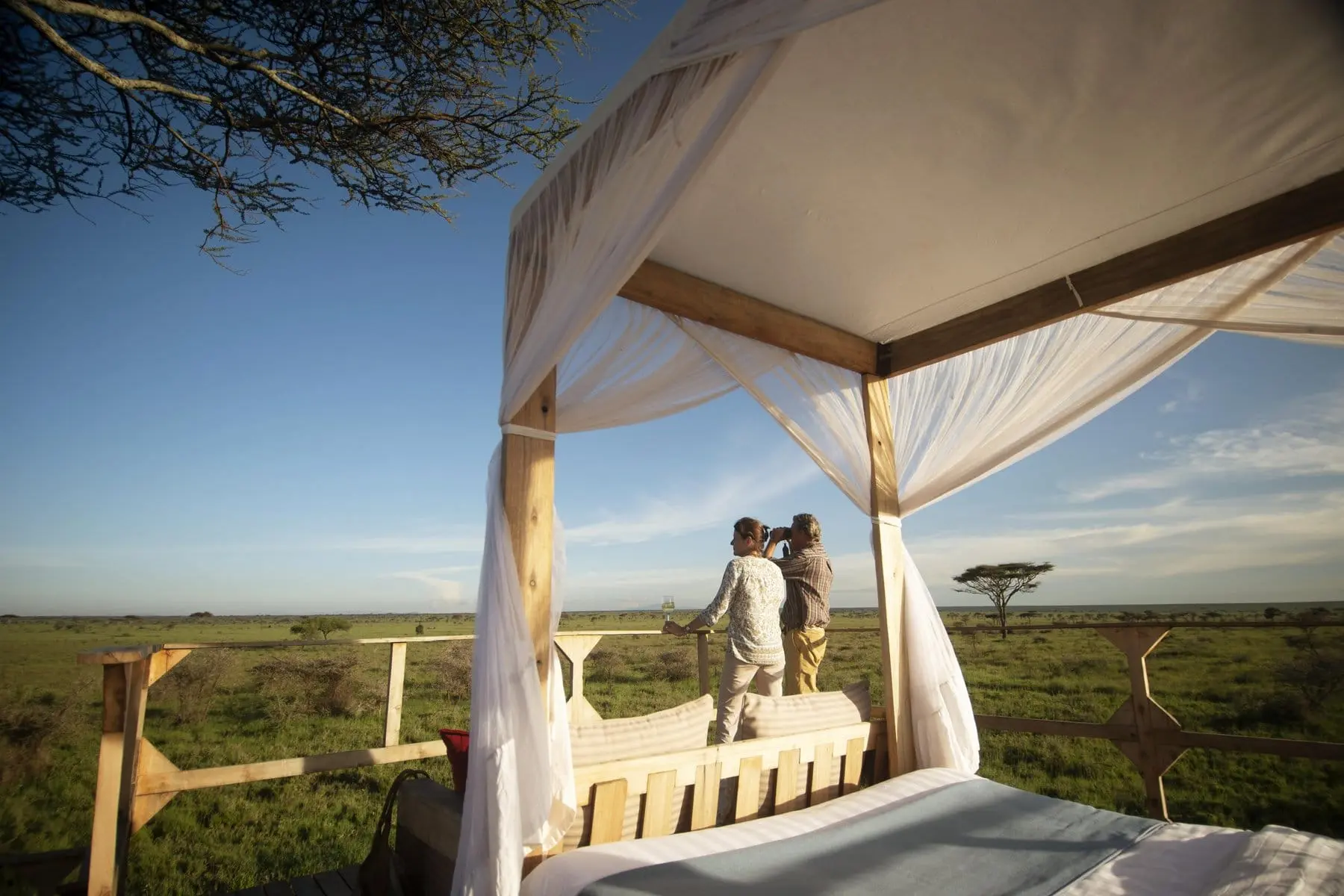
Days in the Serengeti follow a rhythm set by the wildlife: early morning drives when predators are active, a return to camp through the midday heat, and an afternoon drive as the light drops. On a shared vehicle, you follow the camp schedule. With a private guide and vehicle, the schedule follows you.
Fitzroy are true specialists in accessing the wilderness. They know where to go and importantly, when to go there. Highly recommended.
Bafta & Emmy award winning film producer of BBC’s Planet Earth 2 and A Perfect Planet
Most people who call us about the Serengeti have the same starting point: they know they want to go and they are not sure where to begin. The Serengeti is roughly 14,750 square kilometres. It changes character entirely depending on where you go and when. A well-planned trip and a poorly planned one are two different holidays.
Managing Director
What You Will See
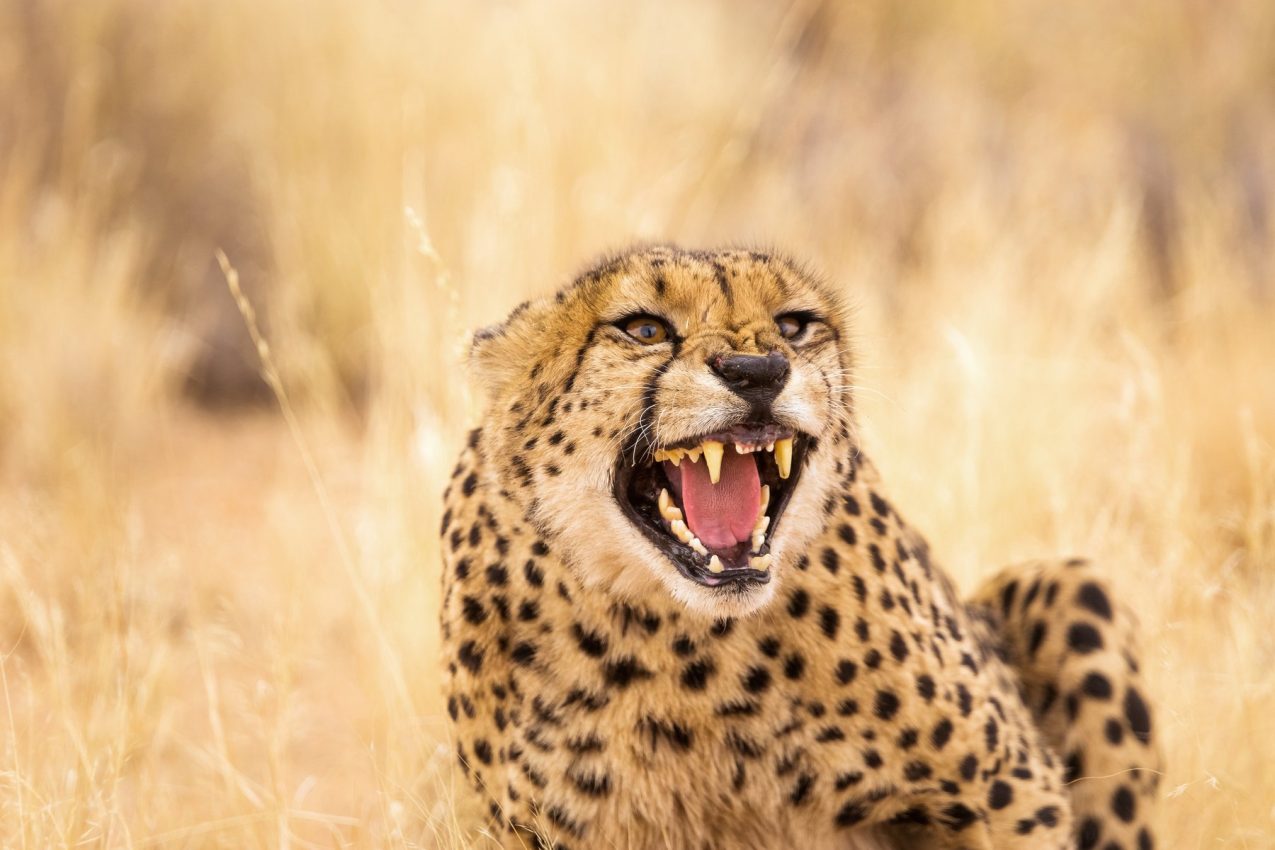
The Serengeti supports one of the highest concentrations of large predators on earth. Lion, leopard, cheetah, hyena, and wild dog are all present. Elephant, buffalo, giraffe, hippo, and more than 500 bird species share the ecosystem. The Great Migration, roughly two million wildebeest and several hundred thousand zebra, passes through on a year-round seasonal cycle.
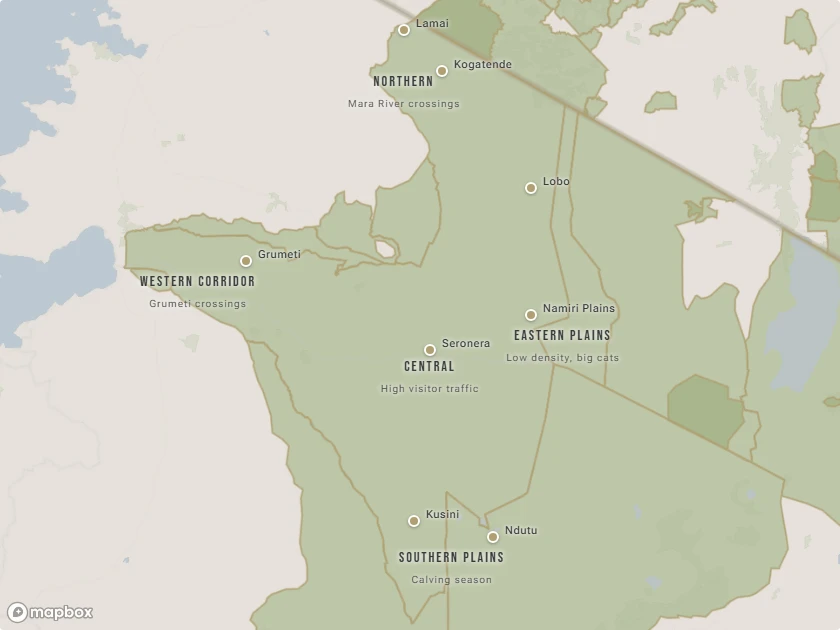
What you see depends entirely on where in the Serengeti you go and when. The park is not one place. It is five distinct regions, each with different landscapes, different wildlife, and very different levels of visitor traffic.
| Region | Landscape | Known for | Visitor traffic |
|---|---|---|---|
| Central | Open woodland, kopjes | Year-round big cats, reliable game viewing | High |
| Eastern Plains | Wide grasslands | Lion, cheetah, recently reopened research areas | Very low |
| Northern | Riverine woodland | Leopard, Mara River crossings (Jul–Oct) | Moderate (seasonal) |
| Southern | Short-grass plains | Calving season (Jan–Mar), cheetah | Moderate (seasonal) |
| Western | Corridor to Lake Victoria | Grumeti River crossings (Jun) | Low |
The visitor traffic column in that table is the one most people overlook. It is the one that matters most. The central Serengeti around Seronera is where most visitors end up. The wildlife is good, but a leopard sighting can draw fifteen vehicles within minutes. The eastern plains and the northern Serengeti outside crossing season tell a completely different story. That difference in vehicle density is the difference between a good safari and a truly memorable one.
Managing Director
the serengeti
Five regions, five different experiences
FITZROY TRAVEL
How We Actually Plan Serengeti Safaris
Most safari companies build Serengeti itineraries around the obvious: the central circuit in dry season, the northern crossings in August, the camps with the biggest marketing budgets. It is a safe approach. It is also the reason most Serengeti safaris feel interchangeable.
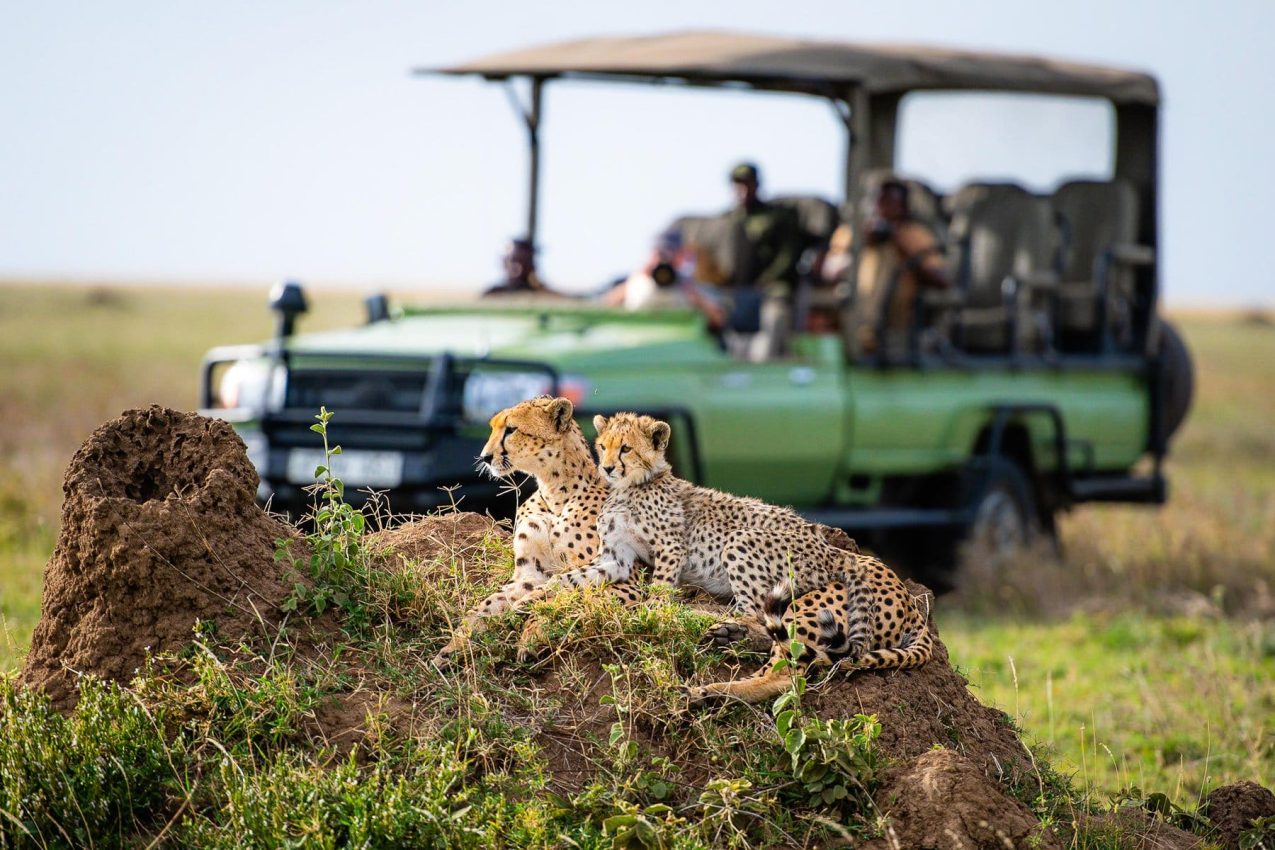
The eastern Serengeti plains were closed to tourism for years while researchers studied the big cat populations. They are now open.
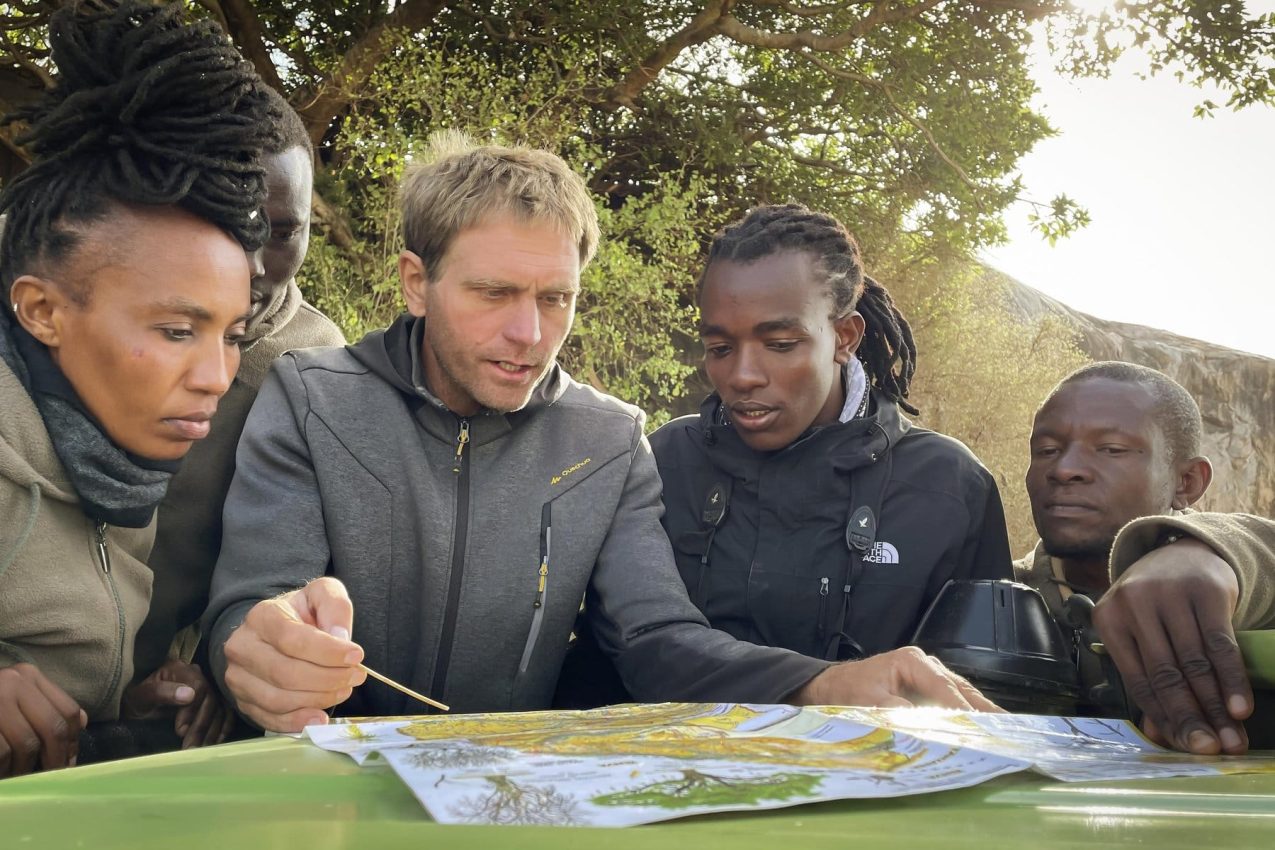
We work differently. A handful of camps now operate on the eastern plains, with almost no vehicle traffic. The predator activity is extraordinary. When the migration draws the majority of visitors to the southern plains between December and March, the northern Serengeti is almost empty, with resident wildlife present year-round and camps that barely see another vehicle.
When to Go
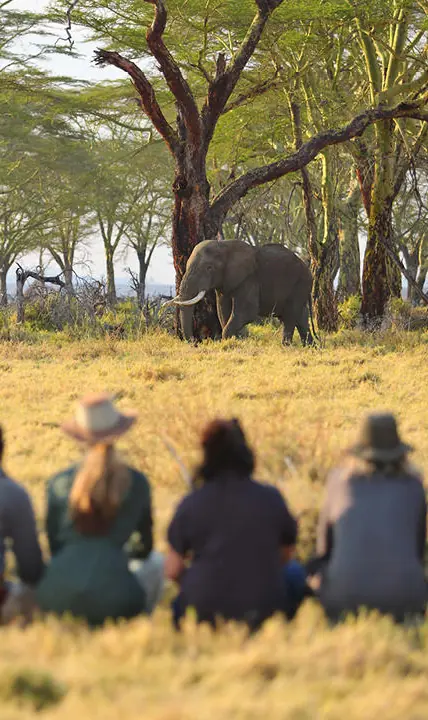
The Serengeti is a year-round destination. Every month offers good wildlife viewing somewhere in the park. The question is not whether the Serengeti is worth visiting in a particular month, but which part of the Serengeti you should be in.
What It Costs
Serengeti safaris range widely in price. The variables are the camps, the time of year, and whether you have a private guide and vehicle or share with other guests. Our private safaris start at approximately $1,000 per person per day. That covers accommodation, all meals, game drives with an experienced guide, internal flights, and park fees.
The price reflects what it takes to access the quieter parts of the Serengeti with the right level of guiding. It is possible to do a Serengeti safari for less, but the camps tend to be larger, the vehicles shared, and the itineraries follow more conventional routes.
If the Serengeti is not the right fit for your budget or your interests, we will say so, and suggest somewhere that is.
Why a Private Guide Changes Everything
The single biggest difference between an average Serengeti safari and a good one is not the lodge. It is the guide. A private guide and vehicle means the day runs to your interests, not a camp timetable. No sharing a vehicle with other guests who want to see different things. No fixed two-hour morning drive.
A full day tracking a leopard through the eastern plains. Out before dawn, back after dark. Skipping the central Serengeti entirely in favour of areas where there are almost no other vehicles. For groups of four or more, the cost per person of a private guide is reasonable, and it changes everything about the quality of what you see.
This is what we regularly recommend to filmmakers and documentary crews working in the Serengeti. A private guide and vehicle in the areas where nobody else is going. The eastern plains when everyone is fixated on the central circuit. The north in February when everyone is in the south. It provides an incredible level of privacy and solitude in one of the world’s great wildlife areas. Being up in the northern Serengeti with a private guide in February is like travelling in the Maasai Mara in the 1960s. It really is the great wildlife opportunity that most people are missing in the Serengeti, and it is exactly the kind of trip we build.
Managing Director
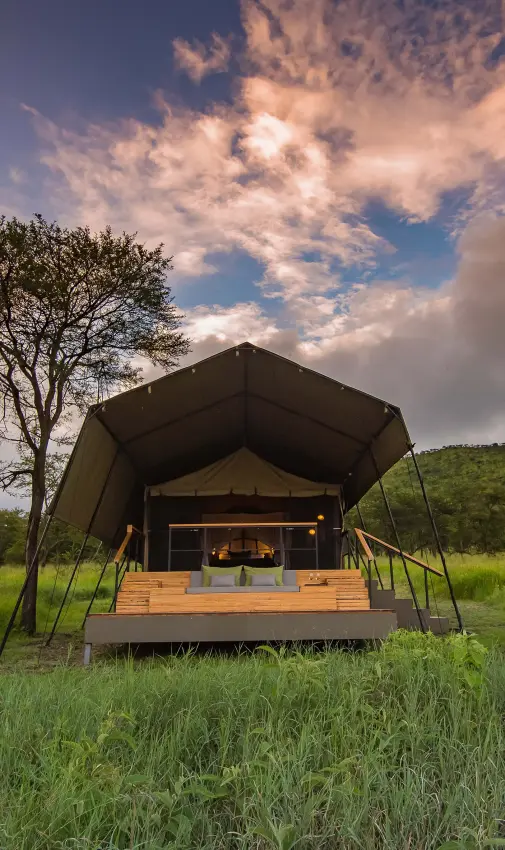
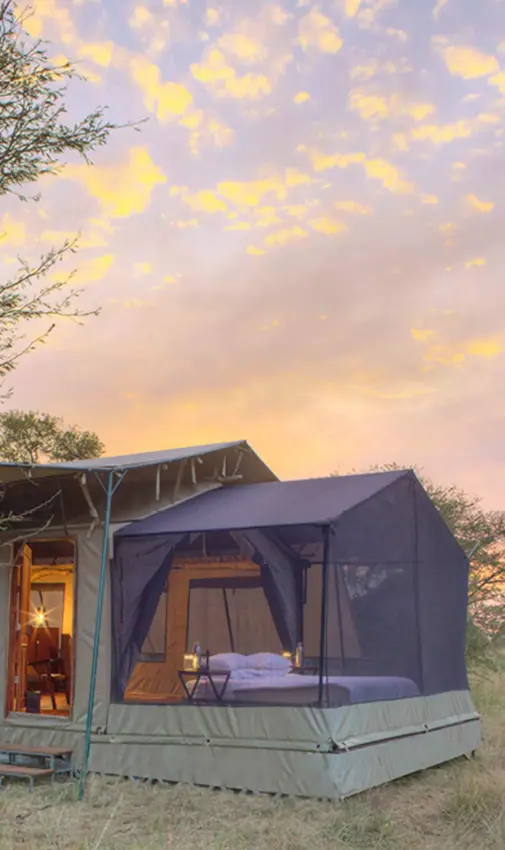
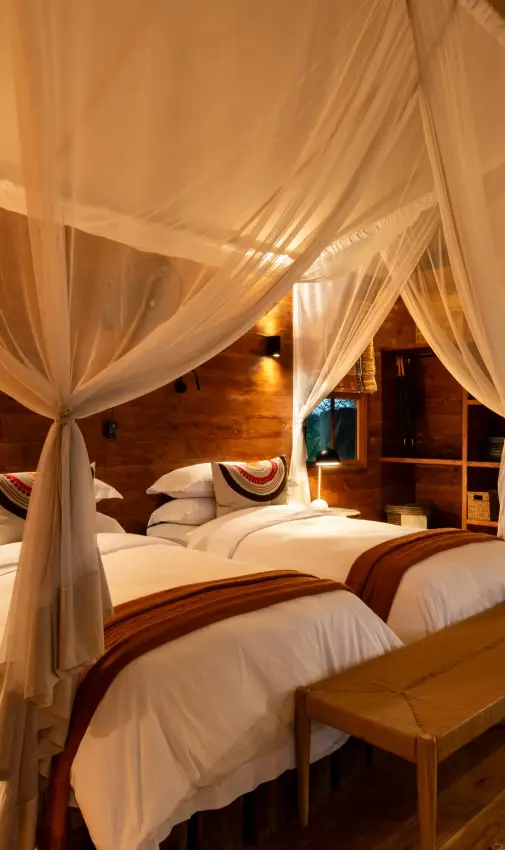
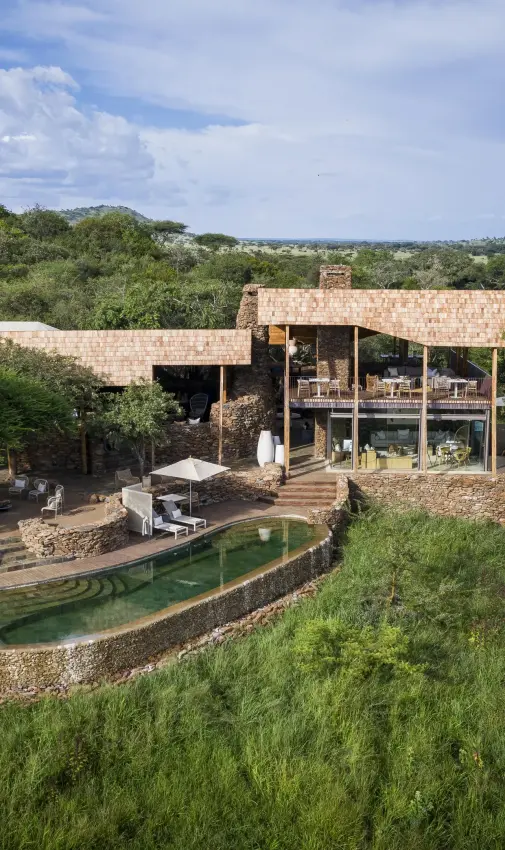
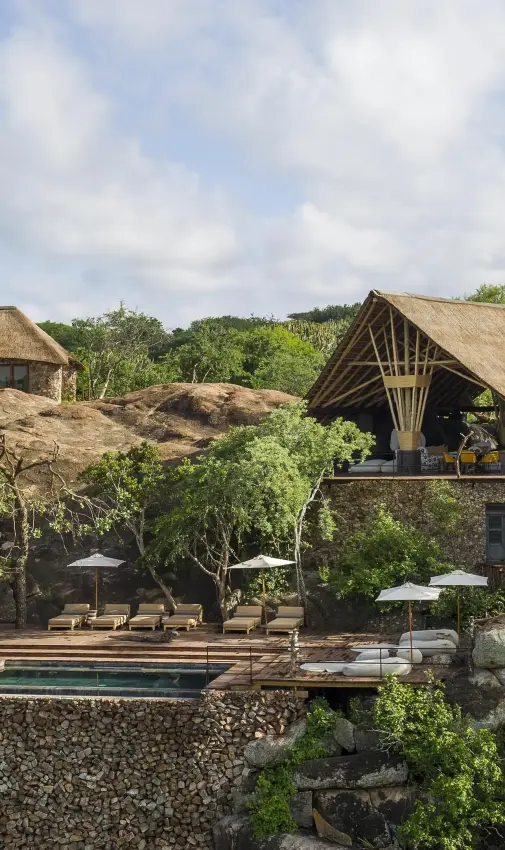
featured accommodation in the serengeti
 01
01

 02
02
 03
03
 04
04
 05
05
 06
06
 07
07
 08
08
 09
09
 10
10
 11
11
 12
12
 13
13
 14
14
How to Get Started
Fill in the enquiry form below. When you might travel, how many of you there are, what matters most. A member of our team will call you, normally within 24 hours, for an informal conversation about what you are looking for and how our safaris work. From there, we put together a detailed proposal tailored to what you have told us.
Not every great trip starts with a search.
Let us send you the ones worth knowing about. Thoughtful, occasional, always worthwhile.
Find out more about our Serengeti safaris
Let us know your travel requirements below and one of our specialists will be in touch with you as soon as possible.