april 2, 2026
infant gorilla born in mgahinga
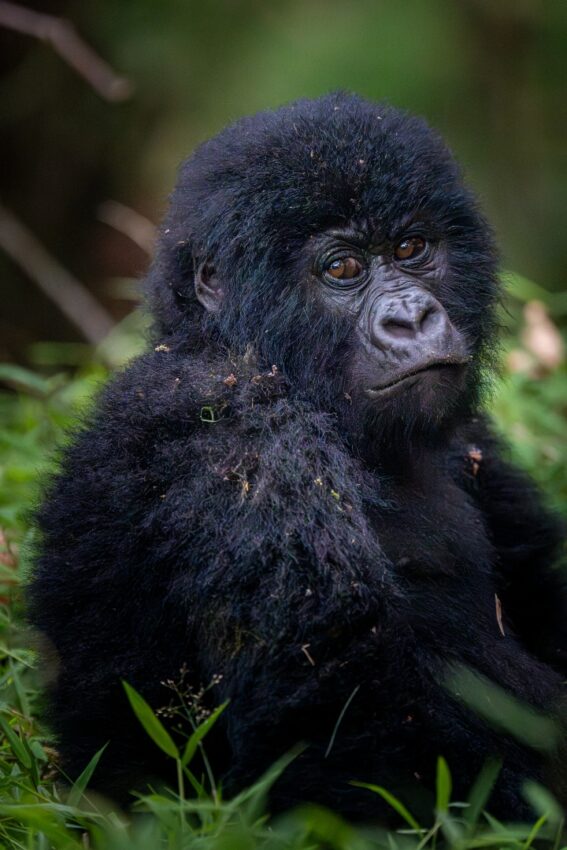
The birth of a new infant to Mgahinga Gorilla National Park’s Nyakagezi group represents more than a conservation statistic. With only around 1,000 mountain gorillas remaining worldwide, every birth carries the weight of species survival. This latest addition strengthens the genetic diversity of a critically endangered population that has slowly recovered from fewer than 300 individuals in the 1980s.
New Gorilla Birth at Mgahinga: Uganda’s Smallest Gorilla Park Is Its Most Rewarding
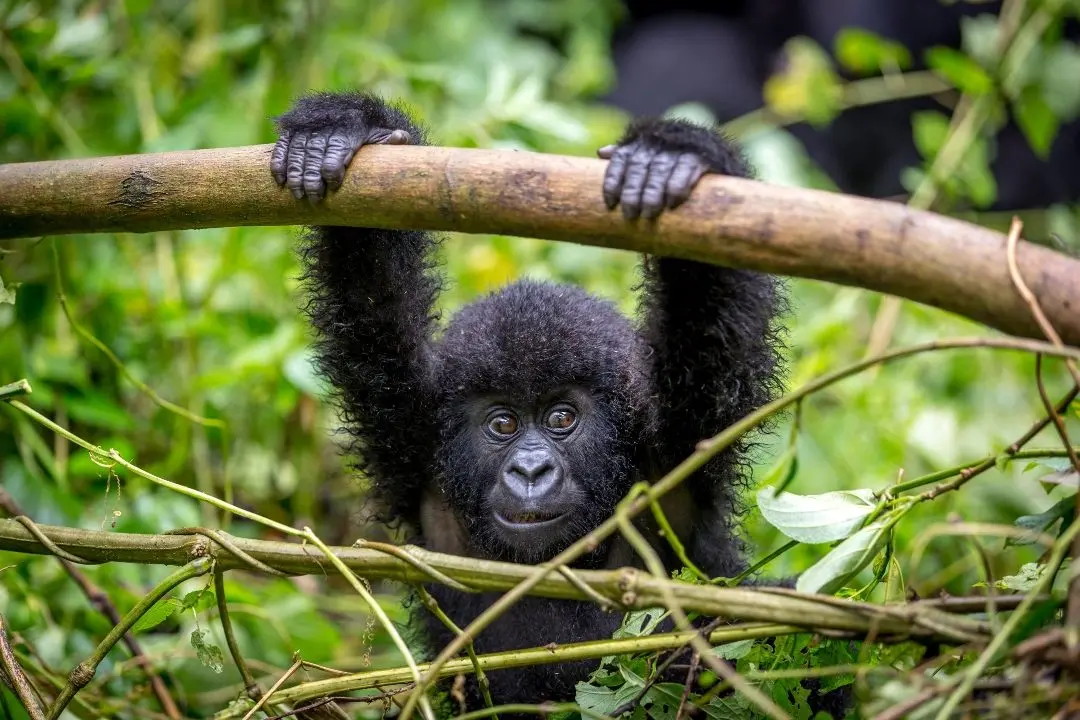
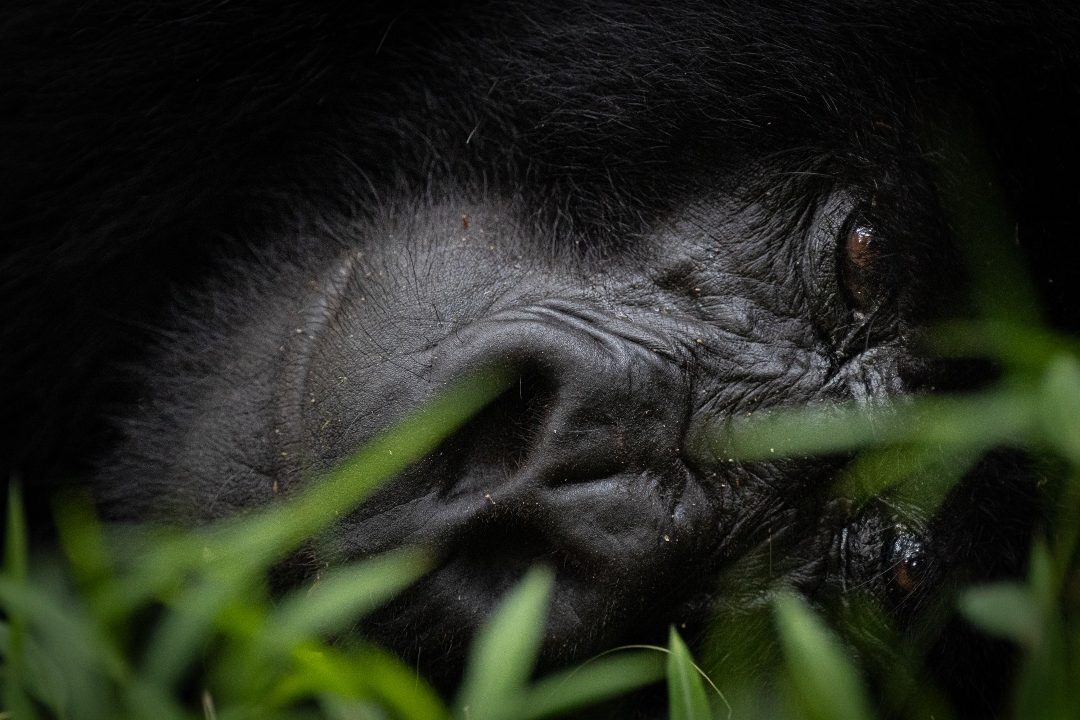
I was halfway through a coffee in our office on a grey afternoon when the news came through: a new infant in the Nyakagezi group. I’ve tracked Mark, the group’s silverback, on a number of occasions now and have grown genuinely fond of him. There is something reassuring about watching him rule his mountain in that quiet, measured way of his. When I last visited in 2024, I watched him discipline his then youngest, pictured below, with a firmness that was somehow also gentle. News of another infant for this loveable silverback is a joy to receive. It also serves as notice that I need to return yet again.
Managing Director
Conservation Milestone: New Life in the Virungas
Mgahinga’s conservation success story unfolds differently from its more famous neighbours. The park protects Uganda’s portion of the Virunga Massif, where gorilla tracking in Uganda operates at a scale unlike anything else in the region. Unlike Rwanda’s Volcanoes National Park with its multiple habituated groups, or Uganda’s own Bwindi with its numerous families, Mgahinga hosts just one habituated group: the Nyakagezi family.
This singularity creates scarcity. Eight permits per day for the entire park. No alternatives, no backup options. You track the Nyakagezi group or you don’t track gorillas at all. That constraint has created Uganda’s most genuinely low-volume gorilla experience.
The new infant also reinforces what those who work closely with the Nyakagezi group already know: this family is now firmly resident in Mgahinga. The outdated narrative that they wander unpredictably between Uganda, Rwanda, and the Democratic Republic of Congo persists in guidebooks and online forums, but the group has not made a significant border crossing in years. That reputation for unreliability is one reason the park remains overlooked, which is a shame, because the reality on the ground no longer supports the caution.
Why Mgahinga’s Scarcity Shapes the Experience
| Park | Daily Permits | Annual Visitors | Habituated Groups | Tourism Development |
|---|---|---|---|---|
| Mgahinga (Uganda) | 8 | ~3,000 | 1 | Minimal |
| Volcanoes NP (Rwanda) | 80 | ~45,000 | 10 | Highly developed |
| Bwindi (Uganda) | 152 | ~20,000 | 19 | Moderately developed |
The Numbers Game: Permit Availability and Visitor Volume
The mathematics of Uganda’s gorilla permits reveal stark differences in visitor experience. Rwanda’s Volcanoes National Park processes ten times more permits daily than Mgahinga, creating a scale of tourism where efficiency inevitably takes priority over intimacy. The park’s proximity to Kigali airport and excellent road infrastructure make it the convenient choice for time-pressed travellers.
I used to think Mgahinga’s lack of development was a problem to be solved. Eight permits a day can barely support a second lodge, let alone justify a new access road. But I’ve come around to seeing it differently. The economics that keep investors away are the same economics that keep the experience intact. No one is building a spa here. No one is widening the road for tour buses. The place stays small because it has to, and that constraint is precisely what makes it worth the effort of getting there.
Managing Director
Bwindi Impenetrable Forest offers middle ground with its 19 habituated groups spread across four sectors. The park accommodates serious gorilla enthusiasts while maintaining reasonable exclusivity. Yet even Bwindi’s most remote sectors see more daily visitors than Mgahinga receives in a week.
gorilla parks of the virungas
Uganda · Rwanda · D.R. Congo
FITZROY TRAVEL
What Volume Does to a Wildlife Encounter
Tourism volume transforms wildlife encounters. In Rwanda’s developed gorilla tourism circuit, the infrastructure serves visitors first, conservation second. Roads accommodate tour buses, lodges cluster near park entrances, and the rhythm of gorilla visits synchronises with sumptuous lodge breakfasts.
Mgahinga operates on gorilla time. The Nyakagezi group’s movements determine everything else. Some days they rest near the park boundary, offering gentle treks through bamboo forests. Other days they venture high onto volcanic slopes, requiring hours of steep climbing through changing vegetation zones. You adapt to them, not the reverse.
That unpredictability shapes the encounter itself. You might spend twenty minutes watching a mother nurse while juveniles wrestle in the undergrowth, with no schedule pushing you onward, no other group within miles of you. The hour you are given with the gorillas is not a timed window in a production line. It is, quite literally, yours alone.
Your next adventure starts with a conversation.
The Nyakagezi Group: Mgahinga’s Resident Family
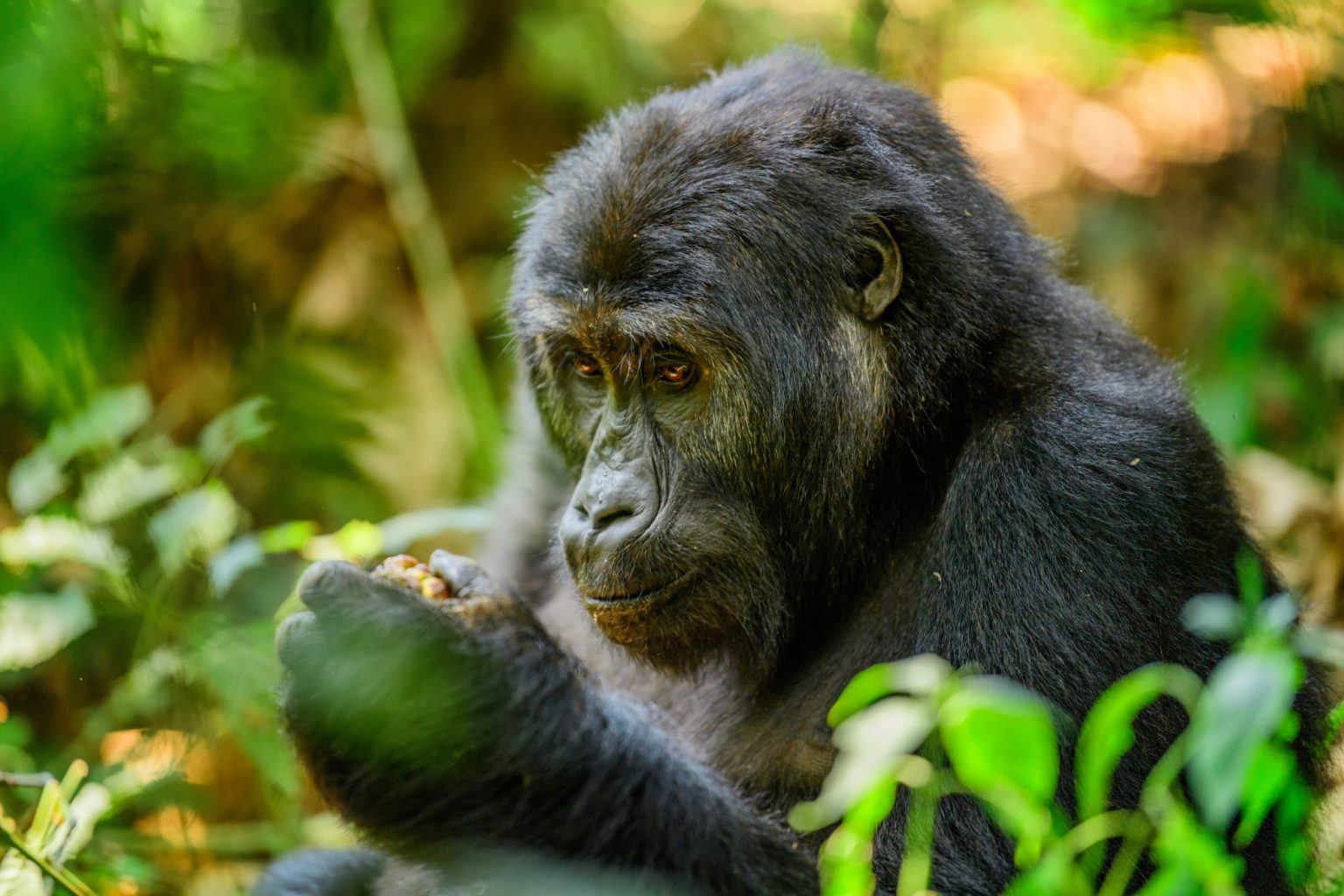
The Nyakagezi group consists of approximately ten individuals, though numbers fluctuate as members mature and family dynamics evolve. Mark, the dominant silverback, has led the family for years. While older accounts describe him guiding the group across three countries, the Nyakagezi family has settled into consistent residency within Mgahinga, and the new infant is further evidence of that stability.
The new infant represents Mark’s continued reproductive success and the group’s stability under his leadership. Mountain gorilla infants depend entirely on their mothers for the first year, clinging to bellies during travel and gradually learning the complex social protocols that govern gorilla society.
Adult females in the group display the cooperative child-rearing behaviour typical of stable mountain gorilla communities. Juveniles from previous births often show intense curiosity about new infants, hovering close, reaching out tentatively, displaying the same fascination with babies that characterises human families.
The Reputation That Lingers
For years, the Nyakagezi group’s historical mobility shaped how the travel industry talked about Mgahinga. Early visitors sometimes found the group had crossed into Rwanda or Congo overnight, making Ugandan permits worthless. That unpredictability deterred tourism investment and kept visitor numbers low, and the stories stuck.
The reality has moved on. The group has been consistently resident within Mgahinga for several years now, and park authorities track their daily movements with confidence. But the old narrative circulates freely online and in guidebooks that haven’t been updated. Operators who don’t work directly with Mgahinga still warn clients about the “risk” of the gorillas disappearing over the border. The result is that a park with reliable gorilla tracking, minimal visitor numbers, and a growing family group continues to be passed over in favour of busier, more expensive alternatives.
The Virunga Massif does function as a single habitat across three countries, and transnational conservation cooperation remains essential. But for visitors planning a gorilla trek, the practical question has a straightforward answer: the Nyakagezi group is here, and has been for some time.
Volcanoes Safaris: Pioneering Tourism in Uganda’s Forgotten Park
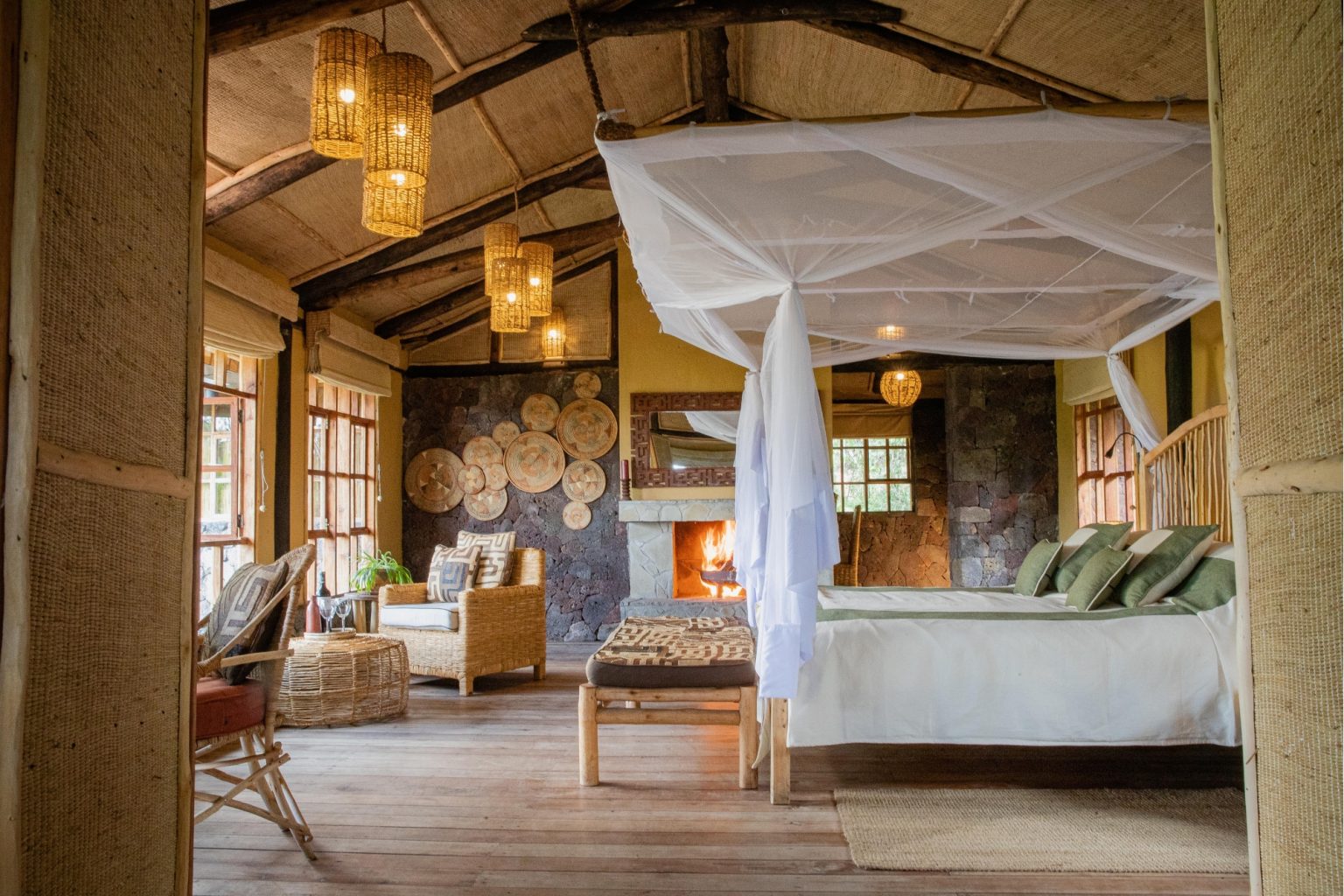
While tourism operators flock to Rwanda’s established circuits or Uganda’s accessible Bwindi sectors, Volcanoes Safaris has maintained commitment to Mgahinga despite obvious commercial challenges. Their Mount Gahinga Lodge represents the park’s only accommodation of international standard, built when the Nyakagezi group’s presence remained highly uncertain.
I have a lot of time for Praveen Moran and his team. When pure economics would suggest focusing on higher-volume destinations, they stuck with Mgahinga. Mount Gahinga Lodge exists because someone looked at a park most operators had written off and decided it deserved proper tourism infrastructure anyway. That kind of stubbornness is rare in this industry, and Mgahinga is better for it.
Managing Director
The lodge employs local guides, trackers, and support staff year-round, creating economic incentives for gorilla conservation that extend beyond park fees. In earlier years, Volcanoes Safaris maintained operations even during periods when the Nyakagezi group crossed into Rwanda or Congo, leaving the lodge without its primary attraction for weeks at a time. That commitment, staying when others would have left, is partly why Mgahinga still functions as a gorilla tourism destination at all.
What the Difficult Access Actually Preserves
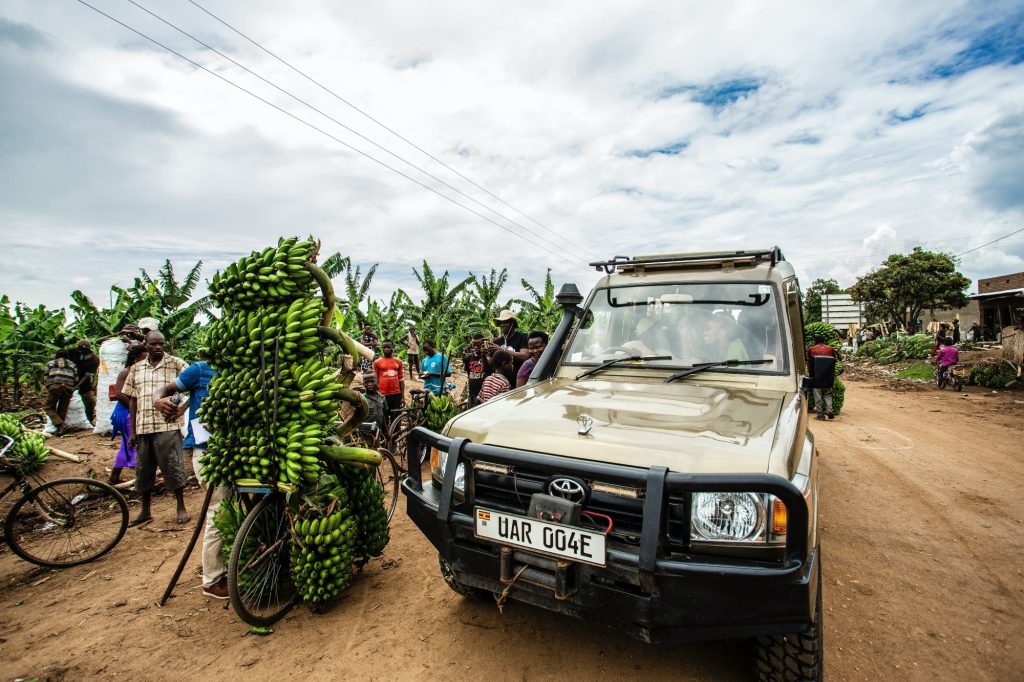
Reaching Mgahinga requires commitment. The final approach involves roads that challenge even experienced safari vehicles, with conditions that make walking sometimes faster than driving. These infrastructure limitations deter casual visitors, which is precisely the point.
The challenging access has a practical side effect: communities around Mgahinga interact with foreign visitors infrequently enough that tourism has not reshaped daily life. There are no souvenir stalls lining the approach road, no touts at the park gate. The local economy still runs on agriculture and trade rather than on servicing a visitor pipeline.
This carries through to the gorilla tracking itself. Local guides bring personal knowledge of the Nyakagezi group’s preferences and personalities, sharing insights gained through years of daily observation rather than scripted presentations. Their tracking skills developed from necessity, from finding a mobile group across difficult terrain, rather than from standardised guiding courses.
The Batwa: An Uncomfortable Truth
Gorilla tourism in the Virungas has a cost that the industry rarely acknowledges. The Batwa, the forest’s original inhabitants, were evicted from their ancestral land to make way for the national parks that now protect mountain gorillas. Conservation’s gain has come directly at the expense of the region’s indigenous community. It is an ugly truth, and one that deserves to be stated plainly.
Volcanoes Safaris has done commendable work through their trust to secure land where the Batwa can live on their own terms. That matters. But the broader reality mirrors what is seen in marginalised indigenous communities across the world: substance abuse, alcoholism, and a general disregard from the surrounding population. These are not problems that a cultural performance for visitors can address or represent.
It is possible to visit the Batwa community at Mgahinga, and many visitors find the experience moving. But for those wanting to truly understand what life is like for the Batwa in the modern era, a surface-level visit will not get you there. That requires longer engagement, deeper conversation, and a willingness to sit with truths that are often uncomfortable. We would rather be honest about that than present a tidy narrative.
For guests genuinely interested in understanding the realities facing the Batwa, please reach out to me directly. We work with a project in Echuya Forest Reserve that operates with Batwa guides on their own terms. There is no perfect solution to the Batwa’s plight, but of everything I have seen, this does the best job of letting them represent themselves.
Managing Director
Planning Your Mgahinga Gorilla Experience
| Month | Gorilla Activity | Road Conditions | Permit Availability | Weather Notes |
|---|---|---|---|---|
| Jan–Feb | Second dry window. Group behaviour similar to Jun–Aug but slightly less predictable as short rains taper off. | Generally passable | Moderate demand, book well in advance | Short dry season, warm days with cool mornings at altitude |
| Mar–May | Bamboo shoots draw the group to lower slopes, concentrating movement. Dense vegetation makes tracking slower but encounters feel more immersive. | Difficult, 4WD essential, some sections impassable | Lower demand, but only eight daily permits means planning ahead is still essential | Long rains, expect daily afternoon downpours |
| Jun–Aug | Group ranges lower elevations, shorter treks typical. Drier vegetation opens sightlines for observation and photography. | Best of the year, though still rough by most standards | Highest demand, book at least a year ahead | Dry season, clear views of the Virunga volcanoes |
| Sep–Oct | Excellent tracking conditions before the rains arrive. Overcast skies reduce harsh contrast, making this one of the best windows for gorilla photography, particularly of infants. | Generally passable, deteriorating late October | Moderate demand, book well in advance | Cloud builds gradually, warm and relatively dry |
| Nov–Dec | Short rains bring fresh bamboo growth, concentrating the group at lower elevations. Rainfall during encounters can produce striking photographic conditions. | Poor, muddy and slow | Lowest demand, but with only eight permits a day, early planning is always advisable | Short rains, afternoon showers common, clearing by mid-December |
Permit Strategy
Mgahinga’s limited permits require advance planning, particularly during dry seasons when demand peaks. The park’s single habituated group means no alternative options if the Nyakagezi family proves elusive on your scheduled day. Building flexibility into itineraries allows for multiple tracking attempts and increases encounter probability.
Uganda Wildlife Authority issues permits directly or through licensed operators. Mgahinga gorilla permits cost $700 per person, identical to Bwindi Impenetrable Forest but significantly less than Rwanda’s $1,500 permits.
Consider booking consecutive days. The Nyakagezi group sometimes ranges high onto the volcanic slopes, making for long, steep treks that not every visitor is prepared for. A second day provides options if conditions or fitness make the first attempt difficult, and two encounters are always better than one.
Best Times to Visit
Dry seasons offer the most straightforward tracking conditions, with clearer trails and more predictable weather. However, photographers should note that overcast skies, more common in wet seasons, often produce better results. Harsh sunlight creates the contrast problems that make gorillas so difficult to photograph well. Cloud cover eliminates that, delivering the soft, even light that brings out detail in dark fur against dark forest.
Wet seasons bring other advantages too: fewer visitors, more active gorilla behaviour, and lush vegetation that supports diverse forest life beyond mountain gorillas.
The Nyakagezi group’s activity patterns remain consistent year-round, but seasonal vegetation changes affect their ranging behaviour. Bamboo shoots in wet seasons concentrate their movements at lower elevations, while dry seasons may see them venture higher for alternative food sources.
The honest answer to “when should I go?” is that it depends entirely on what matters most to you. Dry season delivers easier tracking and clearer skies, but it also brings the highest demand for Mgahinga’s eight daily permits. The wetter months are harder on roads and clothing, but they offer quieter encounters, richer vegetation, and some of the best photographic conditions of the year. Photographers chasing soft, diffused light will find more of it under November cloud cover than in July sunshine. Visitors who prioritise comfort and predictability should book dry season and plan well ahead. Those willing to trade convenience for a more immersive, less managed experience may find the shoulder months and short rains more rewarding. There is no wrong time to track gorillas at Mgahinga, but there are trade-offs worth understanding before you commit.
Despite my affection for this park, I must be honest. The roads are hardly welcoming. There is one lodge of genuinely decent standard. The hiking can be steep, which in itself is not a negative. But the last time I tracked the Nyakagezi group, I sat with them for an hour in near-silence, just me and a client who over the years has become a true friend, while a juvenile played with a stick quietly in front of us, all whilst Mark, the silverback, kept a watchful eye over us. No other visitors, no other groups, no sound except breathing and the occasional crack of bamboo. That doesn’t happen when a destination has been optimised for throughput. Mgahinga works because nobody has figured out how to scale it, and I hope nobody does.
Managing Director
recommended camps and lodges for gorilla trekking
 01
01

 02
02
 03
03
 04
04
 05
05
 06
06
 07
07
 08
08
Find out more about our gorilla safaris
Let us know your travel requirements below and one of our specialists will be in touch with you as soon as possible.