Understanding the Migration Cycle
I’ve lost count of the number of times clients have asked me when they should go to see the Great Migration. It’s the right question, but it carries a hidden assumption: that there’s a single best window, a golden week you need to hit. There isn’t. The migration is a continuous, year-round movement of roughly two million wildebeest, several hundred thousand zebra, and significant numbers of gazelle across the Serengeti-Mara ecosystem. Something is always happening. And as is so often the case with travel, those who resist the obvious, who don’t fixate on the single moment everyone else is chasing, tend to be rewarded most richly.
Managing Director
The Great Migration in Tanzania is not a single event but a perpetual circuit, driven by rainfall and the grazing it produces. The herds follow the rains, moving broadly from the southern Serengeti plains northward through the western corridor and up toward the Mara River, before returning south as the short rains begin. Because this cycle is governed by weather rather than a calendar, exact timing shifts from year to year, sometimes by several weeks.
This means that travellers who fix rigidly on a specific month risk disappointment, while those who understand the pattern and adopt a broader strategy when planning for the migration almost always see something remarkable. Each phase of the migration offers a fundamentally different experience, from the intensity of the calving season to the drama of river crossings. The quieter months in between hold their own rewards for those willing to look beyond the headline moments.
Great Migration Timing in Tanzania: Month-by-Month
The table below gives a quick overview of the migration’s annual cycle through Tanzania. Detailed breakdowns of each phase follow beneath it.
| Months | Migration phase | Where in Tanzania | What to expect |
|---|---|---|---|
| Jan to Feb | Calving season | Southern Serengeti & Ndutu | Mass calving on the short-grass plains. Peak predator activity. |
| Mar | Early northward movement | Southern to Central Serengeti | Herds drift north in loose columns. Strong birdlife after rains. |
| Apr to May | Long rains | Central Serengeti | Low season. Green landscapes, few visitors, some camps closed. |
| Jun | Western corridor | Grumeti River area | First river crossings of the cycle. Dense columns forming. |
| Jul to Aug | Mara River crossings begin | Northern Serengeti (Kogatende) | First Mara River crossings. Enormous herds gathering on the banks. |
| Sep to Oct | Crossings continue | Northern Serengeti (Kogatende) | Herds cross back and forth. Some splinter groups remain in Kenya’s Maasai Mara. |
| Nov to Dec | Return south | Central to Southern Serengeti | Short rains trigger rapid southward movement. Landscape greens. |
January and February: Calving Season
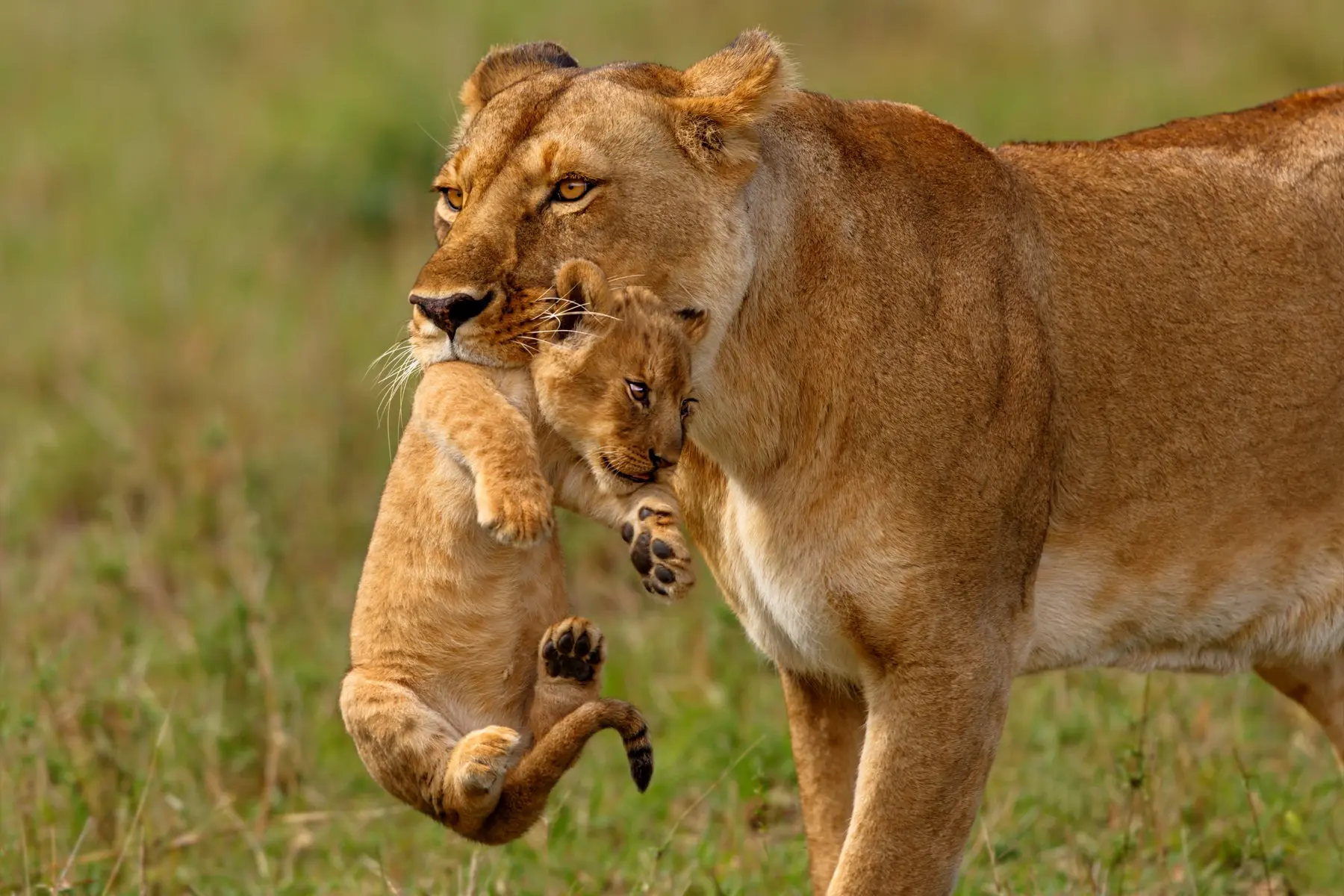
The herds concentrate on the short-grass plains around Ndutu and the southern Serengeti, where mineral-rich grasses support lactating mothers. An estimated 400,000 to 500,000 calves are born within a roughly three-week window. This is a survival strategy, not coincidence: the sheer volume of births overwhelms predators, ensuring that most calves survive even as hyena, lion, cheetah, and jackal converge on the area from all directions.
Predator-prey interaction is almost constant during this period. The open plains offer unobstructed visibility, which makes for extraordinary game viewing. Ndutu is the better-known base, but the Kusini Plains further south offer the same calving spectacle with considerably fewer vehicles. Both areas are excellent, and the choice between them often comes down to which camps are available. This is a significantly quieter phase than the northern Serengeti in crossing season.
If I had to identify the most undervalued period in that table, it would be January and February without hesitation. I have sat on the Kusini Plains, in total isolation, watching a generation of calves, with hyena and jackal working the edges of the herd and a martial eagle circling overhead, and the sheer concentration of life and death in that landscape is something I have never experienced anywhere else. The southern Serengeti in calving season is one of those rare situations where the less famous option is genuinely the more powerful one.
Managing Director
March: Early Northward Movement
As the southern plains begin to dry, the herds drift northward in loose, spread-out columns. The movement is gradual rather than dramatic. There are no tightly packed formations or river crossings yet. The Seronera area of the central Serengeti sees increased activity as the herds pass through, and predator density remains high as resident lion prides encounter the moving wildebeest.
Birdlife is strong following the rains. March sits in a transitional window between the calving season and the long rains, and for travellers with flexible dates it can offer good game viewing without the peak-season crowds.
April and May: The Long Rains
The long rains arrive, and the herds typically hold in the central and western Serengeti where water and grazing are abundant. This is Tanzania’s low season. Visitor numbers drop significantly, some camps close for the season, and access roads can become challenging after sustained rainfall.
For those comfortable with rain interruptions, there are genuine rewards. The landscape is at its greenest and the Serengeti feels vast and unhurried. Calves born in January are now strong enough to keep pace with the herd, and the reduced vehicle traffic changes the feel of the park entirely.
June: The Western Corridor
The herds push westward toward the Grumeti River, forming increasingly dense columns as they move. The first significant river crossings of the cycle occur here, though they are smaller and less publicised than the Mara crossings further north. Large Nile crocodiles patrol the Grumeti, and the crossings carry real risk for the wildebeest even at this earlier stage.
The landscape shifts noticeably in the western corridor. Woodland and riverine forest replace the open plains of the south and centre, which changes the character of game drives. Sightings feel more enclosed, more intimate. This is an undervisited phase of the migration, partly because attention tends to focus on the Mara crossings still months away.
July and August: Mara River Crossings Begin
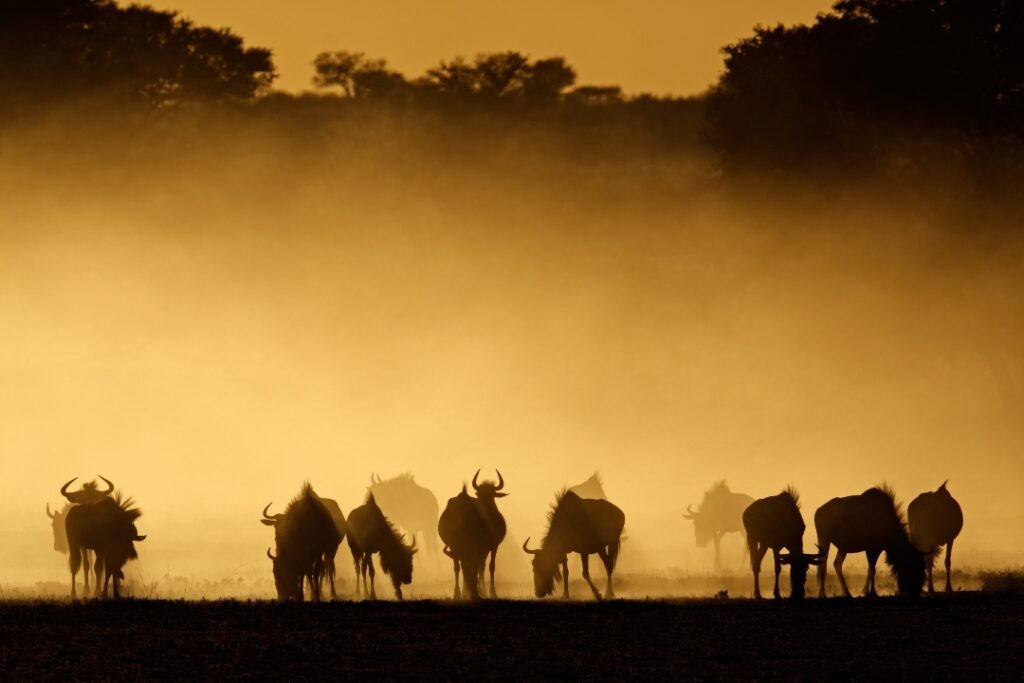
The main body of the migration reaches the northern Serengeti and the first Mara River crossings begin, typically from mid-July onwards. Herds mass on the southern bank in enormous numbers, and when they commit to crossing, the spectacle is immediate and dramatic. Wildebeest call constantly, dust columns rise from the gathering herds, and predators position along the banks.
Not every day produces a crossing. The herds are unpredictable and may approach the river and turn back multiple times. When a crossing does happen, the scale is overwhelming: thousands of animals funnelling into a narrow stretch of water, the noise carrying for kilometres, crocodiles moving beneath the surface. July and August offer a genuine chance of witnessing crossings with fewer vehicles than later in the season. Kogatende is the established base, but the Lamai Wedge, a triangular section of the park north of the Mara River, is quieter still, with limited access and only a handful of camps. Both offer strong resident wildlife including large lion prides and leopard along the river margins.
September and October: Crossings Continue
Crossings continue through September and into October, with herds moving back and forth across the Mara River. Some splinter groups push north into Kenya’s Maasai Mara and remain there for weeks, while others turn back south. The pattern is fluid and varies day to day. The Kogatende area of the northern Serengeti is the primary base for witnessing these crossings on the Tanzanian side.
Crocodile activity is intense during this period. The river itself becomes a focal point for an entire food chain, with vultures, marabou storks, and fish eagles drawn to the aftermath of each crossing. Between the river drama, the surrounding bush country offers consistently good game viewing, and the northern Serengeti’s limited camp capacity means it feels less crowded than the equivalent experience in Kenya’s Maasai Mara.
November and December: The Return South
The short rains trigger the herds’ return southward, drawn back to the mineral-rich grasses of the southern plains. The movement can be rapid once the rains establish. The central Serengeti sees large herds passing through, and the transformation of the landscape is striking. Dry, golden plains turn green almost overnight.
By late December, the cycle is resetting. The herds are back on the southern plains and the calving season is weeks away. Visitor numbers thin out during this period, and there is a particular quality to the Serengeti in late November and December: a sense of renewal, of the ecosystem drawing breath before the intensity of calving begins again.
the great migration
Seasonal route through the Serengeti-Mara ecosystem
FITZROY TRAVEL
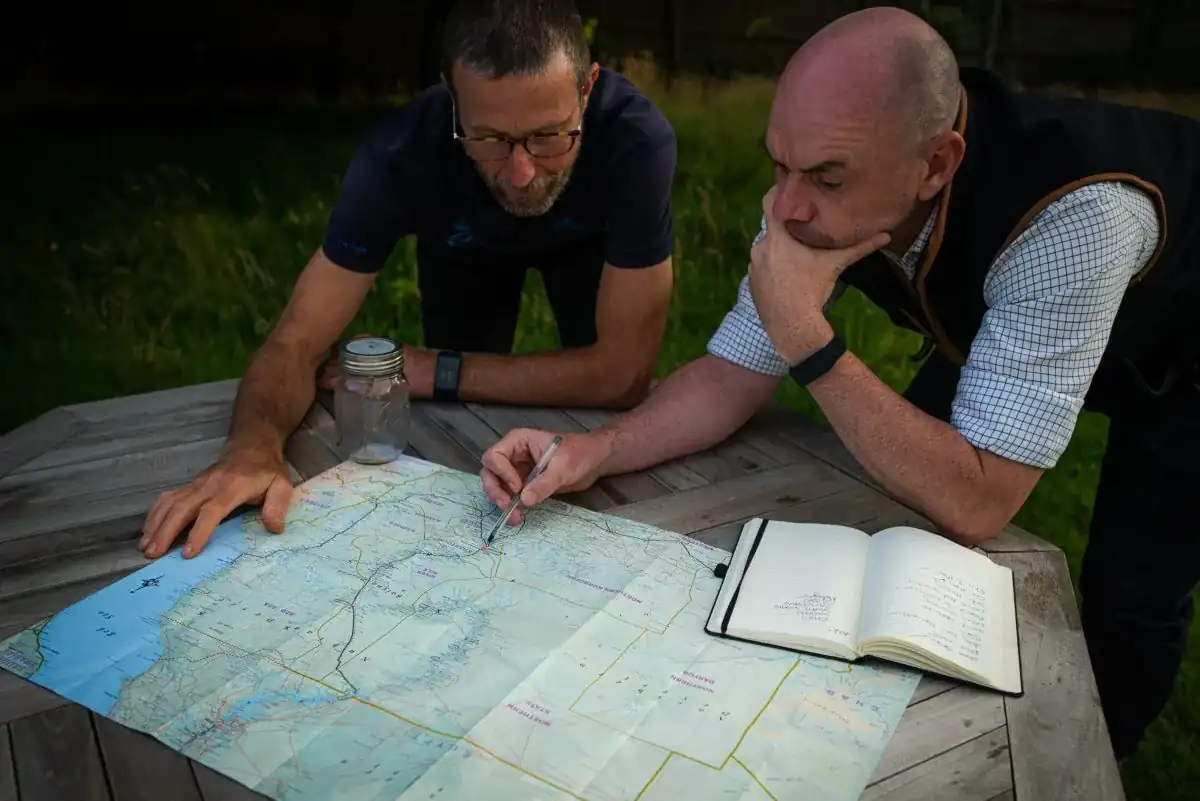
The map above traces the broad route of the migration through Tanzania. It is worth noting that this is a simplification. The herds do not move as a single mass along a fixed path. The migration is better understood as a fluid, shifting front of animals responding to localised rainfall and grazing conditions. In any given month, splinter groups may be well ahead of or behind the main body. This is one reason why flexibility with travel dates produces better results than targeting a precise week.
When the Migration Crosses Into Kenya
Between July and October, a portion of the migration crosses the Mara River northward into Kenya’s Maasai Mara National Reserve. The border between the two countries is a political line that the herds do not recognise. The Serengeti and the Mara are a single contiguous ecosystem, and the animals move freely between them in response to grazing conditions on either side.
The proportion of the herd that enters Kenya varies significantly from year to year. In some years, the majority of the wildebeest cross north; in others, large numbers remain on the Tanzanian side of the Mara River throughout the season. Rainfall distribution is the primary driver. If the northern Serengeti receives good late-season rain, the herds have less reason to push into Kenya.
For travellers focused specifically on Tanzania, the northern Serengeti around Kogatende offers the same Mara River crossing experience that draws visitors to the Kenyan side. The crossings happen on both banks, and the Tanzanian side typically has fewer vehicles at crossing points. The herds also cross and re-cross multiple times during this period, so being based on one side does not mean missing the action on the other.
If someone is fixed on the crossings and nothing else, I would lean toward the Tanzanian side. Vehicle density at the river is lower, the Lamai Wedge and Kogatende feel less pressured than the busier Mara crossing points, and the experience is generally more composed. But I think that focus is the wrong starting point. A river crossing is a singular event in a much larger, more interesting story. The calving, the corridor, the predator dynamics that shift with each phase, the way the landscape itself changes as the herds move through it: these are what make the migration worth understanding, not just witnessing. For clients with the time and flexibility, I increasingly recommend combining both sides. A short flight and border formalities handled at Migori make it straightforward, and staying on one of Kenya’s private conservancies neighbouring the main Maasai Mara reserve adds a dimension that the national parks on either side cannot offer: night drives, walking, and a level of exclusivity that changes the quality of the experience entirely.
Managing Director
When Is the Best Time to See the Great Migration?
So, after all of that, when is the best time to see the Great Migration in Tanzania? It will not surprise you to hear that there isn’t one. The migration is a year-round cycle, and searching for the perfect week is one of the more reliable ways to end up disappointed. The more useful question is which phase suits you, and then building enough flexibility around it to let the migration come to you. The table below is a guide to conditions and accessibility across the year, not a ranking.
Your next adventure starts with a conversation.
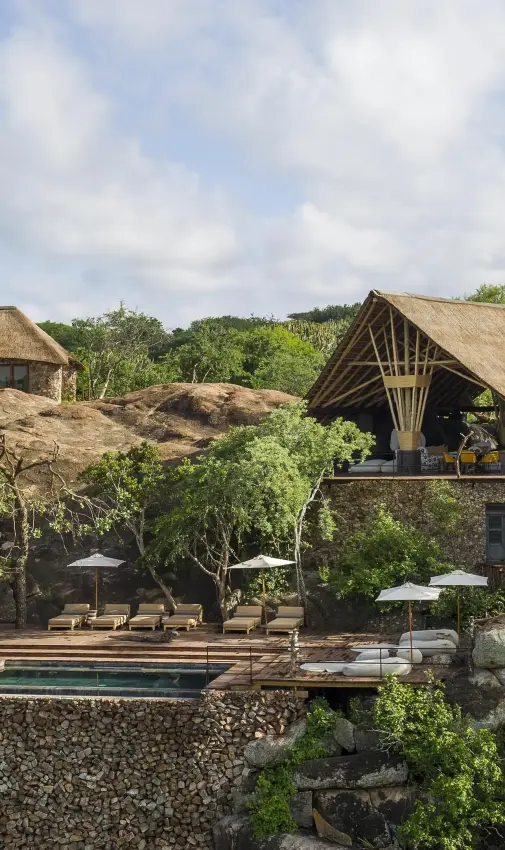
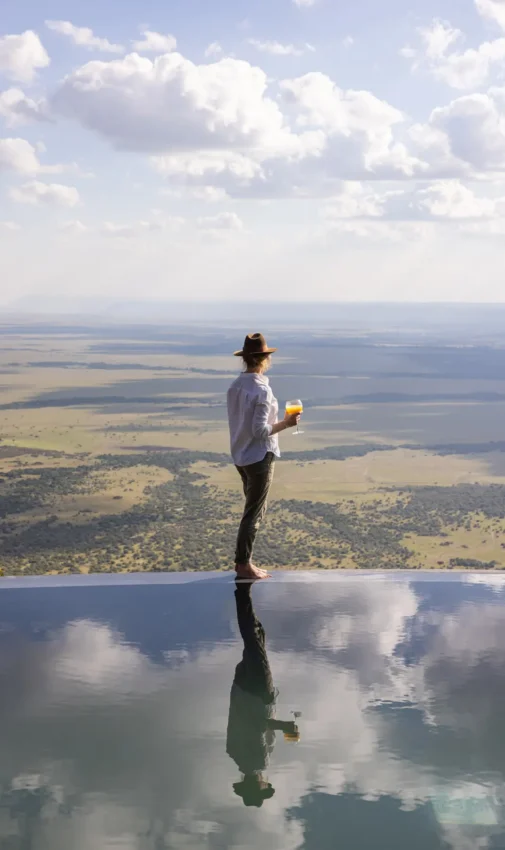
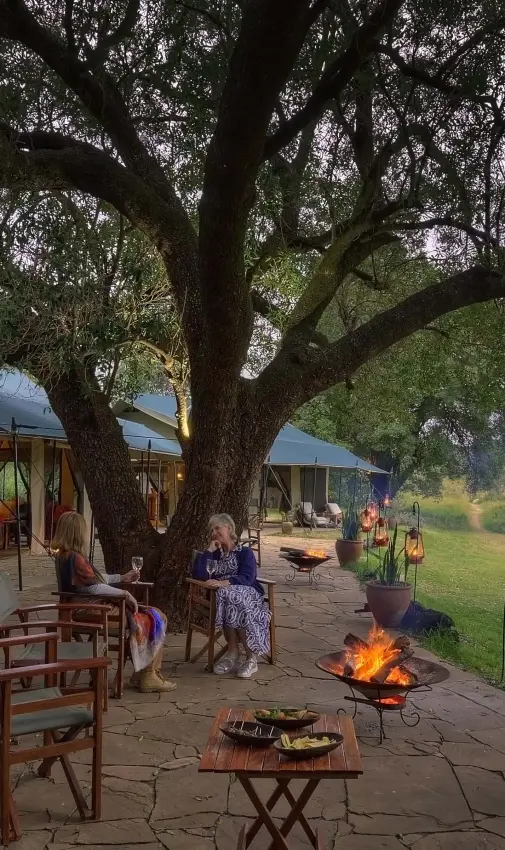
featured accommodation for the migration
 01
01

 02
02
 03
03
 04
04
 05
05
 06
06
 07
07
 08
08
 09
09
 10
10

 11
11
 12
12
 13
13
 14
14
 15
15
 16
16
 17
17
 18
18
 19
19
Find out more about our migration safaris
Let us know your travel requirements below and one of our specialists will be in touch with you as soon as possible.