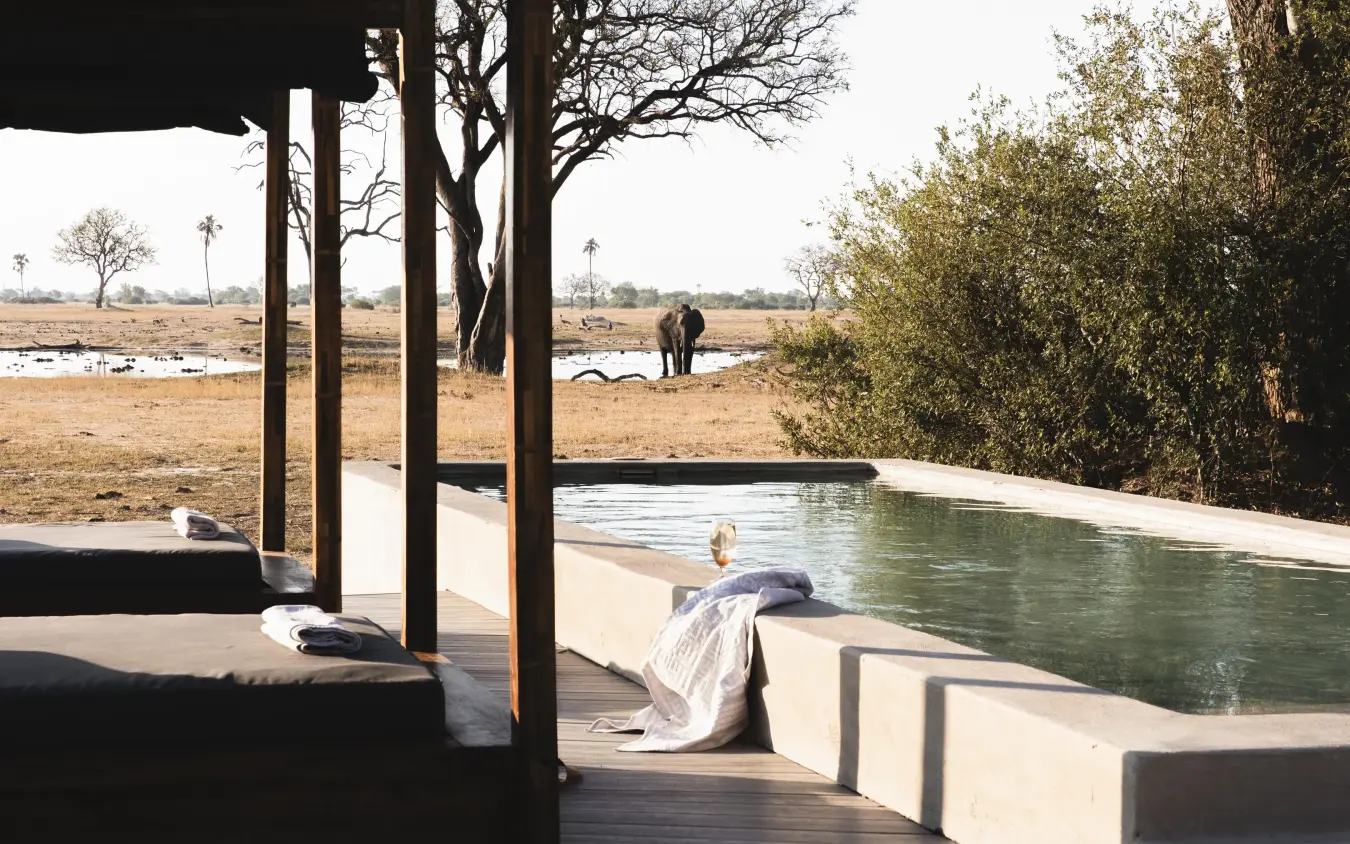
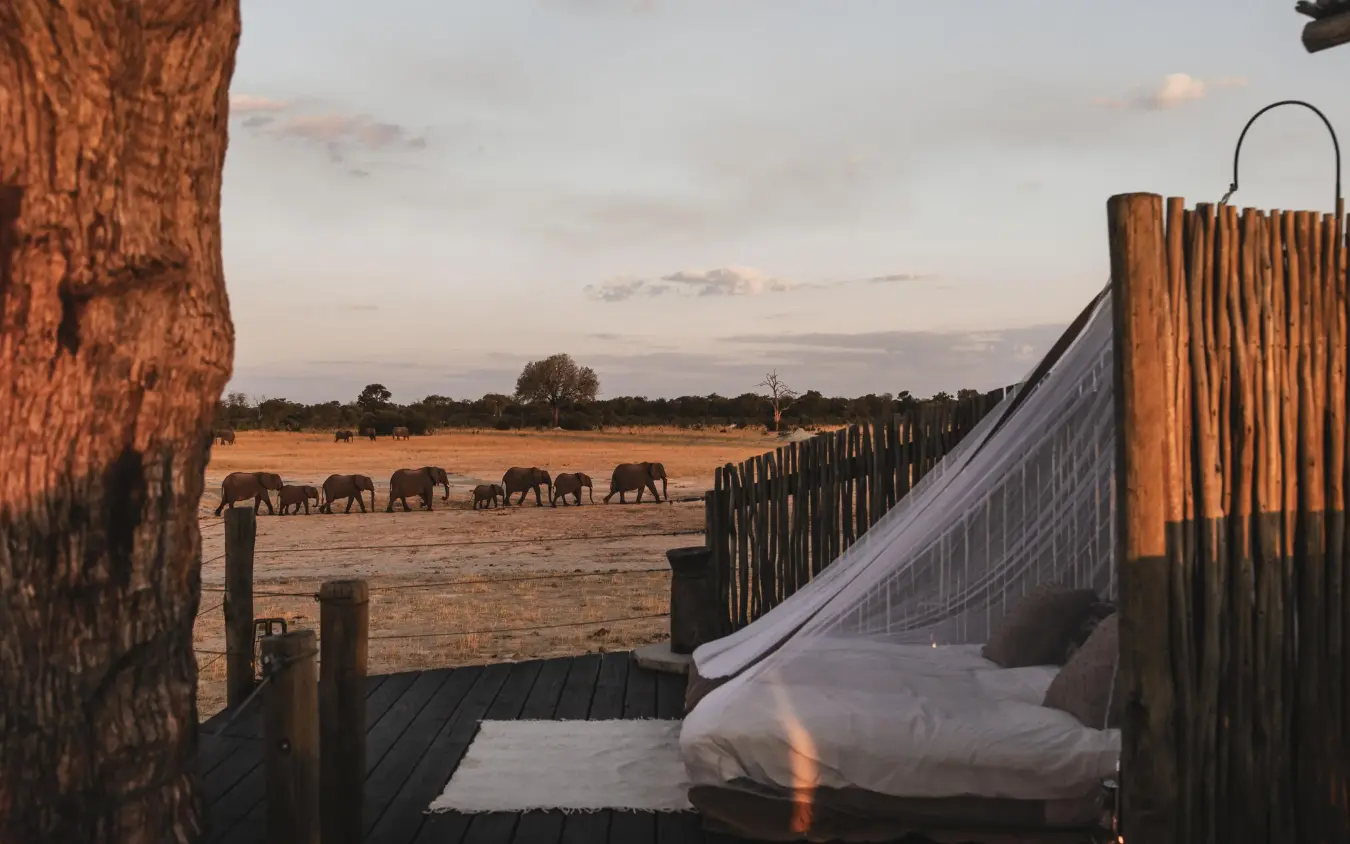
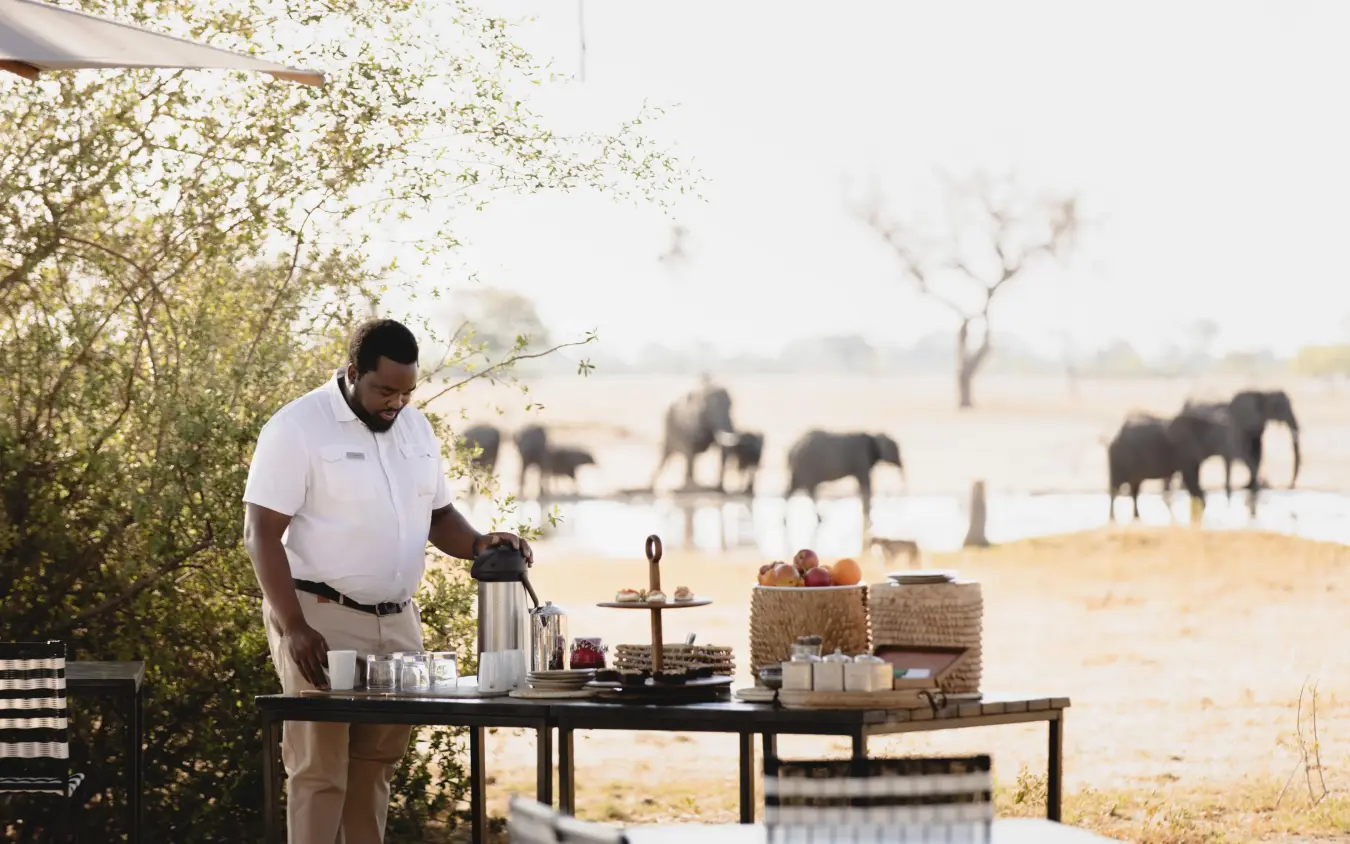
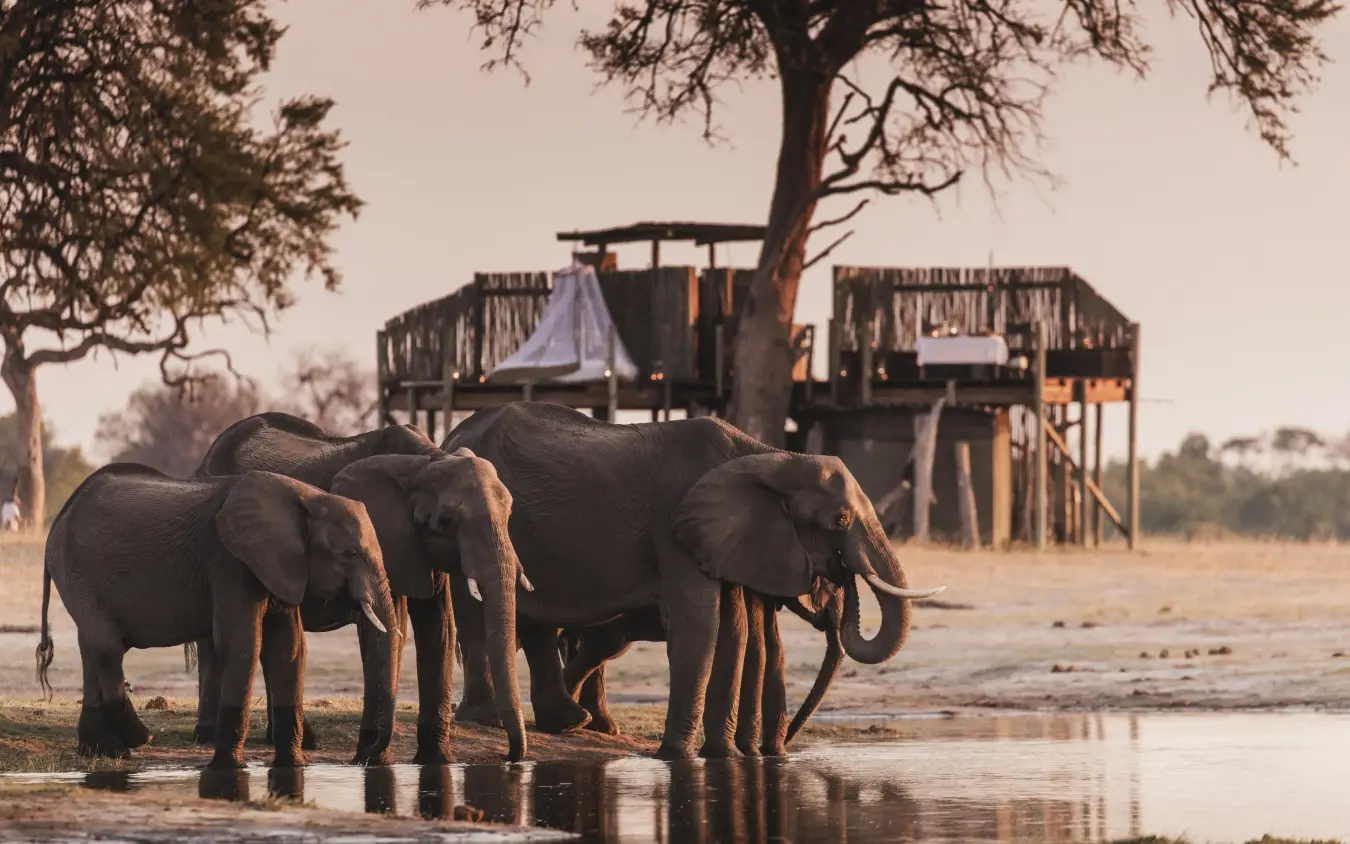
From roughly May to October, as surface water disappears across Hwange, wildlife concentrates on the pumped waterholes that Wilderness maintains across the concession. Elephant numbers around the camp pan build steadily, family groups and bulls arriving through the afternoon and on into the evening. Buffalo, zebra, wildebeest and antelope come to the same water, and lions work the edges after dark. It is one of the great dry-season gatherings in this corner of the park.
Come November the rains break and the picture inverts. The Ngamo Plains green up and the herds disperse across open grassland to graze and calve, drawing the predators out behind them. Zebra, wildebeest, sable, roan and eland spread across the savannah, with lion, cheetah and African wild dog following the movement. Hwange holds a high density of wild dog, and the open country of these months makes them far easier to find.
Night drives turn up the nocturnal species that daylight never shows.
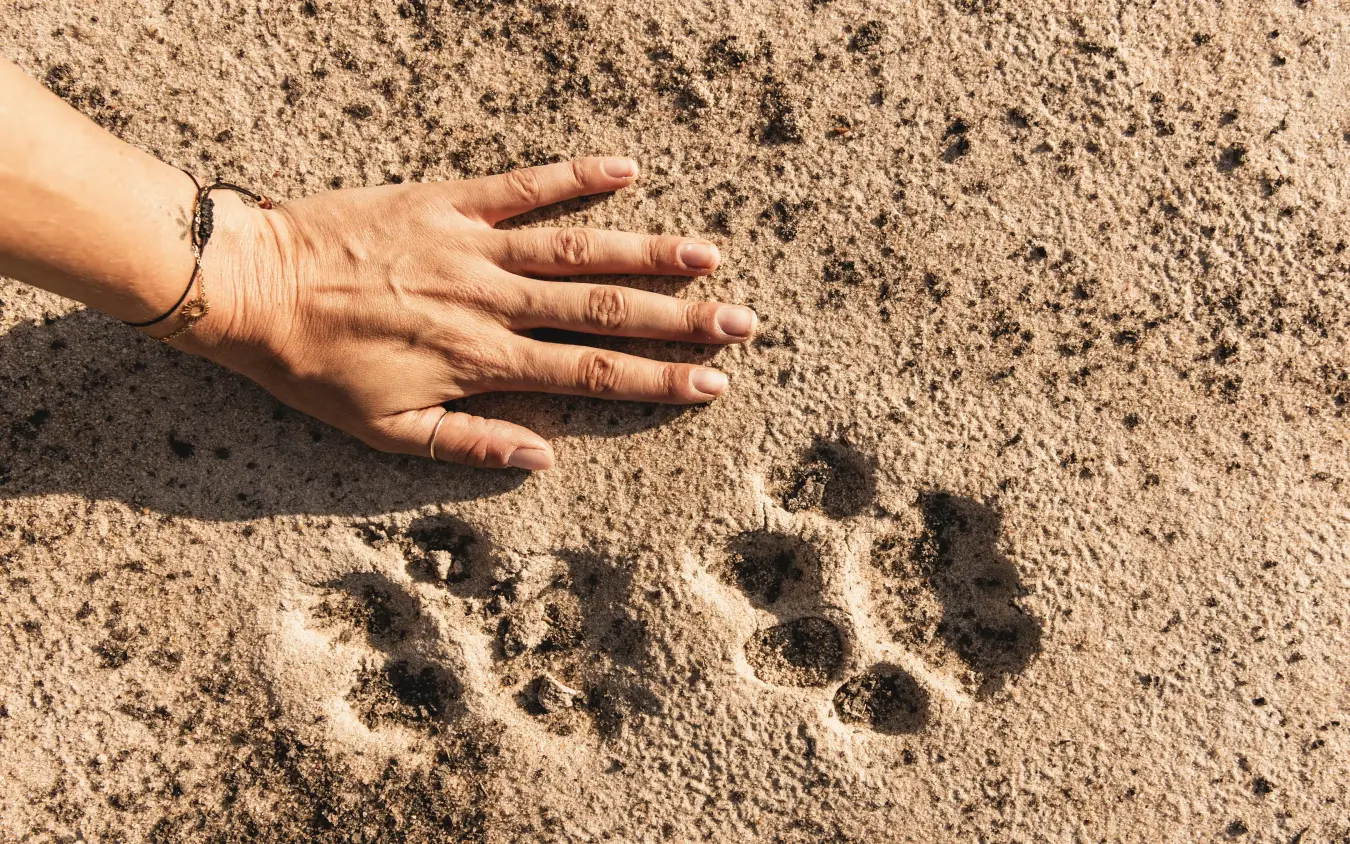
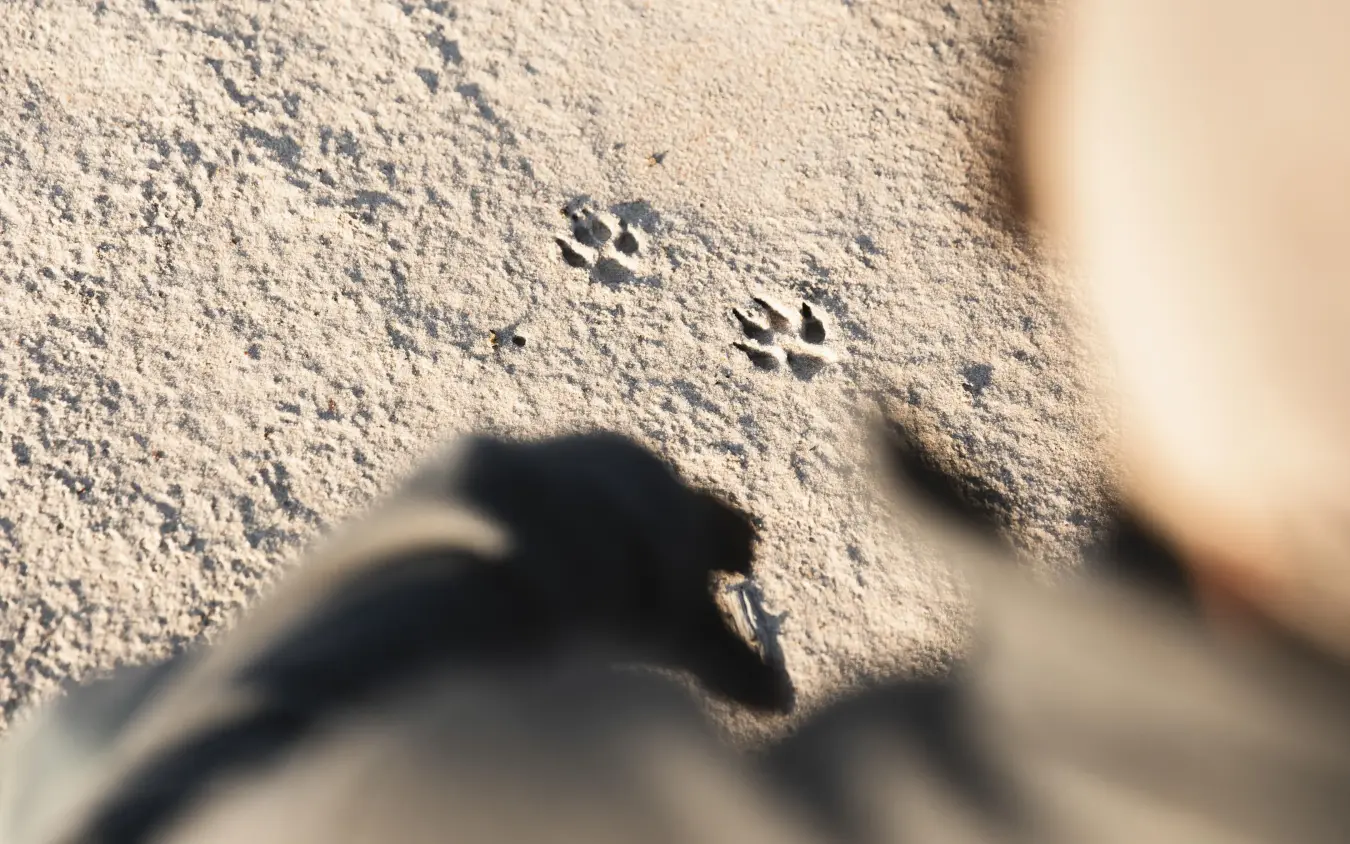
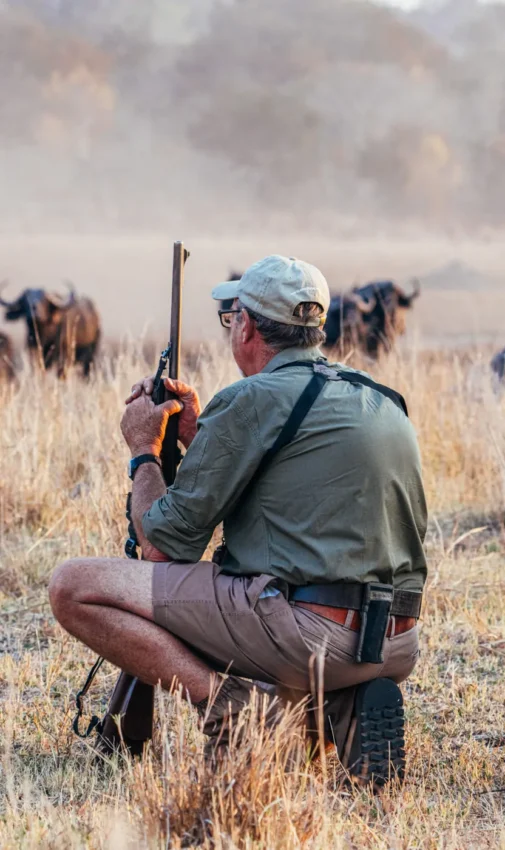
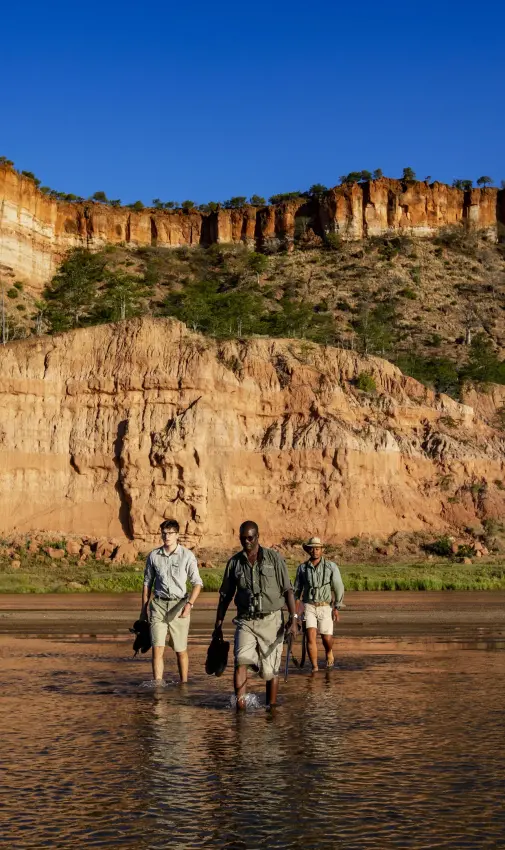
The private concession also widens what is possible each day. Beyond daytime game drives across the plains, woodland and pans, guides run night drives and guided walking safaris. Both are restricted in the public areas of the national park, yet permitted here under concession rules. Night drives turn up the nocturnal species that daylight never shows, while a walk puts guests on foot beside a professional guide, reading tracks and signs on the ground.
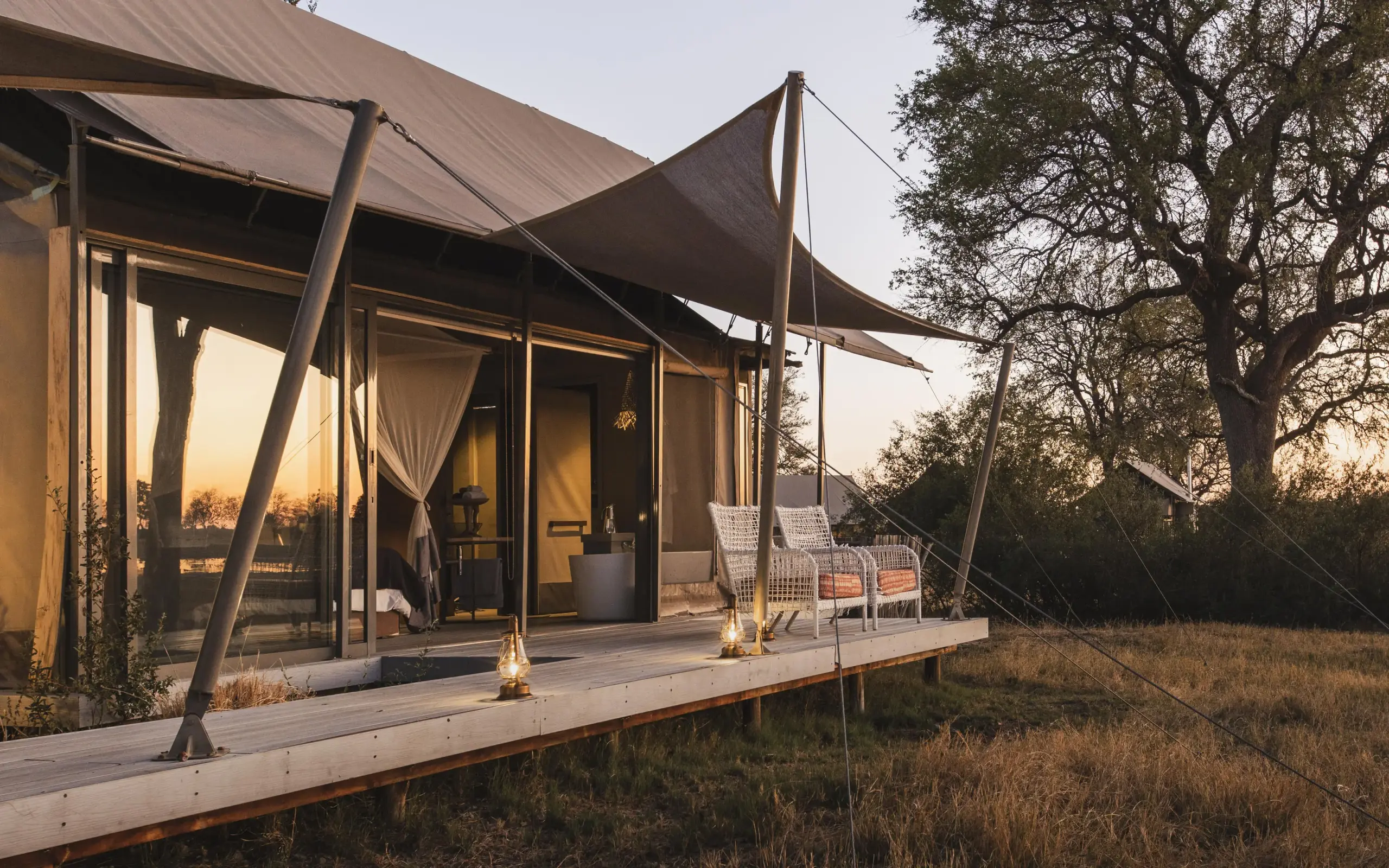
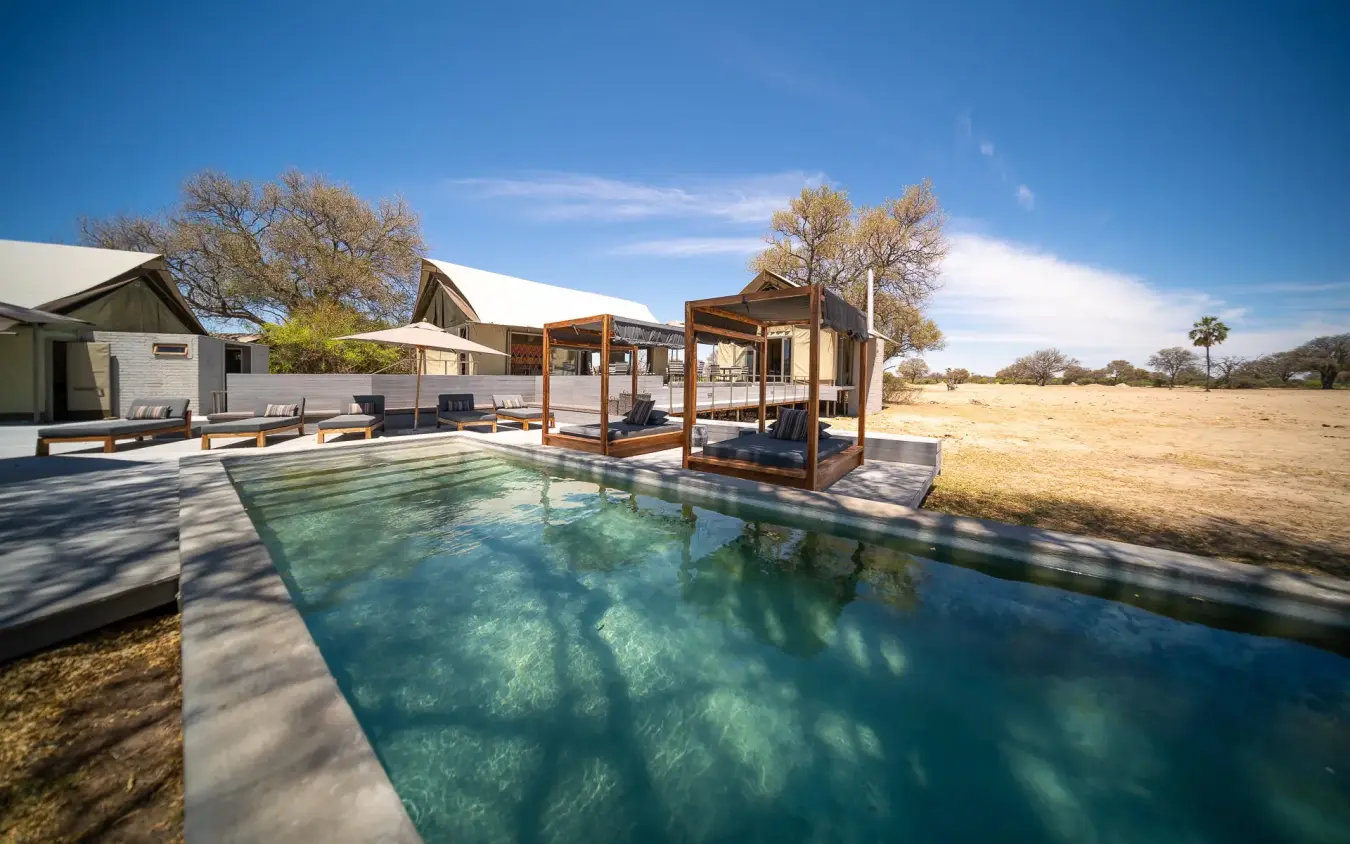
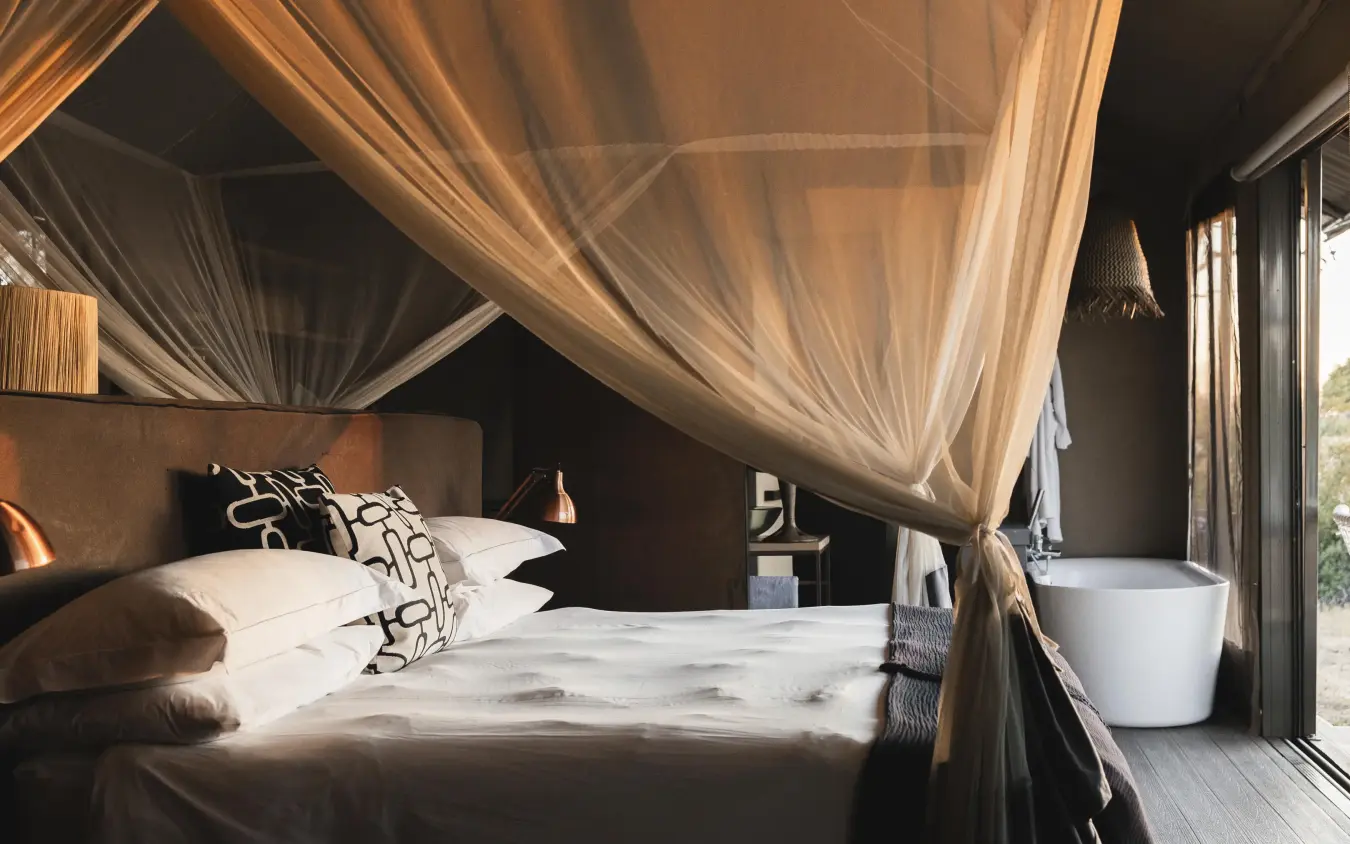
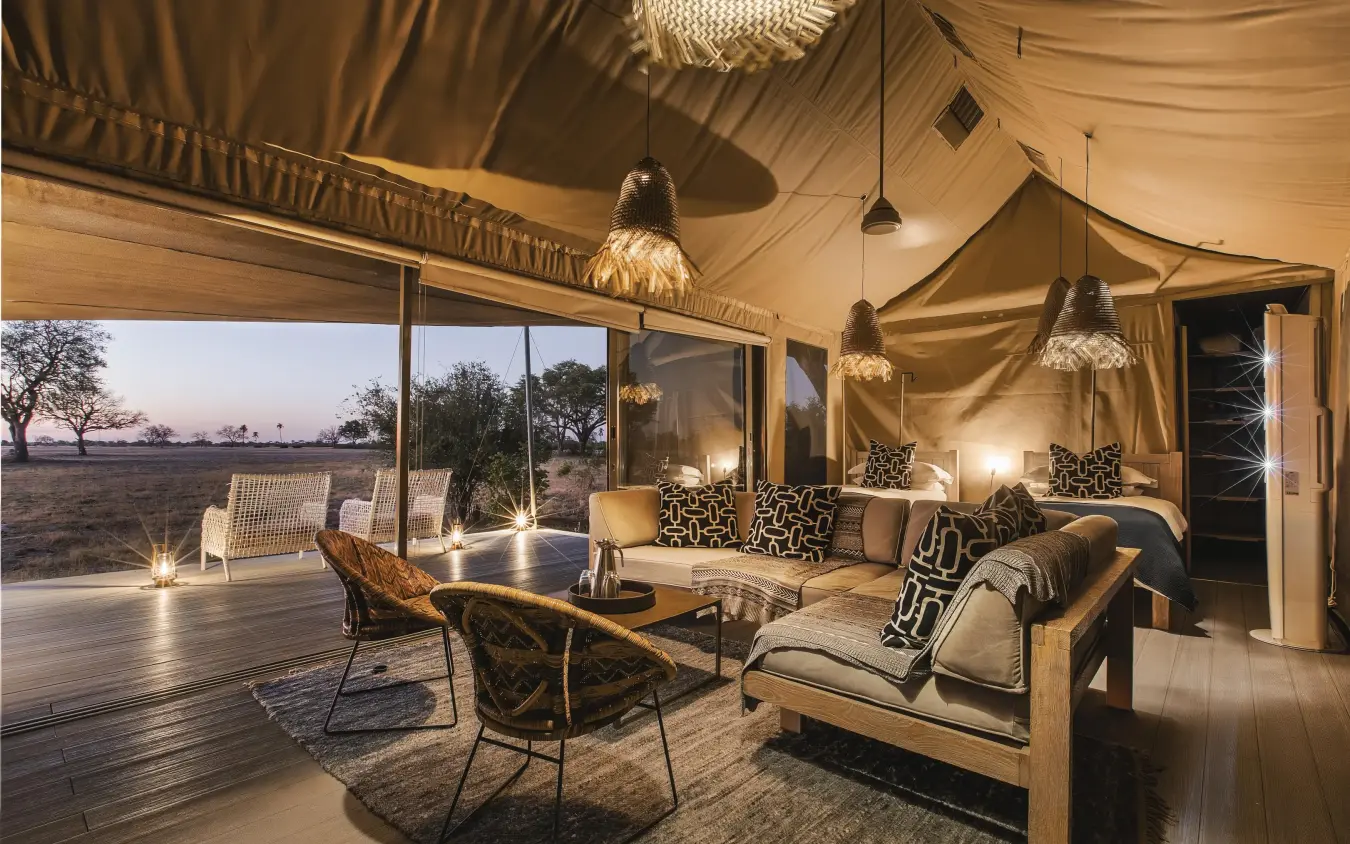
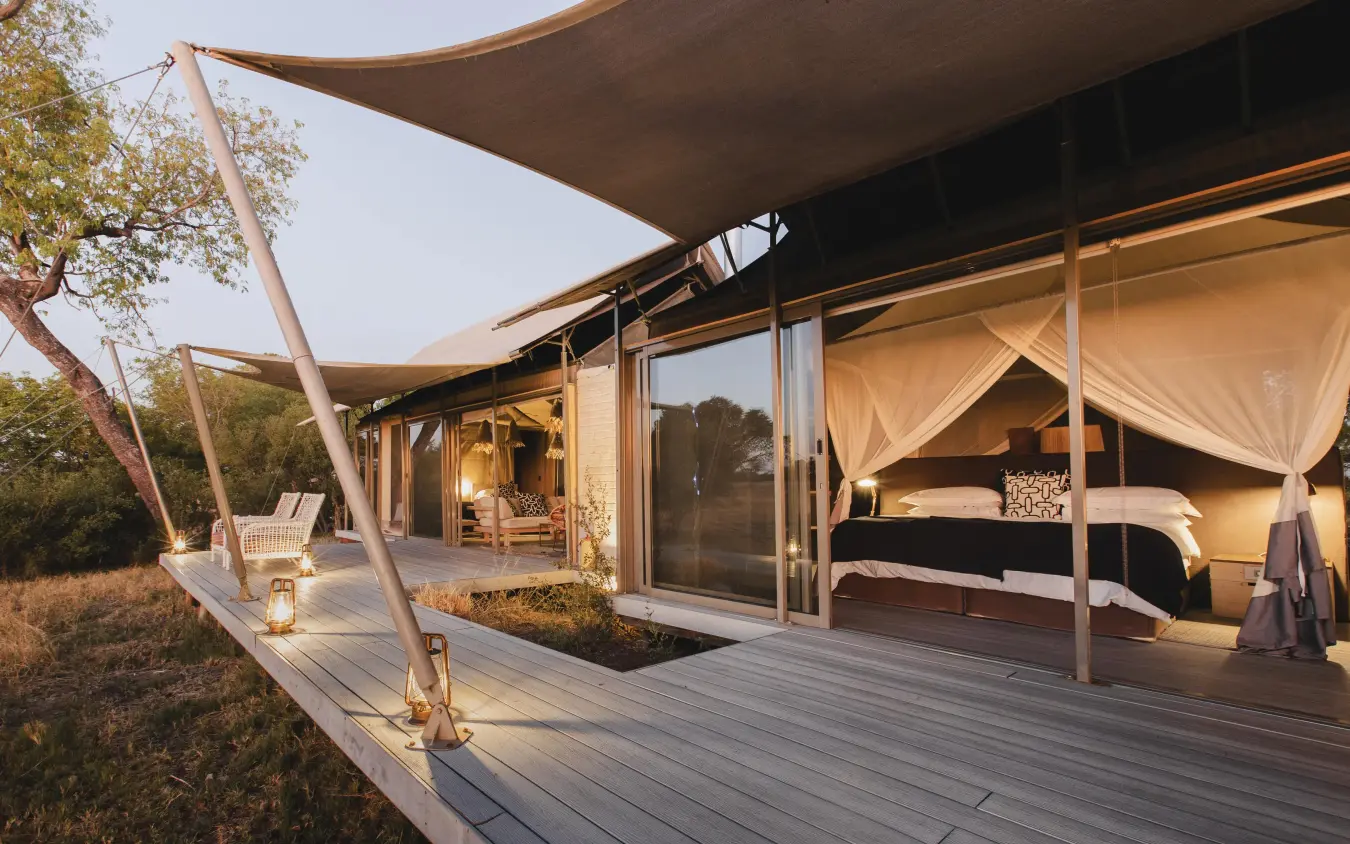
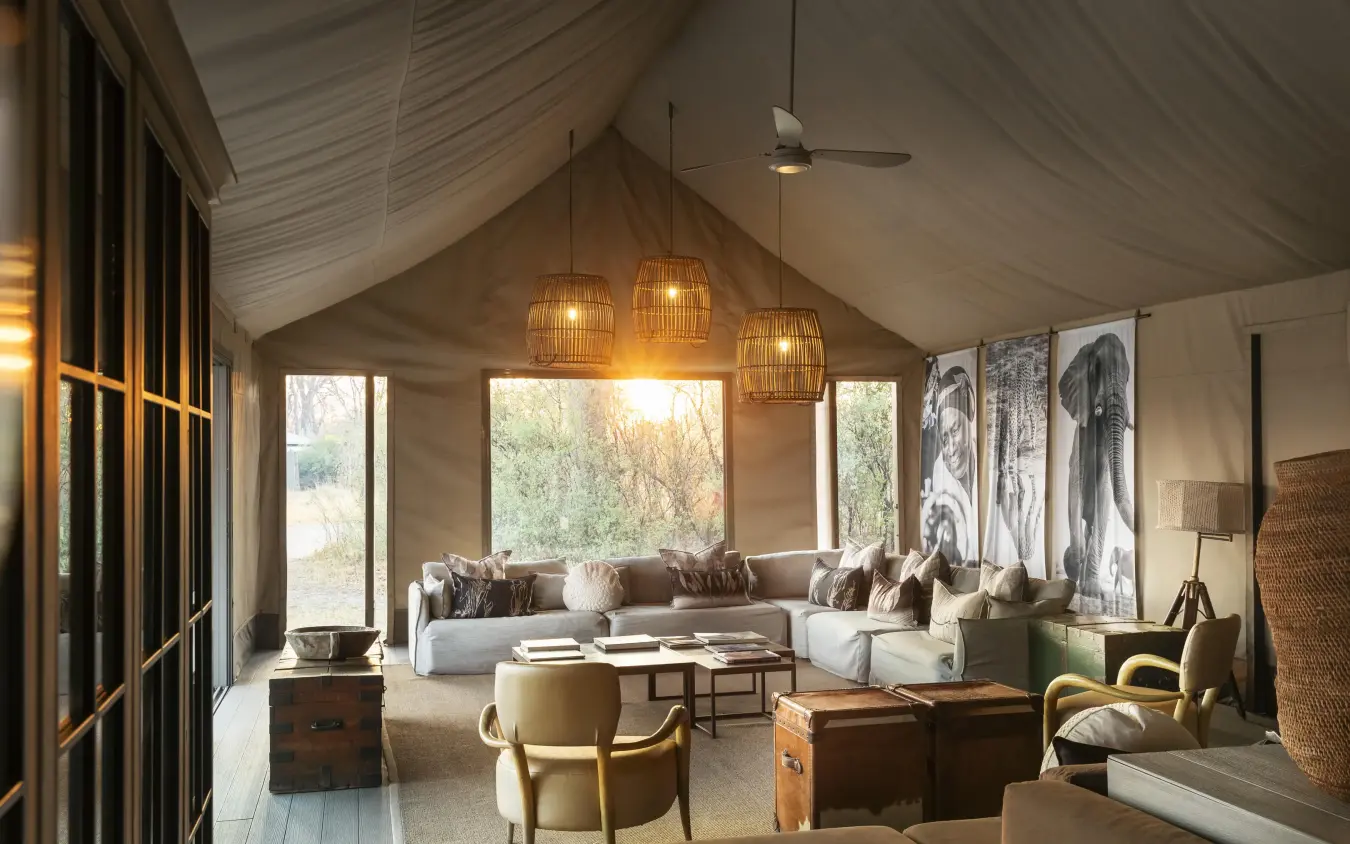
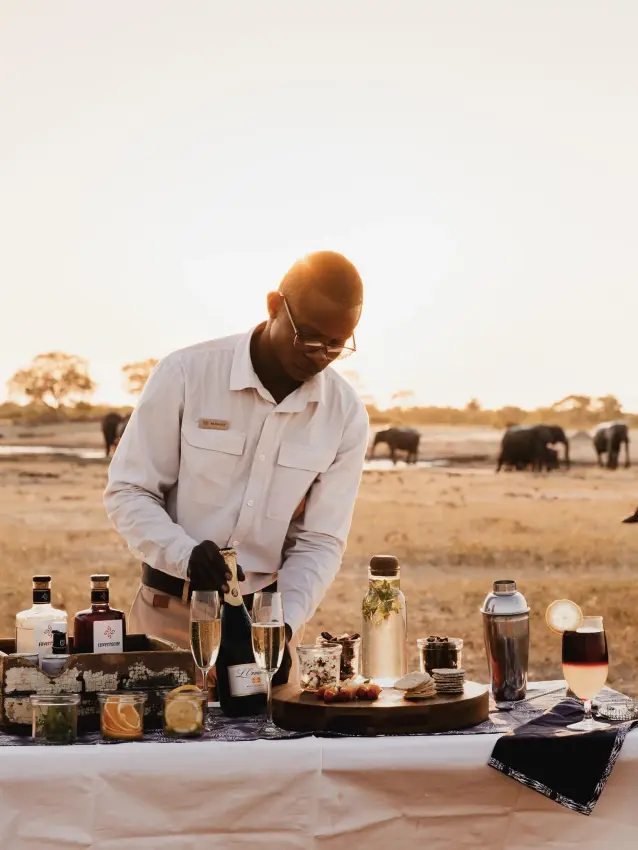
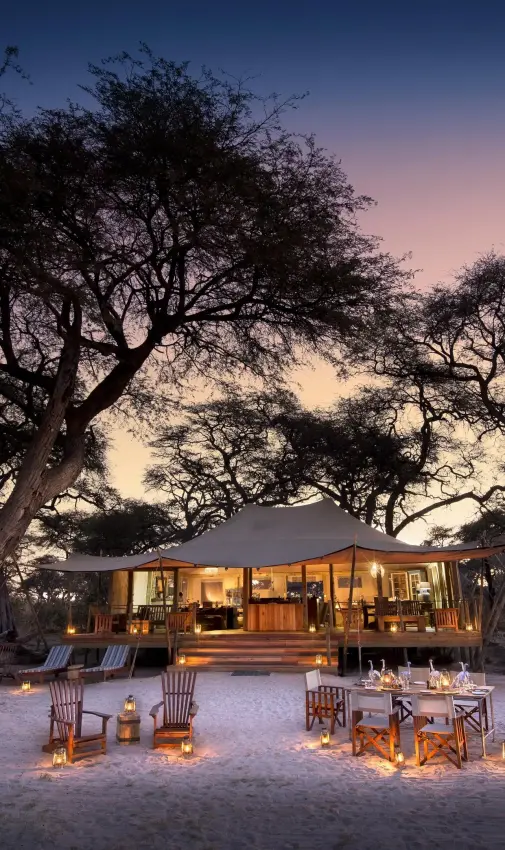
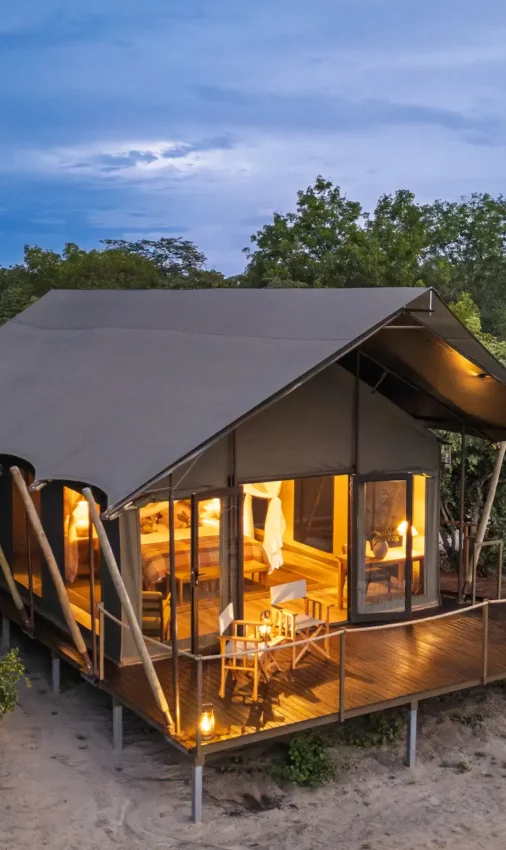
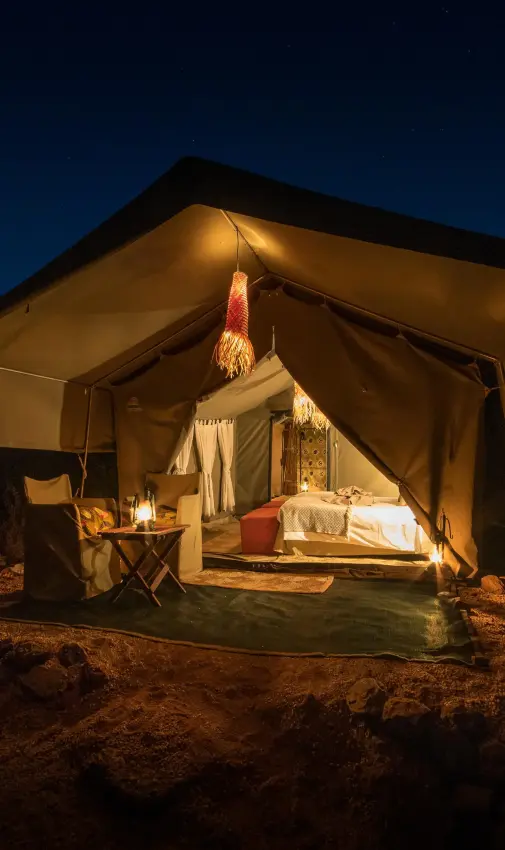
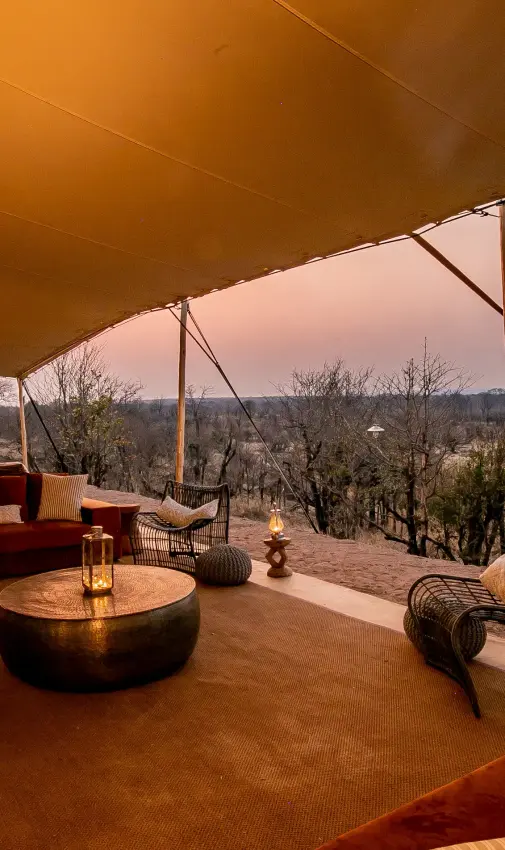
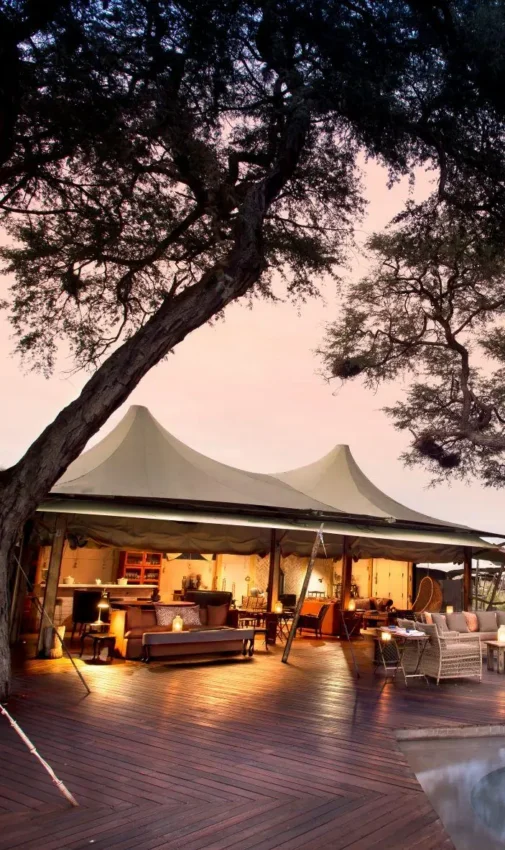
Nine tented suites reflect the standards that have made Linkwasha one of Hwange’s more comfortable camps. Interiors are spacious, and a winter lounge with a fireplace and library waits for the cold mornings. Meals are taken indoors or out on the decks, always facing the pan. Wilderness maintains solar-hybrid pumped pans across the concession, the same water that holds the dry-season game, and its Children in the Wilderness programme supports several local schools.