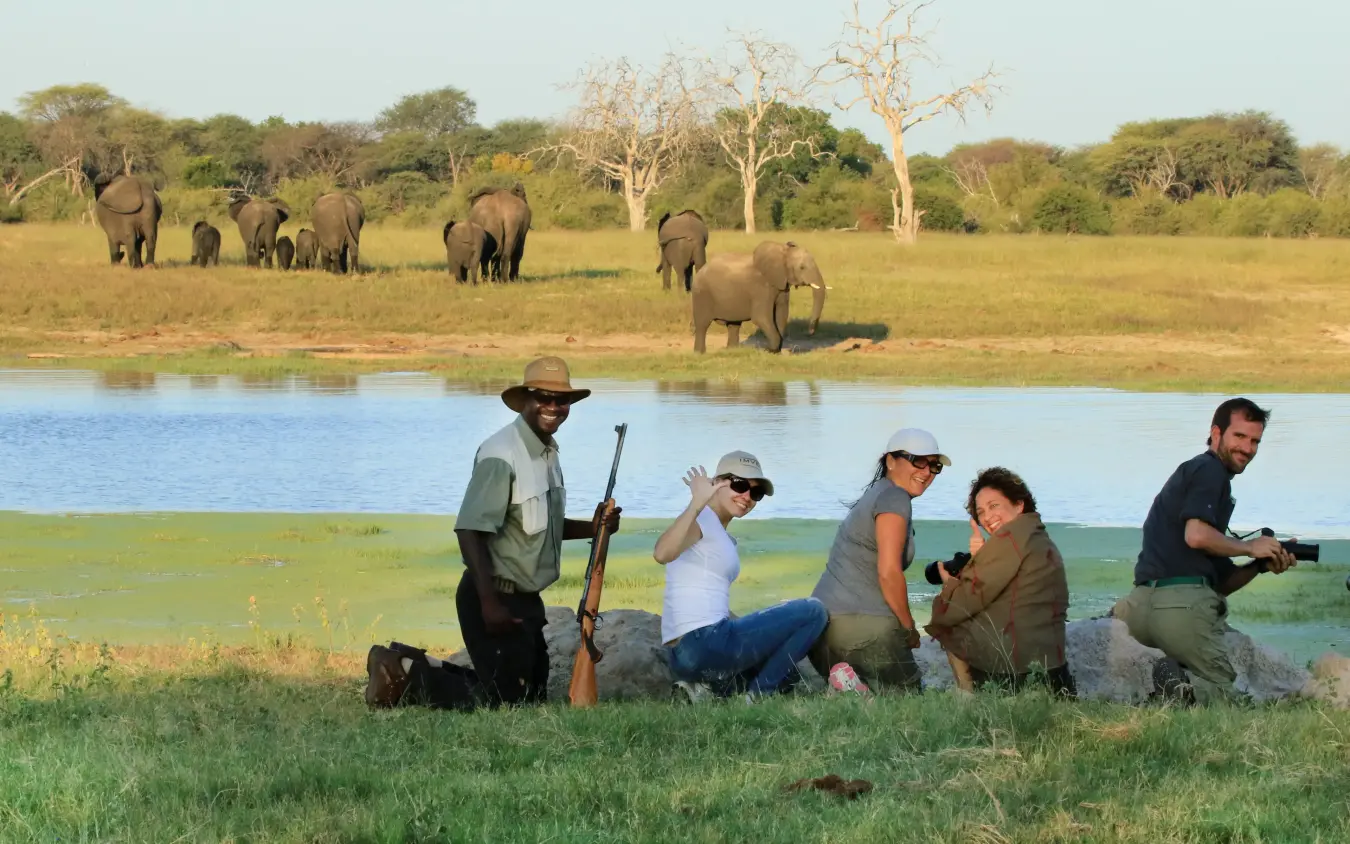
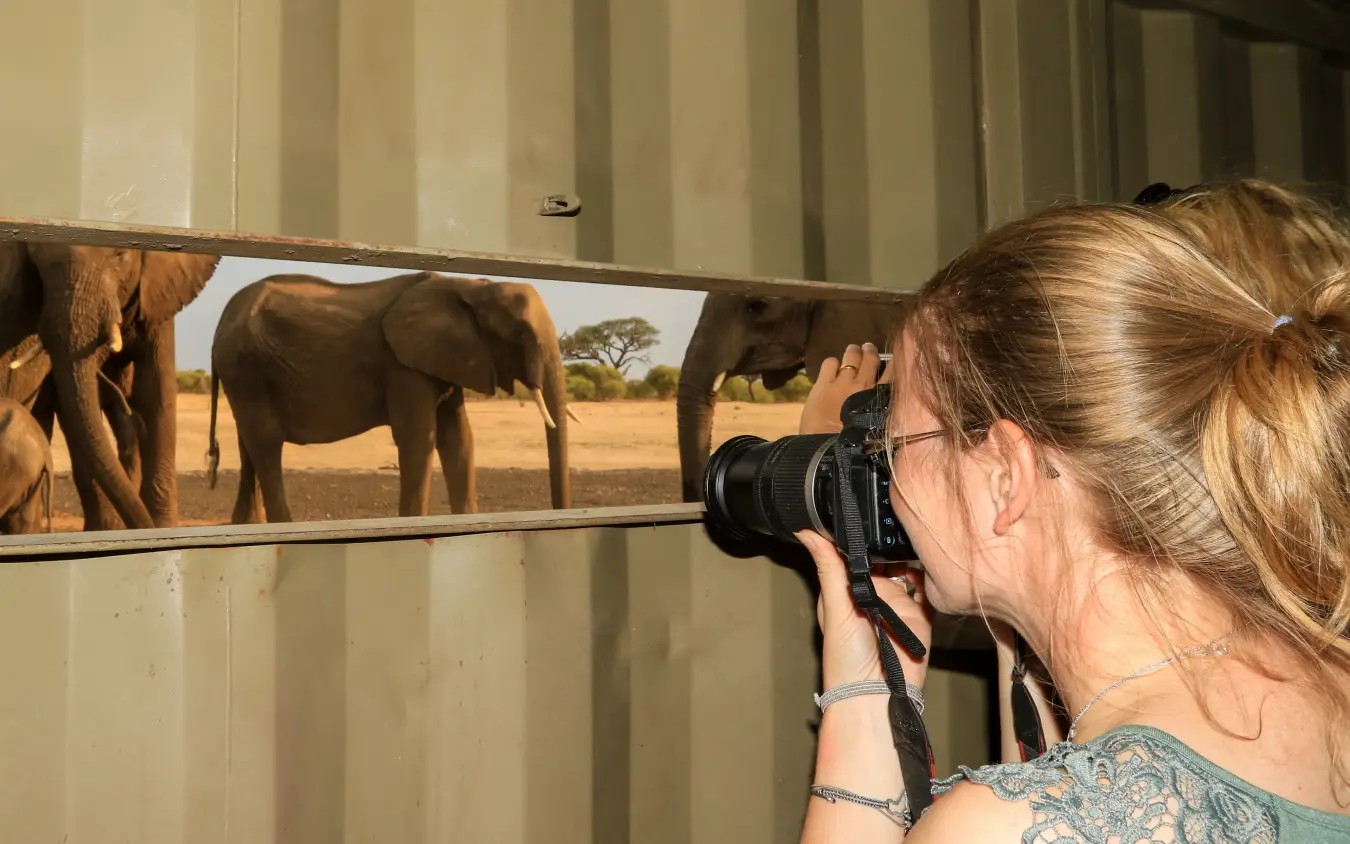
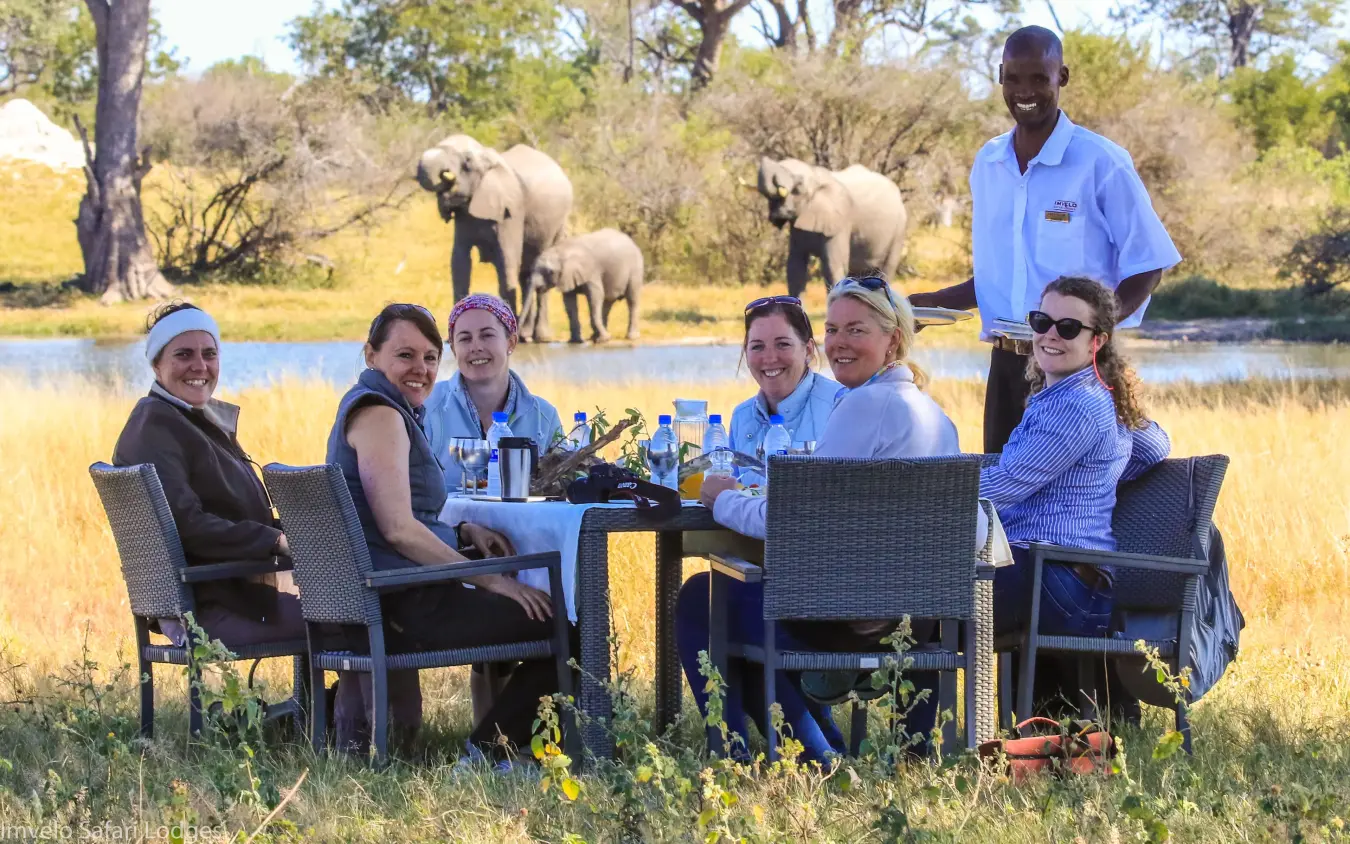
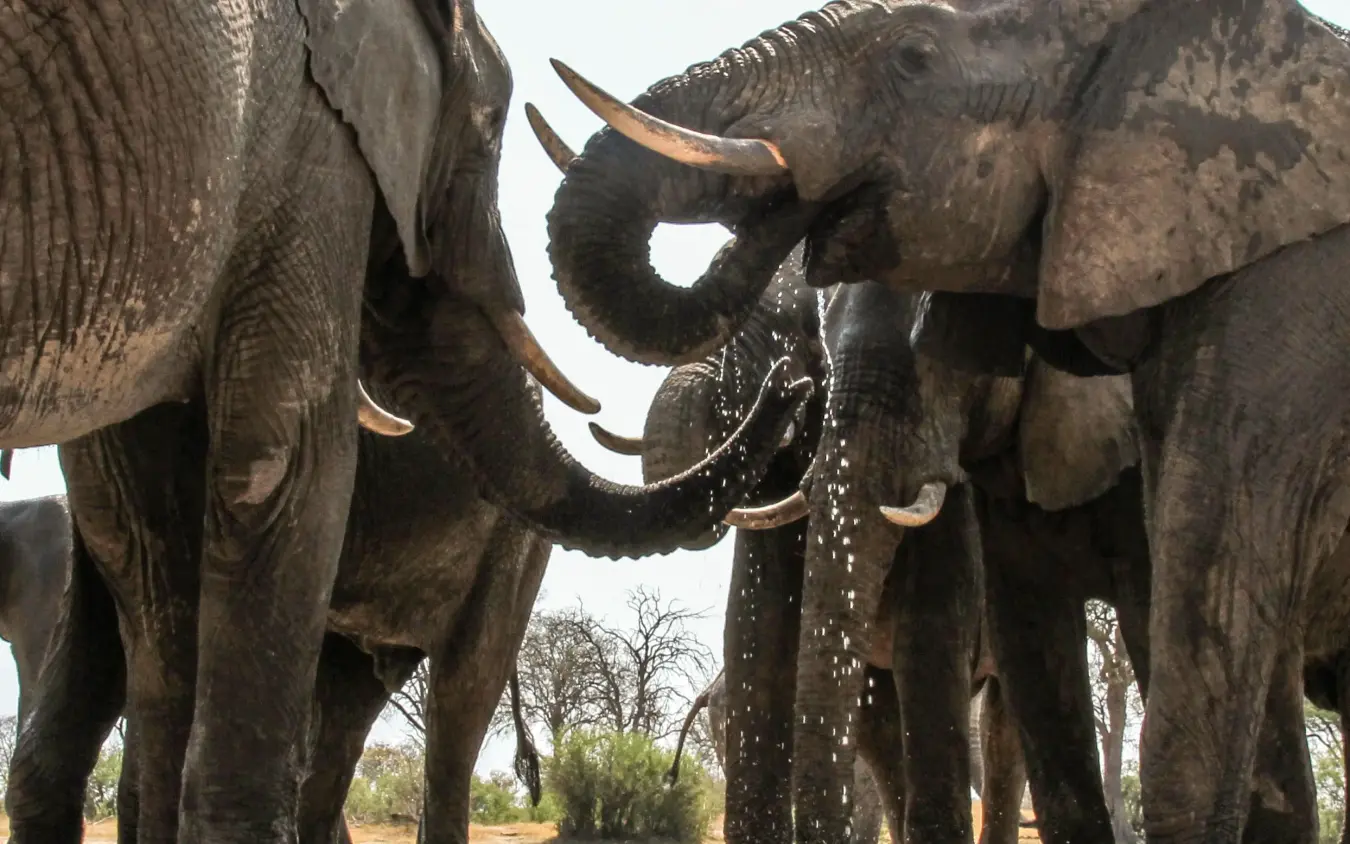
Hwange holds one of the continent’s largest elephant populations, and in the dry months from July to November they file across the Ngamo Plains toward a busy waterhole a short distance from camp. That waterhole holds Stoffie’s Hide, buried beneath an ancient tree and disguised as a termite mound. From inside, the water sits at eye level, and the elephants drink and splash only a few metres away. It is the kind of encounter most safaris promise from a vehicle and rarely deliver on foot.
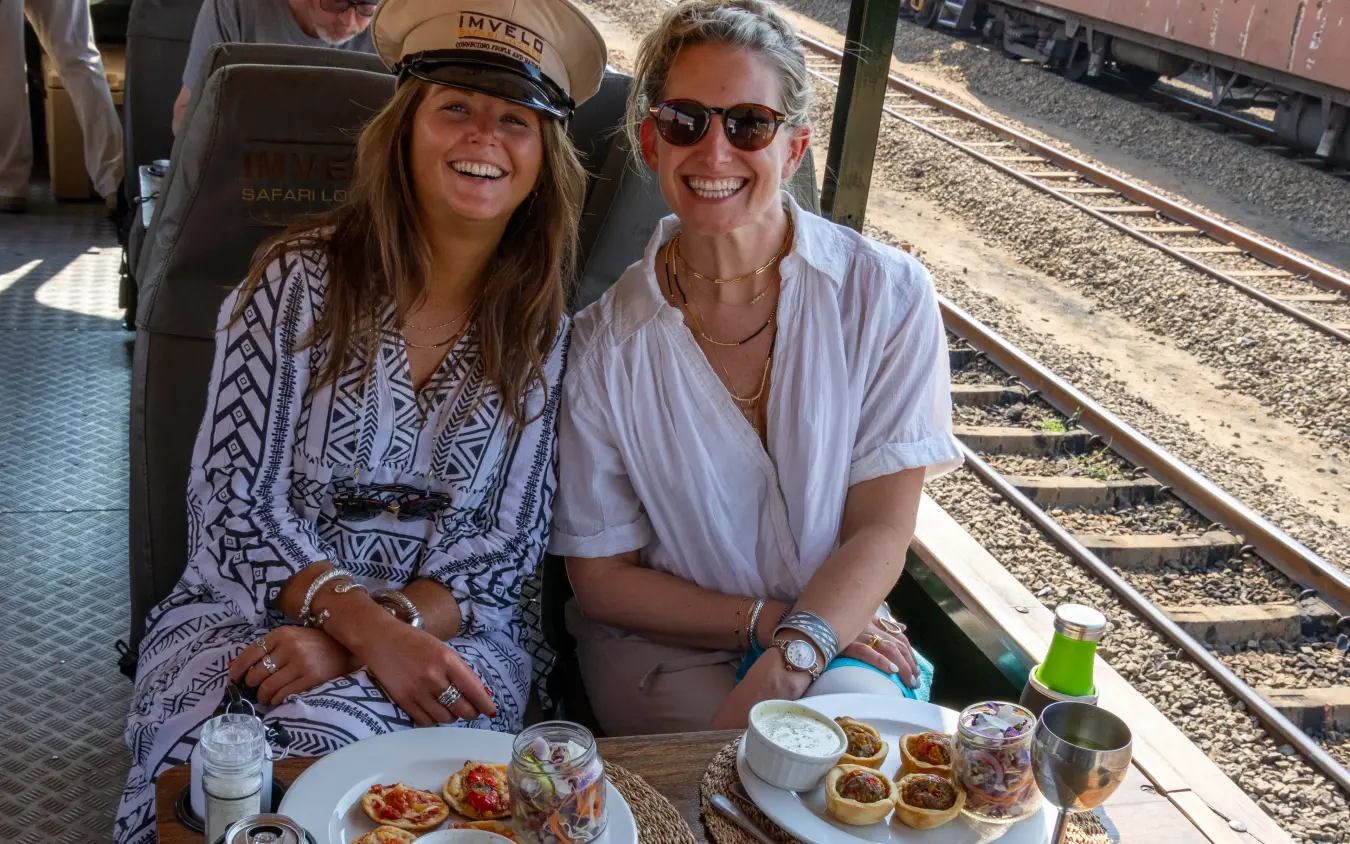
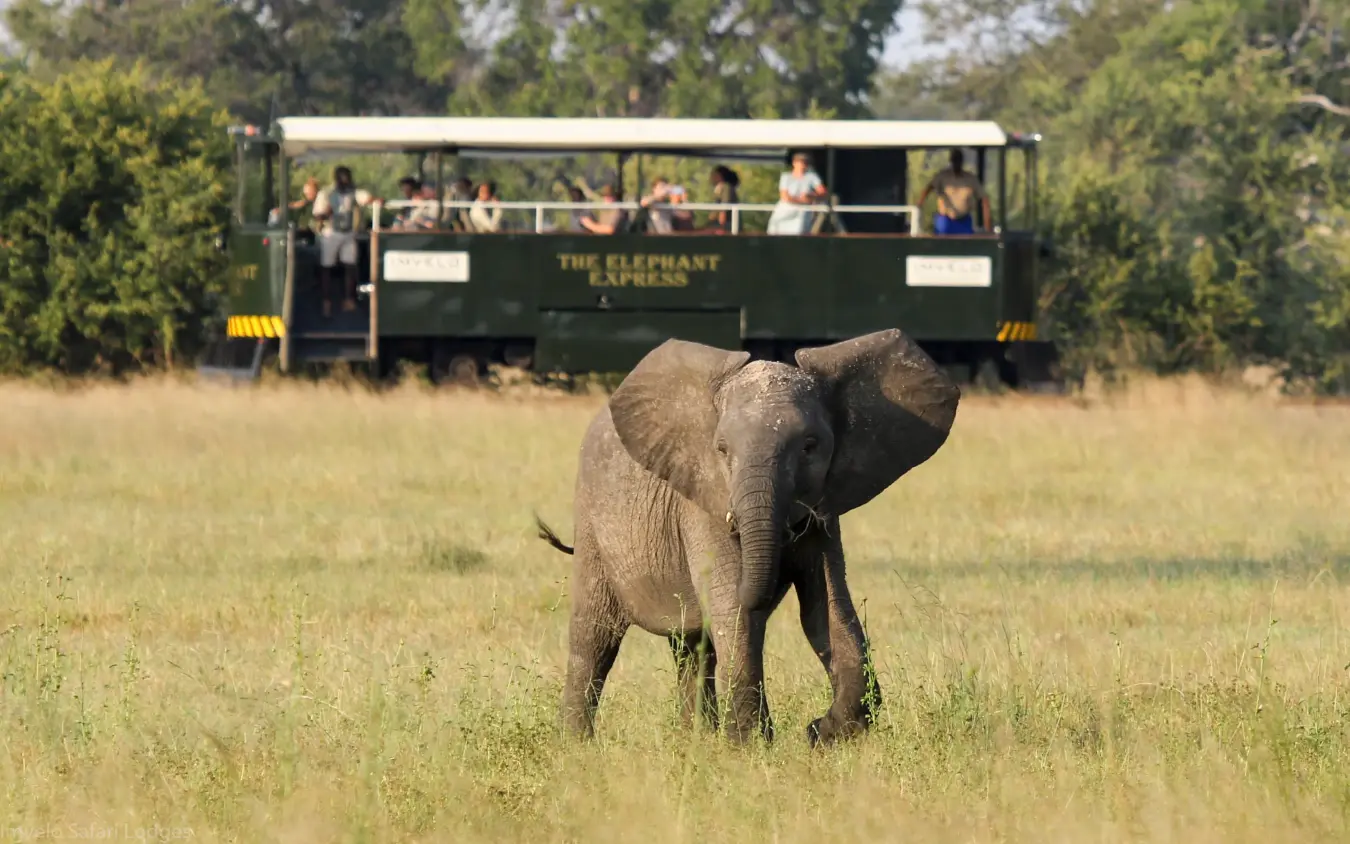
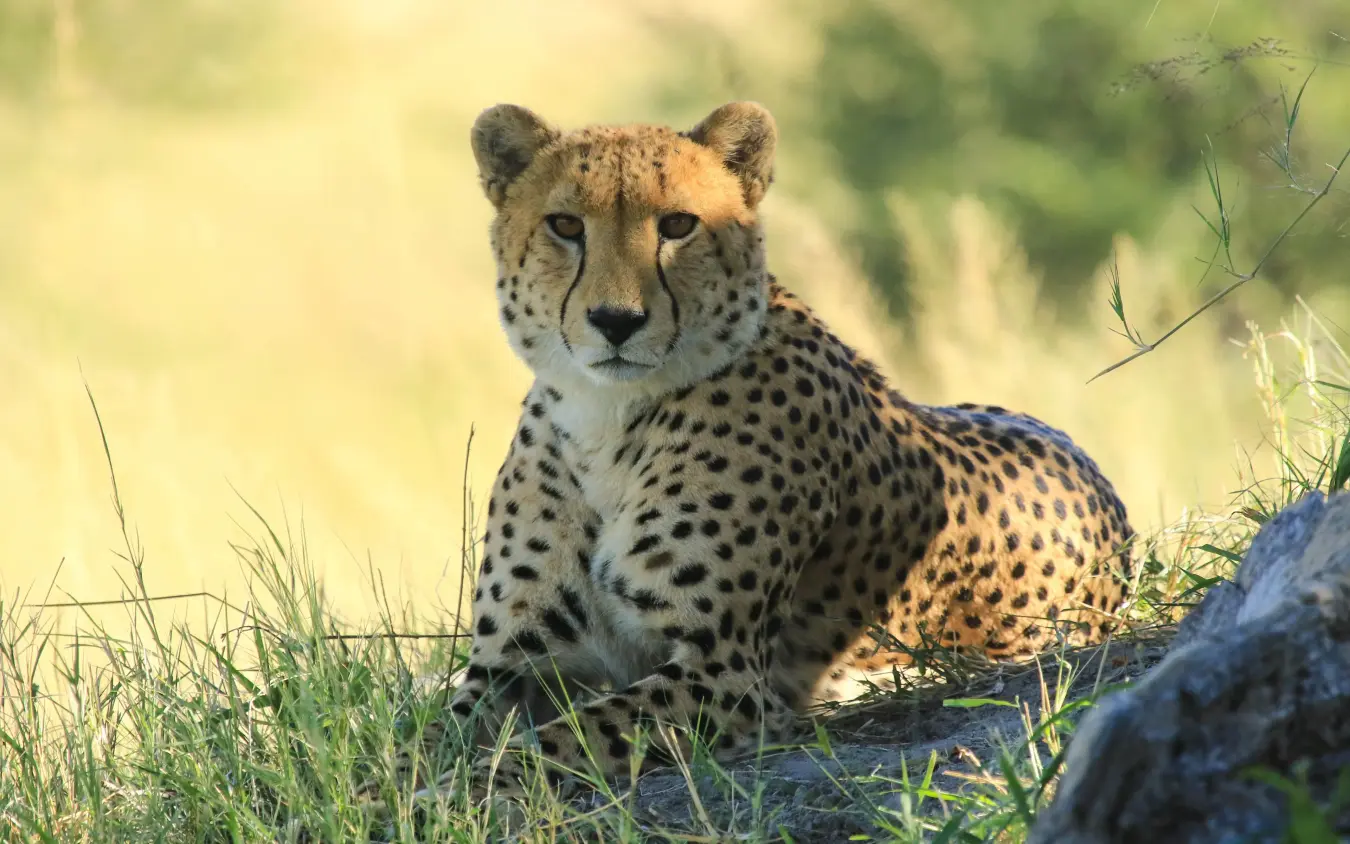
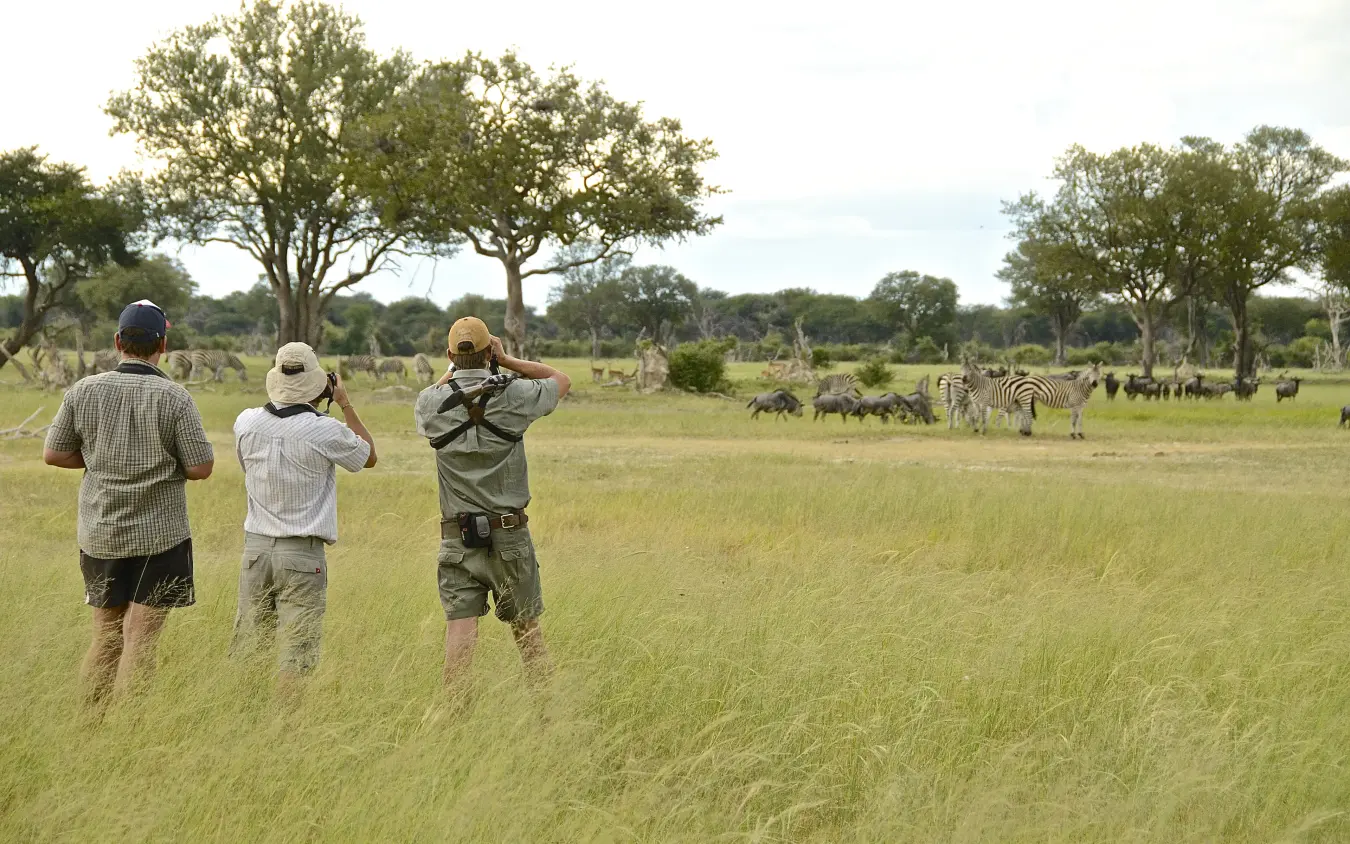
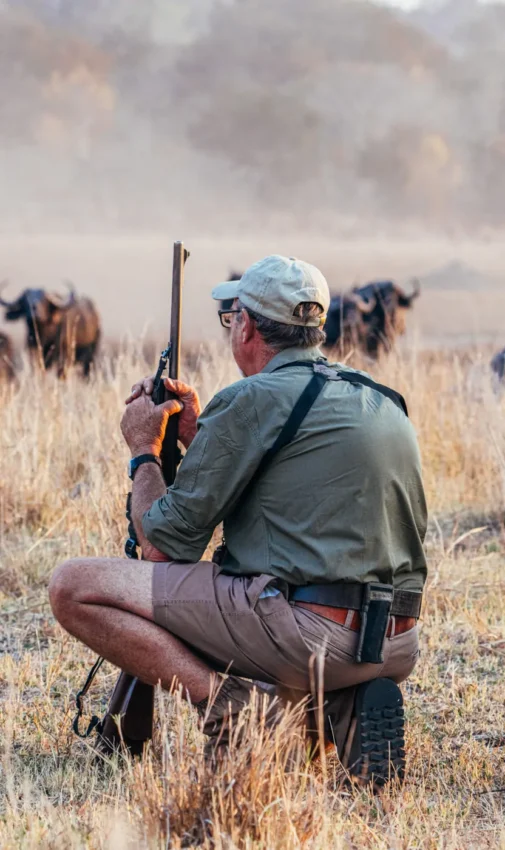
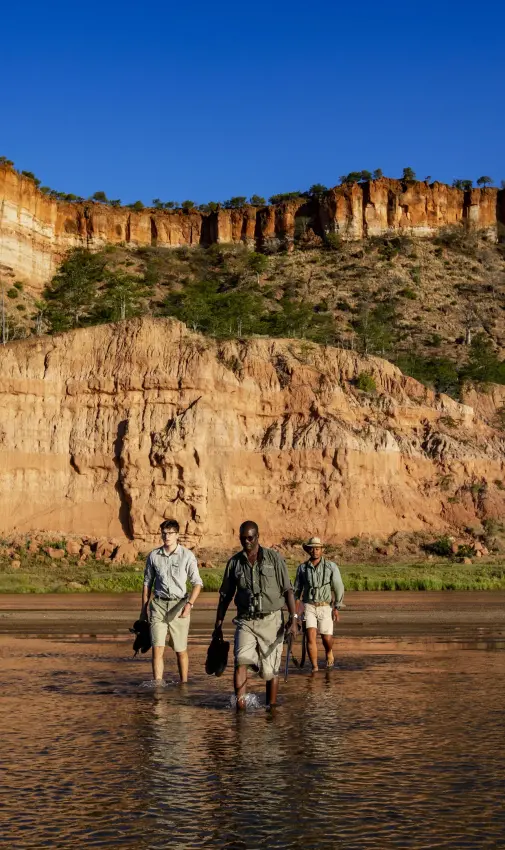
Game drives run in open vehicles inside the national park, where daytime viewing on the Ngamo Plains turns up buffalo, zebra, giraffe, sable antelope and the predators that follow them. Outside the park, on the community concession, the rules relax. Night drives and unrestricted walking become possible, and armed guides lead you to track big game on foot. The Elephant Express, a converted open-sided railcar, carries guests along the eastern rail boundary for a slow, scenic transfer between the sidings.
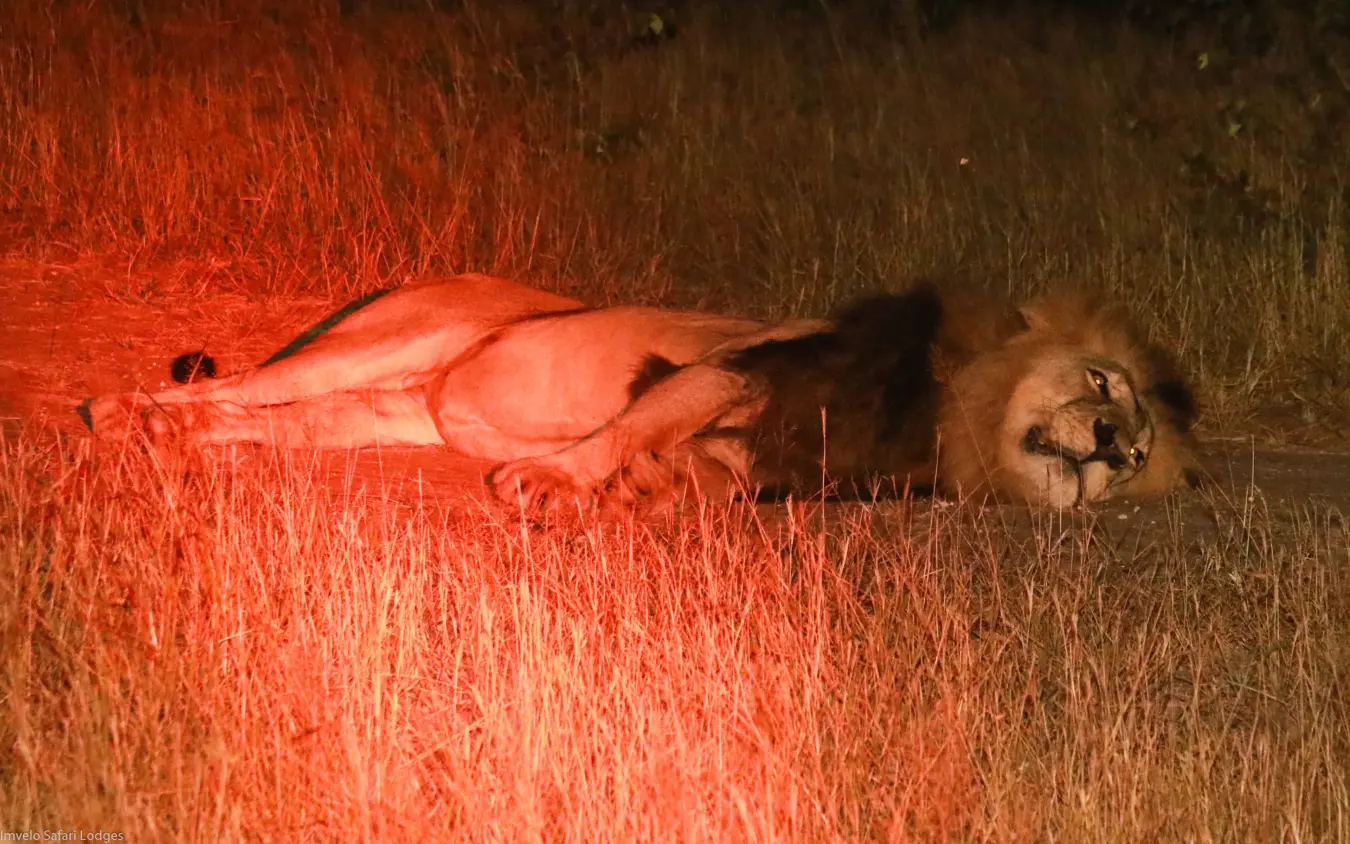
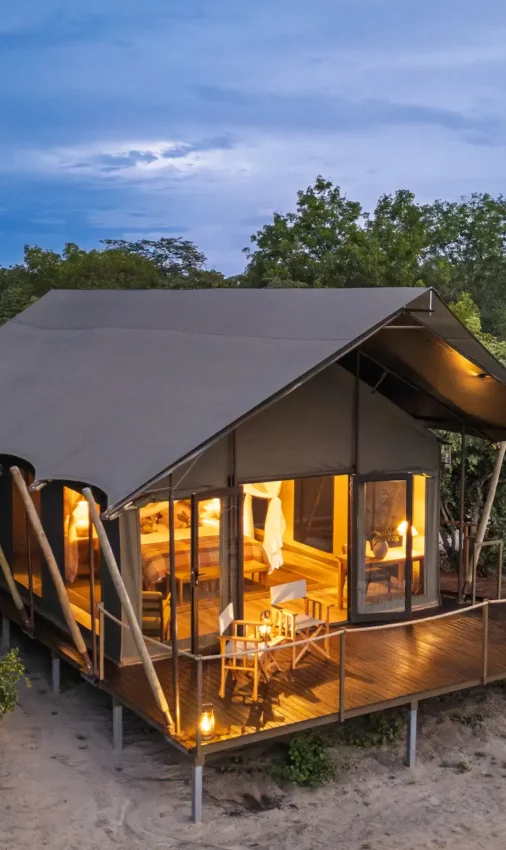
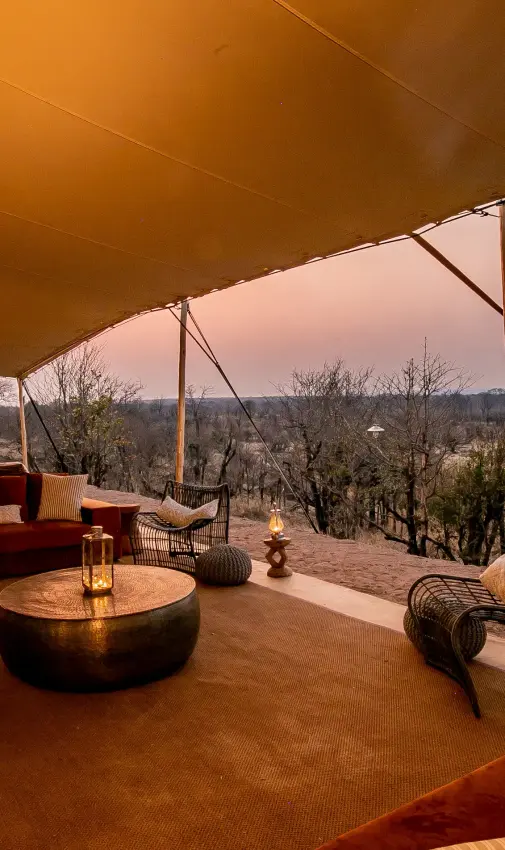
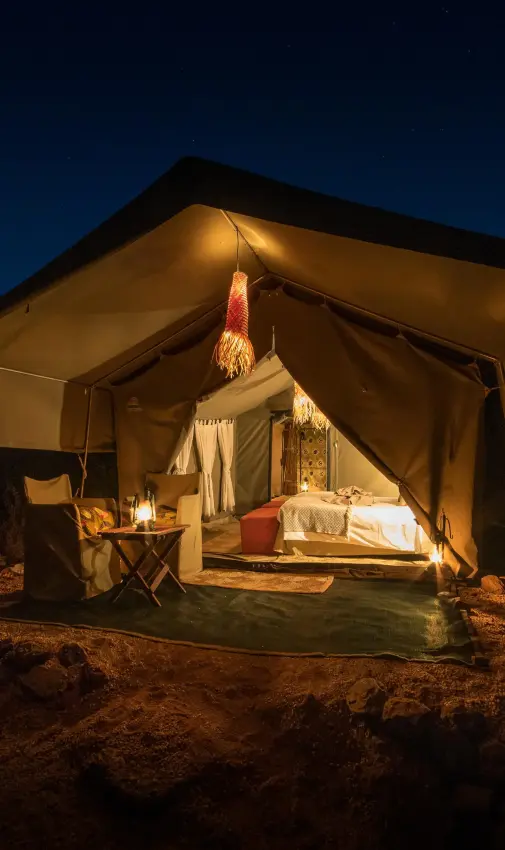
At night come the rumble of bull elephants at the pan and the crackle of the central fire
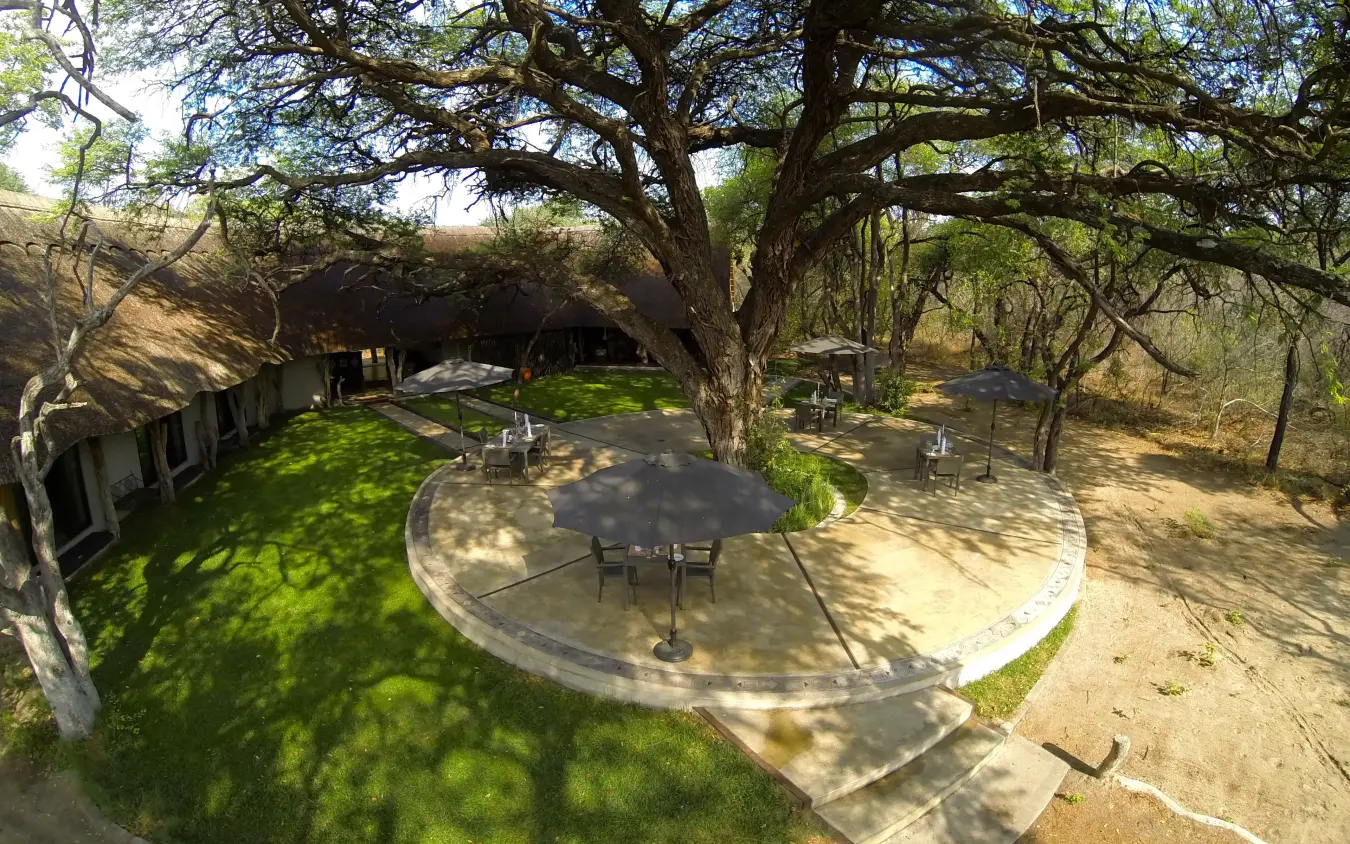
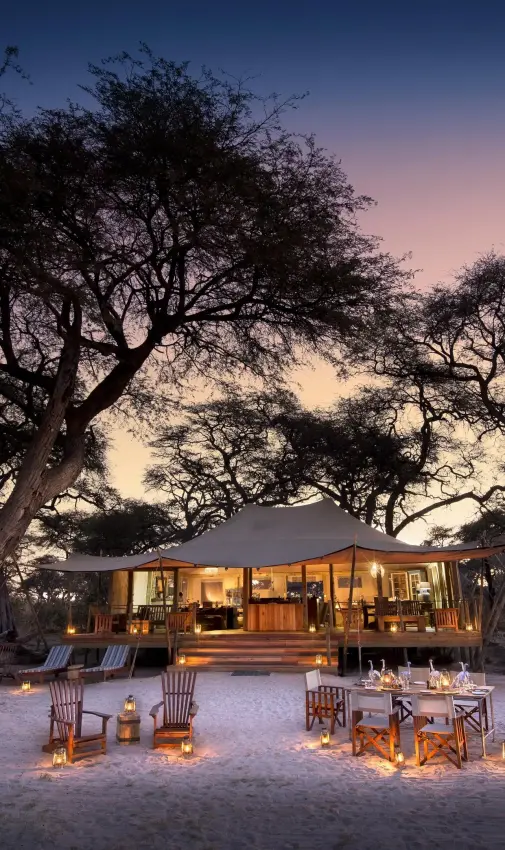
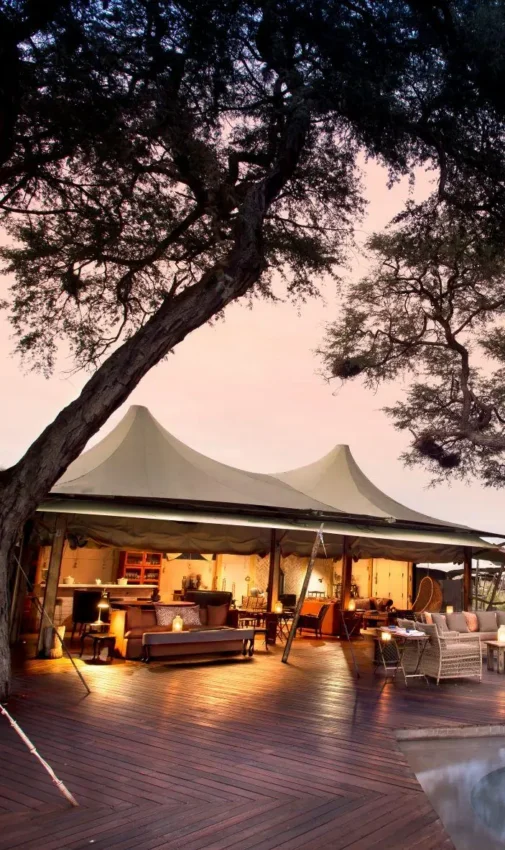
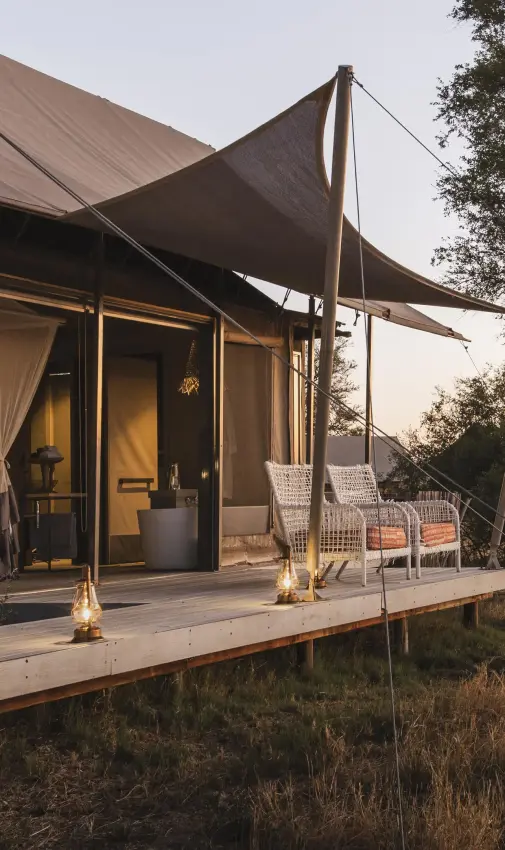
Meals move with the day and the season. Breakfast and lunch are usually taken outdoors beneath the namesake camelthorn tree, and on cold winter evenings dinner shifts indoors to the stone dining hall, served family-style at a long teak table beside three fireplaces. Picnics are packed for the full-day Pump Run, when guests join Imvelo’s team delivering fuel and rations to the pump attendants who keep Hwange’s boreholes running through the dry season.
Almost all the staff come from the neighbouring Ngamo villages, and the community is woven through the stay. A visit to Ngamo village, fifteen minutes away, and a morning at the local school sit alongside the safari programme, though the school visits pause through April, August and the mid-December holidays. Children aged seven and over are welcome, younger ones by prior arrangement. At night come the rumble of bull elephants at the pan and the crackle of the central fire.