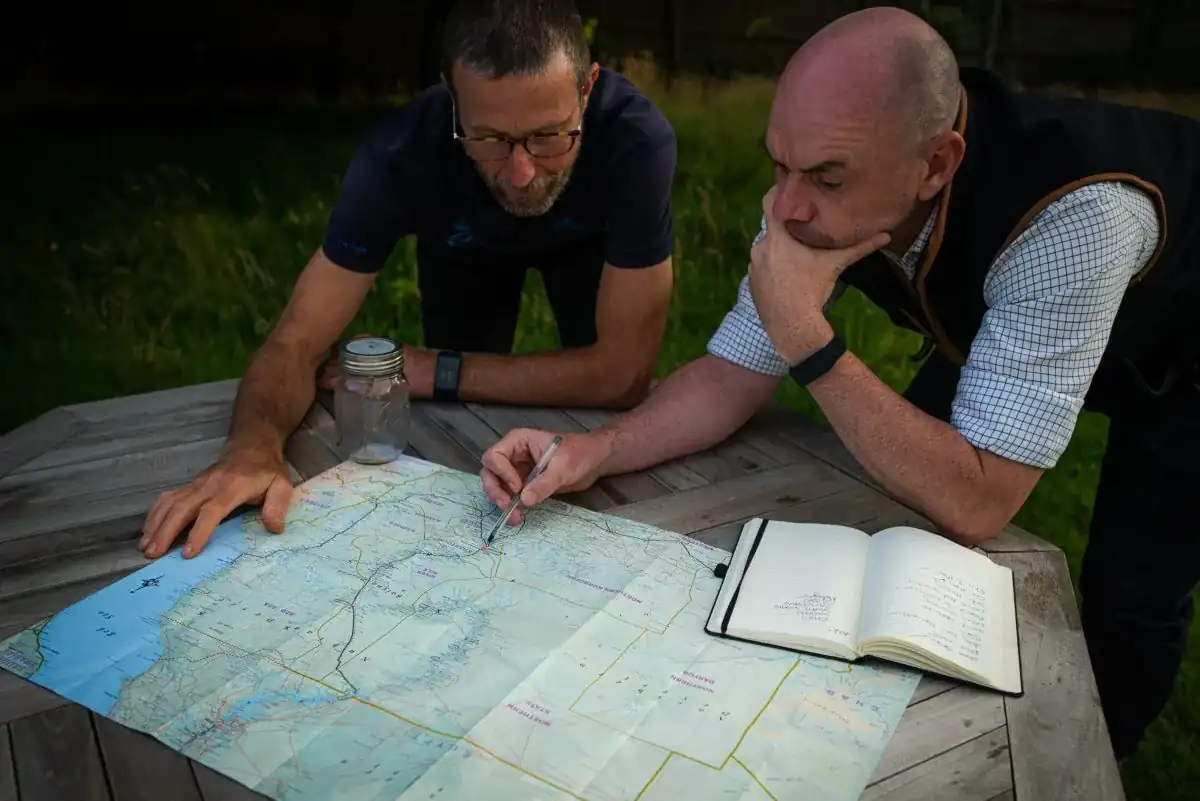
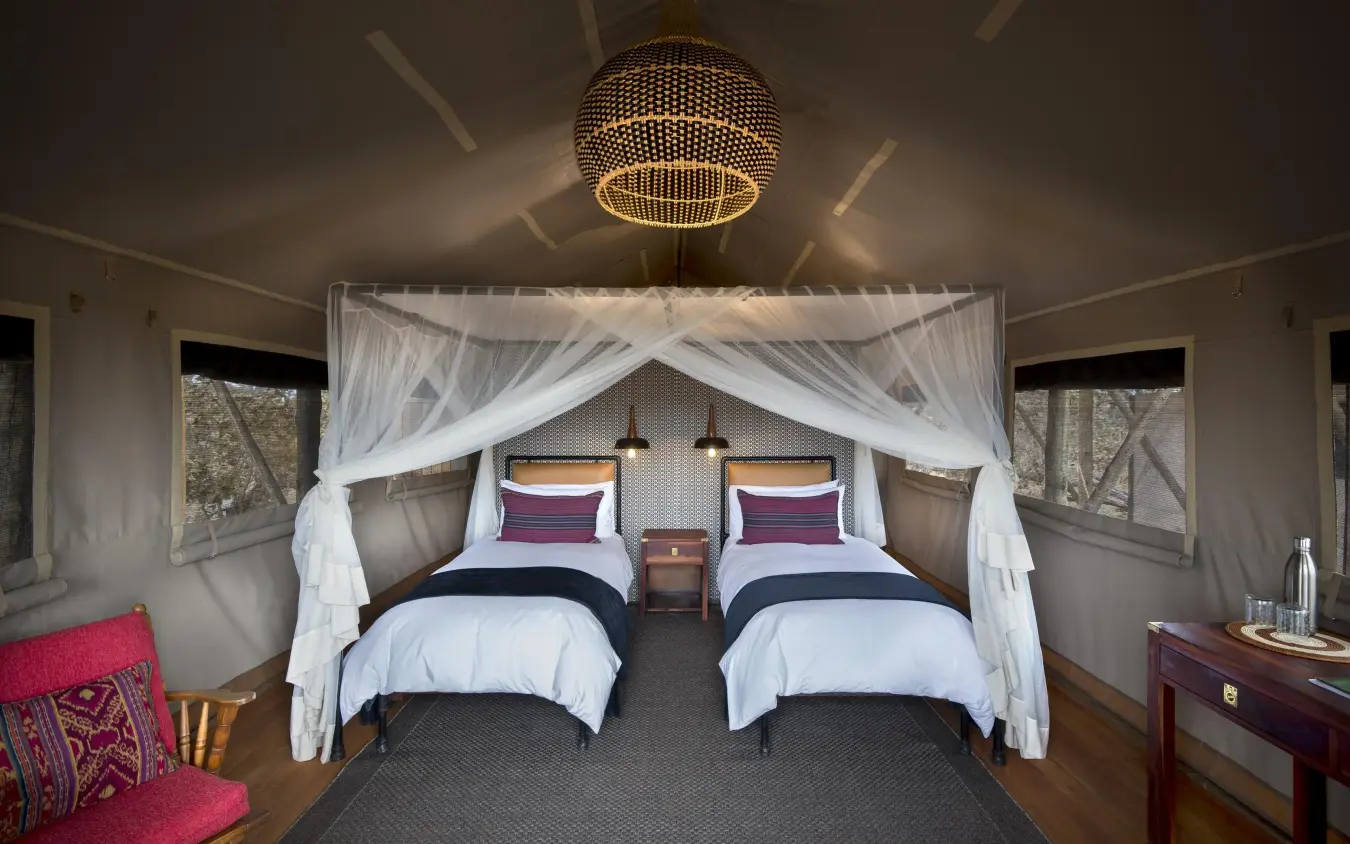
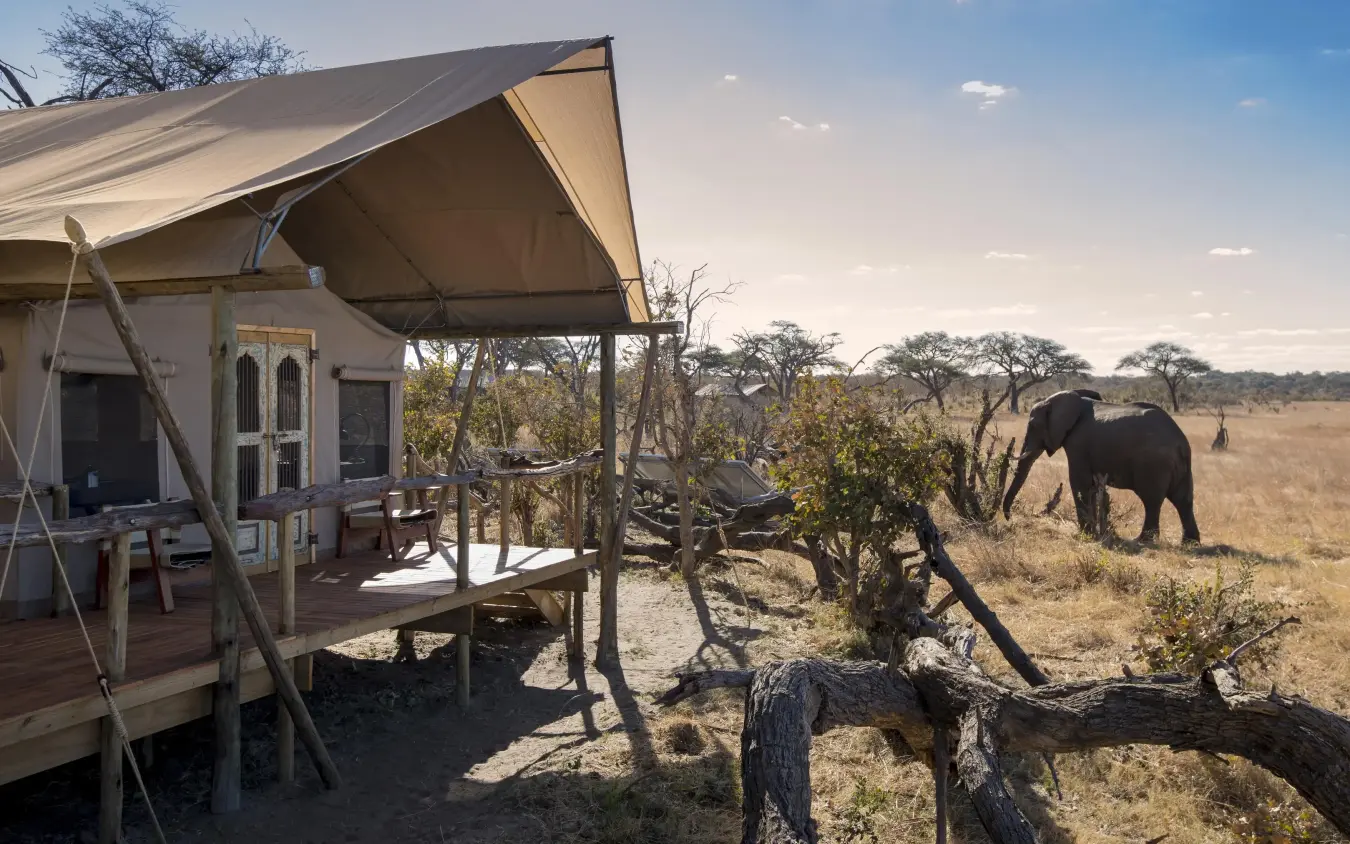
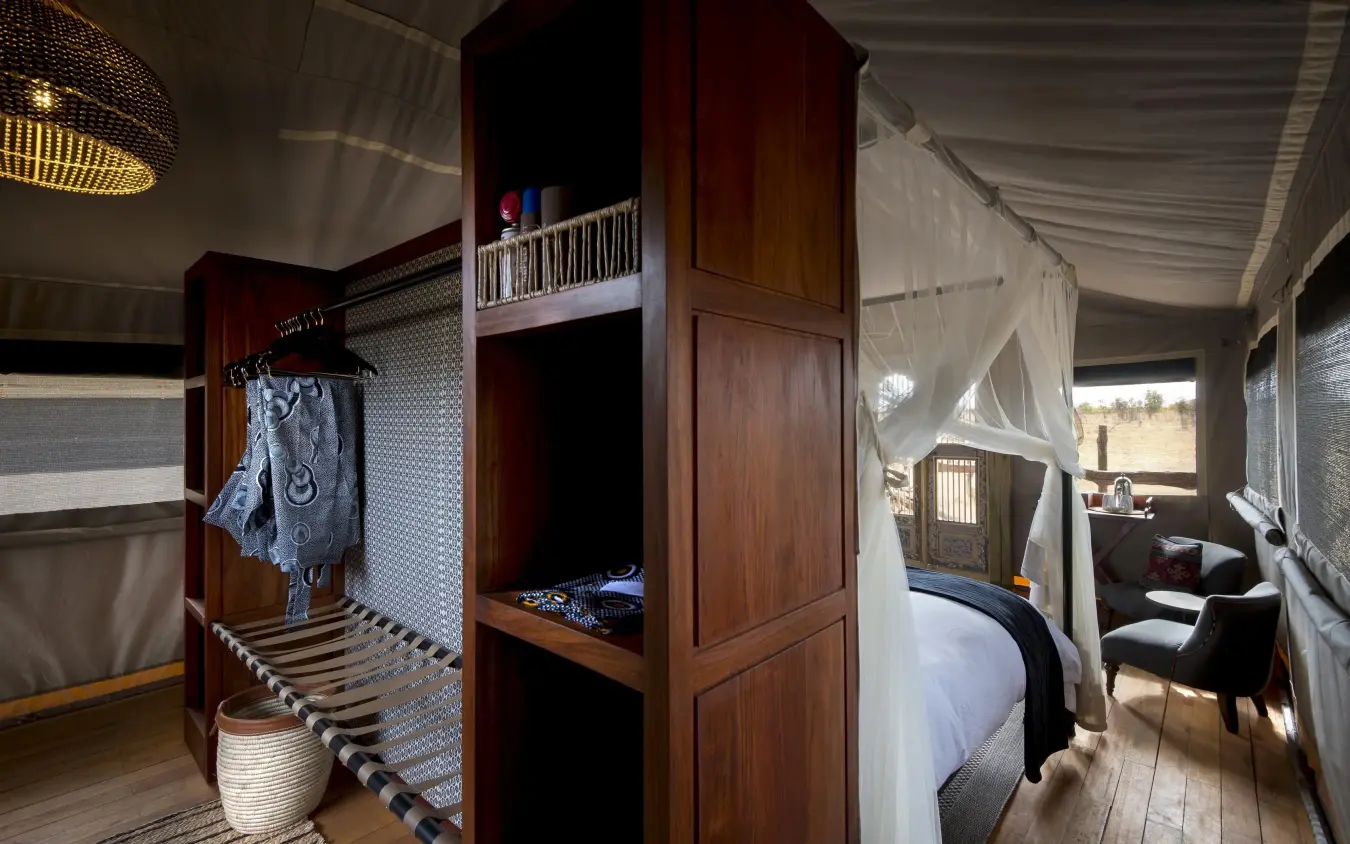
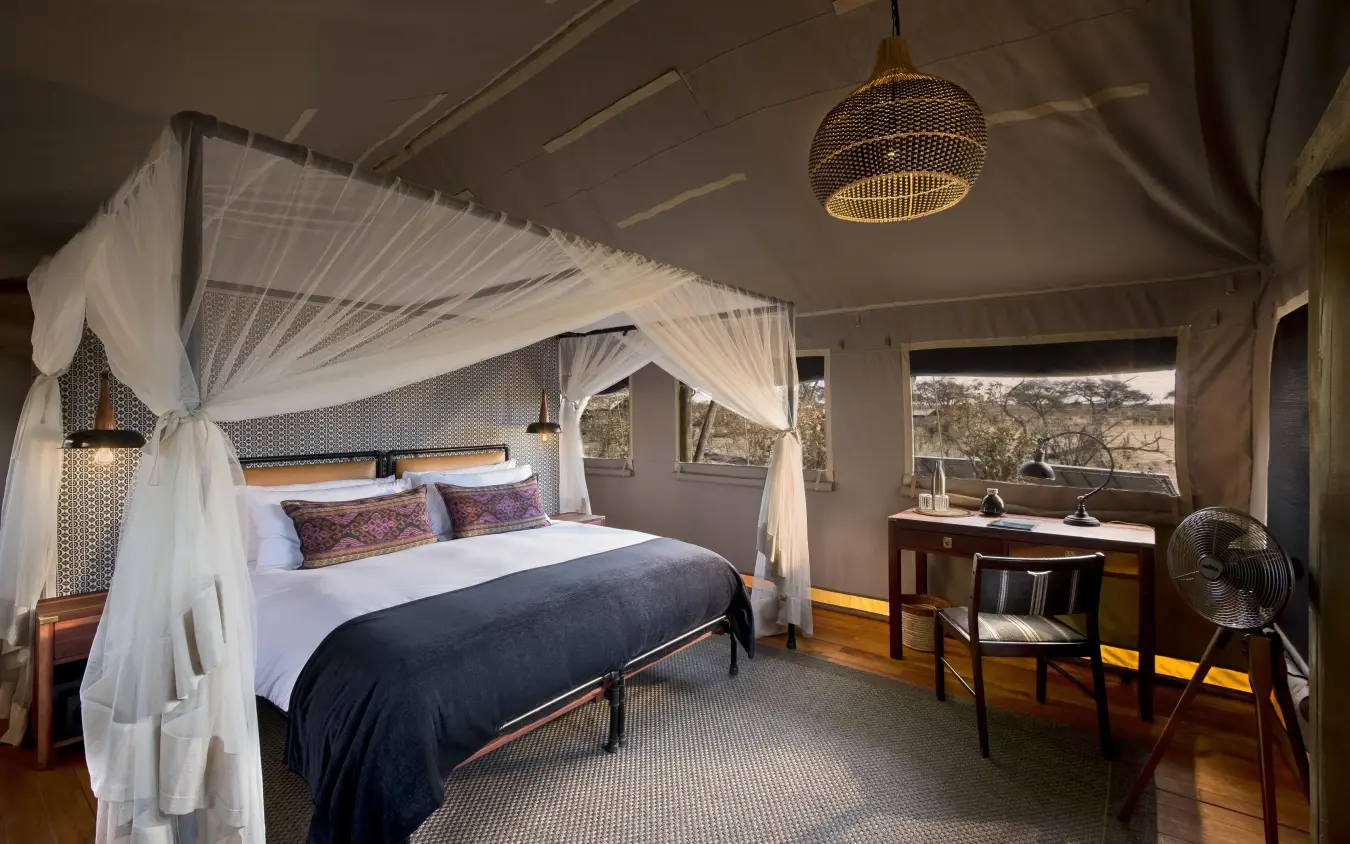
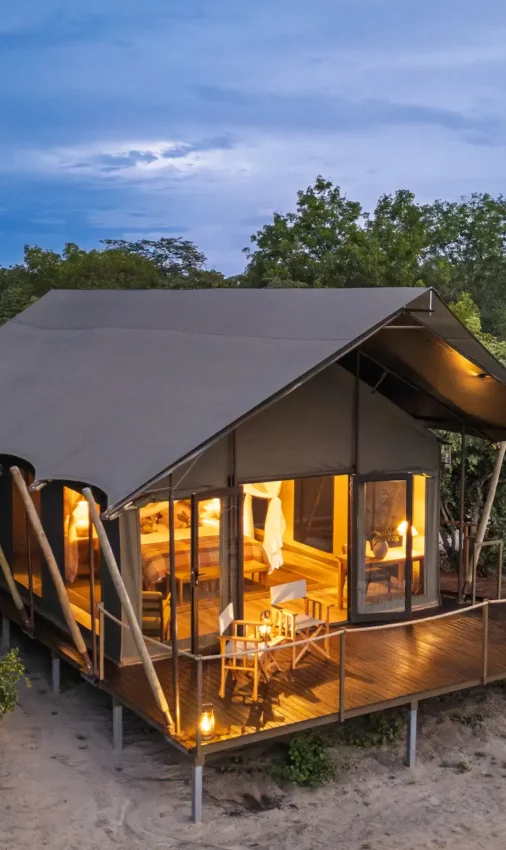
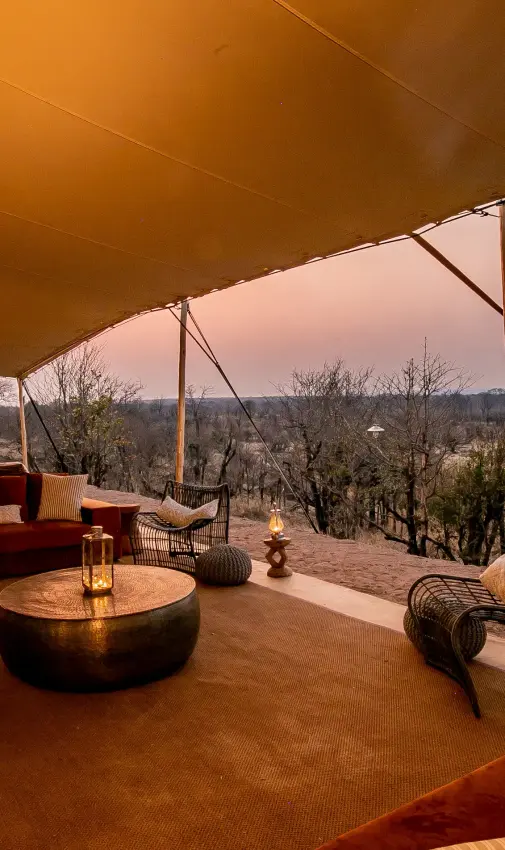
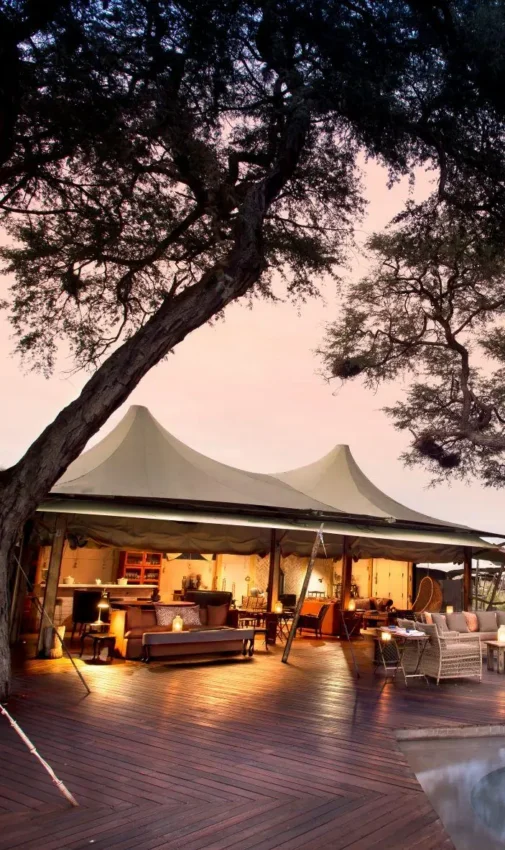
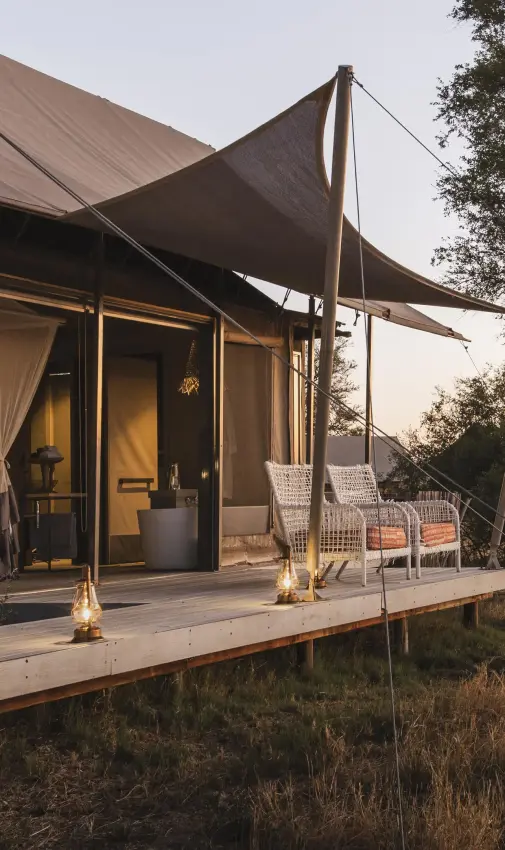
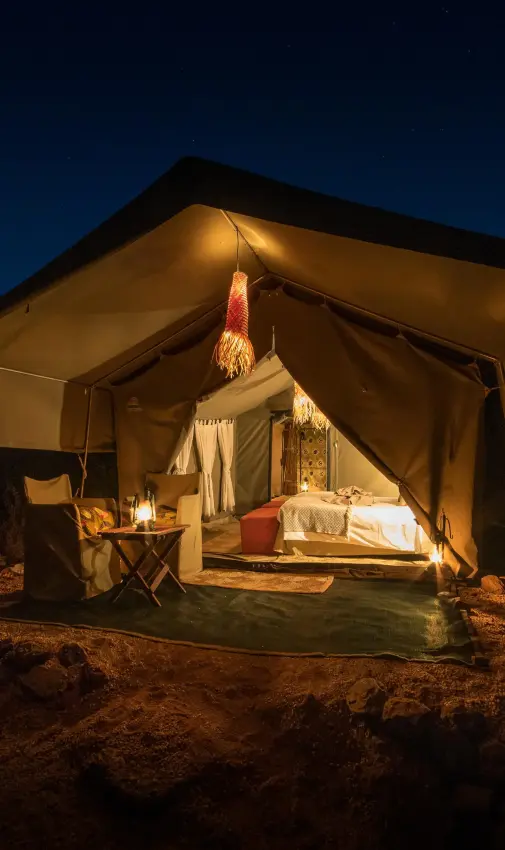
Beks Ndlovu, a Zimbabwean professional guide, built the first Somalisa camp in Hwange and grew it into a wider safari operation across Zimbabwe, Zambia and Botswana. Somalisa Expeditions came later, within the same concession, conceived as a smaller and more rustic counterpart to that original camp, plainer in register throughout, six tents against the flagship’s seven. Canvas-walled and raised on wooden platforms, the tents run to dark polished floors and earthy ochre and green tones, furnished in Zimbabwean craftsmanship rather than statement fixtures, each with an en-suite bathroom of flushing toilet and hot shower and a private veranda facing the bush. The effect sits closer to the early tented expeditions than to a design lodge.
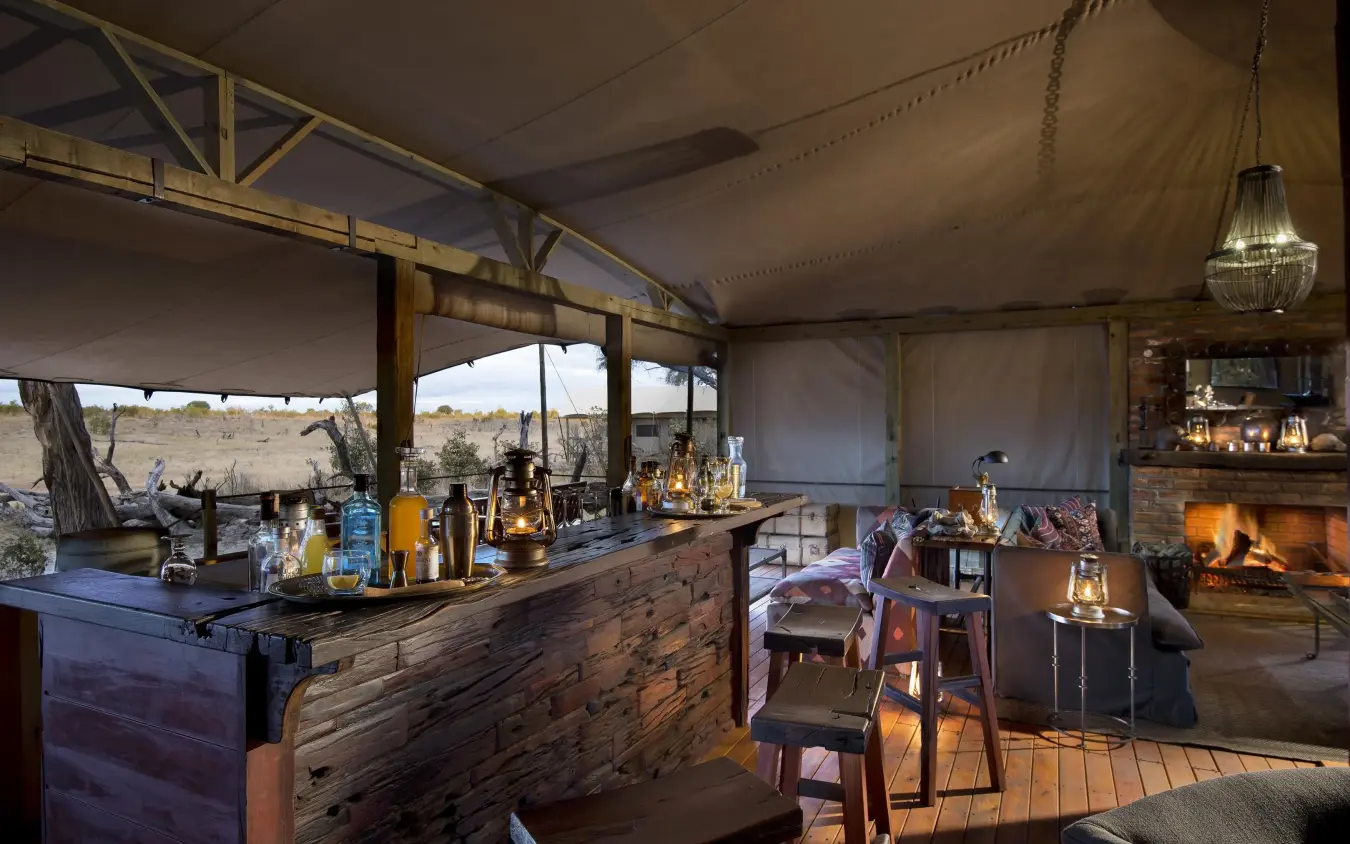
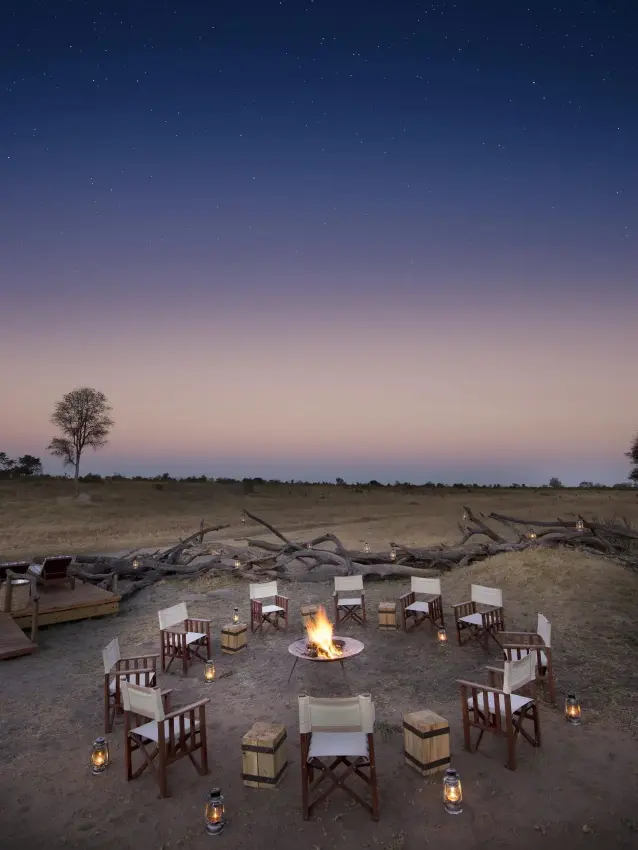
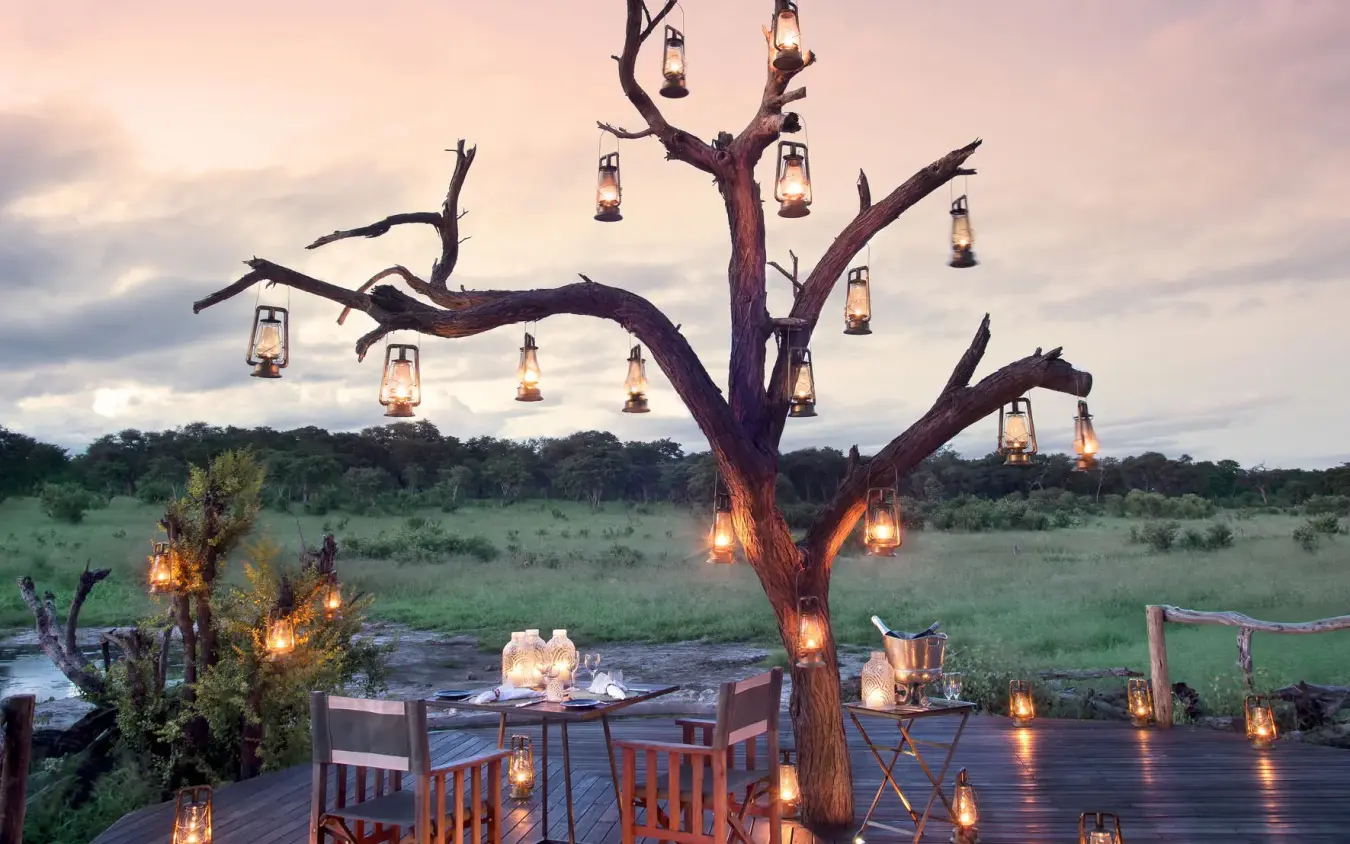
Six tents produce a house-party rhythm. Dinners are served communally around a large hardwood table, lunch on the deck above the pans, and breakfast often around the campfire in the boma, with wood smoke on the cold morning air. The cooking is homestyle bush food, done well in a remote setting, and guides and managers join guests at the fire to compare the day’s sightings. Power comes from solar with generator back-up, and charging facilities sit in the main area.
The effect sits closer to the early tented expeditions than to a design lodge
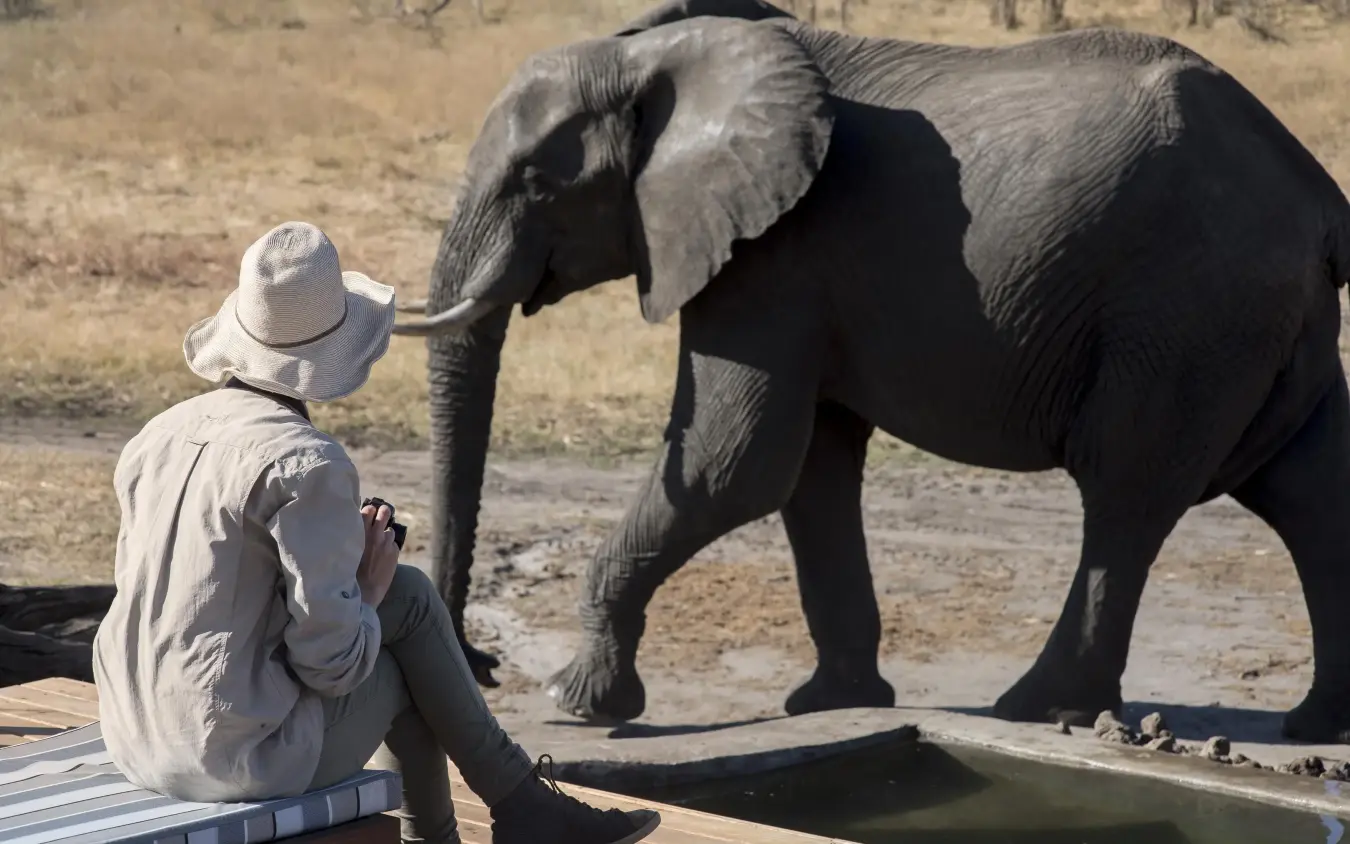
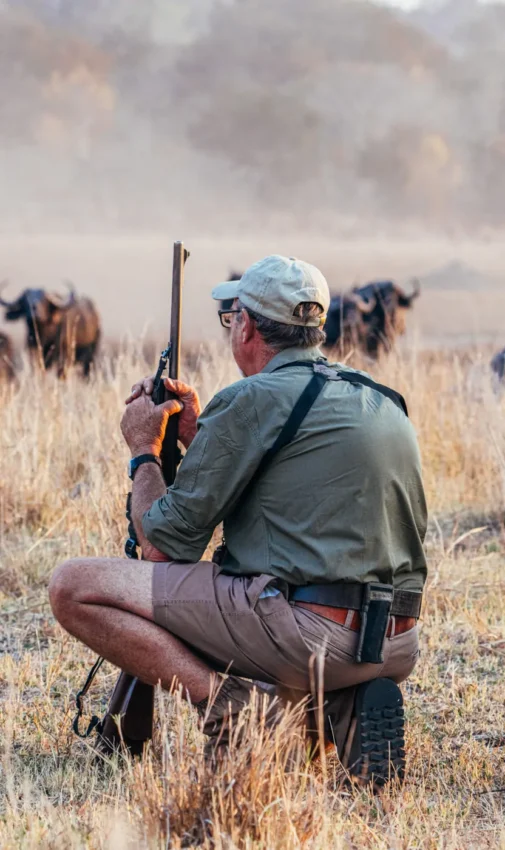
Access is by light aircraft to Manga Airstrip, roughly a 45-minute flight from Victoria Falls, then a game-drive transfer into the concession. Nights bring the full sound of the vlei, hyena and distant lion, frogs and cicadas, with only canvas and wooden shower walls between the guest and the dark, and a resident elephant known to the camp sometimes wanders through to feed. Children under 16 are not permitted on walking safaris, though shorter nature walks near camp can be arranged, and the camp suits older children and adults who want close wildlife and strong guiding over polish.