Camp

Etendeka Mountain Camp

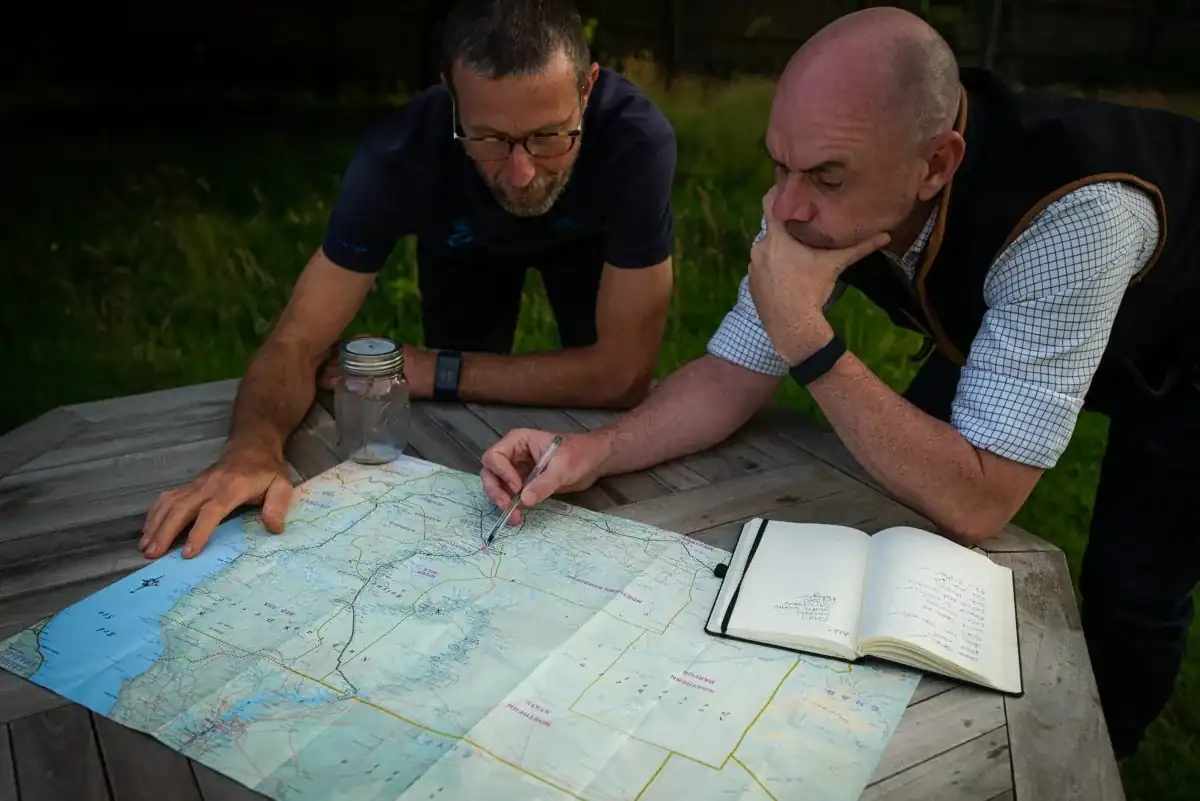
A walking-led tented camp in Namibia’s Damaraland, founded by Dennis Liebenberg and run with the Omatendeka and Anabeb conservancies.

Country: Namibia
Location: Damaraland
Number of rooms: 10

On foot across Damaraland's basalt

Mornings at Etendeka Mountain Camp begin on foot, with a guide from the neighbouring conservancies leading the way along the dry mopane riverbeds of Damaraland. The guide reads zebra spoor in the sand and stops over the quartz and agate scattered across the plains. Only in the afternoon do the vehicles come out, for slow drives over the flat-topped basalt mesas of the Grootberg foothills.

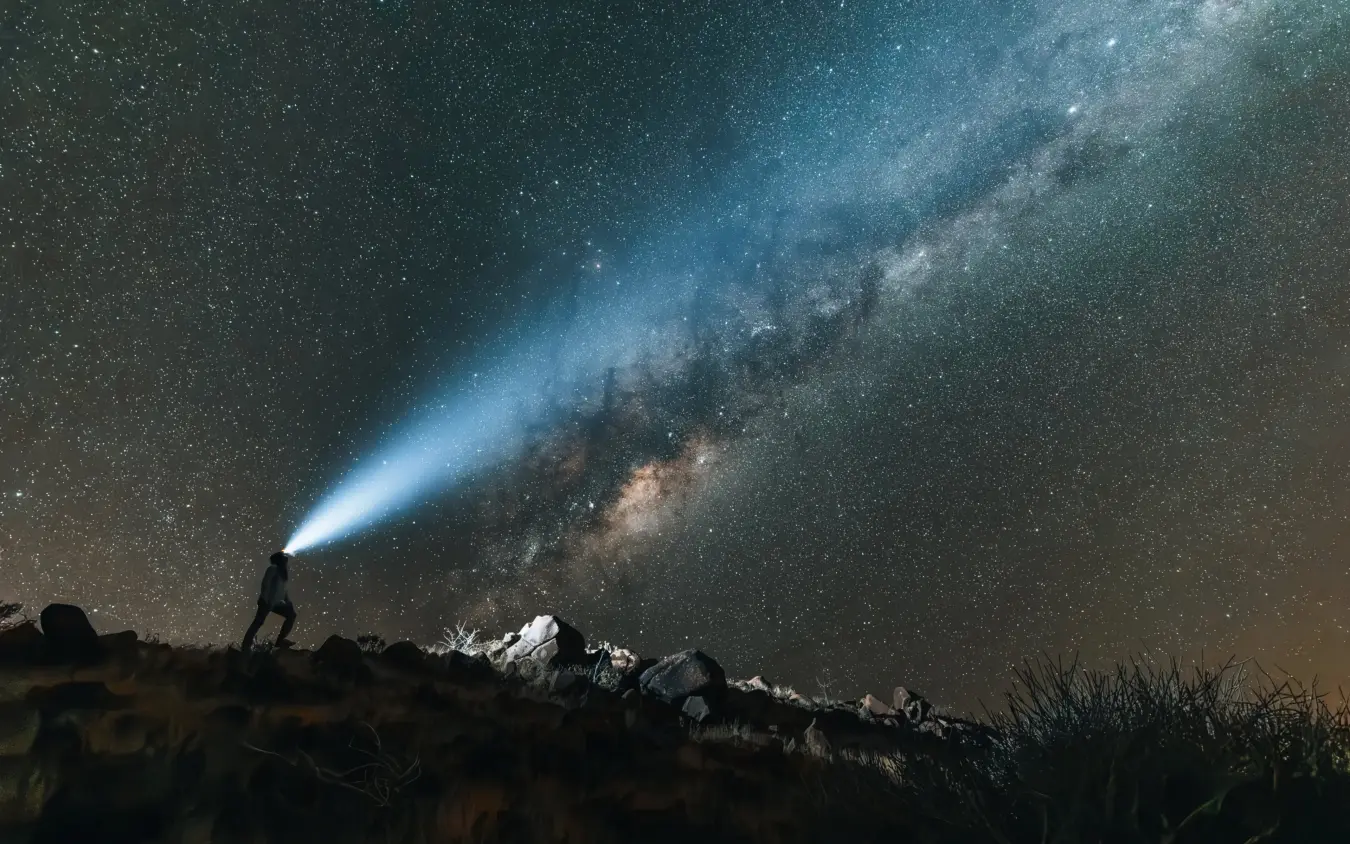
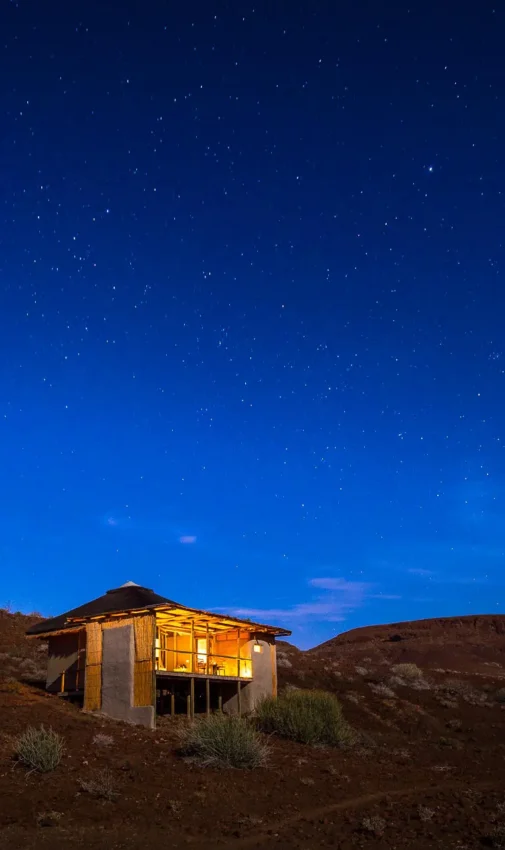
After dark he traces the Milky Way through his telescope.

Dennis Liebenberg founded the camp in the early 1990s, and the nights are still his to host. After dark he traces the Milky Way through his telescope. The camp itself is a joint venture with the Omatendeka and Anabeb conservancies, whose members guide the walks and benefit directly from every stay.

Etendeka Mountain Camp, Damaraland, Namibia

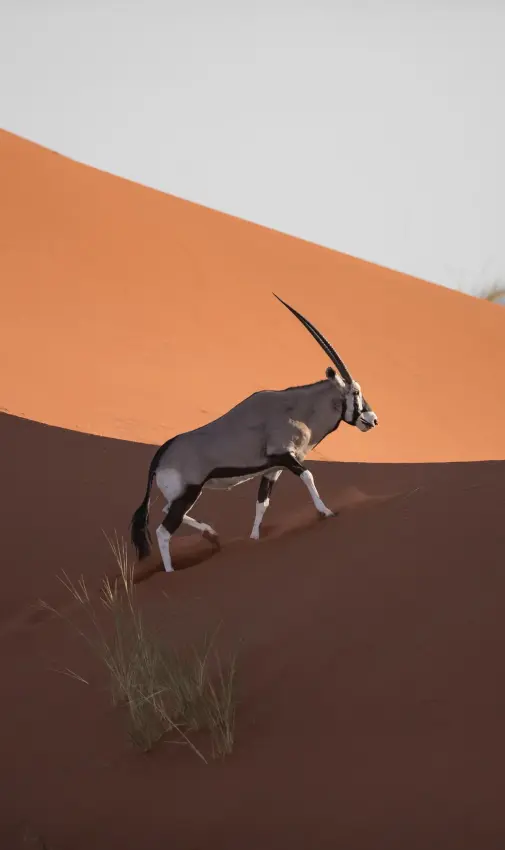
Oryx and giraffe are seen often, on foot or from the vehicle. Hartmann’s mountain zebra pick their way across the basalt slopes. The desert-adapted elephants and black rhinos are another matter, following the dry riverbeds and moving with the seasons, so a sighting of either is luck rather than routine. Lions and cheetahs are more often known here by their tracks.

Hartmann’s mountain zebra pick their way across the basalt slopes.

The guides come from the two partner communities, and they read the ground at walking pace, finding spoor in a sandy wash and the plants that hold on between basalt boulders. They point out the quartz that gave Crystal Mountain its name, and the agates are admired on the walk and left where they lie.

Etendeka Mountain Camp, Damaraland, Namibia 01

accommodation

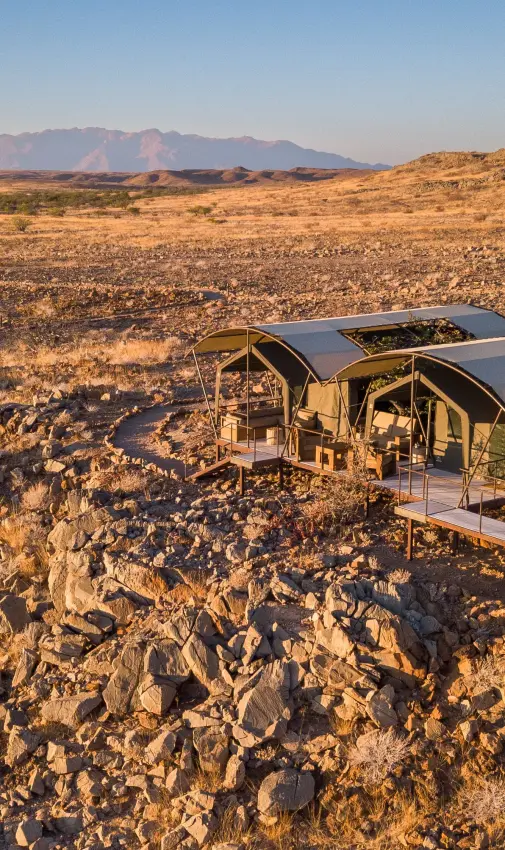
Ten Walk-in Canvas Tents with Sky-open Bathrooms

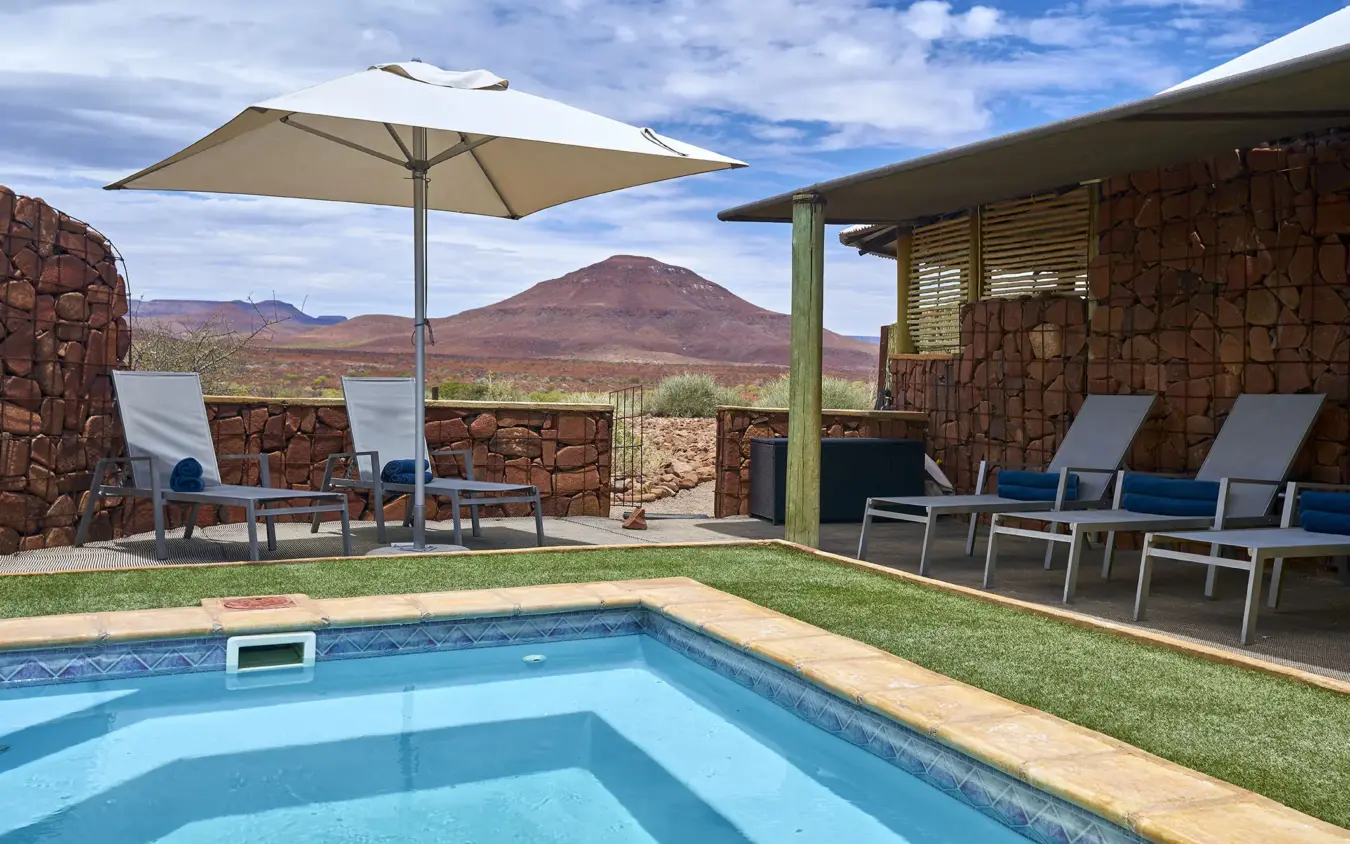
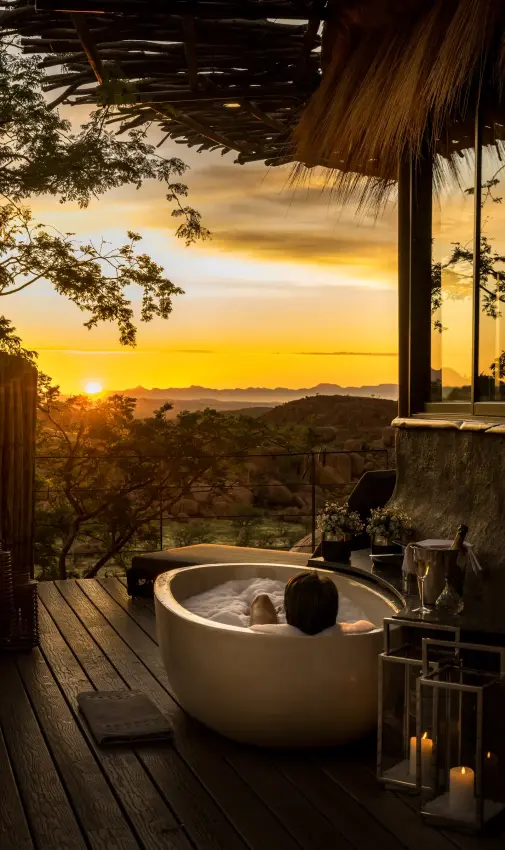
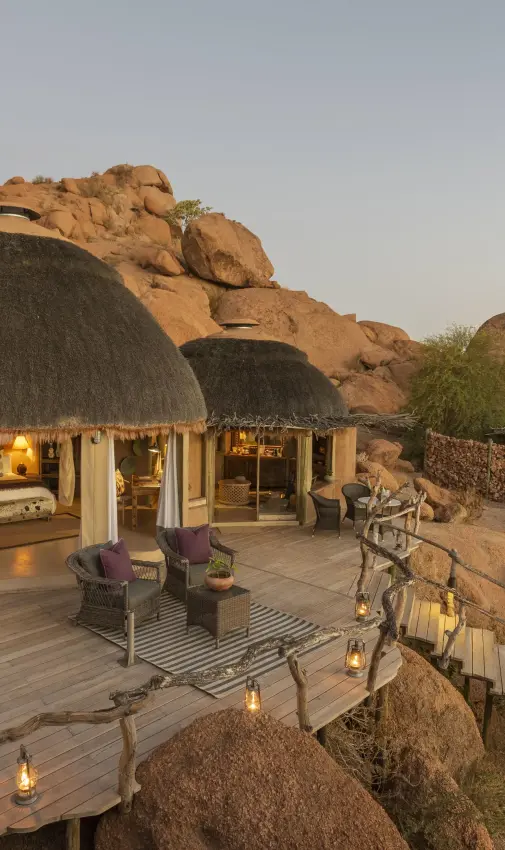
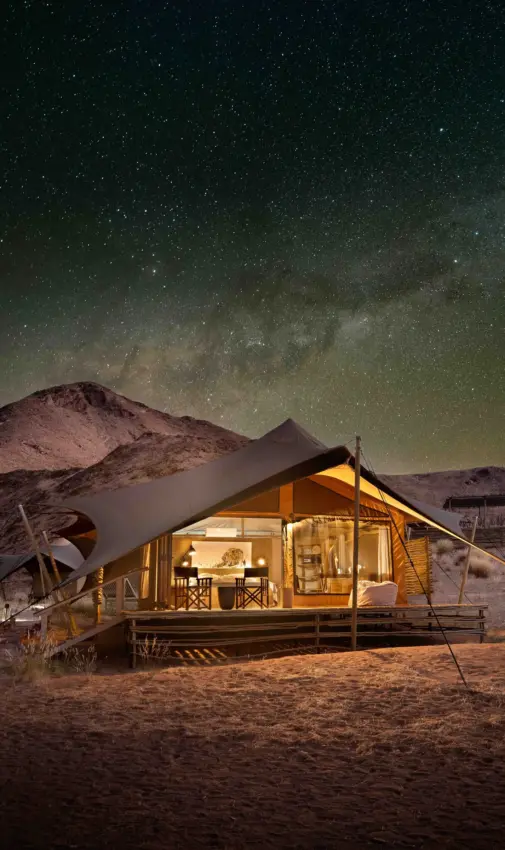
Pathways lead to ten walk-in canvas tents, each with chairs and a table out front. Inside are twin or double beds, a reading lamp and a hanging rail. The bathroom is alongside and open to the sky, with a flush toilet and a basin running hot and cold, and a bucket shower behind a wall of stacked basalt.

Etendeka Mountain Camp, Damaraland, Namibia 02

activities

Morning Walks and Three-day Hiking Trails

On this conservancy concession, the day begins on foot, with a guided morning walk along the dry riverbeds. Afternoon nature drives cross the mesas to other corners of the concession, and after dinner the telescope comes out for stargazing. The guides point out the birds along the way. For guests over 12, the guided hiking trail runs over three or four days.

Etendeka Mountain Camp, Damaraland, Namibia 03

conservation

AfriCat North Partners with Herding Communities

Members of the Omatendeka and Anabeb conservancies supply the guides, and under the joint venture both conservancies benefit directly from every stay. The camp backs AfriCat North, which works with herding communities on education and livestock management so that Namibia's wild lions and local herds can share the land.

ready to get started?

Get in touch and let’s start the conversation. An initial consultation helps us understand what you’re looking for, whether that’s specific experiences, luxury touches, or marking a special occasion, and from there we’ll guide you through what’s possible so you can decide if we’re the right fit.

Alternative accommodation in damaraland

frequently asked questions

By road to Palmwag Lodge, then in the camp's own vehicle. No private cars are allowed on the Etendeka Concession, so self-drivers leave theirs in covered parking at Palmwag Lodge and meet the guides there in the late afternoon. The drive in takes about an hour and a half in an open 4x4, through basalt hills and dry riverbeds, and it doubles as the first game drive.

If you would rather fly, we can put in a private charter from Windhoek, typically a Cessna Caravan, to the Palmwag airstrip, where the camp collects you for the same scenic drive. The transfer in and out is part of the rate. The camp asks for a minimum stay of two nights, and we would plan on that or longer given the journey.

Yes, seasonally. The camp is in Namibia's Kunene region, which TravelHealthPro, the UK's official travel health service, rates as high risk from December to April, when it recommends antimalarial tablets, and low risk from May to November, when it advises awareness and bite avoidance. Low risk is not no risk. The American CDC lists Kunene among the regions where it recommends preventive medicine, without a seasonal split.

We are travel planners, not medical professionals, so we do not make recommendations about tablets: that decision sits with you and your own doctor or a travel clinic, ideally with your dates in hand. Whatever the month, long sleeves and repellent after dark are sensible, more so in the summer rains.

Mornings are on foot. After breakfast a guide leads a walk along the dry mopane riverbeds, reading tracks, desert plants and the geology, including the agate and quartz crystal scattered on some plains, all left where it lies. In the afternoon a scenic drive covers other parts of the concession, and after dinner, on a clear night, the host brings out a telescope to show the southern sky.

The rate covers the tent, three meals a day, teas and coffees, the scheduled walks and drives, and the transfer in and out; drinks are extra. Meals are shared at one long table with the host and guides. The camp takes children from eight years old, and those aged eight to twelve sharing with two adults pay half.

Animals adapted to a near-desert. Hartmann's mountain zebra, oryx and giraffe are seen most often, picking their way across the basalt slopes, and desert-adapted elephant and black rhino also range across the concession, though finding either takes luck. Cheetah, lion, leopard and hyena are present but are usually known by their tracks rather than seen.

There are no fences, so animals move in and out with the rain, the grazing and the few natural springs. The camp does not chase sightings: the walks and drives are about how life survives here, from the plants and birds to the scorpions under the rocks, and that suits people who want to understand a landscape rather than tick off a list.

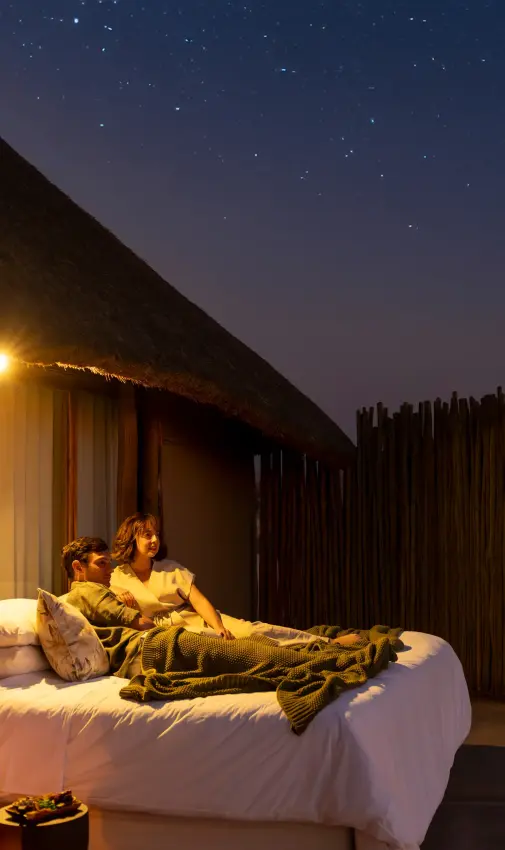
Yes. The trail is a guided walk of three or four days, run with the Etendeka Community Trust of the Omatendeka and Anabeb conservancies, that starts on foot near Palmwag Lodge while your luggage goes ahead by vehicle. Nights are spent at two rustic sleep-out camps, one above a dry riverbed and one on a hill scattered with quartz crystal, on raised platforms open to the stars.

Walkers need to be twelve or older, in good health and able to manage six to seven hours on foot in the heat. A night or two at the camp itself makes a comfortable finish, and we would plan it that way. You never walk alone: the guides know the ground intimately and stay in radio contact with the camp.

June to September. The dry winter months bring clear skies, comfortable days for walking and the best chance of desert-adapted animals near the remaining water, which matches our advice for Damaraland as a whole. October and November grow hot, and from December to March the summer rains scatter the game and some tracks soften. The camp stays open all year.

The green season has its own case: fresh growth across the basalt plains, dramatic skies for photography, good birding and fewer people. In any month nights can be cold, so pack a warm layer for dinner and the stargazing, with a wide hat, sun protection, sturdy walking shoes and soft bags.

rated five stars by our clients

other areas in namibia

Golden sand dune at sunset with sparse desert vegetation 01

Sossusvlei

Elephant with zebras and antelopes at waterhole 02

Etosha National Park

Aerial view of desert dunes meeting coastal waves 03

Skeleton Coast

Portrait of a person wearing traditional African beaded jewelry 05

Kunene River

Cyclists riding across red sand dunes at sunset, Swakopmund, Namibia 06

Swakopmund

Elephant herd walking through dusty grassland with scattered trees, Zambezi Region, Namibia 07

Zambezi Region

Aerial view of church and city at sunset 08

Windhoek

Cheetah running across sandy savanna scrub at sunset, Namibian Kalahari, Namibia 09

Namibian Kalahari

Okonjima Nature Reserve, Namibia 10

Okonjima Nature Reserve

Planning a journey together

our approach

remote, exclusive
& personal

Every journey starts with a conversation. We take the time to understand your vision before we start planning.

Whether by phone or in person, we work with you directly to shape something that is considered, personal, and expertly delivered.

get in touch
destinations ideas & inspiration our process about us contact us