Camp

Camp Doros

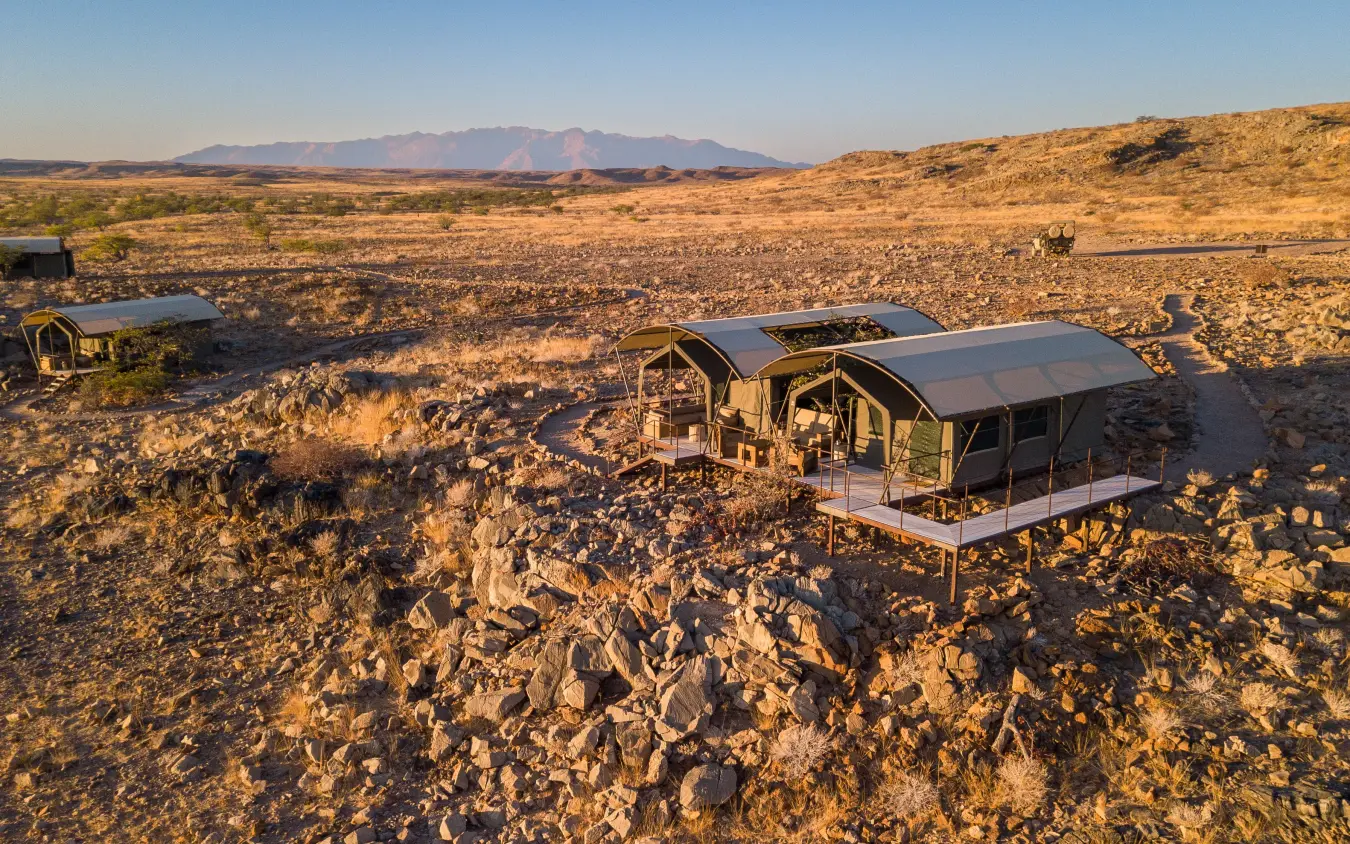
Camp Doros is a six-tent rhino-tracking camp in Damaraland’s Doros concession, Namibia.

Country: Namibia
Location: Central Damaraland, Kunene Region
Number of rooms: 6

Tracking black rhino on foot

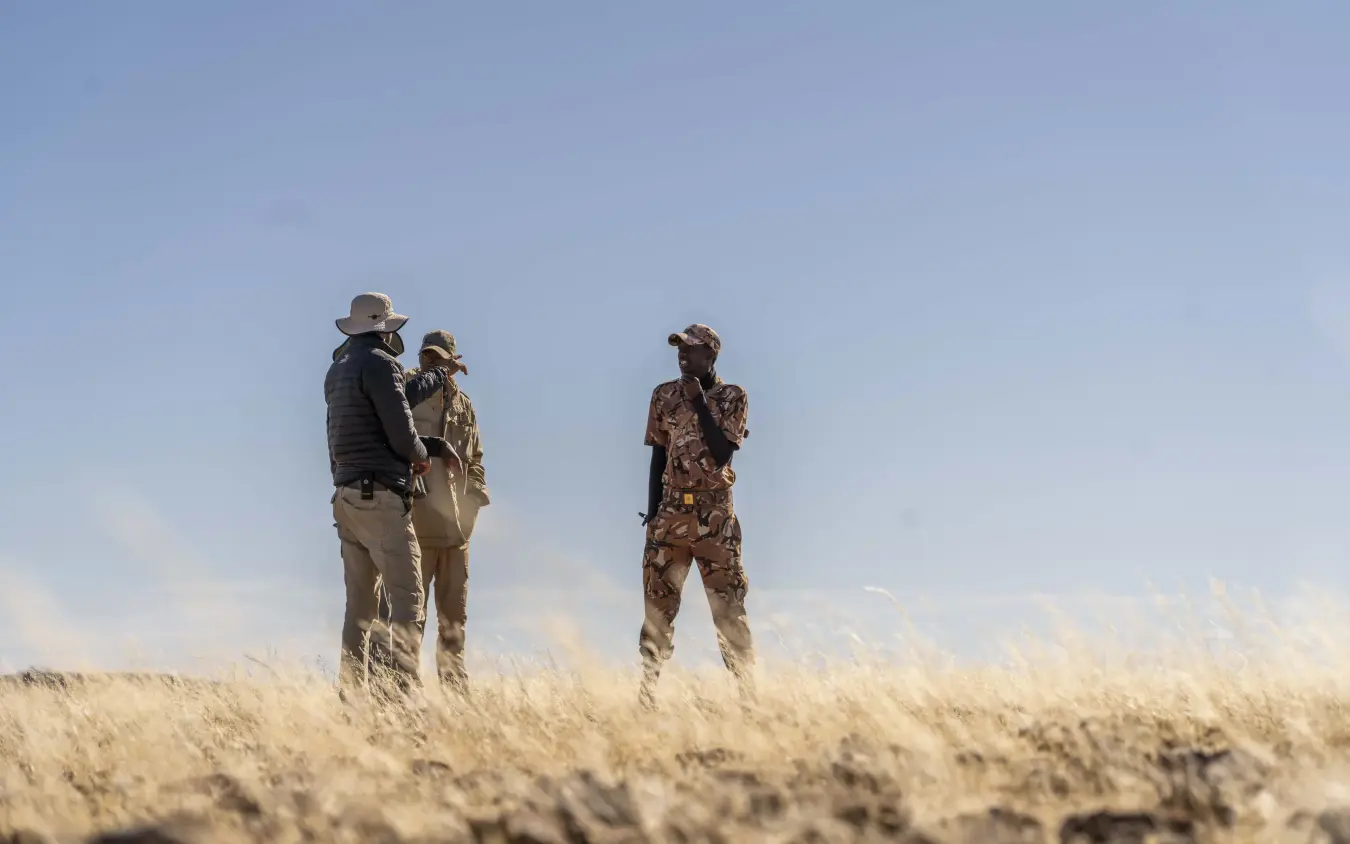
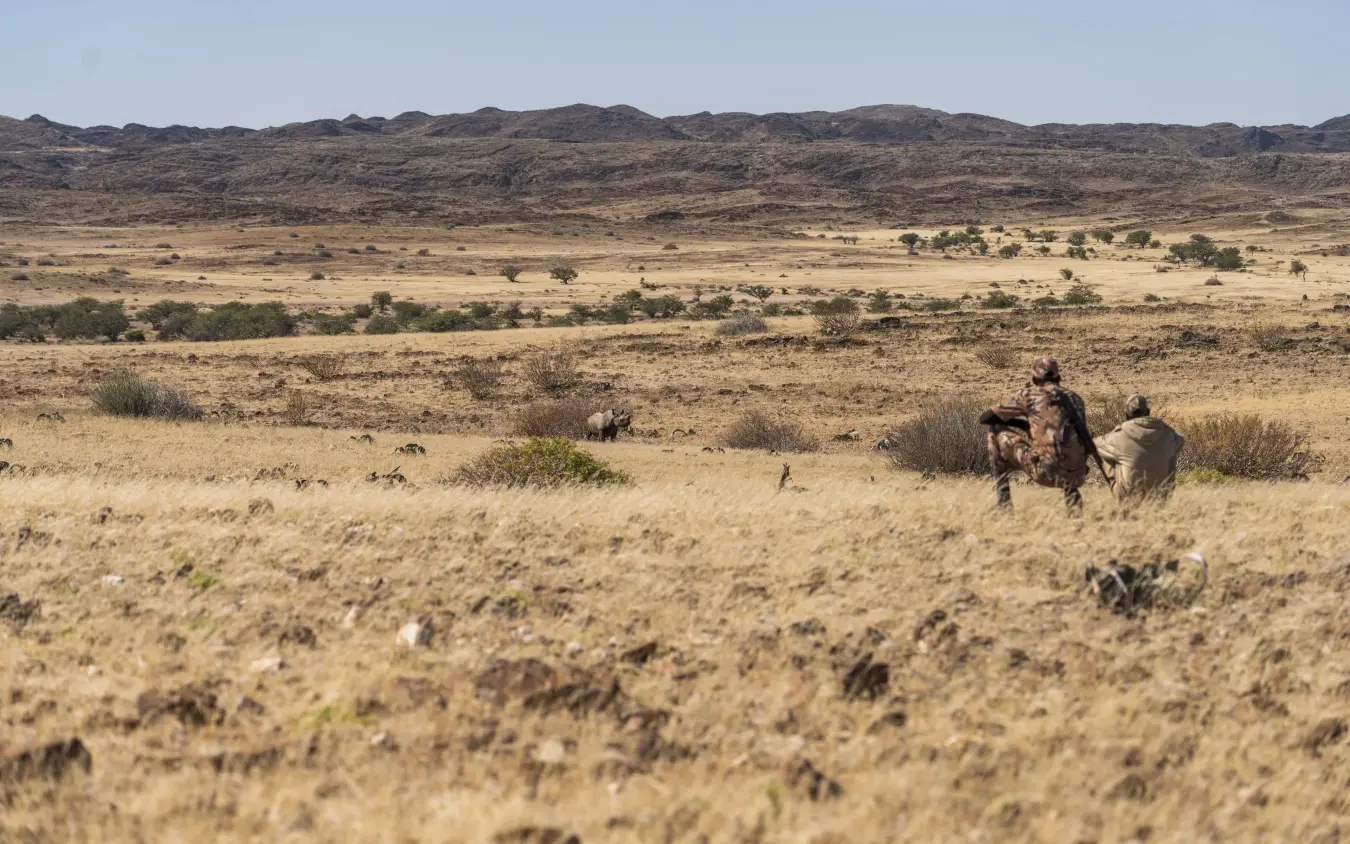
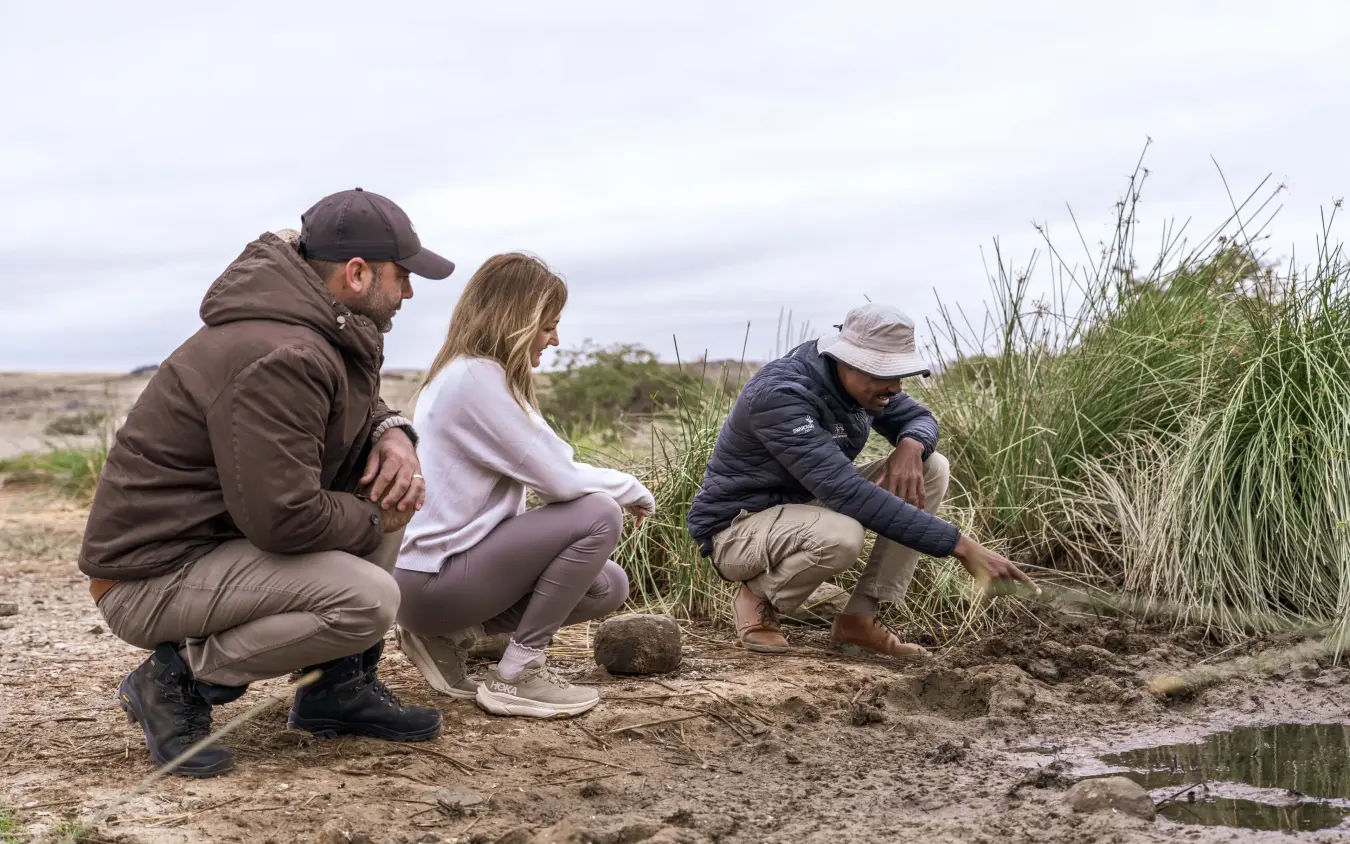
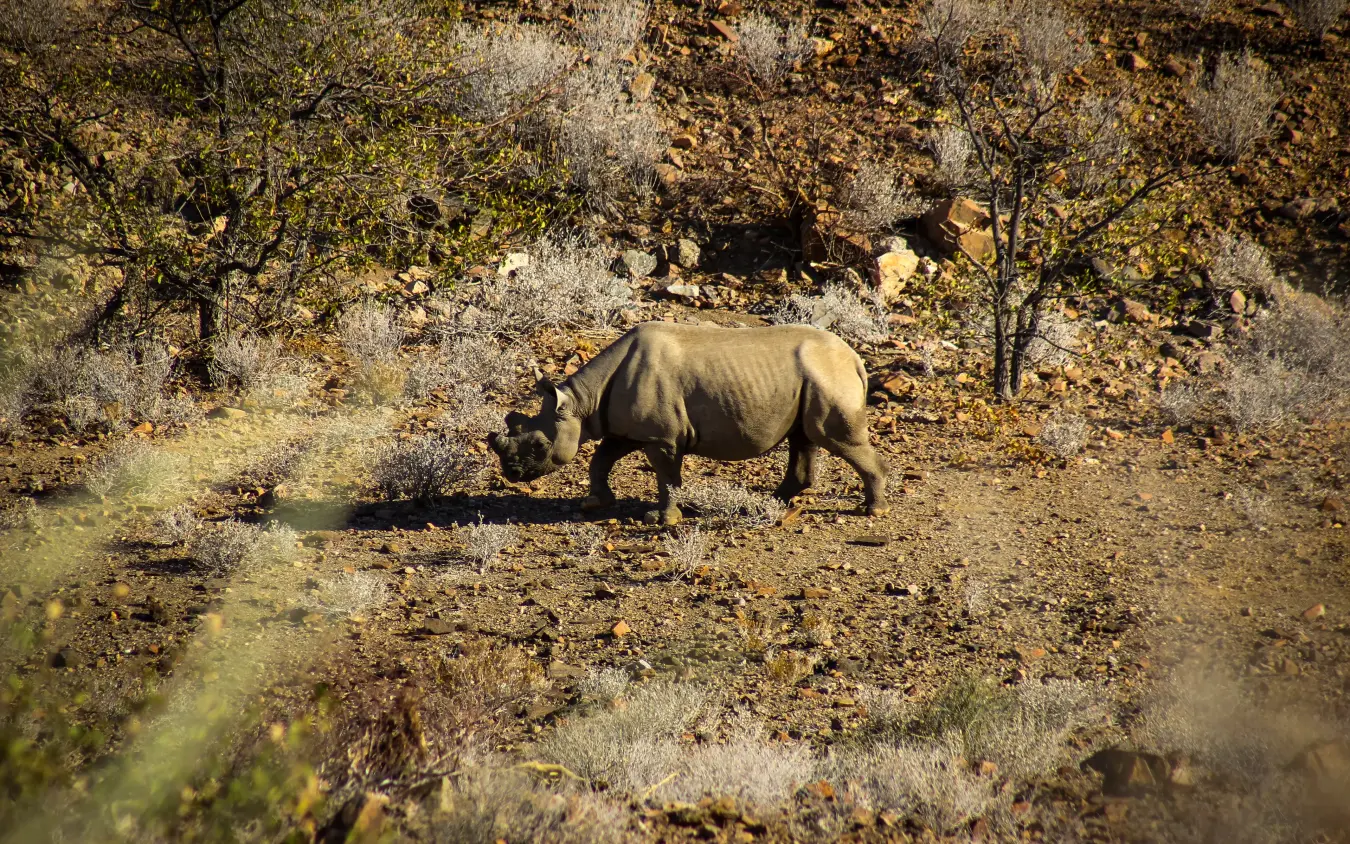
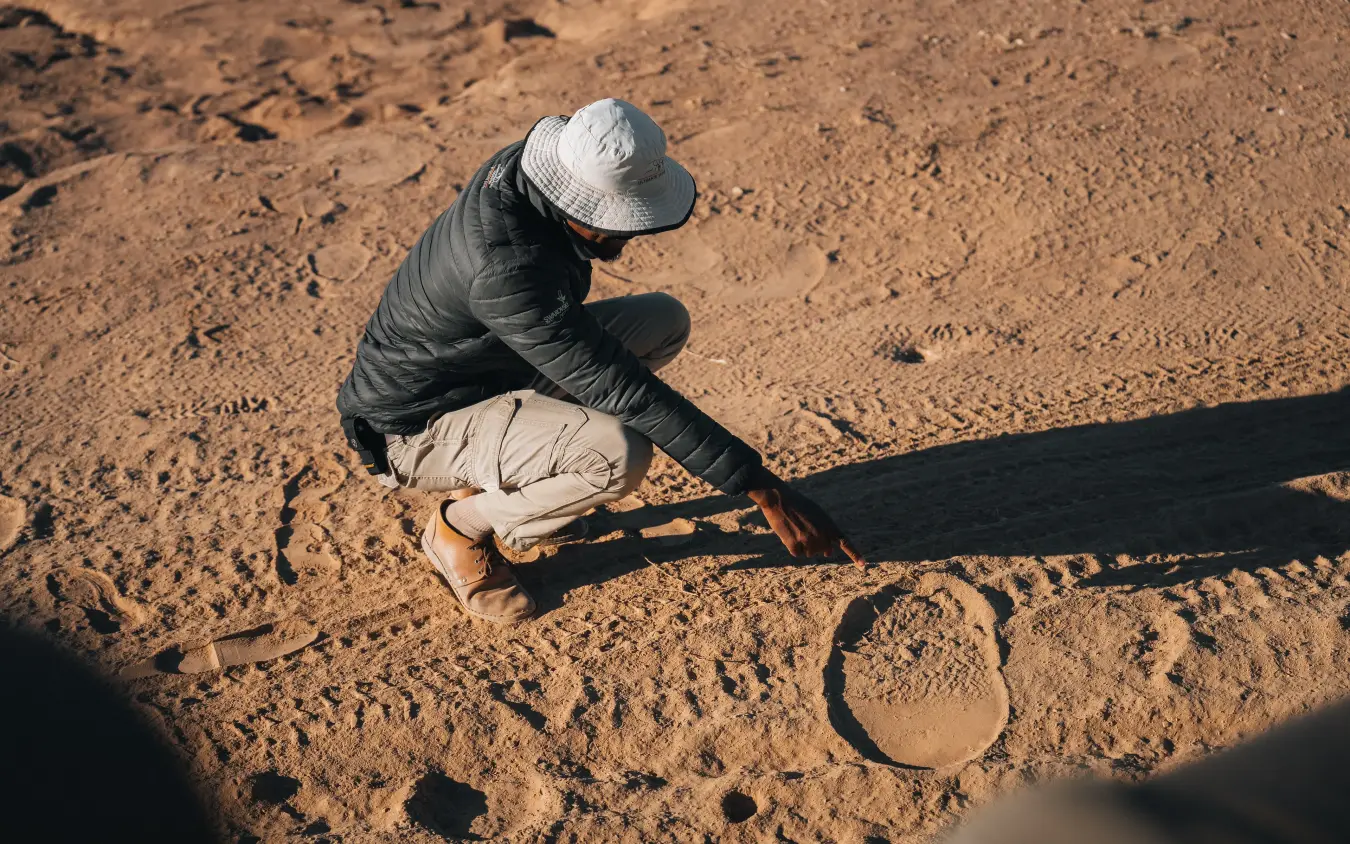
Qualified Rhino Rangers work the plains and gorges of the Doros Joint Management Area every day, reading tracks across rocky ground until a black rhino is found. At that point, guests leave the vehicle and approach on foot, quietly and from a respectful distance. This community concession in central Damaraland exists almost entirely for that purpose, and Camp Doros was built around the tracking, never the other way around.

At that point, guests leave the vehicle and approach on foot

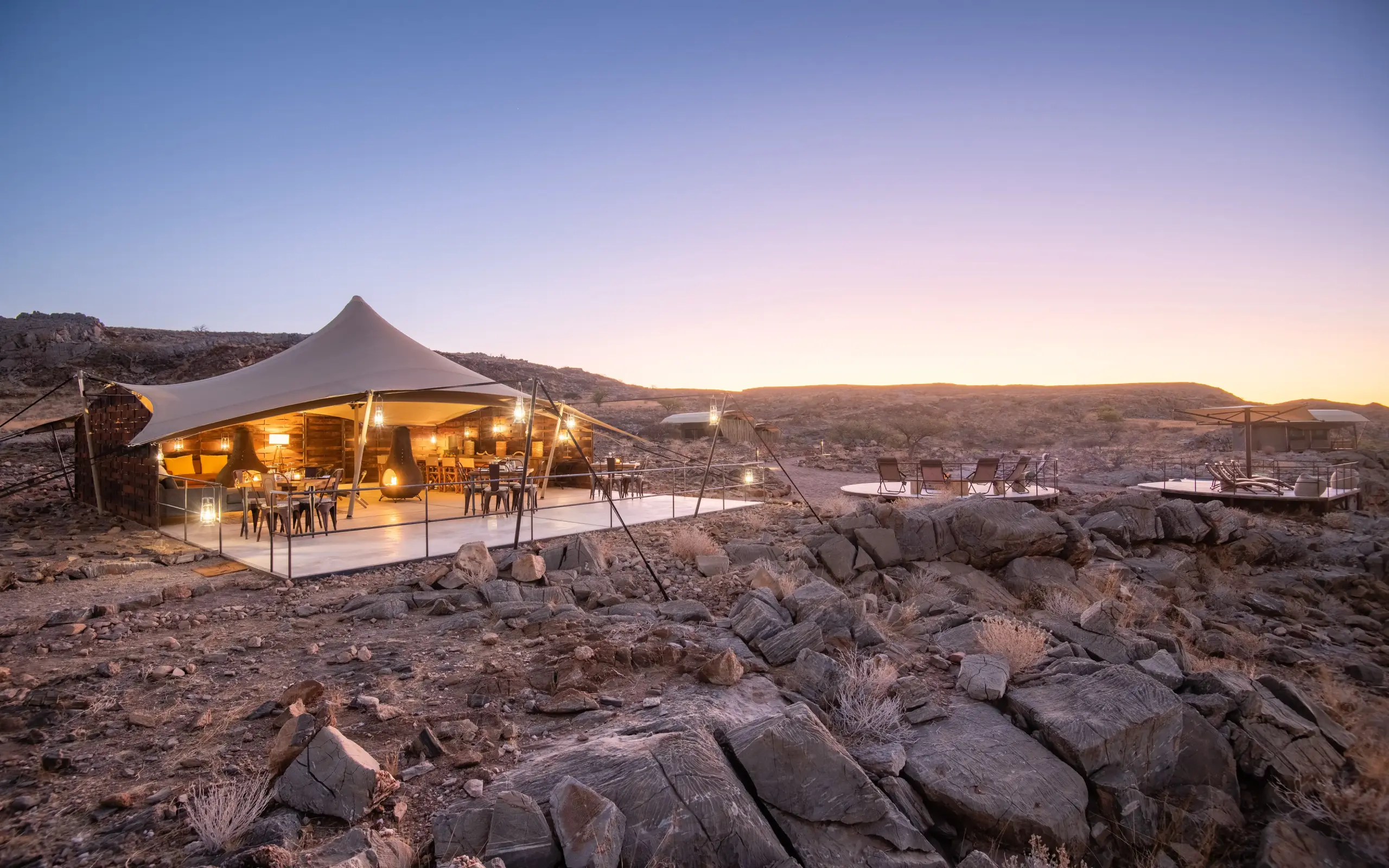
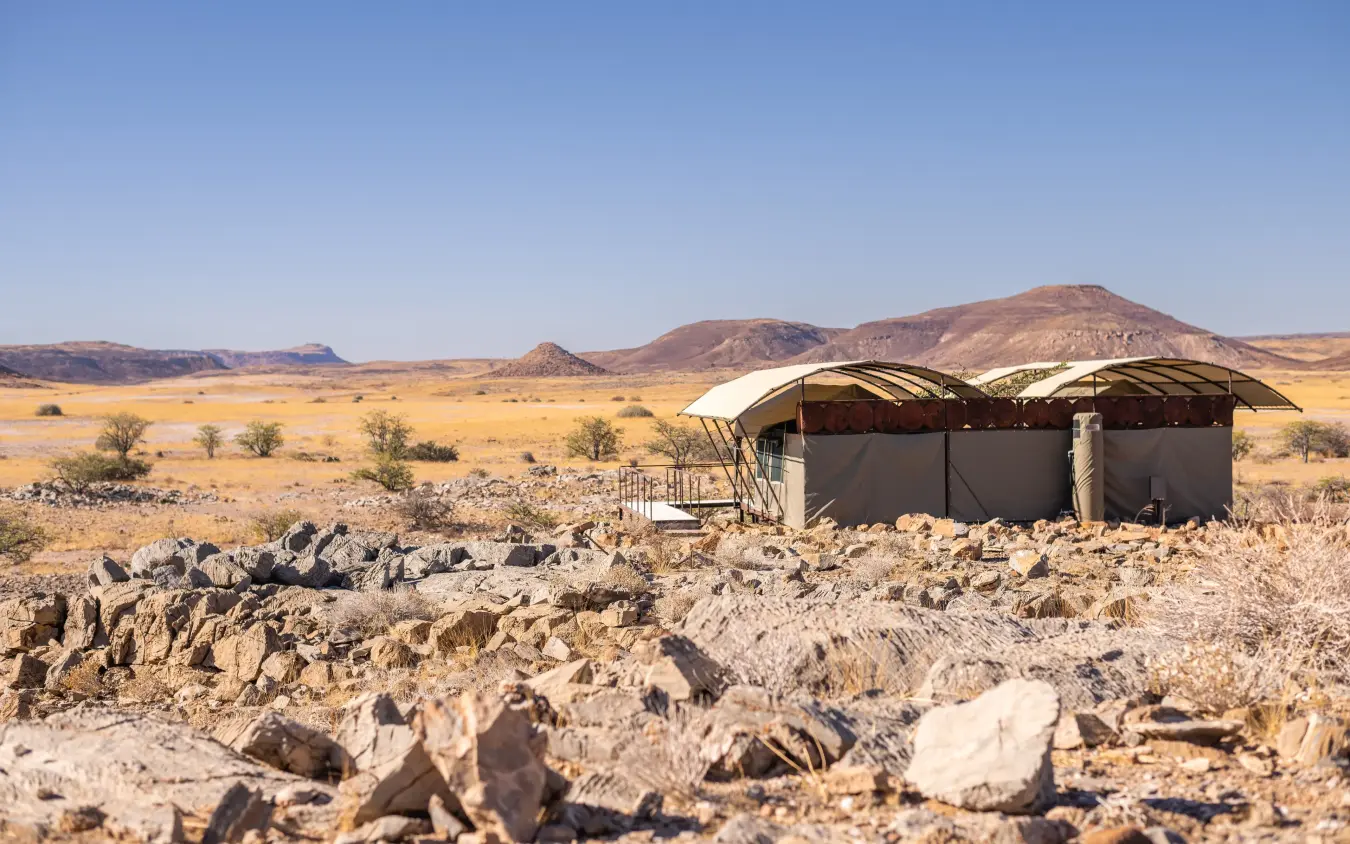
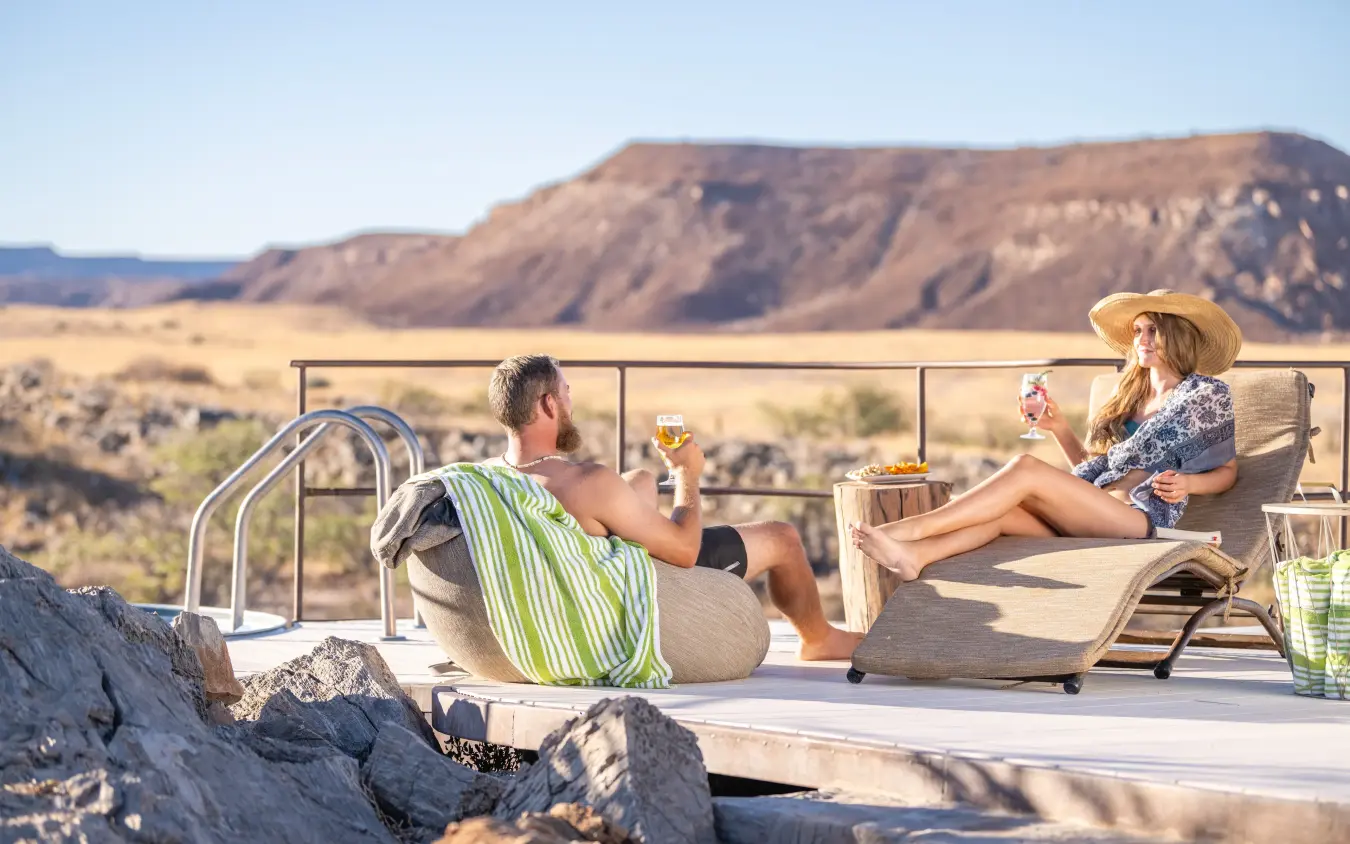
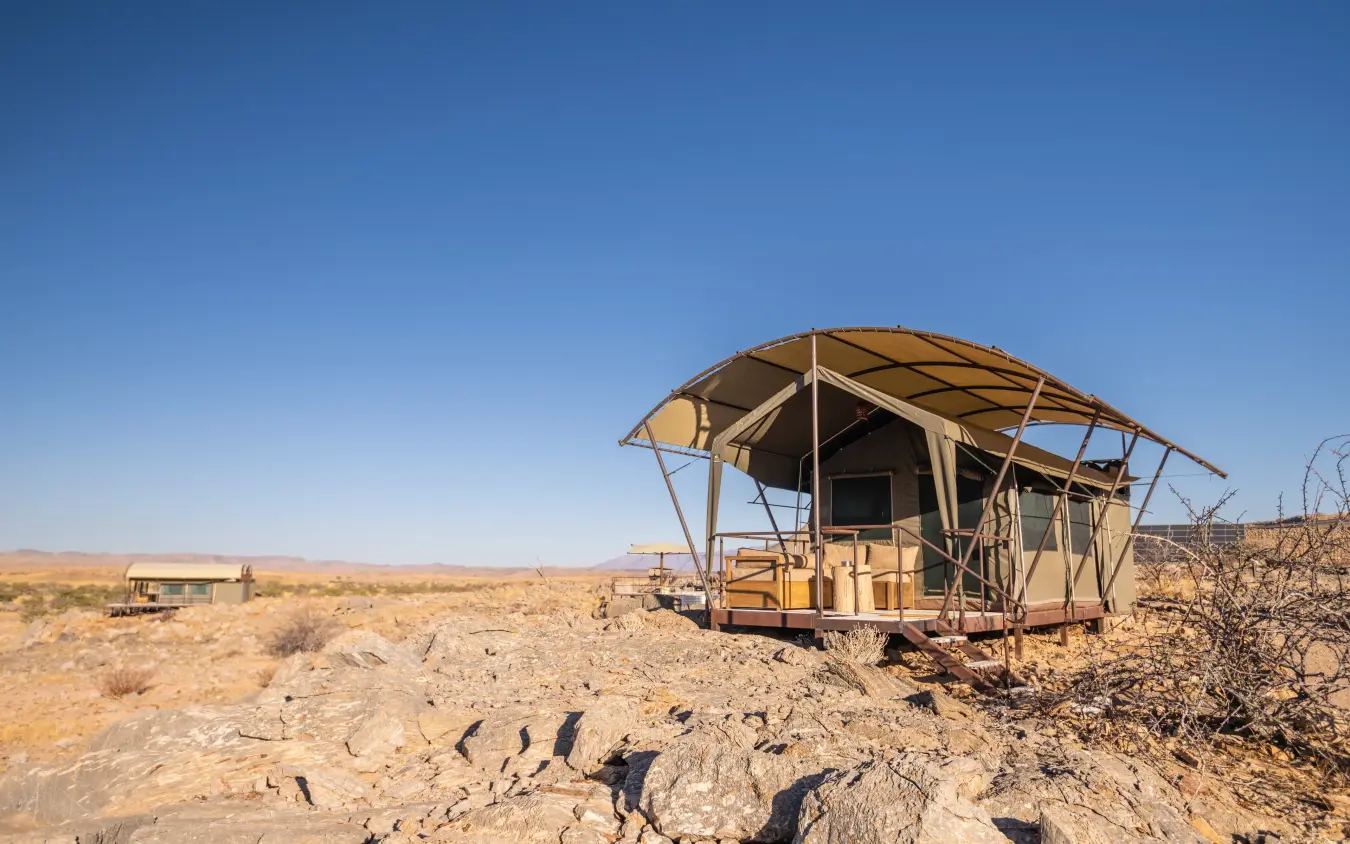
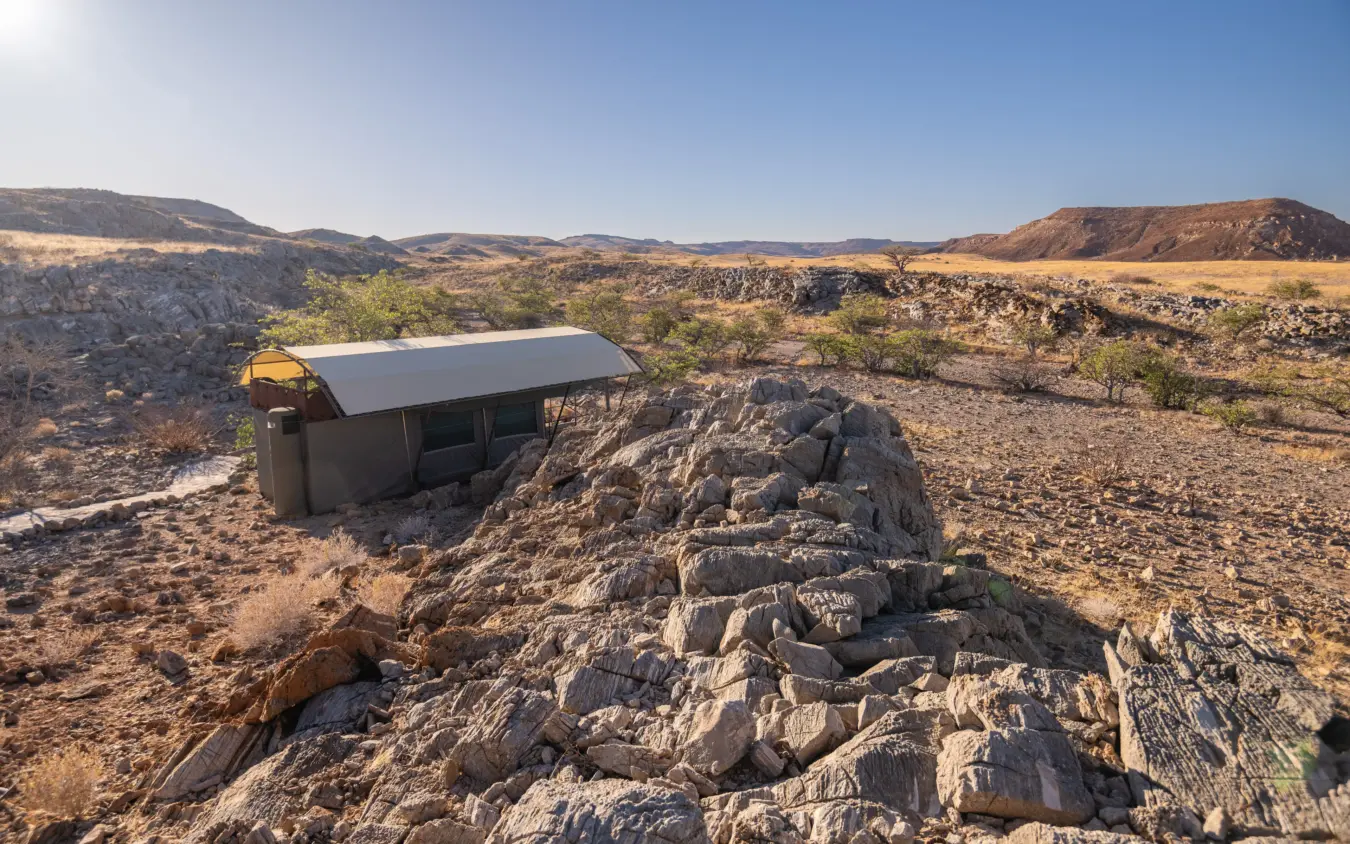
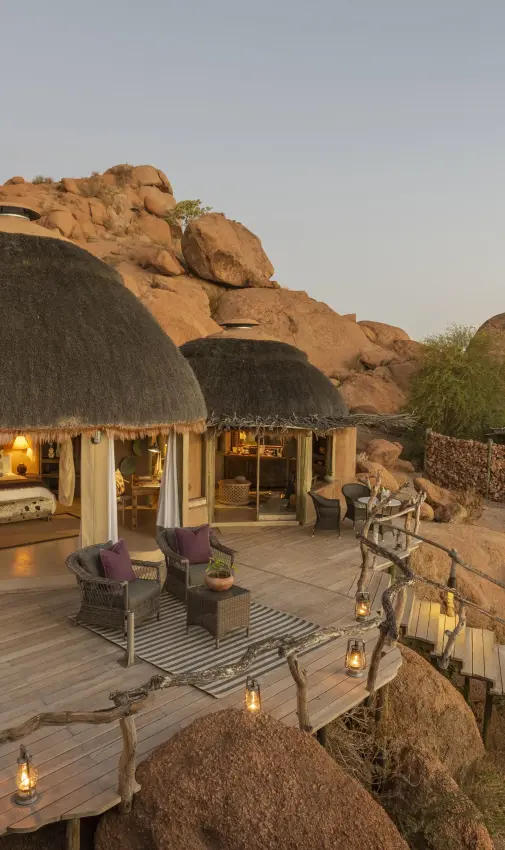
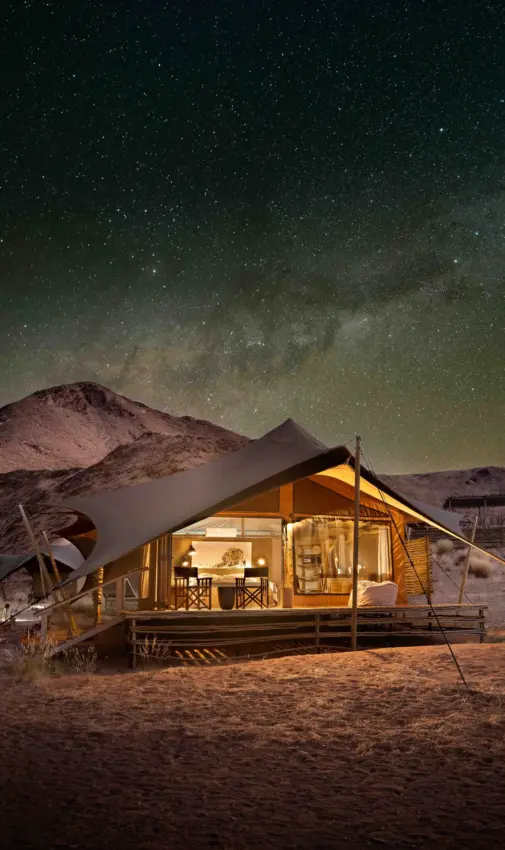
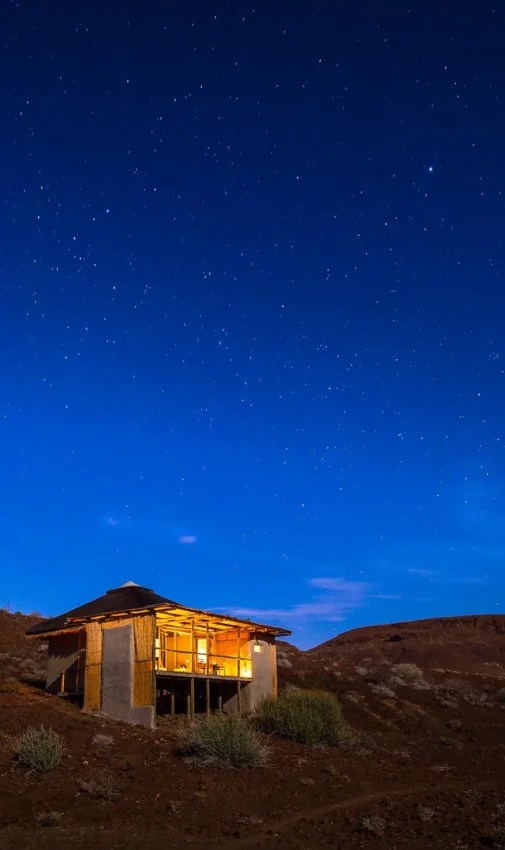
Six tented rooms sit on a high bank above a dry riverbed, mopane groves below and rugged hills beyond. Comfort here is measured in stillness and dark skies rather than fittings. A plunge pool and an open deck cool guests after hot, dusty mornings. Once the light goes, a firepit gathers them again, the whole day drawn back to a single point of flame.

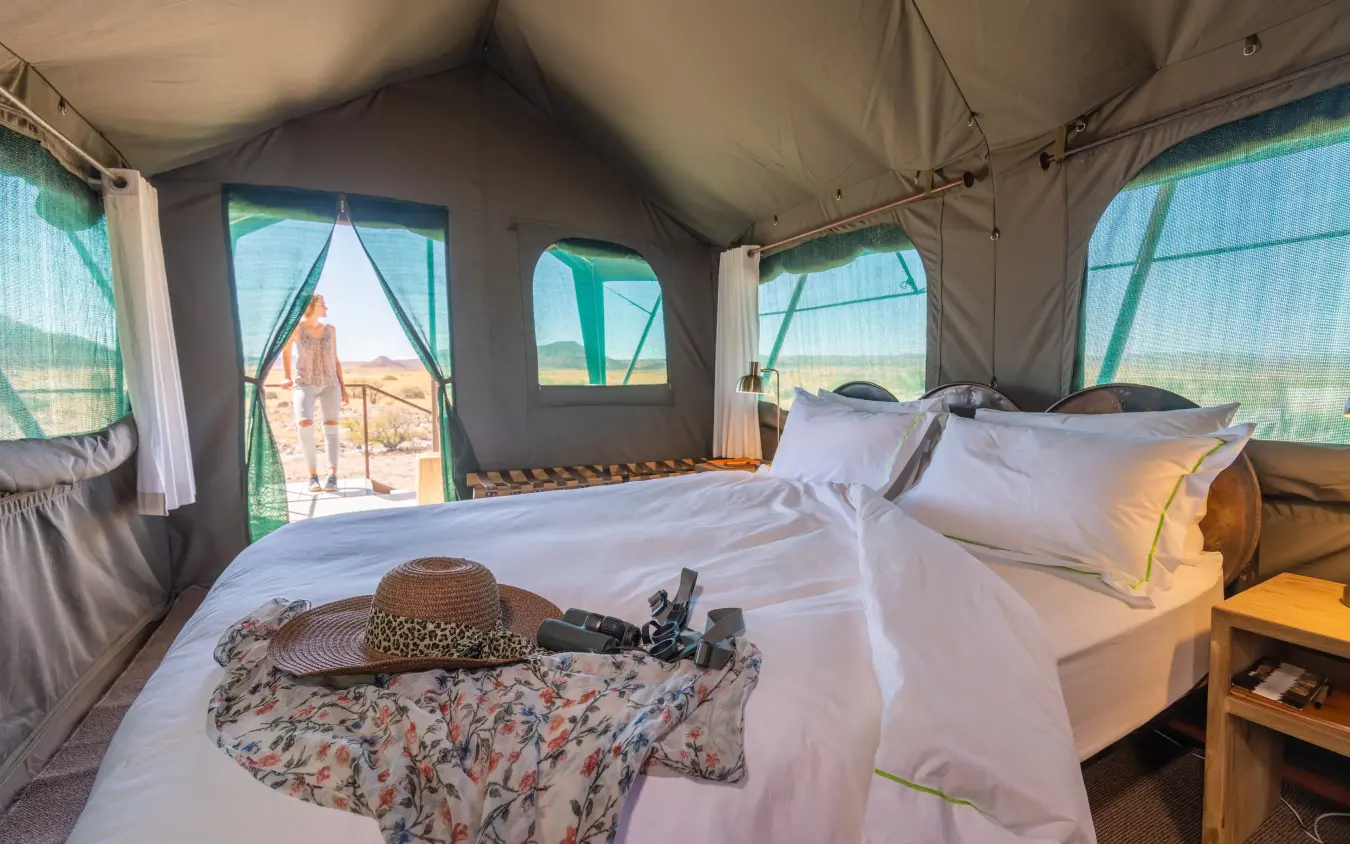
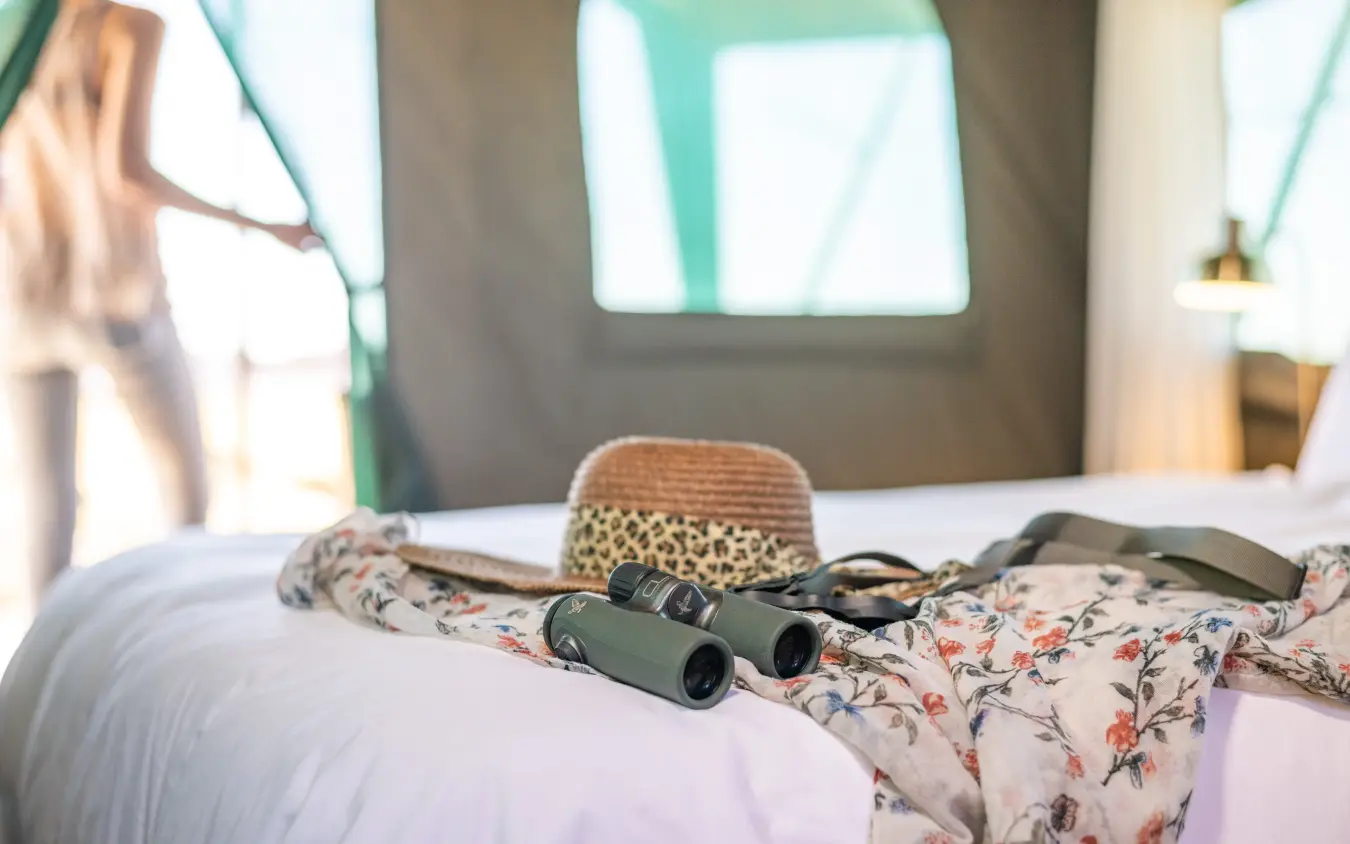
Glamping tent interior with queen bed and savanna views through windows, Camp Doros, Damaraland, Namibia
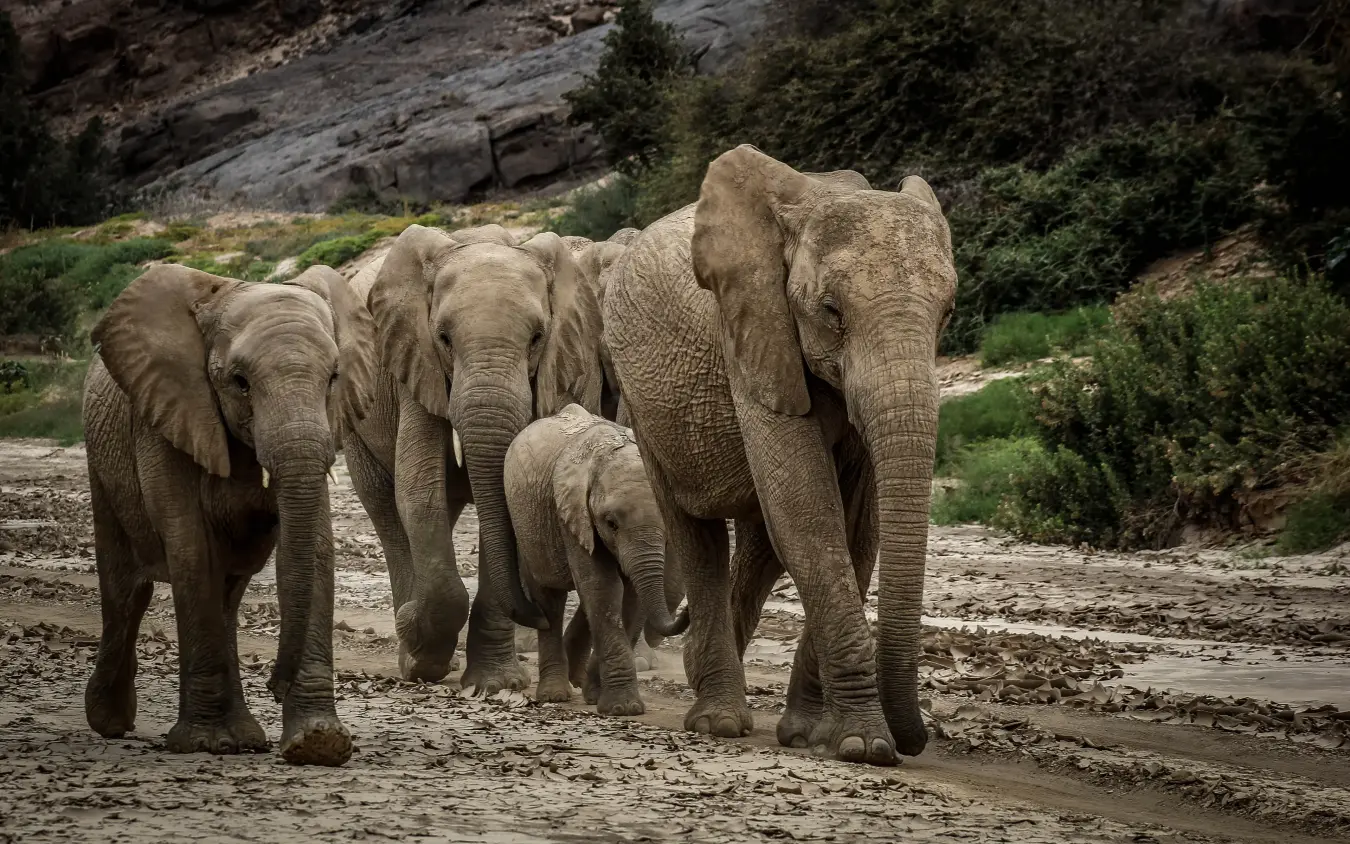
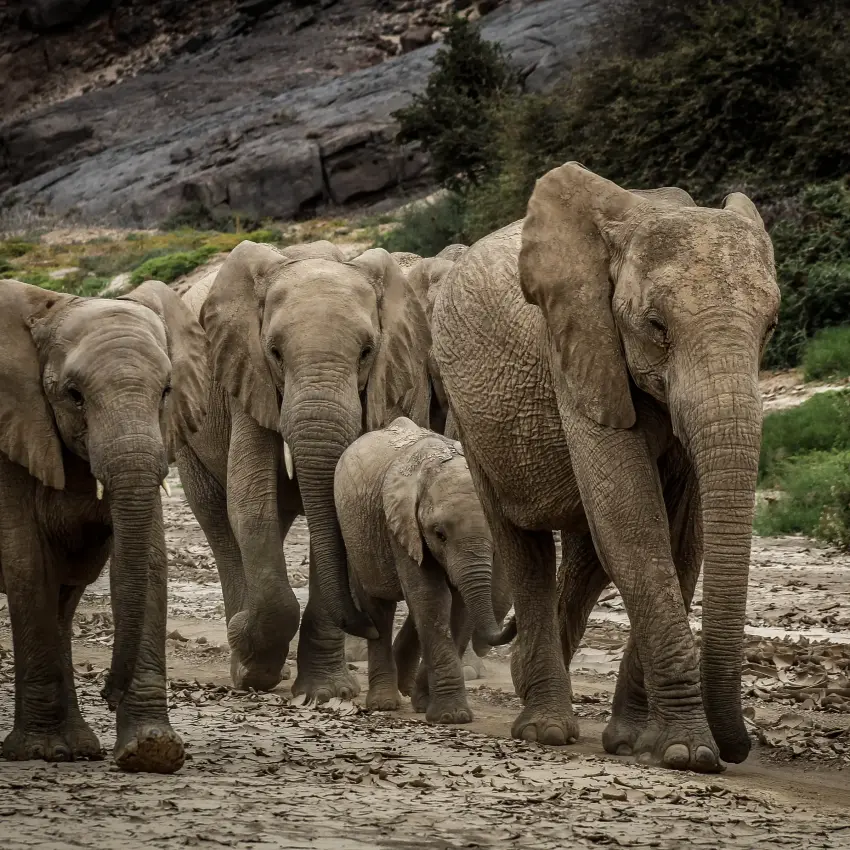
Elephant herd with calf walking across rocky riverbed terrain, Camp Doros, Damaraland, Namibia

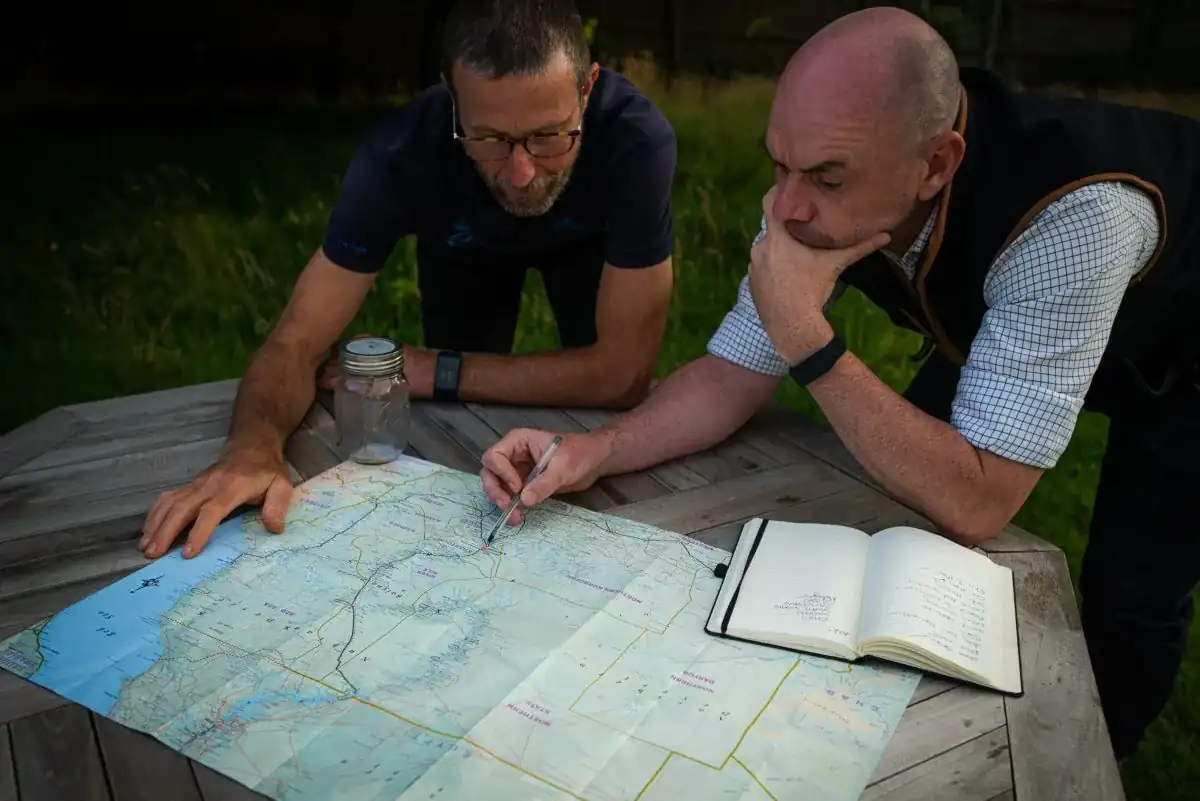
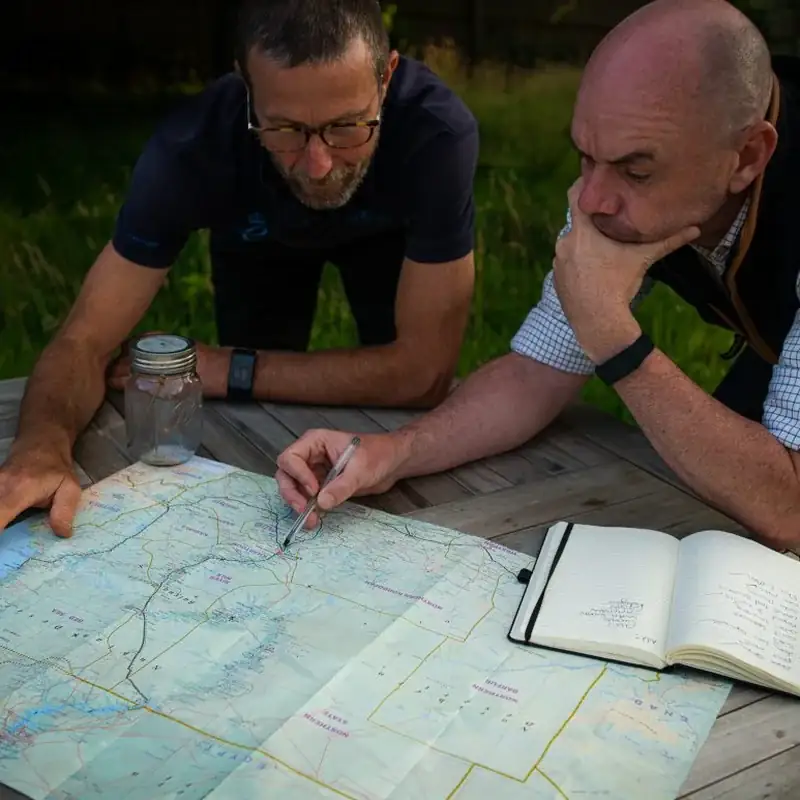
Camp Doros opened in 2023, the work of Ultimate Safaris. The guiding operation was formed in 2008, when two Namibian outfits joined forces. One was Tou Safaris, founded by the naturalist guide Tristan Cowley. The other was SandyAcre Safaris, founded by Martin Webb-Bowen. Between them they built a camp meant to sit lightly on the land it occupies, in canvas, netting, timber and local stone.
One was Tou Safaris, founded by the naturalist guide Tristan Cowley

The camp runs on solar power, with a greywater system that recycles what little water this place has to spare. Beyond the rhino, the concession’s natural springs draw desert-adapted elephant, giraffe, Hartmann’s mountain zebra, gemsbok, kudu and springbok. Cheetah, leopard and both spotted and brown hyena move through the same ground, though the predators are elusive and rarely seen. The reward is the search itself.
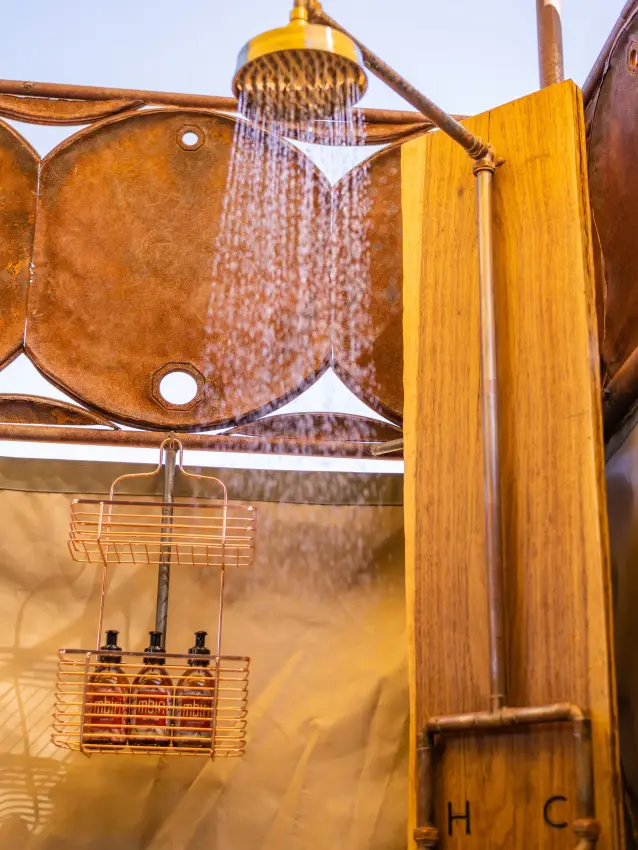
Luxury tent interior with ensuite bathroom and vanity mirror lighting, Camp Doros, Damaraland, Namibia 01

accommodation

Six Meru-Style Tented Suites with Riverbed Views

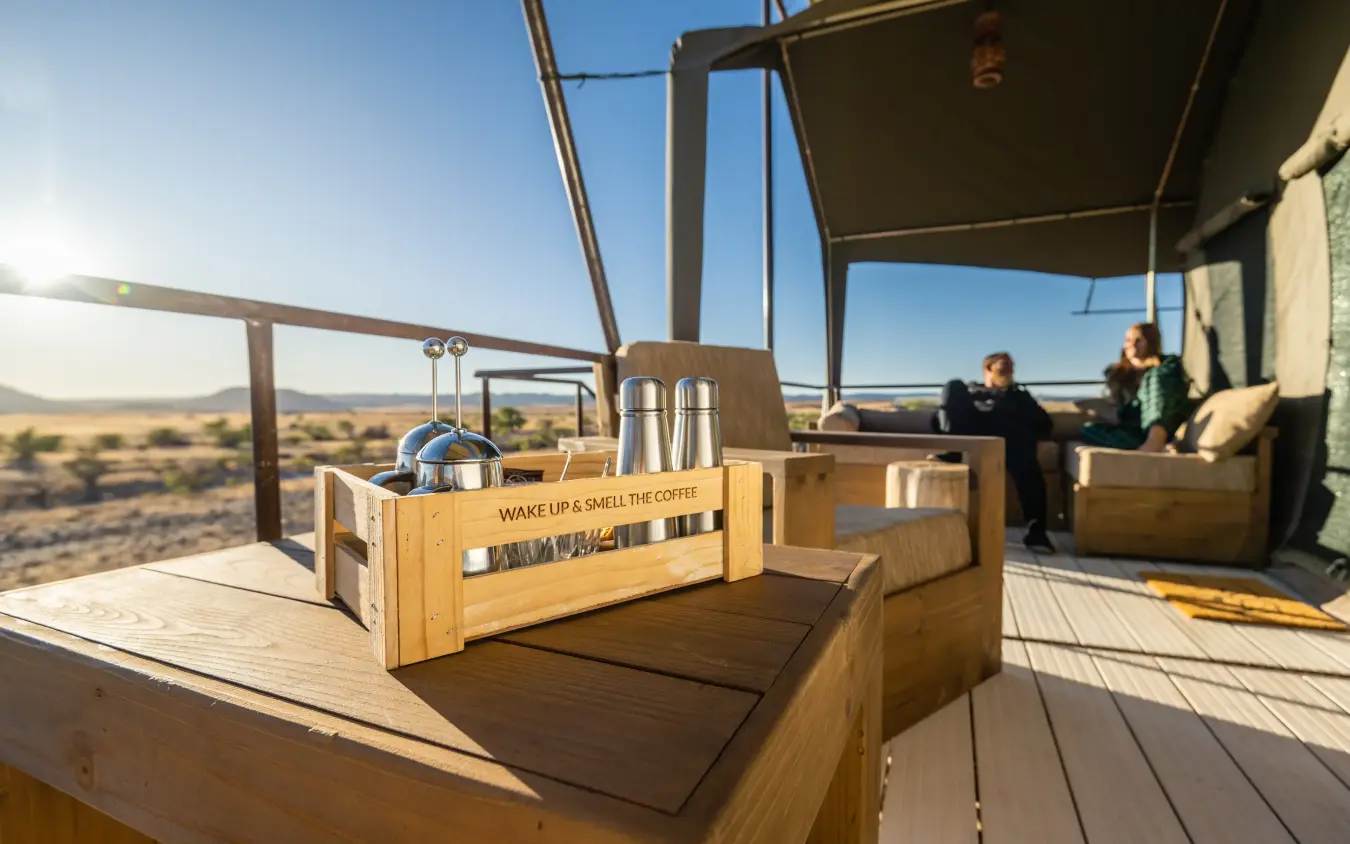
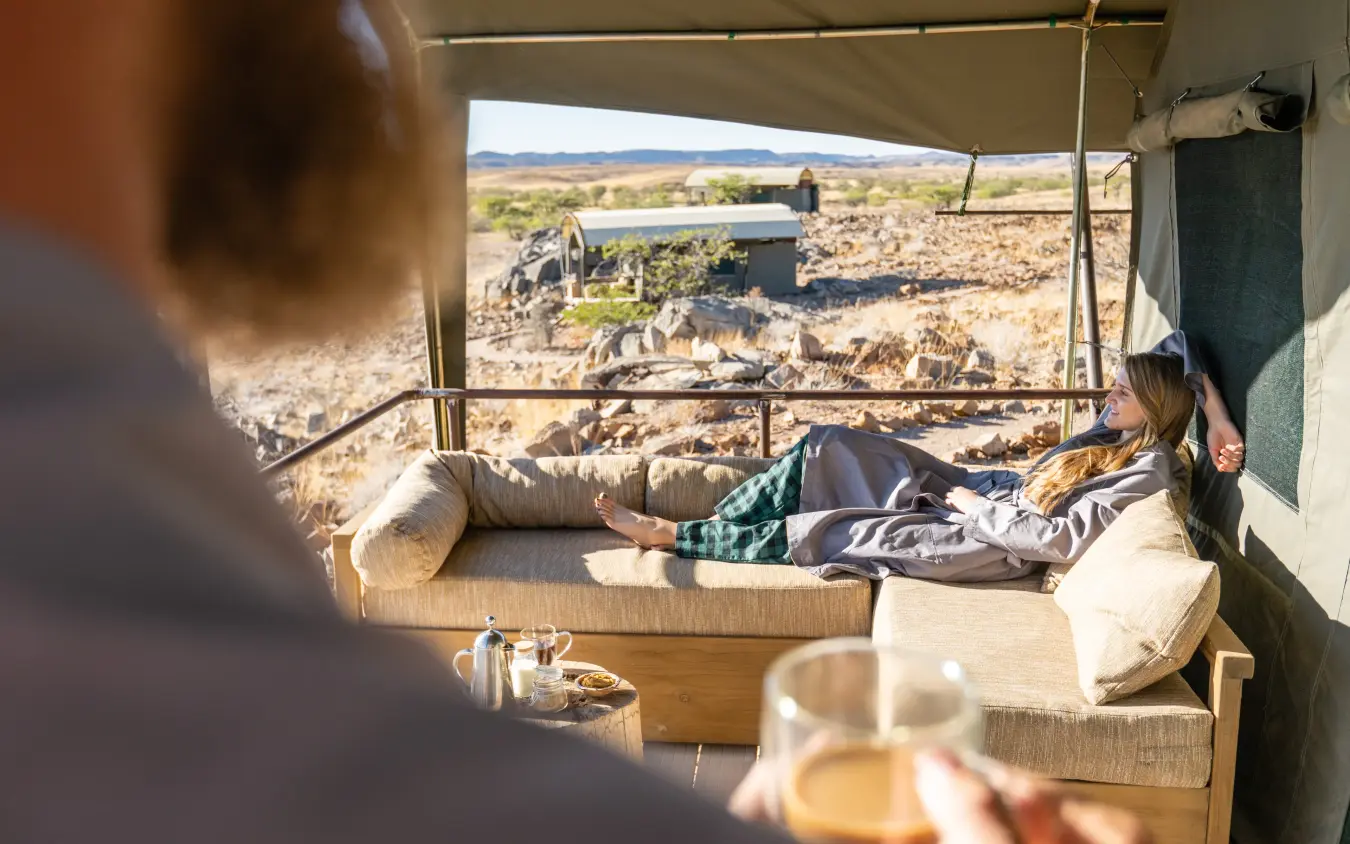
Six Meru-style tented rooms, five of them standard, usually twins with doubles on request, and one larger family unit. Each is raised on a wooden platform under shade-netting, with a walk-in canvas bedroom, a writing desk and cupboard space, opening onto a private deck with daybeds that overlook the riverbed and the mopane below.

Safari truck driving on dusty road with passengers on open-air platform, Camp Doros, Damaraland, Namibia 02

activities

Black Rhino Tracking with Qualified Rangers

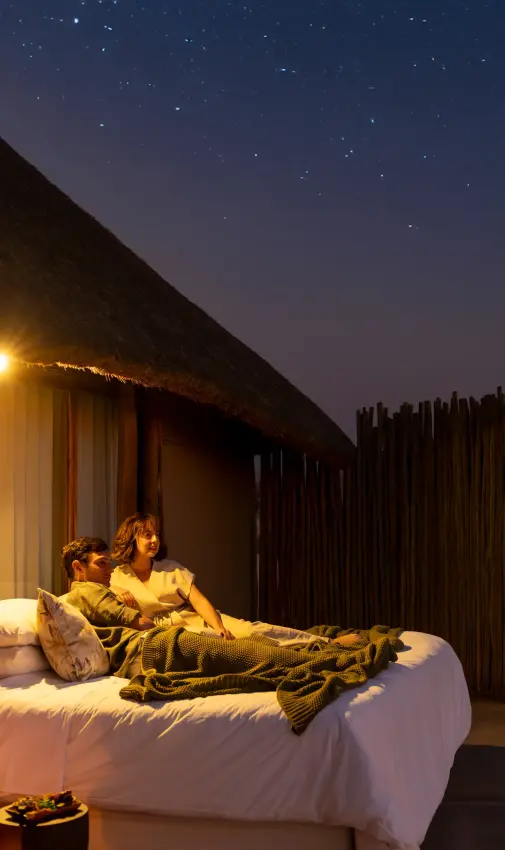
Desert-adapted black rhino tracking on foot with qualified Rhino Rangers is the core activity, alongside open-vehicle nature drives and guided walks. Longer stays add desert-adapted elephant tracking and visits to the rock engravings near Twyfelfontein. Guided stargazing fills the dark Damaraland evenings.

Group viewing ancient rock petroglyphs in desert landscape, Camp Doros, Damaraland, Namibia 03

conservation

Support for Rhino Rangers in Three Conservancies

Camp Doros works with the Save the Rhino Trust, supporting Rhino Ranger teams with equipment, salaries and monitoring resources. The camp sits within the Doros Joint Management Area, a concession shared by the Doro !Nawas, Sorris Sorris and Uibasen Twyfelfontein conservancies, with bed levies feeding directly into community income.

ready to get started?

Get in touch and let’s start the conversation. An initial consultation helps us understand what you’re looking for, whether that’s specific experiences, luxury touches, or marking a special occasion, and from there we’ll guide you through what’s possible so you can decide if we’re the right fit.

Alternative accommodation in damaraland

frequently asked questions

Everyone arrives through the Onduli airstrip, the same strip that serves its sister camp nearby. Light aircraft fly in from Windhoek's Eros airport in roughly one and a half to two hours, and we can arrange a private charter, typically a Cessna Caravan or Pilatus PC-12, where the scheduled circuit does not suit. The final leg is a guided nature drive of about seventy-five minutes into the concession, planned as a first reading of the country rather than a transfer to sit through.

There is a small waiting lounge at the strip for the handover, used by fly-in guests and self-drivers alike. If you are flying, pack soft-sided bags; we will confirm the exact weight limit when we book.

Dry as this country looks, it sits inside a named malaria region, so take the question seriously and let the season answer it. Damaraland falls within Kunene, where the UK's official travel health advice recommends antimalarial tablets between December and April, easing to low risk from May to November with bite avoidance advised. The CDC includes Kunene in its list of Namibian regions with malaria, noting cases are rare elsewhere in the country.

The main tracking season falls inside the low-risk months, which helps, but guidance shifts and individuals differ. Put your dates in front of a travel clinic or your doctor before travelling, and cover up when the light drops.

Plan for heat, cold and dust in one bag. The days run hot, frequently past thirty degrees, then the temperature falls away hard after sunset, and winter nights between June and August can approach freezing under those famously dark skies. Summer brings fiercer heat and the rare short storm.

The tracking sets the packing list: worn-in walking shoes or light boots for rough, stony ground, muted colours that do not announce you, and a hat, sun cream and plenty of sun protection for the open hours. Add a warm fleece and windproof layer for early drives and evenings at the firepit, plus a buff or scarf for the dust.

The camp takes bookings of two nights or more, and the rhino are the reason to respect that floor rather than test it. They are found by reading tracks across a huge, rocky concession, not by driving to a known spot, so a single day gives the Rhino Rangers one chance and the desert one veto. Two full days move the odds properly in your favour.

Stay three or more and the longer excursions come within reach, which is when the camp turns from a mission into a stay. We plan it with margin, because coming this far for one attempt is the mistake we design out.

The concession's natural springs hold water all year, which keeps wildlife in the area whatever the month, but the dry season from May to October narrows where animals can drink and makes the tracking more productive. Days are mild then, nights cold and diamond-clear.

November to April brings heat, the chance of storms and greener valleys, with game more scattered and the malaria advice stricter. Both halves of the year have their case; for a first attempt at rhino on foot, we would book the dry months.

rated five stars by our clients

other areas in namibia

Golden sand dune at sunset with sparse desert vegetation 01

Sossusvlei

Elephant with zebras and antelopes at waterhole 02

Etosha National Park

Aerial view of desert dunes meeting coastal waves 03

Skeleton Coast

Portrait of a person wearing traditional African beaded jewelry 05

Kunene River

Cyclists riding across red sand dunes at sunset, Swakopmund, Namibia 06

Swakopmund

Elephant herd walking through dusty grassland with scattered trees, Zambezi Region, Namibia 07

Zambezi Region

Aerial view of church and city at sunset 08

Windhoek

Planning a journey together

our approach

remote, exclusive
& personal

Every journey starts with a conversation. We take the time to understand your vision before we start planning.

Whether by phone or in person, we work with you directly to shape something that is considered, personal, and expertly delivered.

get in touch
destinations ideas & inspiration our process about us contact us