Introduction
Kenya and Tanzania’s Great Migration draws crowds chasing dramatic river crossings, yet solitude remains achievable. Once remote, the northern Serengeti now hosts numerous camps, diluting the wilderness experience. This brief article explores migration dynamics, highlights issues with peak-season overcrowding, and reveals thoughtful ways to enjoy this spectacle quietly.
What is The Great Migration?
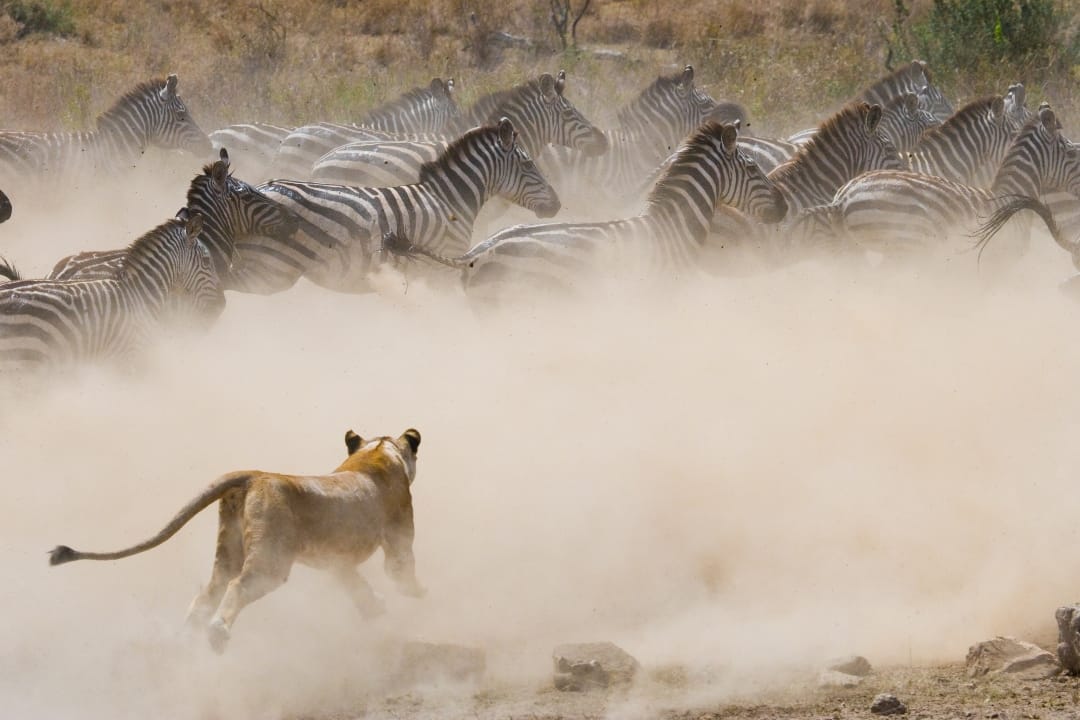
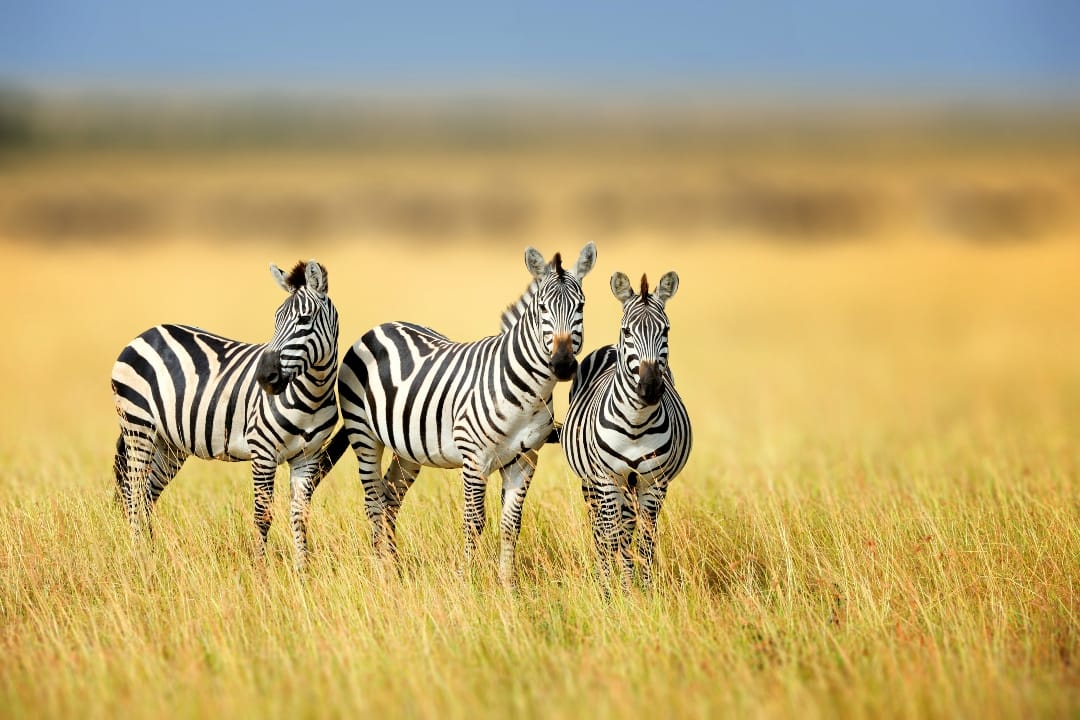
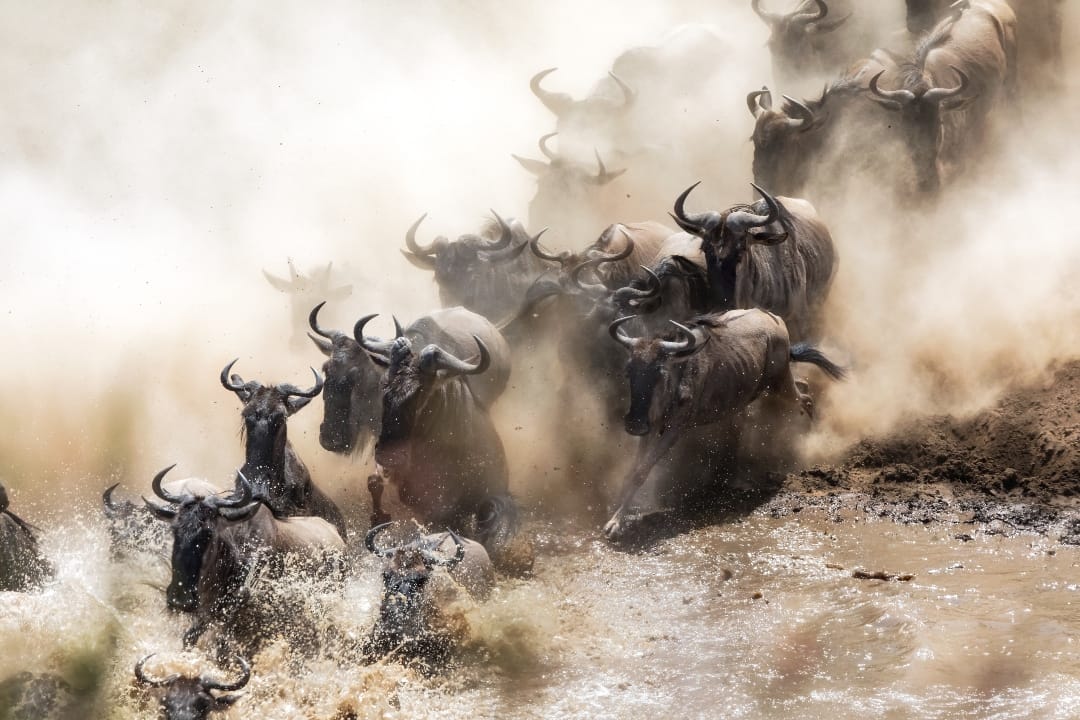
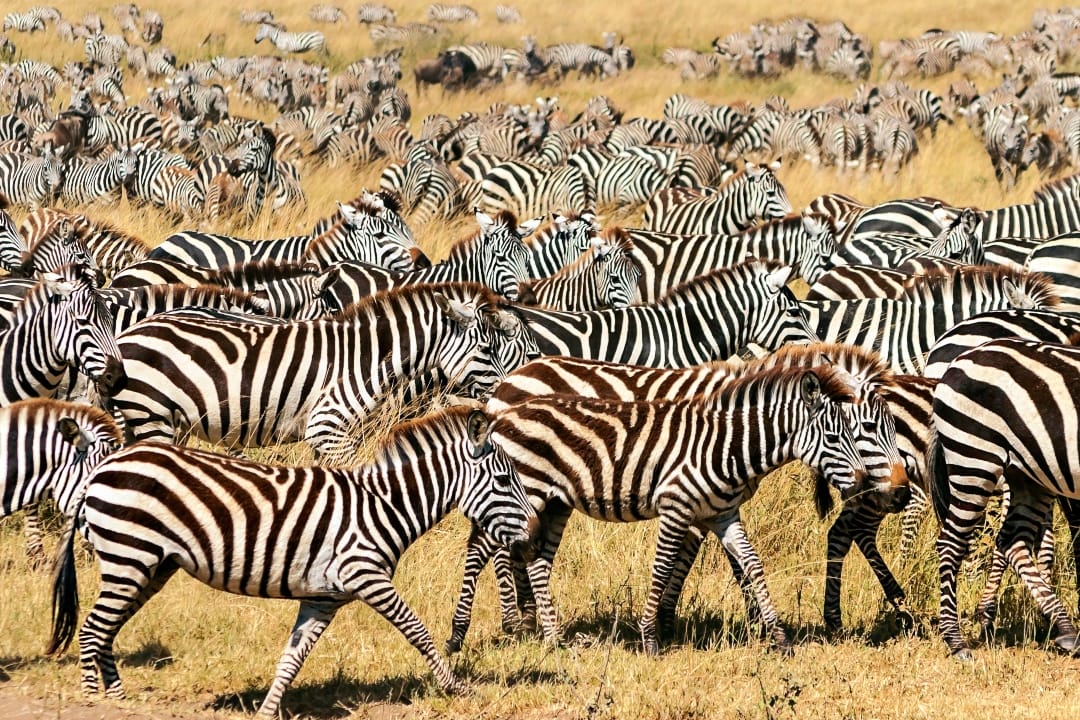
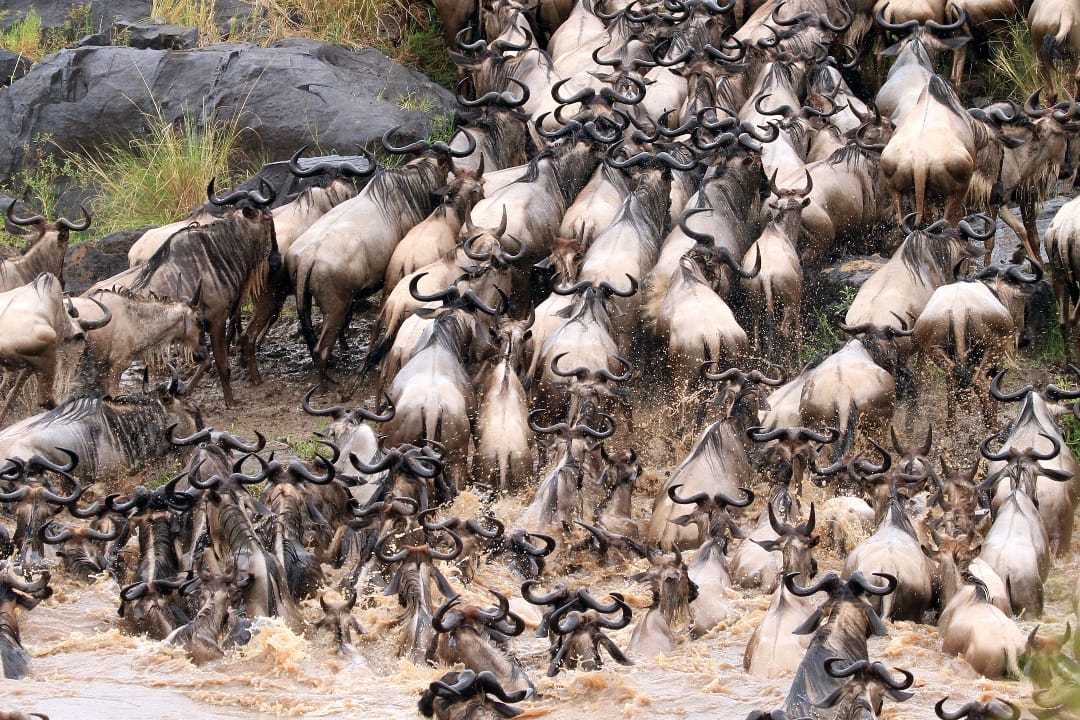
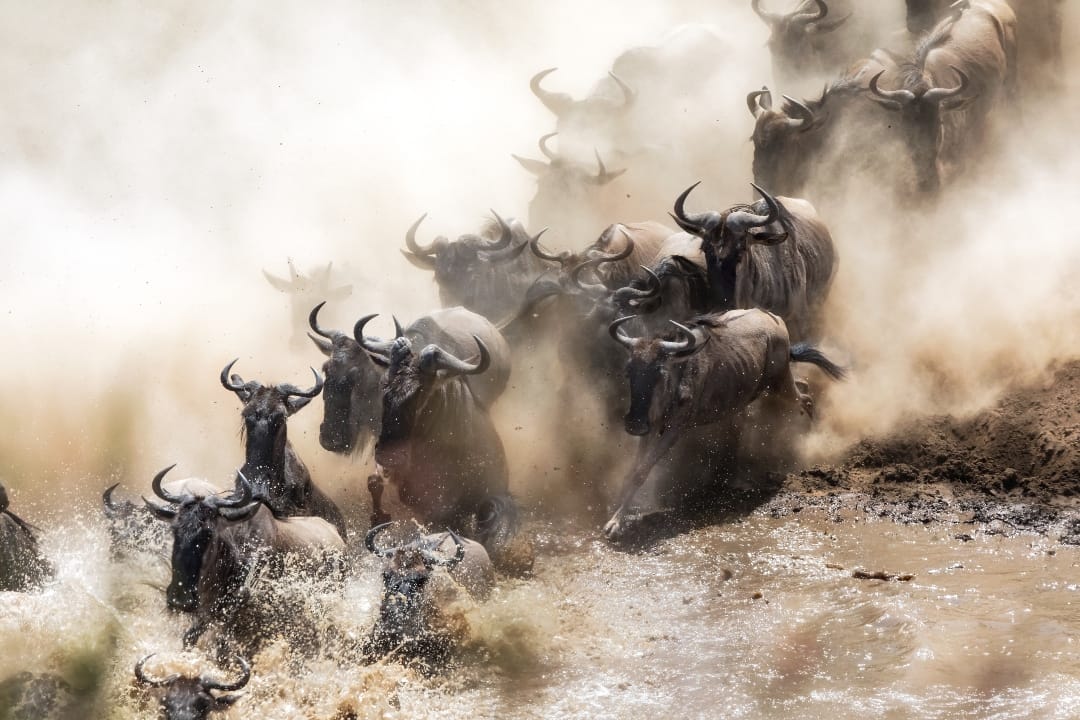
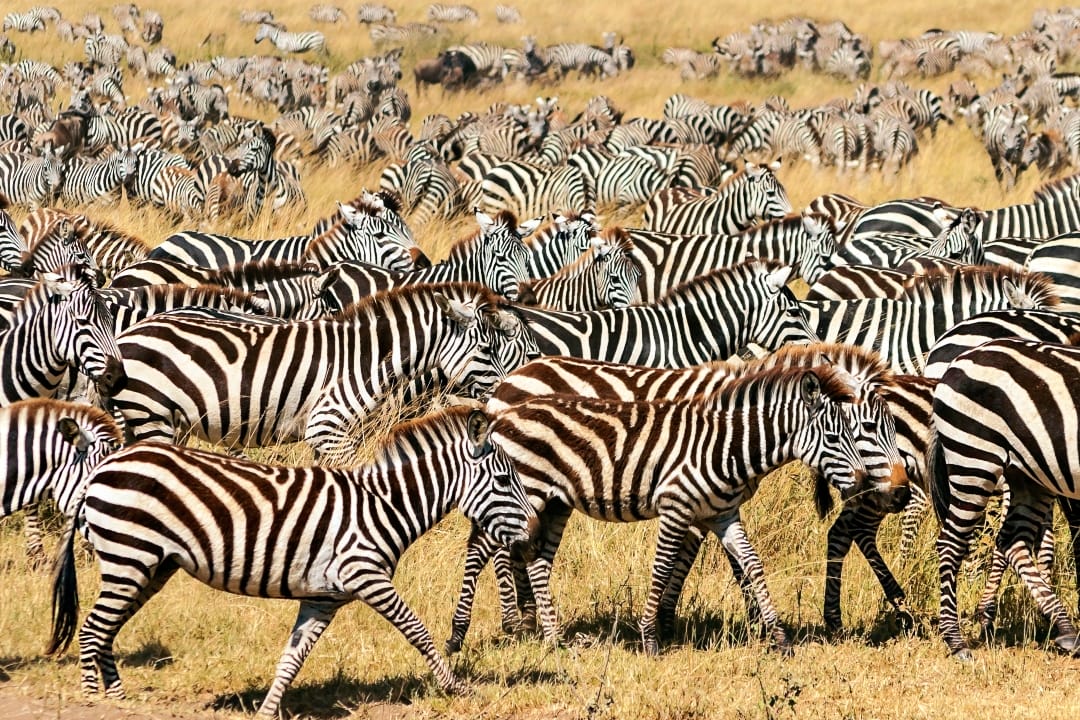
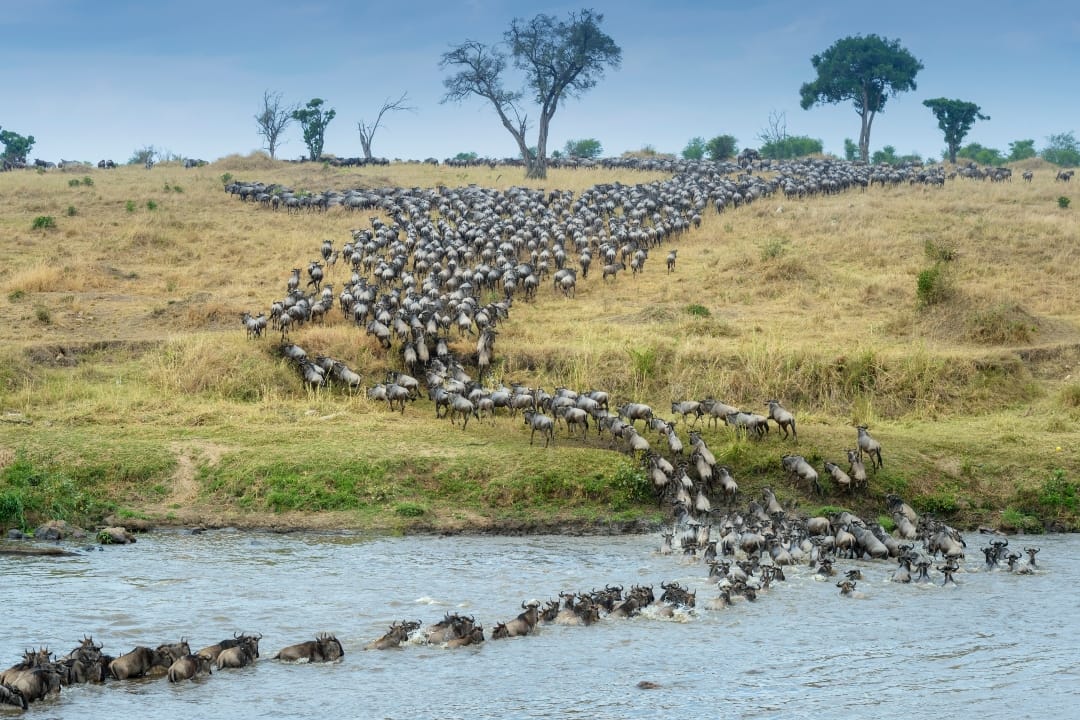
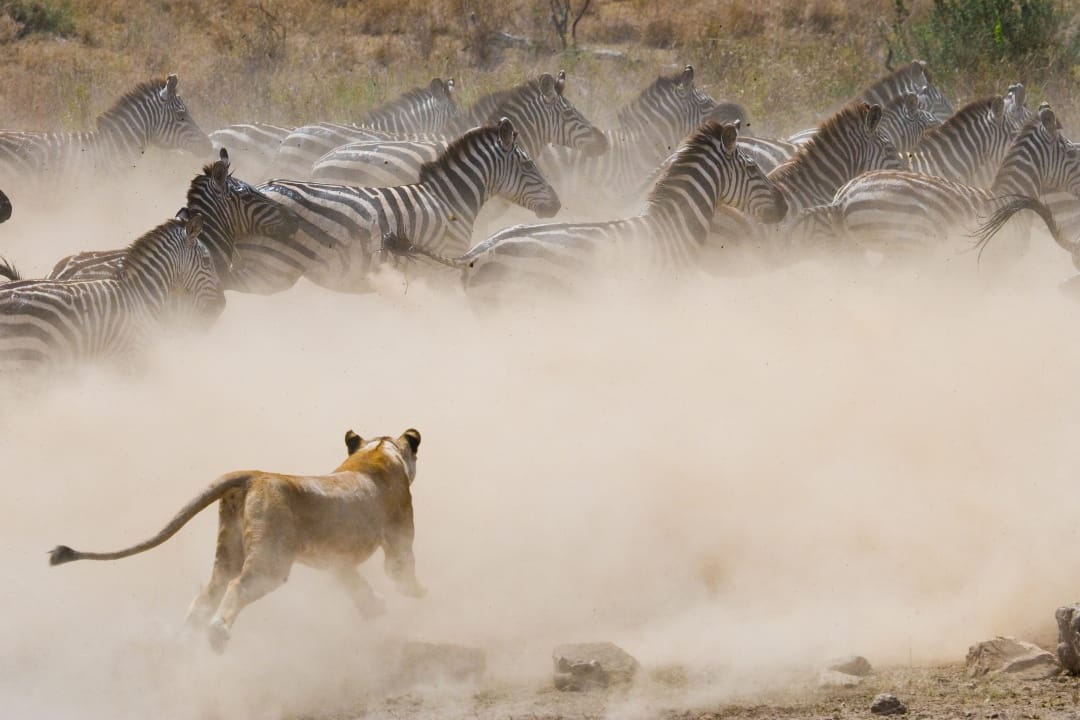
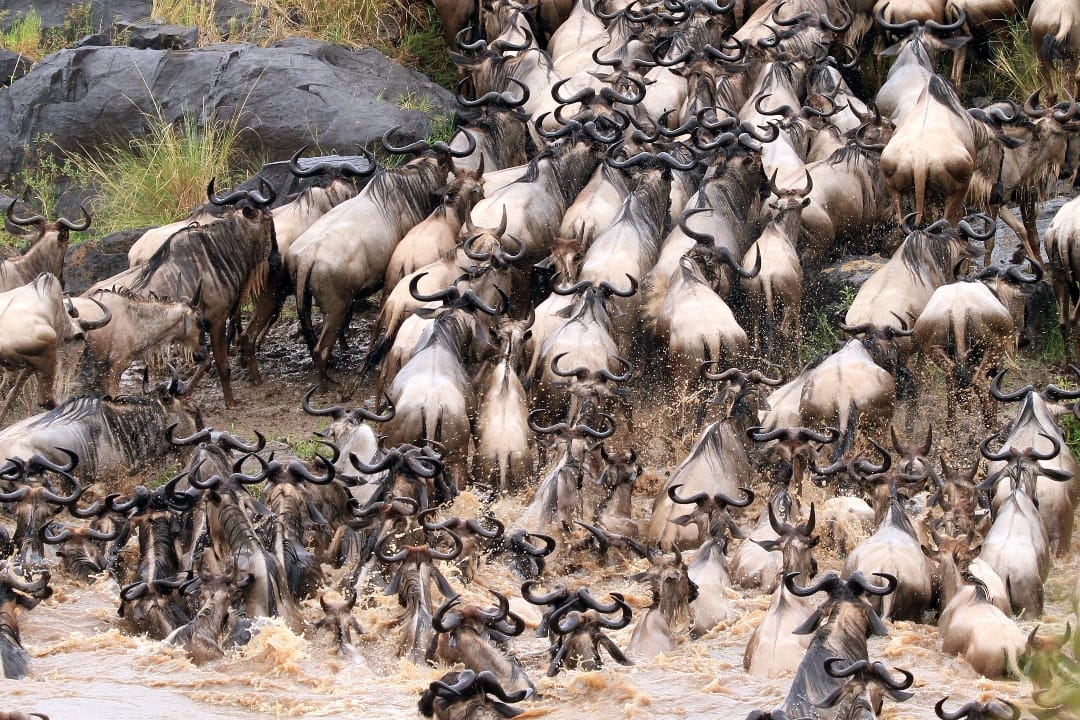
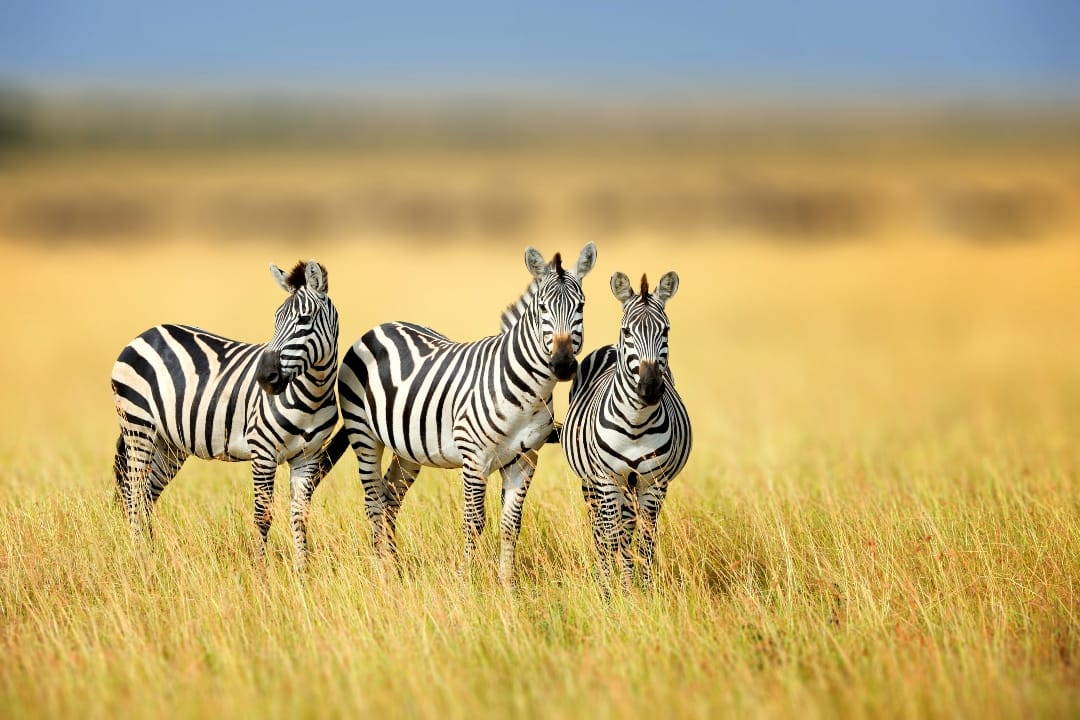
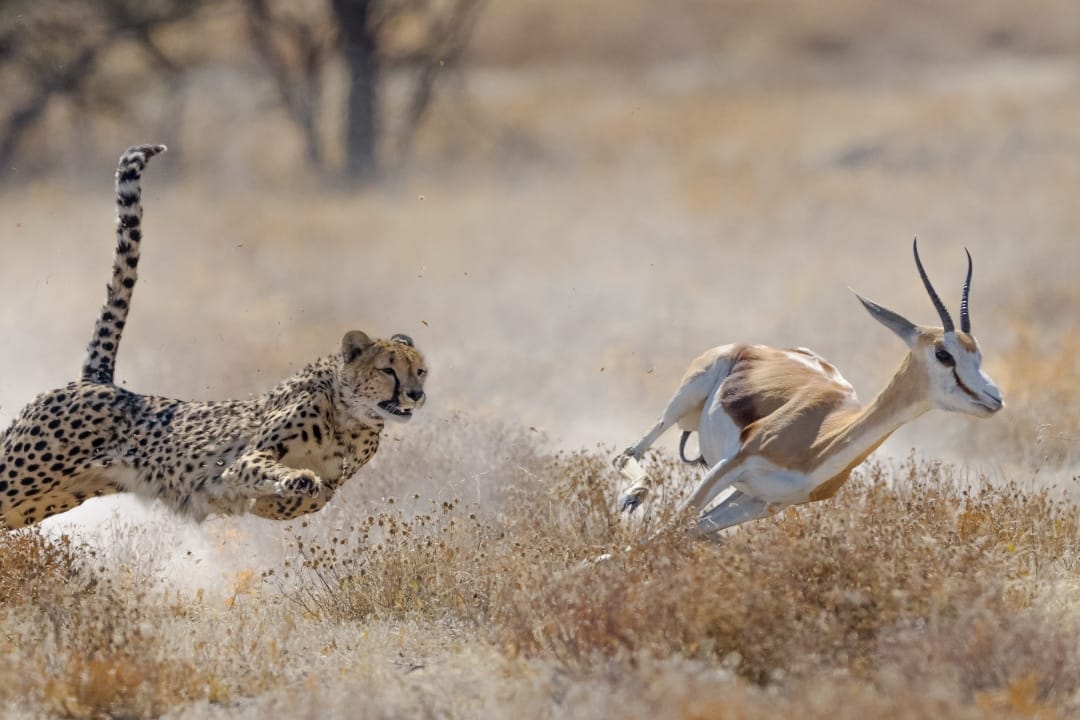
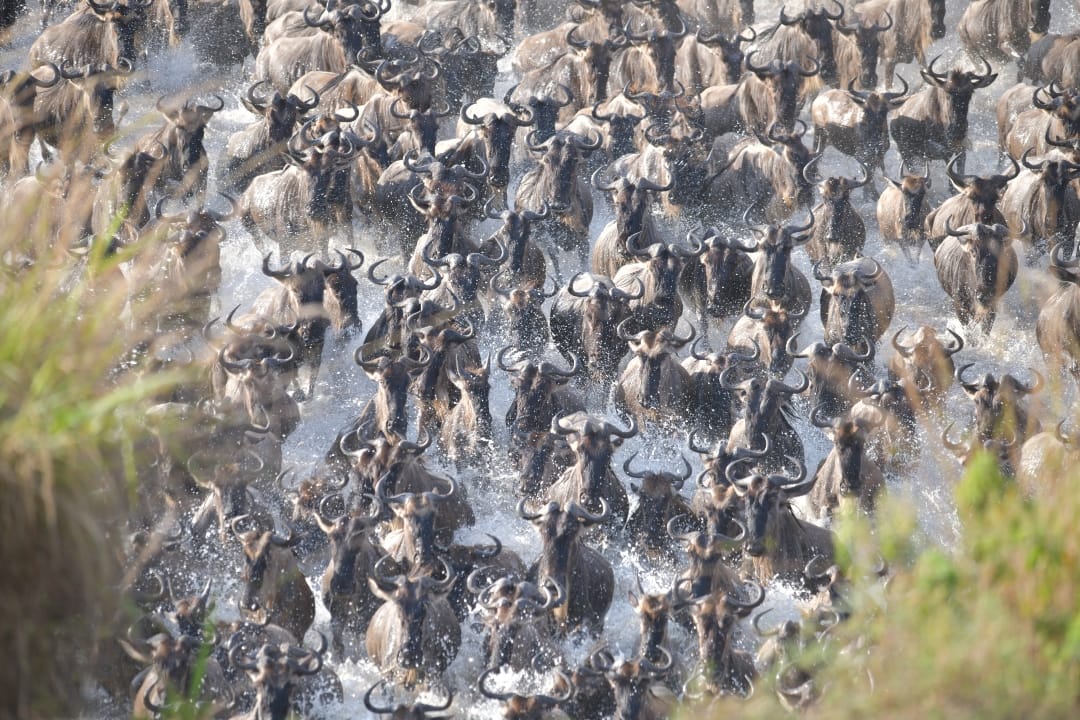
The Great Migration is East Africa’s annual cycle where approximately 1.5 million wildebeest, accompanied by zebras and gazelles, journey between Tanzania’s Serengeti and Kenya’s Maasai Mara ecosystems. Driven by rainfall patterns and grazing opportunities, these vast herds navigate grassy plains, treacherous rivers, and predator-rich landscapes, constantly moving in a cyclical pattern that sustains the region’s complex ecological balance.

When is The Great Migration?
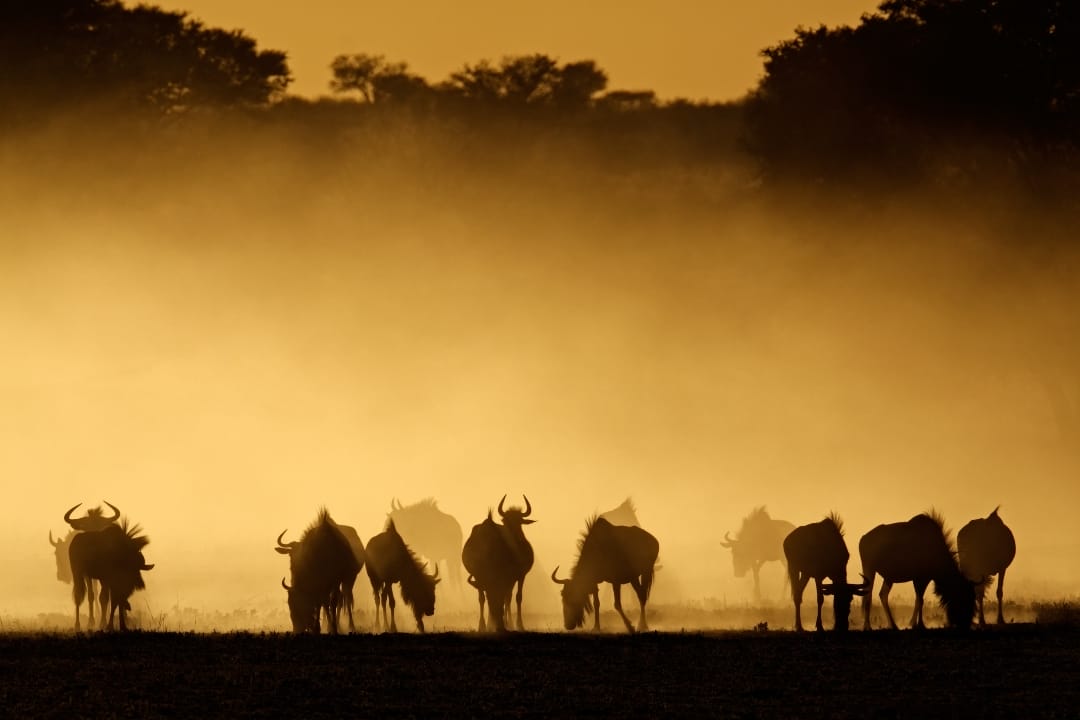
Visitors frequently ask about the timing of The Great Migration, yet this immense movement is continuous and fluid, without fixed start or end points. Typically, calving occurs January–March in the southern Serengeti, herds traverse the western corridor April–June, and dramatic river crossings occur in the north July–September, before they return southward around November–December, following seasonal rains.
Issues in High Season North Serengeti & Maasai Mara
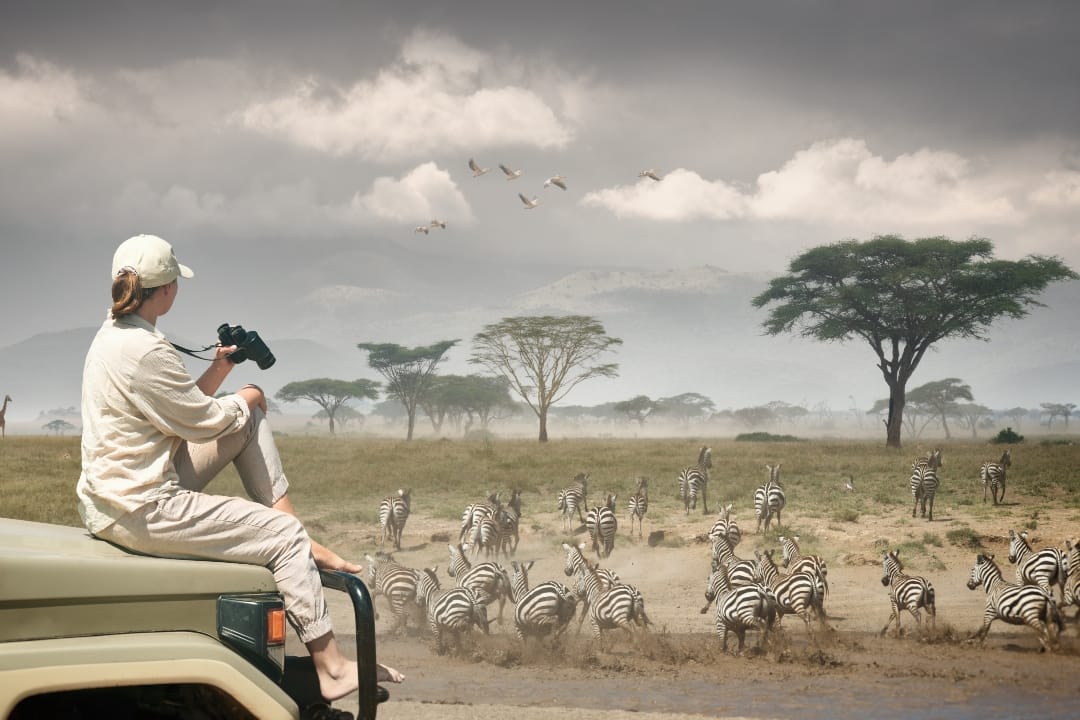
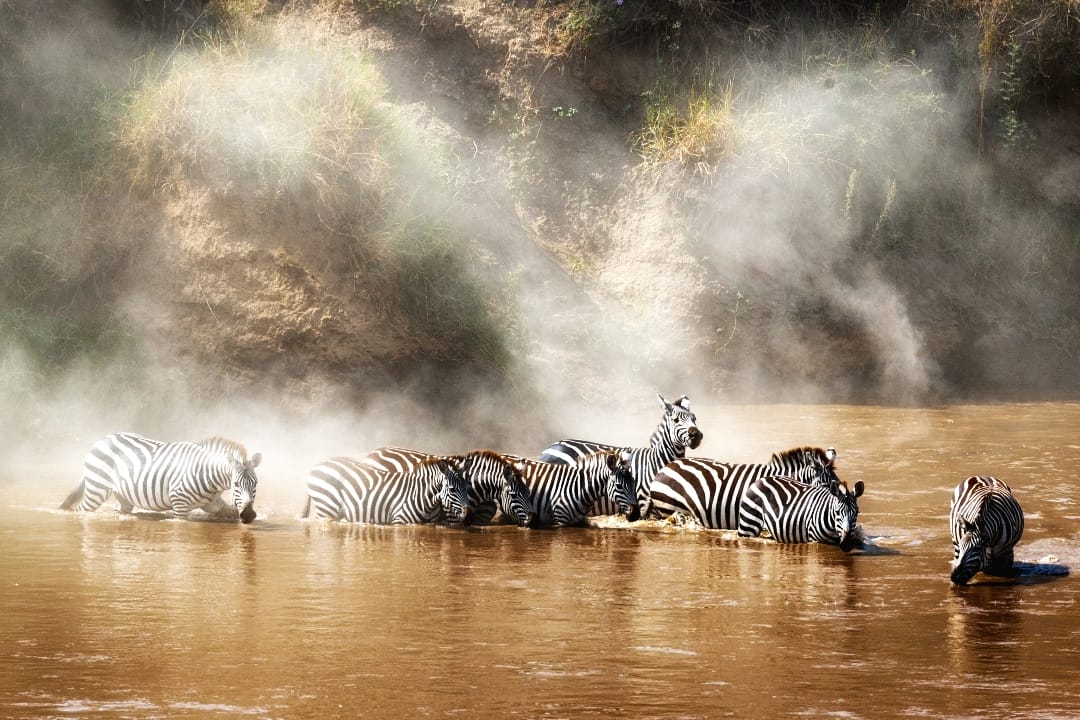
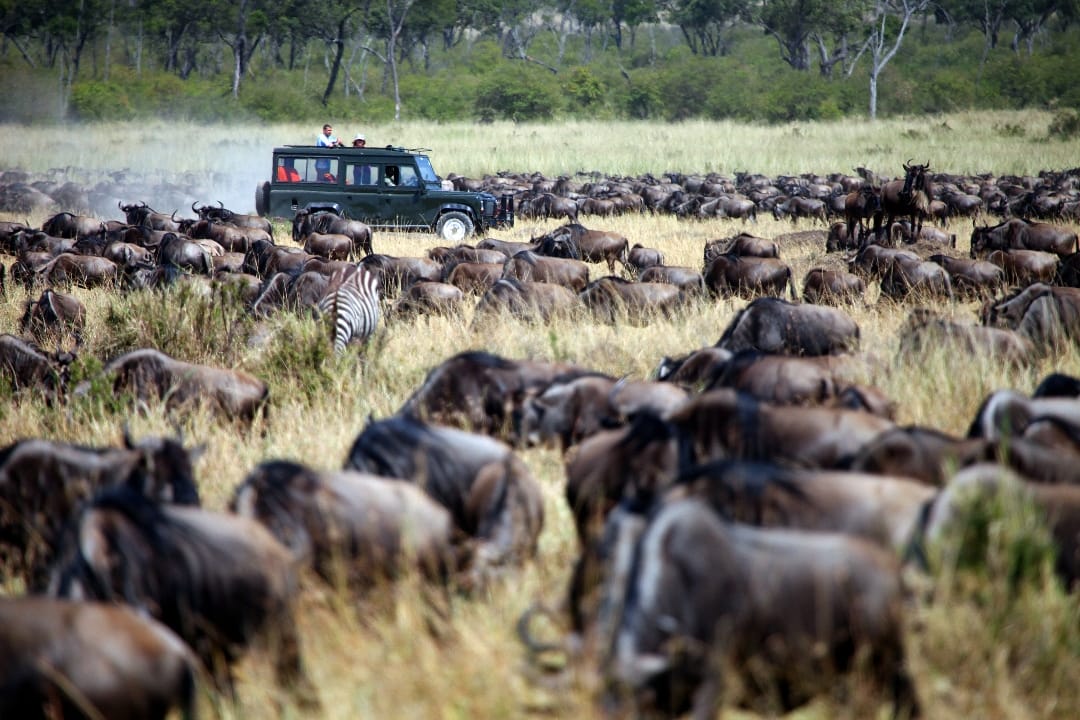
Peak season in northern Serengeti and Maasai Mara brings significant congestion. Excessive vehicle numbers impact both wildlife behavior and visitor enjoyment. Camps near popular crossing points can alleviate some issues, but skilled guides familiar with quieter routes make the greatest difference. Experienced guides can navigate away from crowds, facilitating solitary, authentic encounters.
Seeking Solitude in Alternative Areas
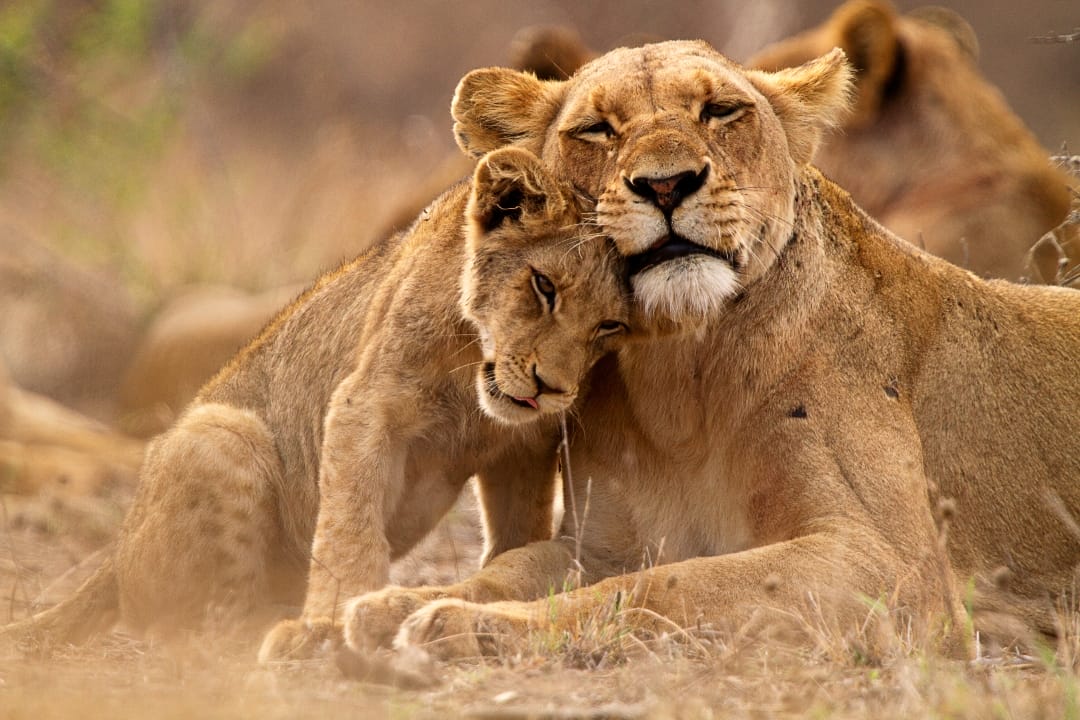
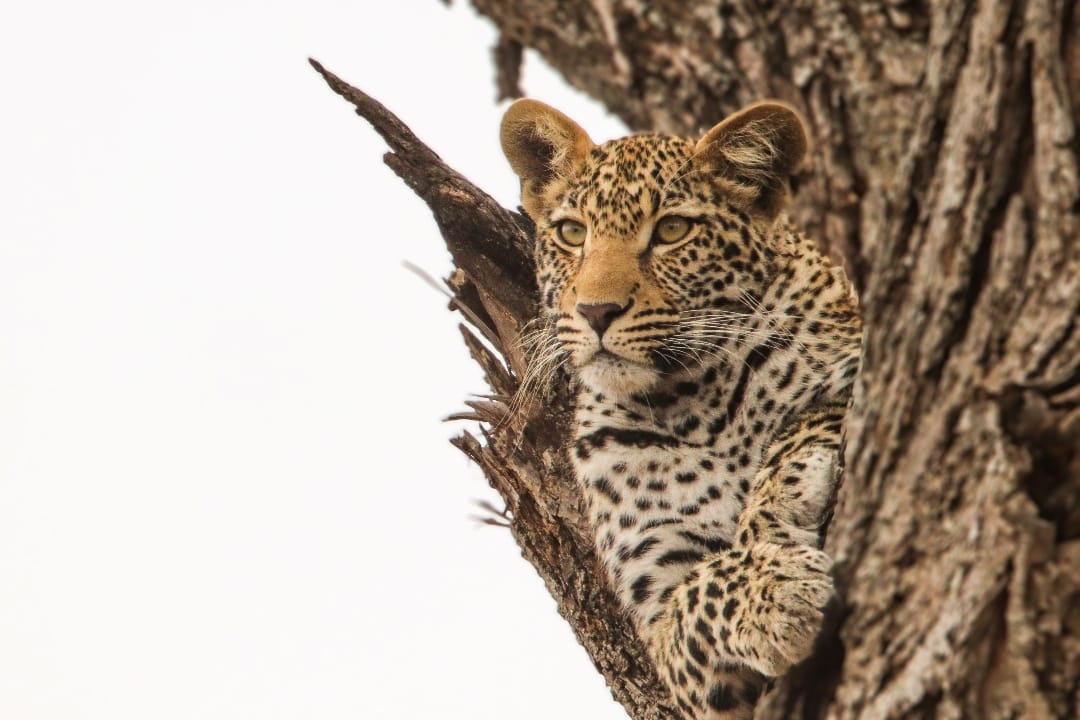
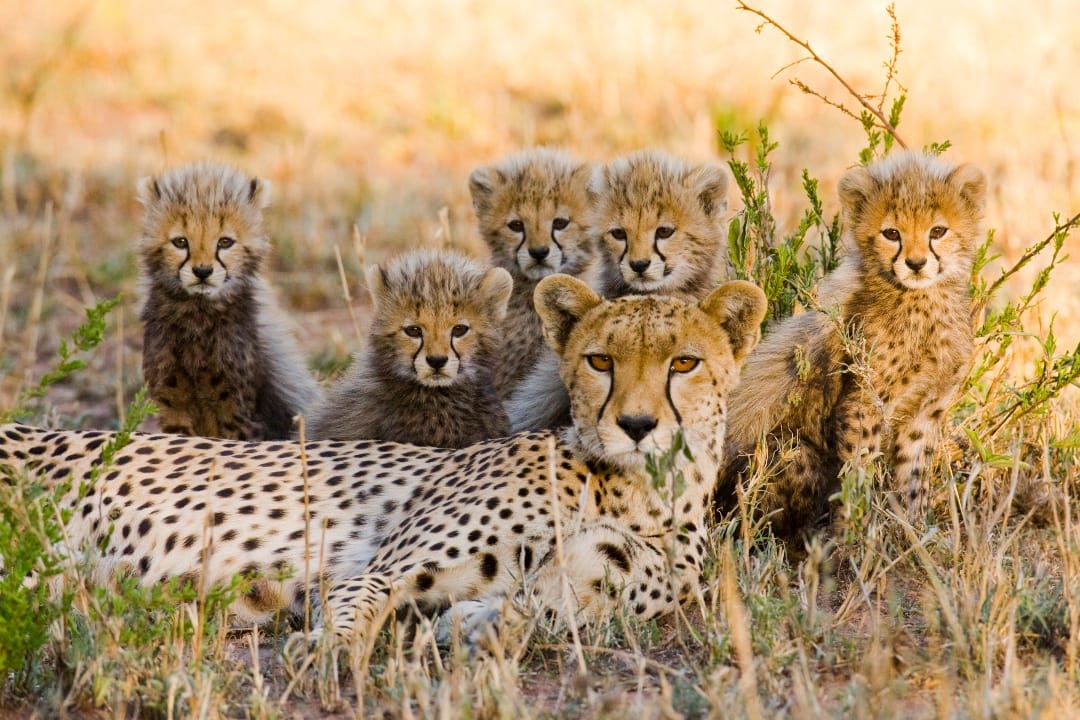
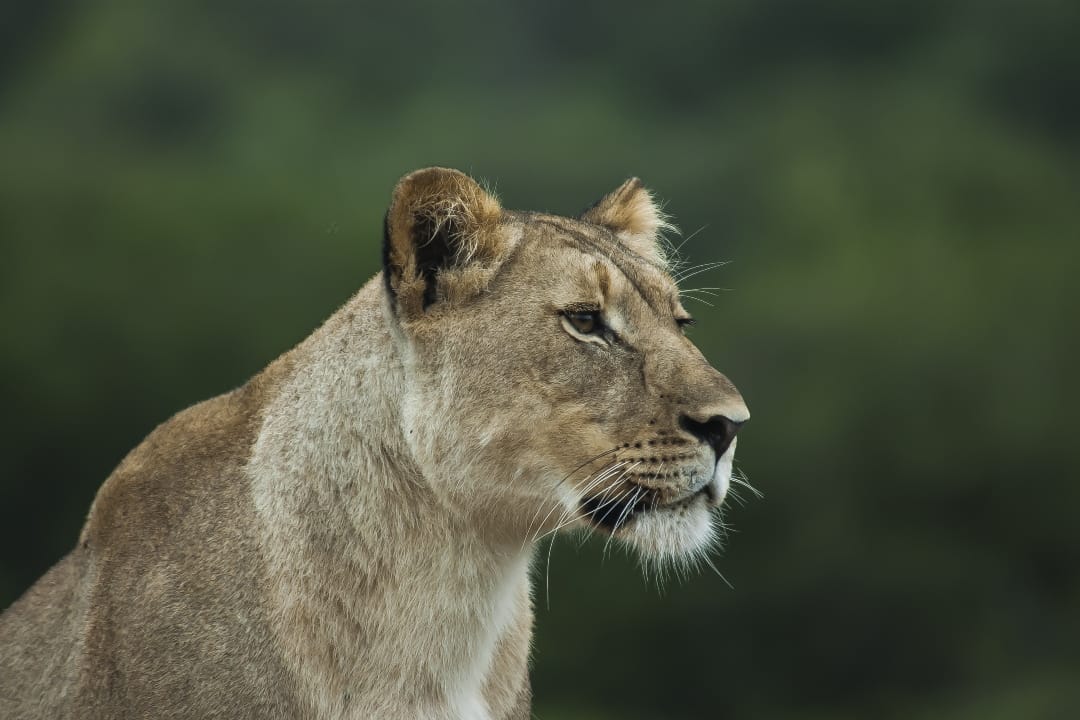
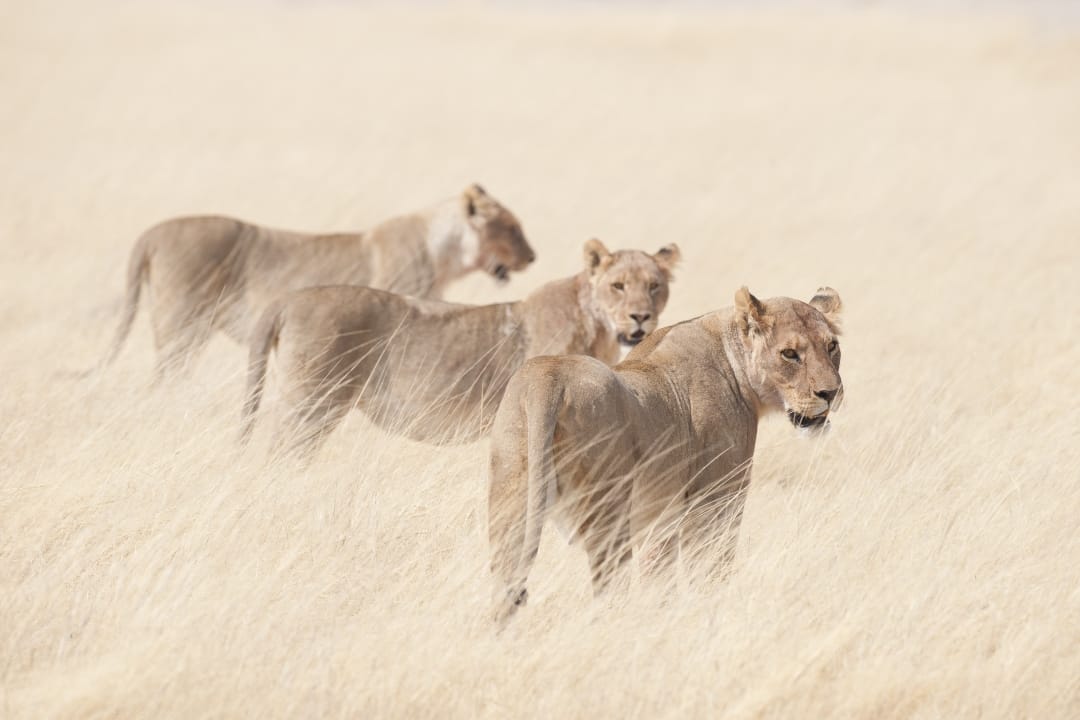
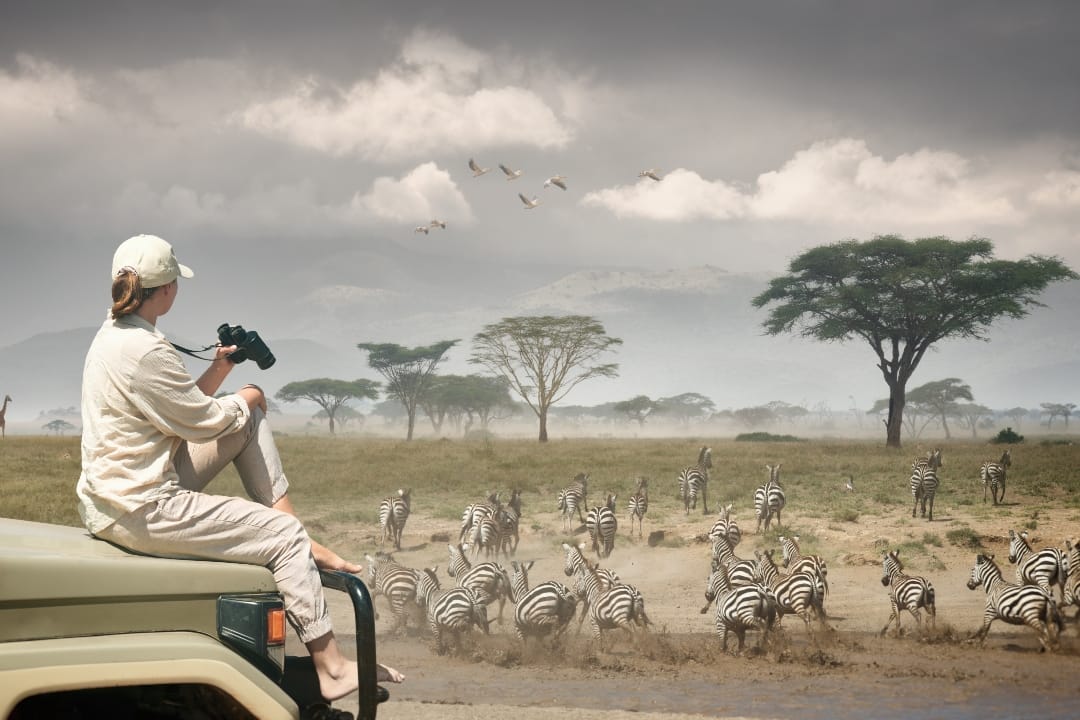
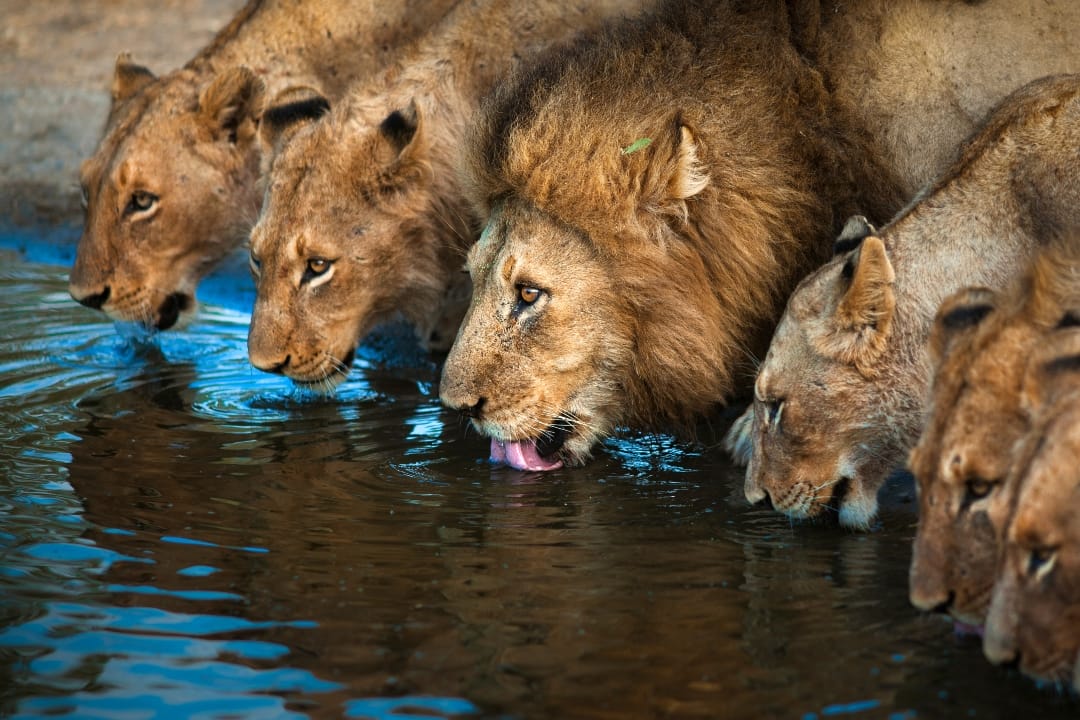
We advocate experiencing the migration during calving season in the southern Serengeti, where vast herds congregate without tourist crowds. This period allows travelers to immerse themselves in expansive wilderness settings. Additionally, northern Serengeti’s off-season offers exceptional wildlife viewing, especially resident big cats, with very few visitors—a rare opportunity reminiscent of Maasai Mara decades ago.
Conclusion
While dramatic river crossings define popular imagery of the Great Migration, the Serengeti ecosystem itself is inherently spectacular. Over-marketing has strained visitor experiences and wildlife habitats. At Fitzroy, we promote quieter, slower safaris in lesser-visited regions, encouraging guests to embrace nature’s unpredictability, prioritizing ecological sensitivity and personal reflection over chasing specific events.
Ready to get started?
Best Lodges for migration viewing






Planning Your Own Safari
We hope this brief article has shown that the Great Migration can still be witnessed in peace—whether amid the expansive calving grounds of the southern Serengeti, during the off-season calm of the northern plains, or along little-used tracks in private conservancies bordering the Mara. If you’re dreaming of an itinerary that bypasses the busiest crossings yet immerses you in the daily rhythm of wildebeest herds, lion prides, and Maasai culture, we’d be delighted to help. We can arrange lightly footprinted mobile camps, pair you with guides versed in quiet routes, and weave in community visits that channel revenue toward rangeland protection. Together, we’ll craft a journey that privileges solitude, supports local stewardship, and lets the spectacle of the migration unfold on its own, unhurried terms.
FIND OUT MORE ABOUT OUR MIGRATION SAFARIS
Let us know your travel requirements below and one of our specialists will be in touch with you as soon as possible
"*" indicates required fields