Seventy Rhinos, One Aircraft
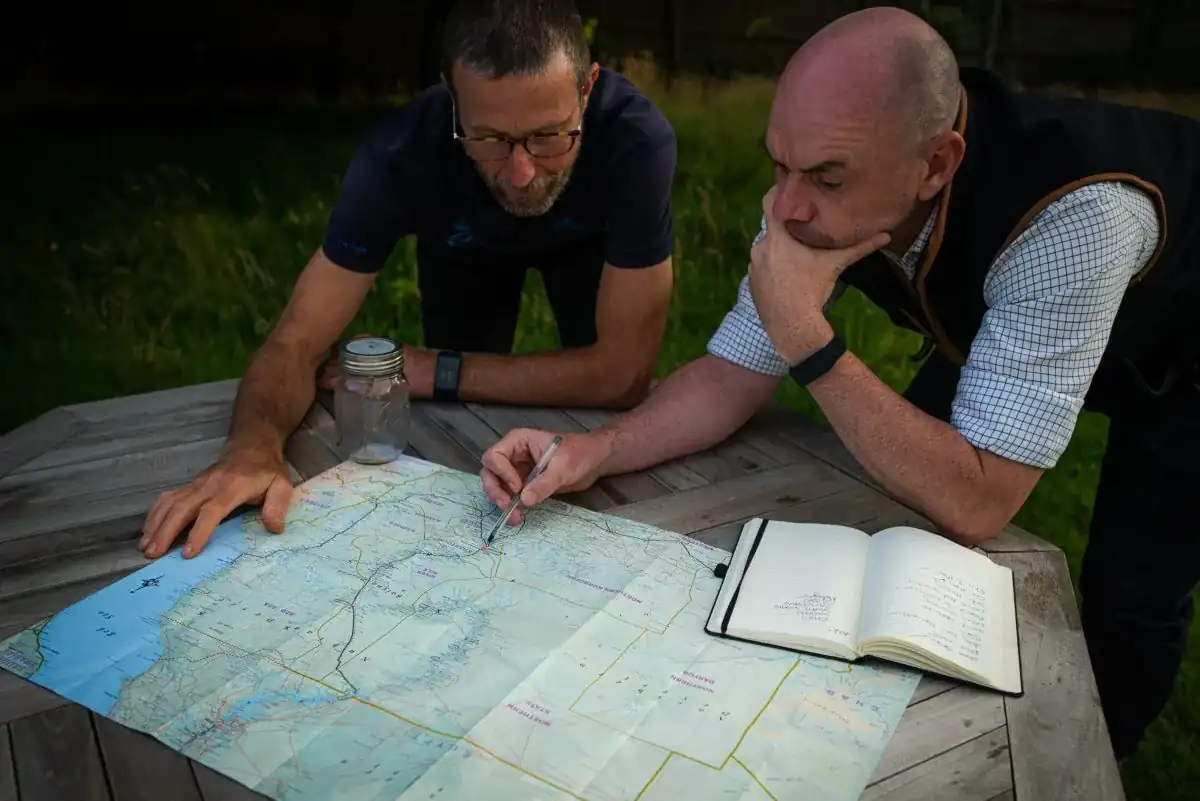
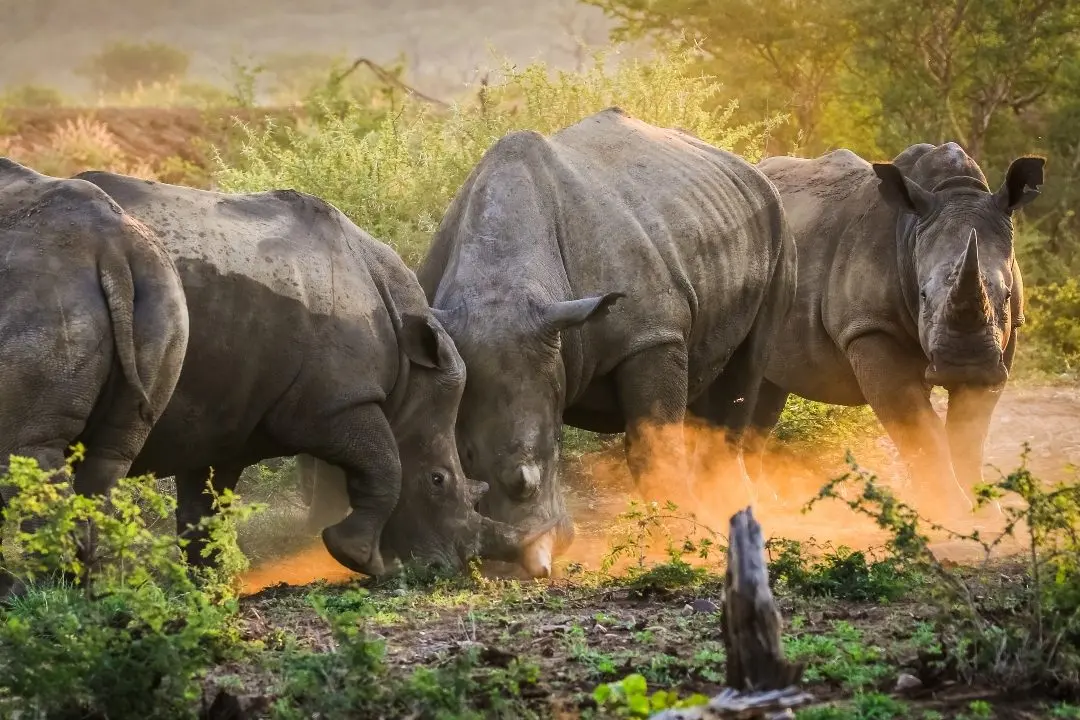
On 10 June 2025 a chartered Boeing 747 touched down in Kigali carrying 70 southern white rhinos, bred in South Africa and bound for Akagera National Park on Rwanda’s eastern border. The move, arranged by African Parks and the Rwanda Development Board under the Rhino Rewild initiative, was the largest single translocation of its kind ever attempted, and it worked.
The largest single translocation of its kind ever attempted, and it worked.
Numbers this size are not moved for spectacle. Concentrating a species in one region concentrates its risk, and most of the world’s remaining white rhinos live within reach of the same poaching economy in southern Africa. Building a second stronghold two borders away is insurance written in muscle and horn.

The Journey, Step by Step
Moving a two-tonne animal is choreography. Multiply it by seventy.
| Stage | What happened |
|---|---|
| Capture | Wildlife veterinarians darted each rhino, fitted horn transmitters, and walked the animals into steel-reinforced crates. |
| To the airport | Crates craned onto flat-bed trucks for the road journey to King Shaka International Airport. |
| In the air | Crates palletised inside the Boeing 747; light sedation kept every animal standing and stable for the flight. |
| Kigali, by night | A police convoy ran the crates east through the dark to Akagera, arriving before first light. |
| Release | Seventy unrelated founders released into 1,122 square kilometres of savannah and wetland. |

Why Rwanda Can Protect Them
Akagera earned this herd. Over fifteen years the park has layered its security: a 120-kilometre electrified fence, drone and helicopter patrols, GPS tags on high-value species, and a ranger corps nearly a hundred strong with dog units. Since lions returned in 2015 and rhinos in 2017, the park has not lost a rhino, lion or elephant to poaching. Its co-management model, state-owned but run day to day by African Parks with the Rwanda Development Board, moves with a speed conventional bureaucracies cannot match.

What Seventy Founders Buy
Seventy unrelated animals inject genetic diversity that a trickle of smaller moves never could, and they anchor the first large-scale step of African Parks’ plan to rewild 2,000 captive-bred rhinos into secure landscapes across the continent. If Akagera’s herd thrives, it becomes the template, and East and Central Africa get their rhinos back one 747 at a time.
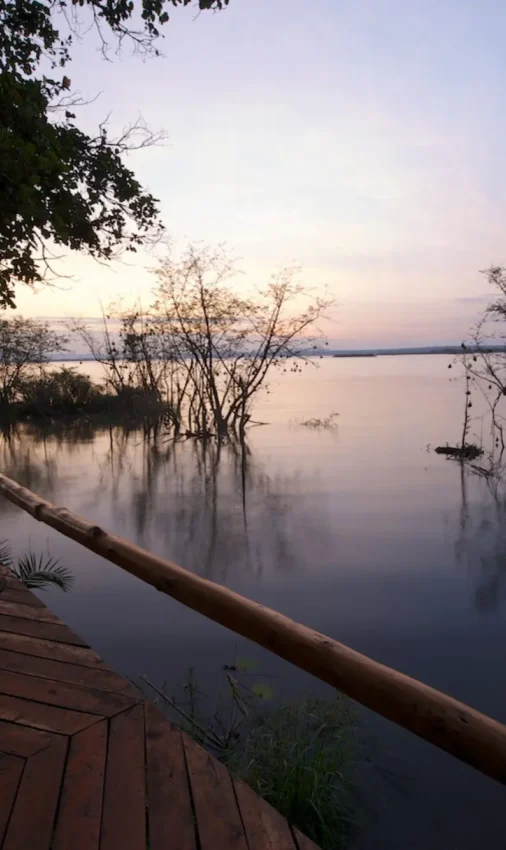
Conservation stories can feel abstract until you stand in the landscape they happened in. Akagera is now one of the most quietly impressive parks in Africa: boat safaris on Lake Ihema, big herds against the wetlands, and rhinos that arrived by jumbo jet. Pair it with Rwanda’s gorillas and you have one of the great one-country itineraries, and your park fees fund the rangers who keep the story going.
Managing Director

Your next adventure starts with a conversation.
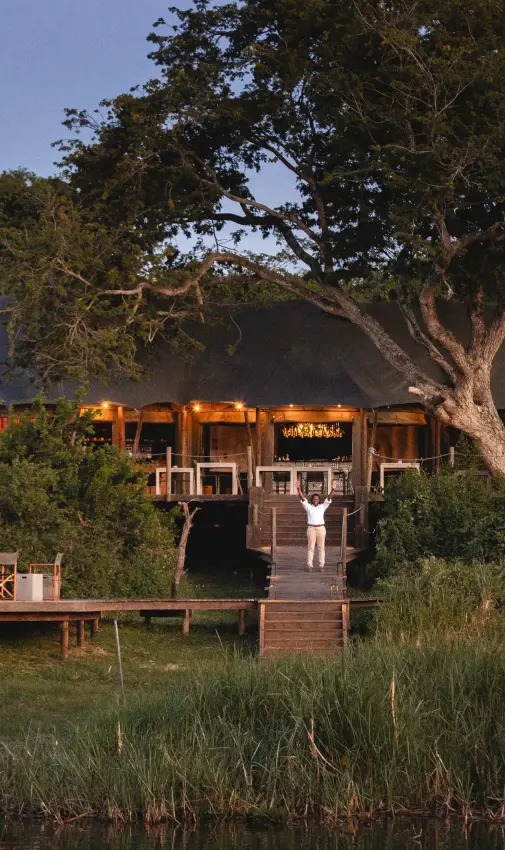
recommended camps and lodges in akagera

Find out more about our Rwanda safaris
Let us know your travel requirements below and one of our specialists will be in touch with you as soon as possible.