Tracking Our Closest Relative
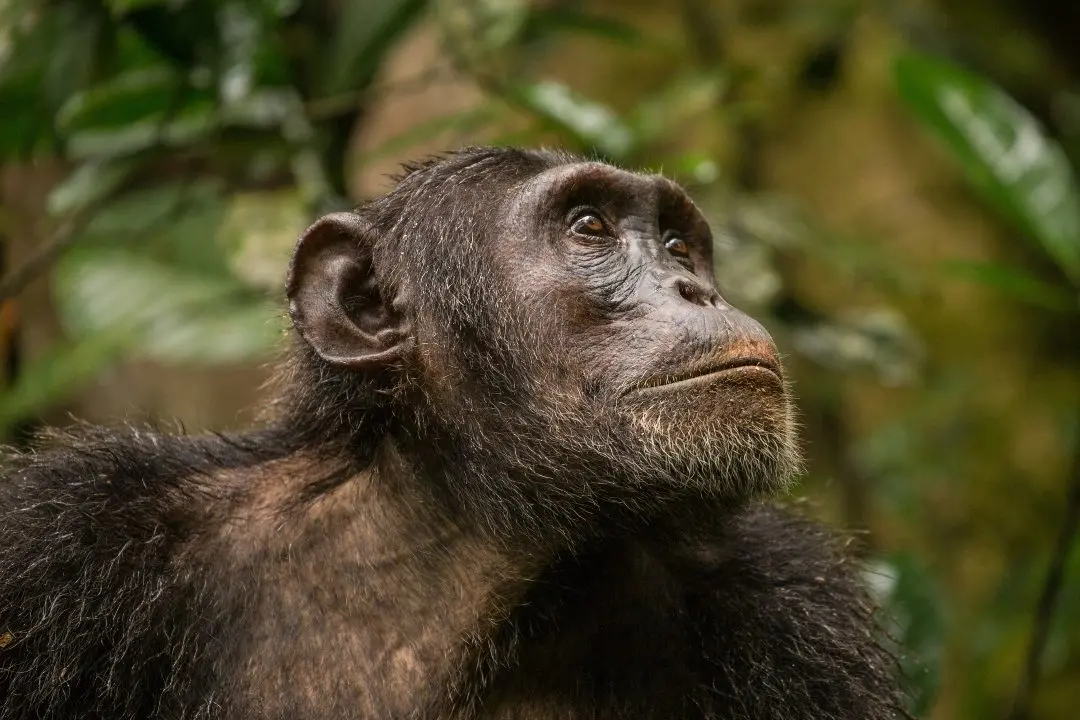
Everyone can picture a gorilla trek. Chimpanzee tracking is harder to imagine in advance, and that is exactly why it surprises people. Gorillas mostly sit; chimpanzees move. A community can be strung out across a kilometre of forest, feeding in the canopy, dropping to the ground, screaming greetings and grievances across the valley, and the trackers are reading all of it at walking pace. It is the most athletic hour in African primate viewing.
Gorillas mostly sit; chimpanzees move. It is the most athletic hour in African primate viewing.
Then the group settles, and the reward arrives. You are standing metres from an animal that uses tools, keeps friendships, holds grudges and passes learned habits down generations, with each forest maintaining its own customs. Watching that unfold at close range does not feel like wildlife viewing so much as being admitted, briefly, into another society. Where you choose to do it changes the experience completely, so the five places below are worth comparing before you commit.

The quick comparison first; the detail on each forest follows below.
| Forest | Country | The experience | Best months |
|---|---|---|---|
| Kibale Forest | Uganda | The most reliable sightings in Africa; large habituated community. | Jun to Sep, Dec to Feb |
| Kyambura Gorge | Uganda | A small, isolated troop in a dramatic sunken forest; harder, more intimate. | Jun to Sep, Dec to Feb |
| Nyungwe Forest | Rwanda | Montane rainforest tracking, fast-moving groups; pairs with Rwanda’s gorillas. | Jun to Sep, Dec to Feb |
| Mahale Mountains | Tanzania | The wildest setting of all, on Lake Tanganyika; a famously studied community. | Jul to Oct |
| Rubondo Island | Tanzania | A reintroduced island population, still shy; unpredictable and rewarding. | Jun to Oct |
Kibale Forest, Uganda
If a first encounter matters most, Kibale is the answer. The forest in western Uganda holds a large habituated community tracked daily from Kanyanchu, and sightings here are the most dependable on the continent. The dry seasons keep the trails manageable and draw the chimpanzees onto reliable feeding routes, and the surrounding forest is astonishingly rich: thirteen primate species share it.

Kyambura Gorge, Uganda
On the eastern edge of Queen Elizabeth National Park, a river has cut a forested gorge a hundred metres down into the savannah, and a small, isolated troop of chimpanzees lives inside it. Tracking here is steeper and less certain than Kibale, but the setting has no equal: you descend out of open grassland into a hidden ribbon of rainforest that locals call the Valley of the Apes. Combine it with the park’s lions and boat safaris and it earns its place on any Uganda itinerary.

Nyungwe Forest, Rwanda
Nyungwe is one of Africa’s oldest montane rainforests, a high, cool canopy in Rwanda’s south-west with two habituated chimpanzee groups, tracked mainly around Cyamudongo and Uwinka. The chimpanzees here move fast through steep terrain, so treat it as a proper hike with a remarkable pay-off rather than a stroll. For travellers already in Rwanda for gorillas, it turns a short trip into a complete primate journey.

Mahale Mountains, Tanzania
Mahale is the one that stays with people. The park rises straight out of Lake Tanganyika in far western Tanzania, reachable only by boat, and its forested slopes hold one of Africa’s largest and most studied chimpanzee populations, including the famous M group, habituated by Japanese researchers across decades. In the dry season the chimpanzees forage low on the slopes, and afternoons end swimming in one of the clearest lakes on earth. There is no wilder or more beautiful place to meet them.

Rubondo Island, Tanzania
Rubondo is the outlier: an uninhabited island national park in Lake Victoria where a chimpanzee population, released decades ago, still lives wild in the forest. Habituation is ongoing, so sightings are genuinely unpredictable, and that is the appeal. You track through island forest that belongs entirely to the wildlife, with no other visitors for miles, and an encounter, when it comes, feels earned in a way few wildlife experiences do. One for the second visit, or for travellers who value wildness over certainty.

Your next adventure starts with a conversation.
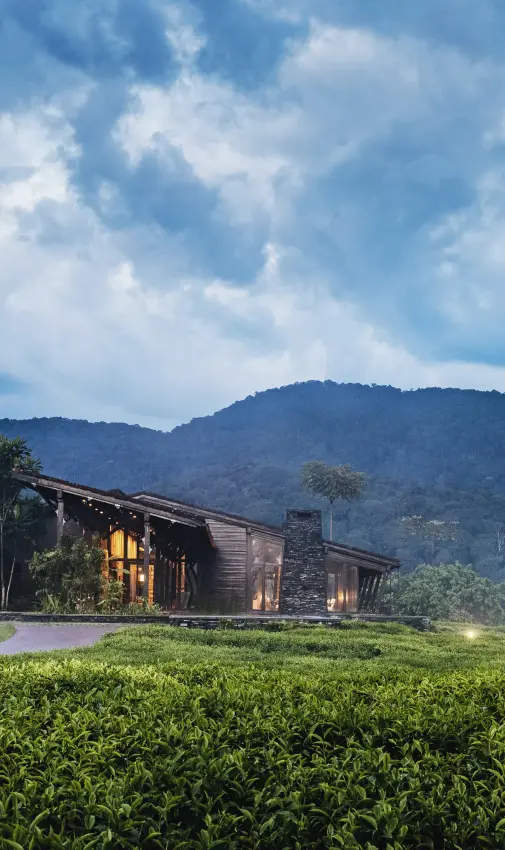
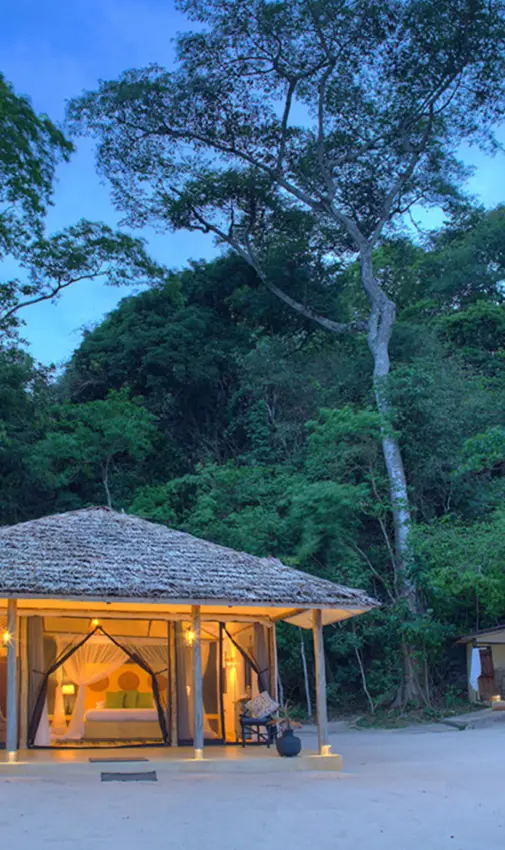
recommended camps and lodges for chimpanzee tracking





Find out more about our chimpanzee safaris
Let us know your travel requirements below and one of our specialists will be in touch with you as soon as possible.