
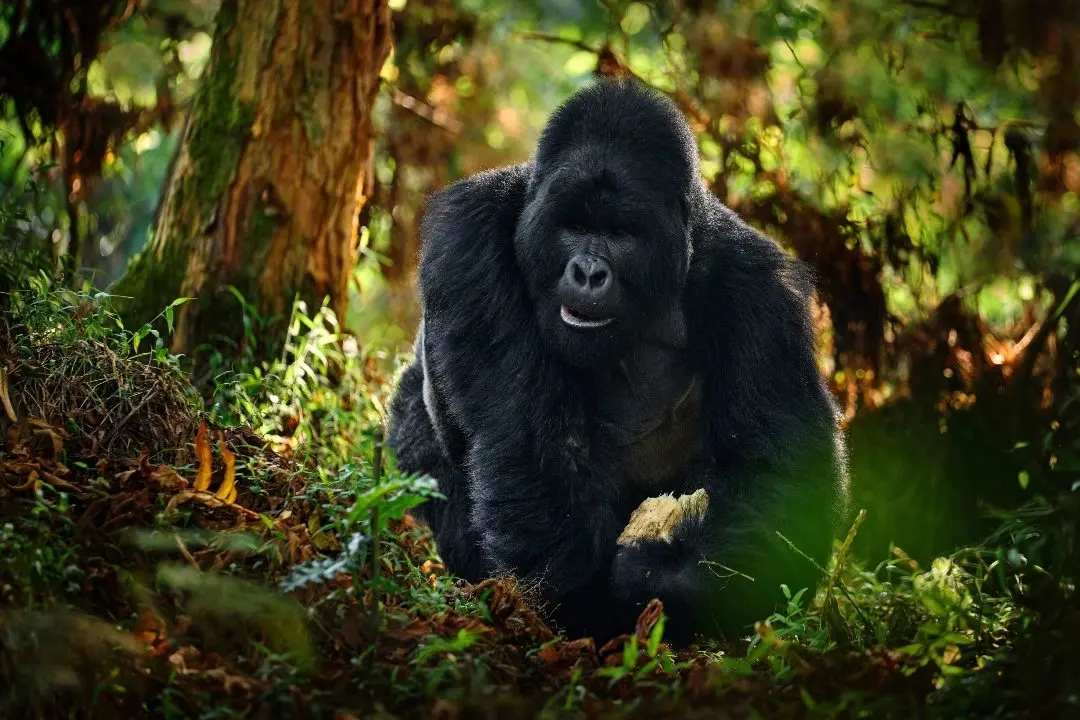
A Year in the Impenetrable Forest
Here is the fact that reframes the whole question: your chance of finding the gorillas barely changes with the calendar. The habituated families of Bwindi and Mgahinga are tracked every day of the year, and sightings stay consistently high through rain and shine. What the seasons change is everything around the encounter, the state of the trails, the light, the crowds at the trailheads, and the price of a bed.
Your chance of finding the gorillas barely changes with the calendar. What changes is everything around the encounter.
One caveat applies to every month: this is montane rainforest in the Central African Highlands, and it can rain whenever it likes. Dry season means less rain, not no rain. Pack accordingly, and then choose your season by what you value.
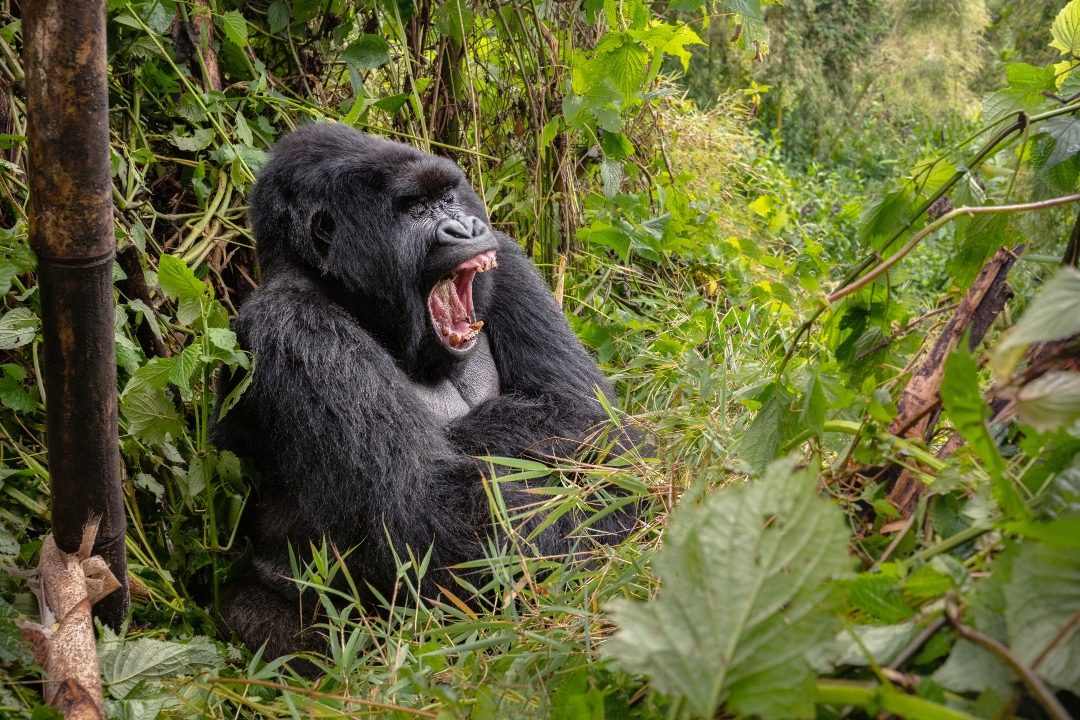
December to February: the Short Dry Window
Uganda’s short dry season brings firmer trails and lower humidity, and it pairs neatly with Queen Elizabeth or Kibale for a fuller itinerary. It is a popular window, and the daily permit allocation is finite, so this is the season where booking far ahead matters most.
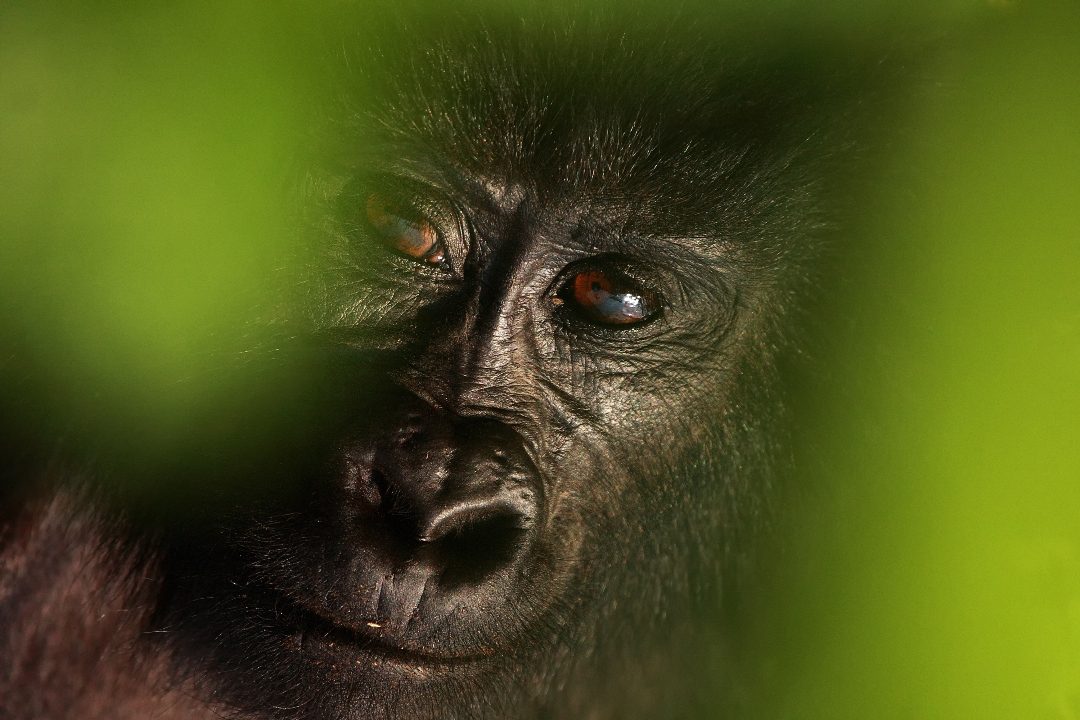
March to May: the Long Rains
The least fashionable months are the forest’s finest. Rain saturates every green in Bwindi, mist hangs in the valleys, and the photographs come back looking like the rainforest people imagine before they arrive. The walking is harder and muddier, no way around that, but the gorillas are exactly where they always are, and you will share the trailhead with far fewer people.
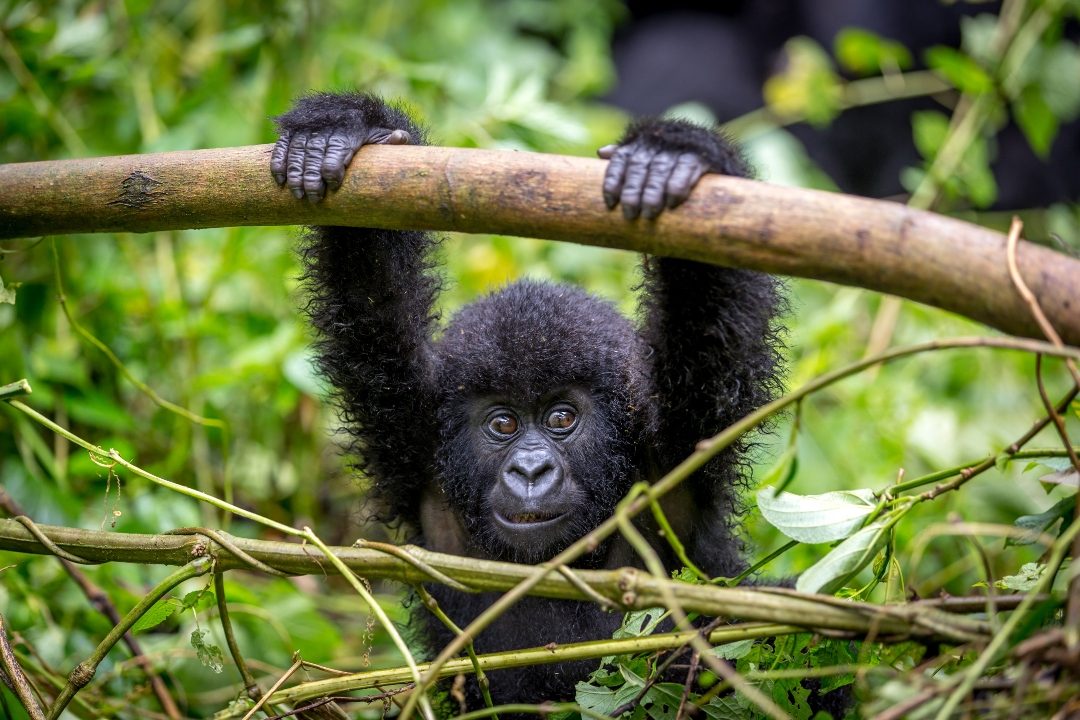
June to October: the Main Season
The long dry season is peak Uganda: dependable weather, firm trails, and the savannah parks at their best for a combined trip. It is the right answer for travellers who want maximum predictability and the classic itinerary. The trade is company, more trekkers, tighter permit competition, fuller lodges.
November: the Month Nobody Books
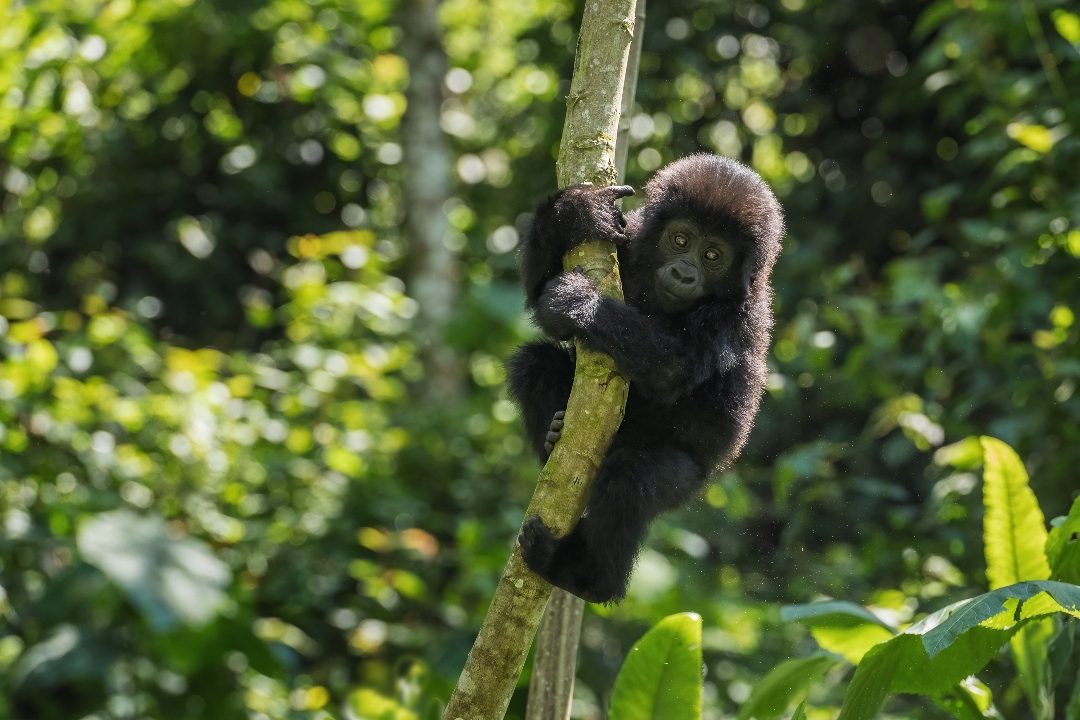
November gets dismissed as a rainy shoulder month, and that dismissal is precisely its value. Visitor numbers drop away, the forest colours are vivid, the light moves all day, and most days give you dry intervals long enough for the trek. For photographers and for anyone who wants Bwindi to feel private, November may be the smartest permit of the year.
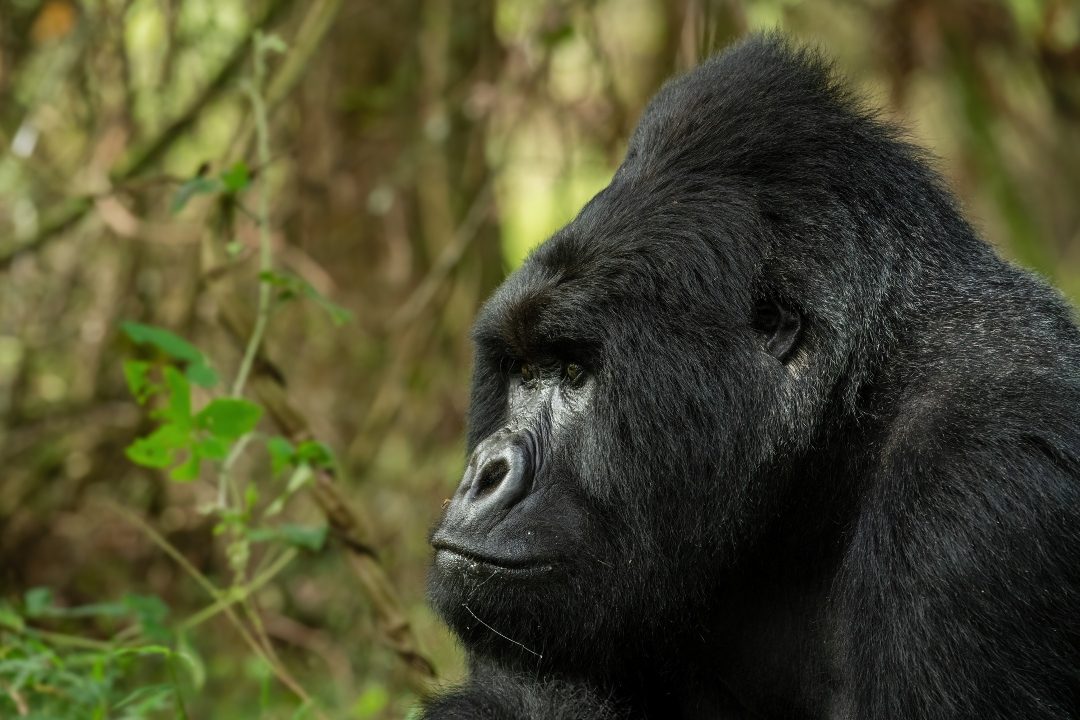
Guests assume I will steer them to the dry season, and for a first, once-in-a-lifetime trek combined with the savannah parks, I often do. But when someone tells me photography is the point, I talk about November and the rains. Overcast skies are what gorilla photography wants, soft, even light on black fur in dark forest, and a misty Bwindi morning beats a bright one in every image I have ever been shown back.
Managing Director
Your next adventure starts with a conversation.
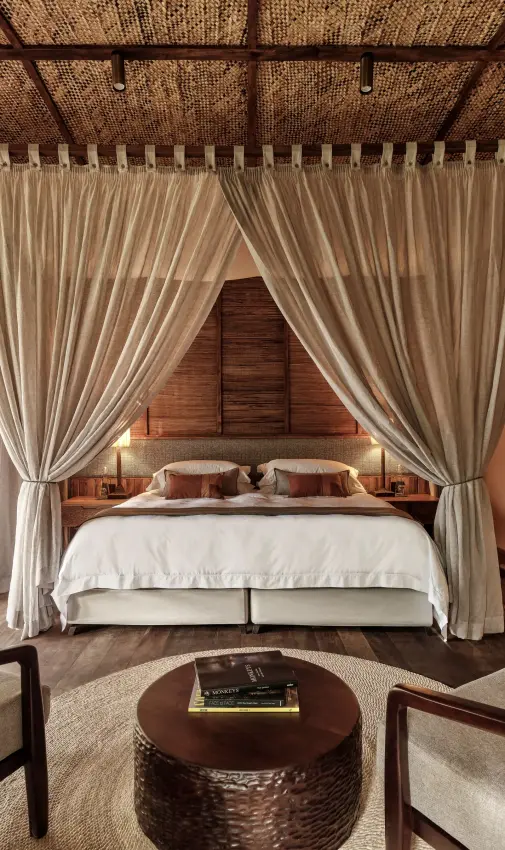
recommended camps and lodges for gorilla trekking in uganda
 01
01

 02
02
 03
03
 04
04
 05
05
 06
06
 07
07
 08
08
Find out more about our gorilla safaris
Let us know your travel requirements below and one of our specialists will be in touch with you as soon as possible.