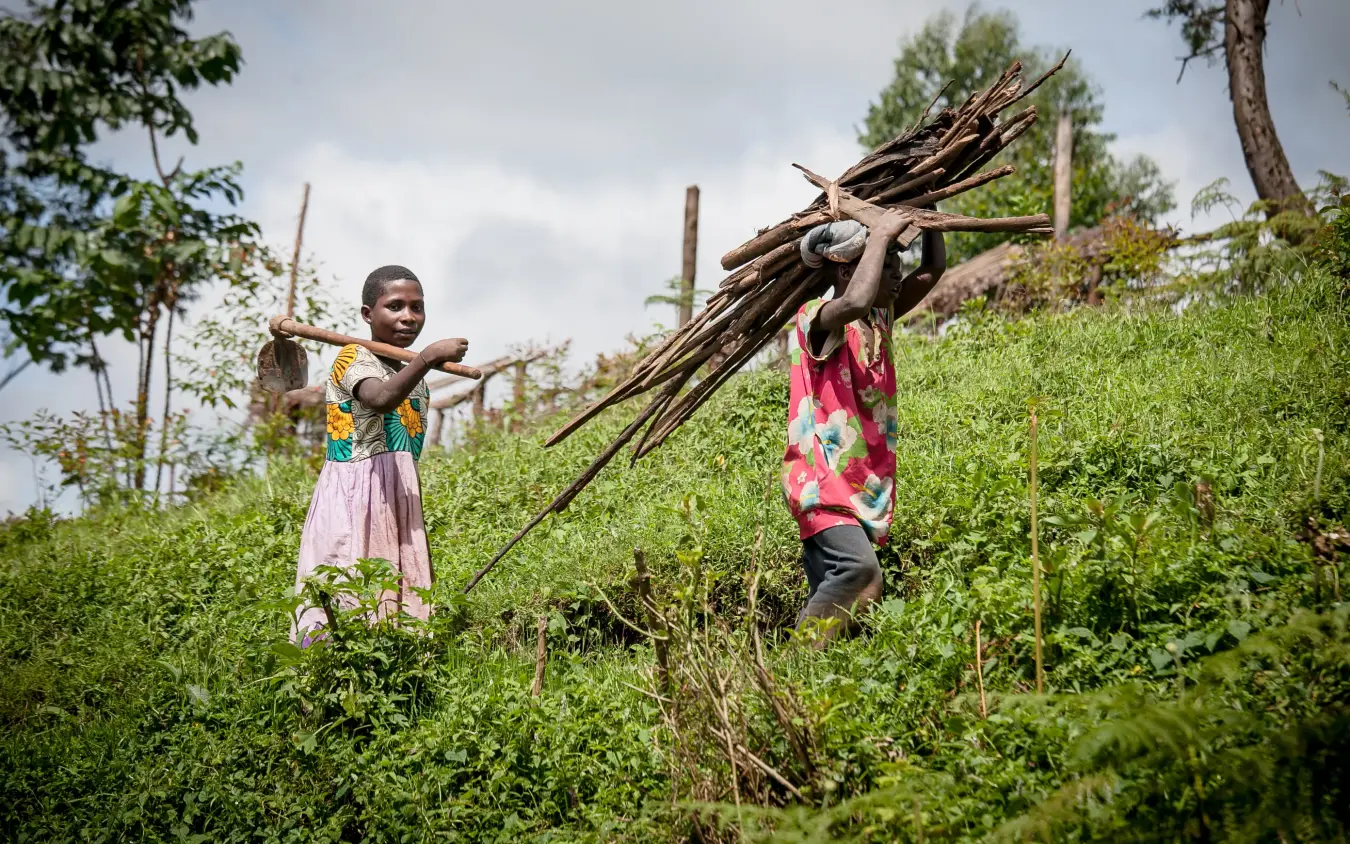
Clouds grew from an unusual partnership. The Nkuringo community, working through its conservation and development foundation, joined the African Wildlife Foundation and a Ugandan safari company founded by Jonathan and Pamela Wright, who had worked in the country’s tourism since the early 1990s. The land and the lodge belong to the community through the Nkuringo Conservation and Development Foundation, while Wild Places Africa, formerly The Uganda Safari Company, handles the day to day. The arrangement gives local people a direct financial stake in protecting the gorillas next door, and the model has held for well over a decade.
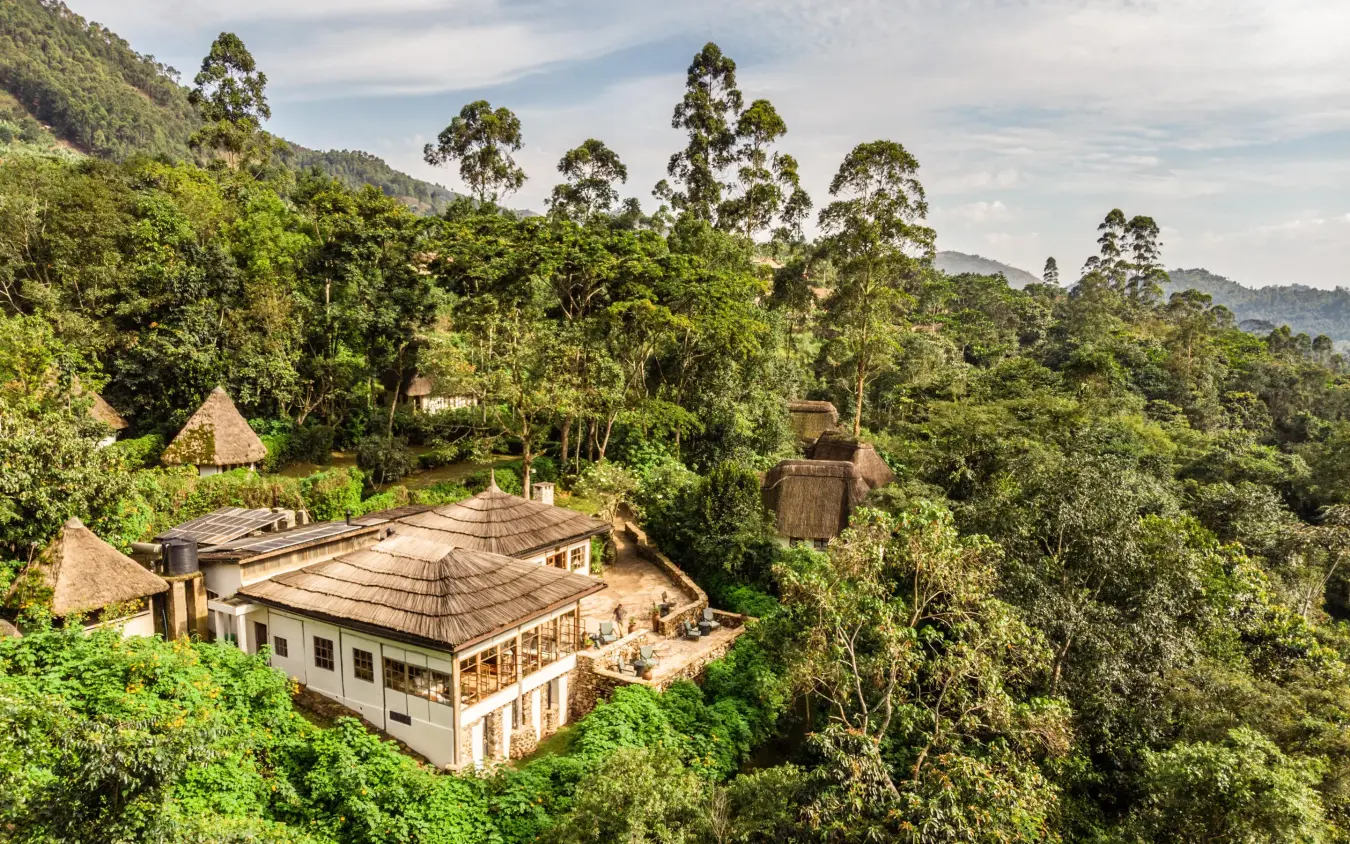
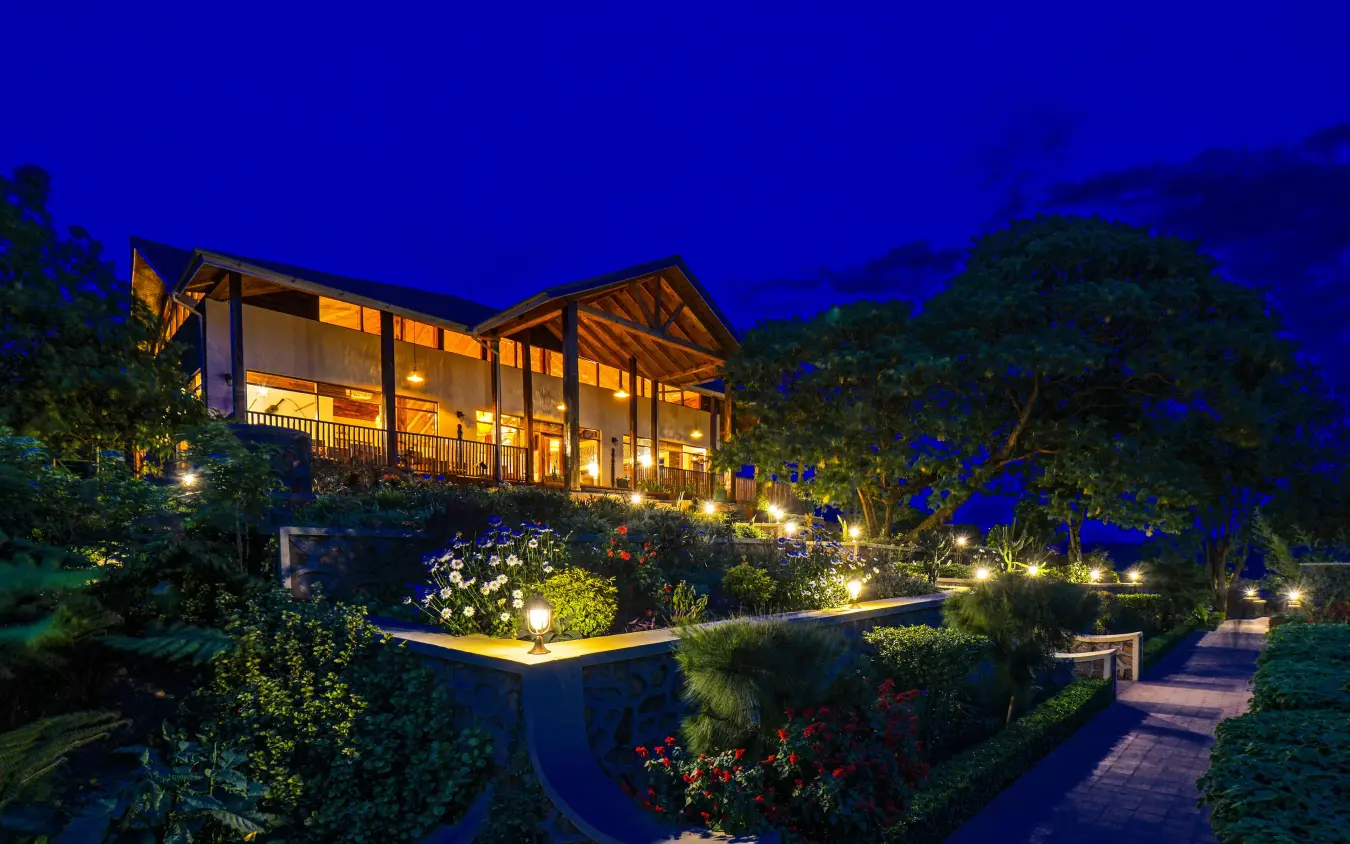
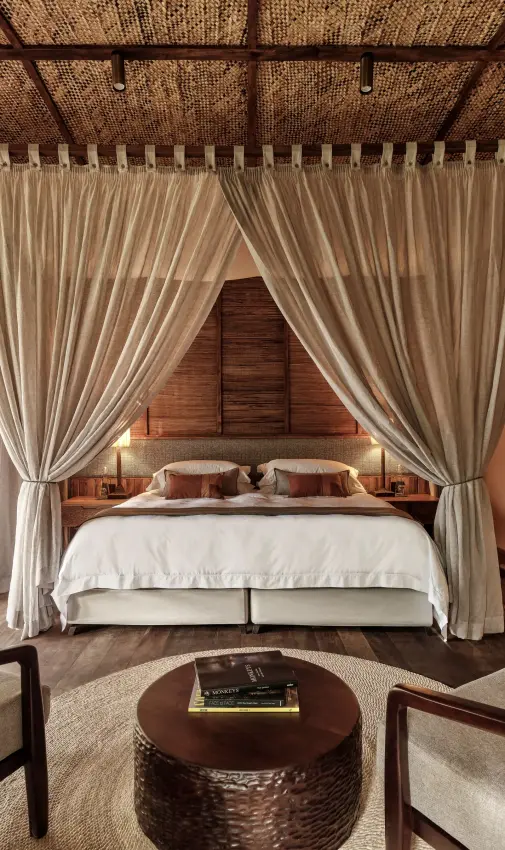
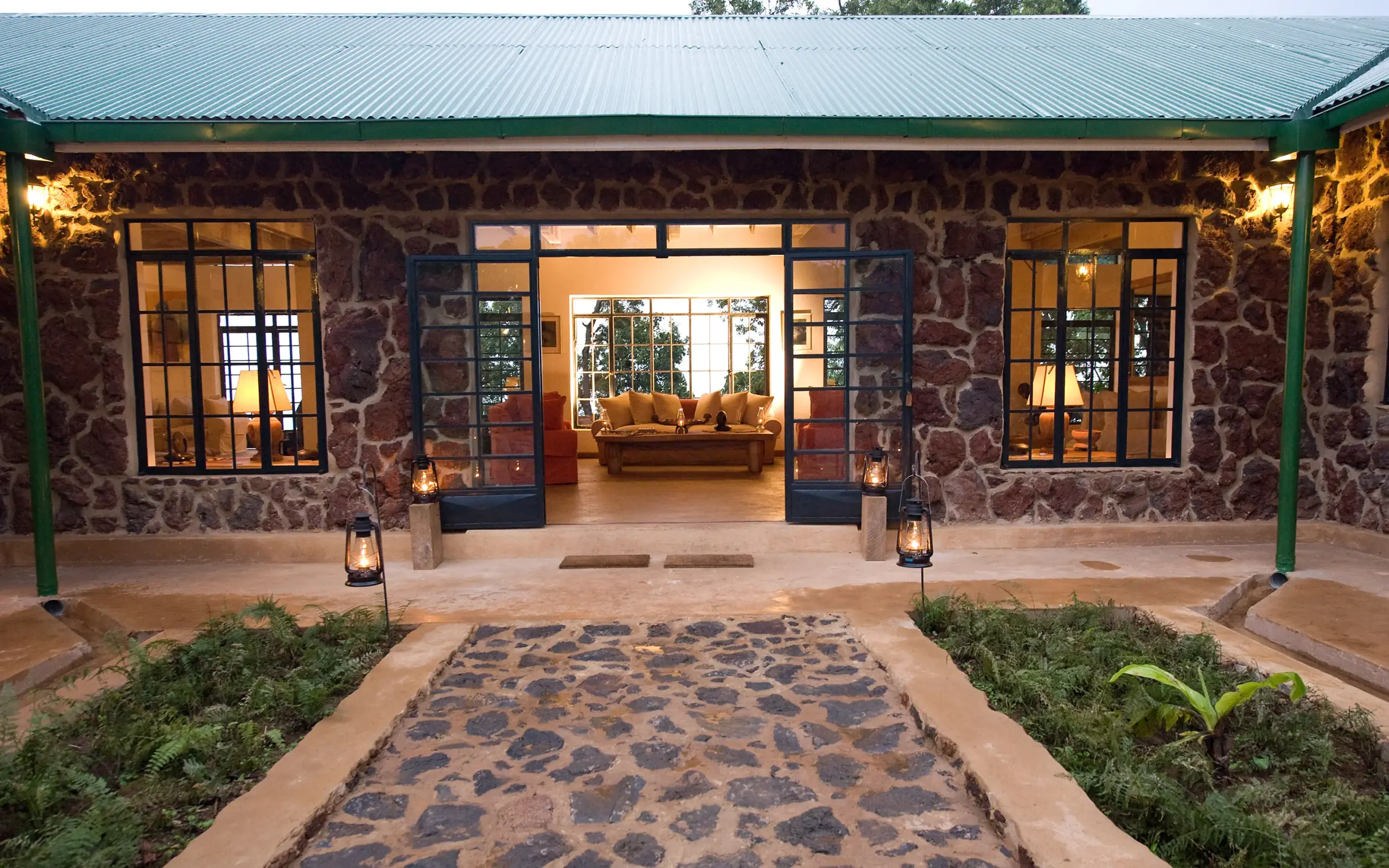
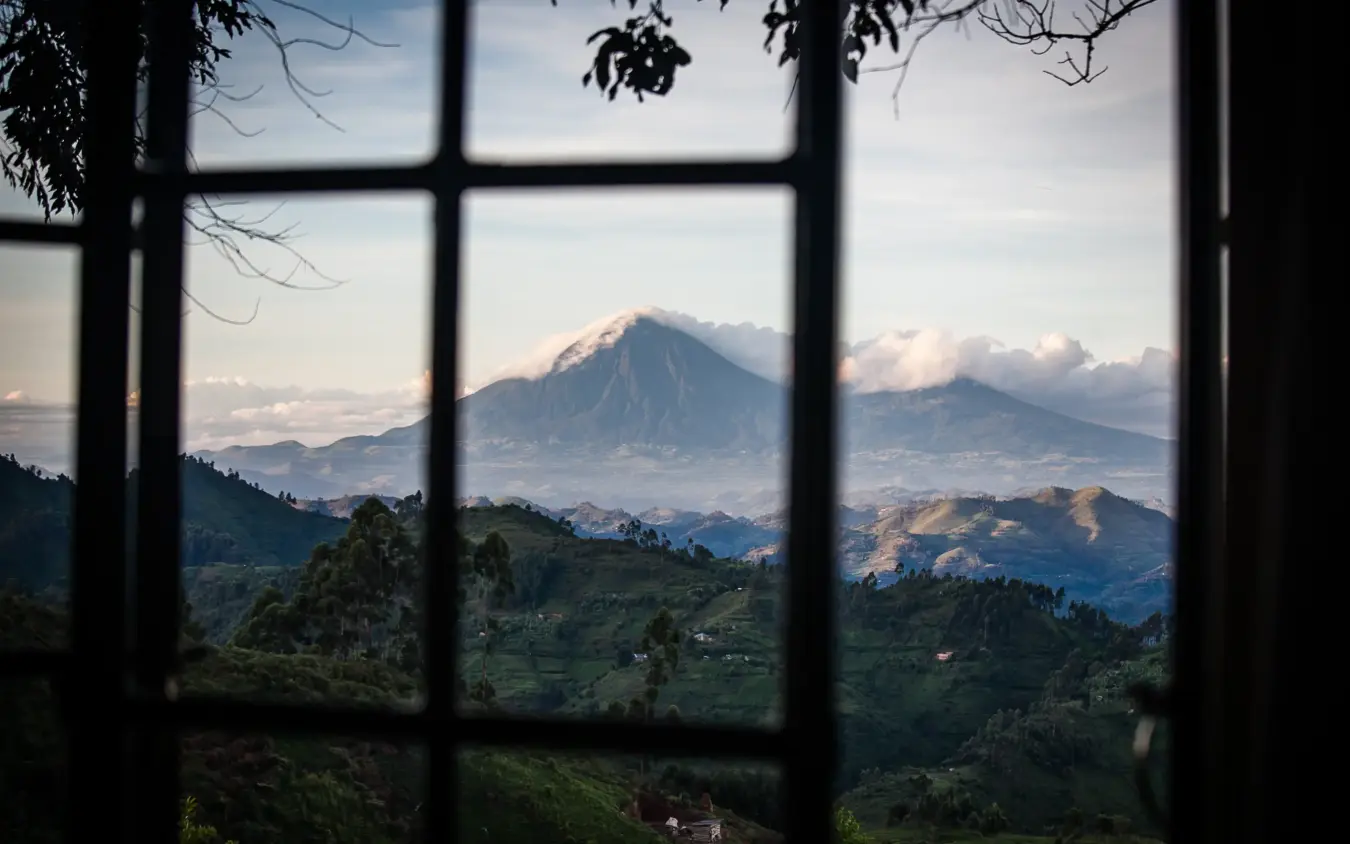
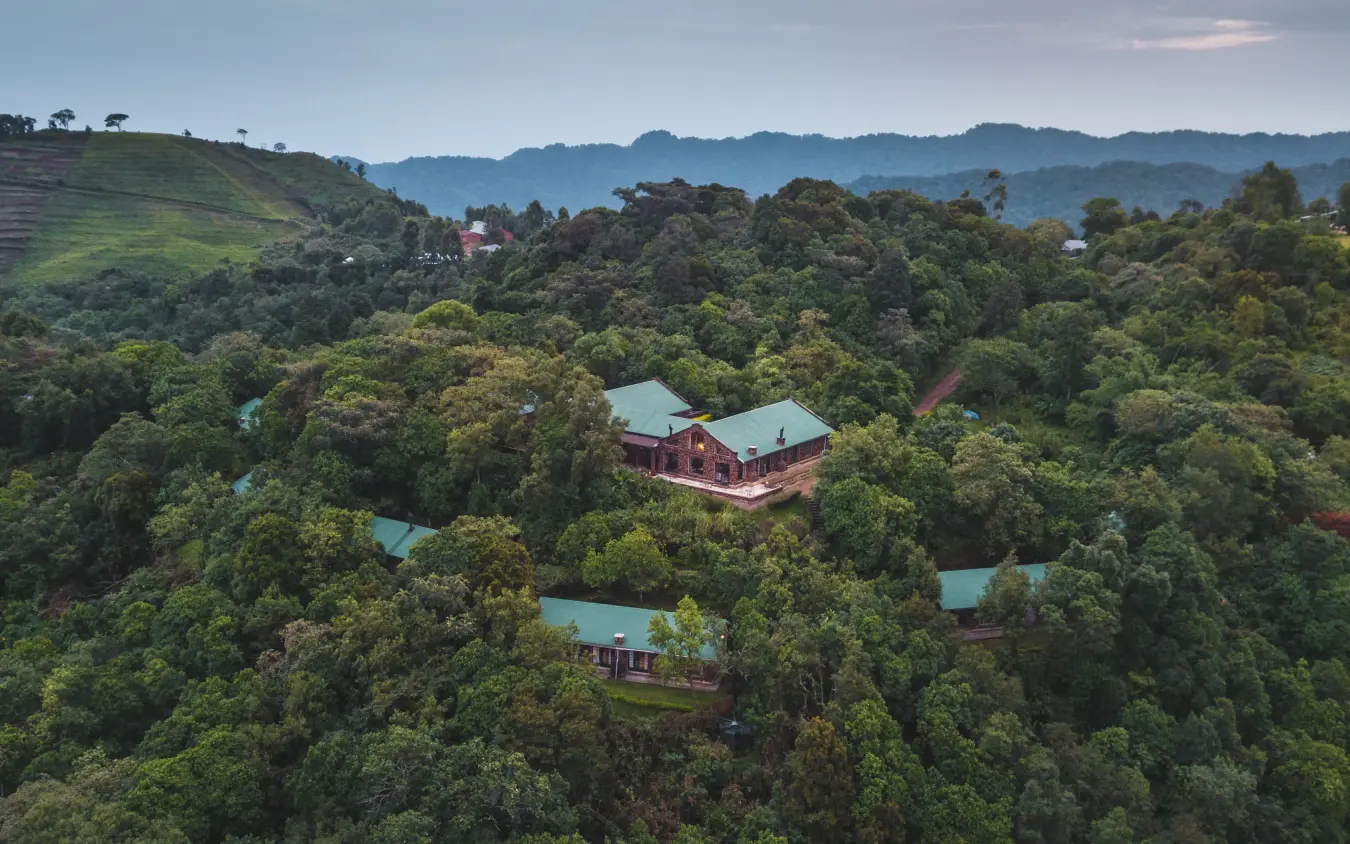
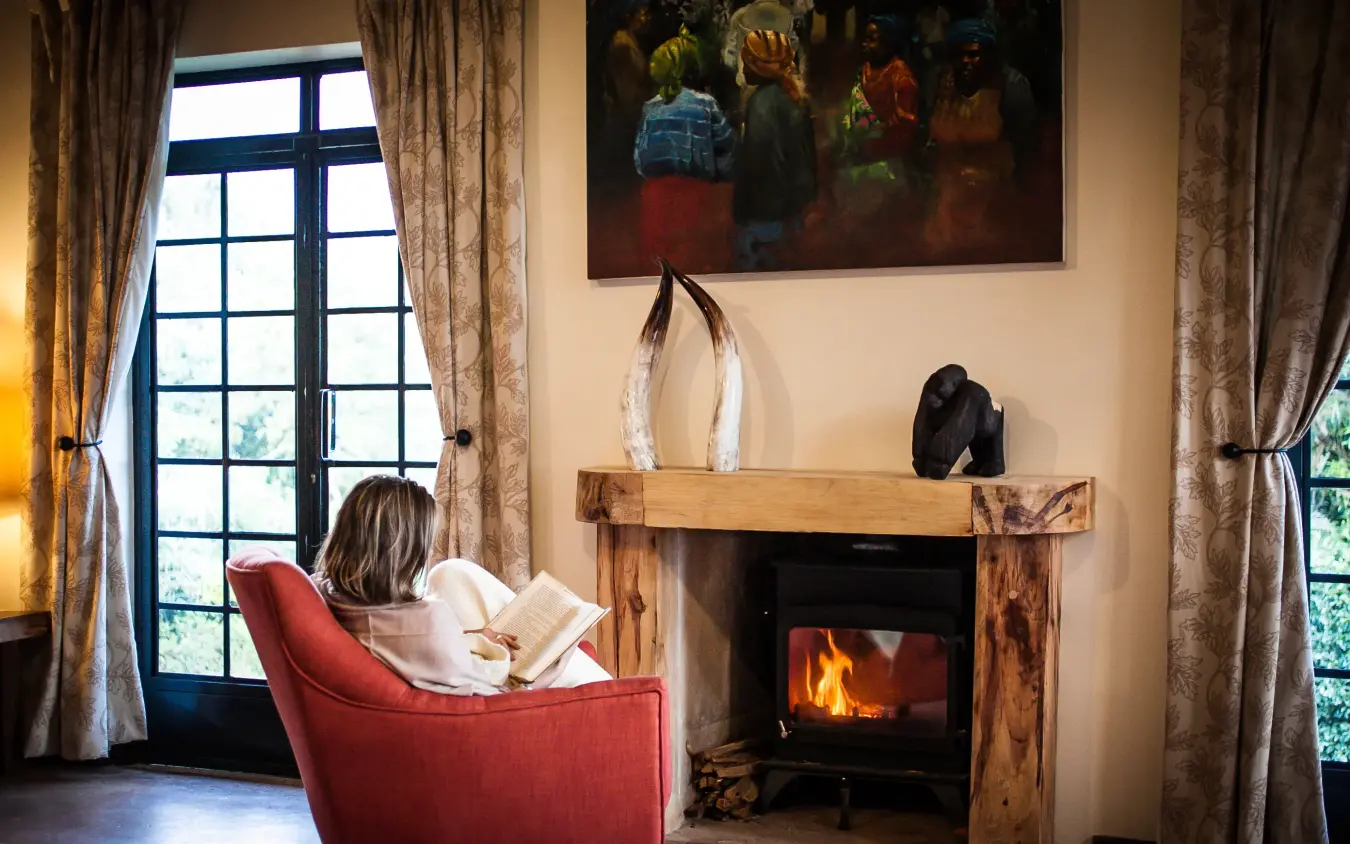
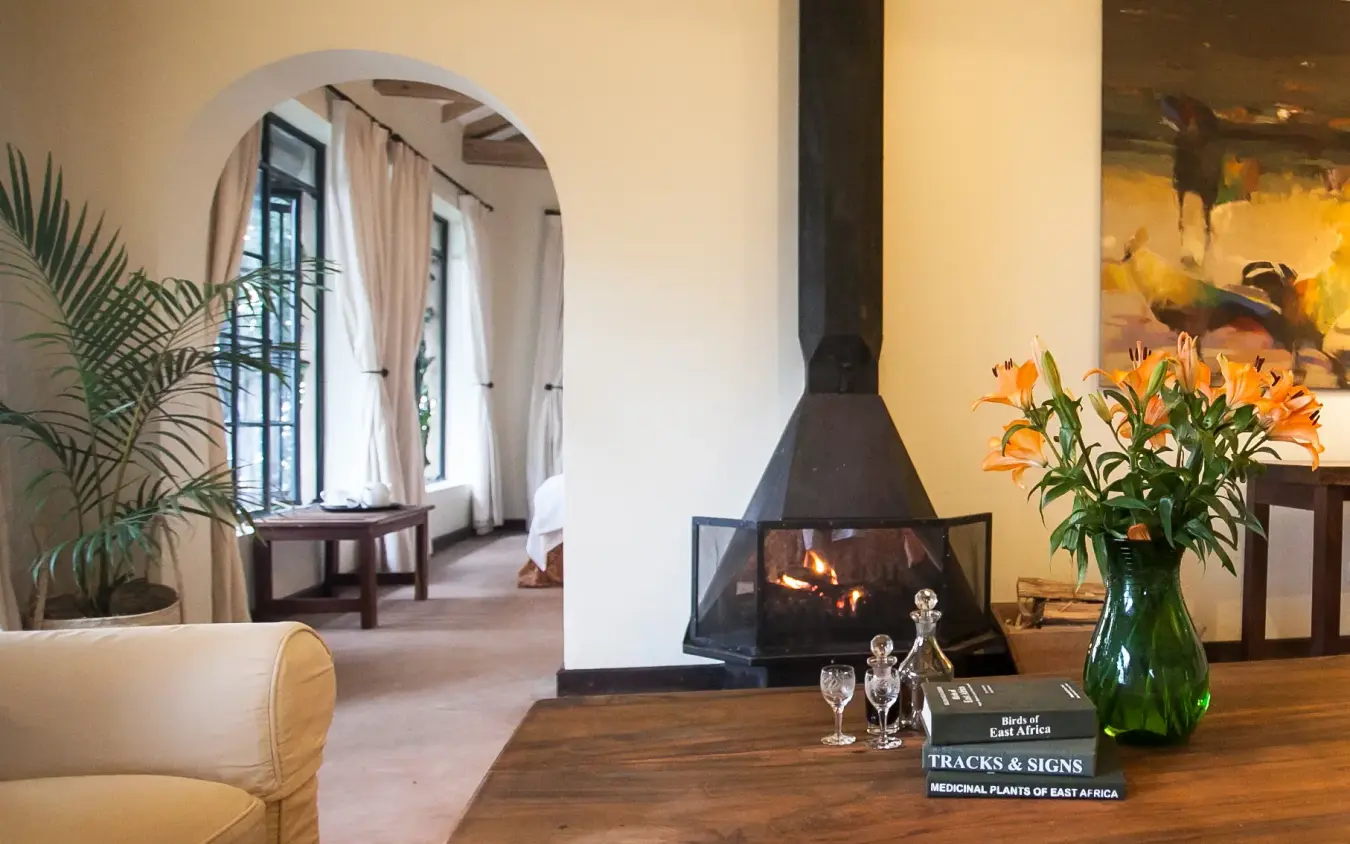
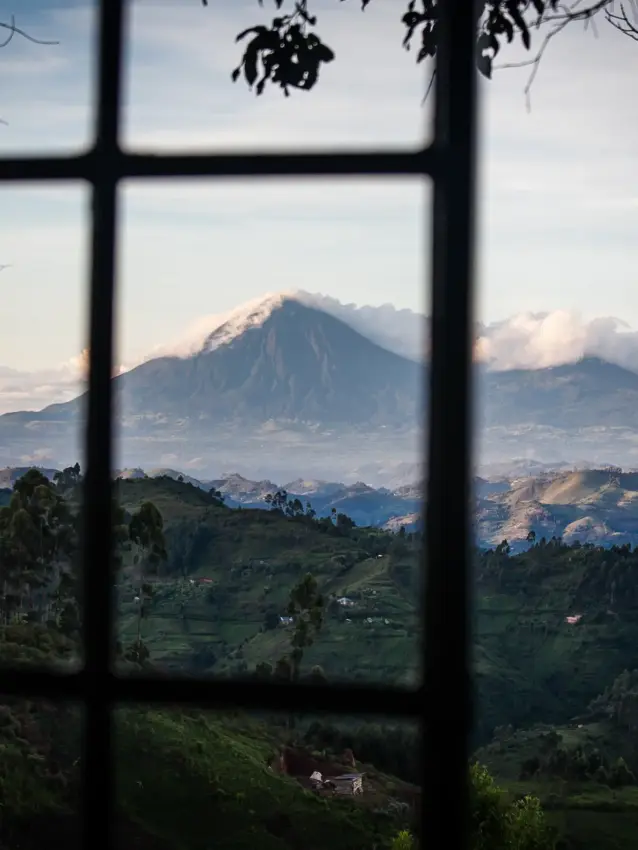
Eight cottages spread along the ridge, built of local volcanic stone, with soaring ceilings, exposed timber beams and large picture windows that frame forest and volcanoes. Six are one-bedroom and two are larger family cottages, each with two bedrooms and two bathrooms. Inside every one, a sitting room opens off a double-sided fireplace shared with the bedroom, drawing you to deep armchairs and hand-woven carpets, with a private veranda beyond the glass. Original work by Ugandan artists hangs in every cottage and throughout the main lodge.
Afternoons bring homemade cakes carried to the veranda by a personal butler
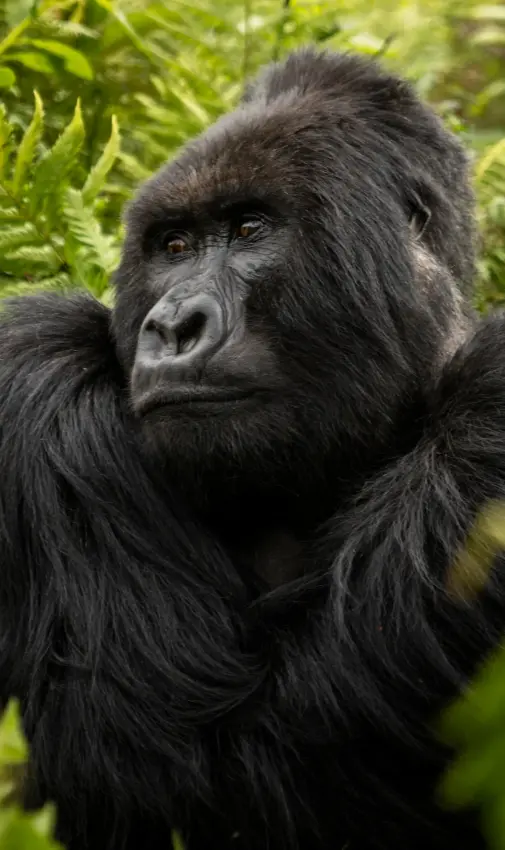
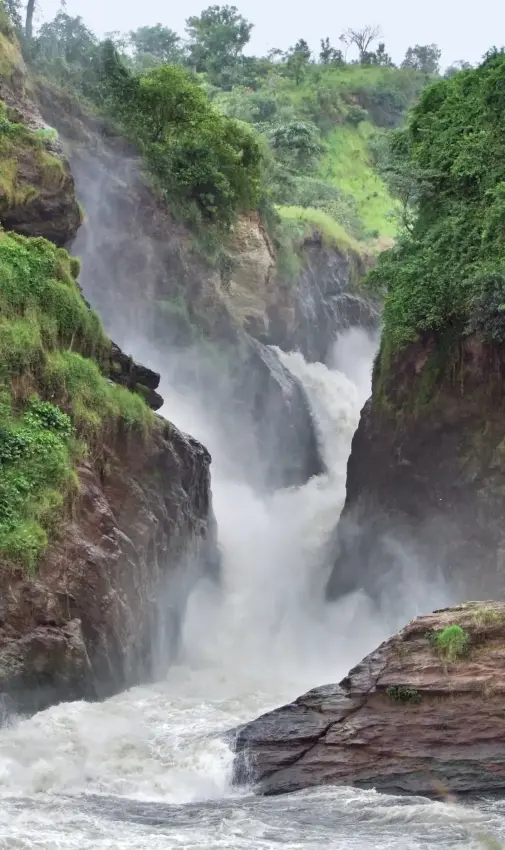
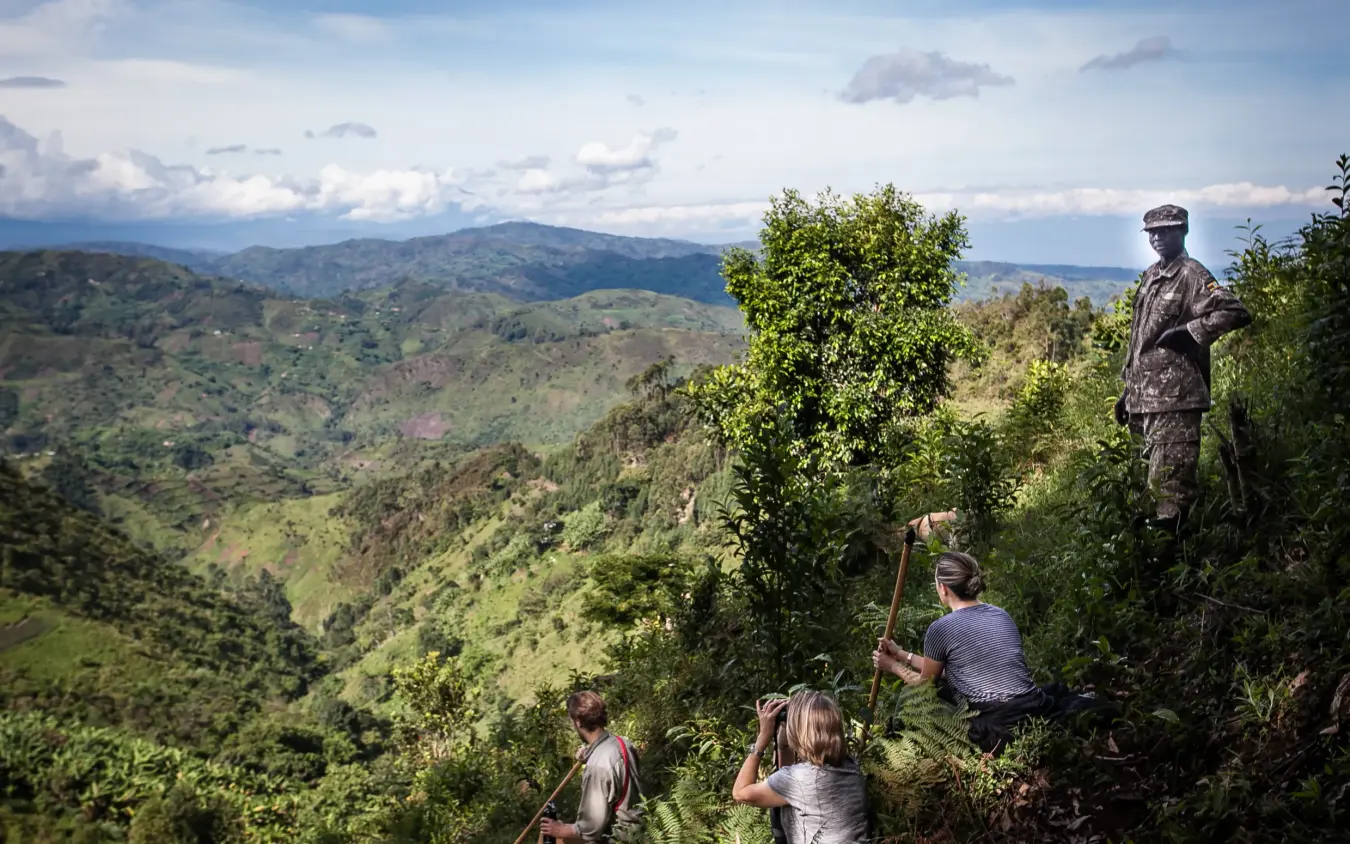
Days centre on the gorillas, tracked on foot from the Nkuringo trailhead or, for gentler ground, in the Rushaga sector around forty-five minutes away. Guided forest walks, waterfall hikes and birding fill the hours between, and the endemic species of the Albertine Rift draw birders here for their own sake. The Okuruhuuka spa is staffed by women trained from the Nkuringo community, and its massages earn their keep after a long climb through the forest.
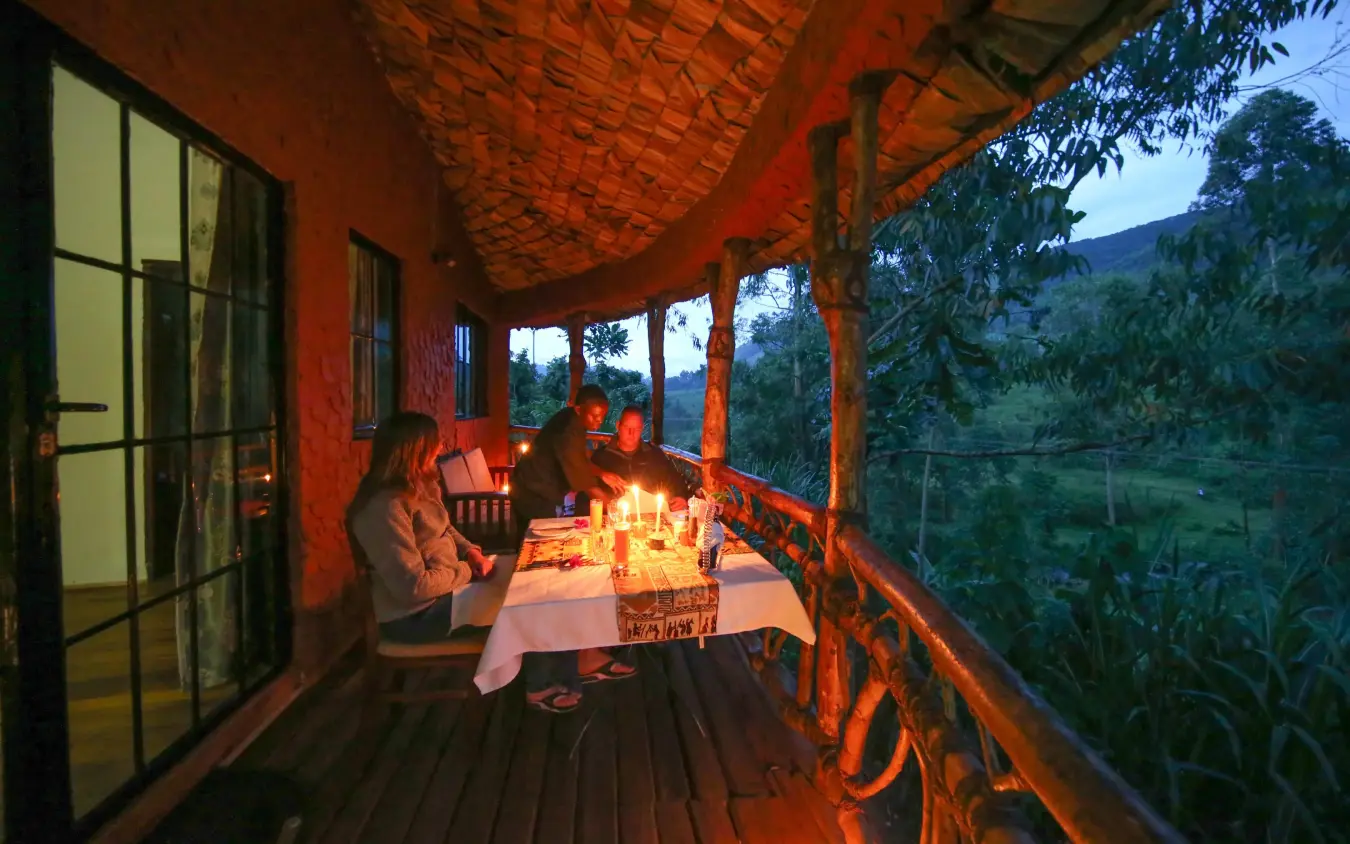
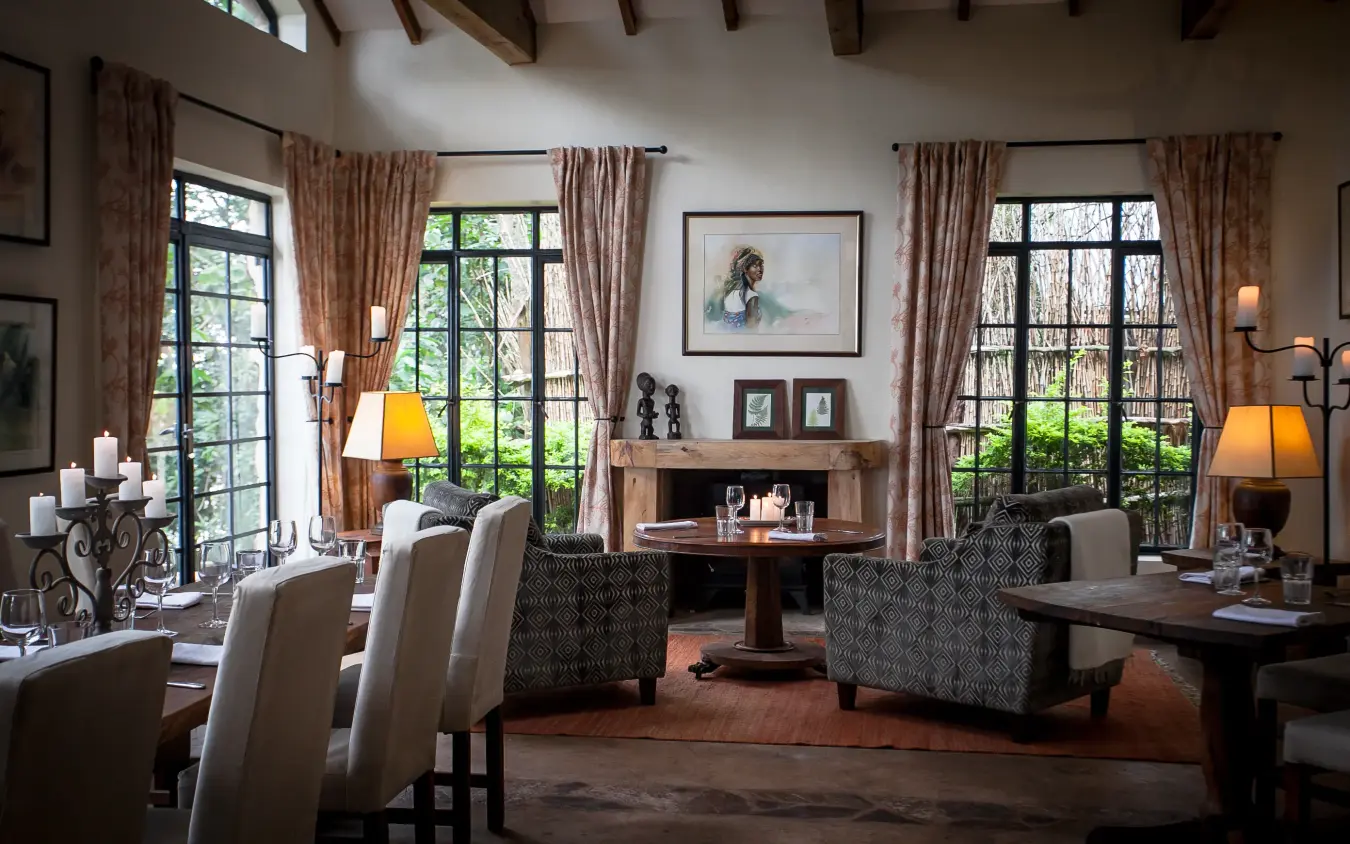
Meals lean on the lodge’s organic garden, served by the fire in the main dining room, on the terrace above the forest, or privately in the cottages. Afternoons bring homemade cakes carried to the veranda by a personal butler. Children are welcome, and the family cottages suit those travelling together, though Uganda Wildlife Authority rules restrict trekking to ages fifteen and over, so younger guests join community-led activities down in the village instead.














 01
01