

The frontier few safaris reach
In the far northeastern corner of Uganda, pressed against the borders of South Sudan and Kenya, Kidepo Valley spreads across semi-arid valleys, savannah plains and mountain slopes. This is the country’s most remote national park, and one of its least visited. The reward for the distance is space: big game across open country, and the sense of an East African wilderness that very few travellers reach.
The reward for the distance is space: big game across open country.
Two seasonal rivers, the Kidepo and the Narus, run dry for much of the year. What remains, the Narus Valley’s permanent pools, becomes the living heart of the park. Around them gather elephants, buffalo in their thousands, Rothschild’s giraffes, zebras and Uganda kob. Above it all, Mount Morungole rises to 2,750 metres, framing the valley floors below.
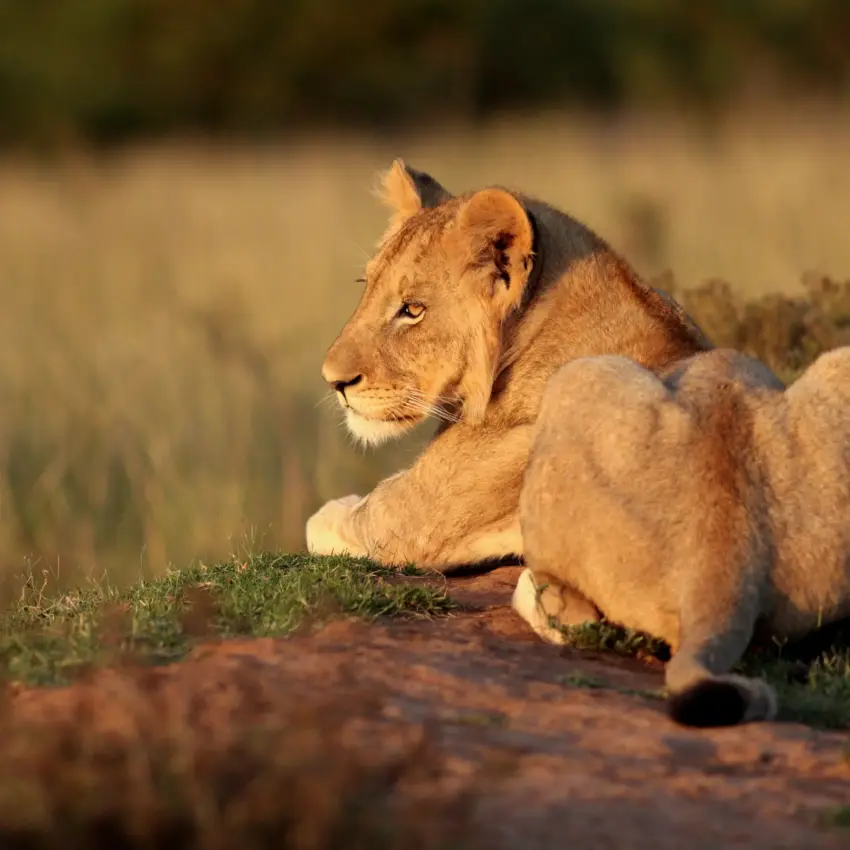

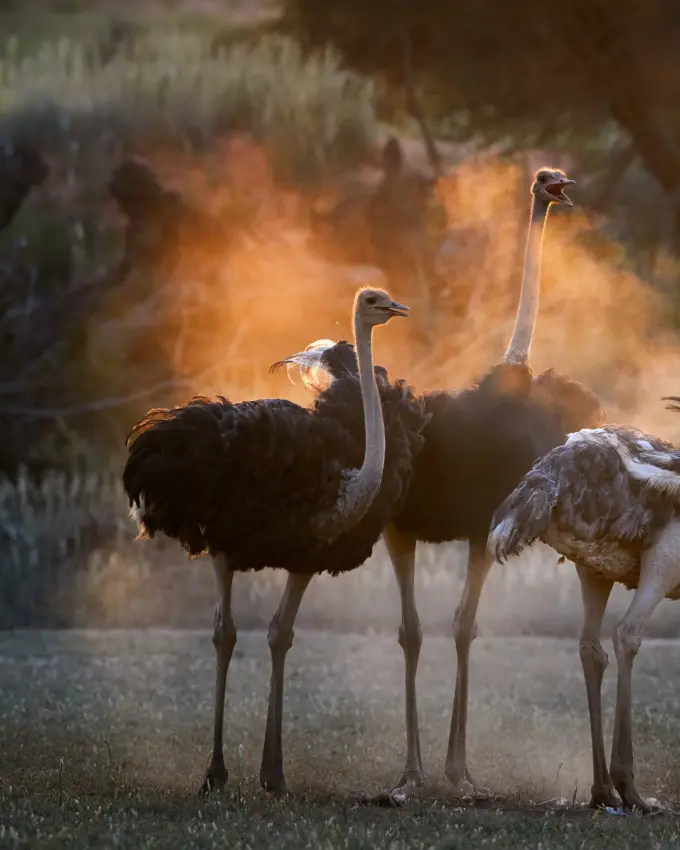
Kidepo holds cheetah, kudu, caracal and aardwolf, species absent from Uganda’s southern parks. Ostriches stride the plains. Lions, leopards, elephants, and large buffalo herds account for four of the Big Five, and a reintroduction programme has begun returning rhinos to the park after decades of absence.
Kidepo holds cheetah, kudu and ostrich found nowhere else in Uganda.
The human story runs as deep as the wildlife. This is the homeland of the Karamojong, semi-nomadic pastoralists for whom cattle hold profound social meaning. It is also the country of the Ik, former hunter-gatherers who farm the slopes of Mount Morungole. The wider Karamoja region rewards anyone who genuinely enjoys travel away from crowds, with cultural exchanges that sit alongside the safari.
Wildlife concentration here follows water with unusual clarity. Because both rivers are seasonal, the dry months pull animals tightly around the Narus Valley’s permanent pools, producing the park’s most rewarding game viewing. In wetter periods the herds disperse north and east toward the Kidepo Valley as grazing and water spread across the landscape. The two valleys differ in character. The Narus, receiving more rainfall, carries red oat grass, acacias and sausage trees, while the Kidepo runs drier, its watercourses lined with palms.
Wide horizons and recovered lions, with almost no one else to share them.
Roughly 77 mammal species and around 475 birds have been recorded across the park. Game drives in the Narus Valley deliver the core of the experience, with morning, evening and night drives all possible. Guided walks open up the plains on foot, and the ascent of Mount Morungole brings hikers into Ik country. A point of interest for wildlife connoisseurs: the crocodiles here belong to the West African Sahelian species rather than the Nile crocodile found elsewhere in Uganda.
Several organisations work alongside the Uganda Wildlife Authority to protect the park and the communities around it. Anti-poaching and carnivore protection have stabilised a lion population that once declined sharply. Community conservation models such as the Karenga Community Wildlife Area expand habitat for wildlife. The region carried a difficult reputation for instability in earlier decades, but Karamoja has been safe and increasingly tourism-focused for several years now.
Reaching Kidepo Valley is the one genuine logistical challenge. The drive from Kampala runs ten to twelve hours over poor roads, which makes private charter flights the sensible choice for most travellers. Light aircraft land at Apoka airstrip near the park headquarters, turning a punishing overland journey into a short flight across the Karamoja landscape. For those building a fly-in safari, this is a place to add precisely because so few people make the effort to reach it.

The best time to visit Kidepo Valley
Jan
Feb
Mar
Apr
May
Jun
Jul
Aug
Sep
Oct
Nov
Dec
Recommended
Transitional
Challenging conditions
Come in the dry season from September to February, when shrinking water draws wildlife into the Narus Valley, the only area holding water year-round. November to February brings the heaviest concentrations, with December to February the hottest and dustiest. The wet season from April to August is green, quiet and excellent for birding, but the game disperses and tracks turn muddy.
accommodation in kidepo valley
The offering is small and wilderness-oriented, which suits travellers who value seclusion over breadth of choice. Options range from a luxury lodge built into a rock kopje overlooking the Narus Valley, with canvas-walled rooms and a pool carved from stone, to well-run tented camps and cabanas set near the park gates with valley views. Simpler bandas and camping exist for those wanting something more rustic.


activities
Dry-country game drives and walks
Game drives in the Narus Valley form the core, with morning, evening and night drives permitted inside the park. Guided walks cross the plains on foot, while the Mount Morungole hike reaches the Ik communities. Birding is exceptional across both valleys. Cultural visits to Karamojong homesteads take place in communities beyond the park boundary.

conservation
Lion recovery and community land
The Uganda Wildlife Authority leads management, supported by carnivore protection and anti-poaching work that has stabilised the lion population. A rhino reintroduction programme is returning the species after decades of absence. The Karenga Community Wildlife Area expands habitat for wildlife.

getting around
Fly in to Apoka airstrip
Private charter and scheduled light-aircraft flights from Entebbe are the practical way in, landing at Apoka airstrip near the park headquarters. Operators typically schedule inter-park flights as part of a fly-in safari. The overland drive from Kampala takes ten to twelve hours on poor roads and suits only those specifically wanting the journey.
other areas in uganda
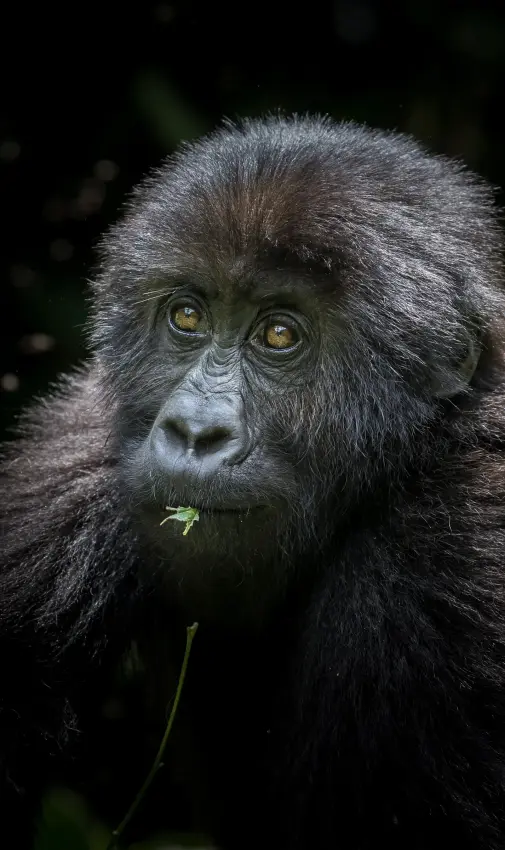
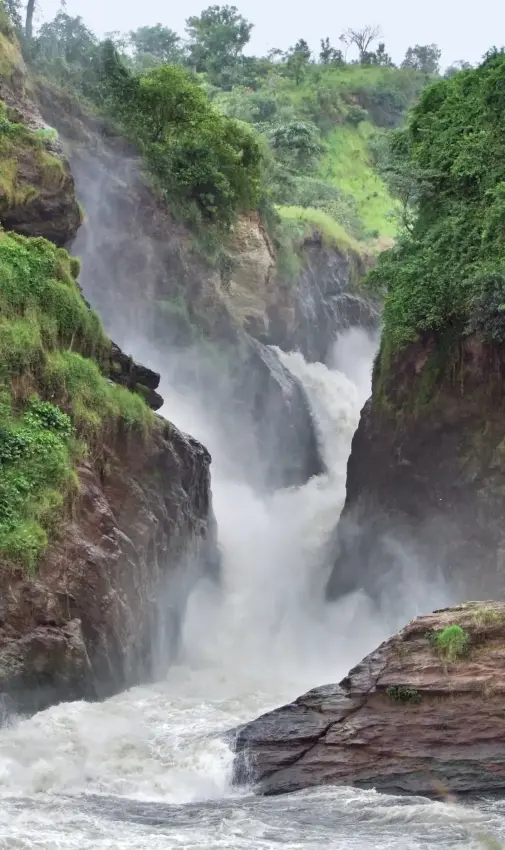
Kidepo Valley pairs naturally with a broader Uganda itinerary. Murchison Falls adds the Nile, boat safaris and large game in a more accessible setting. Bwindi Impenetrable offers mountain gorilla trekking in the southwest. Queen Elizabeth brings savannah, wetlands and the Kazinga Channel, while Kibale holds the country's finest chimpanzee tracking. Ziwa Rhino Sanctuary works well as a stop on the overland route north.





frequently asked questions
By light aircraft from Entebbe, in about an hour and a half to two hours, landing at Apoka inside the park.
This is the one Ugandan park that genuinely has to be flown. The drive from Kampala is ten to twelve hours across the north, which almost nobody should attempt as part of a holiday.
Scheduled services run on fixed days, so the dates shape the itinerary rather than the other way round. A private charter, usually a Cessna Caravan, flies on the day that suits you instead, which is often what makes Kidepo work on a shorter trip. We book the flying first and build the rest of the route around it.
Emptiness, and animals that live nowhere else in Uganda.
The Narus valley holds buffalo in herds of hundreds, elephant, lion and giraffe against a wall of mountains, and you will often have it to yourself. Very few visitors make it this far north.
Cheetah, caracal, bat-eared fox, striped hyena, greater and lesser kudu and ostrich are here and in no other Ugandan park.
It is the most beautiful park in the country and the hardest to reach, which are related facts.
Yes. Both TravelHealthPro, the UK's official travel health service, and the CDC treat the whole of Uganda as a malaria area and recommend antimalarial cover countrywide.
The north is drier than the rest of the country, which suppresses mosquitoes in the dry months, but low risk is not the same as no risk.
We do not make medical recommendations. That is a conversation between you and your own doctor or a travel clinic.
On the practical side, cover up at dusk and carry repellent.
More than drives, and the walking is the surprise.
- Guided walks in the Narus valley with an armed ranger
- A visit to a Karamojong homestead, arranged properly and not as a performance
- The Kanangorok hot springs, up towards the South Sudan border
- Night drives, which the park allows from some camps
The drive out to the Kidepo valley itself is long, dry and worth doing once.
Birders come for the Karamoja apalis and the dry-country specials, which are found nowhere else in Uganda.
If you have the days for it, yes, and we will say so plainly if you do not.
The flying eats the better part of two days and the scheduled services run on fixed days, so a short trip cannot absorb it. What you get in return is a park with no crowds, real wilderness and wildlife the rest of Uganda does not hold.
On a ten-day trip it is a stretch. On two weeks it is the best thing in the country.
Tell us how long you have and we will be honest about it.
Three, given what it costs to get there.
Three nights makes the flying worthwhile: two full days for the Narus valley, a walk, and a community or hot springs morning. Two nights is not enough to justify the journey.
It does not pair with anything nearby, so it sits at one end of a Ugandan route rather than in the middle.
Tell us the whole trip and we will say whether Kidepo fits or waits.
rated five stars by our clients

our approach
remote, exclusive
& personal
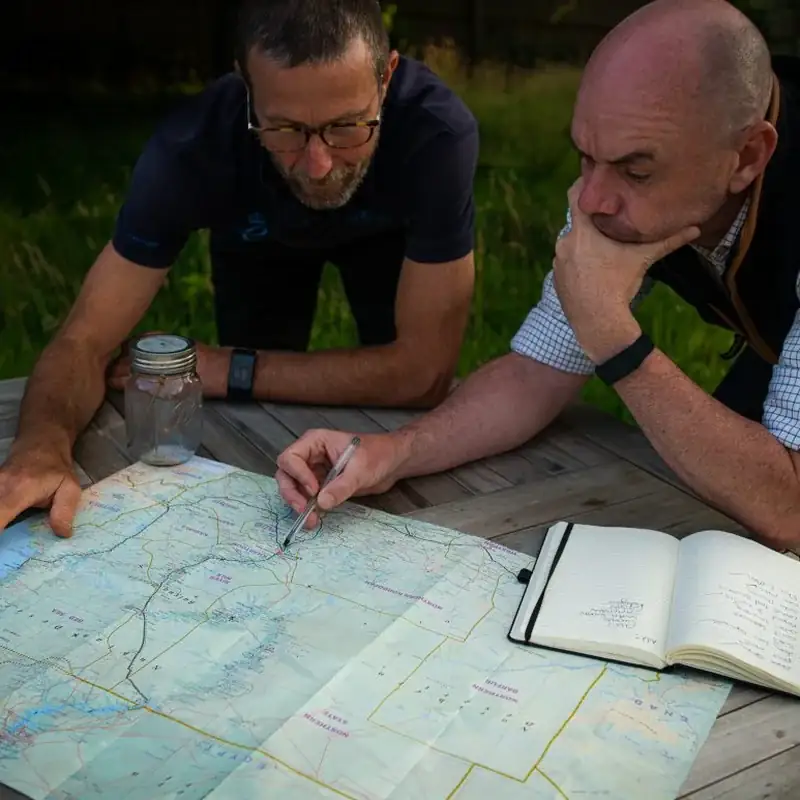
Every journey starts with a conversation. We take the time to understand your vision before we start planning.
Whether by phone or in person, we work with you directly to shape something that is considered, personal, and expertly delivered.
Every journey starts with a conversation. We favour a direct, personal approach: understanding your vision before anything else.
Whether by phone or in person, we work with you directly to shape a journey that is both thoughtfully considered and expertly delivered.
Get in touch to start planning yours.