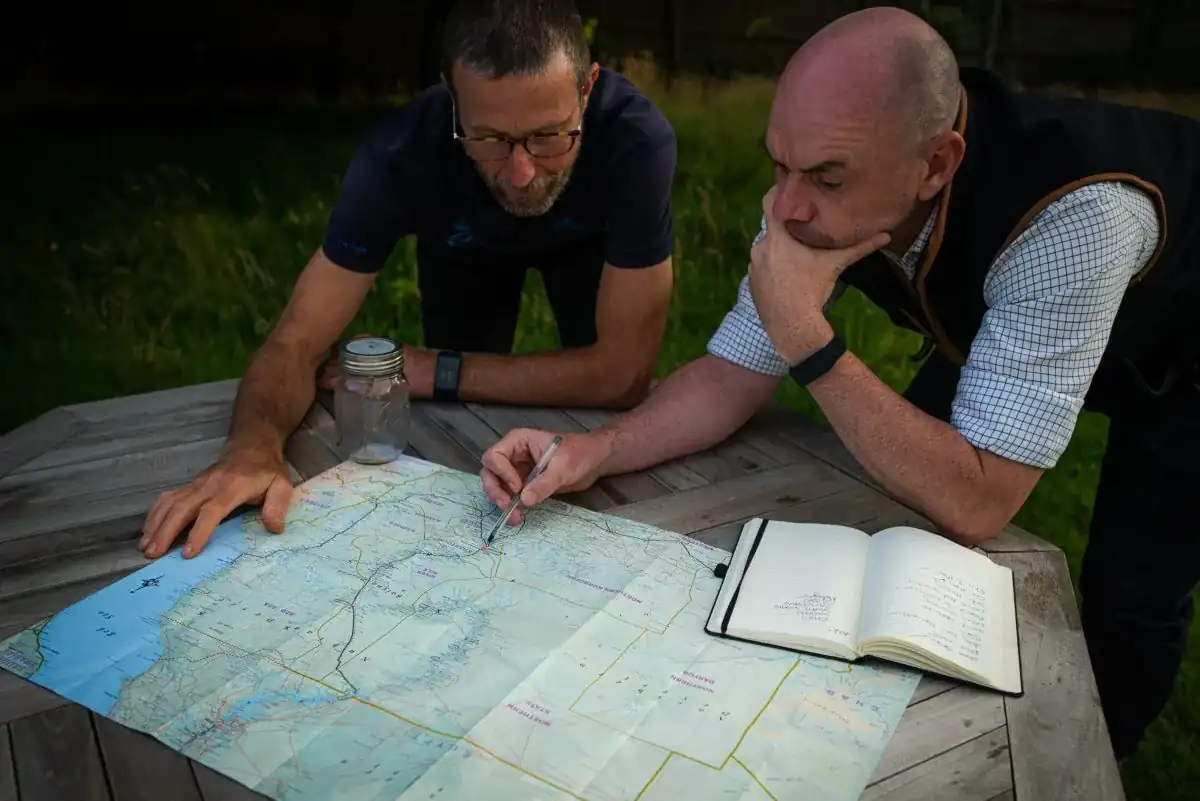
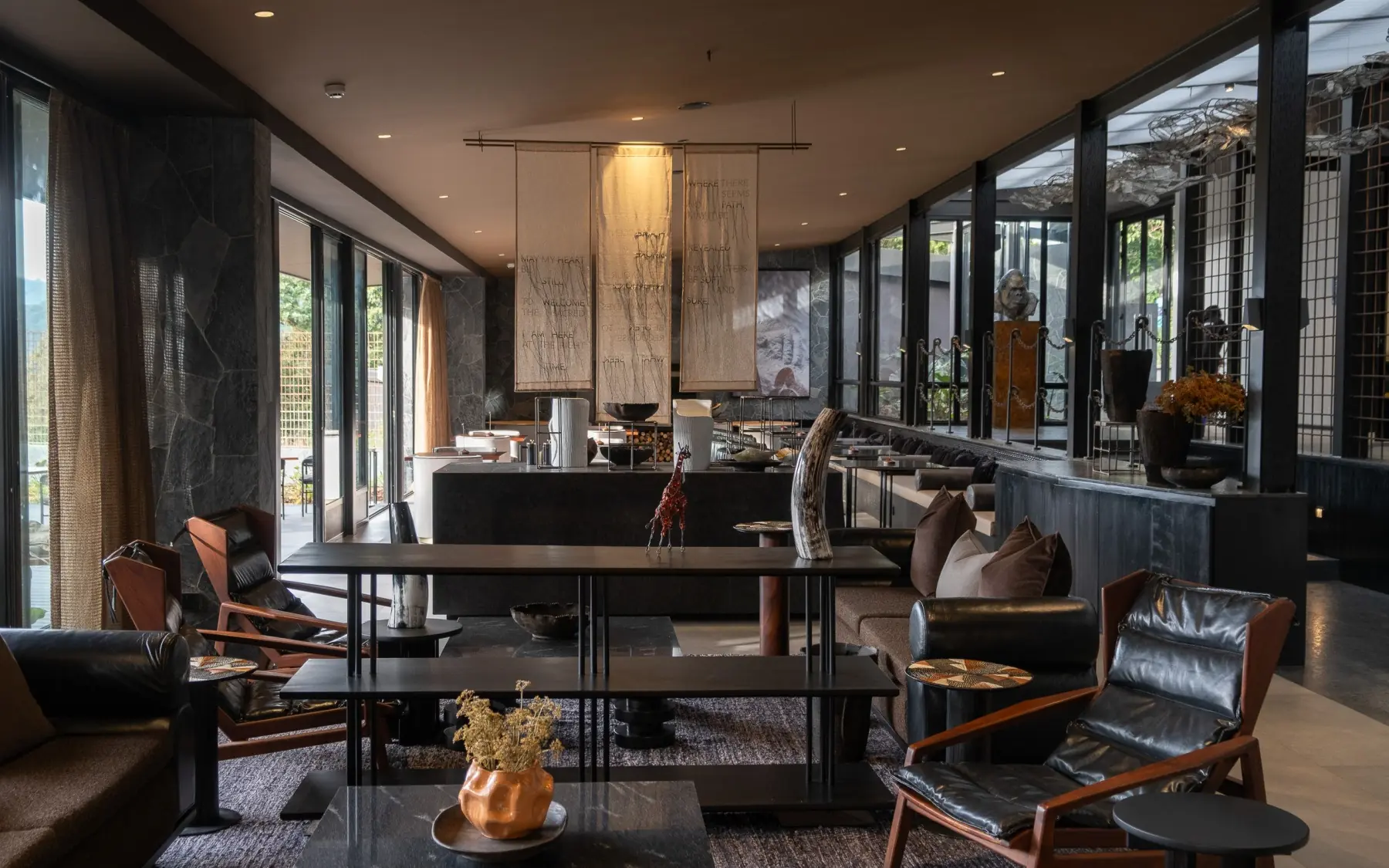
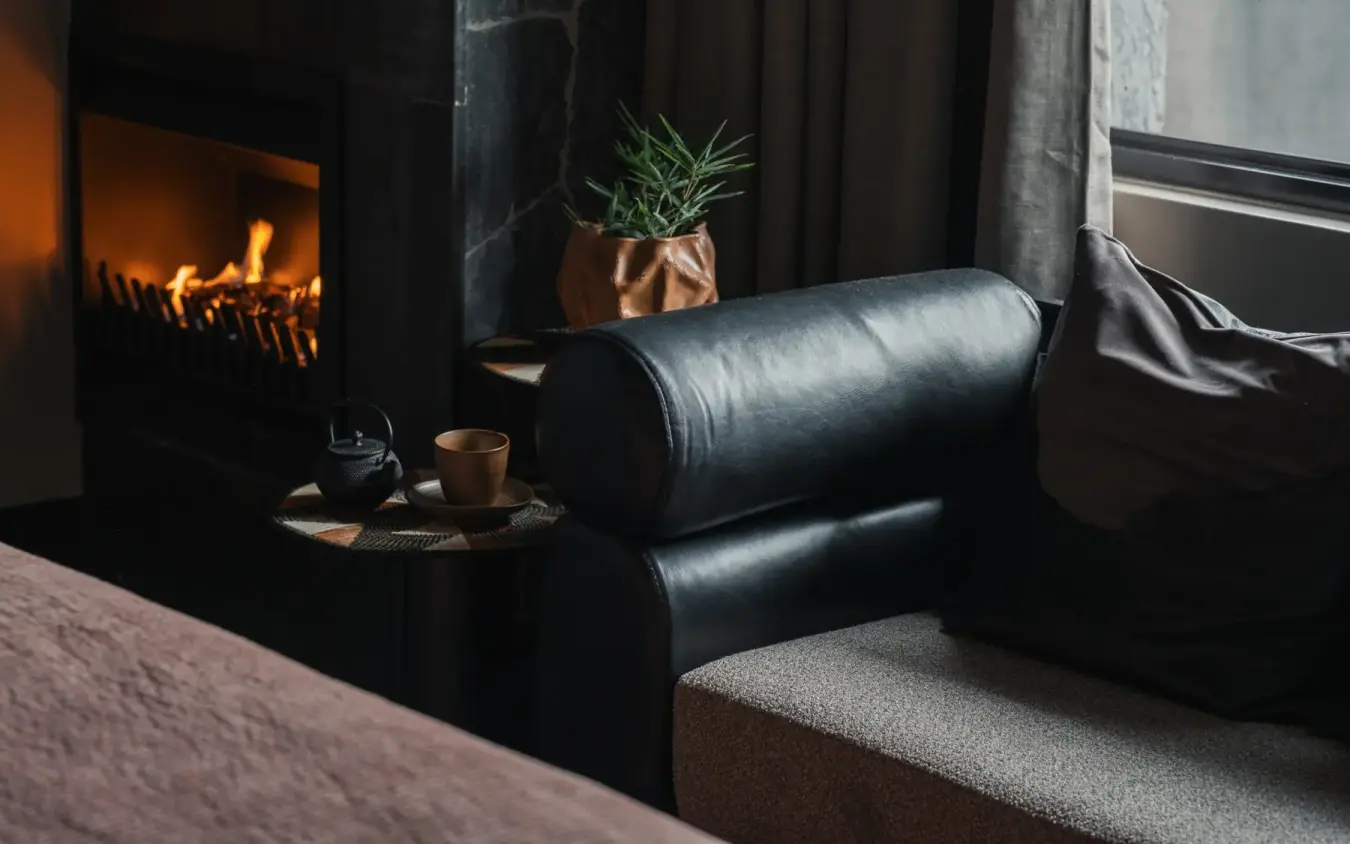
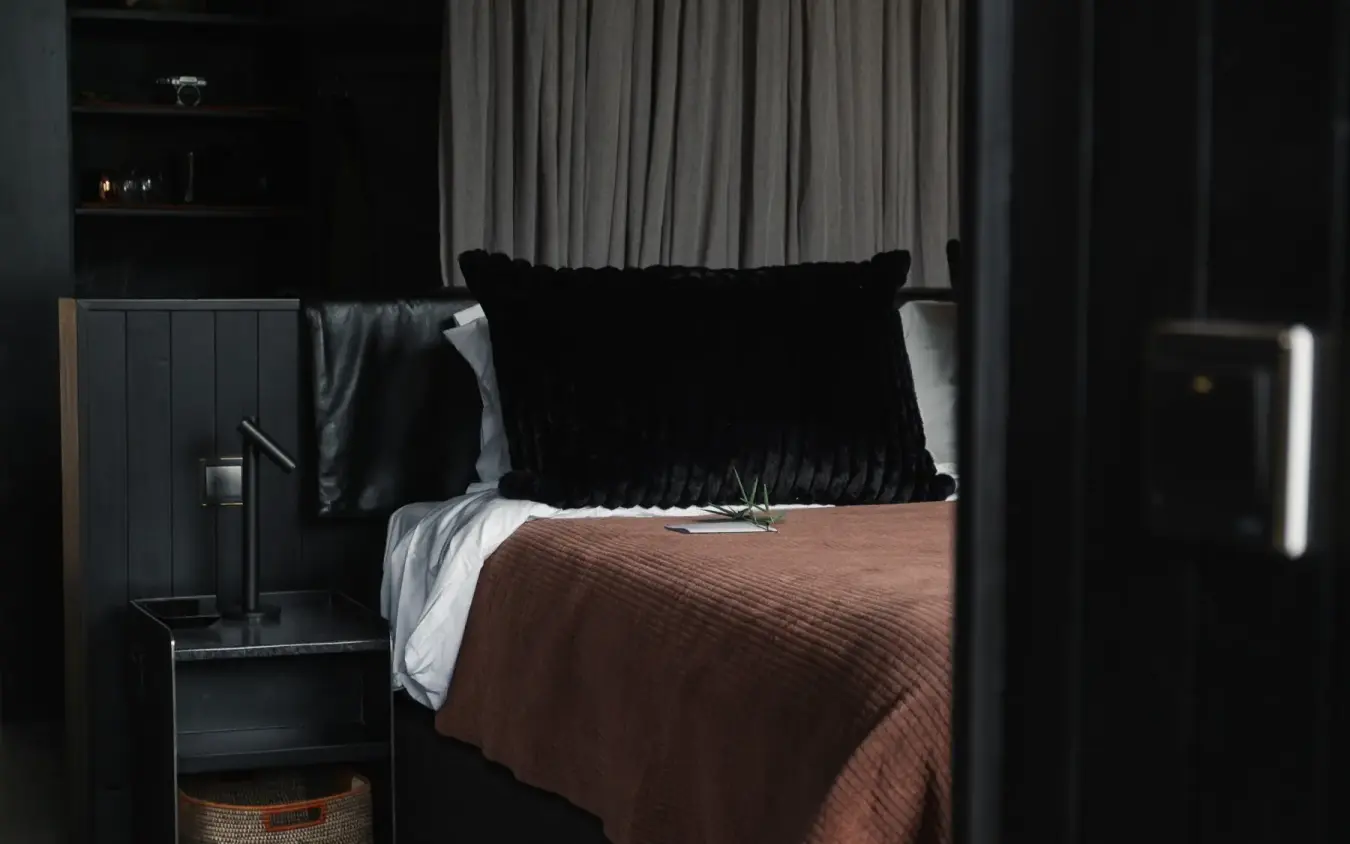
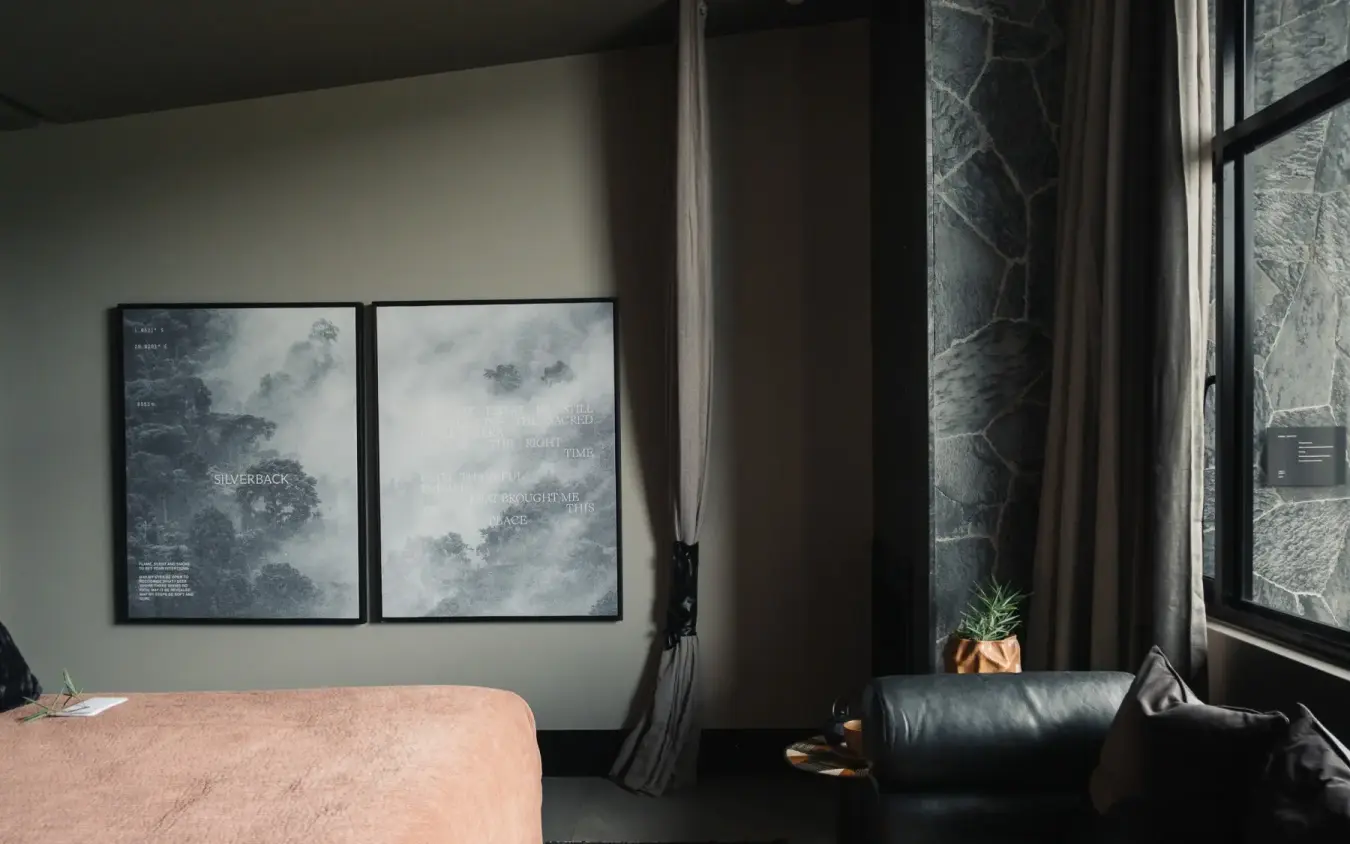
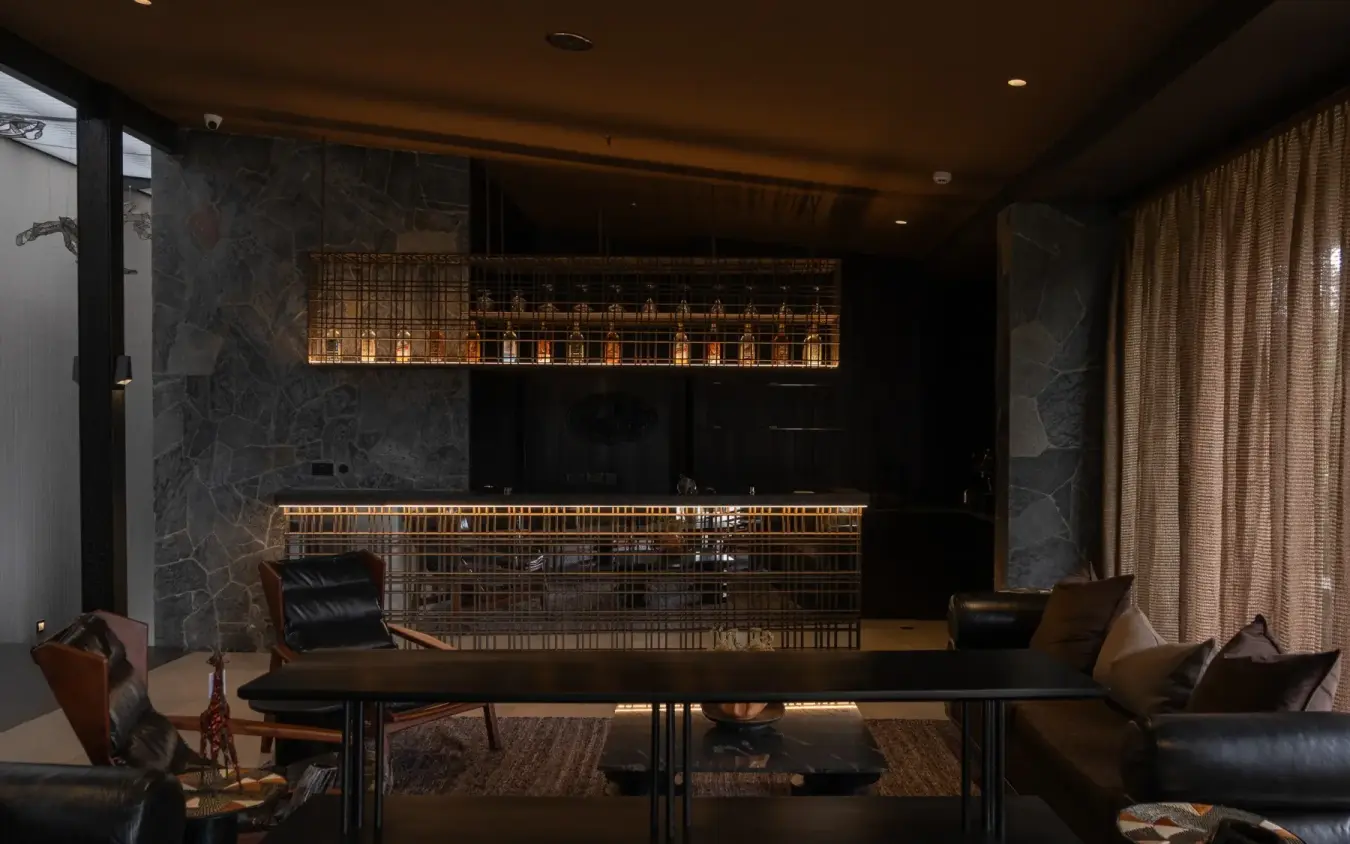
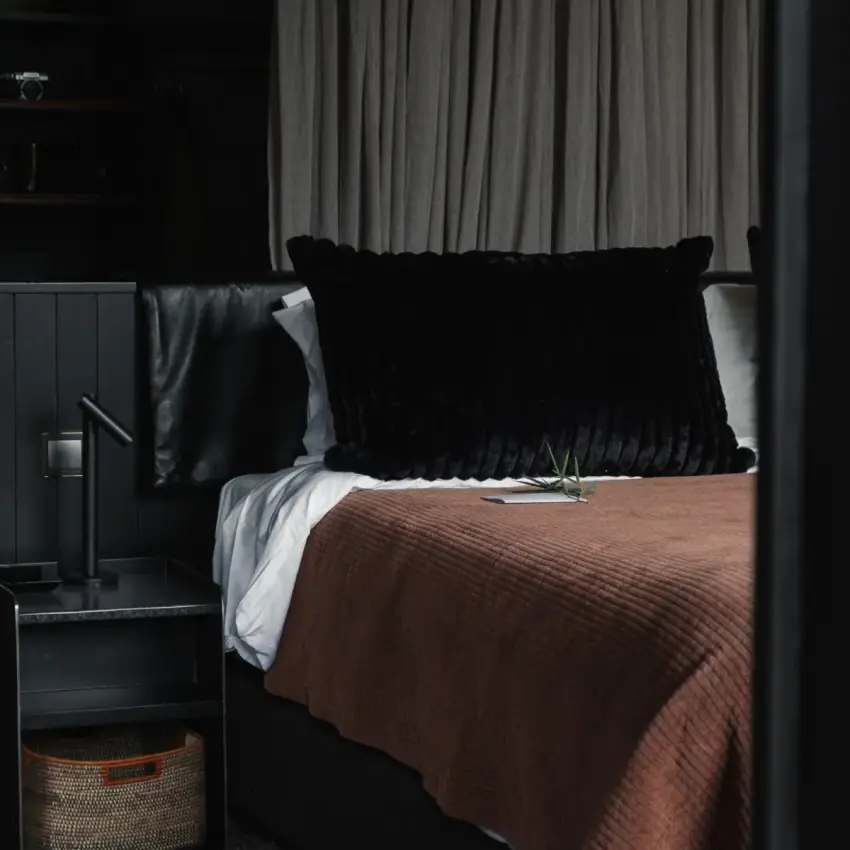
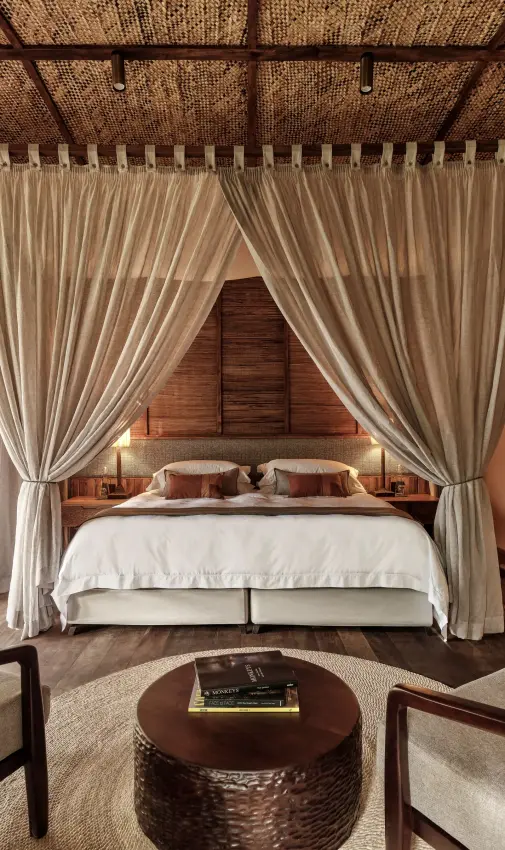
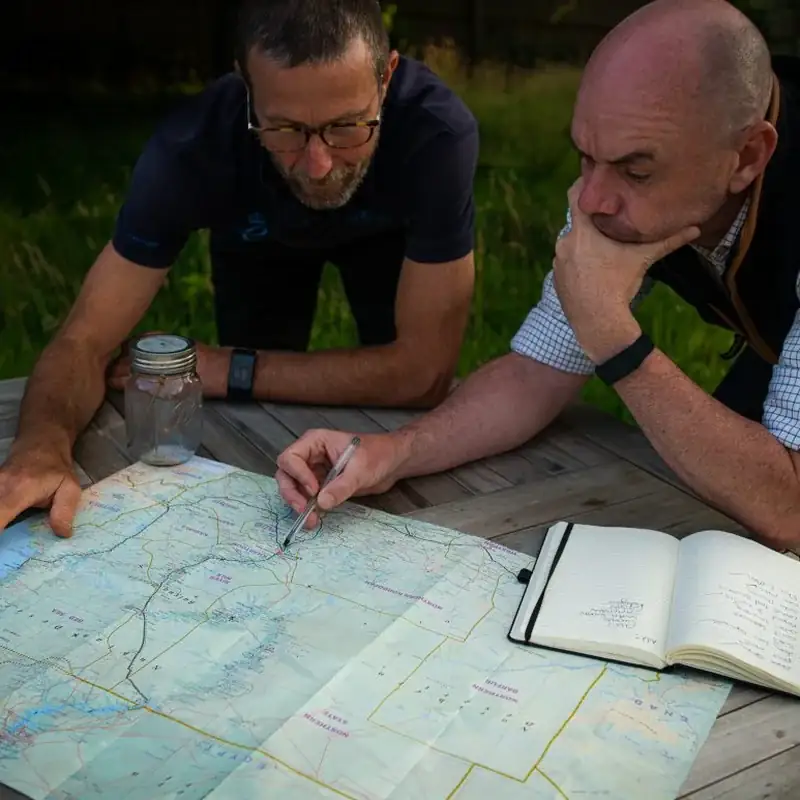
Tanya Madhvani founded and leads Marasa Africa, the company that operates the lodge, and she has left the day-to-day to lodge manager Adielah Misbach and Director of Operations Mike Sanders. Together they favour access and stillness over flash, and it shows in the rooms. A dedicated butler and a private terrace meet a fireplace for cool evenings and a sunken tub set for a hot or cold soak after a long day in the forest. The whole place is built to slow you down rather than to show off.
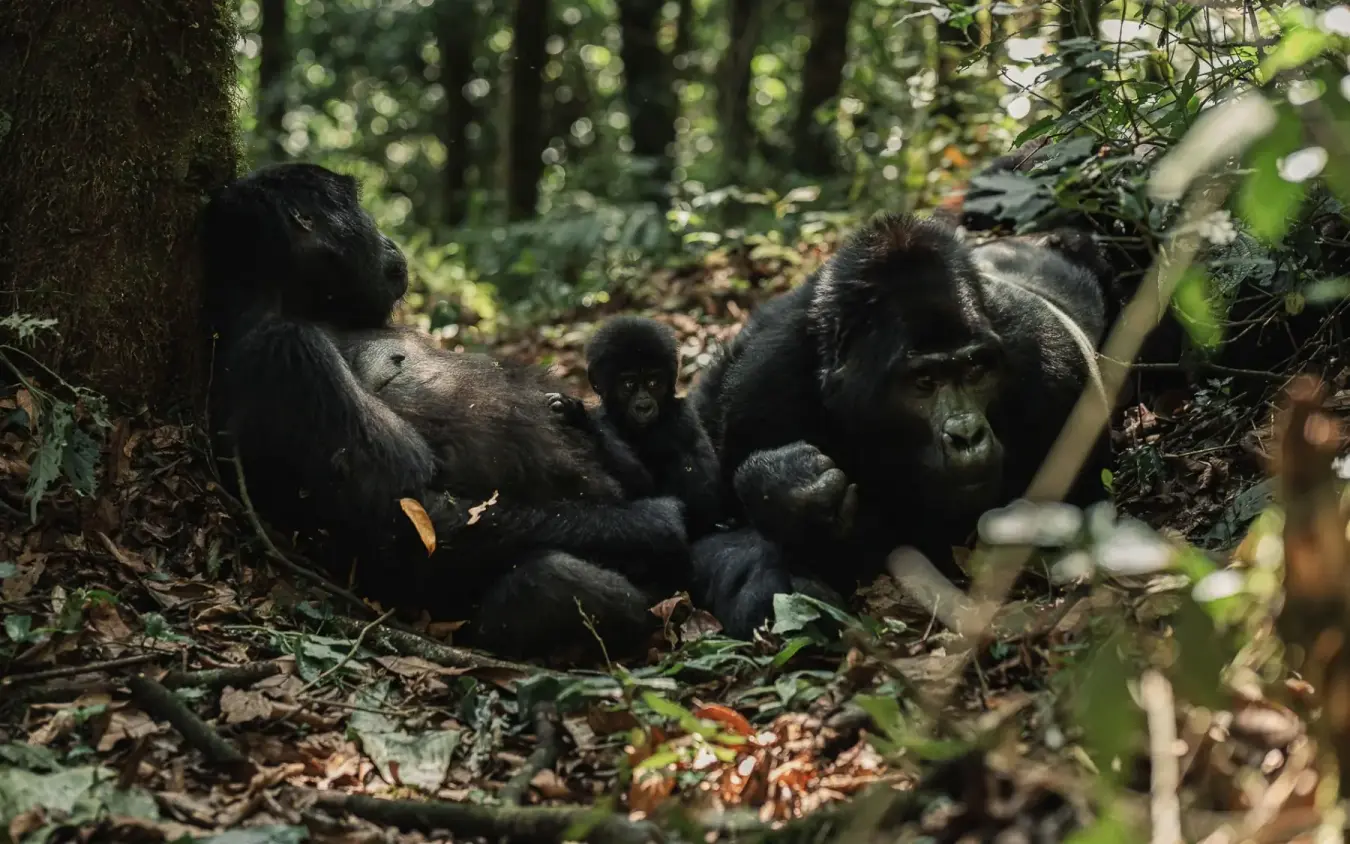
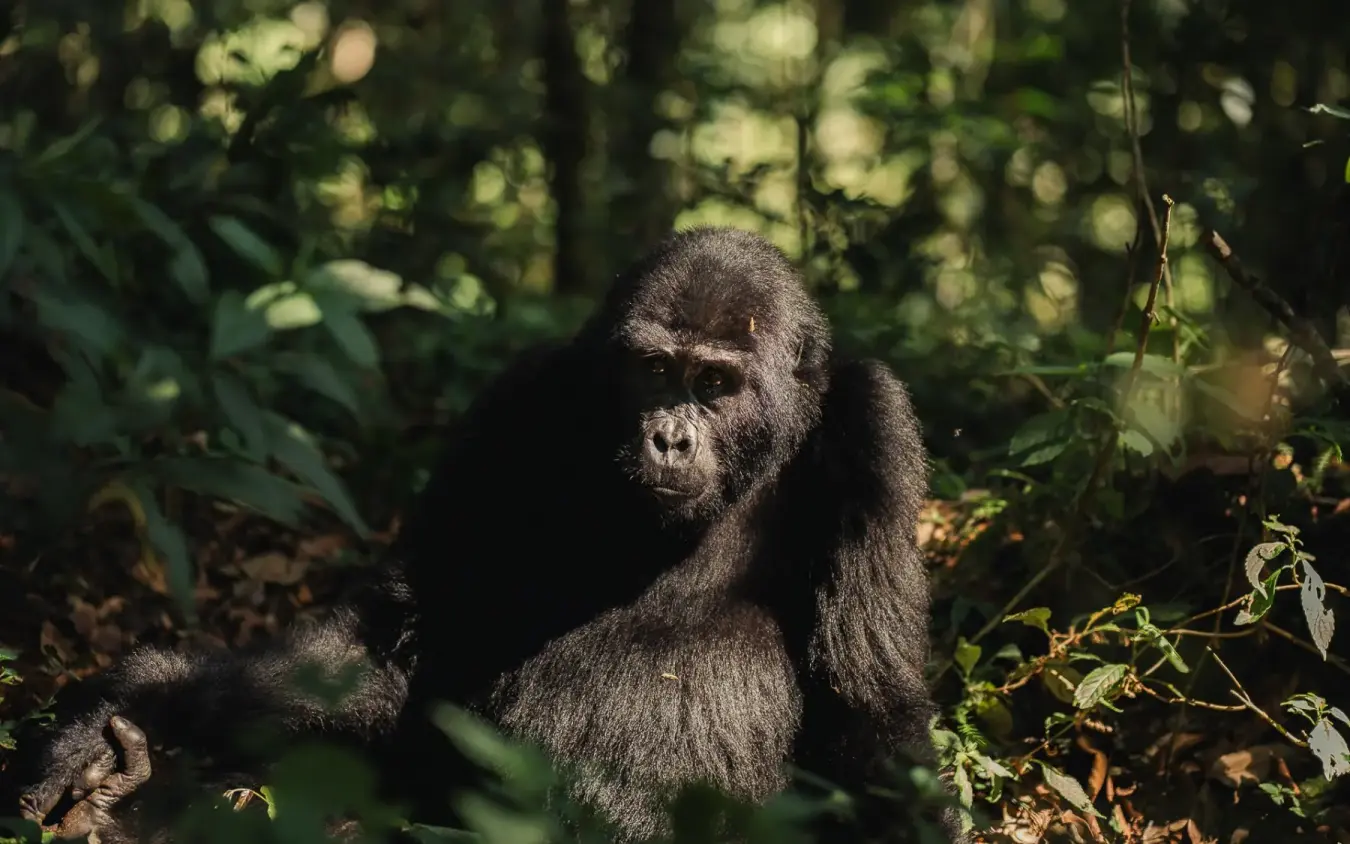
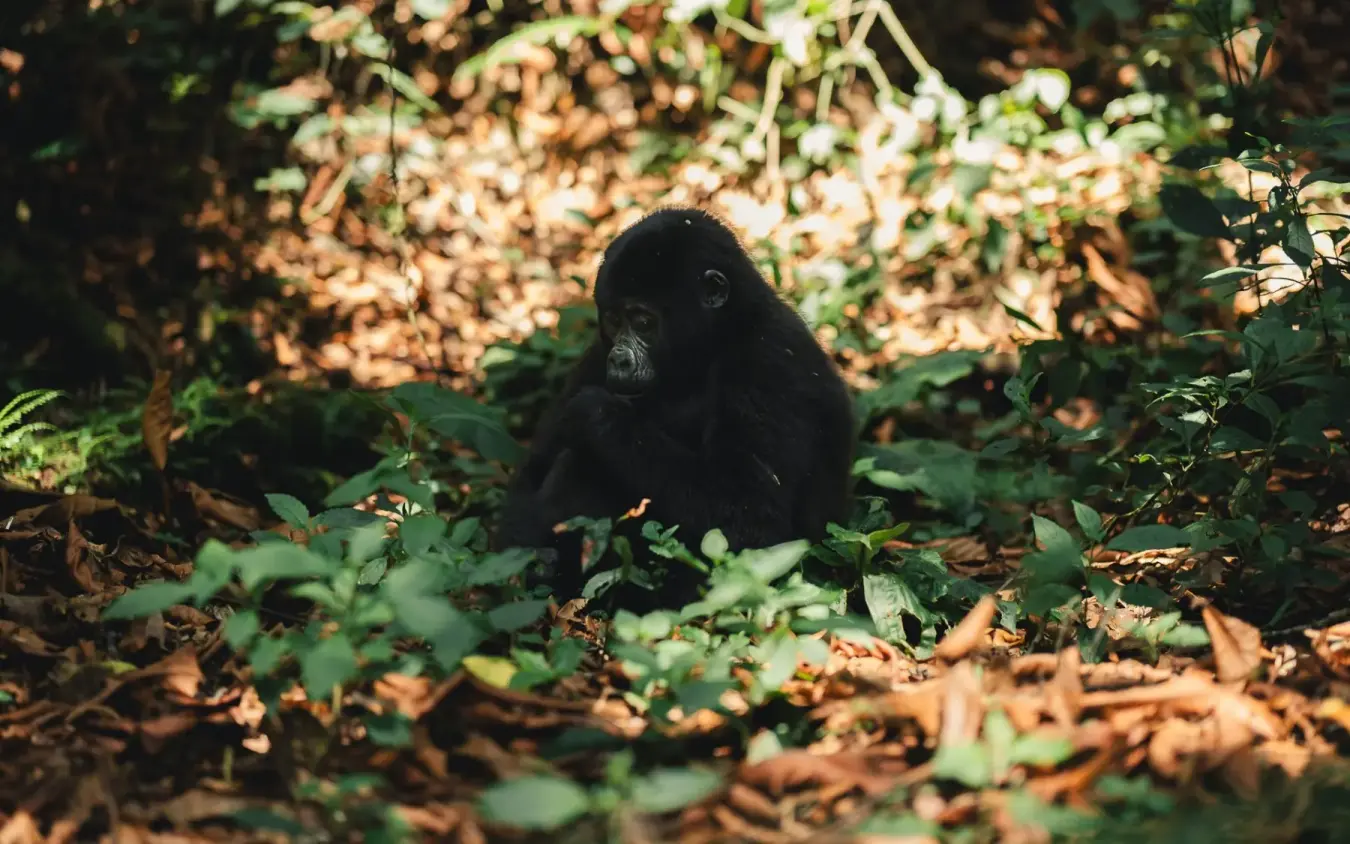
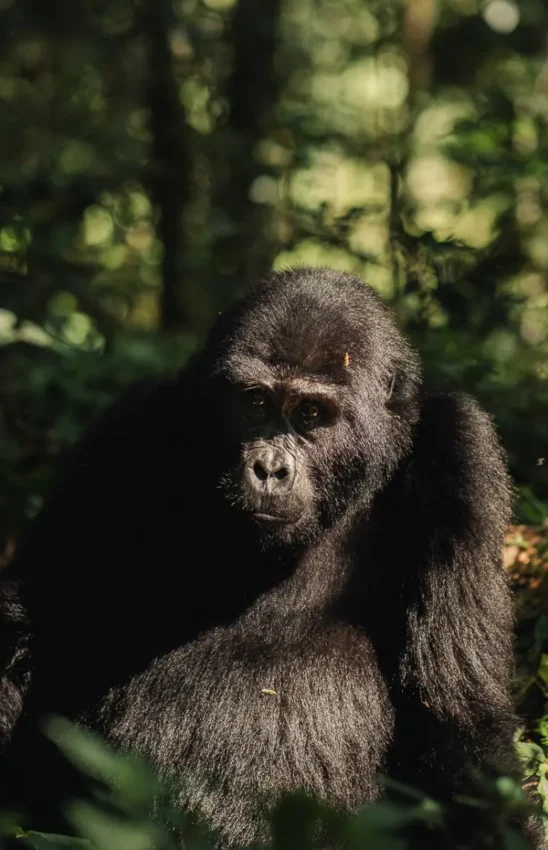
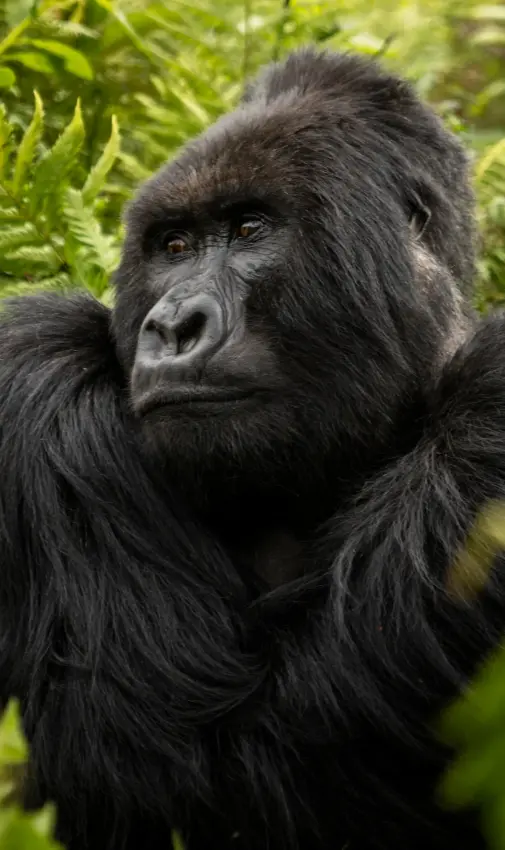
Gorilla trekking is the reason most guests come, and Buhoma’s proximity is the practical advantage. It all runs under Uganda Wildlife Authority rules, which cap groups at eight visitors per gorilla family, set a minimum age of fifteen, and hold you seven metres from the animals. The forest holds more than the gorillas, though. Non-habituated chimpanzees move through it, over a hundred mammal species live in it, and more than 350 bird species draw birders to the canopy edge, among them the Albertine Rift endemics.
Together they favour access and stillness over flash, and it shows in the rooms
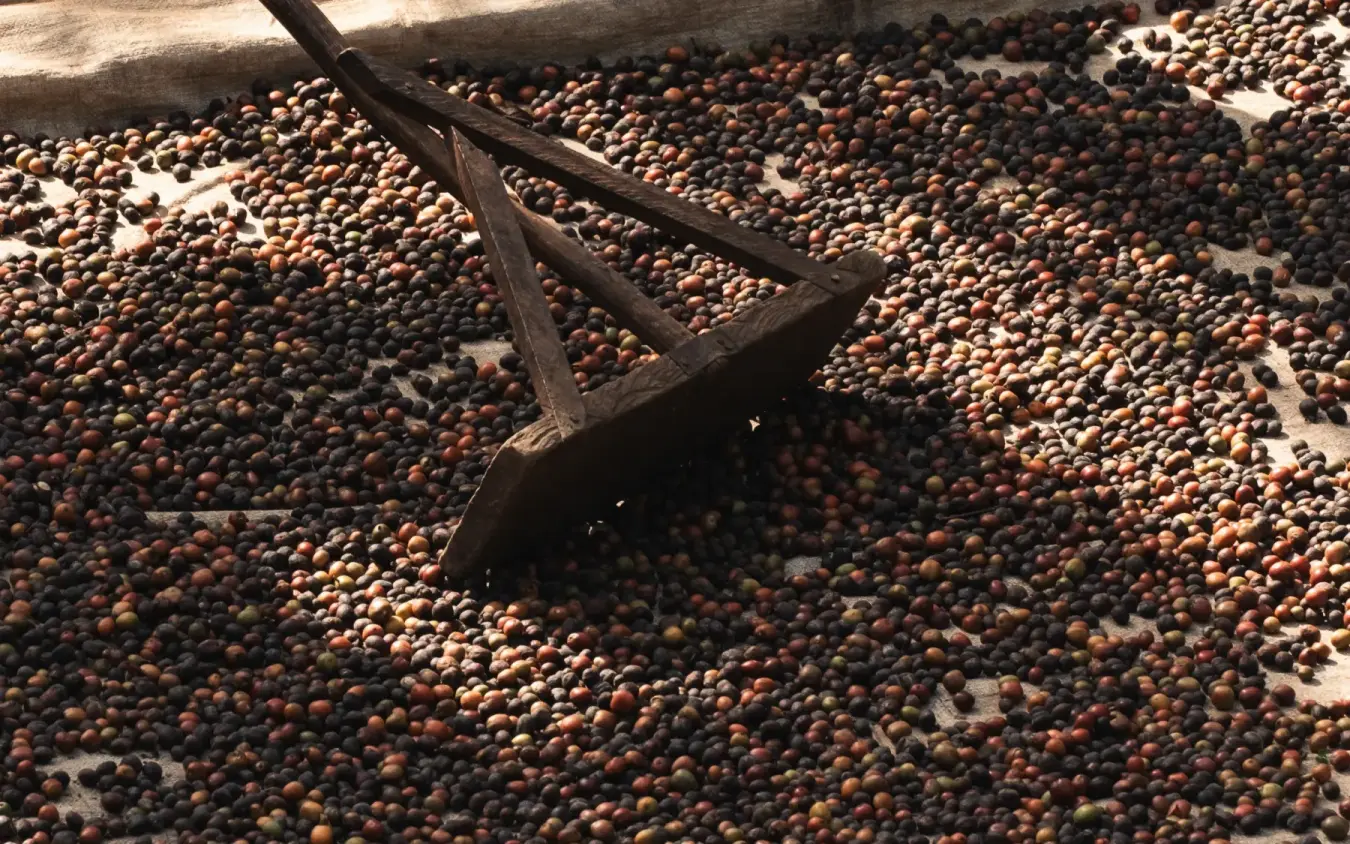
The days fill easily around the trek. The Waterfall Trail runs through ferns, orchids and butterflies, and community walks lead down into the villages, where a coffee-making session with local farmers follows the bean from plant to cup. Visits to the Batwa community share the survival skills and stories of a people who once lived within the forest itself. A small spa handles the recovery side, and meals are served in the Engagi Restaurant, out on the open-air deck, or over a barbecue in the gardens.
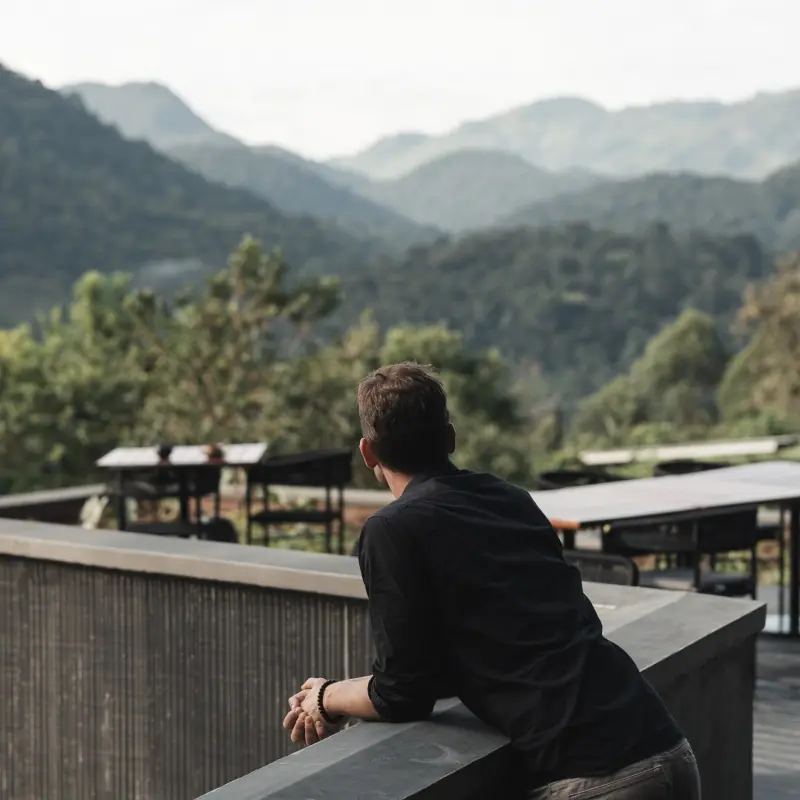
The kitchen leans on what arrives from local farms, so the menu shifts with the day’s produce, pairing Ugandan dishes with international cooking and a considered wine list. Mornings tend to start the same way: mist lifting off the canopy, birdsong building, a cup of Ugandan coffee on the terrace before the walk to the trailhead. The conservation partners are woven into the fabric of the place, quite literally, from the chairs to the embroidered textiles, each one made by a named local or refugee project.