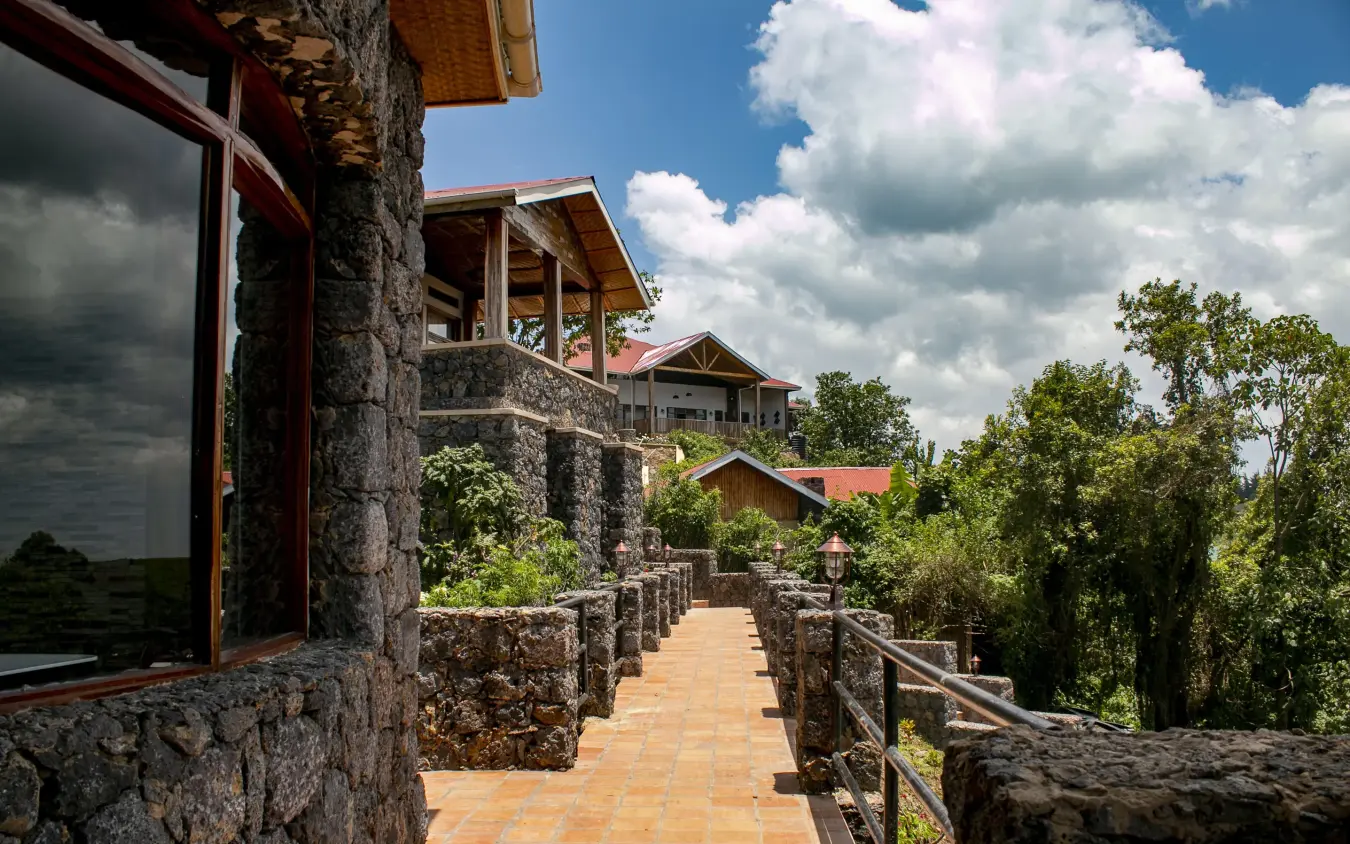
The advantage of basing a gorilla trip in Nkuringo comes down to rhythm. In the busier northern parts of the forest, trekking days often start with a long pre-dawn drive over rough roads. Here, the briefing point is a short walk from the cottages, which means more sleep before the trek and an easier return after it. After hours of climbing through the forest, that proximity matters more than almost anything else the lodge offers.
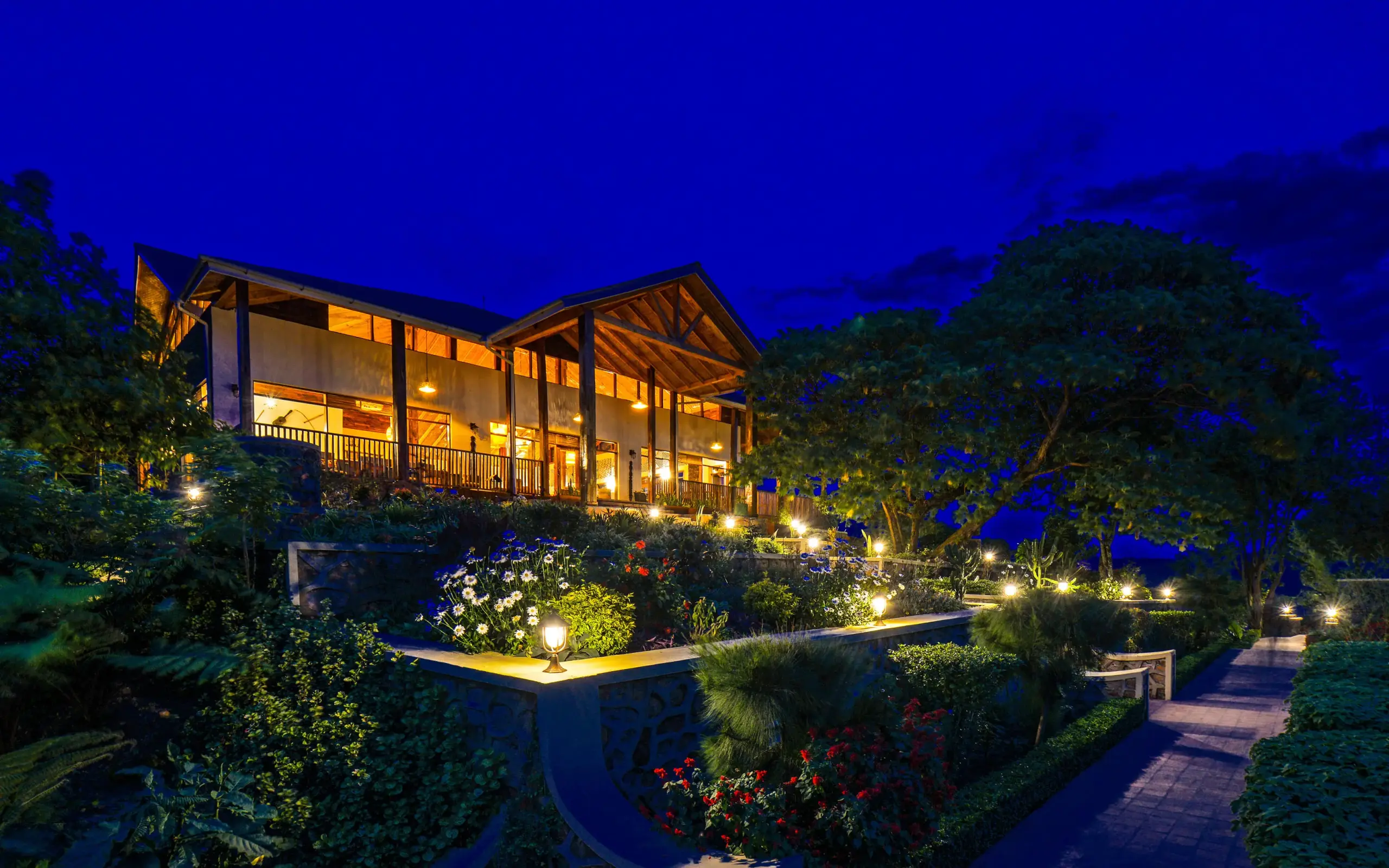
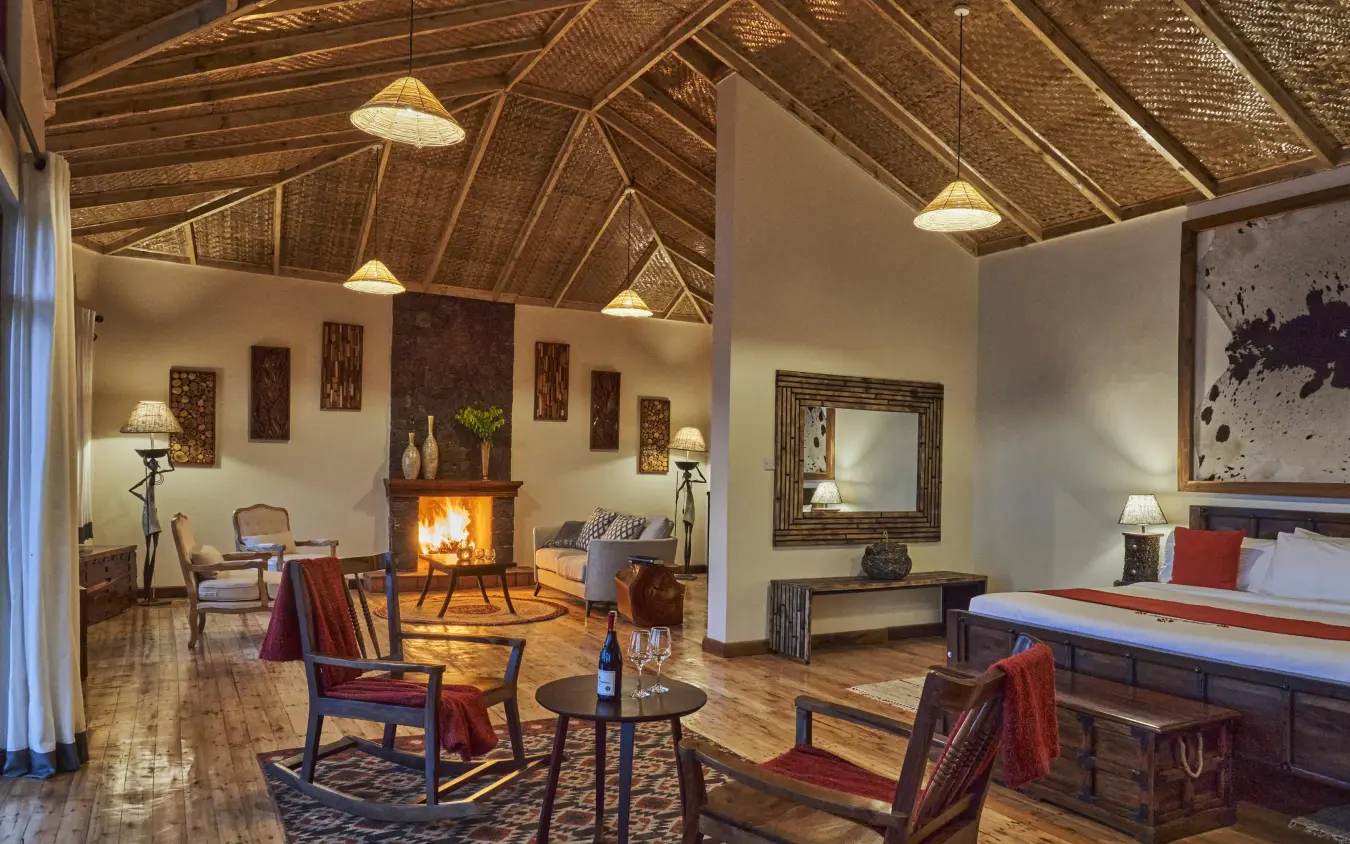
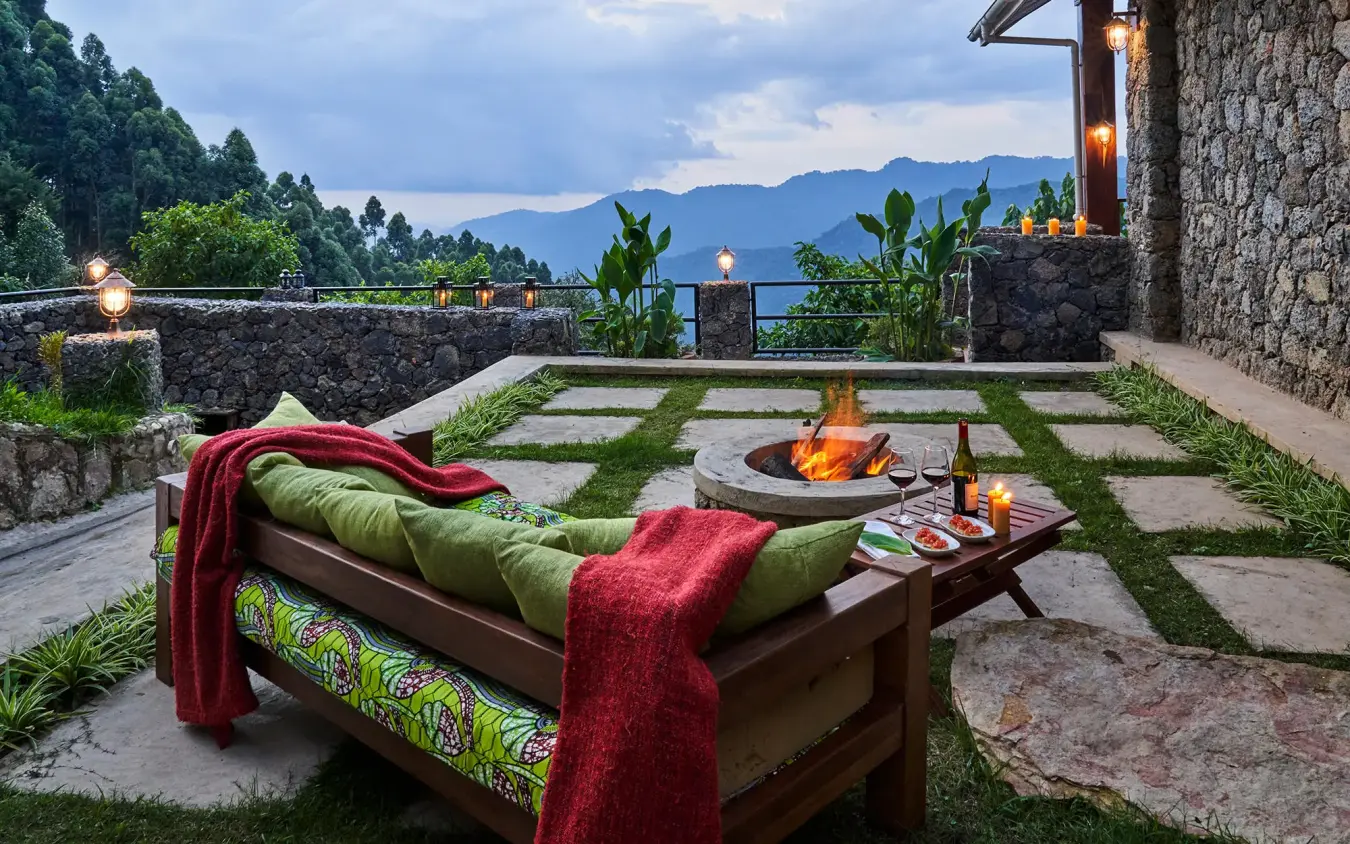
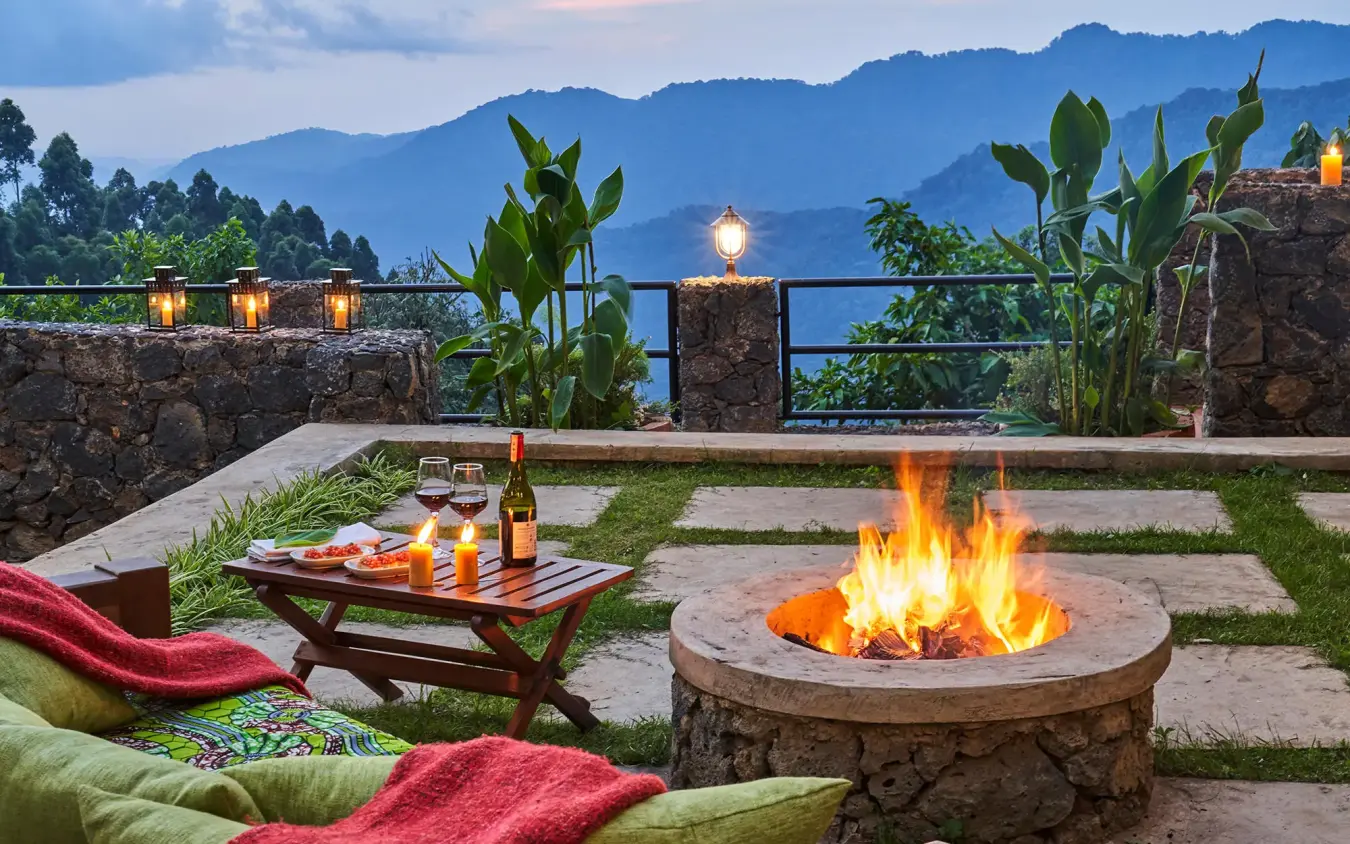
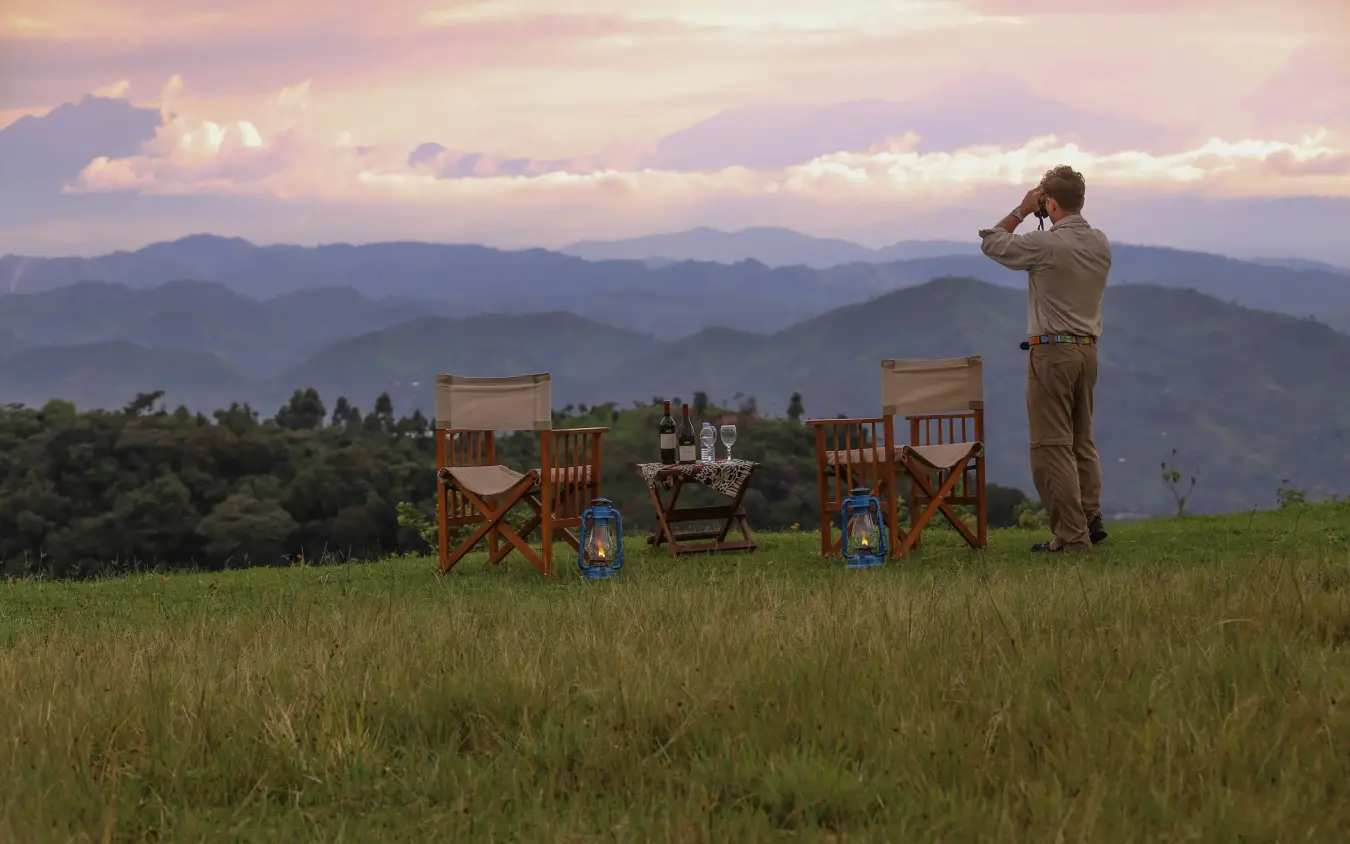
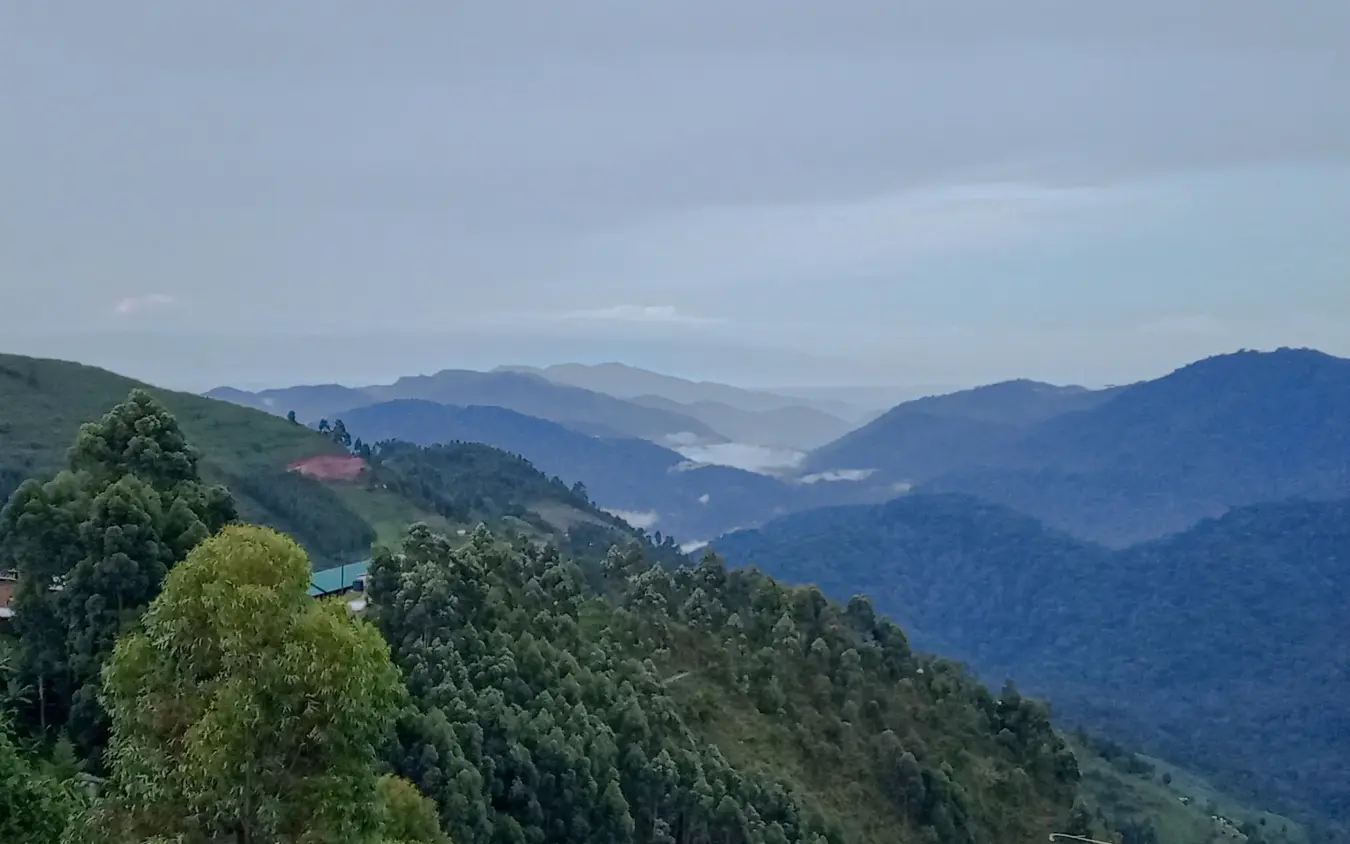
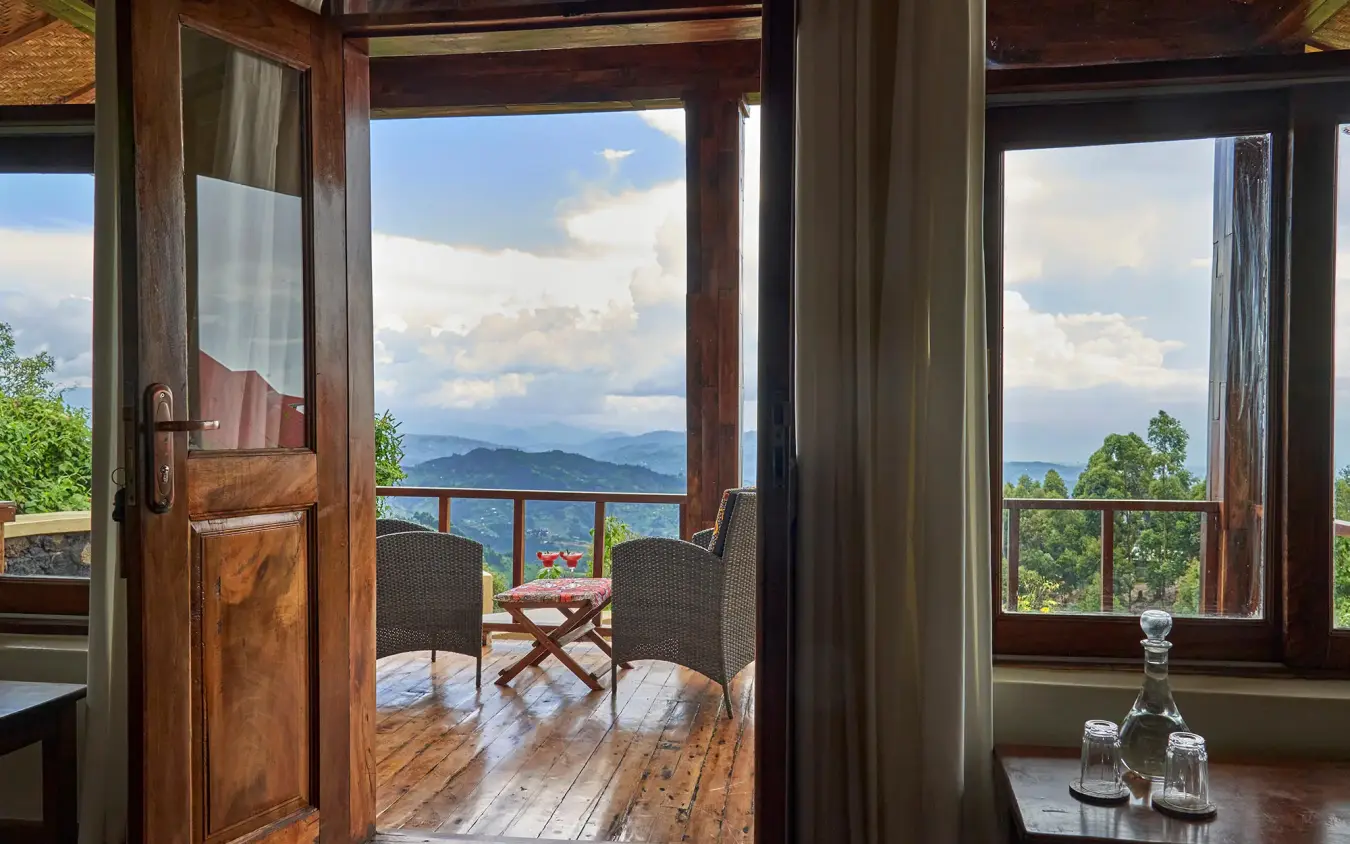
The ridge does much of the work. It looks out across the Kashasha River Valley into the forest canopy, and on clear mornings the Virunga Volcanoes rise along the horizon toward Rwanda and the Democratic Republic of Congo. Mist lifts off the trees at first light. At 2,160 metres the climate is cool, the evenings cold enough to want the fire, and sleep comes easily in the quiet.
The lodge is Ugandan-owned and carbon-neutral, and the majority of its staff are hired locally
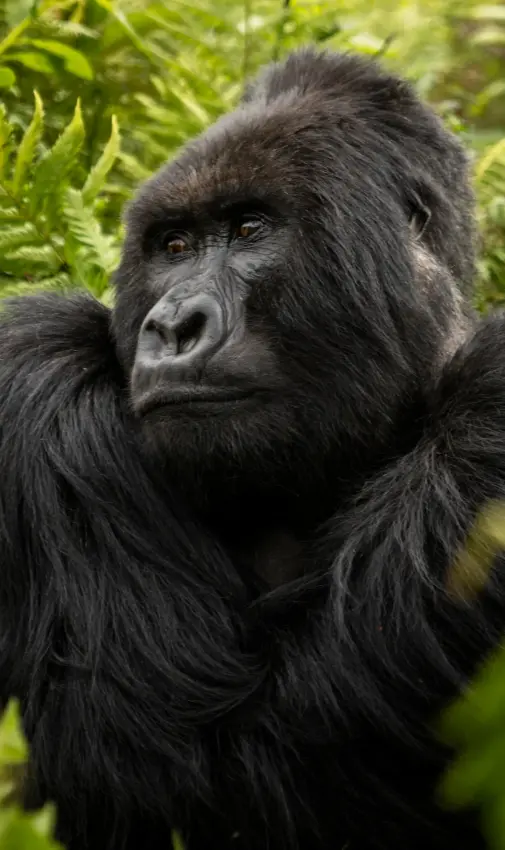
There is more here than the headline animal. Bwindi is home to black-and-white colobus and L’Hoest’s monkeys, to chimpanzees, and to over 350 bird species. The lodge’s sister operation runs guided nature walks along the forest edge and the surrounding highlands. The Buniga Forest walk introduces the knowledge and history of the Batwa community. The Rushaga sector, a drive away, offers standard gorilla trekking and the longer habituation experience, which allows four hours with a semi-habituated family.
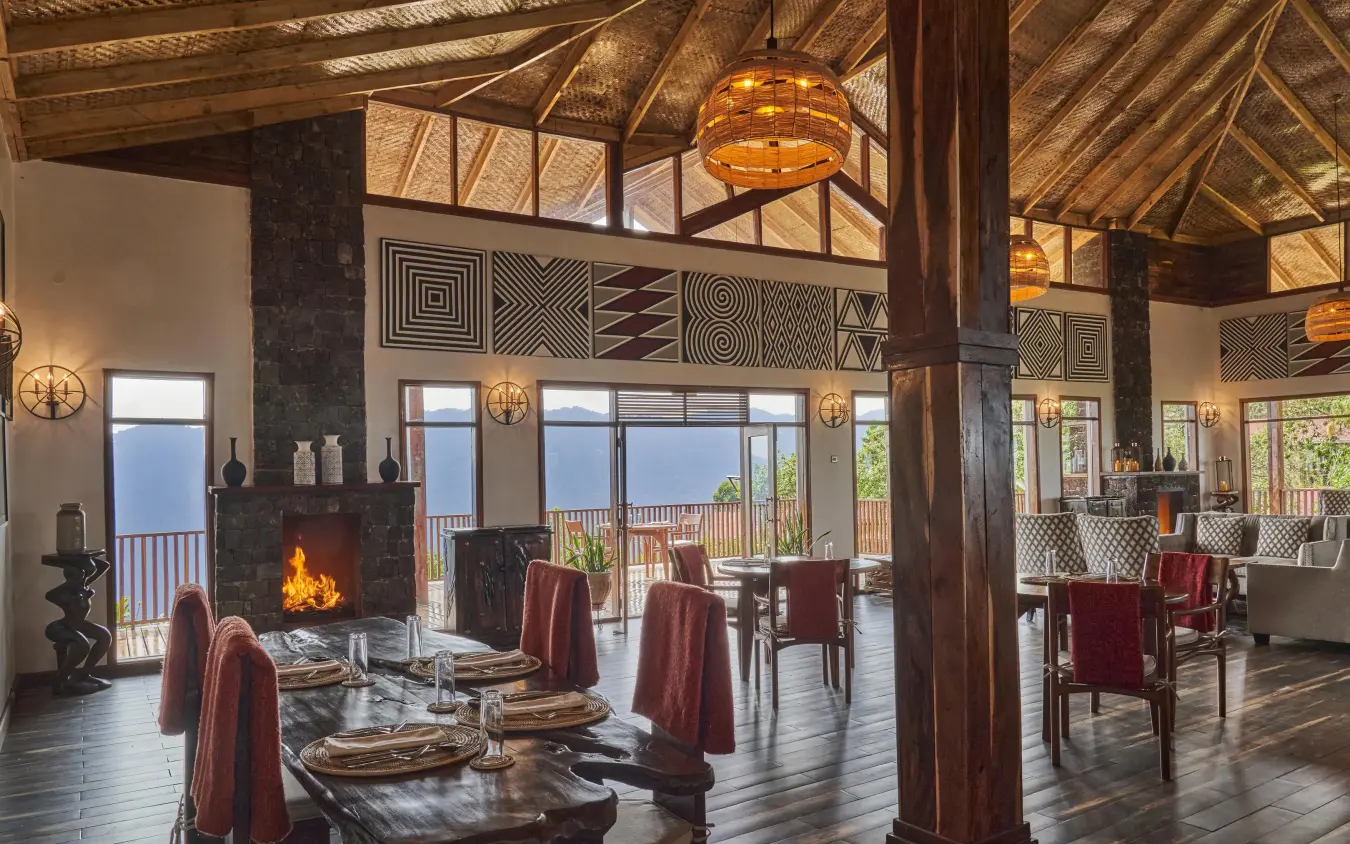
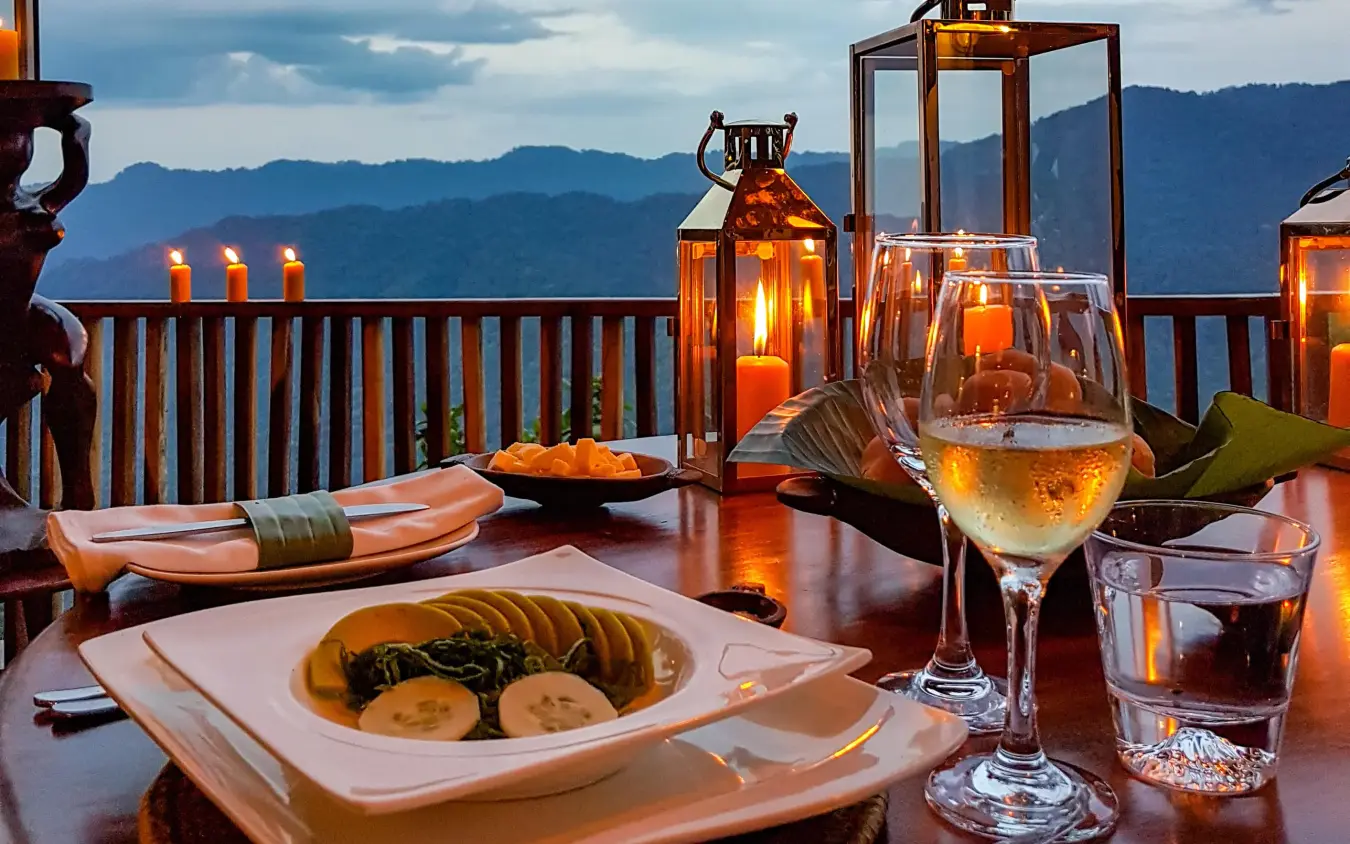
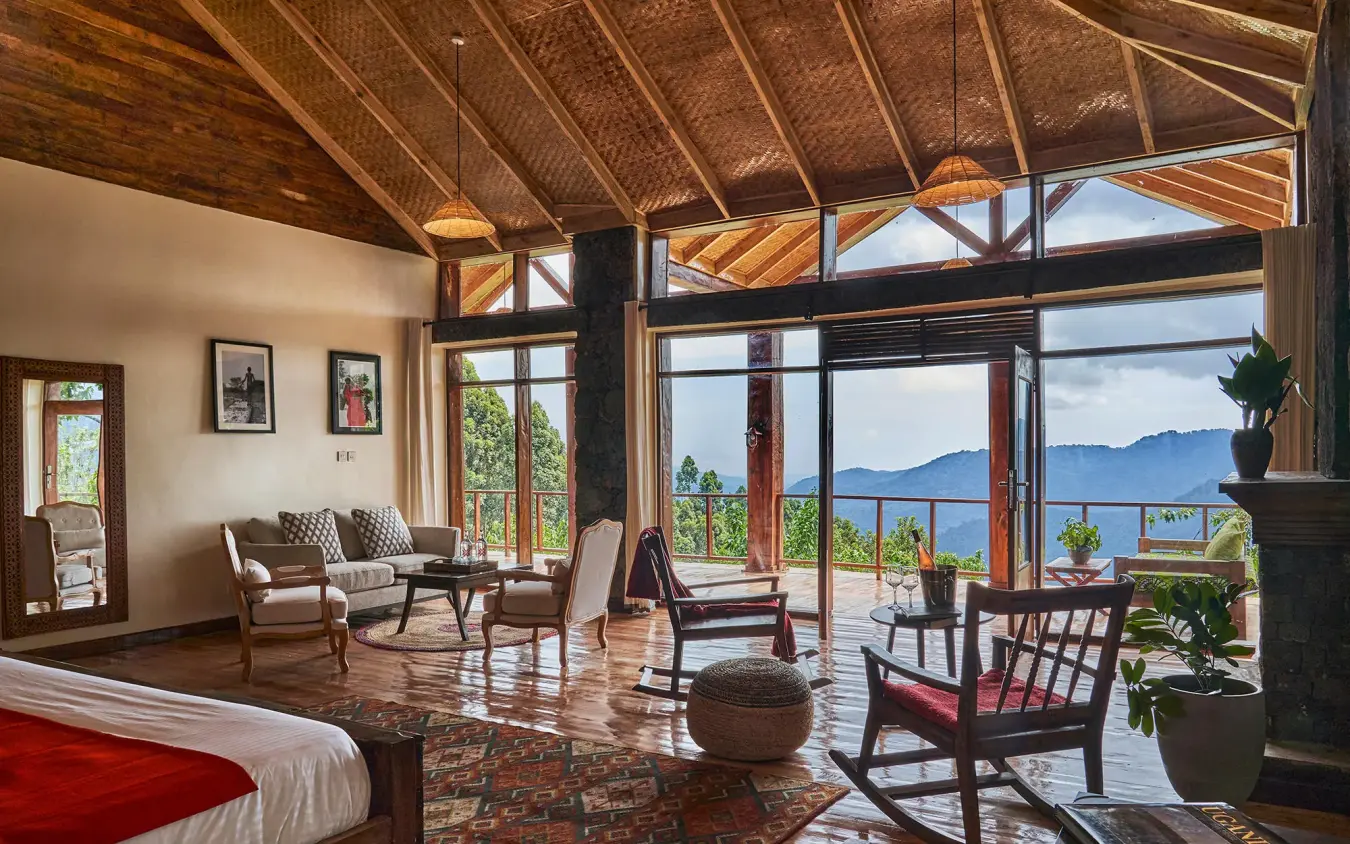
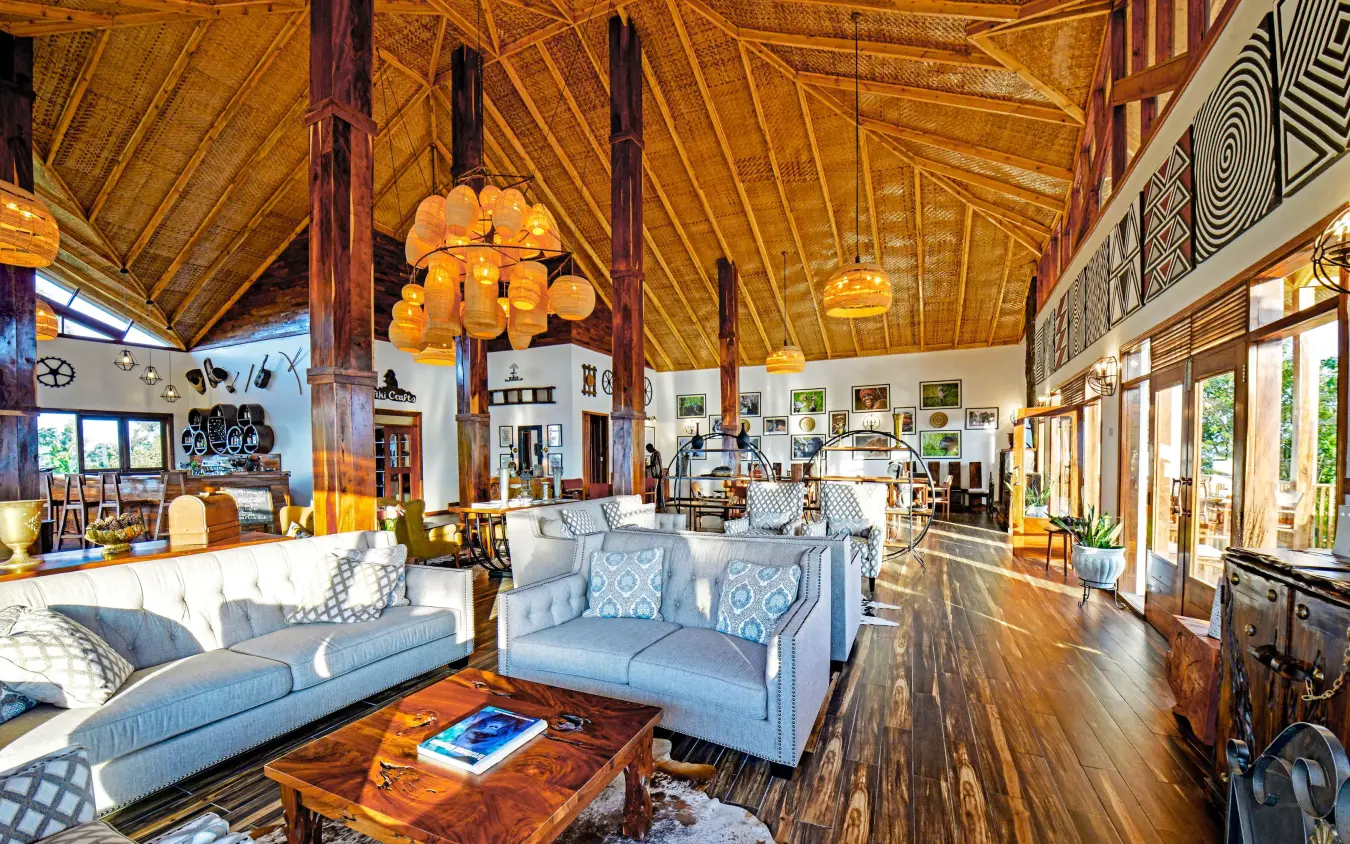
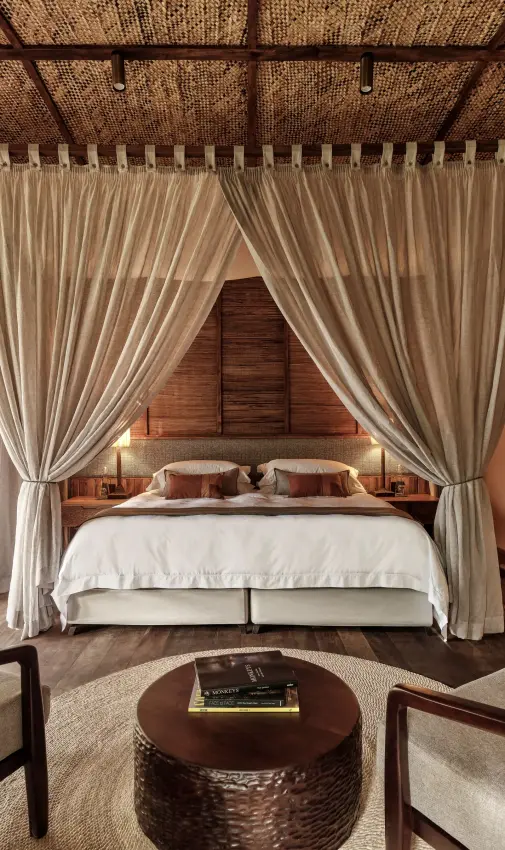
Families are accommodated in two-bedroom villas, though the experience leans adult, given the terrain and the Uganda Wildlife Authority’s minimum gorilla trekking age of fifteen. The lodge is Ugandan-owned and carbon-neutral, and the majority of its staff are hired locally. Dining is unfussy and rooted in Ugandan cooking, served in a timber-beamed lounge with wide views, where freshly baked bread is a fixture. The lodge has won multiple World Travel Awards for Uganda’s Leading Safari Lodge.