 01
01
Plains, Channel and Gorge in One
Queen Elizabeth NP spreads across western Uganda’s Albertine Rift, straddling the equator between Lake Edward and Lake George. Few parks pack this much variety into one boundary. Open savanna runs at Kasenyi and Ishasha, the Kazinga Channel links the two lakes, the forested Kyambura Gorge cuts into the plains, and volcanic crater lakes rise to 1,350 metres.
Few parks pack this much variety into one boundary.
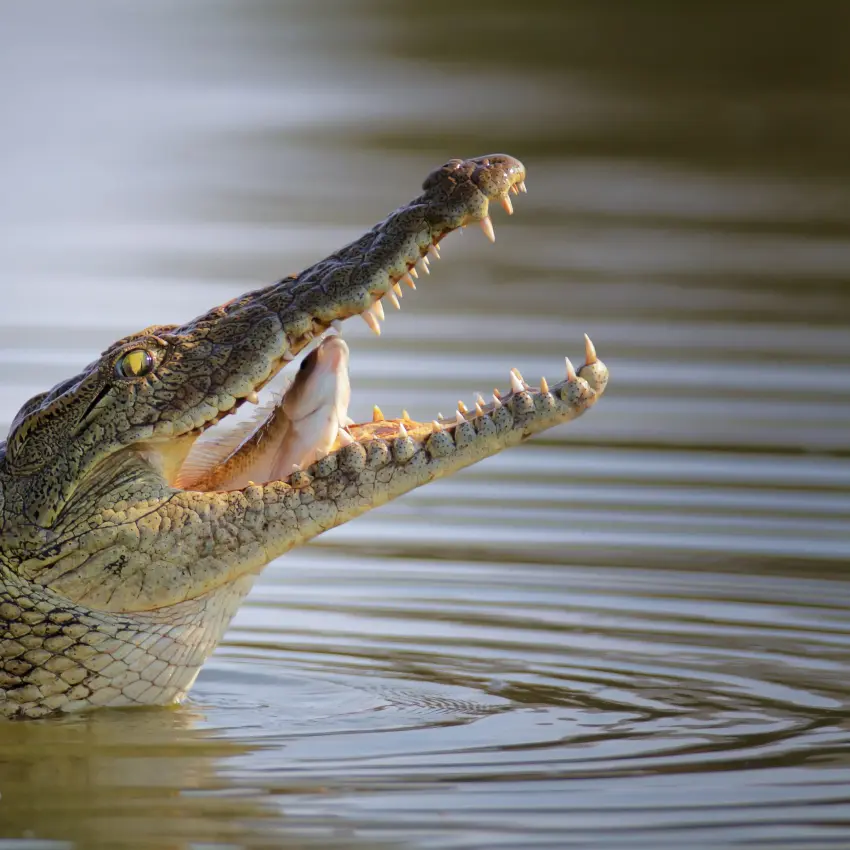
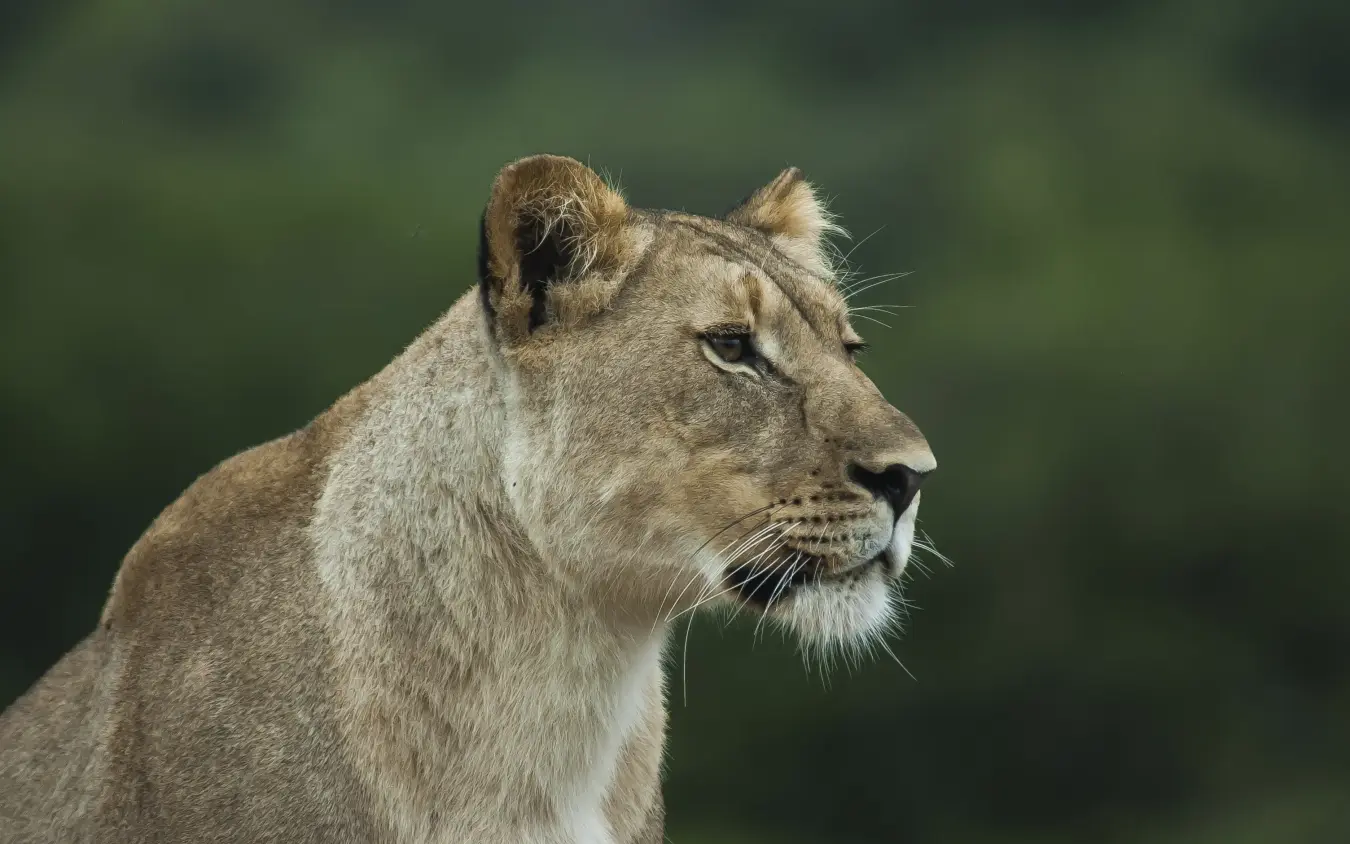
Many mammal species and over 600 birds occupy a single park, from lions and elephants on the plains to chimpanzees and colobus in the forest. The Kazinga Channel concentrates hippos, Nile crocodiles, buffalo and waterbirds along its banks. Out on the Kasenyi plains, dense herds of Uganda kob draw the lions that follow them.

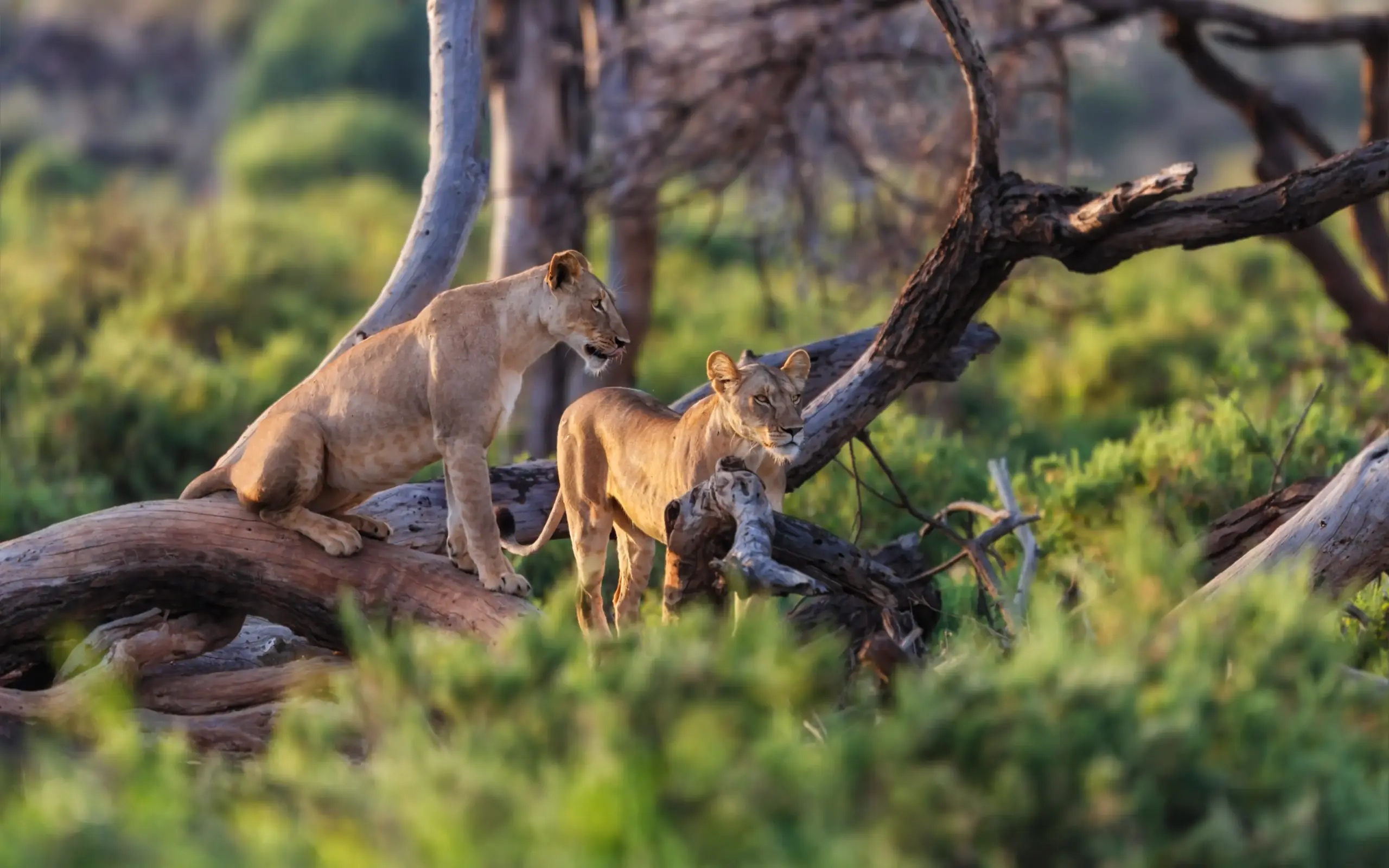
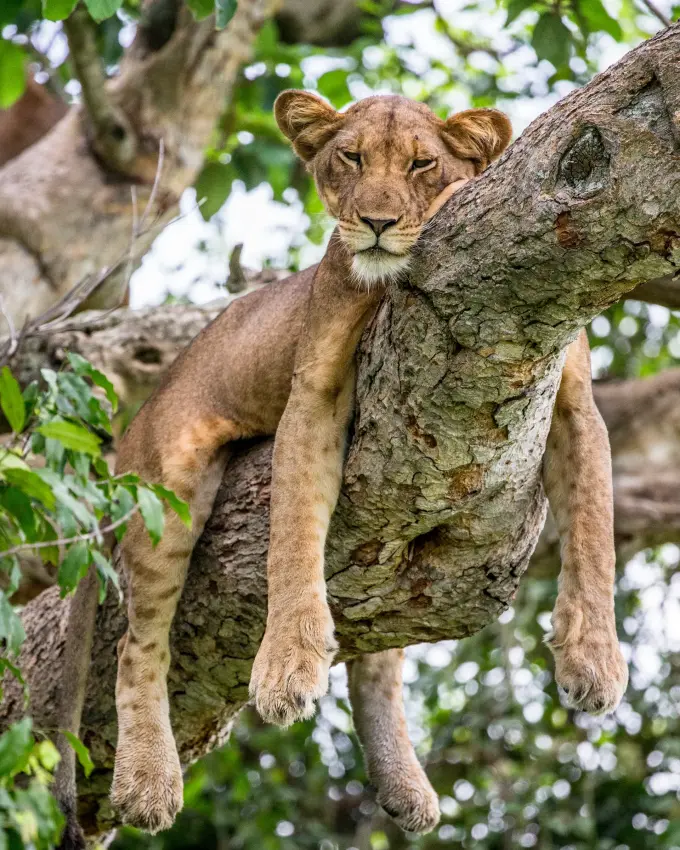
In the park’s far south, the Ishasha sector is where lions rest in the branches of large fig trees, a behaviour rarely documented anywhere else. Kasenyi delivers the classic savanna game drive across open grassland, where the kob breeding grounds draw consistent predator activity. Two sectors, two distinct ways of finding the same cats.
Two sectors, two distinct ways of finding the same cats.
Kyambura Gorge cuts a deep, forested canyon into the savanna east of the channel, threaded by the Kyambura River. A small, isolated community of chimpanzees lives within this narrow strip of riverine forest, tracked on foot with Uganda Wildlife Authority guides. The descent from open grassland into a hidden green canyon is part of the appeal.
The chimpanzees of Kyambura make a useful counterpoint to the larger forests further north. Confined to a corridor of riverine forest rather than continuous dense canopy, this isolated population ranges differently, and sightings vary more than in Kibale. Tracking is on foot under ranger guidance, with set group sizes and fixed tracking windows. Black-and-white colobus, vervets and forest birds share the canyon, and the drop from sunlit plains into shaded forest gives the trek a character that no amount of primate-counting can fully describe.
Savanna and open water, set between Uganda’s two great primate forests.
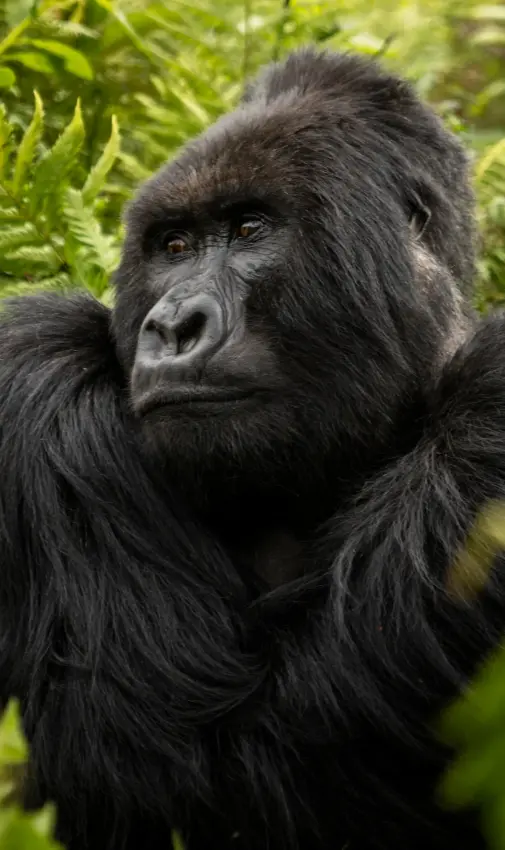
That contrast is why Queen Elizabeth NP slots so neatly between Uganda’s two great primate forests. Kibale, north by road, offers high-probability chimpanzee tracking in extensive forest. Bwindi Impenetrable, reached via the Ishasha sector and the Buhoma trailhead 62 kilometres to the south, is the core area for mountain gorillas. The park sits between these two, supplying the savanna, open water and large-mammal viewing that neither forest can provide.
Where the animals gather on any given day comes down to water. The Kazinga Channel holds permanent water between Lake George and Lake Edward, so in the dry months game concentrates along the channel and lake margins, and the boat cruise becomes the most reliable way to see hippos, elephants and buffalo at close range. In wetter periods animals disperse into interior grasslands and woodlands, the landscape greens, and birding sharpens as migrants arrive from August through December. Lake George carries Ramsar designation as a wetland of global importance.
The park carries weight beyond its wildlife. Established in 1952 as Kazinga National Park, it was renamed two years later after a royal visit by Queen Elizabeth II. It forms part of the greater Virunga landscape that continues into the Democratic Republic of Congo’s Virunga National Park along the western boundary, with the Rwenzori Mountains rising to the north. Around its edges, the Bakonzo, Basongora and Bunyaruguru peoples farm, herd and work the salt pans at Lake Katwe, an evaporation industry that has run for centuries.
The best time to visit Queen Elizabeth NP
Jan
Feb
Mar
Apr
May
Jun
Jul
Aug
Sep
Oct
Nov
Dec
Recommended
Transitional
Challenging conditions
For game viewing, come in the dry months of January and February or June and July, when thinning grass and shrinking water draw elephant, buffalo and kob to the Kazinga Channel and firm up the tracks to Ishasha's tree-climbing lions. July is the driest and most reliable. The long rains of April and May can cut off parts of Ishasha. November to April is the window for migrant birds.
accommodation in queen elizabeth np
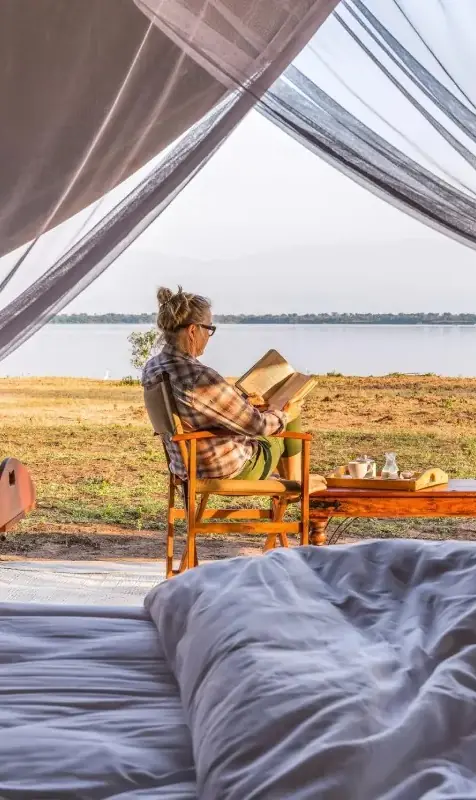
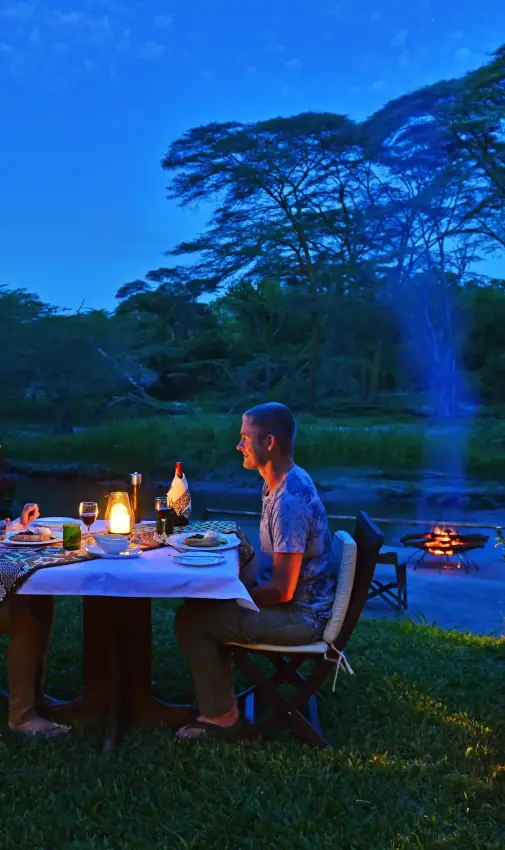
Lodges and tented camps cluster around the Mweya Peninsula at the park's centre, set on high ground above the Kazinga Channel with views across water and plains. The Ishasha sector carries more intimate bush camps focused on tree-climbing lions and riverine game. Forest-edge lodges near Kyambura and Maramagambo cater to chimpanzee tracking and guided walks. The range runs from full-service lodges to smaller eco-camps, with exclusive-use options available for groups wanting privacy.




activities
Plains drives, channel cruise, gorge trekking
Game drives cover Kasenyi and Ishasha for lions, elephants, buffalo and kob; lion tracking by radio telemetry is offered as a UWA activity. The Kazinga Channel boat cruise brings close views of hippos, crocodiles and waterbirds. Chimpanzee tracking runs on foot in Kyambura Gorge; guided walks explore Maramagambo Forest, its crater lakes and bat caves.

conservation
Lion conservation and transboundary management
Queen Elizabeth NP is a designated lion conservation unit, with monitoring focused on a population estimated at around 40 and declining. It sits within the Greater Virunga Transboundary Collaboration linking it with Virunga National Park across the DRC border. Human-wildlife conflict around the park's boundaries remains the central conservation challenge.

getting around
Fly via Kasese, Mweya or Ishasha
International arrivals come through Entebbe, with scheduled and charter flights onward to Kasese, Mweya or Ishasha airstrips. Kihihi airstrip serves the Ishasha and Bwindi side of the itinerary. Many itineraries combine a flight into one sector with road transfers between sectors and neighbouring parks; Kibale lies north by road, Buhoma to the south.
other areas in uganda
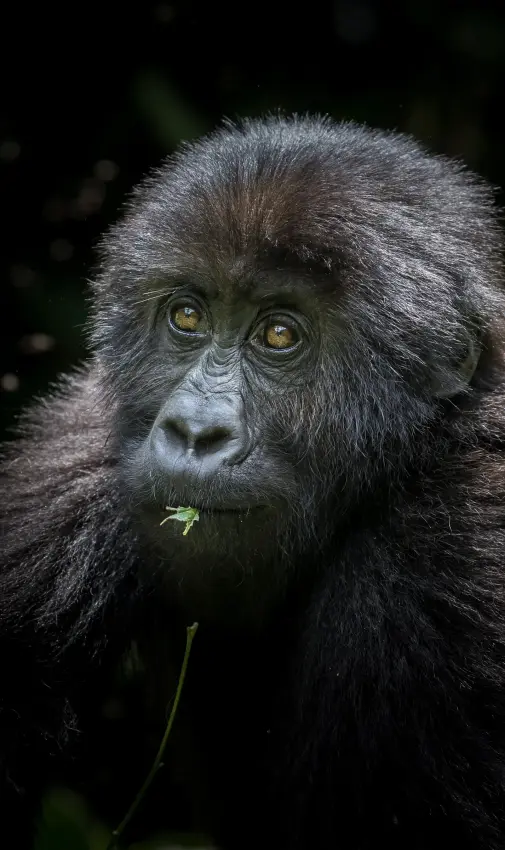
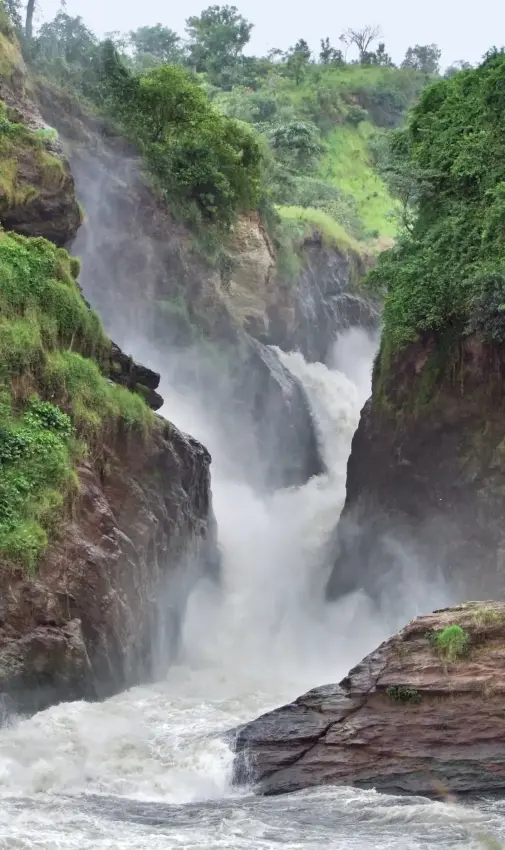
Kibale, north, is Uganda's primary forest for chimpanzee tracking and pairs naturally with the gorge primates here. Bwindi Impenetrable, reached south through Ishasha, holds the mountain gorillas. Murchison Falls in the north-west adds the Nile, its falls and a second large savanna. The Rwenzori Mountains offer alpine trekking within the same Albertine Rift system, while Lake Mburo makes a logical road stop between Kampala and the park.




frequently asked questions
By light aircraft from Entebbe in about an hour, or by road in six to seven.
Scheduled flights serve Mweya and Kasese, and the lodges meet the aircraft. The drive is long but takes in the crater lakes and the tea country, and many routes combine it with Kibale on the way through.
From here it is a few hours south to Bwindi, which is the usual next stop.
We book the flights and the drives together and say plainly which legs are worth flying.
A private charter flies the same sector on your own timing, a Cessna Caravan or a Pilatus PC-12, and we price it beside the scheduled seats so you can see the difference.
Variety, and a boat trip that is hard to beat.
- The Kazinga Channel cruise, where hippo, elephant and buffalo line the banks
- The tree-climbing lions of the Ishasha sector in the south
- Chimpanzee tracking in the Kyambura gorge
- The crater lakes and the explosion craters in the north
Over six hundred bird species have been recorded here, which is more than most countries hold.
The park spans savannah, forest, lakes and wetland in a short distance, so no two days look alike.
Yes. Both TravelHealthPro, the UK's official travel health service, and the CDC treat the whole of Uganda as a malaria area and recommend antimalarial cover countrywide.
The park is low and full of water, so the risk here is real rather than marginal.
We do not make medical recommendations. That is a conversation between you and your own doctor or a travel clinic.
On the practical side, cover up at dusk and keep repellent to hand by the channel.
If you are going on to Bwindi anyway, yes. As a detour on its own, not always.
The Ishasha sector is in the south of the park and the lions there genuinely do lie in the fig trees through the heat of the day, which is unusual and worth seeing. They are wild animals, so nobody can promise them.
Ishasha sits on the road to the gorillas, which makes it an easy night rather than a diversion.
We would build it in on that route and skip it if you are flying straight out.
Short but steep, and the sightings are less certain than at Kibale.
The gorge is a narrow strip of forest below the savannah, and the descent into it is sharp. The group here is small and the trek can be quick or fruitless depending on where they are.
The gorge itself is beautiful, so the morning is worth having either way.
If chimpanzees are the reason for your trip, we would send you to Kibale and treat Kyambura as a bonus.
Two in the north, and a third at Ishasha if you are driving on to the gorillas.
Two nights gives you the channel cruise, a game drive and the craters. Adding Ishasha breaks the long drive south and gives you a chance at the lions.
It sits naturally between Kibale and Bwindi on a Ugandan route.
Tell us the whole route and we will say where the nights do the most good.
rated five stars by our clients

our approach
remote, exclusive
& personal
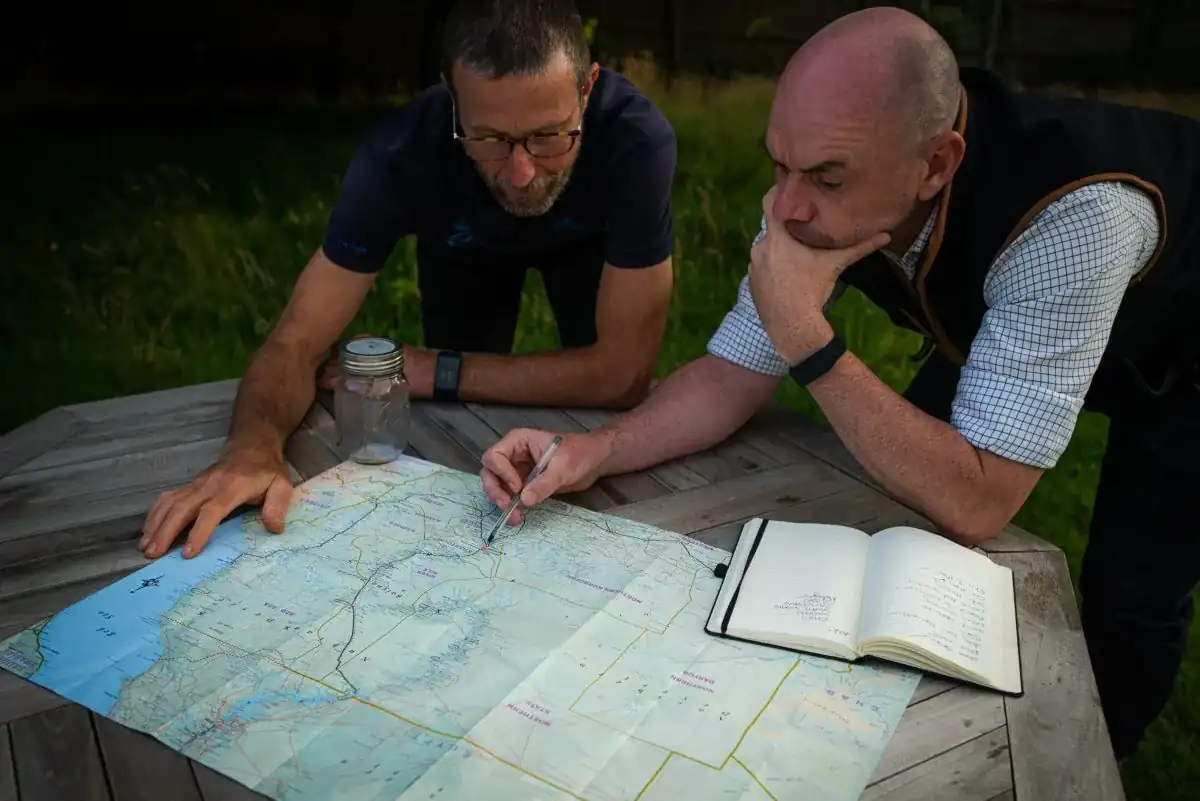
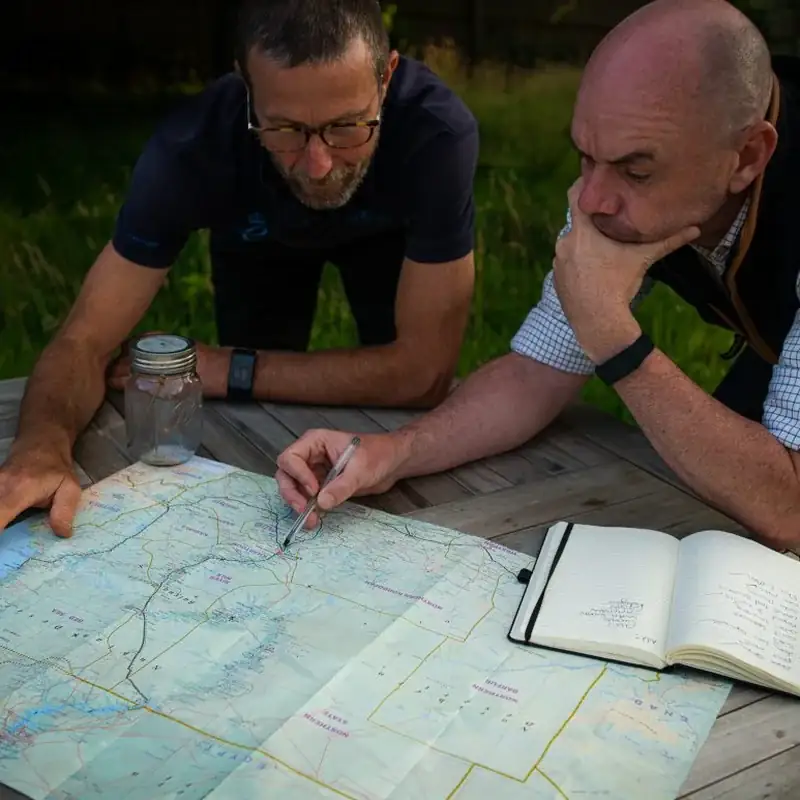
Every journey starts with a conversation. We take the time to understand your vision before we start planning.
Whether by phone or in person, we work with you directly to shape something that is considered, personal, and expertly delivered.
Every journey starts with a conversation. We favour a direct, personal approach: understanding your vision before anything else.
Whether by phone or in person, we work with you directly to shape a journey that is both thoughtfully considered and expertly delivered.
Get in touch to start planning yours.