
Where Protection Works
Both African rhinos came close to the edge, and in some regions they went over it. What brought them back was not luck but decades of unglamorous work: rangers, fences where fences help, communities cut into the revenue, and tourism that pays for all of it. So the question of where to see rhino is really the question of where that machinery runs best, and the answer spans Kenya, Tanzania and Zimbabwe.
The question of where to see rhino is really the question of where the protection machinery runs best.
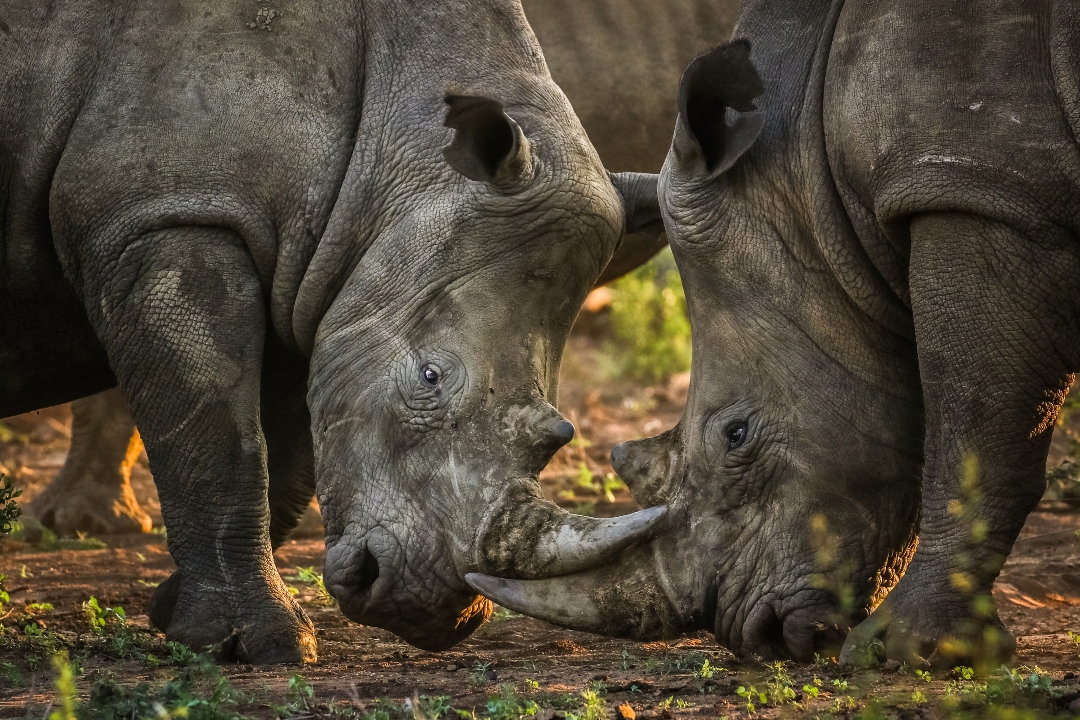
A practical note before the list: black and white rhinos offer different sightings. White rhinos graze open country in loose groups and are the easier find; black rhinos are browsers, more solitary and more secretive, and a good encounter with one still feels like a privilege earned. The five regions below cover both.
The five regions at a glance.
| Region | Country | Rhino | Best months |
|---|---|---|---|
| Lewa & Borana | Kenya | Black and white, on a shared conservancy landscape. | Year-round; driest Jul to Oct |
| Ol Pejeta | Kenya | East Africa’s largest black rhino population, plus the last two northern whites. | Jul to Sep |
| Ngorongoro Crater | Tanzania | A stable black rhino population on the crater floor. | Jun to Sep |
| Matobo Hills | Zimbabwe | White rhino tracked on foot among granite kopjes. | Apr to May, Sep to Oct |
| Hwange’s edge | Zimbabwe | White rhino returned after local extinction to community-run sanctuaries. | Year-round, guided visits |
Lewa and Borana, Kenya
Lewa and Borana dropped the fence between them to create a single conservancy landscape in Kenya’s northern foothills, and it has become one of the continent’s conservation reference points. Rangers patrol on foot and horseback, poaching has been kept to virtually nil, and early drives find black rhino browsing alongside Grevy’s zebra. Conservancy revenue runs schools and clinics as well as security, so a stay here is about as direct as conservation funding gets.

Ol Pejeta, Kenya
Between the Aberdare foothills and Mount Kenya, Ol Pejeta protects East Africa’s largest black rhino population together with southern whites, and it carries a heavier symbol: the world’s last two northern white rhinos live here under permanent guard. Waterholes framed by acacia draw rhino at dusk, night drives show the secret shift, and visitor fees underwrite the GPS tracking and mobile anti-poaching units. Mother and calf sightings are at their best from July to September.
Ngorongoro Crater, Tanzania
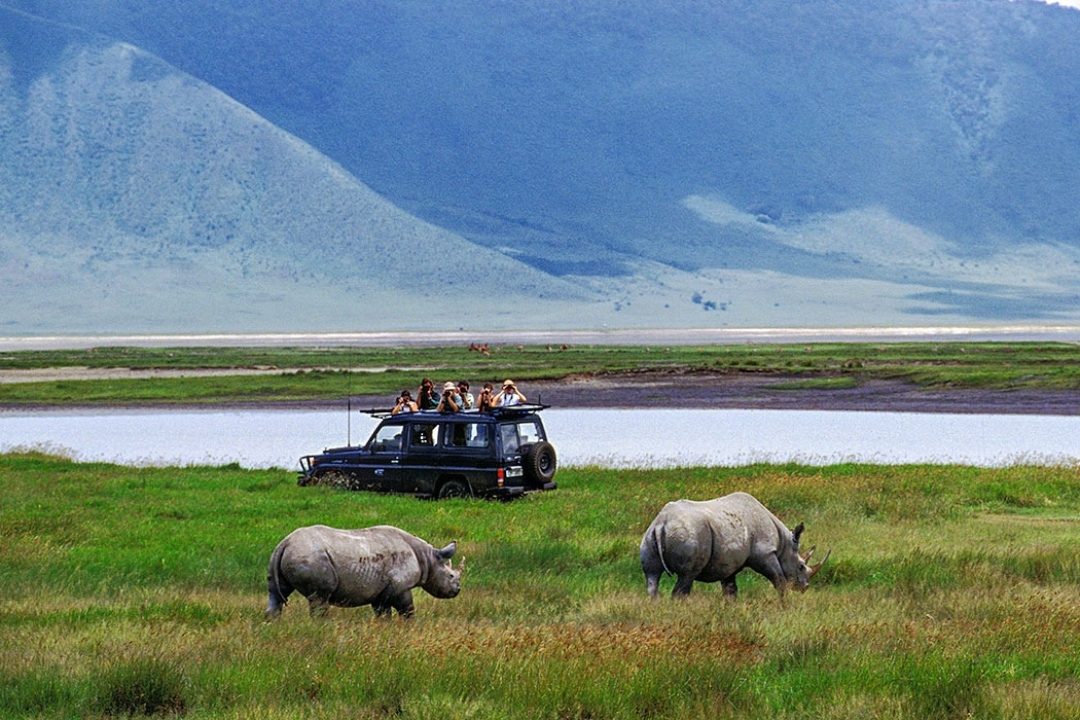
The crater floor holds a stable black rhino population in a natural amphitheatre where wildlife density makes sightings close to certain. Access to the crater floor is tightly controlled, which is why the smart play is a rim-side lodge and the first minutes after the dawn gate, when the rhinos are still out on the short grass and the floor is quiet. June to September concentrates the picture further.
Matobo Hills, Zimbabwe
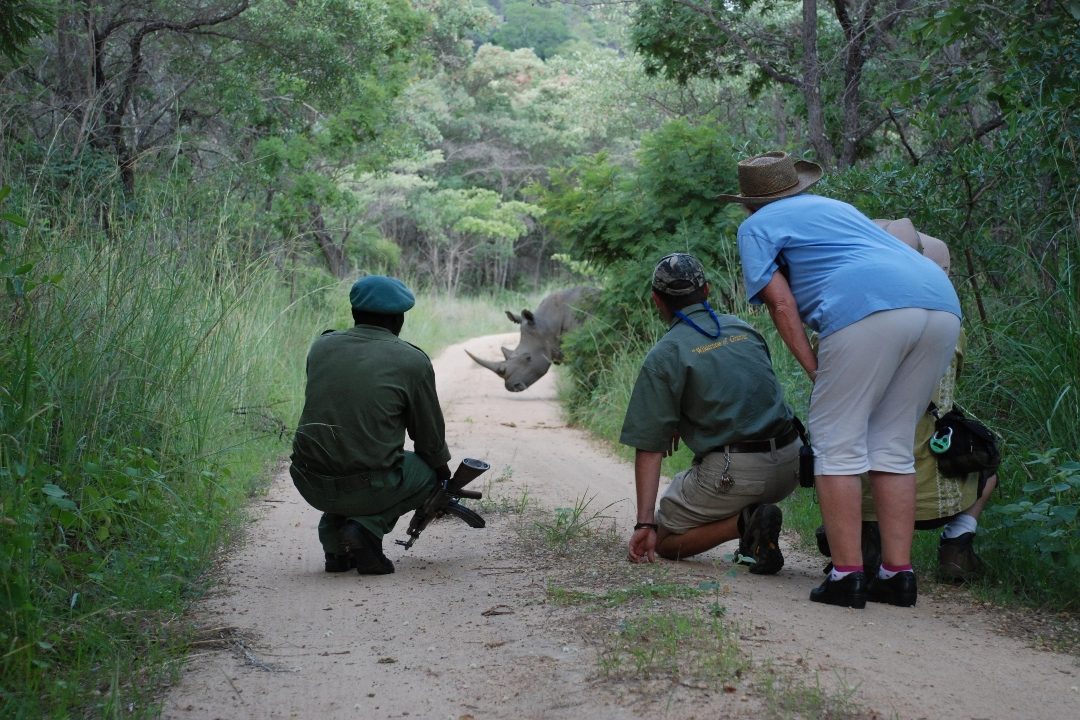
Matobo is the encounter that changes people. Among the granite kopjes south of Bulawayo, local trackers lead you to white rhino on foot, close enough to hear them feed. The hills themselves are a sacred landscape layered with rock art and history, and the cooler months, April to May and September to October, are the best walking weather. If a single rhino experience is all a trip allows, this is the one we argue for.
Hwange’s Community Sanctuaries, Zimbabwe
Hwange’s edge tells the comeback story at its rawest. The park’s last rhinos were poached out in the early 2000s; in 2022 white rhinos came back, to fenced sanctuaries on communal land at Ngamo, where villagers gave up grazing ground to hold them and a locally recruited anti-poaching unit guards them around the clock. Lodge fees pay for the rangers and for village boreholes alike, black rhino are the stated next ambition, and every visit here is a small vindication of the model.
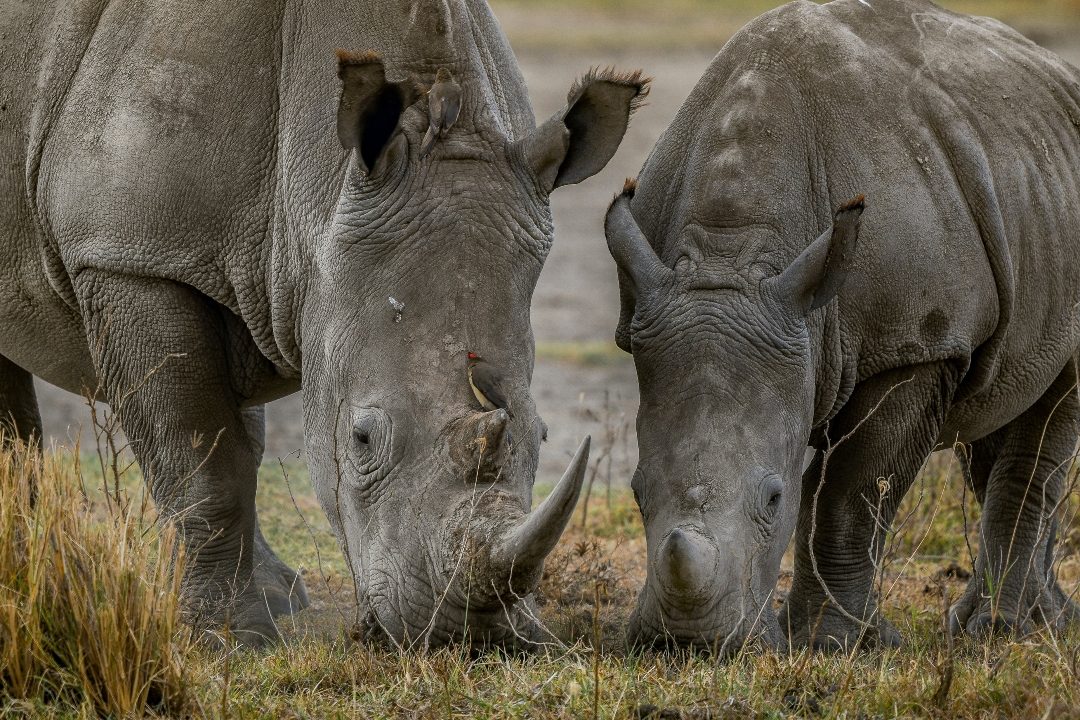
People assume rhino viewing means South Africa, and the five places above are my standing argument against that assumption. Tracking a white rhino on foot in Matobo, or watching a black rhino cross the crater floor at dawn, stays with guests in a way a checklist sighting never does. Tell us which kind of encounter you want, on foot or from the vehicle, and we will point the itinerary at the right one.
Managing Director
Your next adventure starts with a conversation.
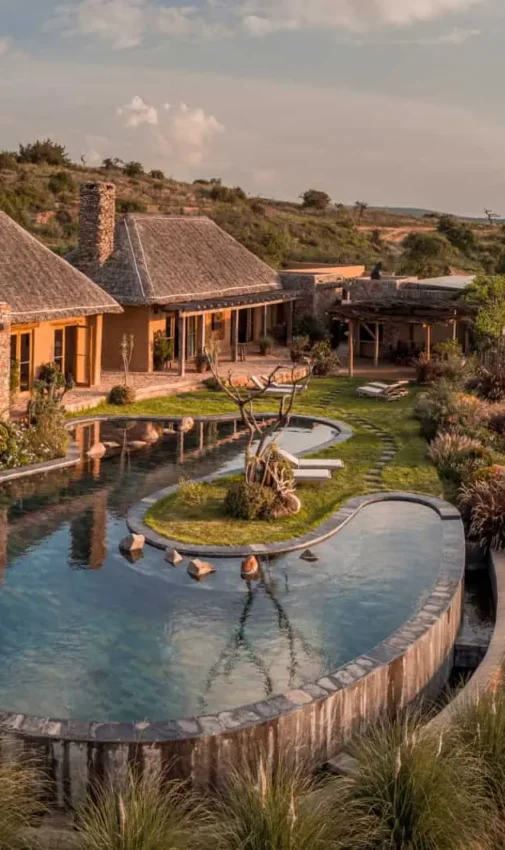
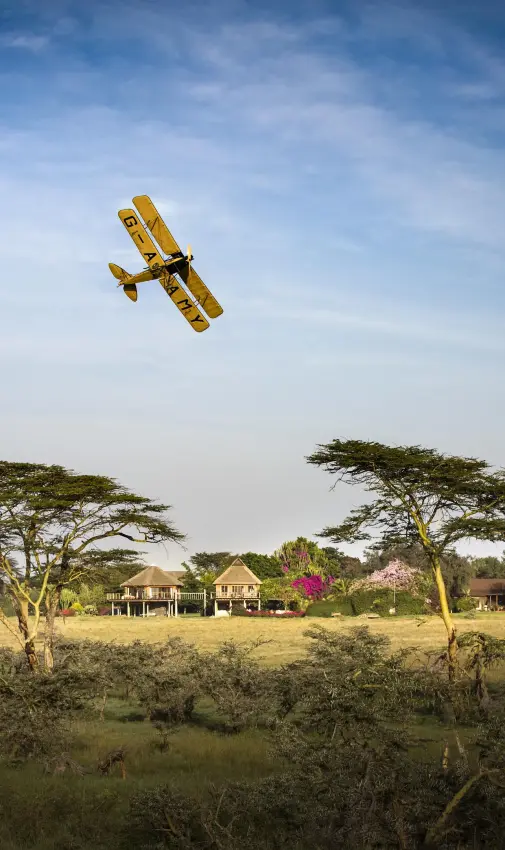
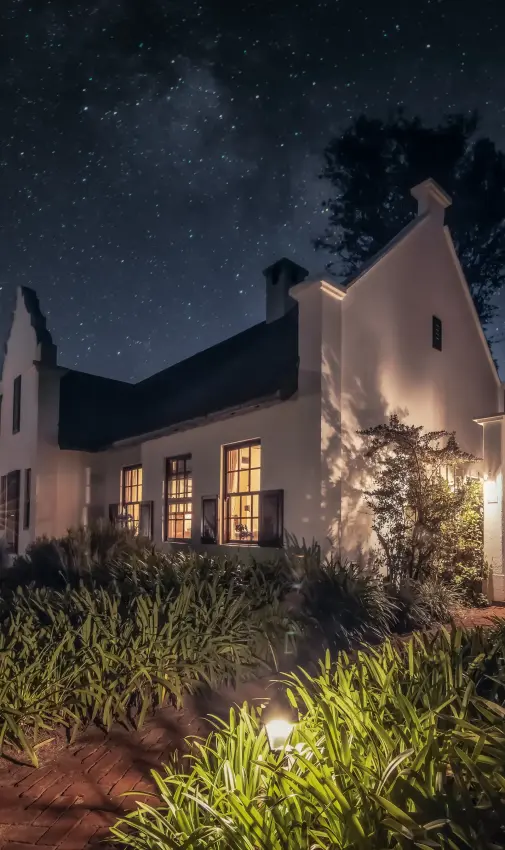
recommended camps and lodges for rhino
 01
01

 02
02

 03
03

 04
04
 05
05
 06
06
 07
07
 08
08
 09
09
 10
10
Find out more about our rhino safaris
Let us know your travel requirements below and one of our specialists will be in touch with you as soon as possible.